Autocar India
RG

Ritika Goyal

12w

I am looking to buy an EV under ₹20 lakh for city commuting and want a 360-degree camera for tight spaces. Which are good options, excluding MG?

Autocar India team

Autocar India

Verified
11w
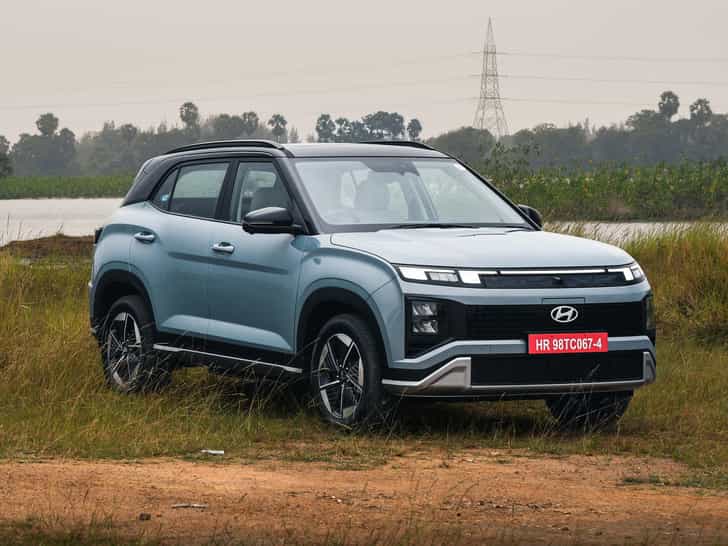
The Tata Nexon EV is a good option to consider. It is a sub-4-meter SUV that’s easy to manage in tighter spaces, and it offers a 360-degree camera. However, within your Rs 20 lakh budget, you could also get the Hyundai Creta Electric.
While it will be bigger in size, it is a more well-rounded EV with more space and better reliability. It would be costlier than the Nexon EV, but the base version would come in under your Rs 20 lakh budget.
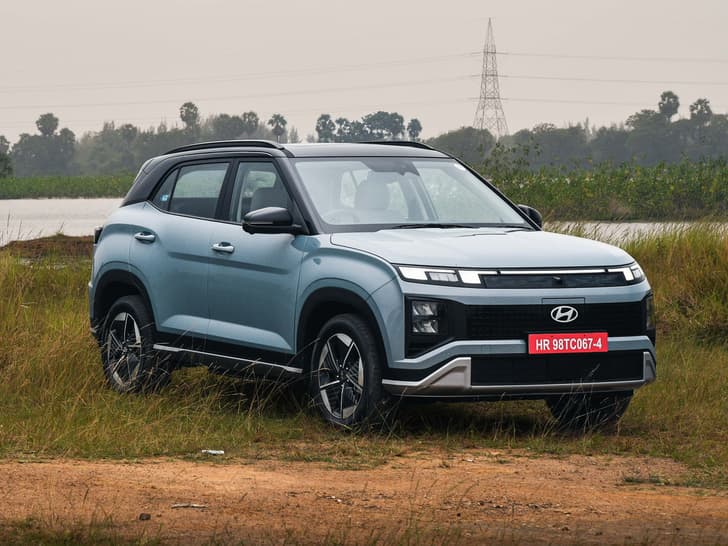
Hyundai Creta Electric

Hyundai Creta Electric

More questions on similar cars

VJ

Vishwesh Jirgale

21h

Hi Autocar Team, I am very happy with my Hyundai i10 and am now looking to switch to an electric car, as 99% of my commute is within the city. My average monthly running is around 1,000 km, and we rarely travel to Konkan (around 500 km round trip). My main criteria are safety and comfort. I was inclined towards the Hyundai Creta Electric, but I have come across mixed reviews online. How do the Mahindra BE 6 and Tata Curvv EV compare to the Creta Electric? What would I be missing if I choose the Creta? Could you please guide me on the best option for my usage?

Autocar India team

Autocar India

Verified
7h

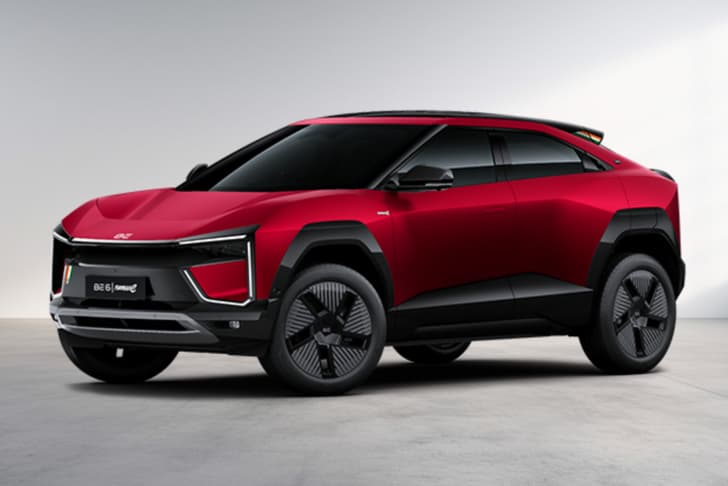
You're right to lean towards the Hyundai Creta Electric. Range, efficiency, performance and features aside, you'll mainly appreciate it for its comfort and practicality. Being a Hyundai, it will feel like a natural upgrade from your i10, and you're already integrated into the brand's wide ecosystem. The Creta EV's suspension takes bad patches of road well, so daily commutes are less tiring. It's as spacious as a regular Creta, which means a big boot, a wide rear seat and ample in-cabin storage; it even has a small frunk under the bonnet. As for the EV powertrain, it scores high on refinement, smoothness and progressive power delivery. It's incredibly efficient too, and can easily deliver upwards of 7km/kWh in city traffic. Plus, regen modes are easily accessible via the paddle shifters, and performance feels strong enough. Your next best bet is the Mahindra BE 6, which offers up much more performance and a funky and high-tech interior. Moreover, it looks futuristic, whereas many find the Creta too ordinary-looking for an EV. The trade-off is space, practicality and ergonomics, where the Creta scores much higher than the BE6.Interestingly, though the BE6 has a much larger battery (79kWh) than the Creta Electric (51.4kWh), their overall real-world range is very similar, as the Creta is significantly more efficient in city traffic. You should be advised that using any EV over long distances requires some planning, given the current state of charging infrastructure today.

VehicleHyundai Creta Electric
VehicleMahindra BE 6
ER

Eric

23h

I am interested in buying a Hyryder or a Grand Vitara strong hybrid, specifically for their fuel efficiency. My question is, with the government pushing for E85 or E100 in the future, should I wait for CAFE III norm-compliant vehicles to enter the market instead of purchasing an E20-compliant vehicle now?

Autocar India team

Autocar India

Verified
5h

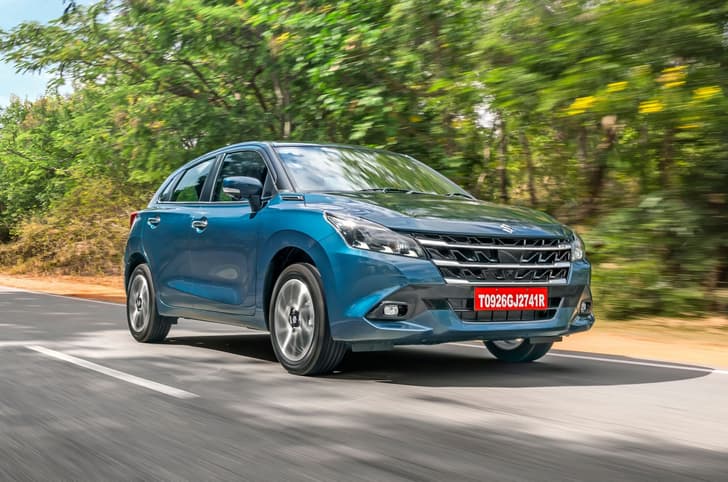
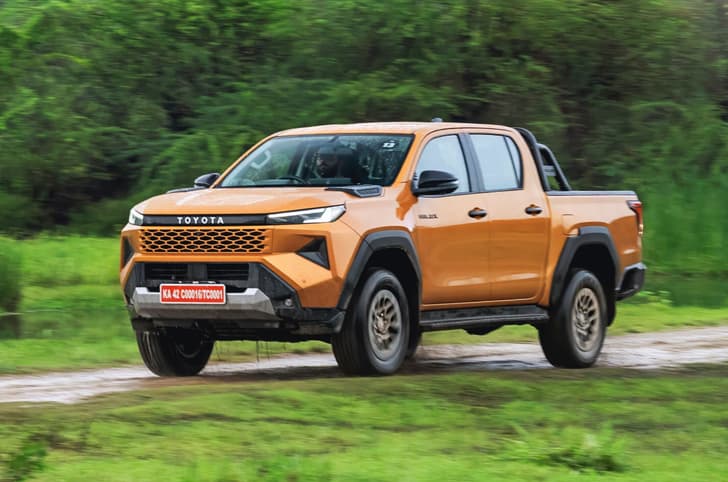
Vehicles designed to run on E20 fuel simply cannot run on E85. Fuel grades of E85 and above, require hardware changes and thus, whenever the government decides to introduce these fuels, it will have to ensure supply of lower ethanol blends too. From that point of view, it is safe to purchase a car today as the fuel to run it, will have to be supplied even after the introduction of E85 fuel. The Toyota Hyryder and the Maruti Suzuki Grand Vitara are essentially the same vehicle, thus pick the one that offers you a better deal.

VehicleToyota Urban Cruiser Hyryder
VehicleMaruti Suzuki Grand Vitara
MB

MB

16h

I am considering the Kia Clavis petrol for my family of six. I am a relaxed driver with mostly city usage and occasional long road trips. I am conscious about my budget but willing to stretch if it is the right choice for the next 7 years. I am confused about which transmission to choose — naturally aspirated petrol, turbo petrol manual, or turbo petrol DCT. I have heard about DCT issues in slow-speed traffic and uphill driving. Given this, would going with the naturally aspirated petrol be sufficient, or should I consider the turbo petrol manual instead? Currently, I drive a Honda City i-VTEC manual, and during uphill driving with a full load, it feels underpowered and requires frequent downshifts. Could you please advise on the best option for my usage?

Autocar India team

Autocar India

Verified
8h

You have already experienced how a naturally aspirated engine feels under load in your Honda City, especially on inclines. In a larger and heavier car like the Kia Carens Clavis, that limitation will be even more noticeable. With six people on board and occasional hill drives, the naturally aspirated petrol will feel strained and require frequent downshifts, which takes away from the relaxed driving experience you are looking for.The turbo petrol solves this. It offers stronger low and mid-range performance, making city driving easier and highway or hill driving far more effortless, even with a full load. It reduces the need for constant gear changes and feels more relaxed in real-world conditions. The DCT does offer convenience, but your concern is valid. In slow traffic and uphill situations, it can feel less smooth and slightly hesitant, which does not suit your usage.That said, since you are based in Gurugram, where traffic can get quite heavy, you should be prepared for the manual to feel tiring in daily stop-and-go conditions. If convenience becomes a bigger priority, the DCT is still usable, but it comes with the trade-off of low-speed smoothness.

VehicleKia Carens Clavis

Posted on: 7 Feb 2026