
Autocar India
RS

Rajesh singh

7w

With respect to my earlier query, I have booked the Maruti E Vitara Zeta variant, which is 61kW. Will this be a sensible buy, as I am replacing it with a 2016 Brezza diesel manual that has done 1.07 lakh km? The E Vitara would be automatic, as electric cars are. I plan to keep it for 10 years for city driving and occasional highway use, or would you suggest any other electric in this price band with the same battery pack and reliability as MS? Monthly run is 900km.

Autocar India team

Autocar India

Verified
6w
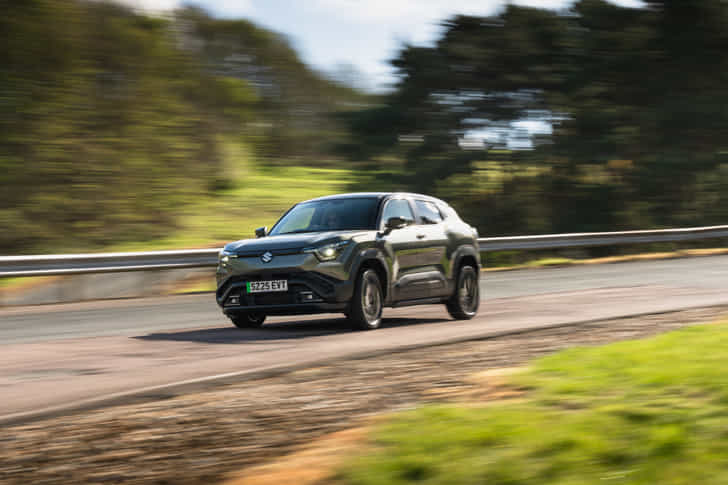
The Maruti Suzuki E Vitara is a sensible electric car, backed by Nexa's widespread sales and support network. It is also equipped with a large 61kWh battery, with which you can expect a highway range of approximately 370km on a full charge - city range will be better. The interiors feel premium, performance is smooth, and its light steering and tight turning radius make it very easy to manoeuvre. That said, the E Vitara's user experience is flawed, the floor is high, which results in a knees-up seating, and its suspension isn't as sorted as some rivals.
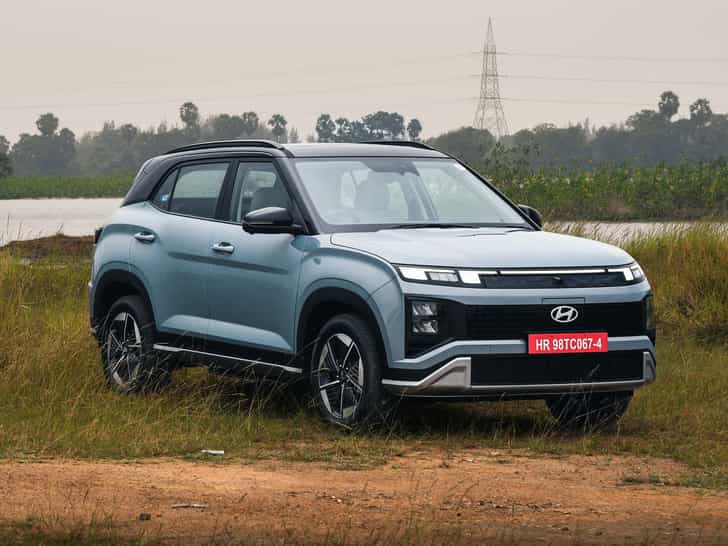
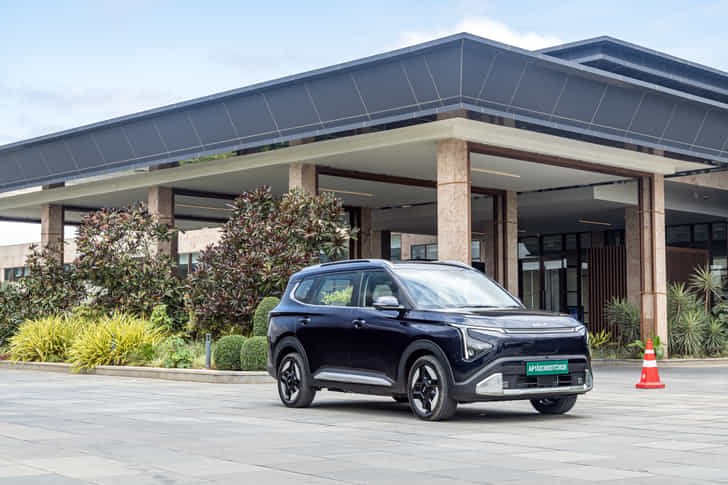
We would suggest that you consider the entry-level variants of the Kia Carens Clavis EV or Hyundai Creta Electric, both of which cover the basics well. Yes, these have a smaller 42kWh battery, but their powertrain is very efficient, which will deliver impressive real-world range. Overall, both these are excellent options for similar money as the E Vitara.
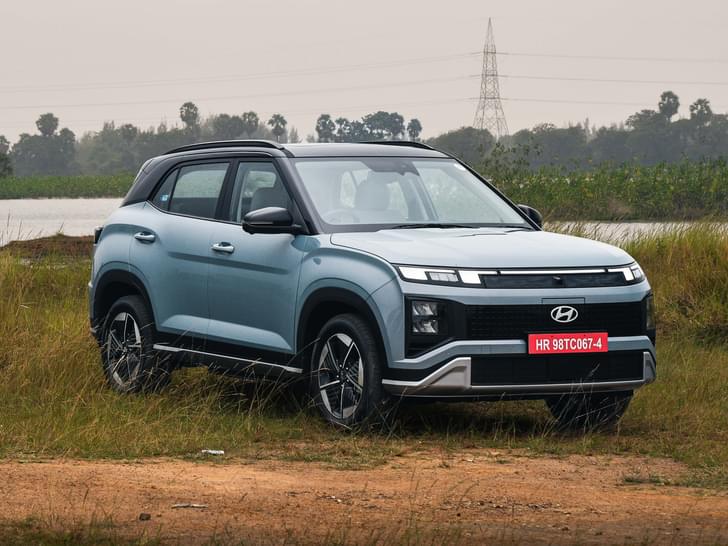
Hyundai Creta Electric

Hyundai Creta Electric

More questions on similar cars

SY

Siddharth Yadav

1w

I live in New Delhi and currently own a Honda Elevate (2023). My daily city commute is around 100 km. I want to buy an EV and have shortlisted the Toyota Urban Cruiser Ebella and the Hyundai Creta Electric. Please suggest which one would be better, especially in terms of air conditioning, as Delhi gets extremely hot in the summer. Most of my driving is in bumper-to-bumper traffic.

Autocar India team

Autocar India

Verified
9h

Both the Toyota Urban Cruiser Ebella and the Hyundai Creta Electric should cope well with brutal Delhi summers. Both cars are equipped with automatic climate control and rear AC vents, so basic cooling performance will not be a deal-breaker in either.However, the Ebella story in India is still evolving. Toyota has unveiled the car and opened bookings, but prices and full variant details are only being drip-fed and final ex‑showroom pricing has still not been announced, which is unusual this long after a reveal and suggests Toyota is still not clear on its India EV strategy. That uncertainty could affect delivery timelines.The Hyundai Creta EV, on the other hand, is based on a well‑proven package with a clear India focus. It offers a roomy, practical cabin, a larger and more usable boot, and plenty of comfort features, including dual‑zone automatic climate control and rear vents that will help keep occupants cool in slow, bumper‑to‑bumper traffic. For a 100 km daily Delhi commute, its balance of efficiency, space and everyday usability makes it the more sorted and predictable choice today.

VehicleToyota Urban Cruiser Ebella
VehicleHyundai Creta Electric
BA

Bcm ARJUNA

1w

I am confused which car to buy: Creta EV or Mahindra BV 6?

Autocar India team

Autocar India

Verified
2d

These two EVs are quite different in character and how you would use them. The Hyundai Creta Electric is a no-nonsense, practical SUV that is spacious, user-friendly, and very efficient. With a 51kWh battery delivering over 400km of real-world range, this Hyundai car is well-suited for everyday commuting and family use. The interface is intuitive, and there is a strong sense of familiarity if you have experienced the regular Creta; the EV variant essentially feels like a Creta with an electric powertrain.The Mahindra BE 6, on the other hand, is all about making a statement. Its radical design will turn heads, though it may feel a bit too polarising for some. It is the more driver-focused option here, with a sportier feel and impressive ride quality. The range is competitive too, but practicality takes a hit because the rear seat is not as accommodating, and the infotainment and controls are not as intuitive as those in the Hyundai.In the end, it comes down to your priorities. If you want a comfortable, easy-to-live-with EV that works well as a daily family car, the Creta Electric is the safer bet. If you are after something more distinctive, sporty, and primarily for self-driving enjoyment, the BE 6 fits the bill better.

VehicleMahindra BE 6
VehicleHyundai Creta Electric
JA

J A Christopher

4d

Are EVs prone to motion sickness? My daughter feels nauseated even in ICE cars during continuous 40-50 km travel. Will an EV worsen this? Kindly advise.

Autocar India team

Autocar India

Verified
2d

Motion sickness in cars is usually caused by inconsistent movement, not the fuel type. It happens when the body senses motion, but the eyes do not match it, which is common in stop-and-go driving, frequent braking, body roll or jerky acceleration over longer drives.In petrol cars, this often comes from gear shifts, uneven power delivery and sudden braking, while in electric cars it can come from instant acceleration or strong regenerative braking if driven abruptly. So the root issue is how smooth or jerky the car feels, not whether it is petrol or electric.This is where newer EVs can actually help. Cars like the Hyundai Creta Electric and Kia Carens Clavis EV are among the smoothest to drive, with very linear acceleration, no gear shift shocks and a comfortable ride. Driven gently, they feel far more consistent in their movement compared to their petrol or diesel versions, which can reduce the chances of nausea.Compared to your Fiat Punto Evo, both will feel like a clear upgrade in refinement, ride comfort and overall smoothness.

VehicleHyundai Creta Electric
VehicleKia Carens Clavis EV

Posted on: 5 Mar 2026