Xcent: Replace With EV?
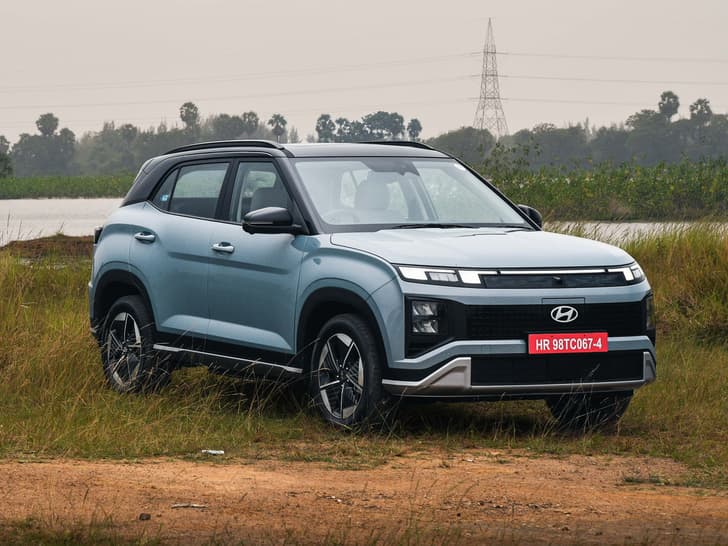


Last Updated on: 11 Oct 2026
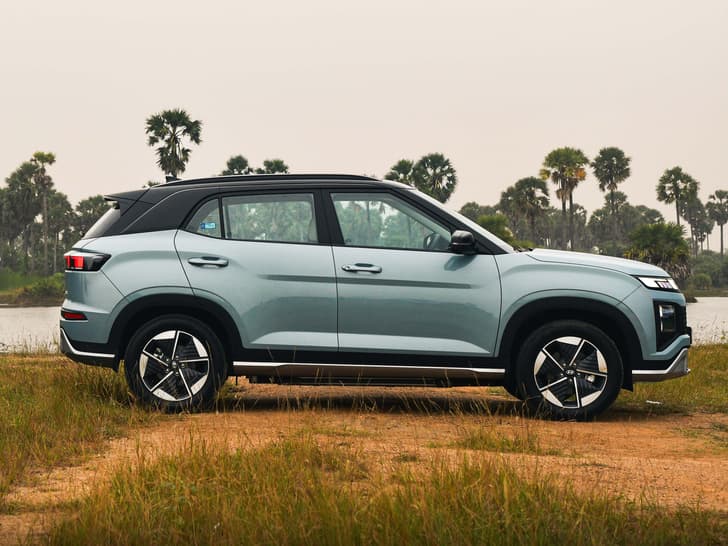
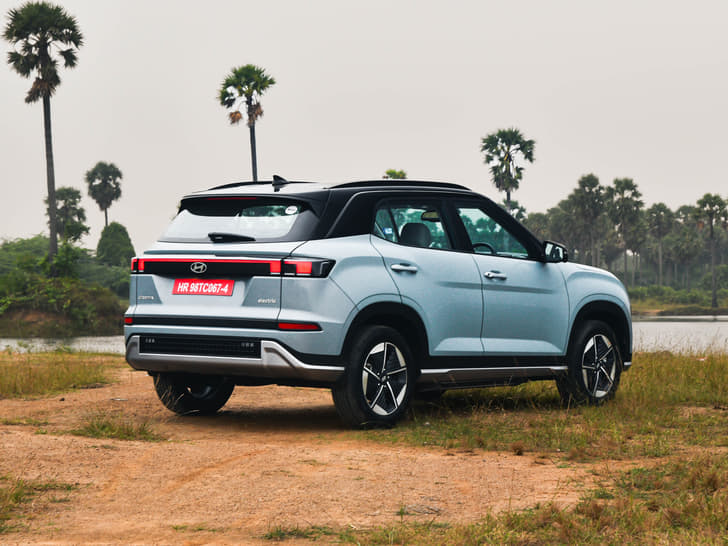
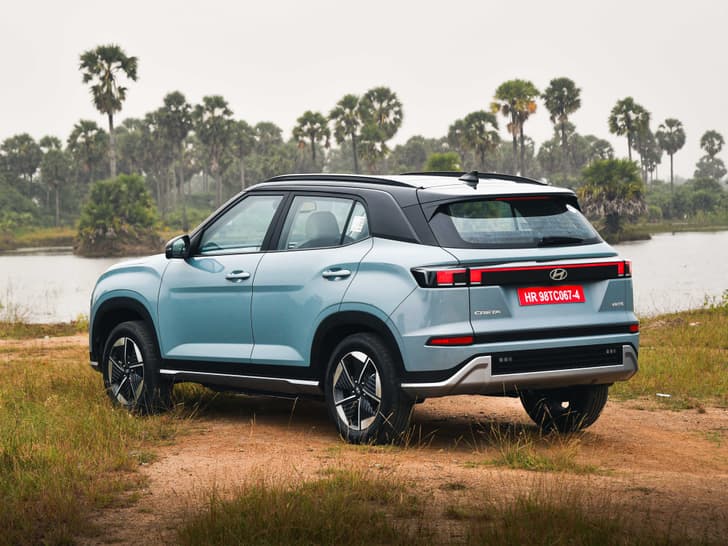
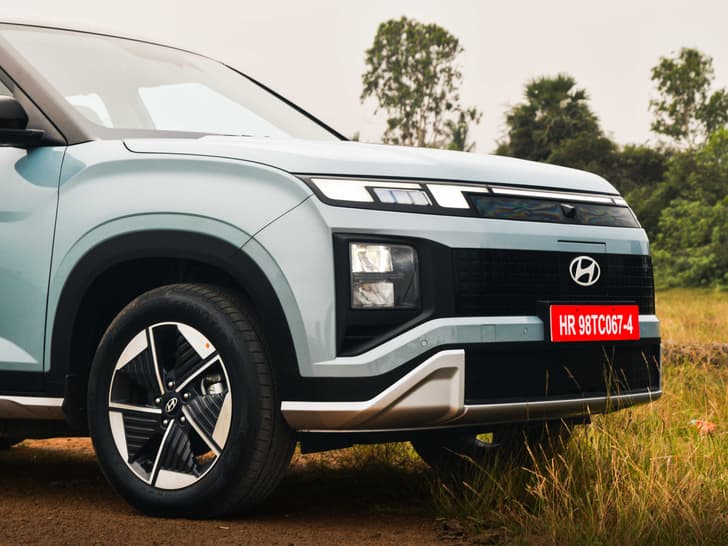
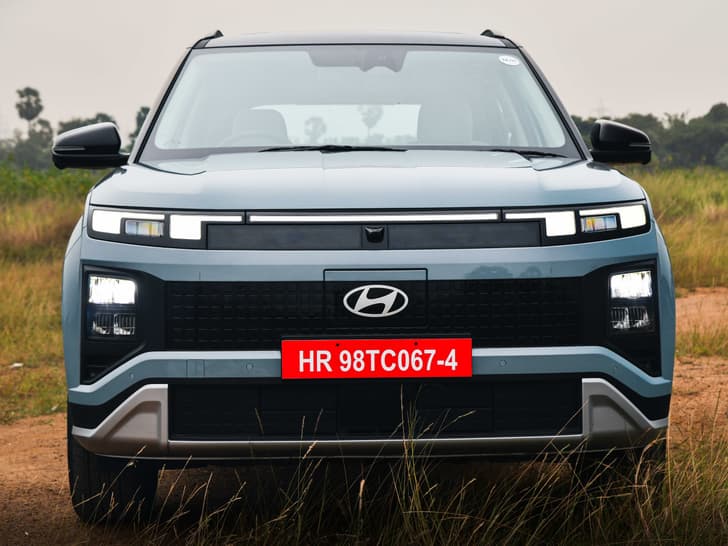
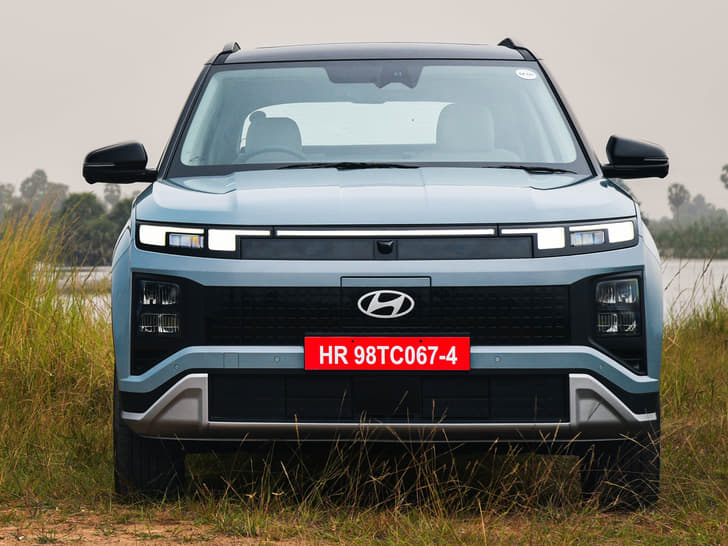
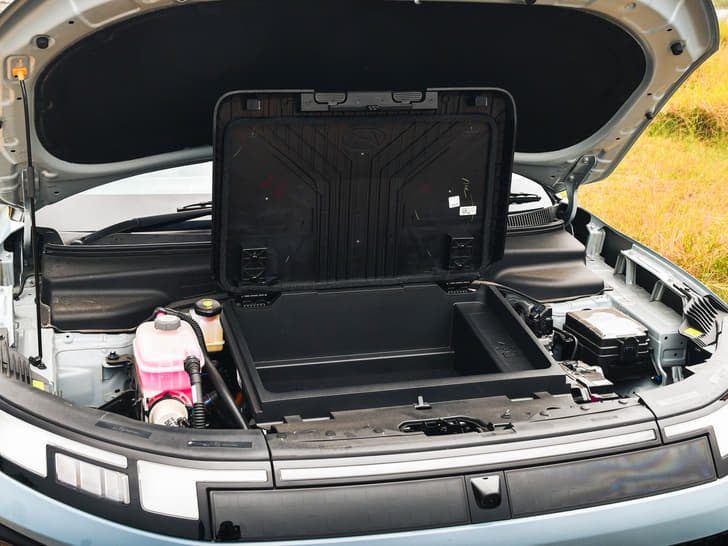
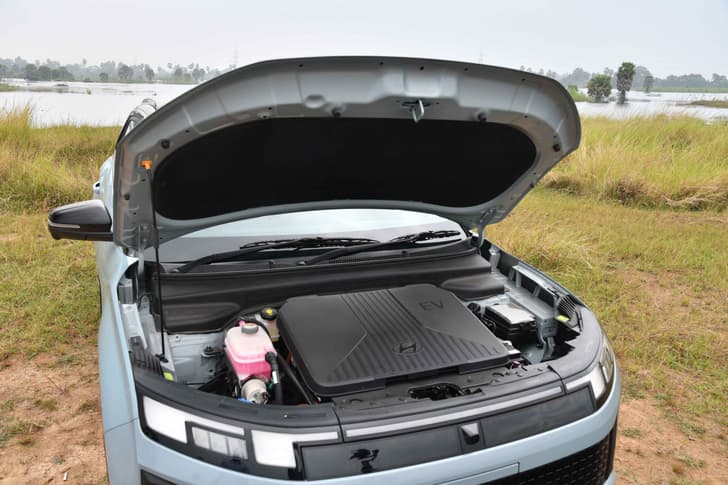
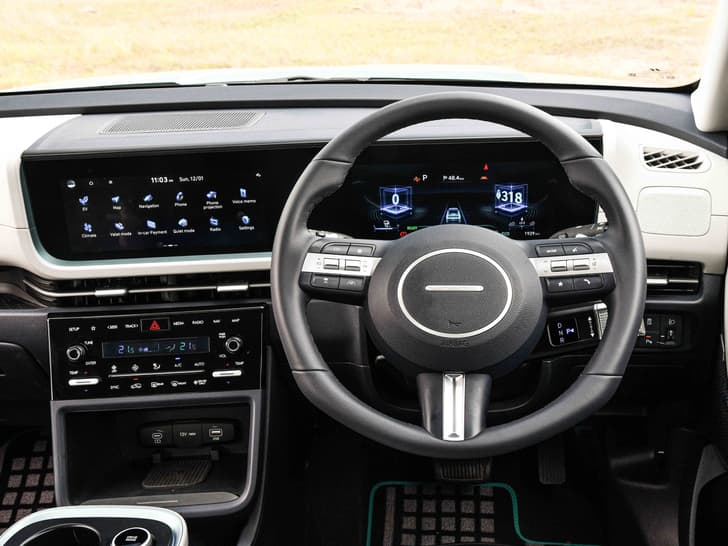
Fuel Type/ Propulsion | Electric |
Motor Type | Permanent Magnet Synchronous Motor |
Number of Motors | 1 |
Pure Electric Driving Mode | Yes |
Gearbox Type | Auto |
Number of Gears | 1 |
Drive Layout | Front Wheel Drive |
Lockable Differential/s | No |
Max Motor Power | 171hp |
Max Motor Torque | 255Nm |
Terrain Modes | No |
Auto Start/Stop | No |
Battery Capacity | 51.4 kWh |
Charging Time | 58 min 10% to 80% (50kW DC), 4.50 hrs 10% to 100% (11kW AC) hrs |
Claimed Range | 510 km |
Autocar Tested City Efficiency | 7.0 km |
Autocar Tested Highway Efficiency | 8.8 km |
Autocar Tested EV Range | 406.06 km |
0-100kph | 8.15 s |
20-80kph (in third gear/ kickdown) | 4.67 s |
40-100kph (in fourth gear/ kickdown) | 5.55 s |
Front Suspension Type | Independent, MacPherson Strut |
Front Springs | Coil Springs |
Rear Suspension Type | Non-independent, Torsion Beam |
Rear Springs | Coil Springs |
Damper Control | No |
Ride Height Adjust | No |
Type of Power Assist | Electric |
Steering Adjust type | Manual |
Steering Adjust | Tilt and Telescopic |
4 Wheel Steer | No |
Turning Radius | 5.3 m |
Front Brakes | Discs |
Rear Brakes | Discs |
Wheel Size | 17 inches |
Front Tyre Size | 215/60 R17 |
Rear Tyre Size | 215/60 R17 |
Wheels | Alloys |
Spare Wheel | Full Size |
Length | 4340 mm |
Width | 1790 mm |
Height | 1655 mm |
Wheelbase | 2610 mm |
Ground Clearance | 200 mm |
Chassis Type | Monocoque |
Boot Capacity | 433 litres |
Doors | 5 |
| Power Windows | Front and Rear |
| Cup Holders | |
| Rear Window Sun Shades | |
| Front Seatback Pockets | |
| Bluetooth Connectivity | |
| Trunk Light |
| Airbags | 6 |
| Anti-Lock Brakes (ABS) | |
| Video Recording | |
| Heads Up Display | |
| Leading Vehicle Departure Alert | |
| Auto emergency braking (AEB) |
| Body Coloured Bumpers | |
| LED DRLs | |
| Door Handle Finish | Body Coloured |
| Welcome and Goodbye Animation | |
| Projector Headlamps | |
| Illuminated Logo |
| Speedometer | Digital |
| Tachometer | Digital |
| Trip Meter | |
| Average Fuel Consumption | |
| Average Speed | |
| Distance to Empty |
| Audio System | |
| CD Player | |
| Speakers | 4 |
| Second Row USB port | 2 Type C |
| Front USB port | Type C |
| Inbuilt Music App |
| Service Reminder Via App | |
| Find My Car | |
| Over the air (OTA) updates | |
| In Car Payment | |
| Emergency Call Button | |
| Geo Fence |
 Electronic Stability ControlFully Digital Digital Instrument ClusterOn-board Satellite NavigationOver the air (OTA) updatesFabric Seat MaterialPanoramic SunroofFront Only Ventilated SeatsLeatherette Seat MaterialRear Window Sun ShadesRear Windscreen Sun ShadeFront & Rear Parking SensorsFabric Seat MaterialWireless Phone ChargingAutomatic Day Night Interior MirrorElectronic Stability ControlAdaptive Cruise ControlVoice Assisted SunroofBose Branded Music SystemElectric Adjust for Driver's SeatSequential Turn IndicatorsLevel 2 ADASHigh Beam AssistPanoramic SunroofBose Branded Music SystemDigital KeyTraction ControlVideo PlayerRear Seat Backrest ReclineAdaptive Cruise ControlPanoramic SunroofHands-free Boot OpeningFabric Seat MaterialPanoramic SunroofSequential Turn IndicatorsElectric Adjust for Driver's Seat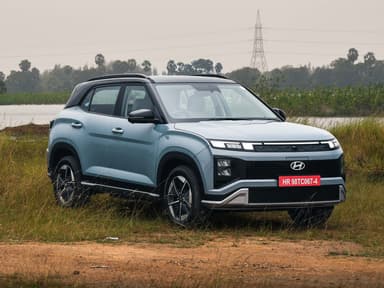
Join the Discussions
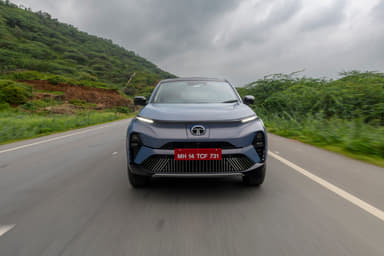
Hello Autocar Team, I’m planning to buy an EV in November 2026. Please suggest one between the following options: Hyundai Creta Electric 51.2kWh Smart (O) and Tata Nexon EV Empowered Plus

 Hyundai Creta ElectricTata Nexon EVKia Syros EV
I am based in Navi Mumbai and am planning to buy an electric SUV or MPV. My daily commute is around 25km, while I typically drive 200km on weekends. I currently own a 2017 Hyundai Creta 1.6 diesel manual and have test-driven the Hyundai Creta Electric, BYD eMax 7 and Kia Carens Clavis EV. With a budget of Rs 30 lakh, which 6-seater electric SUV or MPV would be suitable for long-term ownership? I am also concerned about BYD's after-sales service and would like to understand how it compares with the other options in terms of service support and long-term reliability.
Kia Carens Clavis EVHyundai Creta ElectricBYD eMax 7I am 59 years old and have been driving a Hyundai Xcent since 2014. It has covered 1,20,000 km, and I am due to retire at 60. Should I change my car now, and what car should I consider for two people, with monthly highway and hill trips covering Ooty, Mysuru and Bengaluru? I have a monthly running of around 1,500 km. Should I consider an EV, and if so, which one would suit my needs?
Hyundai Creta ElectricI usually travel around 3,000km a month. My Skoda Slavia 1.0 top-end variant has already covered 63,000km in one year and 10 months. I am now planning to shift to an EV. My running includes two outstation trips every month, along with daily travel of around 100km. On weekends, I typically travel 150-200 km. My budget is around Rs 20 lakh. Which EV would suit my needs best? Kindly suggest.
Hyundai Creta Electric