Creta EV or Sierra EV: Buy?


Last Updated on: 13 Oct 2026
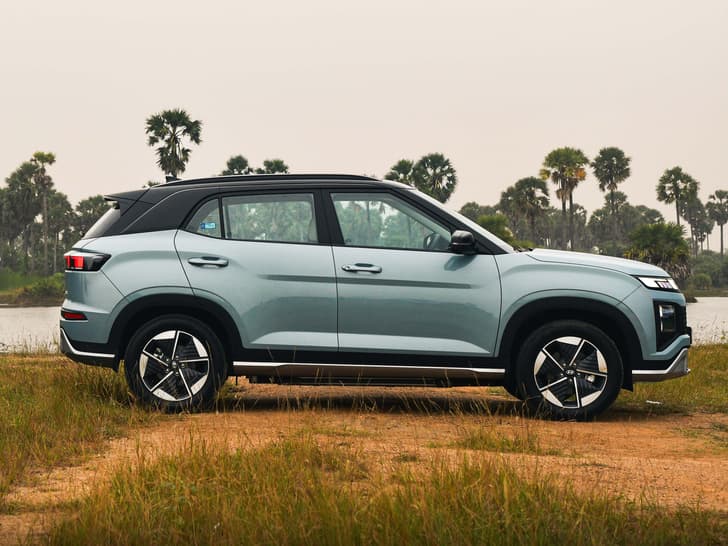
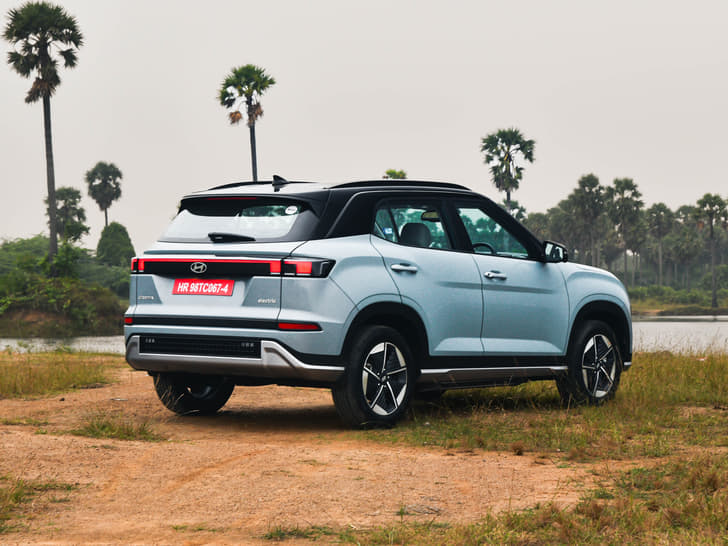
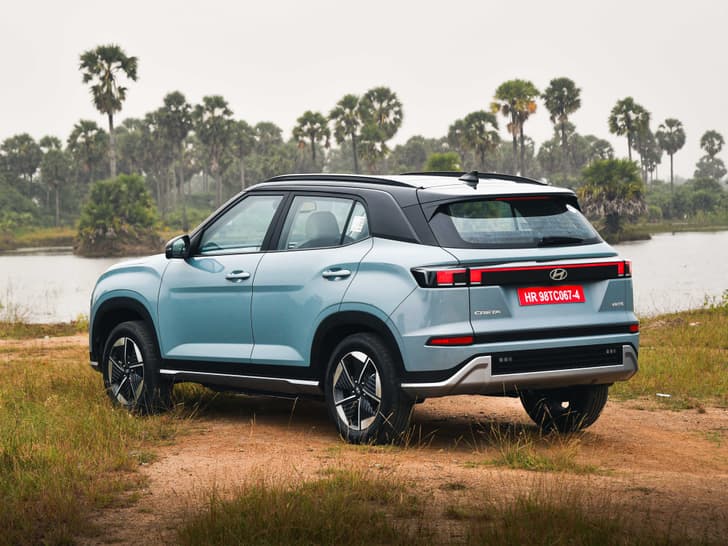
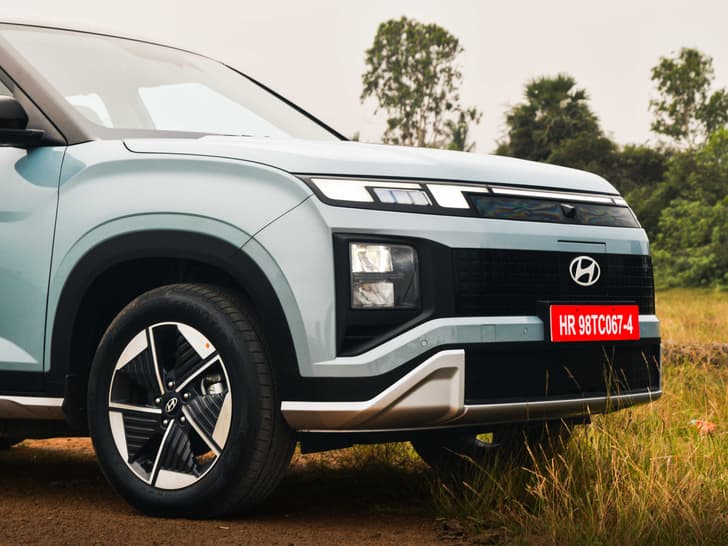
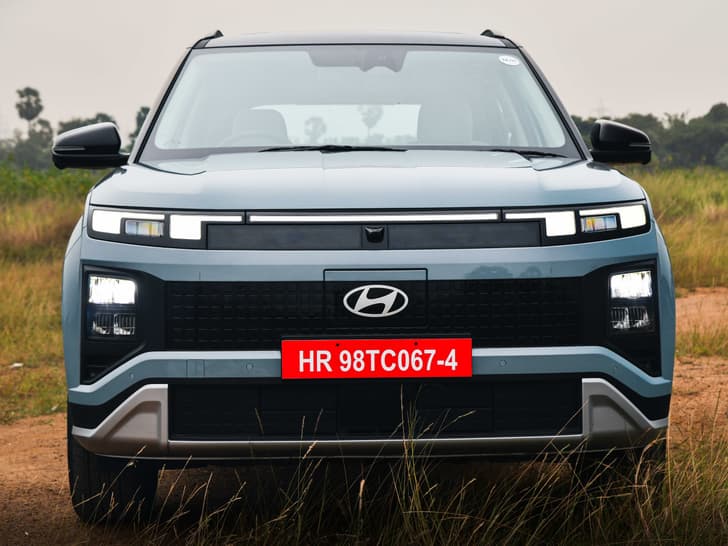
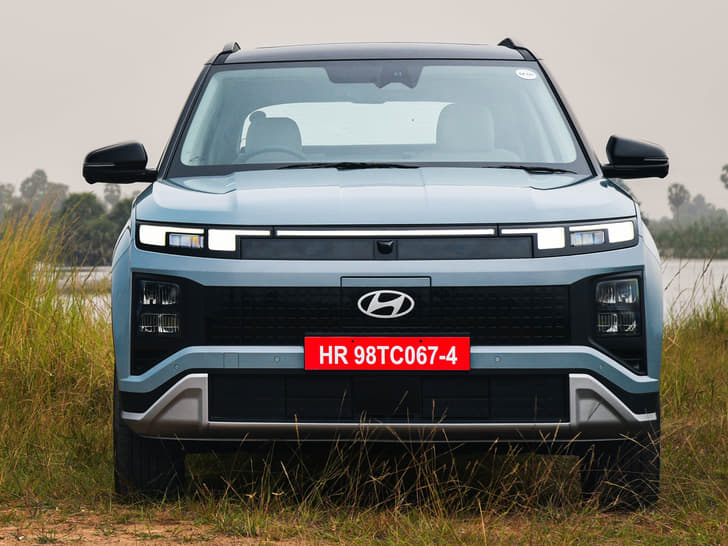
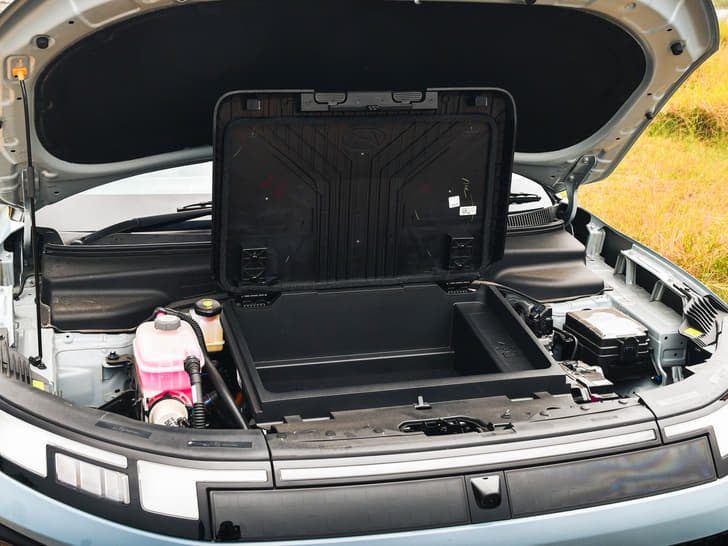
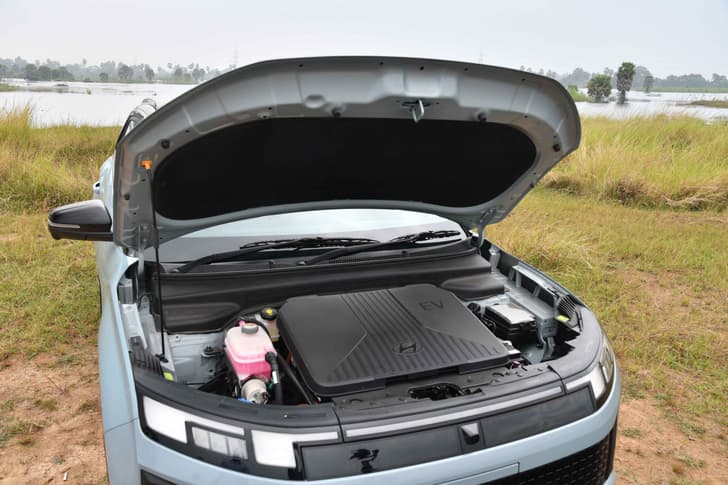
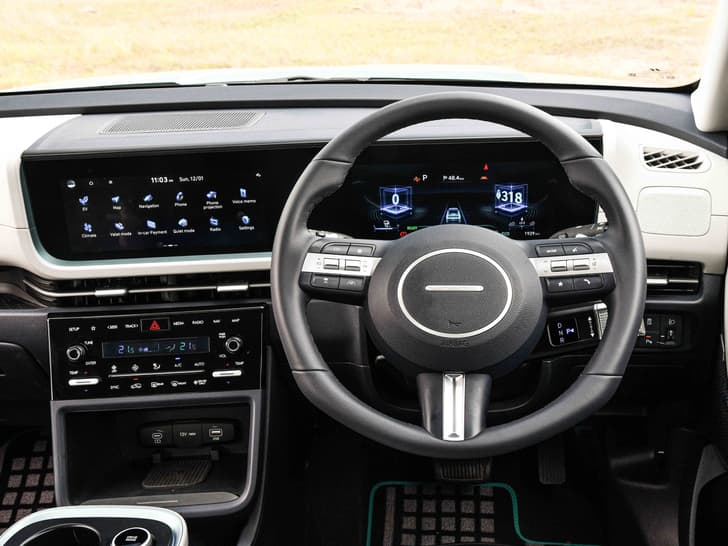
Fuel Type/ Propulsion | Electric |
Motor Type | Permanent Magnet Synchronous Motor |
Number of Motors | 1 |
Pure Electric Driving Mode | Yes |
Gearbox Type | Auto |
Number of Gears | 1 |
Drive Layout | Front Wheel Drive |
Lockable Differential/s | No |
Max Motor Power | 135hp |
Max Motor Torque | 255Nm |
Terrain Modes | No |
Auto Start/Stop | No |
Battery Capacity | 42 kWh |
Charging Time | 58 min 10% to 80% (50kW DC), 4 hrs 10% to 100% (11kW AC) hrs |
Claimed Range | 420 km |
Front Suspension Type | Independent, MacPherson Strut |
Front Springs | Coil Springs |
Rear Suspension Type | Non-independent, Torsion Beam |
Rear Springs | Coil Springs |
Damper Control | No |
Ride Height Adjust | No |
Type of Power Assist | Electric |
Steering Adjust type | Manual |
Steering Adjust | Tilt and Telescopic |
4 Wheel Steer | No |
Turning Radius | 5.3 m |
Front Brakes | Discs |
Rear Brakes | Discs |
Wheel Size | 17 inches |
Front Tyre Size | 215/60 R17 |
Rear Tyre Size | 215/60 R17 |
Wheels | Alloys |
Spare Wheel | Full Size |
Length | 4340 mm |
Width | 1790 mm |
Height | 1655 mm |
Wheelbase | 2610 mm |
Ground Clearance | 200 mm |
Chassis Type | Monocoque |
Boot Capacity | 433 litres |
Doors | 5 |
| Power Windows | Front and Rear |
| Front Seatback Pockets | |
| Rear Reading Lamp | LED |
| Bluetooth Connectivity | |
| Rear Window Sun Shades | |
| Driver rear view monitor (DRVM) |
| Airbags | 6 |
| Side Airbag | |
| Dual Tone Horn | |
| Driver Airbag | |
| Door Ajar Warning | |
| Video Recording |
| Body Coloured Bumpers | |
| LED fog lamps | |
| LED headlamps | |
| LED taillights | |
| LED DRLs | |
| Illuminated Logo |
| Speedometer | Digital |
| Tachometer | Digital |
| Trip Meter | |
| Average Fuel Consumption | |
| Average Speed | |
| Distance to Empty |
| Audio System | |
| Second Row USB port | 2 Type C |
| Inbuilt Music App | |
| Front USB port | Type C |
| Speakers | 8 |
| Branded Music System | Bose |
| Emergency Call Button | |
| Remote AC On / Off via App | |
| Summon Mode | |
| In Car Payment | |
| Find My Car | |
| Alexa Compatibility |
 Electronic Stability ControlFully Digital Digital Instrument ClusterOn-board Satellite NavigationOver the air (OTA) updatesFabric Seat MaterialPanoramic SunroofFront Only Ventilated SeatsLeatherette Seat MaterialRear Window Sun ShadesRear Windscreen Sun ShadeFront & Rear Parking SensorsFabric Seat MaterialWireless Phone ChargingAutomatic Day Night Interior MirrorElectronic Stability ControlAdaptive Cruise ControlVoice Assisted SunroofBose Branded Music SystemElectric Adjust for Driver's SeatSequential Turn IndicatorsLevel 2 ADASHigh Beam AssistPanoramic SunroofBose Branded Music SystemDigital KeyTraction ControlVideo PlayerRear Seat Backrest ReclineAdaptive Cruise ControlPanoramic SunroofHands-free Boot OpeningFabric Seat MaterialPanoramic SunroofSequential Turn IndicatorsElectric Adjust for Driver's Seat
Join the Discussions
Hello Autocar Team, I’m planning to buy an EV in November 2026. Please suggest one between the following options: Hyundai Creta Electric 51.2kWh Smart (O) and Tata Nexon EV Empowered Plus

 Hyundai Creta ElectricTata Nexon EVKia Syros EV
Hi, I'm considering the Hyundai Creta electric 42kw. I wanted to know if I should wait for its facelift since I have heard about a possible facelift for ICE version in 2027.
Hyundai Creta ElectricI'm planning to buy a new car with an on-road budget of up to Rs. 30 lakh in India. I want a car that offers excellent comfort, low running costs, and a relaxed driving experience for my daily commute. 1. My Driving Profile -Average monthly driving: 2,500 km -Driving conditions: 60% suburban roads and Highway and 40% city traffic -Long-distance trips: One or two trips per month -Current car: 2017 Maruti Suzuki Baleno, manual transmission 2. Comfort and Ergonomics I'm approximately 6 feet tall and currently experience fatigue and leg pain during my daily commute in my manual Baleno. My top priority is to find a car with: -An automatic transmission for easier driving, especially in traffic. -Excellent front-seat comfort and adequate legroom. -Good driving posture, lumbar support, and adjustable seating. -A comfortable suspension setup for daily commuting and long journeys. -Low cabin noise and minimal driver fatigue. 3. Running Costs and Powertrain -Low running costs and excellent overall energy efficiency are important. -I have charging facilities available at home, so I'm open to considering an electric vehicle (EV). -I'm also willing to consider petrol, diesel, or hybrid vehicles if they offer better overall value. -I want to compare energy or fuel costs, maintenance, insurance, and long-term ownership costs. 4. Family Requirements -The car will primarily be used for my daily commute. My family occasionally travels with me, so rear-seat comfort is also important. -I'm open to both 5-seater and 7-seater options, provided the car meets my comfort and cost requirements. 5. Budget and Ownership -Maximum on-road budget: Rs. 30 lakh -I want a reliable car that offers good value for money over long-term ownership. -I plan to use the car for several years, so durability, battery longevity (for EVs), resale value, and total cost of ownership matter. Please suggest a car.
Hyundai Creta ElectricMaruti Suzuki BalenoKia SeltosI am confused between the Hyundai Creta Electric and the Tata Sierra EV. I am a little hesitant about the Sierra because of the glitches being reported, whereas the Creta Electric seems to have been relatively problem-free based on what I have heard so far. I also feel that the Creta Electric's motor is better refined, as the motor noise in the Sierra seems to creep into the cabin at speeds above 50kmph. Kindly advise me on which one would be the better choice.
Hyundai Creta ElectricTata Sierra EVHi Autocar Team, I own a Maruti Suzuki Grand Vitara AT (non-hybrid) and spend around Rs. 12,000-14,000 per month on petrol. Its city mileage has dropped from around 13 kmpl to 10 kmpl. I also have solar panels at home, so EV charging would be almost free or cost a maximum of Rs. 3-4 per unit. I am confused about whether I should replace the Grand Vitara with an EV or keep it and buy a Tata Tiago EV for daily city use. Am I thinking too much about fuel savings? Should I simply keep the Grand Vitara and avoid buying a second car altogether? I would like to hear from people who have been in a similar situation. What makes more financial sense in the long run?
Maruti Suzuki Grand VitaraTata Tiago EVKia Syros EVHyundai Creta ElectricKia Carens Clavis EVMG Hector Tomahawk EV