Autocar India
9w

I’m from Chennai. I currently own two manual petrol cars - an S-Cross Zeta (Feb 2022) that has run 40,000 km, and a Grand i10 Nios Asta (Dec 2016) that has run around 30,000 km. I’m considering whether it makes sense to sell/exchange both cars and move to a single automatic car. My usage is around 1,200 km per month, with 90% city driving and 10% highway use. Would this be a sensible move? If yes, which automatic car would you recommend in the ₹15-17 lakh budget range? Or would you recommend an EV?

Verified
9w

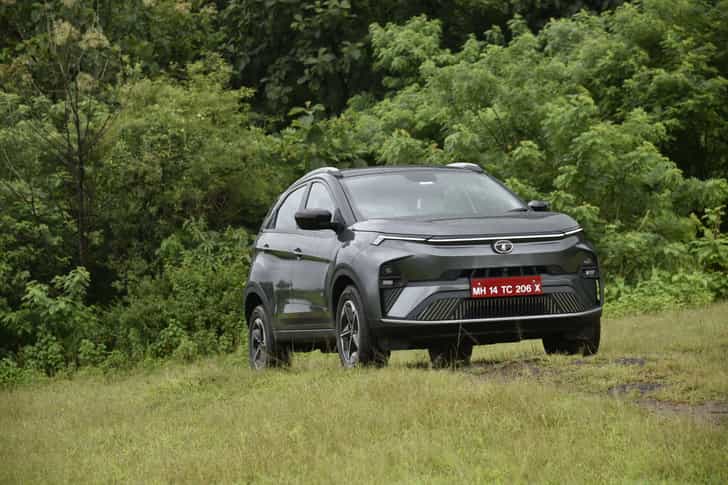
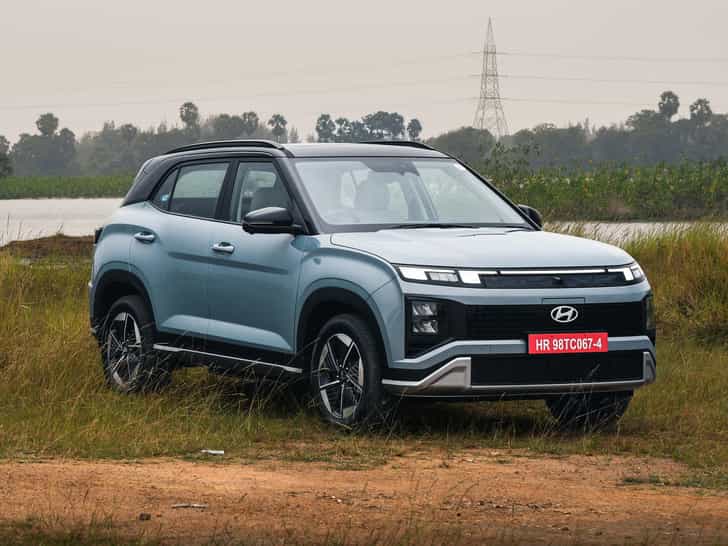
With 1,200 km a month in Chennai and mostly city traffic, moving to one automatic is sensible if your family’s schedules work with a single car. In that use, the Tata Nexon EV Medium Range is the stronger fit in your Rs. 15-17 lakh window. It is very smooth in stop-and-go traffic, there is no clutch heat or strain, and the instant response makes gaps easy. Your monthly running suits an EV well, and if you can install a home charger, you start each day with a full “tank” and very low running costs. As your only car, the Nexon EV has enough space for a small family, rides comfortably over broken patches, and feels easy to place in tight lanes and parking. If you can stretch your budget, the Hyundai Creta EV would make for a much better EV with a better driving experience and a larger and more comfortable car. 

Two watch-outs: you need a fixed parking spot with charging, and longer highway trips will need some planning around chargers.

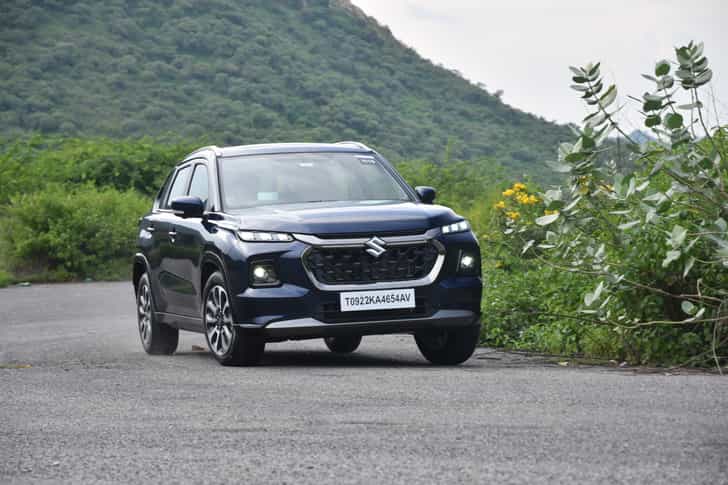
If you would rather stay with petrol, pick the Maruti Suzuki Grand Vitara automatic in a mid trim. It keeps life easy in traffic, sits a bit higher for a better view, and you already know Maruti service from your S-Cross, and if you can stretch for the hybrid, it will keep your fuel costs in check.  

Overall, for city-heavy use, the Nexon EV makes the most sense.
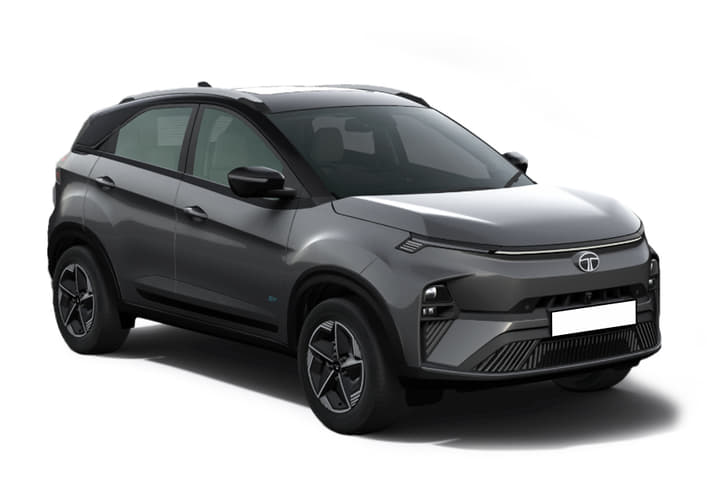
Tata Nexon EV

Tata Nexon EV

Want to sell your car?

Sell your car at the right price, without the stress.

More questions on similar cars

1w

Dear Autocar team, I own a 2022 Mahindra XUV300 W4 manual, which has covered around 50,000 km so far. Also, my father owns a manual Maruti Wagon R that was purchased about 1.5 years back. My daily commute is at least 50-70 km, with a mix of city and highway driving. Given the rising running costs and the increasing hassle of driving a manual in heavy traffic, should I continue with the XUV, or replace one of these two cars with an EV? The lower the budget, the better. However, my father needs a car with a high seating position and easy ingress and egress, while my priorities are safety, ride comfort, and suspension quality. Please advise.

Verified
3h

Given your daily running of 50-70 km with a mix of city and highway driving, rising fuel costs and the increasing inconvenience of driving a manual in traffic, moving to an electric car makes a lot of sense. The Mahindra XUV300 diesel is still a very capable car, but at 50,000 km it is already well into its depreciation curve, and the cost savings from switching to an EV will start to add up quickly given your usage.The bigger question is which car to replace. Since your father needs a high seating position and easy ingress/egress, the Maruti Suzuki Wagon R is actually a good fit for him, and it makes more sense to replace the XUV300. For your requirements of safety, ride comfort and suspension, the Tata Nexon EV is the best fit. It has a comfortable ride, a robust suspension setup and a proven track record as a daily workhorse. The Nexon EV will significantly reduce your running costs, and the instant torque of the electric motor will make city driving far less stressful. With your daily running, the payback period on the higher upfront cost will be relatively short. The only caveat is that you will need to have access to home charging to make the ownership experience seamless.

VehicleTata Nexon EV
VehicleMaruti Suzuki Wagon R
5d

Hi, I'm planning to buy an EV with a budget of under 20 lakh. How is the used EV market in India? What are the common issues that arise during ownership, especially while the battery is still under warranty? Also, what are the typical service costs?

Verified
2d

The used EV market is still evolving, and there is no clear pattern at the moment with regard to value. The biggest factor affecting resale value is battery health, so cars with a healthy battery and a clear service history tend to hold value reasonably well. The key is to buy a car that is still within the manufacturer’s battery warranty period, and make sure that the warranty is transferable to the new owner. In terms of problems, electric cars have far fewer moving parts than ICE cars, so there is less to go wrong mechanically. The most common issues tend to be software glitches, infotainment bugs and occasional charging-related niggles. Battery degradation is the biggest long-term concern, but most modern EVs are holding up well, and manufacturers typically offer 8-year battery warranties. As long as the battery health remains within the warranty threshold, you are covered.Service bills are generally lower than ICE cars because there are no oil changes, fewer fluids and fewer wear items. Most service visits are basic checks, software updates and brake inspections. The main costs come from tyres as these can wear out faster thanks to the extra weight and instant torque they have to handle. The big unknown is out-of-warranty battery replacement, which can be expensive, but this is rare within the first 8-10 years if the car is well cared for.With a budget below Rs 20 lakh, however, you can actually opt for a new EV like the Tata Nexon EV, the MG Windsor or even the upcoming Kia Syros EV, and this may be a better option if you cannot find a good used electric vehicle.

VehicleTata Nexon EV
VehicleMG Windsor
4d

We are a family of three looking for a budget-friendly car, preferably a hybrid, with good mileage. Our budget is between Rs 15 lakh to Rs 20 lakh. One main requirement is that I am 6'2" tall, so I need a car that offers enough headroom and legroom. We currently own a Kia Sonet HTX Plus Turbo, but we are not happy with its average mileage. Since we live in Pune, where traffic is a major concern, fuel efficiency is a top priority. Pune is the fifth most congested city in the world and the second most congested city in India after Bengaluru. Please suggest the best car to buy within our budget.

Verified
2h

Given your budget, the Maruti Suzuki Victoris VXI Strong Hybrid CVT, the Grand Vitara Strong Hybrid Delta+ AT, and the Toyota Urban Cruiser Hyryder Petrol S Hybrid AT are all excellent cars under 20 lakhs. Do note that these are the entry-level variants of their respective hybrid line-ups, so they miss out on a few premium features. That said, all three of these hybrid cars share the same powertrain, underpinnings and are essentially the same car underneath, with the only differentiation being their interior and exterior design, so it ultimately comes down to which one appeals to you the most. Their powertrain is smooth and highly fuel-efficient, making it ideal for frequent city driving.All three should offer enough space and comfort for someone who is 6'2" tall in the front seats. However, rear headroom could be a bit of an issue.

VehicleMaruti Suzuki Victoris
VehicleMaruti Suzuki Grand Vitara
VehicleToyota Urban Cruiser Hyryder

Popular discussions right now
Posted on: 17 May 2026