Petrol cars in India (163)
Petrol powers almost every car type in India, from hatchbacks and sedans to MPVs and SUVs, and it remains the country's most popular fuel type by far. In June 2026, petrol cars accounted for 43.63% of retail sales, ahead of CNG (24.33%), diesel (16.02%), hybrid (8.27%) and EVs (7.75%), according to FADA data.

Petrol cars fall into two main types: those powered by naturally aspirated engines and those powered by turbocharged engines. Petrol cars sold after April 2025 are E20 compliant, while those sold prior were E5 or E10 compliant. Compared with similar diesel cars, petrol cars are generally more refined and smoother to drive, while also producing more horsepower with the same cubic capacity. Here are other factors that help keep petrol cars in demand and at the top:
- Lower upfront cost: A petrol car costs less than an equivalent EV and does not depend on access to a charger.
- Model choice: Petrol cars are offered across every body style, whether hatchback, sedan, SUV, MPV, convertible, etc. But that’s not the case with CNG or EV.
- Availability: Petrol pumps are available in nearly every part of the country. But that's not the case with CNG pumps (and even where they are available, you might have to wait in long queues) or EV charging stations.
- Fewer diesel-specific issues: A petrol car does not come with the extra upkeep that diesel engines need, such as periodic DPF cleaning or turbo-related servicing.
- Compatibility tested: Maruti Suzuki's data from 2.84 crore serviced vehicles found no E20-related corrosion, including in cars that were not originally certified for E20.
- Future-proofing: Locally made ethanol conversion kits, expected to cost around Rs 15,000 according to ISMA, could allow existing petrol cars to run on higher ethanol blends without an ECU change.
Petrol Cars in India: Quick Highlights
Benchmark | Car | Detail |
Cheapest petrol car | Maruti Suzuki S-Presso | Starts at Rs 3.50 lakh - (ex-showroom) |
Most expensive petrol car | Rolls-Royce Phantom | Starts at Rs 12.87 crore (ex-showroom) |
Most fuel-efficient petrol car | Maruti Suzuki Celerio | 26.68 kpl (ARAI, petrol automatic) |
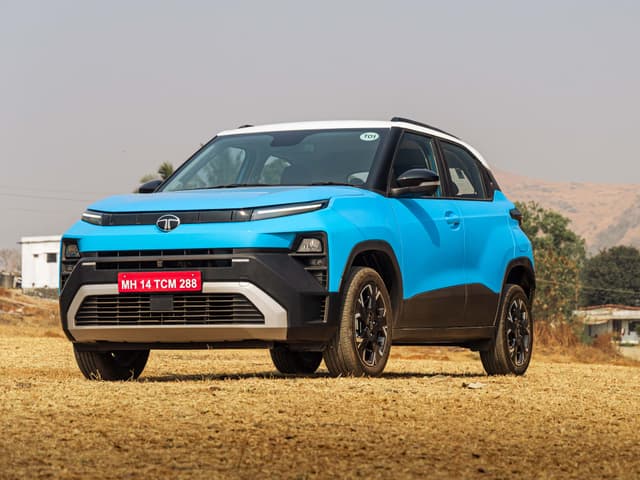
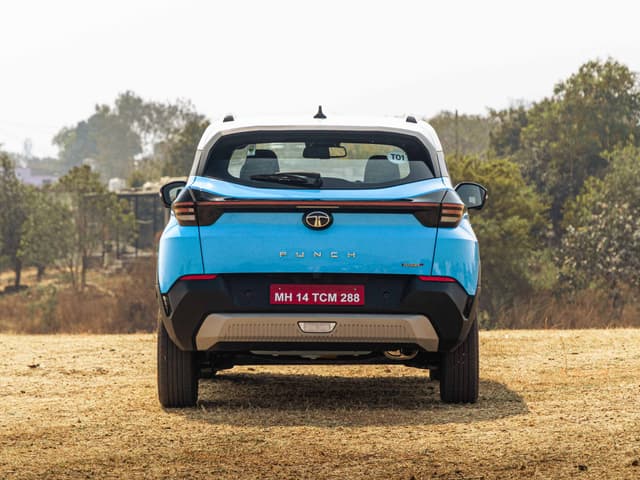
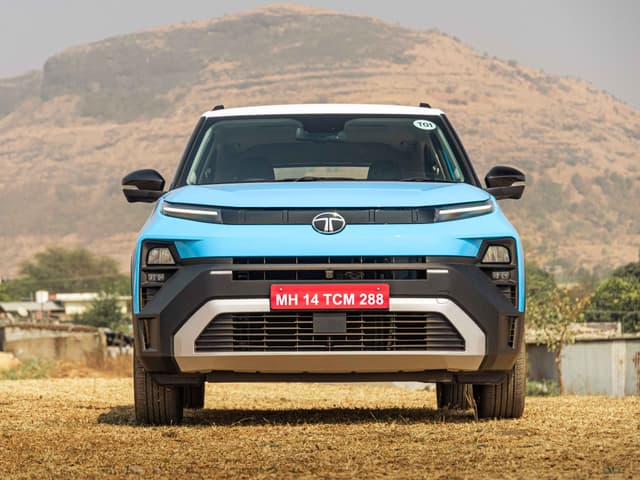
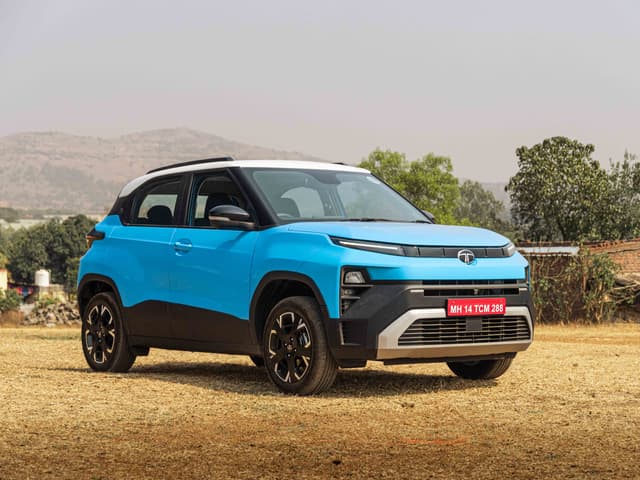
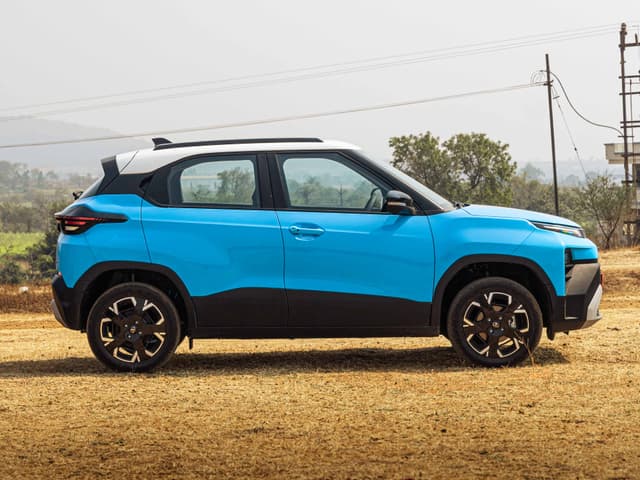
Best-selling petrol model as of Aug 2026 in India | Tata Punch | Topped the monthly sales chart |
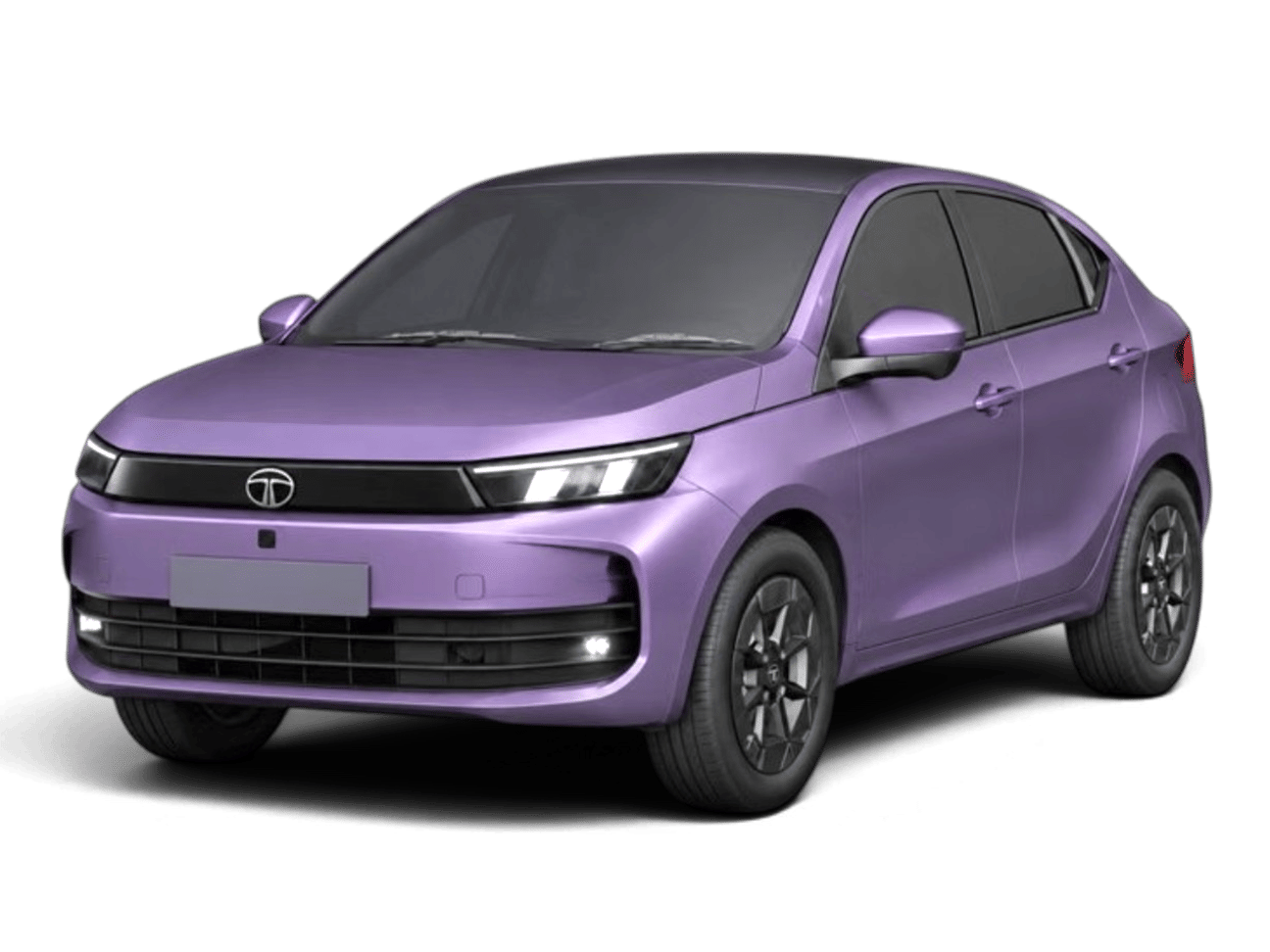
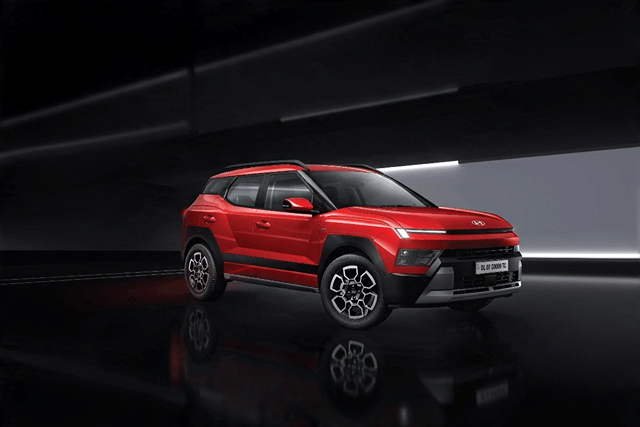
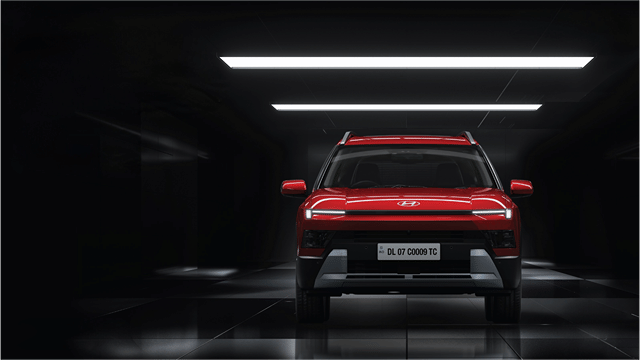
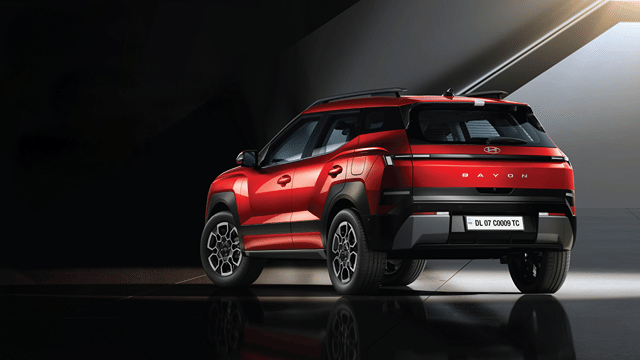
Upcoming petrol cars in India | Tata Tigor facelift, Renault Bigster, Audi New Q3, Hyundai Bayon, etc. | 29 models |
New Petrol Cars Launched in 2026
If you are looking for new petrol cars in 2026, here are some of the most awaited models launched this year:
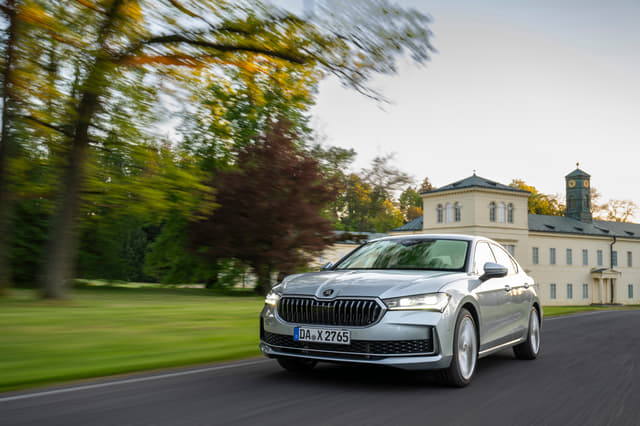
- Skoda Octavia RS: A second, 100-unit batch went on sale in September 2026 at Rs 56.69 lakh ex-showroom. Petrol-only, with a 2.0-litre turbo (265hp, 370Nm) and 7-speed DCT, 0-100 kph in 6.4 seconds. Won Performance Car of the Year at the Autocar India Awards 2026.
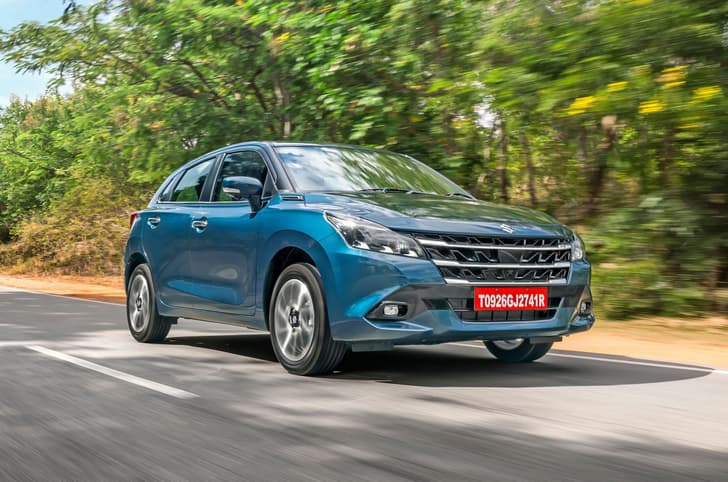
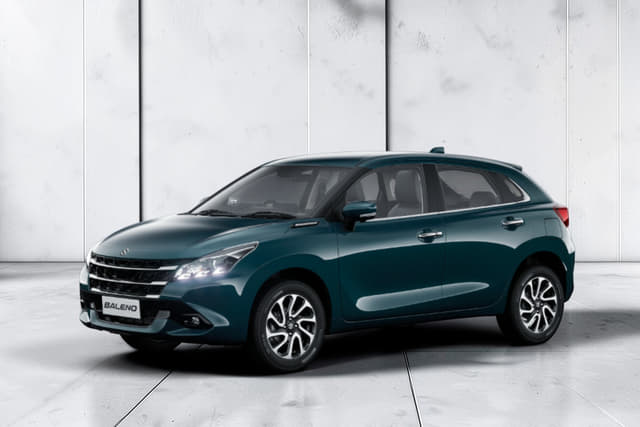
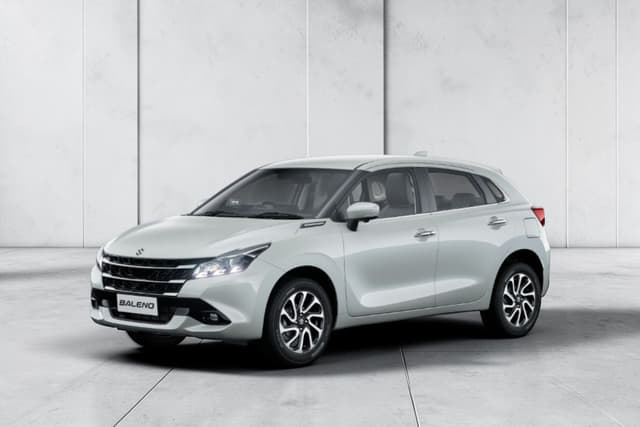
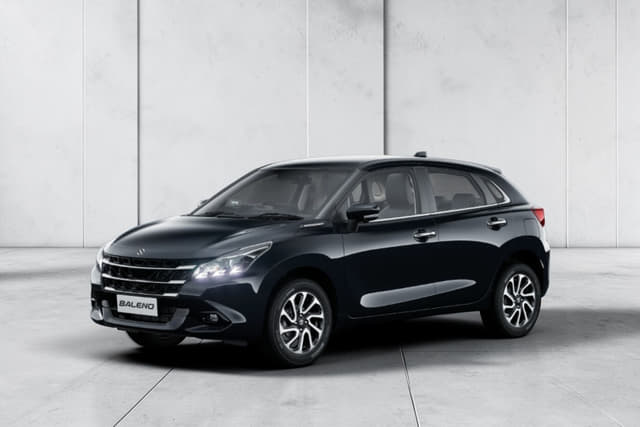
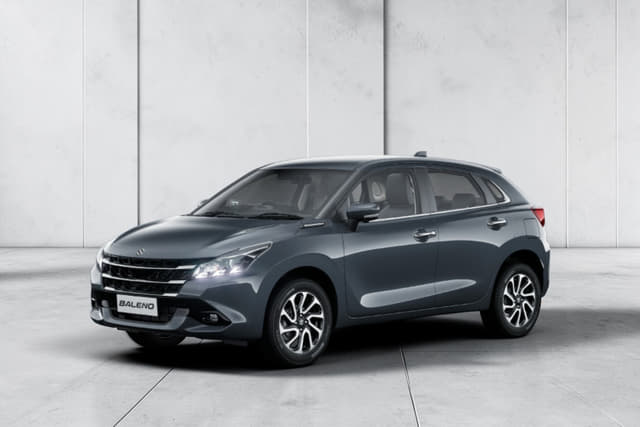
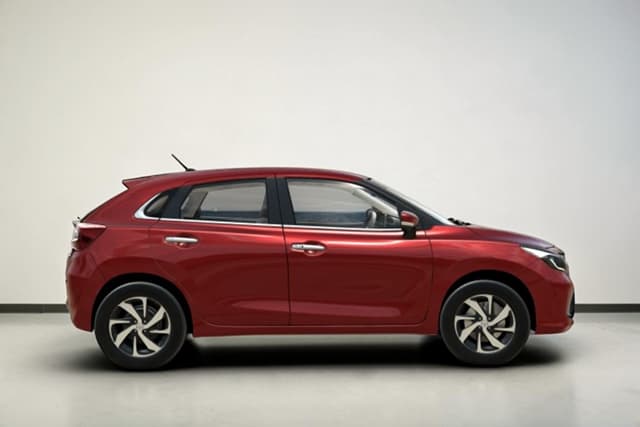
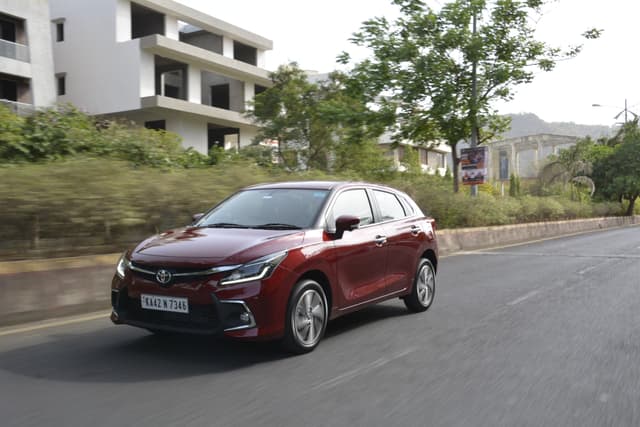
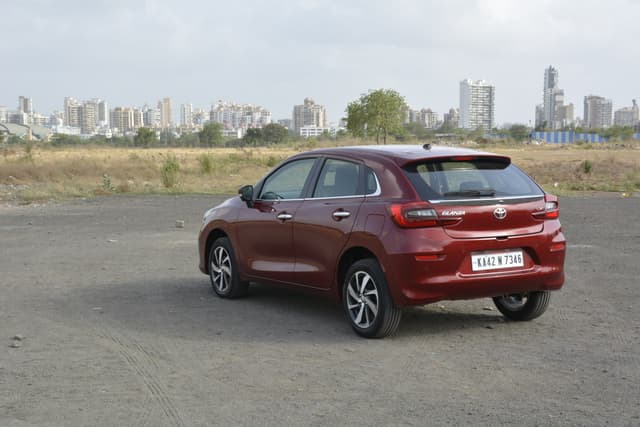
- Maruti Suzuki Baleno facelift: Launched September 5, 2026, from Rs 6.10 lakh. New grille and front bumper, and the old four-cylinder K-series engine is replaced by a 1.2-litre three-cylinder Z-series petrol (83hp, 112Nm). Adds Level 2 ADAS, ventilated seats and a 360-degree camera.
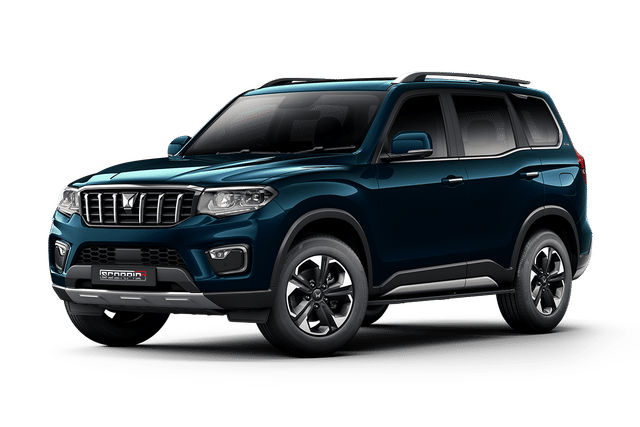
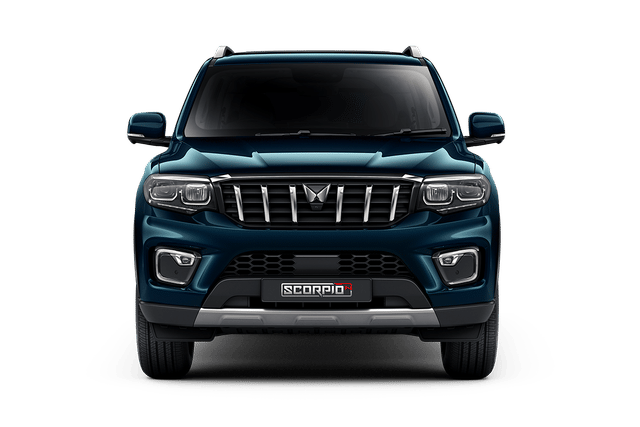
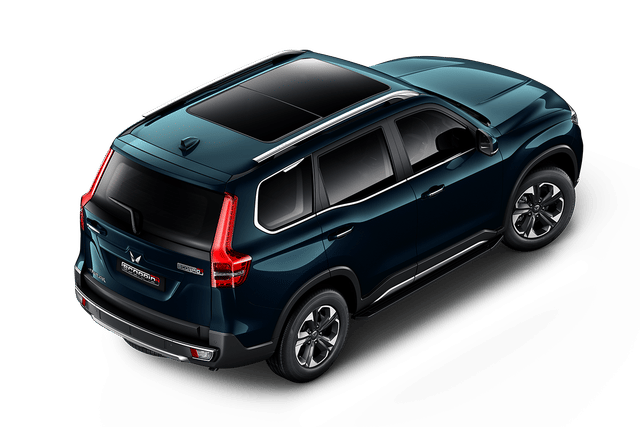
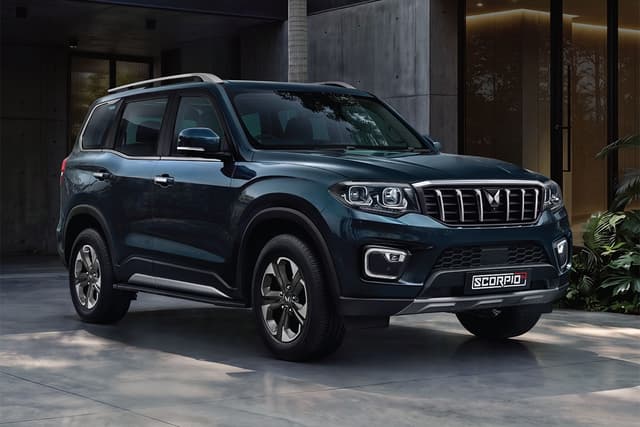
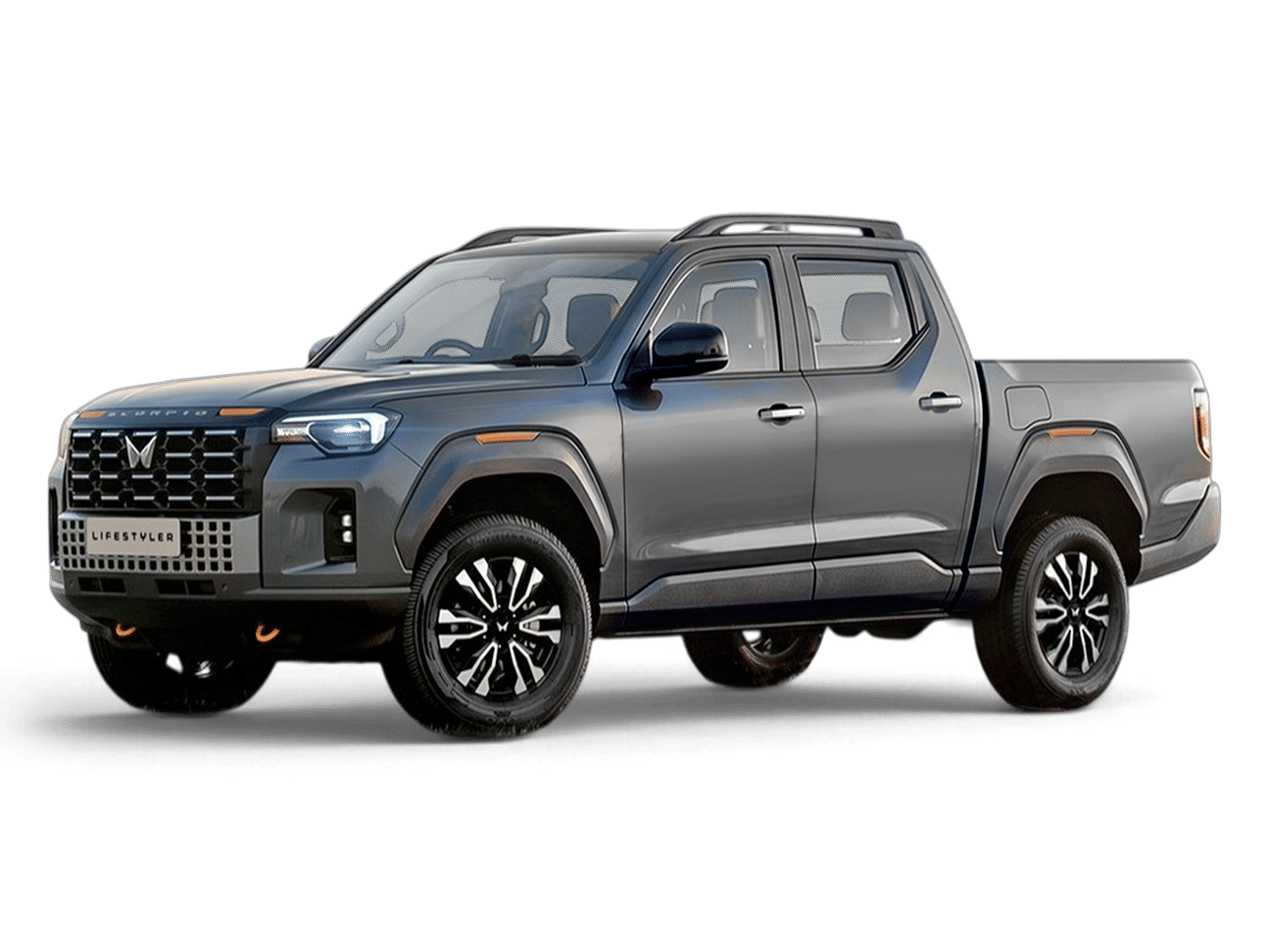
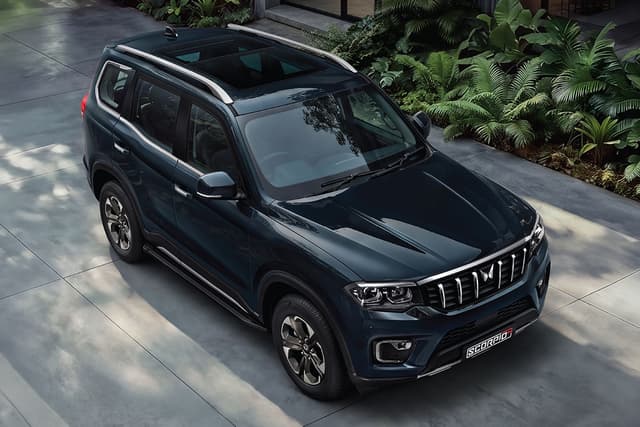
- Mahindra Scorpio N facelift: Launched August 5, 2026, from Rs 13.69 lakh. Gets a panoramic sunroof, a 540-degree camera setup and a Thar Roxx-style cabin, but carries over the existing 2.0-litre turbo-petrol engine unchanged.
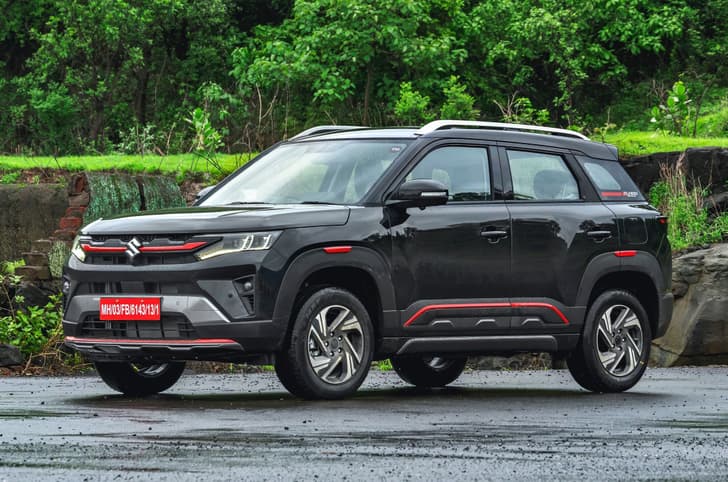
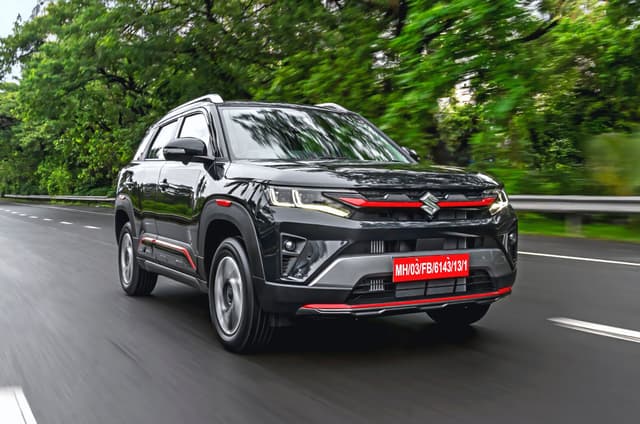
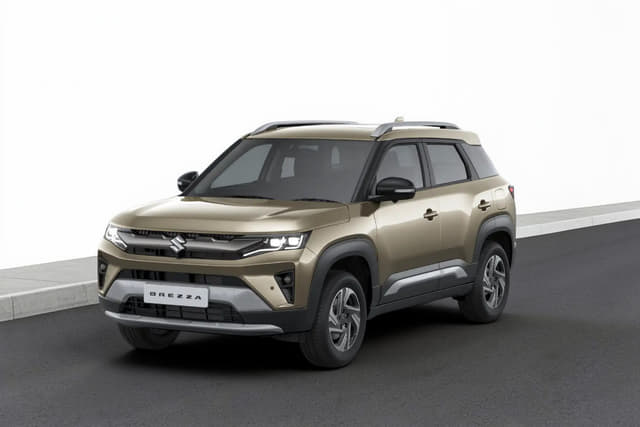
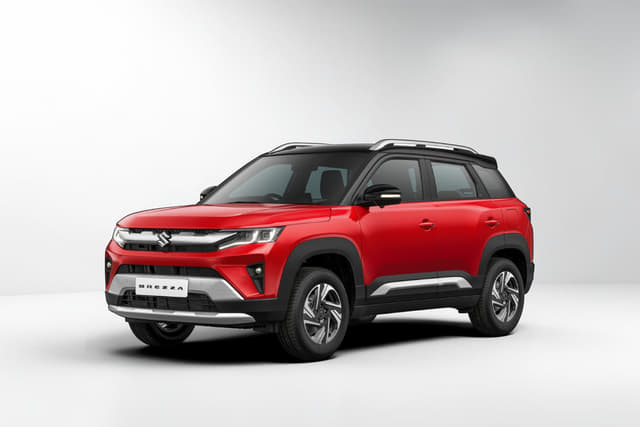
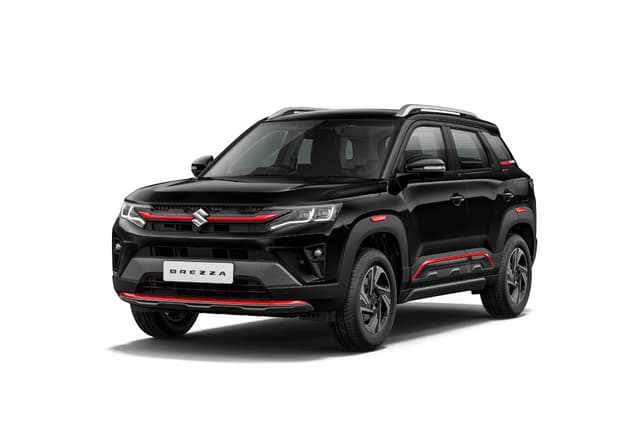
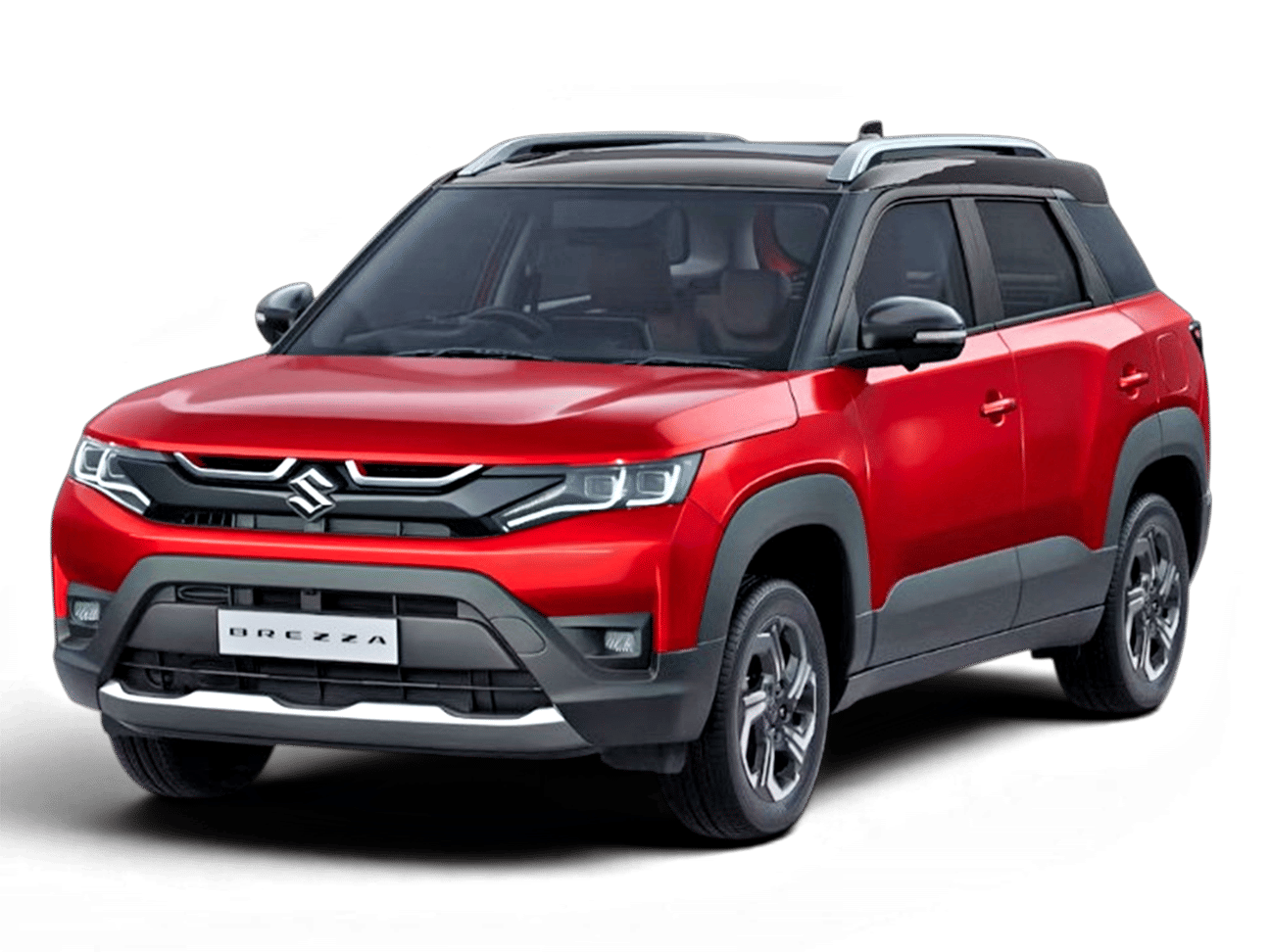
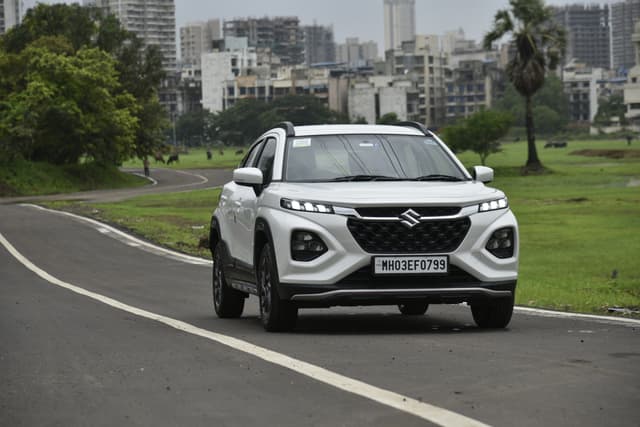
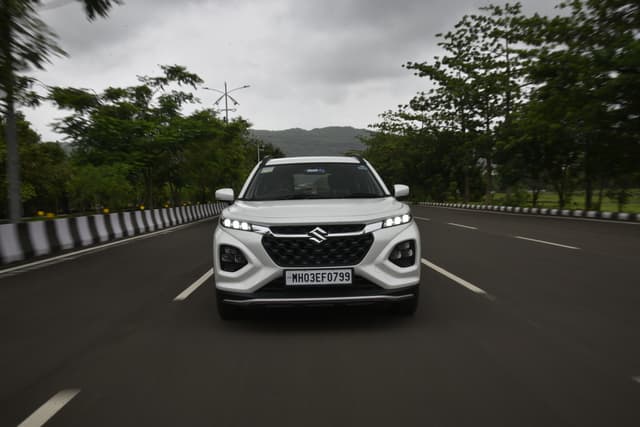
- Maruti Suzuki Brezza facelift: Launched July 24, 2026, from Rs 7.40 lakh. Adds a new 1.0-litre Boosterjet turbo-petrol (110hp, 170Nm) alongside the existing 1.5-litre petrol and CNG options; over 40% of bookings have gone to the new turbo.
- New-generation Renault Duster: Launched March 17, 2026, from Rs 10.49 lakh. A full redesign with Google built-in infotainment and Level 2 ADAS; diesel has been dropped, leaving two turbo-petrol engines (1.0-litre and 1.3-litre), with a strong-hybrid version expected by Diwali 2026.
Which Petrol Car in India Suit Your Usage?
Requirement | Autocar India Recommendation | Why |
First car, tight budget | Maruti Suzuki Celerio | At Rs 4.70 lakh ex-showroom, it's the lowest-priced petrol car on sale, ideal for a first-time buyer's budget. |
Daily city commute, lowest running cost | Maruti Suzuki Celerio | Celerio’s AMT returns 26.68 kpl (ARAI), the highest of any petrol car in India, ideal for stop-start traffic. |
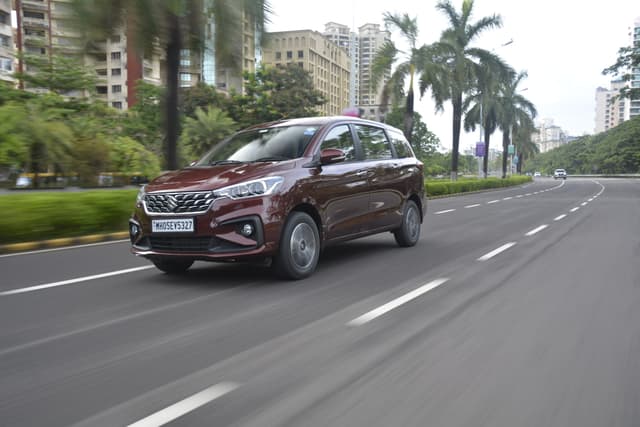
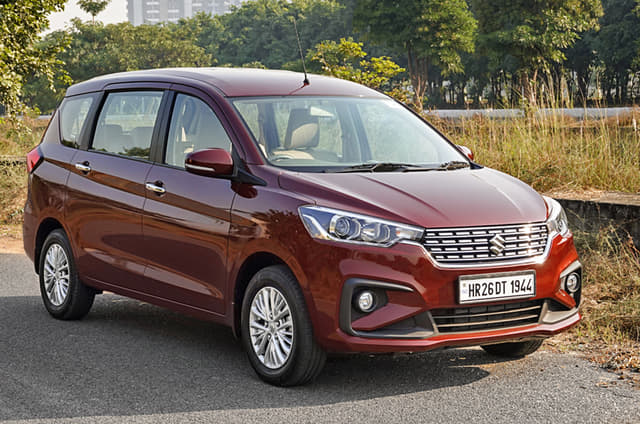
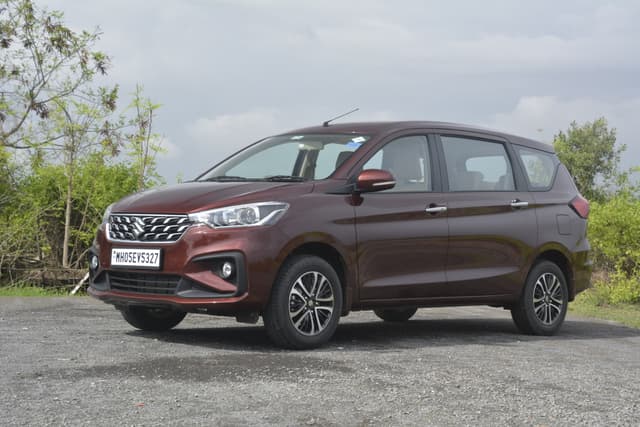
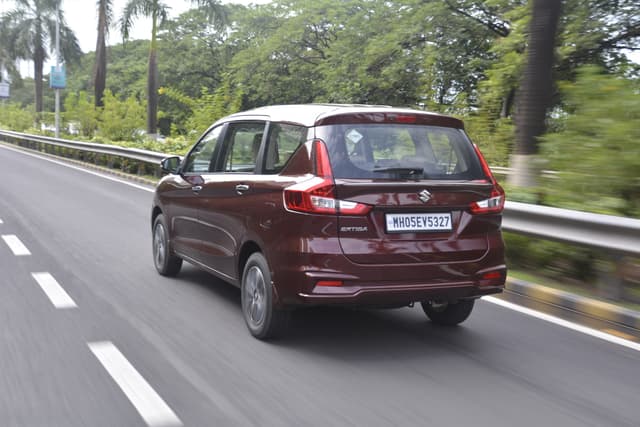
Family car on a budget | Maruti Suzuki Ertiga | Seats seven, with a sliding, reclining middle row that trades legroom for boot space as needed. The price starts at Rs 9.93 lakh on-road, Delhi. |
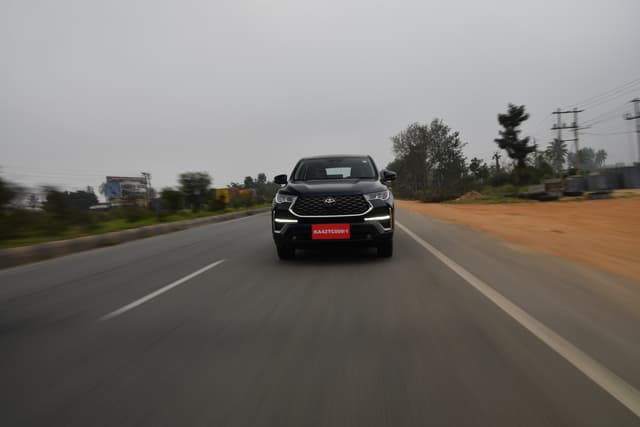
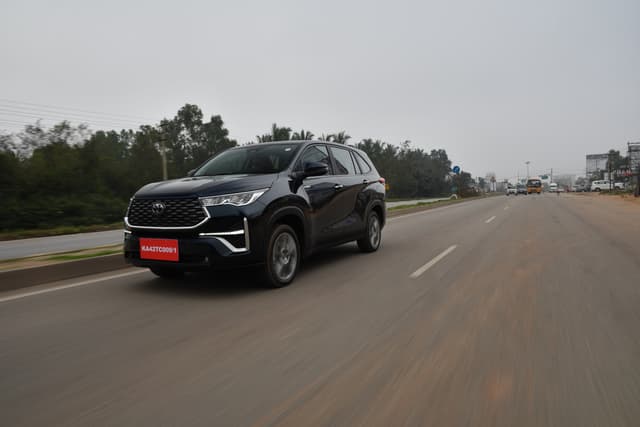
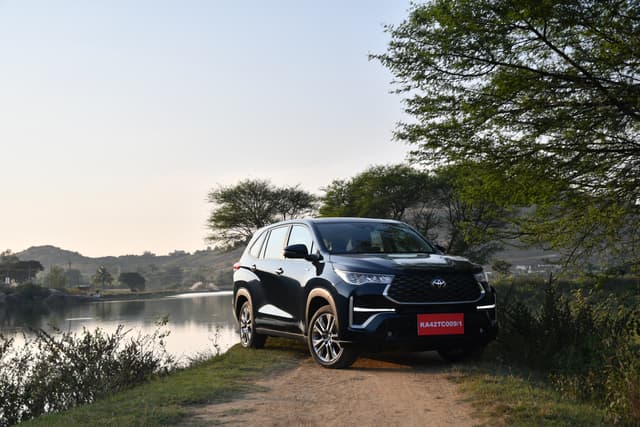
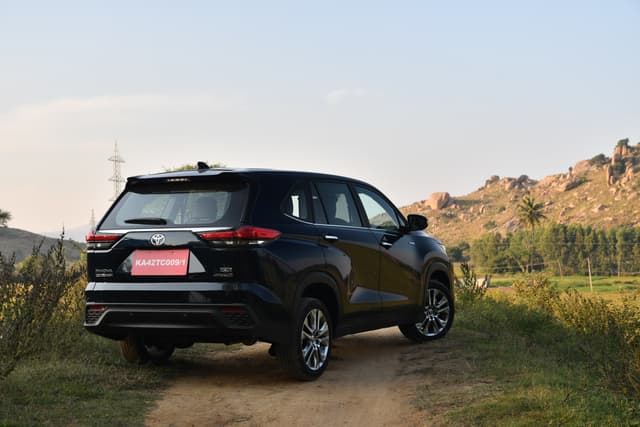
Family car with maximum space | Toyota Innova HyCross | At 4,755mm long, it's larger than the Ertiga, seats up to 8, and turns cavernous once the third row folds flat. |
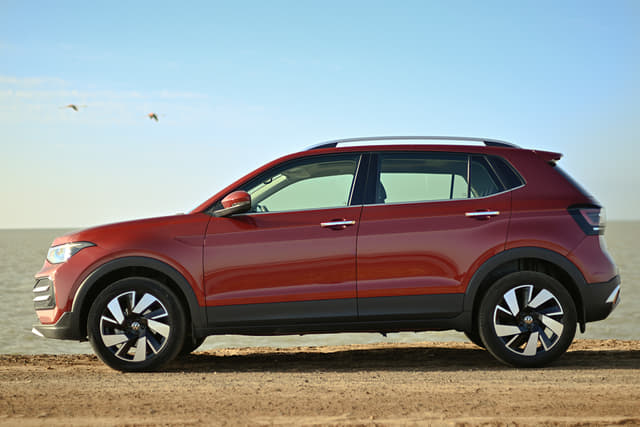
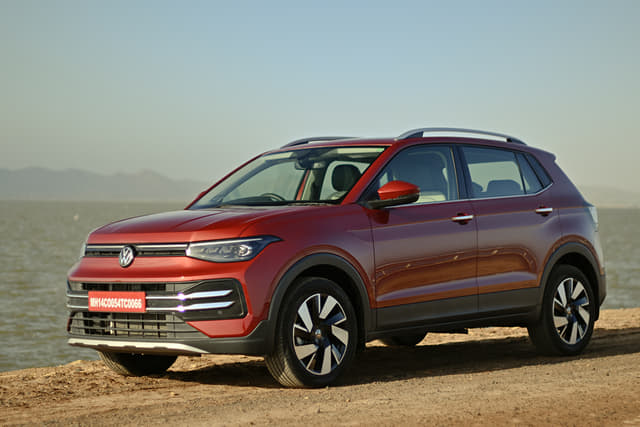
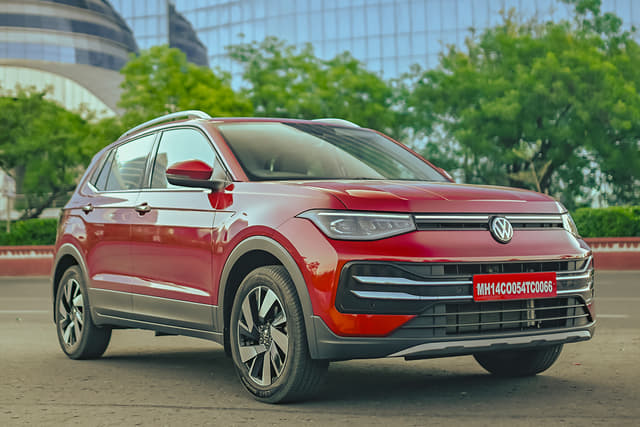
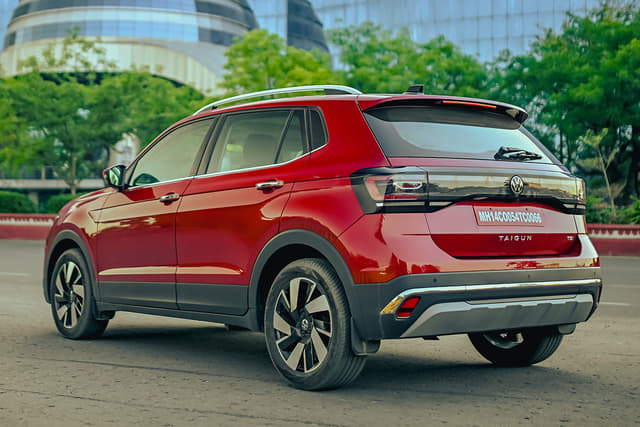
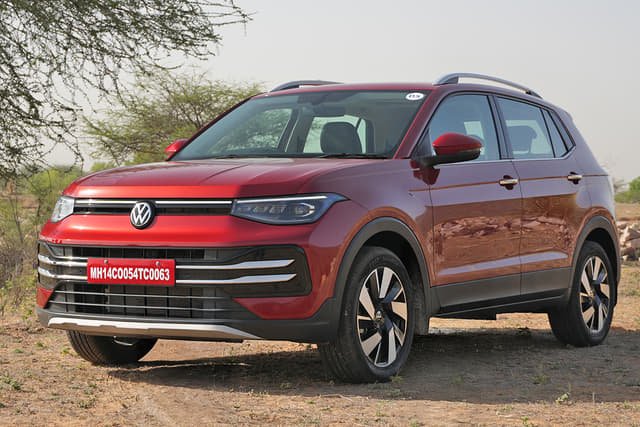
Frequent highway driving | Volkswagen Taigun / Skoda Kushaq | The 1.0 TSI turbo-petrol engine doesn't feel underpowered on the highway, while still topping the mileage charts among turbo-petrol midsize SUVs. |
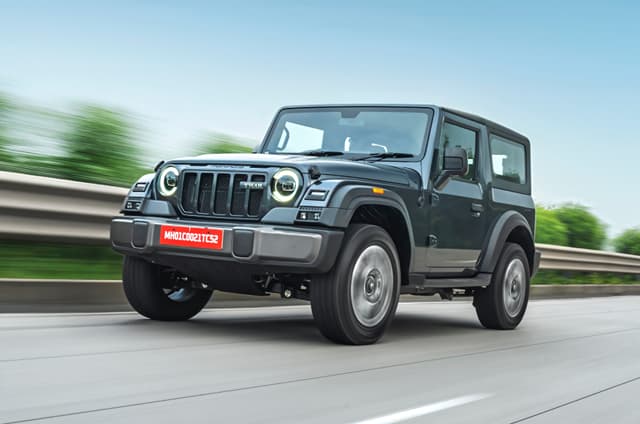
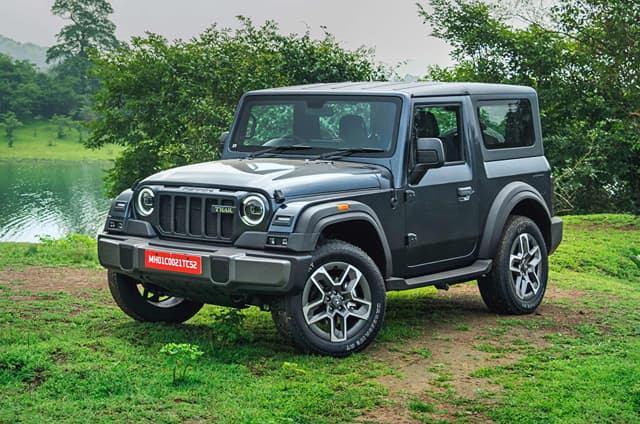
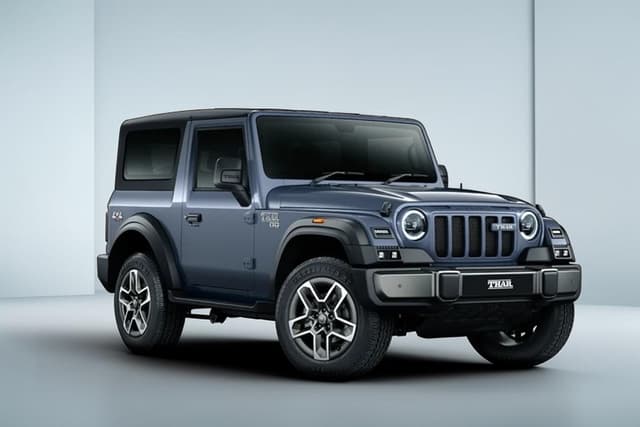
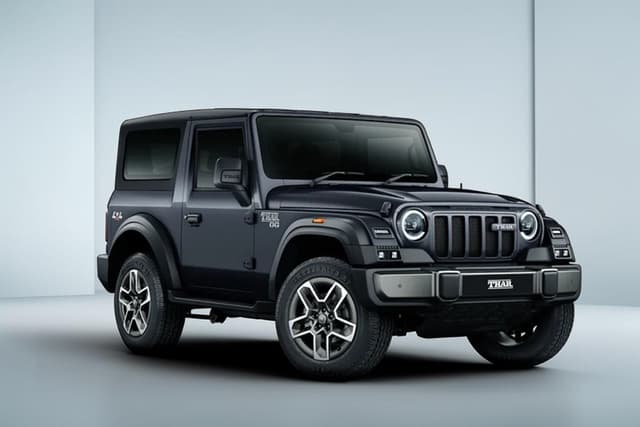
Off roading or rugged use | Maruti Jimny/Mahindra Thar | Both offer genuine 4WD hardware in petrol form. The Jimny gets a low-range transfer case and a brake-limited-slip differential as standard, with 36°/47° approach/departure angles, while the Thar's 2.0-litre turbo-petrol is available with proper 4x4, not just rear-wheel drive. |
Sporty petrol-powered car for daily use | Skoda Slavia 1.5 TSI | We find the 150hp turbo-petrol agile and confidence-inspiring through corners, with a taut, composed chassis, and a proper DCT automatic that keeps it easy to drive daily. |
Outright performance | Ferrari 12Cilindri, McLaren 750S, Aston Martin Vanquish | All three pack 750-835hp V8/V12 petrol engines, sub-3-second 0-100kmph times, and top speeds past 330kmph, the closest thing to unfiltered performance sold in India. |
Ultimate luxury petrol car | Rolls-Royce Phantom, Cullinan, Ghost | All three share a 6.75-litre twin-turbo V12 and bespoke, near-limitlessly personalised interiors. |


Petrol Cars - FAQs
Diesel engines are costly to manufacture as they have to endure the extremely high compression pressures that are required to combust the fuel. A catalytic converter aside, petrol cars usually don't need any additional hardware to keep tailpipe emissions in check, further reducing costs.
Petrol engines in high-performance cars use high-precision direct injectors to spray fuel as and when required, combining variable valve technology and modern turbochargers to extract as much power as possible throughout the combustion sequence and engine RPM.
Almost all modern diesel engines in passenger cars feature a turbocharger to optimise performance and reduce emissions. Similarly, many modern petrol cars are offered with turbocharged engines with either direct injection or multi-point fuel injection. While the latter is cheaper, direct-injection technology often delivers more power and superior fuel economy when comparing similarly sized petrol engines. It also allows a more precise quantity of fuel to be introduced into the engine at the exact moment it is needed for optimal combustion, preventing fuel wastage and boosting efficiency. However, since diesel engines rely on compression ignition, a similarly sized diesel engine will usually deliver higher fuel efficiency.
Trending Questions on Cars - Answered by Autocar Experts
EV prices keep changing and even a small hike can affect the final decision. For those comparing the Windsor EV with petrol cars, what would make you choose the EV despite the higher upfront cost?
Hi Autocar Team, I am interested in buying a Hyundai Creta, but I am confused between the petrol and diesel variants. I drive around 10,000 km per year, with a mix of short trips, long trips, and city driving. I am concerned about DPF issues with the diesel engine and the mileage of the petrol engine. Q1. How often do we need to drive a diesel car? Is there any rule that we need to start and drive it daily? Q2. If we don't drive the car, will soot still form in the DPF? Q3. If I don't drive the car for two weeks and then drive it only in the city for the next two weeks, how would DPF clogging occur? Basically, how should we maintain these diesel engines? Please guide me in understanding this.
At 10,000km a year, buy the Hyundai Creta petrol. A diesel only pays off at much higher mileage, and its higher price would take many years to recover. The petrol’s fuel bill will be higher, but at your running, the difference is only around Rs 2,000-2,500 a month.To answer your DPF questions: No, you don’t have to drive a diesel every day. Soot only forms while the engine is running, so a car parked for two weeks builds up nothing. The bigger risk then is a flat battery. The filter cleans itself by burning off the soot, but it needs heat to do it. That takes 15-20 minutes of steady driving at highway speeds. Short city trips never get it hot enough, so the soot keeps building until a warning light comes on.Your pattern is the risk. Two weeks parked does no harm, but two weeks of only city driving is exactly what fills the filter. A diesel car owner in your position would need a proper highway run every couple of weeks and avoid switching off midway through a cleaning cycle.None of this is difficult, but it’s a routine you have to keep up, and with a petrol car you don’t have to think about it.
I am planning to buy Kia seltos but my monthly running will be less than 1000 km which will include 75% running in the city and 25% running on the highway once in 2-3 months. Please suggest which will be better for me between petrol and diesel and if I should go for petrol, should I go with IVT or DCT?
With less than 1,000 km a month and mostly city driving, petrol is the clear choice. Diesel only makes sense with high annual running and regular highway use, which you do not have. Between the IVT and DCT, go for the IVT. It is smoother in traffic, easier to live with and better suited to your driving pattern. The DCT is quicker, but it is not as comfortable in stop-go city conditions. The Kia Seltos IVT is the better long-term ownership choice for your usage.
Hi team, I currently drive a Honda City (2009 model) and have been pretty satisfied with the riding experience. I am now planning to upgrade to a car under a budget of Rs. 25 lakh. Since it would be my primary car for now, please suggest whether I should go with an EV or an ICE. Given my limited highway travel (surely it will happen during trips), and daily city travel of 30-50 km, please suggest the car type and model. I am looking for am economical car with good road presence.
Given your usage pattern of 30-50km daily city driving with occasional highway trips, an EV is a very strong option. The running cost savings will be significant, and modern EVs are now genuinely usable for highway trips as long as you have home charging. The key is to choose an EV with a realistic range and a comfortable, spacious cabin, since this will be your primary car.The Tata Sierra EV 75kWh is the recommendation here. It offers a spacious, premium-feeling cabin, a comfortable ride and a usable real-world range that makes both city driving and occasional highway trips easy to manage. It also has good road presence and feels like a proper upgrade from a Honda City in terms of comfort and overall ownership experience.If you are still on the fence about EVs, the Maruti Suzuki Victoris Hybrid is the best ICE alternative. It is extremely efficient in the city, reliable and easy to live with, and the hybrid system keeps running costs low without any charging dependency.The decision comes down to your comfort with home charging. If you have it, the Sierra EV is the better long-term ownership proposition. If not, the Victoris Hybrid is the safer choice.
I am planning to upgrade my dad’s car. He currently drives a 2014 Honda Amaze petrol, which has clocked over 70,000km. My dad is satisfied with its comfort and driving experience. I am planning to buy a new petrol car, with ride quality and comfort as the top priorities, followed by fuel efficiency. The car will be driven on bumpy village roads and semi-hilly roads in Kerala, with occasional trips on state highways. My maximum budget is Rs 13-14 lakh on-road. Reliability and service quality are also important, as my dad is not very knowledgeable about automobiles. So far, we have been happy with the Honda Amaze’s service costs and quality, and the car has not had any major issues. Could you please suggest a suitable car that meets these requirements?

Based on your father’s priorities and usage, we’d recommend the Honda Elevate SV manual as the most sensible upgrade, provided you can stretch your budget a wee bit. It’s currently around Rs 14.2 lakh on road in Kerala, though the final quote will depend on your location, insurance and any dealer offers.It builds on the Honda qualities your father already appreciates in his Honda Amaze, while adding a higher seating position, more ground clearance and a comfortable suspension that copes well with broken roads. That makes it well suited to his village-road driving, with the caveat that bigger potholes still need to be taken slowly The 1.5-litre naturally aspirated petrol engine is smooth, responsive and straightforward to drive. On steeper climbs, he may need to downshift rather than expect strong pulling power in a high gear. The cabin is comfortable, visibility is good and the boot is generous. Overall, it offers the fuss-free driving experience he’s enjoyed in the Amaze, in a more spacious package. Given his positive experience with the local Honda workshop, staying with the same service setup is another practical advantage.If Rs14 lakh is a firm ceiling, we’d look at the Maruti Suzuki Brezza 1.0 turbo-petrol. Its punchy engine should suit the uphill stretches, and your budget could allow a higher variant with more features. This Maruti Suzuki car also offers a 1.5-litre naturally aspirated petrol, which is worth trying if he prefers smoother, more linear responses over outright punchWe’d favour the Elevate for comfort and familiarity, but have your father test-drive both on the kind of roads he actually uses before deciding.

Last Updated on: 13 Oct 2026