Autocar India
Hyundai

Hyundai cars in India (12)

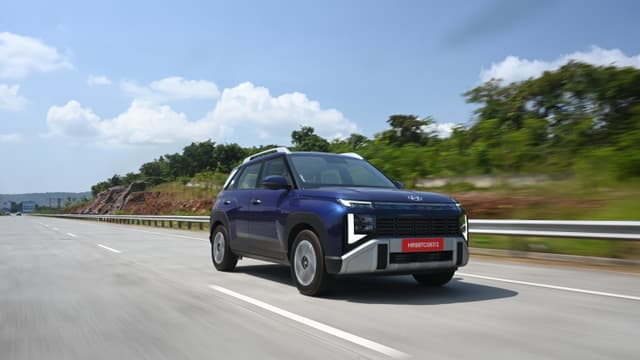
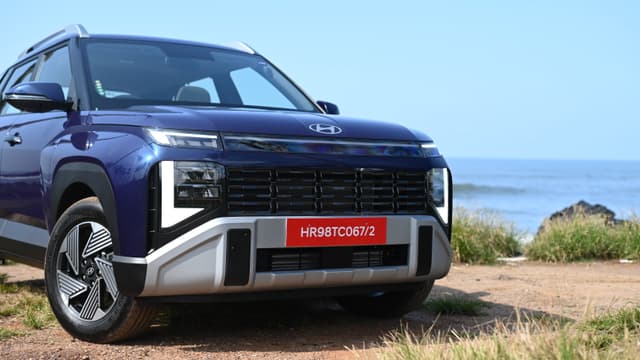
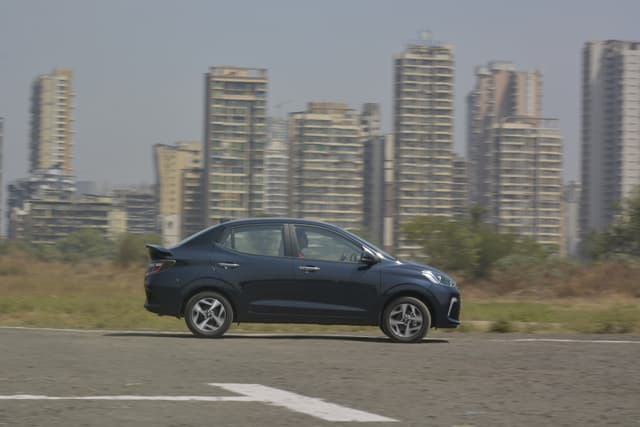
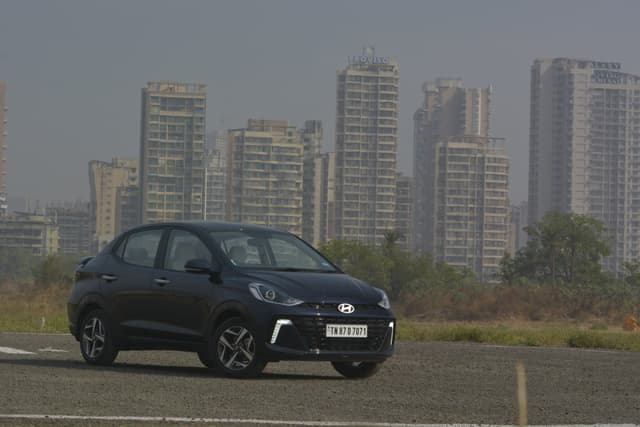
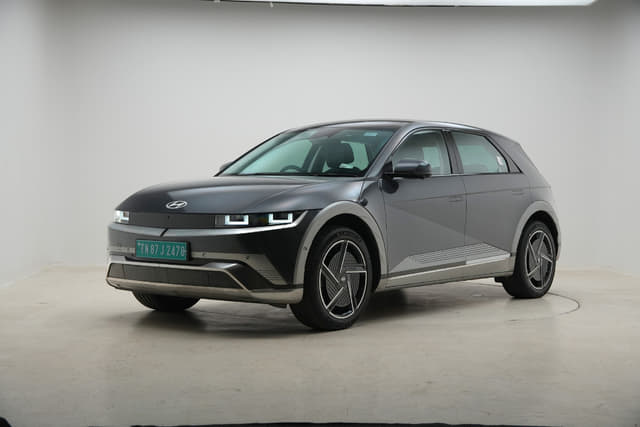
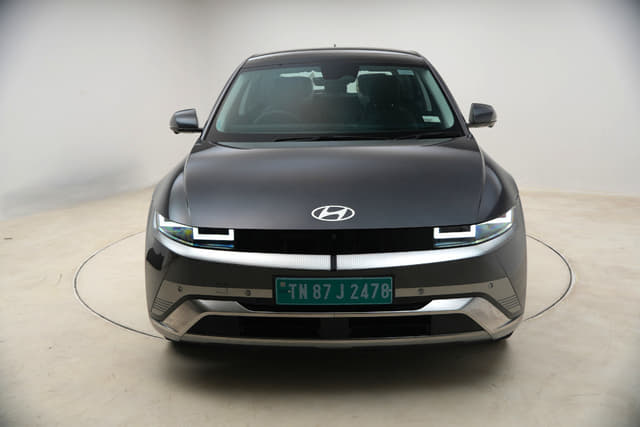
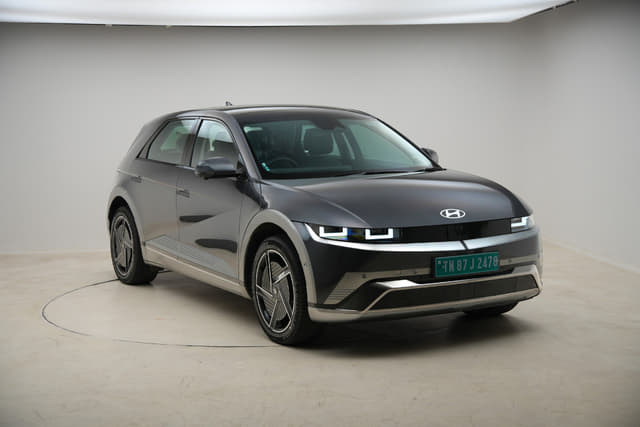
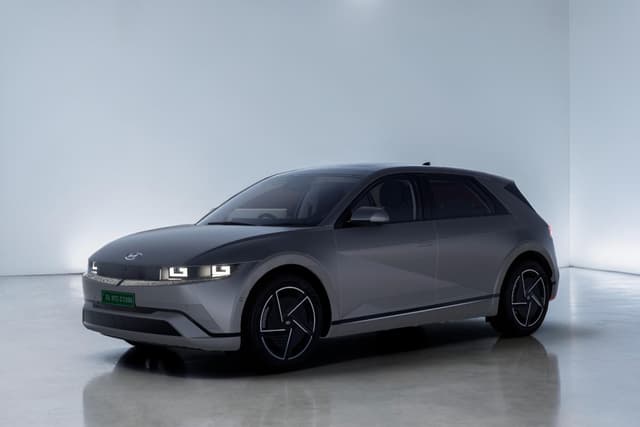
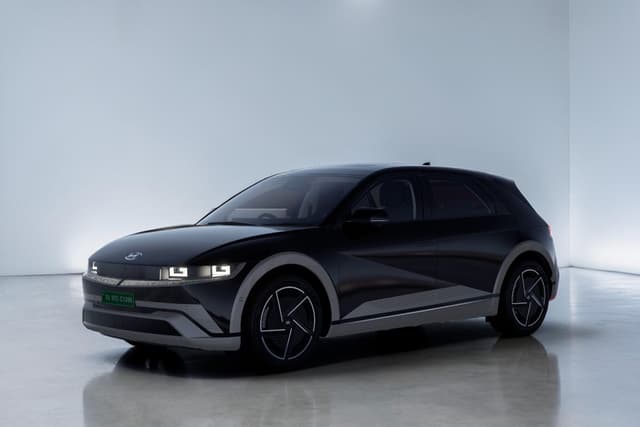
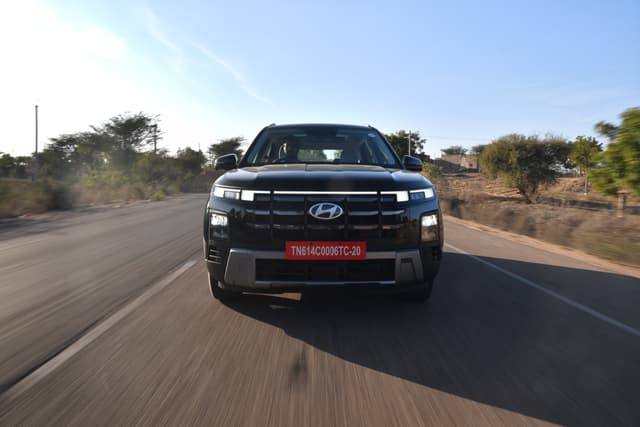
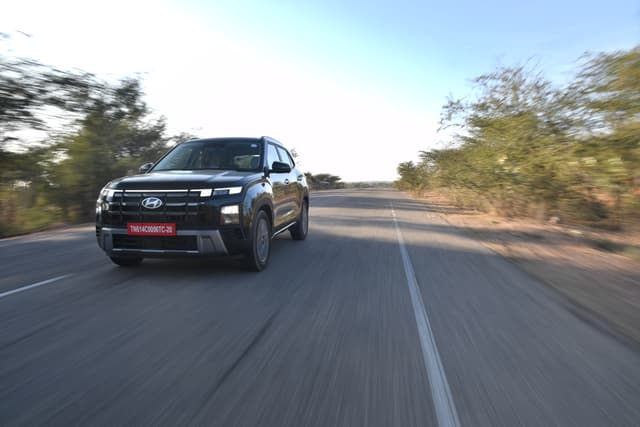
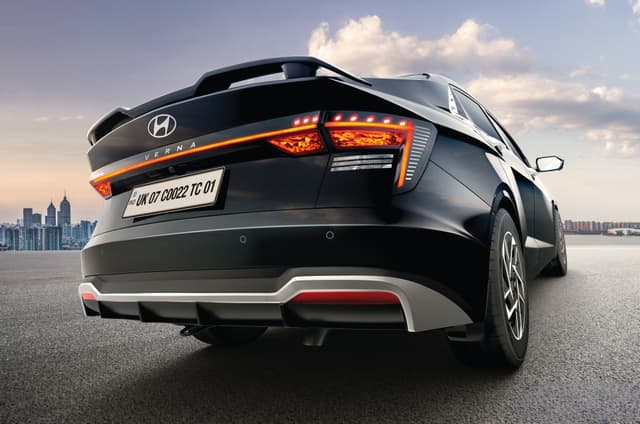
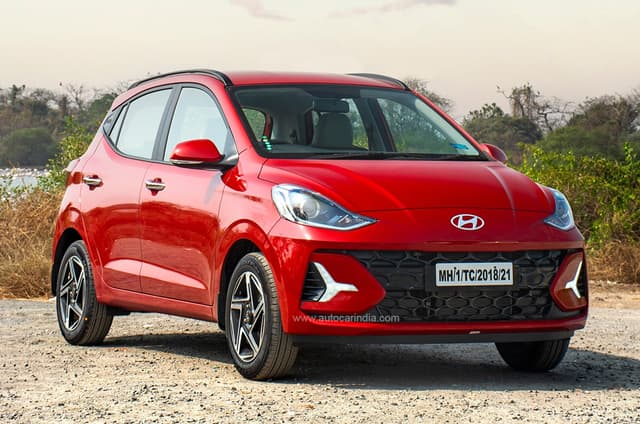
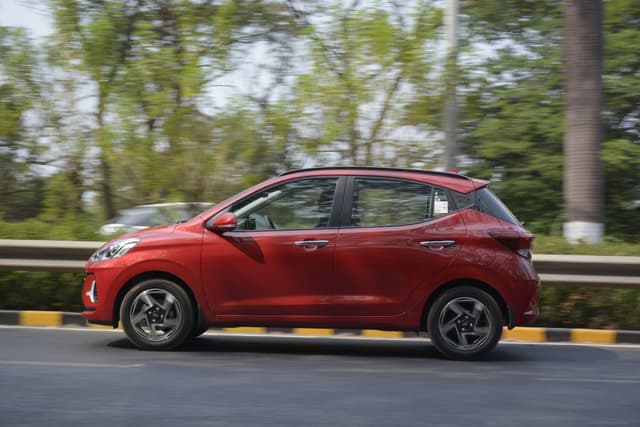
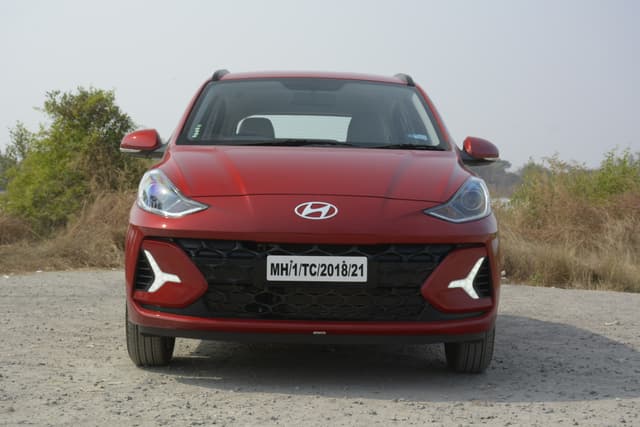
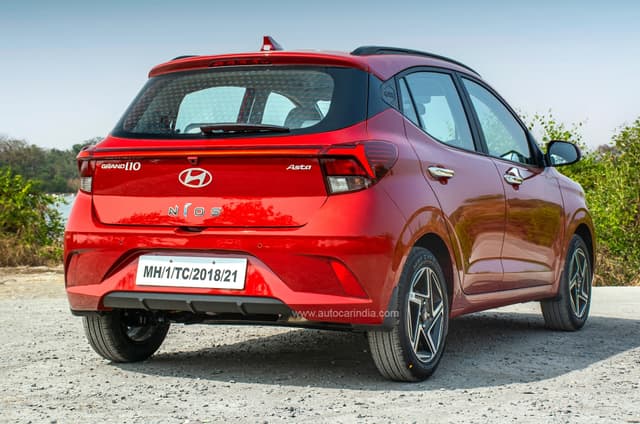
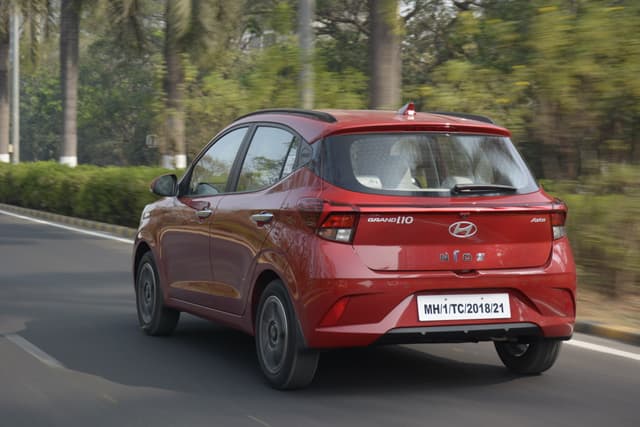
In March 2026, there are currently 12 Hyundai cars in India, out of which 10 are available for sale, and 2 are upcoming. The Hyundai India lineup includes 8 SUVs, 2 sedans, and 2 hatchbacks. The Hyundai car price in India starts at ₹5.55 lakh for the Grand i10 Nios, which is also the most affordable Hyundai model in India. The most expensive Hyundai car in India is the Hyundai Ioniq 5, priced from ₹55.70 lakh (ex-showroom).


Hyundai has been one of the most popular car brands in India since its entry in late 1998 with the Santro. Hyundai India has two manufacturing plants, both located near Chennai, with a third plant in Talegaon opening shortly. Most of the Hyundai cars are made in India. Hyundai currently has close to 1,400 showrooms and 1,200 service centres across India. 

Hyundai Car Price List in India June 2026

Here are the latest Hyundai car prices in India as of June 2026:

Hyundai Car Model

Price (ex-showroom)

Hyundai Grand i10 Nios

₹5.55 lakh - ₹8.03 lakh

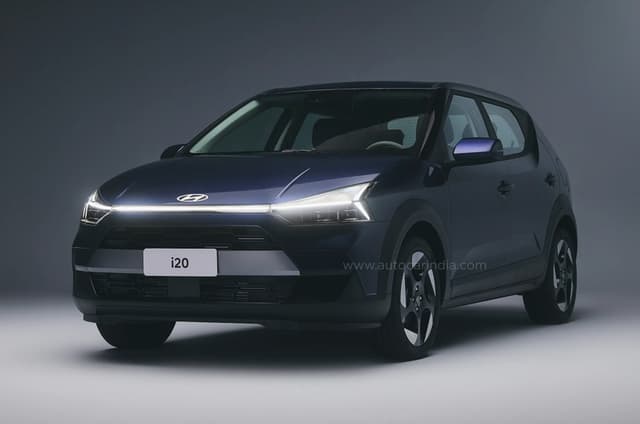
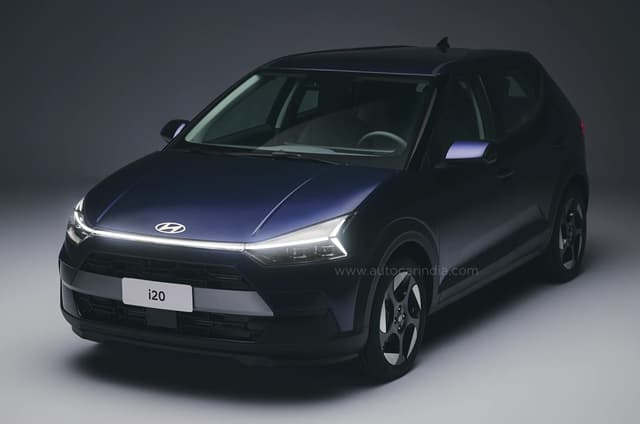
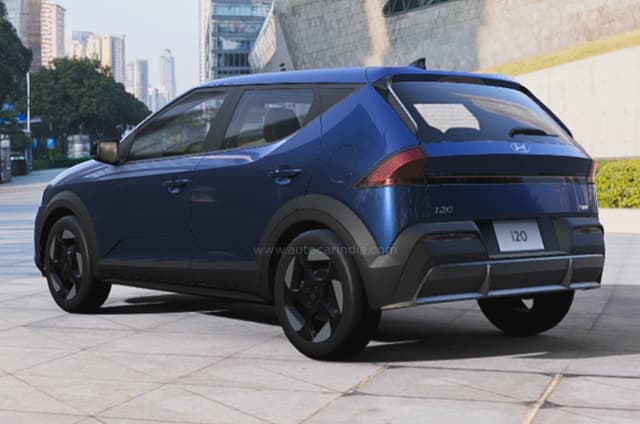
Hyundai i20

₹5.99 lakh - ₹11.53 lakh

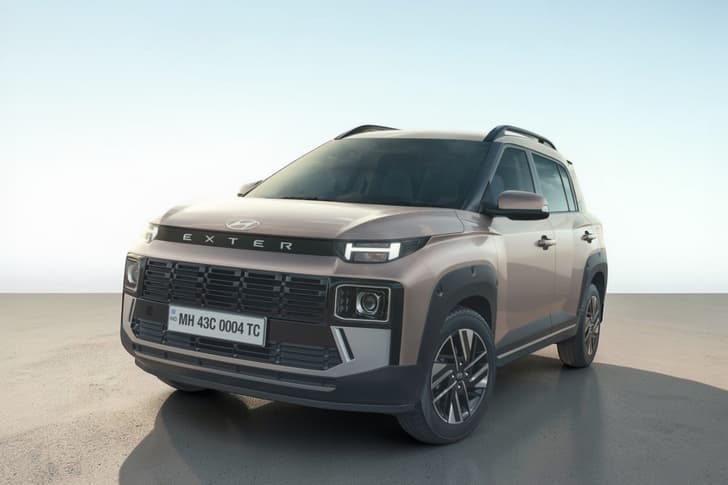
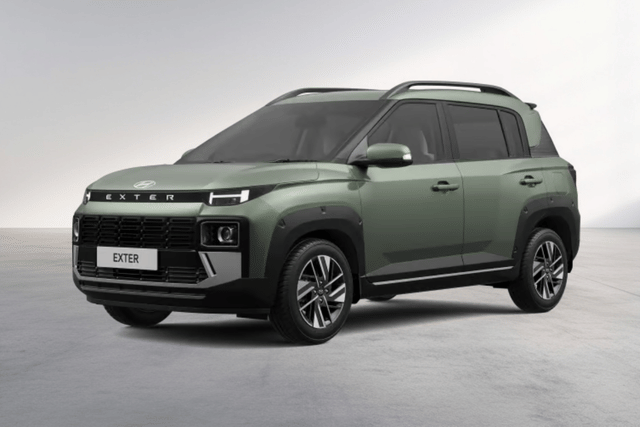
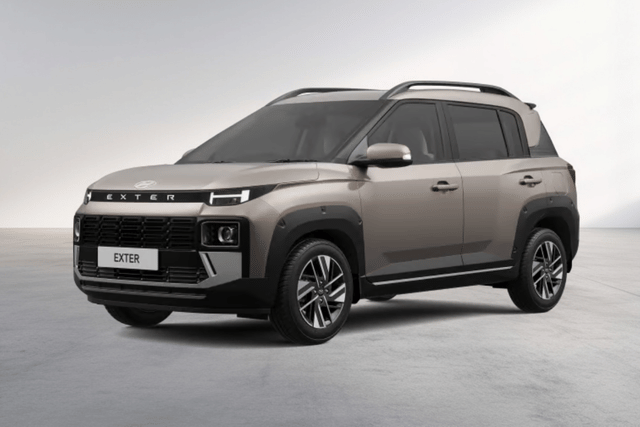
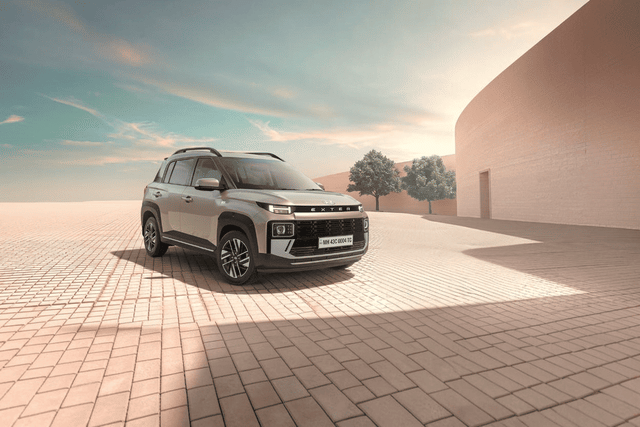
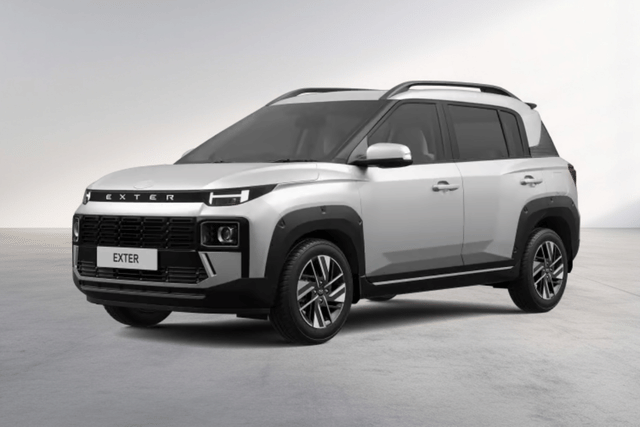
Hyundai Exter

₹5.80 lakh - ₹9.42 Lakh

Hyundai Aura

₹6.00 lakh - ₹8.54 lakh

Hyundai Venue 

₹8.00 lakh - ₹15.64 lakh

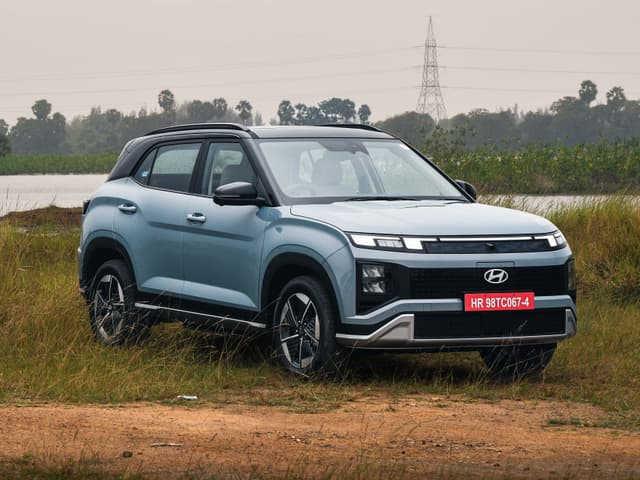
Hyundai Creta

₹10.79 lakh - ₹20.05 lakh

Hyundai Verna

₹10.98 lakh - ₹18.25 lakh

Hyundai Alcazar

₹14.50 lakh - ₹21.06 lakh

Hyundai Creta Electric

₹18.02 lakh - ₹23.82 lakh

Hyundai Ioniq 5

₹55.70 lakh

Upcoming Hyundai Cars June 2026

Explore the list of upcoming Hyundai cars set to launch in India:

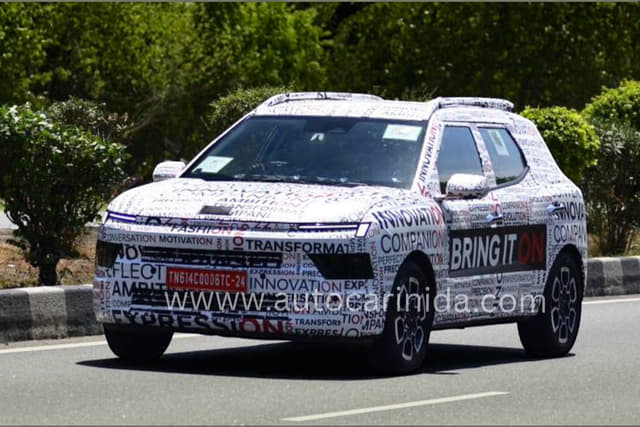
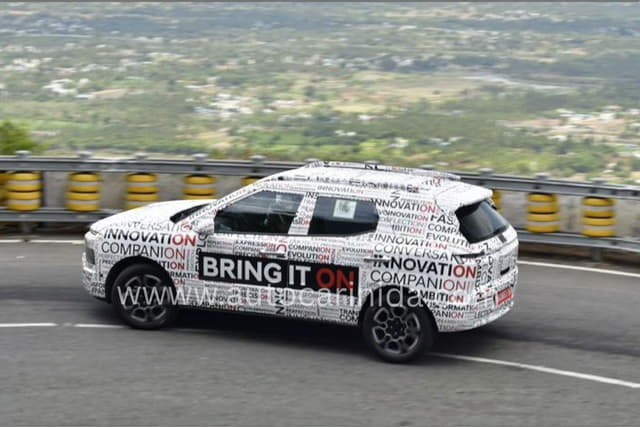
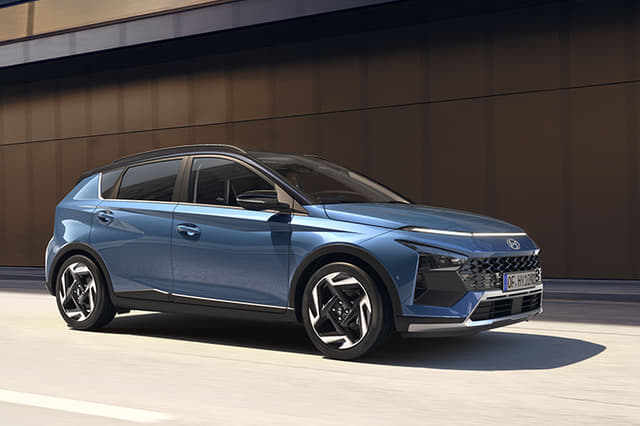
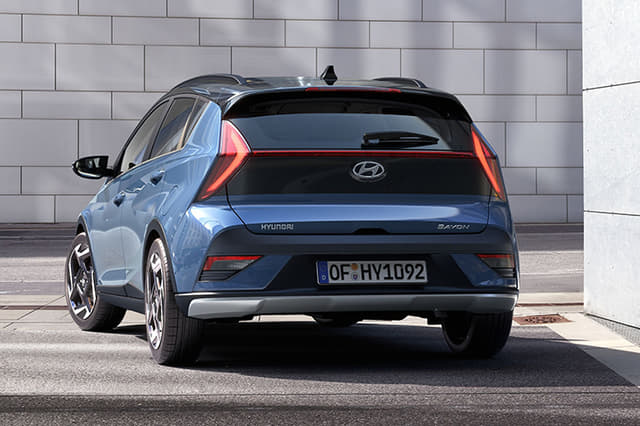
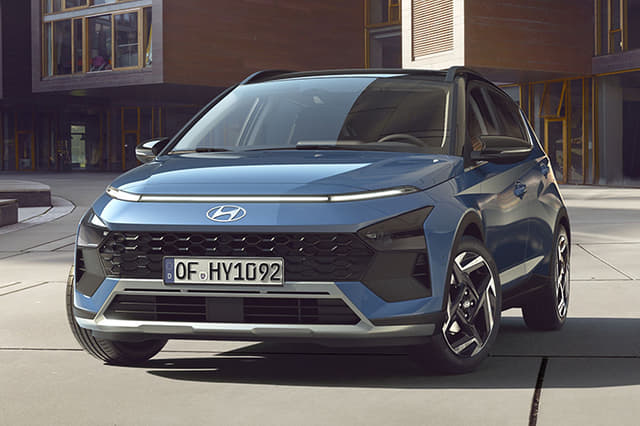
  • Hyundai Bayon
    • Expected Launch: Late 2026
    • Estimated Price: ₹8.00 lakh - ₹15.00 lakh
    • Fuel Type: Petrol


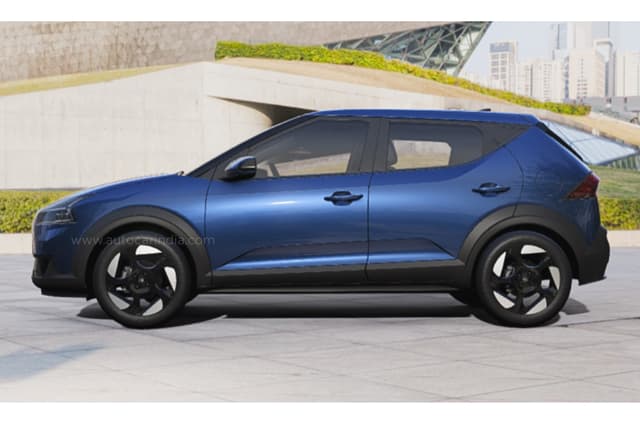
  • Hyundai New Creta
    • Expected Launch: 2027
    • Estimated Price: ₹11.30 lakh - ₹20.50 lakh
    • Fuel Type: Petrol


Hyundai Electric Cars in India

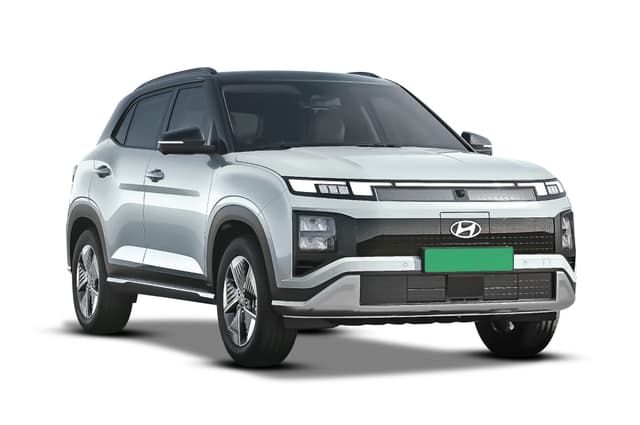
The Hyundai electric car price starts at ₹18.02 lakh for the Creta Electric and goes up to ₹55.70 lakh for Ioniq 5 (ex-showroom). The brand has plans to launch more electric cars in India, which could include an entry-level electric hatchback and also the Hyundai Ioniq 6 in the future.  


Hyundai India Latest Updates June 2026

  • 8 May 2026: Hyundai plans to launch new SUV along side in Creta in 2027.

  • April 28, 2026: Hyundai launched Ioniq 5 facelift at 55.7 lakh.

  • April 2, 2026: Hyundai unveils its Boulder SUV concept at the 2026 New York International Auto Show.
  • April 1, 2026: Hyundai position drops to fourth whereas Maruti retains its top position.
  • 30 March 2026: The Hyundai Venue scores a 5-star safety rating in Bharat NCAP.
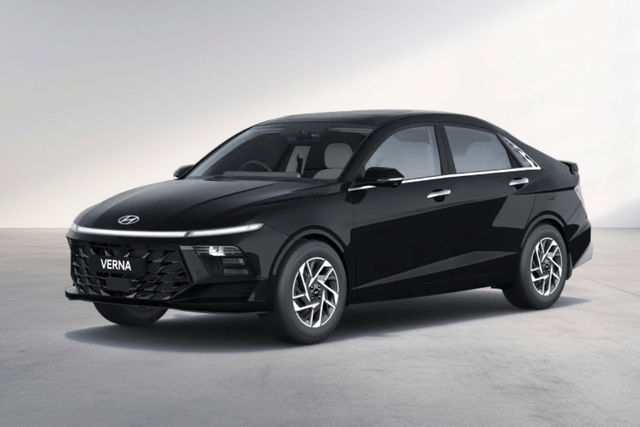
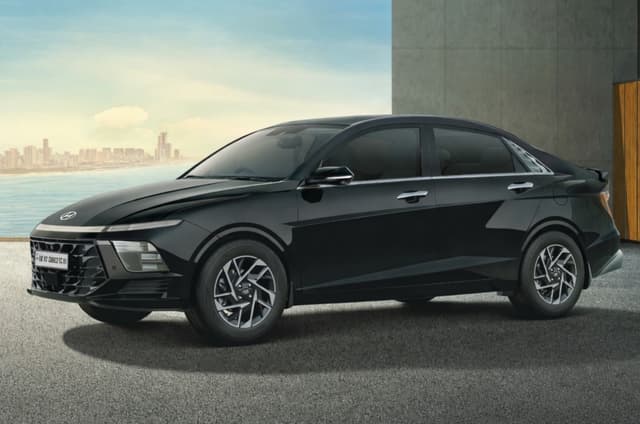
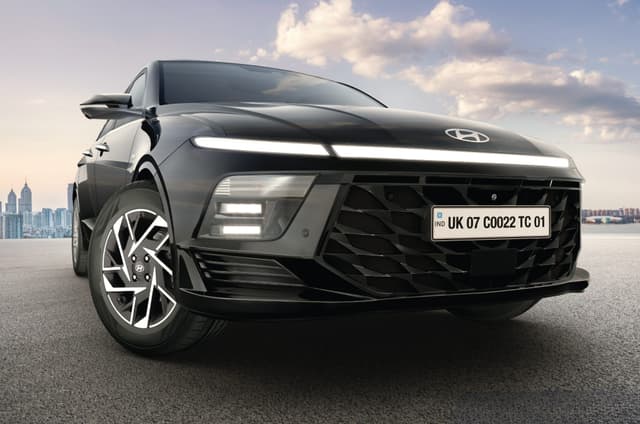
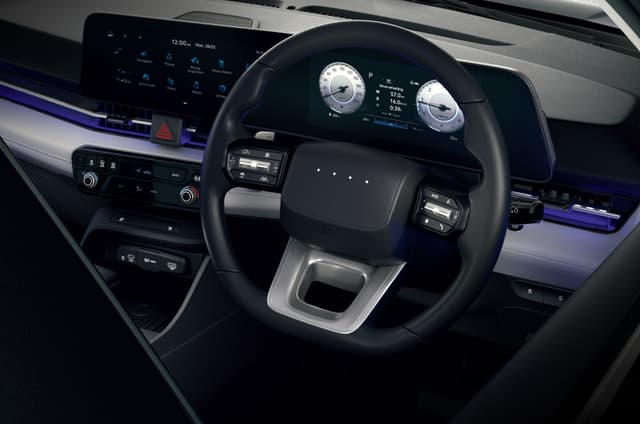
  • March 9, 2026: 2026 Hyundai Verna launched at ₹10.98 lakh with Boss mode, 360-degree camera and 7 airbags.
  • January 12, 2026: Hyundai has unveiled the Staria Electric, its largest EV yet, with a claimed range of up to 400 km, a nine-seat layout, and 800V fast-charging capability.


Hyundai Car Models in India

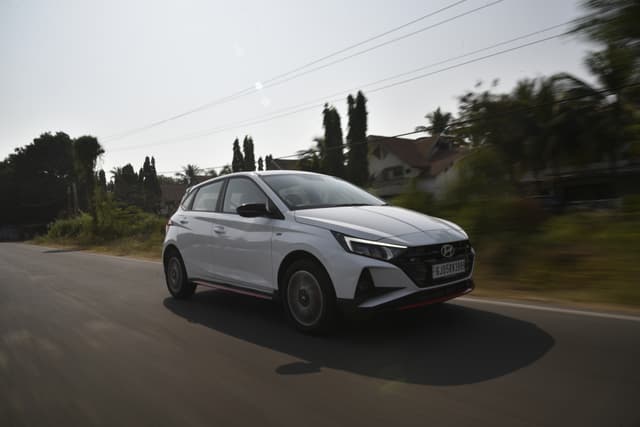
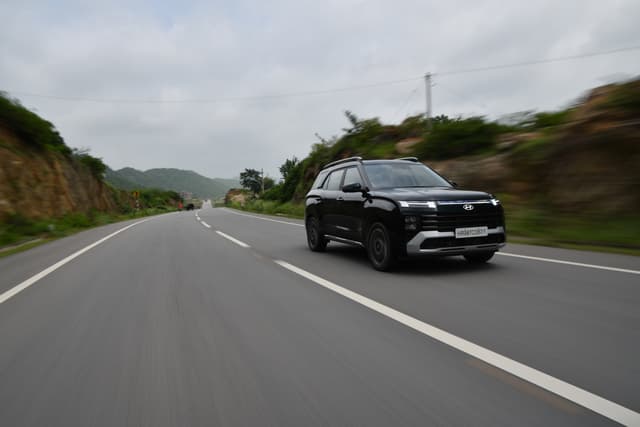
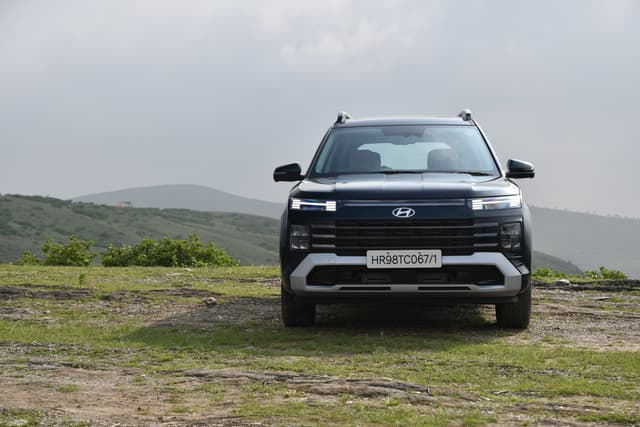
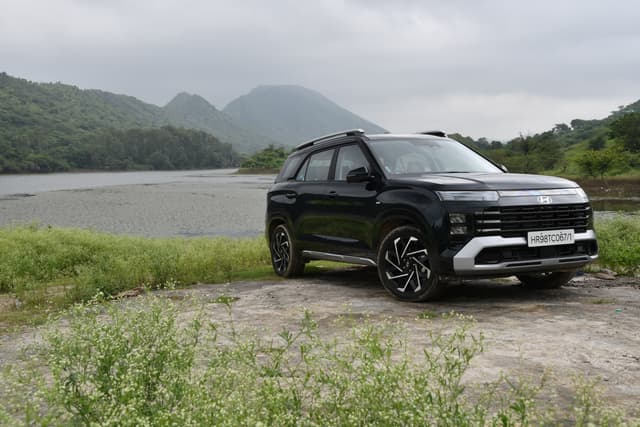
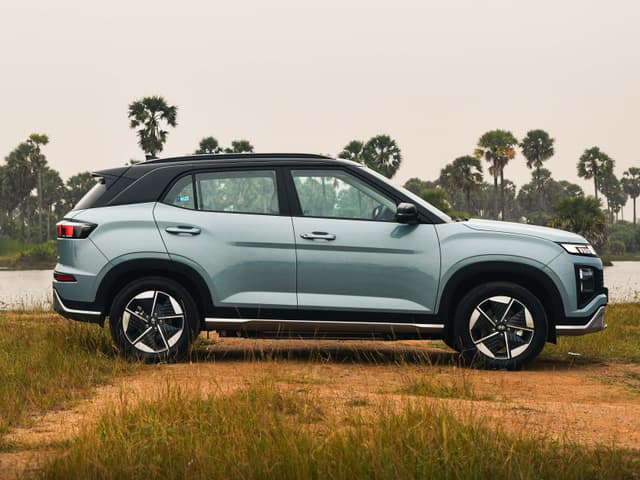
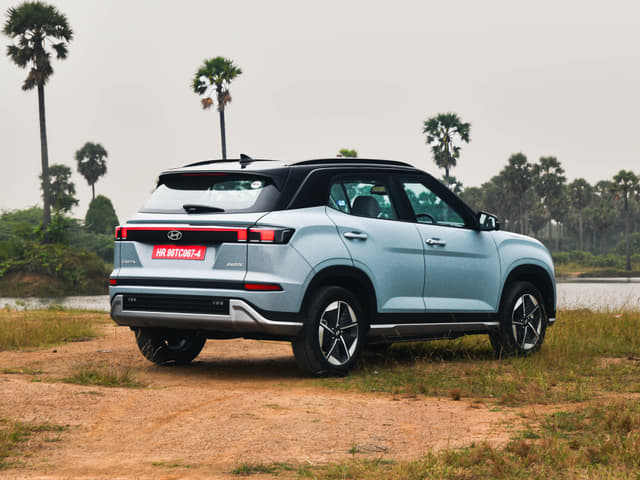
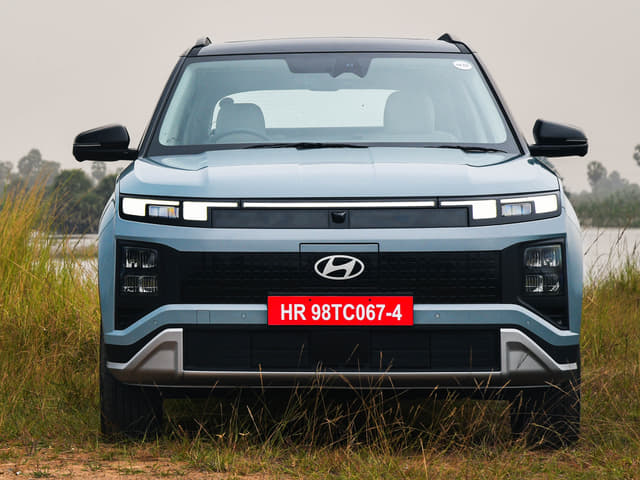
Hyundai cars in India are available with petrol, petrol-CNG, diesel and electric powertrains. Hyundai does not have an MPV in its line-up, unlike sister-brand Kia, which sells the Carens and the Carens Clavis. Hyundai India’s SUV line-up consists of the ExterVenue, Creta, Ioniq 5, Creta Electric, and the Alcazar. Models like the Hyundai i20, Creta, and the Verna are some of the popular Hyundai cars sold in India.
 

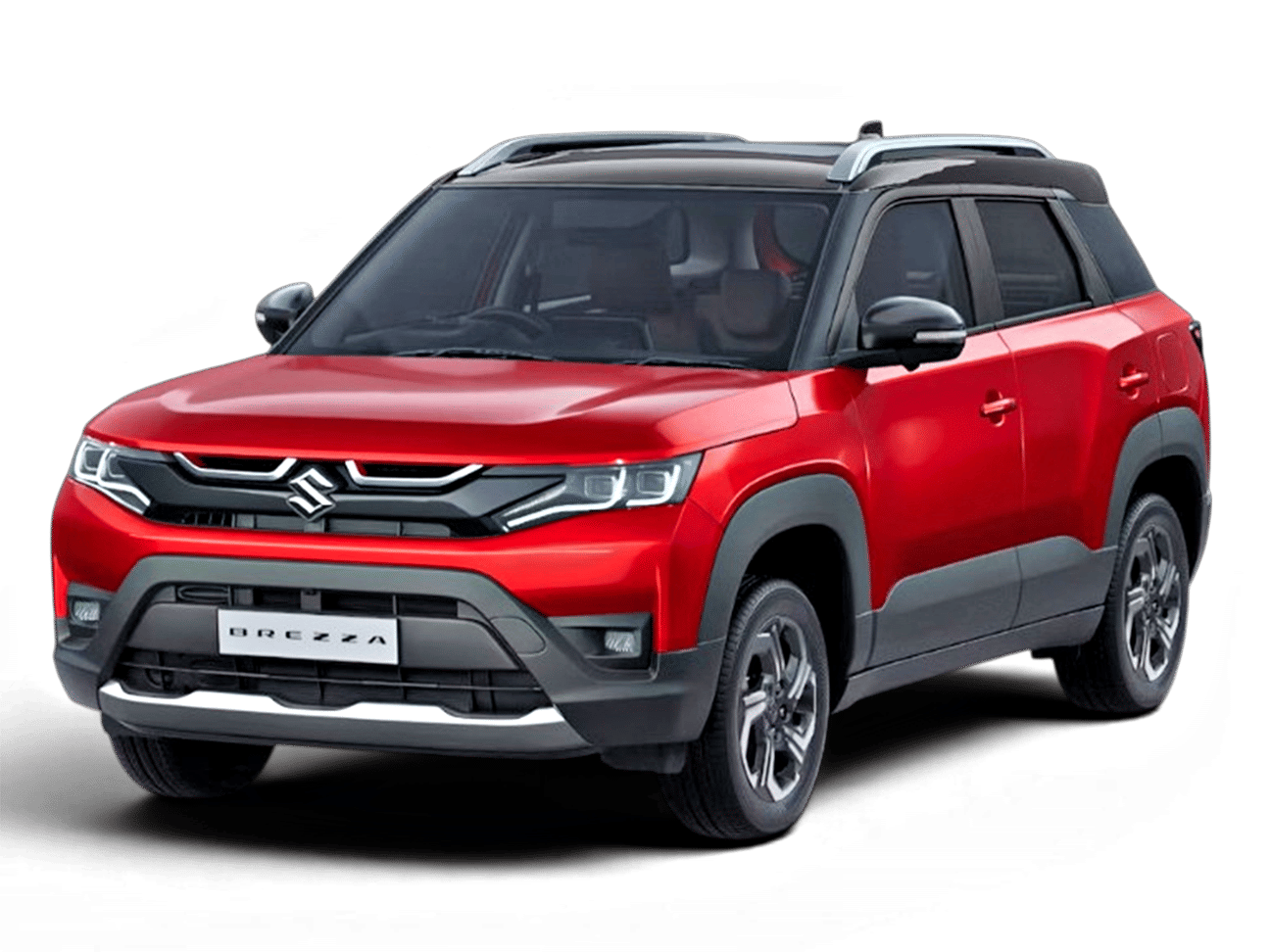
Hyundai Exter price starts at ₹5.80 lakh, making it the most affordable Hyundai SUV in India. The Exter rivals the likes of the Tata Punch and the Citroen C3. The Venue compact SUV takes on the Mahindra XUV 3XOTata NexonKia Syros and Sonet, and the Maruti Brezza
 

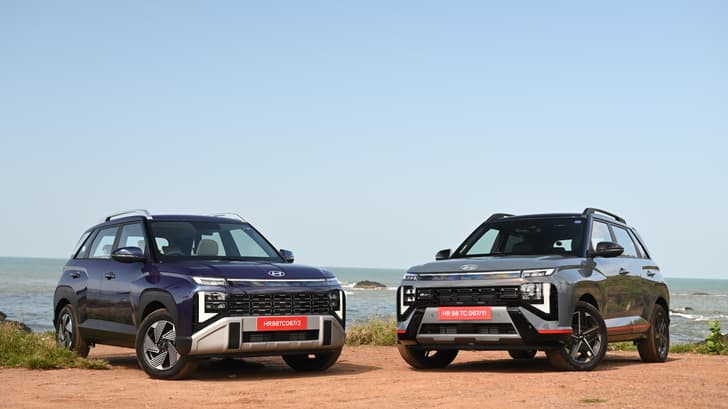
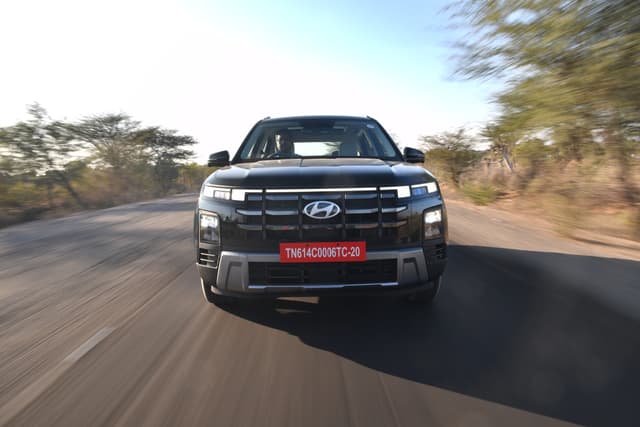
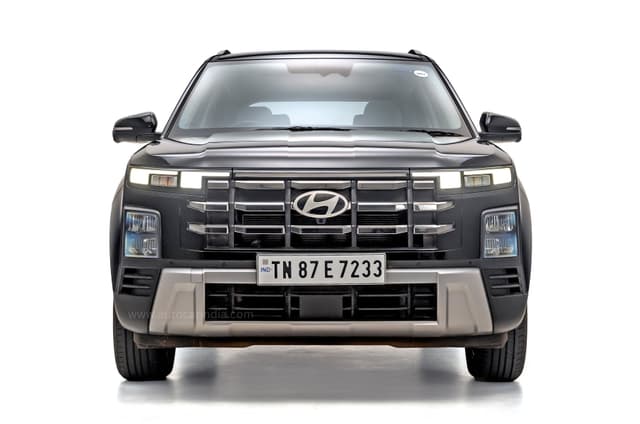
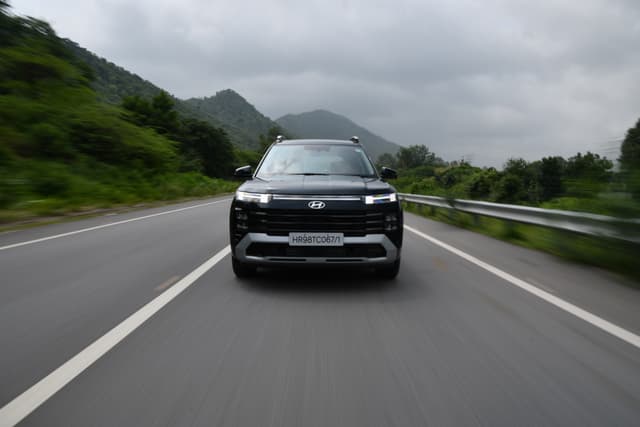
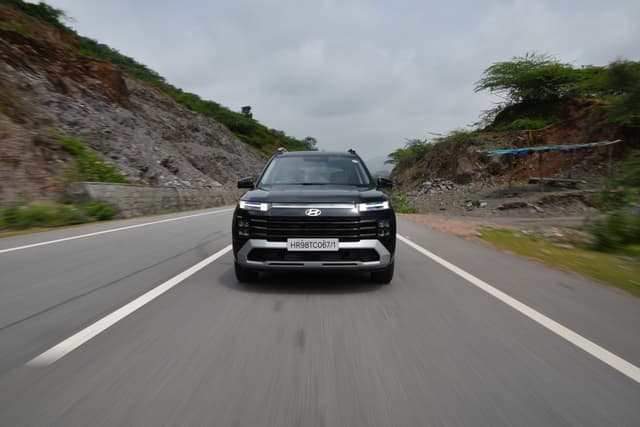
The most popular SUV in India, the Hyundai Creta, is the segment leader that rivals SUVs like the Kia SeltosMaruti Grand VitaraToyota Hyryder and the Mahindra XUV700. The Alcazar is Hyundai’s three-row SUV based on the Creta that rivals the Hector Plus and the Mahindra Scorpio N in our market.

Show more

Find cars by body type

Can't decide which car to buy?
Ask our experts and get answers to all your cars related queries.

FAQs

Hyundai India sells 10 models in India. Popular models include the Creta, Exter, Venue, Alcazar, Tucson, i20, and Verna.

The Hyundai car price in India starts at ₹5.55 lakh for the Grand i10 Nios and goes up to ₹55.70 lakh for the Hyundai Ioniq 5 (ex-showroom).

The Hyundai Grand i10 Nios is the most affordable Hyundai car in India, priced at ₹5.55 lakh (ex-showroom).

The Ioniq 5 electric SUV is currently the most expensive Hyundai car in India, priced at ₹55.70 lakh (ex-showroom).

Hyundai India currently offers the Creta Electric and the Ioniq 5. More electric models like the Ioniq 6 and an entry-level EV are expected in the future.

The list of upcoming Hyundai cars in India for 2026 includes the Bayon and new Creta.

There's no single "best" Hyundai, as it depends on your needs (family, city, budget, electric), but popular top contenders include the Creta, Exter, Venue, and Ioniq 5 (premium EV).

Top-selling Hyundai cars as of 2025 are: Creta, Venue, Exter, Aura, i20, Alcazar, and Verna.

Hyundai offers 12 models in India, out of which 10 are available for sale, and 2 are upcoming.

Hyundai cars under ₹6 lakh (ex-showroom) include models like the Grand i10 Nios, i20, and Exter, available in their entry-level variants.
Need an expert opinion on your car related queries?

Trending Questions on Hyundai Cars - Answered by Autocar Experts

GU

Gulab

20h

I currently own a Jimny AT and am planning to sell it and buy a naturally aspirated petrol automatic car under Rs 18 lakh on-road in Mumbai/Pune. I need it for a family of five. My monthly running is around 800km, with 70% highway and 30% city driving. I am considering only Maruti, Hyundai or Honda. Preferably, I want something with good fuel efficiency and reliability.

Autocar India team

Autocar India

Verified
3h

Go for the Hyundai Creta because your 70% highway use and family of five will benefit most from its space, calm cruising and real-world efficiency. The 1.5 NA petrol with the automatic is smooth, stress-free and proven reliable, and the Creta’s big cabin and boot make family trips easy. Real-world mileage should be good too, and maintenance should be relatively low. In your budget, you should be able to get the mid-range S (O) CVT. Coming from a Maruti Jimny AT, you’ll love the greater refinement, more comfortable ride and stronger high-speed performance.From Maruti Suzuki, there are the Grand Vitara and Victoris, which are both excellent options too. Great mileage, smooth gearboxes and exceptional reliability, but for a family of five, space in the back seat isn't as good as the Creta, and the 105hp 1.5-litre petrol can feel overwhelmed under heavy load, especially on the highway, where you do 70% of your driving. Honda's 1.5-litre petrol in Elevate doesn't have this issue, but compared to the Creta, space and comfort aren't quite as good, and it lacks the same wow factor. However, if you don't mind a sedan, the City is a more compelling choice.Overall, though you won't get it in a higher variant with as many features as others, we feel the Creta is the best all-rounder for the money.

VehicleHyundai Creta
VehicleMaruti Suzuki Jimny
VehicleMaruti Suzuki Grand Vitara
VehicleMaruti Suzuki Victoris
VehicleHonda Elevate
SG

Shashin Gajjar

1d

I am looking for an automatic car (not an AMT, DSG, or DCT). My budget is around Rs. 10-12 lakh. The car will primarily be used for city driving and should also offer good fuel efficiency. I have shortlisted Hyundai Grand i10 Nios Sportz Option IVT, Honda Amaze VX CVT, and Maruti Suzuki Brezza ZXi AT. I am inclined towards the Brezza, but there is no clarity on when the facelift will be launched. Please suggest what I should do.

Autocar India team

Autocar India

Verified
1d

Of your shortlisted cars, the Honda Amaze CVT feels like the best fit. It has a spacious interior, it's excellent on mileage and is compact and easy enough to drive around town. And instead of the VX model you have suggested, you can easily get the top-end ZX well within your budget. Did you mean the Hyundai i20 Sportz (O) IVT? The Grand i10 Nios uses an AMT, which is one of the gearboxes you have ruled out. The i20 is a great option, and in your budget you can even move up to the higher-spec Asta (O) IVT variant. It's nice to drive and has a premium interior, but is not as spacious, practical or fuel efficient as the Honda Amaze CVT.The Maruti Suzuki Brezza ZXI AT, while a more spacious and powerful option, is not available in your budget, and even the lower spec VXI AT will exceed it. The facelifted version is expected to launch soon, and you can expect prices to go up further. If you are willing to extend your budget, it might be worth checking out.Another option you can consider is, the Nissan Magnite Kuro 1.0 Turbo CVT. It's spacious, smooth, loaded with features and comes with a punchy turbo-petrol that is more powerful than the Amaze or i20, and has more torque than the Brezza. It is a great value-for-money option, but bear in mind, Nissan's service network is not as wide as the others'.

VehicleHonda Amaze
VehicleHyundai i20
VehicleHyundai Grand i10 Nios
VehicleMaruti Suzuki Brezza
VehicleNissan Magnite
KS

krishna singhal

2d

​Hey everyone, I would like your advice on restructuring my three-car garage in anticipation of a significant increase in my monthly running. I am based in Bangalore, and my current line-up is as follows: ​Audi A6 (2020) | 35,000 km driven that is used primarily for highways and family outings. It’s a brilliant machine but honestly feels highly underutilized. ​Innova Crysta GX (2019) | 1.5L km driven: The ultimate workhorse. Runs 1,500 km monthly. Split between office commutes, airport runs, and big family trips. ​Hyundai Verna (2023) | 25k km driven: Primarily used as the daily home or city runabout. ​My confusion is that from next month, my personal running will jump significantly to 2,500 km per month. Doing this in Bangalore traffic (plus routine family weekend trips) means fuel costs and driving fatigue are going to skyrocket. I want to bring an EV or a solid Plug-in Hybrid (PHEV) , but I’m considering following: ​Option 1: Replace the Audi A6 with a Premium Luxury EV. Since the A6 is not being used much, I am planning to sell it and get a high-end luxury EV (like a BMW iX1, iX3, or BYD Seal/Sealion 7) to absorb the entire 2,500 km monthly grind and family outings. ​Option 2: Retire the workhorse Innova. It has done 1.5 lakh km and I could replace it and the Audi to go for a two-EV garage, or grab a premium electric 7-seater to take over its duties. ​Option 3: Hold onto the current garage and just add one. Keep all three and buy a new mid-to-premium electric SUV like Tata Harrier EV, Mahindra XEV 9e / XEV 9S, or wait for the upcoming BYD DM-i Plug-in Hybrids. ​With 2,500 km of monthly driving entirely in Bangalore and surrounding highways, what is the smartest financial and experiential move here? Sell the underutilized luxury sedan, upgrade the high-mileage workhorse, or just expand the garage? ​Would love to hear your thoughts, especially on real-world reliability, battery degradation at high mileage, and how the current crop of premium EVs handle Bangalore's notorious infrastructure

Autocar India team

Autocar India

Verified
16h

Since the Audi A6 is the most under utilised, it makes sense to sell it and get an EV instead. Among your choices, the BYD Sealion 7 2WD gets you the biggest battery, which should deliver a real-world range of around 450km. Your fuel spend and fatigue will drop sharply thanks to smooth one-pedal driving and strong regeneration in stop-go traffic. The Sealion 7’s SUV stance and ride, cope better with Bengaluru’s roads than a low-slung sedan, and fast chargers in the city are now easy to find, while a home wallbox will be your primary charger.Keep the Innova Crysta. At 1.5 lakh km, it is still the most stress-free way to haul six people and luggage. With the EV becoming your new primary, it wont rack up the kms as quickly, but its worth keeping around as an alternative for trips where you don't want to plan ahead for charging. The Verna can stay as the spare city tool.On reliability and batteries, BYD’s Blade LFP battery pack has a good record. BYD also offers a pretty long warranty and the option to extend to 8 years/250k kms. The only real trade-off with the BYD is its smaller dealer network and slightly higher road and wind noise at highway speeds. A BMW iX1 is nicer inside and carries the badge, but it's cabin is tighter, has a smaller boot, and you will pay more for less usable range. Alternatively, you can also consider the Hyundai Ioniq 5 - its 84kWh is the largest in the segment, its cabin is premium and it is very nice to drive. Hyundai's network is also larger than BYD's which helps.

VehicleBMW iX1 LWB
VehicleAudi A6
VehicleToyota Innova Crysta
VehicleHyundai Verna

Last Updated on: 10 Jun 2026