Diesel cars in India (58)
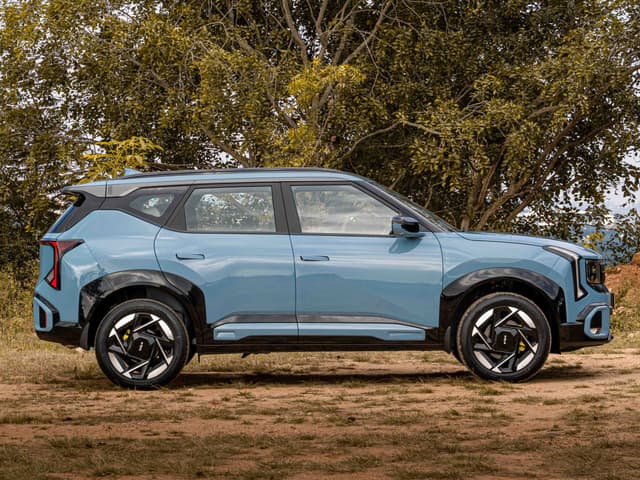
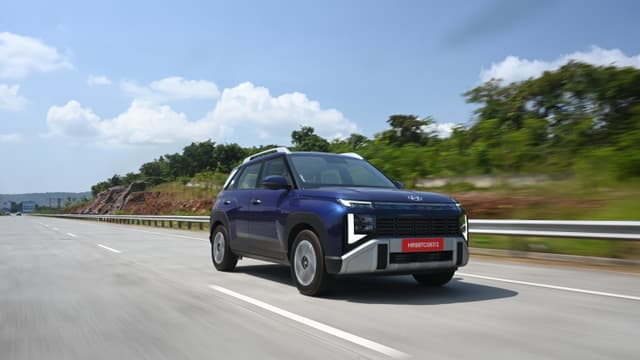
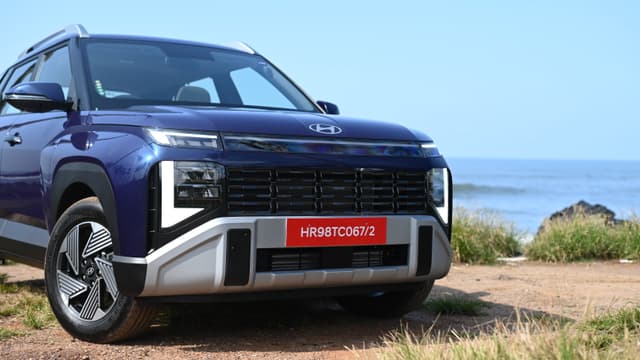
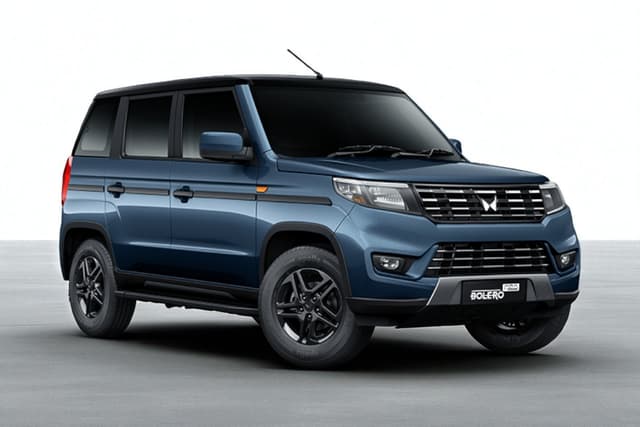
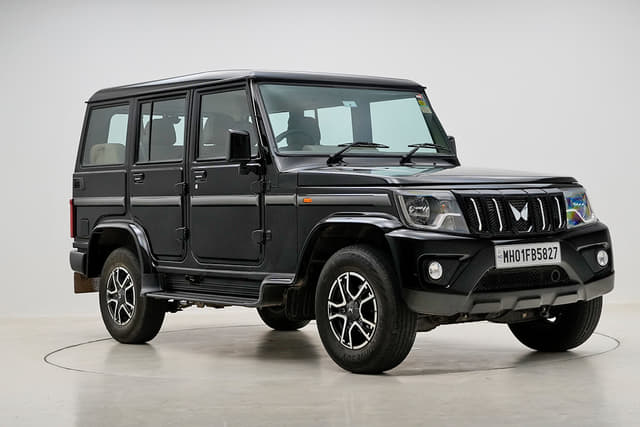
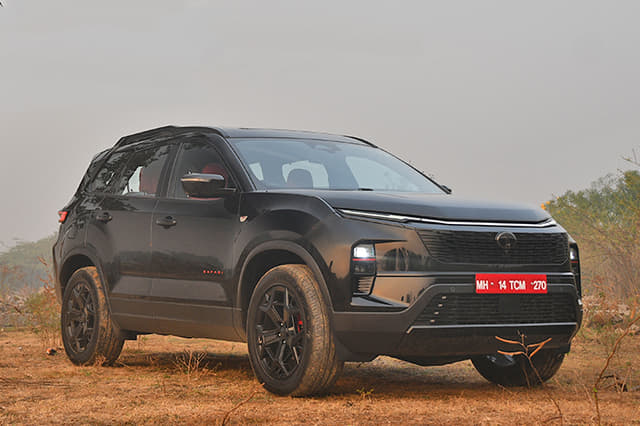
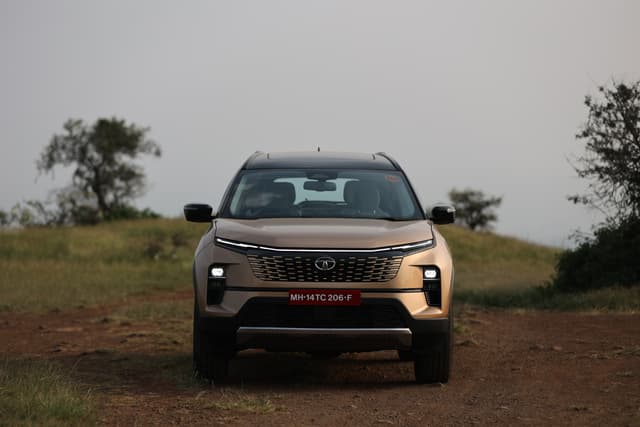
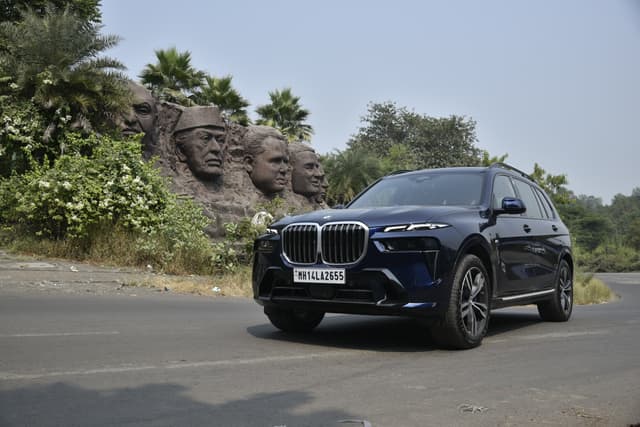
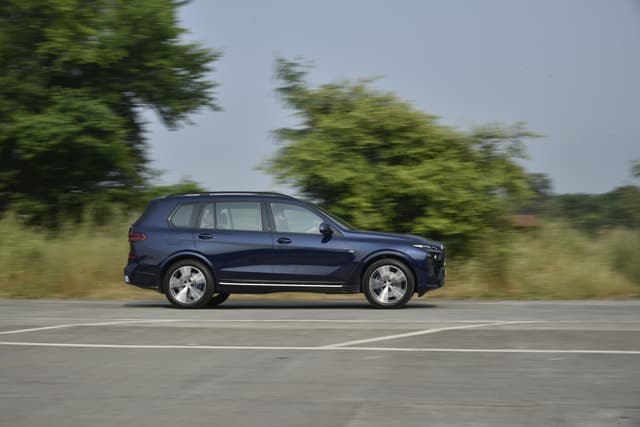
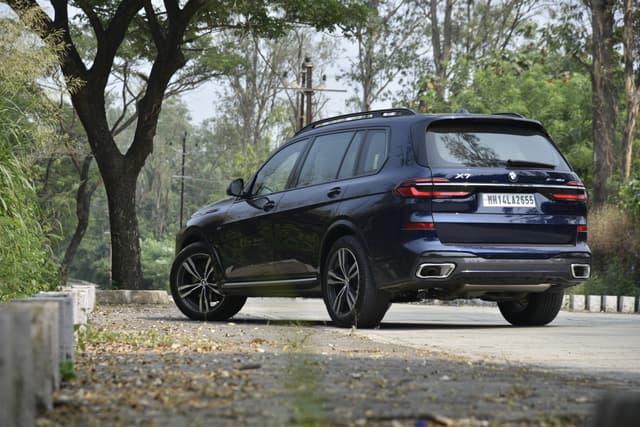
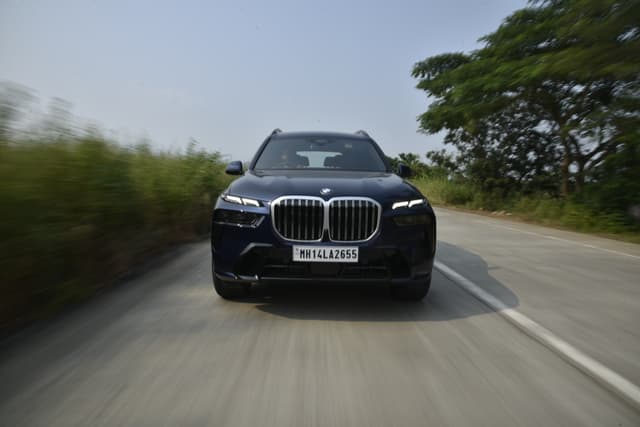
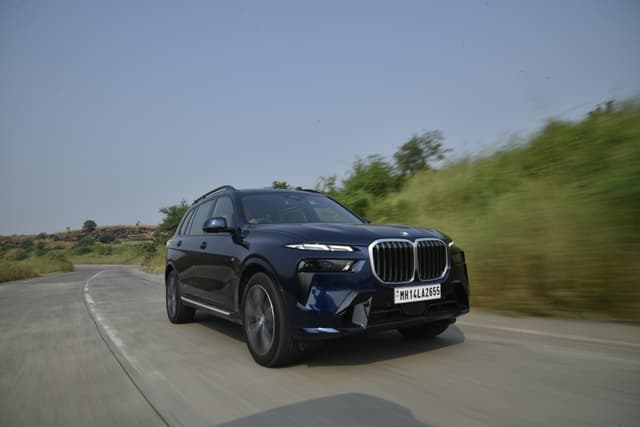
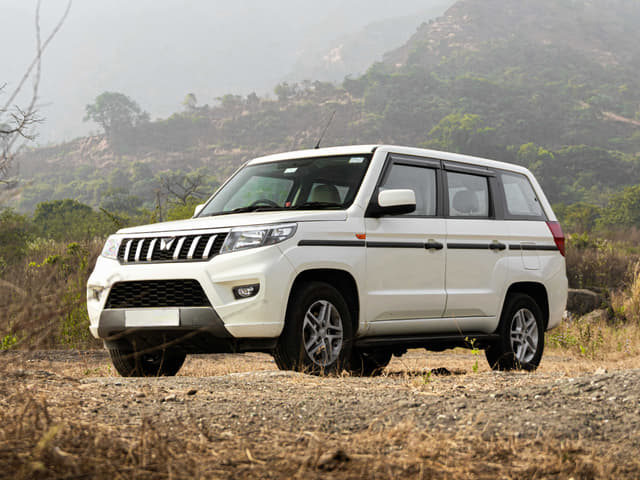
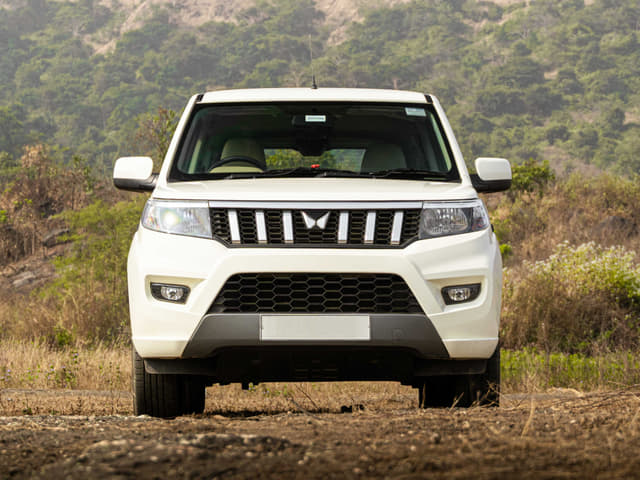
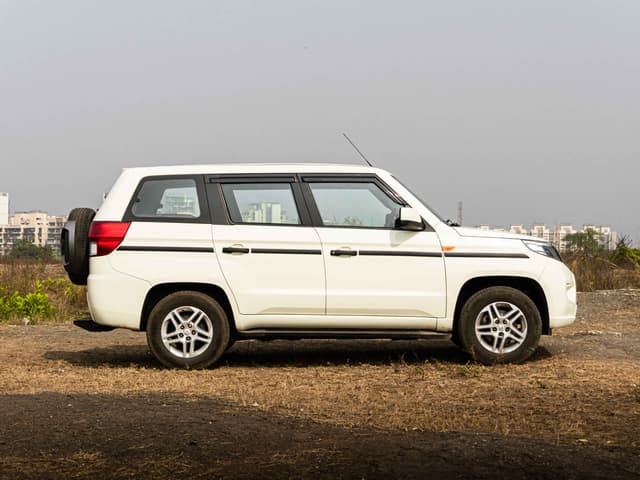
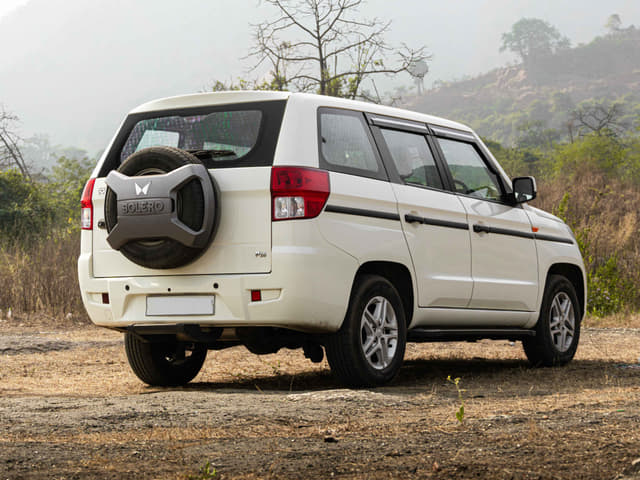
Diesel cars are no longer as common as they once were, but the fuel still has a strong presence in India, particularly among SUVs and larger family cars. Currently, 57 diesel cars are on sale in India, with three more upcoming, ranging from the Mahindra Bolero and Tata Altroz to the Toyota Fortuner, Land Rover Defender and BMW X7.
Diesel engines continue to appeal to those who want strong low-end performance and efficient long-distance running. However, the higher upfront cost, more complex emissions hardware, and restrictions on older diesel vehicles in Delhi-NCR are factors that need to be considered.
Diesel SUVs In India
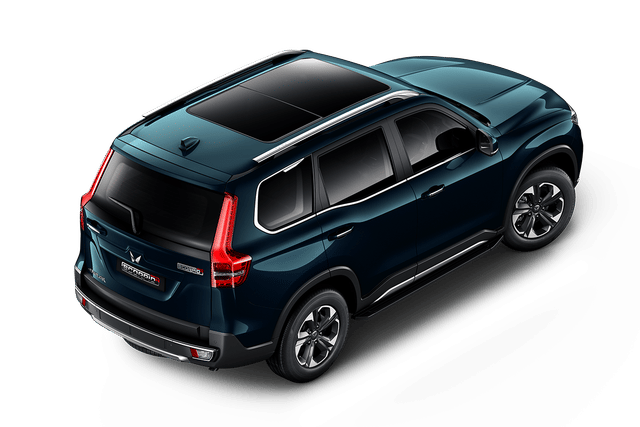
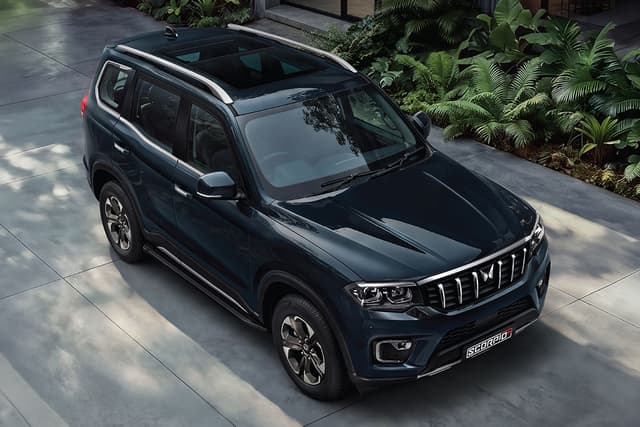
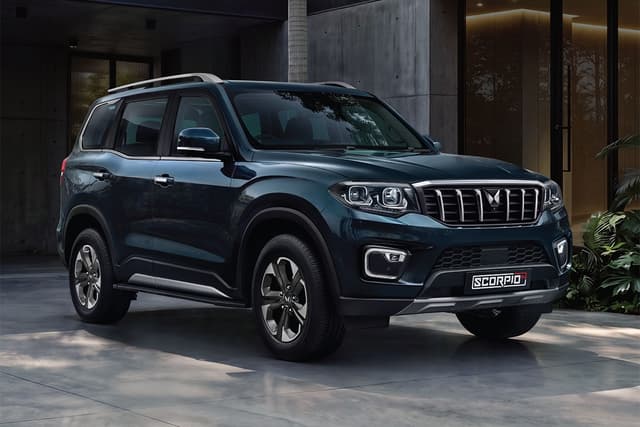
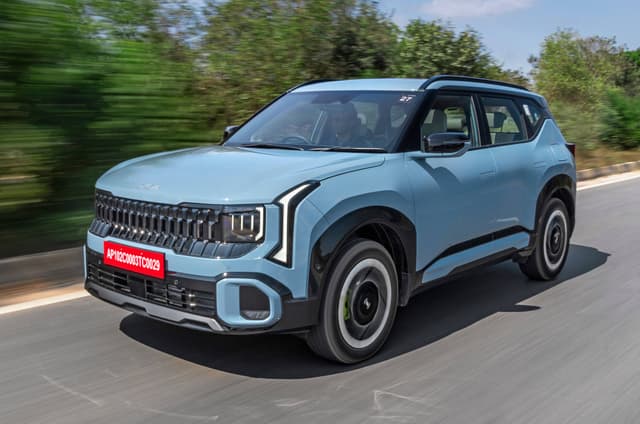
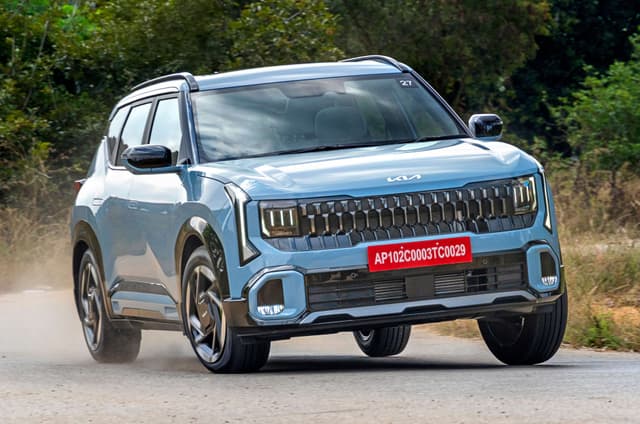
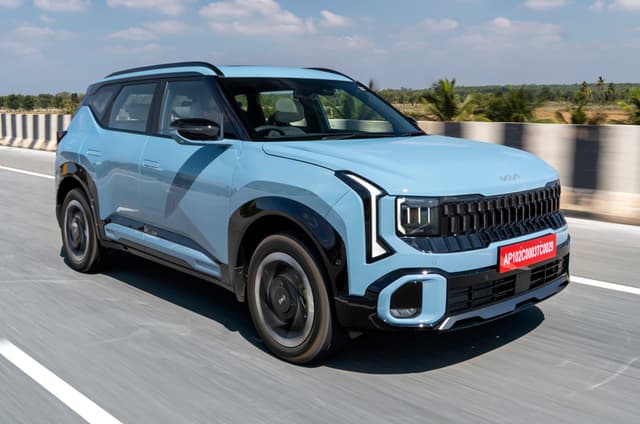
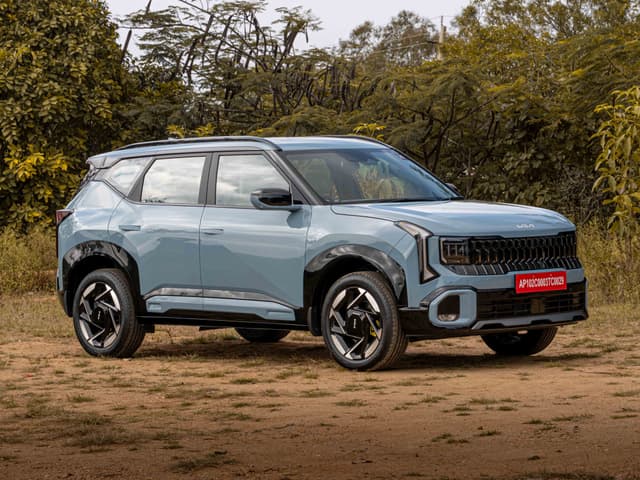
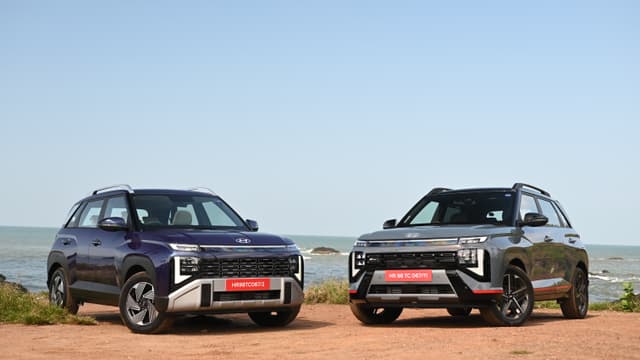
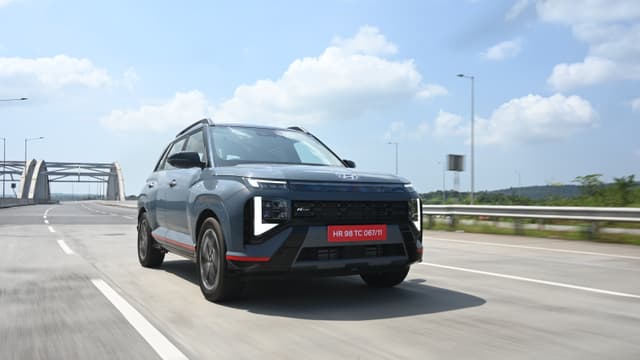
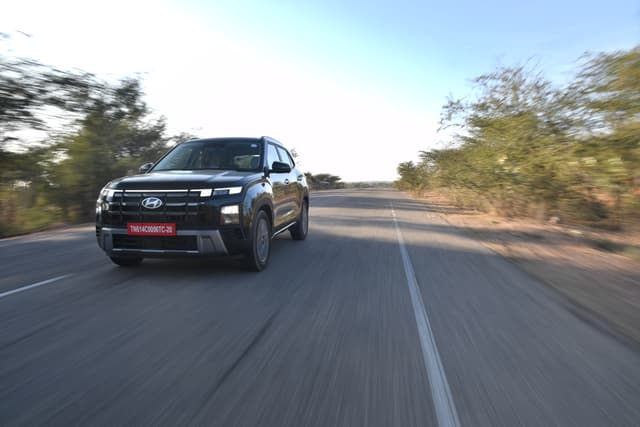
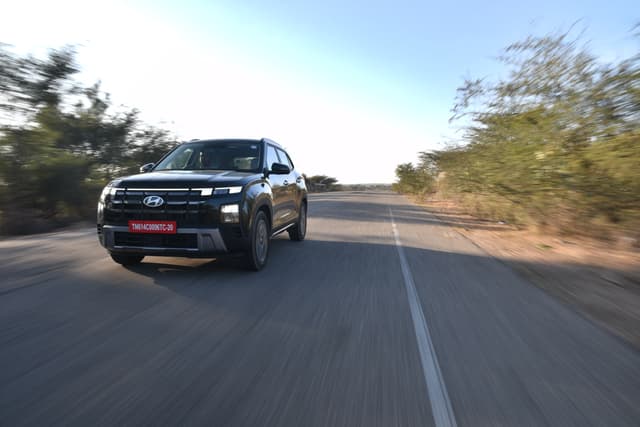
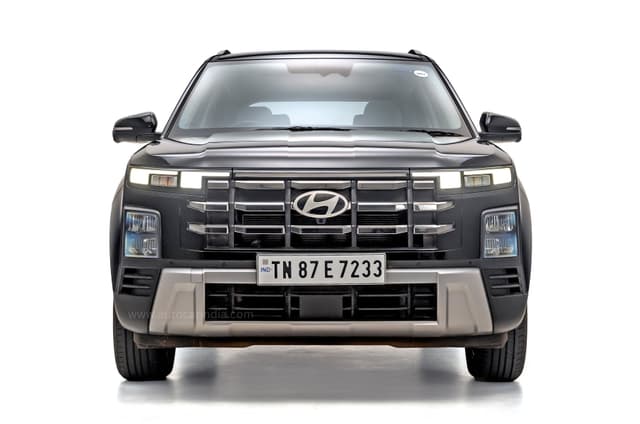
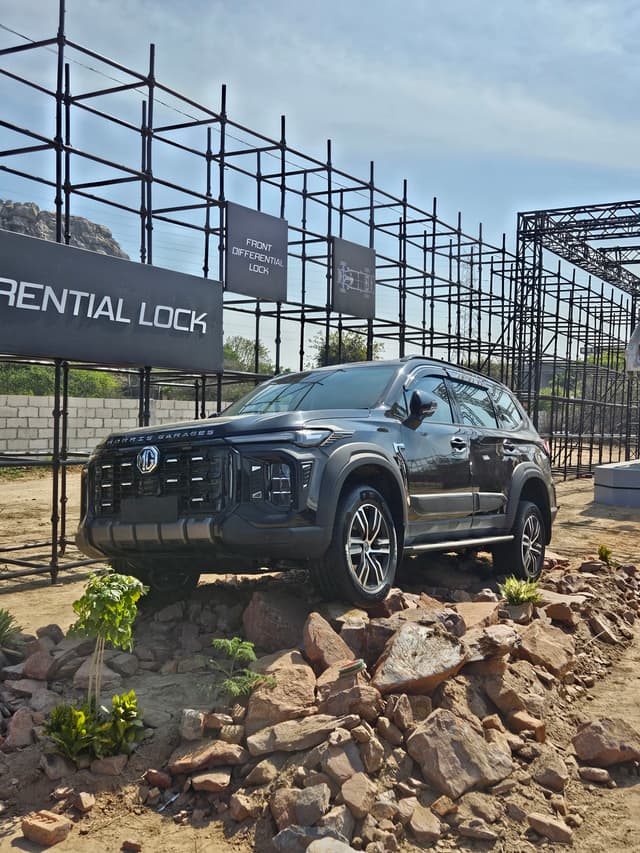
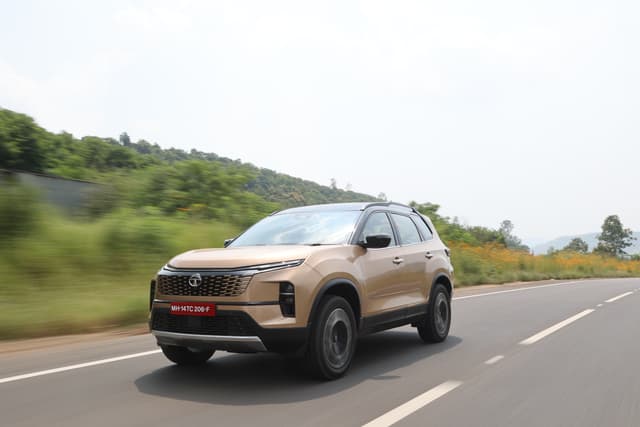
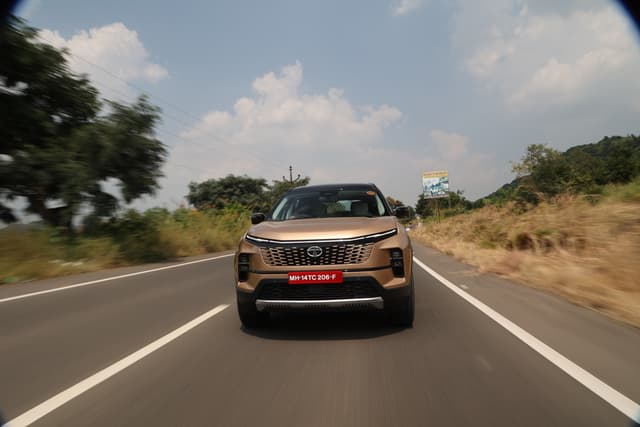
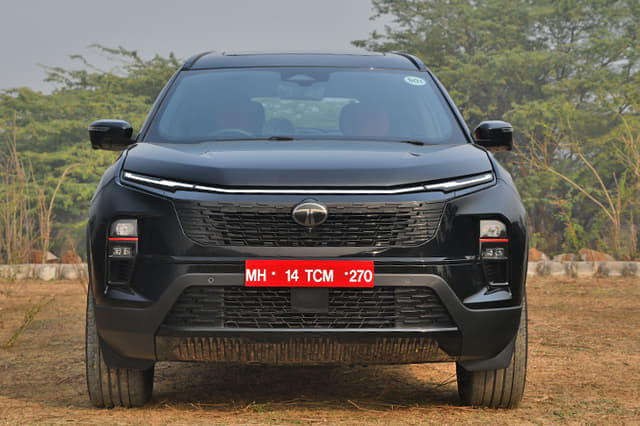
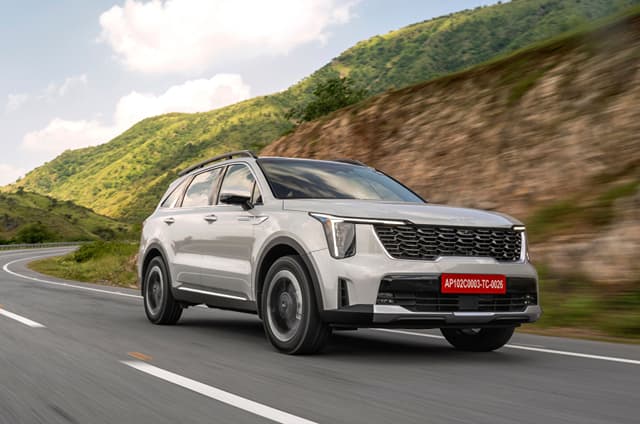
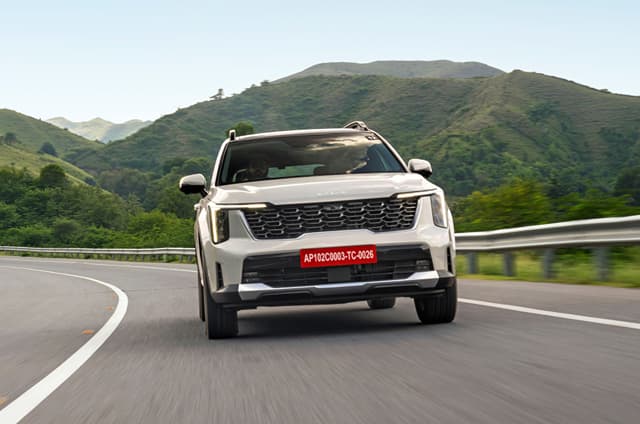
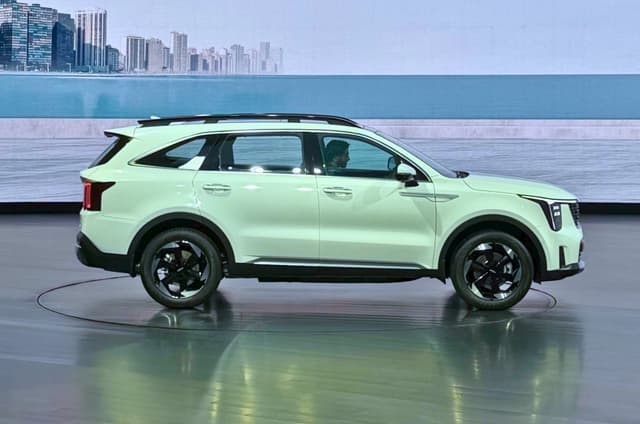
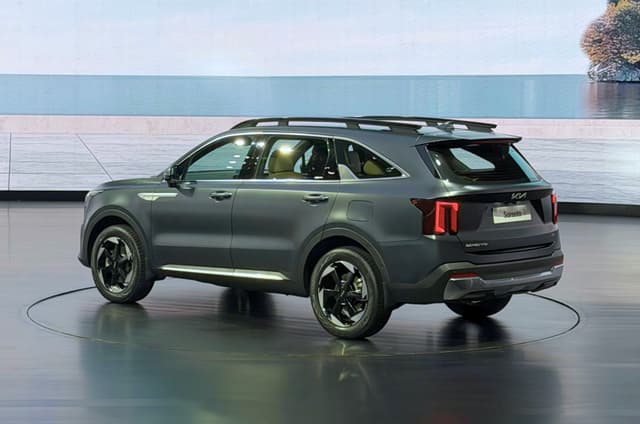
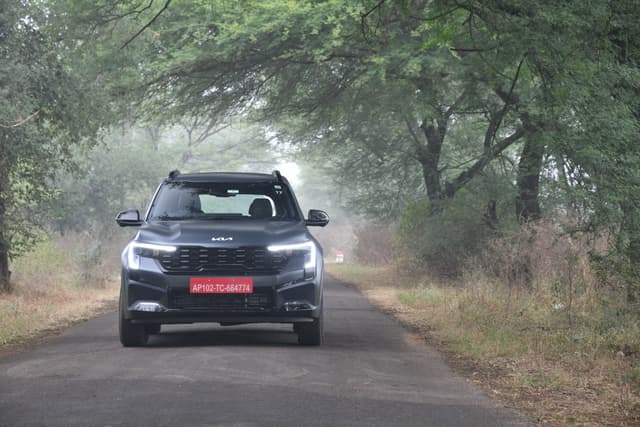
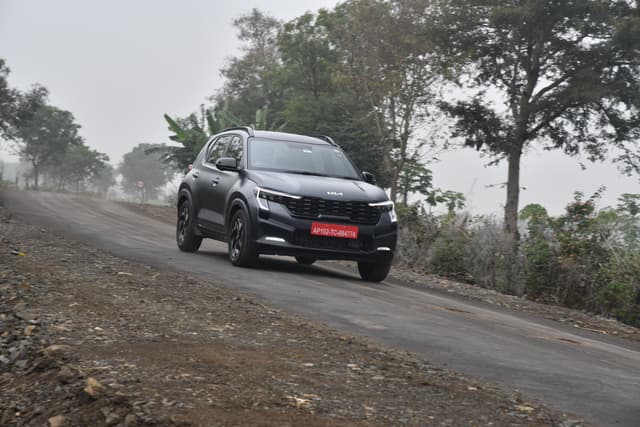
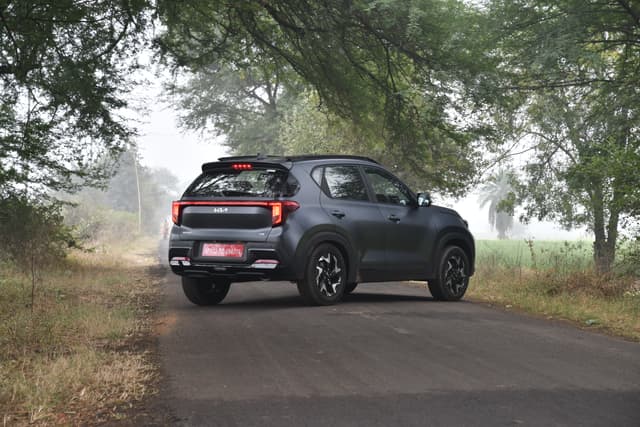
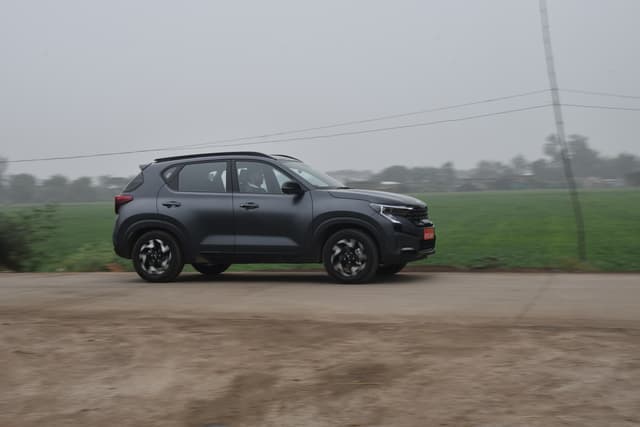
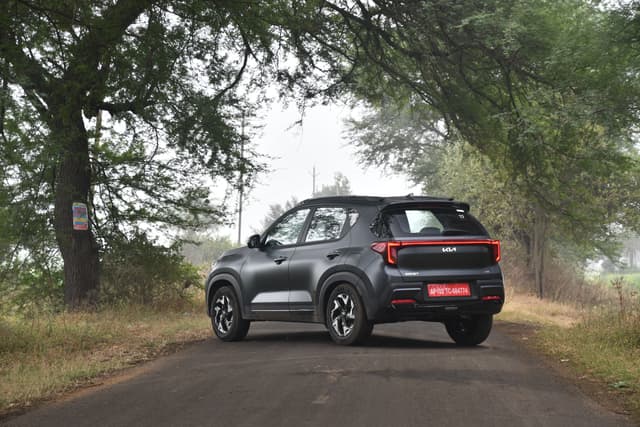
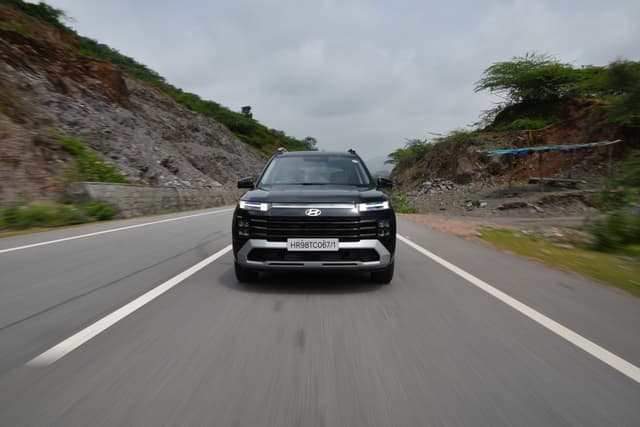
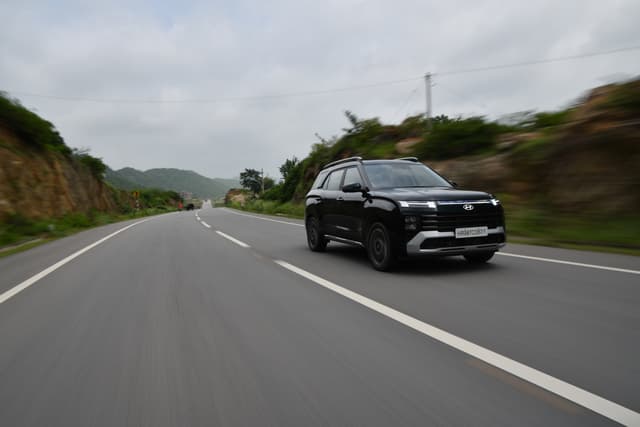
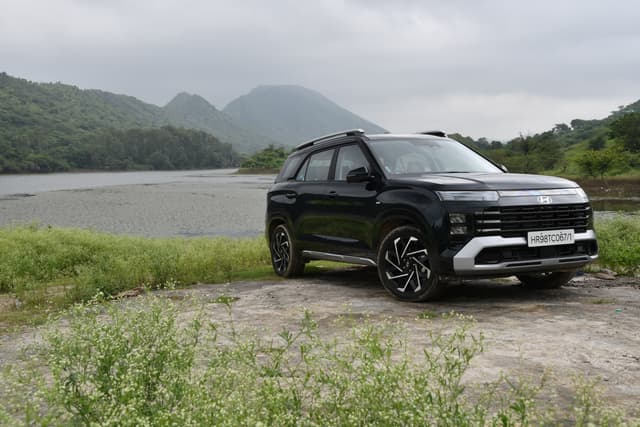
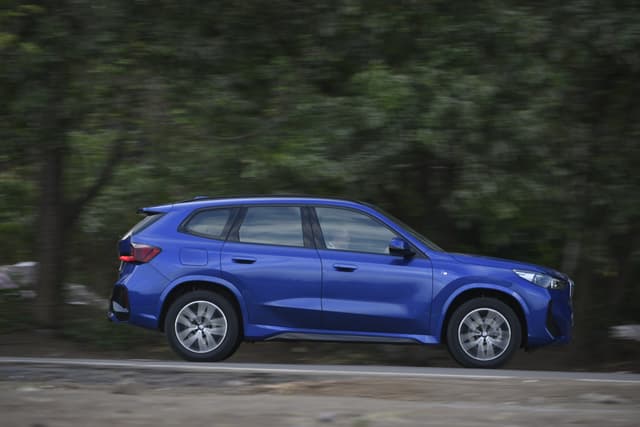
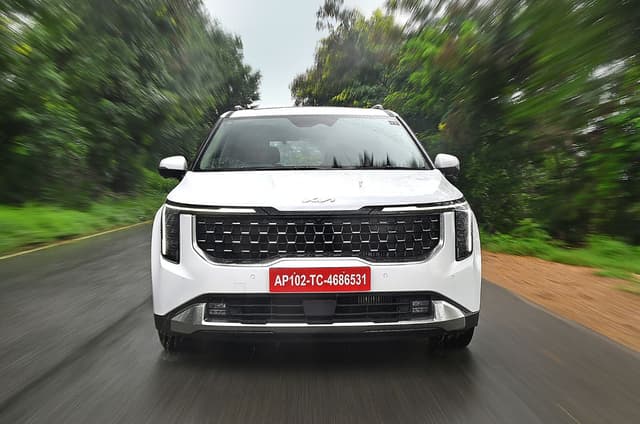
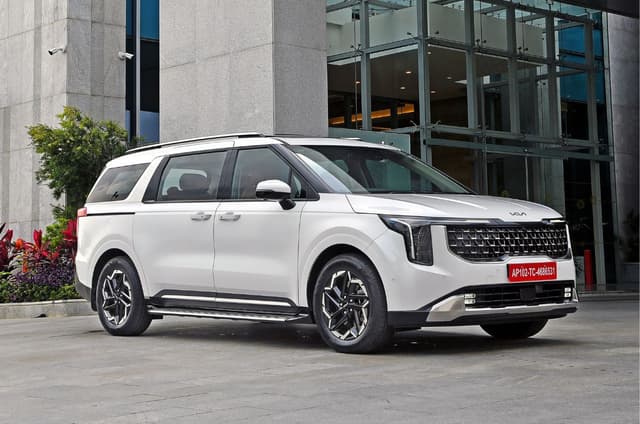
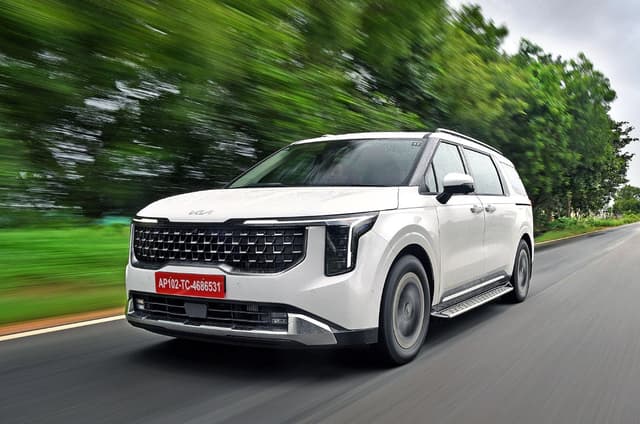
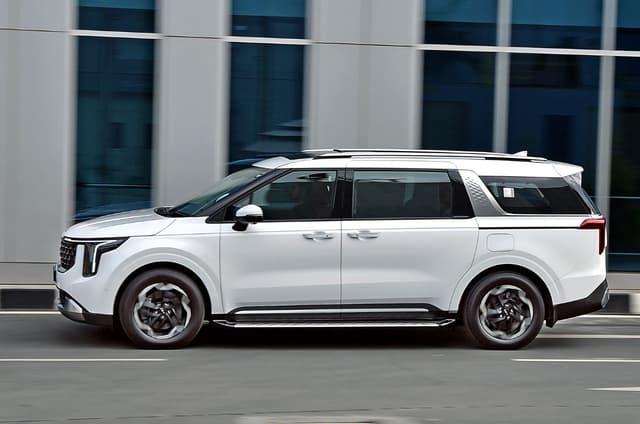
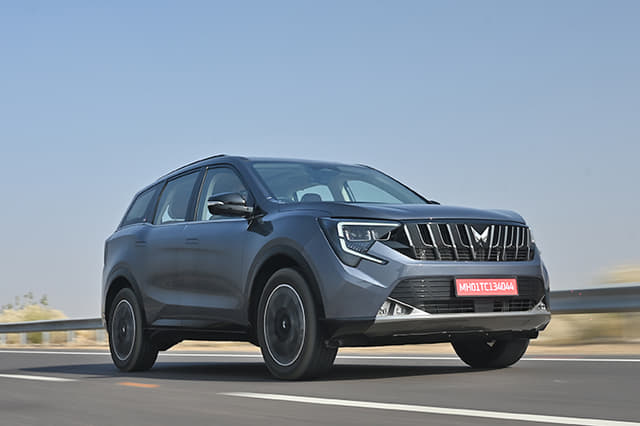
SUVs account for a large share of India’s diesel market, with the powertrain available across several segments. The range starts with compact SUVs such as the Mahindra XUV 3XO, Hyundai Venue, Kia Sonet and Kia Syros, and extends to larger models including the Hyundai Creta, Kia Seltos, Tata Curvv, Tata Harrier, Mahindra Scorpio-N, Mahindra Thar, Thar Roxx and Tata Safari.
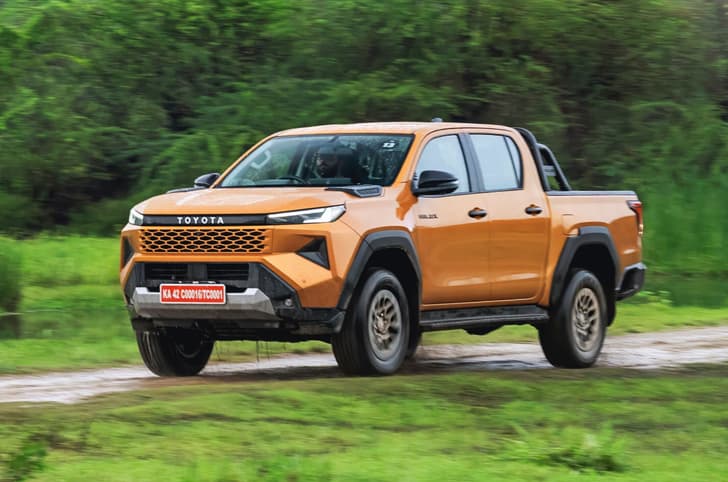
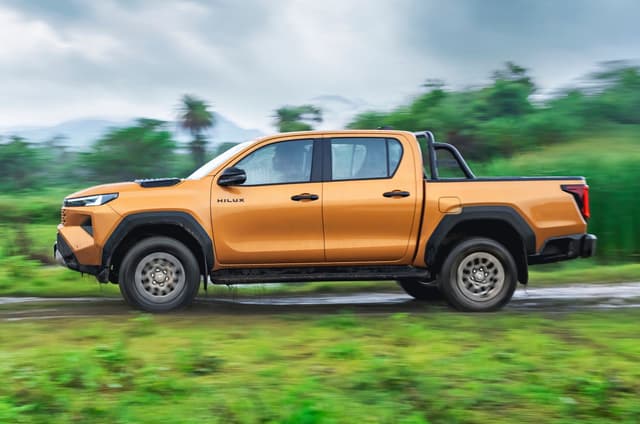
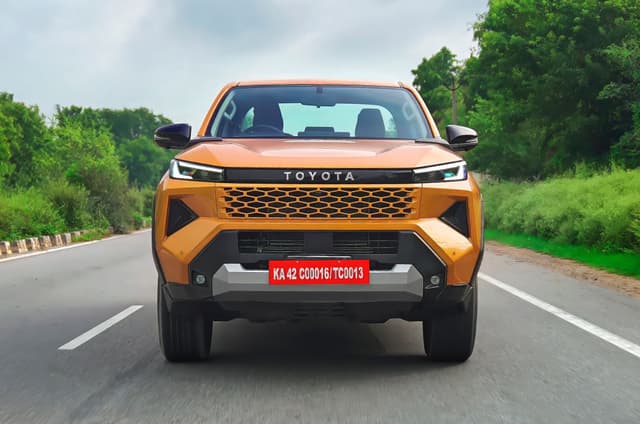
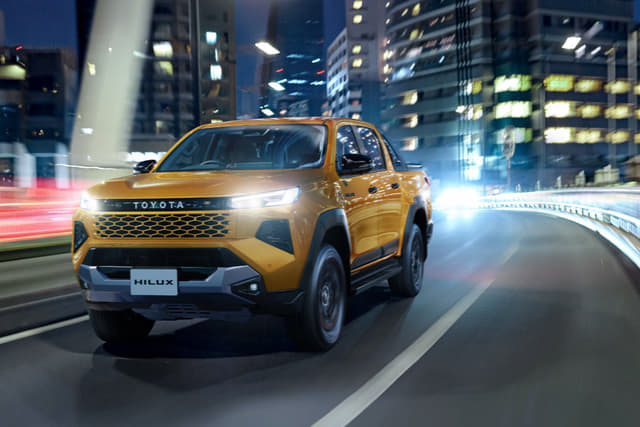
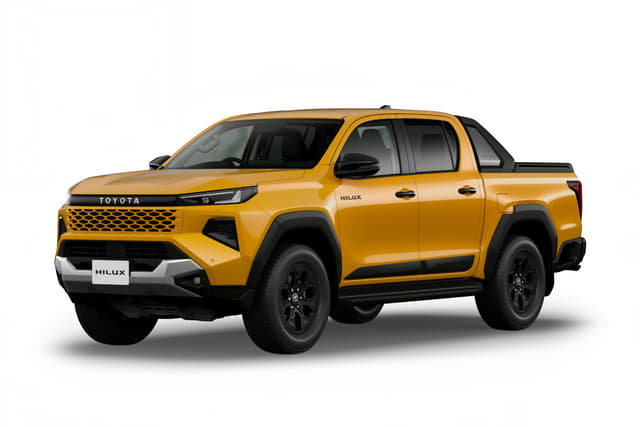
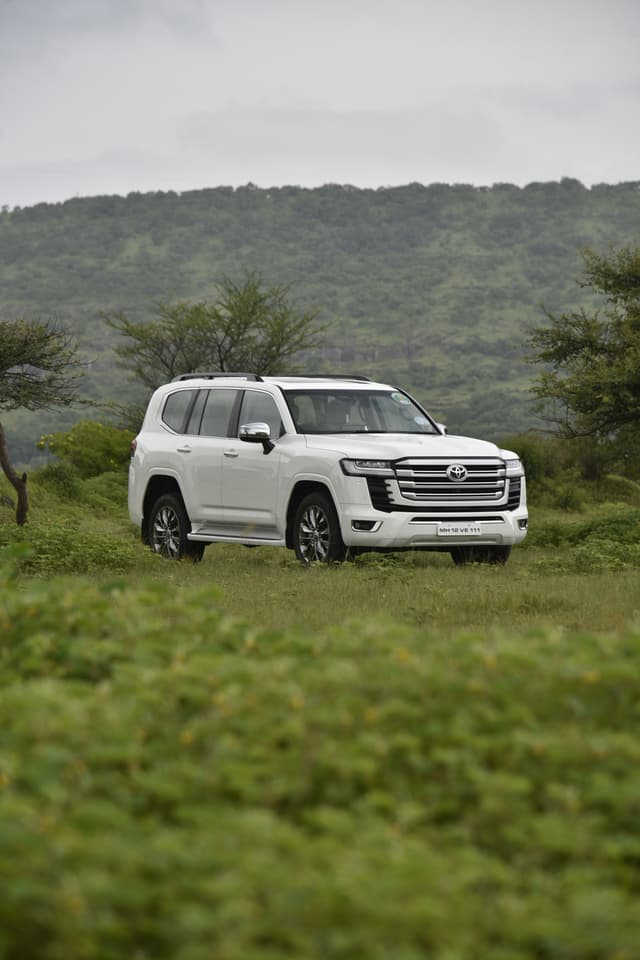
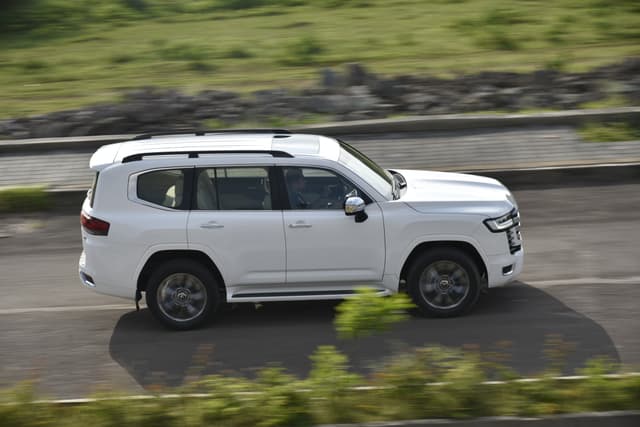
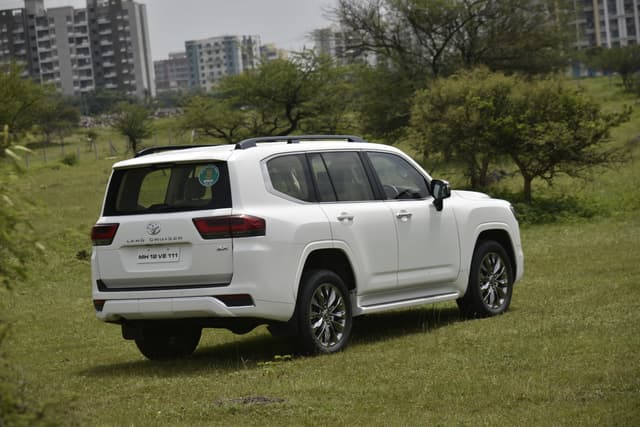
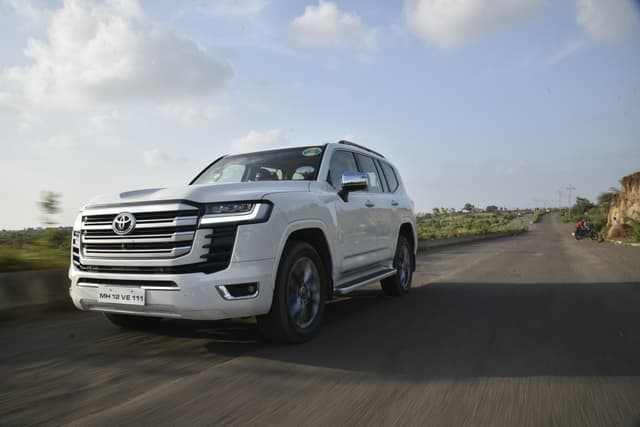
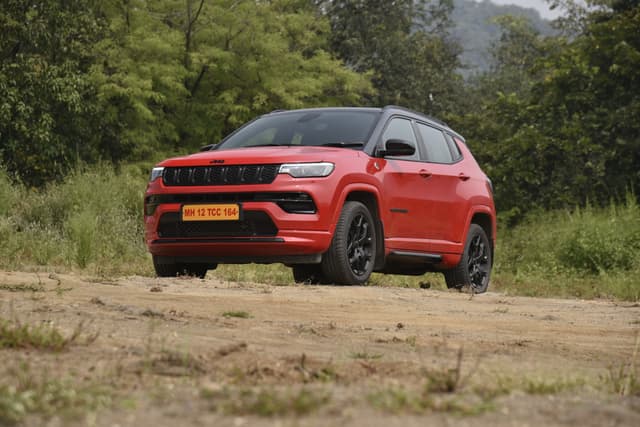
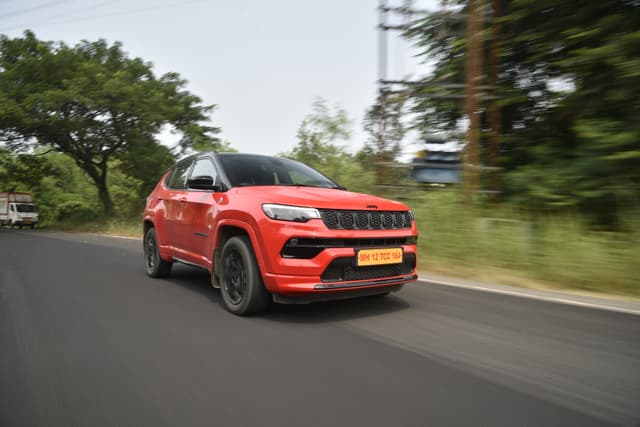
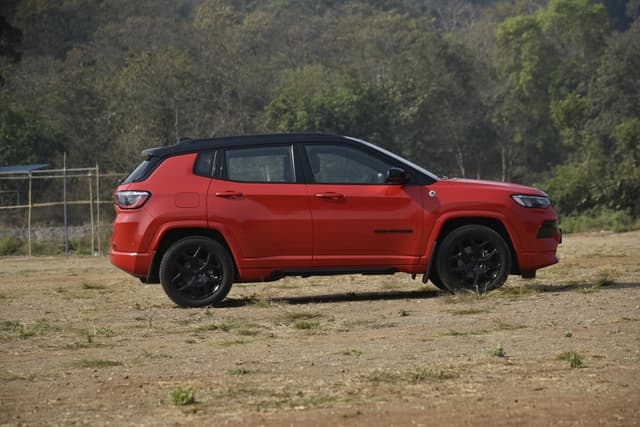
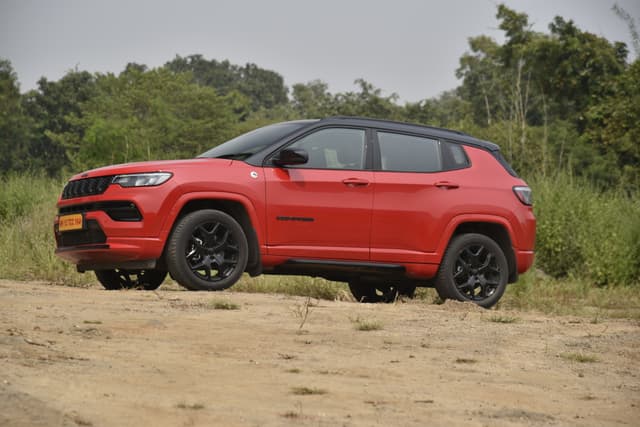
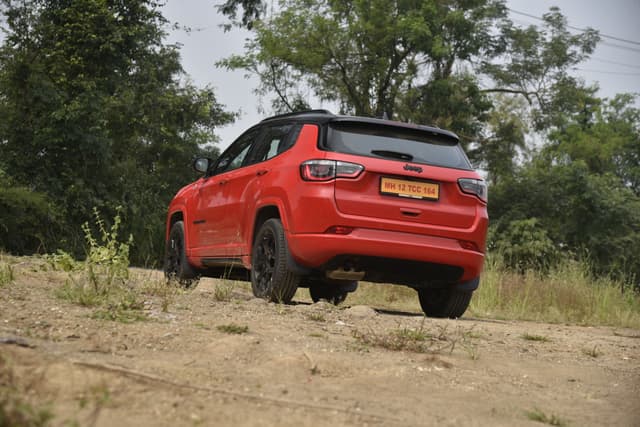
At the upper end, you can also opt for diesel-powered SUVs such as the Toyota Fortuner, Jeep Compass and Toyota Hilux. Mahindra, Tata, Hyundai, Kia and Toyota continue to offer diesel engines across multiple SUV segments, although their portfolios are increasingly adding hybrid and electric powertrains.
Diesel Vs Petrol Cars
The choice between diesel and petrol depends largely on how the car will be used, along with its purchase price and running costs.
Factor | Diesel | Petrol |
Purchase price | Usually Rs 1–3 lakh higher | Lower upfront cost |
Fuel efficiency | Higher | Lower |
Torque delivery | Stronger low-rpm torque | Generally lower low-rpm torque |
Long-distance driving | Better suited to frequent highway use | Better suited to mixed or occasional highway use |
Short urban trips | DPF-equipped cars need suitable running for regeneration | More convenient for short trips |
Emissions system | More complex, with DPF, EGR and, in some cars, AdBlue | Generally simpler |
Heavy loads | Stronger pulling ability | Depends on engine and gearing |
For buyers covering high annual distances, the lower fuel consumption of a diesel can help recover its higher initial cost over time. Buyers with lower annual running may find the lower purchase price of a petrol car more relevant.
Emissions-control systems add complexity compared with petrol engines, making usage pattern an important part of the ownership decision.
Diesel Cars And DPF: What You Need To Know
Modern diesel cars use a diesel particulate filter (DPF) to trap soot from the exhaust. The accumulated soot is periodically burnt off through a process called regeneration, which can happen automatically during sustained driving or be initiated by the engine when required.

This makes the usage pattern important. Frequent short, stop-start trips may not allow the DPF to reach the temperature needed for regeneration, increasing the risk of soot buildup and warning lights. Regular longer drives, particularly on the highway, help the system regenerate effectively.
Diesel cars can still work well in the city, but if you mainly make short trips, consider whether a petrol, hybrid, or EV would suit your usage better.
Future Of Diesel Cars In India
Diesel is expected to remain a more concentrated part of the passenger-vehicle market, with demand continuing in segments where the powertrain remains well suited to the vehicle and its usage.
Toyota, for instance, has said its 2.8-litre diesel engine will continue beyond 2027 in the Fortuner and Hilux, even as the company expands its hybrid and other powertrain technologies.
Diesel's share of India's passenger-vehicle sales increased marginally from 17.93% in 2024 to 18.33% in 2025. The growth was attributed mainly to demand for mid-size and premium SUVs.
The current market therefore points to a more focused role for diesel rather than its complete disappearance. SUVs and larger vehicles remain the key segments where diesel continues to have a presence.


Find cars by transmission


Find cars by transmission


Diesel Cars - FAQs
If you travel long distances often, consider buying a diesel car. These offer a good mix of fuel efficiency and performance. Some options that you can consider are the Kia Sonet, Hyundai Venue and Mahindra XUV 3XO.
To prevent DPF clogging in diesel cars, do a dedicated DPF‑friendly run by holding a steady 60-70kph speed at roughly 1,800-2,500rpm for 20-30 minutes about once every 2-3 weeks. The key is consistency and temperature, so don’t cut such a drive short if you suspect a regen is happening, and avoid lots of very short trips immediately after a cold start, which only accelerate soot build‑up.
The Tata Altroz is the only hatchback to offer a diesel powertrain option.
Maruti Suzuki, Volkswagen, Skoda, Renault, Nissan and Audi are some of the brands that have stopped selling diesel cars in India.
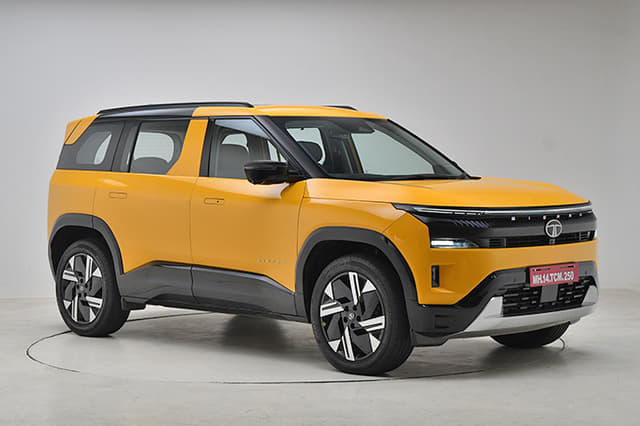
The Hyundai Creta, Tata Sierra, and Kia Seltos are among the most fuel-efficient diesel mid-size SUVs in India. The Creta offers a claimed fuel efficiency of up to 21.80kpl, the Sierra returns up to 21.26kpl, while the Seltos delivers a claimed fuel efficiency of up to 19.40kpl.
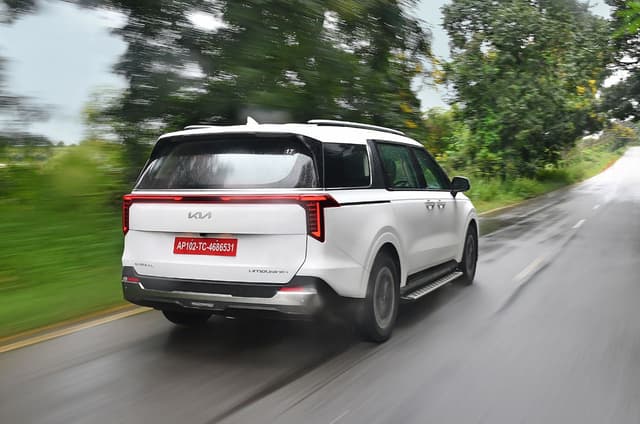
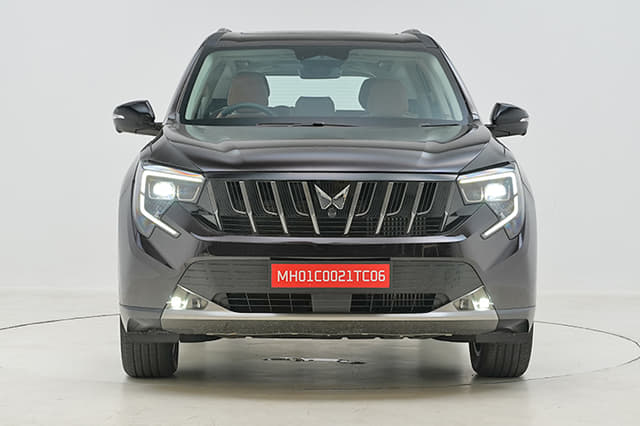
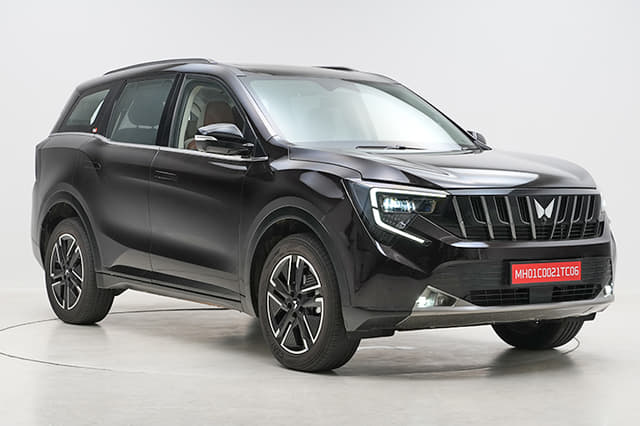
Yes, 7 seater diesel cars in India include Kia Carens Clavis, Mahindra XUV 7XO, Toyota Fortuner, BMW X7 and more.
Modern diesel cars come with a lot of tech onboard to drastically reduce tailpipe emissions. Diesel cars are usually known to be more fuel efficient than petrol cars, and thus, they still make sense for those who do long distance travel. However, those residing in areas such as Delhi-NCR, the 10-year rule for diesel cars could be an issue.
Diesel engines are known to offer high torque outputs, making them suitable for SUVs and rugged pickup trucks.
Trending Questions on Cars - Answered by Autocar Experts
I have to buy a new SUV under a budget of Rs. 25 lakh. My running is 2500 km per month in Delhi - NCR with occasional long drive. My family wants XUV 7XO diesel. However, I do like new Kia Seltos diesel. Please guide.
Go for the Mahindra XUV 7XO diesel. With 2,500 km a month and regular long drives, the diesel engine makes strong financial sense, and the 7XO is the better fit for your usage. It is a larger, more comfortable SUV with a stronger diesel engine, better highway stability and more space for family trips. The Seltos diesel is a very good car, but it is a smaller SUV and does not offer the same level of space or long-distance comfort. The 7XO also gives you the flexibility of a larger boot and occasional third-row use, which is useful for family outings. The only thing to keep in mind is that the 7XO is a bigger car to drive in the city, but overall it is the more complete package for your usage.
I have driven suv/muv for long time and carens clavis diesel is my 20th suv.It gives both sedan and suv facilities.No problem in Kulu Manali,kmpl could not noticed below 17 at every situation.After 80k kilometers,,it is given the feeling like showroom.Its a/c is powerful,at temperature 47 degree ,it cool whole car within 2 3 minutes and we can't continue the a/c more than half hour on full in 48 degree even,,in long drive with family,it gives the results most comfortable from every angles.
Hi, kindly advise me on choosing between the Tata Safari and the Mahindra XUV 7XO diesel automatic. My annual driving is around 25,000 to 30,000 km, with a mix of city and highway travel. I am not interested in a hybrid or an electric vehicle. Which of these two SUVs would be the better choice for my usage? Please advise. Thanks in advance.
Go for the Mahindra XUV 7XO diesel automatic. At 25,000- 30,000 km a year, you’ll spend a lot of hours behind the wheel, and that’s where the Mahindra pulls ahead. Its 2.2 diesel is noticeably stronger than the Tata Safari’s diesel, so overtaking on the highway takes far less effort. It’s also more refined. The Safari’s diesel gets gruff, especially at low speeds in town. The 7XO’s ride is excellent too, soft over bad roads and flat and composed at high speed. If you ever drive on poor roads or in the hills, it also offers all-wheel drive on the top versions, which the Safari doesn’t.The one area where the Safari wins is the third row. It’s easier to get into and roomier, while the 7XO’s last row really only suits kids or short trips. So if you’ll regularly fill all seven seats with adults, the Safari deserves a serious look.Otherwise, the 7XO is the better car to live with every day.
Hi Autocar Team, I am interested in buying a Hyundai Creta, but I am confused between the petrol and diesel variants. I drive around 10,000 km per year, with a mix of short trips, long trips, and city driving. I am concerned about DPF issues with the diesel engine and the mileage of the petrol engine. Q1. How often do we need to drive a diesel car? Is there any rule that we need to start and drive it daily? Q2. If we don't drive the car, will soot still form in the DPF? Q3. If I don't drive the car for two weeks and then drive it only in the city for the next two weeks, how would DPF clogging occur? Basically, how should we maintain these diesel engines? Please guide me in understanding this.
At 10,000km a year, buy the Hyundai Creta petrol. A diesel only pays off at much higher mileage, and its higher price would take many years to recover. The petrol’s fuel bill will be higher, but at your running, the difference is only around Rs 2,000-2,500 a month.To answer your DPF questions: No, you don’t have to drive a diesel every day. Soot only forms while the engine is running, so a car parked for two weeks builds up nothing. The bigger risk then is a flat battery. The filter cleans itself by burning off the soot, but it needs heat to do it. That takes 15-20 minutes of steady driving at highway speeds. Short city trips never get it hot enough, so the soot keeps building until a warning light comes on.Your pattern is the risk. Two weeks parked does no harm, but two weeks of only city driving is exactly what fills the filter. A diesel car owner in your position would need a proper highway run every couple of weeks and avoid switching off midway through a cleaning cycle.None of this is difficult, but it’s a routine you have to keep up, and with a petrol car you don’t have to think about it.
I am planning to buy Kia seltos but my monthly running will be less than 1000 km which will include 75% running in the city and 25% running on the highway once in 2-3 months. Please suggest which will be better for me between petrol and diesel and if I should go for petrol, should I go with IVT or DCT?
With less than 1,000 km a month and mostly city driving, petrol is the clear choice. Diesel only makes sense with high annual running and regular highway use, which you do not have. Between the IVT and DCT, go for the IVT. It is smoother in traffic, easier to live with and better suited to your driving pattern. The DCT is quicker, but it is not as comfortable in stop-go city conditions. The Kia Seltos IVT is the better long-term ownership choice for your usage.
Last Updated on: 13 Oct 2026