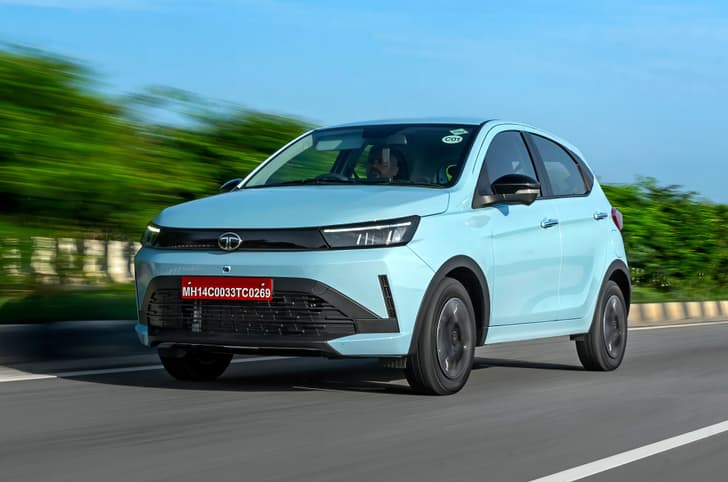
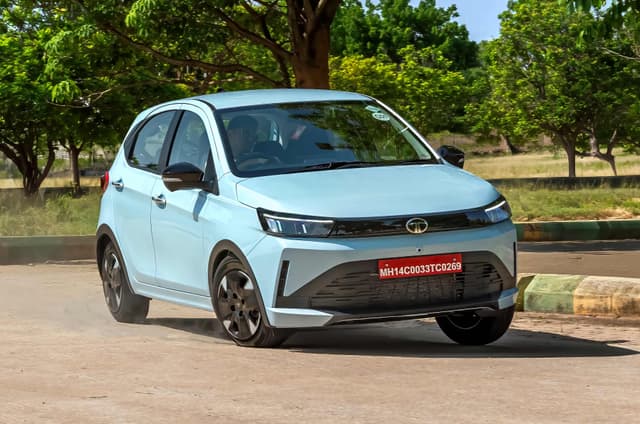
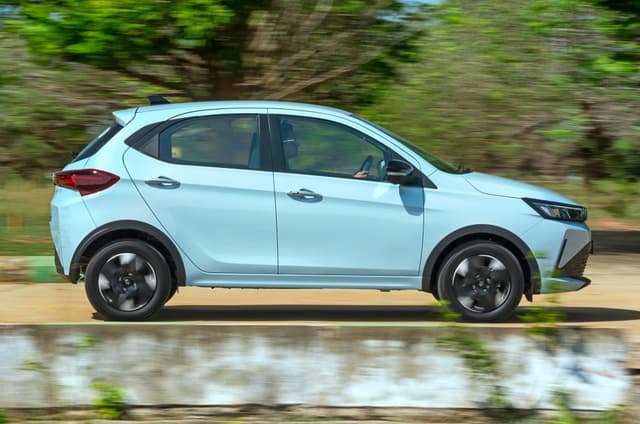
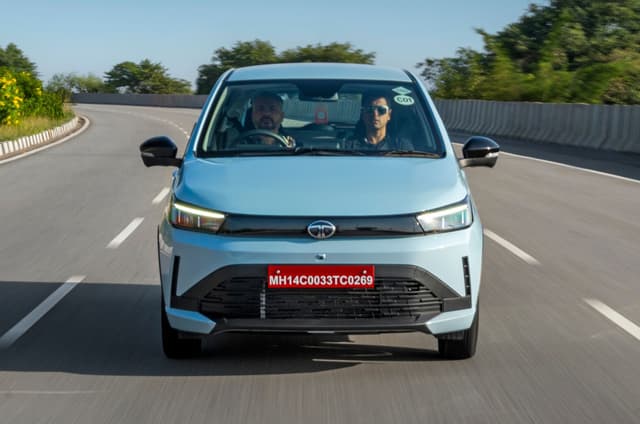
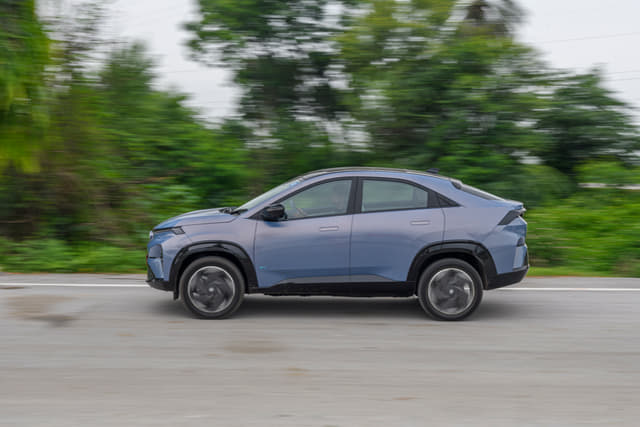
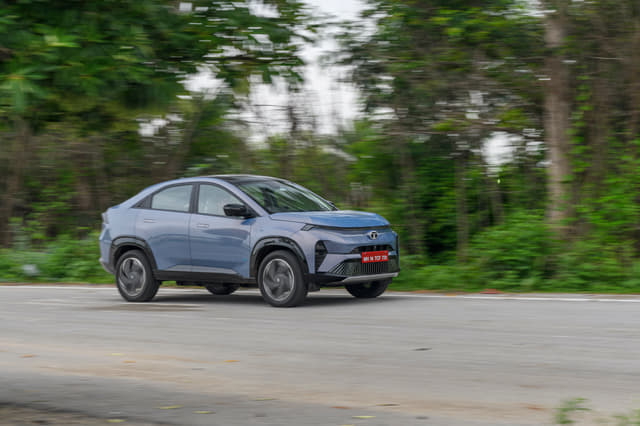
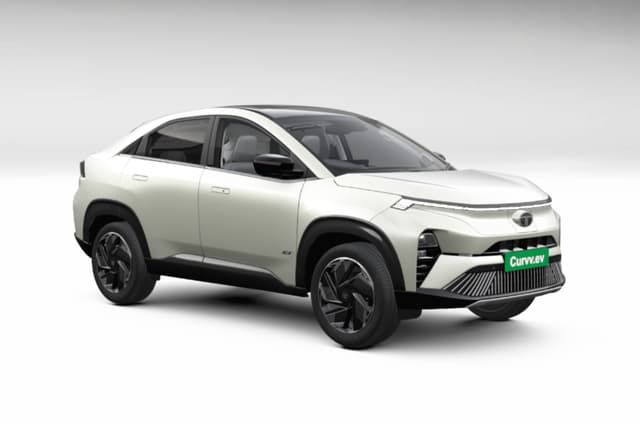
or select from slider
₹3,00,000
₹10,00,00,000
(11)
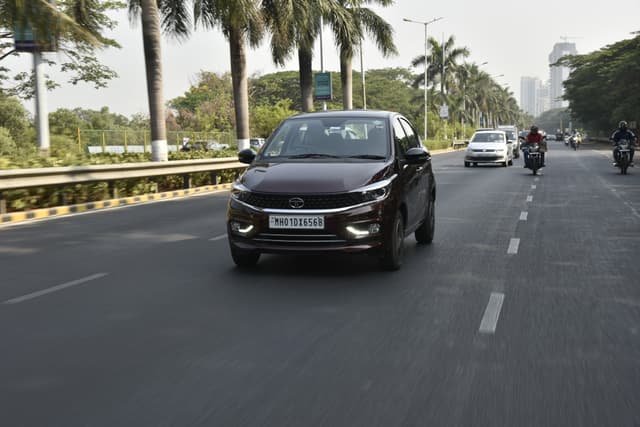
(8)
Tata
Tata cars in India (19)
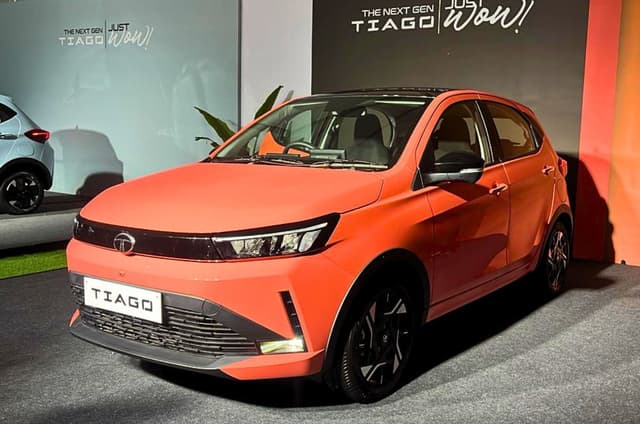
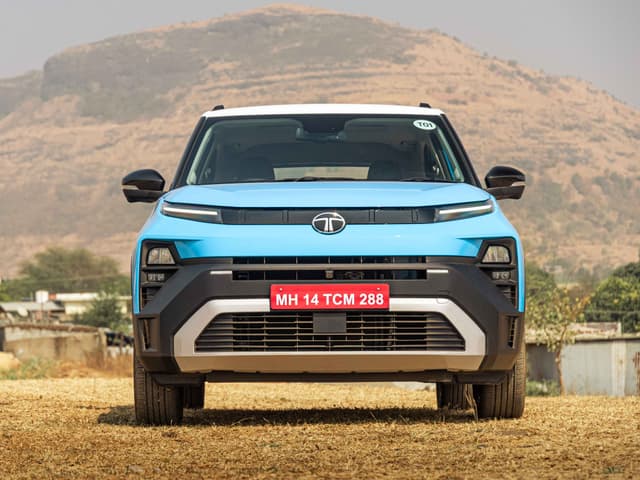
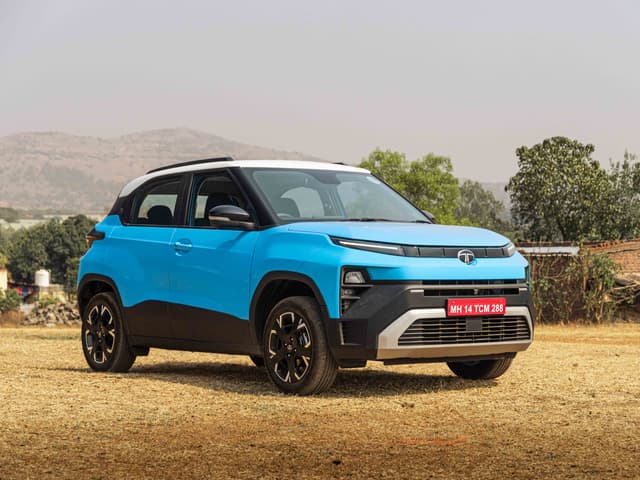
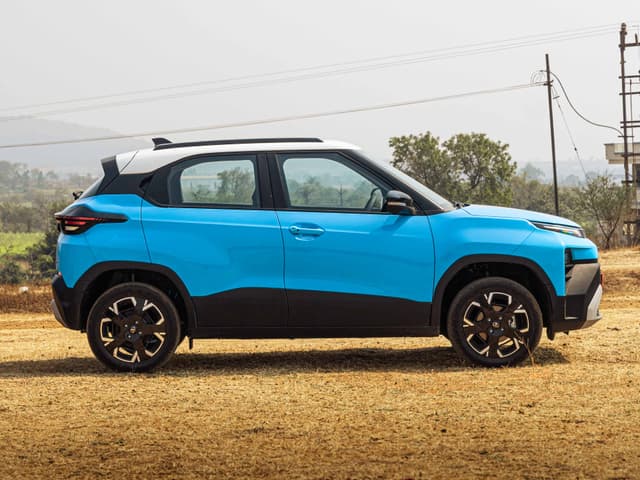
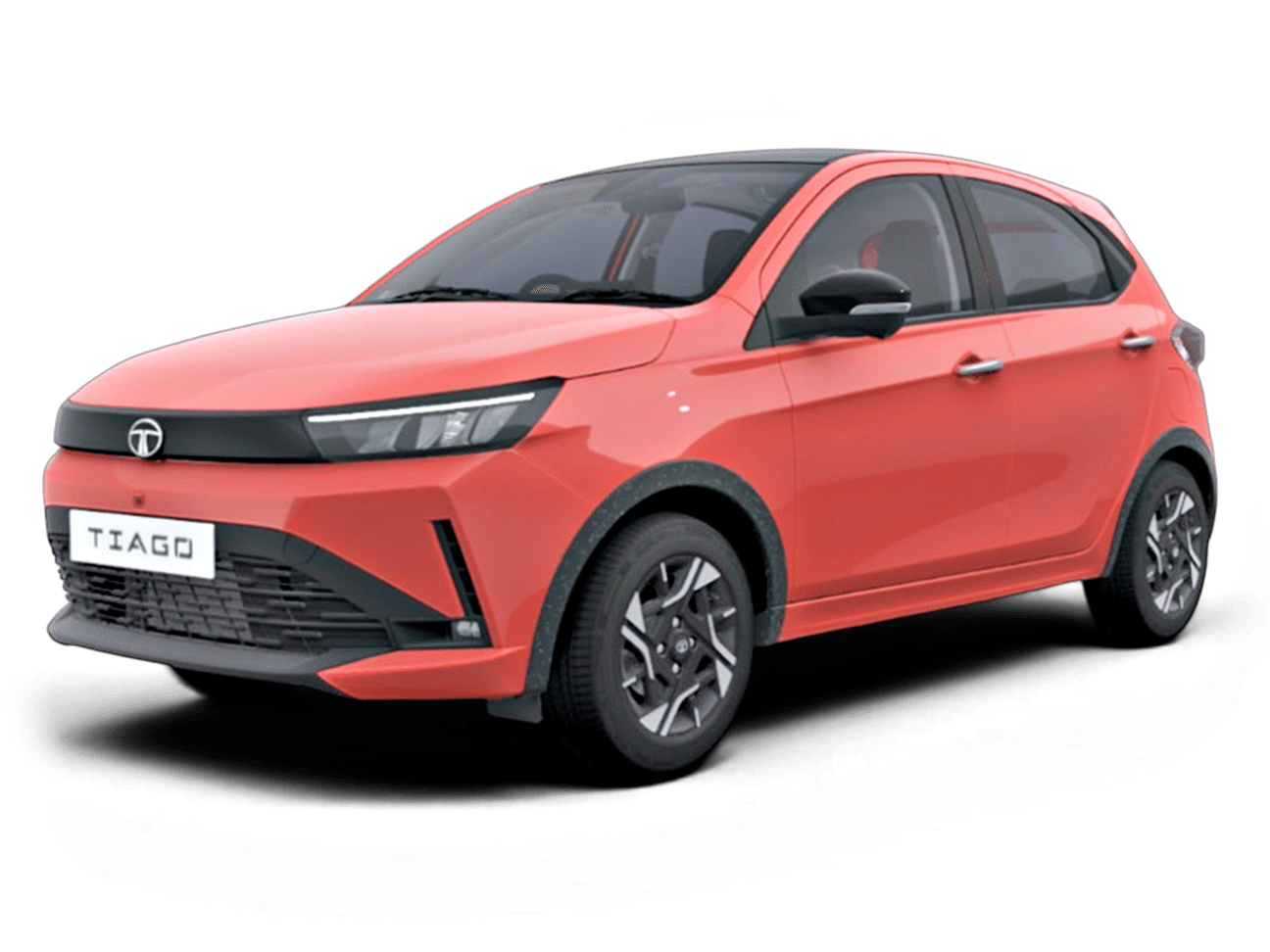
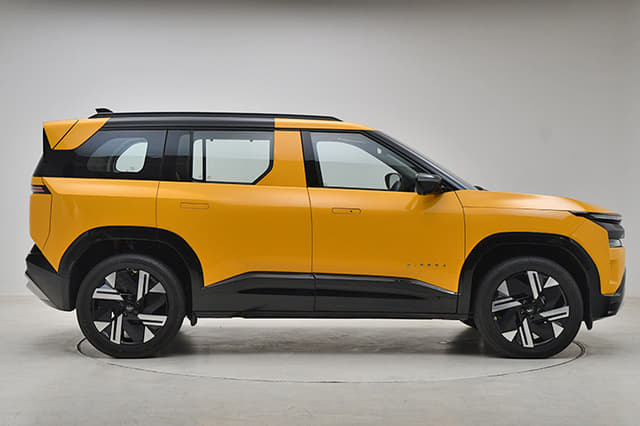
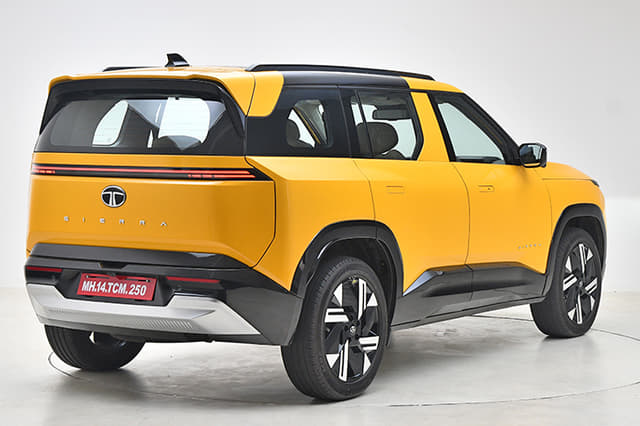
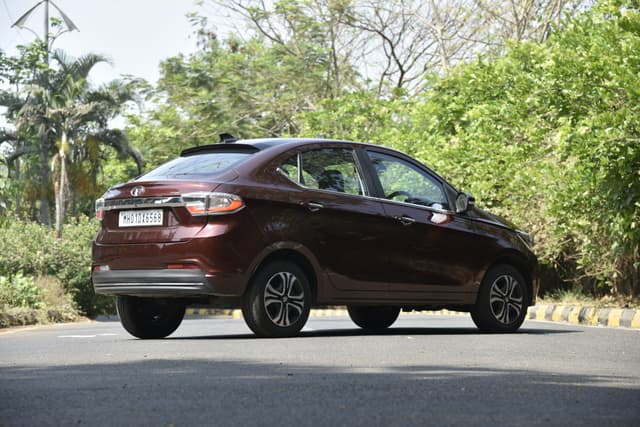
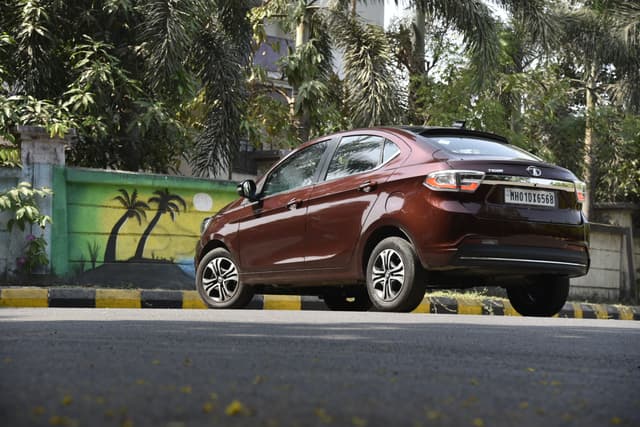
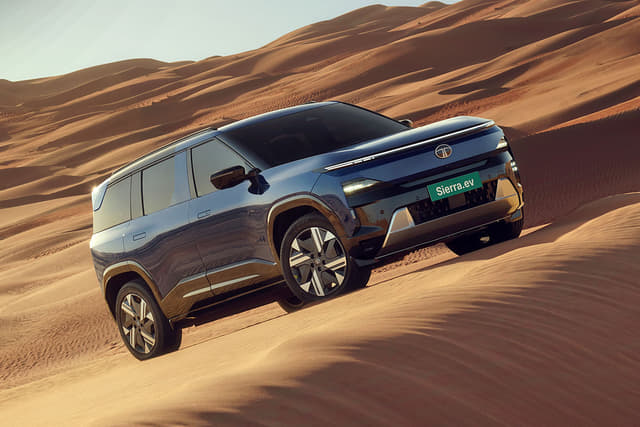
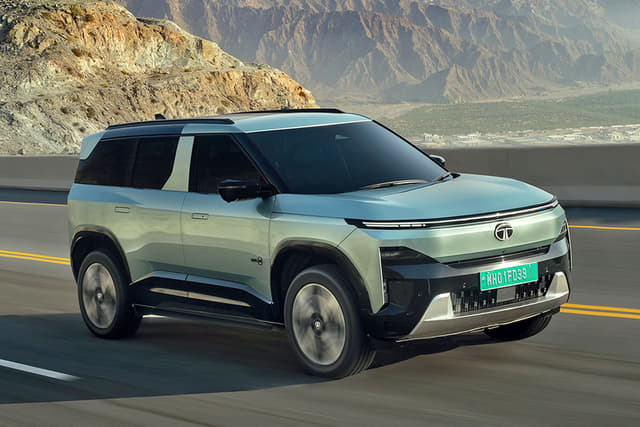
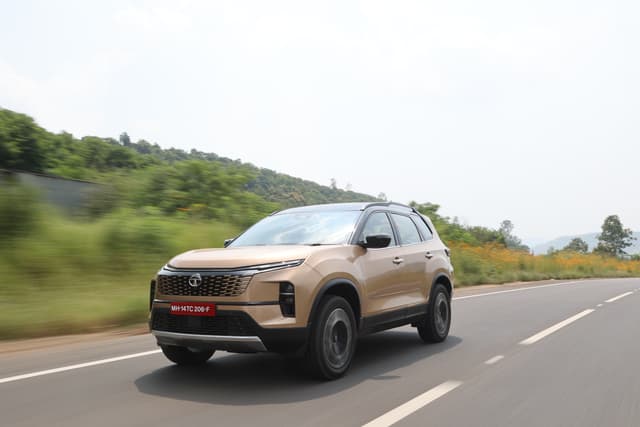
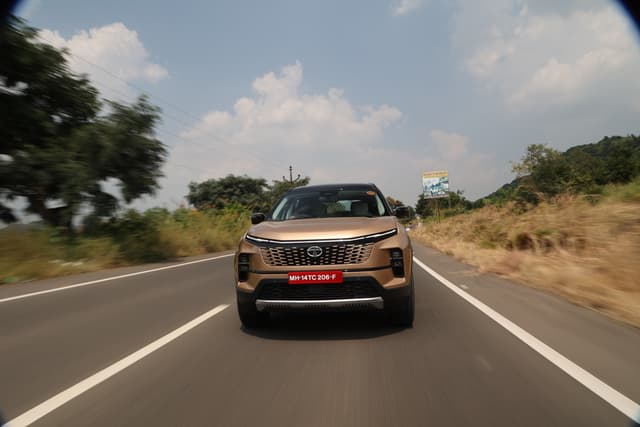
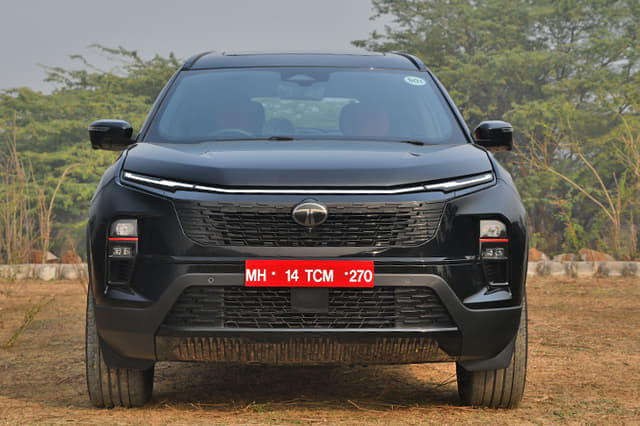
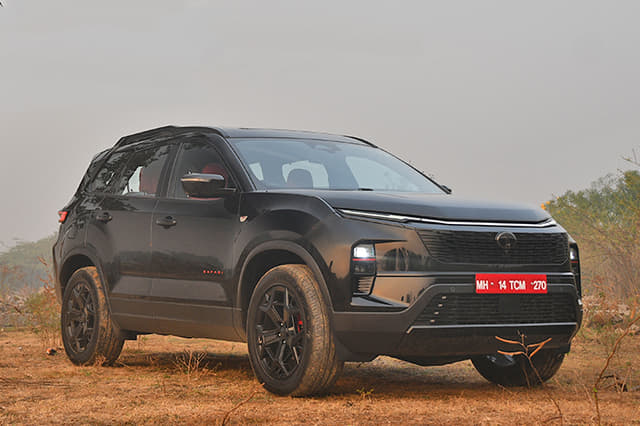
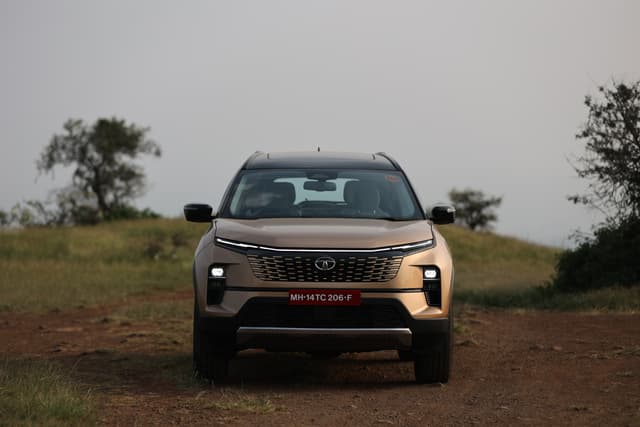
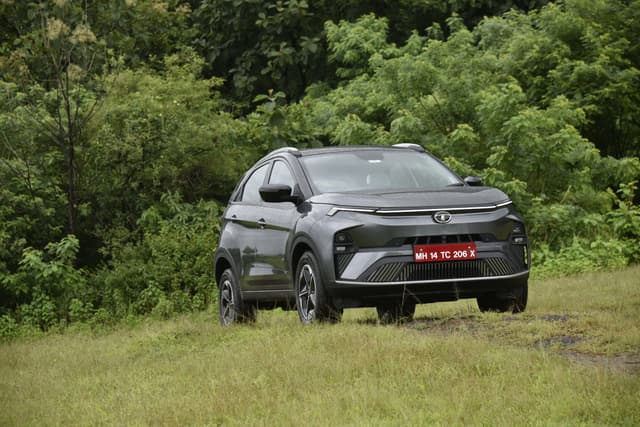
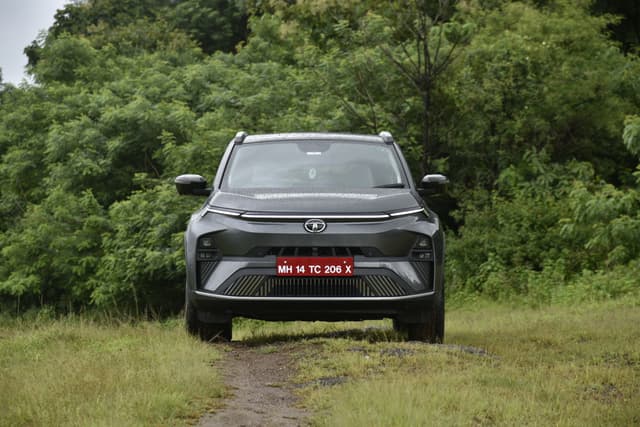
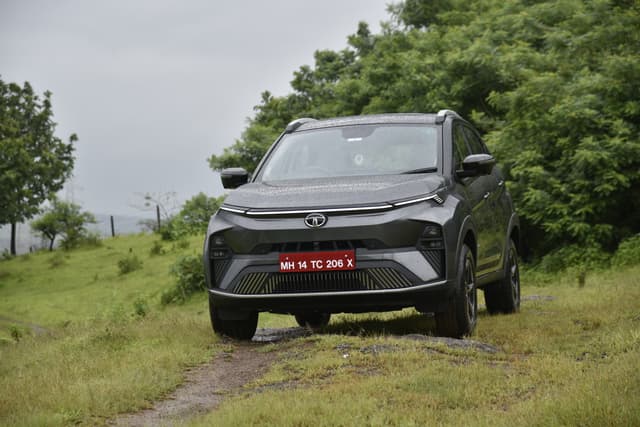
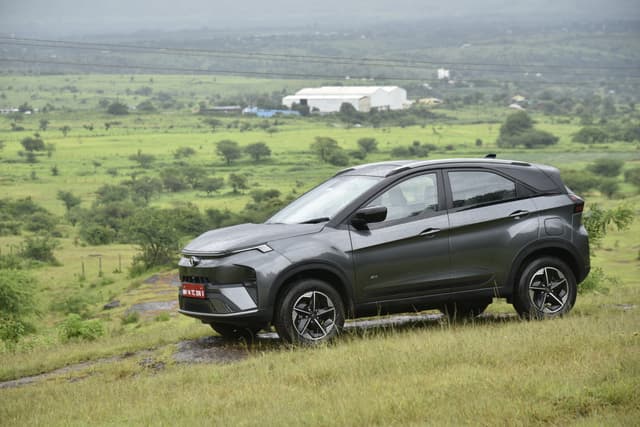
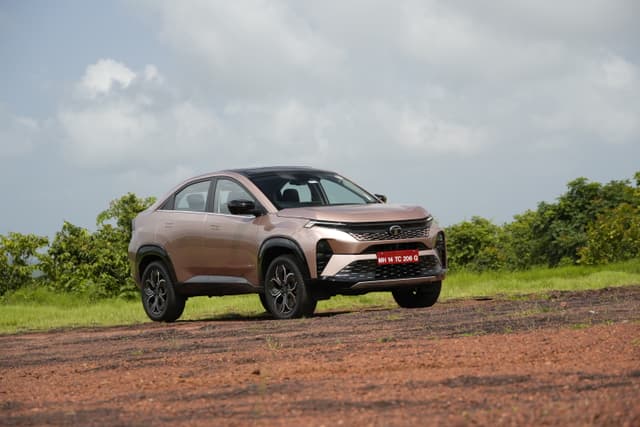
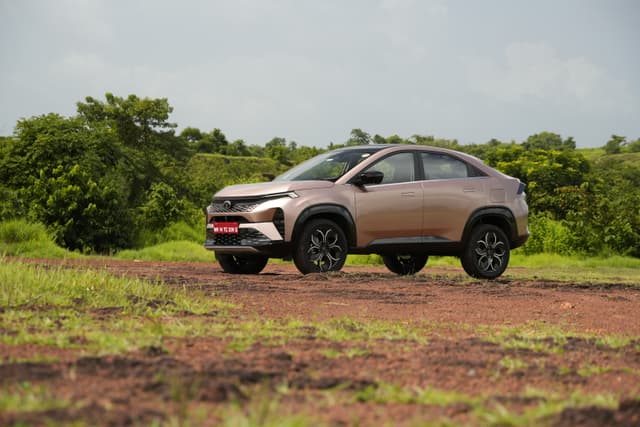
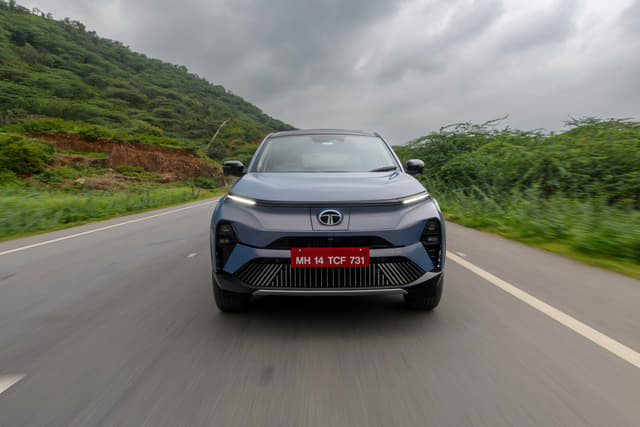
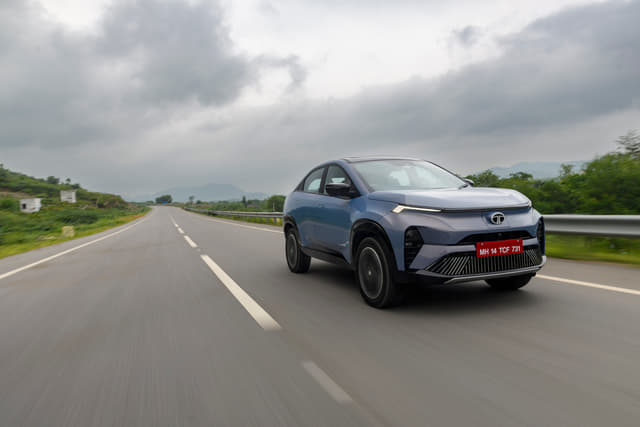
As of June 2026, there are 20 Tata cars available in India: 15 on sale and 5 upcoming. The current Tata lineup includes 4 hatchbacks, 2 sedans, and 14 SUVs. The Tata car price starts at ₹4.60 lakh and goes up to ₹28.99 lakh in India (ex-showroom). The cheapest Tata car is the Tiago, whereas the most expensive is the Tata Harrier EV. The popular Tata cars in India consist of names like the Punch (facelift), Nexon, Harrier, Safari, Tata Altroz, and new Sierra.
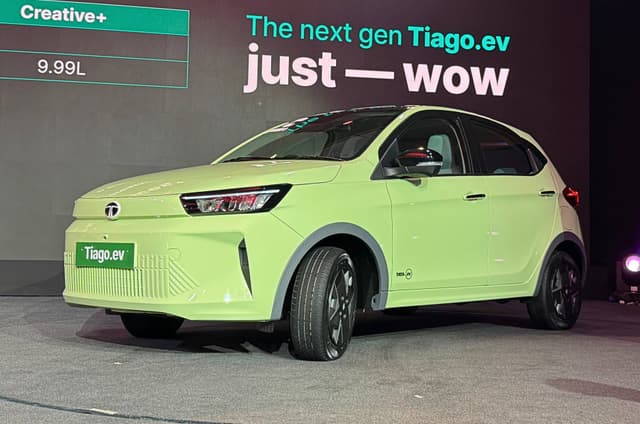
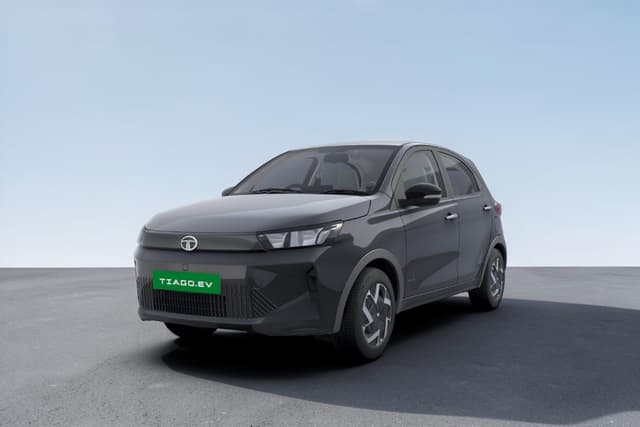
Headquartered in Mumbai, Tata Motors was established in 1945 and entered the passenger vehicle market in 1991 with the Sierra. It later introduced the Indica in 1998 and the Nano in 2008, the world’s most affordable car. Today, Tata offers models like the Altroz, Punch, Nexon, Harrier, and Safari with 5-star Global NCAP ratings, and also leads India’s EV segment with the Tiago EV, Tigor EV, Nexon EV, and Punch EV.
Tata Cars Price List in India (June 2026)
Tata car price in India starts at ₹4.60 lakh for the Tata Tiago and goes up to ₹28.99 lakh for the Tata Harrier EV (ex-showroom). View the latest Tata car prices in the table below:
Tata Car | Price (Ex-showroom) |
Tata Tiago | ₹4.60 lakh - ₹8.20 lakh |
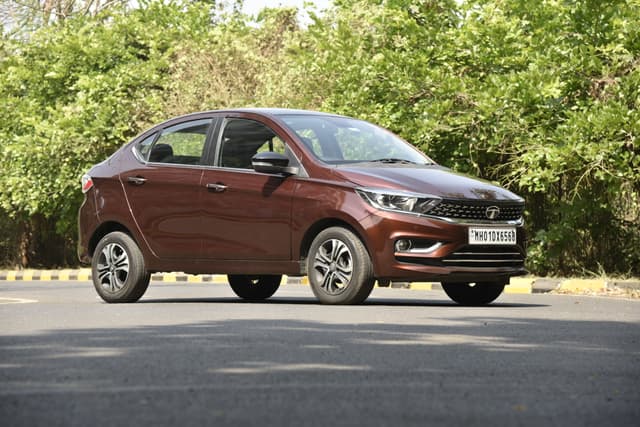
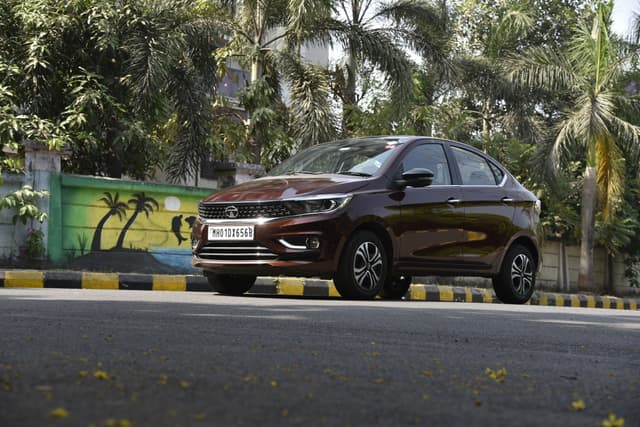
Tata Tigor | ₹5.55 lakh - ₹8.84 lakh |
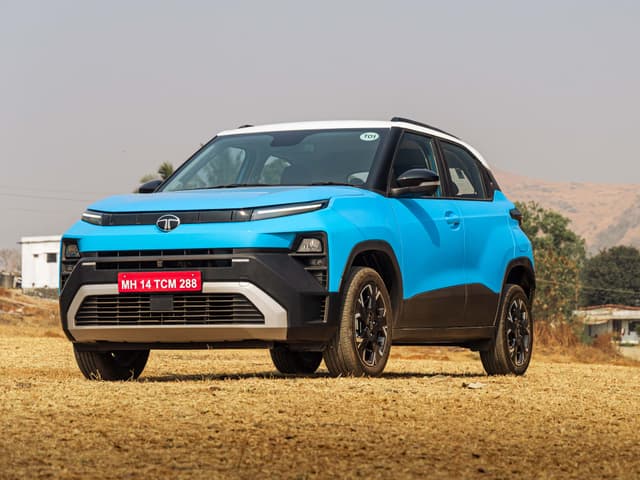
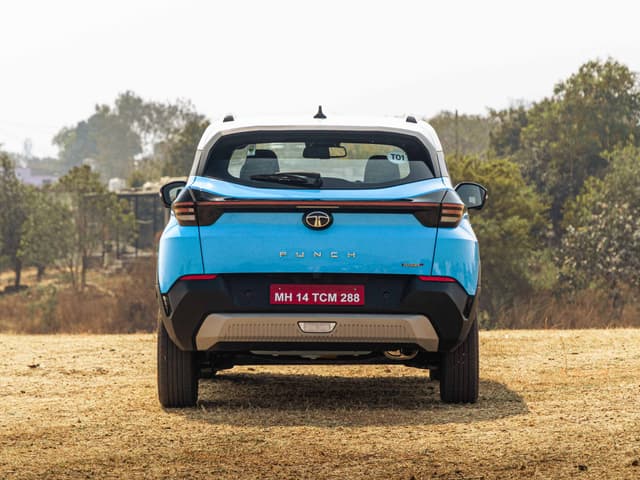
Tata Punch | ₹5.65 lakh - ₹10.60 lakh |
Tata Altroz | ₹6.30 lakh - ₹10.62 lakh |
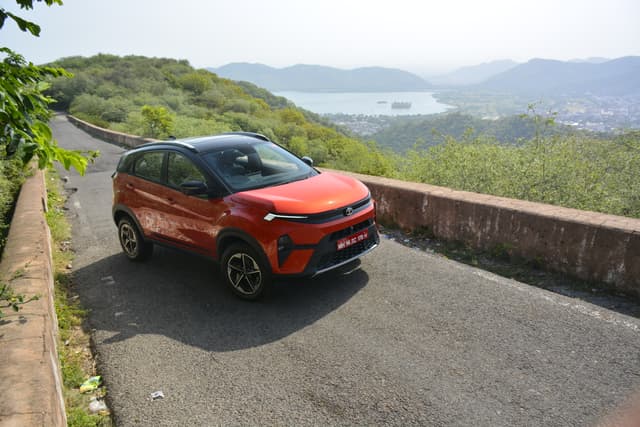
Tata Nexon | ₹7.37 lakh - ₹14.32 lakh |
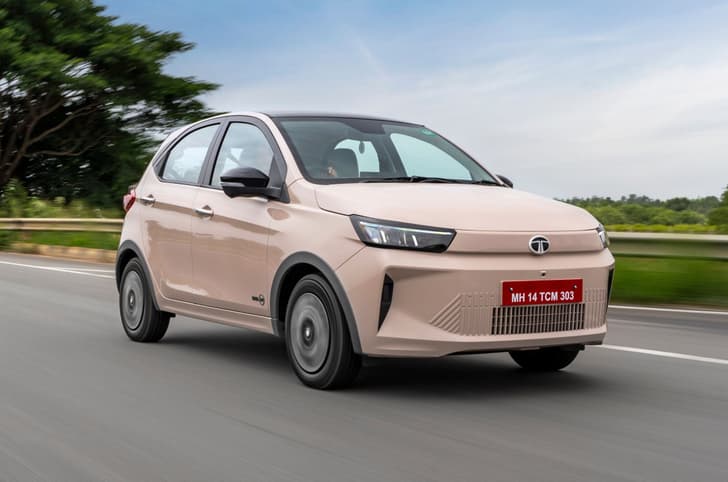
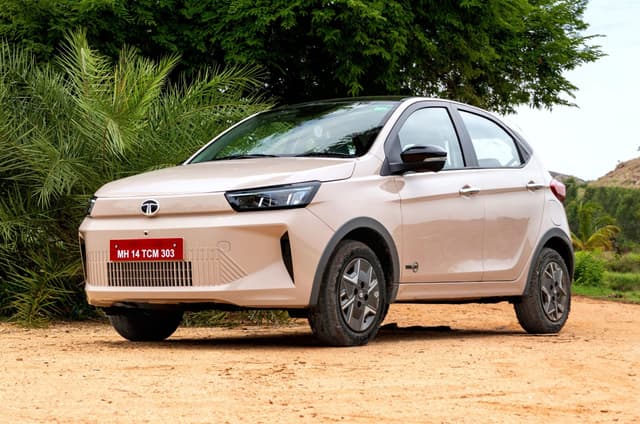
Tata Tiago EV | ₹7.99 lakh - ₹11.14 lakh |
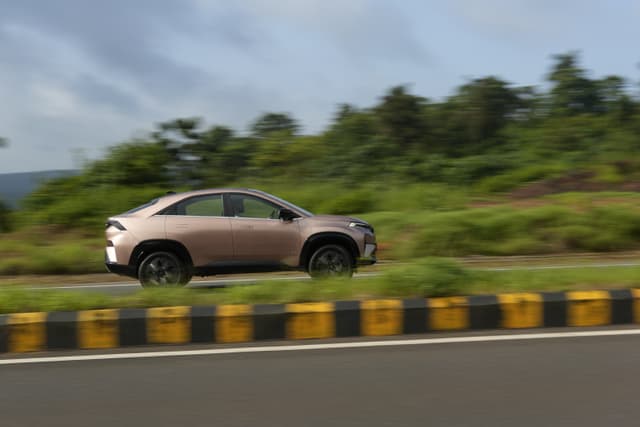
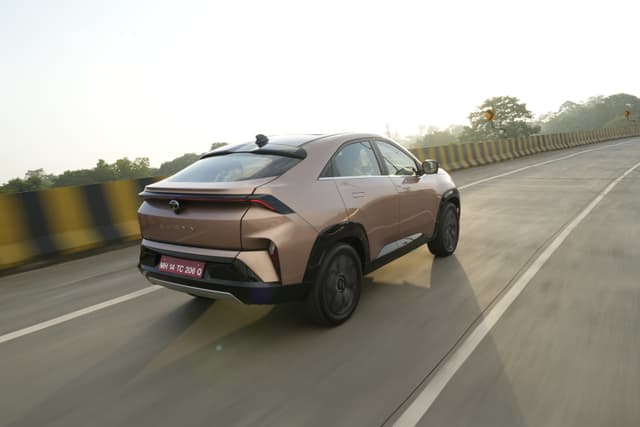
Tata Curvv | ₹9.70 lakh - ₹18.90 lakh |
Tata Punch EV | ₹9.69 lakh - ₹12.59 lakh |
Tata Sierra | ₹11.49 lakh - ₹21.29 lakh |
Tata Tigor EV | ₹12.49 lakh - ₹13.75 lakh |
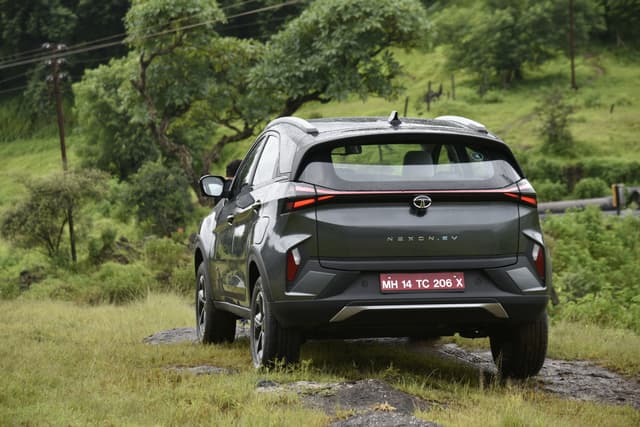
Tata Nexon EV | ₹12.49 lakh - ₹17.49 lakh |
Tata Harrier | ₹12.89 lakh - ₹25.85 lakh |
Tata Safari | ₹13.29 lakh - ₹26.15 lakh |
Tata Curvv EV | ₹17.49 lakh - ₹22.24 lakh |
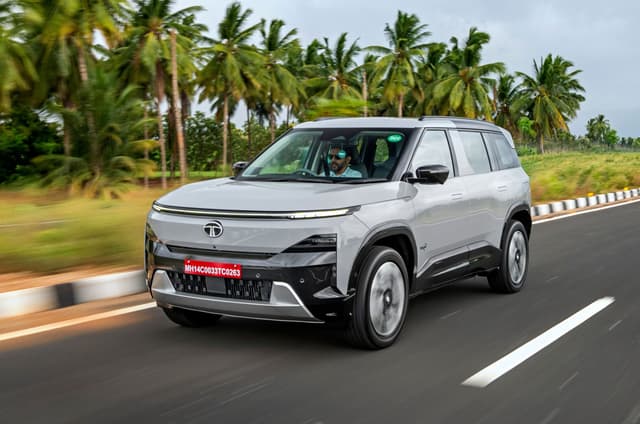
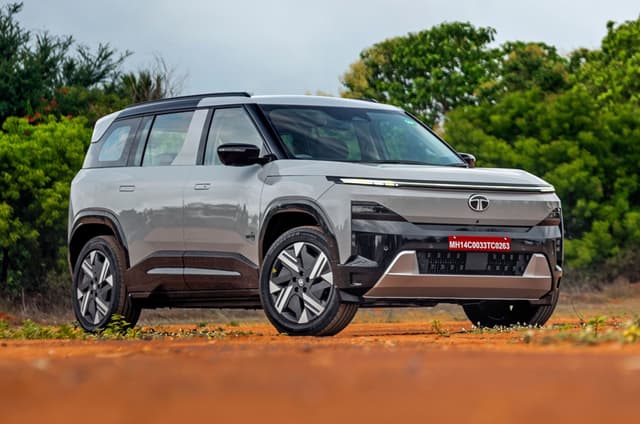
Tata Harrier EV | ₹21.49 lakh - ₹28.99 lakh |
Upcoming Tata Cars in India
Explore the list of new Tata cars set to launch in India:
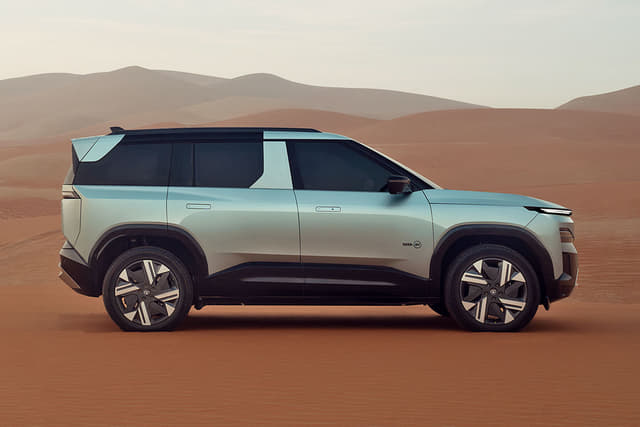
- Tata Sierra EV
- Expected price: ₹20.00 lakh - ₹25.00 lakh
- Expected launch: Mid 2026
- Fuel Type: Electric
- Body Type: SUV
- Tata Safari EV
- Expected price: ₹22.50 lakh - ₹30.00 lakh
- Expected launch: 2026
- Fuel type: Electric
- Body type: SUV
- Tata Tiago EV Facelift
- Expected price: ₹8.10 lakh - ₹11.34 lakh
- Expected launch: Late 2026
- Fuel type: Electric
- Body type: Hatchback
- Tata New Nexon
- Expected price: ₹8.00 lakh - ₹17.00 lakh
- Expected launch: 2027
- Fuel type: Petrol
- Body type: SUV
- Tata Avinya (Concept)
- Expected price: ₹35.00 lakh - ₹40.00 lakh
- Expected launch: Late 2027
- Fuel type: Electric
- Body type: SUV
Tata Cars Latest Updates (June 2026
- May 8, 2026: Tata launches Nexon Pure+ PS variant with sunroof at Rs 9.59 lakh
- April 29, 2026: Tata Motors files 144 commercial vehicle patents in FY26
- April 12, 2026: Tata is offering benefits of up to ₹3.45 lakh on Curvv EV in April 2026
- January 13, 2026: Tata has launched Punch facelift at ₹5.59 lakh.
- January 5, 2026: Tata has revealed the 2026 Punch ahead of its January 13 launch, and it will feature a turbo-petrol engine for the first time.
Tata
Find cars by body type
Filter your search
Filter your search
Can't decide which car to buy?
Ask our experts and get answers to all your cars related queries.
FAQs
The Tata car price in India starts at ₹4.60 lakh (ex-showroom) for the Tata Tiago.
In 2026, Tata Motors has 15 cars on sale in India, with five more set to join the line-up. The current range includes 14 SUVs, two sedans and four hatchbacks. Four upcoming models are SUVs and 1 will be hatchback which will take the total SUV count to 14 once they are launched.
The most popular Tata cars in India are the Punch, Nexon, Harrier, Tiago, and Altroz.
Tata sedan cars include the Tigor and Tigor EV. Both cars offer value, comfort, and safety. The price of Tigor starts at ₹5.55 lakh, and Tigor EV is priced at ₹12.49 lakh (ex-showroom).
Tata hatchback cars include the Tiago, Tiago EV, and Altroz.
The Tata SUV line-up includes Punch, Punch EV, Nexon, Nexon EV, Curvv, Curvv EV, Harrier, Harrier EV, Safari, and Sierra. The Tata SUV price starts at ₹5.65 lakh and goes up to ₹28.99 lakh (ex-showroom). Also, there are 3 upcoming Tata models, and all of them are SUVs.
The Tata electric car price in India starts at ₹7.99 lakh for the Tiago EV and goes up to ₹28.99 lakh for the Harrier EV.
The upcoming Tata new cars include the Sierra EV, Tiago EV facelift and Safari EV are expected by 2026.
The Tata Safari is the flagship 7-seater SUV. Meanwhile the Nexon, Harrier, and Sierra are popular family choices for comfort and safety.
The top 3 Tata cars in India are the Punch, Nexon, and Harrier.
Tata currently offers 15 models in India, including 3 hatchbacks, 2 sedans, 10 SUVs. There are four new Tata models planned amongst which 4 are SUVs and one is Hatchback.
The Tiago is the cheapest Tata car, priced from ₹4.57 lakh (ex-showroom).
The Tata Punch is among the best-selling Tata cars in India.
Tata cars like the Nexon, Altroz, Punch, Harrier, Safari, Punch EV, Nexon EV, Harrier EV, Curvv EV, and Curvv come with a sunroof.
The Tata Tiago, Tigor, and Nexon are popular choices for middle-class families. These Tata cars offer safety, comfort, and value.
The latest car launched by Tata is new Sierra at Rs11.49 lakh on 25 November, 2025.
Tata's top 3 popular models, based on sales and strong market presence, are the Tata Nexon (₹7.32 lakh - ₹14.15 lakh), Tata Punch (₹5.50 lakh - ₹9.30 lakh), Tata Harrier (₹14.00 lakh - ₹25.25 lakh), and Tata Safari (₹14.66 lakh - ₹25.96 lakh).
Tata offers 15 cars in India as of now. The current lineup includes 3 hatchbacks, 2 sedans, and 10 SUVs. Also, three new Tata models are planned, and all of them will be SUVs.
The only 7 seater Tata car in the Indian market is the Tata Safari. It is priced between ₹13.29 lakh and ₹26.15 lakh.
The upcoming Tata new cars include the Sierra EV, Tiago EV facelift, New Nexon and Safari EV.
Need an expert opinion on your car related queries?
Trending Questions on Tata Cars - Answered by Autocar Experts
AD
Aditya
•5hI am confused between Maruti Suzuki Swift CNG, Maruti Suzuki Wagon R CNG, Tata Tiago CNG, Tata Punch CNG and Hyundai Grand i10 Nios CNG. Which one would be the better choice, and why?

Autocar India
Pick the Tata Punch CNG; it keeps CNG running costs low while giving you usable boot space with its dual CNG cylinder setup that sits neatly below the boot floor and this frees more luggage room than the others. The Punch CNG also uses a single ECU for the petrol and CNG fuel system, thus unlike other CNG cars which default start in petrol mode, the CNG Punch starts directly on CNG eliminating the need to manually switch over. The 5-star crash rating makes it a reassuring choice here for a first car. It is easy to drive in traffic, rides well on broken roads, and won’t feel out of depth on the odd highway run. If you find the purchase cost a bit higher you can also opt for the Tata Tiago CNG which also has the dual CNG tank setup.
AJ
Ayush jain
•6hI have been owning a Baleno MT petrol for the last 6.5 years. Planning to change the vehicle now. My monthly running is approximately 1,000km (city + highway). I enquired at the market and shortlisted two options: the Creta SX Summer Edition (petrol manual) and the Curvv EV Accomplished X. Both are priced at a difference of just Rs 50,000. Could you please suggest which one to buy?

Autocar India
Go for the Creta SX petrol manual. With your usage pattern, you'll appreciate the Creta's smoothness and stress-free ownership experience, which will feel familiar to your Baleno manual. It has a roomy cabin, it rides well over bad roads, and Hyundai service is everywhere.The Tata Curvv EV will be cheaper to run and nice to drive in the city - quiet, quick and single-pedal friendly. But your highway runs will require some planning for charging stops, and it also isn't as proven as the Creta.One honest catch with the Hyundai Creta is that you will spend more on fuel, and a manual can tire you in heavy traffic. If you are okay with that, the Creta is the safer, easier choice today.
NE
Neel
•8hI want to replace my 10-year-old Maruti Ignis with a small EV suitable for the small lanes of Mumbai. I would prefer the top-end variants, and the budget would be around 10-12 lakhs. Usage will largely be 20-30 kms within the city.

Autocar India
Pick the Tata Punch Smart+ 30. It is small enough to slip through Mumbai’s lanes and park in tight spots, yet it feels like a proper spacious car for daily life. Your 20-30 km city run will deplete the 30 kWh battery, so you can charge just once a week for your daily commutes. The Smart+ is not the top trim, but you still get all the features you'd need like auto climate control, an 8-inch touchscreen with Android Auto and Apple CarPlay, LED headlamps, 6 airbags and more. It also rides and absorbs bad patches really well, and the cabin is also spacious enough for five people, so it'll feel like a proper upgrade from your Ignis.If your lanes are really scooter-narrow and you mostly drive alone, the MG Comet top variant is even easier to squeeze and park, and will fit your budget comfortably. Just know it has two doors and a very small boot, so getting people in the back is a hassle and airport bags are a squeeze.
RS
Rallapalli sree harsha
•11hHi, please suggest an EV car under 10 lakh. My daily city driving is of around 50 km and I require a Battery-as-a-Service (BaaS) option. Which EV would be the best choice for my needs?

Autocar India
The answer depends on whether this will be your only car or a second car in the family. If this will be your only car, the Tata Tiago EV is the better choice. It is a proper hatchback with enough space for a small family, a usable boot and the ability to handle occasional highway trips comfortably. Your daily 50km commute is well within its capabilities, and it offers greater flexibility if your usage changes in the future. The Tiago EV is also available with Battery as a Service (BaaS).If you already have another car at home for longer journeys, then the MG Comet EV is worth considering. Its compact size makes it ideal for city driving, it is extremely easy to park and manoeuvre, and it is also available with BaaS schemes that lower the initial purchase price.
DI
Dipanjankolkata
•1dI have Tiago EV LR 2023 with odo 25k, I bought it at 11.40 Lacs on road. It's been a good experience so far, but for a long drive, it's stressful with a 160 kms range. I want to upgrade to Punch LR 40 empowered. Any idea how much I could get after 3 years? Or when could be the right time to sell the vehicle?

Autocar India
The Tata Punch EV Long Range is a meaningful upgrade from the Tiago EV LR. You get significantly more real-world range, a more spacious cabin, better ground clearance and a much richer feature list. If range anxiety on highway trips is the main reason for upgrading, the Punch EV addresses that far better than the Tiago EV.As for resale, EVs currently depreciate faster than equivalent petrol cars, with the steepest drop occurring in the first three years. A large part of that depreciation has already happened on your Tiago EV.Looking at current used-car listings, 2023 Tiago EV Long Range examples with mileage similar to yours are generally advertised in the Rs 6.5 lakh range, depending on variant, condition and city.Since you bought the car for Rs 11.4 lakh and have already completed 25,000km, this is actually not a bad time to sell if you are certain about upgrading. Waiting another two or three years will give you more value out of the car through usage, but it is unlikely to significantly improve the percentage of value retained. In fact, as newer EVs with better range continue to arrive, older EVs tend to face greater depreciation pressure.
AN
Ankit
•1dI am based in Gurgaon and am a family of three. I am currently working from home, with office trips to Noida around 4-5 times a month. The car will be mainly used for city driving with weekend trips around NCR, and 4-5 mountain trips a year. I am confused between Kia Seltos HTK(O) IVT, Kia Seltos HTK(O) Turbo DCT and Tata Harrier Petrol Pure X Dark AT. I liked the Seltos Turbo DCT during the test drive, but I'm wondering whether the turbo performance makes a meaningful difference in real-world usage or if the IVT is the more practical choice. Reliability and hassle-free ownership are important parameters for me. The Harrier is more appealing because of its size, space, and road presence, but I'm unsure if buying it is worth the extra cost and potential ownership concerns. Which one do you suggest for my usage and why?

Autocar India
The Kia Seltos HTK(O) IVT would be the recommendation for your usage. While the Seltos Turbo DCT is undoubtedly the more exciting car to drive, the reality is that most of your mileage will come from Gurgaon, Noida and NCR city driving. In those conditions, the IVT's smoothness and ease of use become more valuable than the turbo's extra performance. The naturally aspirated petrol engine is adequate for highway cruising and mountain trips, and the IVT is one of the most refined automatic gearboxes in daily use.The Turbo DCT does make a noticeable difference when accelerating hard, overtaking on highways or driving enthusiastically in the hills. However, it comes with a price premium and the performance advantage is unlikely to be fully utilized given your predominantly urban usage.The Harrier Petrol Pure X Dark AT is the emotional choice. It has a much stronger road presence, a more spacious cabin and a larger boot. It also comes surprisingly well equipped for the variant. However, it is a significantly larger and heavier SUV, and fuel efficiency will be noticeably lower than either Seltos, especially in NCR traffic. For a family of three, the extra space is nice to have rather than essential.Reliability and ownership experience are also important considerations. Kia currently has an edge here, and the Seltos feels like the safer long-term bet if hassle-free ownership is a priority.
CH
Chandra
•2dHonda Amaze Top CVT vs Tata Punch Top AMT - Which is Better for First-Time Drivers & Long-Term Family Use? Primary drivers will be first-timers, so ease of driving is a top priority. The car will be used mainly for city commuting, occasional highway trips, and family outings with elderly parents in the rear seat. We have shortlisted: Honda Amaze Top Variant CVT (Petrol) Tata Punch Top Variant AMT (Petrol) Our Key Priorities in Order: Ease of driving for first-time drivers Rear seat comfort for elderly parents Safety ratings and build quality Long-term reliability over 10 years Low maintenance and service

Autocar India
Pick the Honda Amaze automatic. Honda’s smoother automatic crawls and creeps cleanly in traffic, and the speed modulation will feel more natural, whereas the AMT can feel jerky at times.Your parents will be happier in the Amaze, too. The rear seat is wider with a longer cushion, and the backrest angle is friendlier, the big boot will also be handy for family trips.Over 10 years, Honda’s proven 1.2 petrol and simpler ownership have impressed. Service quality is more consistent, and routine upkeep tends to be lower, which matters when you plan to keep the car for a long time.Where the Punch might be better is with its smaller dimensions and slightly higher seating, which would be better for first-time drivers. But given the benefits the Amaze offers for your usage, we'd recommend it as you would soon get used to the slightly larger dimensions of the Honda.
UP
Upendra
•2dHi, My budget is 20 lakh, and I need a SUV-type manual car with a 5-star NCAP safety rating, CNG driven and having good mileage to cover a daily distance of 40km in city traffic. Can you please suggest some good options?

Autocar India
Given your requirements, your best bet is the Maruti Suzuki Victoris VXI CNG. It falls well within your budget and has received 5-star crash test ratings from both Bharat NCAP and Global NCAP. It's one of the very few midsize SUVs to be available with CNG, and thanks to an under-floor dual-cylinder CNG tank layout, you don't sacrifice too much boot space and practicality as you do in most CNG cars. Being a Maruti, you can expect great mileage and low running costs as well, and its controls are light, making city driving quite effortless. The only downsides are that it is not available in a higher trim than the mid-range VXI, so you miss out on some features from the petrol car, and though power from the 1.5-litre engine is adequate when running on petrol, it will feel a bit underpowered running on CNG.If you don't mind a slightly smaller car, the Tata Nexon i-CNG is another great option within your budget. It also uses an under-floor dual-cylinder setup and has a 5-star crash test rating. However, its turbo-petrol engine is a lot punchier, whether running on petrol or CNG, and the CNG version is available in many more variants - all within your budget - going up to a well-loaded Fearless + PS Red Dark. It is, of course, not quite as spacious as the Victoris, but it comes quite close.
AL
Akki Leto
•2dHi, I am looking to buy an automatic car with an on-road budget of 11-12 lakh in Bangalore. I am considering the Tata Altroz Creative S AMT, Tata Altroz DCA, Hyundai i20 Sportz iVT, and Renault Kiger Techno CVT. I have heard that AMT gearboxes have improved significantly and are no longer as jerky as they used to be. My usage will include regular city driving, along with one or two highway trips every month.

Autocar India
The Hyundai i20 iVT Sportz is the best fit here. Its smooth automatic gearbox, refined cabin and proven ownership experience make it particularly well-suited to Bangalore's traffic while remaining comfortable on highway trips. It may not be the most powerful car in the segment, but it delivers the most polished overall experience.The Renault Kiger CVT would be the second choice. The CVT is smooth in city driving, the higher seating position is appreciated in urban conditions, and the turbo petrol engine feels more energetic than the naturally aspirated units in the Altroz and i20. While cabin quality and refinement are not quite at Hyundai levels, it offers good value and a more SUV-like experience.The Tata Altroz DCA takes third place. The gearbox is far superior to an AMT, and the car feels solid and planted on the road. However, the naturally aspirated petrol engine lacks the punch of the Kiger Turbo, and the overall ownership experience is not as polished as the Hyundai.
CP
Chatan pawar
•2dI have booked Seltos HTX IVT. I am re-evaluating my decision and want to switch to Safari/ Harrier adventure X + models in the Petro manual version. I currently own a Swift petrol manual, and I like the manual enthusiasm in the car, but here the clutch is very light. Where in the Harrier/Safari, no test models are available, I am not getting a feel for clutch weight and travel and whether it will be easy to manage such large cars with a manual transmission in city traffic. Kindly suggest.

Autocar India
Stay with the Kia Seltos HTX IVT. Given you enjoy the Swift for its light clutch and ease of driving in city traffic, a big SUV, the Harrier or Safari, will feel cumbersome to drive. Their pedal effort and travel are noticeably more than a Swift's, the bite point sits higher, and the gearing needs more throttle to get moving, so crawling stop‑start is not as easy. Add their size and width, and you will work harder in tight lanes and parking.The Seltos is the easier daily driver. It's smooth, automatic takes the pain out of commutes, the steering is lighter, and the car’s smaller footprint is friendlier in crowded cities. You still get more than enough space and a more mature ride than a hatchback. The downside is that the IVT will not feel as engaging as a manual, but for mostly city use, it is the more sensible and stress‑free choice.If you really want a manual, you could look at the Seltos manual instead of switching to the Tata twins. It retains the light controls you’re used to and doesn't feel ungainly around town.
Last Updated on: 10 Jun 2026