

Suv Diesel Automatic Cars in India (35)












Find cars by budget
Find cars by seating capacity
Find cars by seating capacity
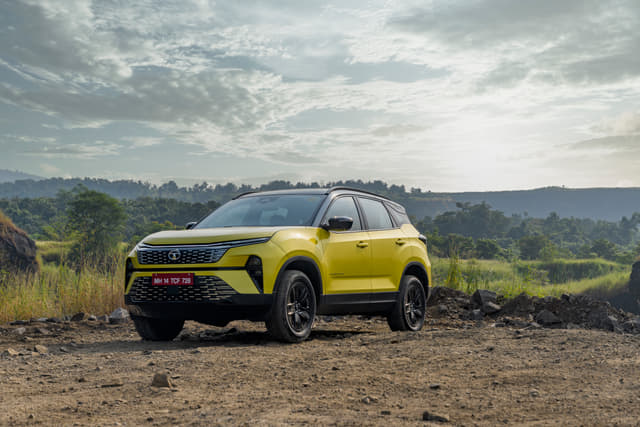
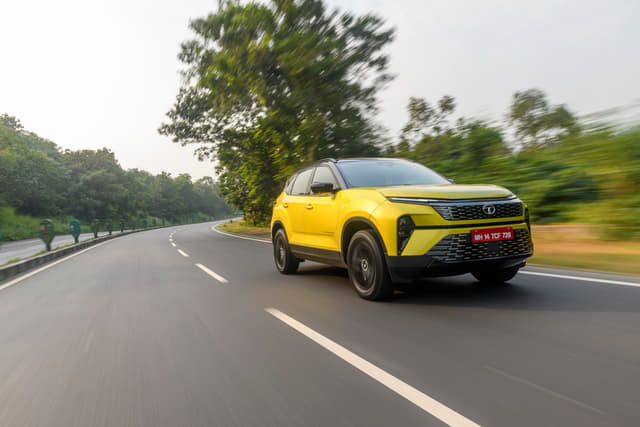
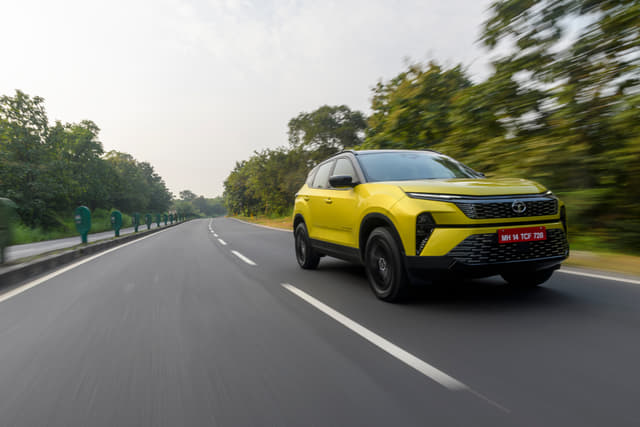
Trending Questions on Cars - Answered by Autocar Experts
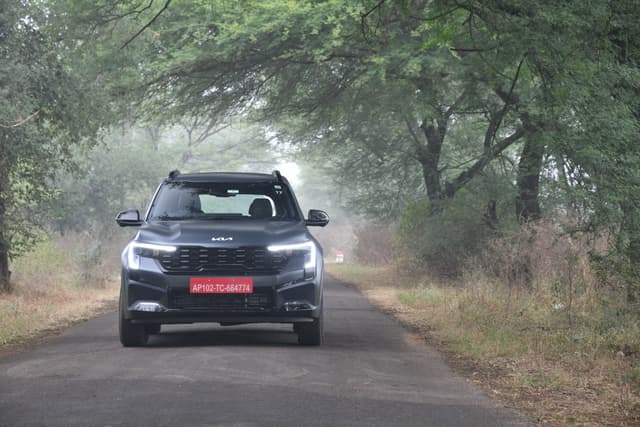
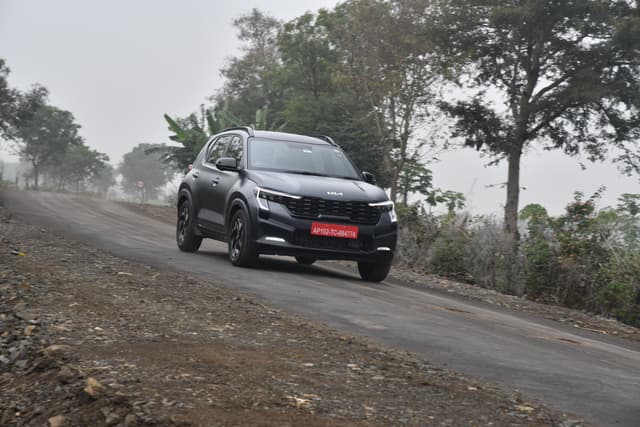
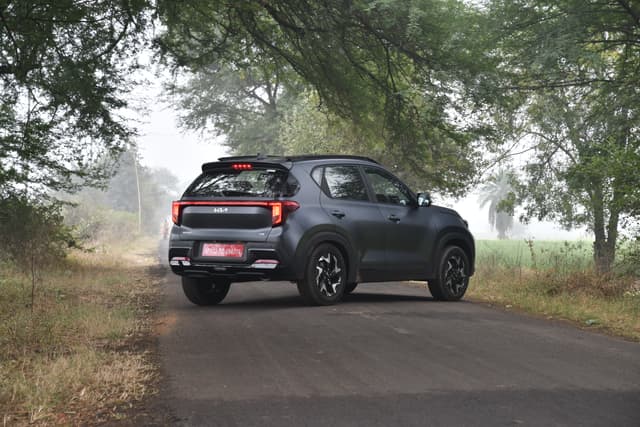
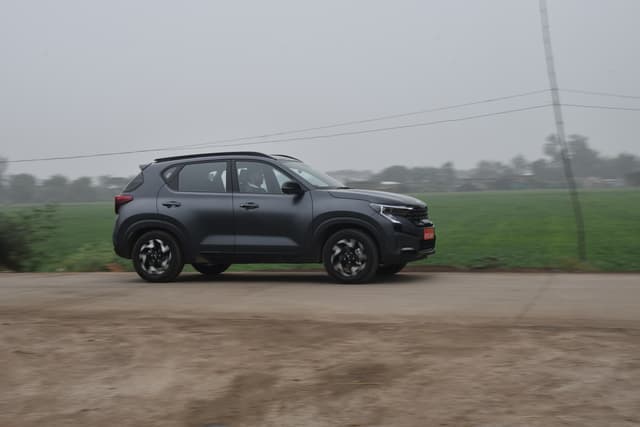
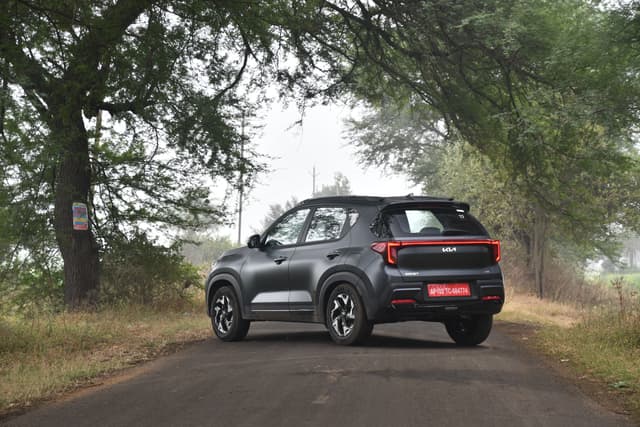
I’m planning to buy a compact SUV for my dad, who is 64 years old. He currently owns a 2015 Hyundai Creta diesel automatic (torque converter), but he now finds it a little difficult to drive because of its size. He prefers a smaller, easy-to-manoeuvre automatic SUV. The expected usage would be around 70% in town and 30% on highways. The options I’m currently considering are: Kia Sonet 1.5 Diesel Automatic Toyota Taisor Petrol Automatic Mahindra XUV 3XO Petrol Automatic What other options would you recommend considering his age, ease of driving, comfort, size, and our usage pattern? My budget is a maximum of Rs 14 lakh. I’d really appreciate your suggestions and a comparison of the best options.

 Toyota Urban Cruiser TaisorMahindra XUV 3XOKia SonetMaruti Suzuki Brezza
I purchased a Kia Sonet 1.0 iMT in 2024 after owning Maruti Suzuki Dzire for around 11 years. I was so bored of driving it for more than a decade that I rushed to change. I wanted a compact SUV as an upgrade but settled for a sub-compact SUV due to budget constrain or may be due to lack guidance and understanding. Soon after buying it, I realized that this is not the car that I want to drive. I want a vehicle that looks and feels rugged but at the same time, is usable for daily commute with 80 - 90% city drive. I want to feel the same way I feel when I drive my Royal Enfield (strong and rugged). In less than 3 years, I am looking for a change again but this is time I don't want to make the same mistake. I have a few cars in mind but I am not sure which one should I go for. I have shortlisted Renault Duster Hybrid (upcoming), Tata Harrier AT (diesel), Thar Roxx AT (diesel), Toyota Hyryder Hybrid and Hyundai Creta AT (Diesel or Petrol). I drive around 1000 to 1200 km per month, mostly in the city but when I plan for long drives to mountains in Himachal, Uttarakhand or even Leh, I shouldn't have to worry about it. My budget is between 17 to 19 lakh (ex-Showroom). Please advise.
Renault DusterToyota Urban Cruiser HyryderTata HarrierMahindra Thar RoxxMahindra Thar OGHyundai CretaI am 67 years old and plan to drive extensively across India. I am looking for a reliable, easy-to-maintain, sub-four-metre diesel SUV with a good automatic transmission. I do not want a sunroof or unnecessary features, but would prefer all the essential equipment. Please suggest the best possible options.
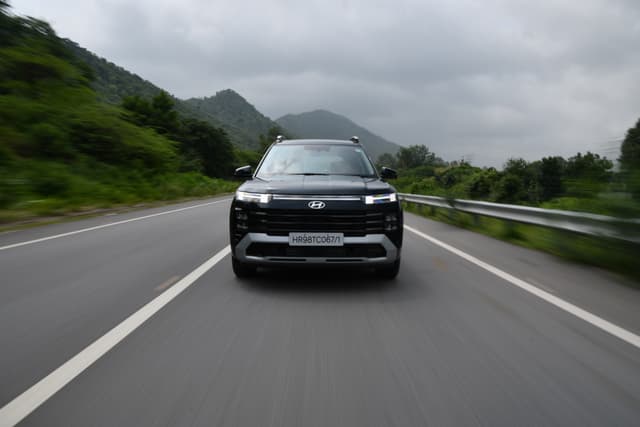
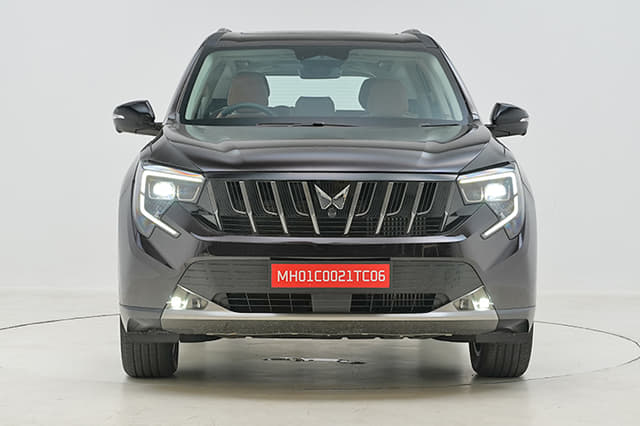
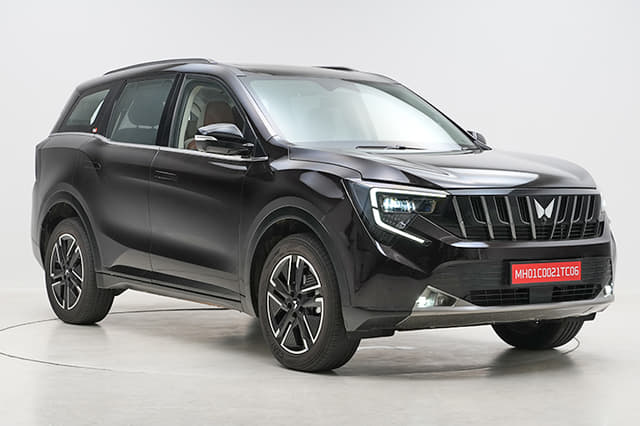
Hyundai VenueKia SonetI am planning to upgrade from my 2021 Toyota Urban Cruiser petrol manual, which has covered 41,000 km. I want a comfortable five-seater that can occasionally accommodate seven people. I have shortlisted the Mahindra XUV 7XO, but I am confused between the petrol and diesel versions. I definitely want an automatic. I live in Bangalore, which is one of the reasons I chose the XUV 7XO because it gets a torque-converter automatic. I don't want the Kia Carens Clavis because of its DCT gearbox, and I am also not considering the Tata Safari because of my concerns about Tata's service experience. My monthly running will be around 1,000-1,500 km, mostly with my family. Fuel efficiency is also important, as I feel the XUV 7XO petrol could be quite fuel-hungry. I am therefore considering the diesel automatic AX7T. There will be some city driving, but my office commute also includes highway stretches, which should help with DPF regeneration. Please suggest which one I should buy. If the XUV 7XO is not the right choice, should I consider another family car or wait for any upcoming launches?
Mahindra XUV 7XOHi Auto Experts, I’ve been using a diesel Swift for around 10 years, followed by a Marazzo for the last 8 years. I’m now planning to change my car and move to an automatic. My requirements: Annual usage: around 10,0001-2,000 km Includes a couple of long highway trips every year I really like the driving experience and highway performance of diesel cars, so a diesel AT is my preference. Usually 4-5 people, with occasional 6-person trips. Looking for a car that I can keep for 81-0 years. Safety is important to me. Good highway comfort, stability and long-distance reliability are priorities. I’m currently confused between available SUVs and MUVs and would appreciate suggestions from experts. My budget is below 25L.
Mahindra XUV 7XOLast Updated on: 10 Oct 2026