Suv Cars Under 20 Lakh in India (74)
Discover the best Suv Cars Under 20 Lakh. Our comprehensive guide covers detailed specifications, expert reviews, pricing information, and buying advice for Suv Cars Under 20 Lakh. Find the perfect cars that matches your requirements and budget.


Filter your search


Filter your search


Filter your search


Trending Questions on Cars - Answered by Autocar Experts
I used to own a Tata Nexon AMT petrol for five years, but I had to sell it due to a serious manufacturing-related rusting issue and a poor service experience. I’m now looking to buy a new automatic petrol SUV with a budget of up to Rs 14 lakh. The car will mainly be used for weekend driving within the city, with perhaps one long trip every month. The annual running is expected to be only around 5,000- 6,000 km. A car that does not require much hassle in terms of servicing would be a major plus. Good power output and decent fuel efficiency are also important. What options can be considered?
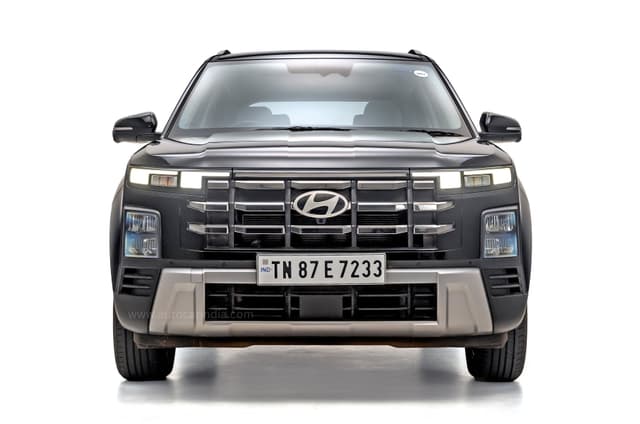
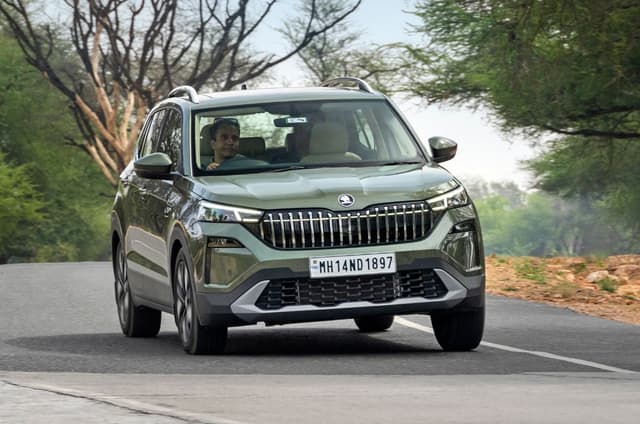
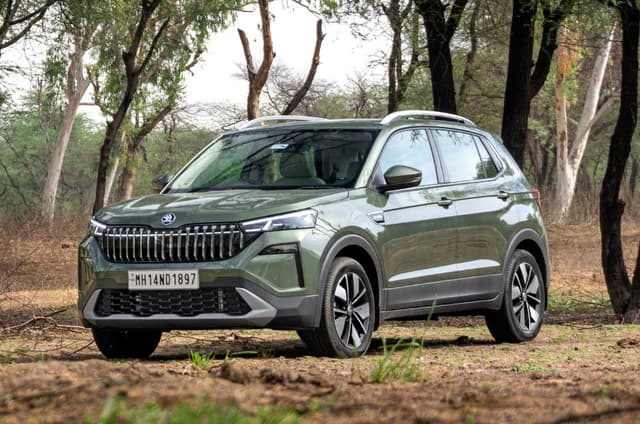
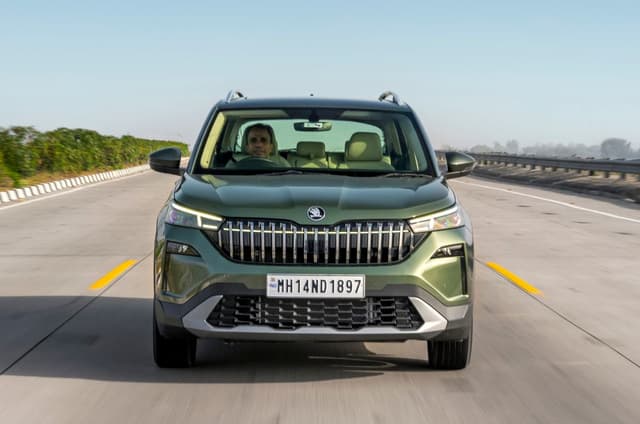
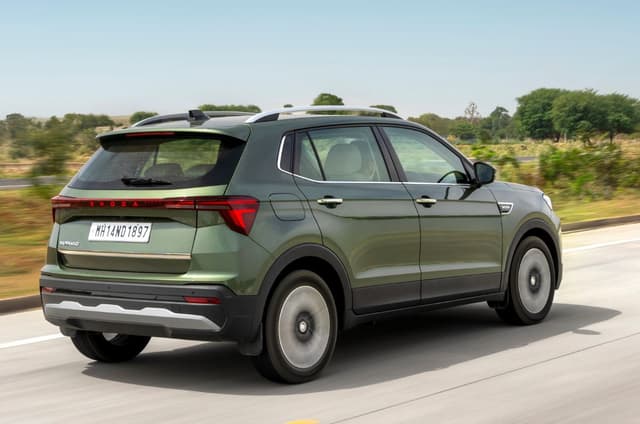
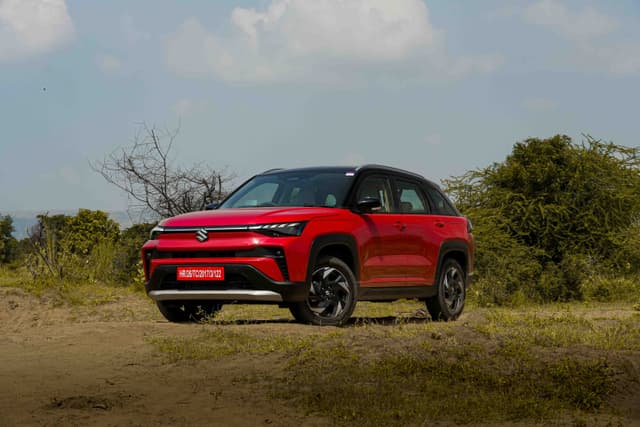
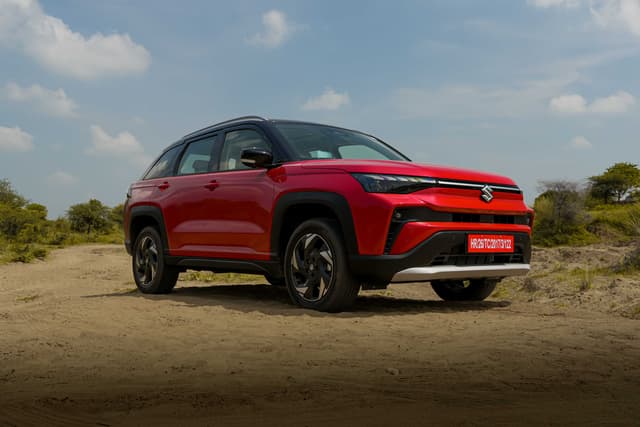
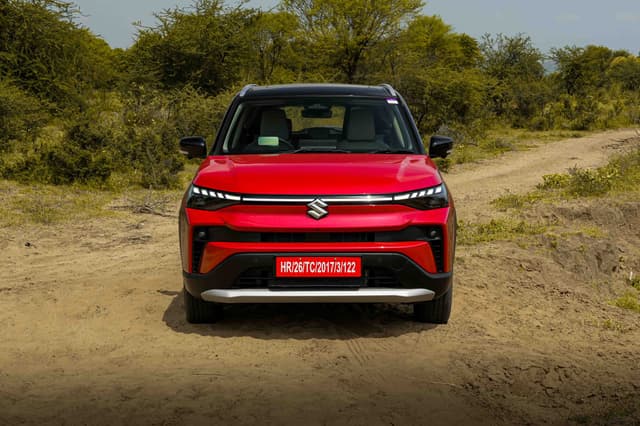
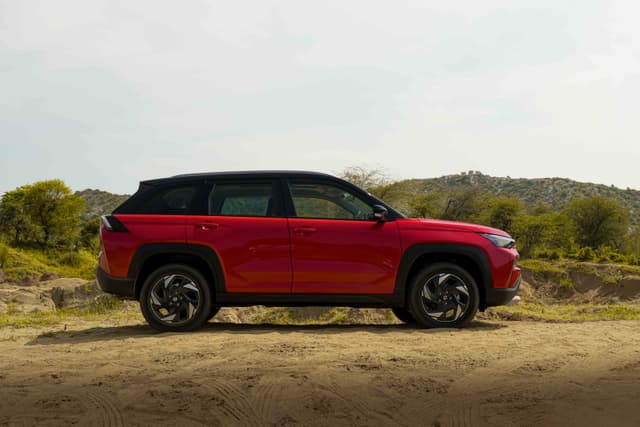
Given your low annual running, weekend city use and a monthly highway trip, a petrol automatic is the right choice. Since you had a poor experience with Tata cars, we would recommend the Maruti Suzuki Brezza automatic. It is a reliable, hassle-free SUV with a proven service network, which is exactly what you are looking for. The 1.5-litre petrol engine is smooth and the 6-speed torque converter automatic is far better than the AMT you had in the Tata Nexon. It is not the most powerful car in the segment, but it is dependable and easy to live with.If you want something with a bit more power and a more engaging driving experience, the Skoda Kylaq 1.0 TSI automatic is a good alternative. The turbo petrol engine is punchy and the 6-speed torque converter automatic is smooth in the city. Skoda's service network is not as extensive as Maruti's, but it has improved significantly in recent years.The Mahindra XUV 3XO petrol automatic is also worth considering. It is one of the most powerful cars in the segment and offers a strong feature list, but the boot is on the smaller side.Overall, the Brezza is the safest recommendation for your requirements. If you want more performance, the Kylaq is the better choice.
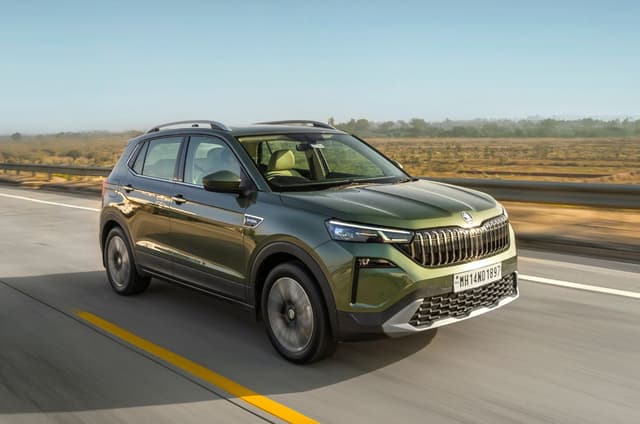
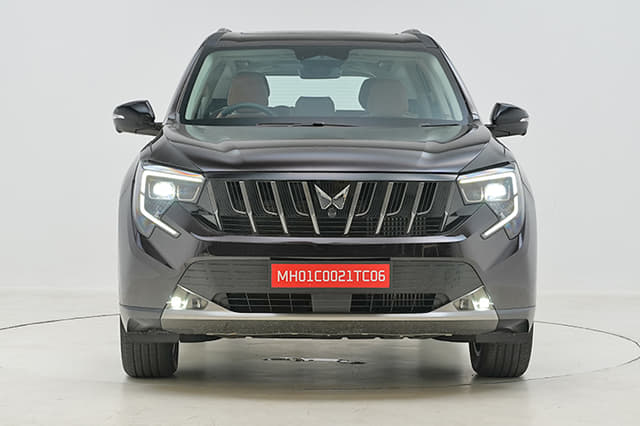
Hi Autocar, I’m looking for a petrol SUV under Rs 18 lakh with a manual transmission. I live in a small town and travel to Bengaluru occasionally. Most of my driving is a mix of city and highway use, with some hill driving, and I expect to cover around 5,000–8,000 km a year. I’m not looking for excessive features, as I feel the more electronics and automation a car has, the higher the maintenance costs can be. My priorities are a strong SUV stance and commanding driving position, good safety, annual maintenance costs below Rs 10,000, decent mileage, good road presence, predictable handling and comfortable ride quality. I also go trekking and take part in other outdoor activities, so some light off-road capability would be useful. Nothing extreme, but enough ground clearance and confidence to tackle rough patches and uneven roads. At the moment, I’m considering the Honda Elevate and Renault Duster, but I’m slightly concerned about long-term maintenance and after-sales support. From what I understand, Honda parts are generally sourced through its authorised network, while the Duster is not particularly known for having strong after-sales support. Could you please suggest which SUV would be the better choice for my requirements? Any other recommendations would also be helpful.
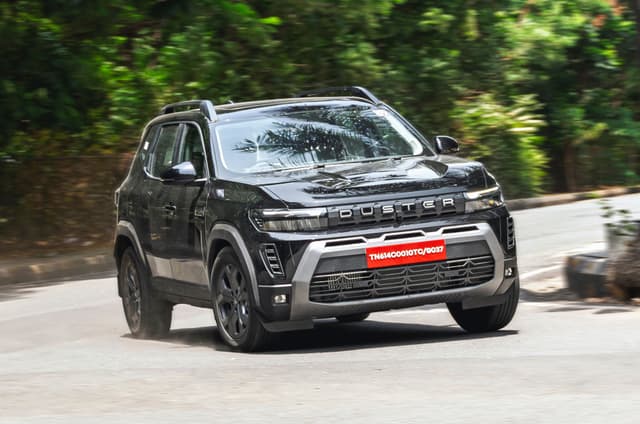
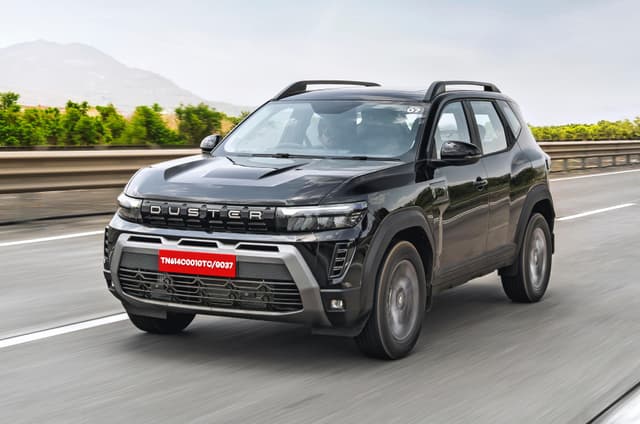
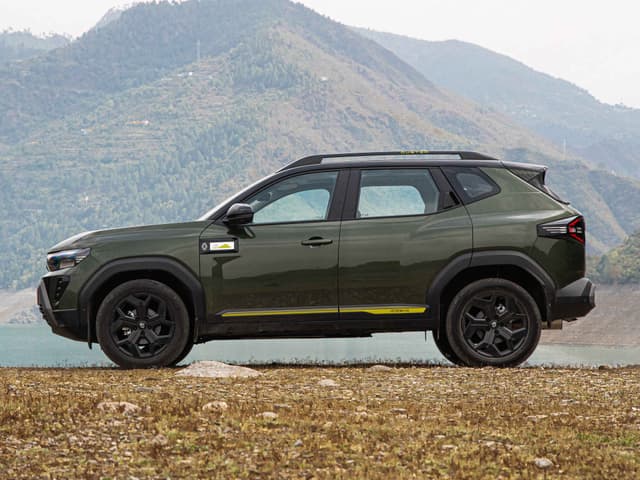
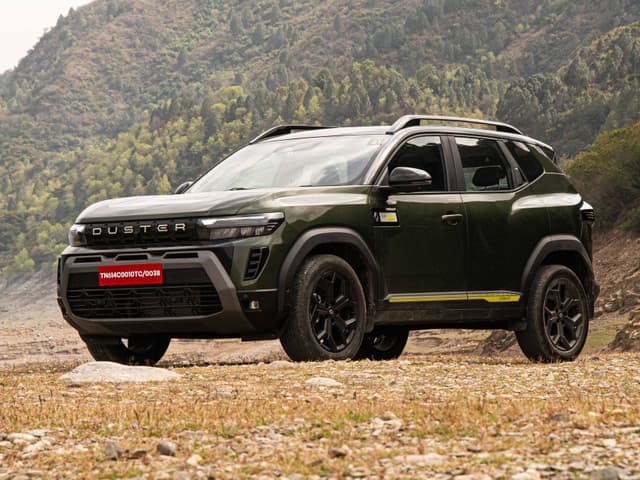
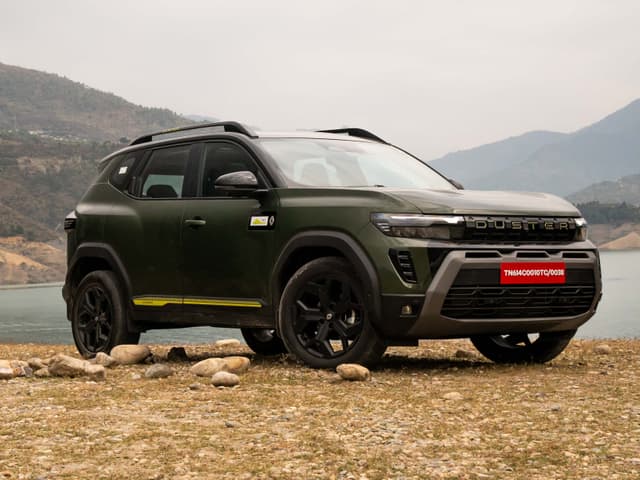
We would recommend the Renault Duster with the turbo-petrol engine paired with the six-speed manual. It is the best fit for the stated usage and priorities. With relatively low annual running, a petrol engine makes more sense, and while the Honda Elevate’s naturally aspirated engine is smooth, reliable and easy to live with, it does not have the Duster’s sense of toughness.The Elevate also feels less modern inside compared with the Duster. The Duster has a strong SUV stance, a commanding driving position and good ground clearance, which should provide greater confidence on rough patches and light off-road trails. Its handling and suspension are particular strengths, while the overall build quality also feels reassuring.Renault’s service network is not the strongest, but support should be better in Bengaluru, given that it is a major city. As an overall package, and considering the requirements, the Duster makes for the better choice. A relatively limited service network for Renault cars is a drawback, but the Duster’s strengths make it a more suitable option for this particular usage.
I am looking for a car that I can keep for the long term, around 8–10 years, with a budget of under Rs 15 lakh on-road in Bangalore. I would prefer an automatic with an SUV stance. My usage will mainly be a 15 km daily office commute, along with occasional highway trips. I am looking for something that looks modern, has enough space, and offers good after-sales service. A few options I have shortlisted are the Hyundai Venue/Sonet with DCT and the Renault Kiger with CVT. My main concern is whether DCTs are reliable for long-term ownership if they are regularly serviced, especially with bumper-to-bumper traffic 2–3 times a week.
Given the budget, usage and long-term ownership focus, we would recommend the Renault Kiger CVT over the Hyundai Venue or Kia Sonet DCT. A daily 15 km office commute with frequent bumper-to-bumper traffic, along with occasional highway trips, is better suited to a CVT than a DCT. CVTs are smoother at low speeds and work well in stop-start traffic. They can also be less demanding in such conditions over the long term.DCTs can be reliable when maintained properly, but they are not the ideal choice for regular stop-start traffic. Repeated low-speed crawling can generate heat and accelerate clutch-pack wear, potentially leading to expensive repairs over time.The Kiger also offers a modern design, a spacious cabin and a good feature set for its price. Renault's after-sales service has improved in recent years, while the Kiger offers strong value for money in this segment. The budget also stretches further with the Kiger CVT, allowing a higher-spec variant with some money left over. In comparison, the Sonet and Venue are positioned slightly higher, so the same budget would typically mean settling for a mid-spec variant.
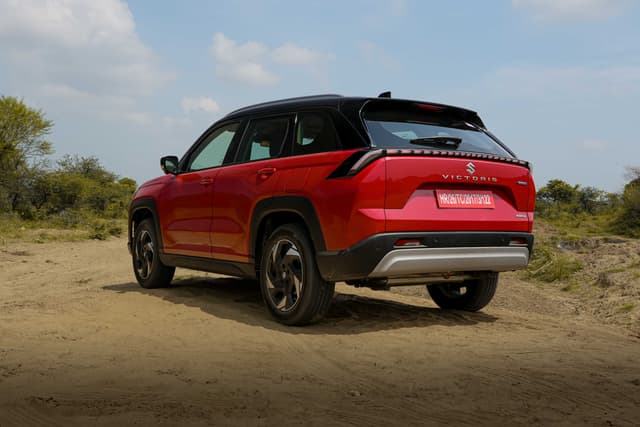
Hi, I am a resident of Pune and currently drive a Tata Altroz XM+ petrol manual. I live close to my office, so my weekday car running is around 20 km. On weekends, I primarily use the car for family purposes and short trips. My current annual running is around 5,000-6,000 km. I am planning to upgrade my car with a budget of Rs. 15-18 lakh. I prefer a petrol automatic SUV and am not considering sub-4-metre SUVs, as I feel their dimensions are not significantly different from my current car. I am quite confused between the Kia Seltos and Maruti Suzuki Victoris. I am considering the HTK (O) variant of the Seltos and the ZXi (O) variant of the Victoris. Both offer a panoramic sunroof and have almost identical features. However, the Victoris gets LED headlamps and fog lamps, while the Seltos gets halogen headlamps. I often see recommendations favouring the Seltos, so I would like to understand how both cars compare overall before making a decision. Which one would be the better choice for my usage and requirements? Thank you.
Between the two, the Kia Seltos is the better overall package. It is larger outside, roomier inside, and feels more modern and premium. The 1.5-litre engine and IVT combination is also excellent in terms of refinement and makes for a very relaxing car to drive in the city. With regard to your lighting concerns, this Kia car does come with LED headlights from the base model onwards, but LED fog lights are only standard from the HTX onwards. However, LED fog lamps should be part of the official accessories catalogue, so check with your dealer about the same.The Maruti Suzuki Victoris ZXi (O) is also a well-equipped variant with LED headlamps and a good feature set. Its engine is also very refined, and the 6-speed automatic transmission is very smooth-shifting. The downside compared to the Seltos is that it isn't as spacious inside.Overall, the Seltos is a better choice for your needs.
I am looking for a car with good safety ratings and must-have features, along with high ground clearance. My average monthly running is around 700-800 km, mostly in heavy traffic, with a mix of city and highway driving due to work requirements. I also travel late at night and on weekends to Virar. I would prefer a 7-seater, but I am also open to a 5-seater if it has proper rear-seat space. I am upgrading from a 2021 Renault Kwid AMT and am strictly on a budget of up to Rs. 18 lakh; although I can stretch it by another Rs. 2 lakh if required.
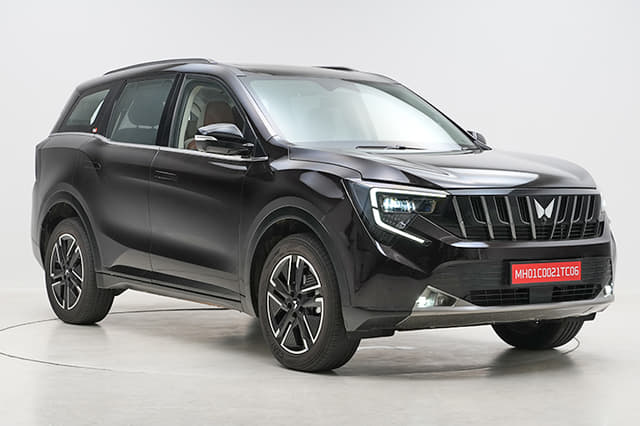
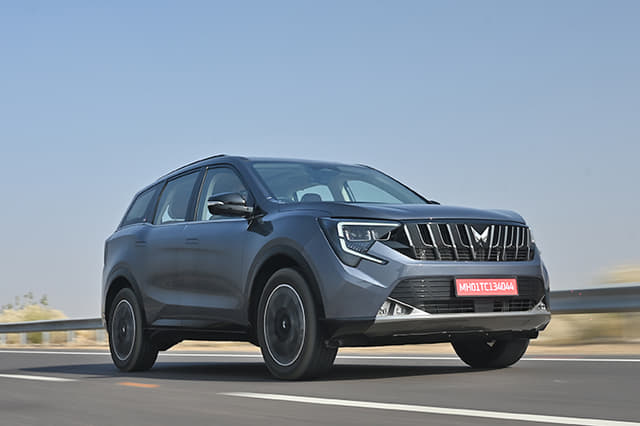
With a budget of Rs 18-20 lakh, a mix of heavy traffic, late-night runs, and weekend trips to Virar, the Mahindra XUV 7XO diesel automatic is the best fit. It offers strong safety credentials, a comfortable ride over broken roads, and a diesel engine that is well suited to your running pattern, especially with the highway stretches to Virar. This Mahindra car also offers a proper rear seat experience, and with the third row folded offers a very large boot space. Overall, the XUV 7XO diesel automatic strikes the best balance between safety, comfort, running costs, and practicality for your usage.
Last Updated on: 16 Aug 2026