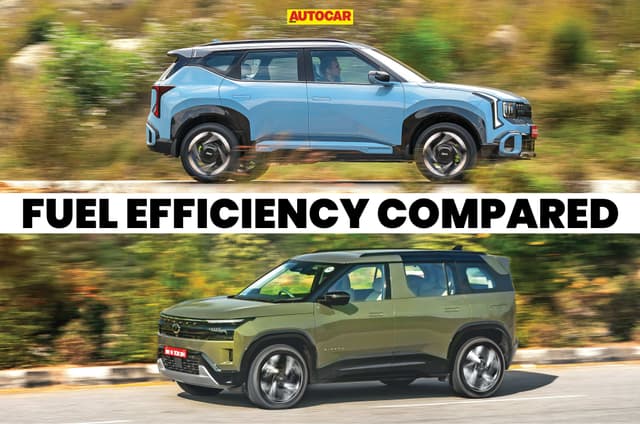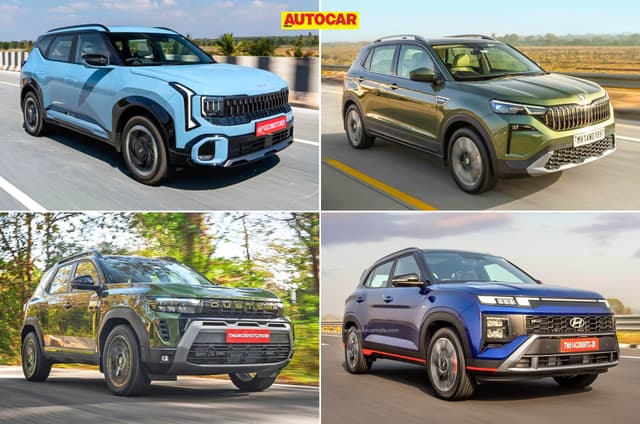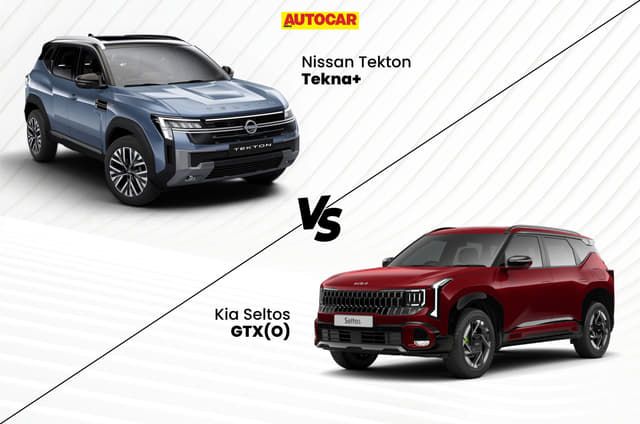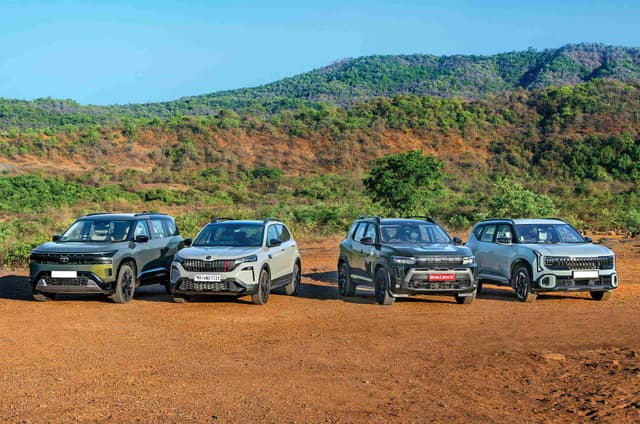

Last Updated on: 21 Apr 2026
Kia Seltos
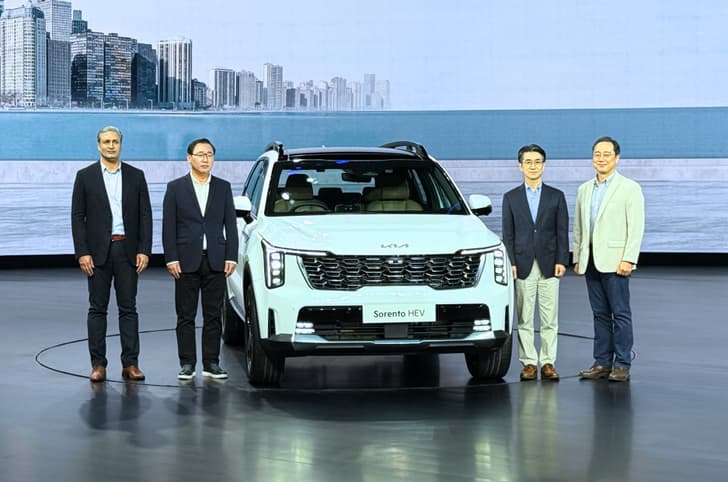
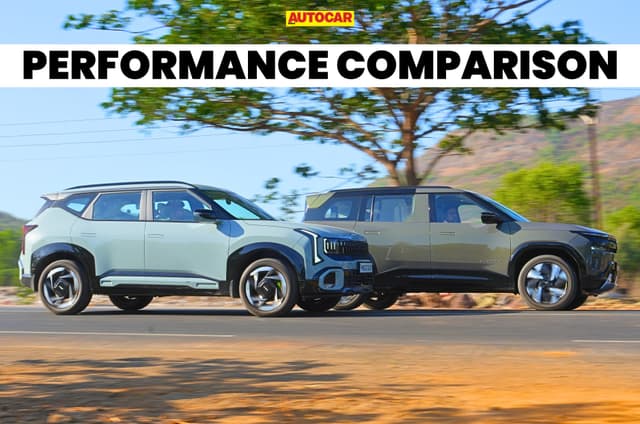
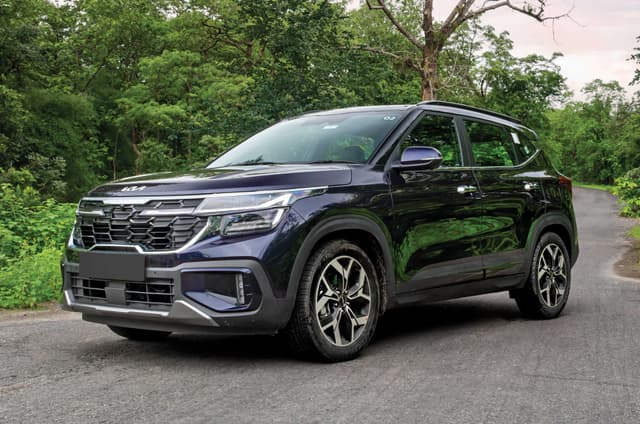
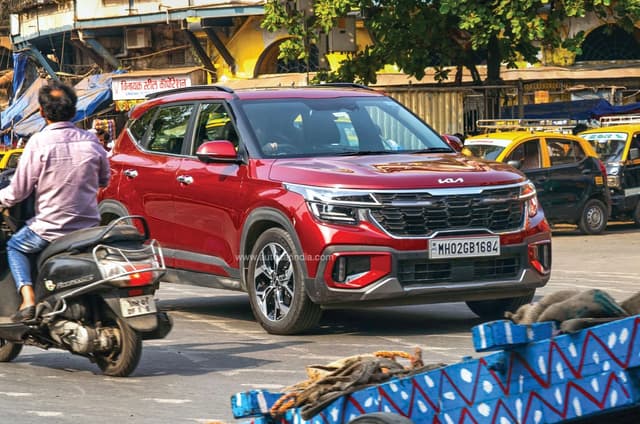
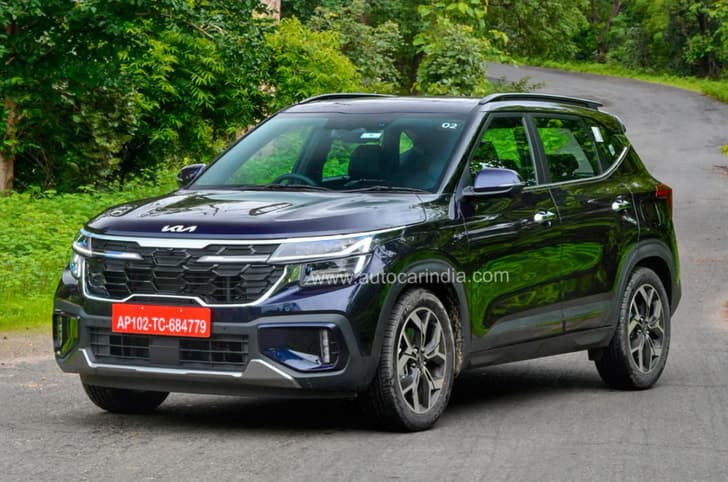
The Kia Seltos price starts from Rs 10.99 lakh and goes upto Rs 19.99 lakh (ex-showroom). The Seltos was Kiaโs first-ever offering for India in 2019, and received a second-generation update for MY26.
Kia India offers three engine options for the Seltos: a 115hp, 1.5-litre naturally aspirated petrol, a 116hp, 1.5-litre turbo-diesel, and a 160hp, 1.5-litre turbo-petrol. All Seltos engines are available with manual and automatic gearboxes.
The Kia Seltos interior features premium leatherette upholstery, a 12.3-inch infotainment touchscreen and digital driverโs display, ambient lighting, ventilated front seats, panoramic sunroof, and dual-zone climate control
Kia Seltos Rivals:
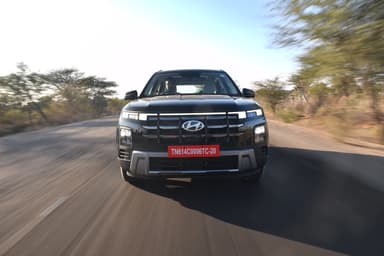
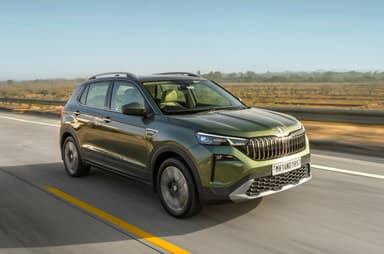
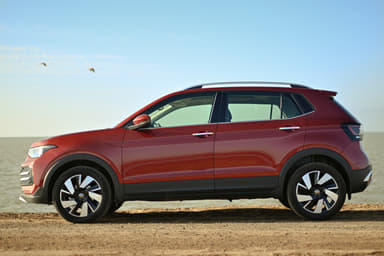
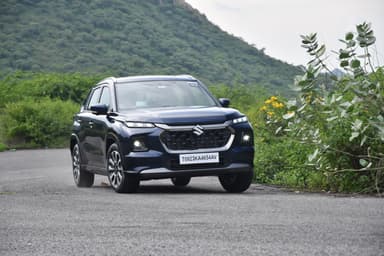
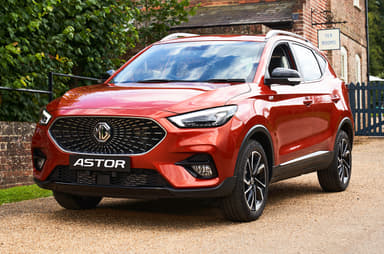
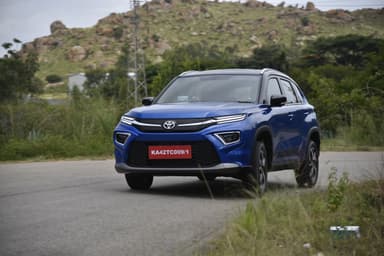
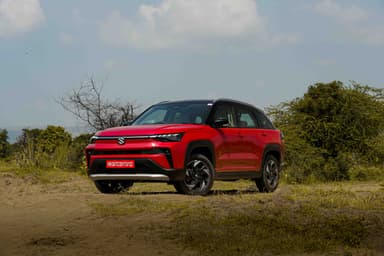
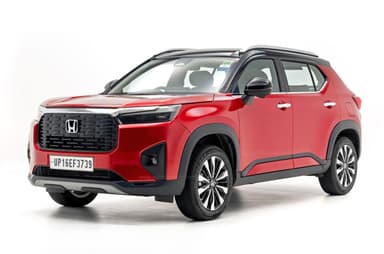
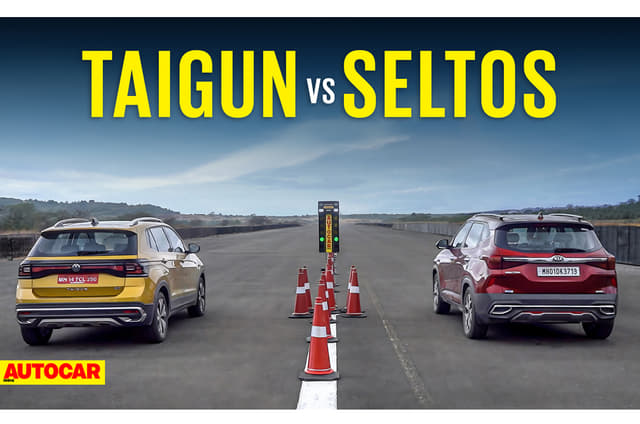
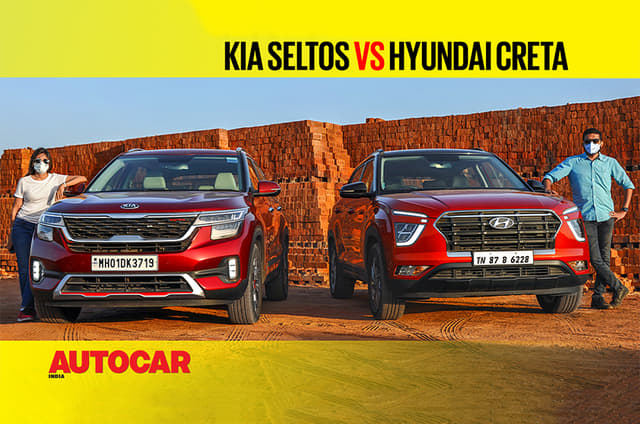
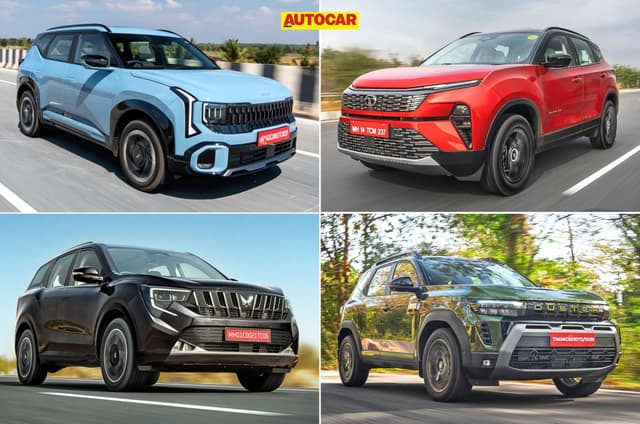
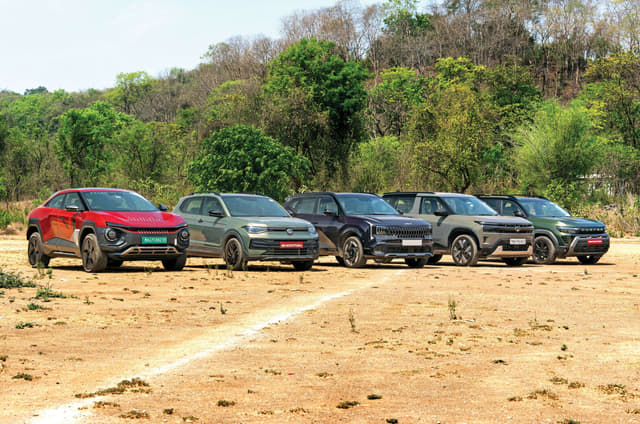
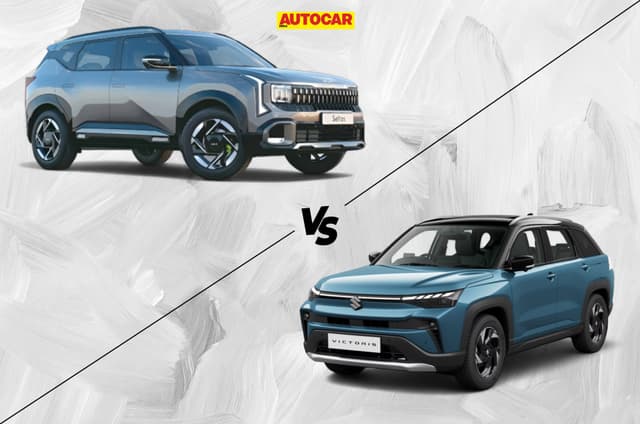
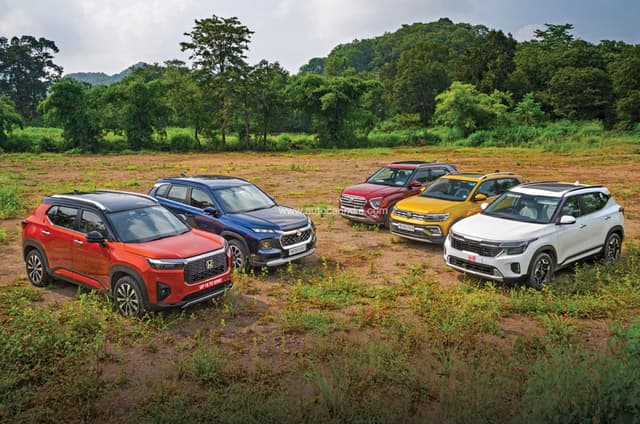
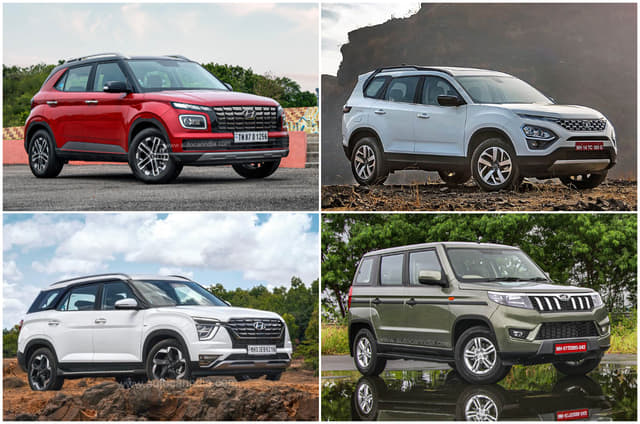
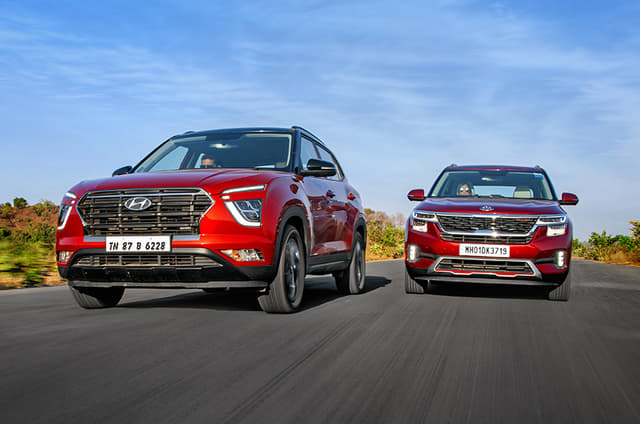
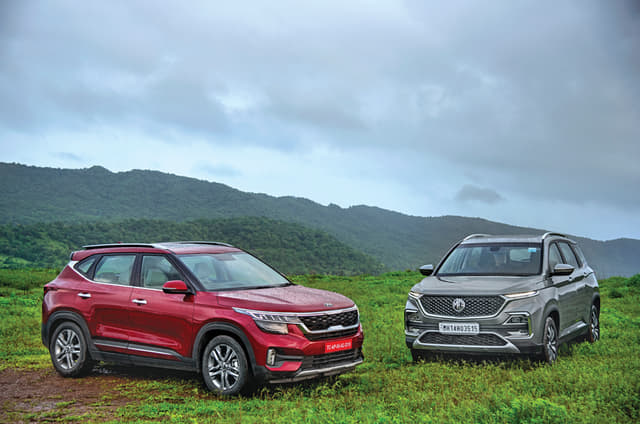
The Seltos competes with the Hyundai Creta, Maruti Victoris, Tata Curvv, Maruti Grand Vitara, Toyota Urban Cruiser Hyryder, Volkswagen Taigun, Skoda Kushaq, Renault Duster, Sierra and MG Astor in the midsize SUV segment.
Kia Seltos Key Highlights:
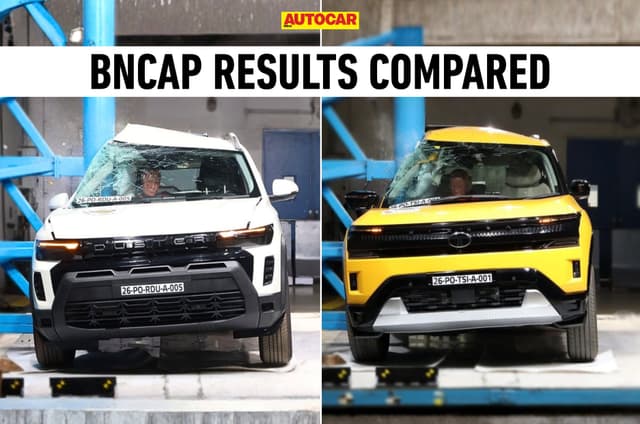
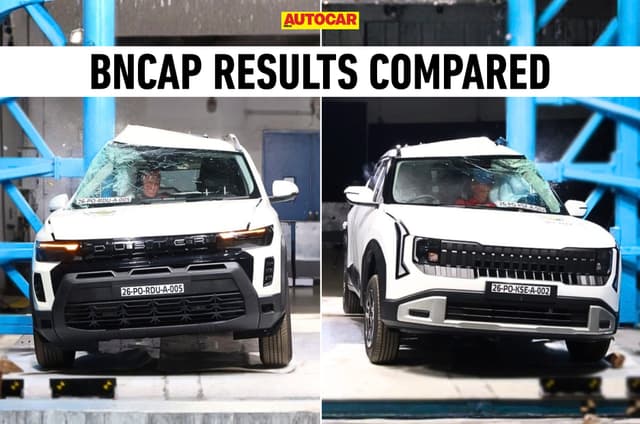
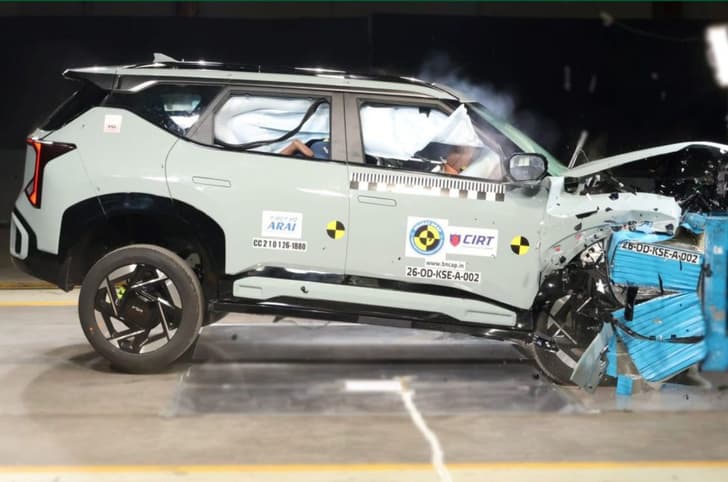
- The Kia Seltos has secured a 5-star safety rating in BNCAP crash tests.
- Seltos gets six airbags as standard, ESC, rear parking sensors, front and rear disc brakes, TPMS, traction control, ABS with EBD, ISOFIX child seat anchor points, a 360-degree camera and Level 2 ADAS in higher variants, etc.
- At 190 mm, the Seltos ground clearance is adequate to deal with Indian road conditions.
- The Kia Seltos boot space is 433 litres, ample for luggage and daily use.
- In terms of dimensions, the Seltos measures 4,315 mm in length, 1,800 mm in width, 1,620 mm in height, and 2,610 mm in wheelbase.
- Kia Seltos features include a 12.3-inch infotainment touchscreen, 12.3-inch driverโs display, ventilated front seats, Level 2 ADAS, dual-zone climate control, wireless Android Auto and Apple CarPlay, ambient lighting, 8-speaker Bose sound system, and more.
Kia Seltos Key Specifications for all variants
Kia Seltos key specifications | |
|---|---|
Dimensions | 4,460mm x 1,830mm x 1,635mm |
Wheelbase | 2,690mm |
Boot space | 433 litres |
Engine | 1.5-litre petrol | 1.5-litre turbo-petrol | 1.5-litre diesel |
Engine cylinder configuration | 4 | 4 | 4 |
Power | 115hp | 160hp | 116hp |
Torque | 144Nm | 253Nm | 250Nm |
Gearbox options | 6MT/CVT | 6iMT/7DCT | 6MT/6AT |
Kia Seltos Interior and Exterior
Kia Seltos interior:
- 12.3-inch infotainment system
- 12.3-inch digital drivers display
- 5-inch HVAC control display
- Layered dashboard layout
- Dual-tone steering wheel with buttons for drive and traction control
- Ambient lighting, physical buttons on the centre console
Kia Seltos exterior:
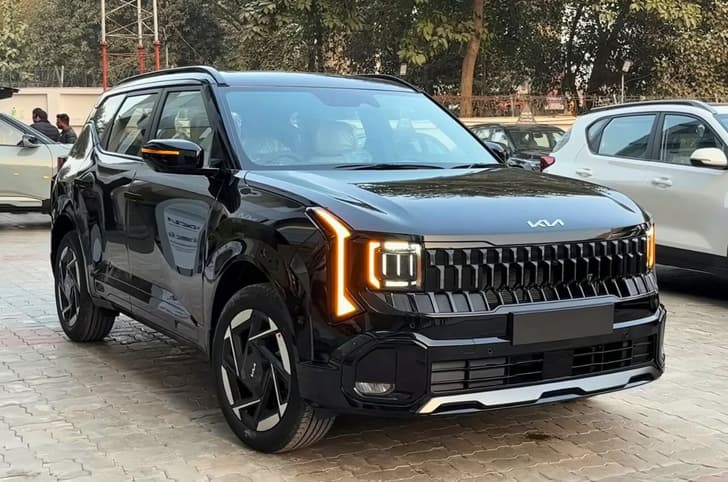
- LED headlamps, DRLs, connected tail-lamps and fog lamps
- Roof-mounted spoiler
- Wide grille and air dams at the front
- Panoramic Sunroof
- Front and rear parking sensors
- Wheel sizes range from 16 to 18 inches.
Kia Seltos Latest Updates
- 30 March 2026: Seltos secures 5-star BNCAP rating
- 18 Feb 2026: Seltos crosses 6 lakh sales milestone.
- 05 Feb 2026: The new Kia Seltos has a waiting period of up to 2 months.
- 02 Jan 2026: The new Kia Seltos has gone on sale at a starting price of Rs 10.99 lakh.
- 12 Dec 2025: Kia Seltos hybrid India launch expected by 2027.
- 10 Dec 2025: Kia reveals new Seltos ahead of January 2, 2026 launch.
- 01 Dec 2025: Next gen Kia Seltos is set for a global debut on December 10, 2025.
- 22 Sep 2025: Kia Seltos price reduced by up to Rs 75,372 following GST reform
- 19 May 2025: Next gen Kia Seltos India spy shots preview new front design
- 11 Apr 2025: Kia Seltos hybrid confirmed for SUVโs next gen model
Kia Seltos Features and specifications
Our Rating | 8 |
Engine | 1482 cc - 1497 cc |
Fuel Type | Diesel, Petrol |
Transmission | Torque Converter, CVT, DCT, Manual, IMT |
Seats | 5 |
Body Style | SUV |
Doors | 5 |
Max Power | 116 hp at 4000 rpm |
Max Torque | 250 Nm at 1500 - 2750 rpm |
| Fuel Type/ Propulsion | Diesel |
| Number of Cylinders | 4 |
| Engine Installation | Front |
| Max Engine Torque | 250 Nm at 1500 - 2750 rpm |
| Fuel Supply System | Common Rail |
| Terrain Modes | Yes |
| Emission Standard | Bharat Stage VI |
| Fuel Tank Capacity | 47 litres |
| Front Brakes | Disc |
| Rear Brakes | Disc |
| Steering Adjust type | Manual |
| Steering Adjust | Tilt and Telescopic |
| Length | 4460 mm |
| Width | 1830 mm |
| Height | 1635 mm |
| Wheelbase | 2690 mm |
| warranty Distance | Unlimited |
| warranty Duration | 3 |
| Flat Bottom Steering Wheel | |
| Cooled Cup Holders | |
| Driving Modes | |
| Third Row AC Vents |
| Dashcam | |
| Speed Sensing Door Lock | |
| Driver Airbag | |
| Seat Belt Warning |
| Body Coloured Bumpers | |
| Headlight Type | LED |
| Projector Headlamps | |
| Daytime Running Lights | LED |
| Head-up Display | |
| Gear Indicator | |
| Distance to Empty | |
| Average Speed |
| Wireless Phone Charging | |
| Steering Phone Controls | |
| Display | 12.3-inch Touchscreen |
| Android Auto | Wireless |
| Remote AC On / Off via App | |
| Over the air (OTA) updates | |
| Remote Sunroof Open / Close via App | |
| Driving Analytics |
Kia Seltos price & variants
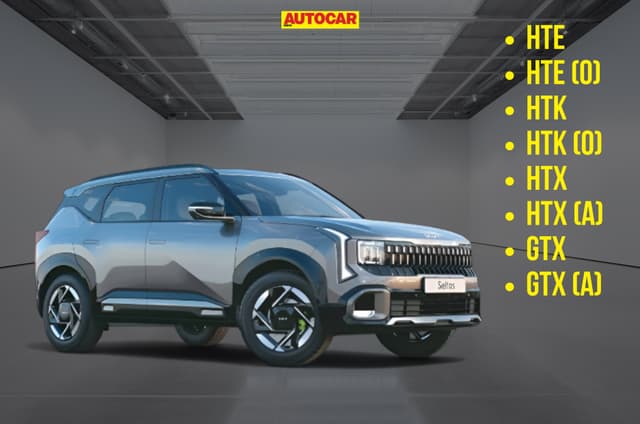
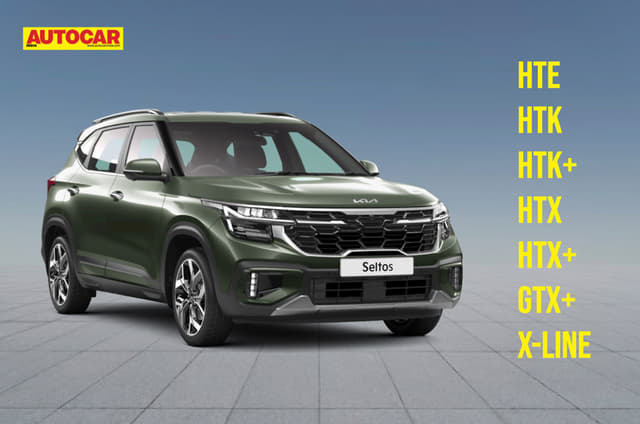
The Kia Seltos is available in 40 variants across 10 trims: HTE, HTE(O), HTK, HTK(O), HTX, HTX(A), GTX, GTX(A), X Line, and X Line(A). The Seltos is offered with a choice of three engines: a 115hp, 1.5-litre petrol, a 160hp, 1.5-litre turbo-petrol, and a 116hp,1.5-litre diesel engine. A 6-speed manual gearbox is standard on the petrol and diesel engines, while the petrol offers a CVT gearbox and the diesel offers a 6-speed torque converter automatic. On the other hand, the turbo-petrol engine can be paired to either a 6-speed iMT gearbox or a 7-speed DCT.
The Kia Seltos price starts at โน10.99 lakh, and goes up to โน19.99 lakh, ex-showroom.
On-road price of the Kia Seltos roughly ranges from โน13.01 lakh, and goes up to โน23.94 lakh, depending on the city.
Kia Seltos ex-showroom price range | |
|---|---|
Variant | Price |
Kia Seltos base-spec variant (HTE, HTE(O)) | โน10.99 lakh to โน14.99 lakh |
Kia Seltos mid-spec variant (HTK, HTK(O)) | โน13.09 lakh to โน17.09 lakh |
Kia Seltos top-spec variant (HTX, HTX (A), GTX, GTX(A), X Line, X Line (A)) | โน15.59 lakh to โน19.99 lakh |
Key differentiators among the different versions of the Kia Seltos
Criteria | Kia Seltos base-spec variant (HTE) | Kia Seltos mid-spec variant (HTK(O)) | Kia Seltos top-spec variant (GTX (A) and X Line (A)) |
Engine | 1.5 petrol, 1.5-diesel | 1.5 petrol, 1.5-diesel, 1.5 turbo-petrol | 1.5 petrol, 1.5-diesel, 1.5 turbo-petrol |
Gearbox | 6MT, 6AT | 6MT, CVT, 6iMT, 6AT, 7DCT | CVT, 6AT, 7DCT |
Headlight | LED | LED | LED |
Taillight | LED | Connected-LED | Connected-LED |
Alloy wheels | 16-inch steel wheels with cover | 17-inch | 18-inch |
Infotainment | 10.25-inch | 10.25-inch | 12.3-inch |
Driverโs display | 4.2-inch TFT display | 4.2-inch TFT display | 12.3-inch |
Seat upholstery | Fabric | Fabric | Leatherette |
Sunroof | No | Panoramic | Panoramic |
Seltos Car Price List (On Road) (2026 April) -
- Seltos on road price in Delhi - โน12.79 lakh - โน23.64 lakh
- Seltos on road price in Mumbai - โน13.01 lakh - โน23.94 lakh
- Seltos on road price in Hyderabad - โน13.56 lakh - โน24.54 lakh
- Seltos on road price in Kolkata - โน12.79 lakh - โน23.14 lakh
- Seltos on road price in Chennai - โน13.67 lakh - โน24.74 lakh
Kia Seltos Official Brochure
Download the complete brochure with specs, features, and variants.
Kia Seltos expert review
We like
Ride thatโs comfort oriented without sacrificing handling balance
Smooth and strong turbo-petrol engine performance
We don't like
Misses some expected features in this segment
The diesel engine lacks punch
The second-generation Seltos moves from the K2 platform to Kiaโs new K3 platform, bringing in new tech and allowing the SUV to grow substantially. Powertrains, however, carry forward from the previous car. Length has increased by 95mm to 4,460mm, making it the longest in its class, while the wheelbase is up by 80mm to 2,690mm, second only to the Tata Sierra in the segment.
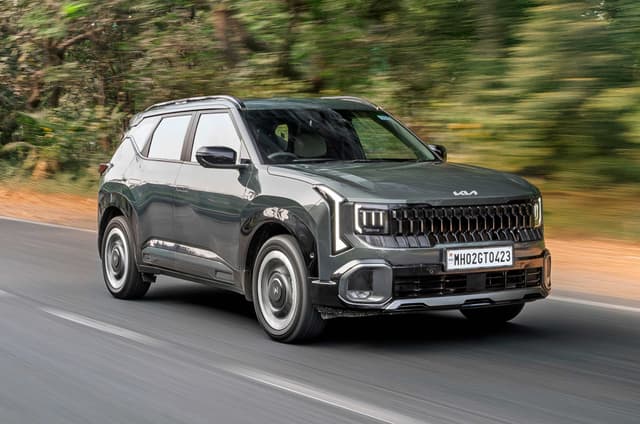
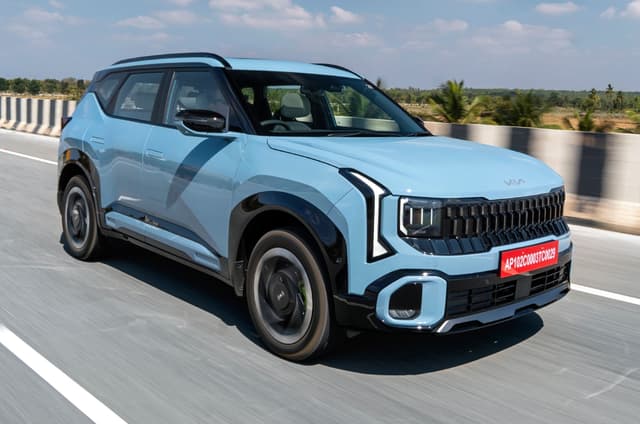
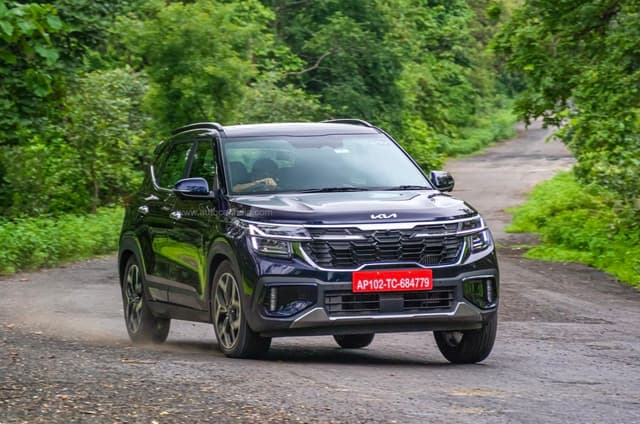
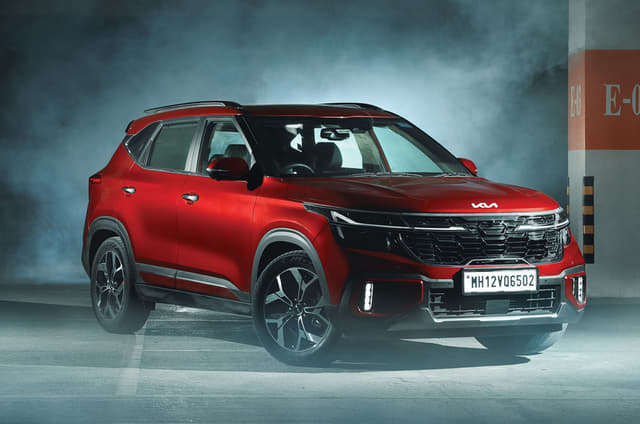
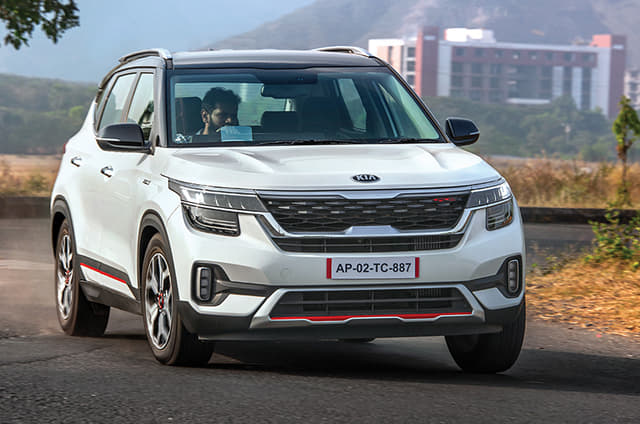
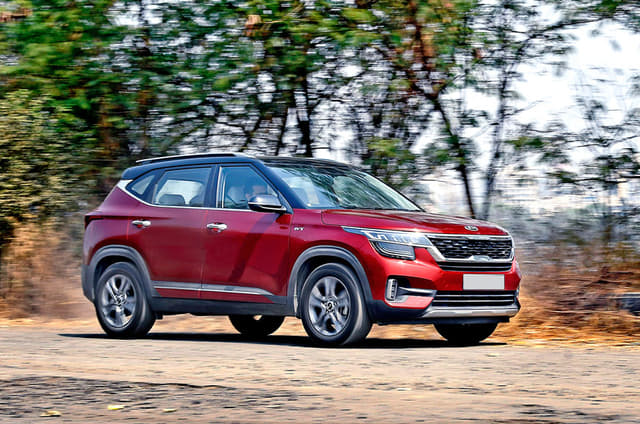
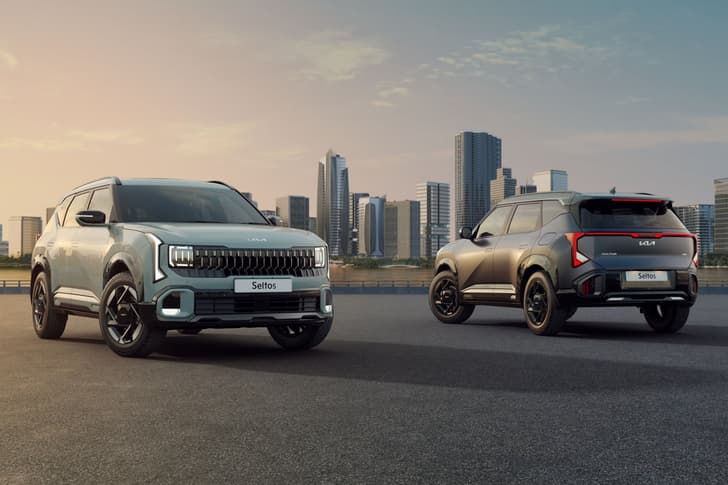
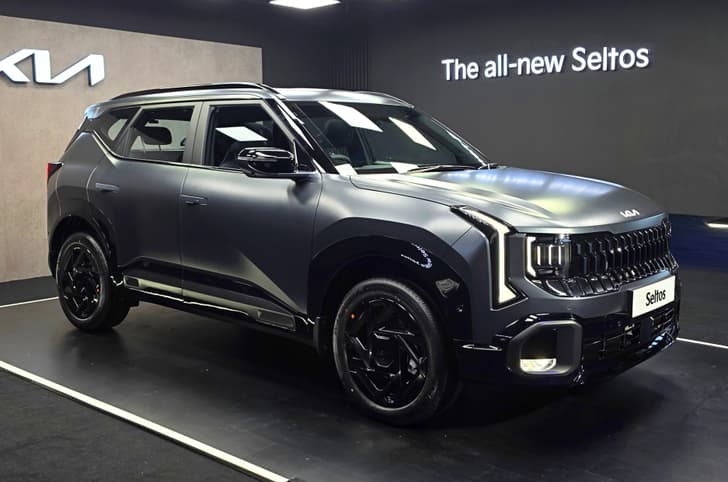
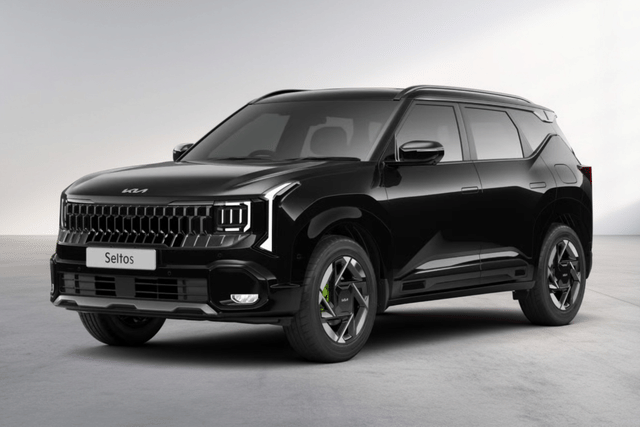
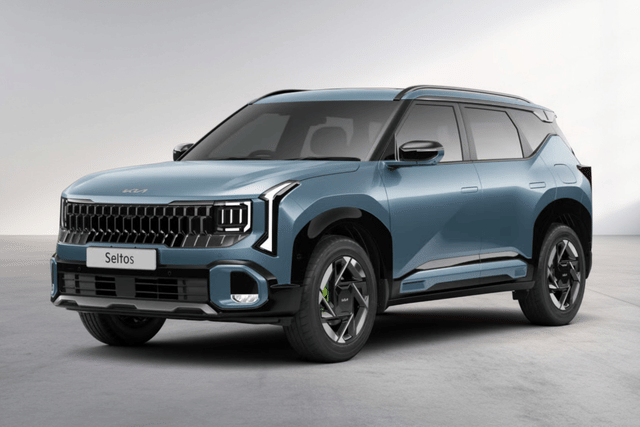
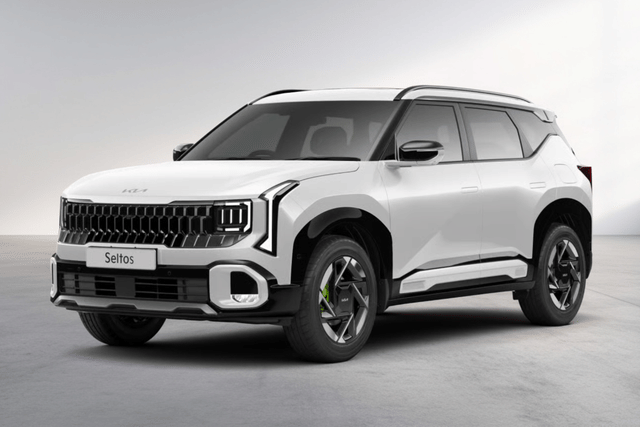
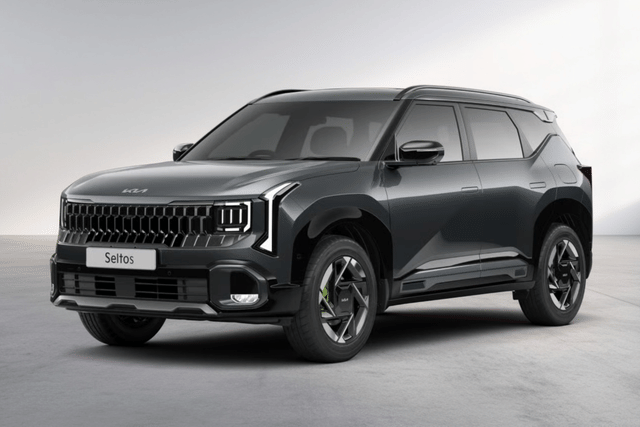
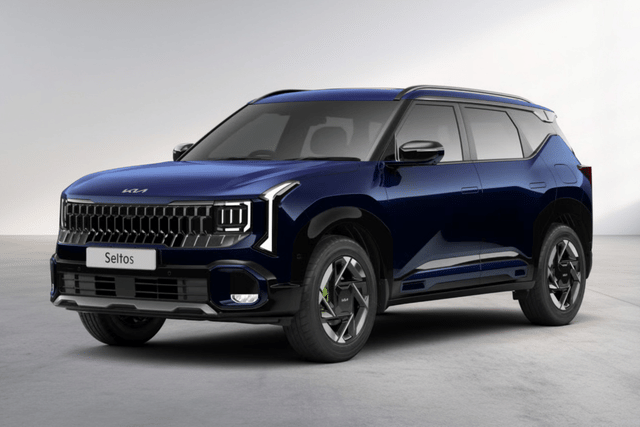
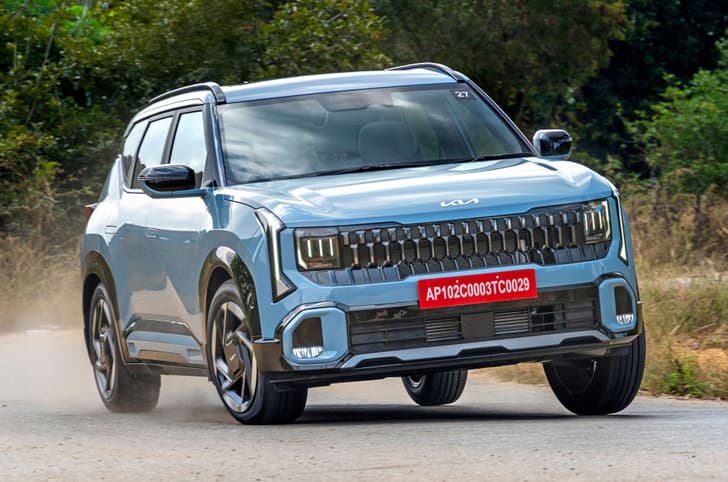
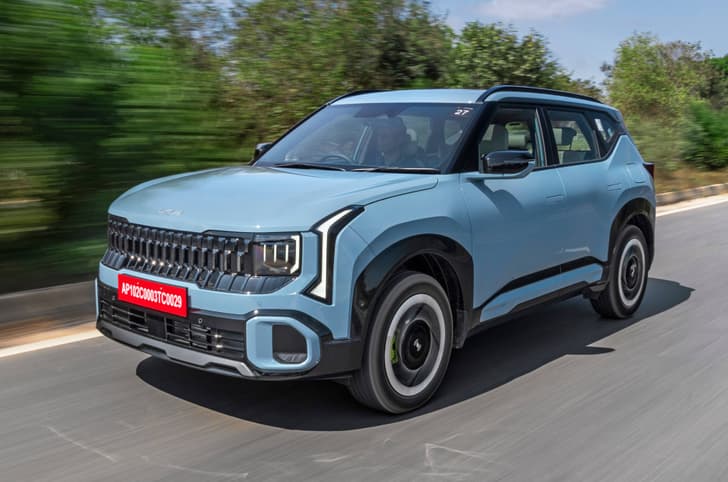
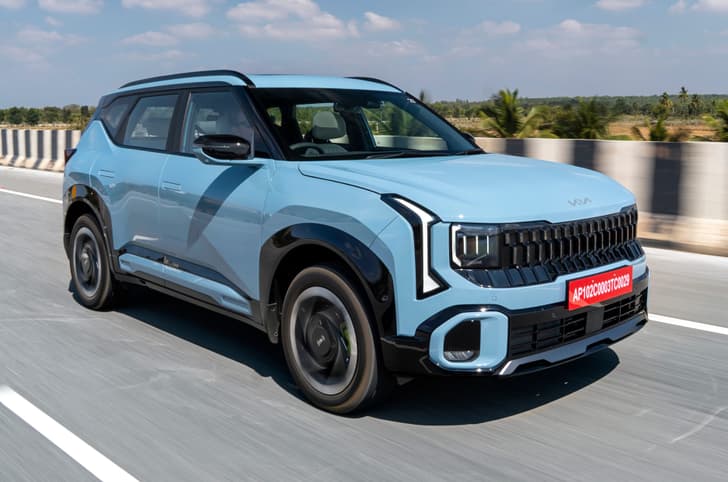
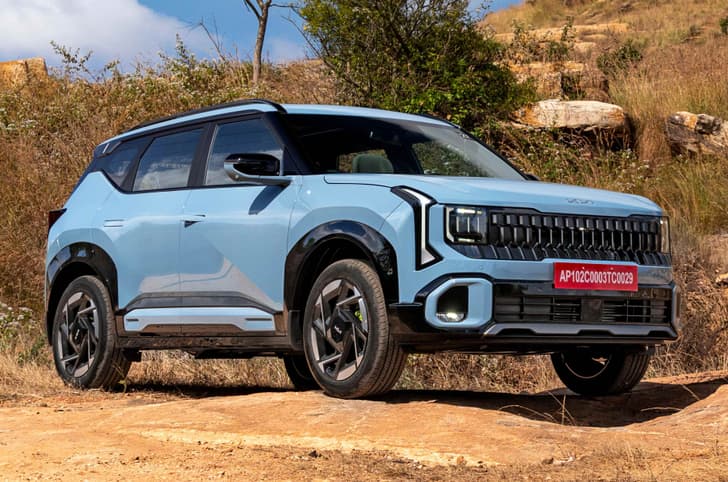
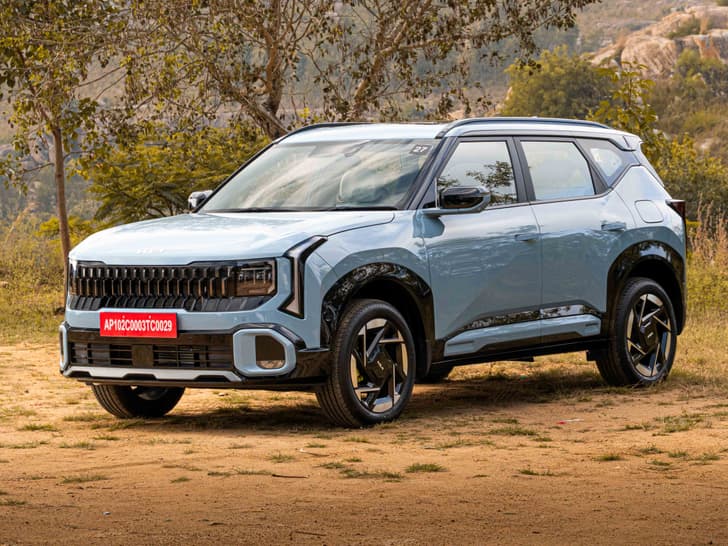
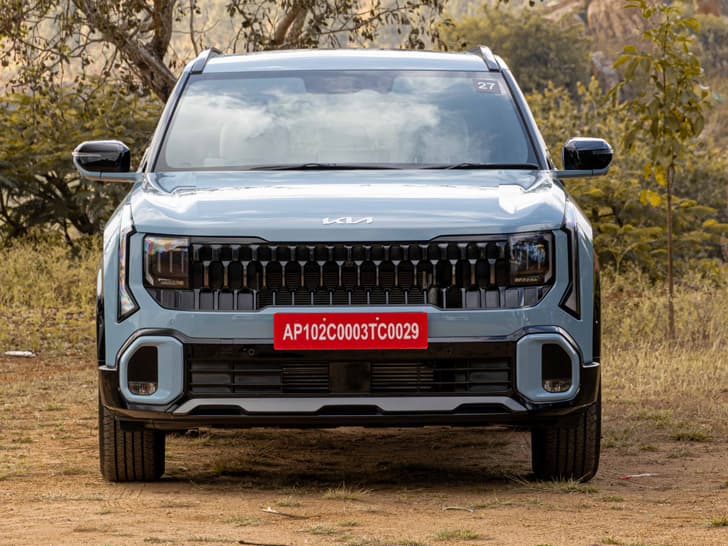
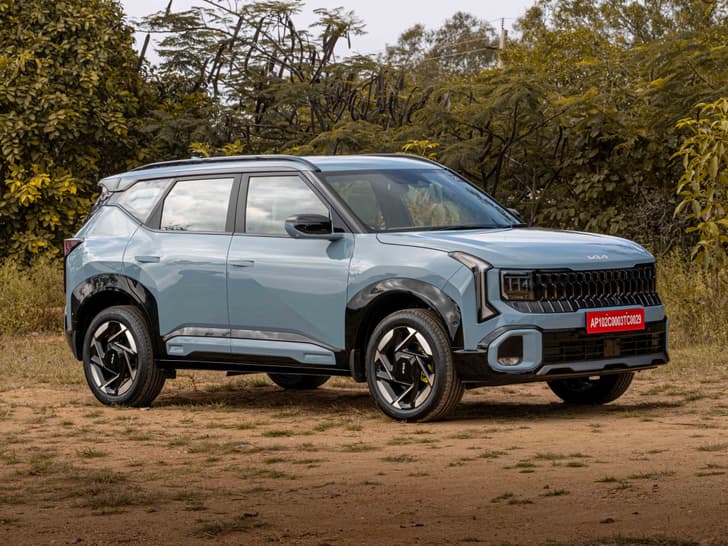
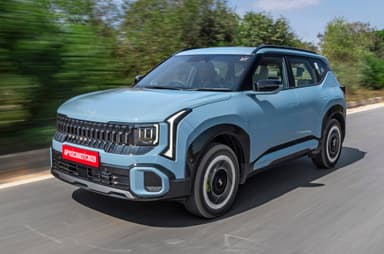
The new design is bold and introduces fresh Kia design traits, though it may not appeal to everyone. The increased size helps balance strong elements like the vertical DRLs that wrap onto the bonnet and fenders. The square-set headlights sit within a large gloss-black grille, which still features the Kia tiger-nose pinch but feels visually lost amid the loud styling.
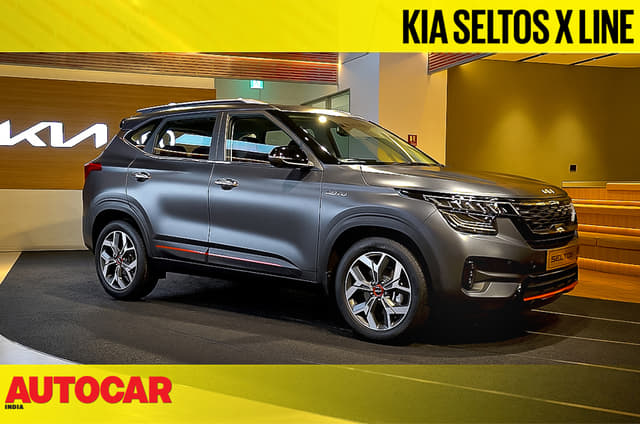
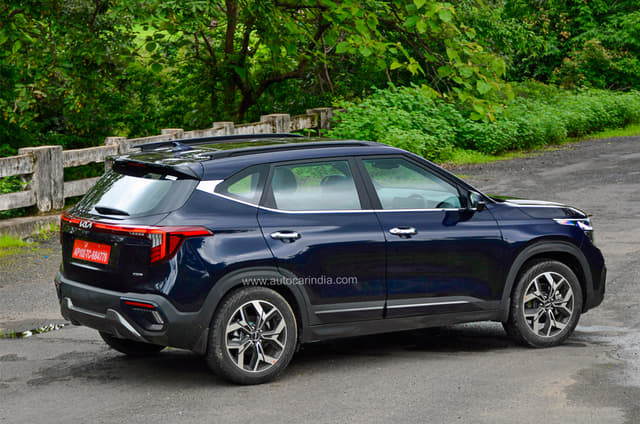
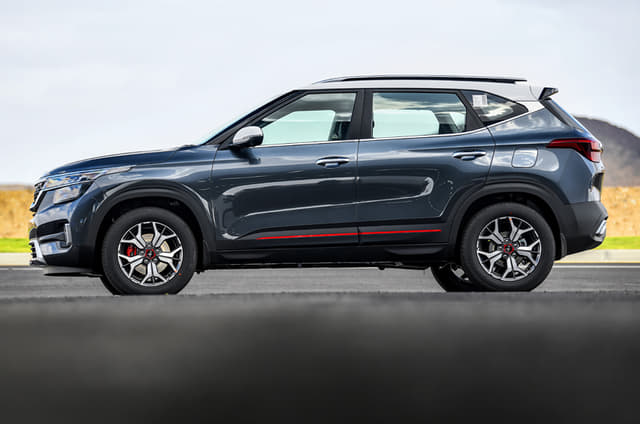
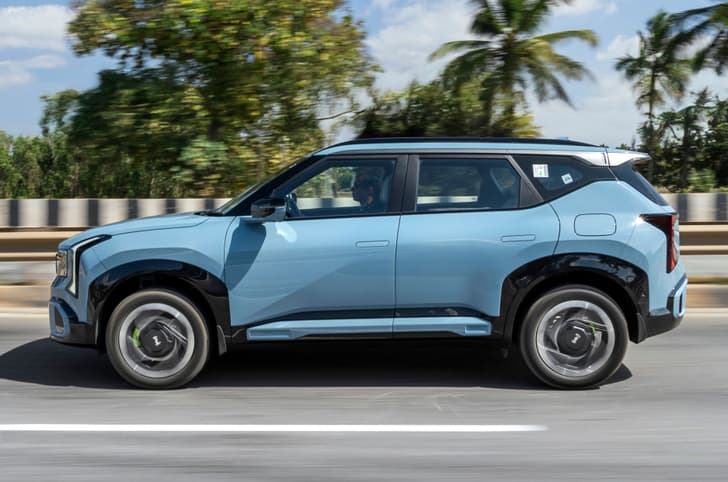
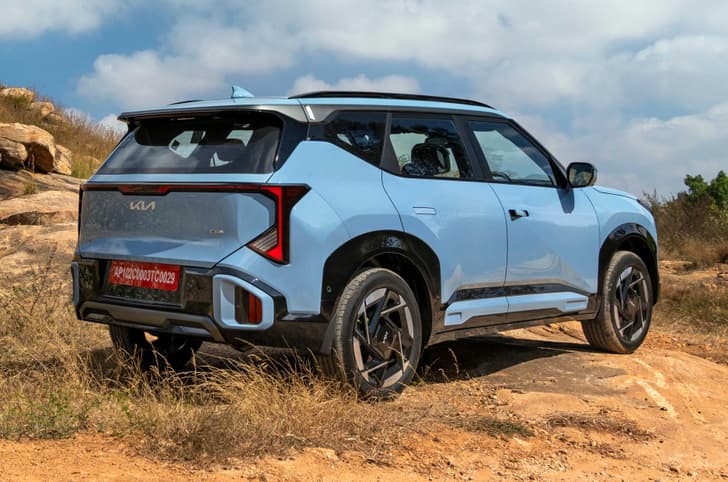
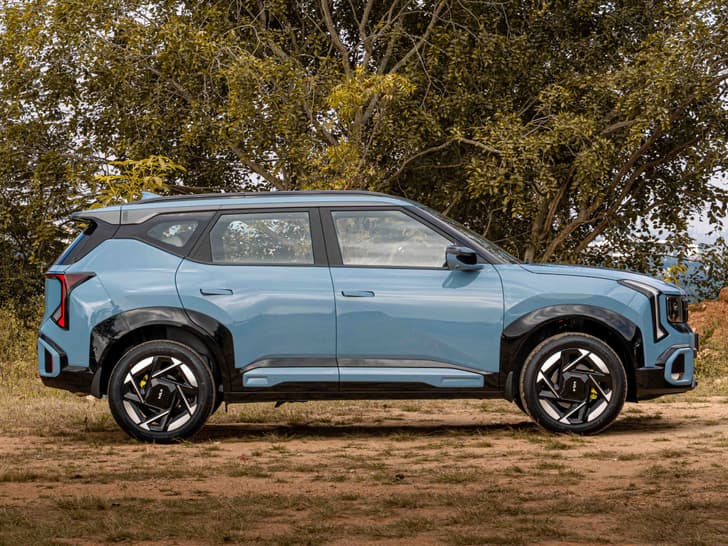
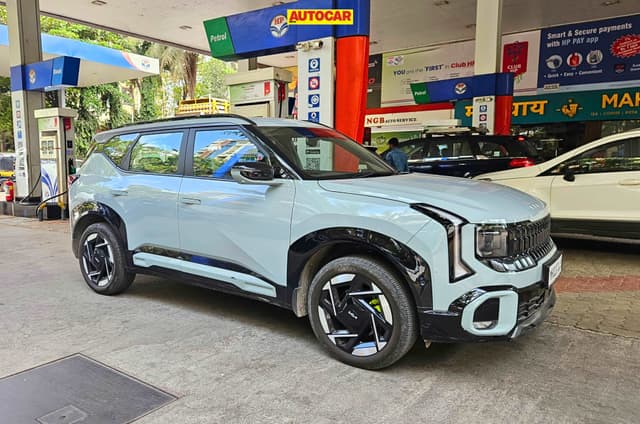
The side profile gets chunky gloss-black cladding with body-coloured inserts, flush door handles, and 18-inch alloy wheels on GT Line variants with a geometric design and neon-painted brake calipers. The pinched glasshouse flows into the tailgate, creating a floating roof effect, while roof rails are purely decorative.
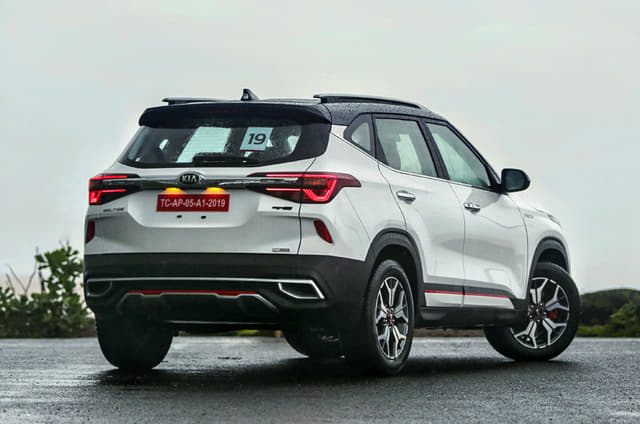
At the rear, the design is cleaner, with large vertical LED tail-lamps connected by a light strip. The tailgate has a wraparound look, and the spoiler neatly integrates the stop lamp and hides the rear wiper.
7.0
The cabin is new but retains familiar Kia elements, which is good. Fit and finish are very good, and while more soft-touch materials would have been welcome, high-quality plastics and texturing prevent the interior from feeling plasticky.
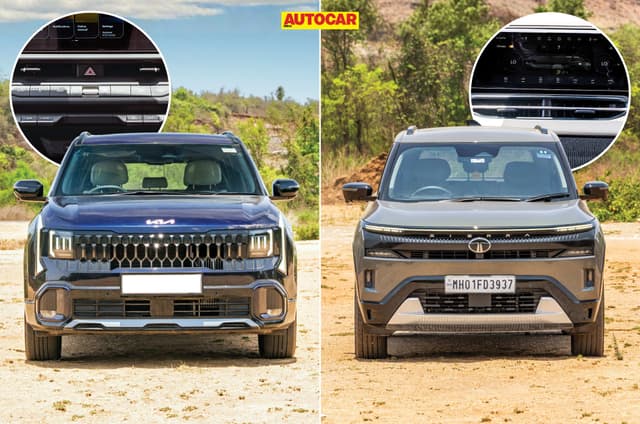
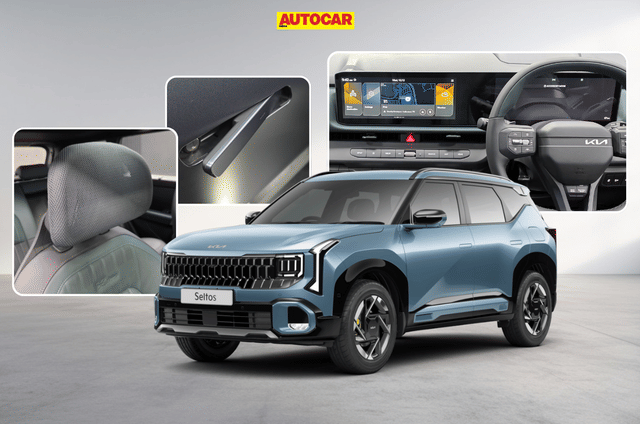
A single glass panel houses a 12.3-inch touchscreen, a 12.3-inch digital instrument cluster, and a 5.0-inch HVAC touchscreen, though the latter is partly obscured by the steering wheel. Thankfully, there are physical buttons and toggles for key functions. The touchscreen is slick, the 360-degree camera feed is sharp, and the instrument display is clear.
The new chunky steering wheel has well-placed controls, including buttons for drive and traction modes. Features include a Bose sound system, panoramic sunroof, wireless charging, ambient lighting, front cooled seats, and a powered driverโs seat with memory for seat and ORVM positions, including an adjustable entry-exit function. Missing features include an air purifier and rear cooled seats.
Safety equipment includes six airbags, ESC, downhill brake control, and a full ADAS suite. Lane-departure correction feels natural, though lane centring can feel intrusive on poorly marked roads. Crash-test ratings are yet to be announced.
8.0
Front seats are comfortable, but larger occupants may find them snug. The headrests are well designed for safety but lack side padding for those resting their heads.
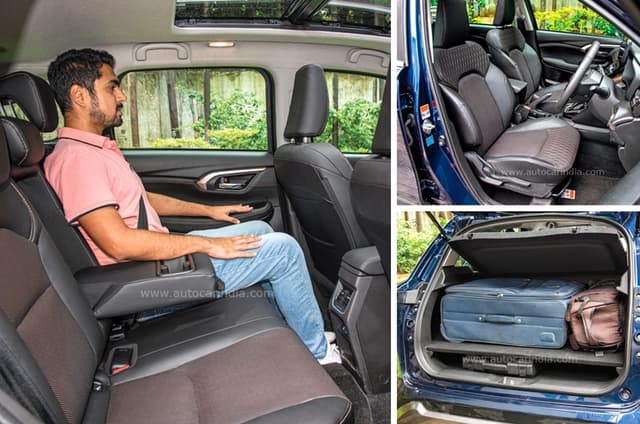
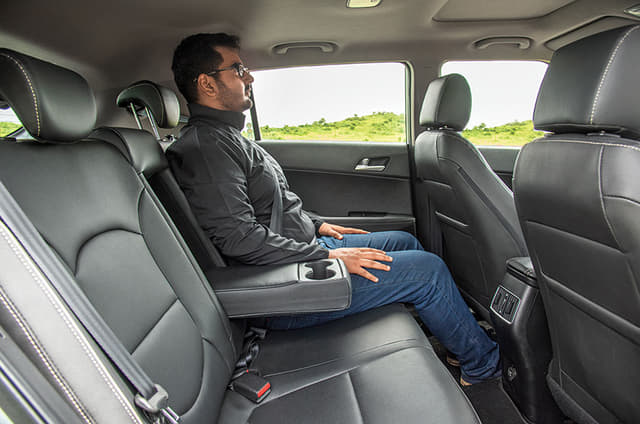
Rear-seat legroom has improved significantly and will suit six-footers, while headroom is adequate. Three average-sized adults can sit abreast, and the seatback angle is adjustable. The seat base is comfortable but short for taller passengers, and lumbar support feels excessive. Rear AC vents and well-designed sun blinds help cooling.
Storage is good overall, though the glovebox is small. Boot space is a generous 447 litres with a flat floor and a full-sized spare underneath.
7.0
Engine options remain unchanged: a 115hp 1.5 NA petrol, a 160hp 1.5 TGDi petrol, and a 115hp 1.5 diesel, with the same gearbox choices as before. We sampled the automatic versions of the TGDi petrol and diesel.
The diesel remains refined, with muted noise and linear power delivery, making it a relaxed cruiser. However, it feels short on punch, even in Sport mode, and the torque-converter gearbox is slow to respond.
The TGDi petrol delivers strong, linear performance from 2,000rpm to the 6,200rpm redline. Refinement is good, and the dual-clutch gearbox is quick, though it can hesitate at low speeds.
8.0
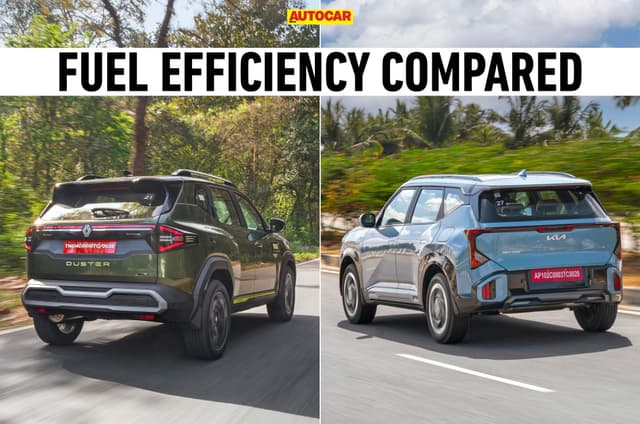
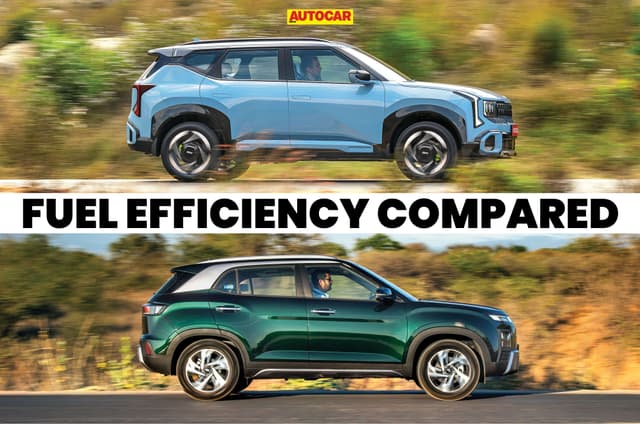
Official figures are pending, but efficiency should be similar to before. Expect high single digits in city driving and 13โ14kpl on highways for the TGDi, while the diesel should deliver 16โ17kpl on highways and low double digits in the city.
8.0
While the suspension hardware is unchanged, the tuning is now comfort-focused. Bumps are absorbed well without harshness, yet body control remains tidy. High-speed stability is strong, and the car feels composed on uneven surfaces.
Steering weight varies with drive modes but lacks natural feel, especially in Sport mode. Brakes are progressive and confidence-inspiring.
8.0
The new Seltos isnโt a revolution and has some negatives like it lacks some features and the diesel feels underpowered. However, while not a revolution, it feels like a nice evolution of what was an already good car. It offers bold styling, more space, improved ride comfort, and a wide choice of powertrains. With sensible pricing, it should continue to attract strong interest.
8.0
Reviewed by: Sergius Barretto
Kia Seltos reviews

Kia Seltos comparison


Kia Dealers in Mumbai
Planning to buy Seltos? Here are a few dealers in Mumbai
Autobahn Kia
Arihant Estate, S.No.5, Opposite Gavdevi Temple, Sativali, Vasai, Maharashtra 401208
Autobahn Kia-Powai
Light Hall, GF A-Wing, Saki Vihar Road, Chandivali, Mumbai, Maharashtra 400072
Autobahn Kia-Prabhadevi
Marathe Udyog Bhavan, Appasaheb Marathe Marg, Prabhadevi, Mumbai, Maharashtra 400025
Bhavna Kia-Kharghar
Sai Vihar CHS, Shop No.-3, Plot No.-17, Sector-10, Near Kharghar Toll Naka, Navi Mumbai, Maharashtra 410210
Bhavna Wheels-Nerul
Plot No. 49, Sector 1, Near L P Bridge, Nerul East, Navi Mumbai, Maharashtra 400706
Kia Seltos news
Kia Seltos Images
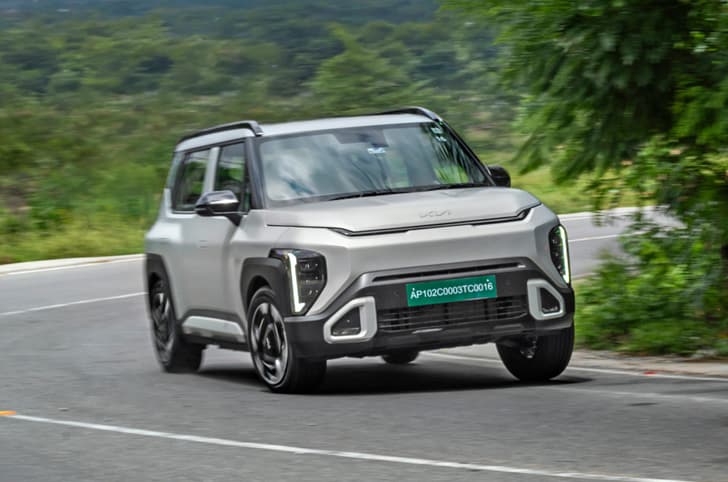
83 Images of the Kia Seltos highlight the SUVโs butch stance, โtiger noseโ grille, LED headlamps and tail-lamps, rear LED light bar, dual-tone alloy wheels, etc. Seltos interior shots show off its upmarket dashboard layout, premium materials, and comfort enhancing features.
Kia Seltos videos
Videos of Kia Seltos cover the midsize SUVโs ride comfort, handling, performance of petrol and diesel engines, smoothness of the automatic gearboxes, boot space, and safety features.


Kia Seltos Colours
The Kia Seltos colour options span 10 exterior shades. Dual-tone finishes are available for certain Seltos colours too. The Seltos interior gets multiple colour schemes to choose from namely black and grey, brown and grey, black and white and black and green.
Kia Seltos FAQs
Yes, the Seltos comes with a 1.5-litre diesel engine.
No. The Kia Seltos variants did not get a CNG option from the factory.
The Seltos is 4.46 meters long, 1.83 meters wide and 1.63 meters tall.
The Seltos gets three automatic gearbox options: a CVT for the petrol, a DCT for the turbo-petrol and a torque converter for the diesel.
Kia Seltos fuel tank capacity is 50 liters.
Seltos has a ground clearance of 190mm.
Kia Seltos petrol mileage is expected to range between 15kpl to 18kpl.
The Kia Seltos mileage is expected to range between 15kpl and 19kpl, depending on the engine and gearbox combination.
Kia Seltos price starts at Rs 10.99 lakh and goes up to Rs 19.99 lakh (ex-showroom).
Kia Seltos diesel mileage is expected to be in the 16kpl to 19kpl range.
Seltos has a boot space of 447 litres.
The Kia Seltos gets 1.5-litre petrol, 1.5-litre turbo-petrol, and a 1.5-litre diesel engine.
The Kia Seltos comes standard with 6 airbags across all its variants.
No. The Kia Seltos is a 5-seater car.
The Kia Seltos rivals the Hyundai Creta, Mahindra XUV700, Maruti Grand Vitara, Toyota Hyryder, Skoda Kushaq, and the Volkswagen Taigun in India.
The Kia Seltos petrol base model is priced at Rs 10.99 lakh ex-showroom.
The Kia Seltos turbo-petrol top model price is Rs 19.99 lakh (ex-showroom)
The Kia Seltos diesel top model price is Rs 19.99 lakh (ex-showroom).
The Kia Seltos base model on-road price is Rs 13.01 lakh
The Kia Seltos top model on-road price is Rs 23.94 lakh
Questions you may find useful
sudip
โข1dI am planning to buy either the Tata Sierra or the Kia Seltos turbo-petrol automatic. My usage will be 90% in Bengaluru city traffic, with occasional highway drives. Hence, I am not sure if the Seltos DCT gearbox would become problematic after a few years due to heavy traffic. Would the Sierraโs torque converter be more reliable and a better choice in these conditions?
Autocar India
Go for the Tata Sierra torque converter. The key difference lies in how these gearboxes behave in the real-world conditions. The Seltos turbo-petrol DCT is quick and exciting, but in slow, crawling traffic, it can feel hesitant and slightly jerky, as it constantly works the clutch. This is not ideal for long-term ease in heavy city conditions. The Sierraโs torque converter is the opposite. This Tata car is smoother at low speeds, more forgiving in stop-go traffic, and generally better suited to this kind of usage, making daily driving far less tiring.There is a trade-off, though. Torque converter automatics are typically less fuel efficient than DCTs, and in a large, heavy car like the Sierra, you will notice this in real-world mileage. So, you are essentially choosing smoothness and durability over outright efficiency.
Abhishek
โข1dI own a 2018 Maruti Swift ZXi petrol manual. We are a family of four, with a 20 km daily city drive and occasional highway trips every 3-4 months. I have no issues with my current car. Should I upgrade to a mid-size SUV now or wait? Also, should I sell the Swift or keep it? My budget for a new car is Rs 15-20 lakh.

Autocar India
Your daily 20 km city drive and occasional highway trips are exactly what the Maruti Suzuki Swift does well. It is easy, efficient and already familiar to you, and since you are not facing any real limitation, moving to a mid-size SUV right now will feel more like a lifestyle upgrade than a necessity. You will gain space, comfort and a higher driving position with options like the Hyundai Creta or Kia Seltos, but in your current usage, the difference in day-to-day practicality will not be dramatic.Waiting also works in your favour. Your car still has useful life left, and upgrading later means you extract better value from it while also stepping into a newer generation of cars, when the upgrade will feel more meaningful.On the question of selling versus retaining, the approach is simple. If you upgrade later, sell the Swift while it still holds good value. If you upgrade now, keep it only if you genuinely need a second car.
Drnatarajan
โข3dI currently own a Volkswagen Taigun 1.5 TSI GT DSG and have been facing issues with jerky low-speed performance in city driving, along with persistent rattles despite multiple service visits. I am considering upgrading to either the Kia Seltos (turbo petrol DCT) or the upcoming Renault Duster (turbo DCT). My usage is around 60% city and 40% highway. My main concern is whether these alternatives will offer a smoother and more refined driving experience in city traffic compared to my current car, or if they will exhibit similar behaviour due to the nature of dual-clutch transmissions.

Autocar India
With 60% city use and you already unhappy with the Volkswagen Taigunโs DSG jerks and cabin rattles, the Kia Seltos 1.5 petrol IVT automatic is the safer bet for you rather than the turbo DCTs. The IVT is a belt-type automatic (essentially a CVT) that has no clutch to slip, so it moves off smoothly in slow traffic and is jerk-free at parking speeds. It is also easier to live with in our stop-go traffic, and power is adequate for your weekend highway runs, but it won't have the punch and pace of the VW Taigun 1.5.If you switch to a Seltos turbo DCT, its relaiively jerky too. Dualโclutch gearboxes like the VW DSG and Kiaโs DCT can still give a small lurch when you crawl in bumper-to-bumper traffic. On rattles, Seltos cabins weโve used have held up quite well, but no car is fully immune to rough roadsTwo trade-offs with the Seltos IVT: it wonโt feel as quick as your 1.5 TSI when you floor it, and on bigger wheels, the ride can feel a bit firm on sharp bumps.About the new Duster: it has a wet-clutch DCT, which is a bit slower to shift than the VW DSG, and it's not as smooth as the Kia IVT. t.Overall, for your mix and your pain points, the Seltos 1.5 IVT lines up best. If you really want a turbo punch, the Seltos turbo DCT is fine, but expect similar low-speed manners to your Taigun.
Devakumar
โข3dI have booked the Tata Sierra Adventure Plus petrol manual, but I am now confused between the petrol and diesel manual variants, particularly in terms of mileage and performance. I am not interested in an automatic transmission. My annual running is less than 6,000 km. Could you please advise which engine option would be more suitable for my usage? Additionally, I would appreciate any alternative suggestions for a spacious car with good mileage that fits my needs.
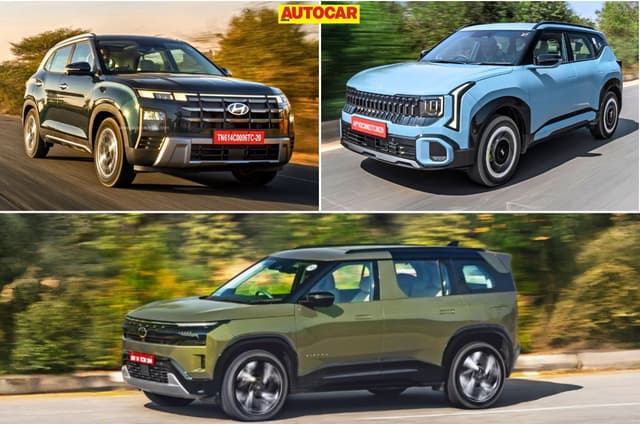
Autocar India
The Tata Sierra is a big, heavy car, and the petrol engine, being a naturally aspirated unit, feels just about adequate, especially once you load it up or hit the highway. The diesel, on the other hand, suits the car far better with its stronger low-end pull, making overtakes easier and long-distance driving far more relaxed.That said, with your low annual running of under 6000 km, the petrol still makes sense if your usage is mostly in the city. It will feel smoother, easier to live with and perfectly adequate for everyday driving, even if it lacks that effortless punch on highways.If you are open to alternatives for a better petrol manual experience, the Renault Duster with its turbo petrol engine is a strong option. It feels far more effortless to drive, while naturally aspirated options like the Kia Seltos or Hyundai Creta offer a more refined and effortless experience than the Sierra petrol.
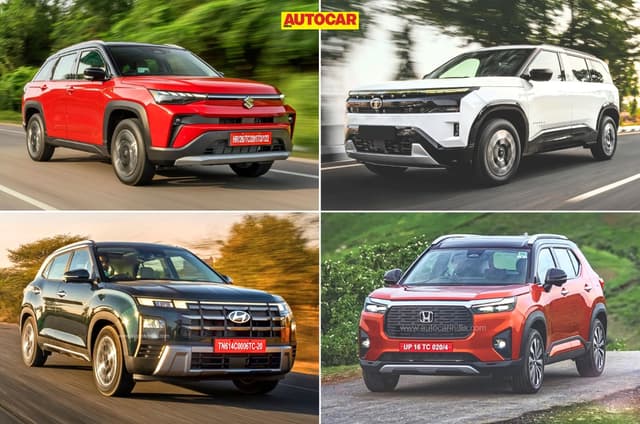
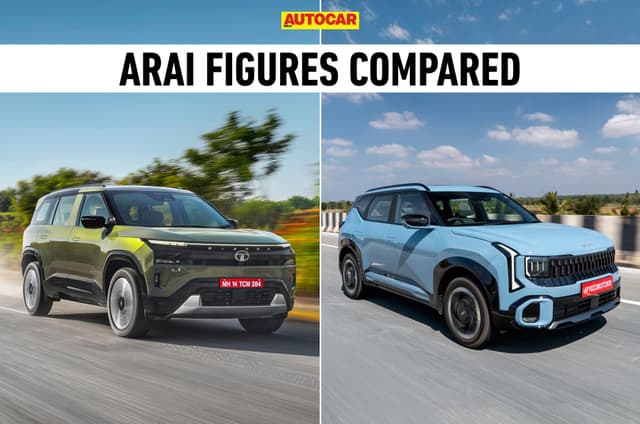
Manoj Chellan
โข3dI am planning to buy the Kia Seltos IVT automatic. My usage will be primarily city driving in Bangalore, along with occasional highway trips that include ghat sections. I would like to understand whether the 1.5-litre naturally aspirated petrol engine paired with the IVT gearbox will be sufficient when the car is fully loaded (5 passengers plus luggage).
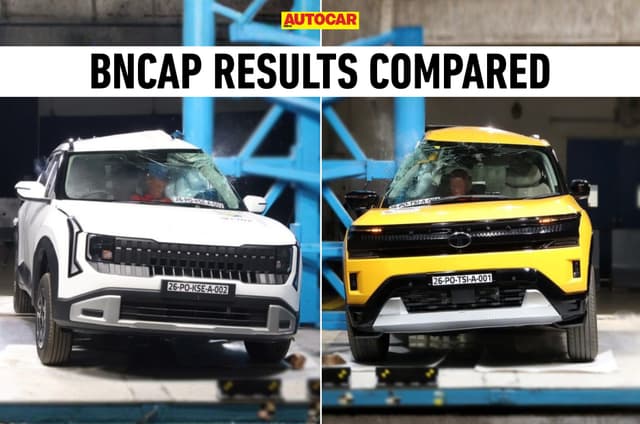
Autocar India
Considering your requirements, the Kia Seltos 1.5 petrol IVT is a good fit and will do the job. The IVT is Kiaโs smooth automatic that feels very easy to drive in stop-and-go traffic, which is what you face most days. On hills, it will climb cleanly if you donโt rush it. With a full load, you will need to press the throttle a bit more, but it will hold speed fine on steady inclines.A few things to set expectations. When you ask for quick bursts, like an overtake uphill with five on board, the engine will need a moment to build speed, and it will sound louder when you push it hard. On the highway with a full car, you will find it happier at a calm, steady pace.If you see yourself doing those sections very often with all five seats filled and lots of luggage, and you want stronger performance, the Seltos turbo-petrol automatic or the diesel automatic will feel noticeably stronger on climbs and during quick overtakes. But for mostly city use with occasional trips, the Seltos IVT keeps life simple and stress-free, which suits your routine best.
Aditya Gupta
โข3dI am looking for a mid-size SUV with a diesel engine and an automatic transmission. I am confused between the Hyundai Creta and the new Kia Seltos. My running is mostly in the city, about 10 to 20 km daily. Please help.

Autocar India
Go for the Kia Seltos diesel automatic. It is essentially a more evolved version of the same package, using the same proven engine and gearbox as the Creta , but offering more space, a bigger boot and a noticeably more premium interior along with a longer feature list.Importantly, unlike the older Seltos, the new one has a much more pliant and comfortable ride, so that is no longer a drawback. This makes it just as usable for your daily 10 to 20 km city driving while still being better overall.The Hyundai Creta is still a solid, no-nonsense option with a comfortable cabin and proven track record, but it now feels like the more conservative choice rather than the best one, until the new Creta comes early next year.
Kritarth
โข4dI am planning to buy the Renault Duster Techno 1.3 DCT. I also have the option of the Kia Seltos, but I am confused between the two. I drive very rarely, in the city two or three times a month, and on highways once a month.

Autocar India
Opt for the Kia Seltos. With your very low usage, just a few city drives a month and occasional highway trips, you need something that is easy, refined and completely hassle-free every time you take it out, and the Seltos fits that role perfectly.It feels smooth and effortless to drive, especially in the city, and overall comes across as a more polished and well-rounded product, which matters more when the car is not used daily. It is the kind of car you can pick up after a gap, and it just feels familiar and easy to live with, without demanding too much from you.The Renault Duster 1.3 DCT is the more enthusiast-focused option with a stronger, more engaging driving experience, and you will enjoy it more on highways, but that strength only really comes into play if you drive often and value that engagement regularly.
Manoj
โข4dI am planning to buy a Kia Seltos but am confused about which automatic variant to choose. My usage is around 70% highway and 30% city, with an annual driving of approximately 12,000 km. I am specifically looking for strong low-end torque for confident overtaking and prefer an automatic transmission. I am considering the diesel automatic and the turbo petrol DCT variants.

Autocar India
Go for the Kia Seltos diesel automatic. It suits your usage far better, especially with your highway-heavy driving and need for strong low-end pull. In real-world driving, the diesel feels effortless and relaxed. You get strong pulling power from low speeds, which makes overtaking easy without needing to push the engine hard. On highways, it feels calm and confident, and the automatic gearbox is smooth and predictable, which adds to the overall ease of driving.The more powerful turbo petrol DCT, in comparison, is the more fun and responsive option, but its performance comes higher up the rev range. So you need to push it more for overtakes, and in city traffic, the DCT can sometimes feel a bit jerky. It is enjoyable when you are driving enthusiastically, but not as effortlessly as the diesel.
Mano
โข4dHello! I am a 30-year-old from Coimbatore looking to buy a car in the โน20-25 lakh range. My monthly driving is around 1,500 km, which includes a mix of daily city usage and short highway trips, along with a weekly 100 km drive to my farm on rural roads. I have shortlisted the Kia Seltos HTX diesel automatic, MG Windsor Pro EV, and the Toyota Hyryder G Hybrid automatic. Could you please suggest which would be the best option for my usage and requirements? I would also appreciate any alternative recommendations that may suit my needs better.

Autocar India
Go for the Toyota Urban Cruiser Hyryder strong hybrid automatic. It fits your usage best by balancing low running cost, ease of use and long-term reliability without adding the dependency of charging, which is important given your mix of city driving, regular highway trips and rural road access.In your real-world use, the hybrid works brilliantly because most of your city driving will run on electric power. It gives you excellent efficiency and a very relaxed driving experience, while on highways and those weekly farm runs, the petrol engine seamlessly takes over without you needing to think about charging or range. In fact, the Hyryder hybrid is significantly more efficient than a diesel automatic like the Seltos in real-world conditions.The Kia Seltos diesel automatic is still a strong option if you prioritise performance, features and a more premium feel, and it will feel more powerful and planted on highways. But it will cost more to run over time and does not match the hybridโs efficiency advantage. The MG Windsor EV is tempting on paper with very low running costs and decent range, but for your usage, it adds a layer of dependency on charging infrastructure, especially with rural drives, and while it can do long distances, it requires planning and adaptation, which may not be ideal right now .
G Zacharia
โข4dMy new Kia Seltos DCT 2026 rolled down while I was taking a steep U-turn and had to apply the brake due to traffic. As I accelerated to move forward, the vehicle rolled back and hit a wall behind. Why did this happen, and how can I avoid it in the future?

Autocar India
What you experienced is typical of how a DCT behaves, and it can catch you out on steep inclines. In your Kia Seltos DCT, there is no traditional torque converter to โcreepโ forward like a regular automatic, so on a steep U-turn when you come off the brake, the car can momentarily roll back before the gearbox engages and builds drive. If you then accelerate quickly, there can be a slight delay before power comes in, which is likely why the car rolled back and tapped the wall.To avoid this, the key is to control the car on inclines rather than relying on the throttle alone. Use the brake firmly, then ease onto the accelerator smoothly instead of stabbing it, giving the gearbox a moment to engage. If your car has hill hold, make sure it is active, as it will hold the car briefly when you release the brake. In tighter situations, such as steep U-turns, it is also safer to use the handbrake method by holding the car with the handbrake, then releasing it as you start moving forward. Keeping a slightly larger gap behind you in such situations also helps.The only drawback with DCTs is exactly this behaviour in stop-go or incline conditions, as they are not as intuitive as torque converter automatics.