
Autocar India
Hyundai

Hyundai cars in India (12)
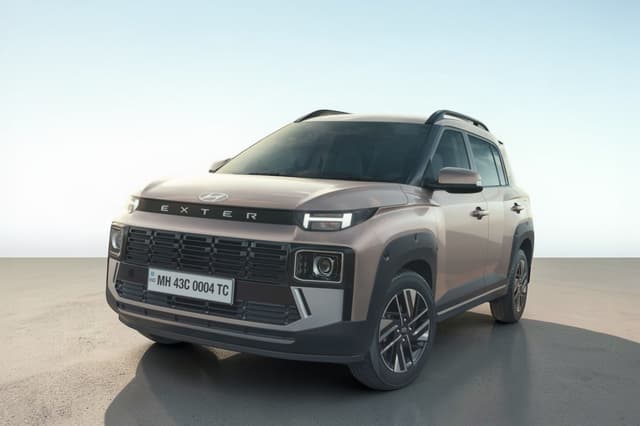
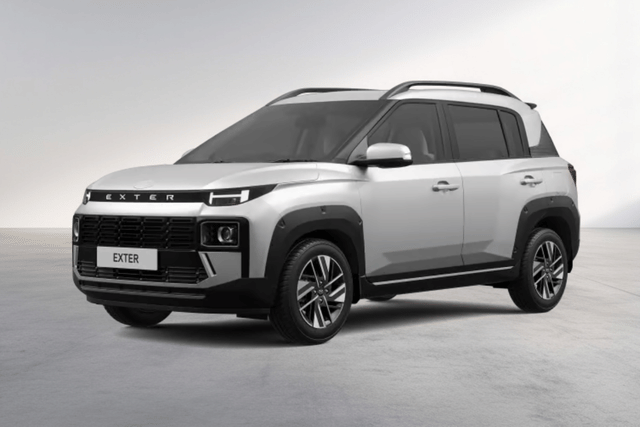
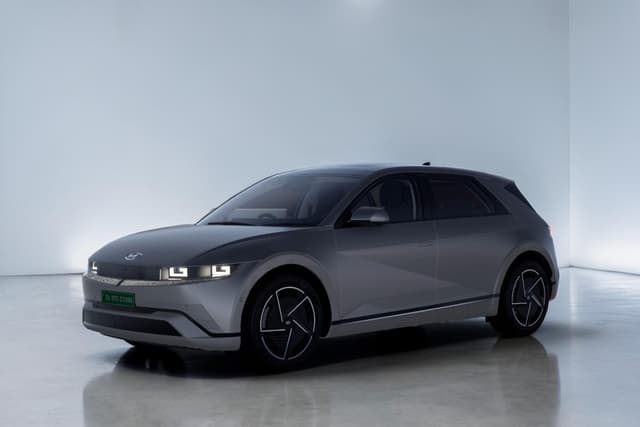
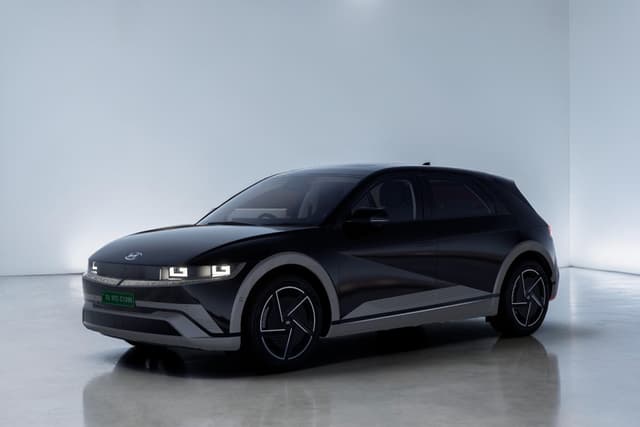
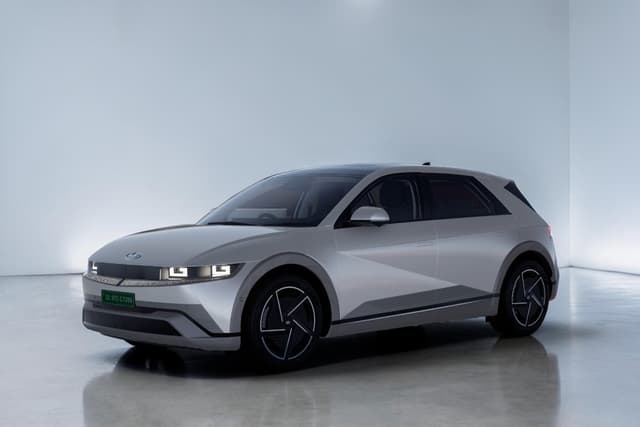
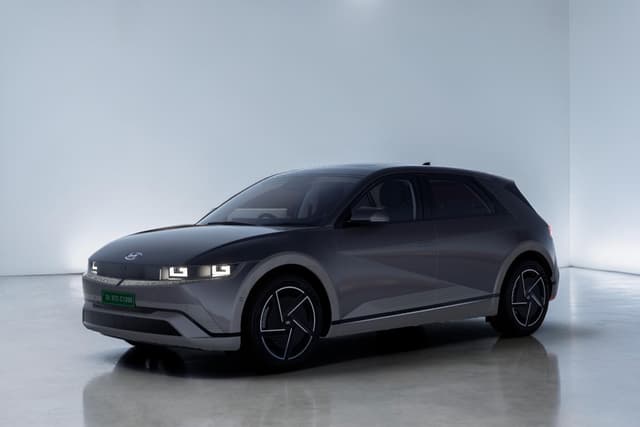
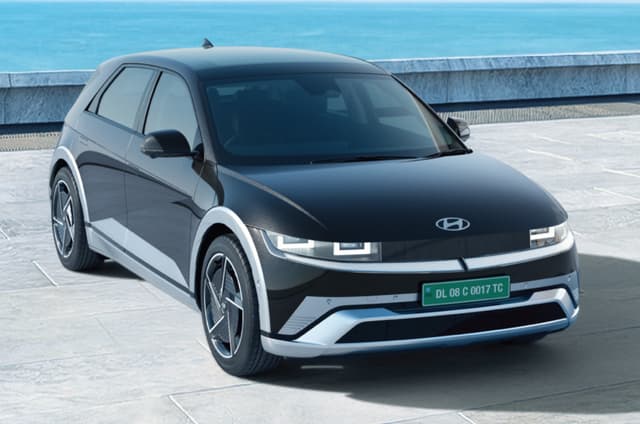
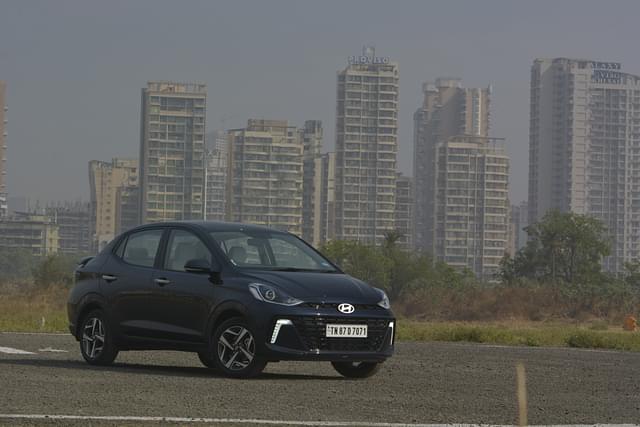
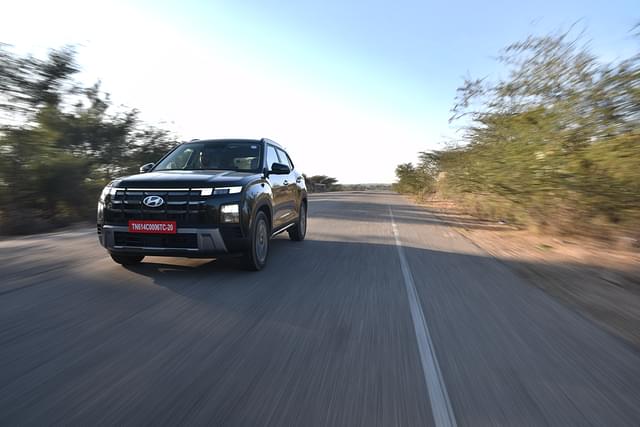
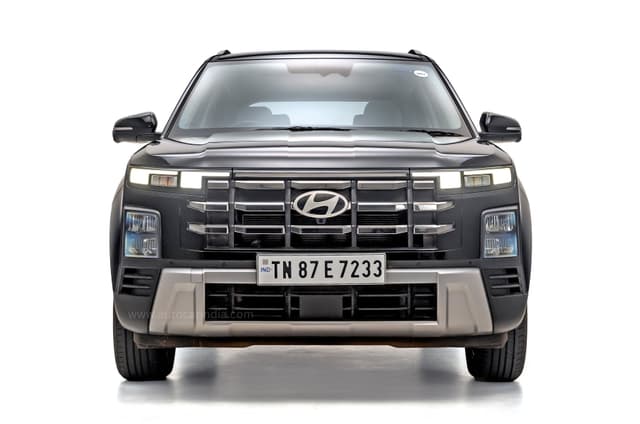
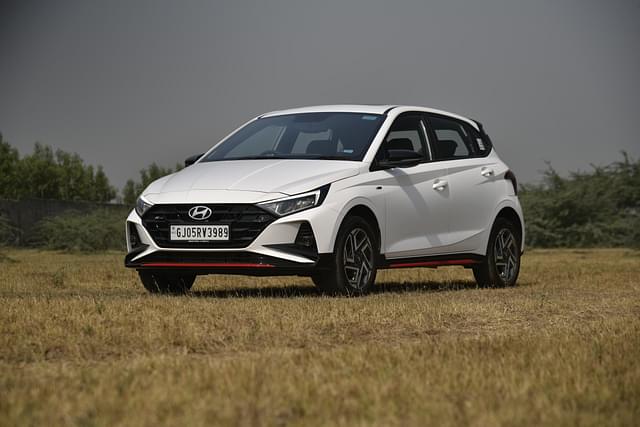
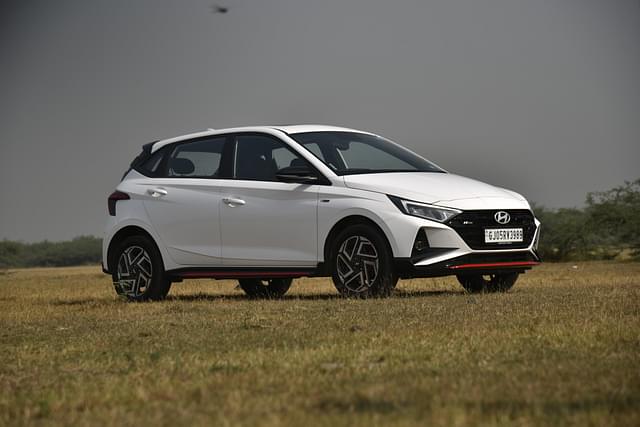
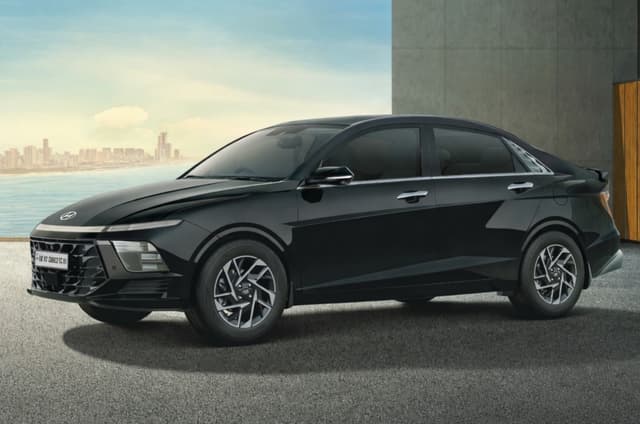
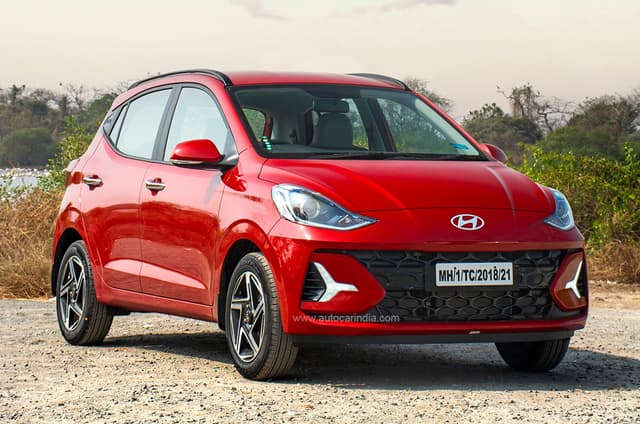
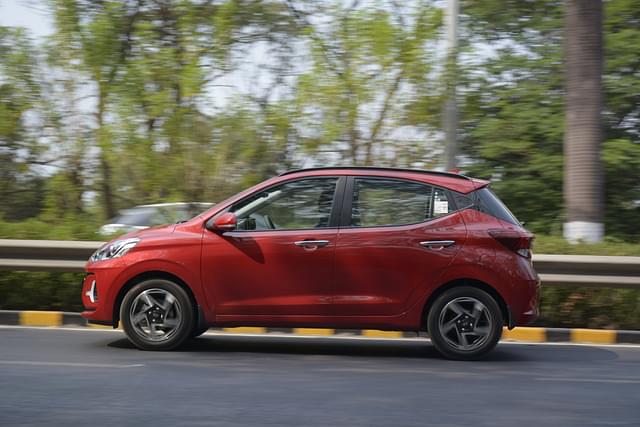
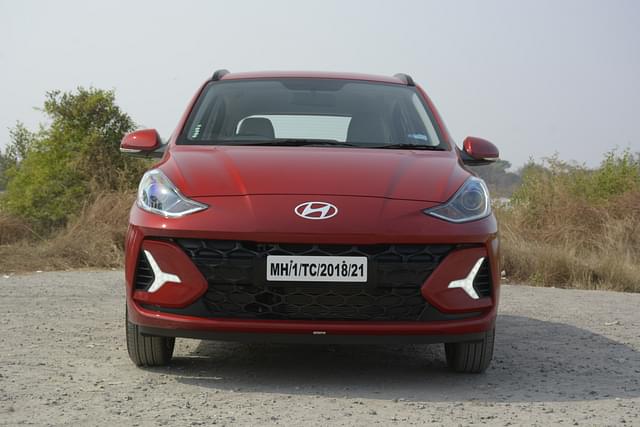
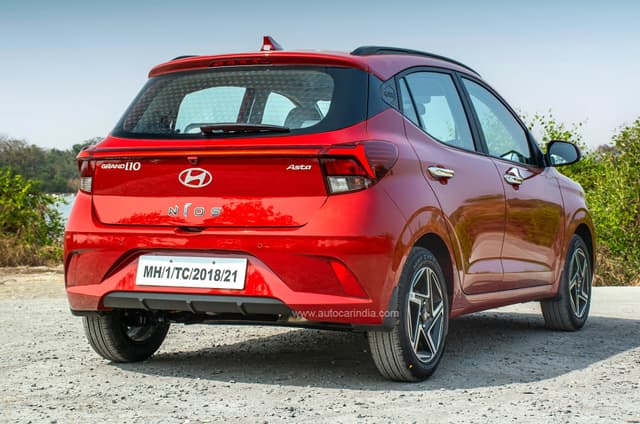
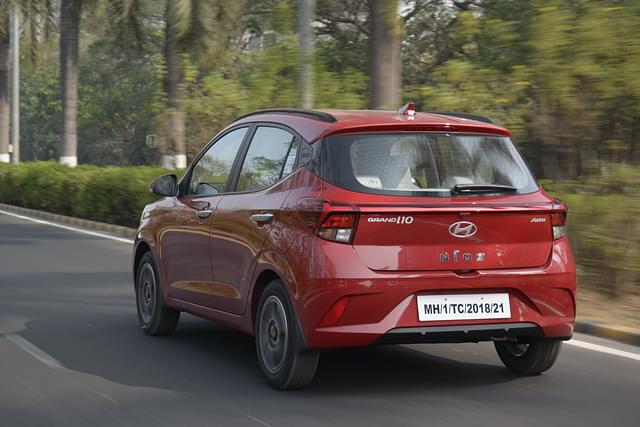
In March 2026, there are currently 12 Hyundai cars in India, out of which 10 are available for sale, and 2 are upcoming. The Hyundai India lineup includes 8 SUVs, 2 sedans, and 2 hatchbacks. The Hyundai car price in India starts at ₹5.55 lakh for the Grand i10 Nios, which is also the most affordable Hyundai model in India. The most expensive Hyundai car in India is the Hyundai Ioniq 5, priced from ₹55.70 lakh (ex-showroom).


Hyundai has been one of the most popular car brands in India since its entry in late 1998 with the Santro. Hyundai India has two manufacturing plants, both located near Chennai, with a third plant in Talegaon opening shortly. Most of the Hyundai cars are made in India. Hyundai currently has close to 1,400 showrooms and 1,200 service centres across India. 

Hyundai Car Price List in India May 2026

Here are the latest Hyundai car prices in India as of May 2026:

Hyundai Car Model

Price (ex-showroom)
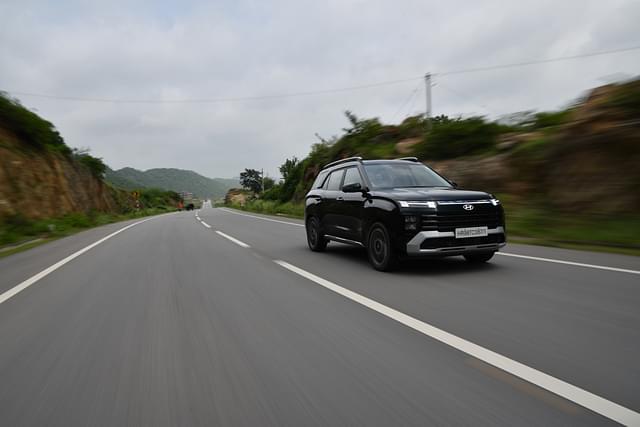
Hyundai Grand i10 Nios

₹5.55 lakh - ₹8.03 lakh

Hyundai i20

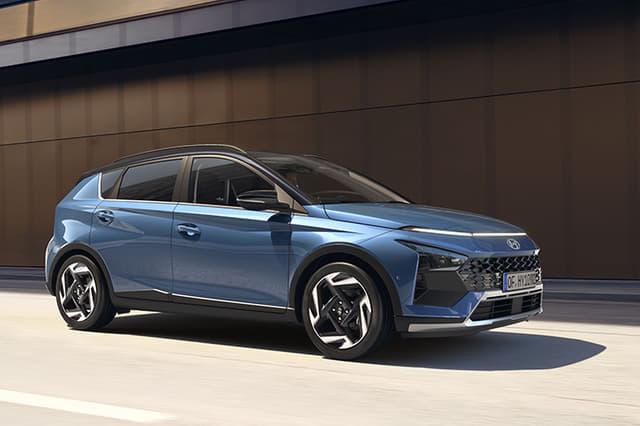
₹5.99 lakh - ₹11.53 lakh

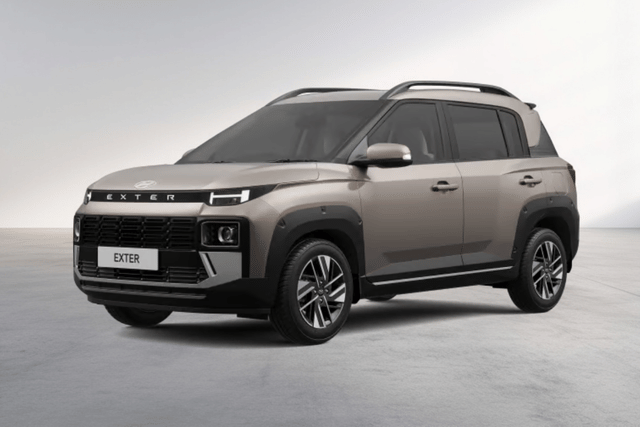
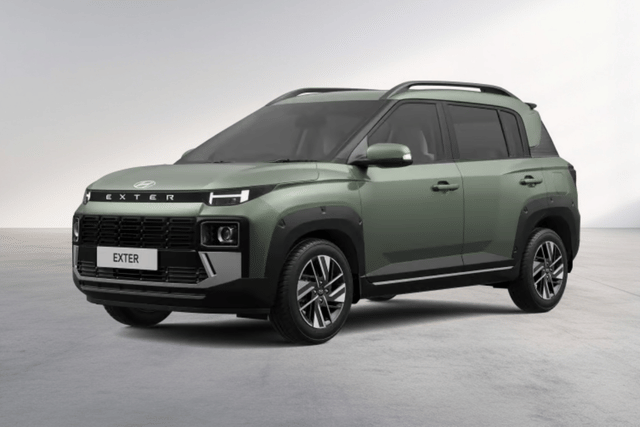
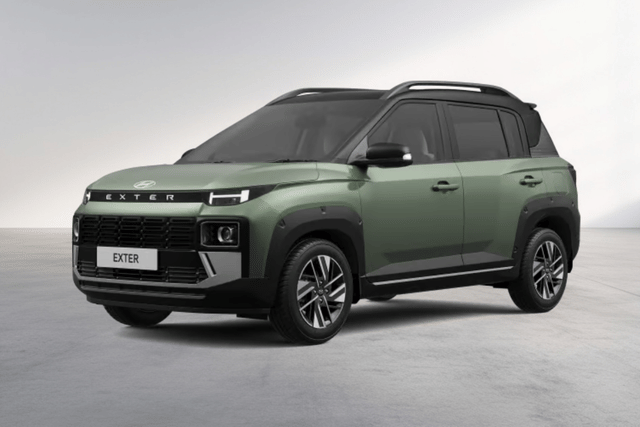
Hyundai Exter

₹5.80 lakh - ₹9.42 Lakh

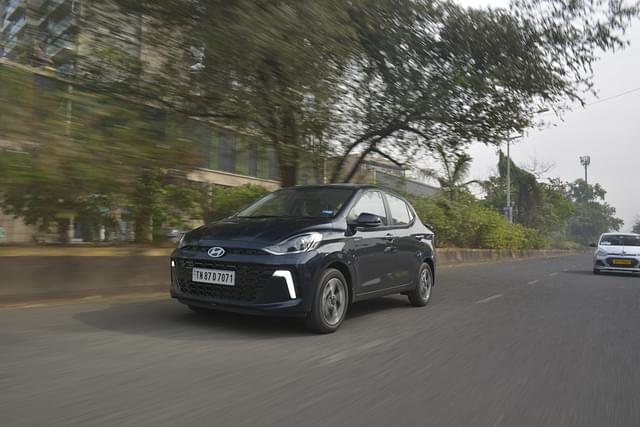
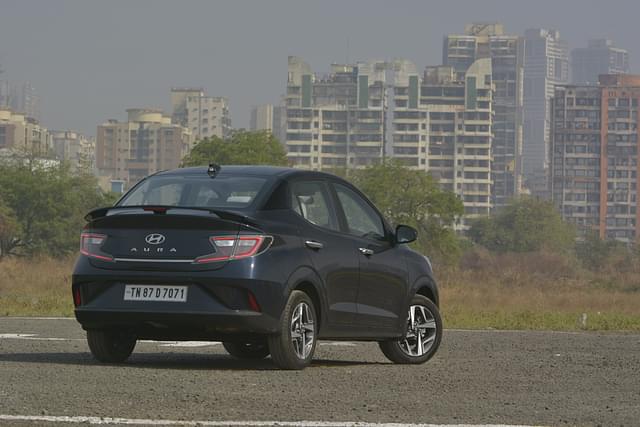
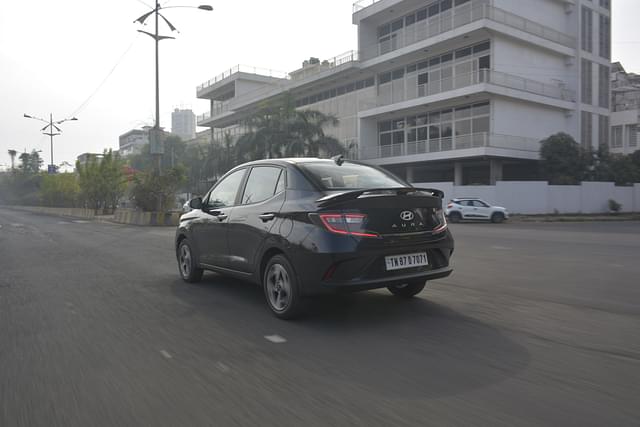
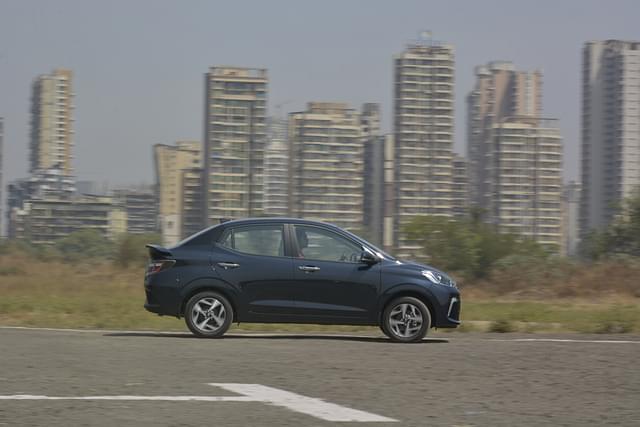
Hyundai Aura

₹6.00 lakh - ₹8.54 lakh

Hyundai Venue 

₹8.00 lakh - ₹15.51 lakh

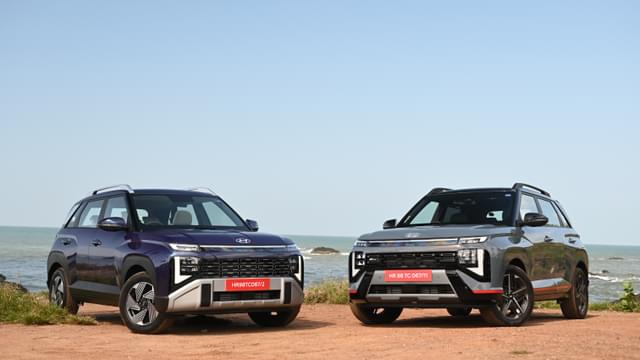
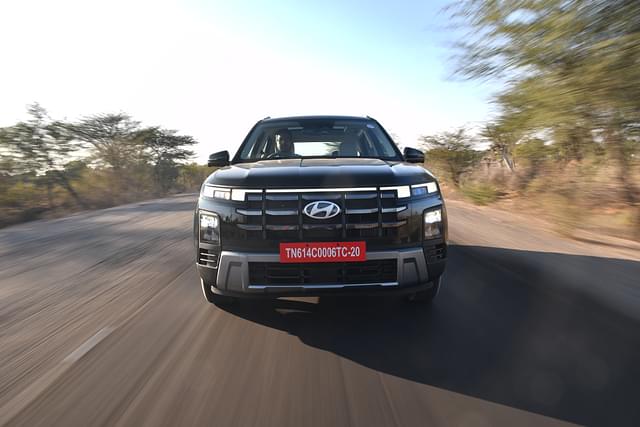
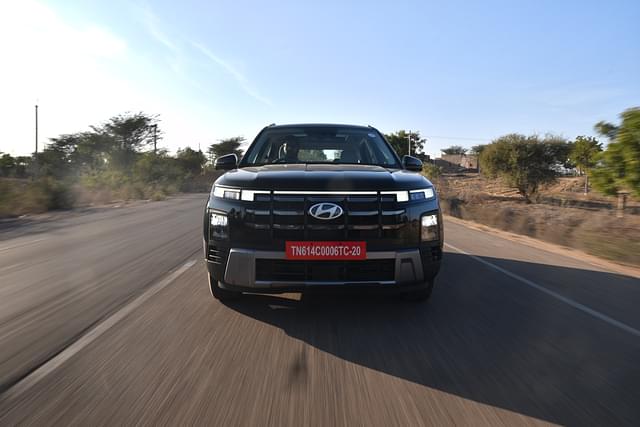
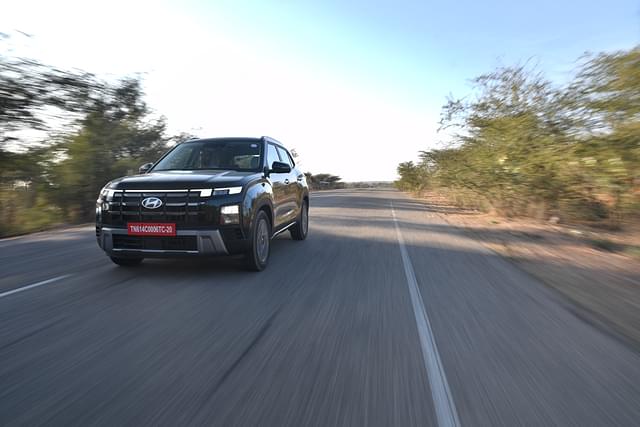
Hyundai Creta

₹10.79 lakh - ₹20.05 lakh

Hyundai Verna

₹10.98 lakh - ₹18.25 lakh

Hyundai Alcazar

₹14.50 lakh - ₹21.06 lakh

Hyundai Creta Electric

₹18.02 lakh - ₹23.82 lakh

Hyundai Ioniq 5

₹55.70 lakh

Upcoming Hyundai Cars May 2026

Explore the list of upcoming Hyundai cars set to launch in India:

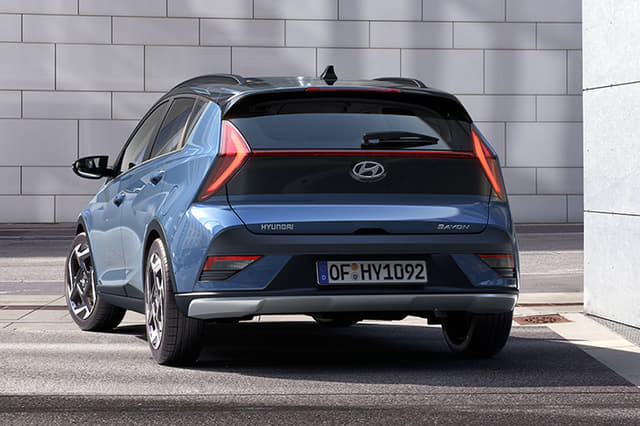
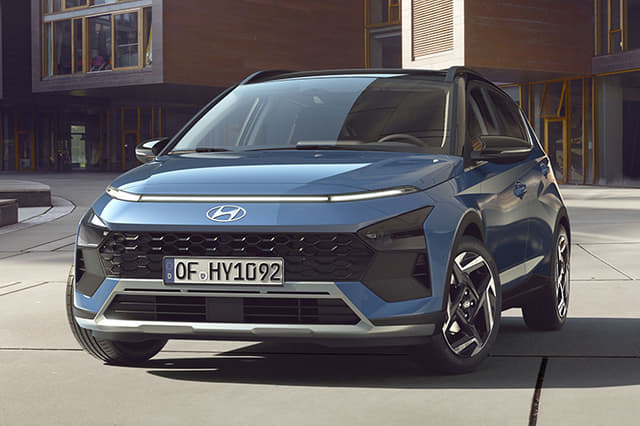
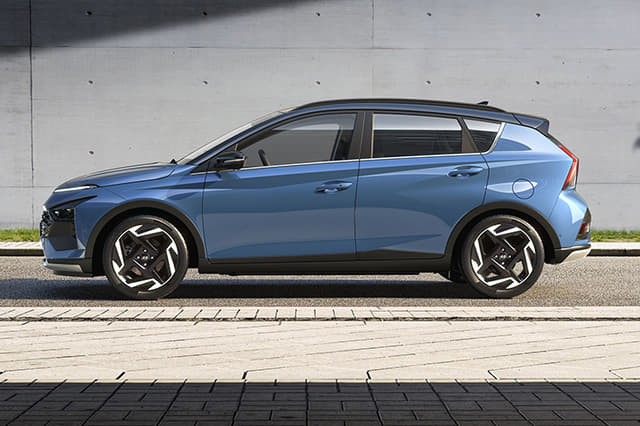
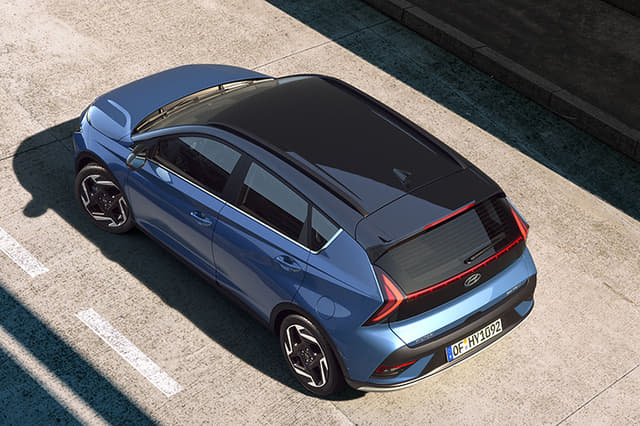
  • Hyundai Bayon
    • Expected Launch: Late 2026
    • Estimated Price: ₹8.00 lakh - ₹15.00 lakh
    • Fuel Type: Petrol


  • Hyundai New Creta
    • Expected Launch: 2027
    • Estimated Price: ₹11.30 lakh - ₹20.50 lakh
    • Fuel Type: Petrol


Hyundai Electric Cars in India

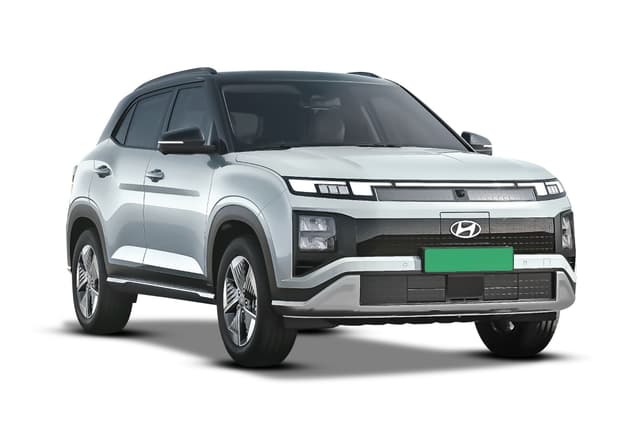
The Hyundai electric car price starts at ₹18.02 lakh for the Creta Electric and goes up to ₹55.70 lakh for Ioniq 5 (ex-showroom). The brand has plans to launch more electric cars in India, which could include an entry-level electric hatchback and also the Hyundai Ioniq 6 in the future.  


Hyundai India Latest Updates May 2026

  • April 28, 2026: Hyundai launched Ioniq 5 facelift at 55.7 lakh.

  • April 2, 2026: Hyundai unveils its Boulder SUV concept at the 2026 New York International Auto Show.
  • April 1, 2026: Hyundai position drops to fourth whereas Maruti retains its top position.
  • 30 March 2026: The Hyundai Venue scores a 5-star safety rating in Bharat NCAP.
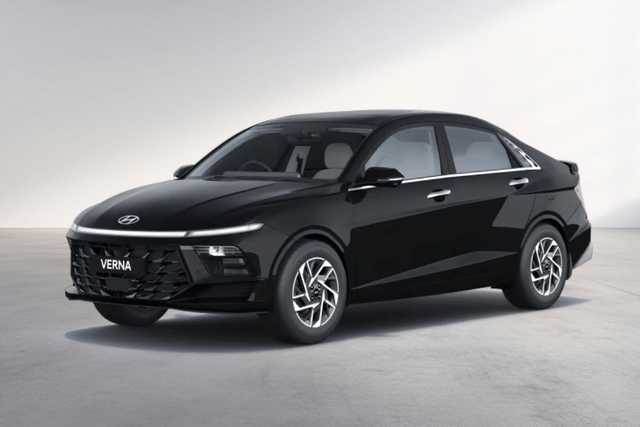
  • March 9, 2026: 2026 Hyundai Verna launched at ₹10.98 lakh with Boss mode, 360-degree camera and 7 airbags.
  • January 12, 2026: Hyundai has unveiled the Staria Electric, its largest EV yet, with a claimed range of up to 400 km, a nine-seat layout, and 800V fast-charging capability.
  • December 15, 2025: Hyundai’s 2026 India roadmap includes facelifts for the Verna, Exter and Ioniq 5, along with the launch of the new Bayon crossover.


Hyundai Car Models in India

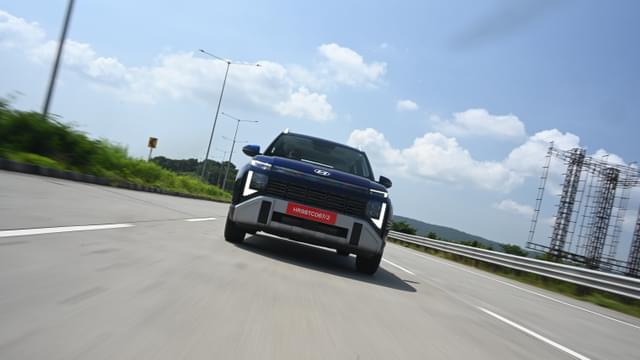
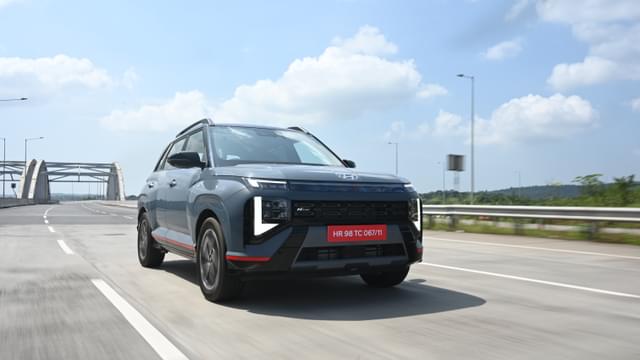
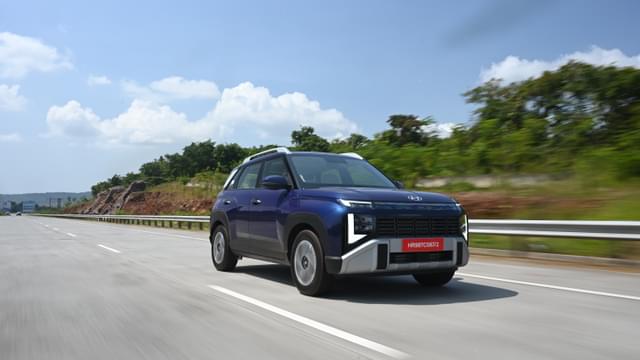
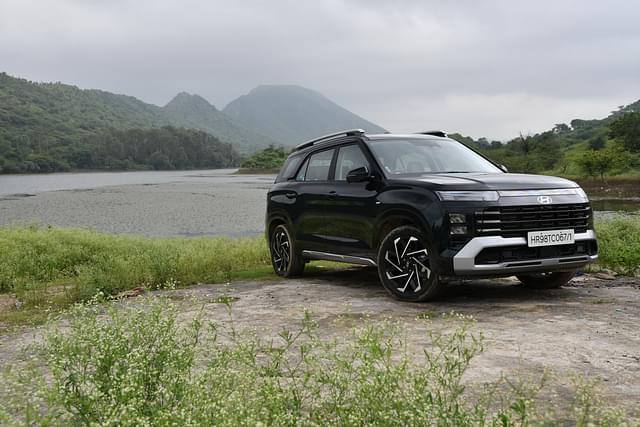
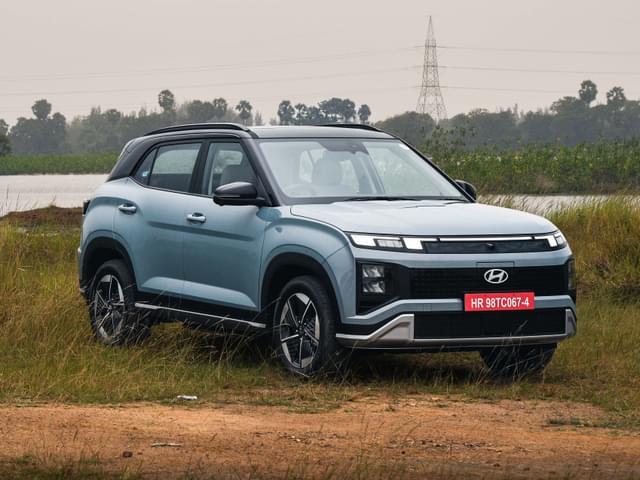
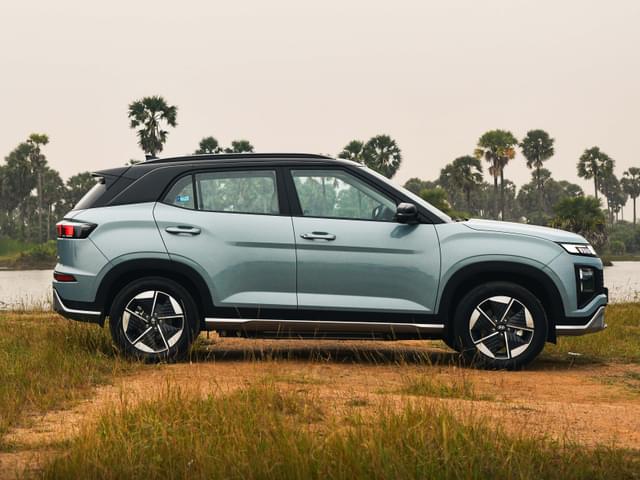
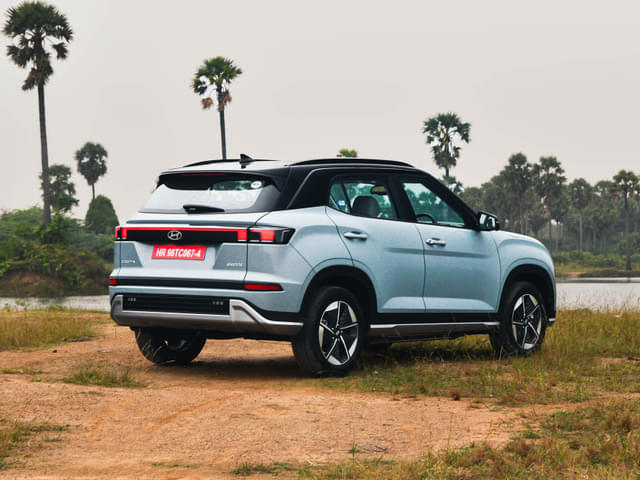
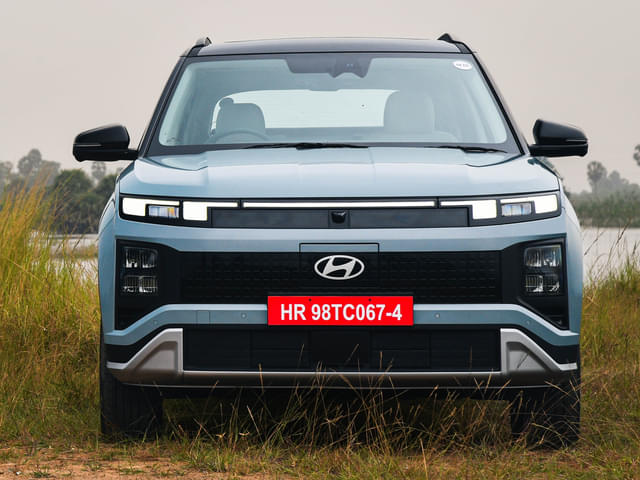
Hyundai cars in India are available with petrol, petrol-CNG, diesel and electric powertrains. Hyundai does not have an MPV in its line-up, unlike sister-brand Kia, which sells the Carens and the Carens Clavis. Hyundai India’s SUV line-up consists of the ExterVenue, Creta, Ioniq 5, Creta Electric, and the Alcazar. Models like the Hyundai i20, Creta, and the Verna are some of the popular Hyundai cars sold in India.
 

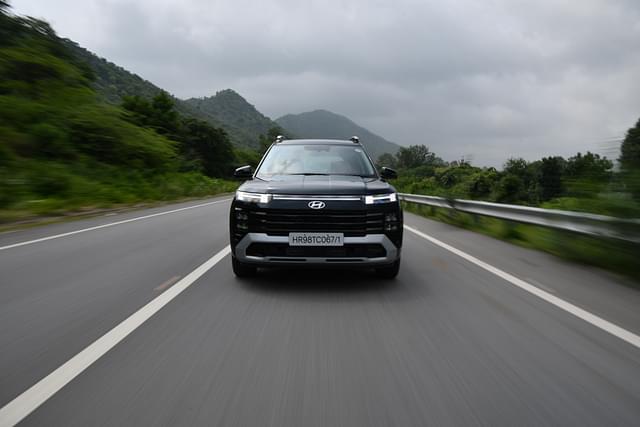
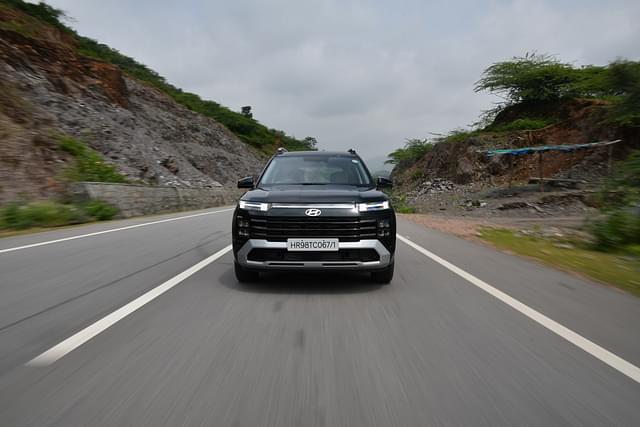
Hyundai Exter price starts at ₹5.80 lakh, making it the most affordable Hyundai SUV in India. The Exter rivals the likes of the Tata Punch and the Citroen C3. The Venue compact SUV takes on the Mahindra XUV 3XOTata NexonKia Syros and Sonet, and the Maruti Brezza
 

The most popular SUV in India, the Hyundai Creta, is the segment leader that rivals SUVs like the Kia SeltosMaruti Grand VitaraToyota Hyryder and the Mahindra XUV700. The Alcazar is Hyundai’s three-row SUV based on the Creta that rivals the Hector Plus and the Mahindra Scorpio N in our market.

Show more
Can't decide which car to buy?
Ask our experts and get answers to all your cars related queries.

FAQs

Hyundai India sells 10 models in India. Popular models include the Creta, Exter, Venue, Alcazar, Tucson, i20, and Verna.

The Hyundai car price in India starts at ₹5.55 lakh for the Grand i10 Nios and goes up to ₹55.70 lakh for the Hyundai Ioniq 5 (ex-showroom).

The Hyundai Grand i10 Nios is the most affordable Hyundai car in India, priced at ₹5.55 lakh (ex-showroom).

The Ioniq 5 electric SUV is currently the most expensive Hyundai car in India, priced at ₹55.70 lakh (ex-showroom).

Hyundai India currently offers the Creta Electric and the Ioniq 5. More electric models like the Ioniq 6 and an entry-level EV are expected in the future.

The list of upcoming Hyundai cars in India for 2026 includes the Bayon and new Creta.

There's no single "best" Hyundai, as it depends on your needs (family, city, budget, electric), but popular top contenders include the Creta, Exter, Venue, and Ioniq 5 (premium EV).

Top-selling Hyundai cars as of 2025 are: Creta, Venue, Exter, Aura, i20, Alcazar, and Verna.

Hyundai offers 12 models in India, out of which 10 are available for sale, and 2 are upcoming.

Hyundai cars under ₹6 lakh (ex-showroom) include models like the Grand i10 Nios, i20, and Exter, available in their entry-level variants.
Need an expert opinion on your car related queries?

Trending Questions on Hyundai Cars - Answered by Autocar Experts

AN

Akshay Nayak

8h

I am planning to buy a new car and have narrowed my choice down to the Skoda Slavia/VW Virtus with the 1.5 DSG. I really love how both cars drive, and the DSG feels like magic. However, 90% of my driving is in the city, and I live in one of the most traffic-congested areas of Mumbai (Malad). Would it be a wise decision to go for the DSG gearbox? Which other cars would you recommend in this segment (no SUVs)?

Autocar India team

Autocar India

Verified
7h

Go for the Volkswagen Virtus 1.0 TSI automatic rather than the 1.5 DSG, given your 90 percent city use in Malad’s heavy stop start traffic. You get the same cabin, driving position and overall feel you liked, but the 1.0’s torque converter automatic is far better suited to daily Mumbai conditions as it is smoother at low speeds, easier to modulate in bumper to bumper traffic and less stressful to live with over time. The 1.5 DSG, while genuinely quick and engaging with its fast shifts, can feel jerky at crawling speeds, tends to heat up in prolonged traffic and can be expensive to repair once out of warranty, which makes it less ideal for your usage. The 1.0 still feels adequately quick in the city with light controls and easy drivability, so you are not really giving up much unless you drive hard on open roads. If you are considering alternatives, the Honda City CVT and Hyundai Verna IVT are even smoother in traffic and very easy to live with, while the City e:HEV is the best for city efficiency if you are willing to stretch. The only drawback with the 1.0 is that it lacks the punch and sharp shift feel of the 1.5 DSG on highways, but overall it is the far more practical and stress free choice for your driving conditions.

VehicleVolkswagen Virtus
VehicleHonda City
VehicleHyundai Verna
US

Uma shankar A

2d

I have visited multiple showrooms and shortlisted two options: the Mahindra XUV 3XO AX7L Diesel Manual and the Hyundai Venue SX(O) Diesel Automatic. I have ruled out the Kia Sonet due to its outdated cabin and features, and the Tata Nexon due to concerns about after-sales service. I commute around 70 km daily for office, with an equal mix of city and highway driving. I am looking for a feature-rich car with good mileage and low maintenance. Please help me choose between the XUV 3XO and the Venue.

Autocar India team

Autocar India

Verified
1d

With a 70 km daily commute and a mix of city and highway driving, ease of driving becomes very important. The Hyundai Venue’s 6-speed torque converter automatic is smooth, predictable and effortless in traffic, which will make a big difference over long daily runs. It also pairs well with the diesel engine, giving you decent efficiency and relaxed highway cruising, while keeping fatigue low.The Mahindra XUV 3XO diesel manual is the better driver’s car. It has a stronger, more punchy engine and offers a good balance of ride and handling, along with a wider cabin and better rear seat comfort. However, in your case, the manual gearbox will start to feel tiring over time, given your daily commute, especially in city traffic.You have also not shortlisted the 3XO automatic, likely because of the AMT, and that is understandable. Compared to that, the Venue’s torque converter is a clear advantage in terms of smoothness and everyday usability.

VehicleHyundai Venue
VehicleMahindra XUV 3XO
AN

Anil

3d

I am planning to upgrade from my current Suzuki Baleno top-spec Alpha variant. I am looking for higher ground clearance, ventilated seats, a 360-degree camera, and a smoother transmission (unlike my current AMT). I am considering the Duster, Seltos, Victoris, and Creta. My annual driving is mostly in the city and under 10,000 km. Kindly suggest the best option.

Autocar India team

Autocar India

Verified
2d

You are looking for higher ground clearance, smoother automatic, cooled seats and a more premium experience, and the Seltos delivers on all of these. The IVT gearbox is very smooth in city traffic, a clear step up from your current AMT, and the naturally aspirated petrol is refined and easy to drive for your low, city-heavy running. Being a newer generation car, it also feels more premium inside and out, offers better space and has a well-sorted ride that suits both city and occasional highway use.The Duster is a strong alternative if you prioritise driving feel. The turbo petrol with DCT is more engaging, but in daily city use it will not feel as smooth as the Seltos IVT, and fuel efficiency will also be lower. The Grand Vitara is efficient and easy to drive, but it does not feel as premium and the engine and gearbox combination is not as strong or responsive as the Seltos. It is also not as spacious. The Creta shares a similar powertrain, but being the older car, it does not feel as fresh or as premium inside, is slightly less spacious and costs similar money, which makes the Seltos the better pick.

VehicleKia Seltos
VehicleRenault Duster
VehicleHyundai Creta
OB

Obiwan

4d

Hi Autocar Team, I would love your opinion on my use case. My situation: I am relocating to our farm, which is about 200 km from Bangalore. The car will be used occasionally for drives between my village and Bangalore (likely at least once a month), and otherwise as the primary vehicle for local travel, including trips to nearby towns, temples, and the Western Ghats. Requirements: Good boot space, as we will often carry a lot of haul (for example, kitchen supplies). Comfortable for a family of four, including elderly parents. Captain seats in the middle row would be preferred. The last 2-3 km to the farm is on unpaved/uneven roads, and nearby roads may also be inconsistent. I am unsure whether a body-on-frame vehicle is necessary or overkill for this usage. Currently using a 2006 Swift, which struggles on such terrain. Budget: Initially ₹20 lakh, now stretching to the mid-₹20 lakh range. Cars I have test-driven: Mahindra Scorpio N - Did not like the body roll Mahindra XUV700 - Too plush/soft for my needs Mahindra XUV300 - Felt underpowered Mahindra Thar Roxx - Loved it, but not practical for family EVs are not feasible due to an unreliable power supply Current bias: Toyota Innova Crysta - After driving it, it felt like the most suitable, reliable option for my use case Concerns: Automatic vs manual (Crysta is manual only) Diesel longevity given future regulations Long-term ownership (10-15 years) Am I making the right choice with the Innova Crysta, or are there better alternatives I should consider?

Autocar India team

Autocar India

Verified
4d

You've done a lot of research, and for the most part, you're right about the Toyota Innova Crysta. The ladder frame chassis means it can take a beating, it's almost flawlessly reliable and will run for decades on end, and even when it's time for maintenance, it should be relatively reasonable, too. We would have recommended the Toyota Hycross hybrid, which is a more sophisticated version of the Crysta in every aspect, but as you said, it's out of your budget. Do note, higher Crysta variants push Rs 30 lakh on the road themselves. That said, we don't feel a ladder frame chassis is strictly necessary given your usage. While tough, it does make the ride incredibly busy on rough patches, it feels quite heavy to drive, and it places the cabin higher, which could make ingress and egress cumbersome for your parents down the line. An automatic would have been ideal, but given your usage is infrequent, a manual should be easy enough to live with. While the future of diesel is uncertain in the Delhi NCR, the rest of the country hasn't seen a change in policy for some time, and if you're keen on a diesel car, you should go for it. While the Innova Crysta does seem like your best bet, you should also check out an often overlooked three-row SUV, the Hyundai Alcazar. It's not as powerful as the Innova, but it is far more sophisticated, easy to drive and cheaper to buy. Plus, you get the option of a diesel automatic, and Hyundai's service network is widespread and of good quality. Though a monocoque, it'll handle rural rough patches just fine, too, so as an alternative, we think it's worth consideration as well.

VehicleToyota Innova Crysta
VehicleToyota Innova HyCross
VehicleHyundai Alcazar

Last Updated on: 4 May 2026