Autocar India
OB

Obiwan

6w

Hi Autocar Team, I would love your opinion on my use case. My situation: I am relocating to our farm, which is about 200 km from Bangalore. The car will be used occasionally for drives between my village and Bangalore (likely at least once a month), and otherwise as the primary vehicle for local travel, including trips to nearby towns, temples, and the Western Ghats. Requirements: Good boot space, as we will often carry a lot of haul (for example, kitchen supplies). Comfortable for a family of four, including elderly parents. Captain seats in the middle row would be preferred. The last 2-3 km to the farm is on unpaved/uneven roads, and nearby roads may also be inconsistent. I am unsure whether a body-on-frame vehicle is necessary or overkill for this usage. Currently using a 2006 Swift, which struggles on such terrain. Budget: Initially ₹20 lakh, now stretching to the mid-₹20 lakh range. Cars I have test-driven: Mahindra Scorpio N - Did not like the body roll Mahindra XUV700 - Too plush/soft for my needs Mahindra XUV300 - Felt underpowered Mahindra Thar Roxx - Loved it, but not practical for family EVs are not feasible due to an unreliable power supply Current bias: Toyota Innova Crysta - After driving it, it felt like the most suitable, reliable option for my use case Concerns: Automatic vs manual (Crysta is manual only) Diesel longevity given future regulations Long-term ownership (10-15 years) Am I making the right choice with the Innova Crysta, or are there better alternatives I should consider?

Autocar India team

Autocar India

Verified
6w

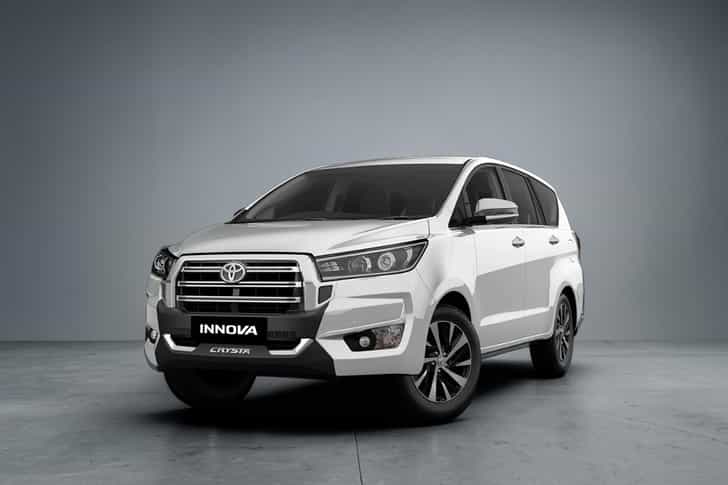
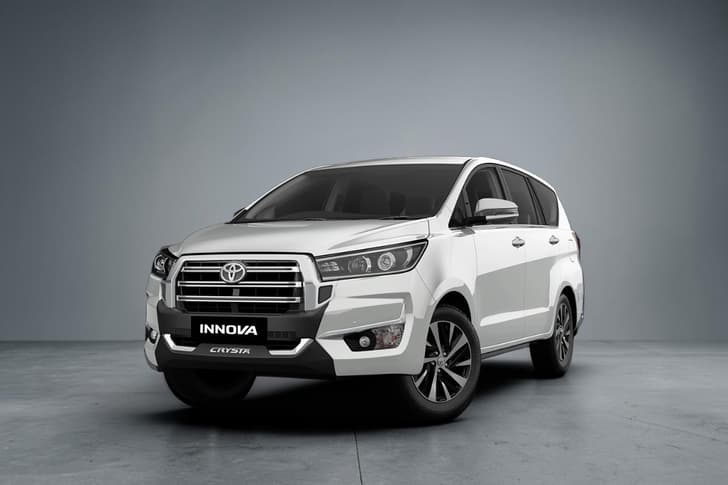
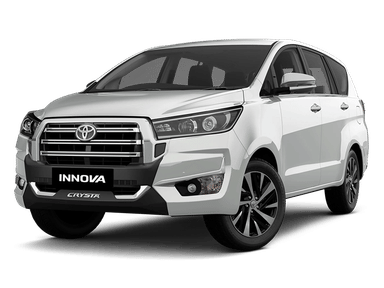
You've done a lot of research, and for the most part, you're right about the Toyota Innova Crysta. The ladder frame chassis means it can take a beating, it's almost flawlessly reliable and will run for decades on end, and even when it's time for maintenance, it should be relatively reasonable, too. 

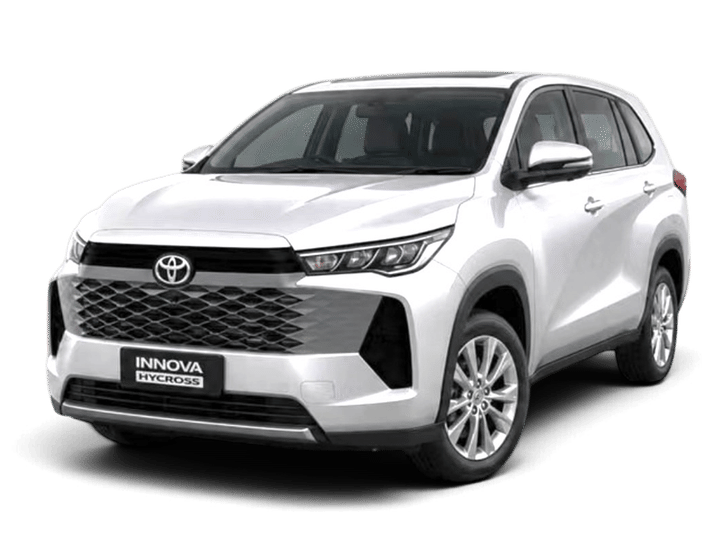
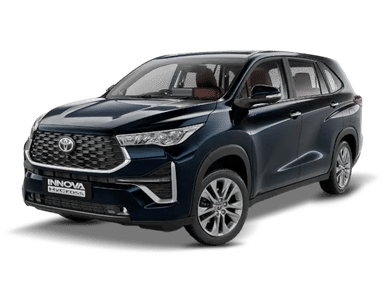
We would have recommended the Toyota Hycross hybrid, which is a more sophisticated version of the Crysta in every aspect, but as you said, it's out of your budget. Do note, higher Crysta variants push Rs 30 lakh on the road themselves. That said, we don't feel a ladder frame chassis is strictly necessary given your usage. 

While tough, it does make the ride incredibly busy on rough patches, it feels quite heavy to drive, and it places the cabin higher, which could make ingress and egress cumbersome for your parents down the line. An automatic would have been ideal, but given your usage is infrequent, a manual should be easy enough to live with. While the future of diesel is uncertain in the Delhi NCR, the rest of the country hasn't seen a change in policy for some time, and if you're keen on a diesel car, you should go for it. 

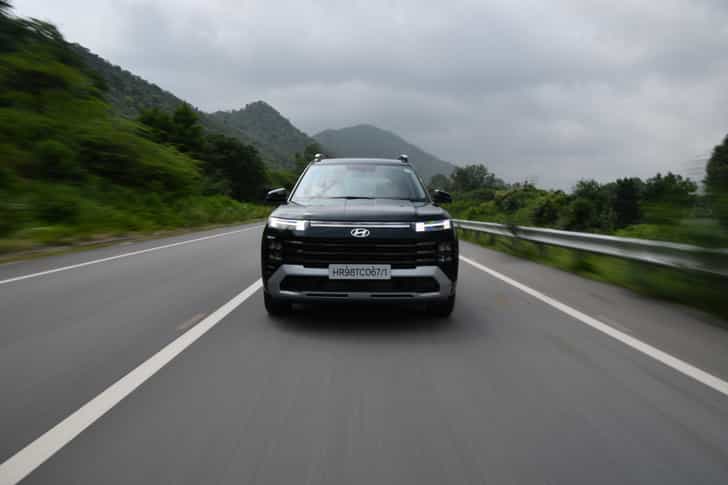
While the Innova Crysta does seem like your best bet, you should also check out an often overlooked three-row SUV, the Hyundai Alcazar. It's not as powerful as the Innova, but it is far more sophisticated, easy to drive and cheaper to buy. 

Plus, you get the option of a diesel automatic, and Hyundai's service network is widespread and of good quality. Though a monocoque, it'll handle rural rough patches just fine, too, so as an alternative, we think it's worth consideration as well.
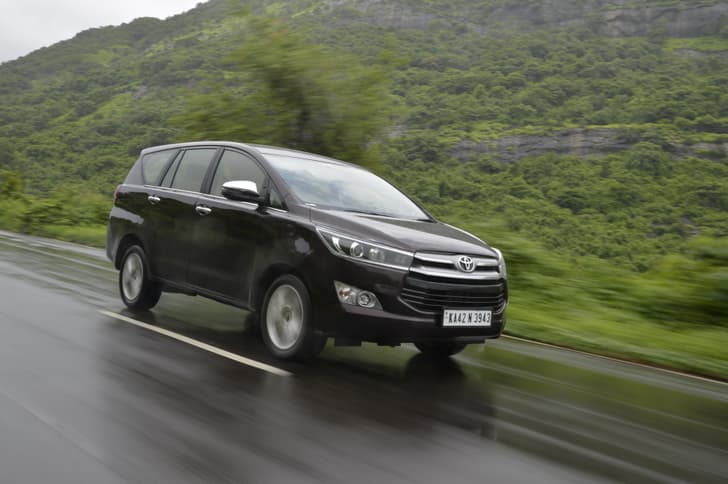
Toyota Innova Crysta

Toyota Innova Crysta

Was this helpful? Ask a follow-up

Want to sell your car?

Sell your car at the right price, without the stress.

More questions on similar cars

KS

krishna singhal

4d

​Hey everyone, I would like your advice on restructuring my three-car garage in anticipation of a significant increase in my monthly running. I am based in Bangalore, and my current line-up is as follows: ​Audi A6 (2020) | 35,000 km driven that is used primarily for highways and family outings. It’s a brilliant machine but honestly feels highly underutilized. ​Innova Crysta GX (2019) | 1.5L km driven: The ultimate workhorse. Runs 1,500 km monthly. Split between office commutes, airport runs, and big family trips. ​Hyundai Verna (2023) | 25k km driven: Primarily used as the daily home or city runabout. ​My confusion is that from next month, my personal running will jump significantly to 2,500 km per month. Doing this in Bangalore traffic (plus routine family weekend trips) means fuel costs and driving fatigue are going to skyrocket. I want to bring an EV or a solid Plug-in Hybrid (PHEV) , but I’m considering following: ​Option 1: Replace the Audi A6 with a Premium Luxury EV. Since the A6 is not being used much, I am planning to sell it and get a high-end luxury EV (like a BMW iX1, iX3, or BYD Seal/Sealion 7) to absorb the entire 2,500 km monthly grind and family outings. ​Option 2: Retire the workhorse Innova. It has done 1.5 lakh km and I could replace it and the Audi to go for a two-EV garage, or grab a premium electric 7-seater to take over its duties. ​Option 3: Hold onto the current garage and just add one. Keep all three and buy a new mid-to-premium electric SUV like Tata Harrier EV, Mahindra XEV 9e / XEV 9S, or wait for the upcoming BYD DM-i Plug-in Hybrids. ​With 2,500 km of monthly driving entirely in Bangalore and surrounding highways, what is the smartest financial and experiential move here? Sell the underutilized luxury sedan, upgrade the high-mileage workhorse, or just expand the garage? ​Would love to hear your thoughts, especially on real-world reliability, battery degradation at high mileage, and how the current crop of premium EVs handle Bangalore's notorious infrastructure

Autocar India team

Autocar India

Verified
2d

Since the Audi A6 is the most under utilised, it makes sense to sell it and get an EV instead. Among your choices, the BYD Sealion 7 2WD gets you the biggest battery, which should deliver a real-world range of around 450km. Your fuel spend and fatigue will drop sharply thanks to smooth one-pedal driving and strong regeneration in stop-go traffic. The Sealion 7’s SUV stance and ride, cope better with Bengaluru’s roads than a low-slung sedan, and fast chargers in the city are now easy to find, while a home wallbox will be your primary charger.Keep the Innova Crysta. At 1.5 lakh km, it is still the most stress-free way to haul six people and luggage. With the EV becoming your new primary, it wont rack up the kms as quickly, but its worth keeping around as an alternative for trips where you don't want to plan ahead for charging. The Verna can stay as the spare city tool.On reliability and batteries, BYD’s Blade LFP battery pack has a good record. BYD also offers a pretty long warranty and the option to extend to 8 years/250k kms. The only real trade-off with the BYD is its smaller dealer network and slightly higher road and wind noise at highway speeds. A BMW iX1 is nicer inside and carries the badge, but it's cabin is tighter, has a smaller boot, and you will pay more for less usable range. Alternatively, you can also consider the Hyundai Ioniq 5 - its 84kWh is the largest in the segment, its cabin is premium and it is very nice to drive. Hyundai's network is also larger than BYD's which helps.

VehicleAudi A6
VehicleToyota Innova Crysta
VehicleHyundai Verna
VehicleBMW iX1 LWB
AG

Aditya Gaur

1d

I have a VW Taigun 1.5 GT Plus (automatic) and a Skoda Rapid. I'm planning to go for a new, bigger car in 6-9 months. My budget is 26-28 lakhs. It has to be automatic (petrol or EV), have 3 rows, and have excellent after-sales. The primary use would be as a family car that can seat 5 comfortably. I like the 7XO, but somehow the fit and finish felt worse than my Taigun. Great after sales is a key consideration. For this, I can stretch my budget by 10-15% if no good options exist.

Autocar India team

Autocar India

Verified
19h

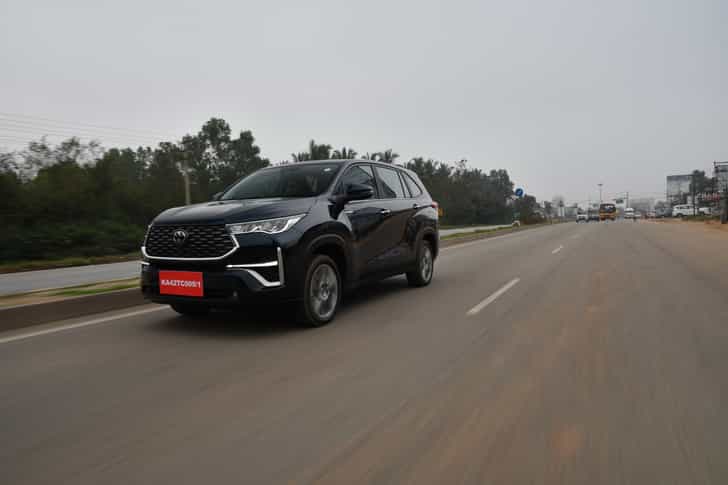
Buy the Toyota Innova HyCross hybrid automatic. It is the only other bigger 3-row with space that will feel like a real step up from your Taigun. For a family of five, it is superb - wide, airy, comfy second row, and the hybrid makes city driving smooth and quiet while keeping running costs low. Toyota service, parts availability, and resale are about the best you can get at this price, and the cabin fit and panel consistency are better than those of the 7XO you sampled.The catch is the price and waiting period. The sweet-spot VX (O) and ZX trims push beyond Rs 30 lakh on road, and waiting periods can be long, so keep that in mind. Also, it will not feel as sharp to drive as your Taigun 1.5 TSI.If that's too far out of budget, two other options you can consider are the Hyundai Alcazar petrol or the Kia Carens Clavis EV. The Hyundai gets you the SUV body style, a punchy petrol-DCT combo, and comfy seating for 5 with the option of two smaller seats in the third row. The Clavis EV, meanwhile, may have a less desirable MPV shape, but it actually has more interior space and an equally well put-together cabin. Both Hyundai and Kia offer an excellent after-sales experience.

VehicleToyota Innova HyCross
VehicleVolkswagen Taigun
VehicleHyundai Alcazar
VehicleKia Carens Clavis EV

Popular discussions right now

AD

Abhishek Das

1w

I am planning to purchase a new automatic car and am confused between the Honda Amaze ZX CVT and the Skoda Kylaq Signature Plus AT. My usage will be around 90% city driving, primarily for office commuting between Dwarka, Delhi and my office near IFFCO Chowk, Gurugram (approximately 25 km one way). However, I will not be driving daily, as I often use the Metro as well. The car will also be driven by my 69-year-old father, so ease of driving, comfort, visibility, ingress/egress, and reliability are important considerations. Our previous car was an Alto K10 Manual, so this will be our first automatic car and a significant upgrade. Considering my usage pattern, family profile and the fact that we intend to keep the car for a long period for around 10 years, which of these two would you recommend?

Autocar India team

Autocar India

Verified
6d

Based on your requirement, we would recommend the Honda Amaze ZX CVT over the Skoda Kylaq Signature+ AT. The reason is that your priorities are not outright performance or driving excitement. You are looking for a car that will spend 90% of its life in city traffic, will also be driven by your 69-year-old father, and is expected to stay with the family for around 10 years. In that context, Amaze's strengths line up perfectly with your requirements. The CVT is smoother than the Kylaq's torque converter automatic in stop-and-go traffic, visibility is excellent, the car is easy to place on the road, ingress and egress are straightforward, and Honda's long-term reliability record is hard to fault. Coming from an Alto K10, it will already feel like a substantial upgrade in comfort, refinement and features.The Kylaq Signature Plus AT is the more desirable car from an enthusiast's perspective. The 1.0 TSI turbo petrol has more punch, the higher seating position is nice, and the overall package feels more substantial. However, it is also a larger vehicle to manoeuvre, and while the automatic is good, it is not quite as seamless in everyday traffic as Honda's CVT.Another point in Amaze's favour is that the ZX variant gets Honda Sensing ADAS, which adds useful safety features without making the car complicated to operate. Since your father will also be driving it, that extra layer of safety is a nice bonus.

VehicleHonda Amaze
VehicleSkoda Kylaq

Posted on: 30 Apr 2026