Hyundai cars in India (12)
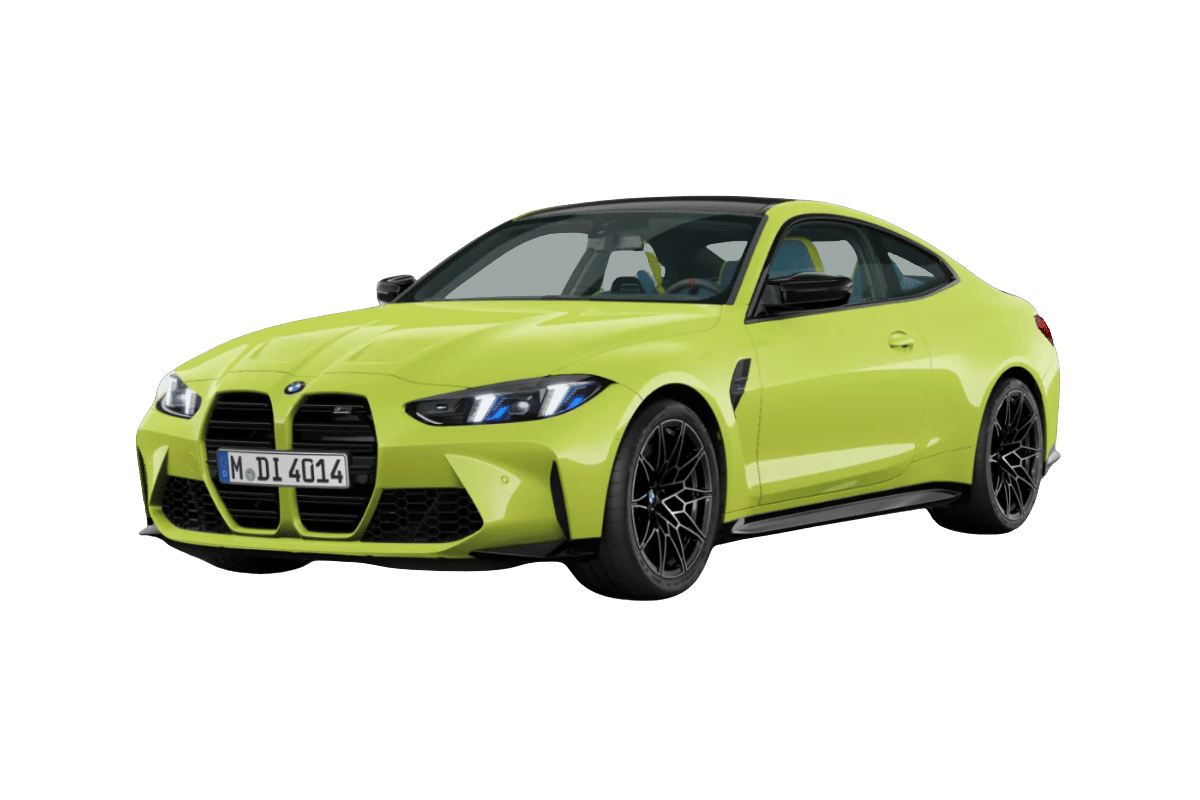
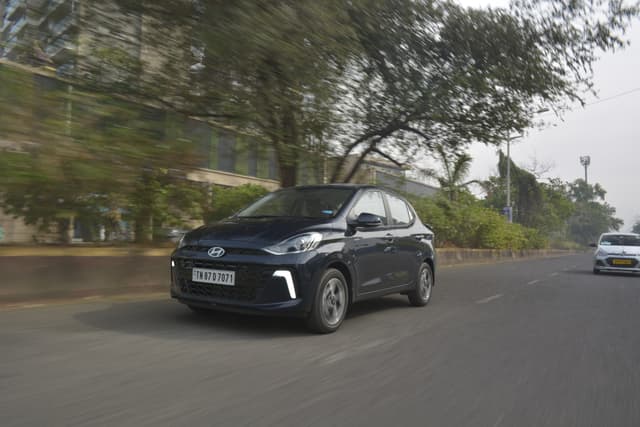
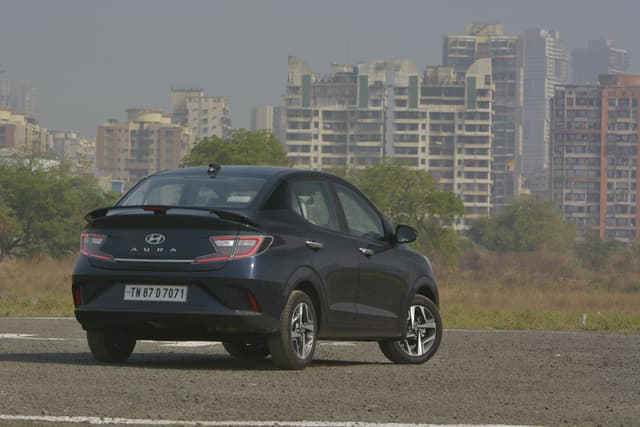
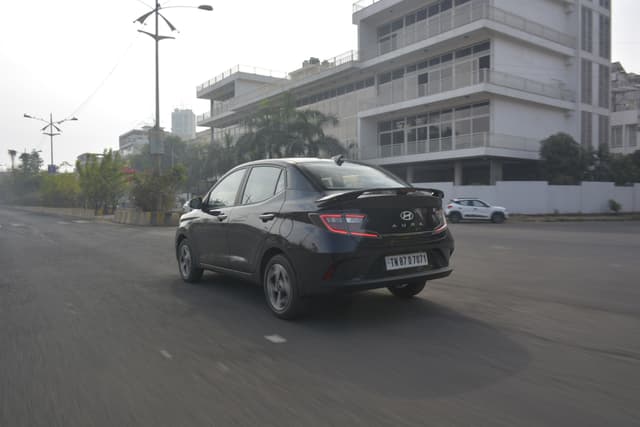
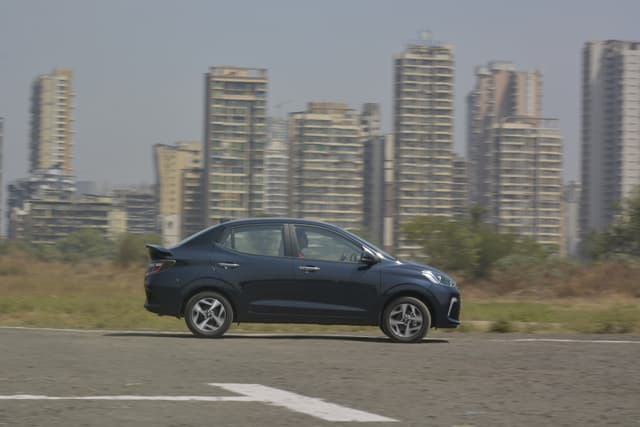
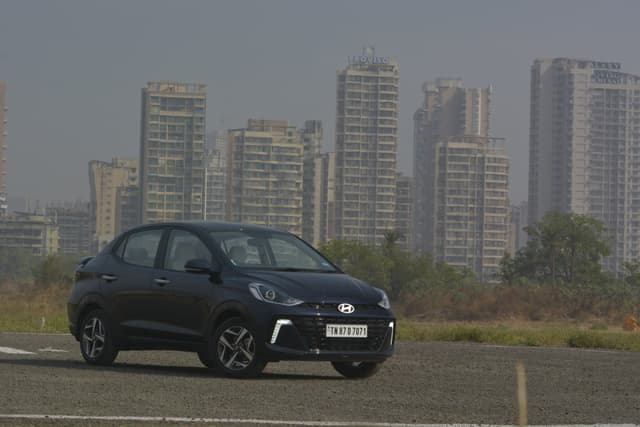
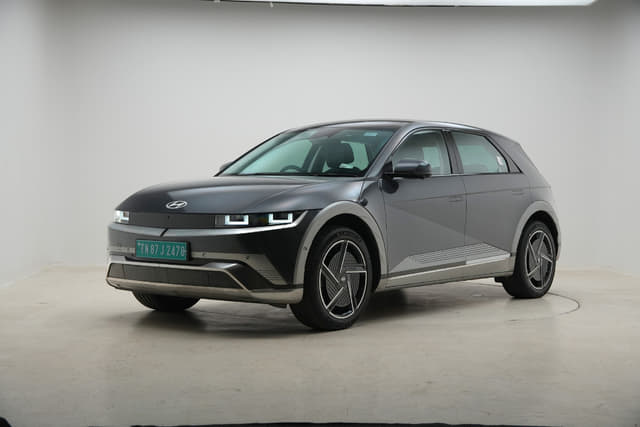
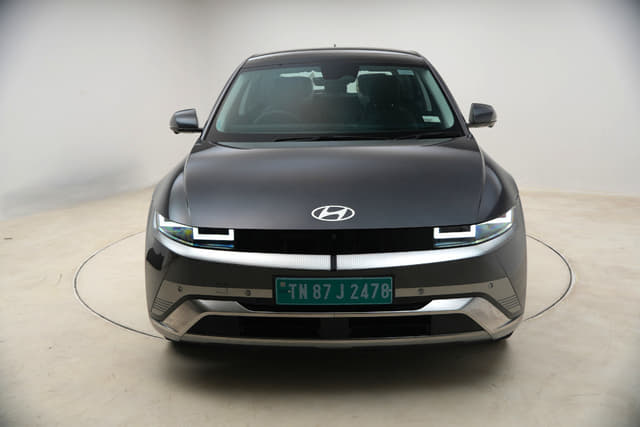
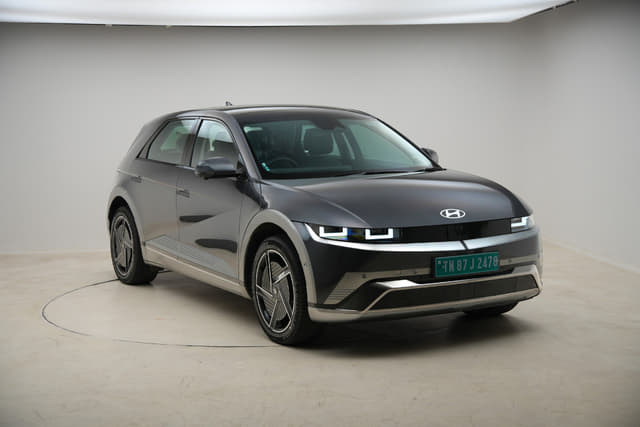
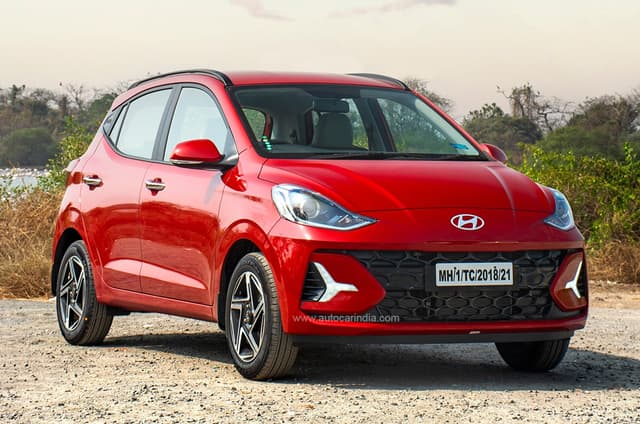
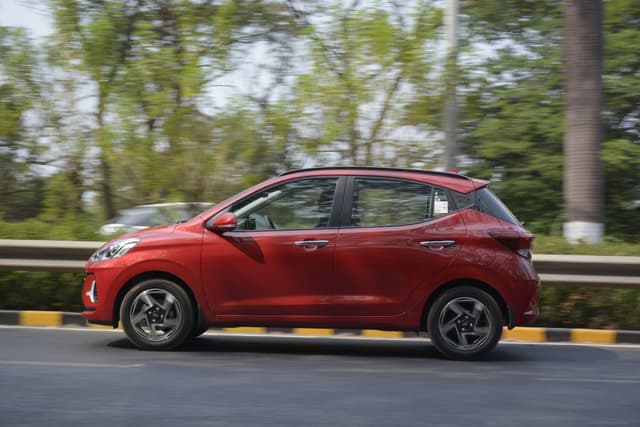
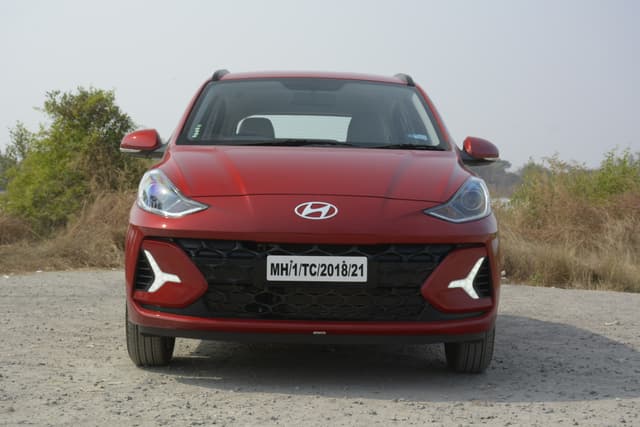
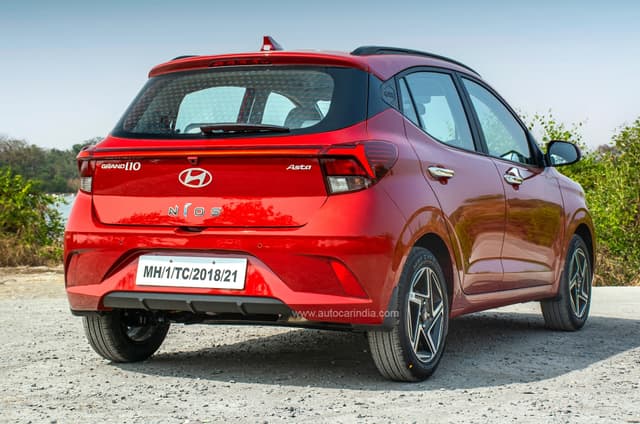
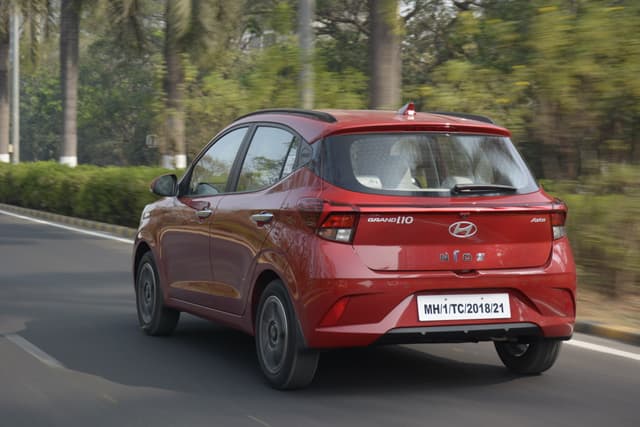
In March 2026, there are currently 12 Hyundai cars in India, out of which 10 are available for sale, and 2 are upcoming. The Hyundai India lineup includes 8 SUVs, 2 sedans, and 2 hatchbacks. The Hyundai car price in India starts at โน5.55 lakh for the Grand i10 Nios, which is also the most affordable Hyundai model in India. The most expensive Hyundai car in India is the Hyundai Ioniq 5, priced from โน55.70 lakh (ex-showroom).
Hyundai has been one of the most popular car brands in India since its entry in late 1998 with the Santro. Hyundai India has two manufacturing plants, both located near Chennai, with a third plant in Talegaon opening shortly. Most of the Hyundai cars are made in India. Hyundai currently has close to 1,400 showrooms and 1,200 service centres across India.
Hyundai Car Price List in India May 2026
Here are the latest Hyundai car prices in India as of May 2026:
Hyundai Car Model | Price (ex-showroom) |
Hyundai Grand i10 Nios | โน5.55 lakh - โน8.03 lakh |
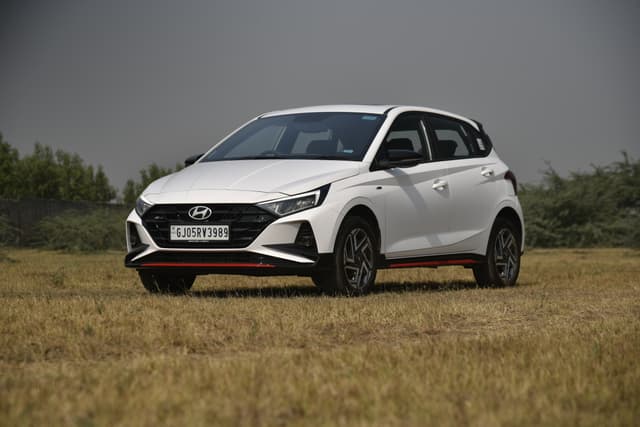
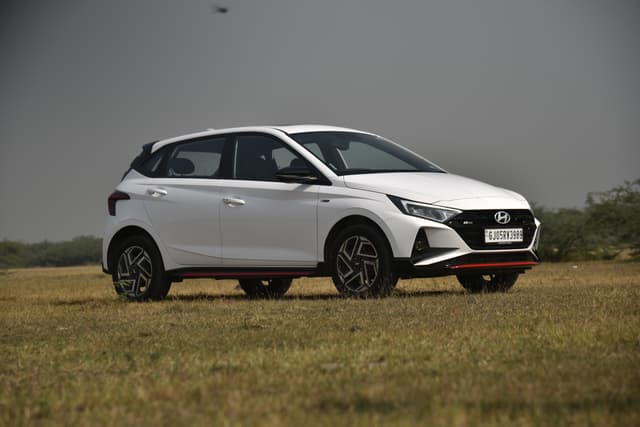
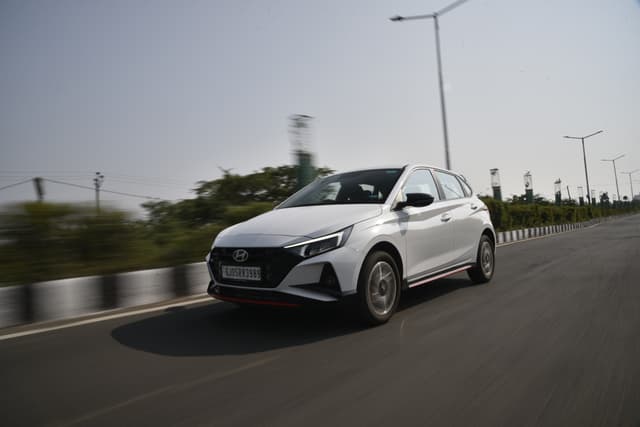
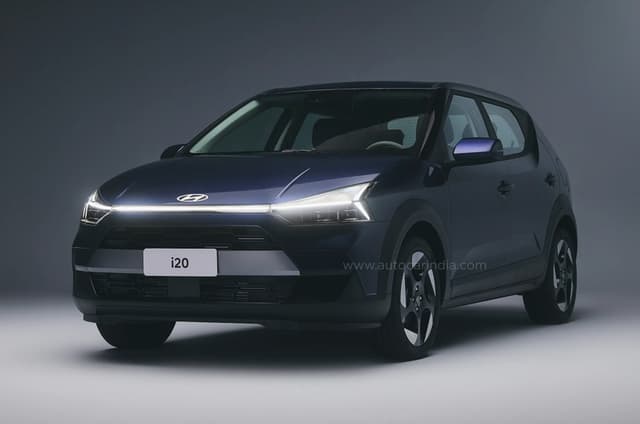
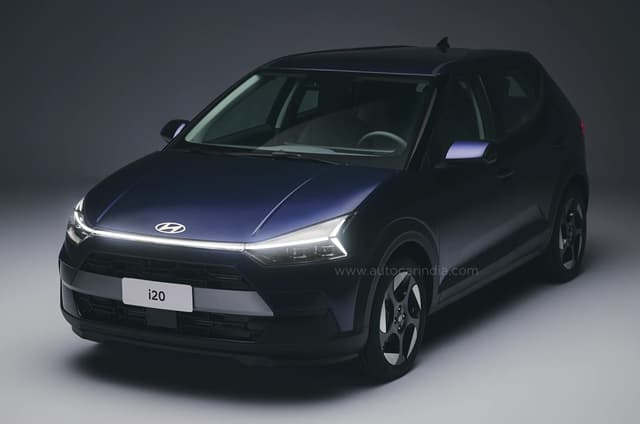
Hyundai i20 | โน5.99 lakh - โน11.53 lakh |
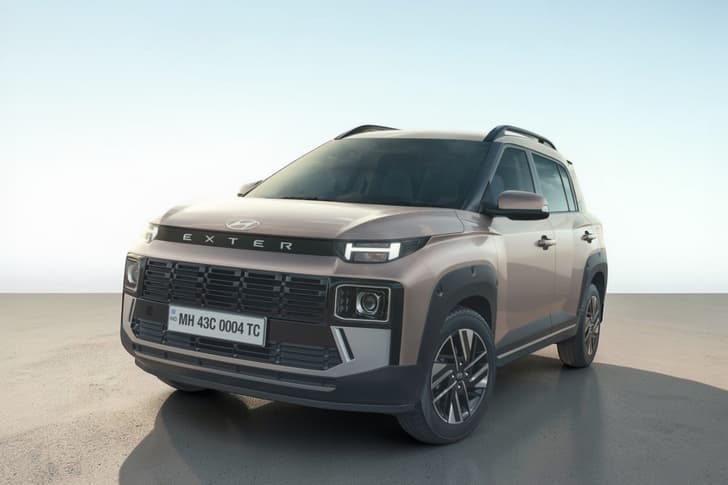
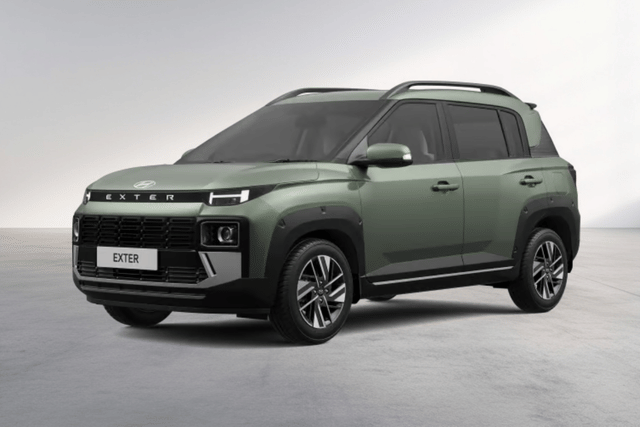
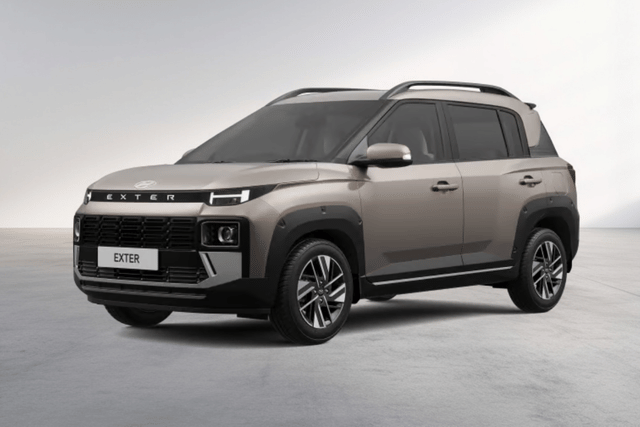
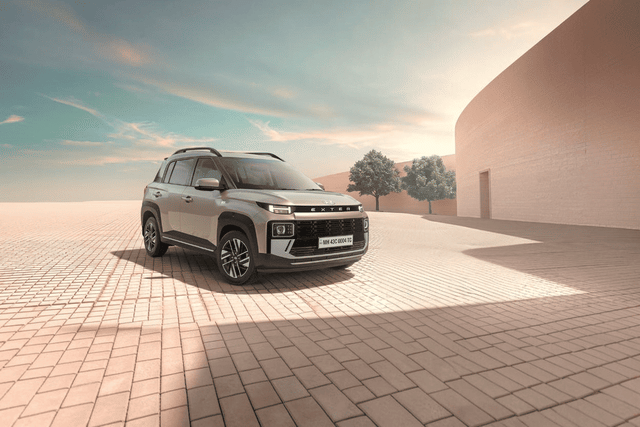
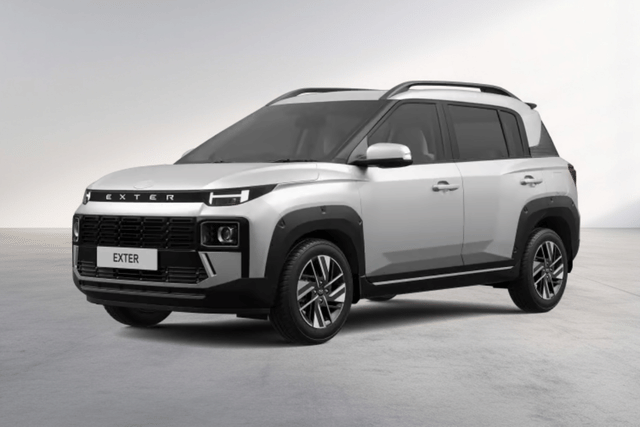
Hyundai Exter | โน5.80 lakh - โน9.42 Lakh |
Hyundai Aura | โน6.00 lakh - โน8.54 lakh |
Hyundai Venue | โน8.00 lakh - โน15.51 lakh |
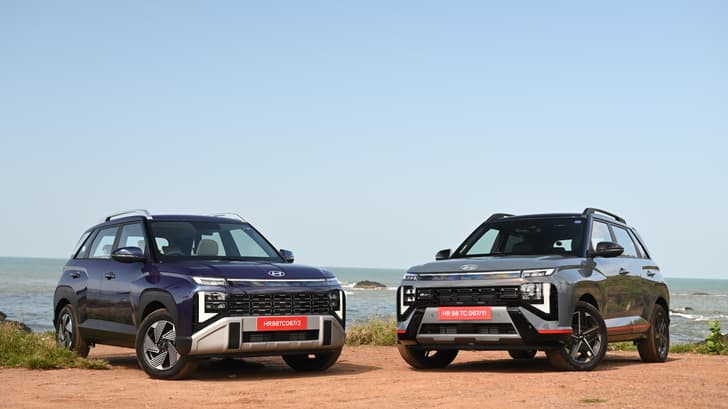
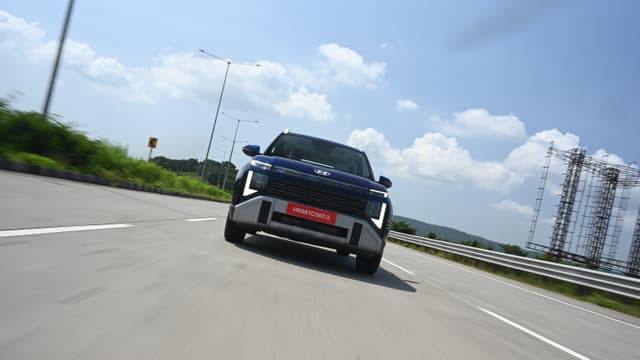
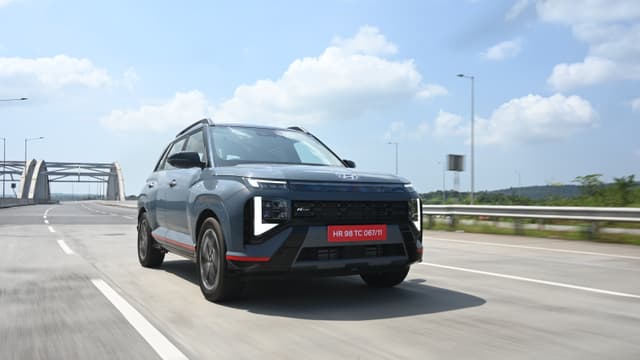
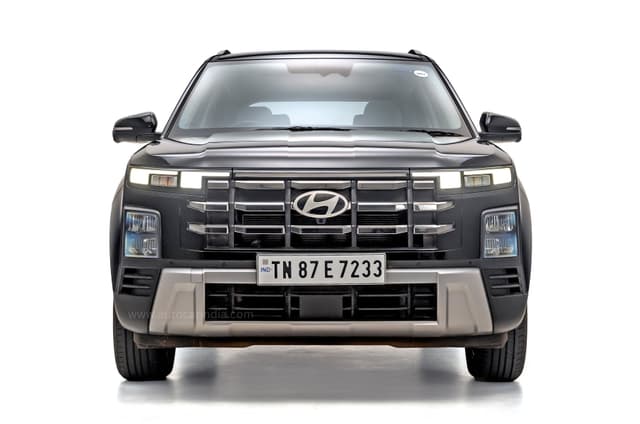
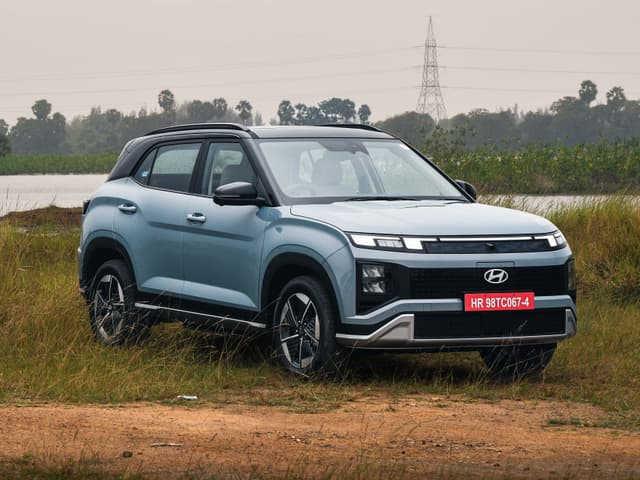
Hyundai Creta | โน10.79 lakh - โน20.05 lakh |
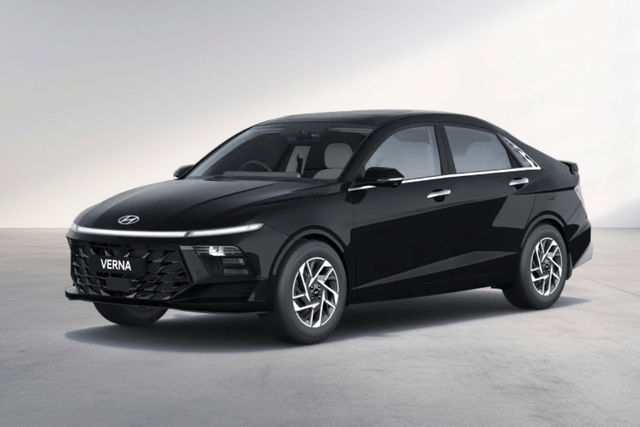
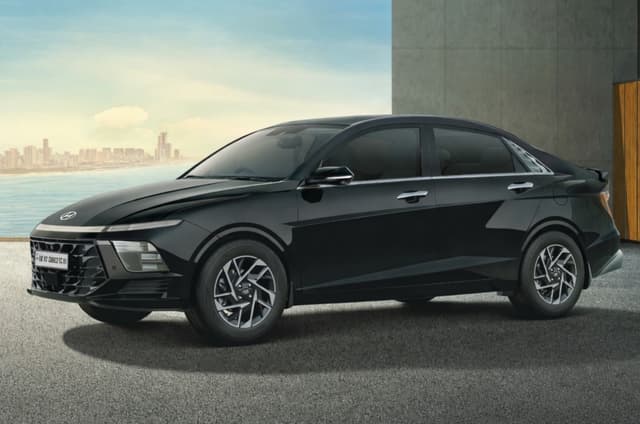
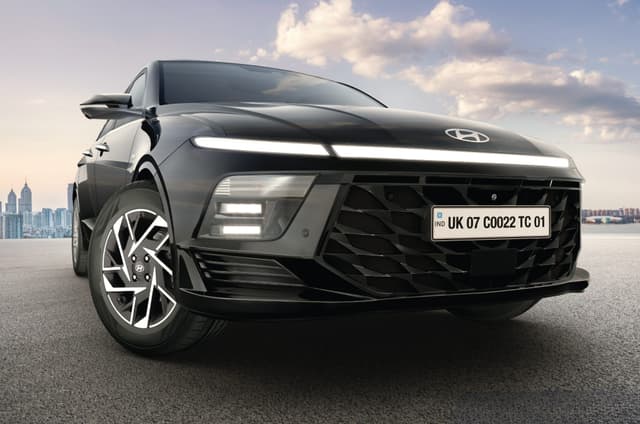
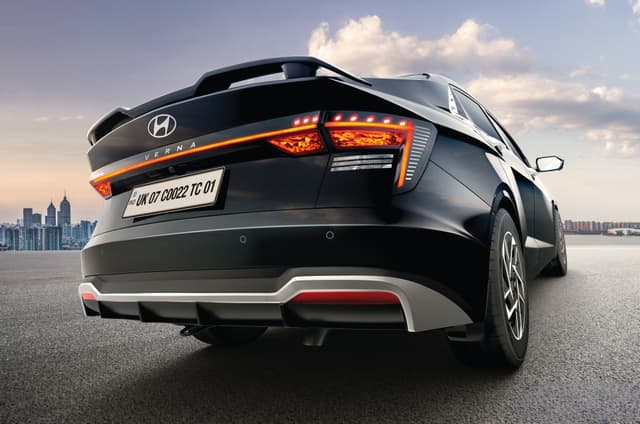
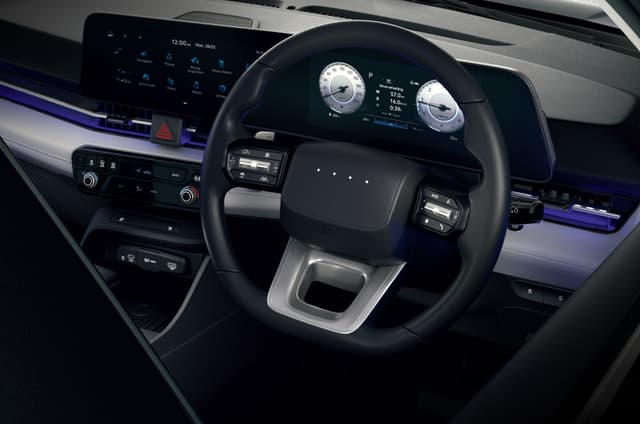
Hyundai Verna | โน10.98 lakh - โน18.25 lakh |
Hyundai Alcazar | โน14.50 lakh - โน21.06 lakh |
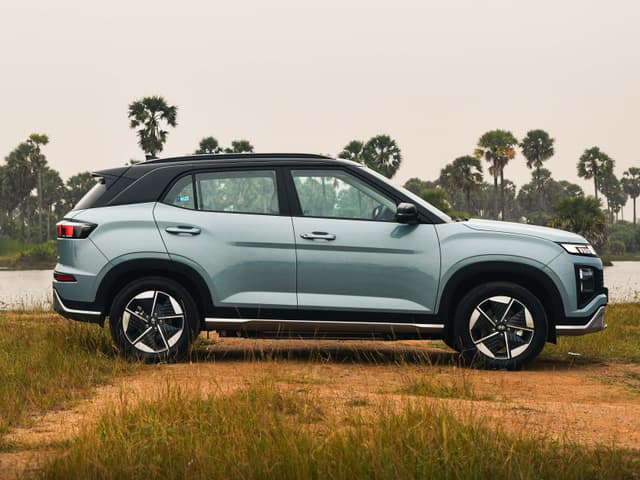
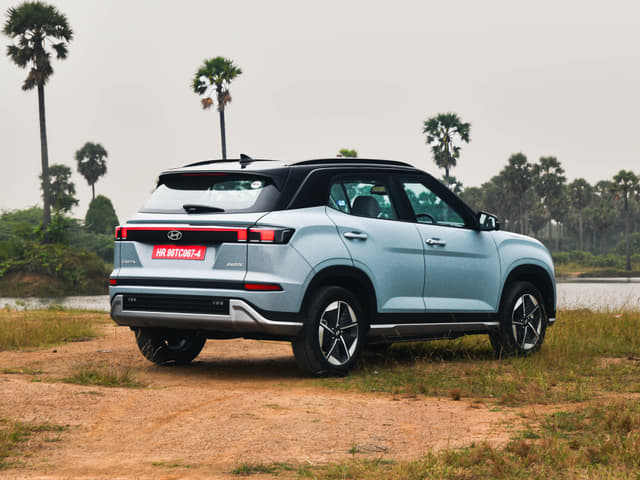
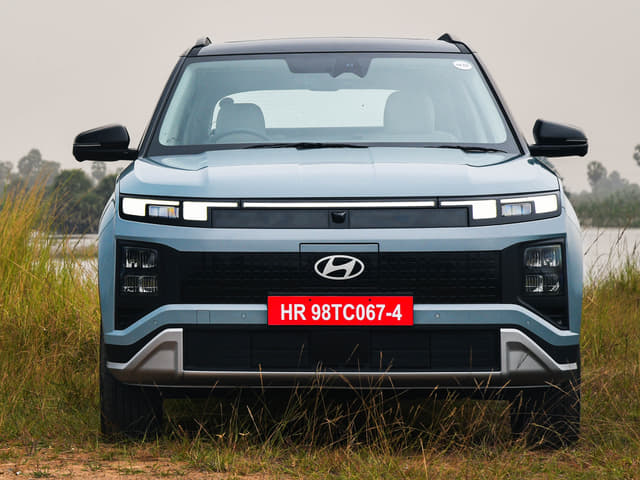
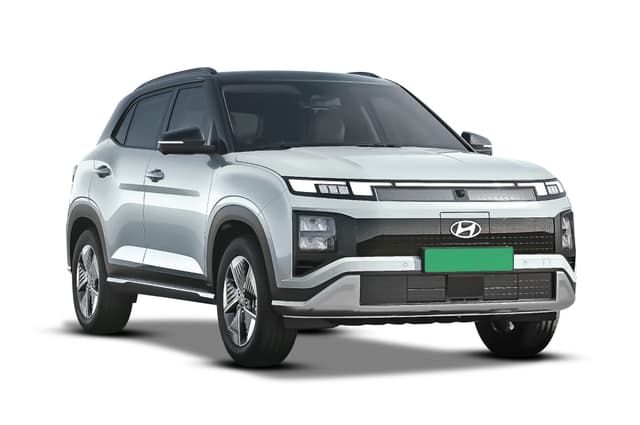
Hyundai Creta Electric | โน18.02 lakh - โน23.82 lakh |
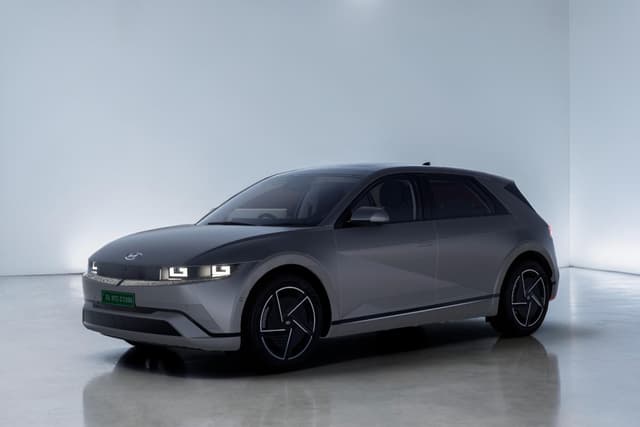
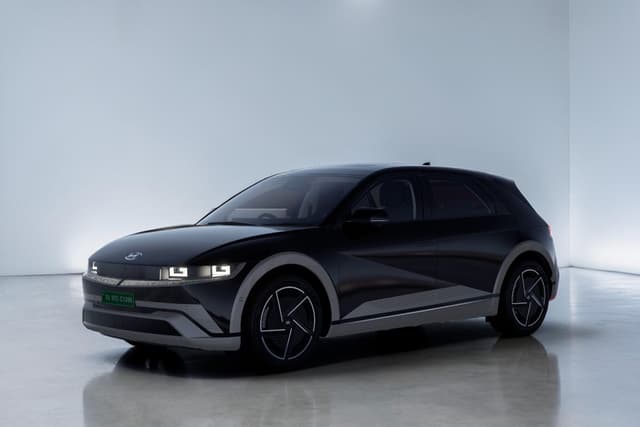
Hyundai Ioniq 5 | โน55.70 lakh |
Upcoming Hyundai Cars May 2026
Explore the list of upcoming Hyundai cars set to launch in India:
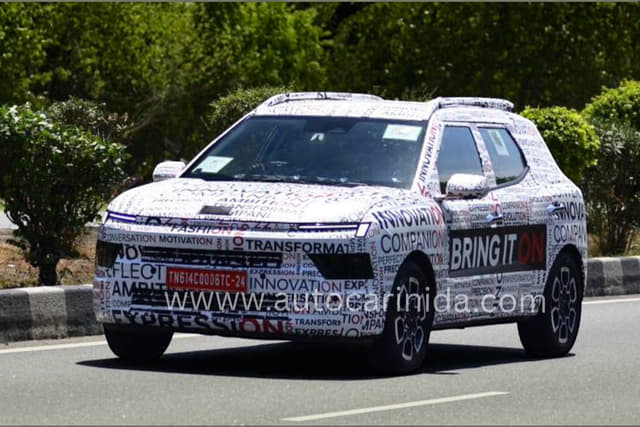
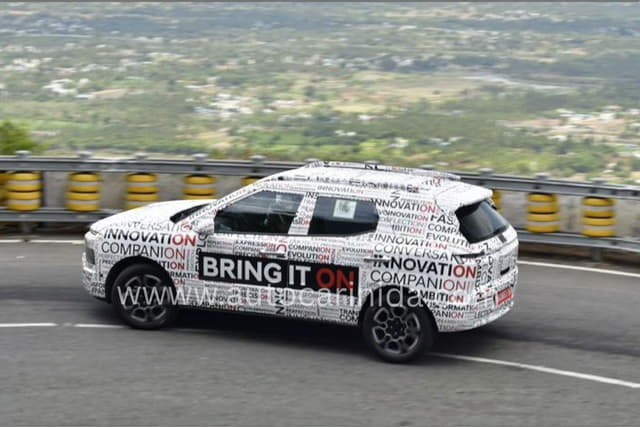
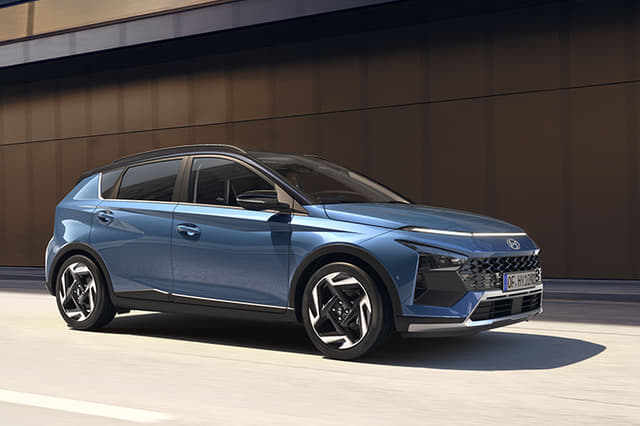
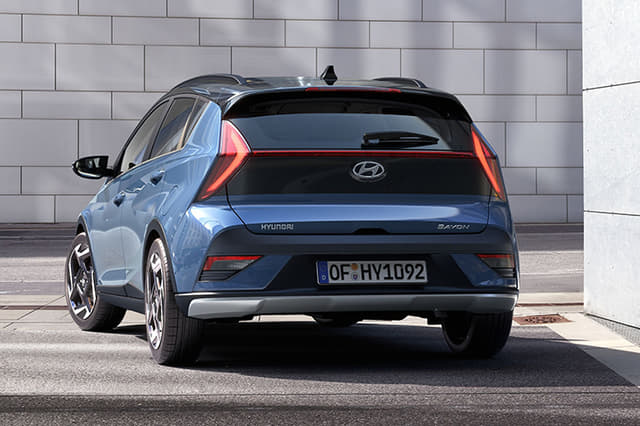
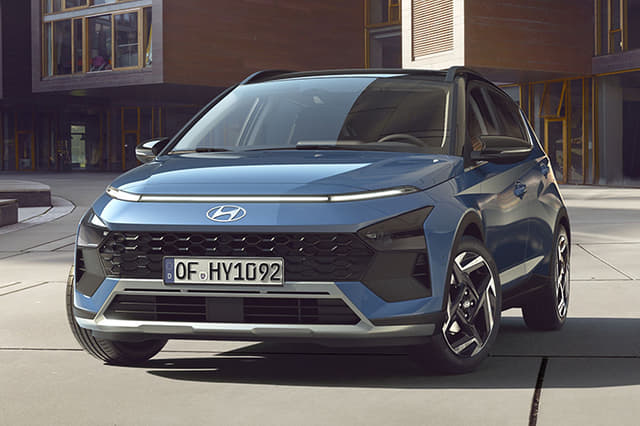
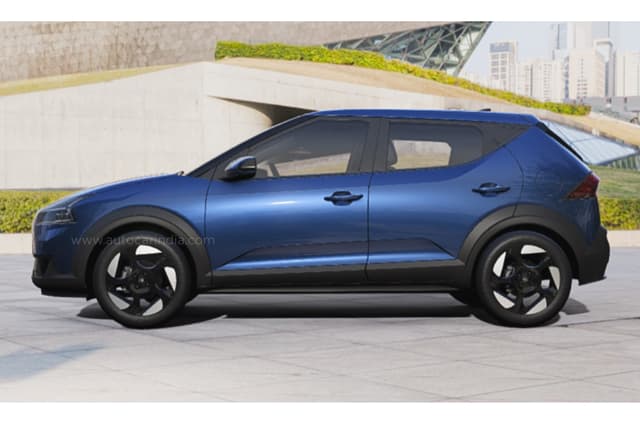
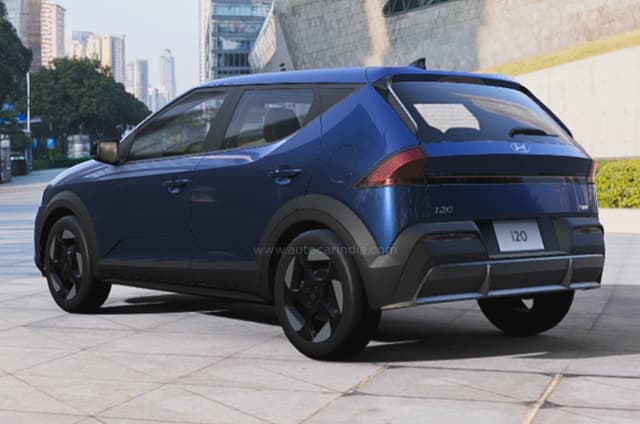
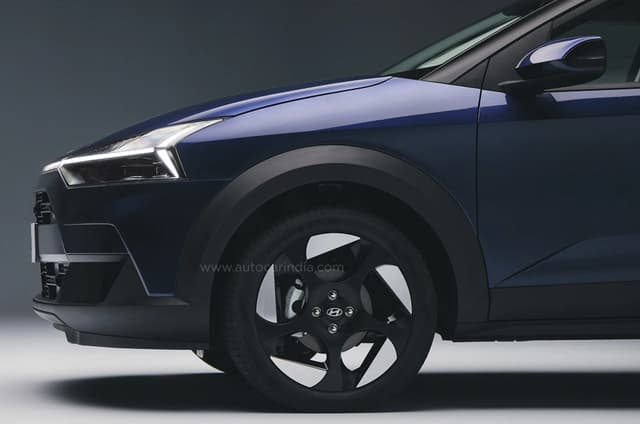
- Hyundai Bayon
- Expected Launch: Late 2026
- Estimated Price: โน8.00 lakh - โน15.00 lakh
- Fuel Type: Petrol
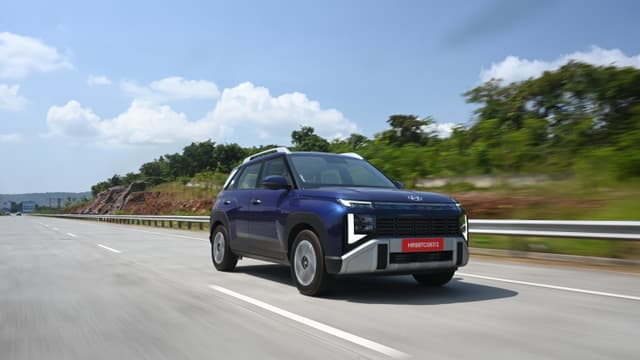
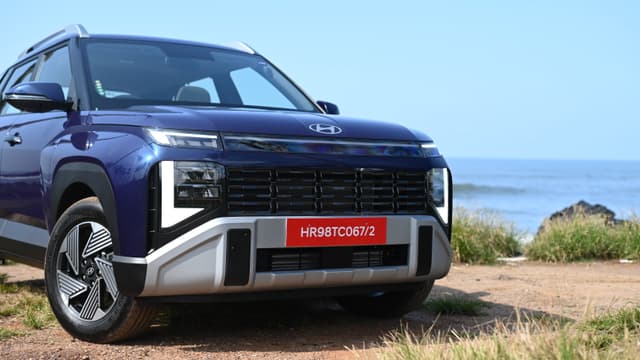
- Hyundai New Creta
- Expected Launch: 2027
- Estimated Price: โน11.30 lakh - โน20.50 lakh
- Fuel Type: Petrol
Hyundai Electric Cars in India
The Hyundai electric car price starts at โน18.02 lakh for the Creta Electric and goes up to โน55.70 lakh for Ioniq 5 (ex-showroom). The brand has plans to launch more electric cars in India, which could include an entry-level electric hatchback and also the Hyundai Ioniq 6 in the future.
Hyundai India Latest Updates May 2026
April 28, 2026: Hyundai launched Ioniq 5 facelift at โน55.7 lakh.
- April 2, 2026: Hyundai unveils its Boulder SUV concept at the 2026 New York International Auto Show.
- April 1, 2026: Hyundai position drops to fourth whereas Maruti retains its top position.
- 30 March 2026: The Hyundai Venue scores a 5-star safety rating in Bharat NCAP.
- March 9, 2026: 2026 Hyundai Verna launched at โน10.98 lakh with Boss mode, 360-degree camera and 7 airbags.
- January 12, 2026: Hyundai has unveiled the Staria Electric, its largest EV yet, with a claimed range of up to 400 km, a nine-seat layout, and 800V fast-charging capability.
- December 15, 2025: Hyundaiโs 2026 India roadmap includes facelifts for the Verna, Exter and Ioniq 5, along with the launch of the new Bayon crossover.
Hyundai Car Models in India
Hyundai cars in India are available with petrol, petrol-CNG, diesel and electric powertrains. Hyundai does not have an MPV in its line-up, unlike sister-brand Kia, which sells the Carens and the Carens Clavis. Hyundai Indiaโs SUV line-up consists of the Exter, Venue, Creta, Ioniq 5, Creta Electric, and the Alcazar. Models like the Hyundai i20, Creta, and the Verna are some of the popular Hyundai cars sold in India.
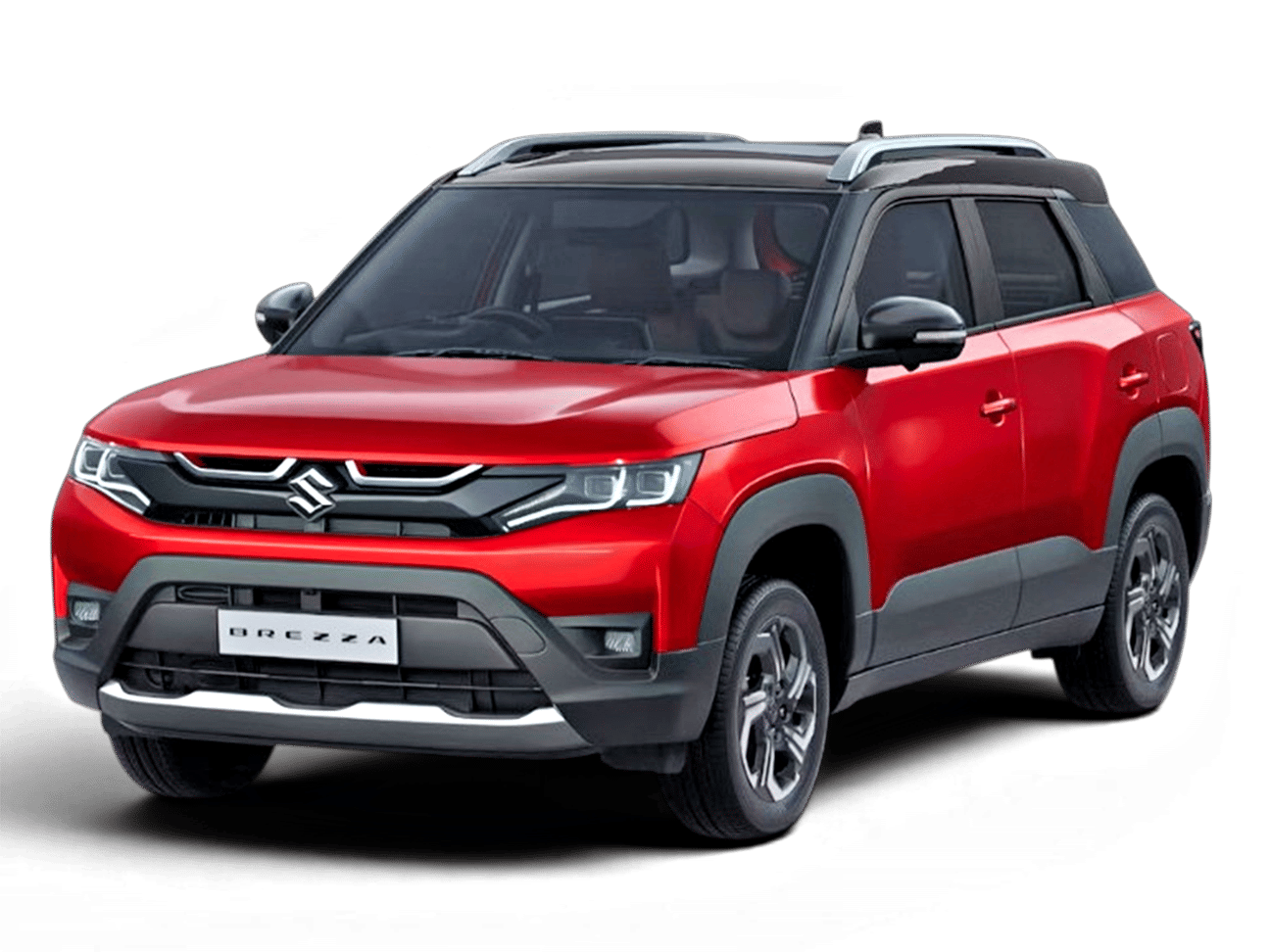
Hyundai Exter price starts at โน5.80 lakh, making it the most affordable Hyundai SUV in India. The Exter rivals the likes of the Tata Punch and the Citroen C3. The Venue compact SUV takes on the Mahindra XUV 3XO, Tata Nexon, Kia Syros and Sonet, and the Maruti Brezza.
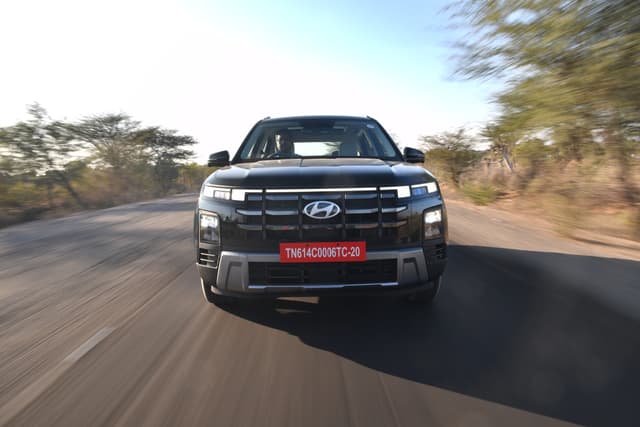
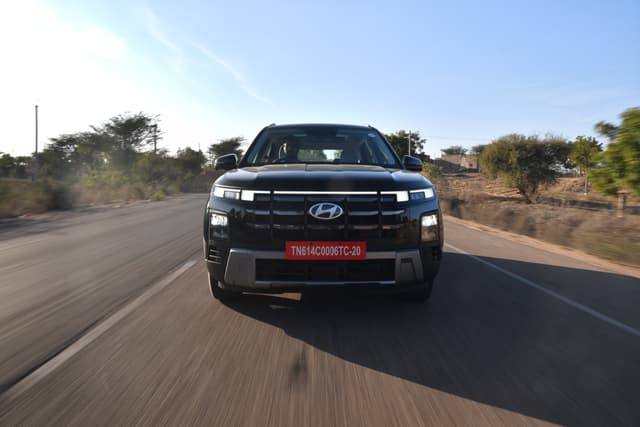
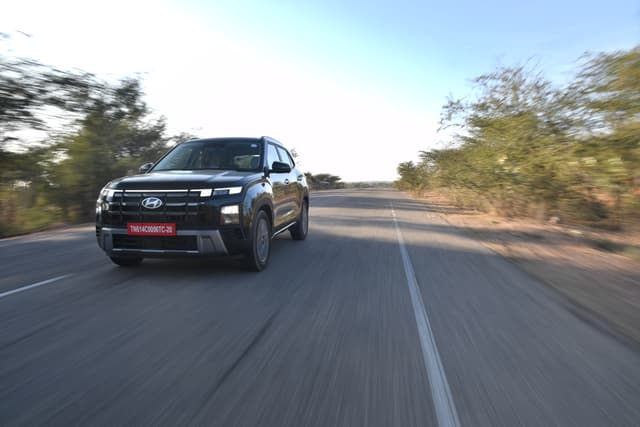
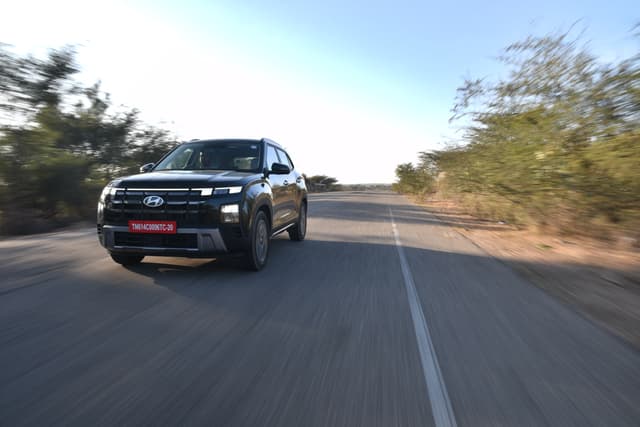
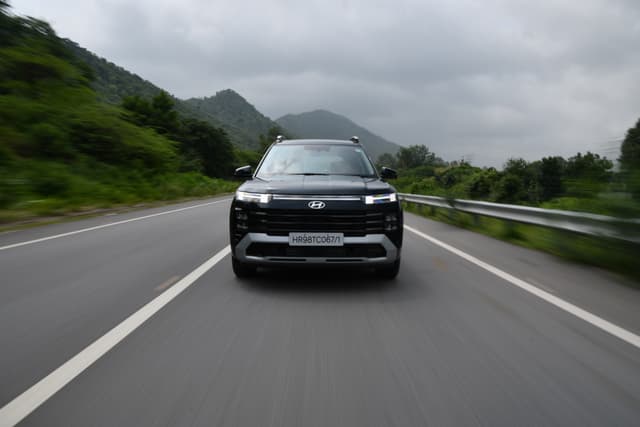
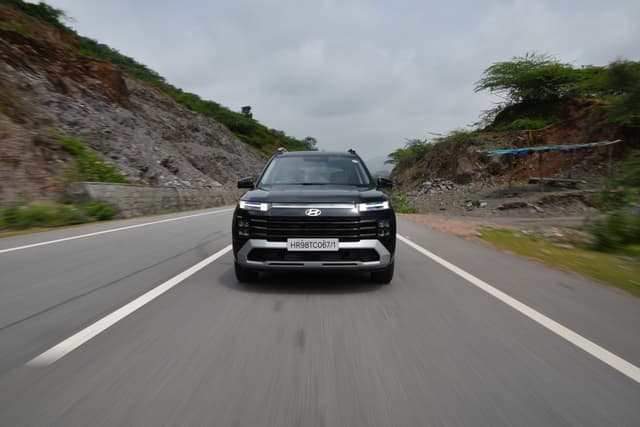
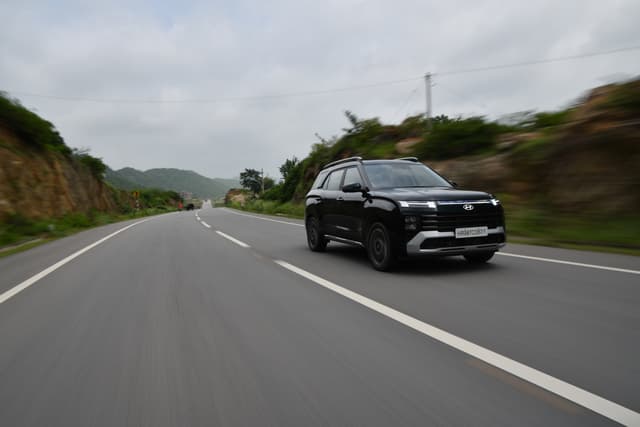
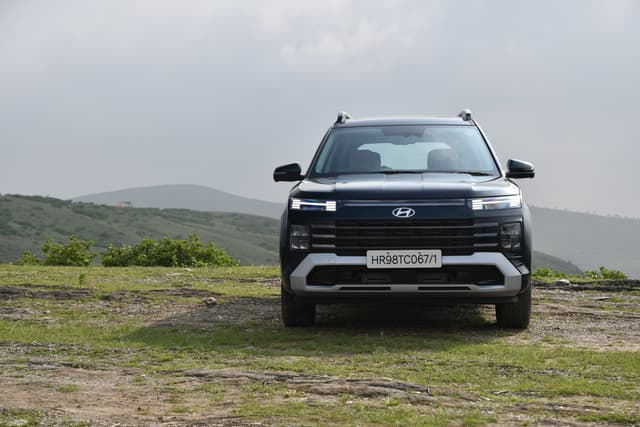
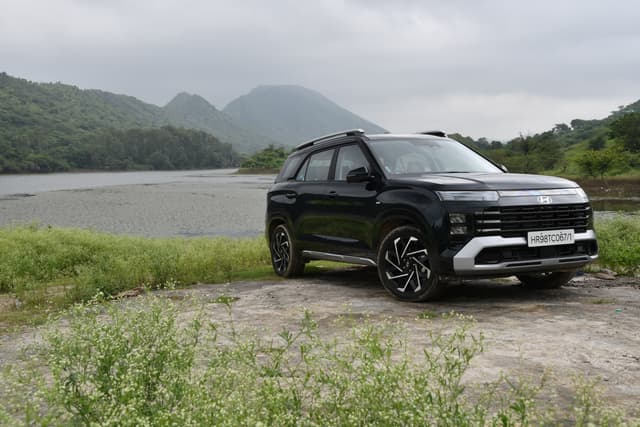
The most popular SUV in India, the Hyundai Creta, is the segment leader that rivals SUVs like the Kia Seltos, Maruti Grand Vitara, Toyota Hyryder and the Mahindra XUV700. The Alcazar is Hyundaiโs three-row SUV based on the Creta that rivals the Hector Plus and the Mahindra Scorpio N in our market.
FAQs
Hyundai India sells 10 models in India. Popular models include the Creta, Exter, Venue, Alcazar, Tucson, i20, and Verna.
The Hyundai car price in India starts at โน5.55 lakh for the Grand i10 Nios and goes up to โน55.70 lakh for the Hyundai Ioniq 5 (ex-showroom).
The Hyundai Grand i10 Nios is the most affordable Hyundai car in India, priced at โน5.55 lakh (ex-showroom).
The Ioniq 5 electric SUV is currently the most expensive Hyundai car in India, priced at โน55.70 lakh (ex-showroom).
Hyundai India currently offers the Creta Electric and the Ioniq 5. More electric models like the Ioniq 6 and an entry-level EV are expected in the future.
The list of upcoming Hyundai cars in India for 2026 includes the Bayon and new Creta.
Trending Questions on Hyundai Cars - Answered by Autocar Experts
Peasant Sampan
โข4hHello Autocar, I am planning to buy a sedan, with almost 90% city usage. Please suggest a suitable option. Also, is it true that for my usage, naturally aspirated (NA) engines are better suited than turbo-petrol engines?

Autocar India
For your usage, a naturally aspirated petrol with a CVT or IVT is the best fit. These setups are smoother, easier to drive in traffic and more predictable, which matters far more in city conditions than outright performance. So yes, in your case, NA engines are better suited than turbo petrol.The Hyundai Verna IVT stands out as the most well-rounded option for city driving. The engine is smooth, the IVT gearbox is very intuitive in stop-and-go traffic, and the overall driving experience is effortless. It feels refined and easy to live with daily.The Honda City Hybrid is worth considering if your running is high. It offers excellent fuel efficiency, strong performance and is very easy to drive in the city thanks to its hybrid system. However, it comes with a higher upfront cost, and the battery placement results in a higher boot floor, which slightly affects practicality.Compared to the Verna, the standard Honda City CVT is also an option, but the engine feels a bit noisier, and the gearbox is not as intuitive as the Vernaโs IVT in everyday use.
Sajjad Haider
โข15hHi, I am confused between the Maruti Suzuki Brezza ZXi Plus Automatic, Kia Seltos Base Variant, and Hyundai Creta Base Variant. My budget is around โน14.5 lakh. My monthly running will be approximately 1,000โ1,100 km, with occasional highway trips twice a year. My priorities are safety, peace of mind, comfort, and decent mileage. I am based in Lucknow.

Autocar India
Your usage is moderate, mostly city with occasional highway trips, and you want a stress-free ownership experience. The Maruti Suzuki Brezza fits this perfectly. It has a smooth and reliable torque converter automatic, a comfortable ride for daily use and Marutiโs strong service network, which ensures low maintenance and hassle-free ownership over time. It also delivers decent real-world mileage for a petrol SUV, which matters for your running.Now, comparing your other options. The Kia Seltos base and Hyundai Creta base are from a higher segment and are bigger, more spacious cars. The Seltos especially offers better rear seat space and a larger boot, which is useful for family trips. However, within your budget, you are getting only the base variants, which means you miss out on key features and, more importantly,So the choice comes down to this. The Brezza gives you a complete, well-equipped and easy-to-own package. The Creta and Seltos give you a bigger car, but in a stripped-down form.
Muhammed Hijas A M
โข19hI am confused between the Hyundai Creta Electric and the Mahindra XEV 9e. Which one is the better car overall?

Autocar India
The difference is in character. The Hyundai Creta Electric is very well calibrated and easy to drive. It feels like a normal petrol car that happens to be electric. That makes it comfortable and predictable, especially in daily use. But that also works against it. It does not feel special or exciting, just very clinical.The Mahindra XEV 9e is the opposite. It is faster, more powerful and noticeably larger. You get more space, a bigger boot and significantly better range thanks to a larger battery. It also feels more futuristic inside and out, which adds to the overall experience.
Obiwan
โข1dHi Autocar Team, I would love your opinion on my use case. My situation: I am relocating to our farm, which is about 200 km from Bangalore. The car will be used occasionally for drives between my village and Bangalore (likely at least once a month), and otherwise as the primary vehicle for local travel, including trips to nearby towns, temples, and the Western Ghats. Requirements: Good boot space, as we will often carry a lot of haul (for example, kitchen supplies). Comfortable for a family of four, including elderly parents. Captain seats in the middle row would be preferred. The last 2-3 km to the farm is on unpaved/uneven roads, and nearby roads may also be inconsistent. I am unsure whether a body-on-frame vehicle is necessary or overkill for this usage. Currently using a 2006 Swift, which struggles on such terrain. Budget: Initially โน20 lakh, now stretching to the mid-โน20 lakh range. Cars I have test-driven: Mahindra Scorpio N - Did not like the body roll Mahindra XUV700 - Too plush/soft for my needs Mahindra XUV300 - Felt underpowered Mahindra Thar Roxx - Loved it, but not practical for family EVs are not feasible due to an unreliable power supply Current bias: Toyota Innova Crysta - After driving it, it felt like the most suitable, reliable option for my use case Concerns: Automatic vs manual (Crysta is manual only) Diesel longevity given future regulations Long-term ownership (10-15 years) Am I making the right choice with the Innova Crysta, or are there better alternatives I should consider?

Autocar India
You've done a lot of research, and for the most part, you're right about the Toyota Innova Crysta. The ladder frame chassis means it can take a beating, it's almost flawlessly reliable and will run for decades on end, and even when it's time for maintenance, it should be relatively reasonable, too. We would have recommended the Toyota Hycross hybrid, which is a more sophisticated version of the Crysta in every aspect, but as you said, it's out of your budget. Do note, higher Crysta variants push Rs 30 lakh on the road themselves. That said, we don't feel a ladder frame chassis is strictly necessary given your usage. While tough, it does make the ride incredibly busy on rough patches, it feels quite heavy to drive, and it places the cabin higher, which could make ingress and egress cumbersome for your parents down the line. An automatic would have been ideal, but given your usage is infrequent, a manual should be easy enough to live with. While the future of diesel is uncertain in the Delhi NCR, the rest of the country hasn't seen a change in policy for some time, and if you're keen on a diesel car, you should go for it. While the Innova Crysta does seem like your best bet, you should also check out an often overlooked three-row SUV, the Hyundai Alcazar. It's not as powerful as the Innova, but it is far more sophisticated, easy to drive and cheaper to buy. Plus, you get the option of a diesel automatic, and Hyundai's service network is widespread and of good quality. Though a monocoque, it'll handle rural rough patches just fine, too, so as an alternative, we think it's worth consideration as well.
Bm
โข2dI have been using a Kia Sonet iMT for the past 5 years, but it has recently started giving gear shift and locking issues. I am now planning to buy a new automatic car within a budget of โน15-16 lakh. A key requirement is front ventilated seats, as I have an open parking space, and the car tends to heat up significantly. My usage is primarily city driving, around 1,000-1,200 km per month.

Autocar India
The Skoda Kylaq is one of the few cars in your budget that offers ventilated seats along with a proper torque converter automatic, which is smoother and more reliable for city driving compared to AMTs or DCTs. That directly addresses your daily usage of 1000-1200 km in the city, where ease of driving and comfort matter the most.What also works strongly in its favour is the overall driving experience. The Kylaq has a punchy turbo petrol engine, good ride quality and feels more stable than most compact SUVs. So even when you step out for occasional highway drives, you feel confident and composed. The cabin is well built and feels premium enough for long-term ownership.Now, looking at alternatives. Cars like the Hyundai Venue, Kia Sonet and Tata Nexon also offer ventilated seats in this price range. However, all three cars are offered with DCT gearboxes in petrol automatics, which can feel jerky in slow traffic over time. In comparison, the Kylaqโs automatic is simply easier and more relaxed to live with.
Koustav Dutta
โข2dHi, Iโm planning to buy my first car with a budget of around 13-14 lakh. My usage will be minimal, mostly occasional office travel and a few long drives each year (like Ladakh or Spiti). Based on this, Iโve decided to opt for a petrol manual, naturally aspirated engine, as I prefer a simpler and more reliable setup (also a bit concerned about future fuel changes, like E85). Initially, I shortlisted the Kia Sonet because of its looks, but Iโve seen reviews mentioning it lacks power on highways and in hilly terrains, especially during overtakes. I also considered Honda Elevate, Toyota Hyryder, and Hyundai Creta. However, after comparing base variants, I found the Kia Seltos (2026) to be the most value-for-money option. It offers key features, like a display, all-disc brakes, steering-mounted controls, cruise control, TPMS, Rear view camera, parking sensor, speakers, etc., which are missing in the base variants of the other cars. Iโm also not interested in a sunroof. Given my usage and priorities, would you recommend going ahead with the Seltos, or should I reconsider any of the other options?

Autocar India
Light daily use with a few tough hill trips in a Rs. 13-14 lakh cap points you straight to the Kia Seltos HTE 1.5 petrol base manual. From your list, it fits your brief best because the 1.5-litre naturally aspirated motor feels adequate on highways and hills compared to smaller engines, and the base trim still gives you the useful everyday features you care about without paying for a sunroof or extra frills.Why does it suit you? First, power and gearing. Versus the Sonetโs smaller petrol, the Seltos feels stronger when you need a quick overtake or a climb with luggage, so you will shift less and feel more relaxed on the highway. Second, youโve called out features like a touchscreen, steering controls, cruise control, rear camera and TPMS. The Seltos base packs most of these, so you donโt need to step up to a variant just to avoid living with a bare cabin. Third, your choice of a simple petrol manual lines up well with the Seltos 1.5, which is a proven, easy-to-own engine.A couple of trade-offs to note. On broken roads at low speeds, the Honda Elevate and Hyundai Creta ride softer over bad patches, but their base trims miss many of the features you want. Also, like any non-turbo petrol at high altitude, you will need to use lower gears on steep climbs.Given your priorities, go ahead with the Seltos 1.5 petrol base manual. It lines up with your needs and budget the best.
Shubham Raja
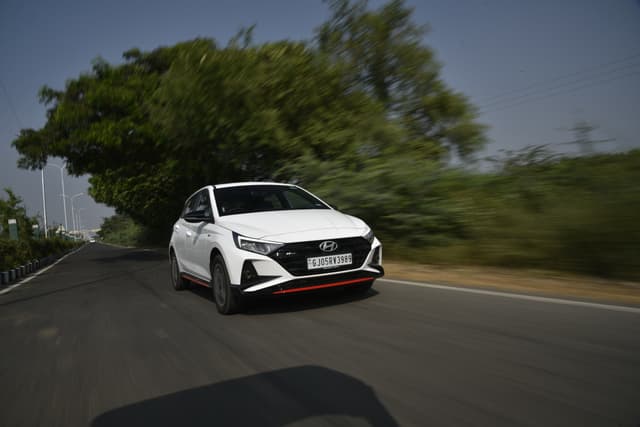
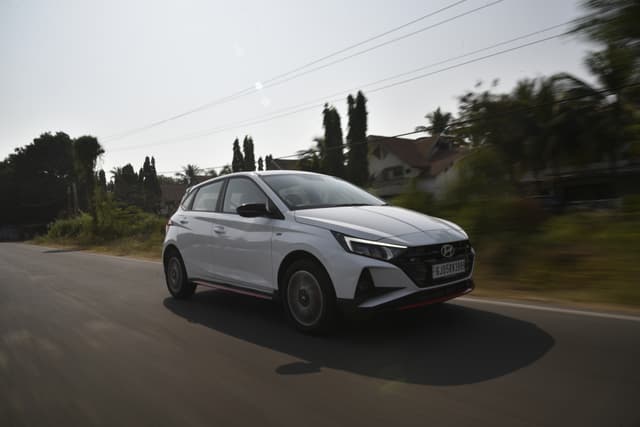
โข3dHi, I am planning to buy my first car and have shortlisted two options - the Hyundai i20 N Line N8 DCT and the Hyundai Venue HX6 DCT. I test-drove both and instantly fell in love with the way the i20 N Line drives and handles. However, I could feel and hear every bump and pothole quite clearly in the N Line. On the other hand, the Venueโs suspension felt more compliant and better at absorbing bad roads. Cabin insulation and seating comfort also felt better in the Venue. I also came across your review. Is the Venueโs steering and suspension a deal-breaker? At triple-digit speeds, does it feel bouncy or unstable while changing lanes? I understand these cars belong to different segments, but could you please suggest which one I should choose? My primary usage will be weekend road trips, with occasional city driving, as my daily office commute is on a two-wheeler.

Autocar India
You have already picked up on the core difference. The Hyundai i20 N Line is tuned for sporty driving, so the suspension is firmer, and you will feel more of the road. That is not a flaw; it is a deliberate setup to improve control and handling.The Hyundai Venue, on the other hand, is tuned for comfort. It has a softer suspension, better bump absorption and a more relaxed driving character. You also sit higher and more upright, and the cabin insulation is better, which makes it feel more comfortable in everyday use. Being the newer car in this comparison, that difference you felt is expected. The choice really comes down to what you value more. The Venue is the easier and more comfortable car, while the i20 N Line is the more engaging one to drive.If you were to compare the standard i20 instead of the N Line, it would feel noticeably more comfortable, closer to the Venue. But then you lose the turbo petrol performance that you liked.
Vishwesh Jirgale
โข3dHi Autocar Team, I am very happy with my Hyundai i10 and am now looking to switch to an electric car, as 99% of my commute is within the city. My average monthly running is around 1,000 km, and we rarely travel to Konkan (around 500 km round trip). My main criteria are safety and comfort. I was inclined towards the Hyundai Creta Electric, but I have come across mixed reviews online. How do the Mahindra BE 6 and Tata Curvv EV compare to the Creta Electric? What would I be missing if I choose the Creta? Could you please guide me on the best option for my usage?

Autocar India
You're right to lean towards the Hyundai Creta Electric. Range, efficiency, performance and features aside, you'll mainly appreciate it for its comfort and practicality. Being a Hyundai, it will feel like a natural upgrade from your i10, and you're already integrated into the brand's wide ecosystem. The Creta EV's suspension takes bad patches of road well, so daily commutes are less tiring. It's as spacious as a regular Creta, which means a big boot, a wide rear seat and ample in-cabin storage; it even has a small frunk under the bonnet. As for the EV powertrain, it scores high on refinement, smoothness and progressive power delivery. It's incredibly efficient too, and can easily deliver upwards of 7km/kWh in city traffic. Plus, regen modes are easily accessible via the paddle shifters, and performance feels strong enough. Your next best bet is the Mahindra BE 6, which offers up much more performance and a funky and high-tech interior. Moreover, it looks futuristic, whereas many find the Creta too ordinary-looking for an EV. The trade-off is space, practicality and ergonomics, where the Creta scores much higher than the BE6.Interestingly, though the BE6 has a much larger battery (79kWh) than the Creta Electric (51.4kWh), their overall real-world range is very similar, as the Creta is significantly more efficient in city traffic. You should be advised that using any EV over long distances requires some planning, given the current state of charging infrastructure today.
Abhijeet sinha
โข3dHi, Abhijeet this side. I am looking for a car with good mileage, as my daily run is around 100 km from Bhiwadi to Gurgaon and back. My usage is roughly 60% highway and 40% city traffic, although highways can get heavily congested during peak hours. I have a family of five, including my parents, and I prefer using my car for long trips rather than public transport. EVs are not an option for me due to infrastructure concerns. Currently, I own a Nissan Magnite XV Red Edition (manual, NA engine), but its mileage has dropped to around 11.5 kpl. I am not sure if this is due to E20 fuel. I plan to sell this car and do not want to keep two vehicles. Please advise whether I should opt for a hybrid or a diesel car. My budget is up to 20 lakh, but I would prefer to stay closer to 15 lakh if possible. It all depends on your guidance.

Autocar India
Opt for a strong hybrid, specifically the Toyota Urban Cruiser Hyryder strong hybrid. It is the best fit for your usage and long-term ownership. Your daily running is very high, with a mix of highway and heavy traffic. In this kind of use, the stop-and-go sections hurt fuel efficiency the most, and this is where a strong hybrid makes a clear difference. It can run on battery at low speeds, cuts fuel use in traffic and makes the drive smoother and less tiring compared to a diesel or petrol car. Over time, this will reflect in significantly lower running costs.A diesel car, such as the Hyundai Creta or Kia Seltos, will still do well on open highways and feel stronger during quick overtakes. But your route is not purely highway, and the traffic component reduces that advantage. Also, being in the NCR region, diesel ownership comes with long-term limitations, which the hybrid avoids completely.
Sreearg
โข3dHi Autocar Team, I am planning to upgrade from my Hyundai i10 Sportz 1.2 AT and am looking for a new automatic car with a maximum budget of โน11 lakh (on-road). The car will be used mostly by my parents for city driving. My current shortlist includes: Maruti Suzuki Baleno Alpha AMT Hyundai Exter AMT Honda Amaze CVT Key requirements: Good real-world mileage Easy to drive in city conditions Comfortable and convenient for my parents Preference for top-end variants My annual usage is relatively low, around 6,000โ7,000 km, so I am inclined towards petrol but open to diesel if it makes more sense. While the usage will be mostly within the city, the car may occasionally be used for long trips (around 500โ800 km) once or twice a year. I am confused between choosing a more comfortable and efficient hatchback, a taller car with better visibility, or a more refined CVT sedan. I am also open to other suggestions slightly outside this shortlist if there are better options within this budget. Could you please advise on the best choice for my requirements?

Autocar India
Mostly city use by your parents, low yearly running, and a hard cap of about Rs 11 lakh on-road points to the Honda Amaze CVT.Why this fits your brief: compared to your 2013 i10 AT or the other AMTs you've shortlisted, the Amazeโs CVT will feel calmer and smoother at low speeds, so stop-go traffic will be less tiring. The cabin is simple, the seats are supportive, and visibility is good, so it is easy to drive and park. Petrol is the right pick for 6,000-7,000 km a year.Two watch-outs: the Amaze sits low, so getting in and out is not as upright as something like the Hyundai Exter. Fuel efficiency also wonโt be as good as the Maruti Suzuki Dzire. In our real-world tests, the Amaze managed 13.28 kpl (combined), while the Dzire averaged 15.41 kpl (combined). If that is a concern, the Dzire is a good bet, though the AMT wonโt be as smooth as a CVT. If your parents value a higher seat and an easy step-in, pick the Hyundai Exter AMT.Overall, for mostly city use and comfort for your parents, the Amaze CVT lines up best with what you described.
Last Updated on: 1 May 2026