ASL Motors - Jamshedpur
Sakchi Bridge, Ground Floor, Kasidih Sakchi Area, Jamshedpur, Jharkhand 831001
Last Updated on: 12 May 2026
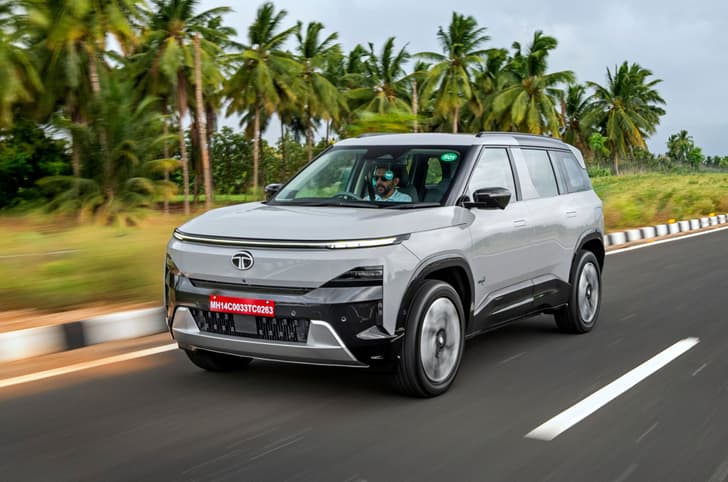
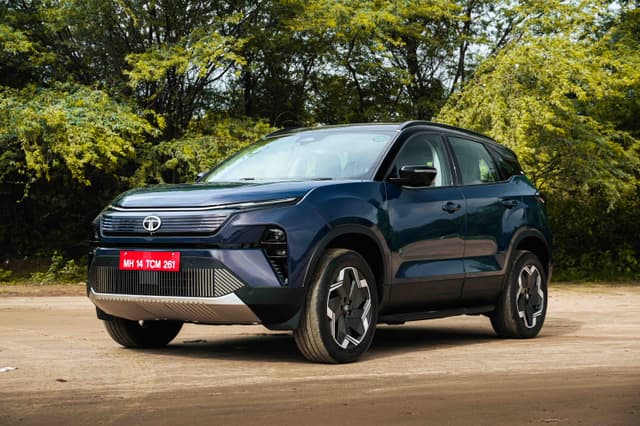
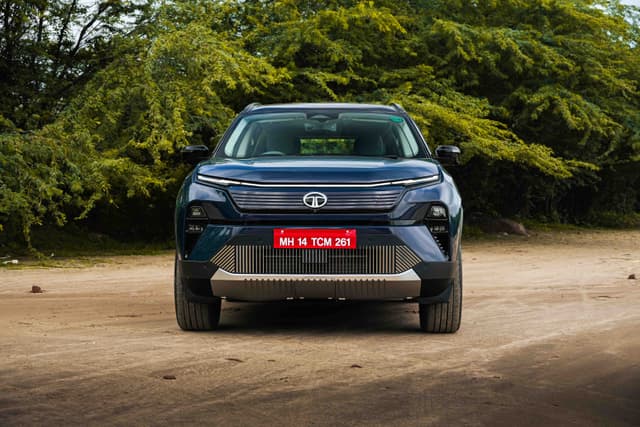
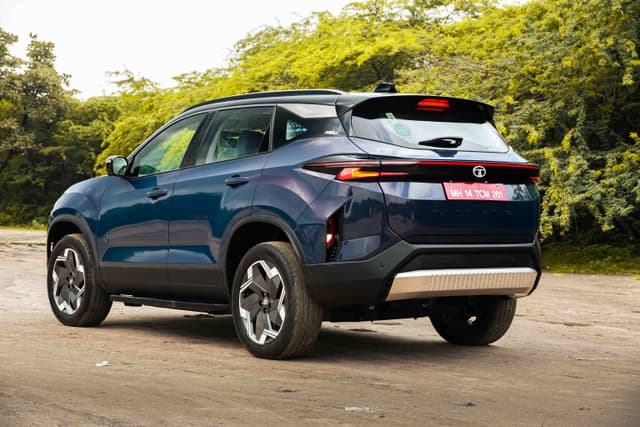
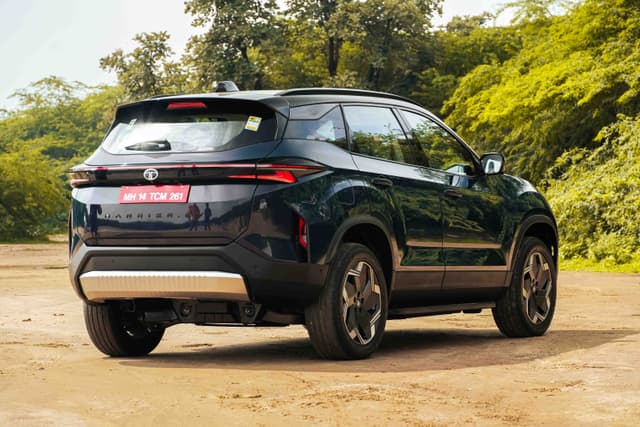
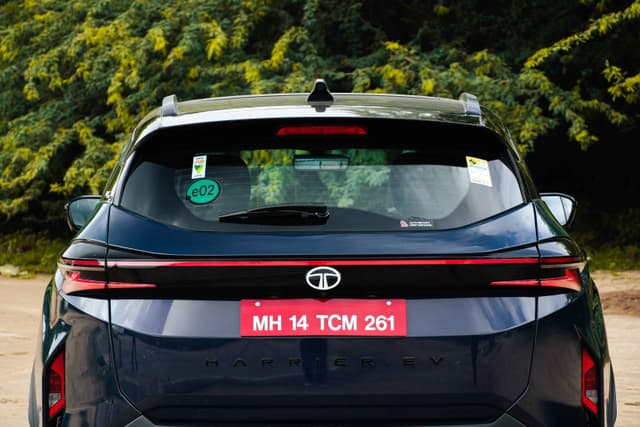
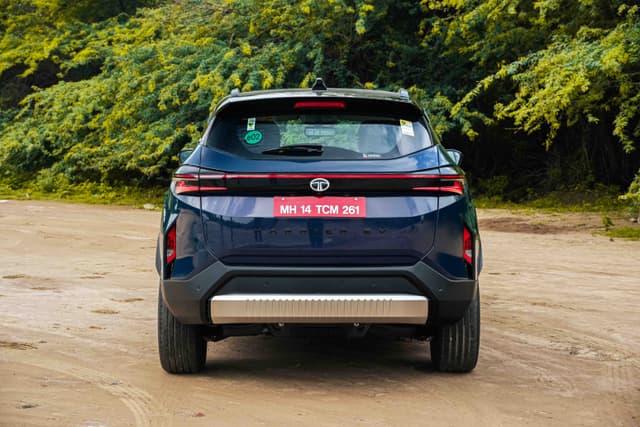
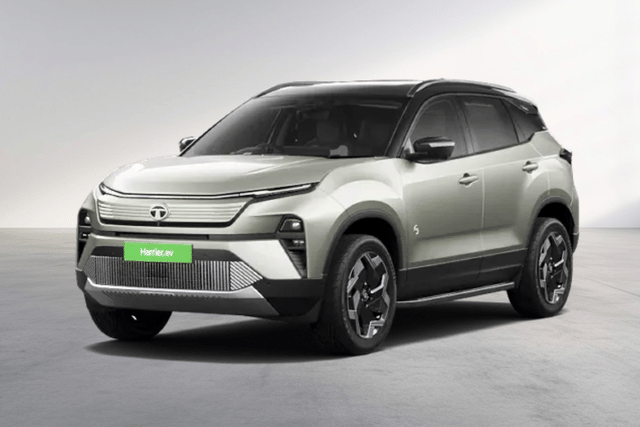
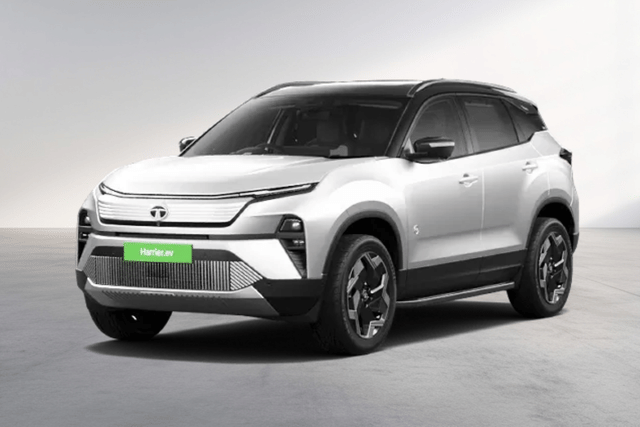
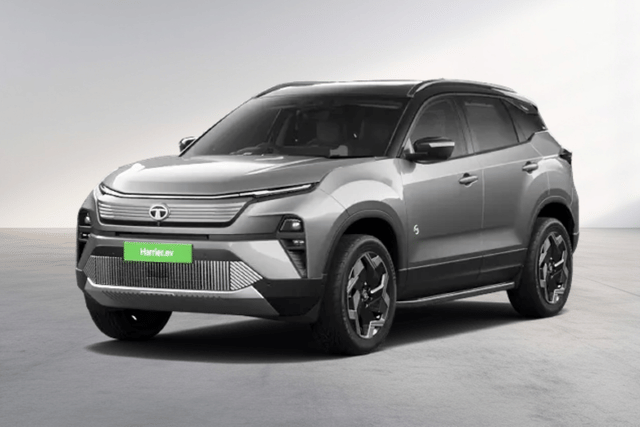
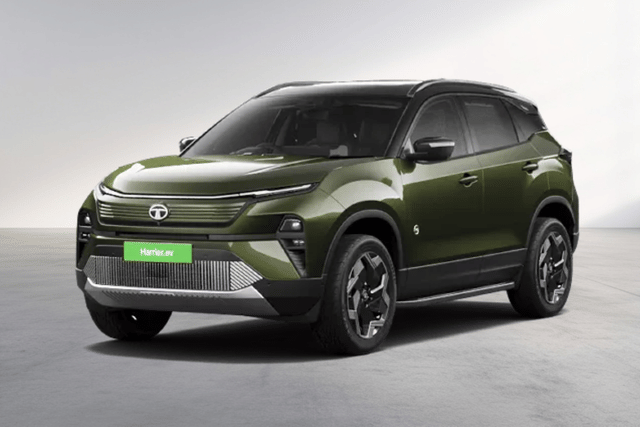
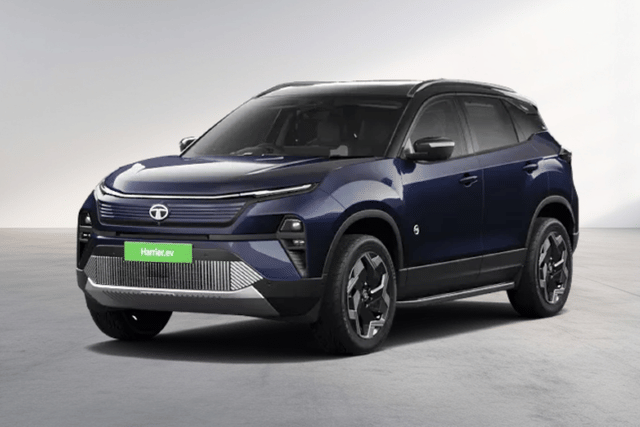
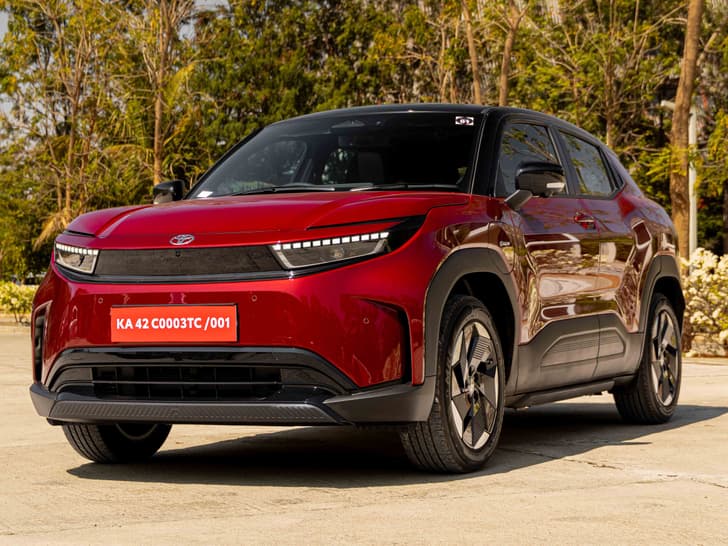
The on road price of the Tata Harrier EV in Jamshedpur ranges from ₹ 22.83 lakh for the base model to about ₹30.74 lakh for the top variant (including all taxes, RTO fees, and insurance). In comparison, the ex-showroom prices in Jamshedpur are between ₹21.49 lakh and ₹28.99 lakh.
Check the Harrier EV on road price of all variants in Jamshedpur in the table below:
Planning to buy Harrier EV? Here are a few dealers in Jamshedpur
Sakchi Bridge, Ground Floor, Kasidih Sakchi Area, Jamshedpur, Jharkhand 831001
A-7, 2nd Phase, Adityapur Industrial Area, Jamshedpur, Jharkhand 832109
Ground Floor, Kasidih Sakchi Area, Near Howrah Bridge, Jamshedpur, Jharkhand 831001
9:30 AM - 8:00 PM
919204855415Plot No 395 & 396, Mouza Pardih, Near Motor World, Mango, Jamshedpur, Jharkhand 831012


.jpg?w=640&q=75)


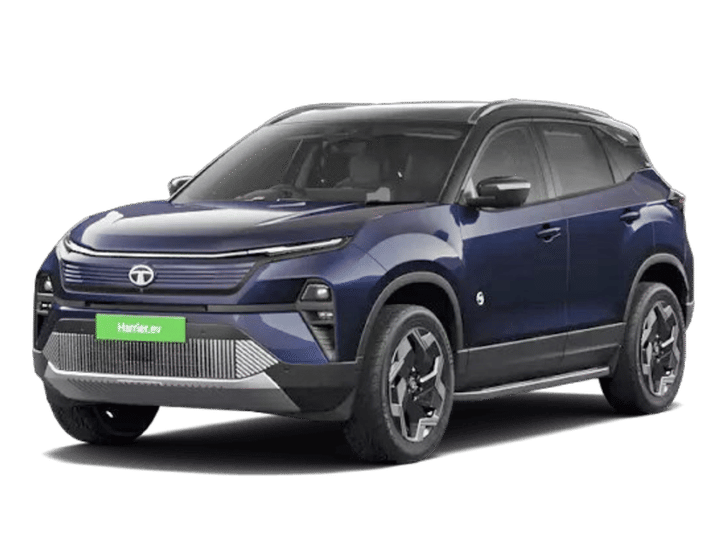
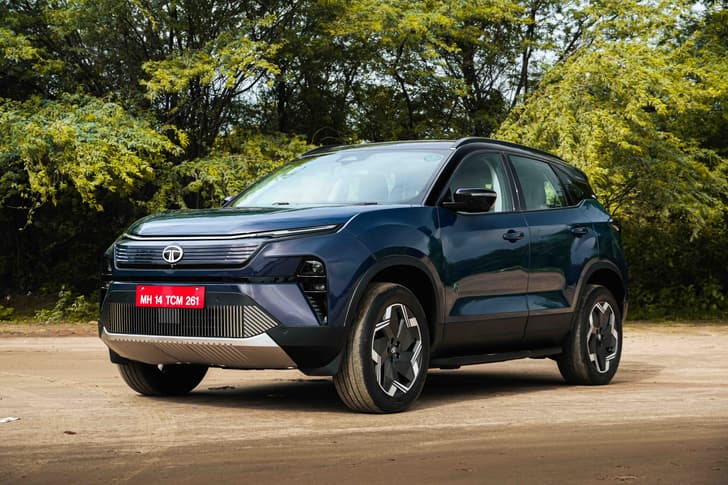
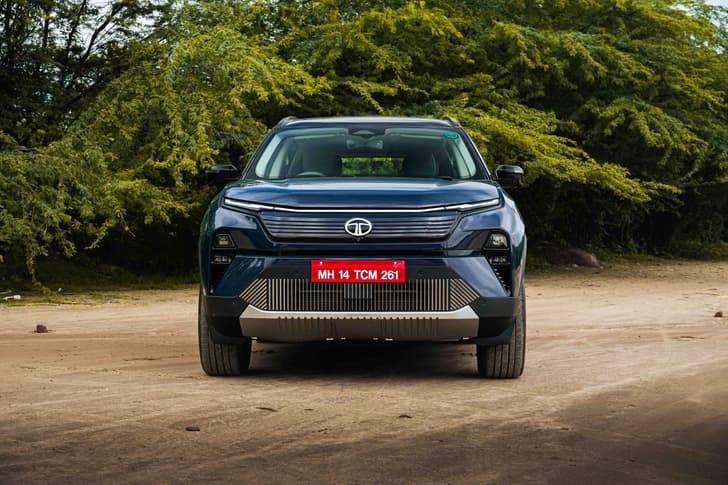
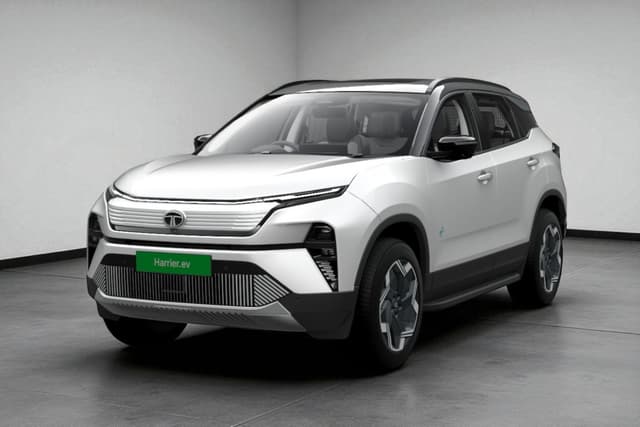
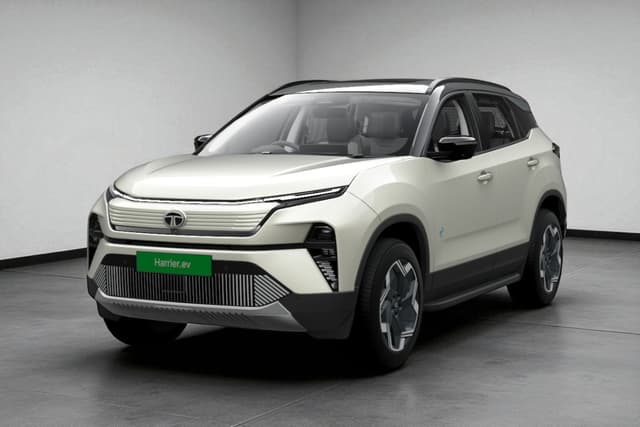
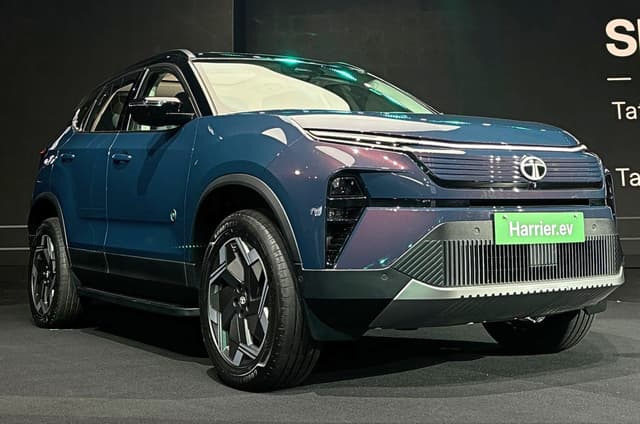
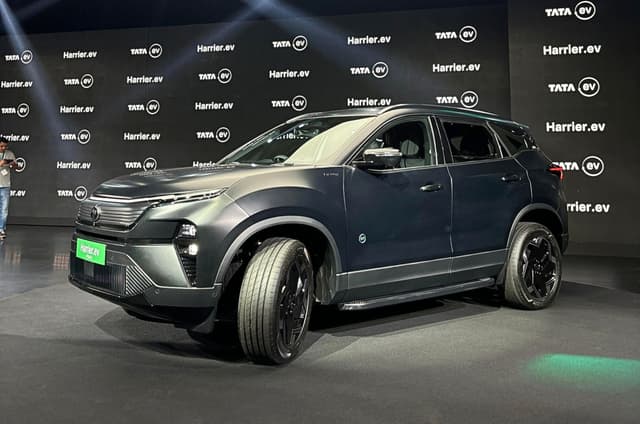
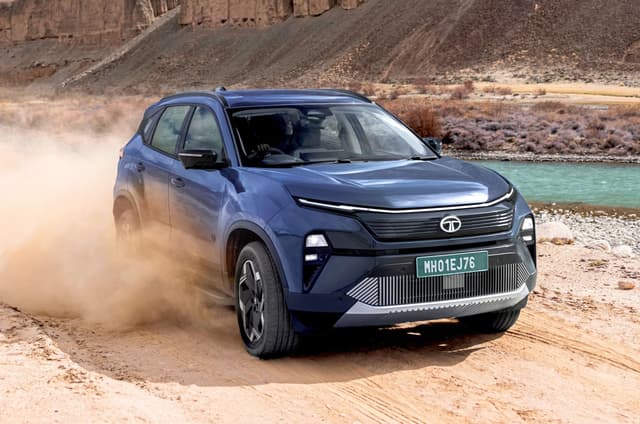
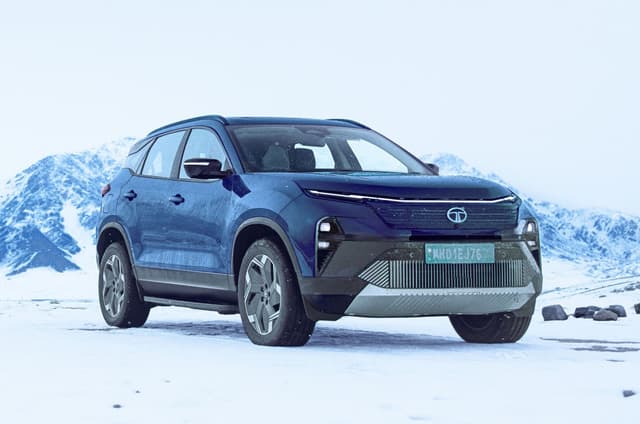
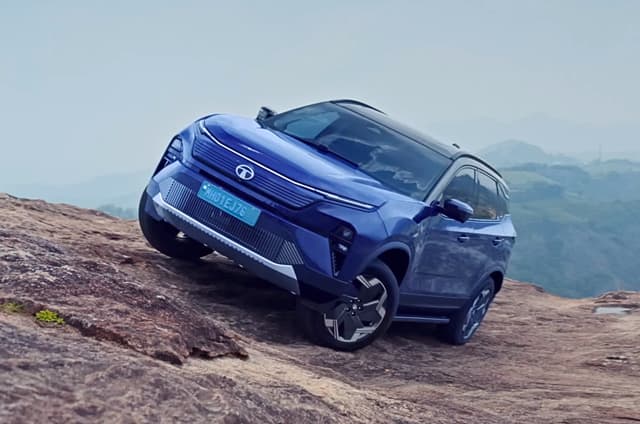
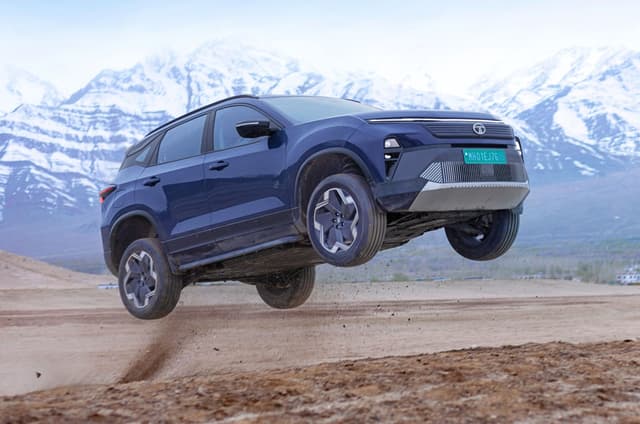
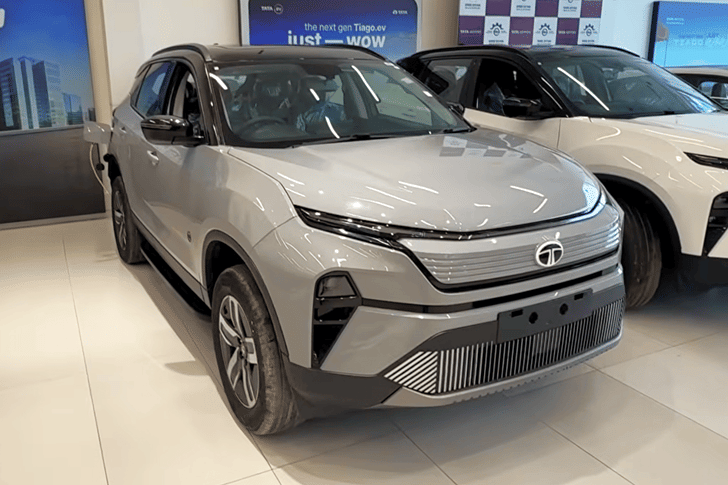
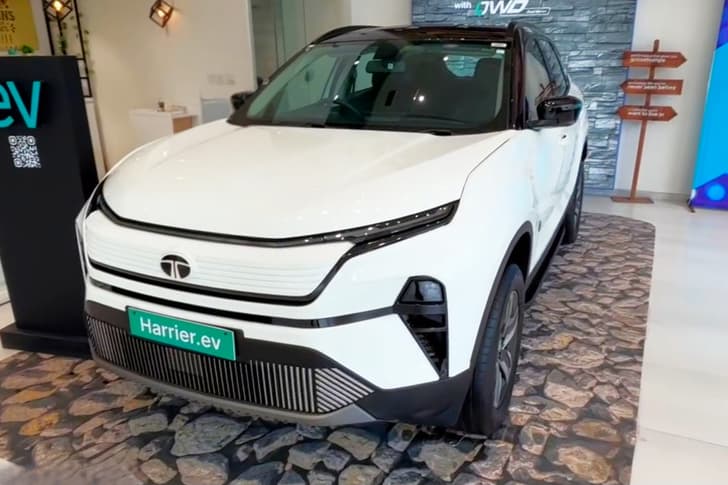
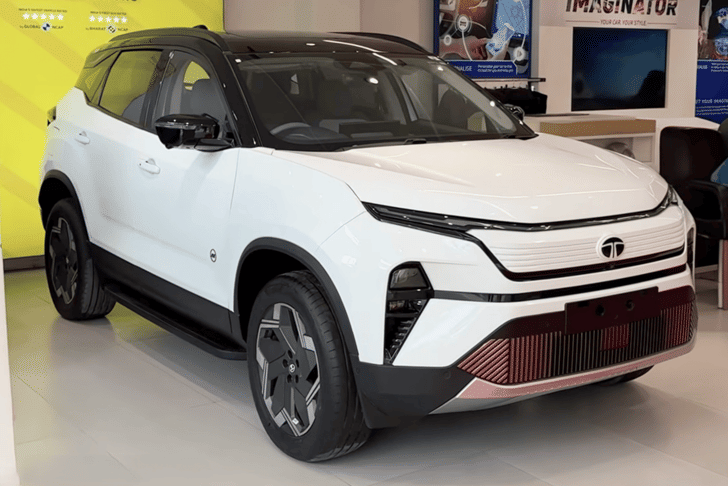
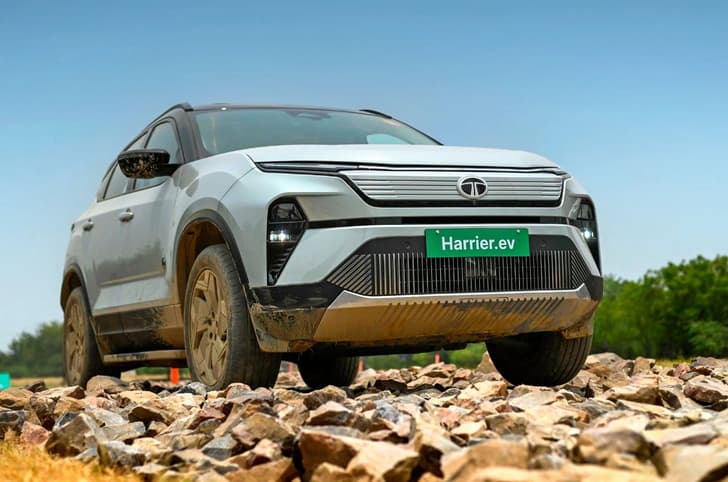
Tata Harrier EV price in Jamshedpur starts from ₹21.49 lakh.
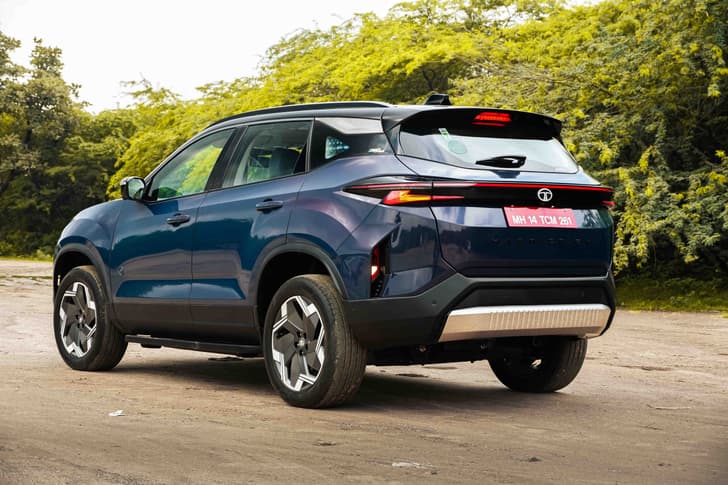
In the city of Jamshedpur, the Tata Harrier EV prices range between ₹22.83 lakh and ₹30.74 lakh.
The Harrier EV's top-spec Adventure 65 is priced at ₹28.99 lakh, ex-showroom. On road price of this variant is around ₹30.74 lakh.
In Jamshedpur, prices of the Tata Harrier EV's 75kWh battery pack starts from ₹24.99 lakh.
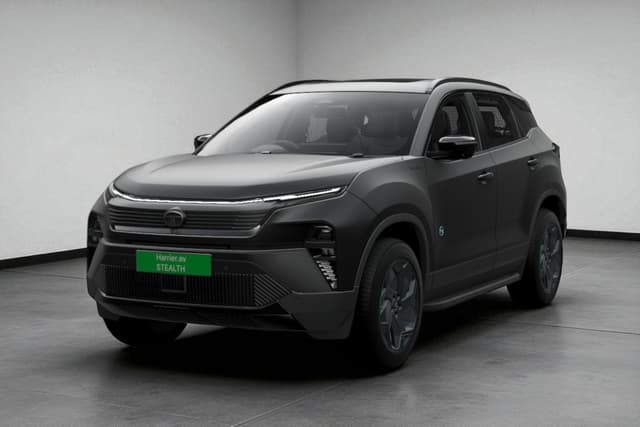
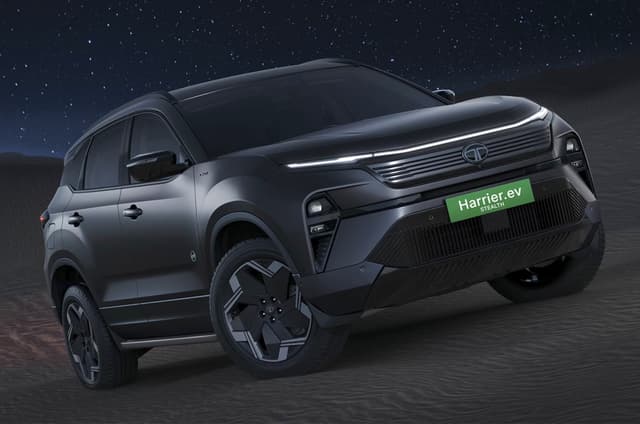
The Tata Harrier EV Stealth edition, in Jamshedpur, is priced between ₹28.24 lakh and ₹30.23 lakh.
Kks
•1dWe have owned a Tata Zest for 10 years and are looking for a family car for 4 adults and 1kid 9year old. Our running for the year is 12k to 13k kms with 60% city and the rest highway for occasional trips. We intend to keep it for 10 years and zeroed in on Seltos, but worried about ethanol blending and pricey petrol. So, for our requirement, we are thinking of moving to EV and are confused whether we should wait for Sierra EV, go with Harrier EV or XEV 9s. Although we aren’t keen on a 7 seater, and 9E seems to be gimmicky. Please help.

Autocar India
For your usage, we would not switch to an EV purely because of ethanol blending worries. With 12,000 to 13,000 km a year, 60 per cent city use and a 10-year ownership plan, a petrol SUV like the Kia Seltos is still a perfectly practical choice. E20-compliant petrol cars will continue to be supported, and a move to higher ethanol blends like E85 would require dedicated flex fuel engines, so there is no realistic scenario where today’s compliant petrol cars suddenly become unusable.If you genuinely want to move to an EV, then the decision should be based on your usage pattern, charging convenience and ownership comfort, not fuel policy anxiety. Between your options, the Tata Harrier EV looks like the most complete fit today. It gives you the space you need for four adults and a child, feels like a proper family SUV and removes the uncertainty of waiting for an unlaunched product. The Mahindra XEV 9e is also a strong EV, but since you already find it a bit too gimmicky and are not looking for that kind of experience, it does not sound like the natural fit.As for the Tata Sierra EV, we would absolutely suggest waiting if you are not in a rush, because it is expected soon and could land in the sweet spot between the Harrier EV and the smaller EV SUVs in terms of practicality and positioning. The only caveat is that buying an EV without a reliable home charging setup would make far less sense than simply buying the Seltos petrol and moving on.
Tushar
•1dSir, how is the rear suspension and ride quality of the Mahindra XEV 9e Pack One and Two? I tested the Pack Three and found the rear seat very boat-like with too much movement both vertically and sideways, which can get nauseating for rear-seat passengers. Is the suspension setup in Pack One and Two any better? Should I instead go for the Harrier EV 75 RWD if I want better ride quality, or should I wait for the Sierra EV? I want an EV bigger than the Nexon, but I do not like the Curvv EV and was thinking of avoiding Mahindra because of the suspension. I tried the Nexon EV and new Punch EV and found their rear suspension much better than the XEV 9e and even the eVitara. Please guide.

Autocar India
What you felt in the Mahindra XEV 9e Pack Three is a fair observation. The XEV 9e does have a softer suspension tune, and for some rear seat passengers, that can translate into a floaty, slightly boat-like vertical movement over undulations, which can feel uncomfortable or even nauseating if you are sensitive to that kind of motion. As far as we know, there is no major suspension hardware difference between Pack One, Two and Three that fundamentally changes this character, so we would not expect the lower variants to feel significantly different in this regard.If rear seat ride quality and body control are a major priority, the Tata Harrier EV is the better option right now. It feels more tied down, composed and generally better controlled from the rear, without that excessive floatiness. If you still want to stay with Mahindra, the XEV 9e actually feels more balanced in this respect and does not have the same exaggerated bouncy character as the XEV 9S.That said, since you are clearly particular about ride quality and already like how Tata’s EVs are tuned, we would absolutely suggest waiting for the Tata Sierra EV as well, especially since its launch is right around the corner. It should sit in that sweet spot above the Nexon EV in size while potentially offering the kind of more settled suspension setup you seem to prefer.
TechiePetrolhead
•4dHi AutocarIndia Team, I am really interested in the Tata Sierra EV. Any scoops or news on when we can potentially expect the same to be launched here in India? Thanks, TechiePetrolhead

Autocar India
If you are waiting for the Tata Sierra EV, the good news is that it does not seem too far away. Current indications suggest a launch could happen either later this month or in June.Expect it to slot below the Tata Harrier EV in Tata’s electric line-up, likely with multiple battery pack options and a more premium positioning than the Tata Curvv EV. Tata has also indicated that both Rear Wheel Drive and All Wheel Drive versions are planned, which should make it one of the more interesting mainstream electric SUVs in India.
Ketan
•6dI am planning to buy an EV in the ₹20-25 lakh price range. My key requirements include around 500 km range, along with good space, comfort, and overall refinement. I have shortlisted the Tata Harrier EV and the Hyundai Creta EV, and I am also waiting for the Tata Sierra EV to be revealed. Which of these would make the most sense for my needs?

Autocar India
The Hyundai Creta Electric Excellence LR is the one that fits your brief best. It fits within your price range, and it has a cabin that is comfy and easy to live with for a family of four. Also, Hyundai’s EVs are usually very refined and smooth to drive in traffic, which matches your focus on a calm, polished experience.Two things to keep in mind for your needs. First, in this budget, a true 500 km in real use is tough. The Creta Electric may have a claimed range of 473km (ARAI), but we managed to get a real-world figure of 432km in our testing. Second, fast charging speeds on mid-price EVs like the Creta are usually modest, so plan stops on longer trips accordingly.The Tata Harrier EV will suit you only if you can stretch the budget. Being a bigger car with a larger battery, it will be roomier inside and offer more range. The Tata Sierra EV is worth waiting for only if you love the look and want a roomier cabin. But prices, exact specifications and launch timing are not final yet.
Sekhar
•1wMy primary usage is on highways, and I need the maximum possible range along with a good highway driving experience. I am confused between the Tata Harrier EV 75 kWh Fearless (RWD) and the Mahindra 9S 79 kWh. Which one offers a better highway range?

Autocar India
You need a car for pure highway use and want the longest stretch between stops; in that case, we would lean towards the Mahindra XEV 9S 79kWh for its better real-world highway range. In our real-world testing, we managed 477 km on the highway, which suits your “pure highway” pattern. We have also tested the AWD Harrier EV, which managed 401 km (combined). While the RWD version should better that, it will likely still fall short of the XEV 9S’s range.One thing to note: the Mahindra’s ride can feel a bit floaty on undulating highway surfaces, so try it out before you commit. If that is an issue, the XEV 9e has a more settled ride.Overall, for highway-first use and maximum range, the XEV 9S 79kWh is the safer bet.
Naman
•2wI am confused between the Tata Harrier Fearless 75, Mahindra BE 6 Pack 2, and Mahindra XEV 9e. My driving is mainly on highways. Which is the better option in terms of range and comfort?

Autocar India
The Mahindra XEV 9e is the better pick, both in terms of range and comfort. On the highway, you can easily expect around 480km of real-world range with the 79kWh battery version. Performance is plenty, its steering is light, suspension setup is good, and seats are comfortable, which makes it ideal for long-distance travel. Also, it is worth noting that the XEV 9e's fast charging speeds are much higher than the Harrier EV's, translating to shorter charging times when connected to a 120kW or faster DC charger.
satya narayana
•2wI am confused between the XEV 9S and Harrier EV base models. Which one will be better for both city and highway driving?

Autocar India
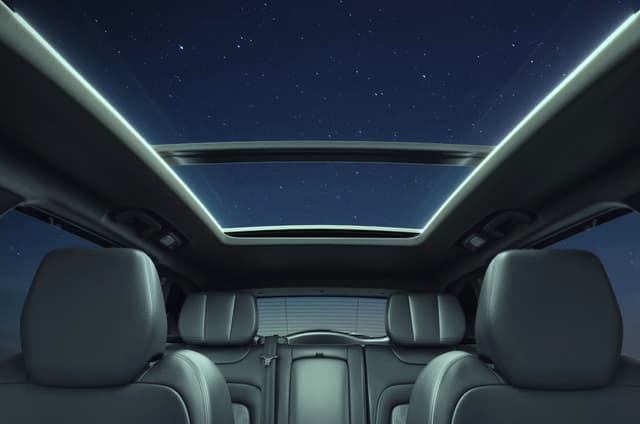
The base Mahindra XEV 9S gets a 59kWh battery, with a 231hp/380Nm rear motor, and its claimed range is 521km. The entry-level Harrier EV on the other hand gets a 65kWh battery, with a 238hp/315Nm rear motor, and its claimed range is 538km. Even though their specifications are similar, the Mahindra car is Rs 1.5 lakh more affordable. For the money, the XEV 9S also gets you a premium kit like a dedicated passenger (third) touchscreen and panoramic sunroof, among others. Additionally, the XEV 9S has a lighter steering and a tighter turning radius, which makes manoeuvring the car much easier in the city. Additionally, the extra row of seats can come handy occasionally. Overall, the Mahindra XEV 9S comes across as the better pick of the two.
Anushka
•5wI am lokking to buy a spacious EV for myself. My daily running is around 70 km, highway and city driving being 50% each. Space, power, safety and mileage are primary considerations.my budget is up to 28 Lakhs.

Autocar India
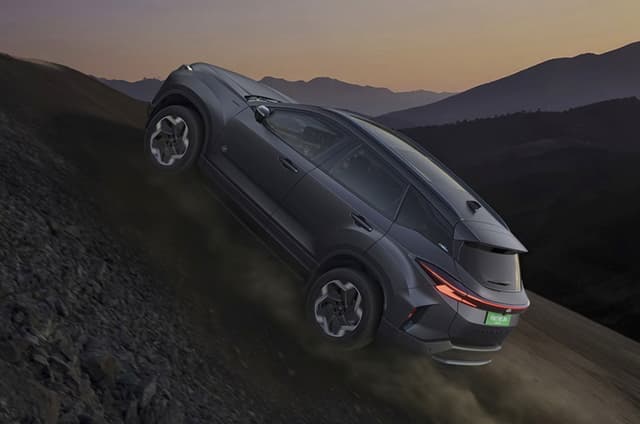
Go for the Tata Harrier EV Fearless+ 75 AWD. At your budget, it meets your priorities of space, power, safety and a strong highway-city balance. The Harrier EV offers a large, comfortable cabin with excellent rear-seat space and strong safety credentials, while the dual-motor AWD setup gives it effortless performance and added confidence on highways and in low-grip conditions. With your 70 km daily running, the larger battery also ensures you can comfortably go multiple days between charges, and highway drives feel relaxed and stable.The Mahindra XEV 9S is a close alternative if you specifically want a three-row layout and a more tech-focused cabin. It offers greater seating flexibility and a feature-rich interior, but the third row is best suited for occasional use. At highway speeds, it does not feel as planted or as polished as the Harrier EV.Smaller EVs like the Tata Nexon EV or MG ZS EV make sense if you want to spend less or prefer something easier to drive in tight city conditions, but at your budget they feel like a compromise on space and overall performance.
Gulshan Bhatia
•5wHi AutocarIndia, I have a budget of ₹23-25 lakh. My monthly running is approximately 12,000-14,000 km, with around 70% city driving and 30% highway usage. I am confused between choosing a petrol vehicle and an EV. I am not considering a diesel option since my driving is not very regular at times, and I am concerned about potential DPF clogging issues. Currently, I am evaluating the Mahindra XUV 7XO A7 T petrol, which costs around ₹25 lakh on-road in Pune. However, considering the current global war situation, I feel petrol prices may increase permanently, which is making me seriously consider an EV. I am therefore looking at the Tata Harrier EV Fearless Plus 75 kWh, which is priced around ₹27 lakh. Though I have heard that some discounts are available, and the effective price could come down to around ₹26 lakhs. Given my usage pattern, budget, and long-term cost concerns, please guide me on whether a petrol or EV would be the better choice and help me decide between these options. Thanks in advance.

Autocar India
The Mahindra XUV 7XO petrol does not suit this kind of running. A turbo petrol will be significantly more expensive to run over time, and with your usage, the fuel cost difference will be substantial.The Tata Harrier EV makes far more sense here. It offers very low running costs per km, smooth and effortless driving in the city, and strong performance on highways. With your high usage, the savings on fuel will add up quickly and justify the higher initial cost.The key condition is charging. If you have reliable home or office charging, the EV becomes a very practical and economical solution. Without that, managing frequent charging will become inconvenient.On your concern about diesel, in your case, it is actually not an issue. With such high and consistent running, DPF problems will not arise, as the car will regularly get the kind of driving needed to keep the system healthy.
Aayush gupta
•7wI am planning to buy an EV car for my daily travelling of 100 km on the highway with 3 to 4 passengers and 200 kg of luggage. I am looking for a safe, low-maintenance, and efficient car. Budget is below ₹25 lakh. I am confused between the Tata Harrier EV, Mahindra XEV 9S, and Maruti e Vitara 61 kWh. Please suggest or recommend any other option, considering efficiency and safety.

Autocar India
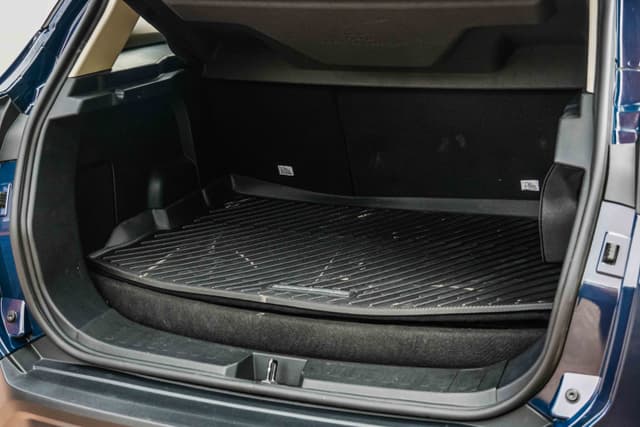
For your needs, the Mahindra XEV 9S makes the most sense. Go for the Pack One trim, but opt for the larger 79kWh battery pack. During our real-world tests, the XEV 9S 79kWh version delivered a combined range of 477km, but since your usage is primarily on the highway with four passengers and 200kg of luggage, expect that figure to drop noticeably. That said, your 100km commute should be no problem at all with the larger battery.Since you will be carrying a heavy load, you will appreciate the large boot and flat loading lip. The Tata Harrier EV, in comparison, has a smaller boot and a slightly raised floor to accommodate the rear motor. Before you make your final decision, do take a detailed test drive.