Last Updated on: 07 Apr 2026
Tata Harrier EV Expert Review
The Tata Harrier EV is Tata’s most premium EV offering yet, with a feature list that goes on for miles. The RWD variants have a lot of variety to choose from, but AWD is offered only on the top variant. Check out our Autocar Expert reviews for more in-depth analysis and insight.
Tata Harrier EV expert review
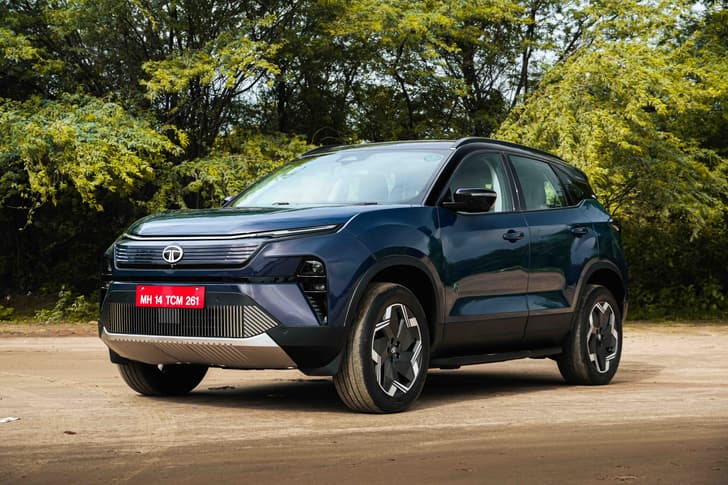
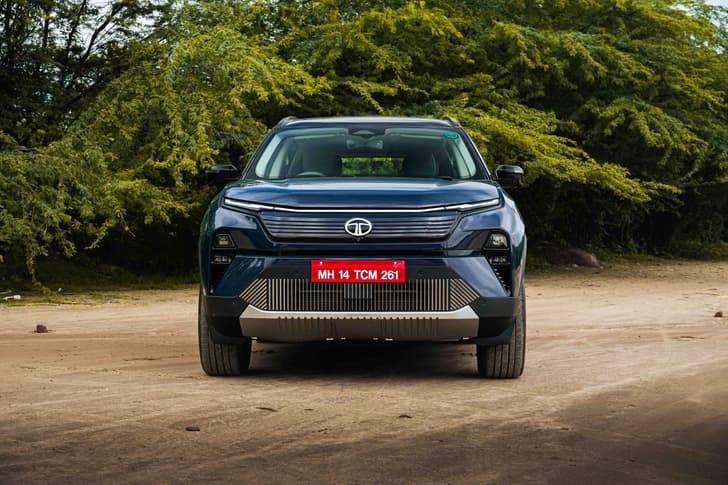
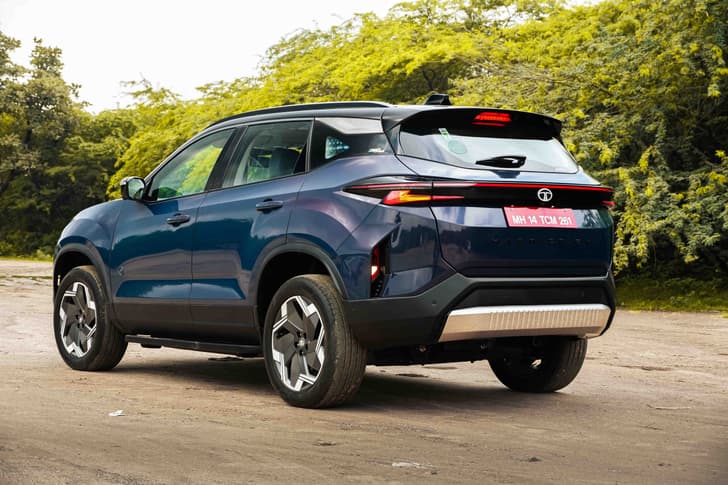
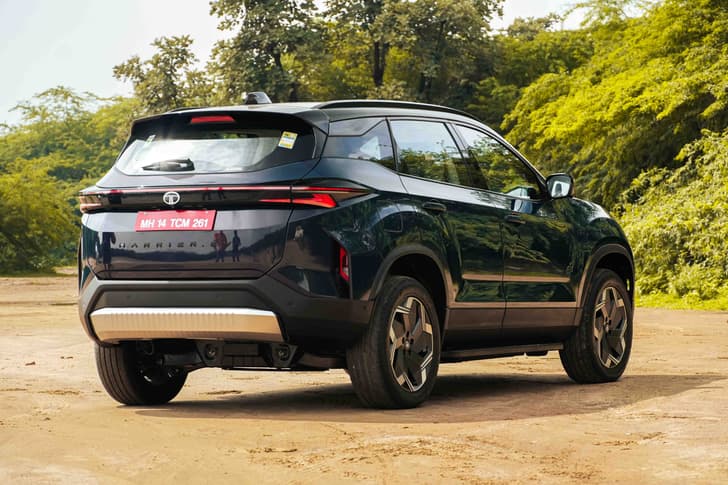
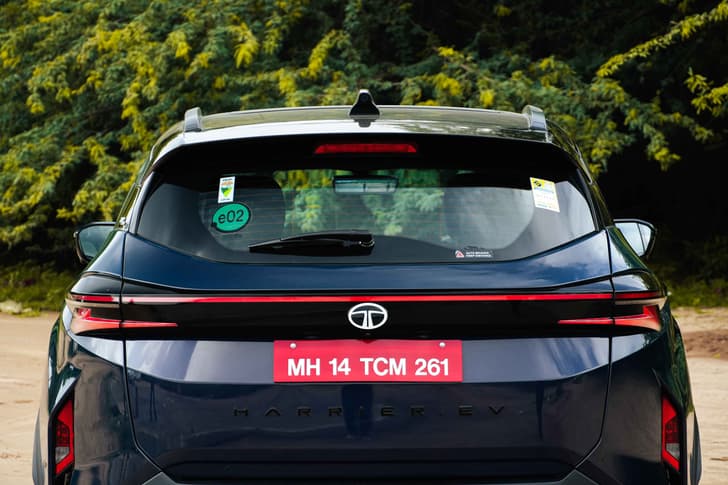
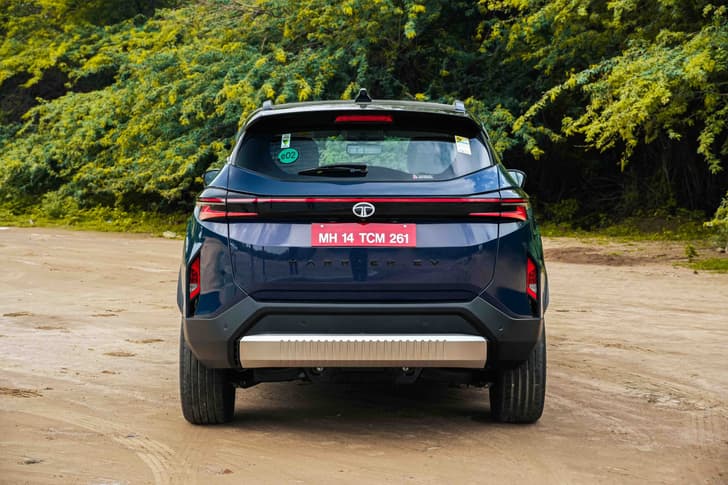
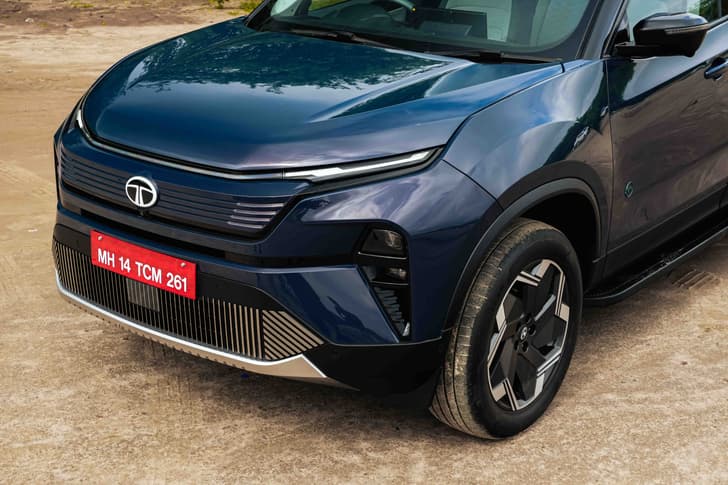
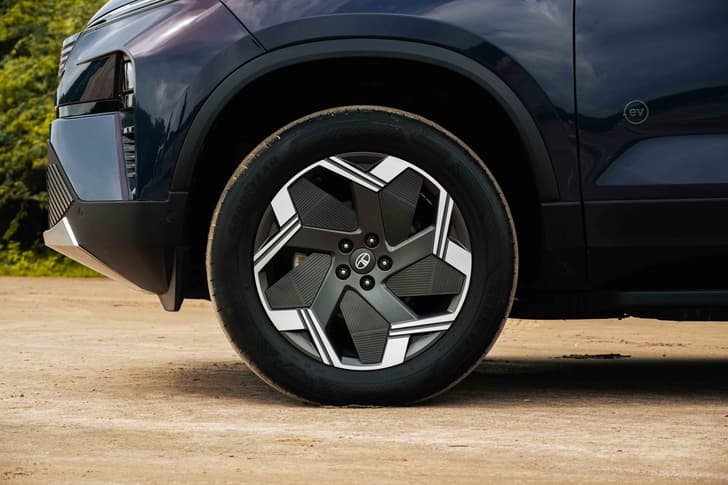
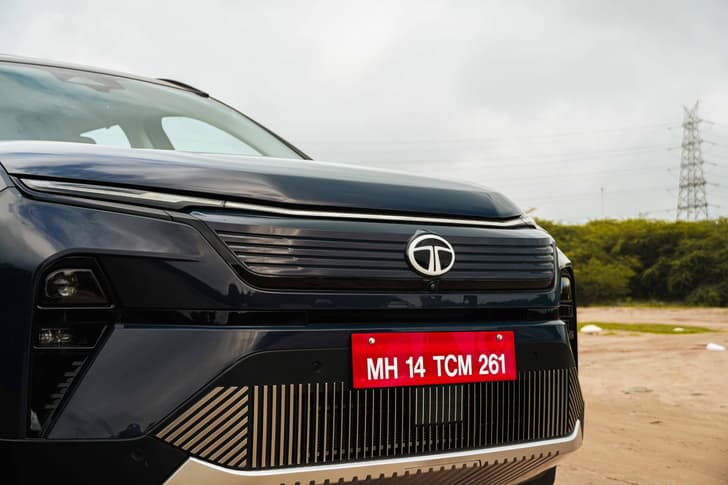
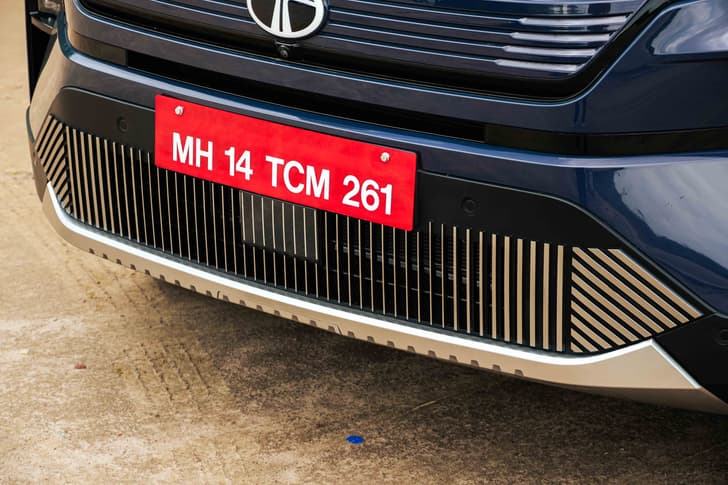
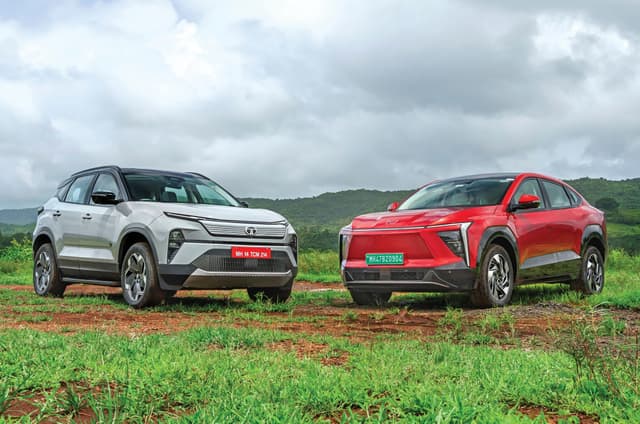
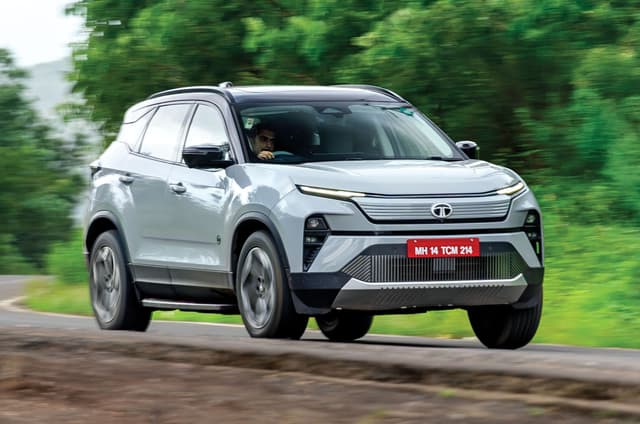
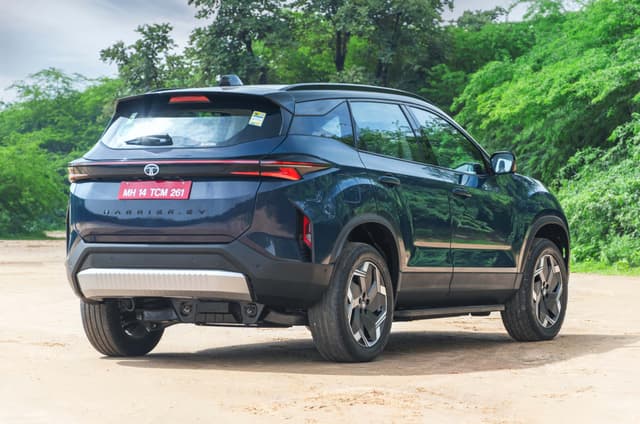
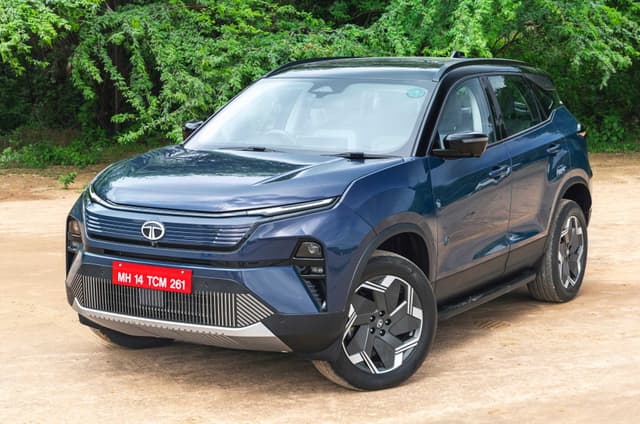
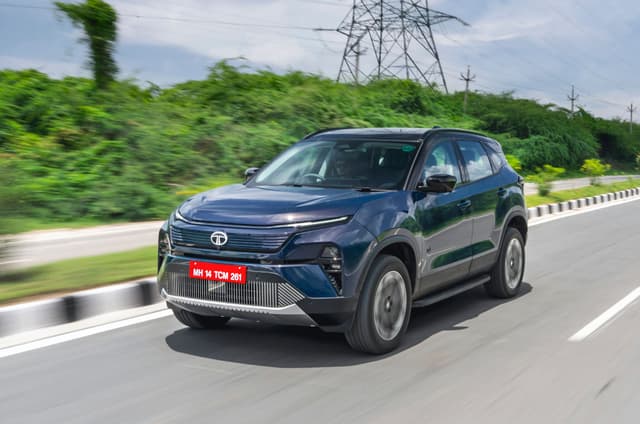
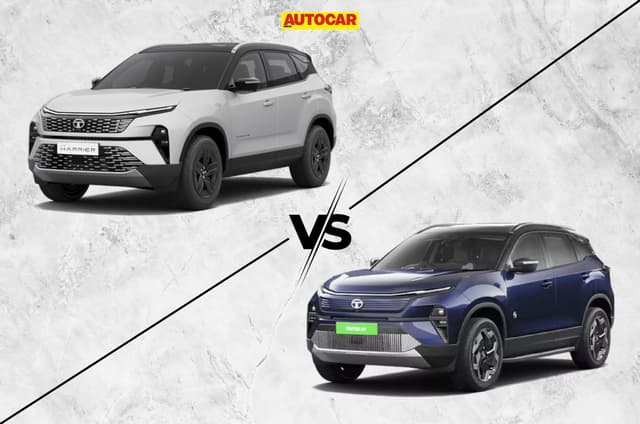
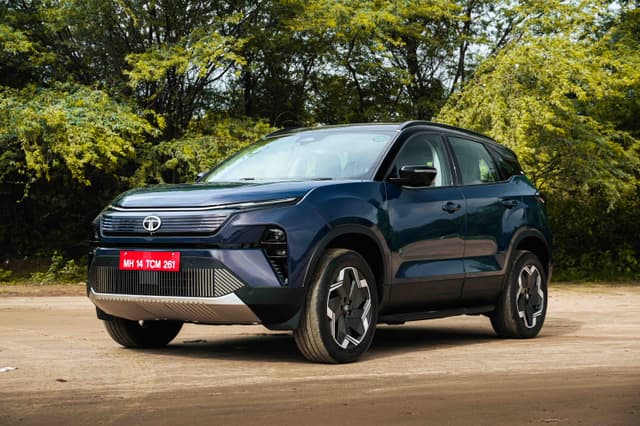
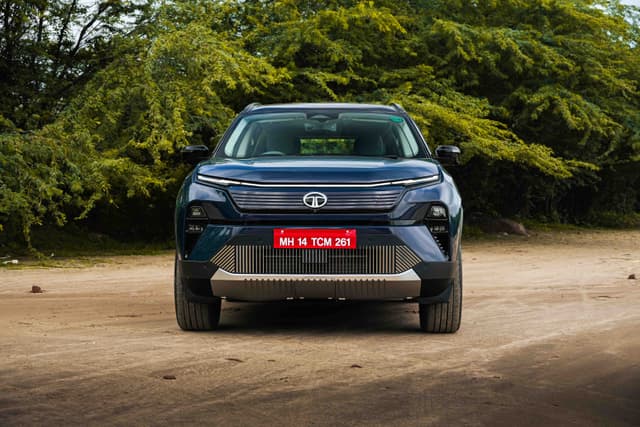
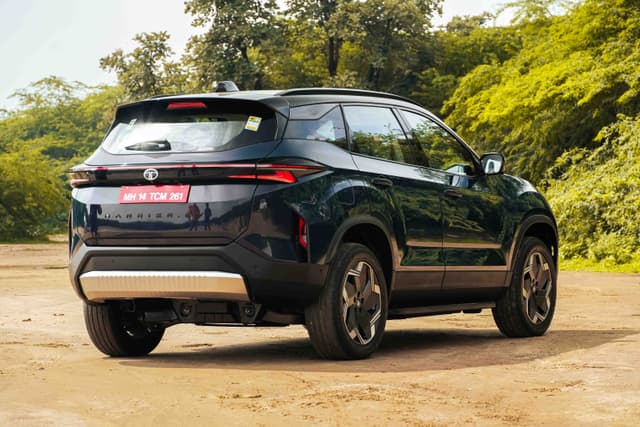
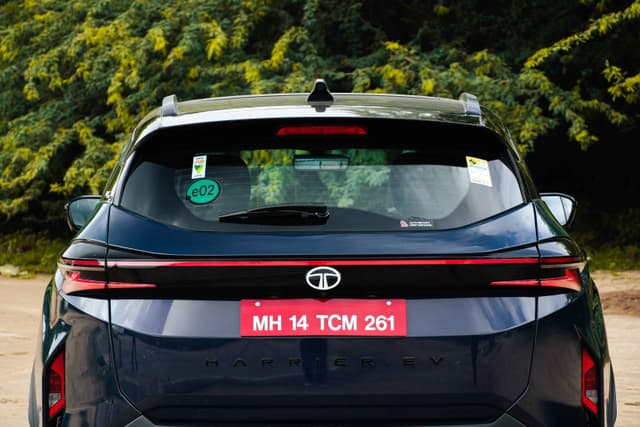
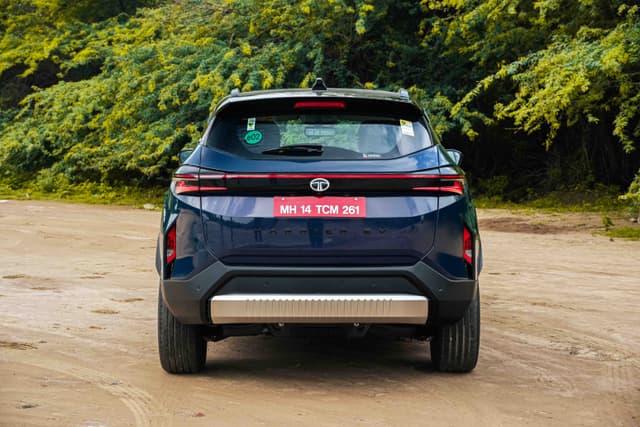
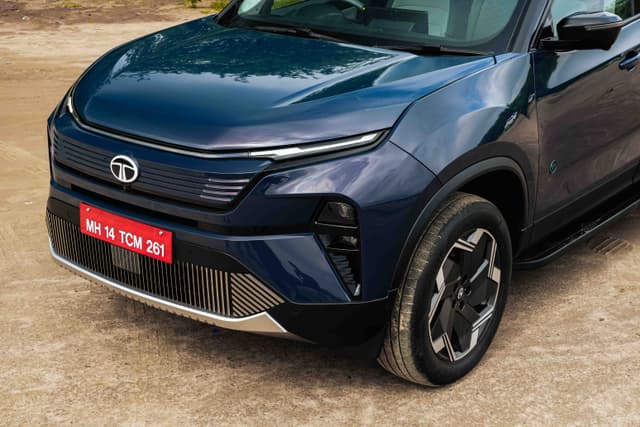
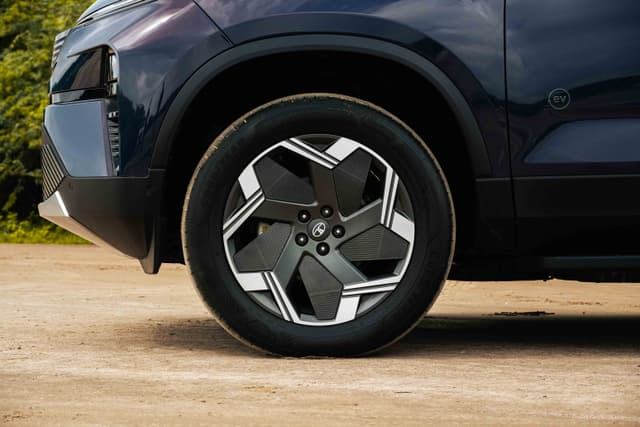
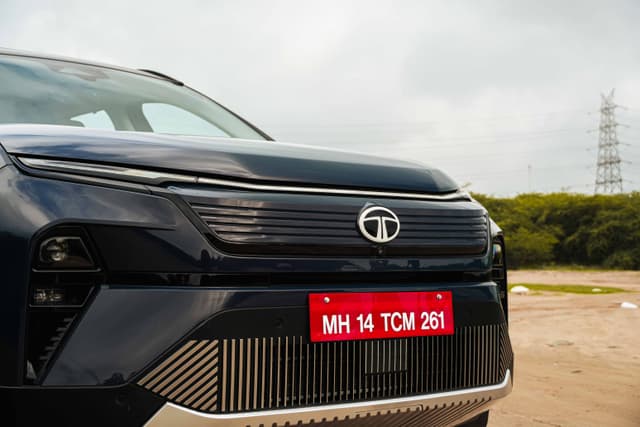
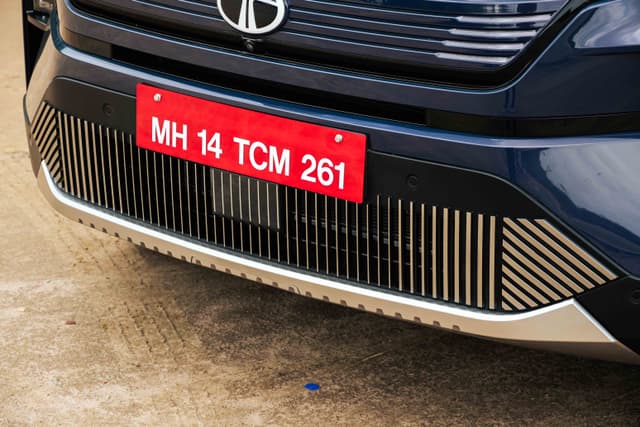
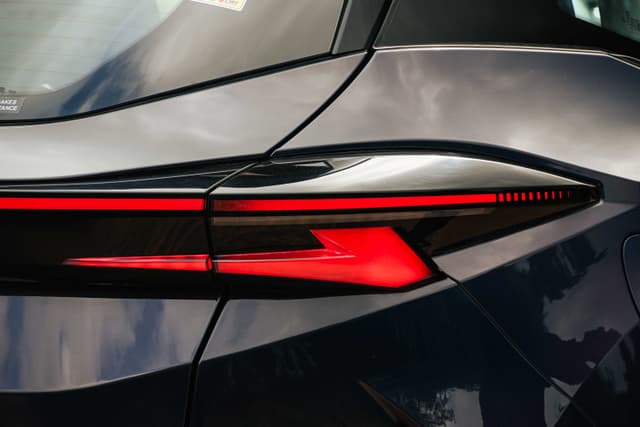
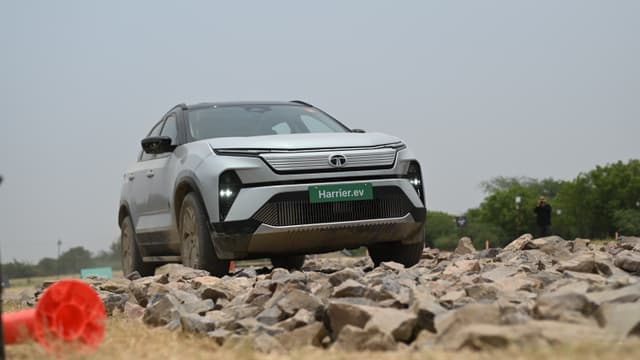
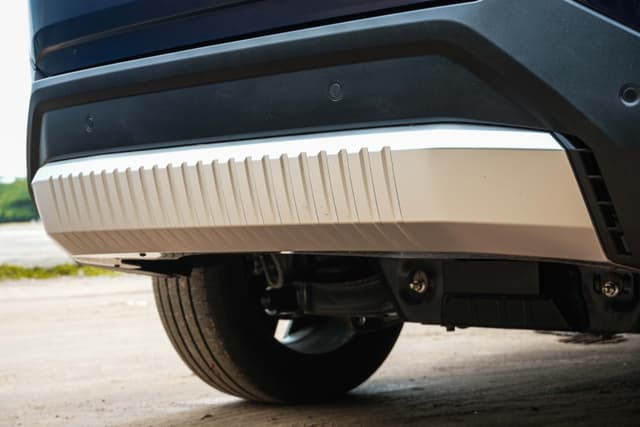
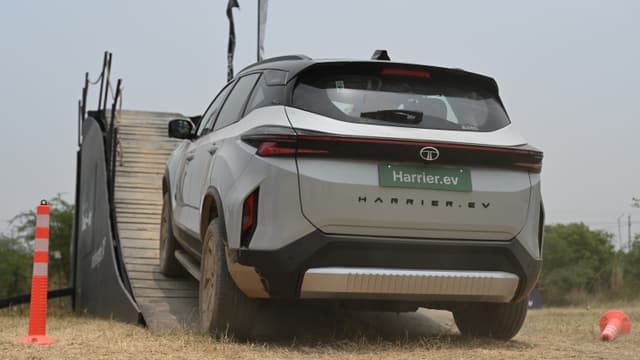
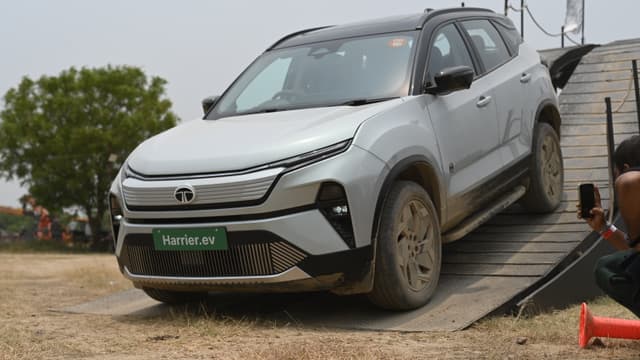
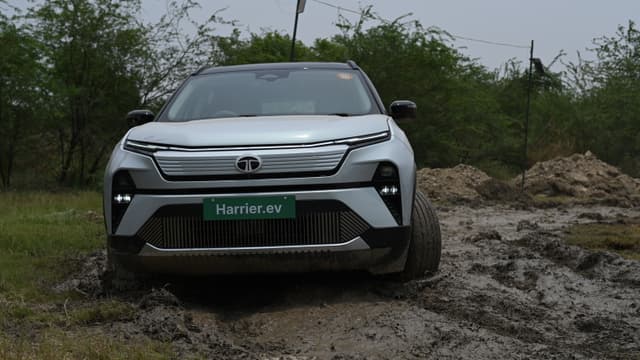
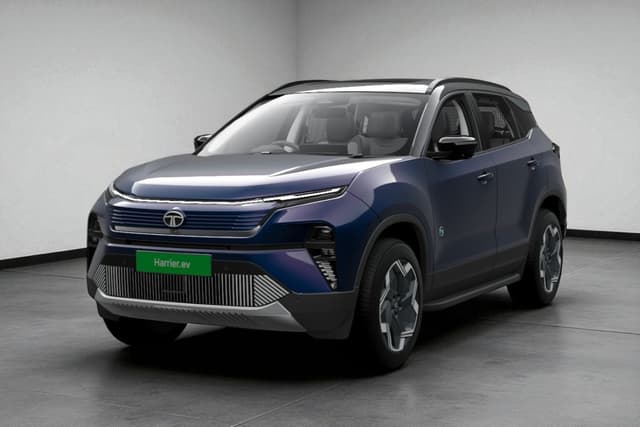
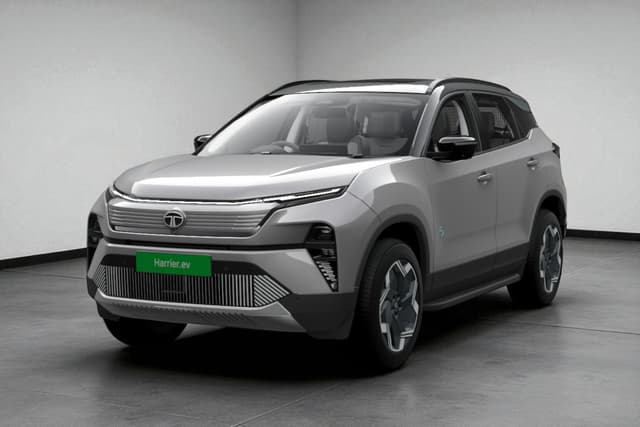
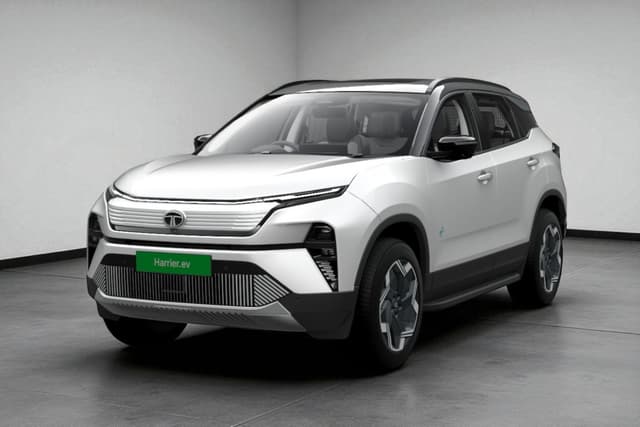
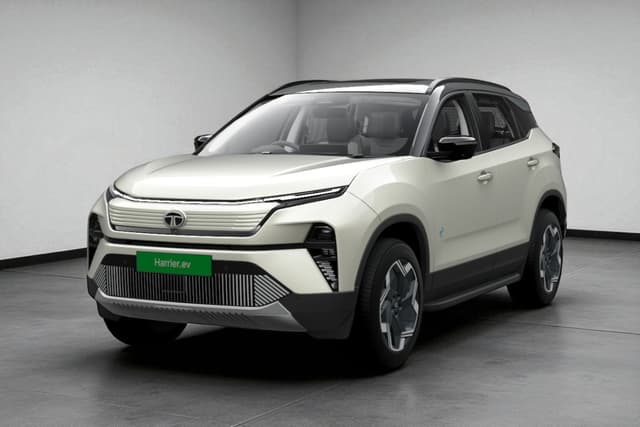
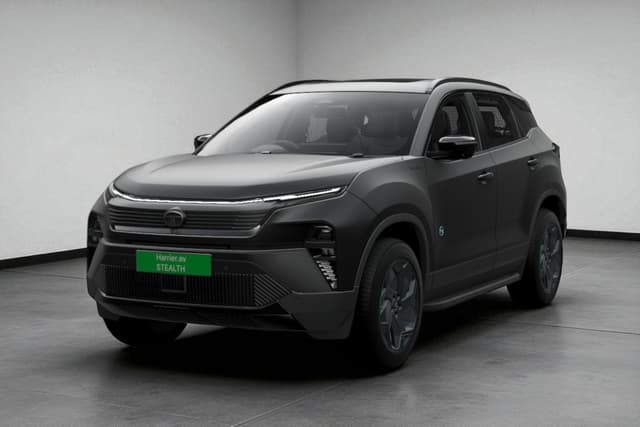
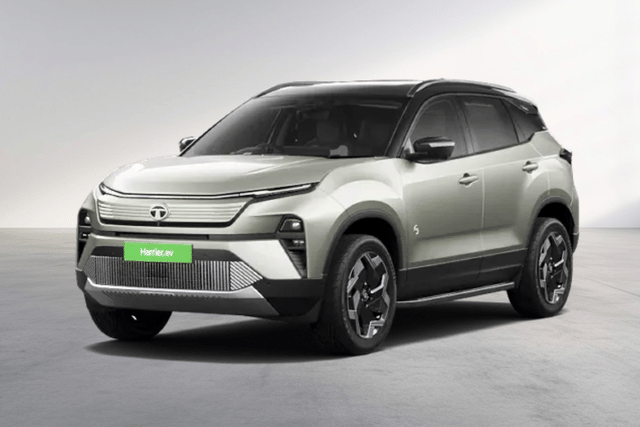
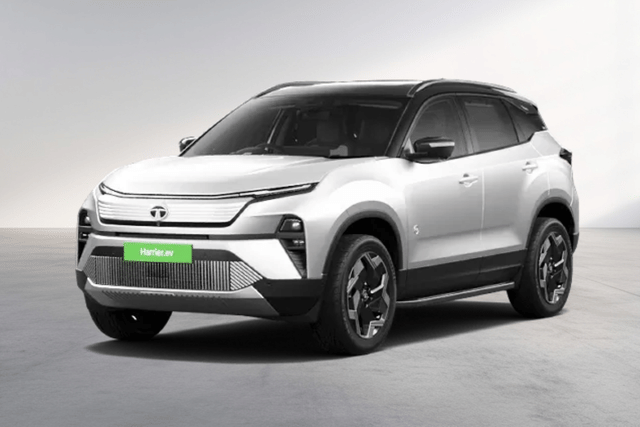
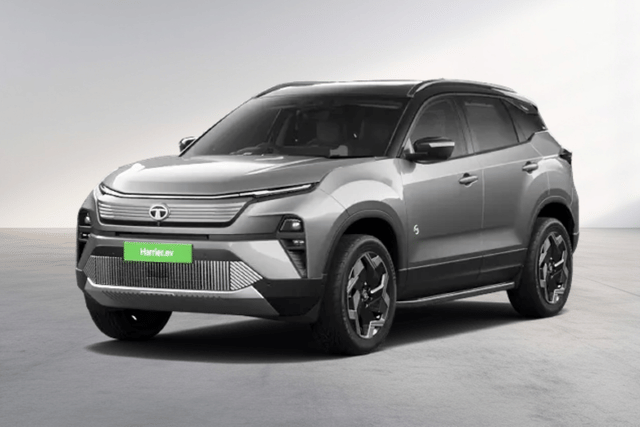
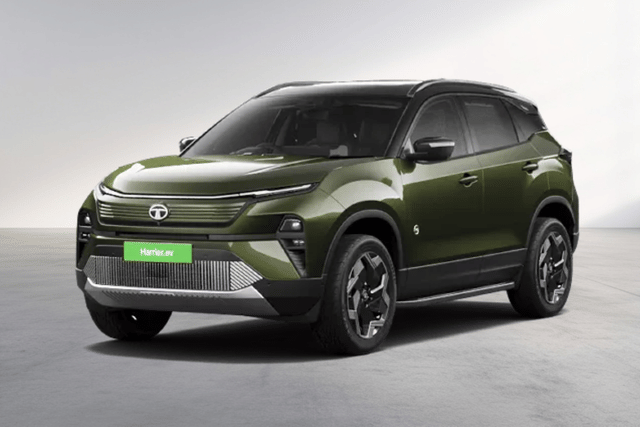
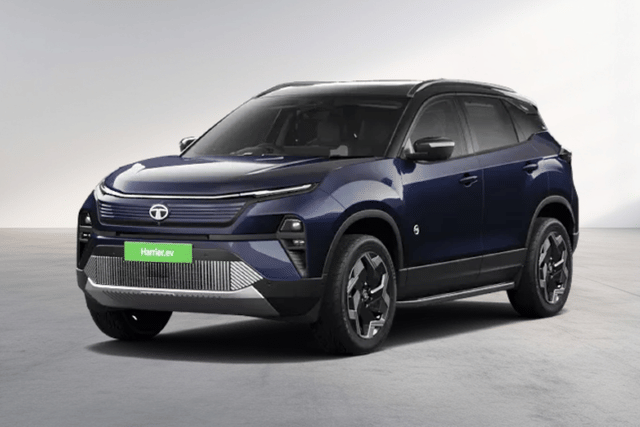
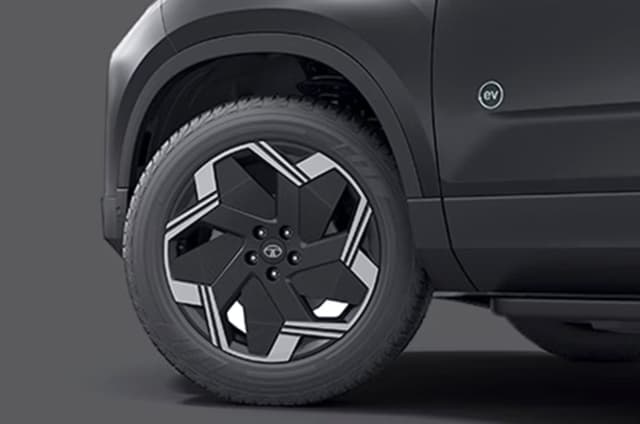
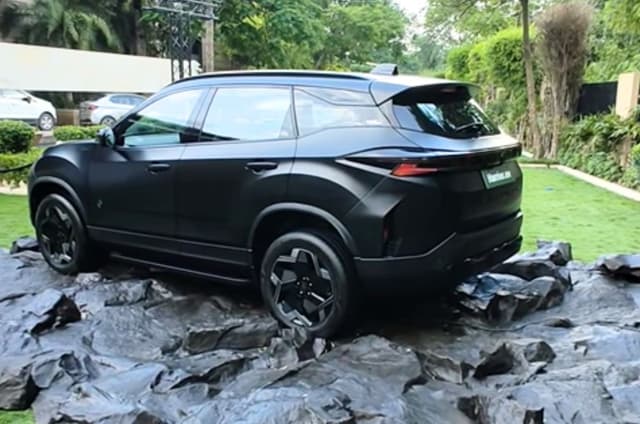
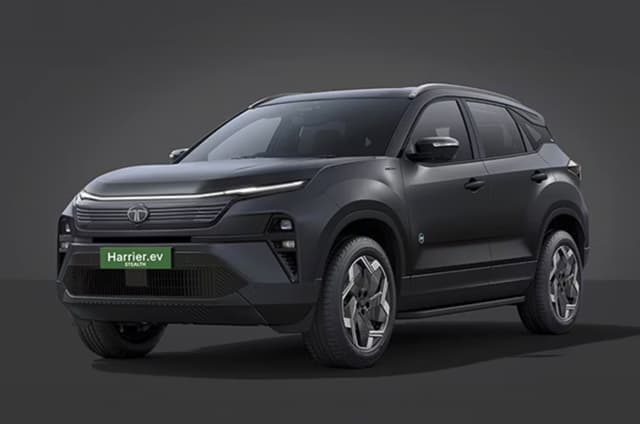
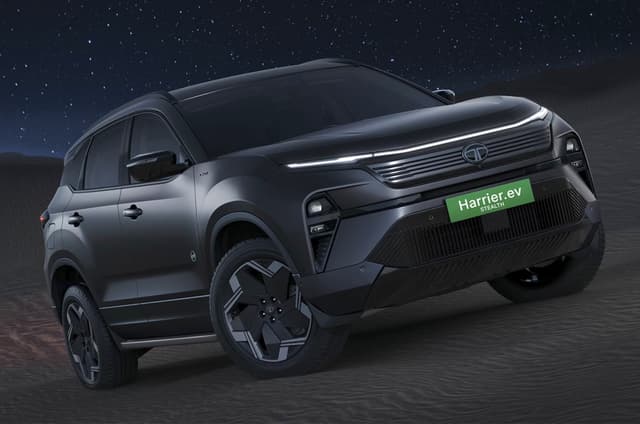
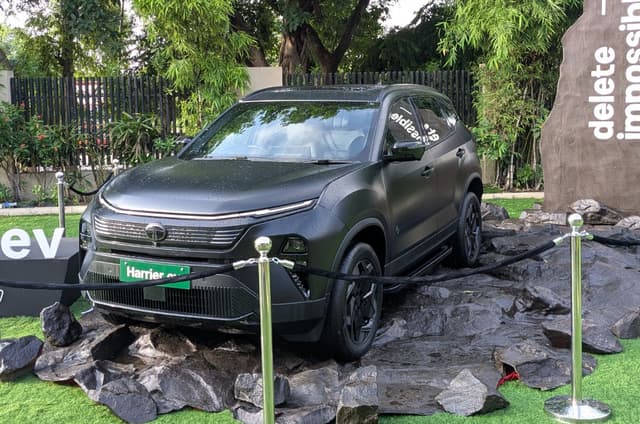
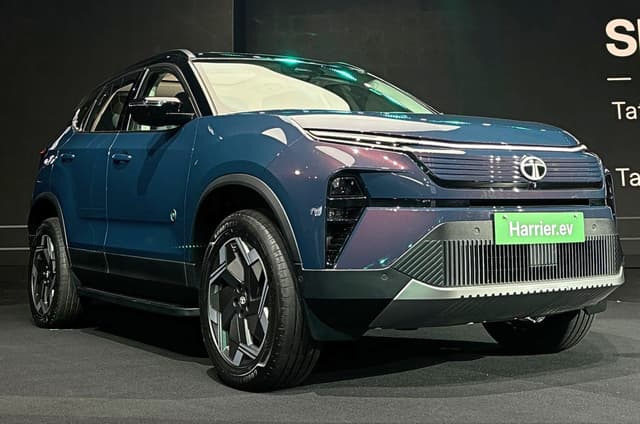
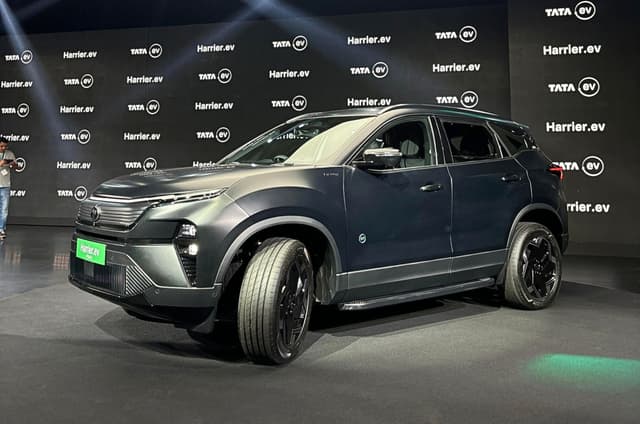
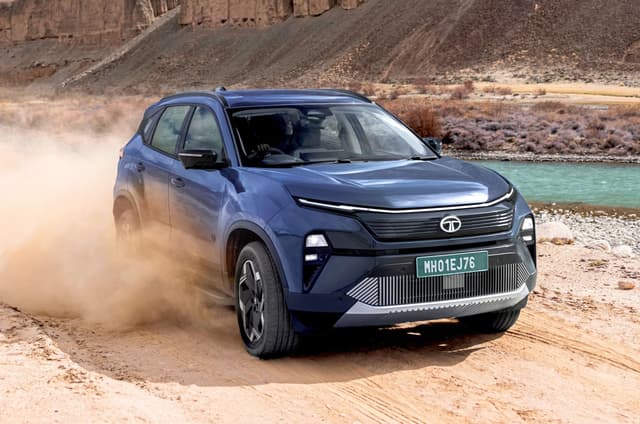
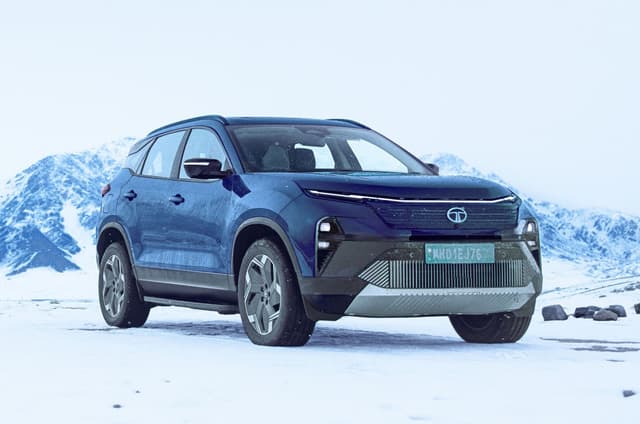
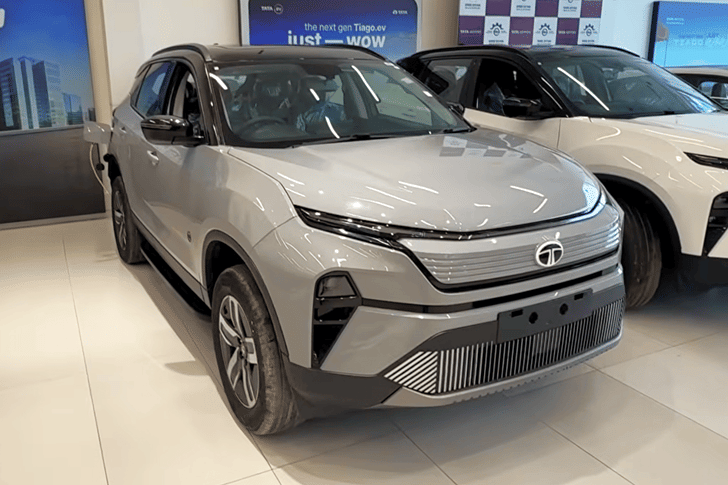
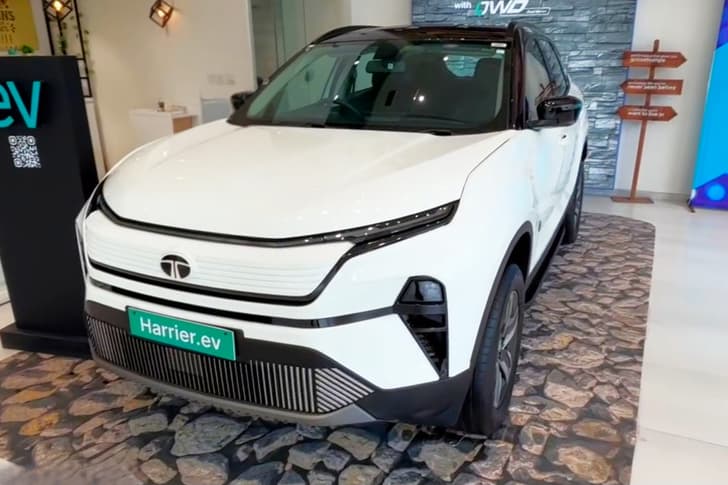
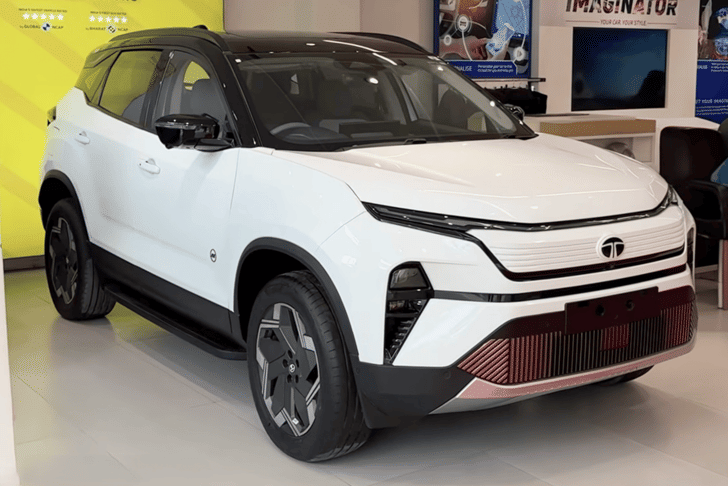
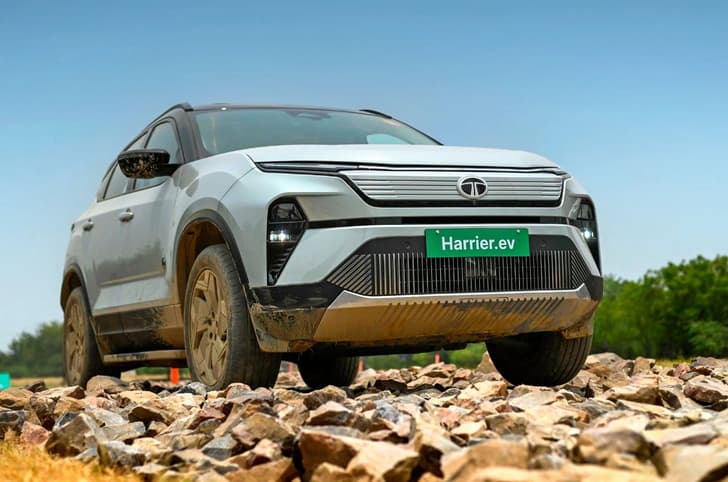
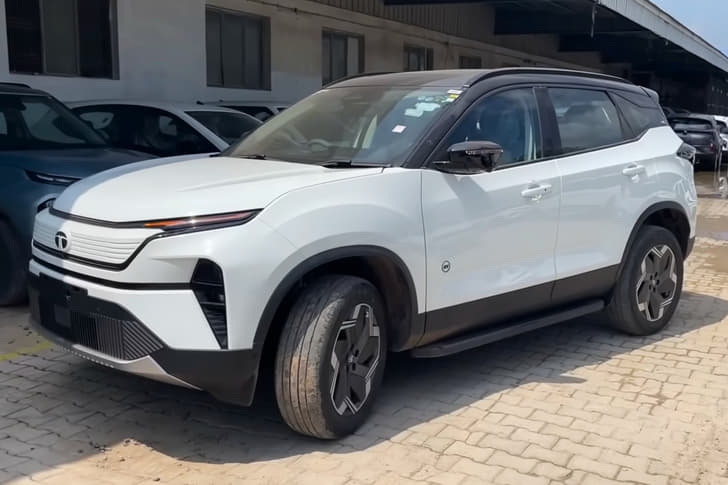
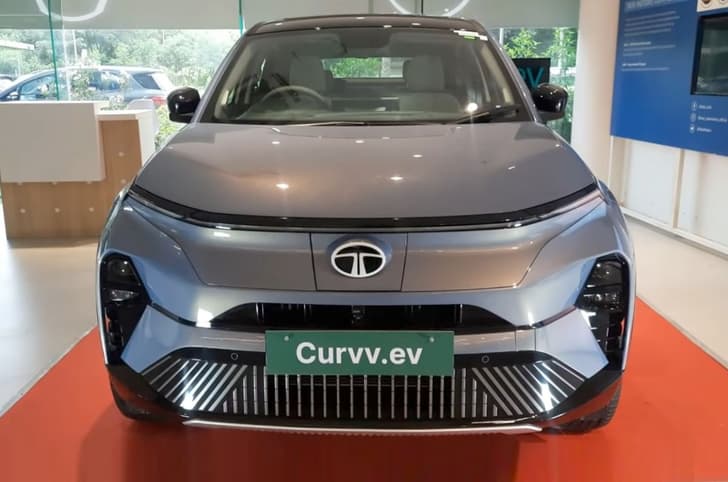
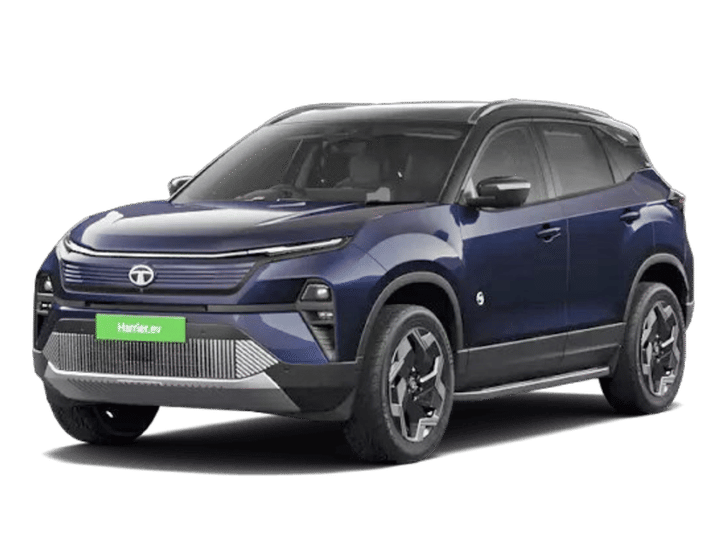
Compared to the ICE Harrier, the EV only gets subtle styling tweaks—a closed-off grille with strakes, revised bumper, aero-optimised 19-inch alloys, and an EV badge. At the rear, it’s just the missing tailpipe and EV badge that set it apart. While still a handsome SUV with strong presence, it lacks the futuristic flair of modern EVs.
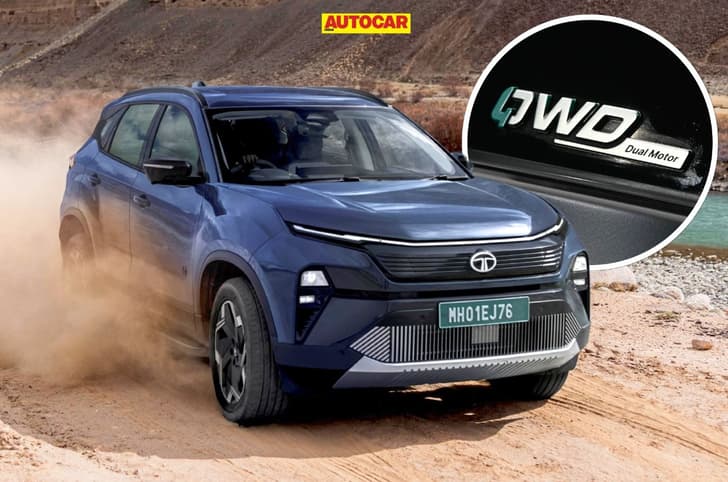
The Harrier EV isn’t a born EV but a massive ICE-to-EV conversion. Though it shares its top hat with the ICE Harrier, the Omega Arc platform has been re-engineered with a flat floor and Tata’s new electrical architecture, t.idal. Lower variants are RWD with a permanent magnet motor; higher ones get AWD with a front-mounted induction motor, making it Tata’s first 4x4 since the Hexa and Safari Storme.
7.0
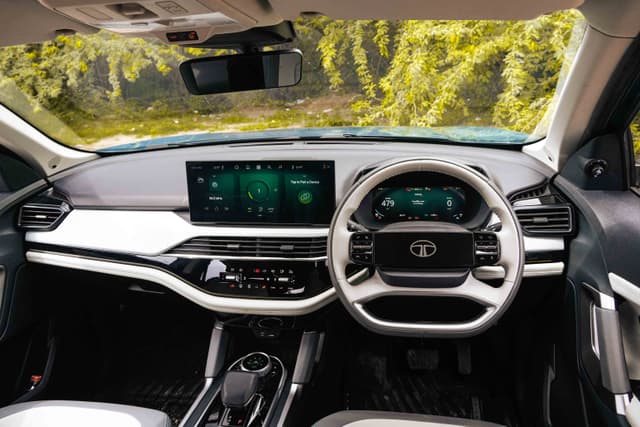
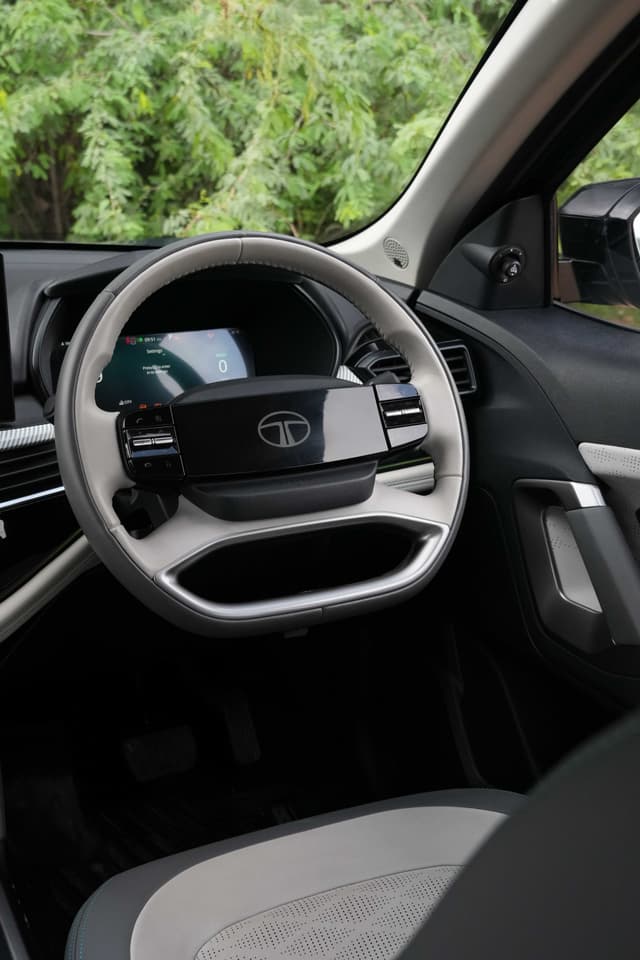
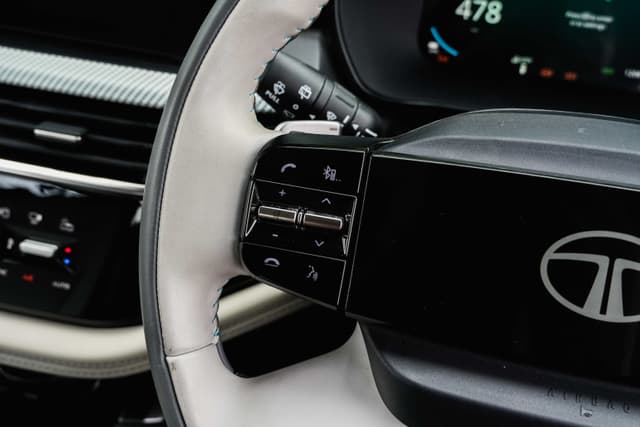
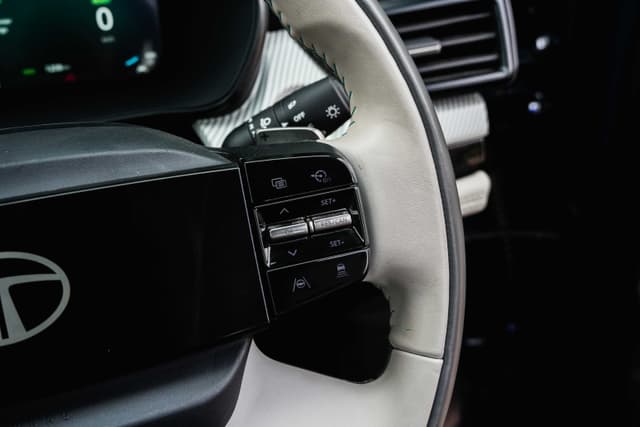
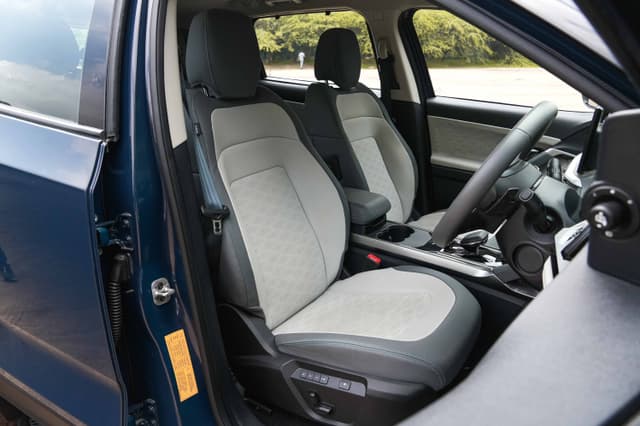
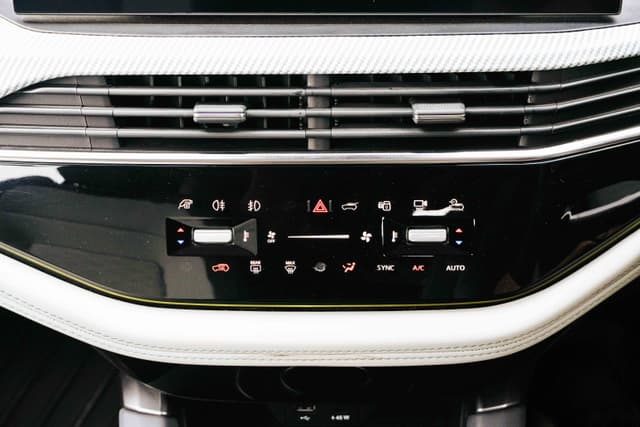
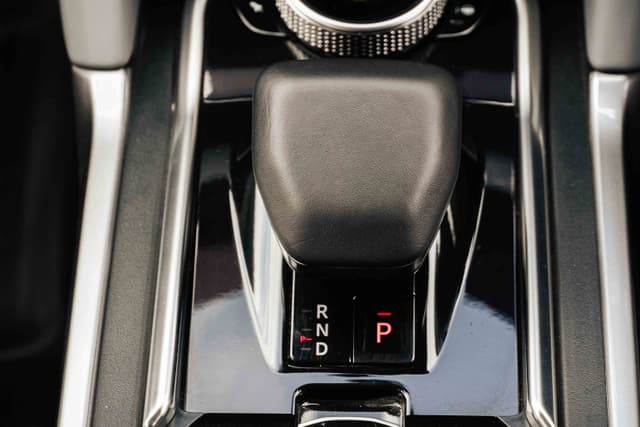
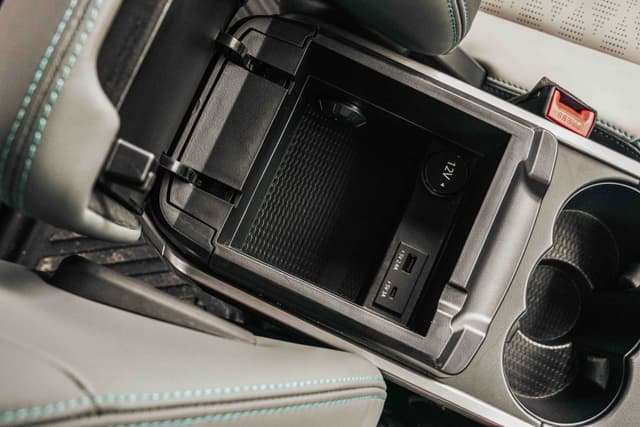
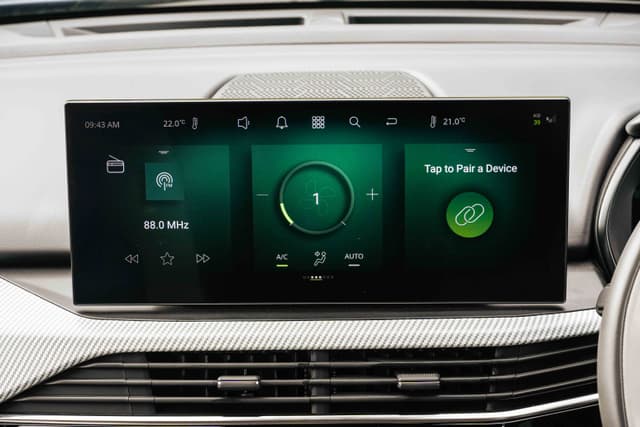
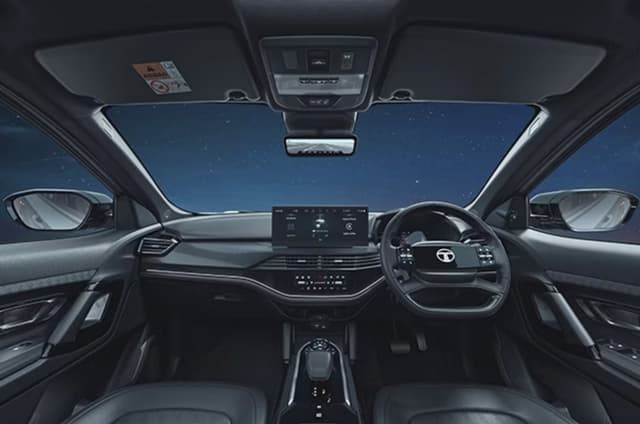
The cabin remains familiar—same dashboard, steering, and digital cluster—with additions like a 14.5-inch touchscreen and new gear selector. A circular key fob enables summon mode and other remote features. Front seats are wide and comfy, though taller drivers might find their knees brushing the centre console. Storage is generous, with cooled cubby space and large door bins.
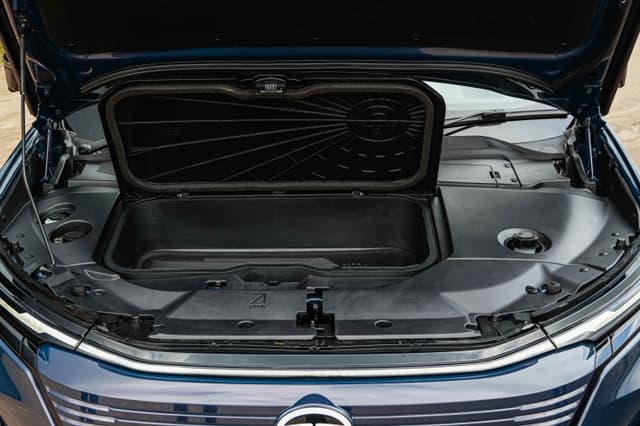
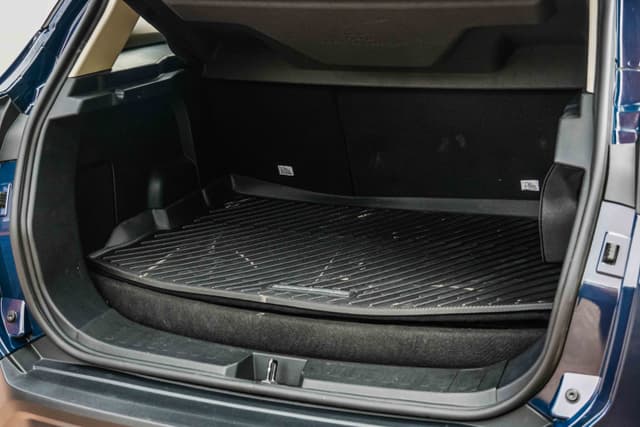
The rear seat is spacious with good legroom and a flat floor, making it comfy for three. Winged headrests, rear blinds, “boss mode” for extra legroom, rear vents, USB-C ports, and an armrest with cupholders complete the experience. Boot space is 502 litres (measured to the roof), slightly less than the diesel due to the raised floor. There’s also a frunk—67 litres on RWD, 35 on AWD.
8.0
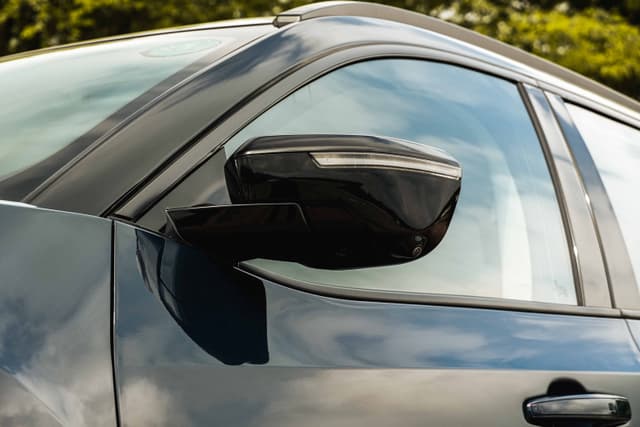
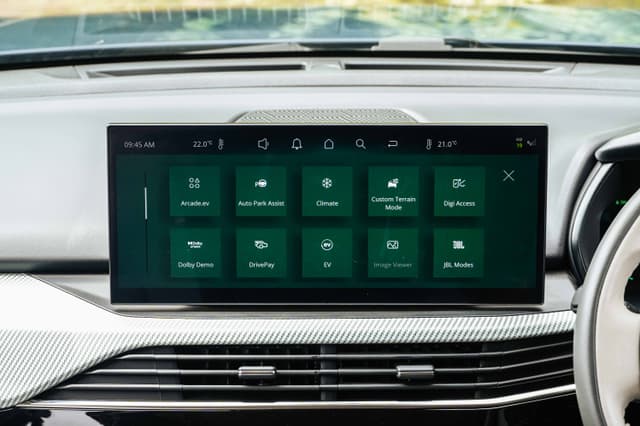
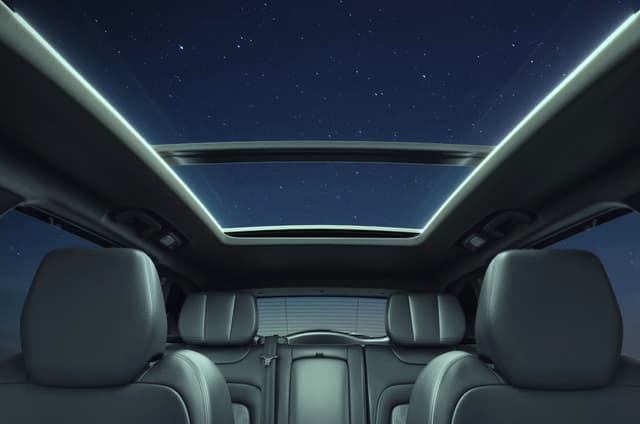
Highlight features include the world’s first 14.53-inch Samsung Neo QLED display, JBL 10-speaker audio with Dolby Atmos, Drive Pay, ventilated seats, ambient lighting, and a panoramic sunroof. There are also multiple cameras, a dash cam, 540-degree view, and a digital rearview mirror, though the parking camera feels low-res and choppy.
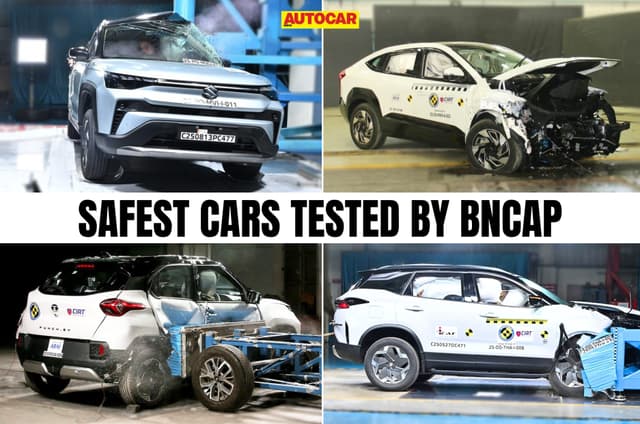
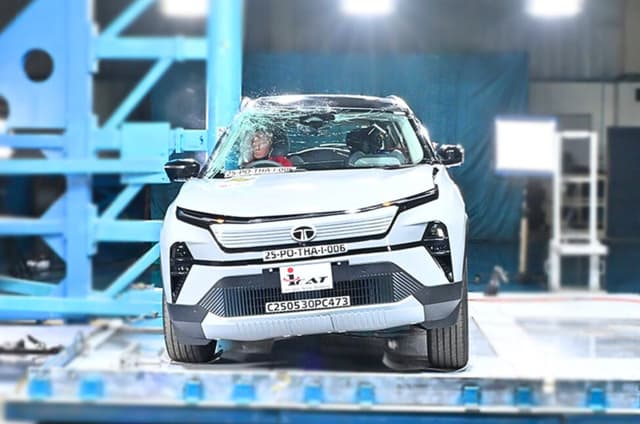
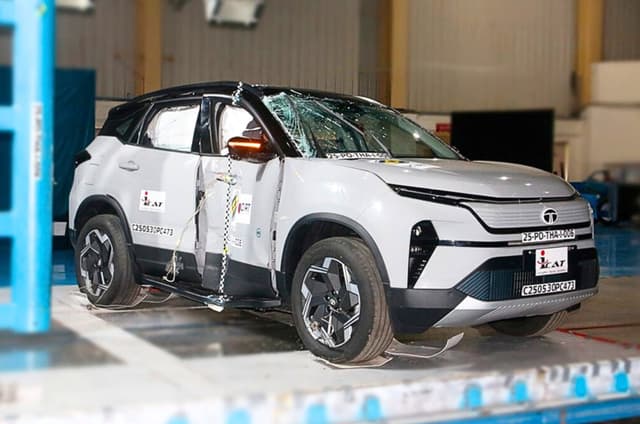
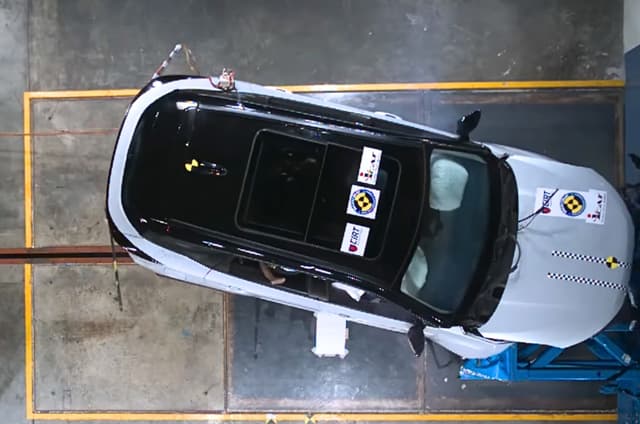
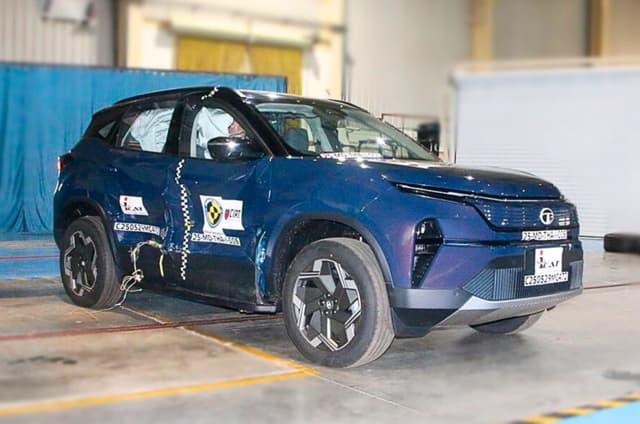
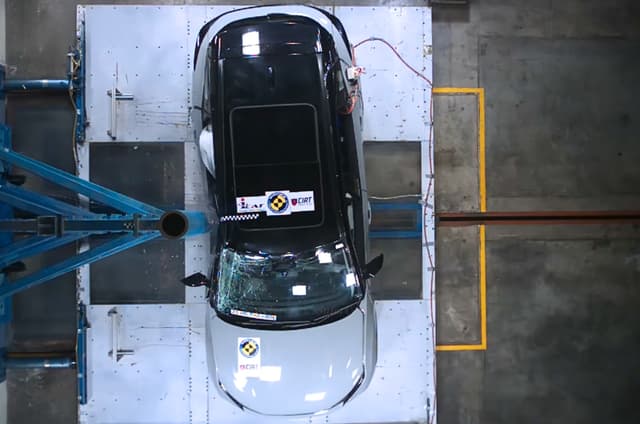
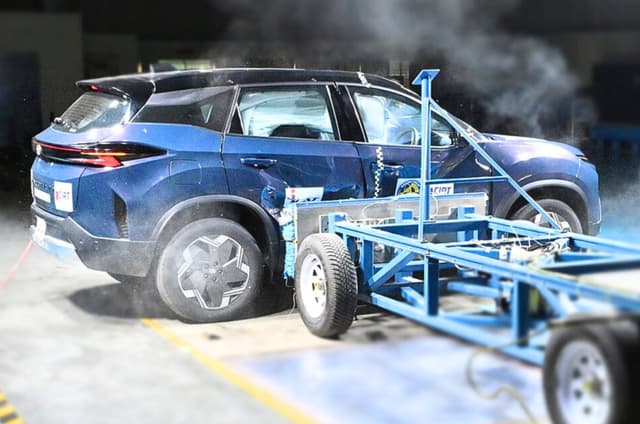
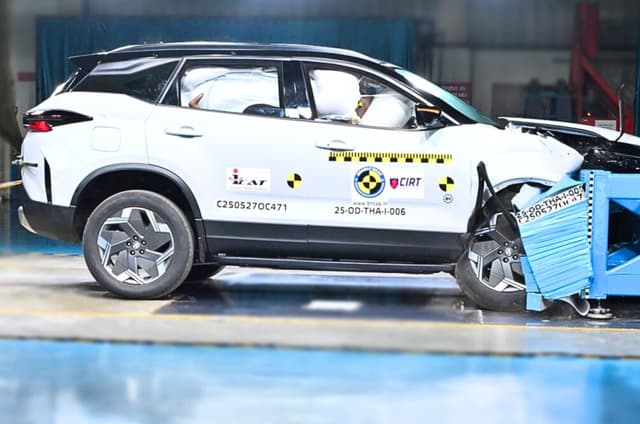
Summon mode and auto park are present, though the former needs software refinement. The latter worked well in our test. Safety-wise, it gets 7 airbags, disc brakes, TPMS, and Level 2 ADAS calibrated for Indian roads, along with a 5-star Bharat NCAP rating.

8.0
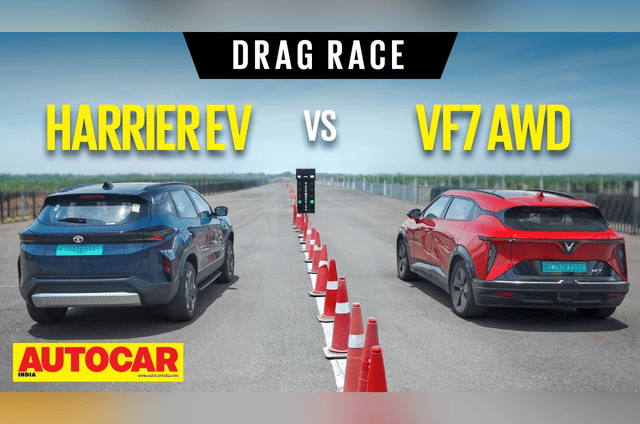
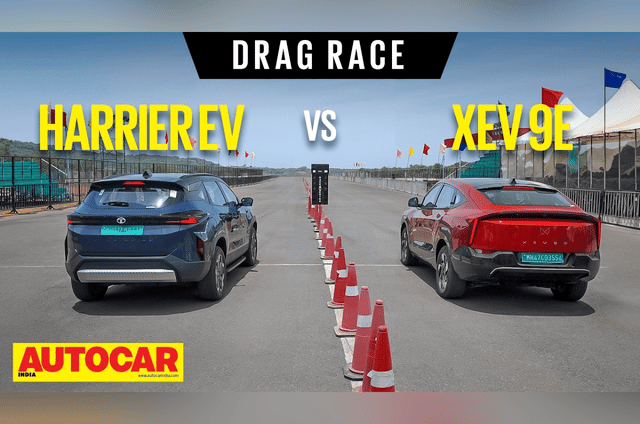
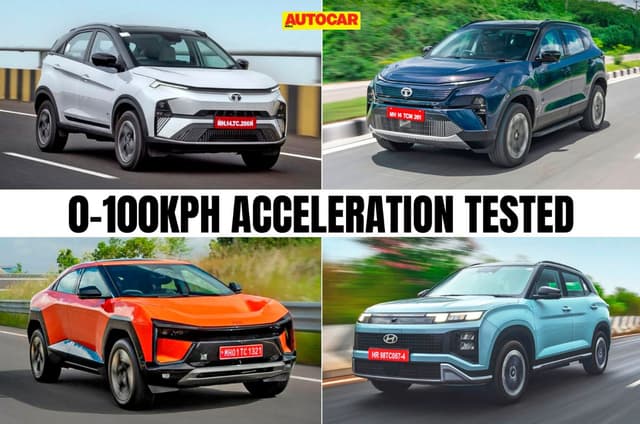
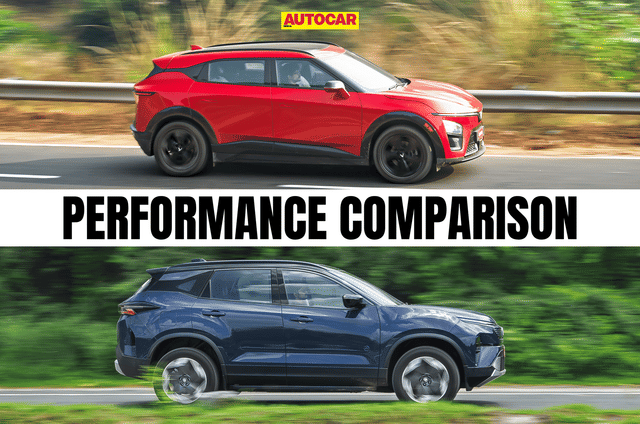
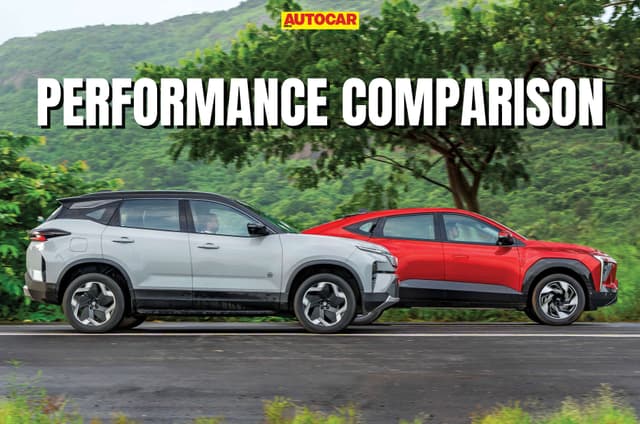
We drove the top-spec QWD version with dual motors putting out a combined 313hp and 504Nm. It does 0-100kph in a claimed 6.3s (6.65s in our test) and is quicker than the Mahindra XEV 9e. Acceleration is strong yet progressive, with drive modes including Eco, City, Sport, Boost, and even Drift. Refinement is excellent with minimal motor and wind noise.
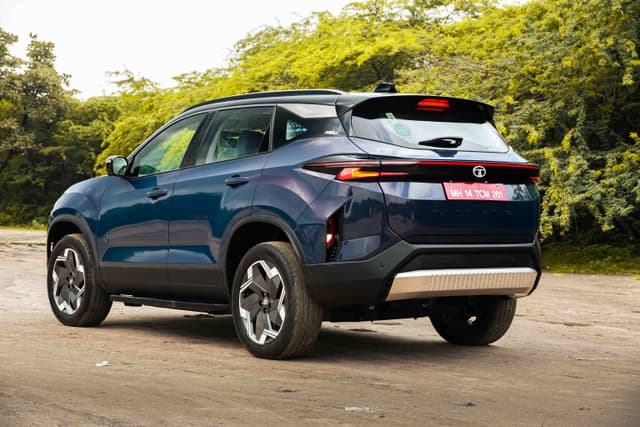
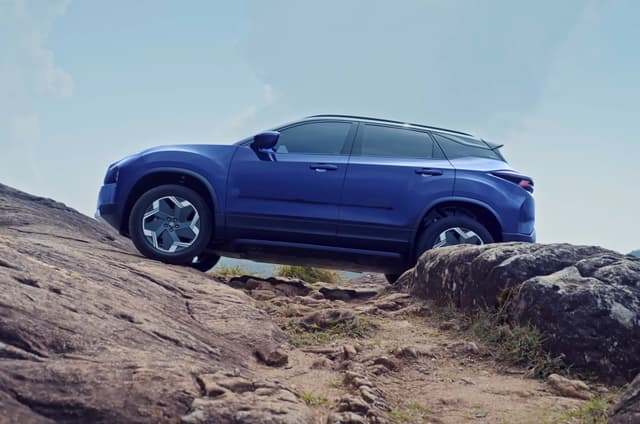
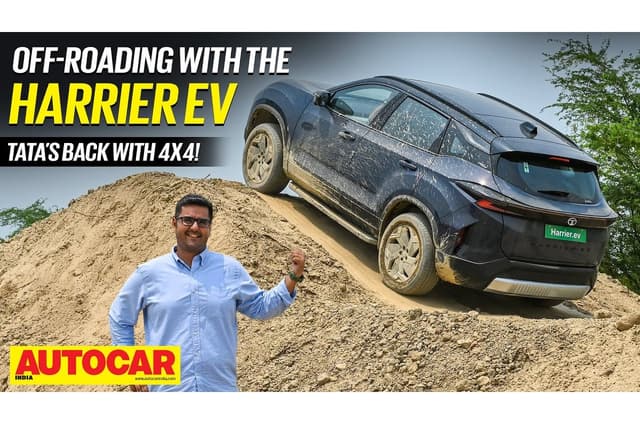
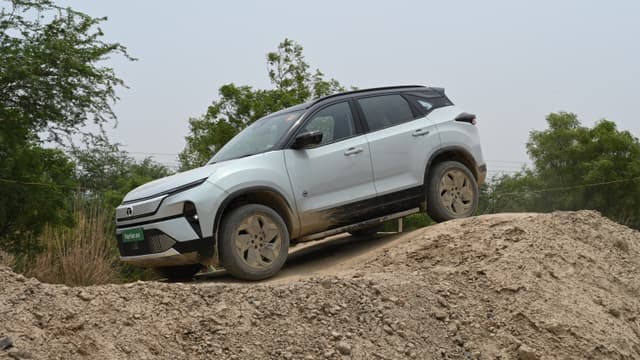
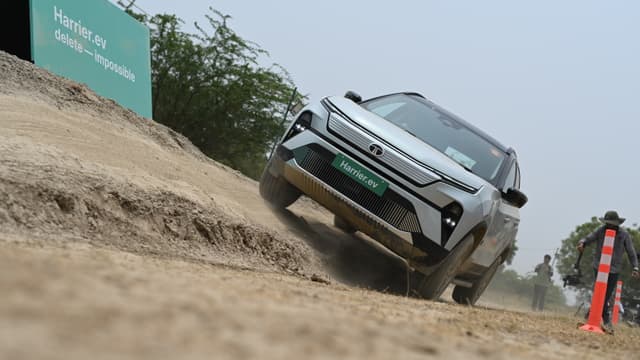
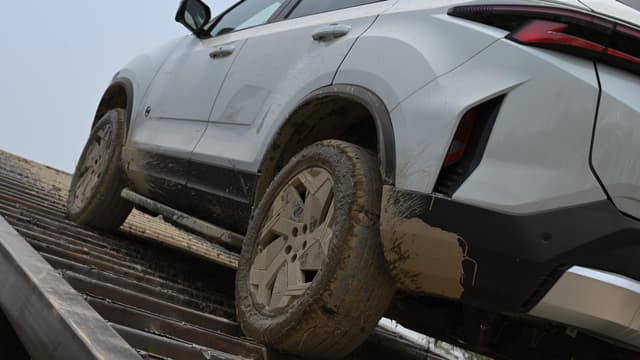
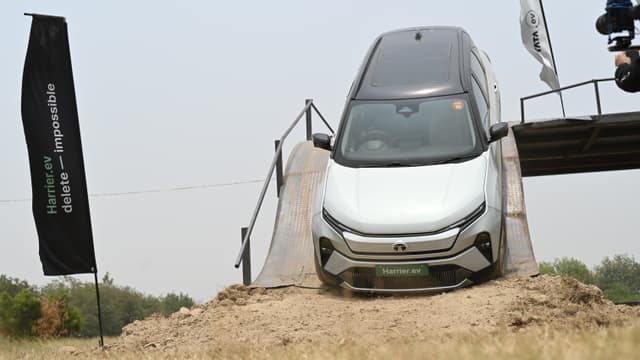
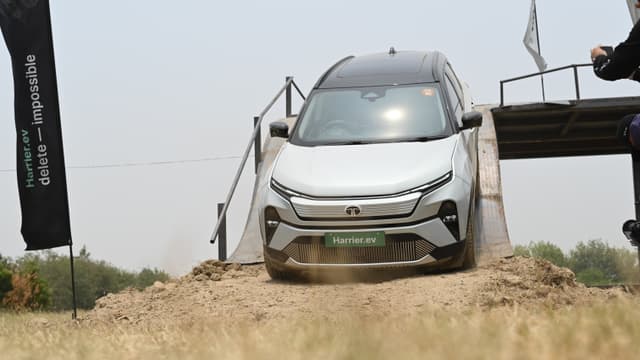
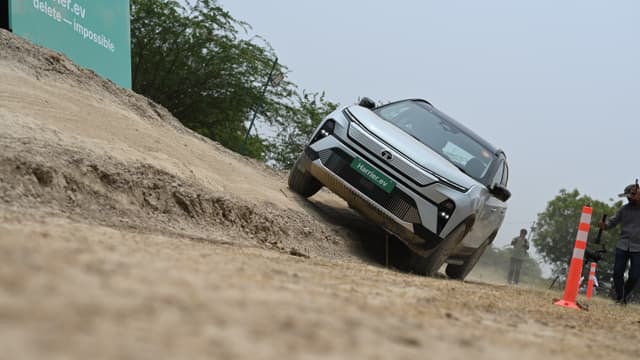
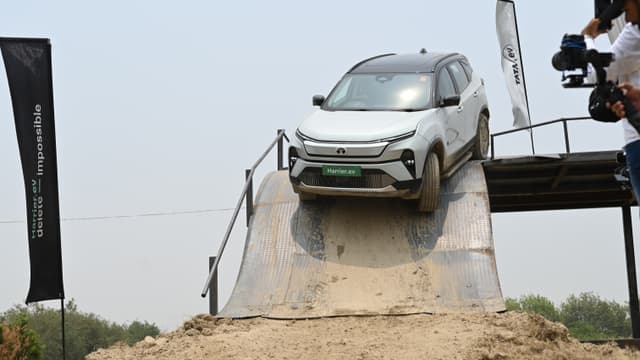
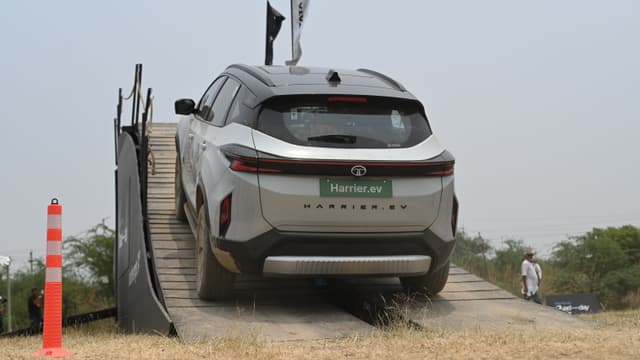
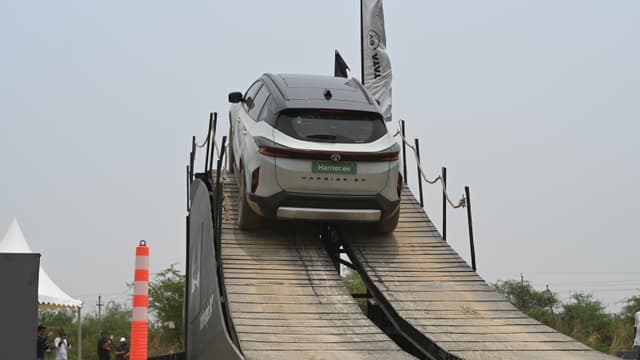
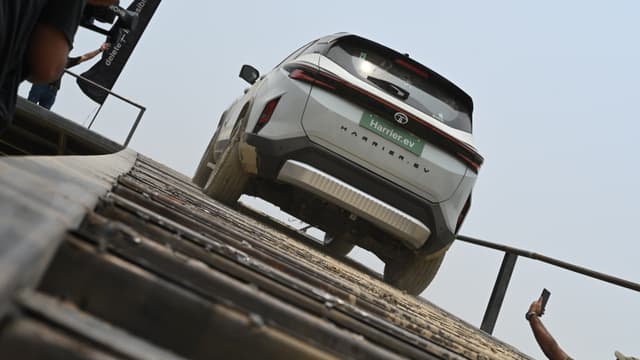
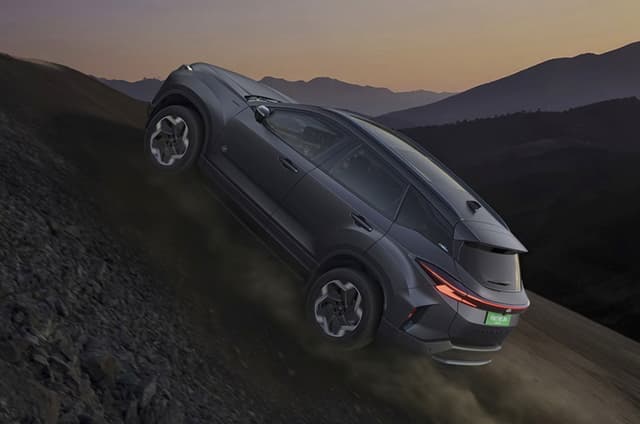
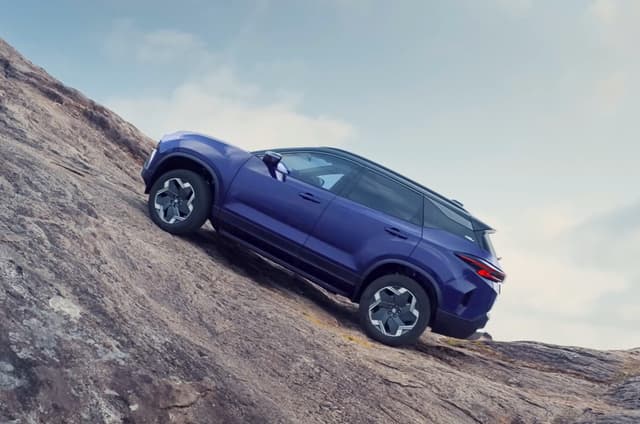
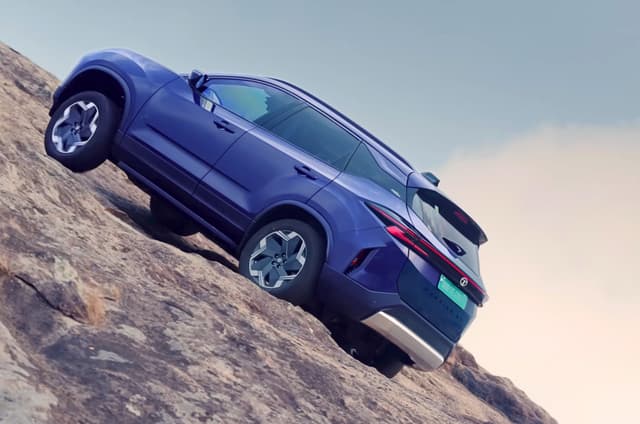
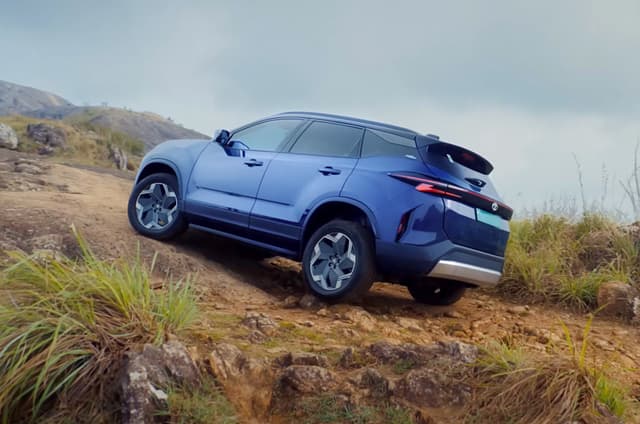
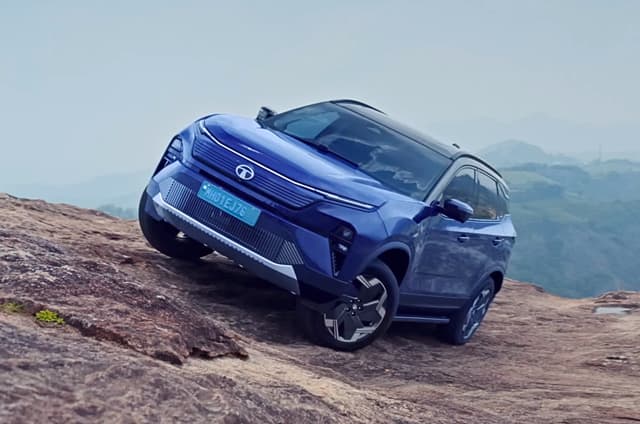
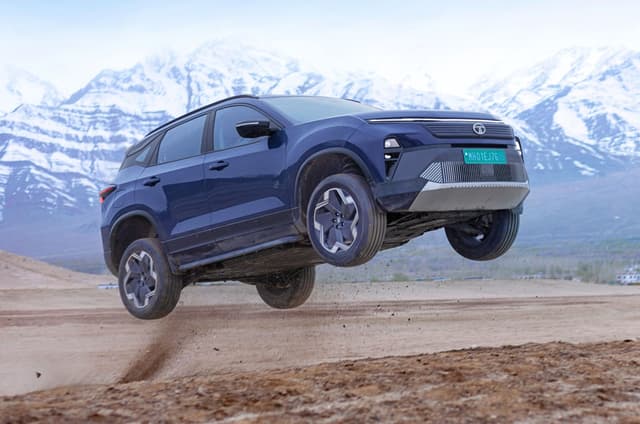
It’s equipped with six off-road modes and proved capable on a light trail. There are four regen levels via paddle shifters, but no single-pedal mode. The brakes, however, feel spongy and lack bite.
9.0
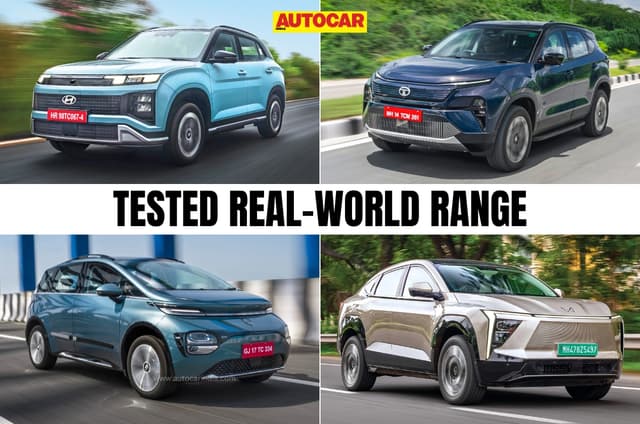
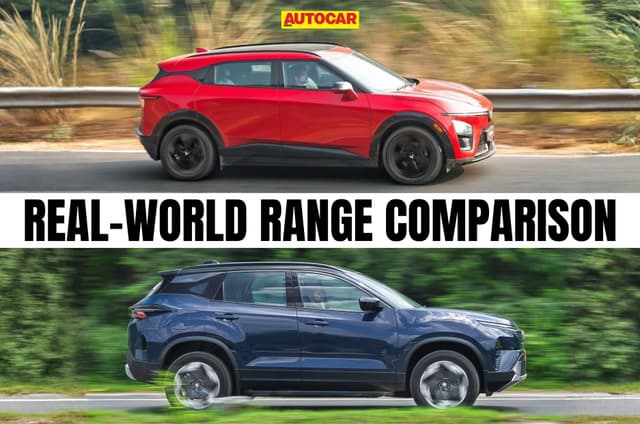
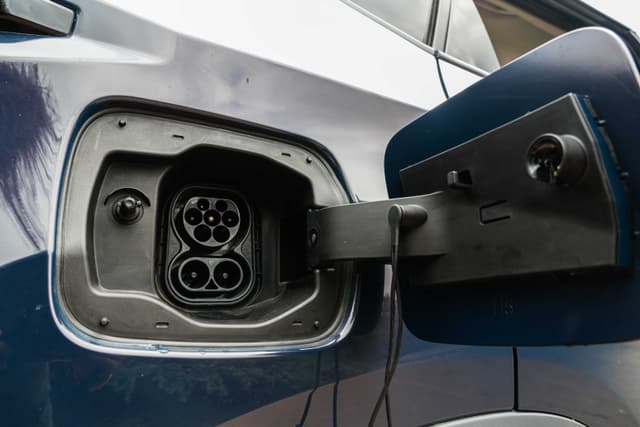
The QWD gets a 75kWh battery with a 622km ARAI claim (460–490km real-world). In our run, it covered 414km from 98% to 3% battery—translating to 5.81km/kWh and a projected 436km range. Charging from 20-80% takes 25 mins on a 120kW DC fast charger; 10-100% takes 10.7 hours on a 7.2kW AC charger. V2L and V2V capabilities are also included.
8.0
Its standout trait is the ride quality. Thanks to Tata’s Ultra Glide Suspension with Frequency Dependent Dampers, it balances plushness and composure excellently. Low- and mid-speed bumps are soaked up beautifully. There’s slight vertical movement at high speeds, but it settles quickly. Handling is predictable with well-controlled body roll and good grip. Steering feels a bit heavy at low speeds but firms up nicely on the highway.
9.0
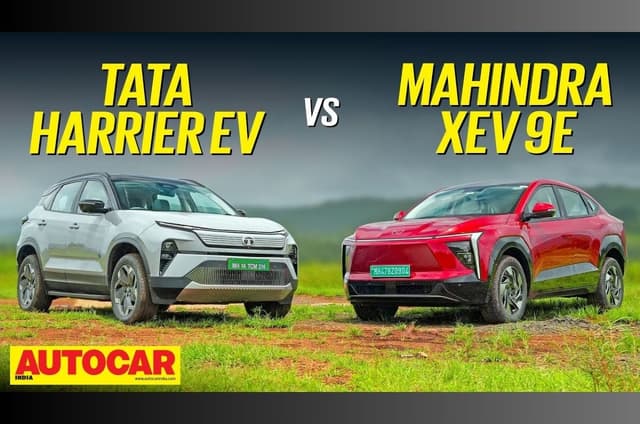
Priced from ₹21.49 lakh to ₹28.99 lakh, the Harrier EV undercuts the Mahindra XEV 9e while offering AWD over it. However, the 7.2kW charger costs extra (Rs 49,000).
It may not have the wow factor and it needs software refinement, but the Harrier EV nails the fundamentals—ride, refinement, performance, and comfort. It lands squarely in the Goldilocks zone—not too much, not too little. The question is, is that enough for today's EV buyer?
8.0
Reviewed by: Soham Thakur
Tata Harrier EV reviews

Tata Harrier EV Images
Tata Harrier EV videos


.jpg?w=640&q=75)