EV for City Driving



Last Updated on: 07 Sep 2026
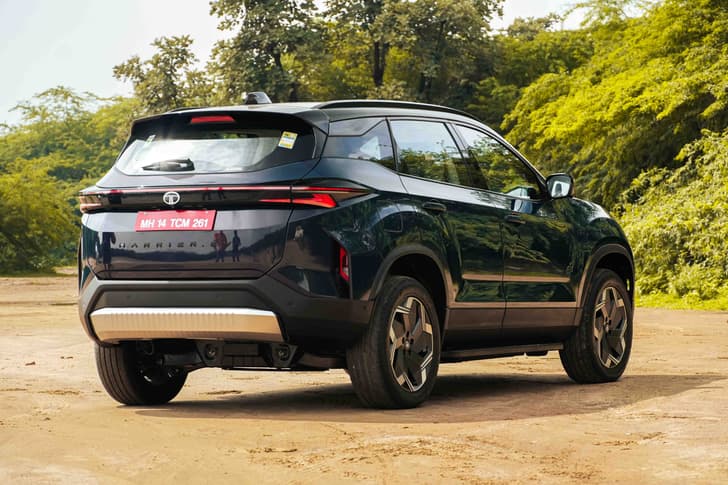
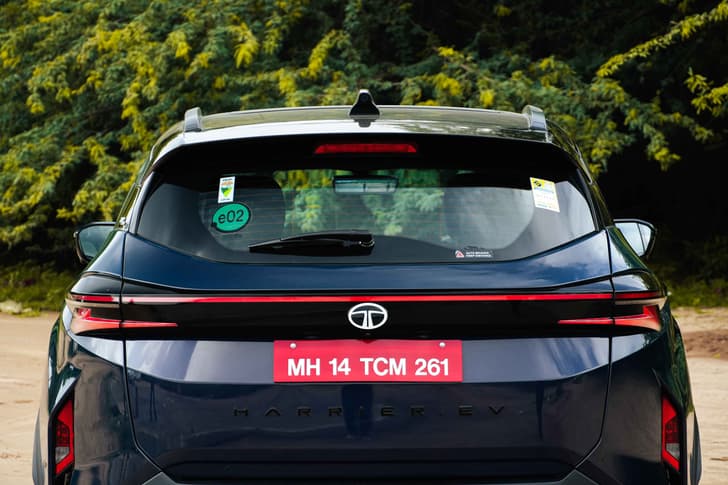
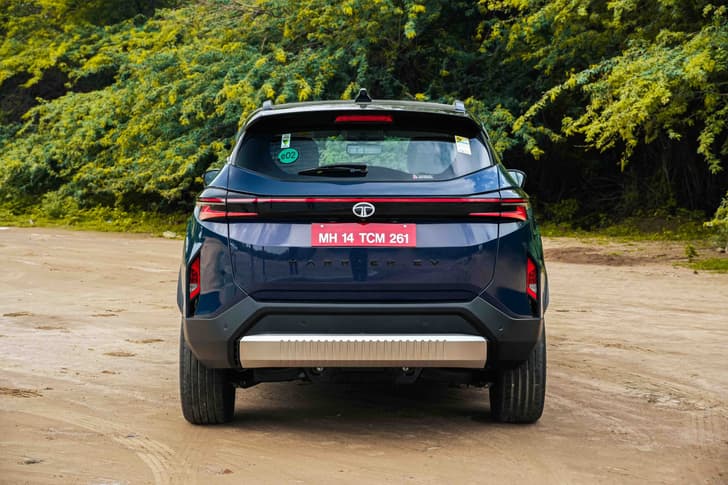
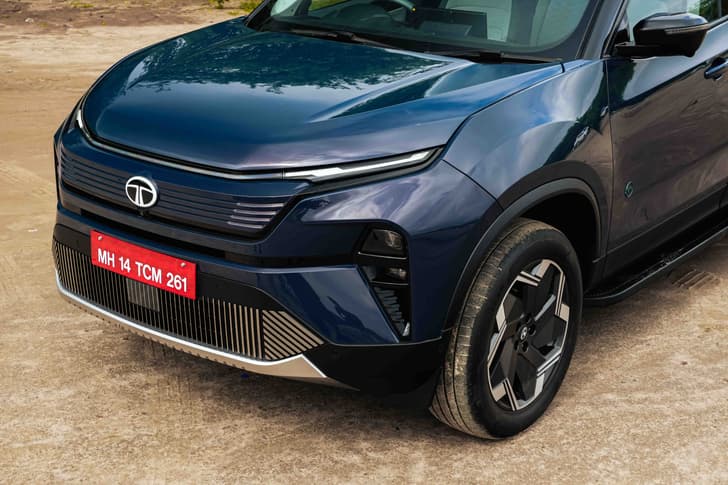
Fuel Type/ Propulsion | Electric |
Motor Type | Permanent Magnet Synchronous Motor |
Number of Motors | 1 |
Pure Electric Driving Mode | Yes |
Gearbox Type | Auto |
Number of Gears | 1 |
Manual Shifts via Gear Lever on Automatic Gearbox | No |
Paddle Shifters for Automatic Gearbox | Yes |
Sport Mode for Automatic Gearbox | Yes |
Drive Layout | Rear Wheel Drive |
Lockable Differential/s | No |
Max Motor Power | 238hp |
Max Motor Torque | 315Nm |
Terrain Modes | Yes |
Auto Start/Stop | No |
Battery Capacity | 65 kWh |
Charging Time | 9.3hrs 10%-100%(7.2 kW AC fast charger) 25min 20%-80%(100 kW DC fast charger) hrs |
Claimed Range | 538 km |
User Reported Range | 429.3 km |
Front Suspension Type | Independent, MacPherson Strut |
Front Springs | Coil Springs |
Rear Suspension Type | Independent, Multi-link |
Rear Springs | Coil Springs |
Damper Control | Yes |
Ride Height Adjust | No |
Type of Power Assist | Electric |
Steering Adjust type | Manual |
Steering Adjust | Tilt and Telescopic |
Turning Radius | 5.75 m |
Front Brakes | Discs |
Rear Brakes | Discs |
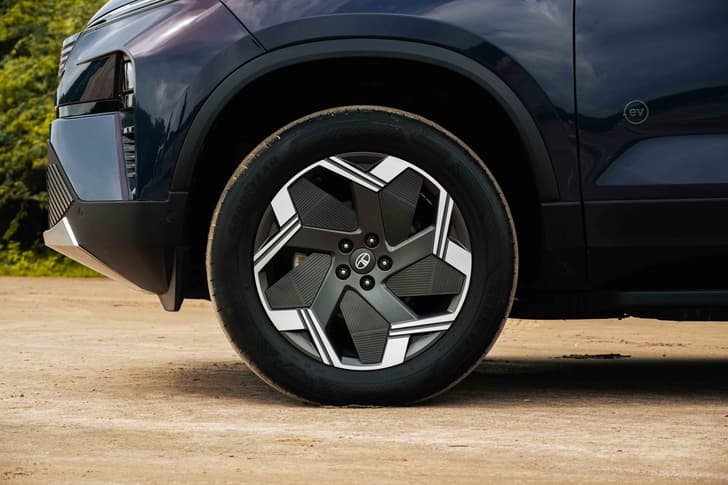
Wheel Size | 18 inches |
Front Tyre Size | 245/60 R18 |
Rear Tyre Size | 245/60 R18 |
Wheels | Alloys |
Length | 4607 mm |
Width | 2132 mm |
Height | 1740 mm |
Wheelbase | 2741 mm |
Chassis Type | Monocoque |
Boot Capacity | 502 litres |
Doors | 5 |
| Power Windows | Front and Rear |
| Front Seatback Pockets | |
| Bluetooth Connectivity | |
| Electric Tailgate Release | |
| Driver Armrest Storage | |
| Utility Recess On Dashboard |
| Crash Test Rating | 5 |
| Rear Cross Traffic Collision Avoidance | |
| Brake Disc Wiping | |
| Speed Sensing Door Lock | |
| Anti Theft Alarm | |
| Speed Assist System |
| Body Coloured Bumpers | |
| Door Handle Finish | Body Coloured |
| LED headlamps | |
| LED taillights | |
| Spoiler | |
| Integrated Washer Jets with Wiper |
| Speedometer | Digital |
| Tachometer | |
| Trip Meter | |
| Average Fuel Consumption | |
| Average Speed | |
| Distance to Empty |
| Audio System | |
| CD Player | |
| Branded Music System | |
| Speakers | 4 |
| USB Input | |
| AUX Input |
| Anti Theft Immobilisation | |
| Service Reminder Via App | |
| Summon Mode | |
| Remote Car Lock/Unlock via App | |
| Emergency Call Button | |
| Find My Car |
 Lane Keep AssistFully Digital Digital Instrument ClusterOnboard Satellite NavigationRemote Engine Start/StopLeatherette Seat MaterialAutomatic HeadlampsPanoramic SunroofRear Seat Armrest with StorageVoice Assisted SunroofAutomatic Wipers360 degree Parking Camera2-zone Climate ControlJBL Branded Music SystemRemote Engine Start/StopFront Only Ventilated SeatsAdaptive Cruise ControlPowered Tailgate with Gesture ControlOnboard Satellite NavigationSummon ModePanoramic Sunroof
Join the Discussions
I’m confused between the Mahindra BE 6, Tata Harrier EV, and, if not an EV, the Kia Seltos Diesel AT for my first car. I’m 27 years old, and my annual running is only around 7,000-8,000 km, with a daily commute of 15-20 km. My budget is Rs 21-22 lakh. I have access to home charging in my apartment society at Rs 10.5/kWh and workplace charging at Rs 22/kWh. If I buy the Mahindra BE 6, I plan to keep it for at least 8-10 years. If I choose the Kia Seltos Diesel AT instead, I’ll likely sell it after 4-5 years and switch to an EV once the market matures further. Considering my low annual running, long-term ownership plans, reliability, resale value, and overall ownership costs, which would you recommend: the Mahindra BE 6, Tata Harrier EV, or the Kia Seltos Diesel AT? The car will primarily be used by two people, although my parents may also start using it for regular city driving in the next 4-5 years.

 Kia SeltosTata Harrier EVTata Sierra EVMahindra XEV 9e
Hello Autocar, I'm planning to buy an EV with a budget of around Rs. 20-22 lakh (ex-showroom). Although I can stretch it a bit if it's worth it. The models that I'm currently considering are Tata Sierra Adventure 75, Tata Harrier EV Adventure 65 and Mahindra XEV 9e 59 kWh (base variant). My usage will be around 70% city driving. I also own a 2025 Hyundai Creta Petrol CVT, so I'm looking for an EV that genuinely feels like an upgrade rather than just a different powertrain. Among these, I liked the XEV 9e the most, but I'm a bit concerned about the long-term practicality and battery life of the 59 kWh pack, since it's the smallest battery among the three. Which one would you recommend, and is there any other EV in this price range that I should consider?
Mahindra XEV 9eHyundai CretaTata Sierra EVTata Harrier EVWhich is the better EV overall between the Tata Curvv EV 55kWh Accomplished X and the Tata Harrier EV 65 Adventure S? The price difference is around Rs. 6 lakh. I currently own a Tata Tiago, drive around 1,000km a month in the city, and now want to upgrade. Please suggest which is the better overall product with better fit and finish.
Tata Sierra EVTata Harrier EVTata Curvv EVI have been using a Verna Diesel 1.6-litre for the past 8 years, and it has served me well in terms of fuel efficiency. My average monthly running is around 2,500km. Due to the diesel ban in Delhi NCR and the need for a more comfortable car, I am now looking to switch to an EV (XEV 9S or the Harrier EV). I am not very particular about having too many features. I have been waiting for bookings to open for the XEV 9S, but with the launch of the new Seltos, should I consider that as well?
Kia Carens Clavis EVMahindra XEV 9eTata Harrier EVMahindra XEV 9S