Last Updated on: 23 Apr 2026
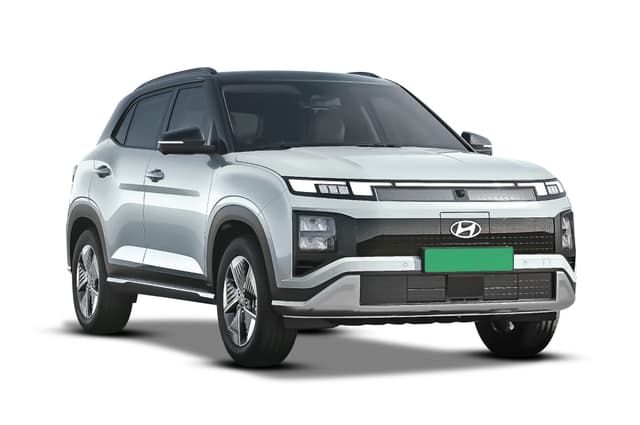
Hyundai Creta Electric price in Vashi
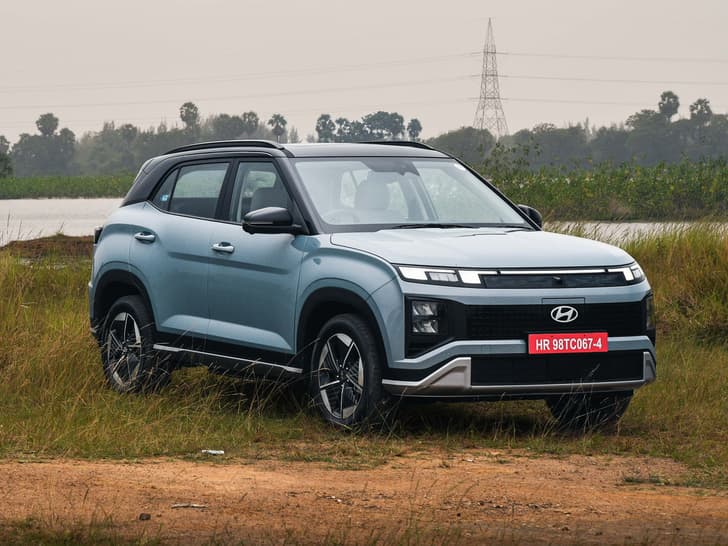
The on road price of the Hyundai Creta Electric in Vashi ranges from Rs19.08 lakh for the base model to about Rs25.28 lakh for the top variant (including all taxes, RTO fees, and insurance). In comparison, the ex-showroom prices in Vashi starts from Rs18.02 lakh to Rs23.82 lakh.
Check the Hyundai Creta Electric on road price of all variants in Vashi in the table below:
Hyundai Creta Electric price & variants
Price of Hyundai Creta Electric alternatives
Hyundai Creta Electric news
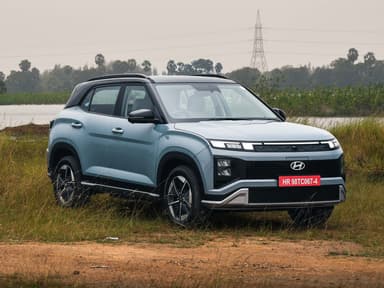
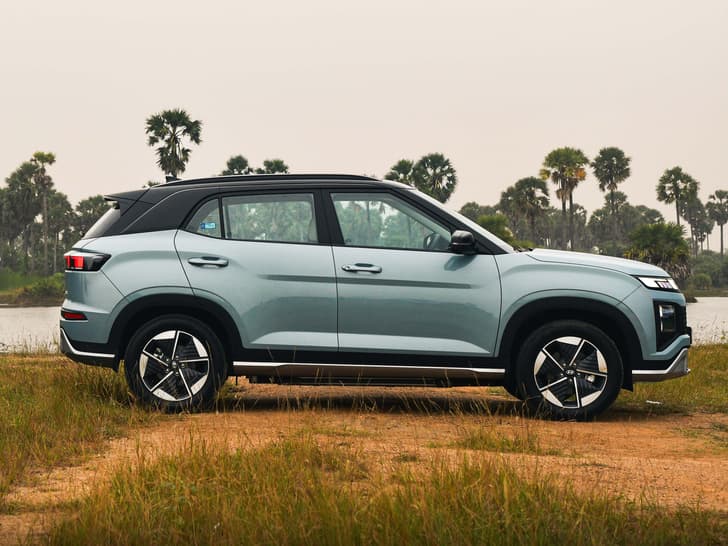
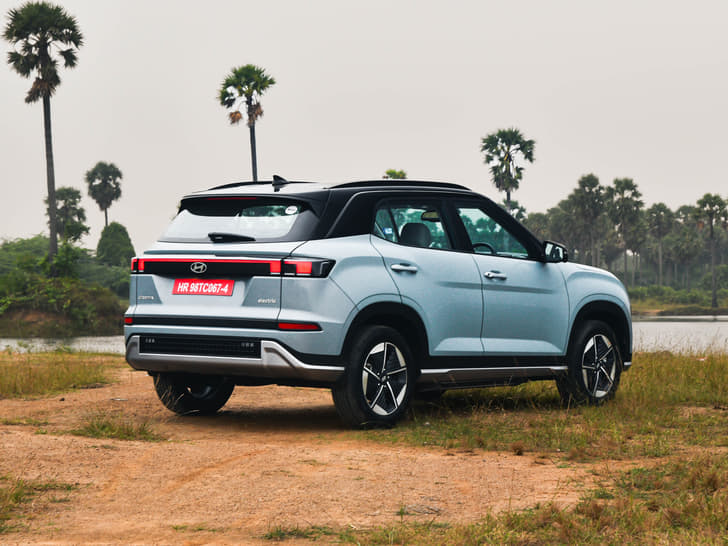
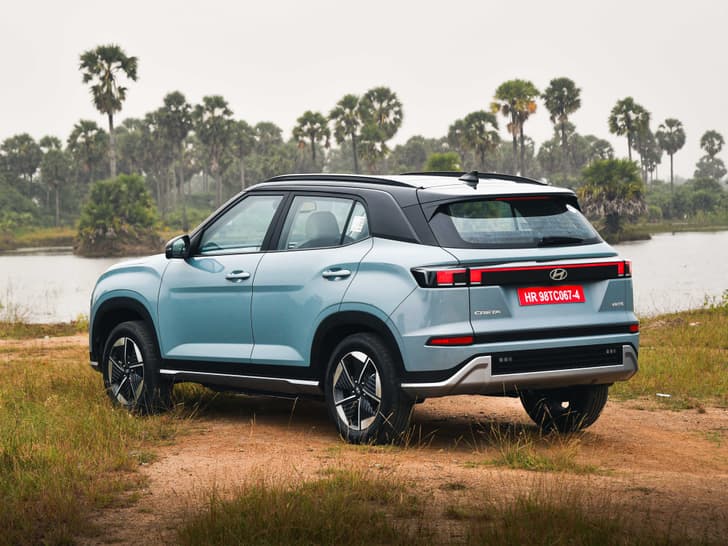
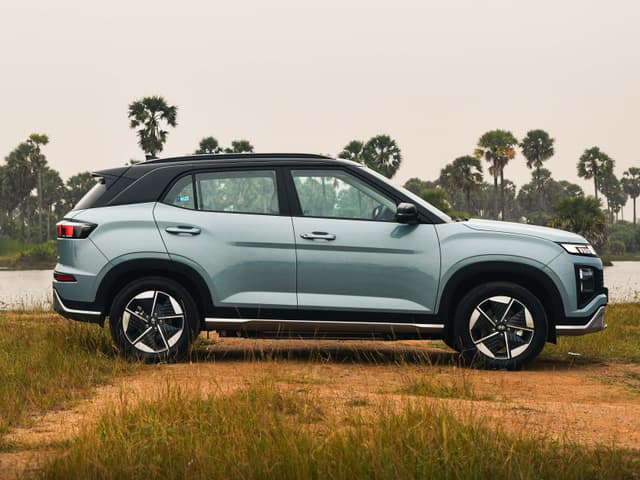
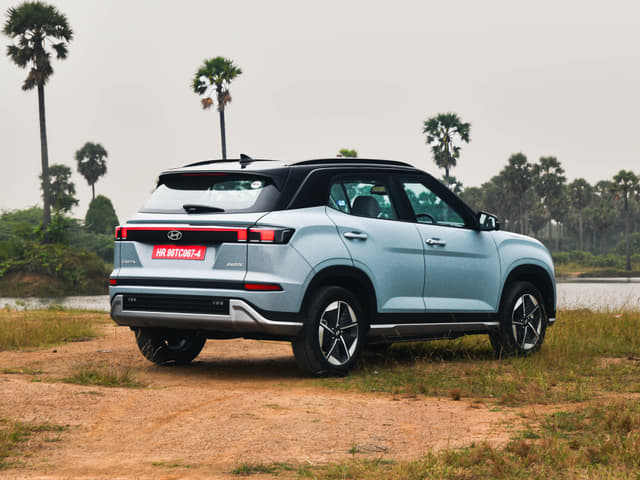
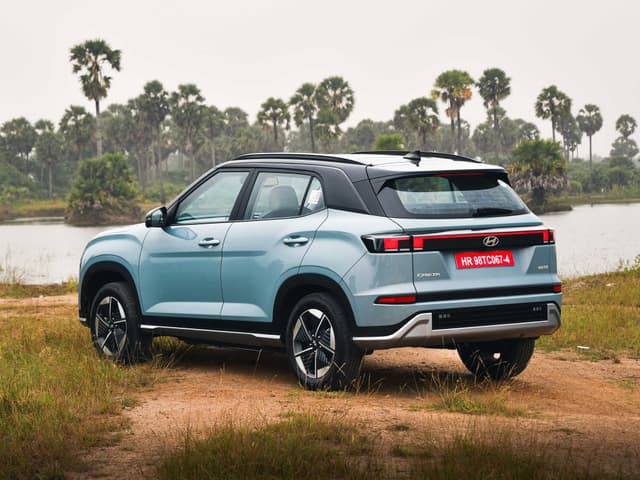
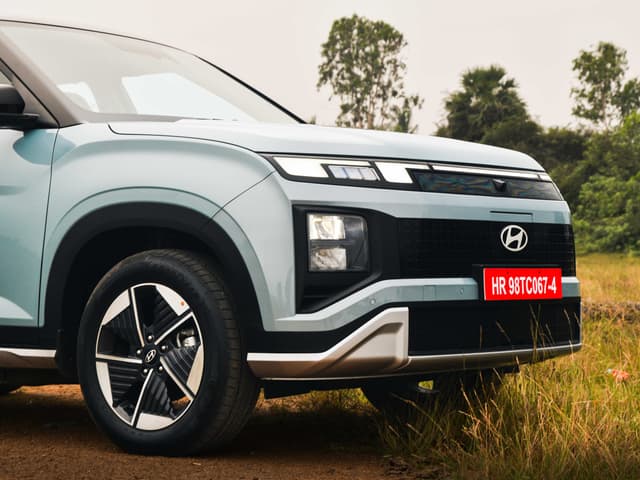
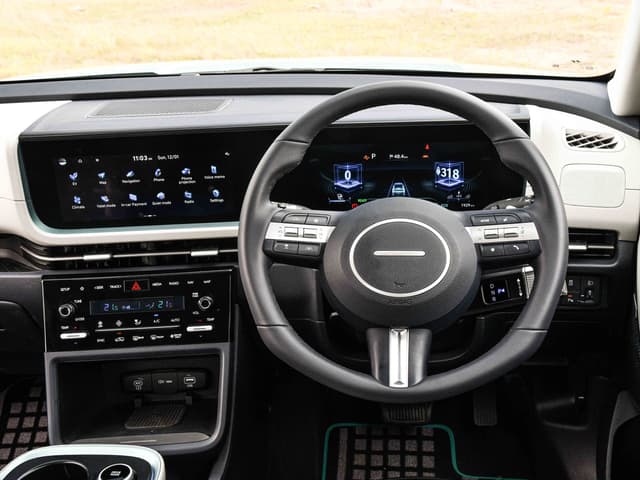
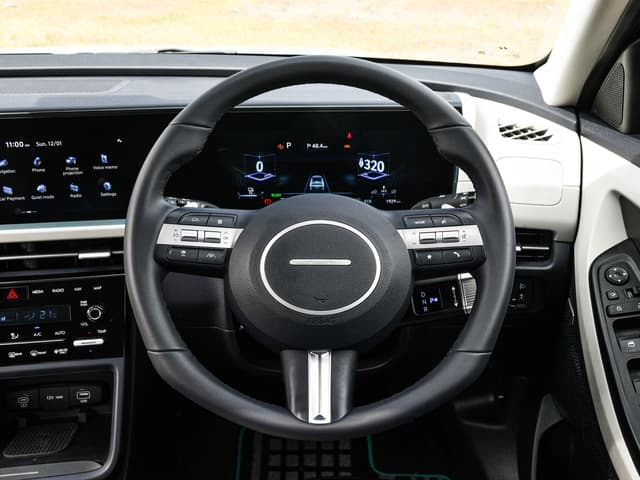
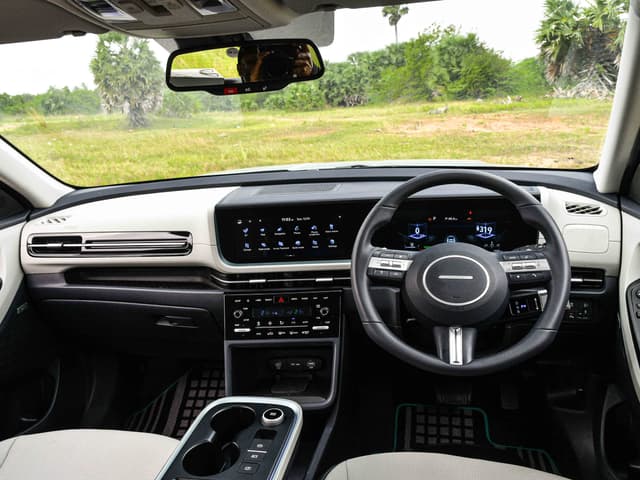
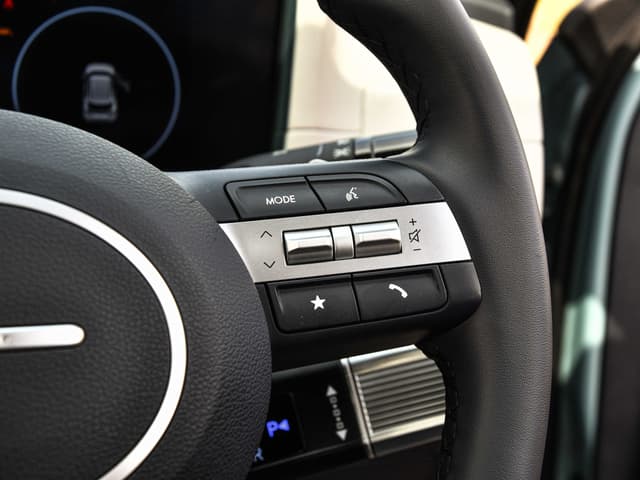
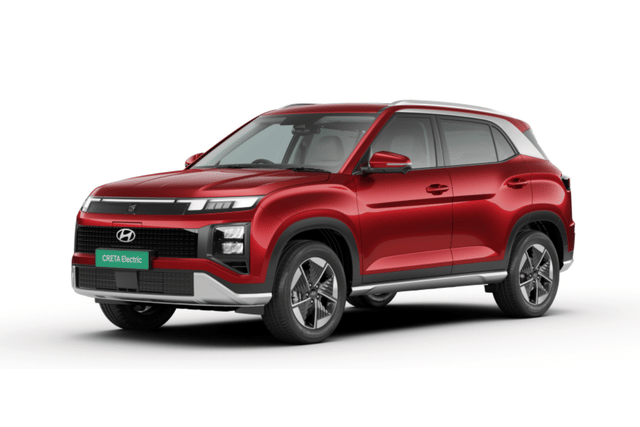
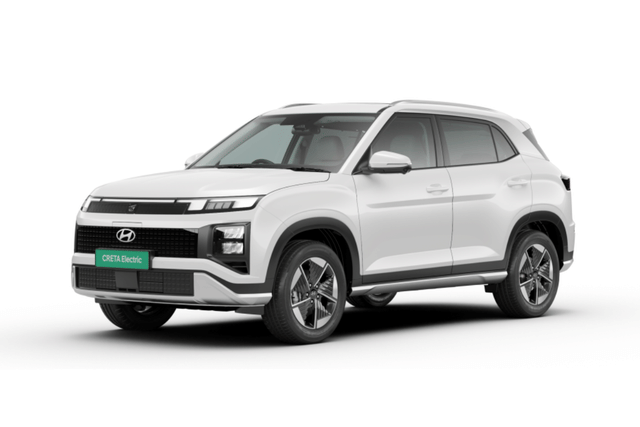
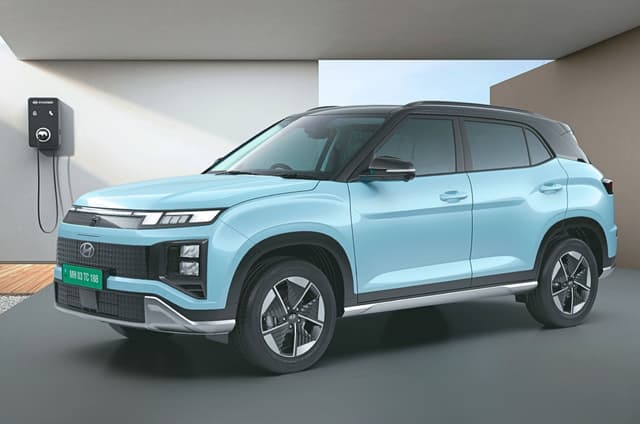
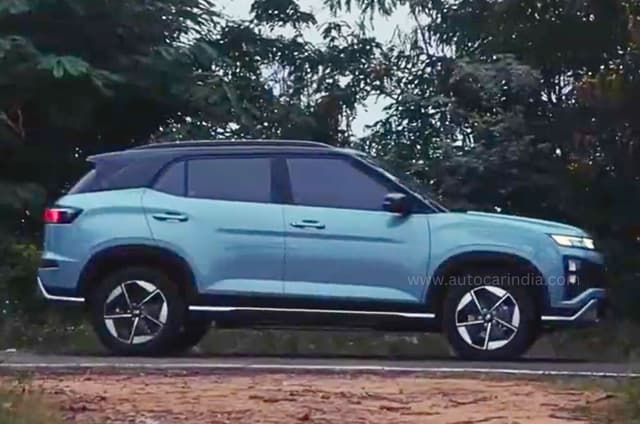
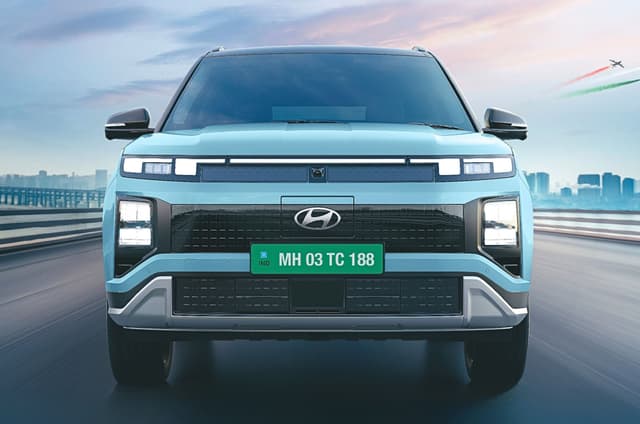
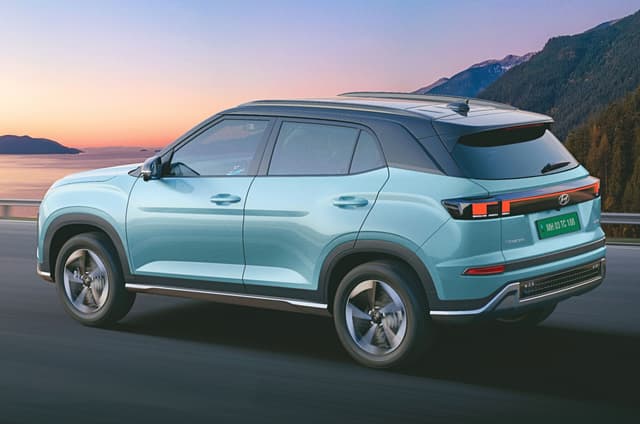
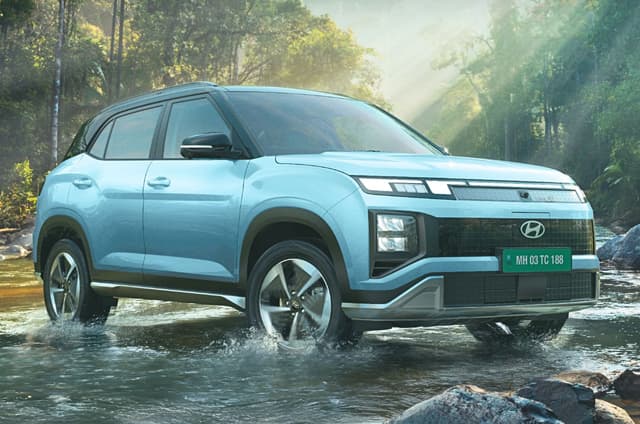
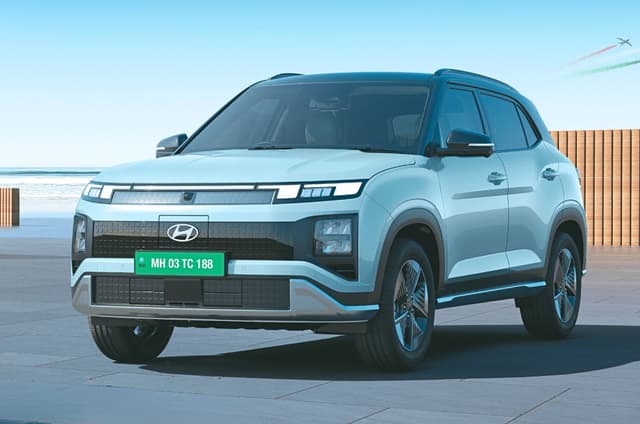
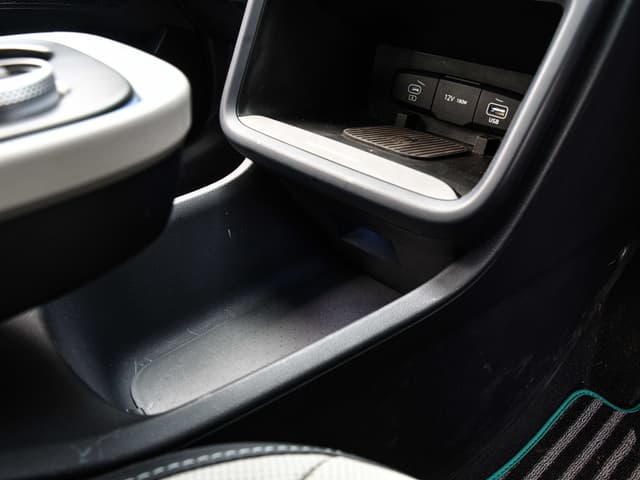
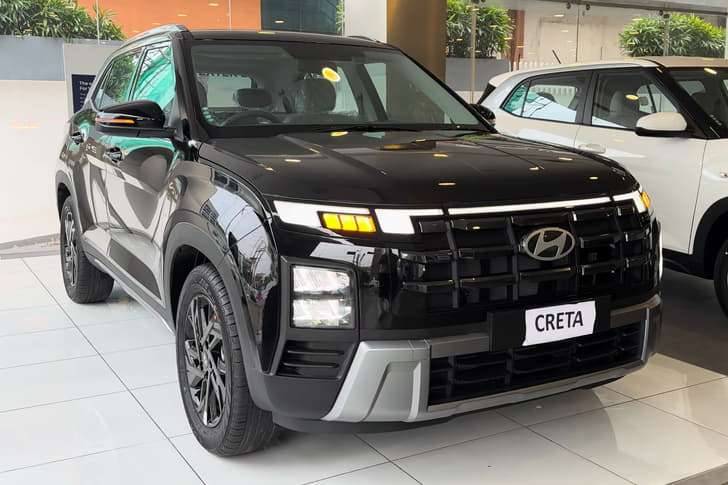
Hyundai Creta Electric Images
Hyundai Creta Electric videos

.jpg?w=640&q=75)

.jpg?w=640&q=75)
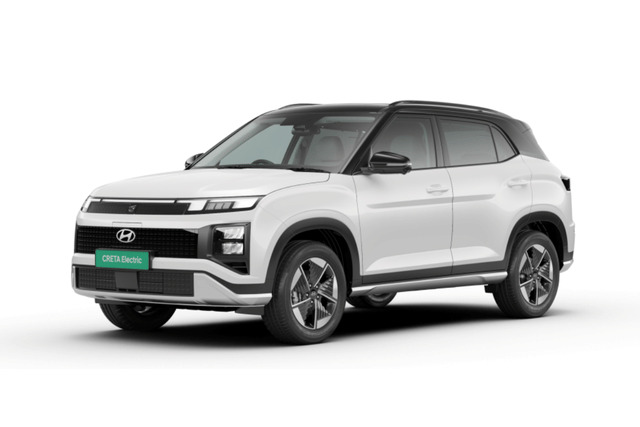
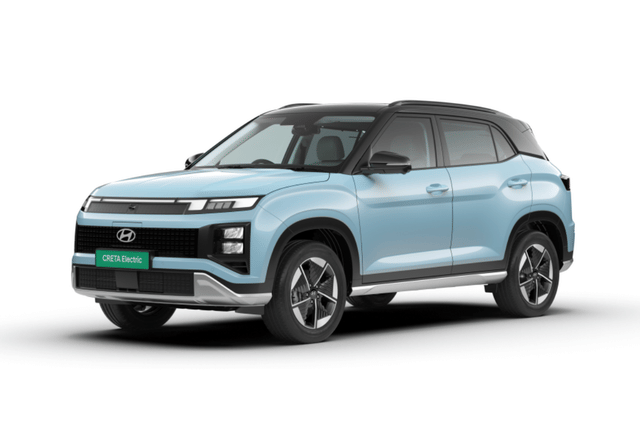
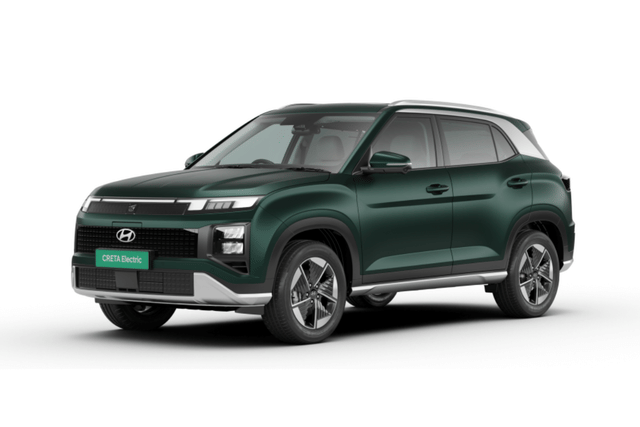
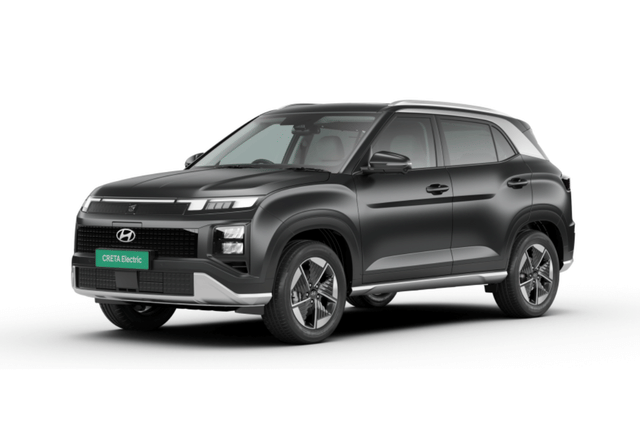
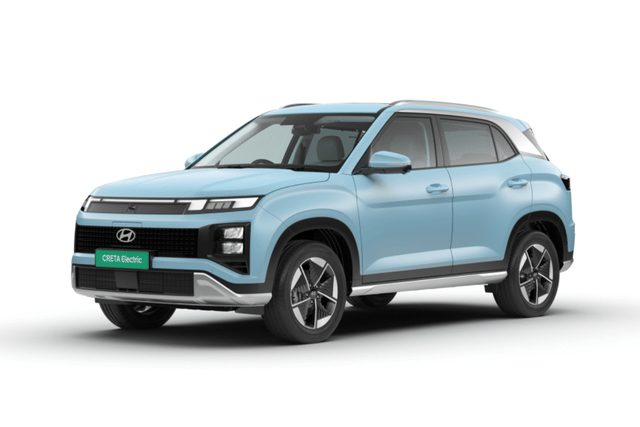
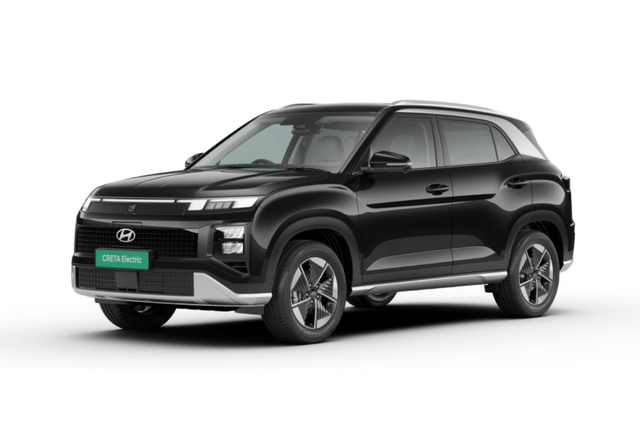
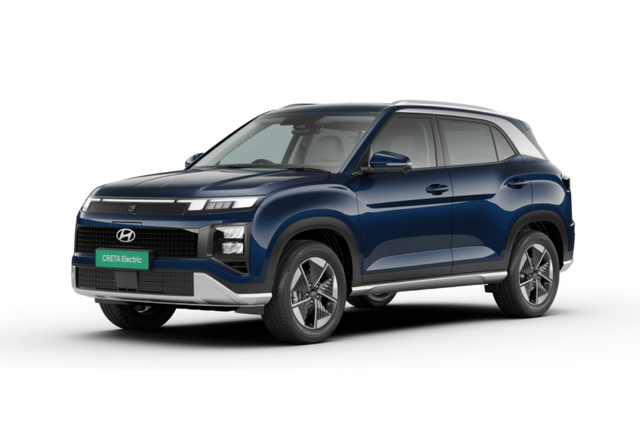
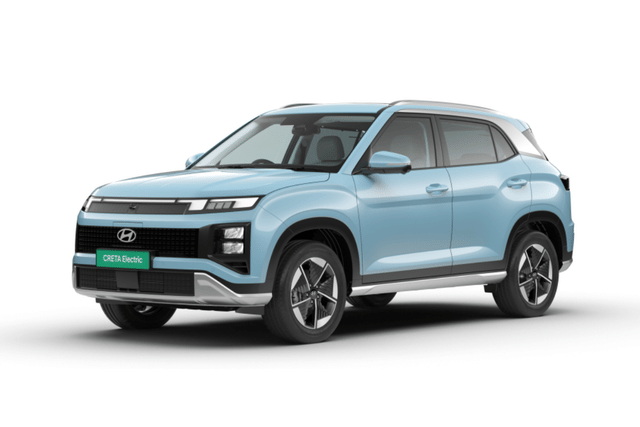
Hyundai Creta Electric Colours
Hyundai Creta Electric FAQs
The Hyundai Creta Electric price in India starts at ₹18.02 lakh and goes up to ₹23.82 lakh, ex-showroom.
The base-spec Executive Hyundai Creta Electric price is ₹18.02 lakh, ex-showroom.
The base-spec Executive Hyundai Creta Electric on road price in Vashi is ₹19.08 lakh.
The Excellence Hyundai Creta Electric price is ₹21.30 lakh, ex-showroom.
The Excellence Hyundai Creta Electric on road price in Vashi is ₹22.63 lakh.
The top-spec Excellence LR Knight Hyundai Creta Electric price is ₹23.82 lakh, ex-showroom.
The top-spec Excellence LR Knight Hyundai Creta Electric on road price in Vashi is ₹25.28 lakh.
Questions you may find useful
BM
•3dHi. I'm looking for a new car in the range of 20-25 lakh. My usage is primarily city-based, with an average monthly distance of about 500 km, and I plan to retain the car for around 10 years. I'm leaning towards EVs mainly due to their lower running cost, lower maintenance costs, smoother ride quality, lower exposure to fuel price fluctuations, and being the technology for the future. I can have home charging installed, and I rarely go on long road trips. Given my usage conditions, should I go for an EV instead of a regular petrol car? If yes, which car would be best suited for my needs?

Autocar India
Given your usage, an EV makes strong sense, and the Hyundai Creta Electric is a great fit. In our real-world test, the long-range 51kWh battery managed a combined 432km, which almost covers your monthly usage, so you would only need to plug in at home every couple of weeks. In city traffic, it is very smooth and quiet, with a strong pull at low speeds, so gaps are easy and you won’t feel gear shifts. Over 10 years, the simpler EV hardware means fewer routine services, and you are less exposed to fuel price swings. Most electric cars also come with a long battery warranty, which helps give peace of mind.A few trade-offs to keep in mind. At 500 km a month, the money you save on running will add up slowly, so buy it mainly for the smooth drive and ease of use. For the rare long trip, you will need to plan charging stops, but the Creta Electric can charge at up to 100kW, which makes quick top-ups easy.If you want a bit more space, the Kia Carens Clavis EV is a solid alternative in your range. Overall, for your city-heavy routine with home charging, the Creta Electric lines up best.
J A Christopher
•6dAre EVs prone to motion sickness? My daughter feels nauseated even in ICE cars during continuous 40-50 km travel. Will an EV worsen this? Kindly advise.

Autocar India
Motion sickness in cars is usually caused by inconsistent movement, not the fuel type. It happens when the body senses motion, but the eyes do not match it, which is common in stop-and-go driving, frequent braking, body roll or jerky acceleration over longer drives.In petrol cars, this often comes from gear shifts, uneven power delivery and sudden braking, while in electric cars it can come from instant acceleration or strong regenerative braking if driven abruptly. So the root issue is how smooth or jerky the car feels, not whether it is petrol or electric.This is where newer EVs can actually help. Cars like the Hyundai Creta Electric and Kia Carens Clavis EV are among the smoothest to drive, with very linear acceleration, no gear shift shocks and a comfortable ride. Driven gently, they feel far more consistent in their movement compared to their petrol or diesel versions, which can reduce the chances of nausea.Compared to your Fiat Punto Evo, both will feel like a clear upgrade in refinement, ride comfort and overall smoothness.
Bcm ARJUNA
•1wI am confused which car to buy: Creta EV or Mahindra BV 6?

Autocar India
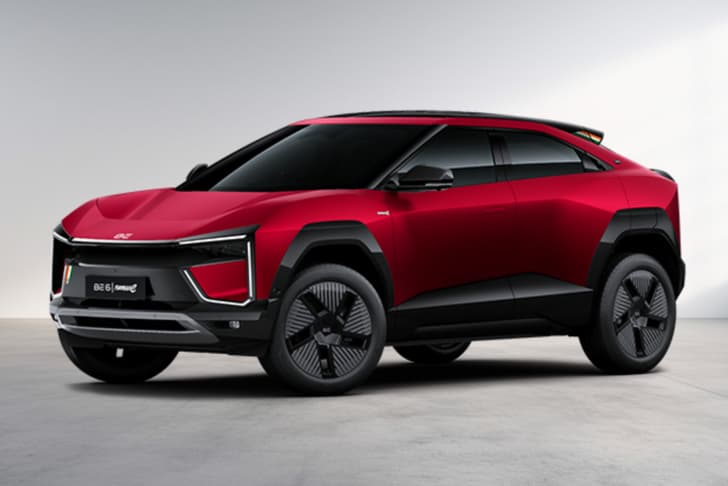
These two EVs are quite different in character and how you would use them. The Hyundai Creta Electric is a no-nonsense, practical SUV that is spacious, user-friendly, and very efficient. With a 51kWh battery delivering over 400km of real-world range, this Hyundai car is well-suited for everyday commuting and family use. The interface is intuitive, and there is a strong sense of familiarity if you have experienced the regular Creta; the EV variant essentially feels like a Creta with an electric powertrain.The Mahindra BE 6, on the other hand, is all about making a statement. Its radical design will turn heads, though it may feel a bit too polarising for some. It is the more driver-focused option here, with a sportier feel and impressive ride quality. The range is competitive too, but practicality takes a hit because the rear seat is not as accommodating, and the infotainment and controls are not as intuitive as those in the Hyundai.In the end, it comes down to your priorities. If you want a comfortable, easy-to-live-with EV that works well as a daily family car, the Creta Electric is the safer bet. If you are after something more distinctive, sporty, and primarily for self-driving enjoyment, the BE 6 fits the bill better.
Siddharth Yadav
•1wI live in New Delhi and currently own a Honda Elevate (2023). My daily city commute is around 100 km. I want to buy an EV and have shortlisted the Toyota Urban Cruiser Ebella and the Hyundai Creta Electric. Please suggest which one would be better, especially in terms of air conditioning, as Delhi gets extremely hot in the summer. Most of my driving is in bumper-to-bumper traffic.

Autocar India
Both the Toyota Urban Cruiser Ebella and the Hyundai Creta Electric should cope well with brutal Delhi summers. Both cars are equipped with automatic climate control and rear AC vents, so basic cooling performance will not be a deal-breaker in either.However, the Ebella story in India is still evolving. Toyota has unveiled the car and opened bookings, but prices and full variant details are only being drip-fed and final ex‑showroom pricing has still not been announced, which is unusual this long after a reveal and suggests Toyota is still not clear on its India EV strategy. That uncertainty could affect delivery timelines.The Hyundai Creta EV, on the other hand, is based on a well‑proven package with a clear India focus. It offers a roomy, practical cabin, a larger and more usable boot, and plenty of comfort features, including dual‑zone automatic climate control and rear vents that will help keep occupants cool in slow, bumper‑to‑bumper traffic. For a 100 km daily Delhi commute, its balance of efficiency, space and everyday usability makes it the more sorted and predictable choice today.
Jay Patel
•2wI am planning to buy a new car and would appreciate your expert recommendation based on the following requirements: Budget: ₹20-22 lakh (on-road) Usage: Daily commute of around 50 km, mostly in heavy city traffic (Mumbai) Priorities: Ease of driving in city conditions and overall comfort I am open to all fuel types: petrol, diesel, or electric, but I am unsure which would be the most sustainable and cost-effective option for my usage, especially considering heavy traffic conditions.

Autocar India
Go for the Hyundai Creta Electric for your 50 km Mumbai commute, an EV is the easiest and most comfortable to drive while keeping running costs low. In traffic, it pulls away smoothly, feels very quiet inside, and with a rated range of 420km to 510km, depending on which battery you choose, charging requirements will be minimal. The driving position is commanding, visibility is good, the steering is light, and the ride handles bumps well, which helps on broken city roads. One thing you have to make sure of, however, is that a charger can be installed at your home, which is essential to EV ownership today. If you're uncertain about the charging, consider a strong hybrid like the Maruti Suzuki Victoris. It also delivers very low running costs (though not quite as low as an EV), and the advantage is that you don't have to charge it.
Manjunath Ramaiah
•3wI am a senior citizen planning to buy an electric car or SUV with a budget of up to ₹25 lakh. I live in a farmhouse about 70 km away from Bangalore and typically travel at least 100 km, four days a week, along with occasional longer trips of around 250 km at least three times a month. I am looking for an SUV that offers comfortable driving on steep gradients, along with high levels of safety, durability (including resistance to water and fire risks), and a real-world driving range that is close to the claimed figures. Which electric SUV would be the most suitable for my needs? Please suggest.

Autocar India
The Hyundai Creta Electric is one of the best-suited options here. It is a spacious and comfortable SUV, which makes a big difference for long drives. The ride quality is well-tuned for comfort, the seats are supportive, and the overall driving experience is relaxed, which will suit you well as a senior driver.It is also extremely easy to drive. The controls are light, the power delivery is smooth and predictable, and the car feels very natural to get used to. Unlike some newer EVs like the Mahindra BE 6, which feel more futuristic and tech-heavy, the Creta EV feels like a normal, familiar car that just happens to be electric. This makes it far less intimidating and more comfortable to live with day to day.Performance is strong enough for inclines thanks to instant torque, and it feels confident on highways. The real-world range is sufficient for your 100 km regular drives and can manage your 250 km trips with some planning. Safety is also well taken care of, with modern features and driver aids adding reassurance on longer journeys.
kEsHaV bAnSaL
•5wI am confused between the Tata Punch EV, Toyota Ebella, and Hyundai Creta EV. I am not very sure about Ebella, as there is no clear timeline yet for its launch or delivery. Is the Creta EV a good option, or should I consider the Punch EV instead? Or would it be better to wait for the Ebella?

Autocar India
The Hyundai Creta Electric is the best model from your shortlist. It's got a very refined powertrain and delivers a good range (LR variant). It also feels the best-rounded thanks to its cabin being roomier than the Tata Punch EV's and Toyota Ebella's. The Tata Punch EV is impressive, but it is essentially two sizes smaller than the Hyundai Creta Electric. Correspondingly, it won't be as well-suited to family use as the Creta. Toyota's Ebella doesn't quite hit the spot. It's not particularly practical for its size, and the stiff ride quality also marks it down. The Toyota should be keenly priced when it goes on sale in the days to come.
Rajesh R
•6wMy weekly car travel is 700 km, with 60% on state highways (two-lane) and 40% in the city. I'm confused between the Creta EV Excellence LR 51.4kWh and the Kia 2026 Seltos diesel manual or automatic. My yearly run is approximately 33,000 km. It is also for business purposes, with occasional visits to rural village areas up to 200 km, about three times a week. The above annual run includes all of this.

Autocar India
Since most of your driving is outside the city and even in rural areas, an electric car might pose some challenges like recharging. Rural areas don't have as many chargers as small towns or cities, and even if you do find one, voltage fluctuations are a common occurrence. Also, for long highway trips, an EV requires a lot more planning and factors like waiting queues at charging stations.Your best bet for a hassle-free ownership experience would be a diesel SUV. The Kia Seltos is new, updated and gets a tried and tested diesel engine that suits your needs the best. We would recommend the Seltos diesel over the Hyundai Creta Electric.
Rajesh singh
•7wWith respect to my earlier query, I have booked the Maruti E Vitara Zeta variant, which is 61kW. Will this be a sensible buy, as I am replacing it with a 2016 Brezza diesel manual that has done 1.07 lakh km? The E Vitara would be automatic, as electric cars are. I plan to keep it for 10 years for city driving and occasional highway use, or would you suggest any other electric in this price band with the same battery pack and reliability as MS? Monthly run is 900km.

Autocar India
The Maruti Suzuki E Vitara is a sensible electric car, backed by Nexa's widespread sales and support network. It is also equipped with a large 61kWh battery, with which you can expect a highway range of approximately 370km on a full charge - city range will be better. The interiors feel premium, performance is smooth, and its light steering and tight turning radius make it very easy to manoeuvre. That said, the E Vitara's user experience is flawed, the floor is high, which results in a knees-up seating, and its suspension isn't as sorted as some rivals.We would suggest that you consider the entry-level variants of the Kia Carens Clavis EV or Hyundai Creta Electric, both of which cover the basics well. Yes, these have a smaller 42kWh battery, but their powertrain is very efficient, which will deliver impressive real-world range. Overall, both these are excellent options for similar money as the E Vitara.
Dhanoop
•7wHi, I am a 38-year-old surgeon with a daily travel of 100 km, split between city roads (50%) and state highways (50%). I am currently driving a 2018 Amaze and facing high fuel costs (around ₹8,000 weekly). I am looking to switch to an electric automatic SUV in the ₹20-35 lakh budget. I have considered the Harrier EV, XEV 9S, and Creta EV. Kindly suggest the right car (new or used) among these or any other suitable option.

Autocar India
The Hyundai Creta Electric is much smaller than the Tata Harrier EV and Mahindra XEV 9S, making it relatively much lighter than the other cars. It also has the smallest battery pack compared to the others, but on account of its lower kerb weight, it is a lot more efficient, and you can expect around 430km on a single charge with mixed usage.Hyundai has also improved the battery's DC fast-charging capability recently, so charging times are also much lower. Furthermore, it is the most sorted electric SUV you can buy, with logical ergonomics and a clutter-free user interface/experience. Also, with no or minimal glitches, the Hyundai is much more reliable than the other two, and one that's very easy to recommend.Since you have a budget of up to Rs 35 lakh, you could look for a Hyundai Ioniq 5. The Ioniq 5 is an outstanding electric car, and for all its merits, it even won our 2024 Car of the Year. It will be a bit more effort to source one, but because a facelift is expected soon, dealers will try to liquidate existing stock at mouth-watering discounts.