Autocar India
SY

Siddharth Yadav

1w

I live in New Delhi and currently own a Honda Elevate (2023). My daily city commute is around 100 km. I want to buy an EV and have shortlisted the Toyota Urban Cruiser Ebella and the Hyundai Creta Electric. Please suggest which one would be better, especially in terms of air conditioning, as Delhi gets extremely hot in the summer. Most of my driving is in bumper-to-bumper traffic.

Autocar India team

Autocar India

Verified
2m
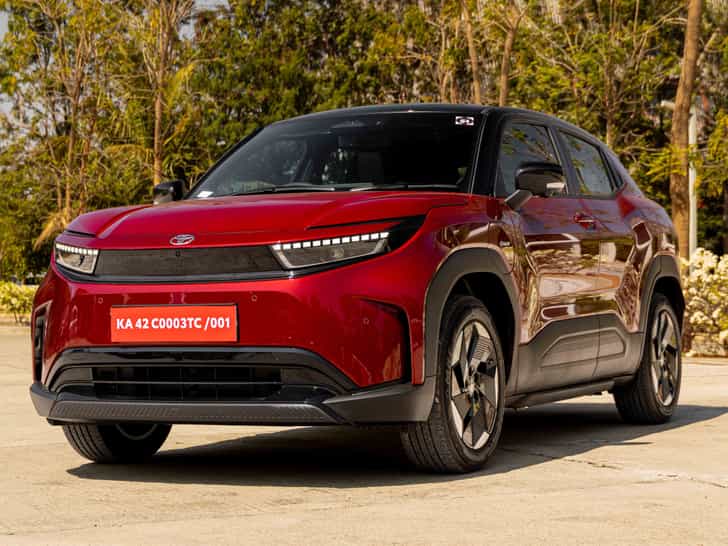
Both the Toyota Urban Cruiser Ebella and the Hyundai Creta Electric should cope well with brutal Delhi summers. Both cars are equipped with automatic climate control and rear AC vents, so basic cooling performance will not be a deal-breaker in either.
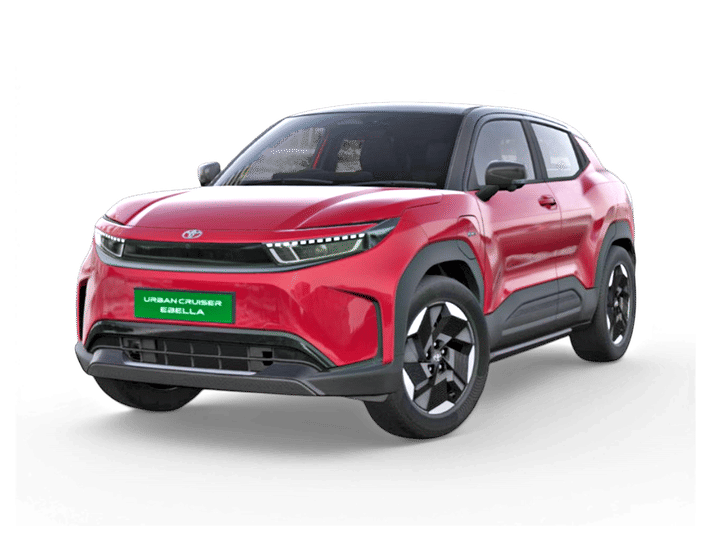
However, the Ebella story in India is still evolving. Toyota has unveiled the car and opened bookings, but prices and full variant details are only being drip-fed and final ex‑showroom pricing has still not been announced, which is unusual this long after a reveal and suggests Toyota is still not clear on its India EV strategy. That uncertainty could affect delivery timelines.
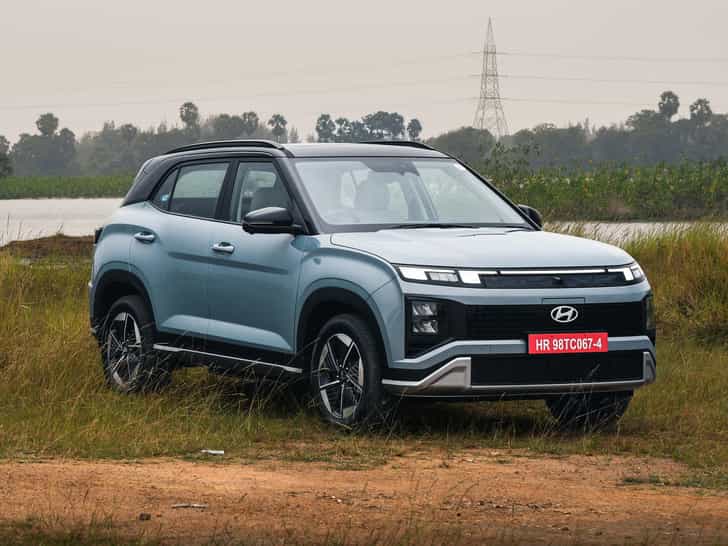
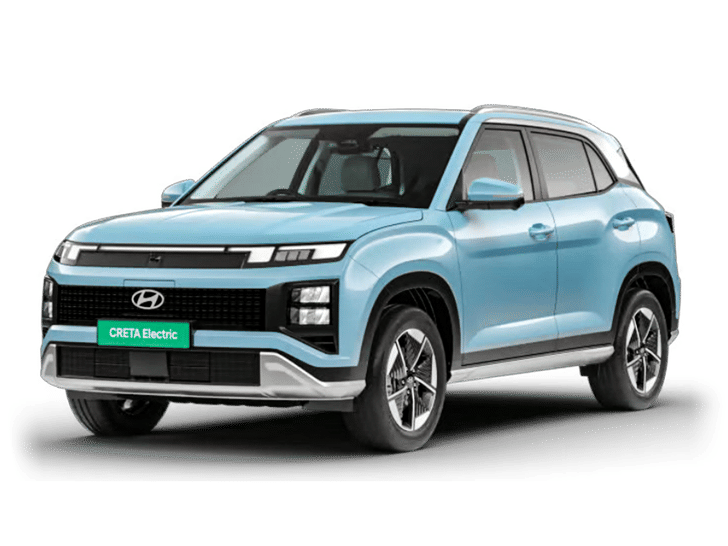
The Hyundai Creta EV, on the other hand, is based on a well‑proven package with a clear India focus. It offers a roomy, practical cabin, a larger and more usable boot, and plenty of comfort features, including dual‑zone automatic climate control and rear vents that will help keep occupants cool in slow, bumper‑to‑bumper traffic. For a 100 km daily Delhi commute, its balance of efficiency, space and everyday usability makes it the more sorted and predictable choice today.
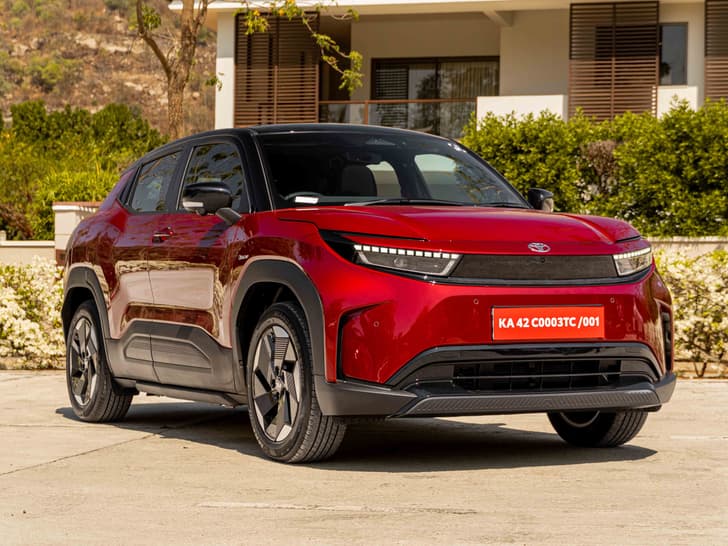
Toyota Urban Cruiser Ebella

Toyota Urban Cruiser Ebella

More questions on similar cars

BA

Bcm ARJUNA

1w

I am confused which car to buy: Creta EV or Mahindra BV 6?

Autocar India team

Autocar India

Verified
1d

These two EVs are quite different in character and how you would use them. The Hyundai Creta Electric is a no-nonsense, practical SUV that is spacious, user-friendly, and very efficient. With a 51kWh battery delivering over 400km of real-world range, this Hyundai car is well-suited for everyday commuting and family use. The interface is intuitive, and there is a strong sense of familiarity if you have experienced the regular Creta; the EV variant essentially feels like a Creta with an electric powertrain.The Mahindra BE 6, on the other hand, is all about making a statement. Its radical design will turn heads, though it may feel a bit too polarising for some. It is the more driver-focused option here, with a sportier feel and impressive ride quality. The range is competitive too, but practicality takes a hit because the rear seat is not as accommodating, and the infotainment and controls are not as intuitive as those in the Hyundai.In the end, it comes down to your priorities. If you want a comfortable, easy-to-live-with EV that works well as a daily family car, the Creta Electric is the safer bet. If you are after something more distinctive, sporty, and primarily for self-driving enjoyment, the BE 6 fits the bill better.

VehicleMahindra BE 6
VehicleHyundai Creta Electric
JA

J A Christopher

3d

Are EVs prone to motion sickness? My daughter feels nauseated even in ICE cars during continuous 40-50 km travel. Will an EV worsen this? Kindly advise.

Autocar India team

Autocar India

Verified
2d

Motion sickness in cars is usually caused by inconsistent movement, not the fuel type. It happens when the body senses motion, but the eyes do not match it, which is common in stop-and-go driving, frequent braking, body roll or jerky acceleration over longer drives.In petrol cars, this often comes from gear shifts, uneven power delivery and sudden braking, while in electric cars it can come from instant acceleration or strong regenerative braking if driven abruptly. So the root issue is how smooth or jerky the car feels, not whether it is petrol or electric.This is where newer EVs can actually help. Cars like the Hyundai Creta Electric and Kia Carens Clavis EV are among the smoothest to drive, with very linear acceleration, no gear shift shocks and a comfortable ride. Driven gently, they feel far more consistent in their movement compared to their petrol or diesel versions, which can reduce the chances of nausea.Compared to your Fiat Punto Evo, both will feel like a clear upgrade in refinement, ride comfort and overall smoothness.

VehicleHyundai Creta Electric
VehicleKia Carens Clavis EV
PU

Praveen Umaji

1d

I have been using a Maruti Ciaz diesel for the past 10 years and have driven 2.3 lakh km. My driving is mostly on highways and usually alone. Now I am planning to switch to an EV and am confused between the Mahindra XEV 9e and BE6. Please suggest.

Autocar India team

Autocar India

Verified
1h

2,30,000km in 10 years is a huge amount, and the Ciaz diesel must have served you well to rack up that kind of mileage. Considering that usage, which amounts to around 1,900km per month, mostly on highways, we have to caution against getting an EV just yet. Public charging infrastructure is still developing, with chargers being few and far between, with varying degrees of functionality. Plus, if your planned charger is occupied, you could be waiting hours for access to a plug. Moreover, while there are electric cars today with large batteries and long ranges, such usage will still require frequent charging, which in the long run will take a toll on the battery's health, performance and overall lifespan. This could be offset by the relatively low maintenance costs of an EV versus an ICE vehicle, but when it is time for battery replacement, the cost will be high.With that in mind, of your two shortlisted EVs, we would recommend the Mahindra XEV 9e. While it shares its platform and powertrain with the smaller BE6, it is more spacious, more comfortable for long journeys, and feels like a more mature product overall. With the larger 79kWh battery, it offers an MIDC range of around 656km and a real-world highway range of about 488km, which amounts to an efficiency of 6.18km/kWh, which is quite impressive for an SUV.

VehicleMahindra XEV 9e

Posted on: 22 Apr 2026