Autocar India
KB

kEsHaV bAnSaL

6w

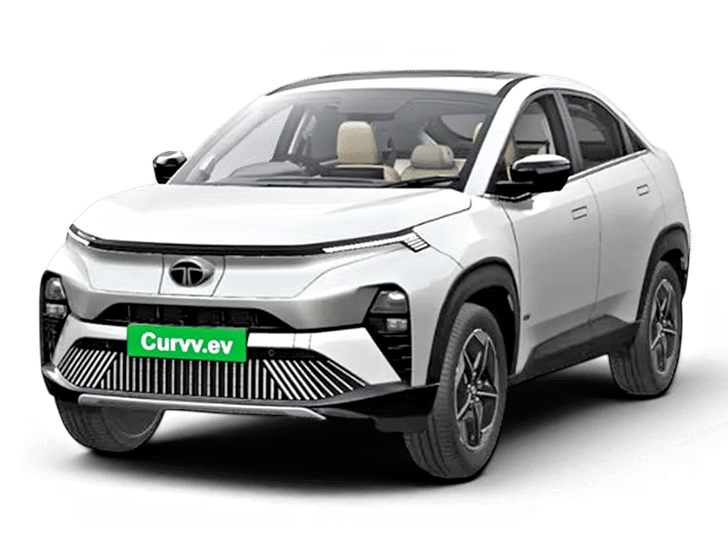
I am confused between the Tata Punch EV, Toyota Ebella, and Hyundai Creta EV. I am not very sure about Ebella, as there is no clear timeline yet for its launch or delivery. Is the Creta EV a good option, or should I consider the Punch EV instead? Or would it be better to wait for the Ebella?

Autocar India team

Autocar India

Verified
5w

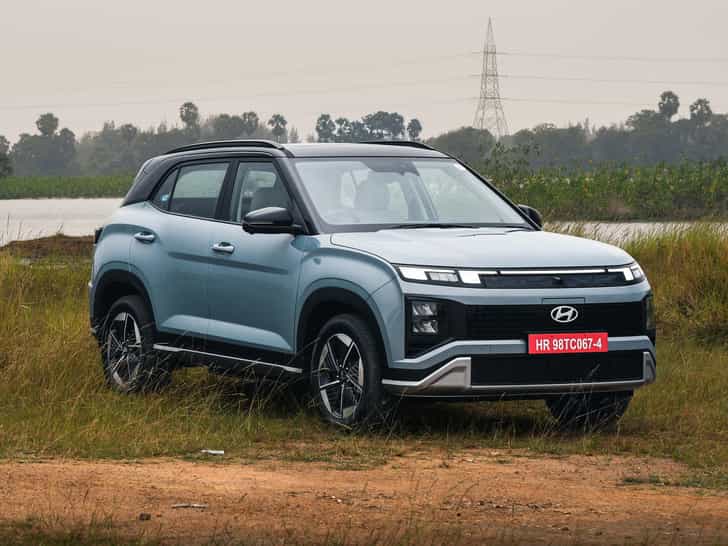
The Hyundai Creta Electric is the best model from your shortlist. It's got a very refined powertrain and delivers a good range (LR variant). It also feels the best-rounded thanks to its cabin being roomier than the Tata Punch EV's and Toyota Ebella's. 

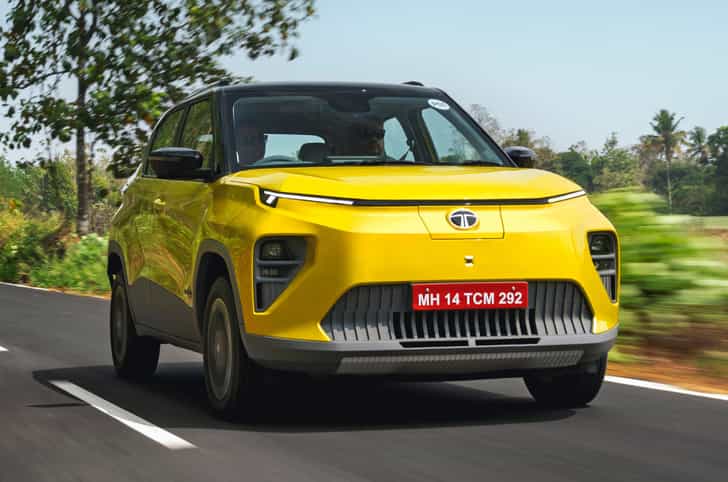
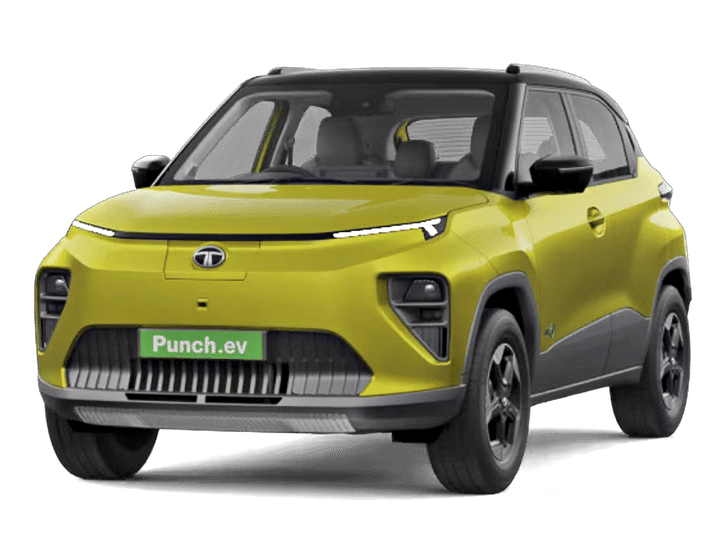
The Tata Punch EV is impressive, but it is essentially two sizes smaller than the Hyundai Creta Electric. Correspondingly, it won't be as well-suited to family use as the Creta.
 

Toyota's Ebella doesn't quite hit the spot. It's not particularly practical for its size, and the stiff ride quality also marks it down. The Toyota should be keenly priced when it goes on sale in the days to come. 
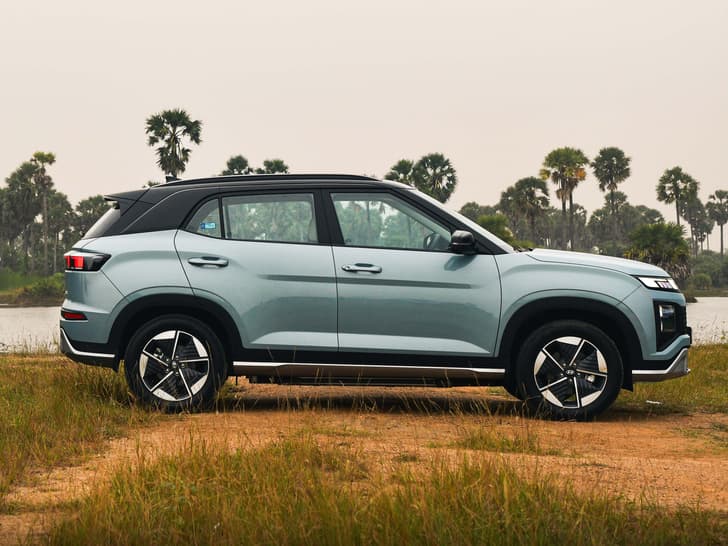
Hyundai Creta Electric

Hyundai Creta Electric

More questions on similar cars

BM

BM

4d

Hi. I'm looking for a new car in the range of 20-25 lakh. My usage is primarily city-based, with an average monthly distance of about 500 km, and I plan to retain the car for around 10 years. I'm leaning towards EVs mainly due to their lower running cost, lower maintenance costs, smoother ride quality, lower exposure to fuel price fluctuations, and being the technology for the future. I can have home charging installed, and I rarely go on long road trips. Given my usage conditions, should I go for an EV instead of a regular petrol car? If yes, which car would be best suited for my needs?

Autocar India team

Autocar India

Verified
2d

Given your usage, an EV makes strong sense, and the Hyundai Creta Electric is a great fit. In our real-world test, the long-range 51kWh battery managed a combined 432km, which almost covers your monthly usage, so you would only need to plug in at home every couple of weeks. In city traffic, it is very smooth and quiet, with a strong pull at low speeds, so gaps are easy and you won’t feel gear shifts. Over 10 years, the simpler EV hardware means fewer routine services, and you are less exposed to fuel price swings. Most electric cars also come with a long battery warranty, which helps give peace of mind.A few trade-offs to keep in mind. At 500 km a month, the money you save on running will add up slowly, so buy it mainly for the smooth drive and ease of use. For the rare long trip, you will need to plan charging stops, but the Creta Electric can charge at up to 100kW, which makes quick top-ups easy.If you want a bit more space, the Kia Carens Clavis EV is a solid alternative in your range. Overall, for your city-heavy routine with home charging, the Creta Electric lines up best.

VehicleHyundai Creta Electric
VehicleKia Carens Clavis EV
SY

Siddharth Yadav

1w

I live in New Delhi and currently own a Honda Elevate (2023). My daily city commute is around 100 km. I want to buy an EV and have shortlisted the Toyota Urban Cruiser Ebella and the Hyundai Creta Electric. Please suggest which one would be better, especially in terms of air conditioning, as Delhi gets extremely hot in the summer. Most of my driving is in bumper-to-bumper traffic.

Autocar India team

Autocar India

Verified
3d

Both the Toyota Urban Cruiser Ebella and the Hyundai Creta Electric should cope well with brutal Delhi summers. Both cars are equipped with automatic climate control and rear AC vents, so basic cooling performance will not be a deal-breaker in either.However, the Ebella story in India is still evolving. Toyota has unveiled the car and opened bookings, but prices and full variant details are only being drip-fed and final ex‑showroom pricing has still not been announced, which is unusual this long after a reveal and suggests Toyota is still not clear on its India EV strategy. That uncertainty could affect delivery timelines.The Hyundai Creta EV, on the other hand, is based on a well‑proven package with a clear India focus. It offers a roomy, practical cabin, a larger and more usable boot, and plenty of comfort features, including dual‑zone automatic climate control and rear vents that will help keep occupants cool in slow, bumper‑to‑bumper traffic. For a 100 km daily Delhi commute, its balance of efficiency, space and everyday usability makes it the more sorted and predictable choice today.

VehicleToyota Urban Cruiser Ebella
VehicleHyundai Creta Electric
MZ

Mohammed Zuber

4d

Hello Autocar team, I am planning to buy a new car, and I am very much confused between the VW Virtus GT and the Hyundai Creta Auto petrol. I am a proud owner of the Hyundai Creta 1.5 SX petrol 2023. But I feel I need a more punchy car. So, can you please clear my doubts on both of these cars?

Autocar India team

Autocar India

Verified
6h

If your goal is a stronger, more exciting drive than the 2023 Creta 1.5, you should opt for the Volkswagen Virtus GT Plus. It is a lower, lighter car with a strong turbo-petrol engine and a quick-shifting DSG gearbox. The Creta's turbo-petrol engine option may have a 10hp advantage on paper, but this one feels far stronger in practice. The steering also feels more direct, so on a fast road, the car goes where you point it with less delay. Coming from your current Hyundai Creta, you will immediately feel the extra shove in the mid-range and the sharper response. There are a couple of trade-offs. You will feel bumps a bit more than in your Creta, and though ground clearance is good, it's not as good as that of an SUV.So, for pure driving fun and a real step-up in how it pulls, go Virtus GT Plus DSG. Apart from everything else, it will also feel like a different car, while another Creta will feel too similar to your 2023 model. Do note, there is a facelift for the Vento coming later in the year, so if you can wait a few months, consider doing that.

VehicleVolkswagen Virtus
VehicleHyundai Creta

Posted on: 16 Mar 2026