Cars with Cruise Control in India (53)
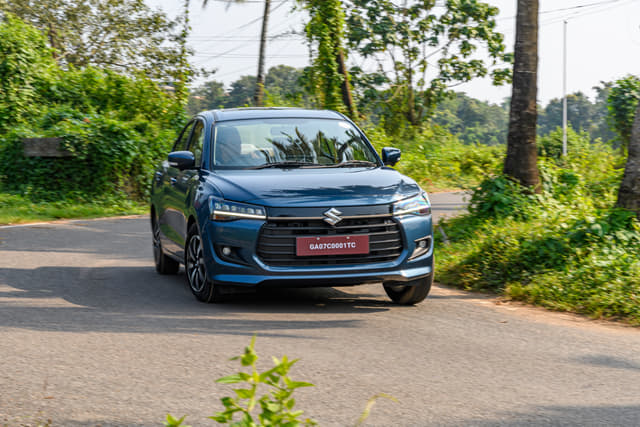
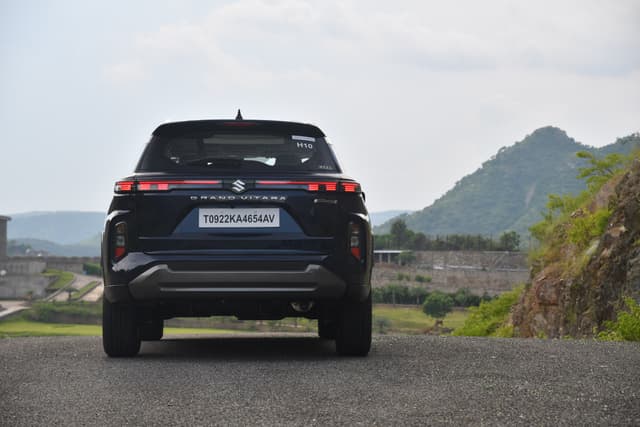
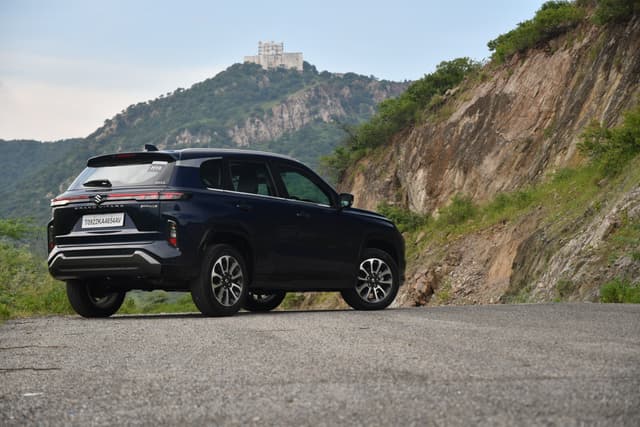
Currently, approximately 205 cars with a cruise control feature are available in the market. Cruise control in cars helps maintain a constant speed, reducing driver fatigue and improving fuel efficiency on highways. Companies like Mercedes-Benz, Maruti Suzuki, and Tata offer various cruise control cars, such as Mercedes-Benz CLE Coupe, Maruti Suzuki Baleno, and Tata Tiago EV. Let’s explore some of the best cars with cruise control in India, along with their prices.
Best Cars with Cruise Control
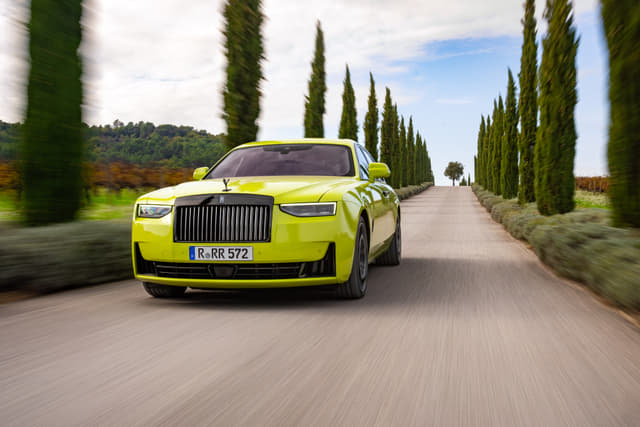
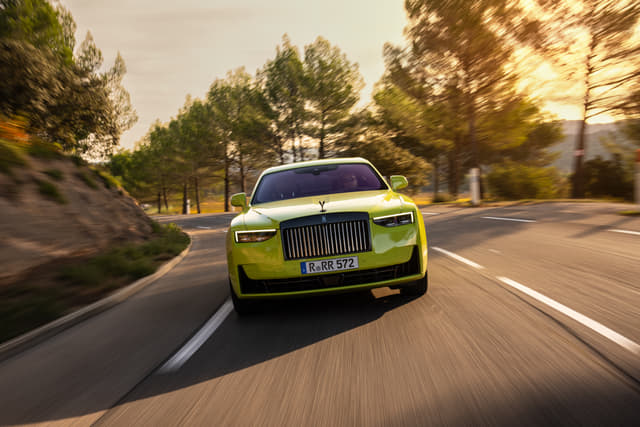
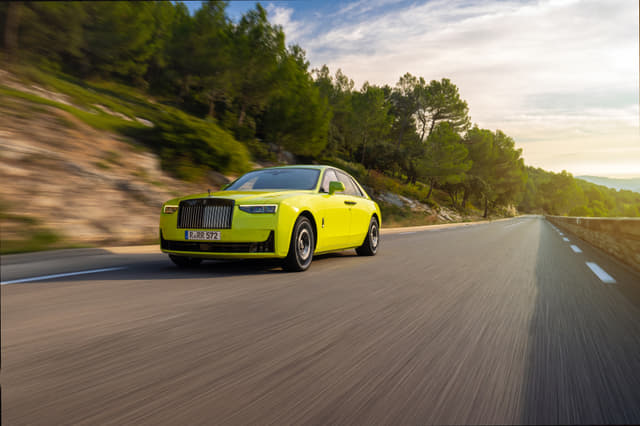
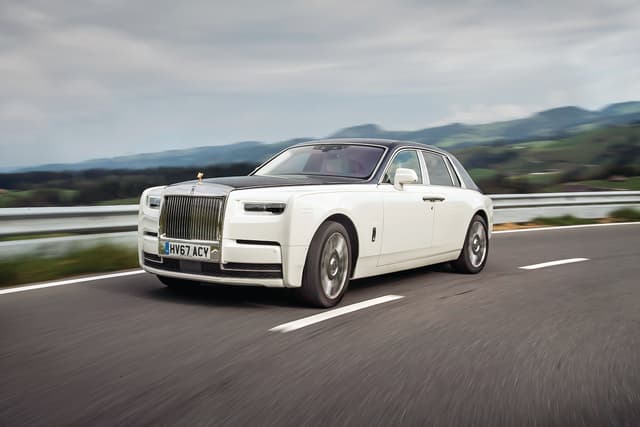
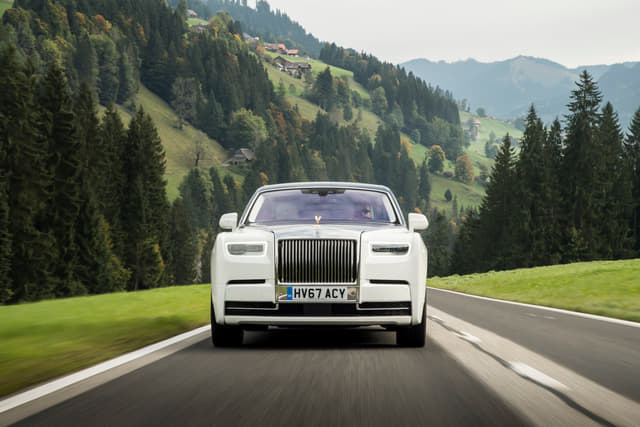
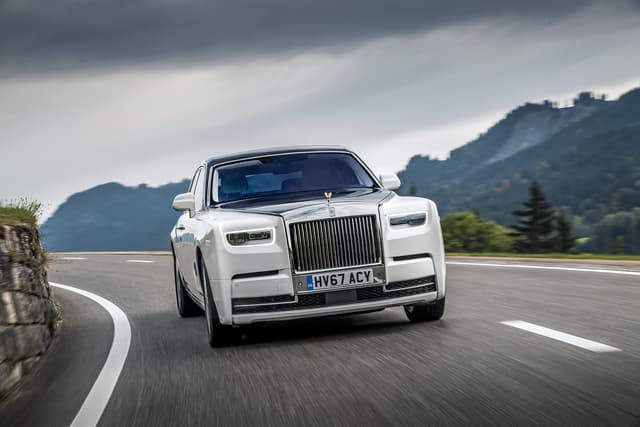
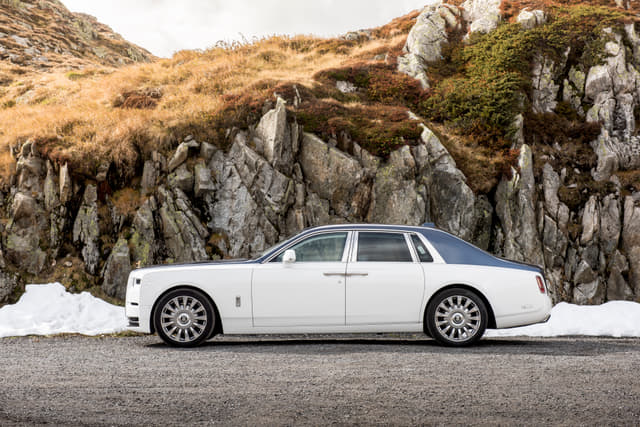
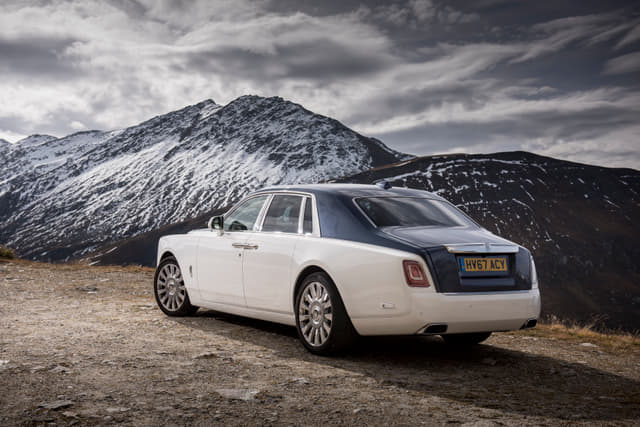
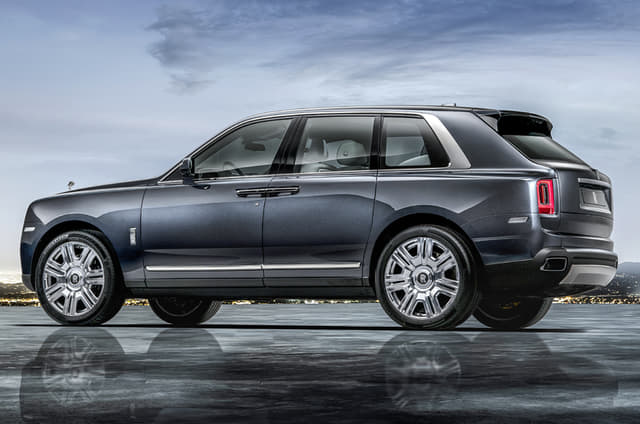
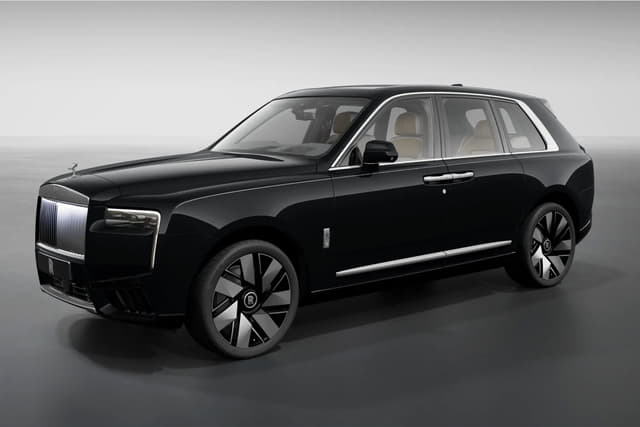
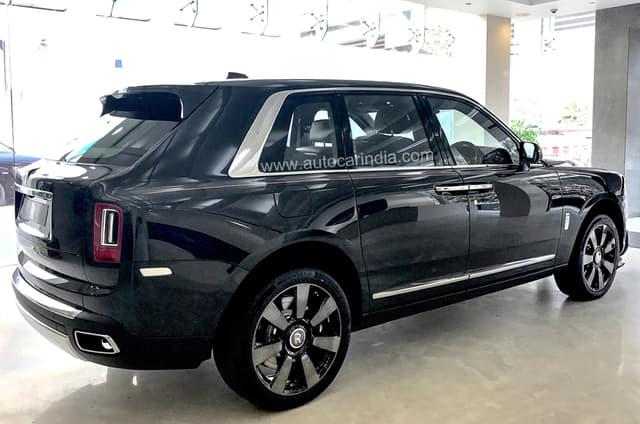
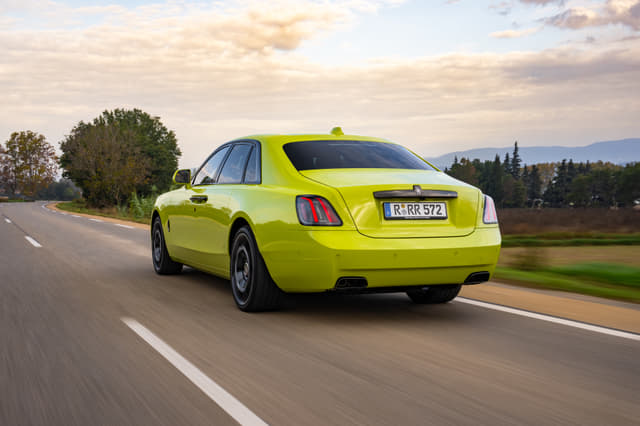
The Hyundai Creta, Tata Punch EV, and Jeep Compass are among the best cars with cruise control feature. The price of cars with cruise control ranges from ₹4.57 lakh for the Tata Tiago to ₹15.07 Cr for the Rolls-Royce Phantom.
Brand & Model | Price (Ex-showroom) | Body Type |

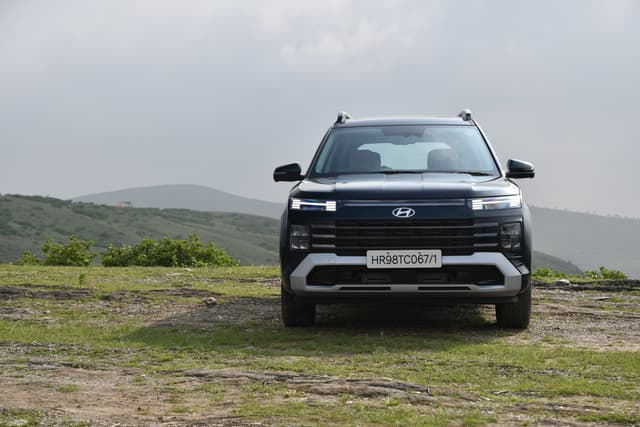
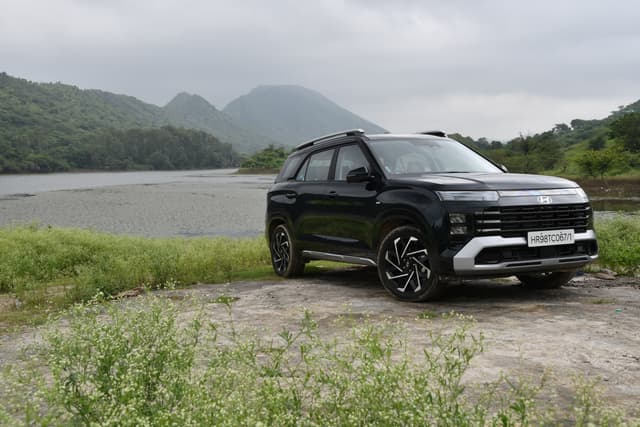
Maruti Suzuki Victoris | ₹10.50 - ₹19.99 Lakh | SUV |
Mahindra Thar | ₹9.99 - ₹16.99 Lakh | SUV |
Hyundai Venue | ₹7.90 - ₹15.51 Lakh | SUV |
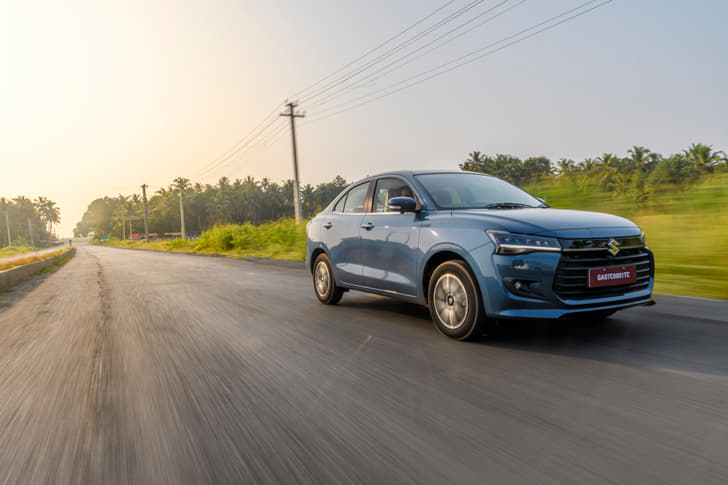
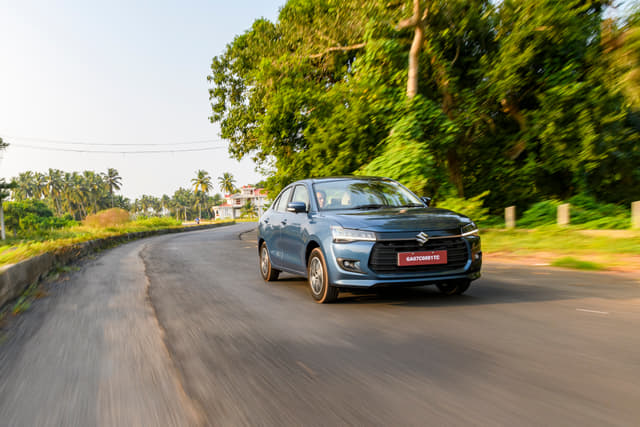
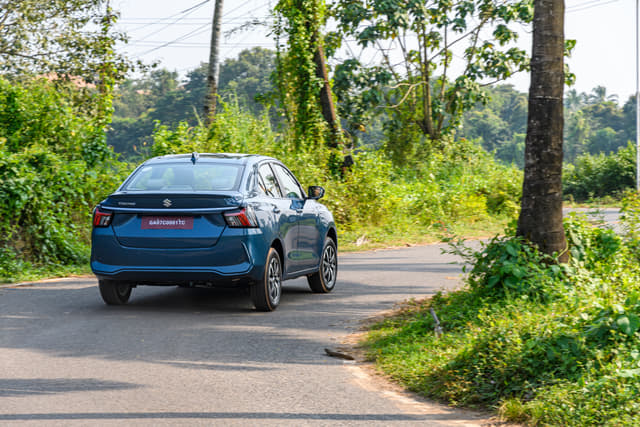
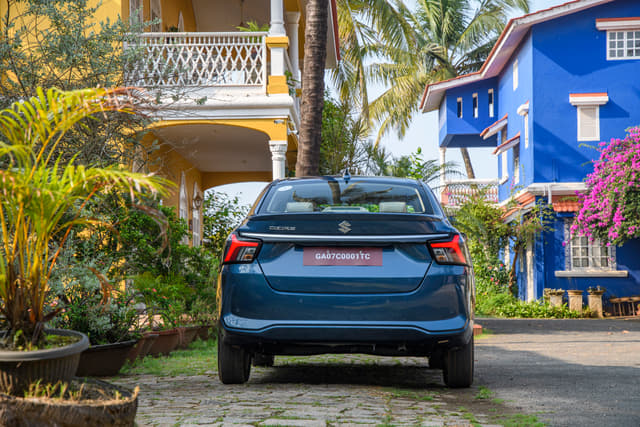
Maruti Suzuki Dzire | ₹6.26 - ₹9.31 Lakh | Sedan |
Toyota Camry | ₹47.48 Lakh | Sedan |
Maruti Suzuki Swift | ₹5.79 - ₹8.65 Lakh | Hatchback |
Tata Tiago EV | ₹7.99 - ₹11.14 Lakh | Hatchback (EV) |
Toyota Glanza | ₹6.39 - ₹9.15 Lakh | Hatchback |
Maruti Suzuki Fronx | ₹6.85 - ₹11.84 Lakh | Crossover/SUV |
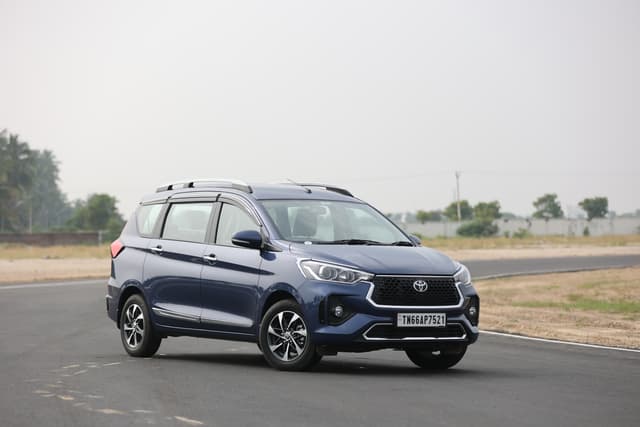
Toyota Innova HyCross | ₹18.06 - ₹30.83 Lakh | MUV |
Cars with Cruise Control- Key Highlights
Category | Car(s) |
Most Expensive | Rolls-Royce Phantom (₹12.87 - ₹15.07 Cr) |
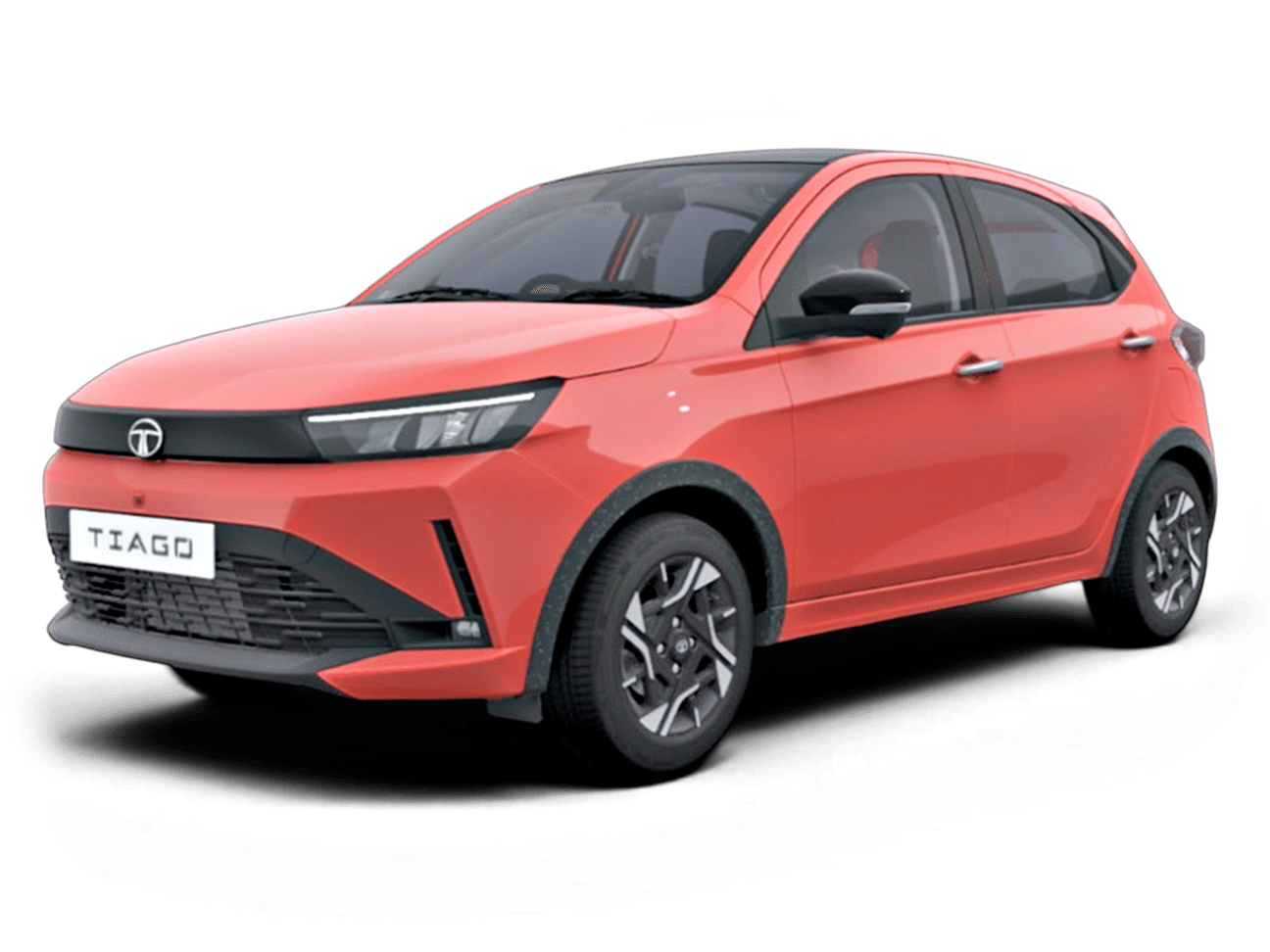
Most Affordable | Tata Tiago ₹4.57 - ₹8.10 Lakhs |
Car under 10 lakh | Hyundai Venue (₹7.90 - ₹15.51 Lakhs), Mahindra Bolero Neo (₹8.49 - ₹10.49 Lakhs), Toyota Glanza (₹6.39 - ₹9.15 Lakhs) |
Hatchback Cars | Tata Altroz, Hyundai i20, Maruti Suzuki Baleno |
7 Seater Cars | Toyota Innova Crysta, Mahindra Scorpio N, and MG Hector |


Find cars by fuel type


Find cars by fuel type


Find cars by transmission
Cars With Cruise Control - FAQs
Some of the best cars with cruise control in India include Hyundai Creta, Tata Punch EV, and Jeep Compass.
Popular cruise control cars in India include Maruti Suzuki Victoris, Tata Tiago EV, Hyundai Venue, and Toyota Innova HyCross.
Some of the top cars with cruise control under ₹15 lakh are the Maruti Suzuki Victoris, Hyundai Creta, and Mahindra Scorpio N.
A few cars with cruise control under ₹20 lakh include Toyota Innova HyCross, Mahindra BE 6e, and Kia Carens Clavis EV.
Popular hatchback cars with cruise control include Tata Altroz, Hyundai i20, and Maruti Suzuki Baleno.
Some sedan cars with cruise control are the Hyundai Verna, Maruti Suzuki Dzire, and Volkswagen Virtus.
Popular SUV cars with cruise control include Mahindra Thar, Mahindra XEV 9e, and Kia Seltos.
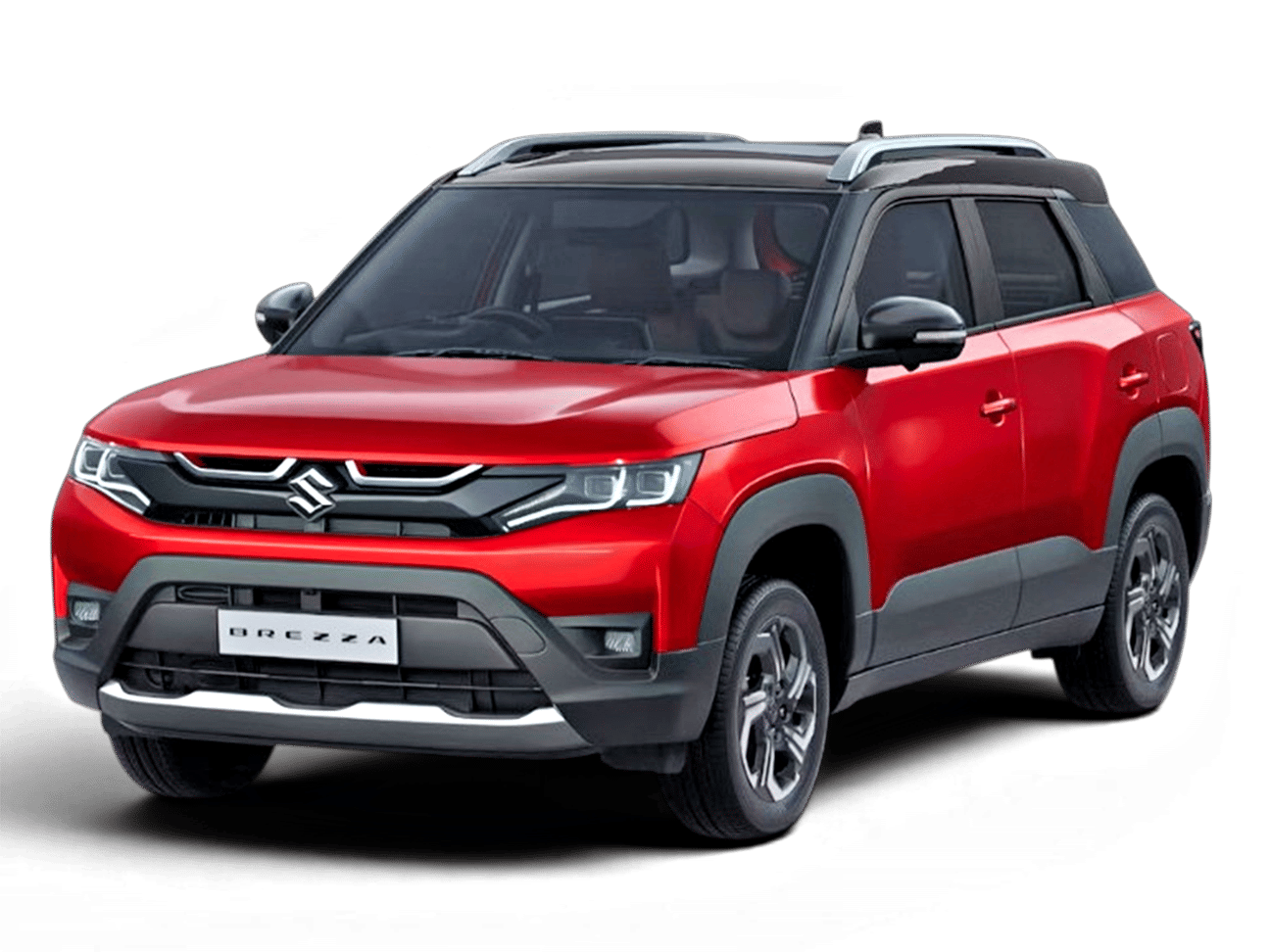
Maruti cars with cruise control include Victoris, Brezza, and Invicto, providing a comfortable and effortless driving experience.
Some Tata cars with cruise control are Tiago EV, Nexon, Safari, and Harrier.
Popular 7-seater cars with cruise control include the Toyota Innova Crysta, Mahindra Scorpio N, and MG Hector.
The most expensive car with cruise control is the Rolls-Royce Phantom, priced at around ₹15.07 Crore.
The cheapest car with cruise control is the Tata Tiago, priced at approximately ₹4.57 lakh.
Trending Questions on Cars - Answered by Autocar Experts
Every new car review emphasises the ADAS suite, justifying the hefty price tag of top-tier variants by highlighting how these features revolutionise safety. However, real-world driving conditions, especially on chaotic, high-density Indian city roads, often tell a different story. In bumper-to-bumper city traffic, features like Blind Spot Monitoring can become a constant audio-visual nuisance, leading to driver desensitisation. Even on highways, using Adaptive Cruise Control or Lane Keep Assist requires a massive leap of faith, while Autonomous Emergency Braking (AEB) risks triggering a rear-end collision if it misinterprets a tight gap and brakes abruptly. Given this friction between global tech and local infrastructure, I want to explore two perspectives: 1. The Consumer Choice Argument: Should carmakers force ADAS into expensive top-spec bundles, or should they offer these safety suites as a modular, standalone option so buyers don't pay for tech they immediately turn off? 2. The Systematic Evolution Argument: Is forcing this technology onto the market the right catalyst to eventually push Indian drivers, road infrastructure, and government regulations to mature into a safer, more standardised ecosystem?
This is a genuinely important question, and the answer is not as simple as “ADAS is good” or “ADAS is annoying.” The reality is that ADAS systems are designed for highly standardised road environments, and India is anything but that. In dense city traffic, features like blind spot monitoring and lane keep assist can become a constant source of alerts, leading to exactly the kind of desensitisation you mention. On highways, adaptive cruise control and lane keep assist can work well, but only when lane markings are clear and traffic behaviour is predictable, which is not always the case here. Autonomous emergency braking is a double-edged sword: it can save lives, but in a country where drivers are used to tight gaps and sudden manoeuvres, it can also create new risks.On the consumer choice argument, the current approach of bundling ADAS into top-spec variants is not ideal. Safety should not be a luxury add-on, and buyers should not have to pay for a suite of features they may not use. A modular approach, where ADAS can be added as a standalone package, would be far more sensible. It would allow buyers to make an informed decision based on their driving environment and comfort level with the technology.On the systematic evolution argument, there is some merit to the idea that pushing this technology into the market can drive broader change. As more cars are equipped with ADAS, there is pressure on infrastructure and regulations to catch up. But that only works if the systems are calibrated for local conditions and drivers are properly educated on how to use them. Otherwise, you risk creating frustration rather than progress.The bottom line is that ADAS is not a silver bullet. It is a tool that can enhance safety, but only when it is implemented thoughtfully and used in the right context. Carmakers should give buyers the choice, and regulators should focus on creating the conditions where these systems can actually deliver on their promise.
My creta has cruise control but I've barely used it. Planning a long highway trip soon, so wondering if it's actually useful on Indian highways. Those who use it regularly, what's your experience?
The parking space in my apartment is very small. I can park a car similar in size to a Wagon R, but anything larger will be tight. I am planning to buy a small car by 2028. My budget is up to Rs 13 lakh, and I want a car with cruise control. As far as I have seen, only Maruti makes small cars, but none of its current models appeals to me because they feel too basic and do not offer cruise control. I have heard that Maruti is planning to launch small cars such as the Suzuki Hustler and a new small EV similar to the eWX. Is it wise to wait for these models? Are they likely to be available by 2028?
Since you are planning to buy only in 2028, there is little reason to compromise on a car that does not meet your requirements today. The upcoming Hyundai compact EV, which will sit in the Punch EV/Nexon EV space, is particularly worth waiting for. It is expected to be a compact, city-friendly SUV with modern features, and Hyundai has already confirmed Level 2 ADAS and a new-generation infotainment system.Maruti Suzuki is also working on smaller products. The Hustler-based compact SUV has been reported for around 2027, while the eWX-based affordable EV is expected around 2027–28. However, the exact specifications, pricing and launch timelines are still not confirmed.
Hi, I own a Toyota Yaris J CVT (2021) petrol automatic that has run 35000 km. I dont have an in-built cruise control and I want to install a third party cruise control device which will cost around Rs 30,000. Is it a good idea to install a third party cruise control device and will it effect the car in any way. Do insurance companies accept third party cruise control device. Please advice.
We would not recommend installing a third-party cruise control system on your Yaris. The car was not originally equipped with cruise control, and retrofitting an aftermarket system can introduce reliability and safety concerns. These systems often require integration with the car's electronics and throttle control, and if not installed perfectly, they can cause unpredictable behaviour or interfere with the car's existing systems. From an insurance perspective, any modification that affects the car's control systems should be declared, and insurers may take a cautious view on non-OEM cruise control installations. The Yaris is a reliable, well-engineered car, and it is not worth compromising that for an aftermarket add-on. If cruise control is essential to you, it is better to consider a car that comes with it from the factory. Otherwise, we would recommend enjoying the Yaris as it is.
Suggest a car Requirements: Daily city driving in Bangalore, with lots of potholes. I am open to either an SUV or a sedan. My budget is Rs. 25-30 lakh on-road. ADAS, cruise control, and hill assist are must-have features. I want a car that offers a comfortable drive, feels luxurious, and is fun to drive. An automatic transmission is a must.
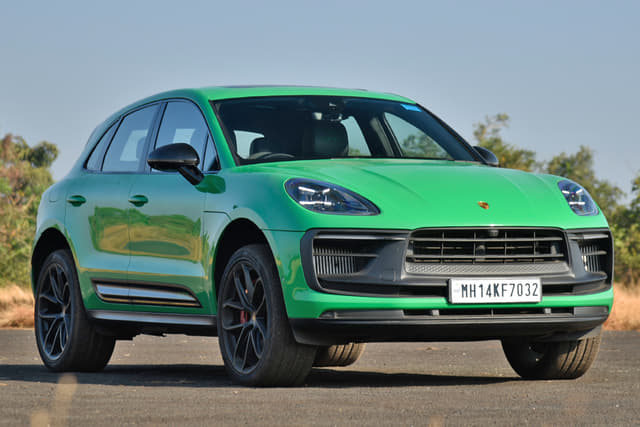
Go for the Kia Seltos 1.5 T-GDi DCT. It is the best fit for your requirements. The Seltos turbo is genuinely fun to drive, with strong performance and a well-sorted chassis that makes it enjoyable on both city roads and highways. The 1.5 T-GDi engine paired with the DCT automatic is a highlight, offering quick shifts and a responsive driving experience. At the same time, this Kia car is comfortable over broken roads and potholes, with a suspension setup that strikes a good balance between ride comfort and handling. It also feels premium inside, with a well-built cabin and a solid feature set that includes ADAS, cruise control and hill assist. The only thing to be aware of is that the DCT gearbox can feel a bit clunky in stop-and-go traffic, but overall it is a well-rounded package that delivers exactly what you are looking for. If you want something a bit larger, the Mahindra XUV 7XO turbo-petrol is a good alternative, but it will feel large and cumbersome in Bangalore city traffic, and its fuel economy is very poor.
Last Updated on: 6 Oct 2026