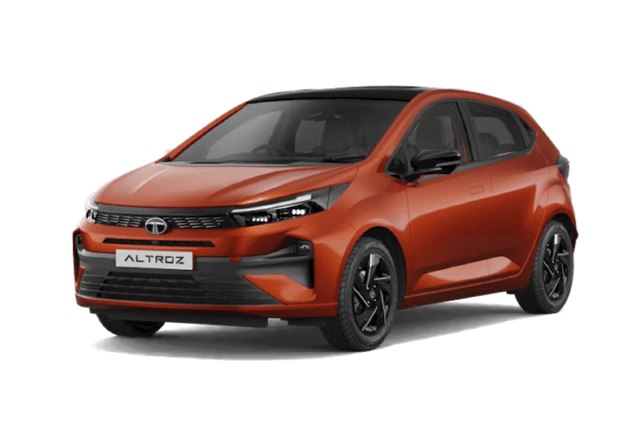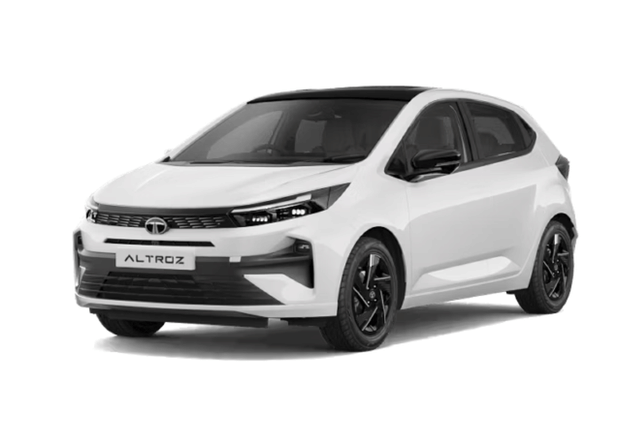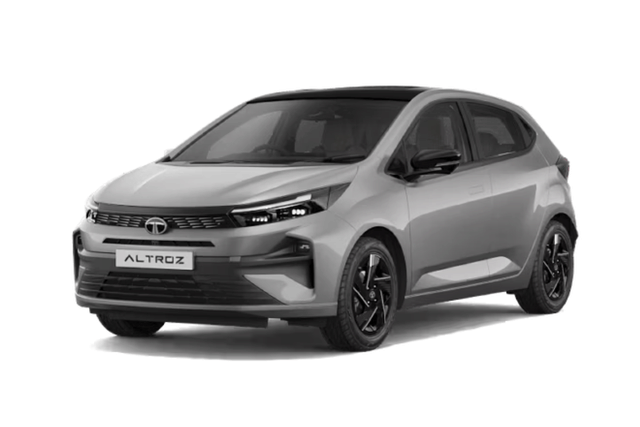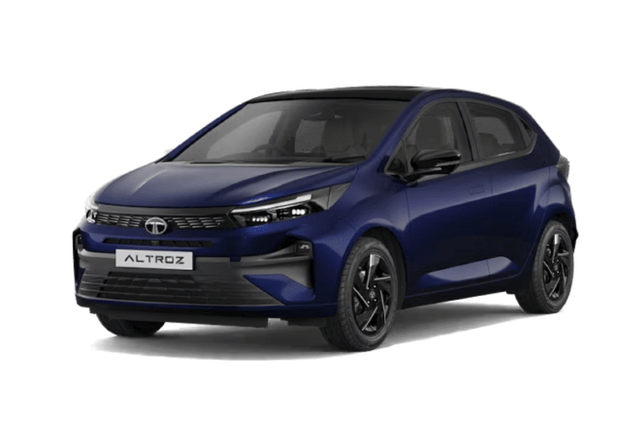
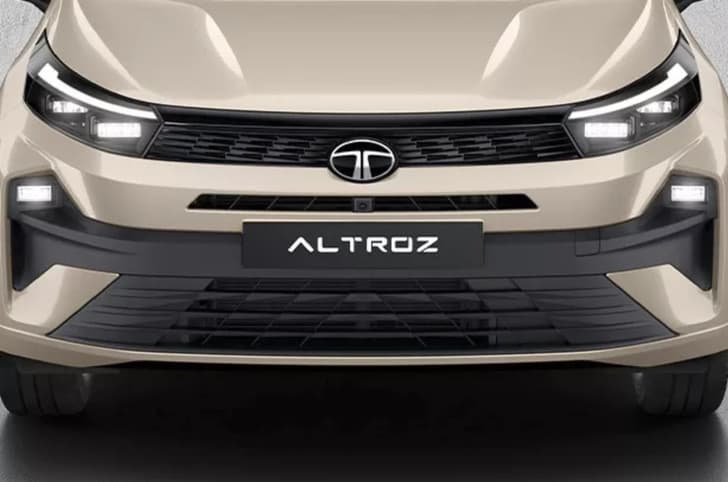
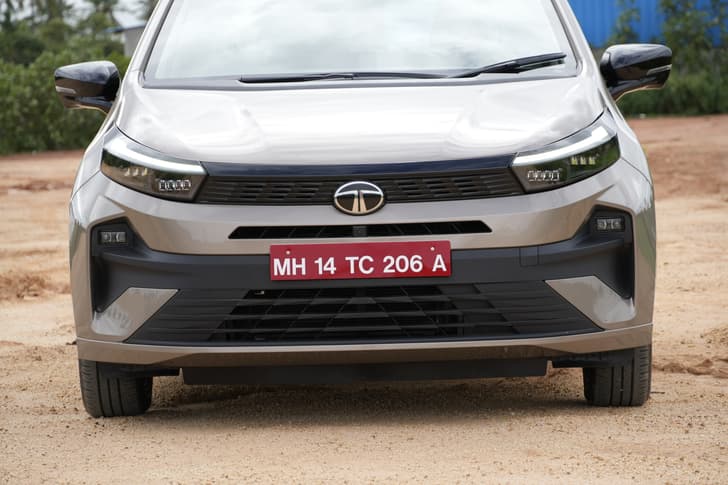


or select from slider
₹3,00,000
₹10,00,00,000
(14)
(8)
Tata
Tata cars in India (20)
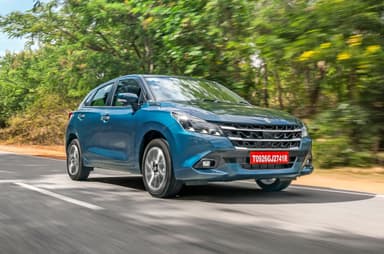
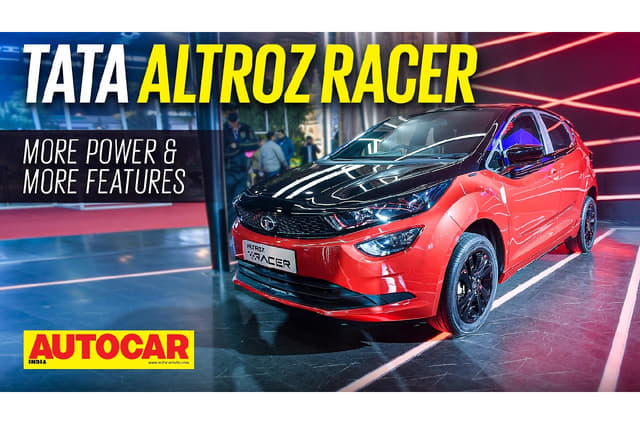
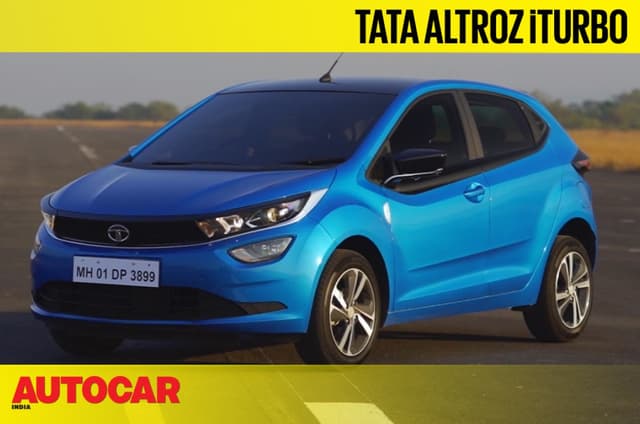
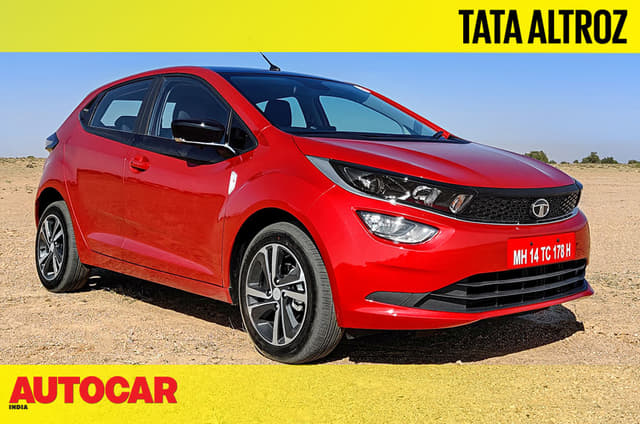
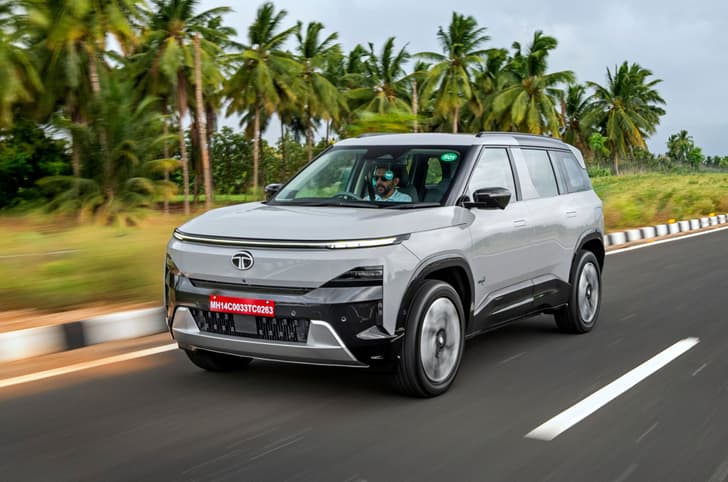
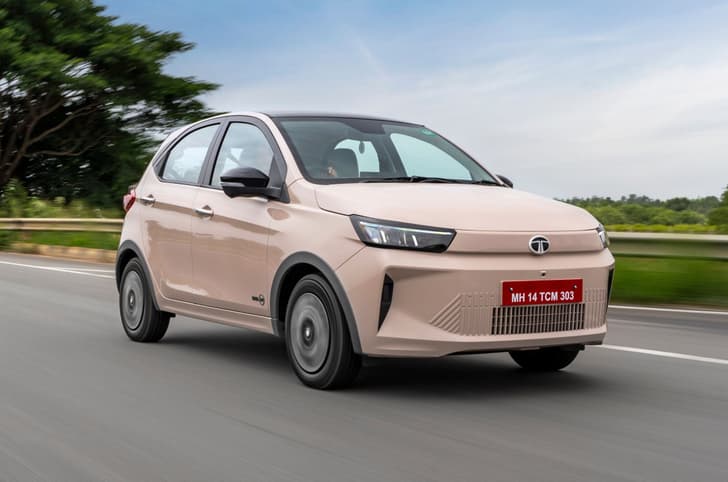
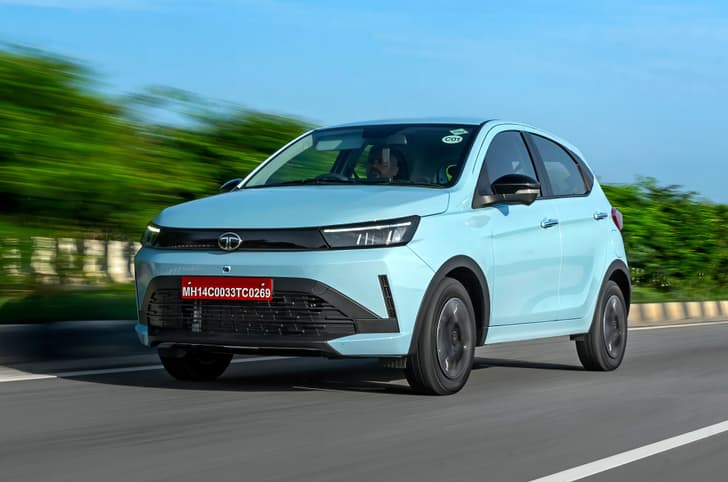
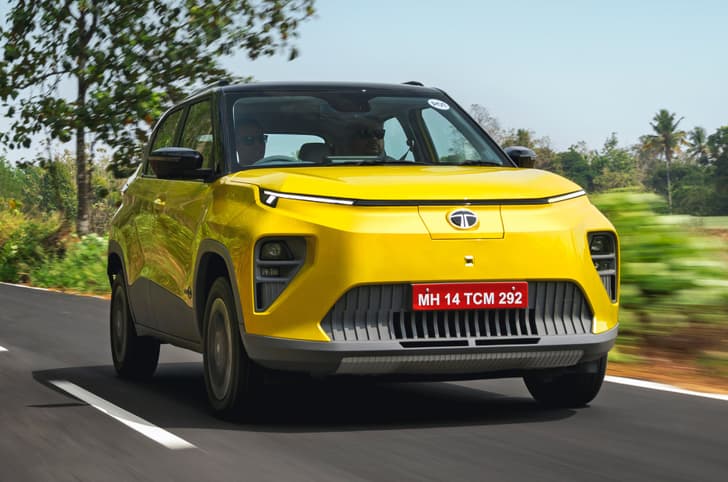
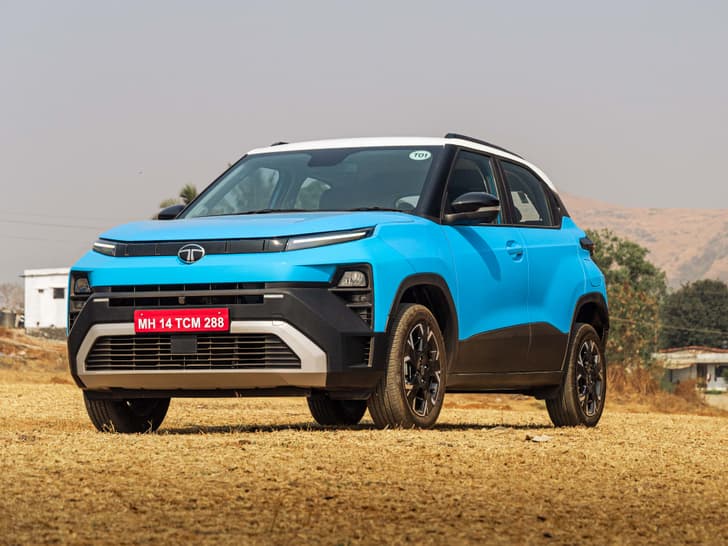
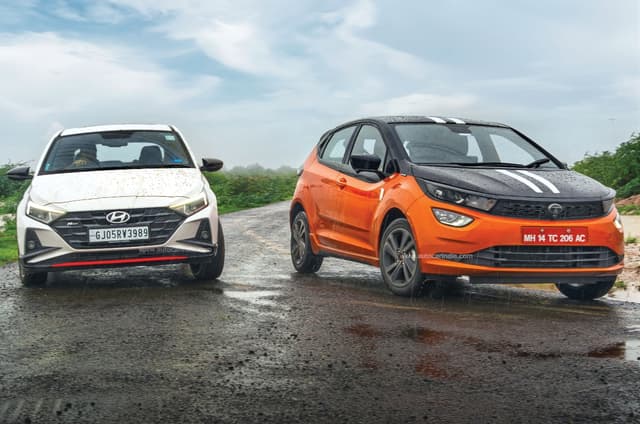
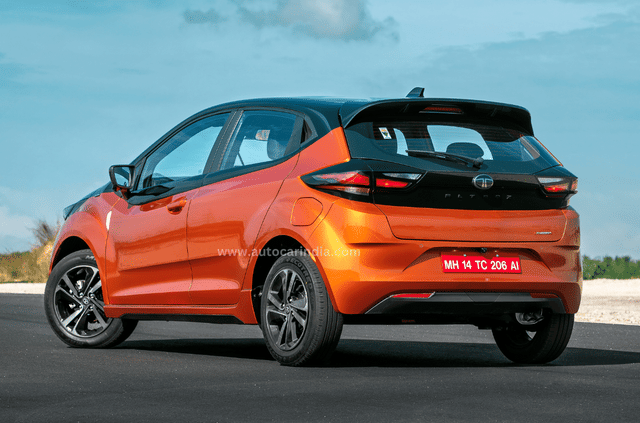
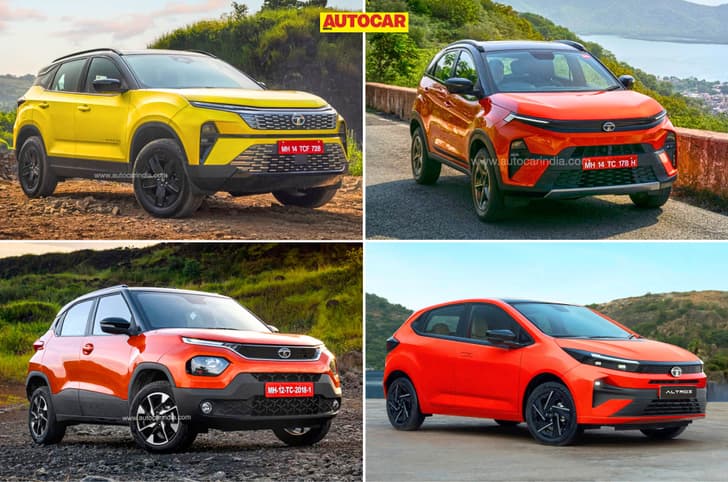
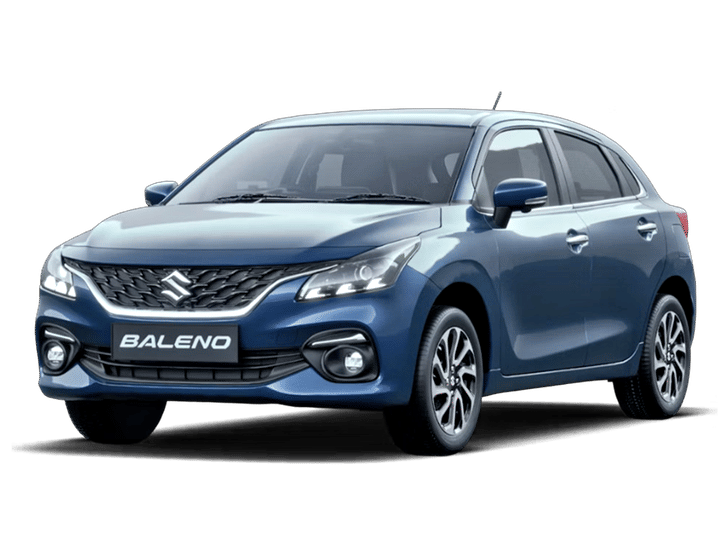
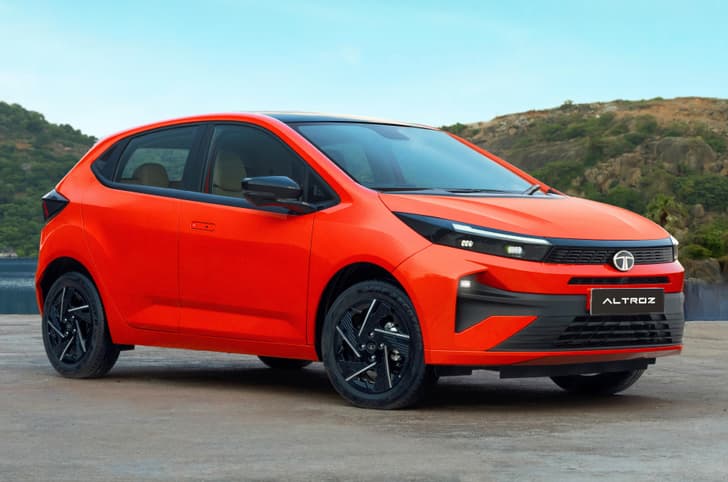
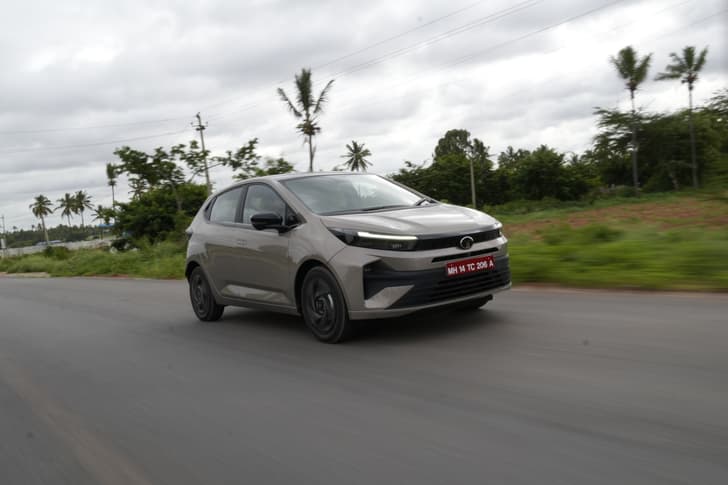
As of April 2026, there are 20 Tata cars available in India: 15 on sale and 5 upcoming. The current Tata lineup includes 4 hatchbacks, 2 sedans, and 14 SUVs. The Tata car price starts at ₹4.60 lakh and goes up to ₹28.99 lakh in India (ex-showroom). The cheapest Tata car is the Tiago, whereas the most expensive is the Tata Harrier EV. The popular Tata cars in India consist of names like the Tata Punch (facelift), Tata Nexon, Tata Harrier, Tata Safari, Tata Altroz, and new Tata Sierra.
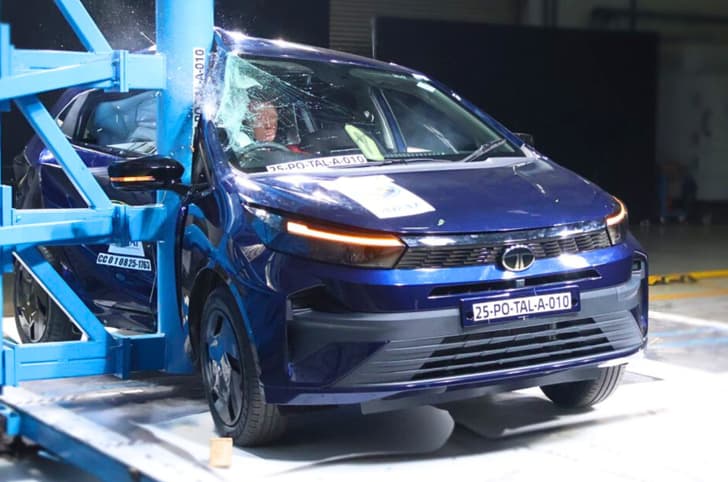
Headquartered in Mumbai, Tata Motors was established in 1945 and entered the passenger vehicle market in 1991 with the Sierra. It later introduced the Indica in 1998 and the Nano in 2008, the world’s most affordable car. Today, Tata offers models like the Altroz, Punch, Nexon, Harrier, and Safari with 5-star Global NCAP ratings, and also leads India’s EV segment with the Tiago EV, Tigor EV, Nexon EV, and Punch EV.
Tata Cars Price List in India (April 2026)
Tata car price in India starts at ₹4.60 lakh for the Tata Tiago and goes up to ₹28.99 lakh for the Tata Harrier EV (ex-showroom). View the latest Tata car prices in the table below:
Tata Car | Price (Ex-showroom) |
Tata Tiago | ₹4.60 lakh - ₹8.20 lakh |
Tata Tigor | ₹5.55 lakh - ₹8.84 lakh |
Tata Punch | ₹5.65 lakh - ₹10.60 lakh |
Tata Altroz | ₹6.30 lakh - ₹10.62 lakh |
Tata Nexon | ₹7.37 lakh - ₹14.32 lakh |
Tata Tiago EV | ₹7.99 lakh - ₹11.14 lakh |
Tata Curvv | ₹9.70 lakh - ₹18.90 lakh |
Tata Punch EV | ₹9.69 lakh - ₹12.59 lakh |
Tata Sierra | ₹11.49 lakh - ₹21.29 lakh |
Tata Tigor EV | ₹12.49 lakh - ₹13.75 lakh |
Tata Nexon EV | ₹12.49 lakh - ₹17.49 lakh |
Tata Harrier | ₹12.89 lakh - ₹25.35 lakh |
Tata Safari | ₹13.29 lakh - ₹26.15 lakh |
Tata Curvv EV | ₹17.49 lakh - ₹22.24 lakh |
Tata Harrier EV | ₹21.49 lakh - ₹28.99 lakh |
Upcoming Tata Cars in India
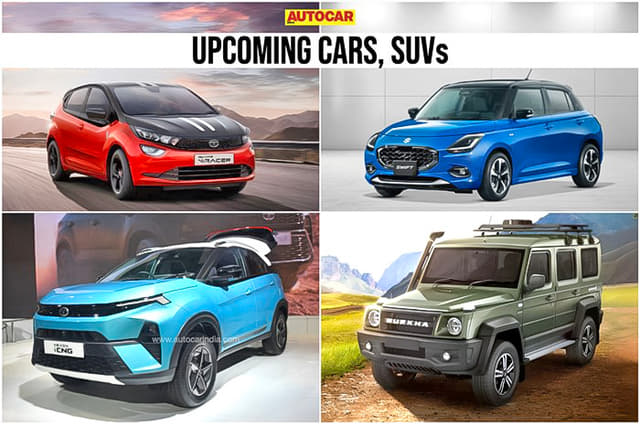
Explore the list of new Tata cars set to launch in India in 2026:
- Tata Sierra EV
- Expected price: ₹20.00 lakh - ₹25.00 lakh
- Expected launch: Mid 2026
- Fuel Type: Electric
- Body Type: SUV
- Tata New Nexon
- Expected price: ₹8.00 lakh - ₹17.00 lakh
- Expected launch: 2027
- Fuel Type: Petrol
- Body Type: SUV
- Expected price: ₹8.10 lakh - ₹11.34 lakh
- Expected launch: Late 2026
- Fuel Type: Electric
- Body Type: Hatchback
- Tata Safari EV
- Expected price: ₹22.50 lakh - ₹30.00 lakh
- Expected launch: Late 2026
- Fuel Type: Electric
- Body Type: SUV
Tata Cars Latest Updates (April 2026)
April 12, 2026: Tata is offering benefits of up to ₹3.45 lakh on Curvv EV in April 2026
- January 13, 2026: Tata has launched Punch facelift at ₹5.59 lakh.
- January 5, 2026: Tata has revealed the 2026 Punch ahead of its January 13 launch, and it will feature a turbo-petrol engine for the first time.
- January 3, 2026: In CY2025, Tata Motors sold 578,771 cars and SUVs, while EV sales increased 18% to 81,125 units.
- December 4, 2025: Tata Harrier EV lower variants to get AWD technology.
- November 26, 2025: Tata plans to introduce the Sierra AWD variant in 2027.
- November 25, 2025: Tata Motors Launches the New Sierra in India at Rs 11.49 Lakh.
- November 12, 2025: The Tata Harrier and Safari petrol are set to launch in India on December 9, 2025.
- September 10, 2025: TATA.ev adds ADAS to Nexon.ev 45 starting at ₹17.29 lakh; unveils #DARK editions.
Tata Hatchback Cars
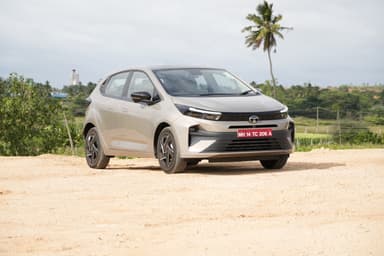
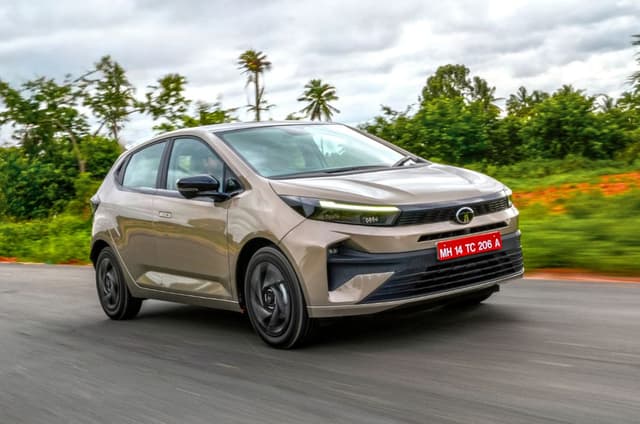
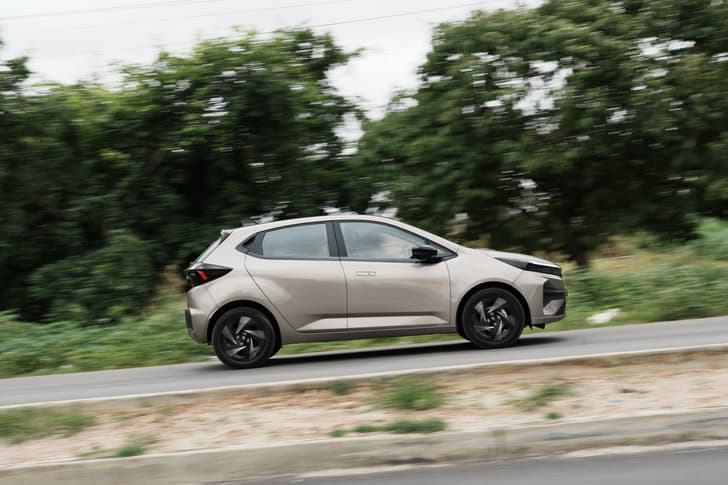
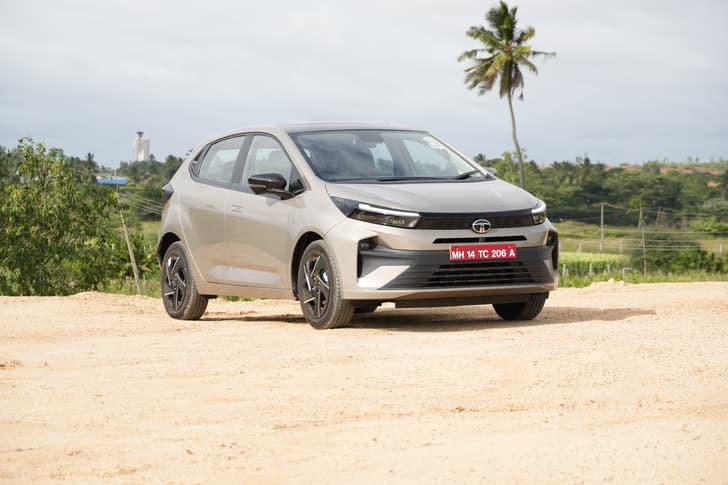
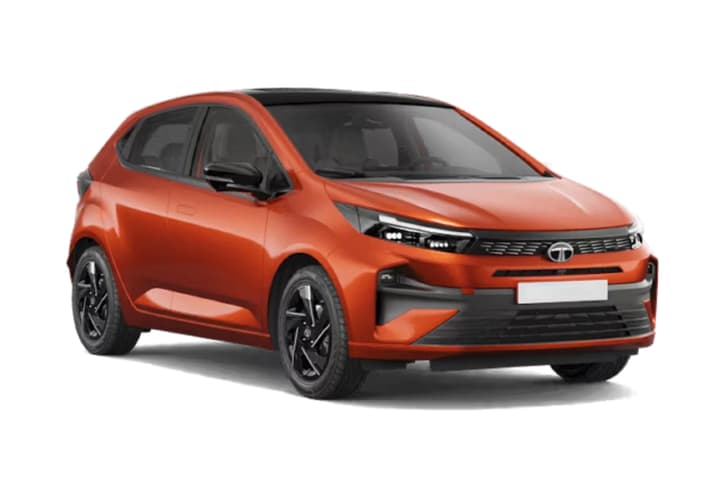
Tata Motors hatchback range is designed for efficiency, practicality, and affordability. Currently, Tata offers 3 hatchback models in India:
- Tata Tiago: Entry-level hatchback with petrol and CNG options.
- Tata Tiago EV: India’s cheapest long-range electric hatchback.
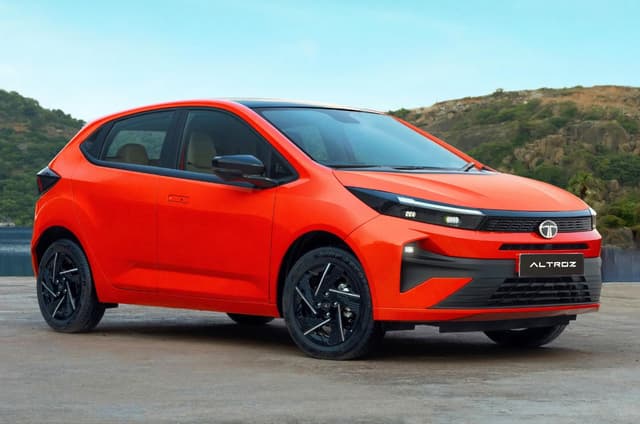
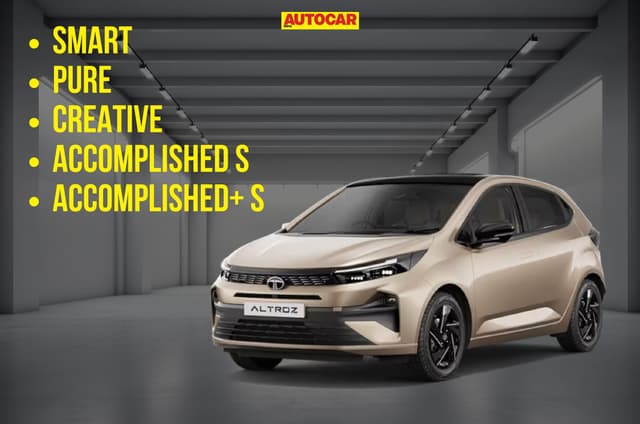
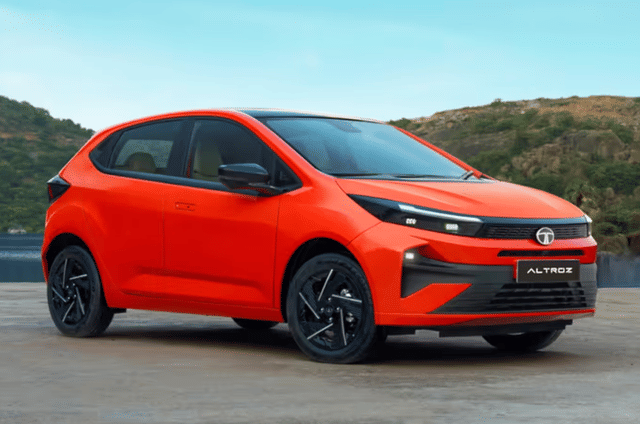
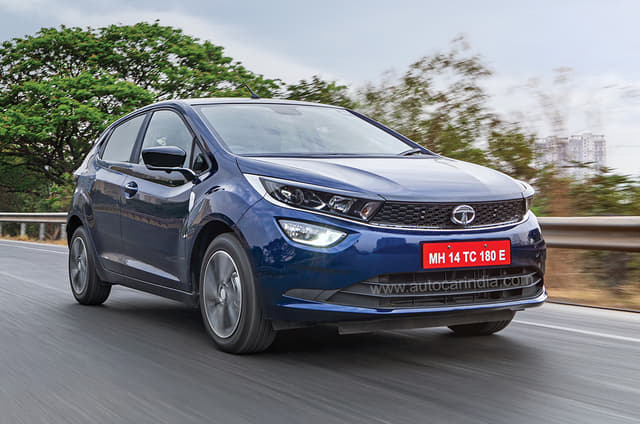
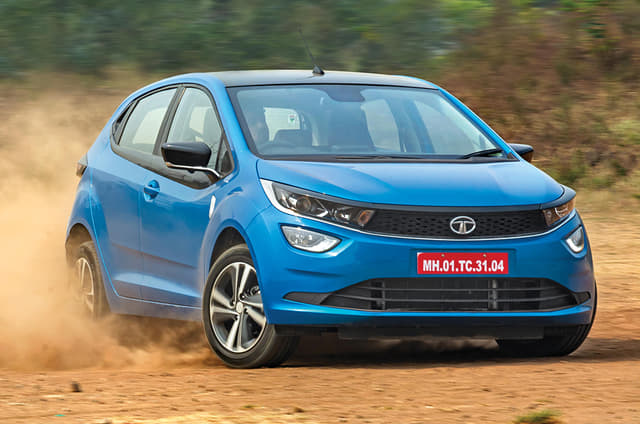
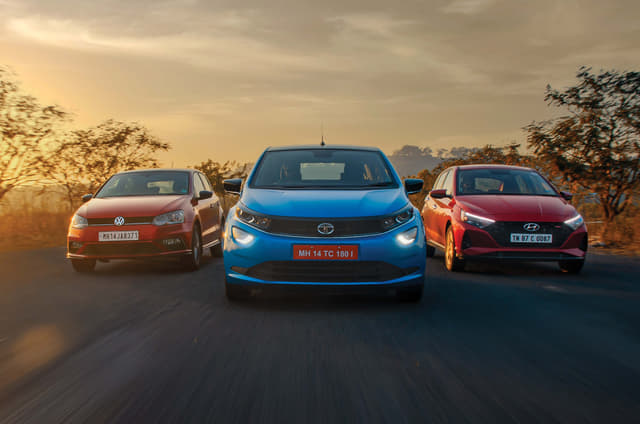
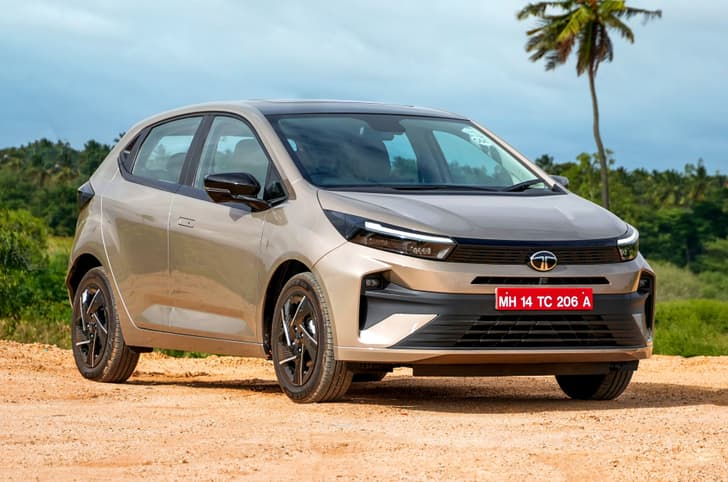
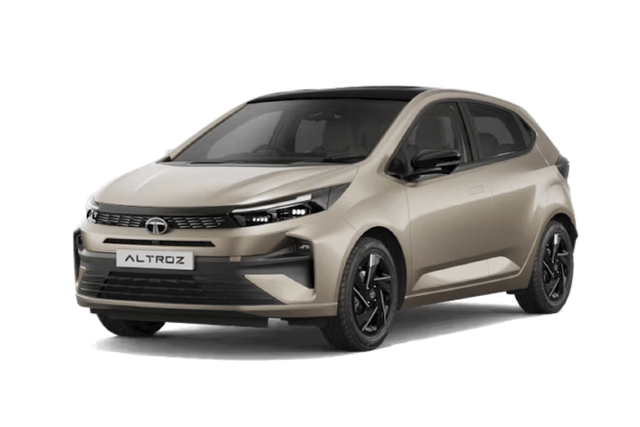
- Tata Altroz: Premium hatchback with petrol, diesel, and CNG options.
Tata hatchback car prices start from ₹4.60 lakh (ex-showroom).
Tata Sedan Cars
The sedan lineup is designed for comfort, efficiency, and safety. Presently, there are 2 Tata sedan cars in India:
- Tata Tigor: Compact sedan available with petrol and CNG powertrains and offered with manual and AMT transmissions.
- Tata Tigor EV: Easy-to-drive city commuter with a 4-star Global NCAP crash rating.
Tata sedan car prices start from ₹5.48 lakh (ex-showroom).
Tata SUV Cars
The Tata SUVs cater from sub-compact all the way to the flagship segment. Currently, there are 9 models to pick from:
- Curvv: A midsize SUV with a new direct-injection turbo petrol and first-in-the-segment diesel-DCT powertrain.
- Curvv EV: Best EV yet from Tata, combining a stunning design with a feature-rich cabin and a claimed range of 585 km.
- Harrier: Bold-styled SUV, spacious cabin, and a powerful 170hp, 350Nm, 2-litre diesel engine. No CNG or petrol.
- Harrier EV: An electric SUV that offers superb ride comfort and balanced handling, paired with a real-world range of 627 km.
- Nexon: Most comfortable in its segment, with twin high-res 10.25-inch screens and an illuminated logo on the steering wheel.
- Nexon EV: An electric SUV with a refined electric motor that offers up to 465 km of claimed range.
- Punch: A sub-compact SUV based on the new ALFA architecture by Tata, boasting aggressive exterior styling with a utility-forward interior.
- Punch EV: A compact and nimble electric SUV with a premium, light-colored interior, impressive ride comfort, and good efficiency.
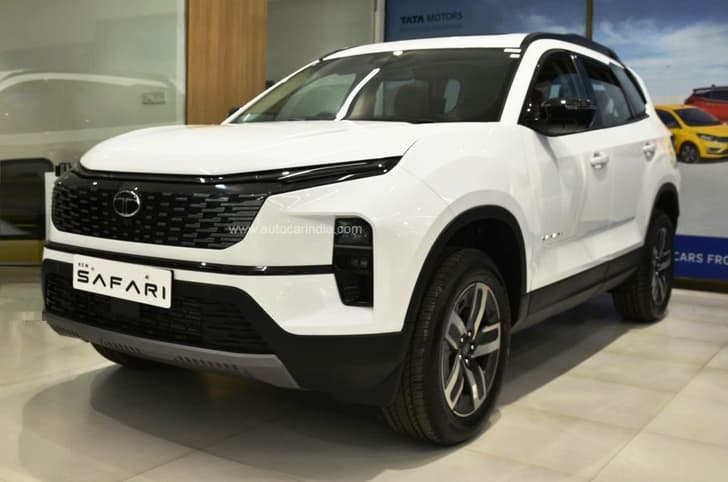
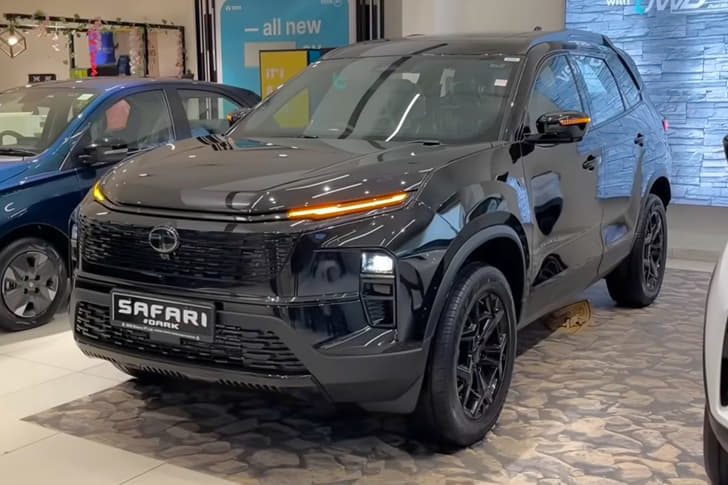
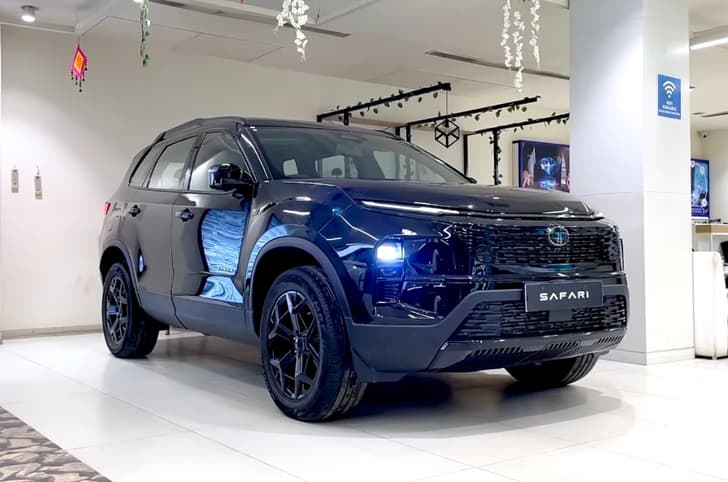
- Safari: Flagship SUV with aggressive new styling, updated tech, and the mighty 170hp, 350Nm 2.0-litre diesel engine.
- Sierra: A recently launched SUV that ticks almost every box. It is well-priced, has the right feature set, is spacious, and offers multiple engine and gearbox options for different needs.
The Tata SUV price in India starts from ₹5.65 lakh for the Punch and goes up to ₹28.99 lakh for the Harrier EV (ex-showroom).
Tata
Can't decide which car to buy?
Ask our experts and get answers to all your cars related queries.
FAQs
The Tata car price in India starts at ₹4.60 lakh (ex-showroom) for the Tata Tiago.
In 2026, Tata Motors has 15 cars on sale in India, with five more set to join the line-up. The current range includes 14 SUVs, two sedans and four hatchbacks. Four upcoming models are SUVs and 1 will be hatchback which will take the total SUV count to 14 once they are launched.
The most popular Tata cars in India are the Punch, Nexon, Harrier, Tiago, and Altroz.
Tata sedan cars include the Tigor and Tigor EV. Both cars offer value, comfort, and safety. The price of Tigor starts at ₹5.55 lakh, and Tigor EV is priced at ₹12.49 lakh (ex-showroom).
Tata hatchback cars include the Tiago, Tiago EV, and Altroz.
The Tata SUV line-up includes Punch, Punch EV, Nexon, Nexon EV, Curvv, Curvv EV, Harrier, Harrier EV, Safari, and Sierra. The Tata SUV price starts at ₹5.65 lakh and goes up to ₹28.99 lakh (ex-showroom). Also, there are 3 upcoming Tata models, and all of them are SUVs.
The Tata electric car price in India starts at ₹7.99 lakh for the Tiago EV and goes up to ₹28.99 lakh for the Harrier EV.
The upcoming Tata new cars include the Sierra EV, Tiago EV facelift and Safari EV are expected by 2026.
The Tata Safari is the flagship 7-seater SUV. Meanwhile the Nexon, Harrier, and Sierra are popular family choices for comfort and safety.
The top 3 Tata cars in India are the Punch, Nexon, and Harrier.
Tata currently offers 15 models in India, including 3 hatchbacks, 2 sedans, 10 SUVs. There are four new Tata models planned amongst which 4 are SUVs and one is Hatchback.
The Tiago is the cheapest Tata car, priced from ₹4.57 lakh (ex-showroom).
The Tata Punch is among the best-selling Tata cars in India.
Tata cars like the Nexon, Altroz, Punch, Harrier, Safari, Punch EV, Nexon EV, Harrier EV, Curvv EV, and Curvv come with a sunroof.
The Tata Tiago, Tigor, and Nexon are popular choices for middle-class families. These Tata cars offer safety, comfort, and value.
The latest car launched by Tata is new Sierra at Rs11.49 lakh on 25 November, 2025.
Tata's top 3 popular models, based on sales and strong market presence, are the Tata Nexon (₹7.32 lakh - ₹14.15 lakh), Tata Punch (₹5.50 lakh - ₹9.30 lakh), Tata Harrier (₹14.00 lakh - ₹25.25 lakh), and Tata Safari (₹14.66 lakh - ₹25.96 lakh).
Tata offers 15 cars in India as of now. The current lineup includes 3 hatchbacks, 2 sedans, and 10 SUVs. Also, three new Tata models are planned, and all of them will be SUVs.
The only 7 seater Tata car in the Indian market is the Tata Safari. It is priced between ₹13.29 lakh and ₹26.15 lakh.
The upcoming Tata new cars include the Sierra EV, Tiago EV facelift, New Nexon and Safari EV.
Need an expert opinion on your car related queries?
Trending Questions on Tata Cars - Answered by Autocar Experts
PA
Partha
•3hHi, I want to buy a large SUV (XUV, Scorpio, Safari) under ₹20 lakh, but I am concerned about petrol mileage. My driving is 40–50 km per day (city + highway), and every 3–4 months I take a 500 km trip. Should I buy a diesel car, and if yes, will it have any impact on the DPF?

Autocar India
Your 40–50 km daily running, plus periodic 500 km trips, is ideal for a diesel. These engines need consistent use and occasional highway driving to stay healthy, and you are already doing both. Issues with BS6 diesels usually arise only when the car is used for very short city runs or constant crawling traffic without ever getting a proper stretch.The DPF needs heat to clean itself, which happens during steady driving at moderate speeds or higher RPM. Short trips and low speed driving lead to soot build-up, but your usage naturally allows the system to regenerate. It also makes sense to choose diesel in cars like the Mahindra Scorpio N, XUV700 or Tata Safari, as the petrol versions are not very fuel-efficient.
GO
Gopinath
•1dI am a beginner driver living in Ooty, a hill station, and looking to buy a new car with a budget of around ₹10 lakh. Should I choose a sedan or an SUV? Which brand and model would be suitable?

Autocar India
The Tata Punch or Hyundai Exter are the best starting points. Driving in Ooty means narrow roads, steep inclines, tight turns and unpredictable surfaces. You need good ground clearance, clear visibility and a forgiving driving nature. A compact SUV gives you that confidence, especially as a beginner. The higher seating helps you judge the road better, and you don’t have to worry about scraping on slopes or rough patches. Cars like the Punch and Exter are also compact, making them easy to maneuver on hill roads and in tight parking spots.Between the two, the Punch feels tougher and more planted, which helps on broken roads and provides more confidence on ghats. The Exter is easier to drive, lighter controls and smoother petrol engine make it less stressful for a new driver, especially in stop-start hill traffic. Both are well within your budget band and are among the most practical choices under ₹10 lakh.
GB
Grace Benni
•2dHi all, I have a budget of Rs 6 lakh. Should I go for a used car or consider the Tata Punch? The new Tata Punch facelift has really caught my attention, and I like the car.

Autocar India
You will have to stretch your Rs 6 lakh budget to buy the entry-level variant of the new Tata Punch.Alternatively, you could consider opting for a 1-2 year old (used) Tata Punch with the same core strengths: the tall seating that offers a clear view, light steering that makes it easy in traffic, and a ride that handles bad roads well. You’ll also land a higher trim for your money, so you get everyday features along with some premium features that you may miss on a brand-new base trim.
SB
Subhashish Banerjee
•2dMy average running is 500 km per month. This will be my last car, as I am 56 years old. I have looked at the second base variants of the Sierra, Vitara, Victoris, and Brezza. In terms of looks, I like the Sierra, but I am confused about the naturally aspirated petrol engine. Please suggest.

Autocar India
Go for one of the Maruti cars, ideally the Victoris, as it is the most future-proof choice for your needs. The Victoris and Grand Vitara are essentially similar under the skin, but the Victoris feels a bit more modern inside, with a more premium cabin and better features at a similar price. It is also the newer product, which makes it a safer long-term bet. The only trade-off is slightly lower rear headroom due to the sloping roofline.Now, coming to the Tata Sierra. There is no doubt it is the bigger and more spacious car, with a strong road presence and a very practical cabin. In fact, it is one of the largest in the segment, offering more space and boot capacity than most rivals. However, the concern lies with the naturally aspirated petrol engine. It is smooth and fine for city use, but in a large and heavy SUV like the Sierra, it can feel underpowered and not very effortless, especially when fully loaded or on highways .Given your usage of around 500 km per month and your intention to keep the car for many years, what matters more is reliability, efficiency and ease of ownership, and this is where Maruti clearly has the edge.
DS
Dushyant Sikri
•2dHello. I have a Tata Nexon petrol (P)XM+(S) BS6 January 2023 model. It comes with stock size of 195 60 R16 tyres. I've driven almost 54000 kms on it. A few months back, I had a puncture in one of the tyres, and unknowingly, my father drove almost 27-30 kms with a flat tyre. During that the tyre suffered multiple punctures from the side profile. I got it repaired at that time. From February 2026, she went for alignment balancing. Considering the state of that tyre, I decided to get that repaired tyre replaced. I took out my new unused stepney, which was unused since 2023, purchased one new tyre, so that I’ll put a new one in the front and an old one at the back. All done, but from the very next day the car started making an unusual vibration from the pedal side, and noise was also there. Drove for one week straight, but the noise and vibration were still there. I went to that tyre shop, changed the position of all the tyres, and tried every possible combination. But the sound was still there, and he said, since you've changed only one tyre, that is why there is noise and vibration. Get all new tyres and the sound will go. Had a little rough talk, so i decided to go to some other tyre shop. Now, after I went to the other one, I shared my issue, and he also said get new tyres, the noise will go. Okay, but here is the catch: on the advice of a tyre franchise owner, from where I used to stay earlier, I decided to upgrade to 215 60 R16 tyres, which come as standard in higher Nexon models. Plus, I also verified this by watching multiple videos on YouTube. Finally, I decided to upgrade. Plus, somewhere I read that driving a new tyre which has not been used for many years leads to tyre bursts. Since the budget was a constraint, I decided to change 2 tyres currently, then later, after six to seven months will change the rest of the two. And the new tyre which I bought in the first place, ill make that as stepney. Tyres changed 195 60 R16 new tyres( one purchased, one unused stepney) in the front and the new set 215 60 R16 in the rear. But the noise still does not go away. Though the car became a lot quieter, the vibration from the pedal was still there. I went to the mechanic and got to know that it is the front wheel bearing and the disc rotor, and got it changed. Now, after 3-4 days, a new noise came up, something kat-kat types whenever I brake. Plus, the whistling sound of the brakes whenever the brakes are applied slowly. This kat-kat noise comes after whenever I drive 7-8 kms in the city. But, I went to Bhimtal in March, there on the hills, this kat-kat sound became permanent even if I don’t brake on the incline as well as the decline. I stayed there for three days, and I drove daily, and this kat-kat sound was constantly there, from the very first kilometre. I've got the suspension checked by the mechanic. It's totally okay as of now, had it been the suspension, the sound would ve been permanent, not after i drove 7-8 kms. Pls help the community, is this the tyres or should I go to Tata Motors service first and get it diagnosed ??

Autocar India
Given your high daily use and those hill drives, this now feels less like a tyre issue and more like something disturbed during the front wheel bearing and brake disc job. I would take the car to a Tata service workshop first for a full brake and hub check.Two things are likely at play. First, you now have different tyre sizes front and rear. 195/60 R16 in front and 215/60 R16 at the back are about 3 to 4 percent different in height. That can confuse the ABS and stability systems because the wheels show different wheel speeds even at the same road speed. On hills this gets worse, which matches your “kat-kat” becoming constant there. That sound can be the ABS (the anti‑lock brake system that rapidly applies and releases the brakes to stop wheel lock) kicking in when it should not.Second, the new noises started after the front bearing and disc change. If the ABS wheel sensor or its magnetic ring was damaged, fitted the wrong way, or the gap is off, the system will misread and pulse the brakes. If the disc was not mounted on a clean hub, or only one disc was changed, or pad clips/shims were not refitted, you can also get pedal buzz, a clicking under braking after a few km when hot, and a whistle on light braking.Ask Tata to inspect both front hubs and ABS sensors, confirm the correct bearing with encoder is fitted the right way, check sensor gaps and wiring, measure if the discs are not perfectly straight, clean and refit pads with the correct hardware, and open the rear drums to check shoes and springs. Also check the metal splash shield for a small bend or stone.On tyres, do not run mixed sizes long term. Either go 195/60 R16 on all four or 215/60 R16 on all four only if Tata lists that size for your car. Until you sort this, keep the newer pair at the rear. Your unused 2023 spare is fine to use if it has no cracks and was stored away from sun and heat. To sum up; fix the brake and hub issue at Tata first, then make all four tyres the same size. That will address both the safety and the noise.
PA
Palash
•2dI want help choosing an automatic car under ₹15 lakh. I like the power of the XUV 3XO, but it is the most expensive among its peers. The Nexon with the DCA gearbox also felt surprisingly smooth during my test drive and is nearly ₹2 lakh cheaper than the 3XO. However, I have heard concerns about Tata’s reliability. Is this true? What are my other options? My usage will mostly be in the city (around 30 km daily), along with a weekly return trip between Mumbai and Pune.

Autocar India
For mostly city use with a weekly Mumbai-Pune trip and a ₹15 lakh budget, the Tata Nexon DCA is a strong choice-preferably a mid variant like the Nexon Creative DCA (or the closest equivalent within your budget; confirm current variant names with the dealer). It fits because the DCA feels very smooth at low speeds, which makes daily traffic easy. It also handles rough roads well, so your city and ghat stretches feel calmer; and it keeps you a good 1-2 lakh below an XUV 3XO auto with enough power for the Expressway climbs.Regarding Tata’s reliability concerns, older Tata cars did have small issues and service quality could vary by dealer. However, the current Nexon has improved a lot and we are not seeing widespread trouble with the new DCA. The safer way to own it is simple; pick the maximum extended warranty, choose a well-rated service centre, and keep the software updated. Also, like any dual-clutch gearbox, avoid holding the car on the throttle on slopes; use the brake or hill-hold.Compared to the XUV 3XO, the Nexon is not as quick when you push hard, and in very heavy stop-go the DCA can feel a touch hesitant if you frequently modulate the throttle.If you are considering alternatives, and a very smooth automatic, the Maruti Suzuki Brezza VXi/ZXi AT uses a simple torque-converter auto and has excellent service reach, but it is not as fast.Overall, for your mix of city and Mumbai-Pune runs within budget, the Nexon DCA lines up best with what you described.
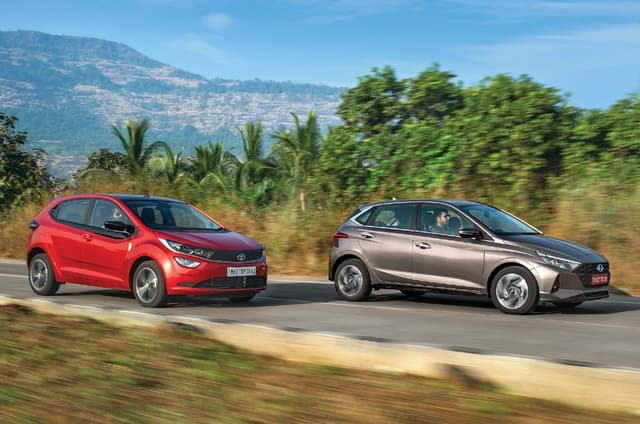
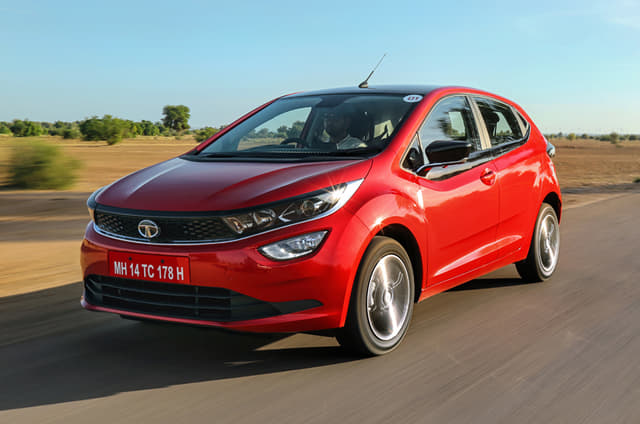
GA
Gaurav
•2dI am confused about which car to choose as I am a newcomer. Please suggest which car I should buy: MG Astor, new Duster, or Nexon. I am inclined towards the Duster.

Autocar India
Go for the Renault Duster if you want a simple, easy first SUV, but be clear about what you are choosing. The new 2026 Duster is very different from the older one and that slightly changes the decision. It is now a more modern, feature-loaded SUV with strong petrol engines, including the 1.3 turbo petrol with manual and dual-clutch options. This Renault car remains one of the better cars to drive in this segment and offers a comfortable ride along with an easy, confidence-inspiring feel, making it a good fit for a newcomer.Compared to it, the Tata Nexon is smaller, less spacious and not as engaging to drive. However, being from a segment below at a similar price point, it offers more premium features, which is worth keeping in mind.The MG Astor’s biggest strength is its interior quality, which feels more premium. On the downside, the engine options are not as strong as the Duster’s, and it is also smaller and narrower inside, so it does not feel as spacious.
SU
sudip
•2dI am planning to buy either the Tata Sierra or the Kia Seltos turbo-petrol automatic. My usage will be 90% in Bengaluru city traffic, with occasional highway drives. Hence, I am not sure if the Seltos DCT gearbox would become problematic after a few years due to heavy traffic. Would the Sierra’s torque converter be more reliable and a better choice in these conditions?

Autocar India
Go for the Tata Sierra torque converter. The key difference lies in how these gearboxes behave in the real-world conditions. The Seltos turbo-petrol DCT is quick and exciting, but in slow, crawling traffic, it can feel hesitant and slightly jerky, as it constantly works the clutch. This is not ideal for long-term ease in heavy city conditions. The Sierra’s torque converter is the opposite. This Tata car is smoother at low speeds, more forgiving in stop-go traffic, and generally better suited to this kind of usage, making daily driving far less tiring.There is a trade-off, though. Torque converter automatics are typically less fuel efficient than DCTs, and in a large, heavy car like the Sierra, you will notice this in real-world mileage. So, you are essentially choosing smoothness and durability over outright efficiency.
SN
Sunil Naths
•3dI have a Scorpio, a diesel Dzire, and a Tata Zest, all Euro 4, and all running fine without any problems. I want to buy a family car as I have to travel to New Delhi with my family two or three times a month. Which SUV would you suggest?

Autocar India
Trips to New Delhi with family two or three times a month call for a roomy, safe, easy long-distance car that stays steady at highway speeds. For that use, we would pick the Toyota Innova HyCross VX Hybrid. It suits this job best because it rides comfortably over bad patches, has a very spacious second row, and with the third row folded, it swallows all the luggage a family carries. The hybrid runs on petrol with help from an electric motor, so it feels very smooth and quiet in traffic and uses less fuel on those long runs. The automatic gearbox makes the Delhi traffic parts far less tiring, and Toyota’s good service network is another plus.Two things to keep in mind. The Toyota Innova HyCross is priced on the higher side, and there can be a waiting period in some cities. Also, it is not as rough-road tough as your old Scorpio, so if you do a lot of broken village roads, drive it and see if the ground clearance and comfort work for you.If you prefer a diesel with strong pull and a higher driving view, look at the Mahindra XUV 7XO diesel automatic. It is more comfortable and modern than your older Scorpio and feels steady at highway speeds. Another good diesel family SUV is the Tata Safari automatic, which has a big cabin, a more spacious third row than the 7XO and a comfy ride.Overall, for frequent Delhi runs with family, the Innova Hycross VX Hybrid lines up best. If you want a diesel feel, the XUV 7XO or Safari will suit you better.
RA
Raja
•4dHi Autocar Team, I am considering buying a compact SUV in the ₹12 lakh price range and would appreciate your expert advice. I have shortlisted the Hyundai Venue HX5 Plus, Mahindra XUV 3XO AX5, and Tata Nexon (petrol variants). My usage includes regular local driving of around 50–60 km, along with highway trips of approximately 1,500 km every 4-5 months. Could you please share how these models compare in terms of value for money, features, performance, and overall suitability for my usage? Thank you for your guidance.

Autocar India
Go for the Mahindra XUV 3XO AX5 variant. It offers the best balance of performance, space and features in this price range. The turbo petrol engine feels the strongest, especially on highways where the extra punch makes overtakes easier, and it also has the most spacious and comfortable rear seat compared to the Tata Nexon and Hyundai Venue. At the same time, it is well equipped, so you are not missing out on key features.Two things to keep in mind with the 3XO. The boot is the smallest among the three, so check your luggage needs, and fuel efficiency is not its strongest point.
Last Updated on: 22 Apr 2026