
autocar-logo
Mumbai

Last Updated on: 26 Mar 2026

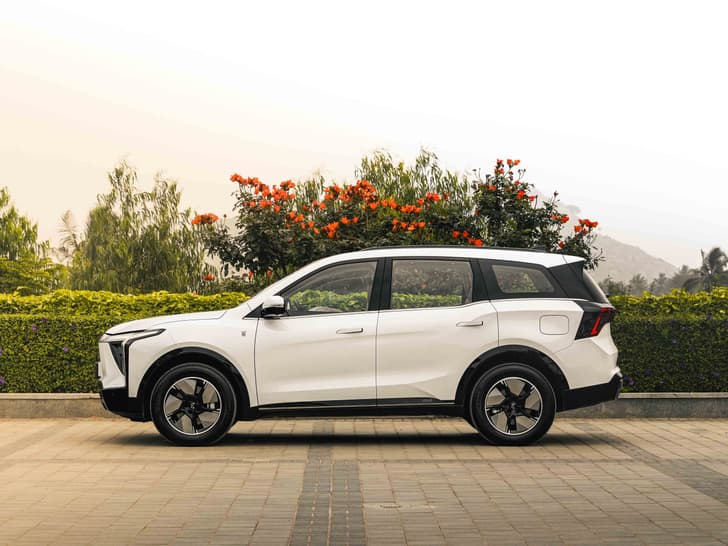
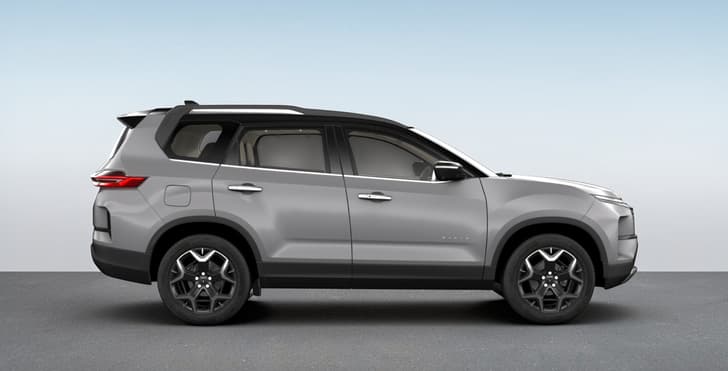
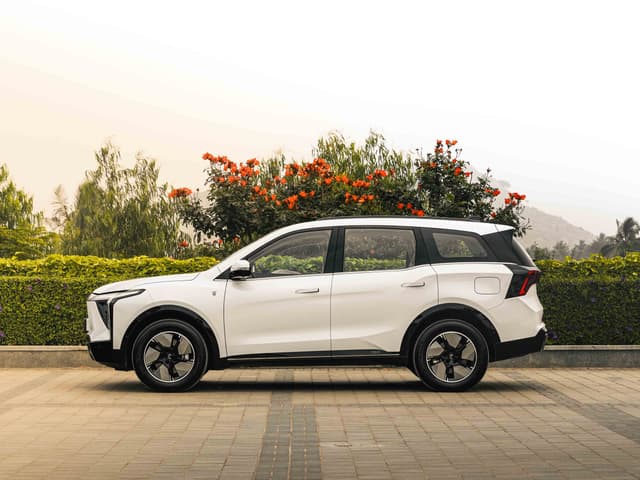
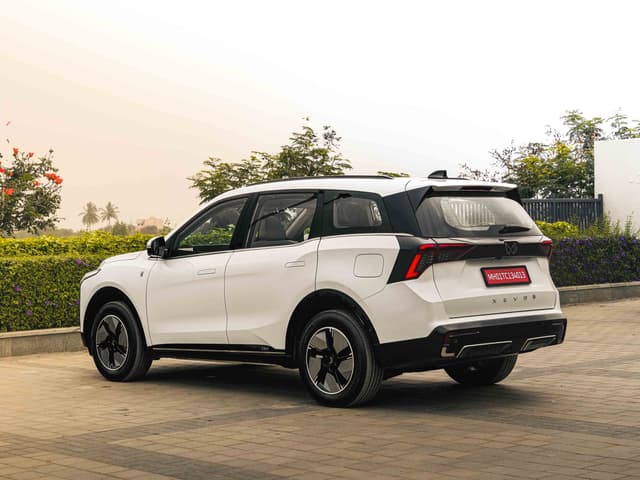
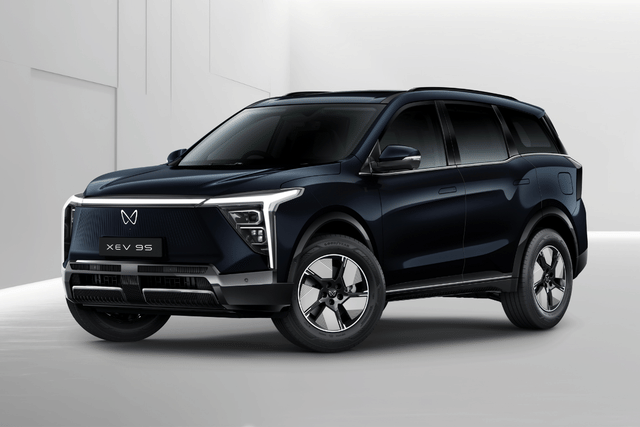
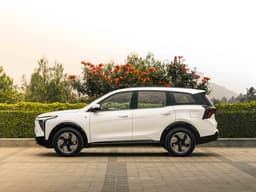
Left Side View
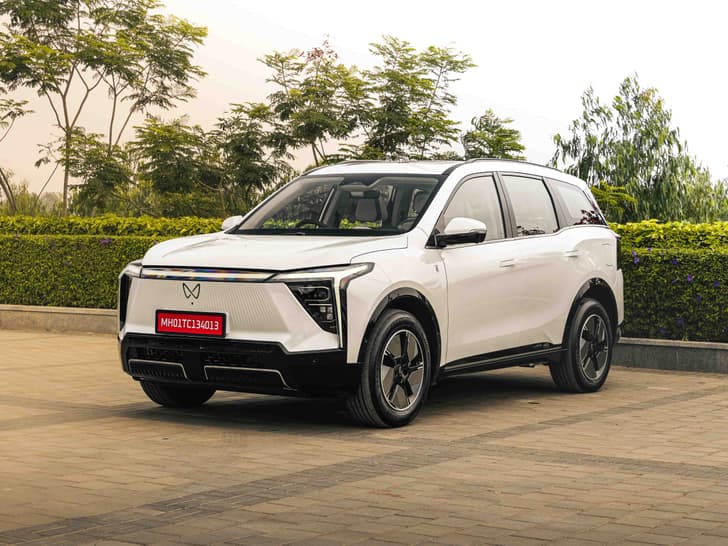
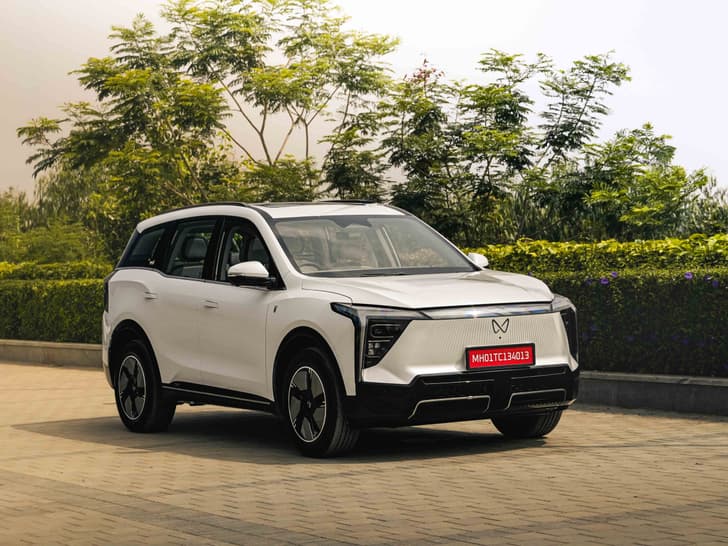
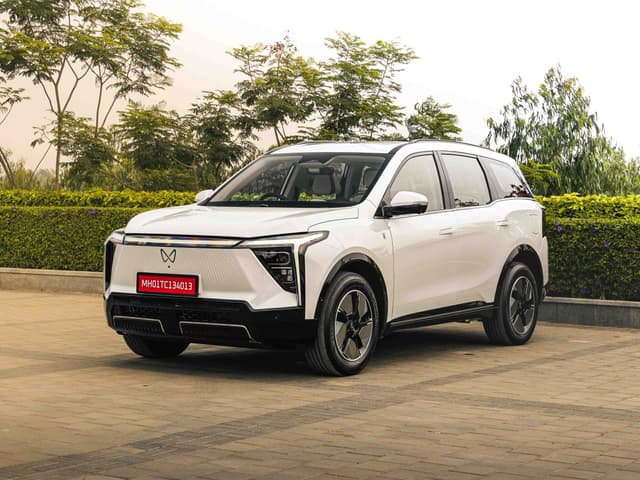
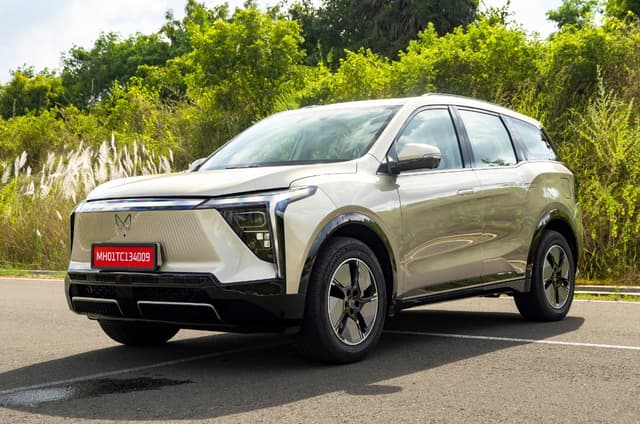
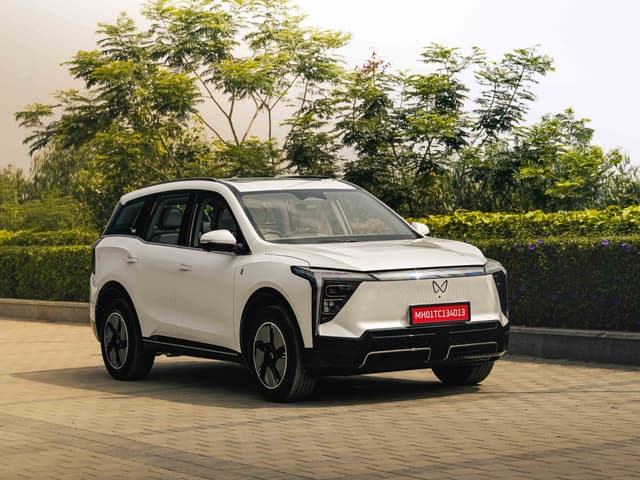
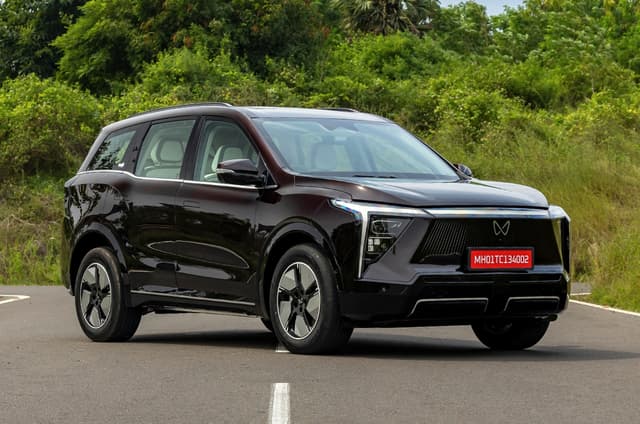
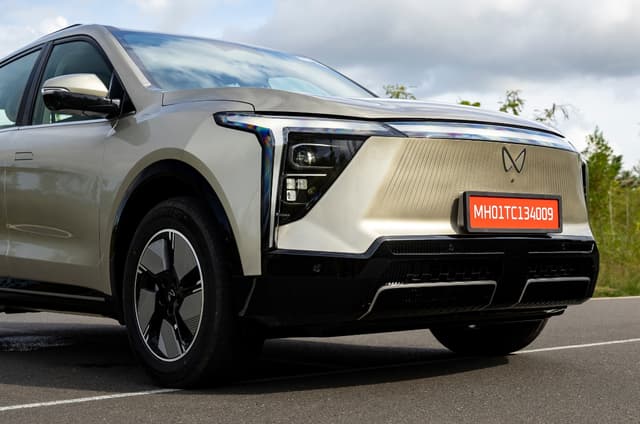
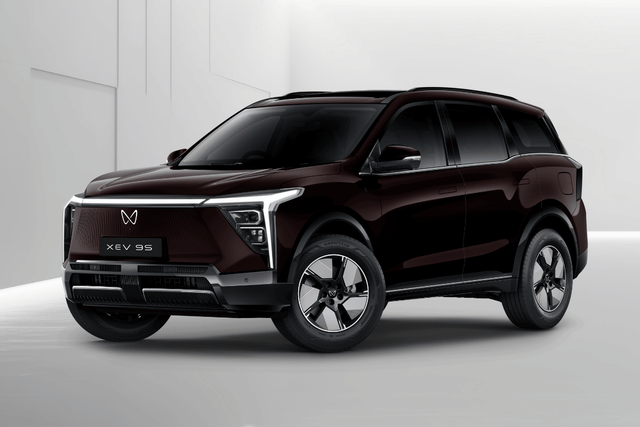
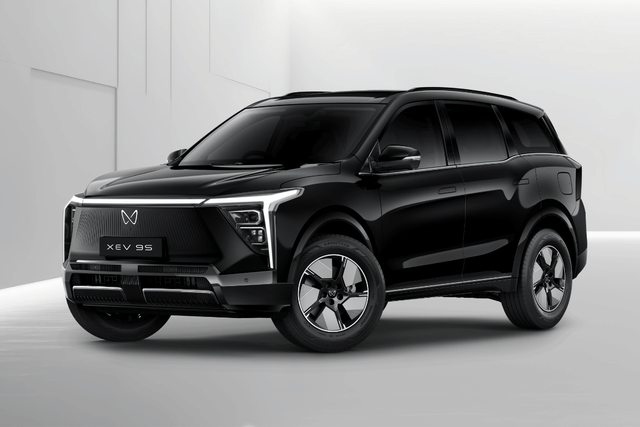
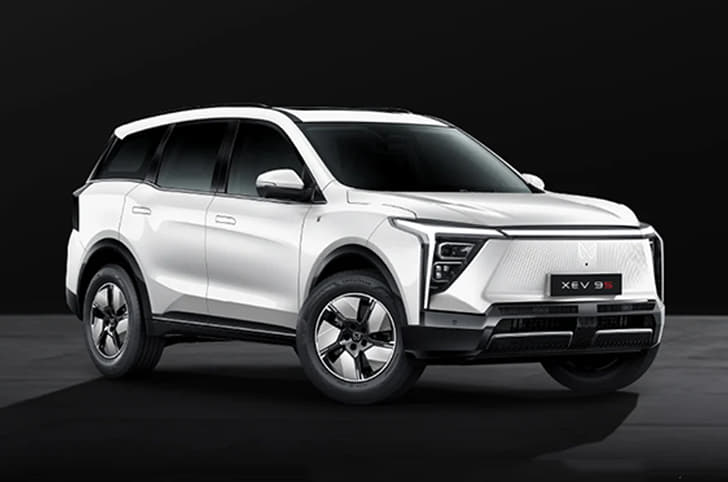
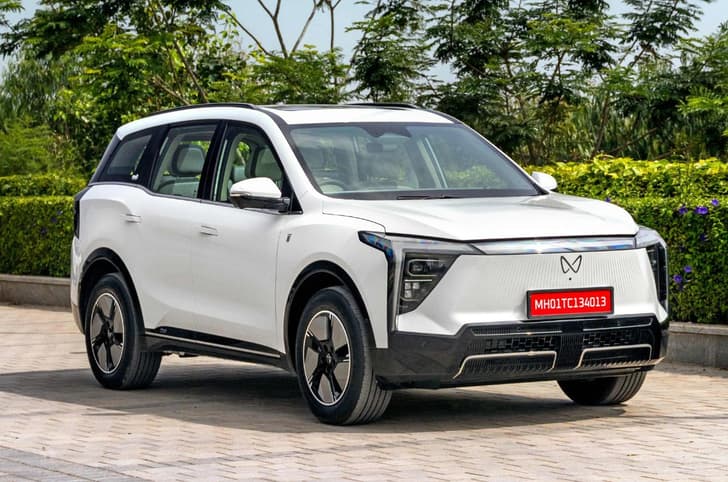
Front Right Three Quarter
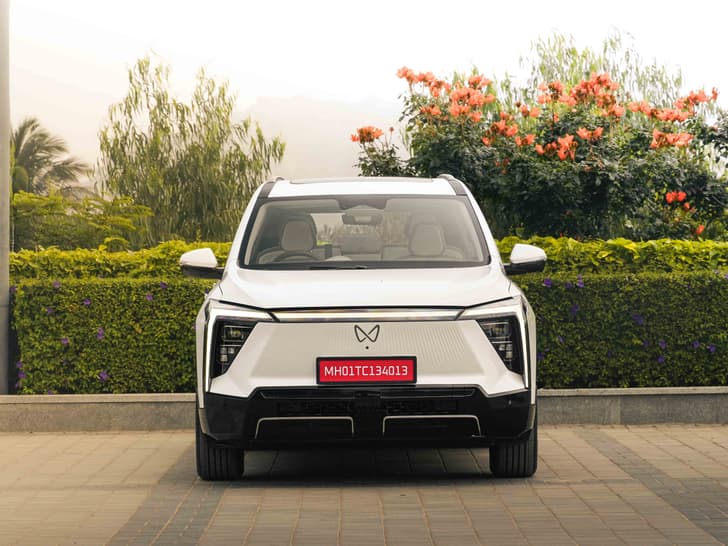
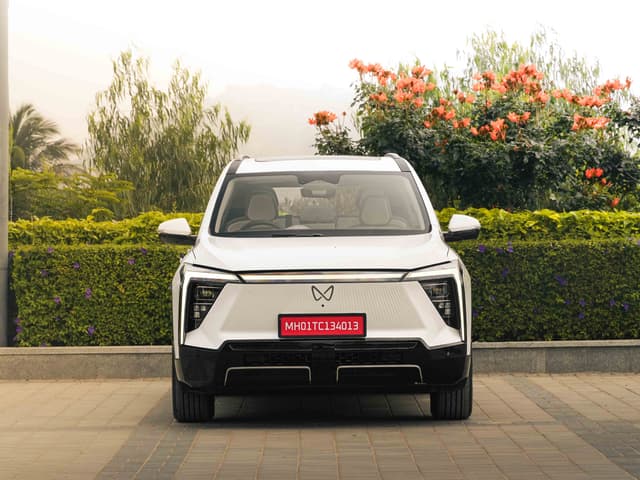
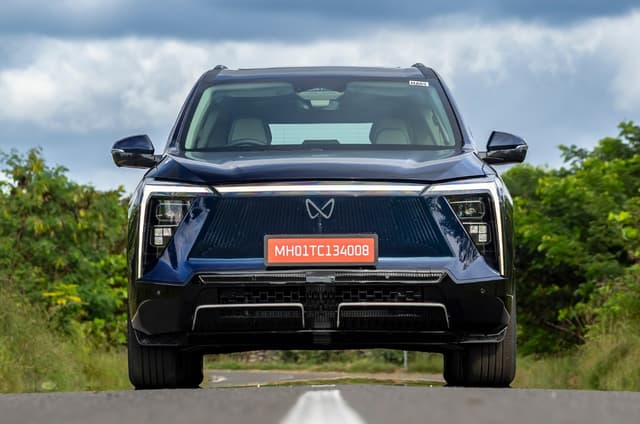
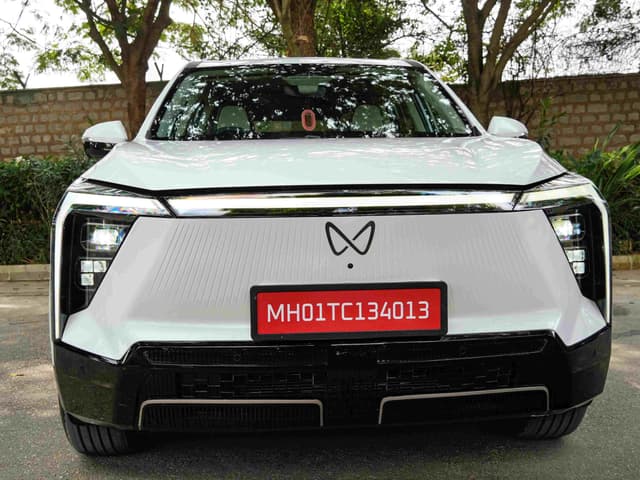
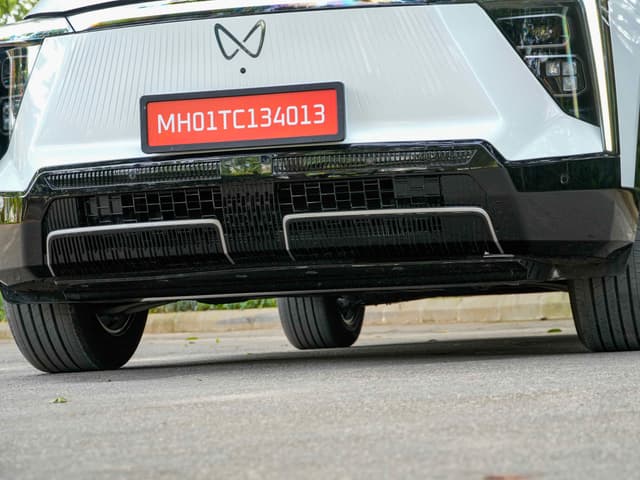
Front View
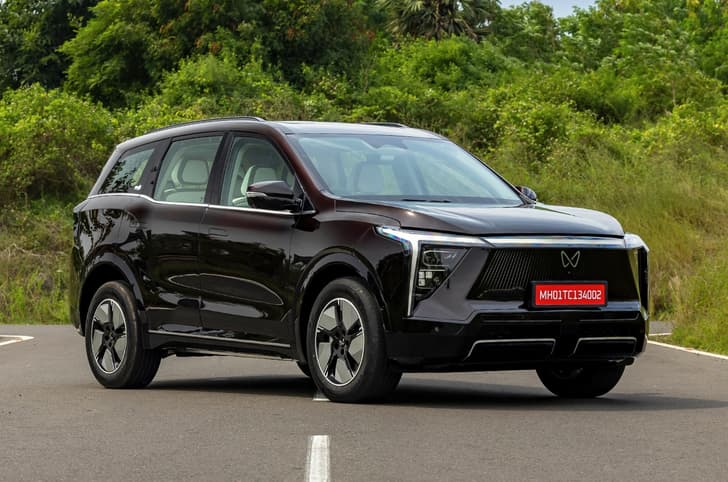
Front Left Three Quarter
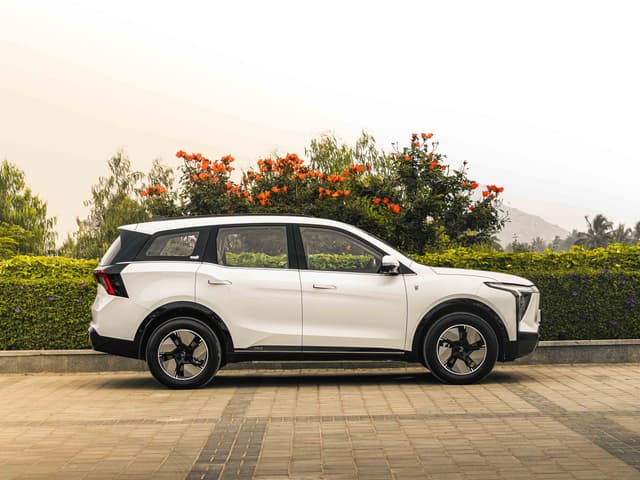
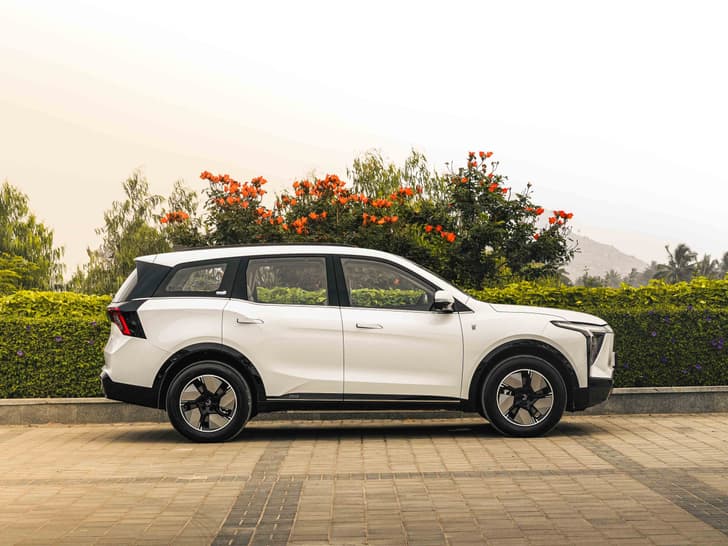
Right Side View
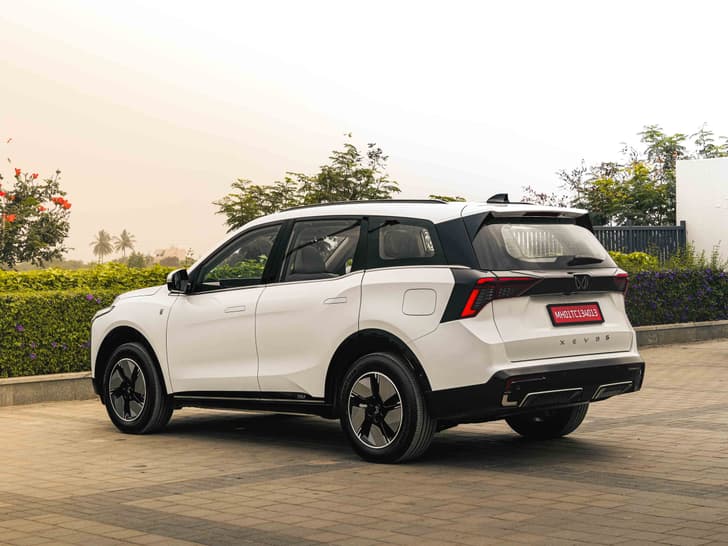
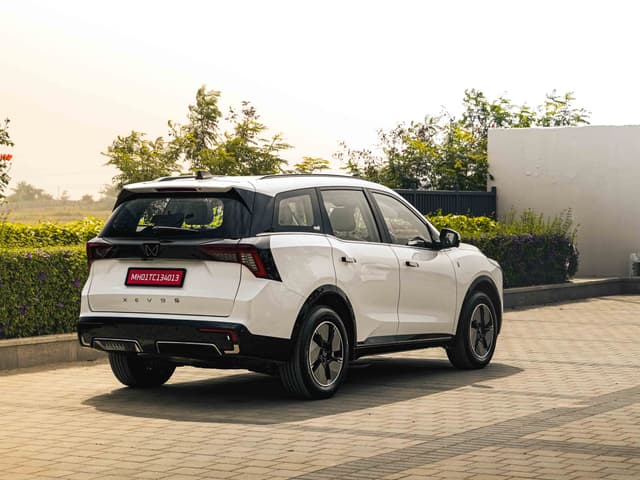
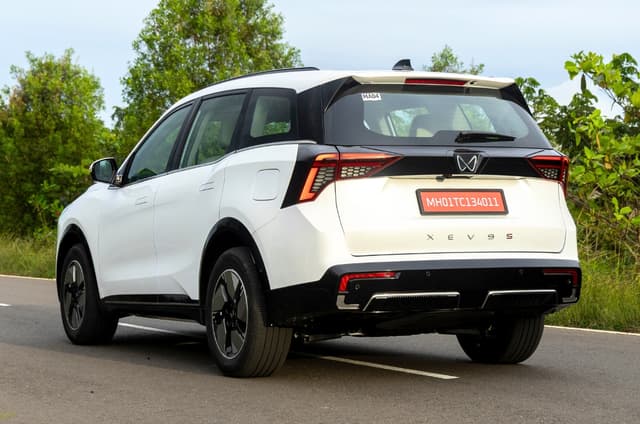
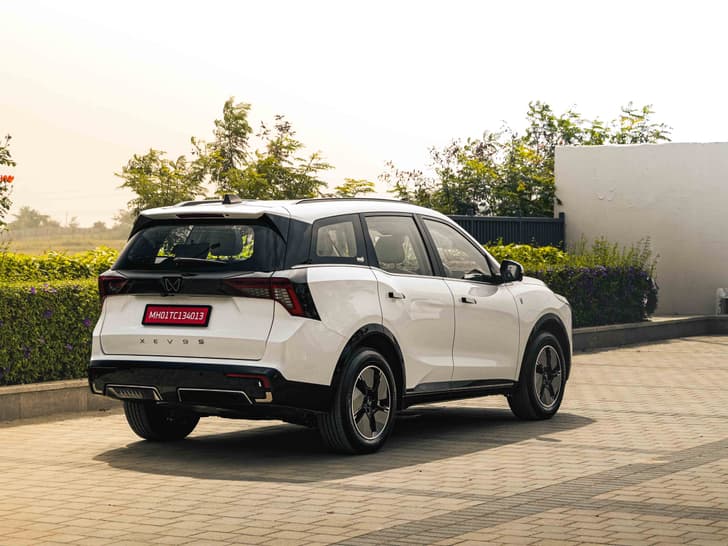
Rear Right Three Quarter
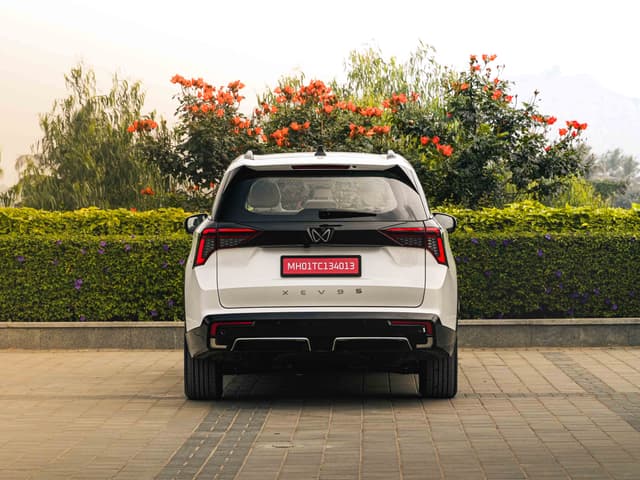
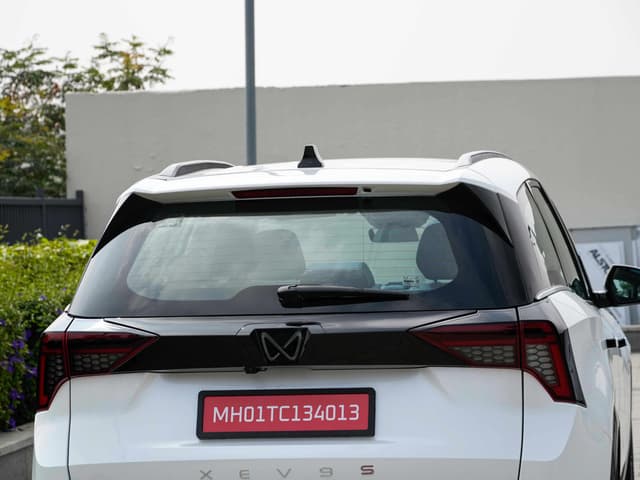
Rear View
Body Colored Bumpers
Front Left Three Quarter

Mahindra XEV 9S price in Siang

Autocar score
9
₹21.10 - ₹31.23 Lakh
On road price, Mumbai
Mumbai
Starting₹30,569 /month
EMI calculator

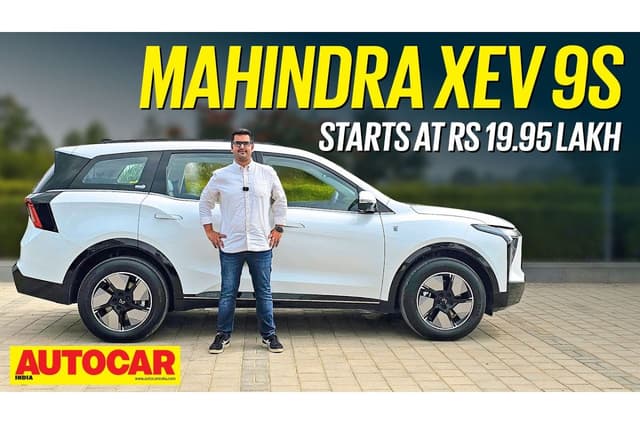
The Mahindra XEV 9S price in Siang starts at Rs 19.95 lakh for the Pack One Above 59kWh. In comparison, the Mahindra XEV 9S Pack Three Above 79kWh top model price on road in Siang is Rs 31.23 lakh (including all taxes, RTO fees, and insurance). The Mahindra electric SUV is offered in Pack One Above, Pack Two Above, Pack Three and Pack Three Above trims with multiple battery pack options.

Show more

Mahindra XEV 9S price & variants

VariantsOn road price
Mahindra XEV 9S Pack One Above 59kWh
Electric | Auto
₹21.10 Lakh
Electronic parking brake
Cruise control
Sunroof
Keyless start
Anti pinch power windows
Mahindra XEV 9S Pack One Above 79kWh
Electric | Auto
₹23.31 Lakh
Electronic parking brake
Cruise control
Sunroof
Keyless start
Anti pinch power windows
Mahindra XEV 9S Pack Two Above 70kWh
Electric | Auto
₹25.95 Lakh
Electronic parking brake
360 view camera
Adaptive cruise control
Cruise control
Ventilated seats
Mahindra XEV 9S Pack Two Above 79kWh
Electric | Auto
₹27.01 Lakh
Electronic parking brake
360 view camera
Adaptive cruise control
Cruise control
Ventilated seats
Mahindra XEV 9S Pack Three 79kWh
Electric | Auto
₹29.01 Lakh
Electronic parking brake
360 view camera
Adaptive cruise control
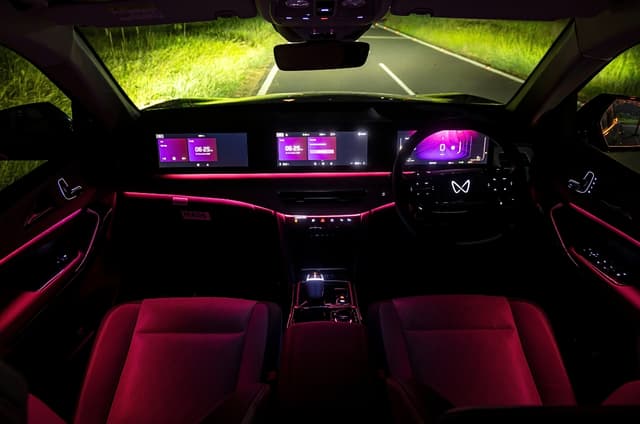
Ambient interior lighting
Cruise control
Mahindra XEV 9S Pack Three Above 79kWh
Electric | Auto
₹31.23 Lakh
Electronic parking brake
360 view camera
Automatic parking assist
Adaptive cruise control
Ambient interior lighting

Mahindra XEV 9S Images

Left Side View Image - 30529
Front Right Three Quarter Image - 30531
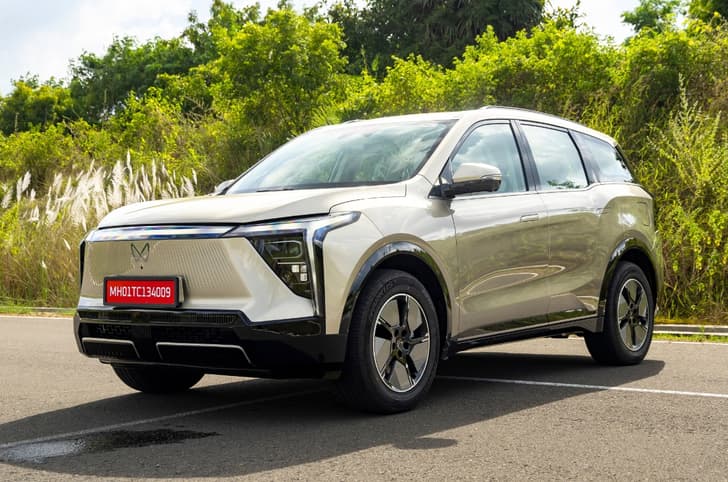
Front Right Three Quarter Image - 30463
Front View Image - 30530
Front Left Three Quarter Image - 30552
Right Side View Image - 30528
Rear Right Three Quarter Image - 30553
Rear View Image - 30532
Body Colored Bumpers Image - 30533
Front Left Three Quarter Image - 30465
Front View Image - 30464
Rear Left Three Quarter Image - 30462
Body Colored Bumpers Image - 30456
Front View Image - 30562
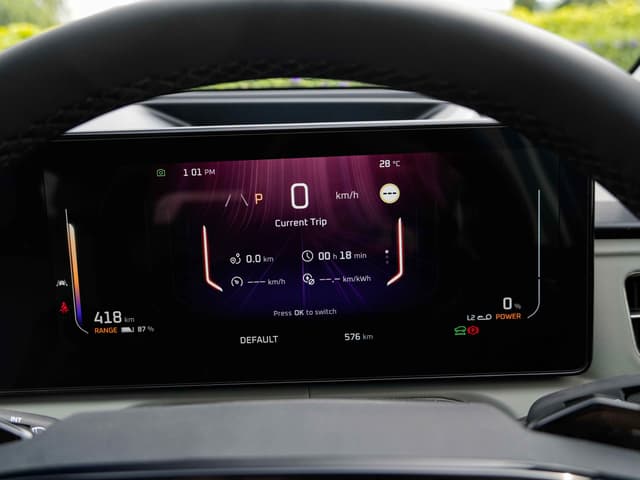
Digital Instrument Cluster Image - 30542
Ambient Interior Lighting Image - 30449
Body Colored Bumpers Image - 30526
Body Colored Bumpers Image - 30565
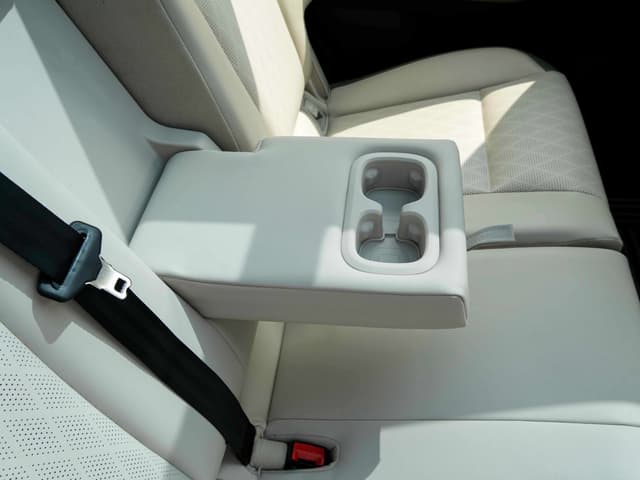
Cup Holders Image - 30452
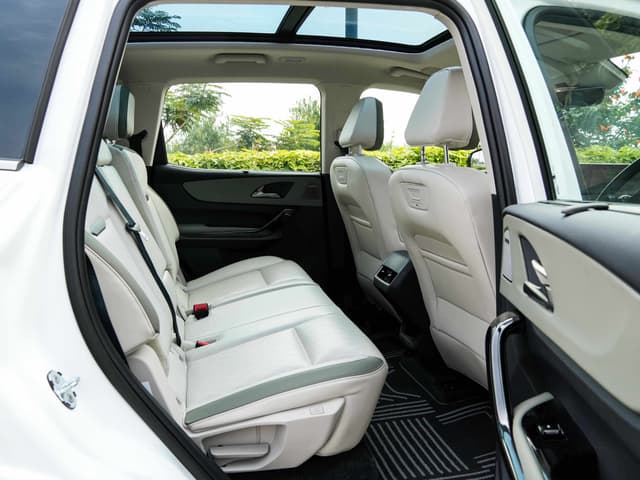
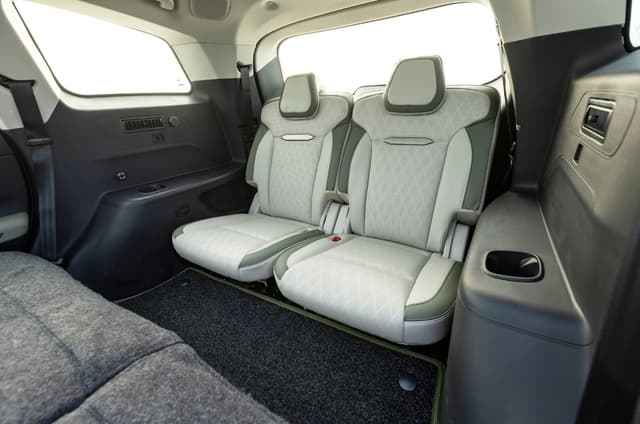
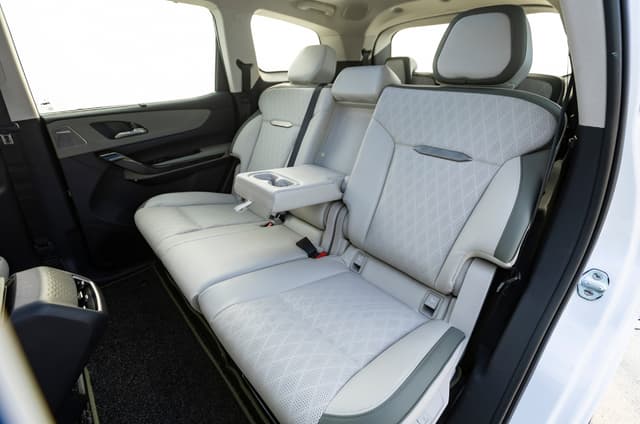
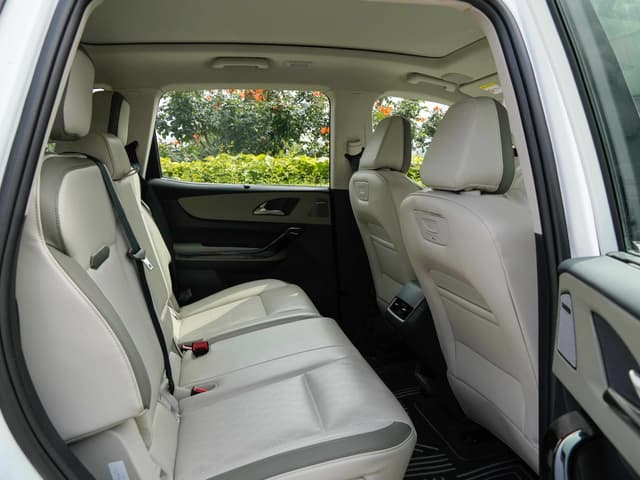
Second Row Seats Image - 30451
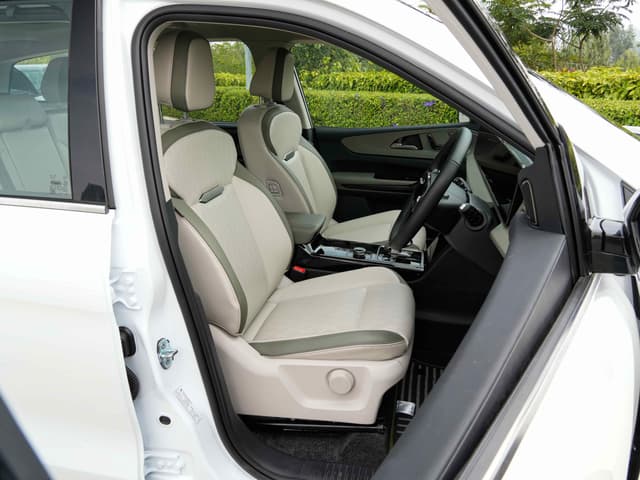
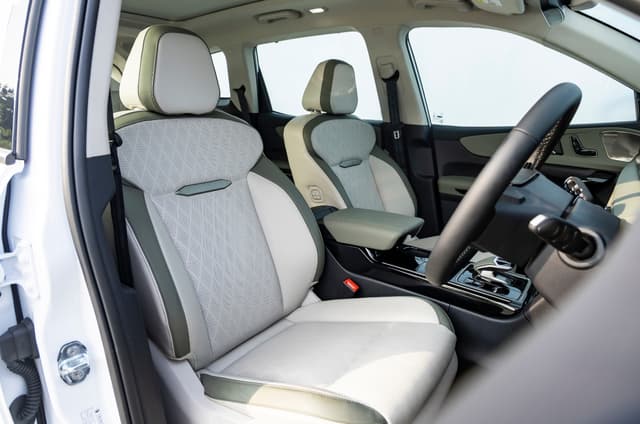
Front Row Seats Image - 30450
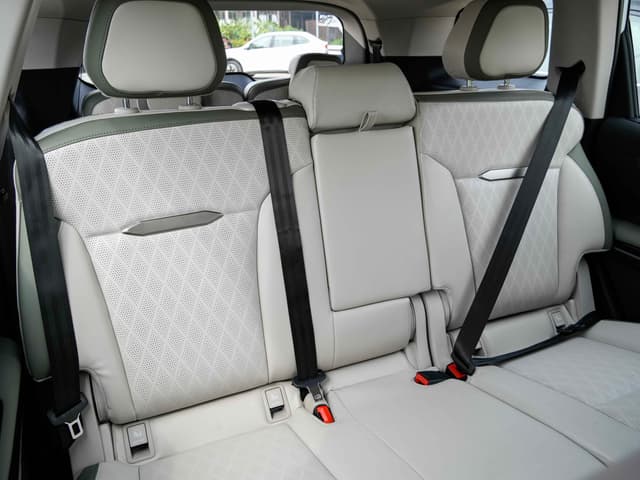
Folding Rear Seat Image - 30546
Second Row Seats Image - 30537
Cup Holders Image - 30547
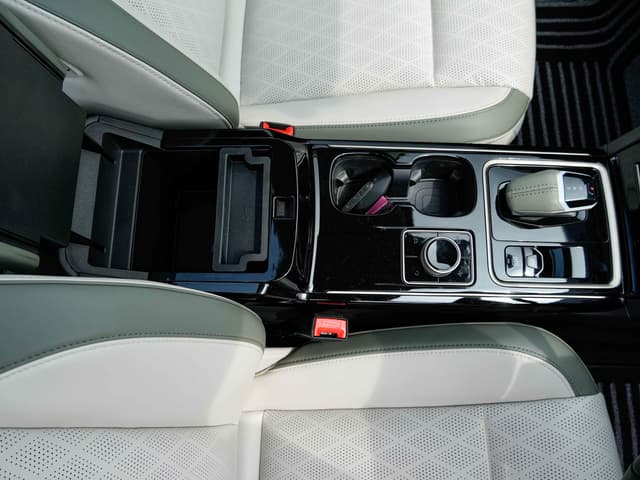
Driver Armrest Storage Image - 30539
Leather Seats Image - 30543
Leather Seats Image - 30443
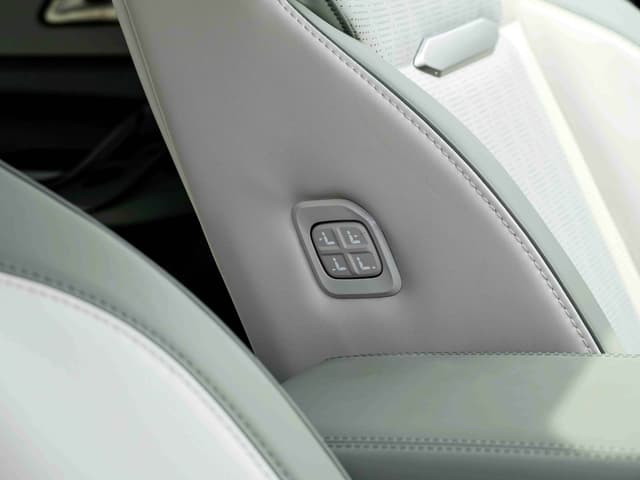
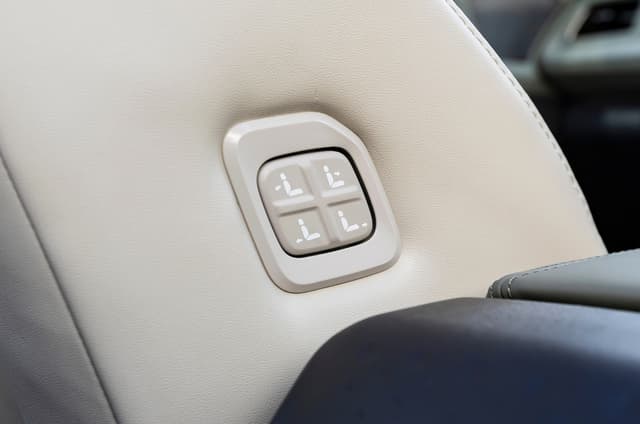
Seat Adjustment Image - 30538
Seat Adjustment Image - 30458
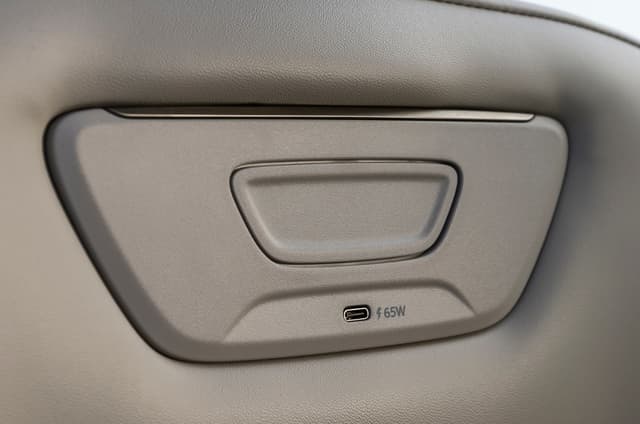
Accessory Power Outlet Image - 30457
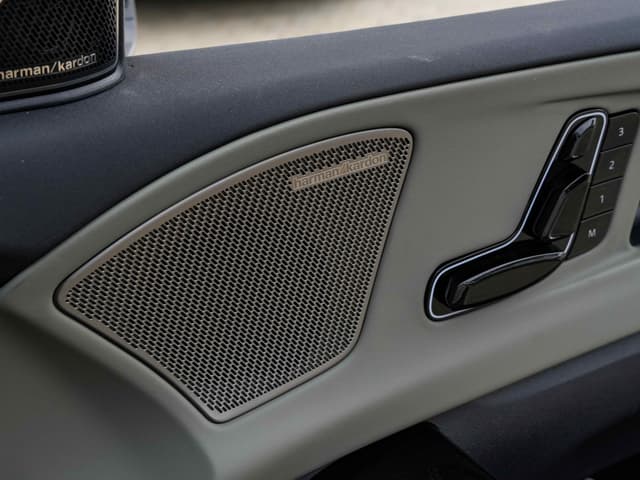
Speaker Image - 30527
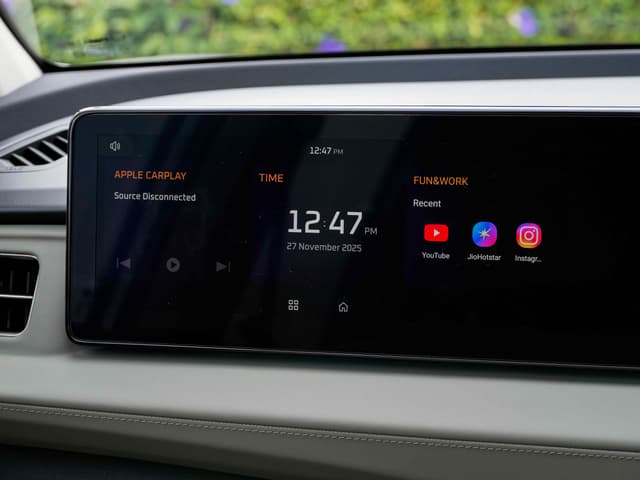
Infotainment System Image - 30541
Digital Odometer Image - 30545
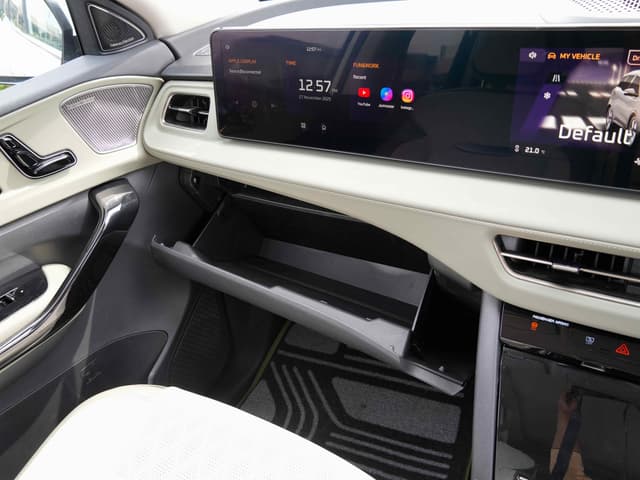
Glove Box Image - 30544
Auto Dimming Irvm Image - 30460
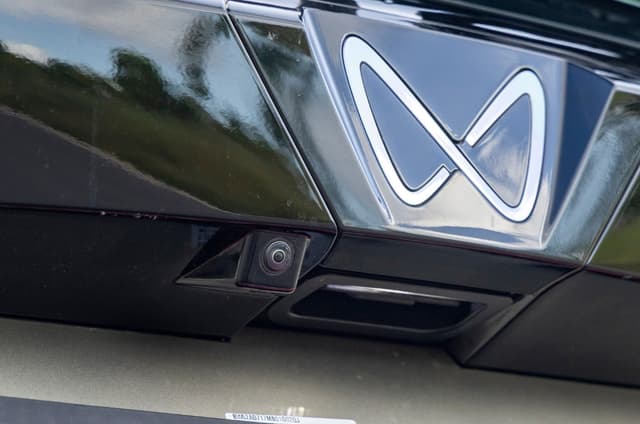
Rear Camera Image - 30534
Ac Vents Front Image - 30525
Digital Instrument Cluster Image - 30448
Drive Mode Control Image - 30540
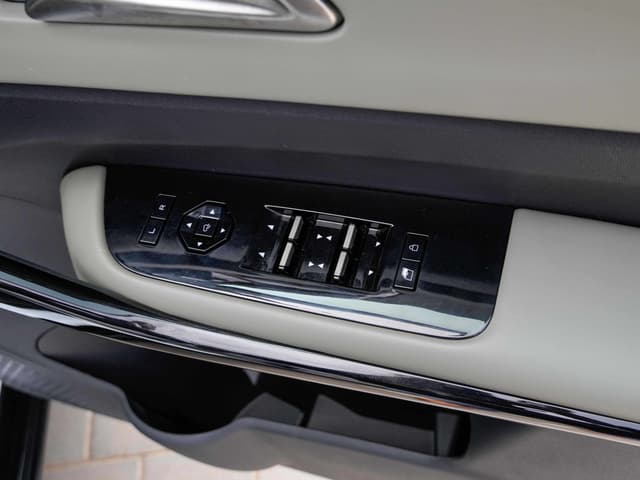
Door Controls Image - 30548
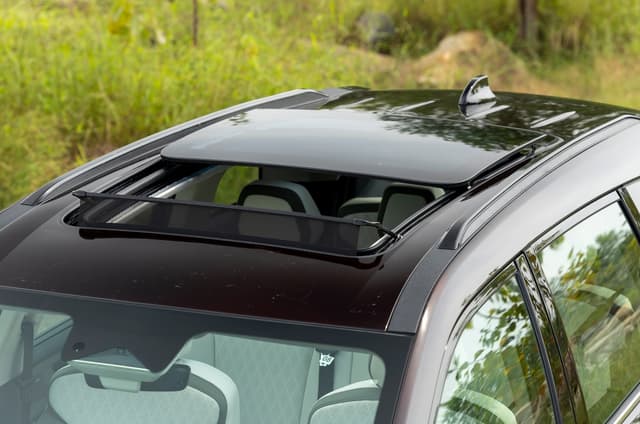
Sunroof Image - 30444
Body Colored Bumpers Image - 30442
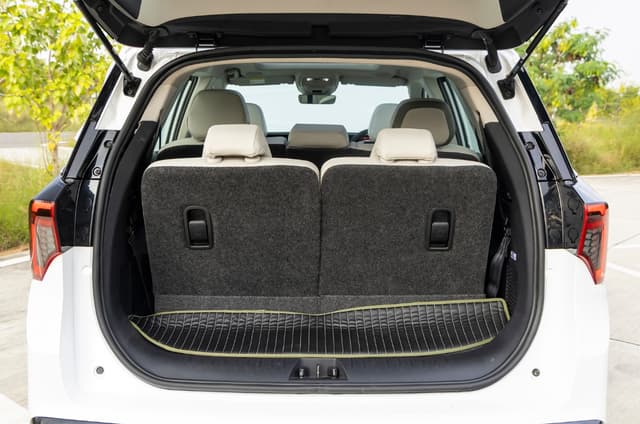
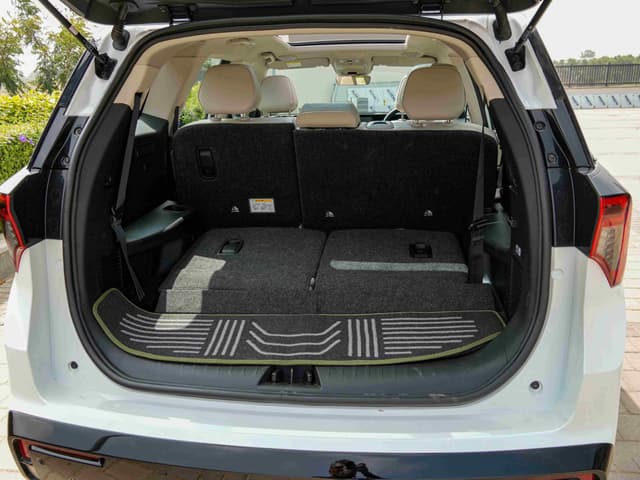
Boot Space Image - 30459
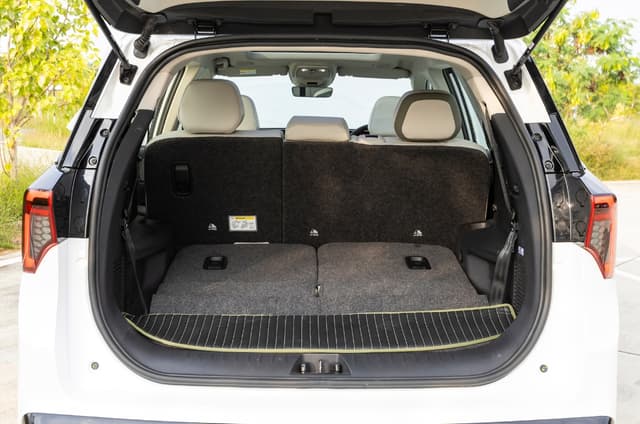
Boot Space Image - 30556
Boot Lid Opener Image - 30559
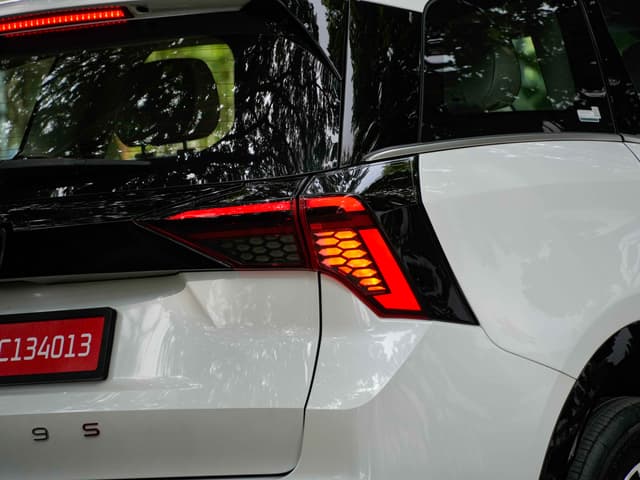
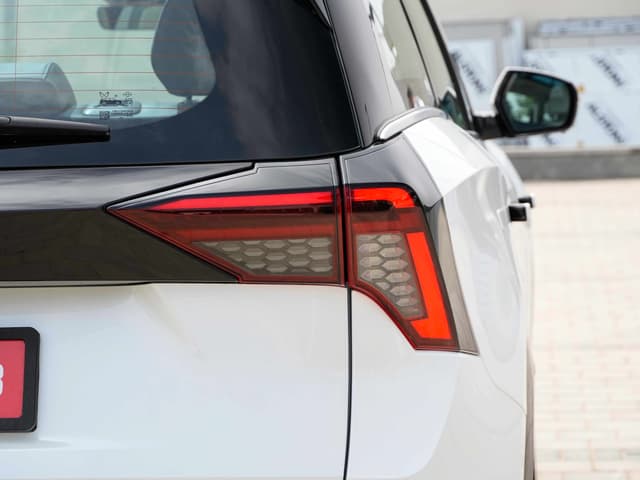
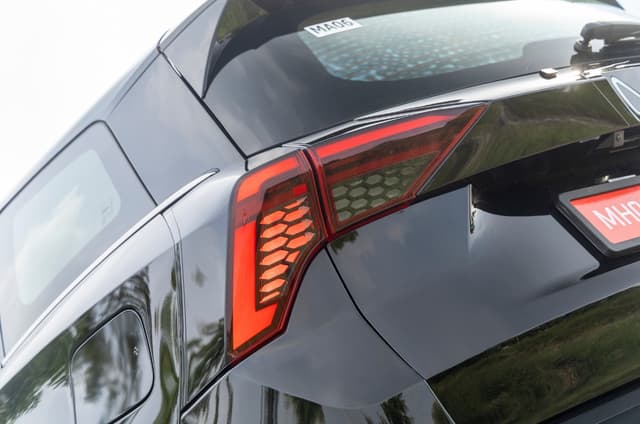
Tail Lamps Conventional, Leds Image - 30563
Tail Lamps Image - 30554
Tail Lamps Image - 30447
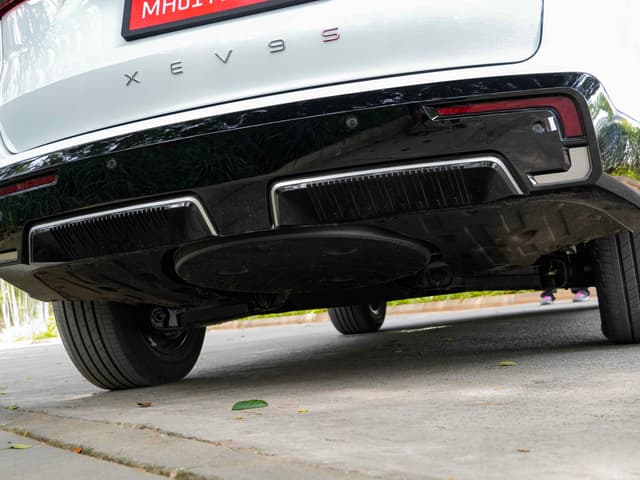
Body Colored Bumpers Image - 30570
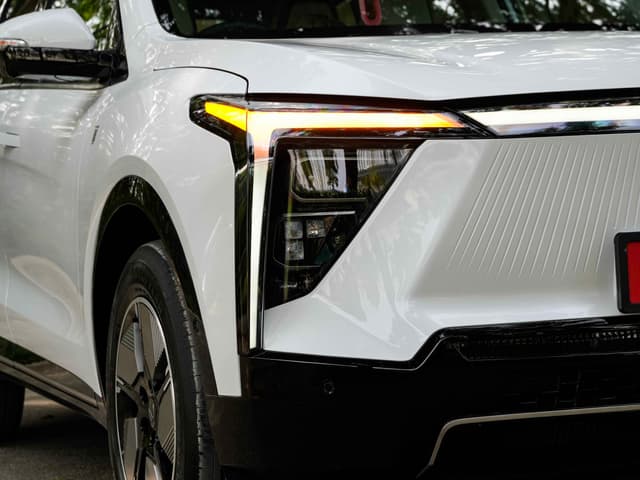
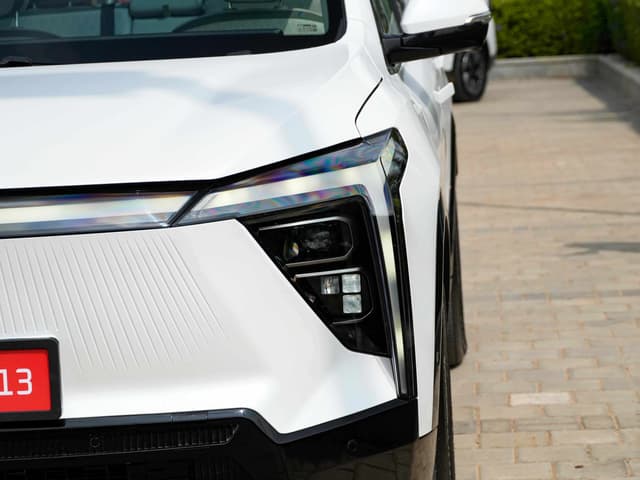
Headlamp Type Image - 30555
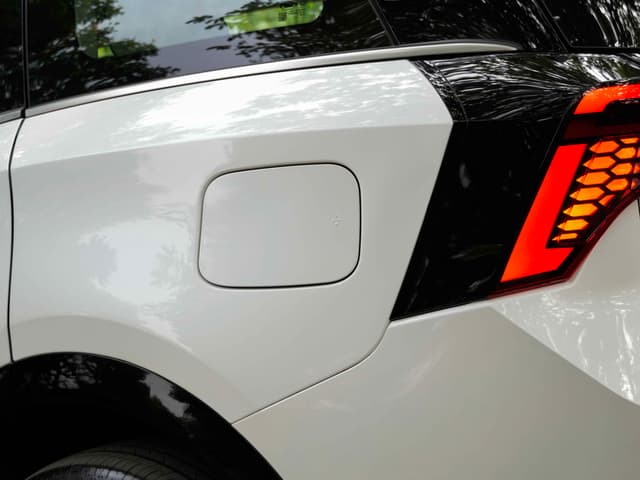
Closed Fuel Lid Image - 30560
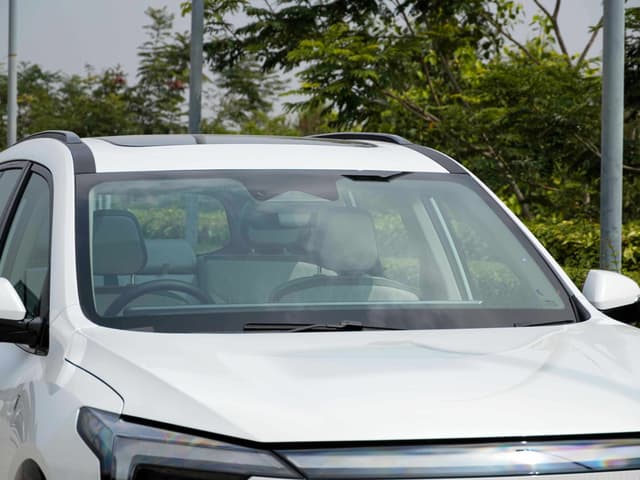
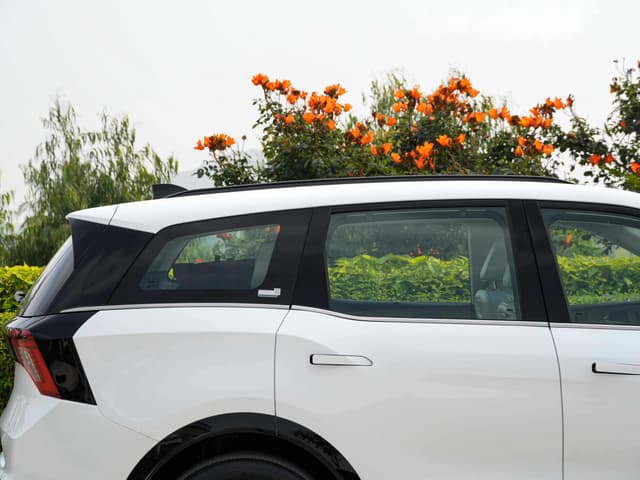
Rear Windshield Image - 30551
Front Bumper Color Body Colored Image - 30568
Body Colored Bumpers Image - 30550
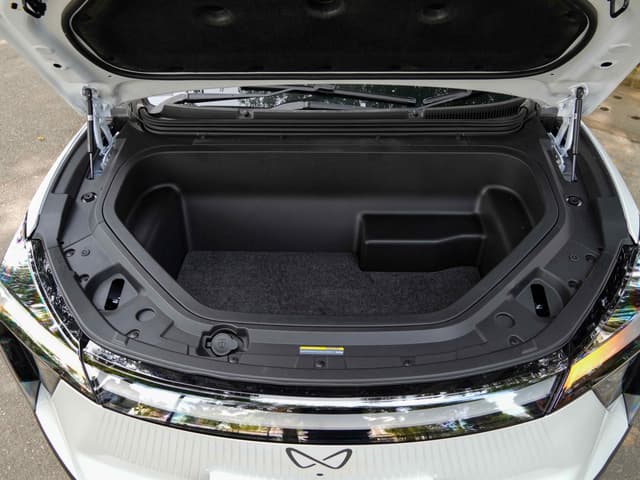
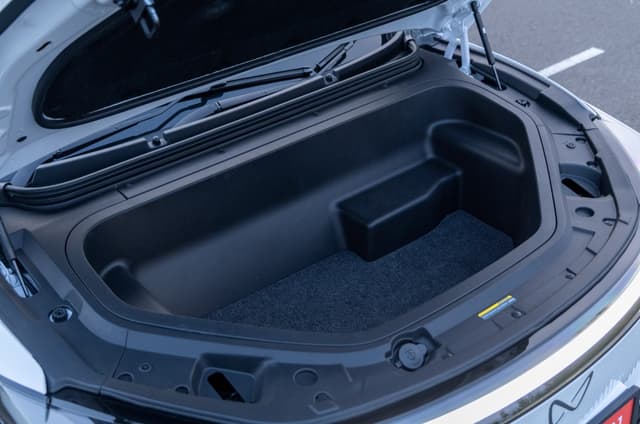
Trunk Space Image - 30446
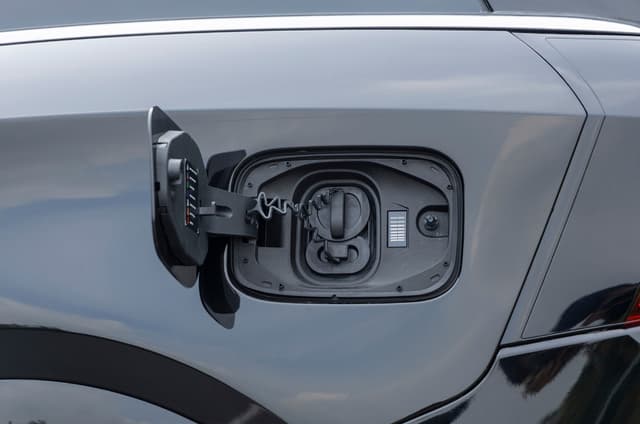
Charging Ports Image - 30445
Dual Tone Body Colors Image - 30453
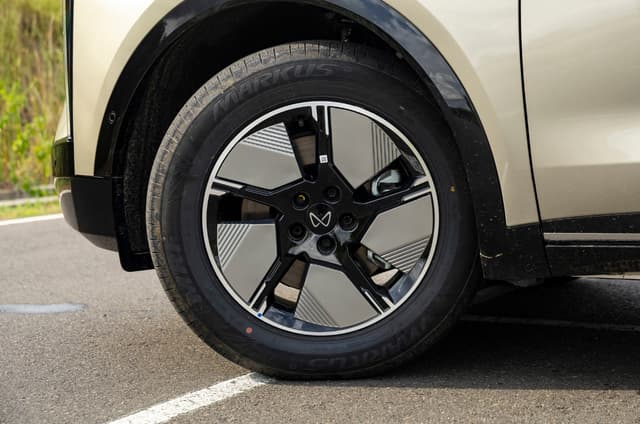
Alloy Wheels Image - 30454
Front Logo Image - 30455
Rear Logo Image - 30461
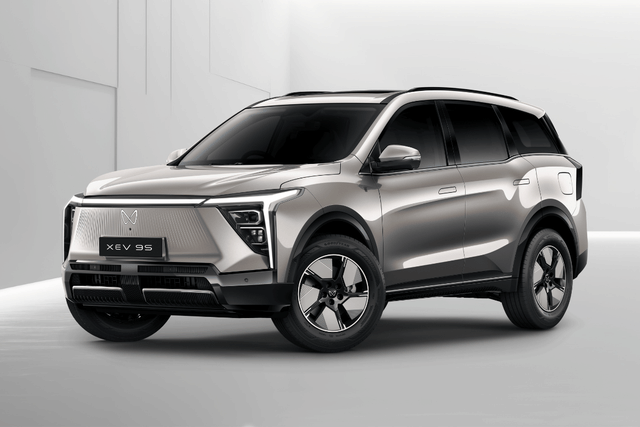
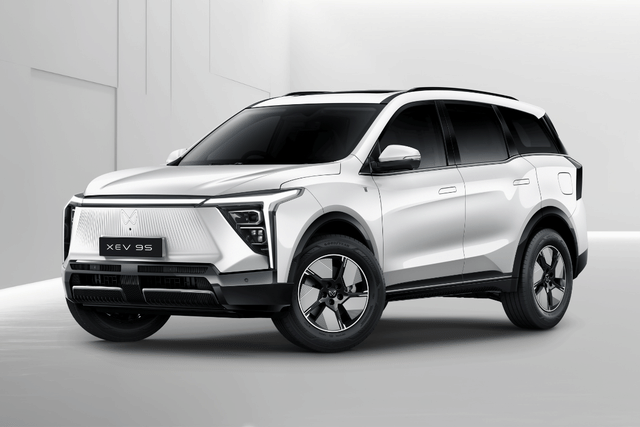
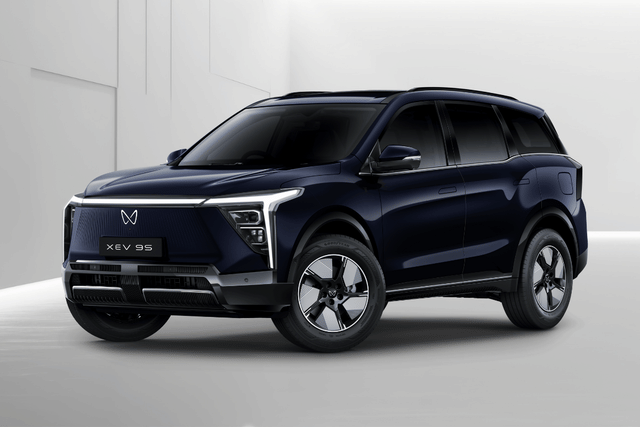
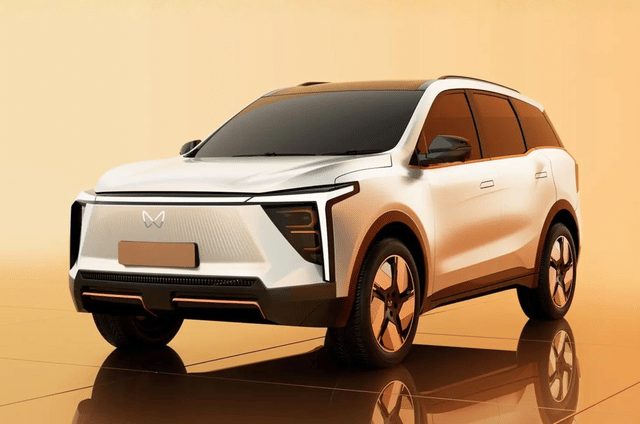
Desert Myst color Image - 30466
Everest White color Image - 30467
Midnight Black color Image - 30468
Nebula Blue color Image - 30469
Ruby Velvet color Image - 30470
Stealth Black color Image - 30471
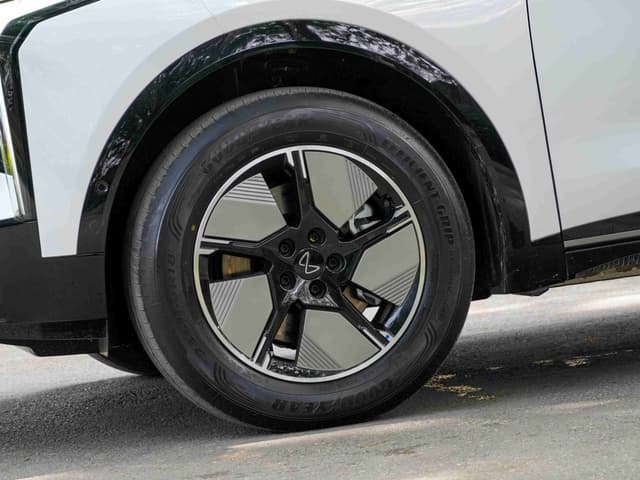
Alloy Wheels Image - 29967
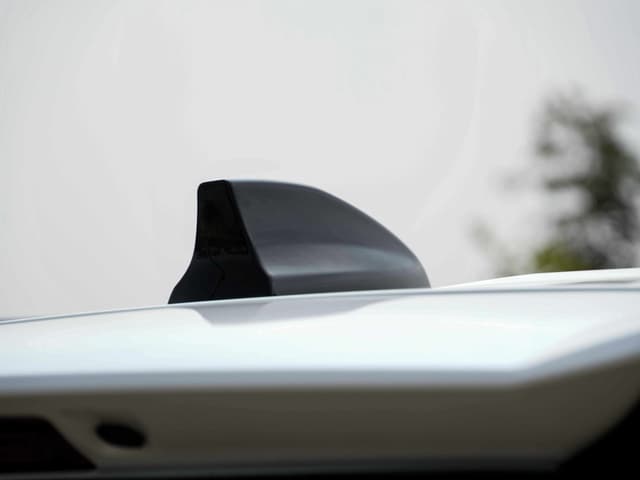
Antenna Image - 30535
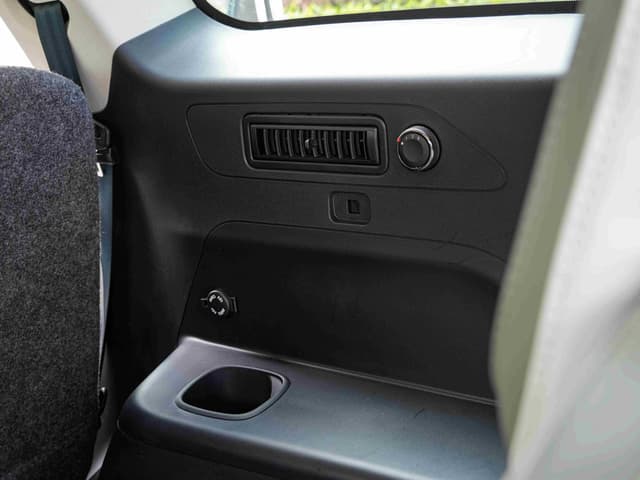
Ac Vents Rear Image - 30536
Rear Right Three Quarter Image - 30549
Rear Logo Image - 30557
Rear Bumper Image - 30558
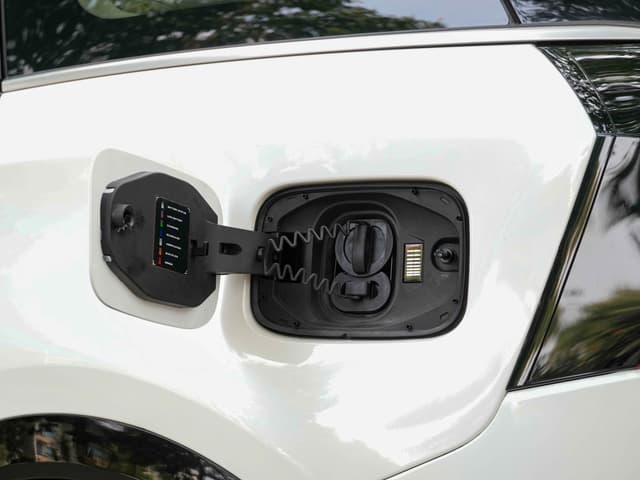
Charging Ports Image - 30561
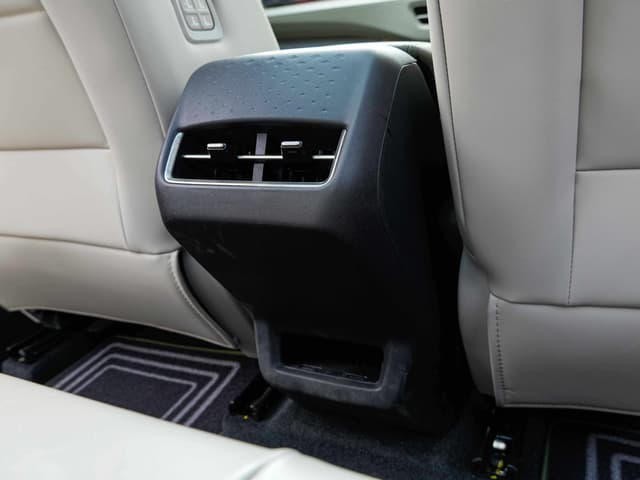
Ac Vents Rear Image - 30564
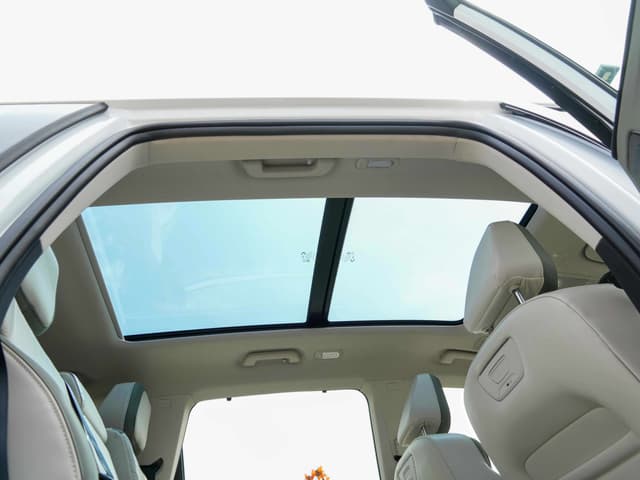
Roof Interior Image - 30566
Alloy Wheels Image - 30567
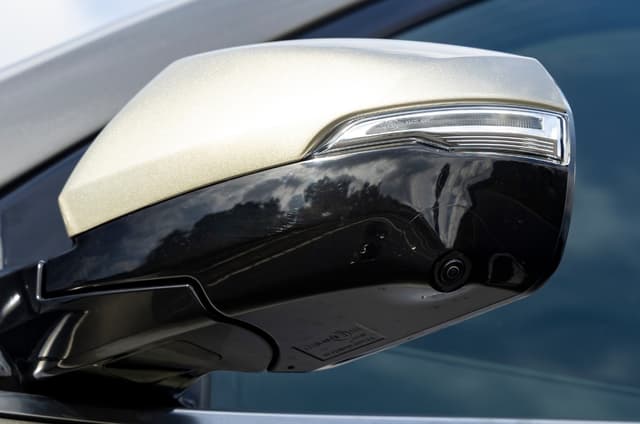
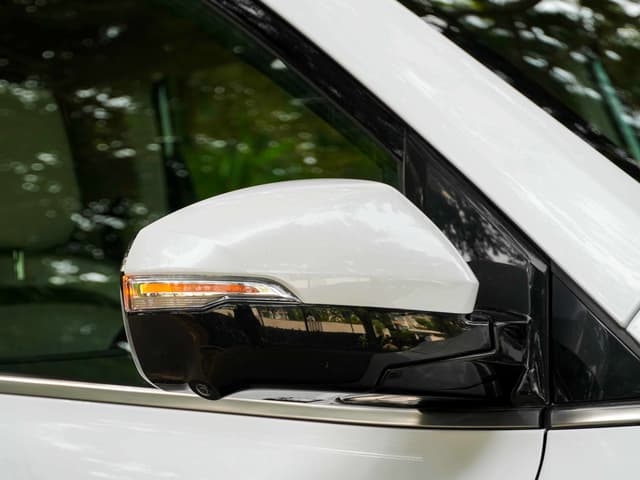
Side Mirror Image - 30569
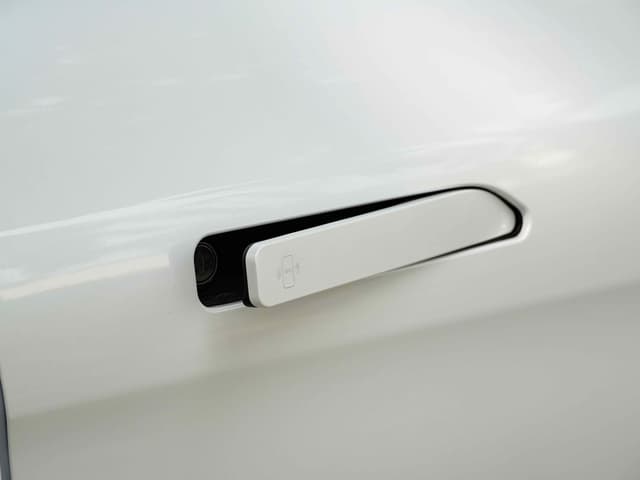
Door Handles Image - 30571
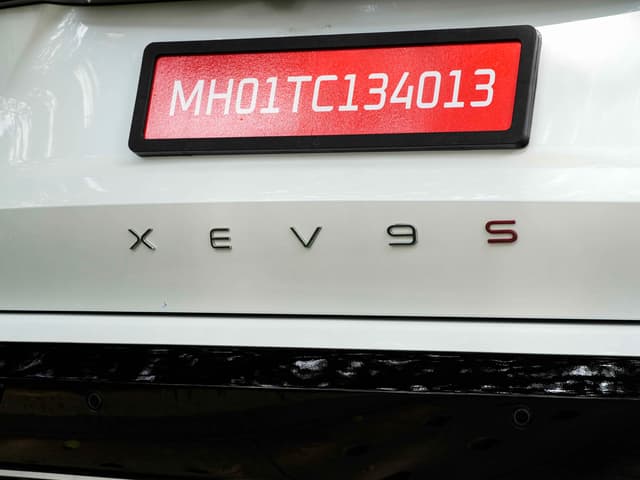
Rear Badge Image - 30572

Mahindra XEV 9S videos

Mahindra XEV 9S FAQs

The Mahindra XEV 9S price in India starts from Rs 19.95 lakh and goes up to Rs 29.45 lakh (ex-showroom).

The base-spec Pack One Above 59kWh Mahindra XEV 9S price in Siang starts at Rs 19.95 lakh, ex-showroom.
 

The base-spec Pack One Above 59kWh Mahindra XEV 9S on road price in Siang starts at Rs 21.10 lakh.

The Pack Two Above 79kWh Mahindra XEV 9S price is from Rs 25.45 lakh, ex-showroom.

The Pack Two Above 79kWh Mahindra XEV 9S on road price in Siang is from Rs 27.01 lakh.
 

The top-spec Pack Three Above 79kWh Mahindra XEV 9S price is Rs 29.45 lakh, ex-showroom.
 

The top-spec Pack Three Above 79kWh Mahindra XEV 9S on road price in Siang is Rs 31.23 lakh.

The base-spec Pack One Above 59kWh Mahindra XEV 9S price starts at Rs 19.95 lakh, ex-showroom.

The base-spec Pack One Above 59kWh Mahindra XEV 9S on road price starts at Rs 21.10 lakh (Delhi) based on city to city.

The Pack Two Above 79kWh Mahindra XEV 9S price in Siang is Rs 25.45 lakh, ex-showroom.
The top-spec Pack Three Above 79kWh Mahindra XEV 9S price in Siang is Rs 29.45 lakh, ex-showroom.
 

Need an expert opinion on your car related queries?

Trending Questions on Mahindra XEV 9S - Answered by Autocar Experts

A
Asked by: Aayush guptaon Mar 20, 2026
I am planning to buy an EV car for my daily travelling of 100 km on the highway with 3 to 4 passengers and 200 kg of luggage. I am looking for a safe, low-maintenance, and efficient car. Budget is below ₹25 lakh. I am confused between the Tata Harrier EV, Mahindra XEV 9S, and Maruti e Vitara 61 kWh. Please suggest or recommend any other option, considering efficiency and safety.

For your needs, the Mahindra XEV 9S makes the most sense. Go for the Pack One trim, but opt for the larger 79kWh battery pack. During our real-world tests, the XEV 9S 79kWh version delivered a combined range of 477km, but since your usage is primarily on the highway with four passengers and 200kg of luggage, expect that figure to drop noticeably. That said, your 100km commute should be no problem at all with the larger battery.
Since you will be carrying a heavy load, you will appreciate the large boot and flat loading lip. The Tata Harrier EV, in comparison, has a smaller boot and a slightly raised floor to accommodate the rear motor. Before you make your final decision, do take a detailed test drive.
A
Asked by: Ayush Sinhaon Mar 19, 2026
I’m planning to buy a new car with a budget of around ₹25 lakhs. My requirement is a three-row (6-7 seater) vehicle with captain seats in the second row and an automatic petrol transmission. Currently, I’m deciding between the Mahindra XUV700 AX7L and the Toyota Innova Hycross GX(O). My daily usage is relatively low (up to 25 km per day), with occasional long road trips about 3-4 times a year. I intend to keep the car for around 4-5 years before upgrading. Additionally, I would prefer a vehicle that is available for delivery as soon as possible.

The right choice essentially boils down to your priorities. If the driving experience and general feel-good factor are important to you, the Mahindra XUV 7XO AX7 L has more to offer. The 200hp petrol engine is strong and refined, and delivers an enjoyable drive experience. The 6-speed AT gearbox that's well in tune with the engine's character and well-balanced ride and handling also easily makes the XUV 7XO a better driver's car. Mahindra has also gone to town with features on the XUV 7XO, and elements like the triple screen layout do add a wow factor to the cabin. 

On the flipside, the 7XO isn't the best vehicle for 6/7 passengers. The middle row seats don't slide fore and aft, so there's no way to balance space for the third row of occupants. Space in the last row is tight, and there's also very limited luggage room with all seats up. 

The Toyota Innova Hycross with the 2.0-litre petrol engine does little to excite. Sure, engine refinement is good, and performance is pleasant, but the CVT gearbox really takes away from the experience. Fuel economy is also very poor (to be fair, the XUV 7XO petrol is also poor on efficiency). Also, the GX(O) is a mid-spec variant of the Hycross. 

The interior looks and the fabric upholstery are not in keeping with a vehicle of this price. Where the Innova Hycross excels is in seating comfort and space. The second row is flexible, and there's loads of room even in the last row. It's easily the comfiest vehicle on long distance journeys. Further, the Hycross also offers reasonable space for luggage with all seats up. 

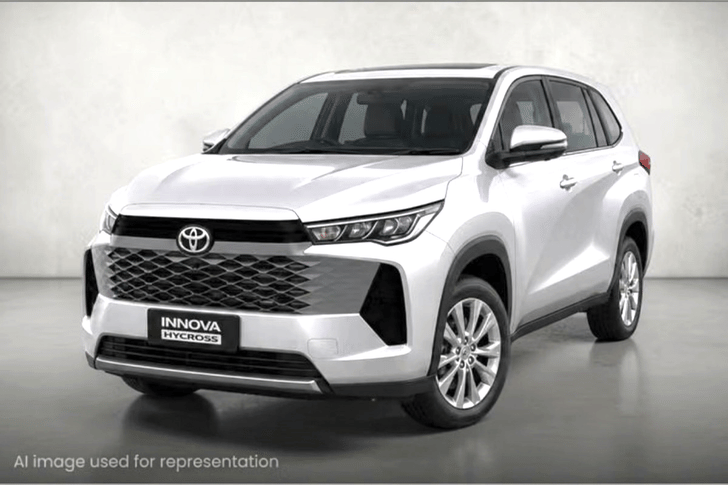
An alternative you could consider is the all-electric Mahindra XEV 9S. It has all the wow factor of the XUV 7XO and also adds in seating flexibility with sliding middle row seats. Other highlights include refinement and strong power. The XEV 9S offers more than enough range for your daily drives and, if you choose a route with ample charging stations on the way, can also be used as a long-distance vehicle.   


V
Asked by: Vrindaon Mar 12, 2026
Hi, I am thinking of purchasing the Mahindra XEV 9S due to the variety of features it offers. I am confused whether to buy an EV or the Innova HyCross, considering resale value in another 3 years.

While both brands are very popular, there's no doubt that Toyota has an edge over Mahindra when it comes to resale value. This is especially true of the Innova brand, which has made a strong name for itself with regard to reliability and longevity since its introduction in 2005, and that has passed on to the Innova HyCross strong hybrid as well.
Moreover, given that electric cars have only been around a relatively short time and the longevity of their batteries is yet to be proven, there is uncertainty around them, and thus their resale value is generally lower than that of vehicles with an engine, which aren't solely dependent on their battery.
So even after three years, the Innova will have a stronger resale value than the Mahindra XEV 9S. And yes, while the Mahindra has a long list of the latest features, the Toyota Innova HyCross in top-spec trim gets all the essentials and then some.
R
Asked by: Ritzon Mar 10, 2026
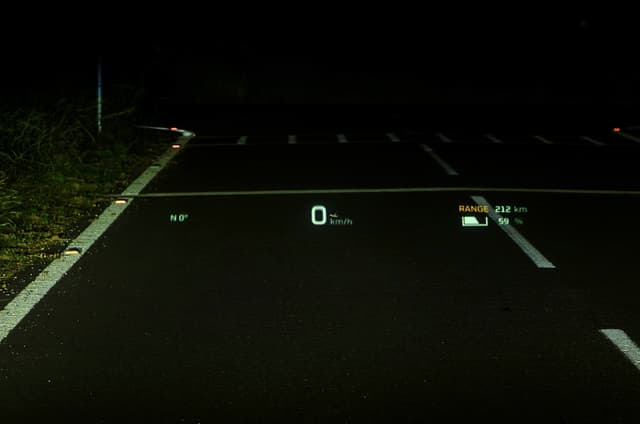
I am confused between Windsor EV (VFM) and XEV 9s (amazing driveability, feature-rich, and future-proof). My daily driving usage is low, around 300km per month, with occasional outstation trips (600kms once in every 3 to 4 months). I enjoy a good torque (acceleration) coming from a diesel world. When I did a test drive of Windsor, the acceleration was okay, but even in the lowest regen level setting, I felt a slight jerk. It makes sense from a VFM standpoint, but it felt like a compromise compared to XEV 9s.

If you don't mind stretching your budget, the Mahindra XEV 9S is the one to buy. It's larger than the Windsor EV and offers the flexibility of a third row of seats. The XEV 9S is also packed with equipment. We aren't fans of the user interface, but it's still better than the MG Windsor.
For someone switching from a diesel, the XEV 9S' biggest pull is its power. It's significantly more powerful than the Windsor EV, and acceleration is brisk in its sportiest driving mode.
J
Asked by: JKon Mar 4, 2026
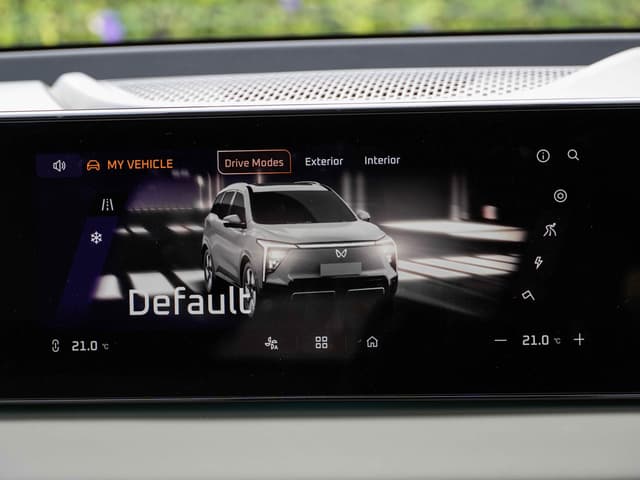
Which mid-size SUV has a spacious rear seat?

Among mid-size SUVs, there are several with genuinely spacious and comfortable rear seats, but the best choice depends a bit on your budget and whether you’ll be chauffeur-driven or driving yourself.
At the top end of the segment, the Mahindra XUV 7XO offers a very roomy and supportive rear bench with good legroom and headroom The electric Mahindra XEV 9S goes a step further with a sliding middle row, which lets you prioritise either legroom or boot space as needed, and this adjustability makes a big difference if you often have adults in the back or use a child seat.
Lower down the price band, the Tata Sierra stands out for rear seat comfort. It has an exceptionally accommodating back seat with loads of legroom, a natural, slightly elevated seating position and well-cushioned seats that give you that “loungy” feel. It’s the kind of rear bench you can spend hours in without feeling tired.
If outright rear space is your priority, though, the MG Hector is still the benchmark. Its rear seat is very wide, so three passengers can sit comfortably, and the flat-ish floor helps as well. The low step-in height makes it easy for elderly passengers to get in and out, and the soft suspension setup does a good job of smoothing out broken urban roads. These traits make the Hector particularly well-suited if the car will be largely chauffeur-driven and rear seat comfort is at the top of your wish list.
S
Asked by: sudipon Mar 3, 2026

I am planning to buy an EV, as I see the cost of a near top-end petrol vehicle is similar to a near top-end EV. I am confused between the Tata Harrier EV and XEV 9S (not because it’s a 7-seater, though). The XEV 9S cabin looks much more premium than the Harrier EV. However, hearing about the suspension in the 9S is a bit of a concern. I would mostly use it in the city. Can you suggest?

Since you are considering the Tata Harrier EV, we assume that having seven seats is not a must. In that case, you could also consider the XEV 9e, which is the more direct competitor to the Harrier EV. It has largely the same premium cabin you like in the XEV 9S, but without the third row of seats.
In terms of suspension, the Mahindra XEV 9S has a softer setup than the XEV 9e, which results in noticeable vertical movement on undulating tarmac. It isn’t exactly uncomfortable, but it can feel a bit unsettling out on the highway. The XEV 9e, on the other hand, has a firmer setup and actually feels more composed because of it.
Since most of your driving is in the city, the XEV 9S’s softer suspension may not bother you, but do drive the XEV 9e back-to-back to see which you prefer.
D
Asked by: Dhanoopon Mar 1, 2026

Hi, I am a 38-year-old surgeon with a daily travel of 100 km, split between city roads (50%) and state highways (50%). I am currently driving a 2018 Amaze and facing high fuel costs (around ₹8,000 weekly). I am looking to switch to an electric automatic SUV in the ₹20-35 lakh budget. I have considered the Harrier EV, XEV 9S, and Creta EV. Kindly suggest the right car (new or used) among these or any other suitable option.

The Hyundai Creta Electric is much smaller than the Tata Harrier EV and Mahindra XEV 9S, making it relatively much lighter than the other cars. It also has the smallest battery pack compared to the others, but on account of its lower kerb weight, it is a lot more efficient, and you can expect around 430km on a single charge with mixed usage.
Hyundai has also improved the battery's DC fast-charging capability recently, so charging times are also much lower. Furthermore, it is the most sorted electric SUV you can buy, with logical ergonomics and a clutter-free user interface/experience. Also, with no or minimal glitches, the Hyundai is much more reliable than the other two, and one that's very easy to recommend.
Since you have a budget of up to Rs 35 lakh, you could look for a Hyundai Ioniq 5. The Ioniq 5 is an outstanding electric car, and for all its merits, it even won our 2024 Car of the Year. It will be a bit more effort to source one, but because a facelift is expected soon, dealers will try to liquidate existing stock at mouth-watering discounts.
N
Asked by: Nipenon Feb 26, 2026

I am using a petrol MT EcoSport for my daily office commute and travel about 500-600 km a month. Should I go for an EV or a petrol IVT for city usage? Please share options based on your recommendation.

If you have convenient access to EV charging or, better yet, can install an EV charger at your home, an electric car is worth considering. EVs feel their best in the city with a seamless drive experience that no ICE automatic can match. Of course, refinement is another highlight. The quiet experience really adds calm to frustrating bumper-to-bumper drives.
You haven't shared your budget, but (in order of price) models like the Tata Punch EV, Tata Nexon EV, MG Windsor, Hyundai Creta Electric, and Mahindra XEV 9S should be in your consideration set.
T
Asked by: TUSHAR SETHon Feb 26, 2026

Hi, I am planning to sell my 2024 Hyundai Alcazar 1.5 Turbo Signature with an odometer reading of 17,000 km, and after selling it, I want to buy an EV car. Will this be a wise decision, and what EV options should I consider?

Your 2024 Hyundai Alcazar with just 17,000km is still very new and has plenty of life left. Also, the Alcazar isn’t the fastest-moving SUV in the used market, so resale values aren’t particularly strong. If the car is running well, it may make sense to hold on to it for another couple of years. 

The EV space is evolving rapidly, and you’ll likely see many more options with better range and tech as manufacturers push new models to meet upcoming CAFÉ norms.

However, if you’re keen to switch right away, your budget becomes the key factor. Assuming you’d like something with similar flexibility, including a third row, options are limited today. In the Rs 25 lakh bracket, the Mahindra XEV 9S is among the more practical and well-rounded EVs to consider, offering strong range, space and performance.

If you plan to sell your Alcazar, we’d recommend posting it on our partner channel, Spinny.com, to get a competitive, transparent price.

S
Asked by: Satishon Feb 23, 2026

Hi, currently I have a Creta diesel manual and am planning to buy a 7-seater SUV. We are a family of six, including three kids (10-13 yrs). My monthly running is around 700-800 km with occasional highway trips of about 1,000 km every 2-3 months. My budget is ₹25-28 lakh. I’m thinking of the XUV 7XO AX7 version, but I’m worried about mileage, ethanol blending in petrol, DPF issues, and maintenance costs in the diesel version - and I want to keep the car for 8-9 years. I’m also inclined towards the XEV 9s EV version since it has more power, a sliding second row, a usable frunk, and long-range battery capacity. I can install a home charger. But I’m unsure about the resale value and battery replacement costs. What’s your opinion?

Of the two options on your shortlist, the Mahindra XEV 9S suits your requirements better. It's got a significantly better third row with more adjustability and space than you get on the XUV 7XO. Third row space and comfort will become more important as your kids grow. 

The fact that you can install a charger at home also eliminates a big hurdle to living with an EV. EVs typically don't hold their value as well as petrol or diesel cars, but you also have to factor in lower ownership and running costs over your usage. 

As for your concerns on the XUV 7XO, the petrol engine is tuned to run on ethanol blends and will not give issues. However, fuel economy is on the lower side. The diesel engine will not give issues provided care is taken as per the manufacturer's recommendations. 

Can't decide which car to buy?
Ask our experts and get answers to all your car related queries.