Dear Auto Experts, I need a merciless, data-backed verdict to complete my garage. Around 3 months ago, I sold my Toyota Fortuner Legender 4x2 (which was just 2 years and 9 months old) because I grew highly frustrated with its hard steering and lack of modern tech features, specifically ADAS.
To replace it, I purchased a Mahindra Thar Roxx AX7L Diesel Automatic 4x2 a month ago. However, I only plan to drive it 2 days a week. Additionally, my wife purchased a Mahindra Thar Roxx MX1 Manual last year in November.
I am now looking to finance another vehicle via an auto loan, with a budget of Rs. 18 Lakh to Rs. 28 Lakh. This new vehicle will be used for rough-and-tough regular city driving 3 to 4 days a week in heavy traffic. It will also serve as the primary vehicle for occasional long highway trips with my family.
My Strict Requirements include:
Status & Road Presence: This is non-negotiable. Even though it is my 3-to-4-day city vehicle, it must command road respect and serve as a status symbol, while offering the light steering and ADAS tech my Fortuner lacked.
Fuel & Transmission: Diesel Automatic is preferred, but I am very open to considering Strong Hybrids (especially the upcoming generation of high-efficiency models). I can manage DPF requirements without issue if going with diesel.
Ownership Cycle: I do not hold onto cars for long; my replacement cycle is strictly 3 to 4 years.
End Goal: Exceptionally high resale value. I need a vehicle that second-hand dealers can easily flip to out-of-state buyers for a premium when I am ready to sell, clear the loan, and upgrade.
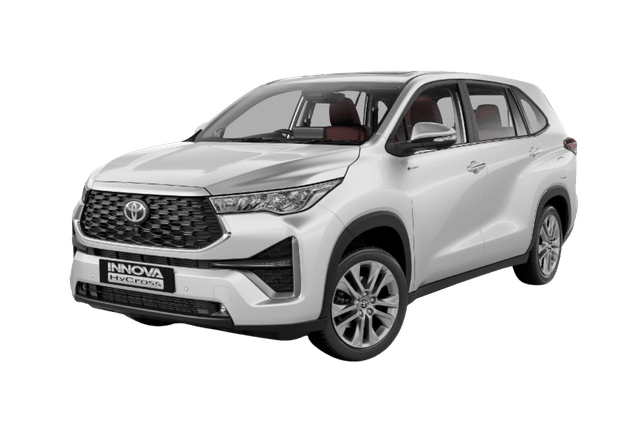
Dealbreakers: Absolutely no to Toyota HyCross (my family finds it bulky, dated, and associated with the taxi segment). No Toyota Urban Cruiser Hyryder (I strictly avoid the Maruti-shared build quality). No grey or silver exterior colors.
My Shortlist (That I can buy now):
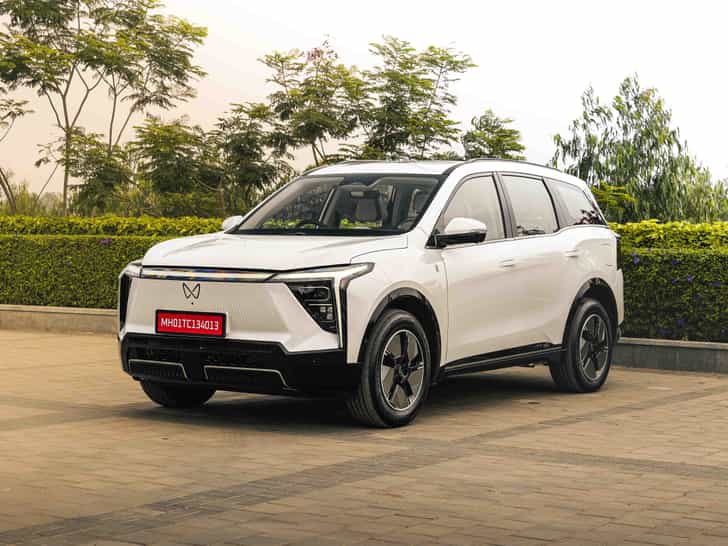
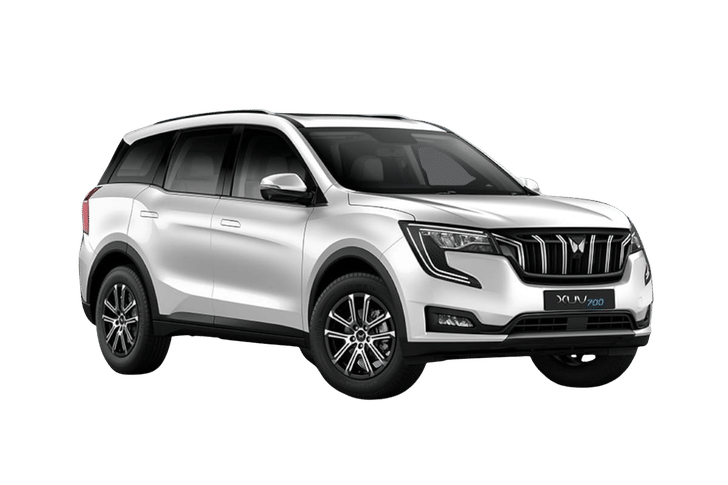
Mahindra XUV 7XO AX7L Diesel AT: It solves the steering and ADAS issues perfectly and commands massive road respect. However, considering I just bought a Thar Roxx AX7L and my wife owns a Thar Roxx MX1, do you think that buying a third Mahindra vehicle for the family will be a logical and financially sound move?
Kia Seltos GTX / X-Line Diesel AT (New 2026 K3 Platform): It offers the modern platform and tech that I need, but does a mid-size SUV command elite resale value and "status symbol" respect? (Note: I am highly hesitant about this option, as I have seen a lot of cons and complaints regarding it on YouTube ownership reviews).
Hyundai Venue HX10 Diesel AT (2026): Fits easily at the bottom of the budget, but it likely lacks the sheer road presence, status factor, and highway dominance I need compared to larger SUVs.
Or
Should I Wait For Upcoming Hybrids/Updates (2026-2027):
Toyota RAV4 Hybrid (Rumored to arrive in India in late 2026. Is it worth waiting for and potentially stretching my budget, or will it be overpriced?)
Upcoming K3 Platform Hyundai Creta Strong Hybrid.
Next-Gen Toyota Fortuner (ADAS / Mild Hybrid) or Toyota Land Cruiser FJ.
Mahindra Vision S.
Given my strict 3-4 year ownership cycle, the demand for top-tier resale value and road respect, the fact that I will be financing this purchase, and the specific dual-use case (rough regular city driving + occasional family highway cruiser), which exact car and variant should I finalize today? Or does waiting make actual financial sense for my cycle?
Thank you for your definitive and merciless verdict.
Vihaan Kumar
The XUV 7XO AX7L Diesel AT is the cleanest fit for your requirement today, and frankly, none of the other current options line up as well with the exact brief you have laid out.The fact that you already own two Mahindra cars is not necessarily a negative from a financial point of view either, because right now Mahindra SUVs have some of the strongest demand and resale momentum in the market. In fact, from a resale perspective over a 3 to 4 year ownership cycle, the 7XO is probably the safest bet in your shortlist. It also solves the exact frustrations you had with the Fortuner by offering much lighter controls, modern ADAS tech and a far more feature rich experience while still maintaining proper SUV presence.The new Seltos diesel AT is a very polished product and will likely feel more premium inside, but you have already identified the key issue yourself. It still feels like a size smaller in terms of sheer road presence and overall “status factor” compared to something like the 7XO.The Venue diesel AT should not even be in this discussion. It may be sensible, but it does not deliver the sense of occasion, size or highway authority you are clearly looking for.As for waiting, the upcoming Creta and Seltos strong hybrids expected next year will make sense from an efficiency perspective, but they will still fundamentally remain mid size SUVs. The RAV4 Hybrid is not even a confirmed India launch yet, and even if Toyota does bring it here, expect it to be priced aggressively high because it will almost certainly come in as a CKD or CBU initially. By the time it lands on road, it could sit far beyond the sweet spot you are targeting today.So the verdict is simple: buy the XUV 7XO AX7L Diesel AT now. It is the one that best balances presence, tech, ease of use and resale value over your intended ownership cycle.