SU

sudip

6w

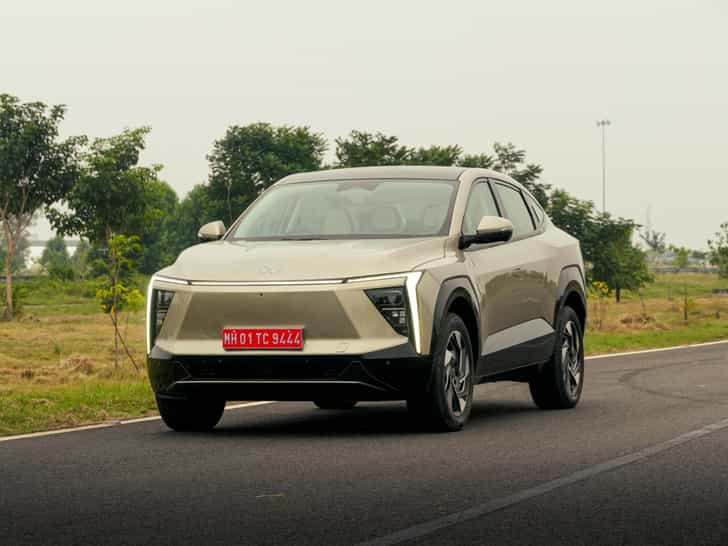
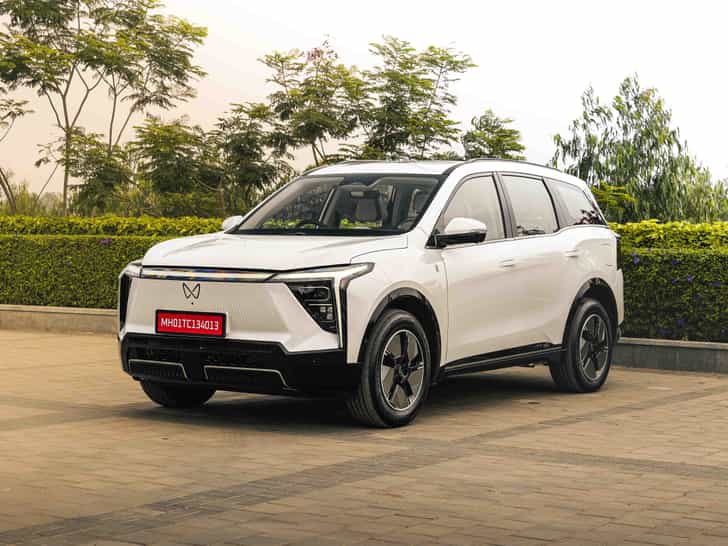
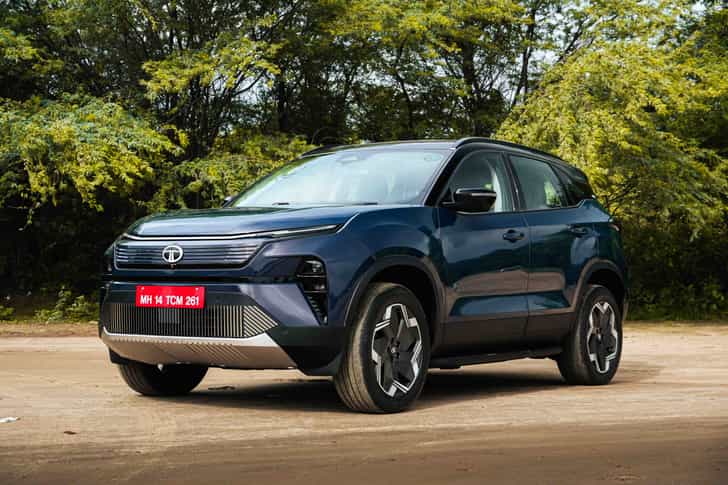
I am planning to buy an EV, as I see the cost of a near top-end petrol vehicle is similar to a near top-end EV. I am confused between the Tata Harrier EV and XEV 9S (not because it’s a 7-seater, though). The XEV 9S cabin looks much more premium than the Harrier EV. However, hearing about the suspension in the 9S is a bit of a concern. I would mostly use it in the city. Can you suggest?

Autocar India team

Autocar India

Verified
6w
Since you are considering the Tata Harrier EV, we assume that having seven seats is not a must. In that case, you could also consider the XEV 9e, which is the more direct competitor to the Harrier EV. It has largely the same premium cabin you like in the XEV 9S, but without the third row of seats.
In terms of suspension, the Mahindra XEV 9S has a softer setup than the XEV 9e, which results in noticeable vertical movement on undulating tarmac. It isn’t exactly uncomfortable, but it can feel a bit unsettling out on the highway. The XEV 9e, on the other hand, has a firmer setup and actually feels more composed because of it.
Since most of your driving is in the city, the XEV 9S’s softer suspension may not bother you, but do drive the XEV 9e back-to-back to see which you prefer.
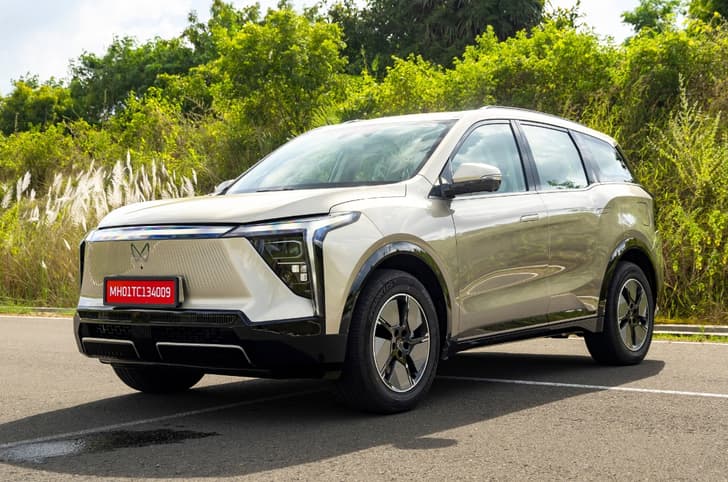
Mahindra XEV 9S

Mahindra XEV 9S

PR

Pratheep

5w

Harrier ev hands down. 1) suspension setup and real world comfort is far better than 9e 2) Physical buttons. It makes a lot of difference in highways 3) Planted ride at high speed 4) Road presence

More questions on similar cars

SA

sami ali

4d

Dear Autocar, I have an XUV700 AX7 diesel manual. Being an enthusiast and someone who loves driving a manual, I chose not to go for the automatic variant. During the test drive as well, I found the manual smoother than the automatic. However, I have now started to dislike the hard and long clutch pedal of the XUV700. Even the service centres deny the clutch hardness by saying it is a diesel characteristic. The clutch ergonomics are also uncomfortable. The footrest aligns with my body posture, but to press the clutch, I have to twist my leg to the right, which causes knee pain in traffic. Overall, I am fed up with the manual due to the hard clutch and want to switch to an automatic. With the updated XUV 7XO and the electric XEV 9S now available, I need guidance on whether upgrading now is a good decision or if I should wait a few years considering resale loss. Also, should I go for the 7XO or explore an EV like the 9S? For context, I have owned the first- and second-gen Swift before moving to the XUV700, and I absolutely love driving it. I have been using diesel engines for the past 11 years. My office commute is a 60km round trip twice a week, and my monthly running is around 800-1,000 km.

Autocar India team

Autocar India

Verified
1d

Choose the Mahindra XUV 7XO diesel automatic in AX7 trim. It fixes your clutch pain issue while keeping the same strong pull and solid feel you like about your XUV 700. With your 800-1000km a month and some highway use, the diesel automatic suits you well. The automatic is a lot easier to drive in heavy traffic, and the gearbox is very smooth-shifting. You already like how the XUV 700 drives, and the 7XO builds on that, adds more features, and brings a much-improved ride quality with the new Da Vinci suspension.If you are keen on going for an electric car and can fit a charger at home, the Mahindra XEV 9S is a good option, though your longer trips will need some planning. For your use case, the XUV 7XO remains the better fit. Given that the knee pain is significantly impacting how you use and enjoy your XUV, you are better off trading it in now rather than waiting a couple of years, as your current car will only depreciate further.During the test drive, spend 15 minutes in slow, stop-and-go traffic and drive over a bad patch to feel the improved suspension.

VehicleMahindra XUV 7XO
VehicleMahindra XEV 9S
SK

Sahil Kannangar

23h

I am confused between the top-end turbo-petrol variants of the Tata Sierra and the Kia Seltos (2026). My usage will be primarily city driving in traffic, with occasional highway trips. I am looking for a feature-loaded car with a premium feel, good reliability, and strong after-sales service for long-term ownership.

Autocar India team

Autocar India

Verified
2m

Mostly city driving with the odd highway run and a strong focus on features, in that case, from your two, I would pick the Tata Sierra 1.5 turbo-petrol automatic in the top trim. It is feature-packed, with a refined and powerful engine, and its torque-converter automatic is smoother in city traffic than the Kia Seltos’ DCT.That said, Kia has a more consistent reputation for service in most cities, which is one of your main requirements. Tata’s service has improved, but dealer experience can vary by city, so check reviews in your area. If that is a concern, then the Seltos is a good alternative, packed with the feel-good features you asked for, like a 360-degree camera, ventilated front seats, and a panoramic sunroof. A trade-off to note for your city use: the DCT can hesitate a bit at slow speeds.Overall, for mostly city use and a feature-rich cabin, the Sierra turbo-petrol automatic in the top trim fits your brief.

VehicleTata Sierra
VehicleKia Seltos
KS

Kunal Singh

1d

I am confused between buying the Tata Harrier Fearless Plus Dark Edition and the Kia Seltos GTX (A) diesel. My daily commute is around 60–70 km within Delhi NCR, and the car will be predominantly used in city conditions.

Autocar India team

Autocar India

Verified
37m

For 60-70km a day inside Delhi NCR and mostly city use, the Kia Seltos GTX(A) diesel fits your brief better. It is easier to live with in traffic and tight parking than the Harrier Fearless Plus Dark; it will use less fuel in the city, and Kia’s service network is usually more consistent. It's diesel and automatic work smoothly at low speeds, and while it doesn’t have the grunt of the Harrier’s diesel, it is adequate for city use. Fuel efficiency is also a tad better on the Seltos. On service and reliability, Kia’s 1.5 diesel and this automatic have been around for years, and owner reports are generally good, while Tata has improved, but feedback on service quality still varies across workshops.There are trade-offs. The Seltos does not feel as big or have the same road presence as the Harrier, and you will feel sharp bumps a bit more at low speeds. If you often carry five adults or do long highway trips, the Harrier’s extra space and heavier, more solid feel are a plus.Overall, for your daily city grind and focus on service, reliability and fuel efficiency, the Seltos GTX(A) diesel is the better fit.

VehicleKia Seltos
VehicleTata Harrier

Posted on: 6 Mar 2026