Last Updated on: 03 Feb 2026
Mahindra XEV 9S
The Mahindra XEV 9S price in India starts from Rs 19.95 lakh and goes up to Rs 29.45 lakh (ex-showroom), with 6 variants on offer. The XEV 9S is the first dedicated 7-seater mass-market electric SUV, and is based on Mahindra's INGLO base, just like the BE 6 and XEV 9e. The Mahindra XEV 9S electric SUV is available with 59kWh, 70kWh and 79kWh battery pack options, with ARAI ranges of 521km, 600km and 679km, respectively. The entry-level Pack One Above variant has 59kWh and 79kWh options, both driving the rear wheels. The Pack Two Above comes with 70kWh and 79kWh options, while the Pack Three and Pack Three Above variants offer only a 79kWh battery option.
In terms of features, connected daytime running lamps (DRLs), triangular LED headlamps, Harman Kardon sound system, a wide triple-screen setup, dual-zone climate control, multi-colour ambient lighting, leatherette seat upholstery and an ADAS suite are on offer.
Mahindra XEV 9S - Key Highlights
- The 7-seater XEV 9S is underpinned by the INGLO base, just like the Mahindra BE 6, XEV 9e
- The XEV 9S gets a rear-wheel drive motor setup
- Battery options include 59kWh (231hp motor), 70kWh (245hp motor) and 79kWh (286hp motor)
- XEV 9S range is between 521km and 679km
- Ground clearance is 219mm
- Features like triple-screen setup, panoramic sunroof, ADAS and more are on offer
Mahindra XEV 9S Rivals
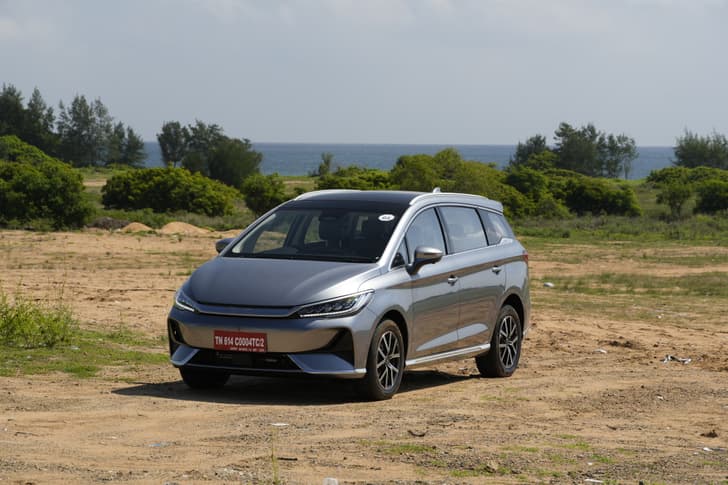
The XEV 9S is the first mass-market three-row electric car in India and has no direct rivals as of now. The only other three-row EVs under Rs 50 lakh are the Kia Carens Clavis EV and the BYD eMax 7, but both are MPVs, so they don’t really line up against the Mahindra EV.
Mahindra XEV 9S Latest Updates
Nov 2025: Mahindra XEV 9S launched at Rs 19.95 lakh
Nov 2025: Mahindra launches 180kW fast charger network
Nov 2025: Mahindra XEV 9S to get ‘Boss Mode’
Nov 2025: Mahindra EVs account for 7.5 percent of brand’s sales
Nov 2025: Mahindra XEV 9S 7-seater EV to debut on November 27
Dec 2024: Mahindra XUV700 EV production spec images leaked
Oct 2024: Mahindra XUV e8 interior with three-screen infotainment spied
May 2024: Mahindra XUV.e8 interior patents confirm a three-screen setup
Jan 2024: Mahindra XUV e8 takes shape
Sep 2023: Mahindra XUV.e8 new exterior and interior details revealed in spy shots
Jul 2023: Mahindra XUV e8 production-spec design leaked via patent image
Aug 2022: Mahindra unveils two XUV.e electric SUVs
Mahindra XEV 9S Features and specifications
Our Rating | 9 |
Mileage | 521 km - 679 km |
Fuel Type | Electric |
Transmission | Auto |
Seats | 7 |
Body Style | SUV |
Doors | 5 |
Claimed Electric Motor Range | 679 km |
| Fuel Type/ Propulsion | Electric |
| Max Motor Power | 286hp |
| Motor Type | Permanent Magnet Synchronous Motor |
| Max Motor Torque | 380Nm |
| Highway Fuel Economy as Tested | 477 km |
| City Fuel Economy as Tested | 478 km |
| Auto Start/Stop | No |
| Battery Capacity | 79 kWh |
| Rear Brakes | Disc |
| Front Brakes | Disc |
| Steering Adjust type | Manual |
| Turning Radius | 5 m |
| Doors | 5 |
| Ground Clearance | 205 mm |
| Wheelbase | 2762 mm |
| Height | 1747 mm |
| warranty Distance | 100000 |
| warranty Duration | 3 |
| Power Windows with One Touch-Up | Driver's Window Only |
| Auto Parking | |
| Cruise Control | |
| Rear Power Outlet |
| Anti-Pinch Power Windows | Driver's Window Only |
| Adaptive Cruise Control | |
| Blind Spot Monitor | |
| Tyre Pressure Monitoring System |
| Daytime Running Lights | LED |
| Headlight Type | LED |
| Body Coloured Bumpers | |
| Front Fog Lamps |
| Low Fuel Level Warning | |
| Instantaneous Consumption | |
| Distance to Empty | |
| Head-up Display |
| CD Player | |
| Display | 12.3-inch Touchscreen |
| Wireless Phone Charging | |
| Steering Phone Controls |
Mahindra XEV 9S price & variants
The XEV 9S price starts at Rs 19.95 lakh and goes up to Rs 29.45 lakh, ex-showroom. The Mahindra XEV 9S variants are Pack One Above, Pack Two Above, Pack Three and Pack Three Above.
The Mahindra XEV 9S features included in the fully loaded Pack Three Above 79kWh variant include connected daytime running lamps (DRLs), LED headlights, a Harman Kardon sound system, a wide triple-screen setup, dual-zone climate control, two additional screens for second-row passengers, multi-colour ambient lighting, leatherette seat upholstery and an ADAS suite are on offer.
Mahindra XEV 9S Official Brochure
Download the complete brochure with specs, features, and variants.
Mahindra XEV 9S expert review
We like
Strong performance
Feature packed
Value for money
We don't like
Ergonomic flaws
Infotainment not intuitive to use
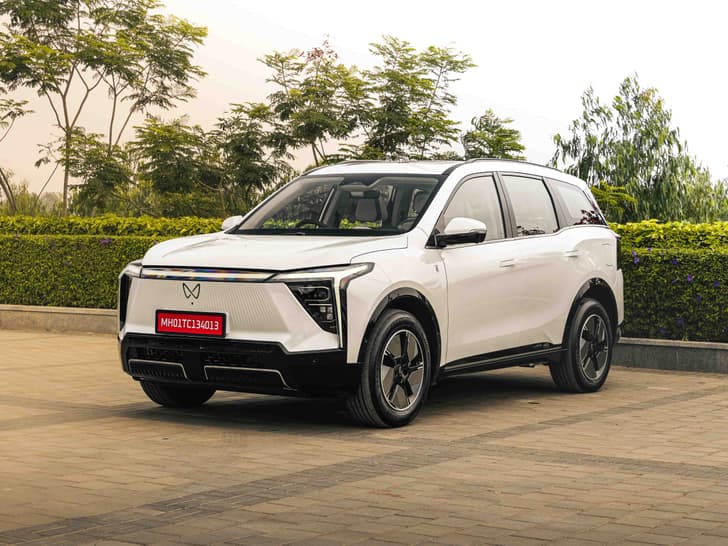
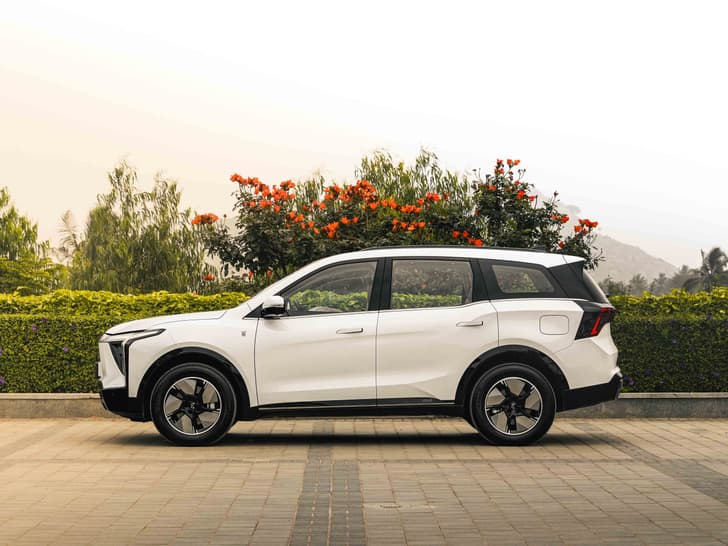
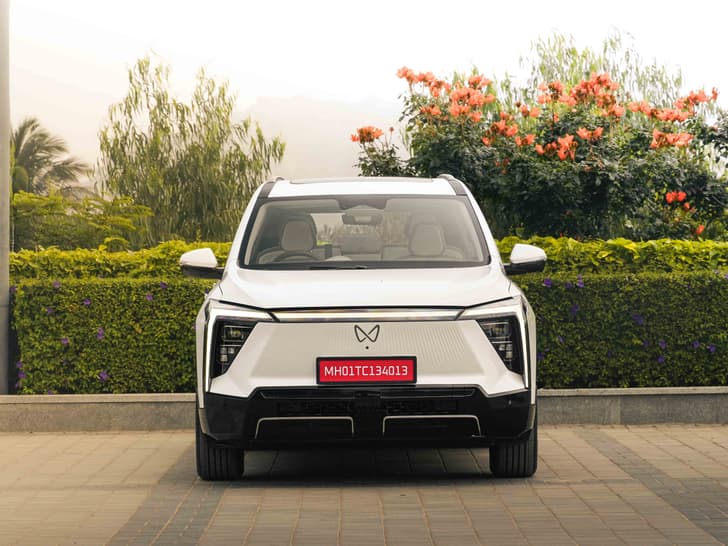
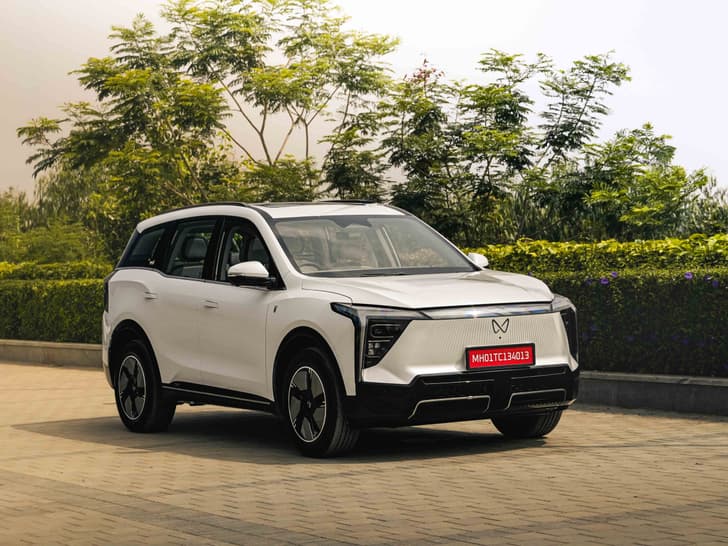
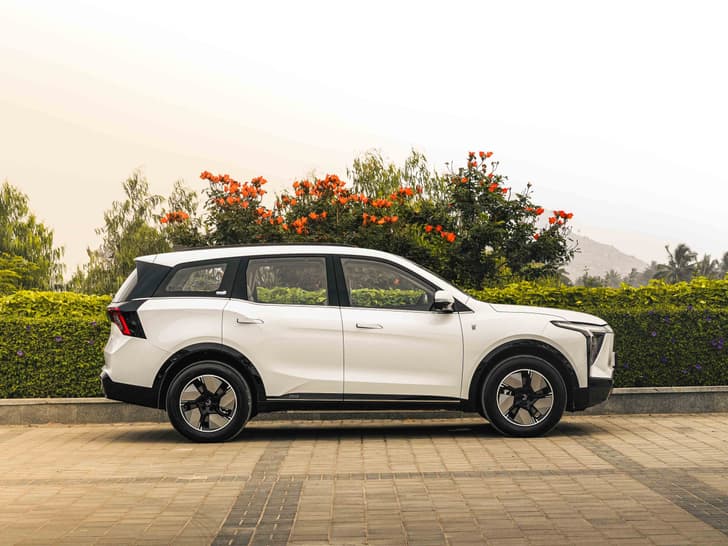
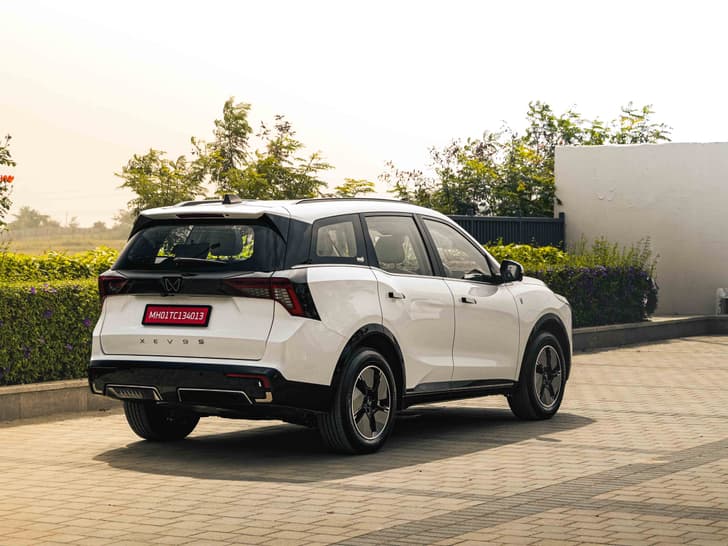
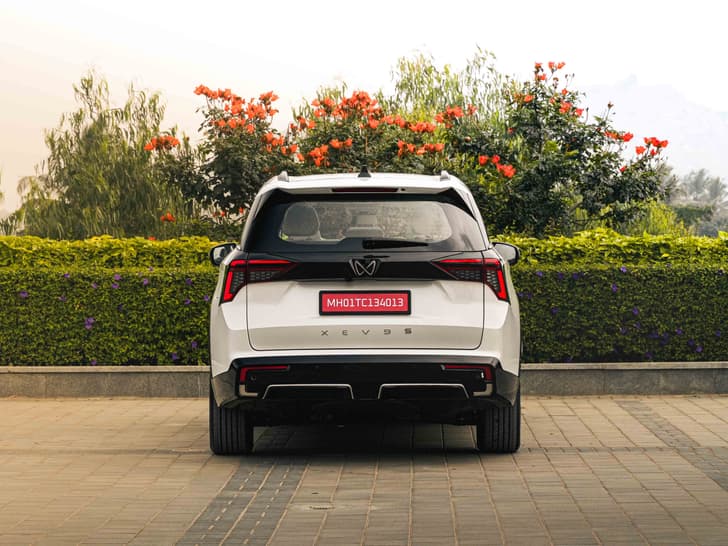
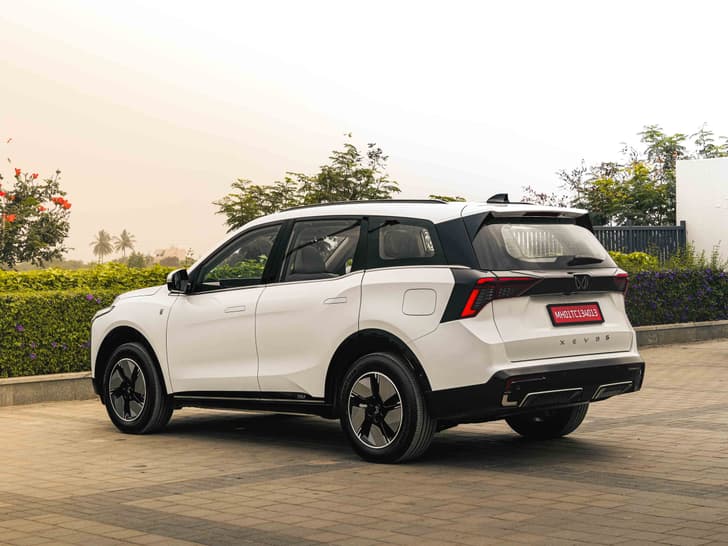
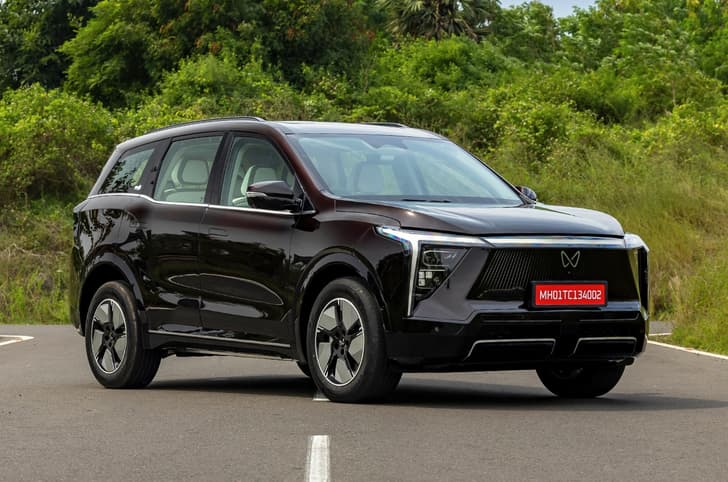
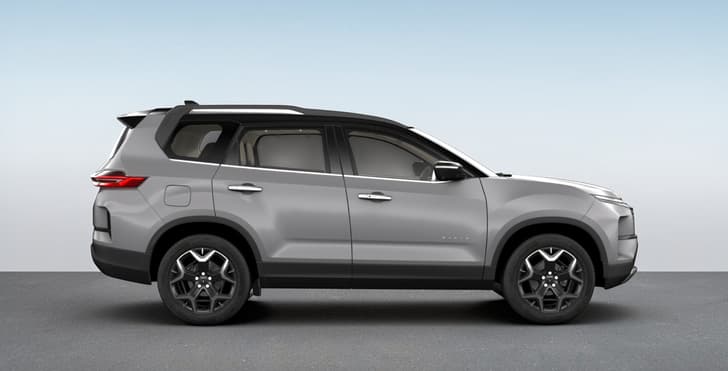
The XEV 9S is based on Mahindra’s INGLO platform using an LFP battery mounted in the floor, powering a motor on the rear axle. Fitting the XUV700’s bodywork onto this platform required some re-engineering, resulting in a slightly shorter wheelbase than the XEV 9e and BE 6 – 2762mm versus 2775mm. In terms of styling, the LED lighting signature is similar to the 9e, running along the width and then continuing downward, but the lighting element is thicker. LED headlamps flank a blanked-off grille while the lower half of the bumper is finished in gloss black. The glasshouse and shoulder line are identical to the XUV700, with a pronounced shoulder line and now-trademark kick-up at the C-pillar. It rides on 18-inch aero-optimised wheels. At the, a black trim panel connects new LED tail-lamps with neat hexagonal detailing. Mahindra has resisted the temptation to give it a connected light bar, choosing instead to place classy XEV 9S lettering below the number plate.
8.0
The dashboard of the XEV 9S is lifted straight from the 9e with the triple-screen panel. The surface immediately below is trimmed in olive green leatherette, but almost everything below this line is hard, scratchy plastic. The 9e’s ergonomic quirks also persist like haptic buttons that accidentally activate when you go to honk. Key functions like the HVAC controls are in the screen while the passenger’s screen lacks a privacy filter distracting the driver. Comfort, though, is very good. The front seats are wide and supportive, and it’s easy to find a comfy driving position. Similarly, the bench in the middle row is comfortable with good thigh support, with a sliding and recline function, a flat floor, centre armrest and sunblinds on the doors. Getting into the third row is fairly straightforward and comfort is better than in the XUV700, though headroom is still tight with a very knees-up seating position. With the rearmost seats folded flat, boot volume is 527 litres, supplemented by a generous 150-litre frunk.
8.0
The XEV 9S is packed to the gills with features – even bettering the 9e in some areas. The trio of 12.3-inch screens dominates the cabin, with a vibrant driver’s display offering layouts like a full map or side-camera feed, backed up by a head-up display with key info and AR navigation. Wireless Apple CarPlay and Android Auto are present, along with Amazon Alexa and ChatGPT. The 360-degree camera is sharp but not the most responsive. The passenger screen mirrors many of the centre screen’s apps and can stream on the move, though a privacy filter would’ve helped. The interface is the main bugbear, with several functions buried in menus despite shortcut buttons and a rotary controller. You still spend time diving into screens. Features include a 16-speaker Harman Kardon system, electric, memory and ventilated front seats, rear boss mode controls, BYOD mounts, two 65W Type-C ports and a wireless charger. Rear outer seats are ventilated, the panoramic sunroof opens, but there’s no powered tailgate. Safety kit includes six airbags (seven on Pack Three), TPMS, ISOFIX, ESP and ADAS.
9.0
Mahindra has also introduced a 70kWh variant on the XEV 9S, joining the 59kWh and 79kWh units. The torque rating on all versions is 380Nm; the 59kWh version produces 231hp, the 70kWh makes 245hp and the 79kWh puts out 286hp. We tested the 79kWh version, and even in the most docile drive mode, performance is more than adequate with a noticeable ramp up as you shift modes. Overtakes require very little planning and no more than a slight flex of the right foot. Mahindra claims a 0–100kph time of 7 seconds and a top speed of 202kph. The XEV 9S also gets five regenerative braking modes and a one-pedal driving mode. The four-wheel discs bring this heavy SUV to a confident halt, but pedal feel could be better. Refinement is also excellent, with almost no noticeable wind or tyre noise even at higher speeds.
9.0
Mahindra claims an MIDC range of 521km for the smallest 59kWh battery rising to 600km for the 70kWh unit and 679km for the 79kWh unit. There are two choices when it comes to AC wall chargers – 7.2kW and 11.2kW – although they aren’t included in the cost of the car, priced at Rs 50,000 and Rs 75,000 respectively. Topping up the biggest battery from 0 to 100 percent takes 11.7 hours using the former, while the latter does the same in 8 hours. The XEV 9S accepts up to 180kW of DC fast charging, which takes the 79kWh battery from 20 to 80 percent in 20 minutes. All versions of the XEV 9S use LFP cells, which aren’t as energy dense as some other chemistries but are more stable and durable – evidenced by Mahindra offering a 15-year or lifetime warranty to the first owner.
8.0
The XEV 9S rides on independent suspension at both ends. Pack One and Pack Two trims get passive frequency-dependent damping, while Pack Three upgrades to Intelligent Adaptive Suspension. This, combined with the 18-inch wheels and tall sidewalls, gives the XEV 9S excellent bump absorption. Mahindra has softened the suspension, in keeping with its intended role as a family car. It shrugs off sharp bumps and potholes, but on gently undulating tarmac a constant vertical movement becomes quite apparent and can get disconcerting as speeds rise. The firmer damping in Race mode reduces this. It feels quite stable around bends and body roll is well managed. Effort required to twirl the electric steering at parking speeds is very light, but crucially it weighs up noticeably at speed. At a fast clip, it helps place the car accurately through bends, aids stability and even delivers some feel and feedback. This is largely down to the RWD architecture, which allows the front axle to get on with the job of steering without being corrupted by also having to transmit power to the road.
8.0
By taking everything that’s great about the INGLO-based cars and giving it a familiar top hat, Mahindra has created an eSUV with much broader appeal. It has characteristics that both the self-driven and chauffeur-driven will appreciate, with the added benefit of a usable third row. If that wasn’t enough, Mahindra has absolutely nailed the pricing. At Rs 19.95 lakh (ex-showroom, introductory), the entry-level Pack One Above trim undercuts the base XEV 9e by almost Rs 2 lakh, while the top-spec Pack Three Above 79kWh, at Rs 29.45 lakh, is about a lakh cheaper than the equivalent XEV 9e. What’s more, the 9S’s entry-level trim sits in the same ballpark as the AX7 variant of the XUV700. Considering everything you get for the money, that’s exceptional value.
10.0
Reviewed by: Lenny D'sa
Mahindra XEV 9S reviews

Mahindra XEV 9S comparison


Mahindra XEV 9S mileage
As per ARAI, the Mahindra XEV 9S range with 59kWh, 70kWh and 79kWh battery packs is 521km, 600km and 679km, respectively. Real-world range may vary depending on driving style and other factors.
| Fuel type | Displacement | Transmission | Mileage |
|---|---|---|---|
| Electric | 59 kWh | Auto | 521 km |
| Electric | 79 kWh | Auto | 679 km |
| Electric | 70 kWh | Auto | 600 km |
Mahindra XEV 9S news
Mahindra XEV 9S Images
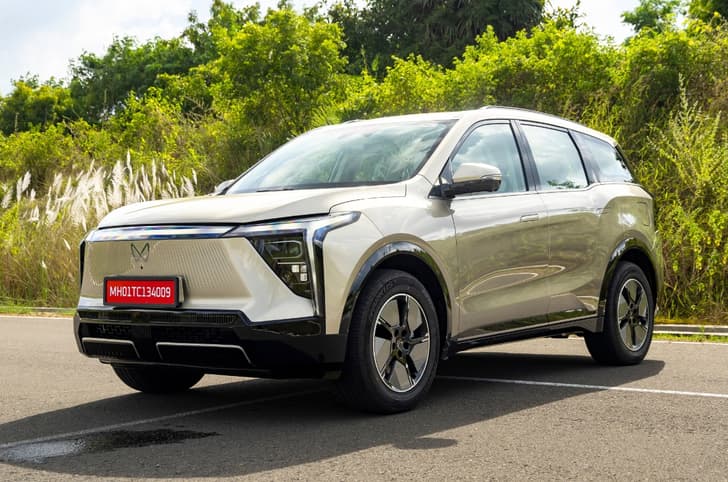
The Mahindra XEV 9S borrows many design cues from the XEV 9e and the 2022 XUV.e8 concept. To look at the electric SUV from different angles, check out our Mahindra XEV 9S image gallery below.
Mahindra XEV 9S videos


Mahindra XEV 9S Colours
The Mahindra XEV 9S electric SUV is offered in 6 colour options: Stealth Black, Ruby Velvet, Everest White, Desert Myst, Midnight Black and Nebula Blue.
Mahindra XEV 9S FAQs
The Mahindra XEV 9S price in India starts from Rs 19.95 lakh and goes up to Rs 29.45 lakh (ex-showroom).
The Pack Two Above 79kWh Mahindra XEV 9S price is from Rs 25.45 lakh, ex-showroom.
Connected daytime running lamps (DRLs), LED headlights, 16-speaker Harman Kardon sound system, a wide triple-screen setup, dual-zone AC, multi-colour ambient lighting, leatherette seat upholstery and an ADAS suite are on offer.
The Mahindra XEV 9S colour options are: Stealth Black, Ruby Velvet, Everest White, Desert Myst, Midnight Black and Nebula Blue.
59kWh, 70kWh and 79kWh battery options are offered with the Mahindra XEV 9S.
The Mahindra XEV 9S with the 59kWh battery pack has an ARAI-rated range of 521km, while the larger 70kWh and 79kWh batteries have respective single-charge ranges of 600km and 679km.
Mahindra has launched the XEV 9S with a RWD setup only.
Mahindra XEV 9S is offered with battery pack options of 59kWh, 70kWh and 79kWh, which are paired with 231hp, 245hp and 286hp motors, respectively. Torque output is 380Nm for all the motors.
The Mahindra XEV 9S can seat up to 7 passengers.
The ADAS suite of the Mahindra XEV 9S offers features like forward collision warning, lane keep assist, rear cross traffic alert and more.
The base-spec Pack One Above 59kWh Mahindra XEV 9S price starts at Rs 19.95 lakh, ex-showroom.
The base-spec Pack One Above 59kWh Mahindra XEV 9S on road price starts at Rs 21.10 lakh (Delhi) based on city to city.
Trending Questions on Mahindra XEV 9S - Answered by Autocar Experts
Hi, currently I have a Creta diesel manual and am planning to buy a 7-seater SUV. We are a family of six, including three kids (10-13 yrs). My monthly running is around 700-800 km with occasional highway trips of about 1,000 km every 2-3 months. My budget is ₹25-28 lakh. I’m thinking of the XUV 7XO AX7 version, but I’m worried about mileage, ethanol blending in petrol, DPF issues, and maintenance costs in the diesel version - and I want to keep the car for 8-9 years. I’m also inclined towards the XEV 9s EV version since it has more power, a sliding second row, a usable frunk, and long-range battery capacity. I can install a home charger. But I’m unsure about the resale value and battery replacement costs. What’s your opinion?
Of the two options on your shortlist, the Mahindra XEV 9S suits your requirements better. It's got a significantly better third row with more adjustability and space than you get on the XUV 7XO. Third row space and comfort will become more important as your kids grow.
The fact that you can install a charger at home also eliminates a big hurdle to living with an EV. EVs typically don't hold their value as well as petrol or diesel cars, but you also have to factor in lower ownership and running costs over your usage.
As for your concerns on the XUV 7XO, the petrol engine is tuned to run on ethanol blends and will not give issues. However, fuel economy is on the lower side. The diesel engine will not give issues provided care is taken as per the manufacturer's recommendations.
I’m confused between the XUV 7XO AX7L petrol AT, the XUV 7XO diesel AT, and the XEV 9s Pack 3. I use the car mostly in Hyderabad city for about 1,000 km monthly - daily office commuting and occasional long highway trips (like Hyderabad to Bangalore or Hyderabad to Tirupati). Currently, I don’t have a home charger setup, and office charging is not available, but I plan to buy a home and install charging in about three years. I am worried about petrol mileage, the potential diesel ban/Dpf issues, and EV charging infrastructure and reliability since it’s not proven yet. My family is discouraging me from choosing an EV because of battery concerns. Please suggest the best option.
All your concerns are valid, and given your high usage, we would not recommend an EV. Especially for your occasional long highway runs, an EV will require one if not two charging stops, even in something with a battery as large as the Mahindra XEV 9S. Apart from that, if you do not have a home charging setup, it's not advisable either.
Your office charging unit will suffice on most days, but in a pickle you will have to rely on public charging infra, which has its limitations and is an inconvenience. And after 10 years, an EV's battery will be as much of a concern as a diesel ban; battery replacement is very expensive, and EV resale value plummets like a rock after 5 years.
As you mentioned, the mileage of the petrol XUV 7XO is very low, so given your usage, that's probably not worth it. The best choice, then, is the XUV 7XO diesel. Yes, while it will be banned after 10 years in some regions, it's still worthwhile to get a decade's worth of use out of the car, and sell it or scrap it for some return at the end. If your car is driven regularly, including some highway usage, DPF maintenance should not be an issue.
I’m confused between the Mahindra Petrol 7X0 Ax7T and the Mahindra 9s Pack Two 79 kW. Both are in the same price range, but the everyday running cost of the EV will be less. I am worried about battery life and resale value of the EV, and with the 7X0 I am concerned about mileage. I mostly use the car for city driving about 30 km a day.
If your driving is largely city-based and you have access to home charging, the Mahindra XEV 9S makes a much better everyday car. It’s smooth, very refined, and has a soft, comfortable ride. It’s also significantly easier to drive in traffic compared to the Mahindra XUV 7XO.
The Pack Two with the 79kWh battery offers an excellent real-world range, which means even weekend trips are perfectly practical - not just short city commutes.
Another advantage is the sliding second-row seat, which allows you to free up a bit more space in the third row. Though that last row still isn’t particularly spacious.
The XUV 7XO, on the other hand, doesn’t get a sliding middle row. Also, as you pointed out, the fuel efficiency, especially of the 2.0-litre petrol, isn’t particularly impressive.
Where the 7XO does make a strong case is on the highway. Its new suspension setup feels very composed and confident at high speeds, whereas the 9S can feel slightly floaty when pushed faster.
However, given your primarily urban usage, the XUV 9S would clearly be our recommendation.
I have a 2016 Maruti Brezza manual ZDI+ diesel. I am really happy with the car, but I need to upgrade, as Delhi has a 10-year limitation on diesel cars. I have a budget of ₹30 lakh. We are a family of five (including a 4-year-old child), with mostly city usage. I am looking for a good driving experience, comfort, and value for money. I am open to electric cars and have test-driven the Mahindra XEV 9S, yet to try the 9E. I have read a lot about the soft suspension on the 9S and could feel the vertical movement. However, the Pack Three variant of the 9S has more features compared to the 9E, such as electric seat adjustment for co-passengers, seven seats, rear ventilated seats, and is cheaper by a couple of lakhs. I am confused, as I do not want to spend ₹30 lakh and regret it later. My mother did not like the Harrier EV, so that is out of consideration. My running is around 500km a month.
I own a Skoda Slavia 2022. I got a new job and that workplace is 48km from my home and so my daily run is around 100kms ( 80 in highway and 20 in city). Planning to buy an EV for this long commute. Budget is upto 25 lak Priorities are good range and driving experience. What are the choices I have?
Given your high daily driving and need for good range, the Mahindra XEV 9S is the best choice. It features a large 79kWh battery pack that offers a range of over 440km and it has strong performance for those who enjoy driving. The Pack One Above variant starts at around Rs 22 lakh and is extremely well-equipped. Moreover, the XEV’s 409V electrical architecture supports DC fast-charging speeds of up to 175kW making quick top ups quick, if you have a fast-charger in the vicinity.
The other choice would be the Tata Harrier EV that gets a 75kWh battery and is more expensive than the 9S from the entry variant. It also doesn't get the same plush cabin as the Mahindra and overall lacks in terms of value for money.
I own a 6-year-old petrol MG Hector automatic. My budget for a new EV is Rs 22 lakh for a 5-seater. My monthly usage is about 1,600 km. Please suggest the best EV from the existing lineup and any expected new launches.
My daily travel is about 60-70 km in heavy traffic, with monthly usage averaging between 1,440 and 1,780 km. My budget is Rs 20-22 lakh for a 5-seater EV. Please suggest the best car among existing models, or I am willing to wait up to six months for upcoming options.
I have shortlisted two cars - Innova Hybrid and XEV 9S. I am now worried about electric vehicles over the long run (about 15 years), especially issues like public charging availability and getting charging slots as more EVs come on the road. I recently read an article saying that the future is hybrid because of battery life and disposal concerns. I have booked both vehicles. Which is the better choice? I am 70 years old. Please advise.
As EVs are still relatively new, their performance after 15 years is still an unknown quantity. EV batteries are expected to have a shelf life of 10-12 years. During the course of which the battery's capacity to hold a charge will gradually deplete.
After this point, it will have to be replaced, which is a high cost, although the savings on fuel over the years are expected to offset it. This, of course, reduces their resale value considerably compared to petrol or diesel cars.
Public charging infrastructure is improving at a rapid rate, so the problem of busy chargers should be less with each passing year. But the best charging solution remains to have a charger at your home and at your destination, and to charge in small amounts as needed.
As for hybrids, the same battery concerns apply to them too - it's just that the batteries are smaller and therefore cheaper to replace. Self-charging strong hybrids aren't burdened with charging and therefore not dependent on charging infrastructure. But while they are super efficient, they still use petrol, which is expensive. Still, if you do plan to keep the car for 15 years plus, a hybrid would be a safer bet overall.
Planning to purchase the XEV 9S Pack Two. (1) I am worried whether a major change like solid-state battery technology will arrive in the near future, making this purchase a bad choice. (2) The bouncy suspension in Pack Three, will it be the same in Pack Two as well?
I want to buy a new 7-seater SUV. My daily running is low, with a mix of city and occasional highway trips. It should have all the latest features and good value for money. My budget is around ₹25-30 lakh. Should I go for the Mahindra XEV 9S, Hyundai Alcazar, the newly launched Mahindra 7XO, or any other upcoming car? I can wait for a year.
Unlike the Hyundai Alcazar and the Mahindra XUV 7XO, the Mahindra XEV 9S is an EV. Thus, we would only suggest this if you have access to charging at home or your place of work. Also, if your highway drives are not very long.
If you have to cover distances over 400 kms and if there are many ghats, you will need to stop to charge, and highway charging is not perfectly reliable as yet.
Between the Alcazar and the 7XO, the Mahindra would pip the Hyundai in terms of engine performance, ride and handling and would offer you some more features too.