Autocar India
15w

I have been driving a XUV700 Petrol AT, and it has done around 52,000 Km. I have been looking at EV options, and the only thing that appears to make sense is the XEV 9S. Does it make sense to go for a car with the same top hat, or should I wait for other better options? My running is 1200 km per month, so not sure it makes financial sense to take the depreciation hit.

Verified
14w
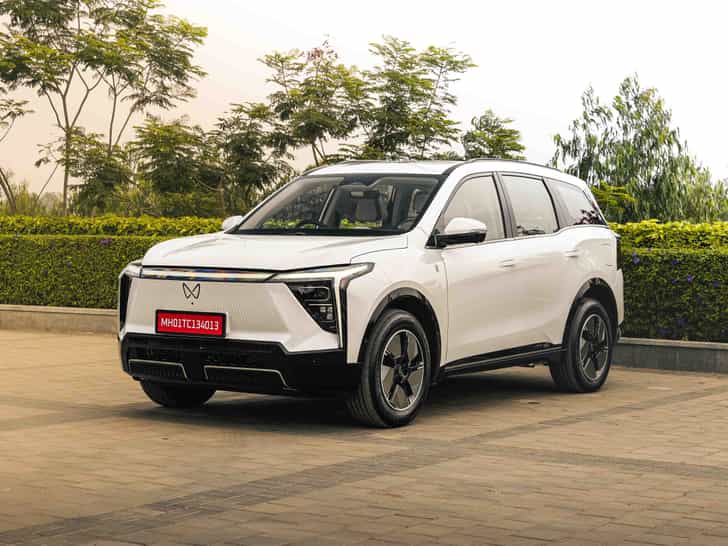
As a long-time XUV700 owner, you’re right that the Mahindra XEV 9S is the most natural upgrade. It will feel familiar, but also a clear step up. The basic body shape and seating layout are similar, but the 9S’s dedicated EV platform, triple-screen dashboard, far richer feature list (ventilated seats, boss mode, middle-seat adjustability) and quieter, smoother powertrain make it feel like a more premium, next-generation version of what you already like. The sliding middle row also gives you the flexibility you don’t get in the XUV700, especially if you often travel with family.
However, at 1,200 km a month, the fuel saving versus your existing petrol AT won’t fully compensate for the immediate depreciation hit of selling a 52,000 km XUV700 and buying a new EV. At least not in the short term. So switching purely for financial sense is difficult to justify.
We would look at it like this: if you want the refinement, tech, and driving experience of an electric car now and are okay with the depreciation as the price of that upgrade, the XEV 9S is a very logical move. If you’re on the fence and primarily worried about money, it’s perfectly sensible to hold on to the XUV700 a bit longer and revisit an EV when the next wave of models arrives.
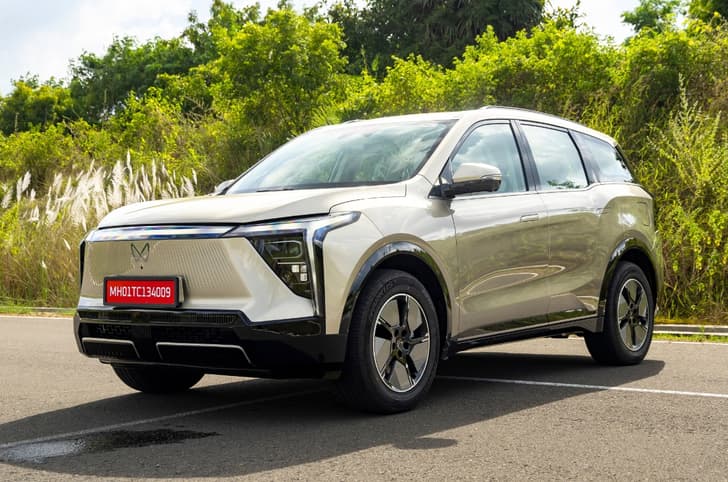
Mahindra XEV 9S

Mahindra XEV 9S

Explore cars mentioned
More questions on similar cars

Popular discussions right now
2d

Hi, I am a teacher and a first-time female driver with a budget of Rs. 11.5 lakh. I am looking for an automatic car that I plan to keep for the next 15 years, but I am confused about whether to buy a petrol AMT, CNG AMT, or an EV due to the uncertainty surrounding ethanol blending. My daily commute is 46 km, of which 22 km is on the highway, 18 km is on normal roads, and 6 km is on bumpy village roads in poor condition. Please recommend the most suitable fuel type that will keep my overall cost of ownership low.

Verified
2d

We'd recommend a petrol automatic. With a daily running of around 46km and an ownership period of 15 years, it offers the best balance of low ownership costs, reliability and ease of use for a first-time driver.We wouldn't let E20 fuel influence your decision. Modern E20-compliant petrol cars are designed to run on it, and there is no official roadmap beyond E20. It isn't a reason to avoid buying a petrol car today. A CNG automatic will certainly reduce your fuel bills, but the higher purchase price, reduced boot space and limited automatic options make CNG car less attractive unless fuel savings are your overriding priority. An electric car will have the lowest running costs, but at your budget, you'll have to compromise on size or features, and recovering the higher upfront cost will take time.Given your budget and usage, we'd look at the Maruti Suzuki Brezza facelift automatic which will launch soon if you can stretch slightly, or the Maruti Suzuki Fronx Delta+ AGS if you want to stay within budget. Both are easy to drive, have good ground clearance for the 6km of rough village roads and come backed by Maruti Suzuki's extensive service network. If you prefer a smoother automatic, the Hyundai Exter SX AMT is also worth considering.

VehicleMaruti Suzuki Fronx
VehicleHyundai Exter
VehicleMaruti Suzuki Brezza

Posted on: 13 Apr 2026