Autocar India
SO

Soumen

19h

I am planning to buy a 7-seater car that has low recurring maintenance costs and offers good comfort. I am considering the XEV 9S, but I am not very confident due to the uncertain future of EVs in India. Will there be good resale value after 5-7 years, and how do we see the future of EVs given the rapidly evolving technology?

Autocar India team

Autocar India

Verified
17m
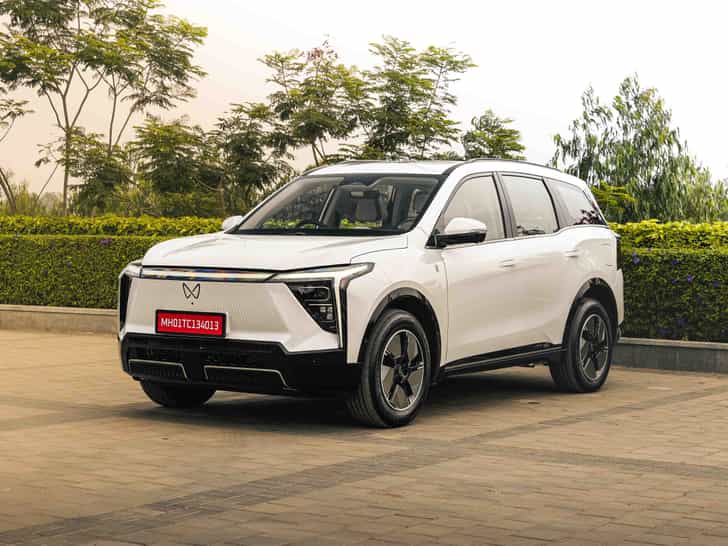
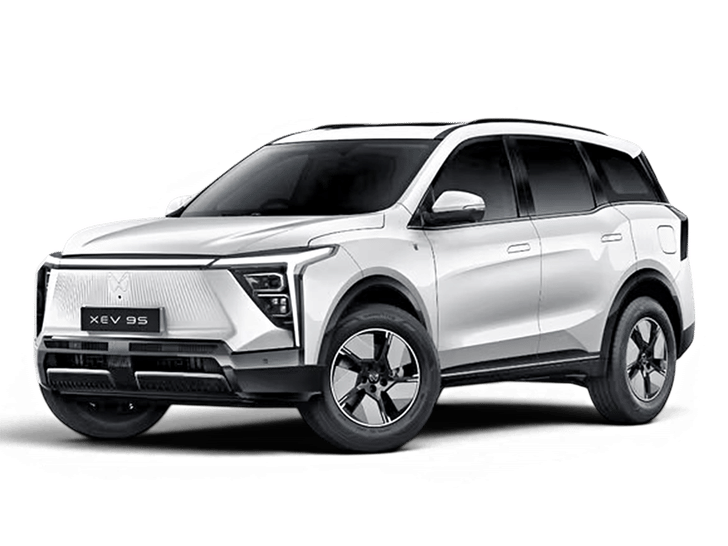
If you are considering the Mahindra XEV 9S, it really comes down to how you balance running cost benefits versus long-term certainty.
On one hand, electric cars make a lot of sense today for daily use. They offer very low running and maintenance costs, a smooth and quiet driving experience, and are well-suited to city driving. Over a 5 to 7 year period, you will likely save a meaningful amount on fuel and routine upkeep compared to petrol or diesel cars. At the same time, your concern about resale is valid. The EV market in India is still evolving, and while adoption is growing steadily, resale values are not as predictable as those of diesel or petrol cars yet. A big factor is battery health, and while manufacturers are offering long warranties, the used car market is still figuring out how to value older EVs, especially as newer models keep improving quickly.
Looking ahead, EVs will almost certainly become more mainstream over the next few years, which should improve resale confidence, but it is also true that rapid technology changes could make older models feel outdated sooner than traditional cars. So the decision is more about your comfort level.
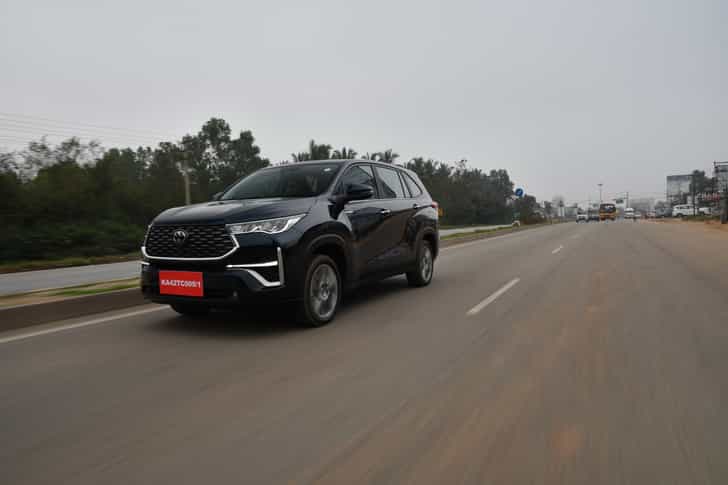
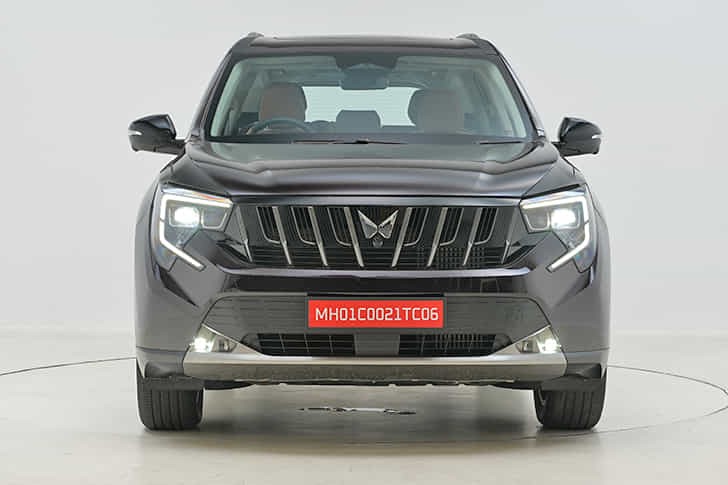
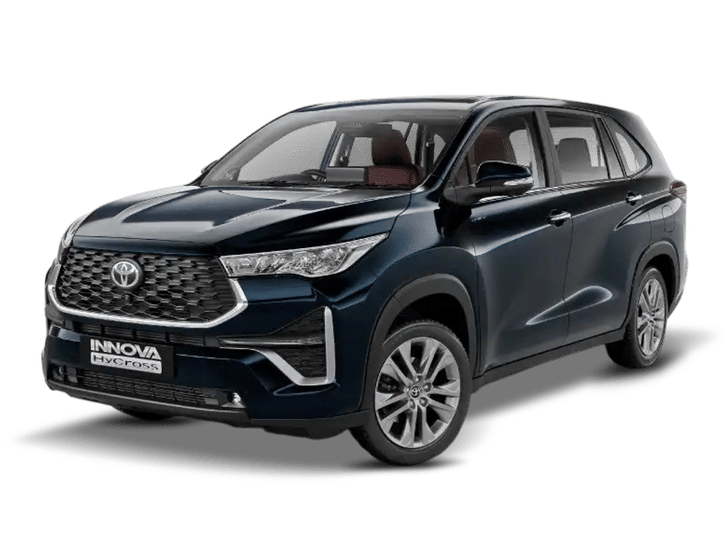
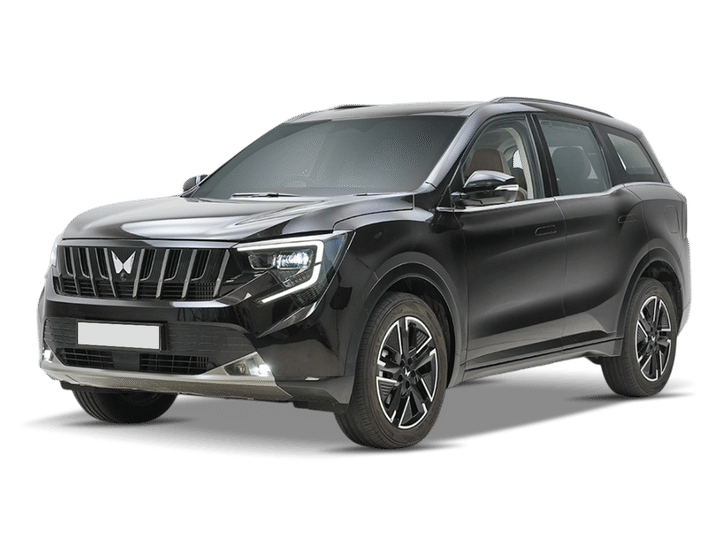
If you plan to keep the car for the full 5 to 7 years and prioritise low running costs and a modern driving experience, the XEV 9S can work well. If resale value and long-term predictability matter more, a diesel car like the Mahindra XUV 7XO or a hybrid 7-seater like the Toyota Innova HyCross will still feel like the safer choice today.
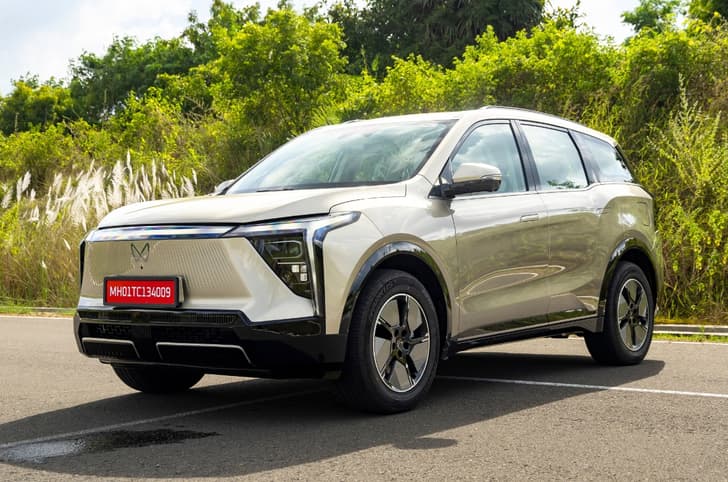
Mahindra XEV 9S

Mahindra XEV 9S

More questions on similar cars

SA

sami ali

5d

Dear Autocar, I have an XUV700 AX7 diesel manual. Being an enthusiast and someone who loves driving a manual, I chose not to go for the automatic variant. During the test drive as well, I found the manual smoother than the automatic. However, I have now started to dislike the hard and long clutch pedal of the XUV700. Even the service centres deny the clutch hardness by saying it is a diesel characteristic. The clutch ergonomics are also uncomfortable. The footrest aligns with my body posture, but to press the clutch, I have to twist my leg to the right, which causes knee pain in traffic. Overall, I am fed up with the manual due to the hard clutch and want to switch to an automatic. With the updated XUV 7XO and the electric XEV 9S now available, I need guidance on whether upgrading now is a good decision or if I should wait a few years considering resale loss. Also, should I go for the 7XO or explore an EV like the 9S? For context, I have owned the first- and second-gen Swift before moving to the XUV700, and I absolutely love driving it. I have been using diesel engines for the past 11 years. My office commute is a 60km round trip twice a week, and my monthly running is around 800-1,000 km.

Autocar India team

Autocar India

Verified
1d

Choose the Mahindra XUV 7XO diesel automatic in AX7 trim. It fixes your clutch pain issue while keeping the same strong pull and solid feel you like about your XUV 700. With your 800-1000km a month and some highway use, the diesel automatic suits you well. The automatic is a lot easier to drive in heavy traffic, and the gearbox is very smooth-shifting. You already like how the XUV 700 drives, and the 7XO builds on that, adds more features, and brings a much-improved ride quality with the new Da Vinci suspension.If you are keen on going for an electric car and can fit a charger at home, the Mahindra XEV 9S is a good option, though your longer trips will need some planning. For your use case, the XUV 7XO remains the better fit. Given that the knee pain is significantly impacting how you use and enjoy your XUV, you are better off trading it in now rather than waiting a couple of years, as your current car will only depreciate further.During the test drive, spend 15 minutes in slow, stop-and-go traffic and drive over a bad patch to feel the improved suspension.

VehicleMahindra XUV 7XO
VehicleMahindra XEV 9S
GA

Gautham

1d

I am a doctor with a daily travel requirement of around 200 km. I previously owned a Hyundai Creta, which covered approximately 3.5 lakh km, and I also have a Tata Nexon EV that has completed around 50,000 km. I am now looking for a car that can comfortably handle my daily 200 km commute while also serving as a family vehicle for six members during weekends and occasional trips.

Autocar India team

Autocar India

Verified
6h

With 200 km every day and a family of six on some weekends, you need a roomy three-row car that is easy in daily traffic and not heavy on fuel. In that use, the Toyota Innova Hycross Hybrid VX is the one I would pick. The strong-hybrid system runs on battery at low speeds and the petrol engine when needed, so in city stop-go it uses less fuel than most big three-row cars. It is also very quiet and smooth, which matters when you are driving long hours after a busy shift. Space is proper for six, the ride is comfortable on bad roads, and the automatic, which changes gears on its own, keeps things stress-free.Two things to note. The boot is tight with all three rows up, so for a full family trip, you may need a roof box or to fold part of the third row. Also, the Hycross costs more upfront than a diesel MPV, though running costs are low for daily city use.If you want something lower priced but still good for 200 km a day, look at the Kia Carens Clavis diesel automatic. It is easy to drive, frugal, and has a usable third row and strong air-con, though it does not feel as hushed or as plush as the Toyota. If your daily route is more highway than city and you want a stronger pull, the Mahindra XUV 7XO diesel automatic is a solid seven-seater with good safety and steady highway manners, but it will use a bit more fuel in town.Overall, for your mix of daily city runs and family duty, the Innova Hycross Hybrid VX fits best.

VehicleToyota Innova HyCross
VehicleKia Carens Clavis
VehicleMahindra XUV 7XO
SB

Sandeep Bahl

2d

Hi Autocar Team, I am planning to buy a Mahindra XUV 7XO, but I am unsure whether the diesel variant would be suitable for my needs. My daily driving is around 55 km in Delhi city traffic. I am also concerned about possible future regulations, such as BS7 norms and restrictions on diesel vehicles. Given my usage and location, would the diesel XUV 7XO be a good choice, or should I consider a petrol option instead? Thank you.

Autocar India team

Autocar India

Verified
1d

According to your needs, consider petrol Mahindra XUV 7XO, not diesel. With your 55 km daily city driving in Delhi traffic, a diesel does not suit your usage well, and BS7 concerns should not be the deciding factor.Here is the practical reality. Your driving is mostly city, stop-and-go traffic, which is the exact condition where diesel cars with DPF systems struggle over time. Even if you are doing decent daily distance, the lack of sustained highway runs means the DPF may not regenerate properly, leading to warnings or maintenance issues. The Mahindra XUV 7XO diesel uses the same modern BS6 diesel tech as others, so there is no special exemption here.On BS7, there is no confirmed immediate rollout, and even when it comes, current BS6 cars will remain usable and compliant. The XUV 7XO itself is a newly updated model with both petrol and diesel options continuing unchanged, which tells you manufacturers are not expecting an overnight shift. So waiting just for BS7 does not make sense.For your usage, the petrol version is simply easier. It will be smoother in traffic, completely stress-free with no DPF worries, and your running is not high enough to justify diesel savings anyway. You will enjoy the car more day to day.

VehicleMahindra XUV 7XO

Posted on: 17 Apr 2026