5-seater cars in India (164)
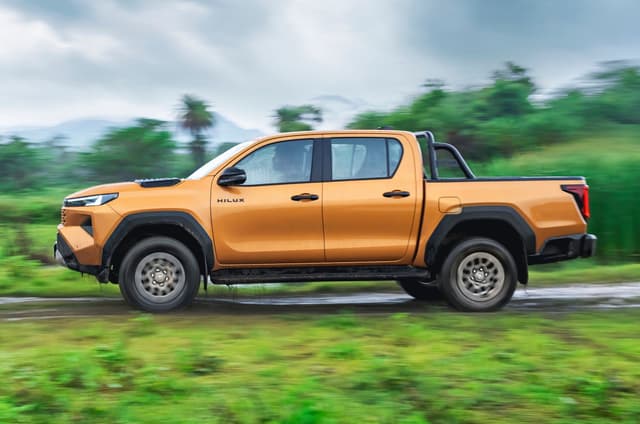
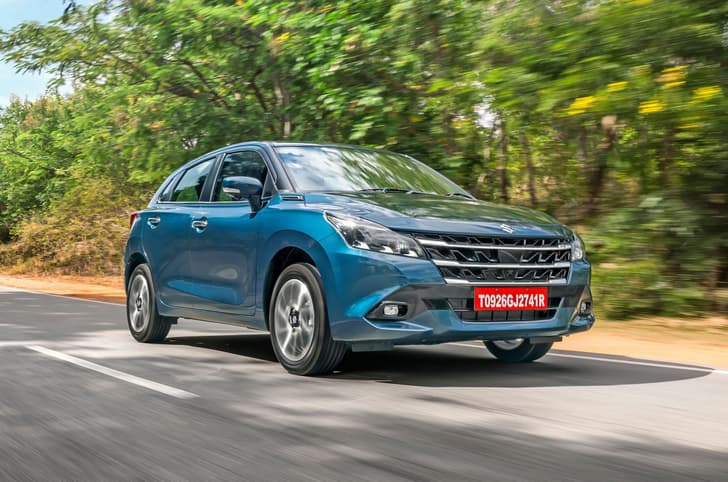
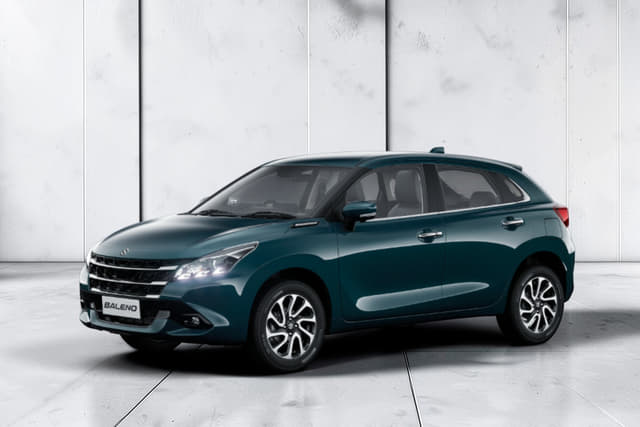
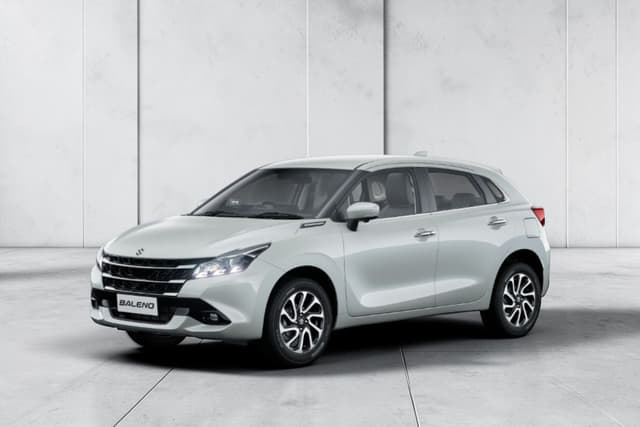
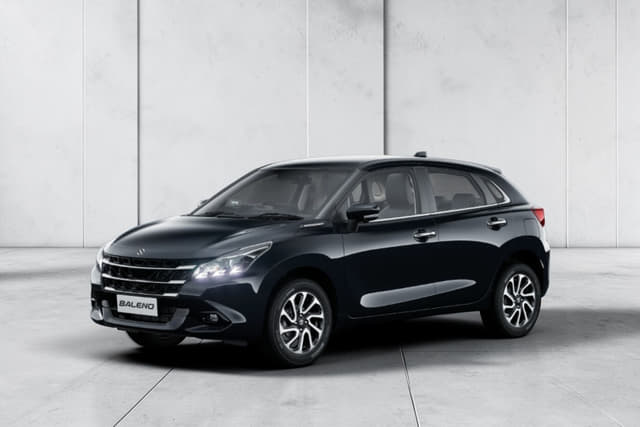
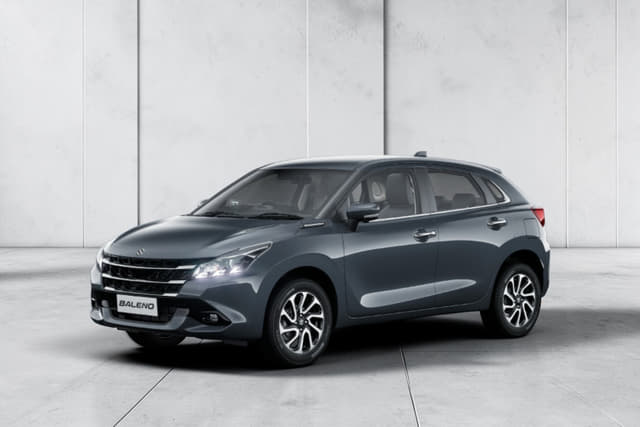
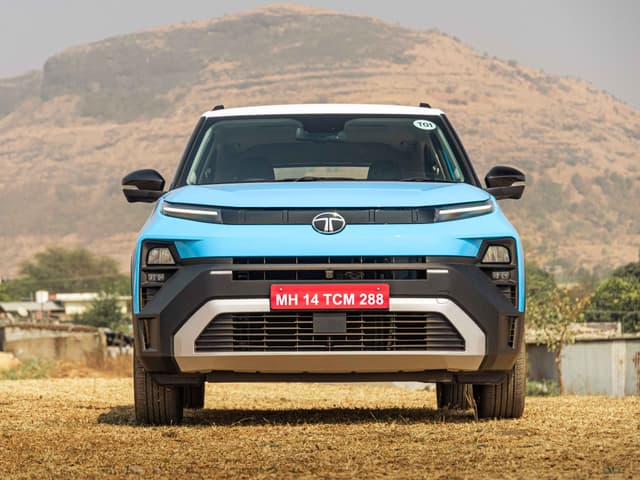
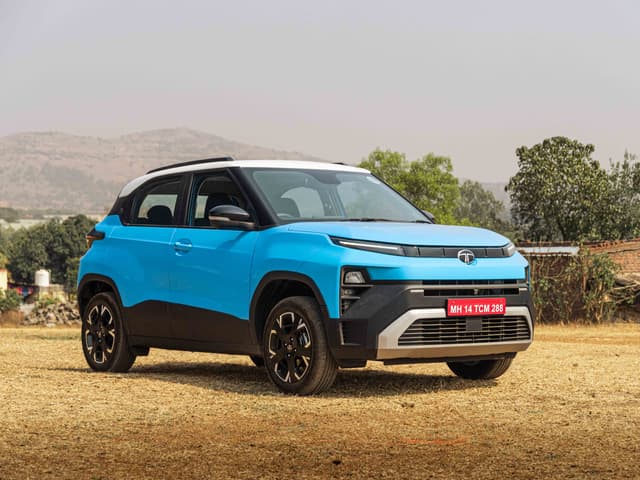
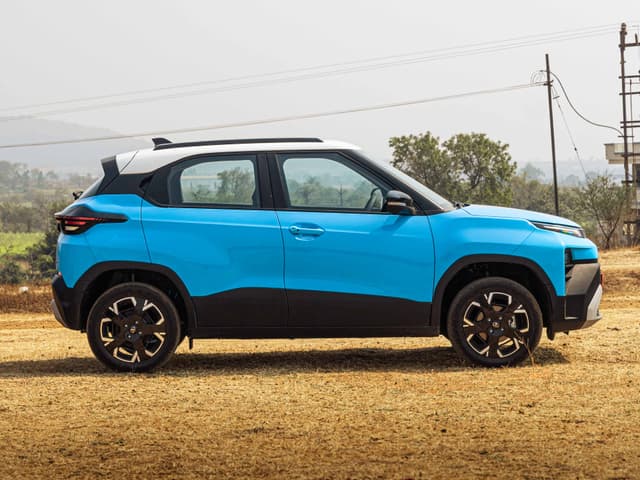
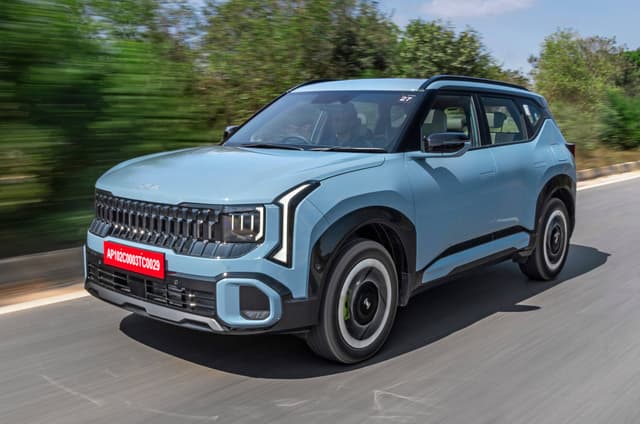
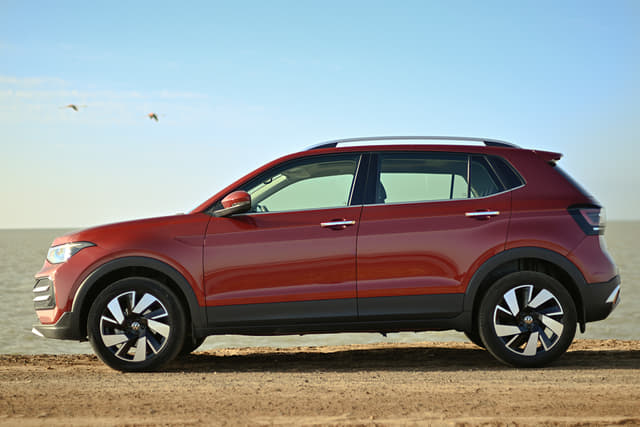
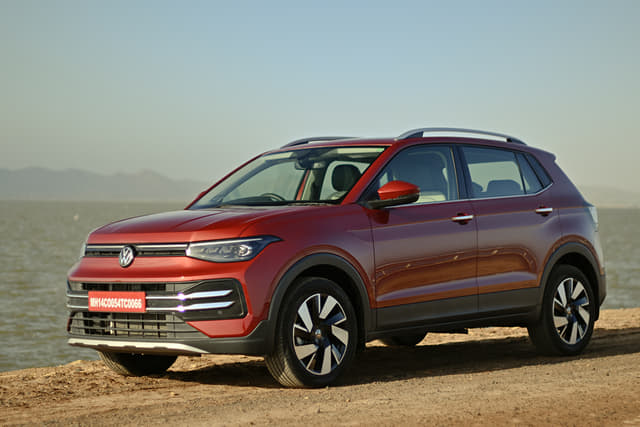
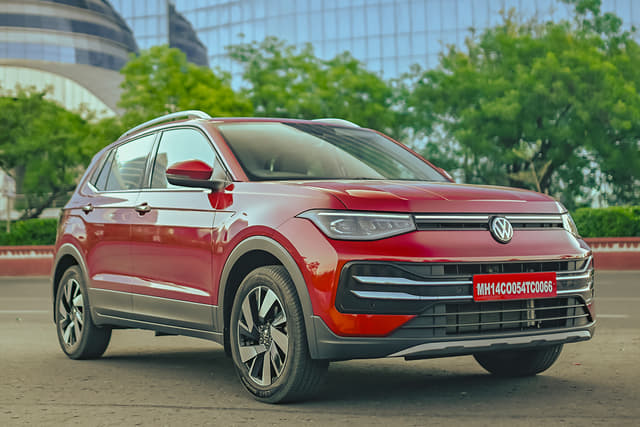
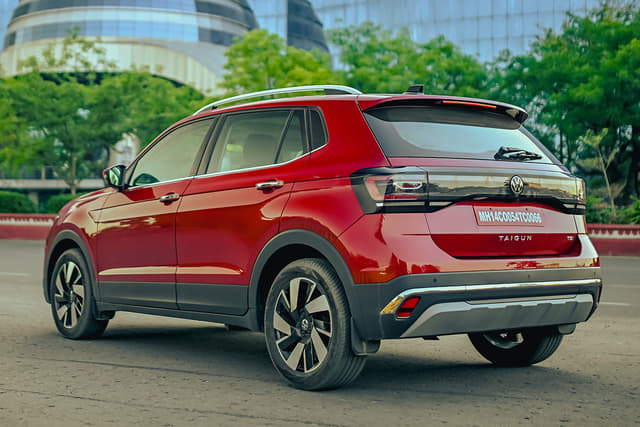
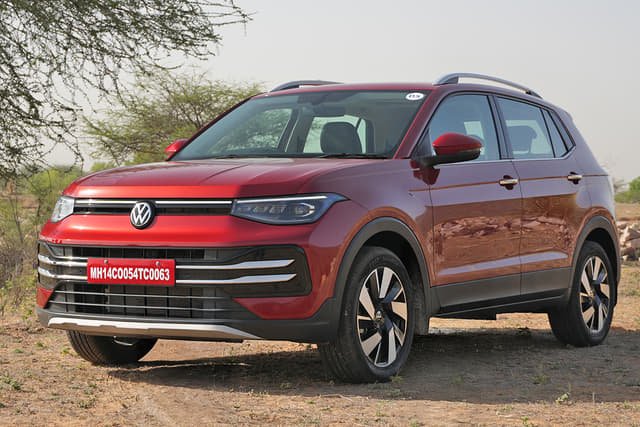
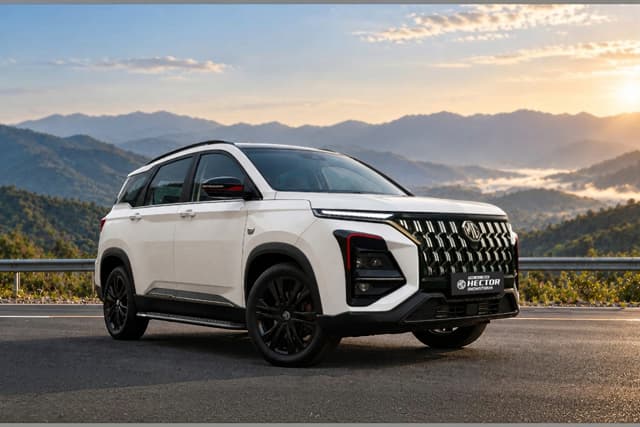
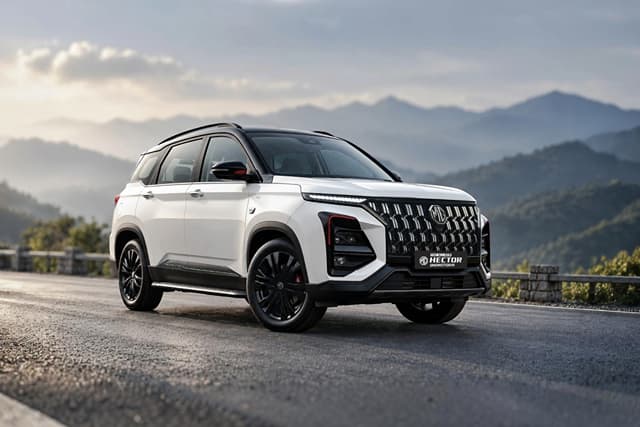
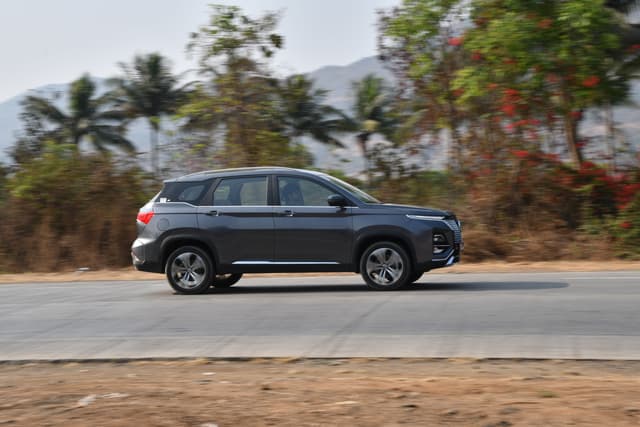
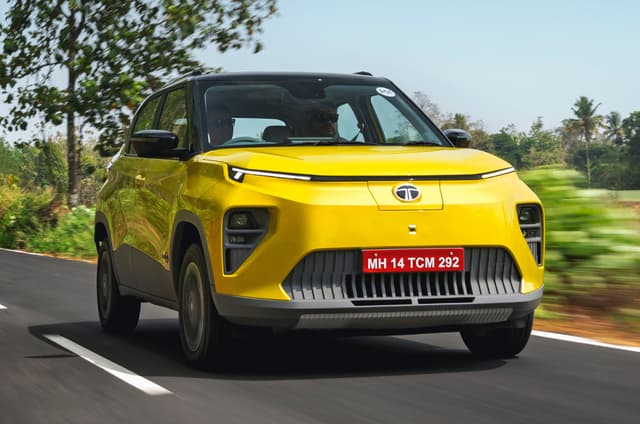
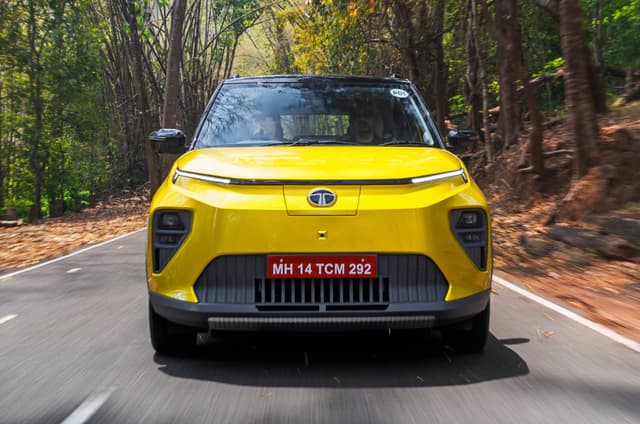
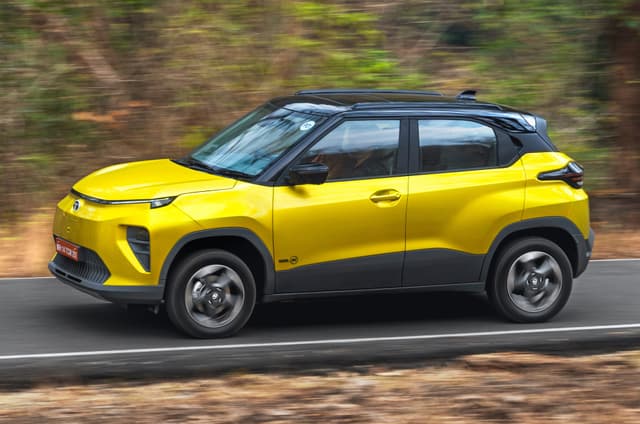
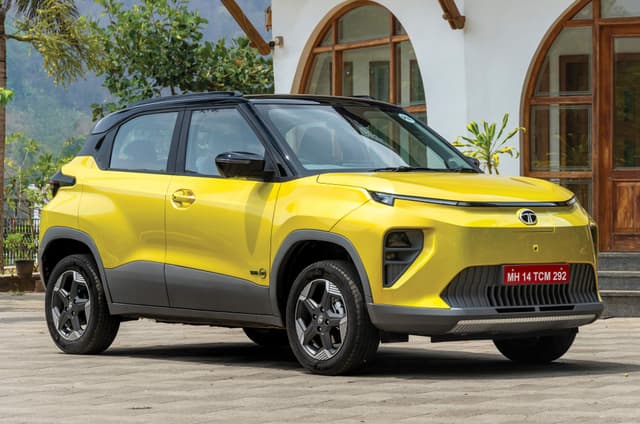
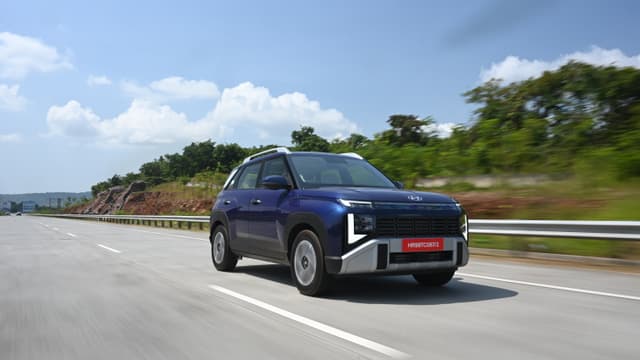
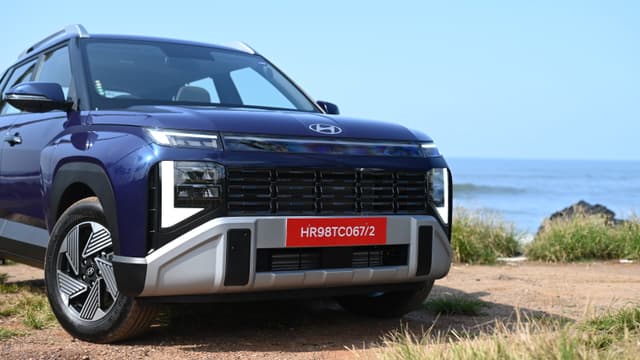
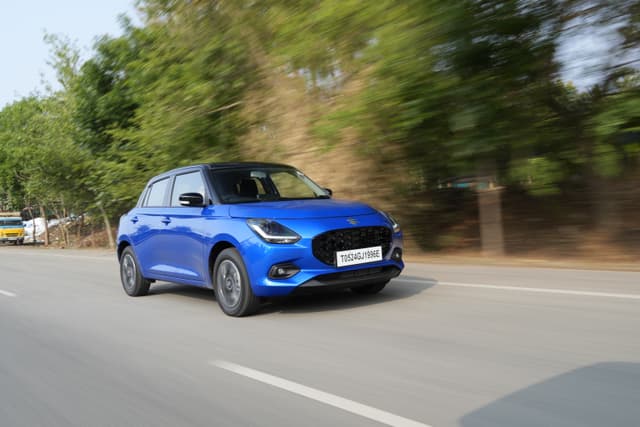
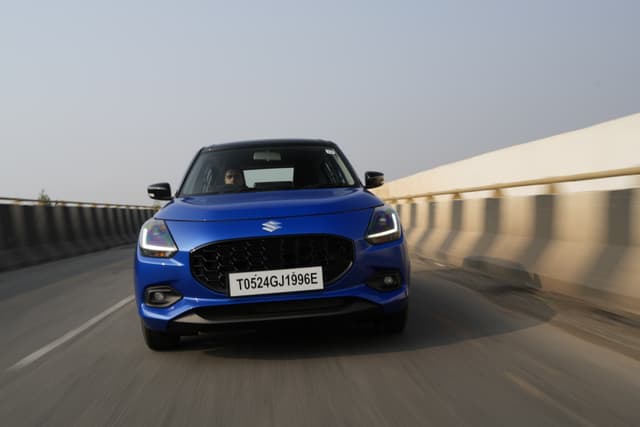
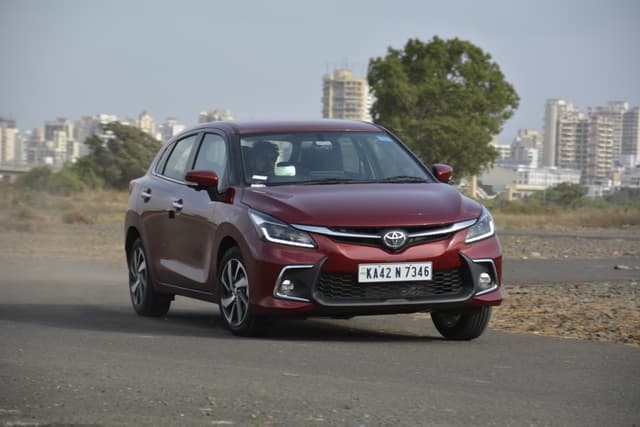
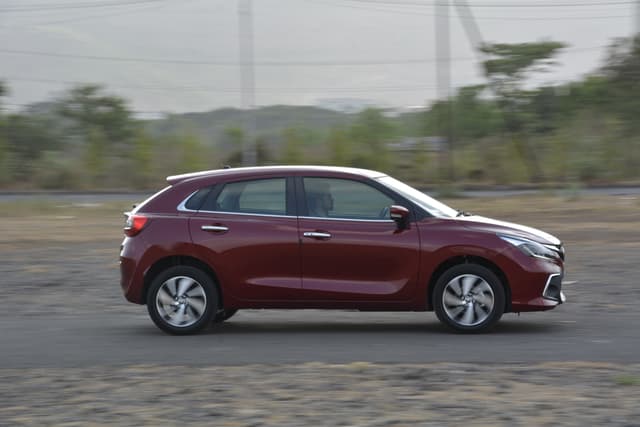
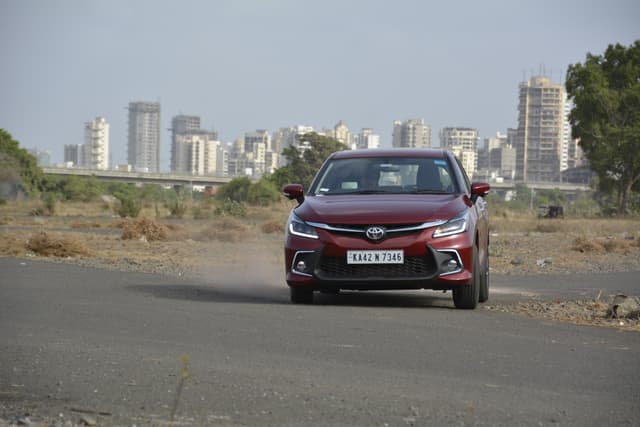
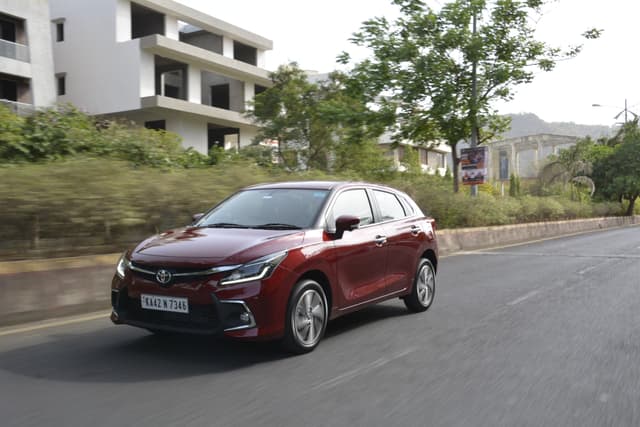
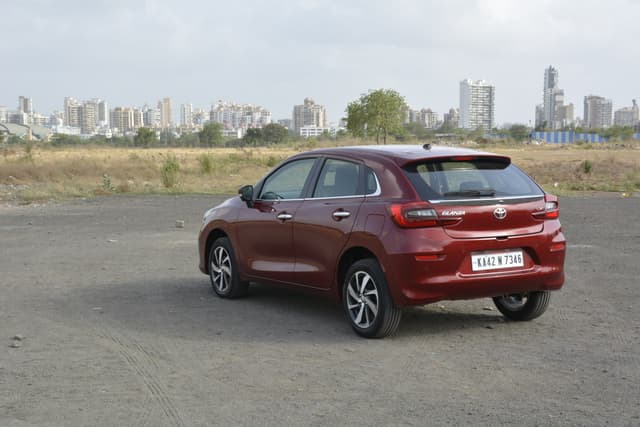
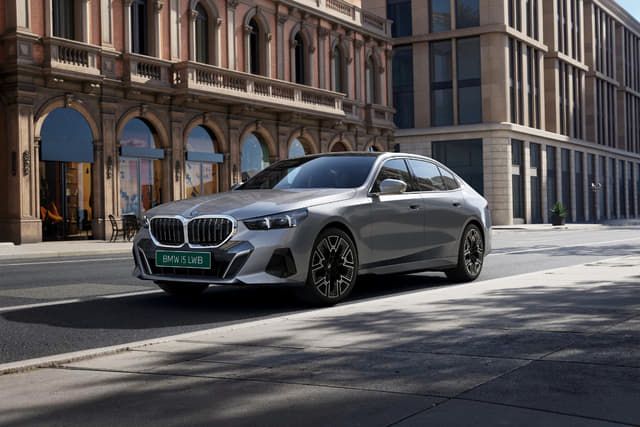
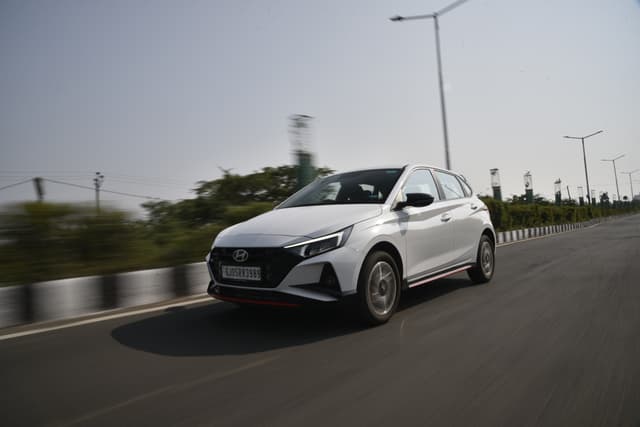
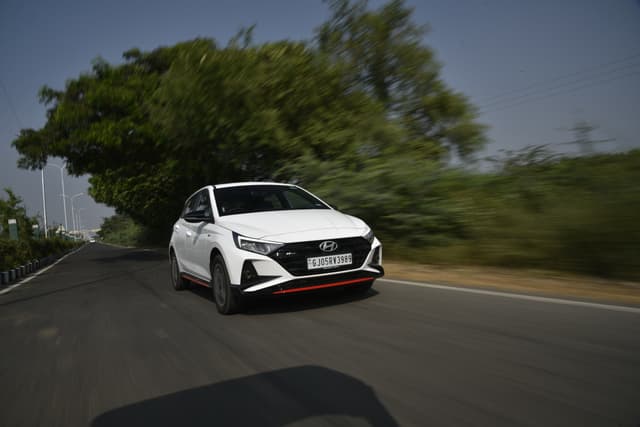
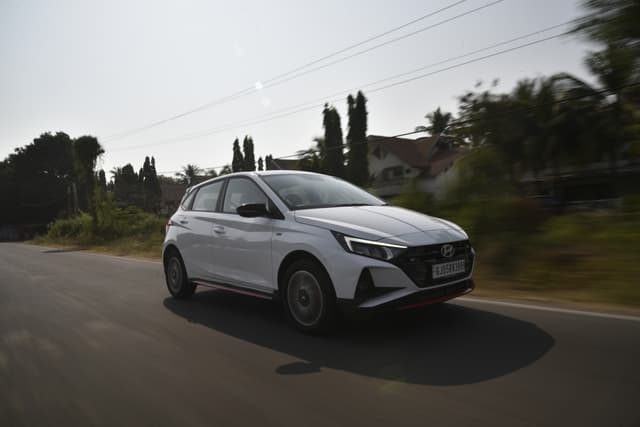
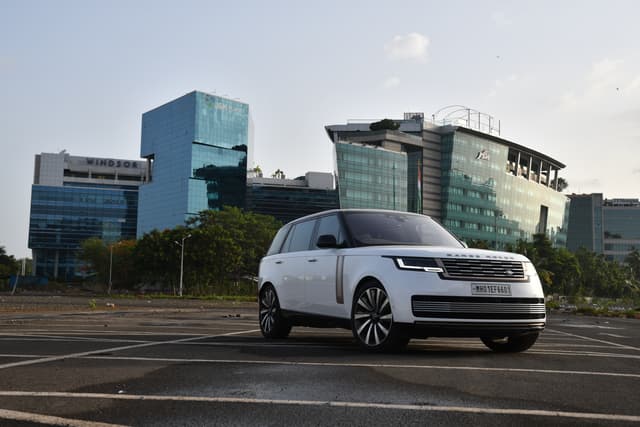
Approximately 153 options are available as 5-seater cars in India. Car makers such as Mercedes-Benz, Maruti Suzuki and Tata dominate this segment by offering multiple SUV and sedan choices. Some of the best 5 seater car includes the Hyundai Venue, Toyota Glanza and Maruti Suzuki Baleno.
5 Seater Cars - Key Highlights
Category | Cars |
Cheapest 5 seater car | Maruti Suzuki S-Presso (₹3.50 - ₹5.25 Lakhs) |

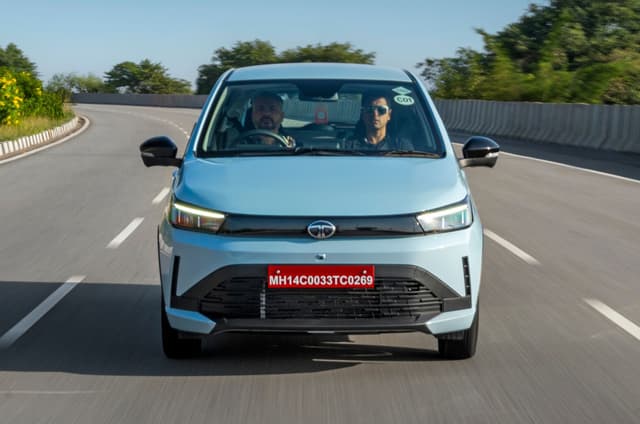
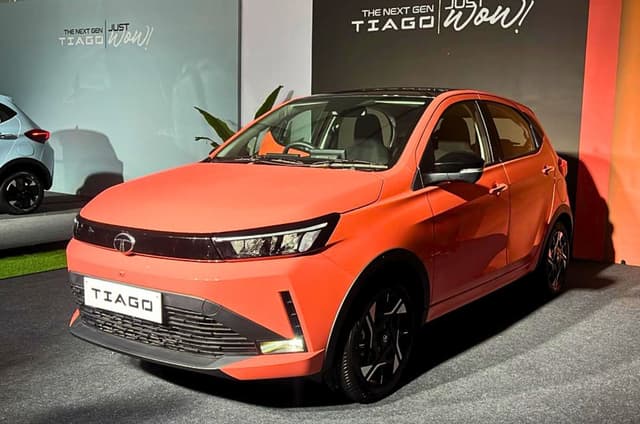
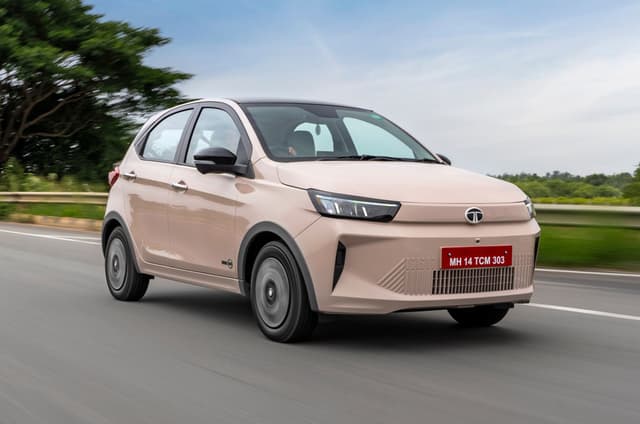
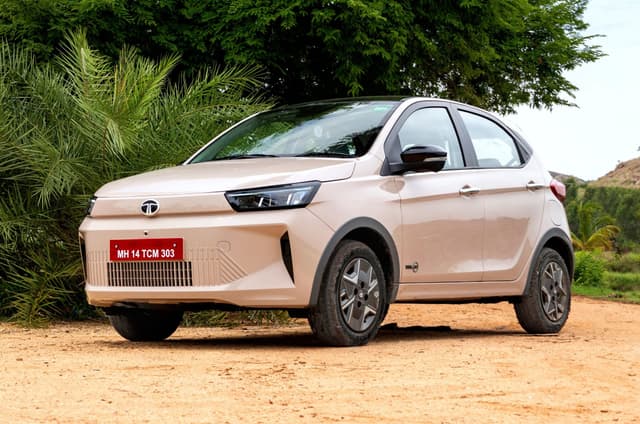
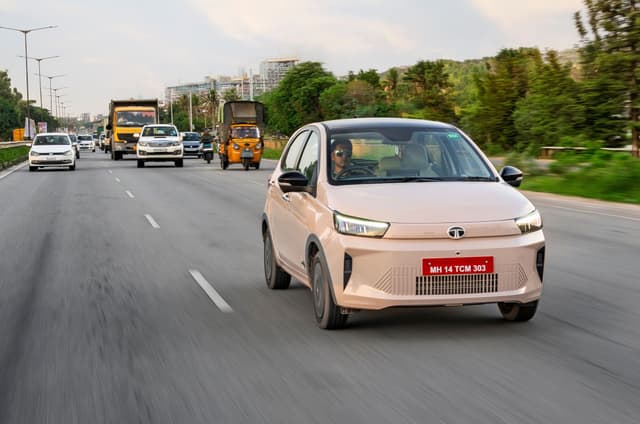
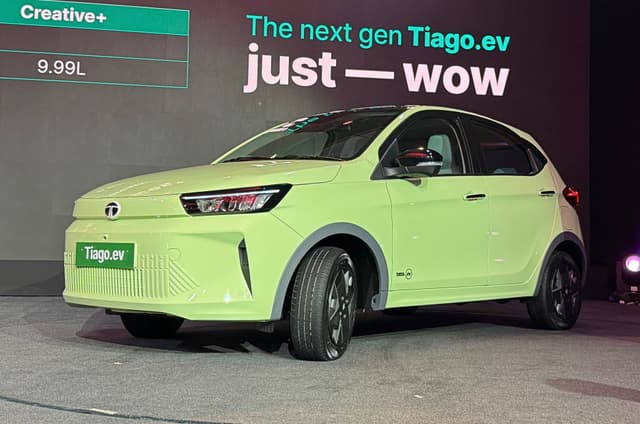
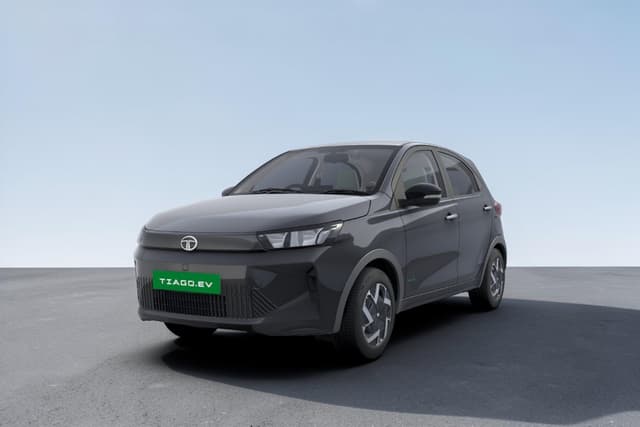
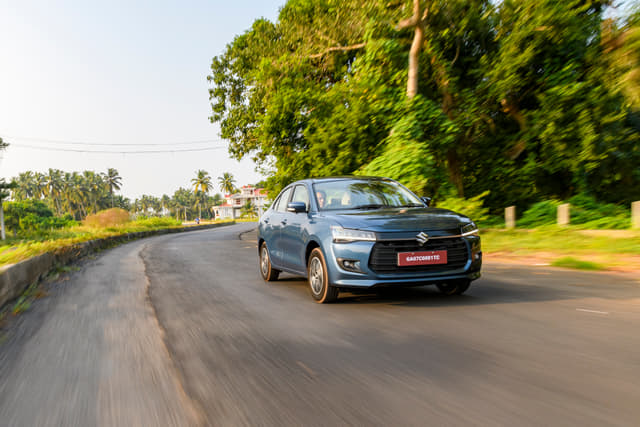
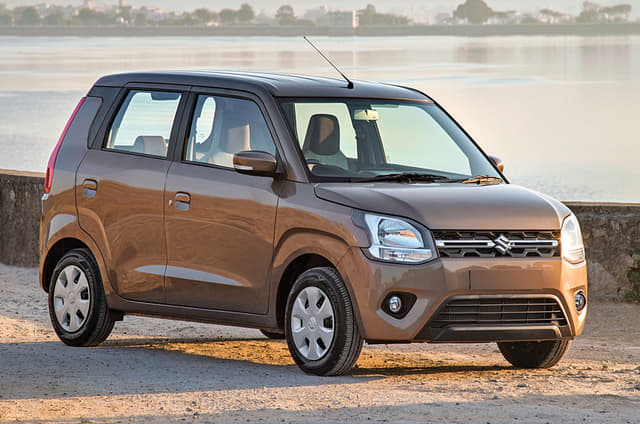
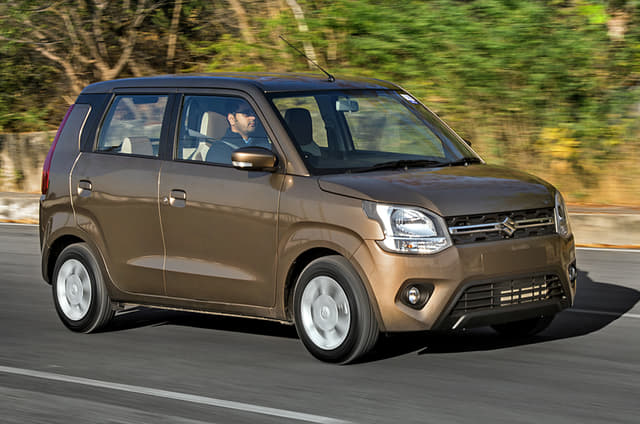
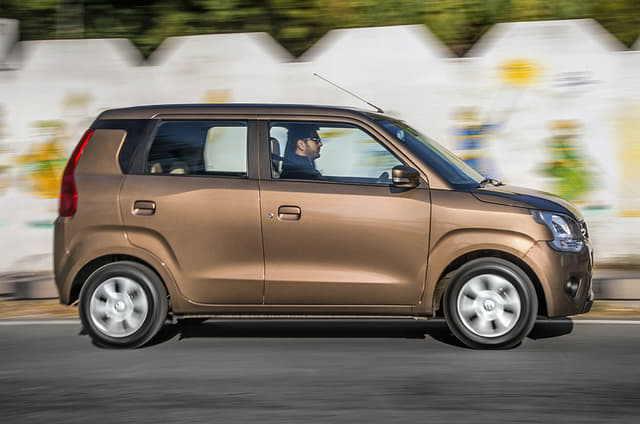
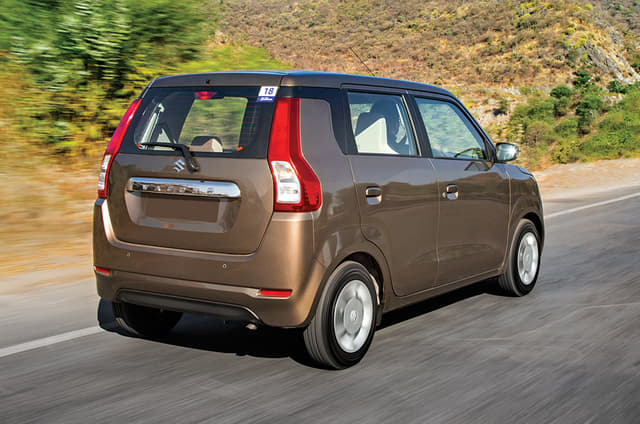
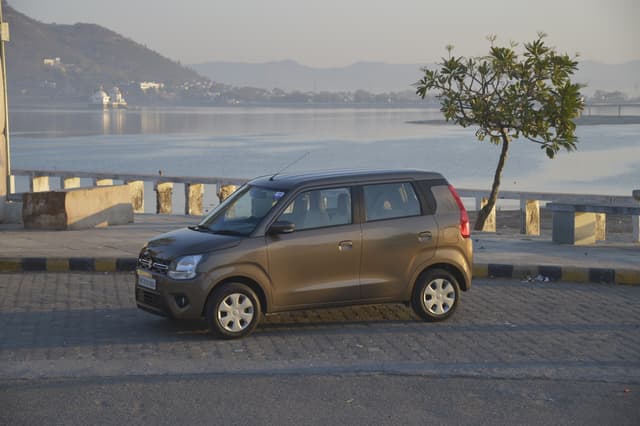
5 Seater Cars Under 10 Lakh | Maruti Suzuki Dzire, Tata Tiago EV, Maruti Suzuki Wagon R |
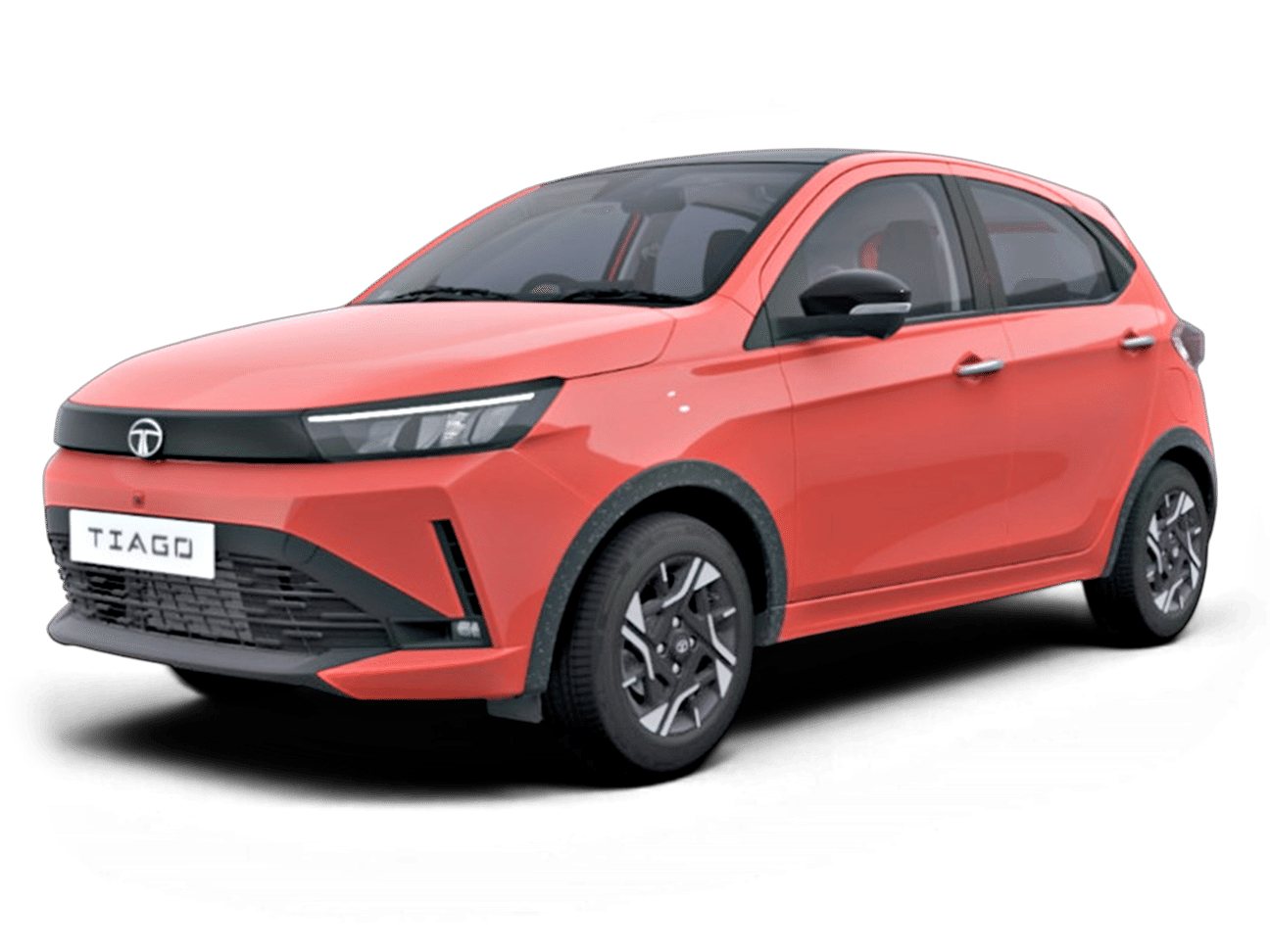
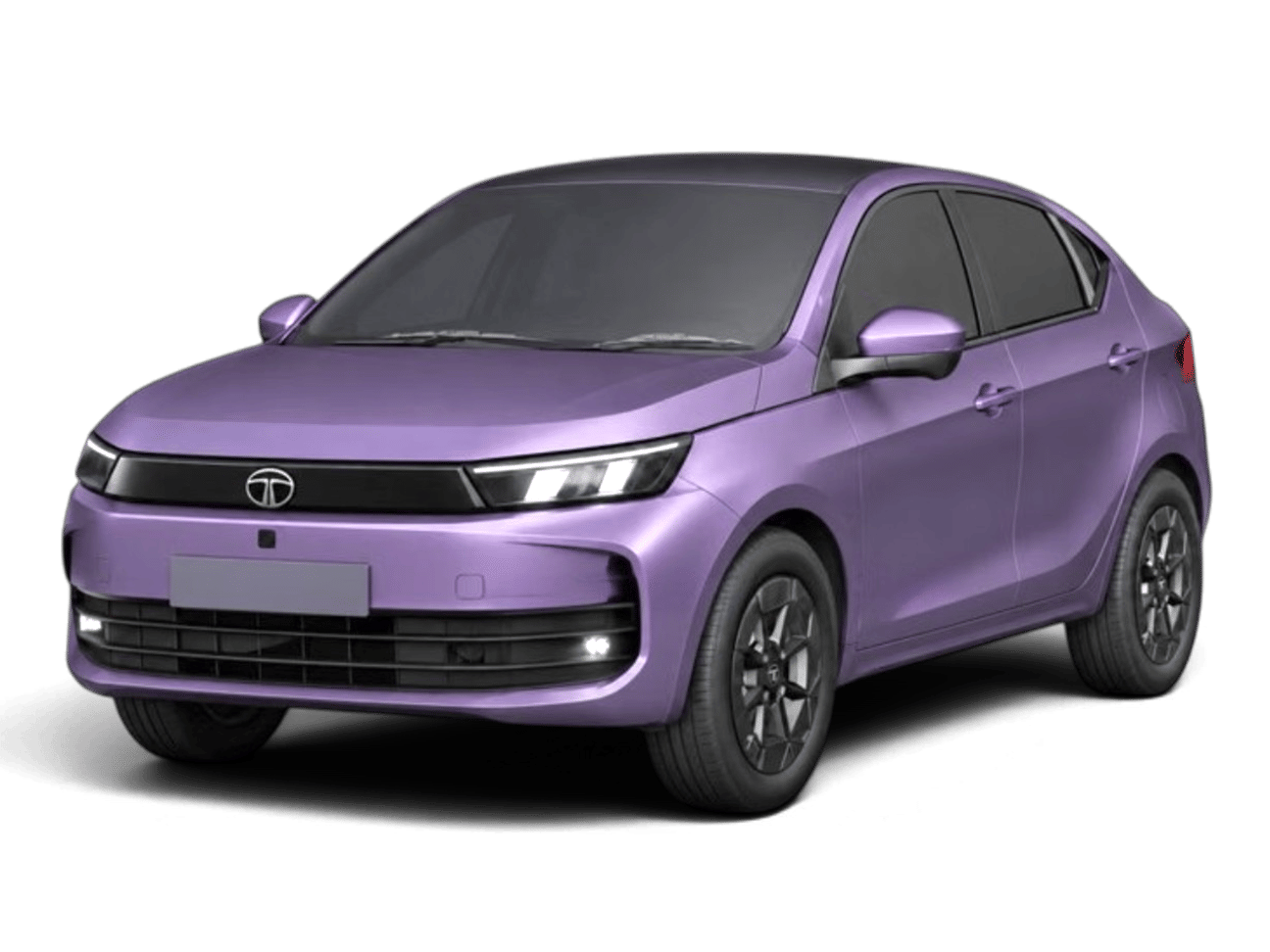
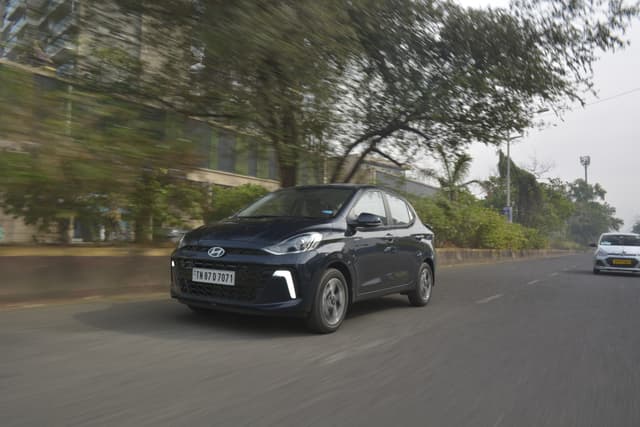
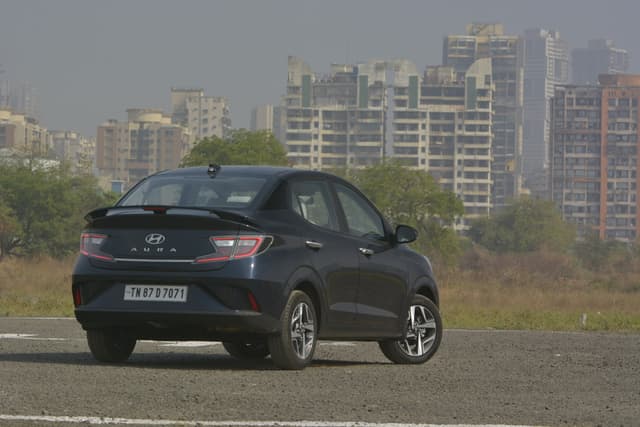
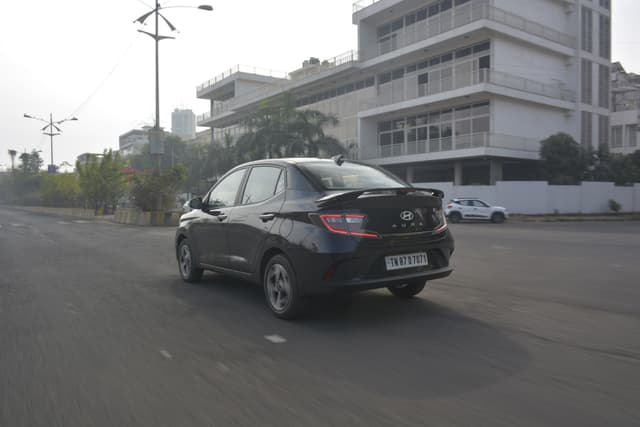
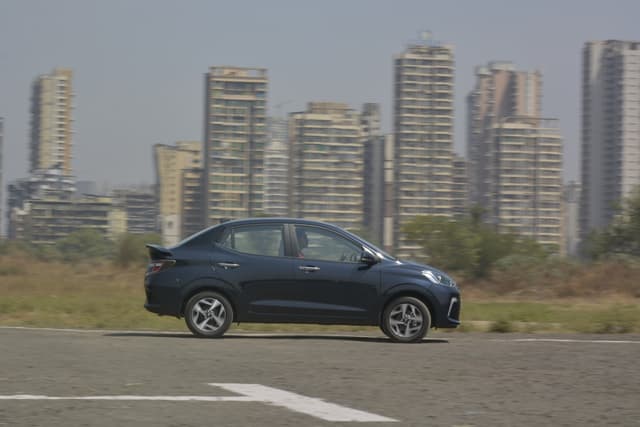
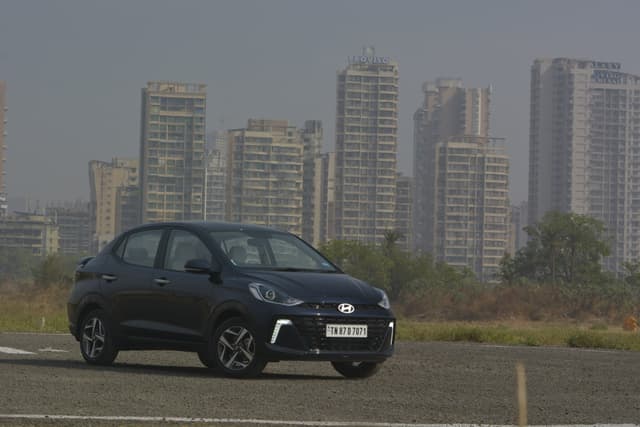
CNG 5 seater car | Maruti Suzuki Victoris, Tata Tiago and Hyundai Aura |
5-star safety rating | Hyundai Verna, Skoda Kylaq and Mahindra Thar Roxx |
Sedan 5-seater Car | Honda Amaze, Volkswagen Virtus and Skoda Slavia |


5-seater Cars - FAQs
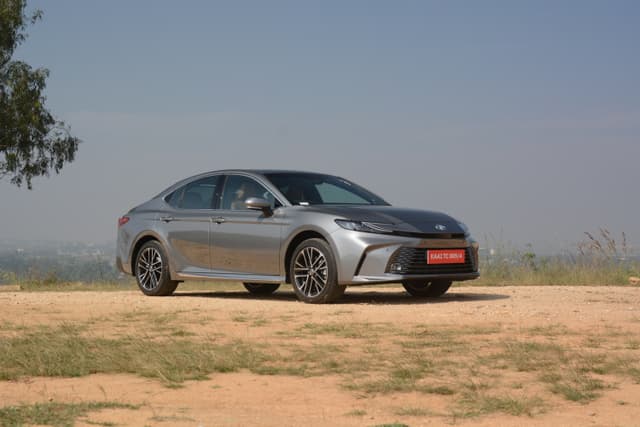
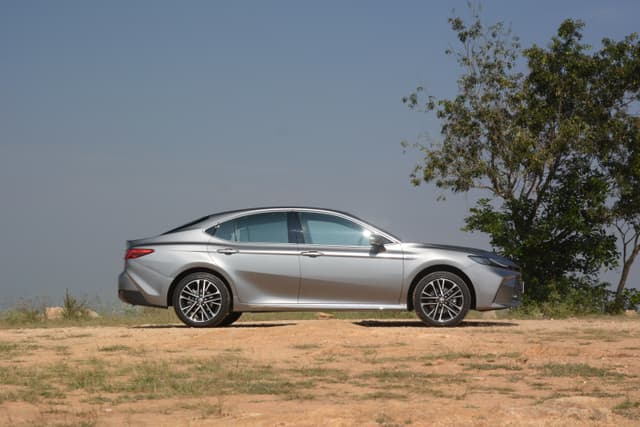
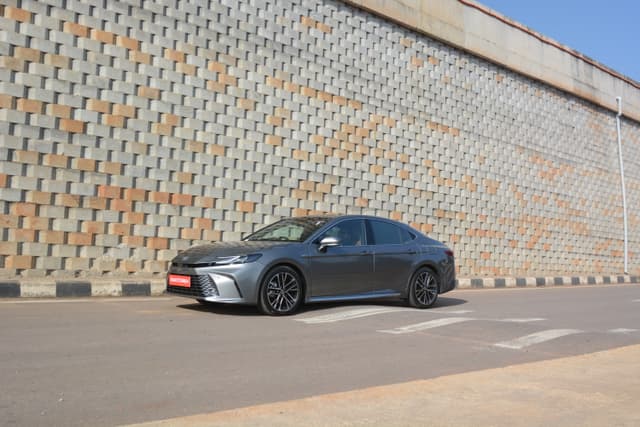
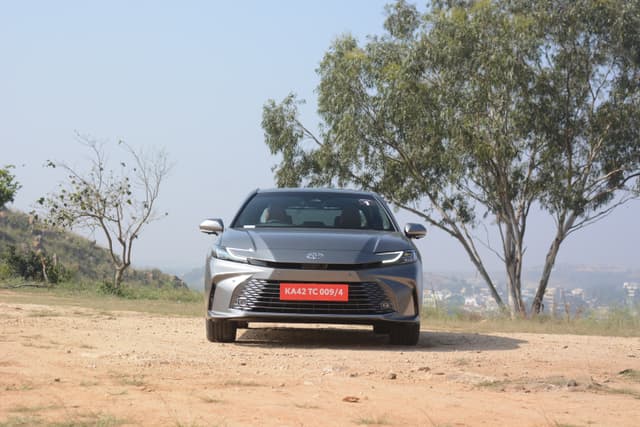
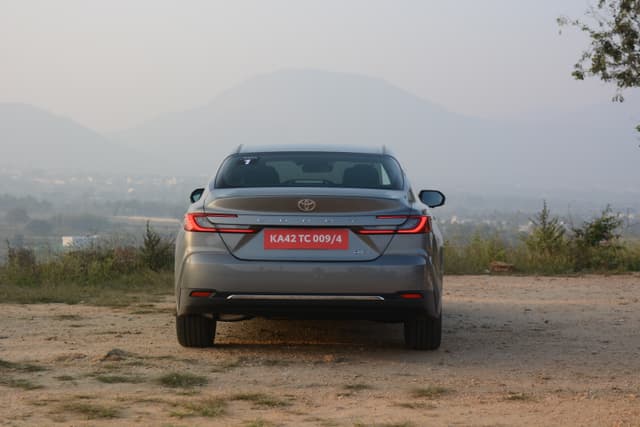
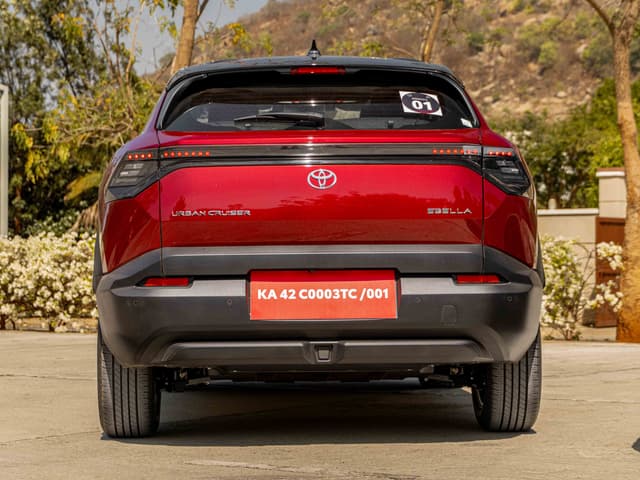
Some of the popular Toyota 5-seater cars include the Toyota Camry, Toyota Glanza and Toyota Urban Cruiser Hyryder.
The lowest-priced 5-seater car in India is the Maruti Suzuki S-Presso, starting with a price of ₹3.50 lakh.
Some of the good 5-seater cars under ₹10 lakh include the Maruti Suzuki Dzire, Tata Tiago EV and Maruti Suzuki Wagon R.
Some of the 5 seater CNG cars include models such as Maruti Suzuki Victoris, Tata Tiago and Hyundai Aura.
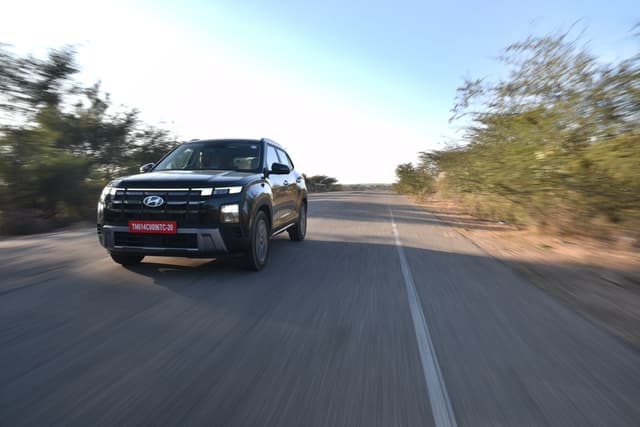
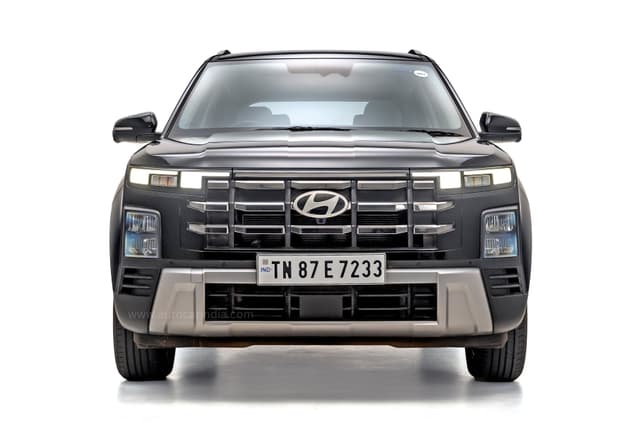
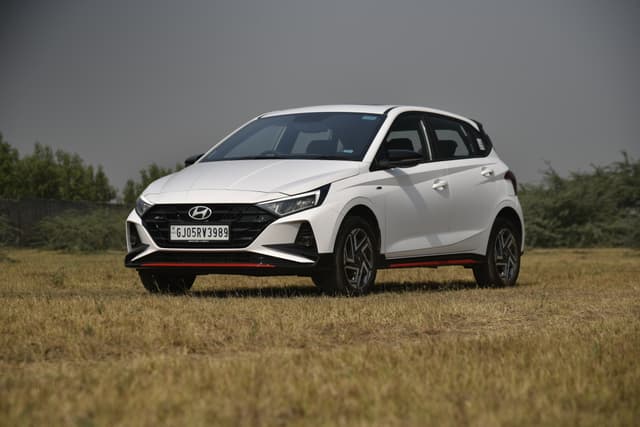
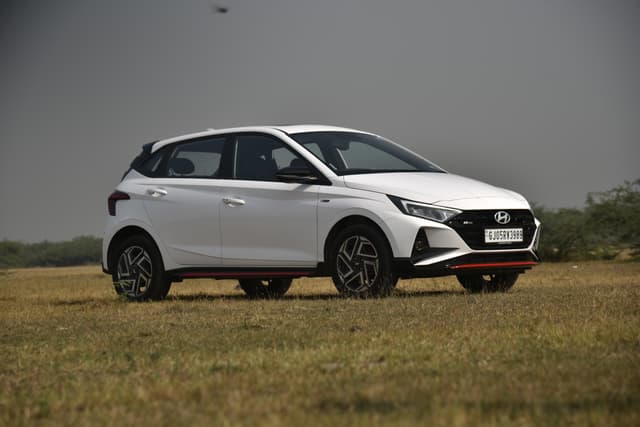
Popular Hyundai 5-seater options include the Hyundai Creta, Hyundai Aura and Hyundai Grand i10 Nios.
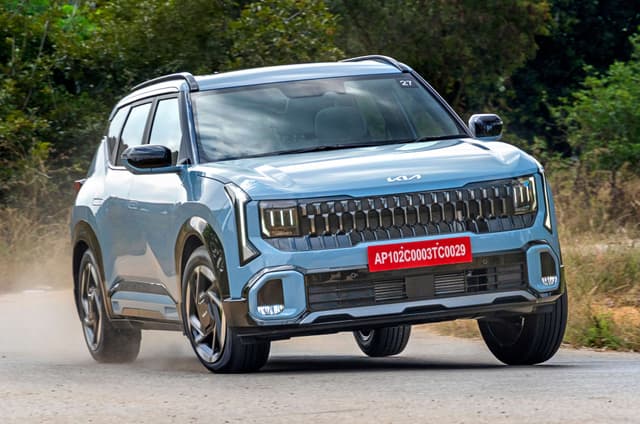
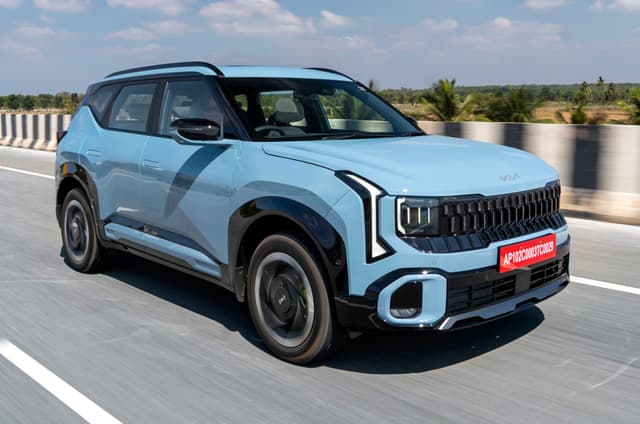
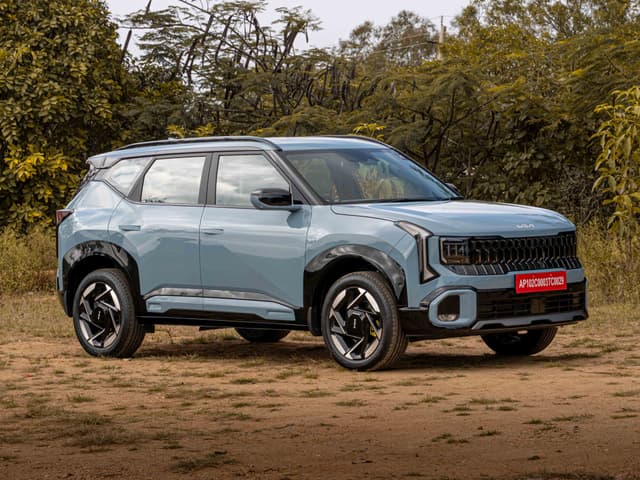
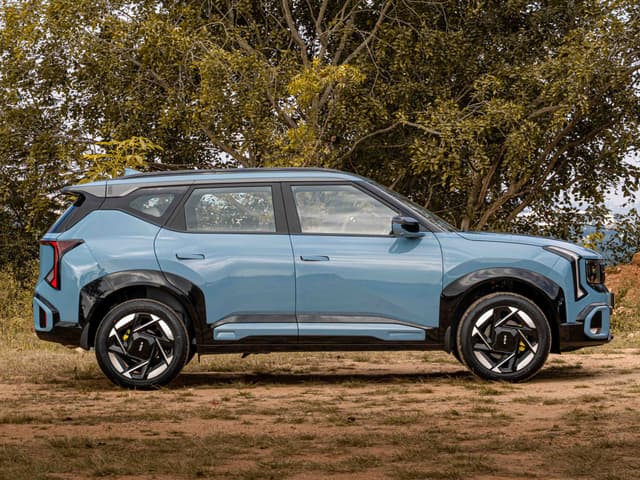
Some of the notable Kia 5-seater cars include the Kia Seltos, Kia Syros and Kia Sonet, catering to different budgets and segments.
A few 5-seater cars under ₹5 lakh include the Renault Kwid, Tata Tiago and Maruti Suzuki Alto K10.
Among Mahindra’s 5-seater cars, options include the Mahindra XUV 3XO, Mahindra Thar Roxx and Mahindra XEV 9e.
Trending Questions on Cars - Answered by Autocar Experts
I am currently driving a 2020 Skoda Octavia diesel and am planning to switch to an EV, as my daily commute is approximately 125 km, with around 70% highway driving and 30% city driving. I have shortlisted the Mahindra XEV 9e but am also considering the Mahindra XEV 9S, particularly the six-seater version. I would like to know how comfortable the 9S would be for my family of five, especially on longer journeys. How much boot space is available when the third row is in use, and is the third row comfortable enough for regular use? Would you recommend the XEV 9e or the XEV 9S for my requirements, or are there any other EVs I should consider? Please suggest the most suitable option based on my daily driving needs and family requirements.
The Mahindra XEV 9e is the right call, and go for the bigger 79kWh battery. You’re doing 125km a day, mostly on the highway, so range is what you’ll notice most. We got around 450km from a full charge in our test, which means plugging in every three days or so. The 9e is also lovely on the highway. The ride is plush and it feels planted at speed, which will make the switch from your Octavia easy.You don’t need a third row for five people. The 9e’s back seat is wide and the floor is flat, so three adults fit without a fuss, and the boot is huge, with a small extra one under the bonnet. The one thing to watch is the sloping roof. Anyone tall in the back may find their head close to the ceiling.In your case, we would skip the 9S six-seater. With captain’s chairs in the middle, someone in your family always ends up in the third row, and then there’s hardly any room for bags with the third row up. If you like the 9S, get the seven-seater instead. You all fit in two rows, and the third row folds away for luggage. It doesn’t ride as nicely as the 9e on the highway, though.
Hi team, I currently drive a Honda City (2009 model) and have been pretty satisfied with the riding experience. I am now planning to upgrade to a car under a budget of Rs. 25 lakh. Since it would be my primary car for now, please suggest whether I should go with an EV or an ICE. Given my limited highway travel (surely it will happen during trips), and daily city travel of 30-50 km, please suggest the car type and model. I am looking for am economical car with good road presence.
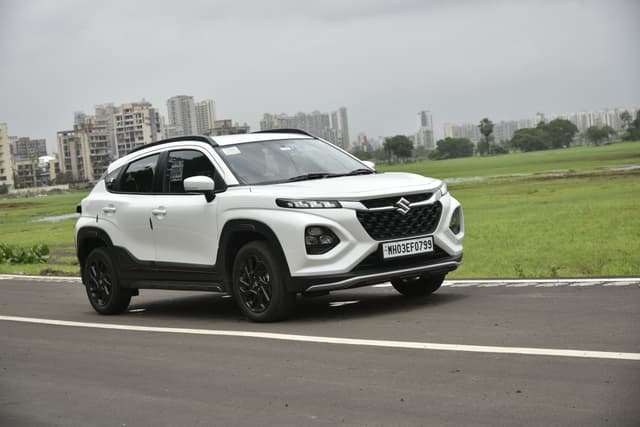
Given your usage pattern of 30-50km daily city driving with occasional highway trips, an EV is a very strong option. The running cost savings will be significant, and modern EVs are now genuinely usable for highway trips as long as you have home charging. The key is to choose an EV with a realistic range and a comfortable, spacious cabin, since this will be your primary car.The Tata Sierra EV 75kWh is the recommendation here. It offers a spacious, premium-feeling cabin, a comfortable ride and a usable real-world range that makes both city driving and occasional highway trips easy to manage. It also has good road presence and feels like a proper upgrade from a Honda City in terms of comfort and overall ownership experience.If you are still on the fence about EVs, the Maruti Suzuki Victoris Hybrid is the best ICE alternative. It is extremely efficient in the city, reliable and easy to live with, and the hybrid system keeps running costs low without any charging dependency.The decision comes down to your comfort with home charging. If you have it, the Sierra EV is the better long-term ownership proposition. If not, the Victoris Hybrid is the safer choice.
I am planning to upgrade my dad’s car. He currently drives a 2014 Honda Amaze petrol, which has clocked over 70,000km. My dad is satisfied with its comfort and driving experience. I am planning to buy a new petrol car, with ride quality and comfort as the top priorities, followed by fuel efficiency. The car will be driven on bumpy village roads and semi-hilly roads in Kerala, with occasional trips on state highways. My maximum budget is Rs 13-14 lakh on-road. Reliability and service quality are also important, as my dad is not very knowledgeable about automobiles. So far, we have been happy with the Honda Amaze’s service costs and quality, and the car has not had any major issues. Could you please suggest a suitable car that meets these requirements?
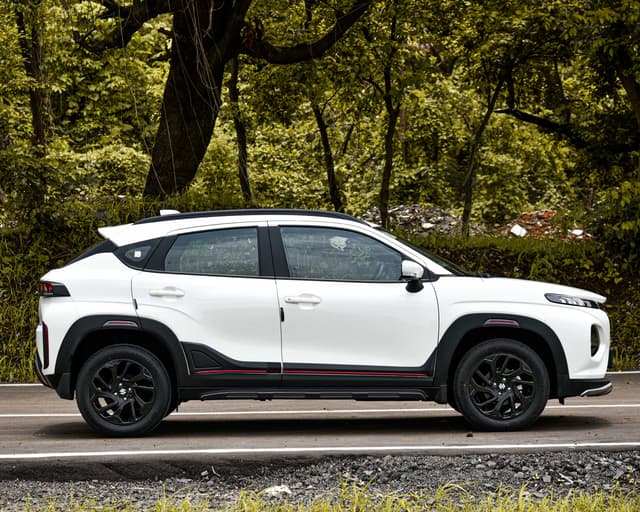
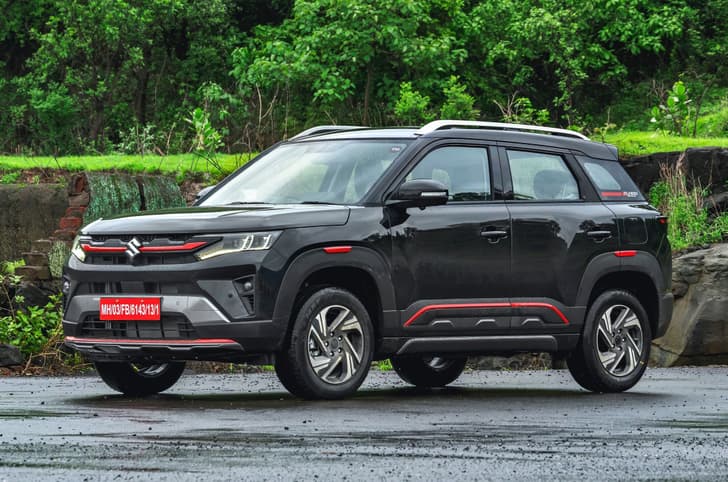
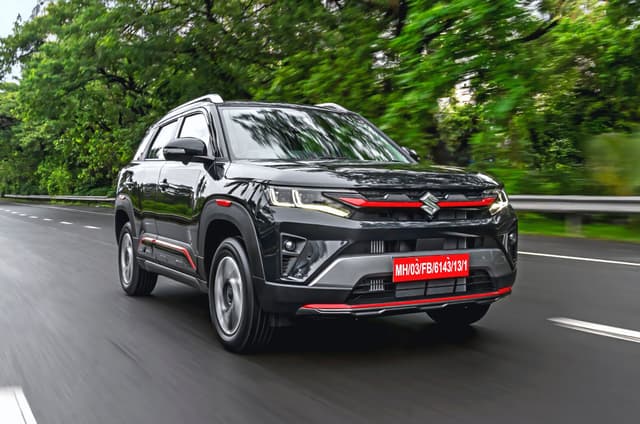
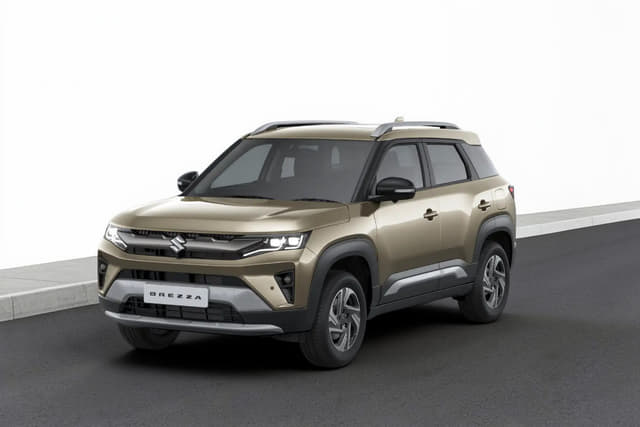
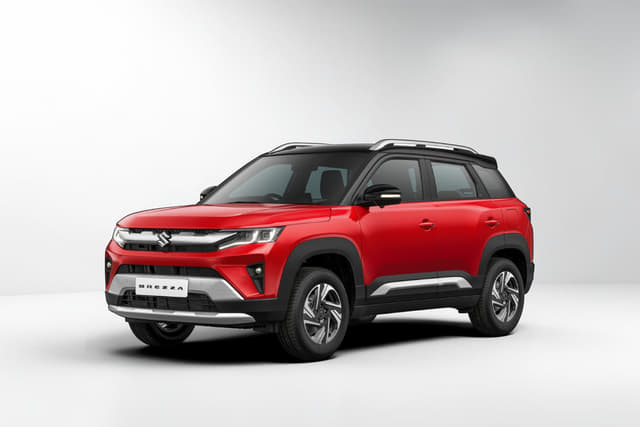
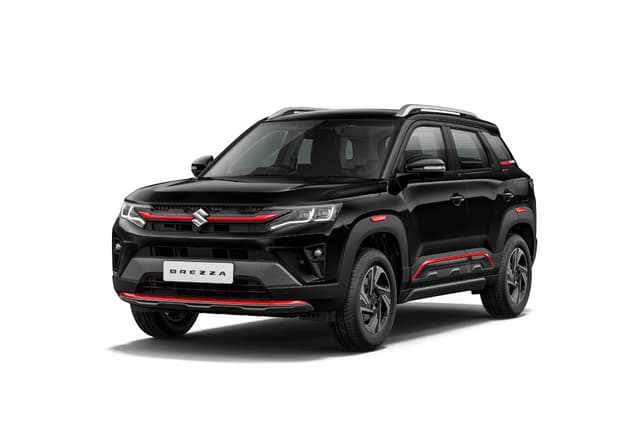
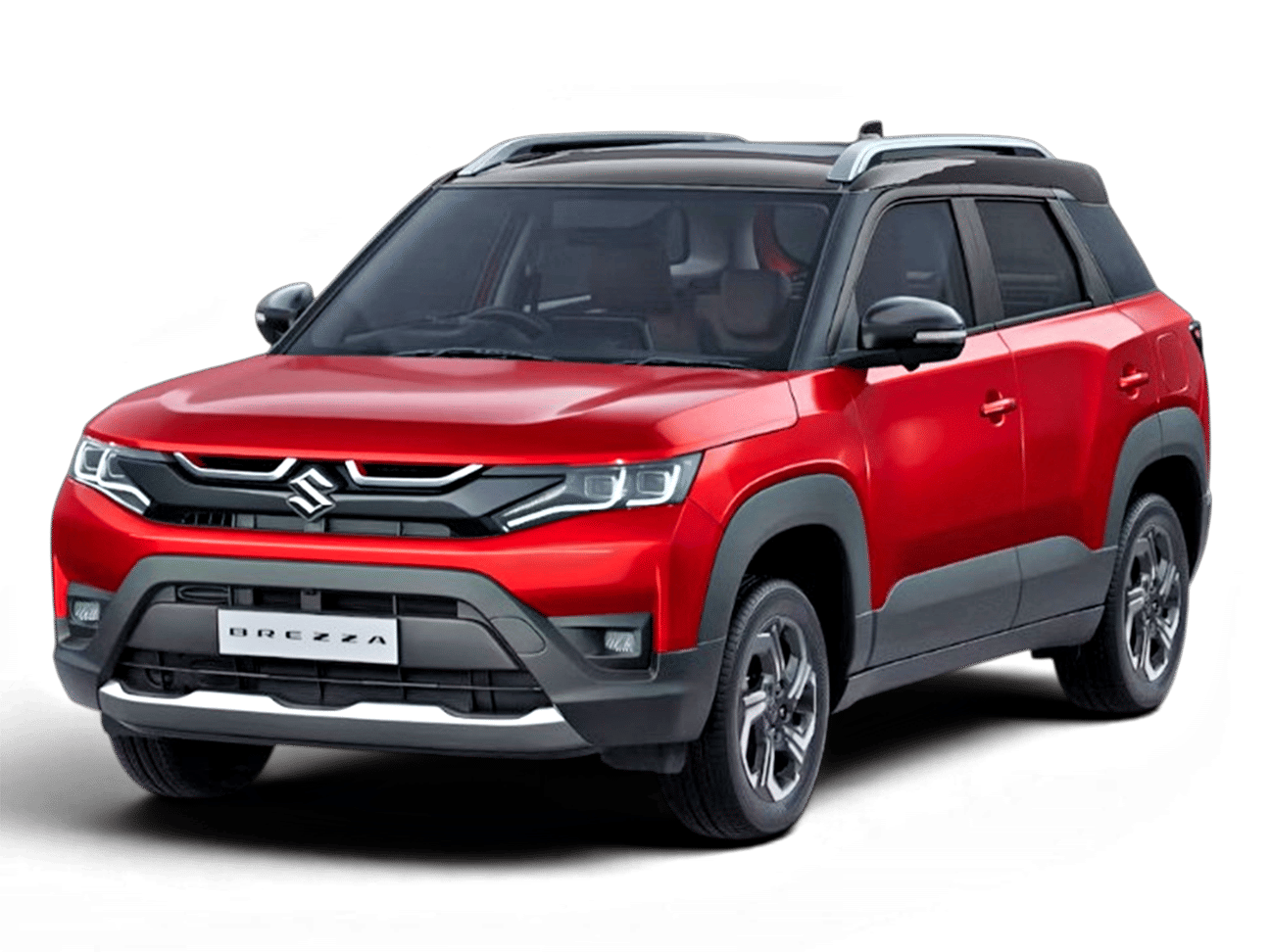
Based on your father’s priorities and usage, we’d recommend the Honda Elevate SV manual as the most sensible upgrade, provided you can stretch your budget a wee bit. It’s currently around Rs 14.2 lakh on road in Kerala, though the final quote will depend on your location, insurance and any dealer offers.It builds on the Honda qualities your father already appreciates in his Honda Amaze, while adding a higher seating position, more ground clearance and a comfortable suspension that copes well with broken roads. That makes it well suited to his village-road driving, with the caveat that bigger potholes still need to be taken slowly The 1.5-litre naturally aspirated petrol engine is smooth, responsive and straightforward to drive. On steeper climbs, he may need to downshift rather than expect strong pulling power in a high gear. The cabin is comfortable, visibility is good and the boot is generous. Overall, it offers the fuss-free driving experience he’s enjoyed in the Amaze, in a more spacious package. Given his positive experience with the local Honda workshop, staying with the same service setup is another practical advantage.If Rs14 lakh is a firm ceiling, we’d look at the Maruti Suzuki Brezza 1.0 turbo-petrol. Its punchy engine should suit the uphill stretches, and your budget could allow a higher variant with more features. This Maruti Suzuki car also offers a 1.5-litre naturally aspirated petrol, which is worth trying if he prefers smoother, more linear responses over outright punchWe’d favour the Elevate for comfort and familiarity, but have your father test-drive both on the kind of roads he actually uses before deciding.
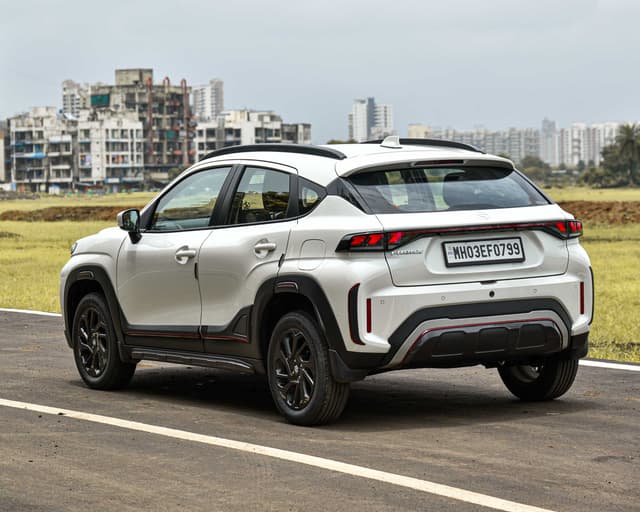
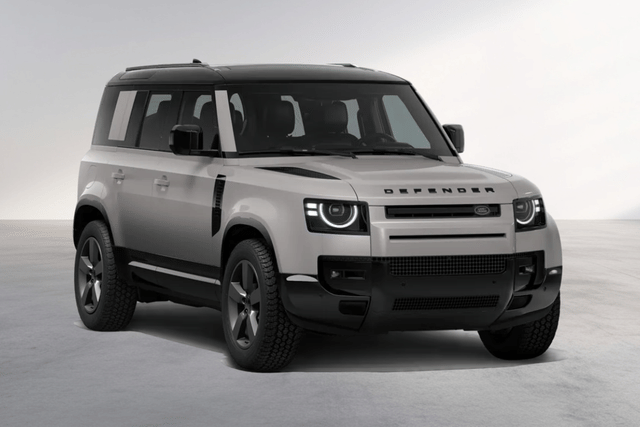
I recently bought a Tata Safari Stealth Black Accomplished+ and am very happy with its performance. It returns around 13kpl in the city and 14-15kpl on the highway. I also own a Maruti Suzuki Ritz diesel VDi, which I have used for 10 years and driven 2.3 lakh km with regular servicing and genuine synthetic oil. Is it time to replace the Ritz? If so, what would be a good diesel or petrol car around Rs 15 lakh? My usage is a mix of city and highway driving, around 75-100 km a day. I also have three older family members above 60 who will use the car occasionally. I am considering the 1.0-litre Skoda, the new Thar 1.5-litre and other options. I am not interested in a sunroof or other fancy features. I do track racing, so strong performance, suspension, stability and an engaging driving experience are important to me.
Yes, it's time to retire the Ritz. Of the two cars you're considering, the Skoda 1.0 TSI is the right one. Both the Kylaq and the Kushaq use it, and either suits an enthusiast far better than the Thar. The engine is eager, the steering is sharp, and the chassis feels planted when you push it. Those are the things you'll value as someone who drives on track.The catch is your mileage. At 75-100 km a day, you'll cover close to 30,000km a year, and the petrol Skoda will cost noticeably more to run than a diesel. If that bothers you, test-drive the Mahindra XUV 3XO diesel. Its 1.5 diesel is one of the punchiest in its class; it has a roomy rear seat for your parents, and it'll be much cheaper to run, though it isn't as sharp to drive as the Skoda.The new Mahindra Thar isn't a good fit. It's tall to climb into for older passengers, the rear is cramped, and it isn't as settled as a regular SUV over 100km a day.Your Ritz has done well. Its 1.3 diesel runs a timing chain rather than a belt, which is why it's lasted. Drive the Skoda car and the 3XO back to back, and decide how much the extra fun is worth to you.
I have Ciaz AT (2023 model) that has clocked 60,000 km. Last week, we met an accident with Slavia and my car right side quarter got hit but Slavia didn't have a scratch. For safety purpose, I am planning to change the car for 14.5 lakh but now they are offering Rs. 6.5 lakh. Can I keep the car or move in to new vehicle?
A crash in which the Ciaz suffered damage while the Slavia apparently came away without a visible mark can understandably make you question the car’s safety, but the extent of visible damage alone does not tell you which car is safer. More importantly, your 2023 Ciaz has already covered 60,000km, so the decision should be based on its structural condition, repair quality and your future usage rather than the accident itself.There is one reason to take the safety concern seriously. The Ciaz is an old design and a recent Global NCAP test gave it one star for adult occupant protection, with the bodyshell rated unstable. So if improved crash protection is your primary reason for changing cars, moving to a newer, independently crash tested model would be justified.
Last Updated on: 13 Oct 2026