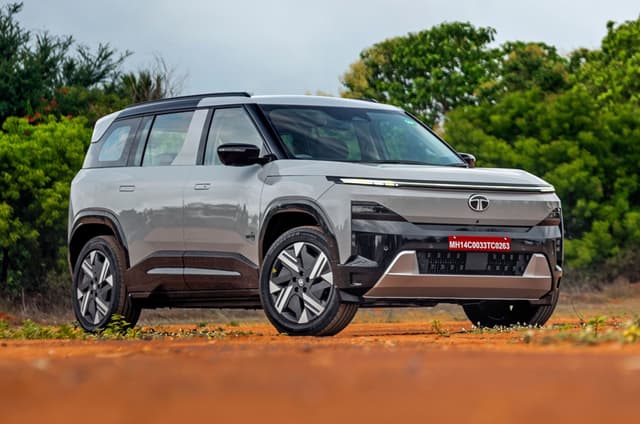
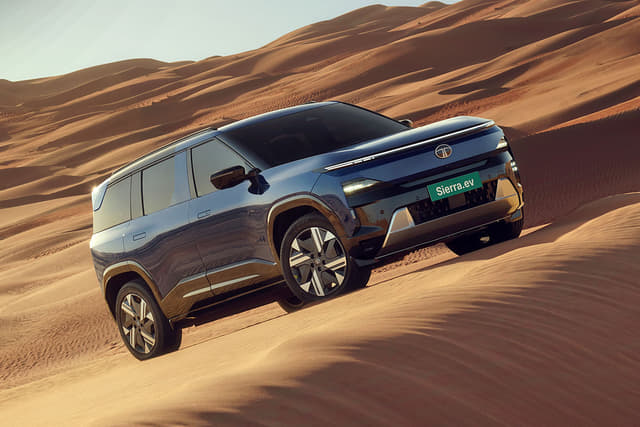
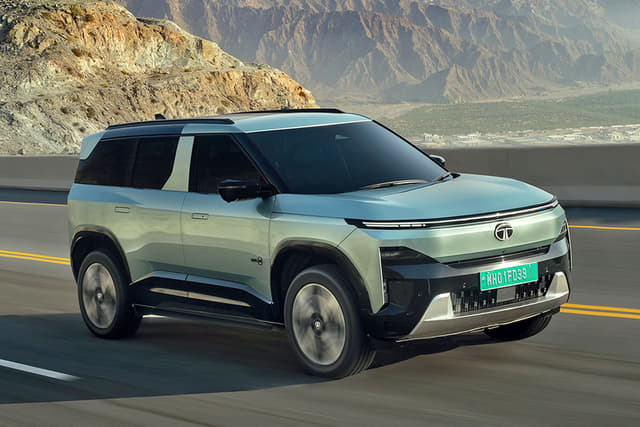
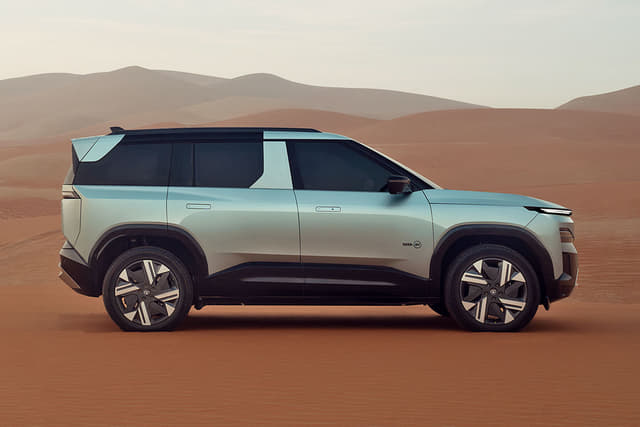
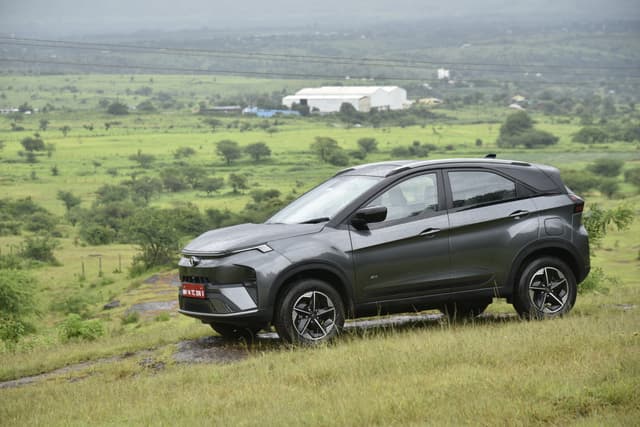
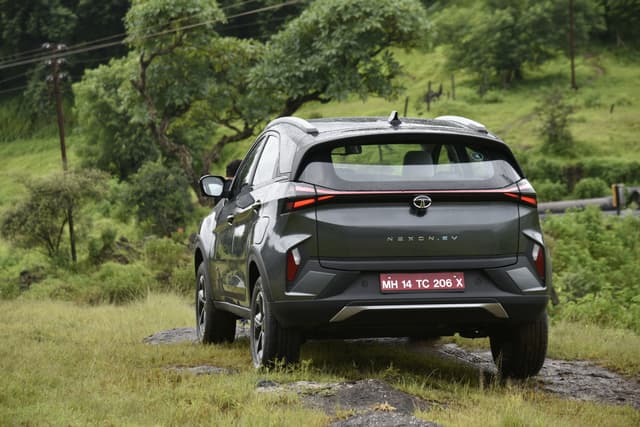
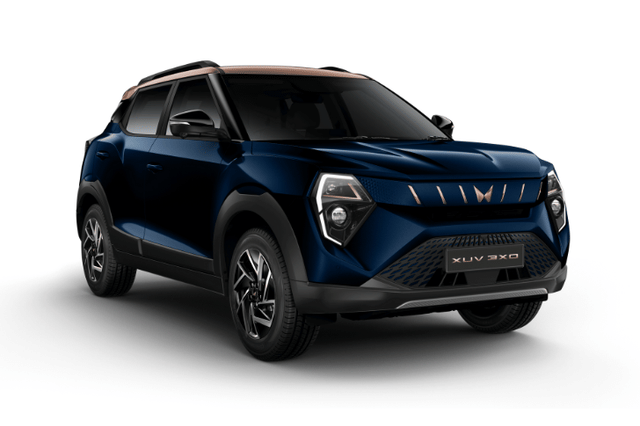
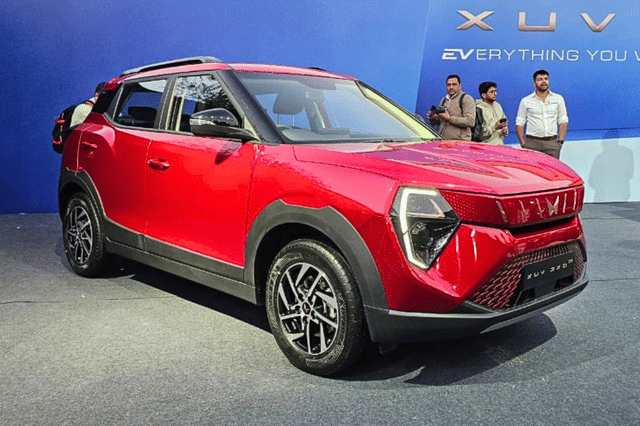
Suv Electric Cars in India (55)
Discover the best Suv Electric Cars. Our comprehensive guide covers detailed specifications, expert reviews, pricing information, and buying advice for Suv Electric Cars. Find the perfect cars that matches your requirements and budget.


Trending Questions on Cars - Answered by Autocar Experts
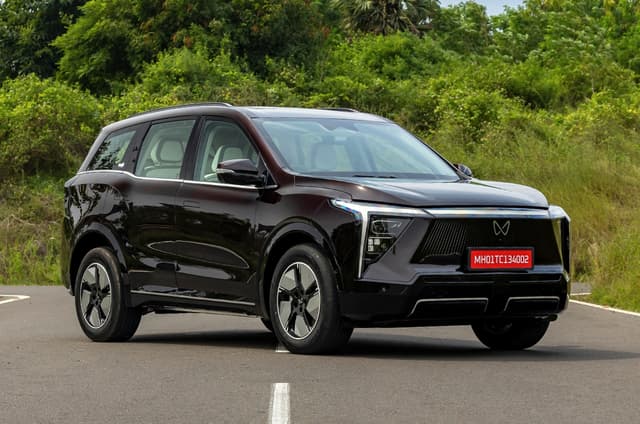
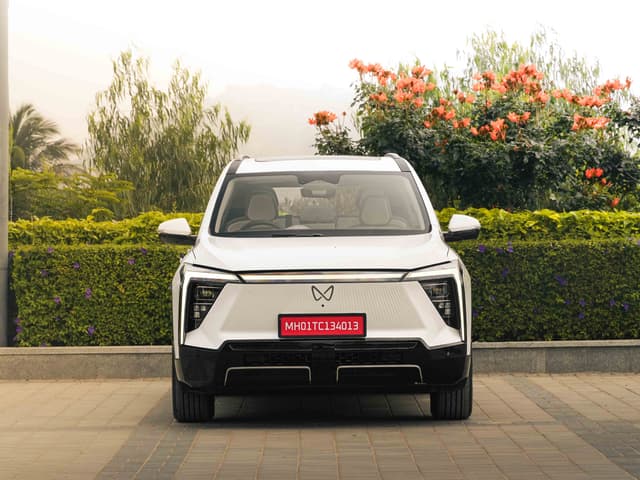
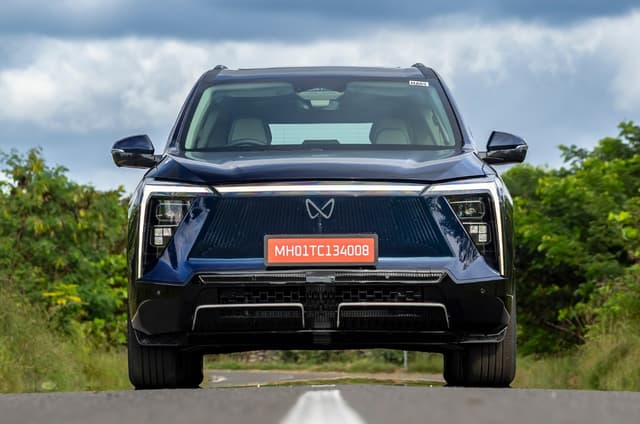
I want to upgrade from a Tata Nexon EV Max to a seven-seater SUV. Having used the EV for almost 4 years, I have experienced how economical it is and would like to go for another EV. One of the best options I am considering is the Mahindra XEV 9S. However, I am not sure whether it is really worth the price, as I don't feel comfortable spending over Rs. 30 lakh on a Mahindra. Are there any better options I should consider? Please advise.
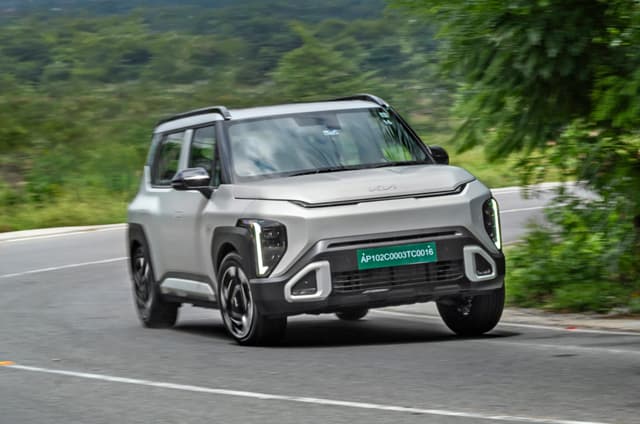
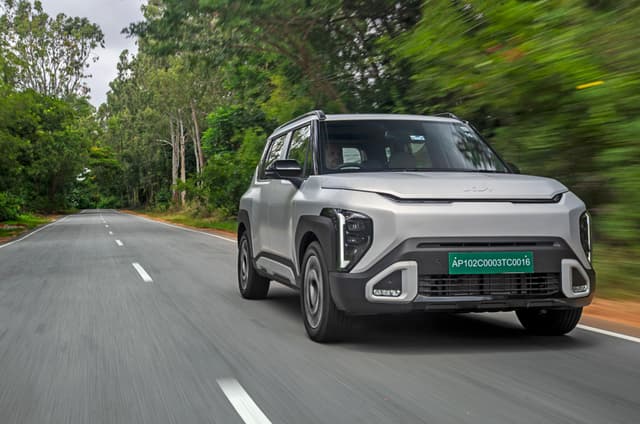
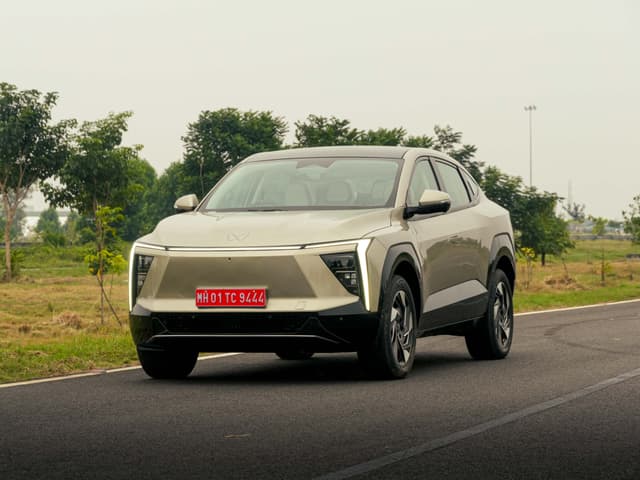
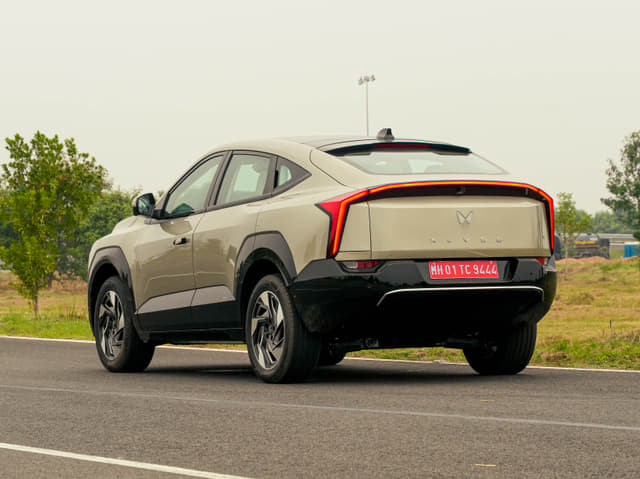
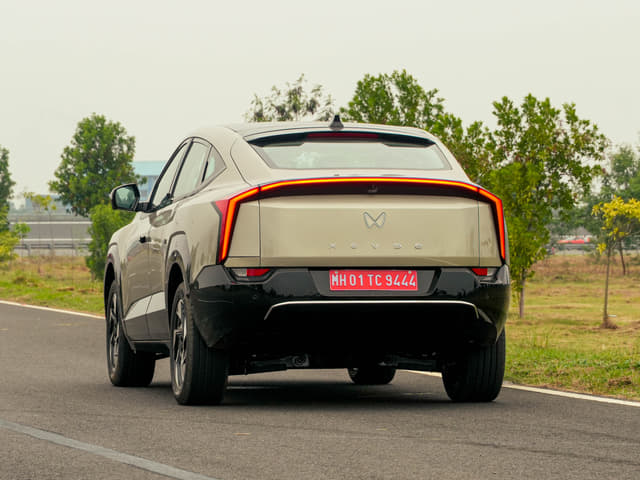
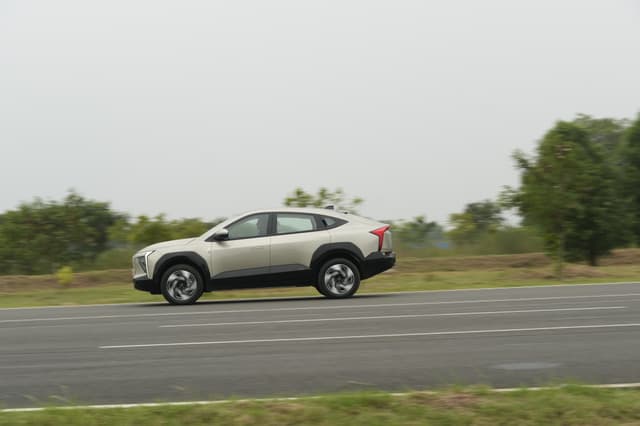
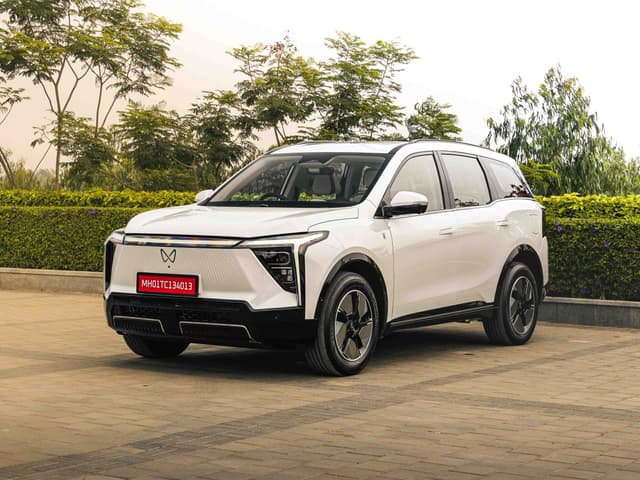
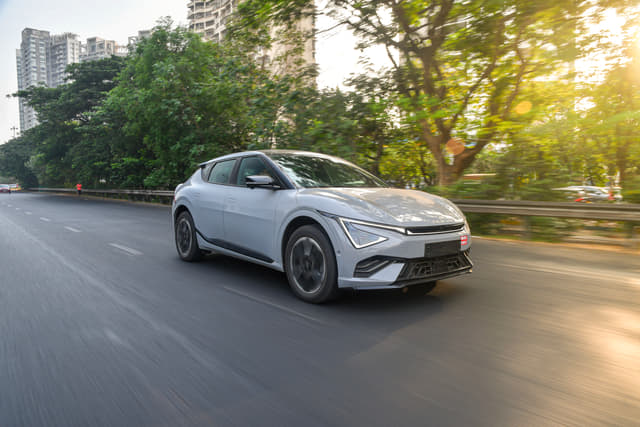
The Mahindra XEV 9S is a genuinely impressive product, but yes, at over Rs 30 lakh, it is a significant outlay, and the question is less about whether the car is worth the money and more about whether it is the right fit for you. The XEV 9S offers strong performance, a well-appointed cabin, and a premium feel, but if you would still like to avoid a Mahindra, opt for the Kia Carens Clavis EV. It does not offer you that SUV stance, but its MPV configuration means a flexible interior and a genuinely usable third row too. It's also well appointed inside with a premium look and feel around the cabin, with all the essential and some nice-to-have features too.
Hi, my daily usage is 40 km within the city, and I drive around 1,000 km on the highway. I currently have a Dzire petrol. I want a fuel-efficient SUV with a budget of approximately Rs. 20-25 lakh. What would be a better option among an EV, hybrid, or diesel?
With a daily city run of 40km and an additional 1,000km of highway driving each month, your usage pattern is actually quite balanced between city and highway. In this scenario, a diesel SUV is the most sensible choice. A hybrid would make sense if your usage was predominantly city-based, as the fuel savings are most significant in stop-start traffic. An EV, on the other hand, would require a much higher daily running to justify the premium, and long highway trips would introduce range planning and charging considerations that you simply do not have with a diesel.Within your budget, the Mahindra XUV 7XO diesel is the most complete package. It offers a strong diesel engine, a comfortable ride, a spacious cabin and a good feature set. If you don't need three rows, then the Kia Seltos diesel is worth a look too, offering a more premium cabin and a very refined diesel engine.The key point is that your usage pattern is perfectly suited to a diesel SUV, and you will see the benefits both in terms of fuel efficiency and ease of ownership over the long term.
My current car is a Toyota Etios Petrol, and I am planning to upgrade to a D-segment SUV. My on-road budget is Rs. 30 lakh. My usage is very low, as I do not drive daily. I drive occasionally during the week, with a total running of around 20-30 km per month, along with a few long trips each year. Considering the current E20 petrol scenario, should I buy an EV or continue with a petrol SUV? I also have the facility for home charging.
With your usage of just 20-30 km a month plus a few long trips a year, an EV is actually a very sensible choice. You have home charging, which is the biggest hurdle for most buyers, and your low monthly running means you will not be burning fuel idling in the garage. The occasional long trips are manageable with planning, and modern EVs like the Sierra EV or XEV 9s offer enough range for most intercity runs with a single charging stop. The key advantage here is that you avoid the E20 question altogether. Modern petrol engines are E20 compliant, but higher ethanol blends do reduce fuel efficiency slightly, and with your low usage, the fuel savings of a petrol car are negligible anyway.If you are set on a D-segment SUV, the Mahindra XEV 9s is the most practical choice. It offers a spacious cabin, good performance and despite its size is easy to drive in the city as well.
My current car is a Toyota Etios Petrol, and I am planning to upgrade to a D-segment SUV. My on-road budget is Rs. 30 lakh. My usage is very low, with around 20 km per month, along with a few long trips each year. Considering the current E20 petrol scenario, should I buy an EV or continue with a petrol SUV? I also have the facility for home charging.
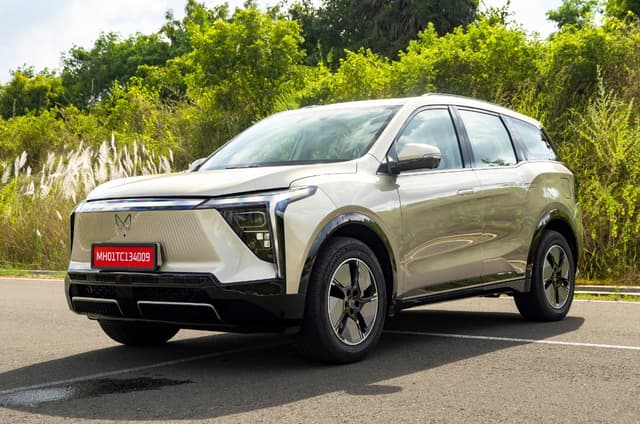
With a car under 30 Lakhs on-road budget, 20 km daily usage and only occasional long trips, you are actually in a very comfortable position to go electric. The key factor here is your home charging facility, which makes EV ownership far more convenient and cost-effective. With your usage pattern, the lower running costs of an EV will add up over time, and you will not be affected by E20 fuel concerns at all. For your budget, the Mahindra XEV 9S or 9e is the most sensible choice. Both cars have good real-world range, a comfortable cabin and a mature ownership experience. The only caveat is your occasional long trips. As long as you are comfortable planning charging stops on those journeys, an EV is the right choice. If you are not, then a petrol car like the Mahindra XUV 7XO is still the safer option. But given your usage and home charging, we would recommend going electric.
I’m planning to buy an electric SUV in Delhi with an on-road budget of Rs. 20-21 lakh. My usage will mainly involve a 30-40 km daily office commute, along with occasional weekend highway trips. The VinFast VF6 Wind Infinity has caught my attention because of its design, features, and range, but I’m hesitant about its after-sales support, service network, resale value, and long-term reliability. Given my requirements, would you recommend the VF6, or is there a better EV in this price range that offers a more dependable ownership experience?
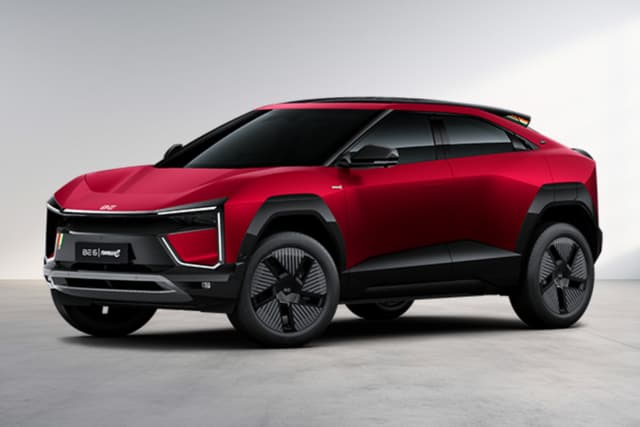
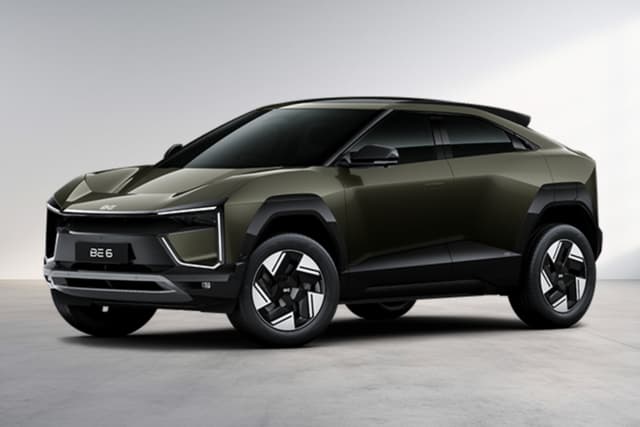
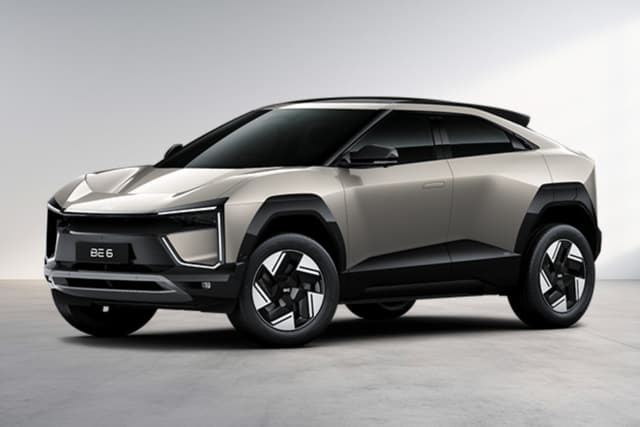
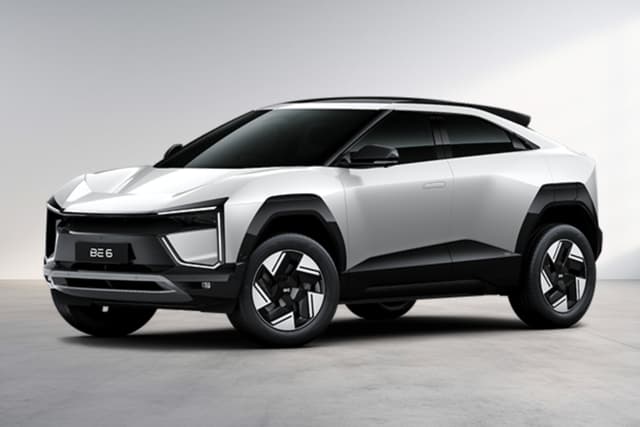
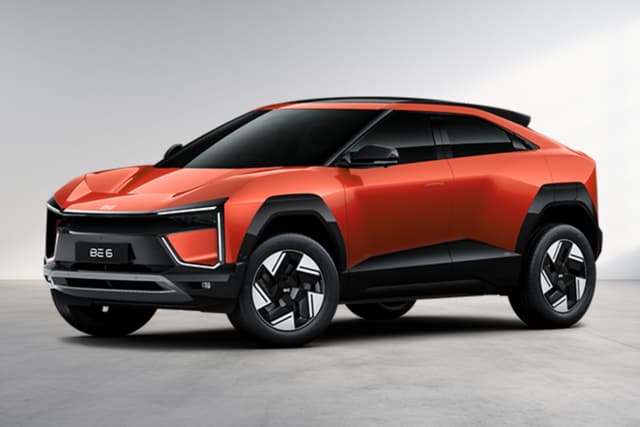
Given your usage pattern of a 30-40 km daily commute with occasional highway trips, the VinFast VF6 Wind Infinity is a tempting option with its strong range and feature set. However, your concerns about after-sales support, service network and long-term reliability are valid. VinFast is still a relatively new player in India, and while the company is making efforts to establish a service network, it does not yet have reach of more established brands. So it really boils down to the support you have in your area. If there is a dealer close to you and in the areas you drive to, you could go ahead with the car. As for the company itself, Vinfast is investing in expanding their network and has also massive plans for India for their auto business as well as other businesses like the GSM app based taxi service. From that point of view you need not worry as they are not a fly-by-night operator. If you would however you would prefer an electric car from an established brand, the Mahindra BE6 would be a good option as it too has a striking coupe like design, as this seems to be what you prefer. As an all rounder the Hyundai Creta EV would be a good option.
Last Updated on: 16 Aug 2026