

Last Updated on: 12 Jun 2026
Mahindra XEV 9S
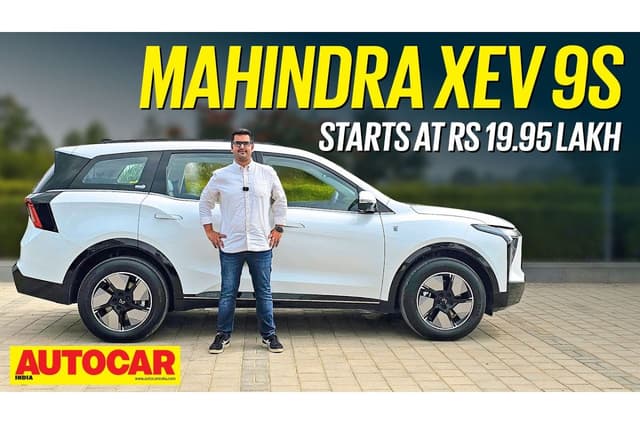
The Mahindra XEV 9S price in India starts from Rs 19.95 lakh and goes up to Rs 29.45 lakh (ex-showroom), with 6 variants on offer. The XEV 9S is the first dedicated 7-seater mass-market electric SUV, and is based on Mahindra's INGLO base, just like the BE 6 and XEV 9e. The Mahindra XEV 9S electric SUV is available with 59kWh, 70kWh and 79kWh battery pack options, with ARAI ranges of 521km, 600km and 679km, respectively. The entry-level Pack One Above variant has 59kWh and 79kWh options, both driving the rear wheels. The Pack Two Above comes with 70kWh and 79kWh options, while the Pack Three and Pack Three Above variants offer only a 79kWh battery option.
In terms of features, connected daytime running lamps (DRLs), triangular LED headlamps, Harman Kardon sound system, a wide triple-screen setup, dual-zone climate control, multi-colour ambient lighting, leatherette seat upholstery and an ADAS suite are on offer.
Mahindra XEV 9S - Key Highlights
- The 7-seater XEV 9S is underpinned by the INGLO base, just like the Mahindra BE 6, XEV 9e
- The XEV 9S gets a rear-wheel drive motor setup
- Battery options include 59kWh (231hp motor), 70kWh (245hp motor) and 79kWh (286hp motor)
- XEV 9S range is between 521km and 679km
- Ground clearance is 219mm
- Features like triple-screen setup, panoramic sunroof, ADAS and more are on offer
Mahindra XEV 9S Rivals
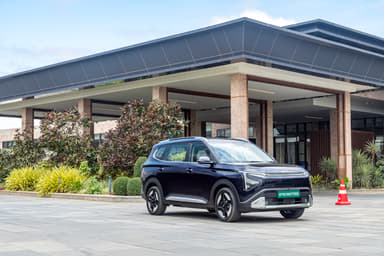
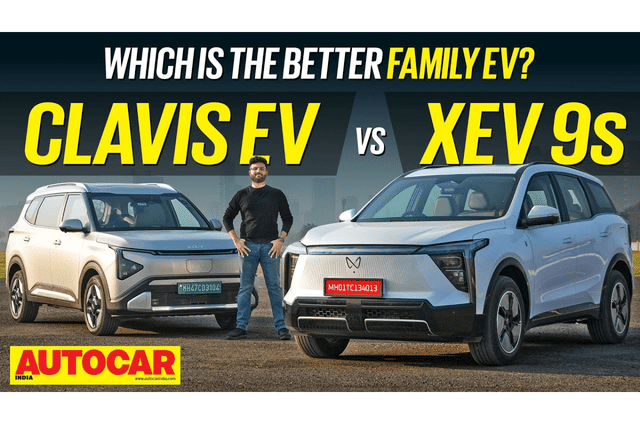
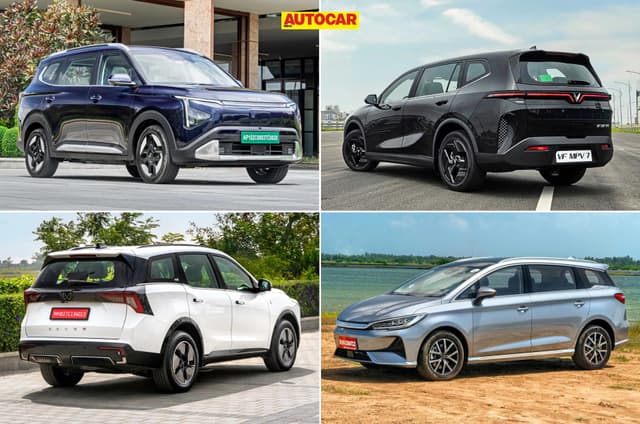
The XEV 9S is the first mass-market three-row electric car in India and has no direct rivals as of now. The only other three-row EVs under Rs 50 lakh are the Kia Carens Clavis EV and the BYD eMax 7, but both are MPVs, so they don’t really line up against the Mahindra EV.
Mahindra XEV 9S Latest Updates
- February 25, 2026: Mahindra XEV 9S gets new drive mode to address suspension feedback; custom drive mode allows firmer damping from Race mode with softer steering and powertrain settings.
- January 14, 2026: Mahindra XEV 9S, XUV 7XO log 93,689 bookings combined on first day; these translate into a booking value of over Rs 20,500 crore; XUV 7XO deliveries have already begun.
Mahindra XEV 9S Features and specifications
Our Rating | 9 |
Battery Range | 521 km - 679 km |
Fuel Type | Electric |
Transmission | Auto |
Seats | 7 |
Body Style | SUV |
Doors | 5 |
Claimed Electric Motor Range | 679 km |
| Fuel Type/ Propulsion | Electric |
| Max Motor Power | 286hp |
| Motor Type | Permanent Magnet Synchronous Motor |
| Number of Motors | 1 |
| Auto Start/Stop | No |
| Battery Capacity | 79 kWh |
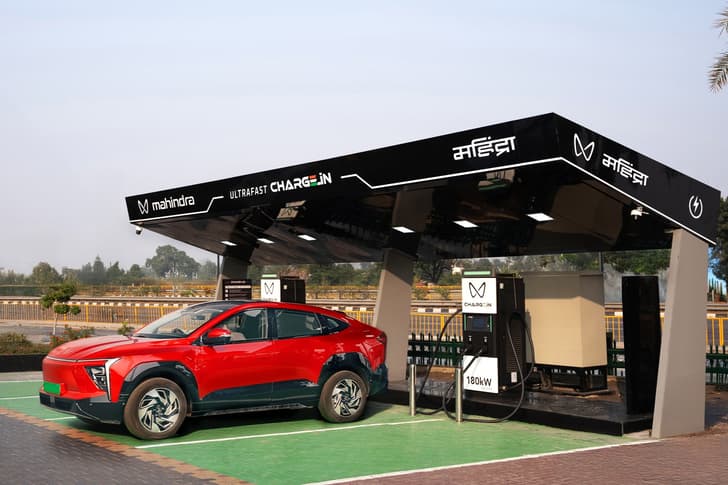
| Charging Time | 8hrs 0%-100%(11.2kW AC), 11.7hrs 0%-100%(7.2kW AC), 20min 20%-80%(180kW DC) |
| City Fuel Economy as Tested | 478 km |
| Front Brakes | Disc |
| Rear Brakes | Disc |
| 4 Wheel Steer | No |
| Type of Power Assist | Electric |
| Width | 1900 mm |
| Chassis Type | Monocoque |
| Wheelbase | 2762 mm |
| Ground Clearance | 205 mm |
| warranty Duration | 3 |
| warranty Distance | 100000 |
| Foldable Seatback Table | |
| Front Passenger Seat Adjust from Rear | Yes (Powered) |
| Front Seatback Pockets | |
| Glove Box |
| Central Locking | |
| Brake Assist (BA) | |
| Adaptive Cruise Control | |
| Heads Up Display |
| Rub Strips | |
| LED taillights | |
| LED headlamps | |
| Headlight Type | LED |
| Trip Meter | |
| Tachometer | |
| Shift Indicator | |
| Speedometer | Digital |
| AUX Input | |
| Bluetooth Audio Streaming | |
| Bluetooth Telephone Function | |
| Branded Music System | Harman/Kardon |
| Vehicle Tracking Via App | |
| Find My Car | |
| Service Reminder Via App | |
| Remote Car Lock/Unlock via App |
Mahindra XEV 9S price & variants
The XEV 9S price starts at Rs 19.95 lakh and goes up to Rs 29.45 lakh, ex-showroom. The Mahindra XEV 9S variants are Pack One Above, Pack Two Above, Pack Three and Pack Three Above.
The Mahindra XEV 9S features included in the fully loaded Pack Three Above 79kWh variant include connected daytime running lamps (DRLs), LED headlights, a Harman Kardon sound system, a wide triple-screen setup, dual-zone climate control, two additional screens for second-row passengers, multi-colour ambient lighting, leatherette seat upholstery and an ADAS suite are on offer.
Mahindra XEV 9S Official Brochure
Download the complete brochure with specs, features, and variants.
Mahindra XEV 9S expert review
We like
Strong performance
Feature packed
Value for money
We don't like
Ergonomic flaws
Infotainment not intuitive to use
8.0
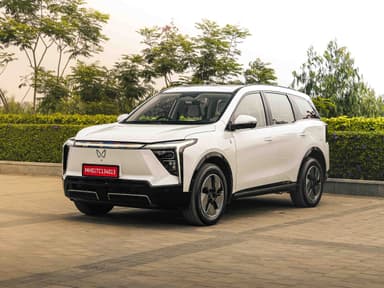
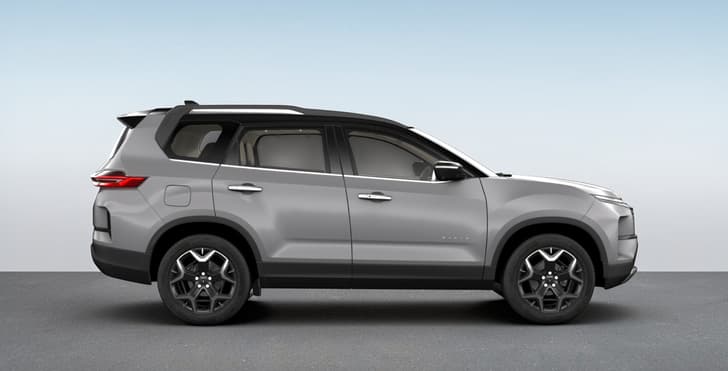
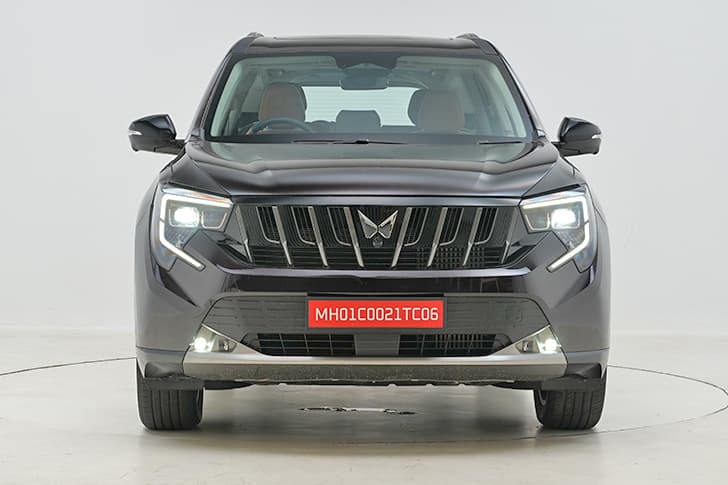
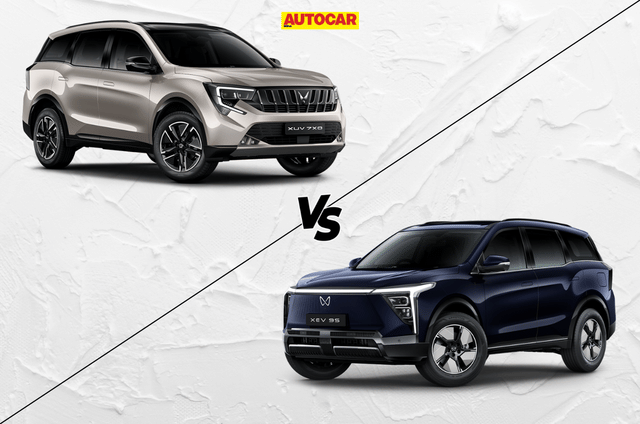
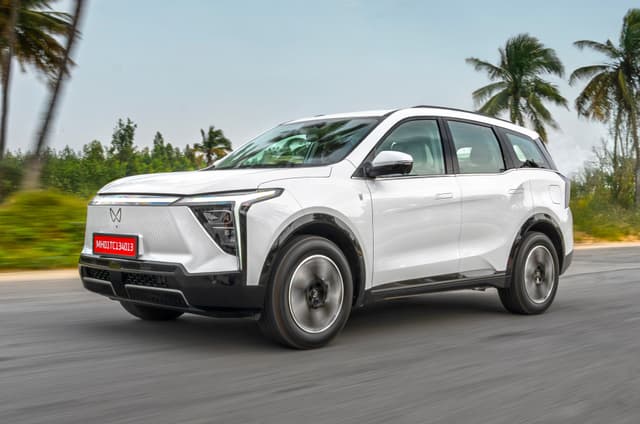
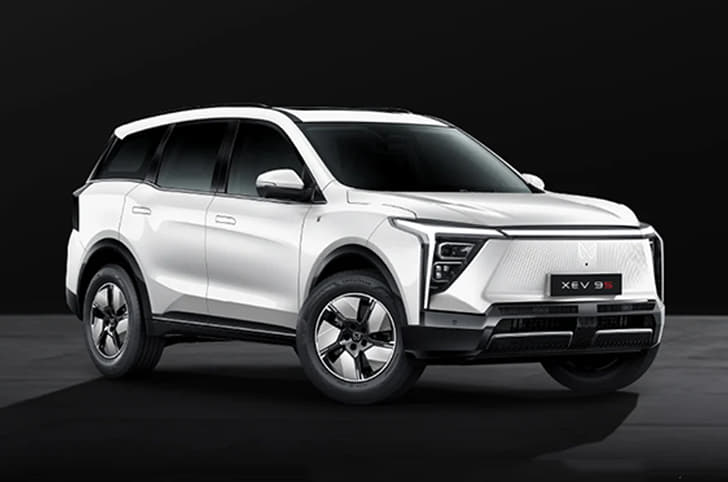
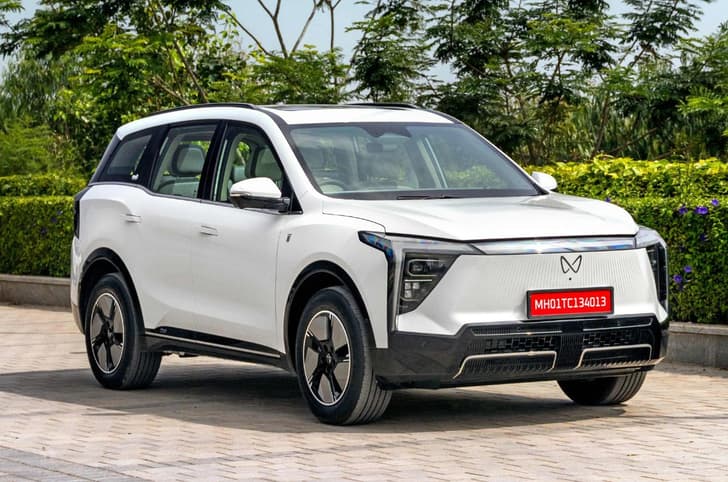
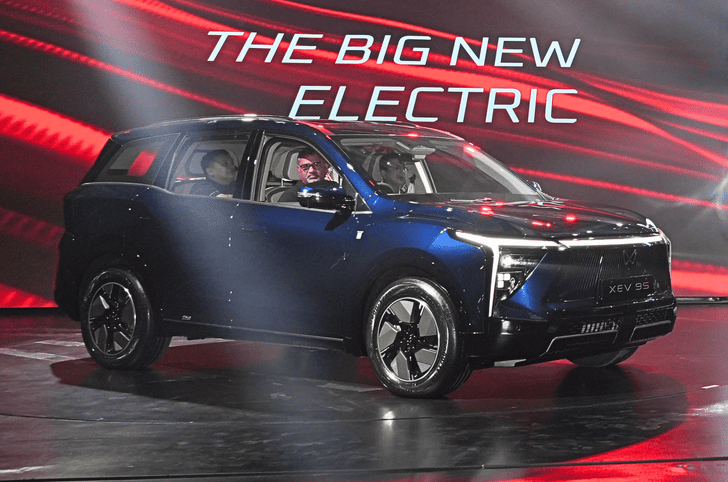
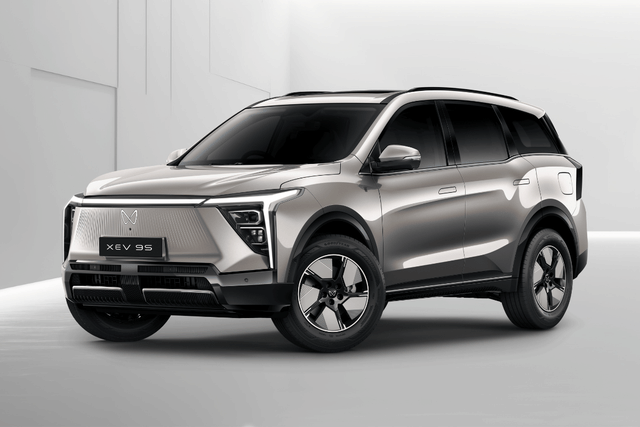
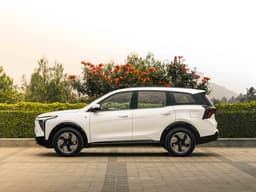
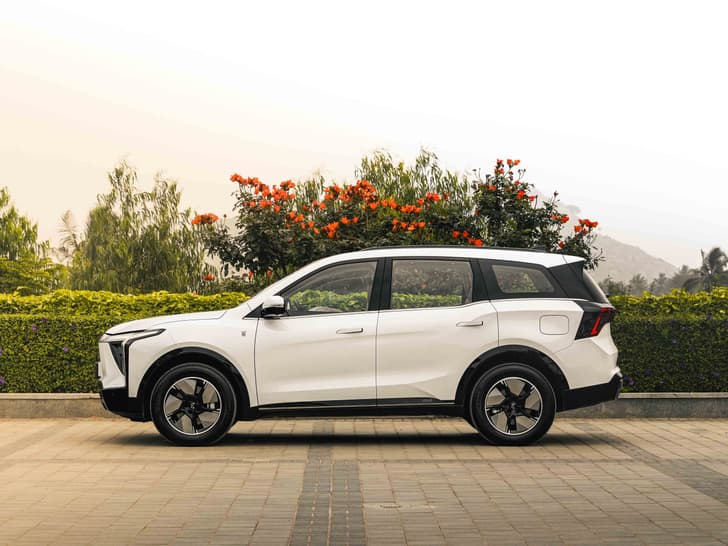
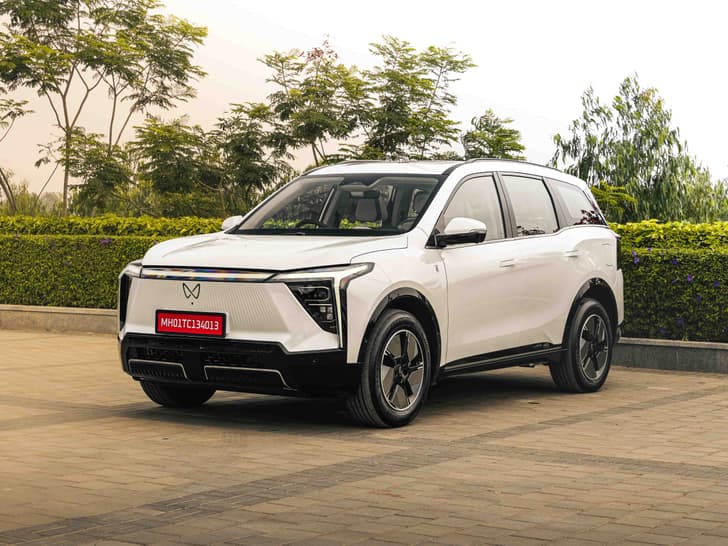
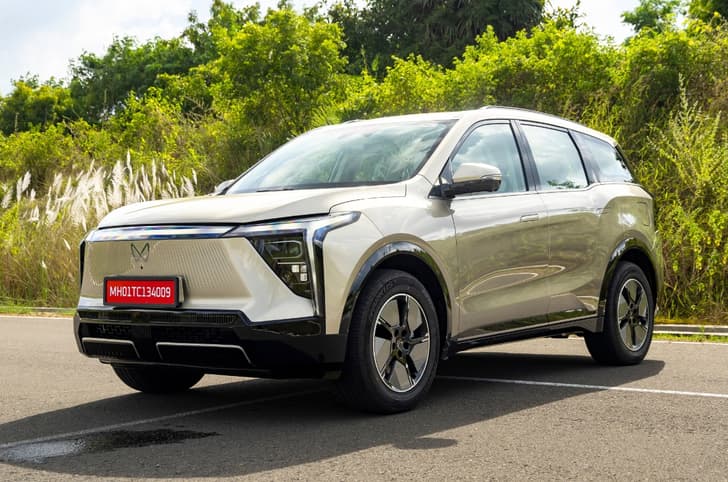
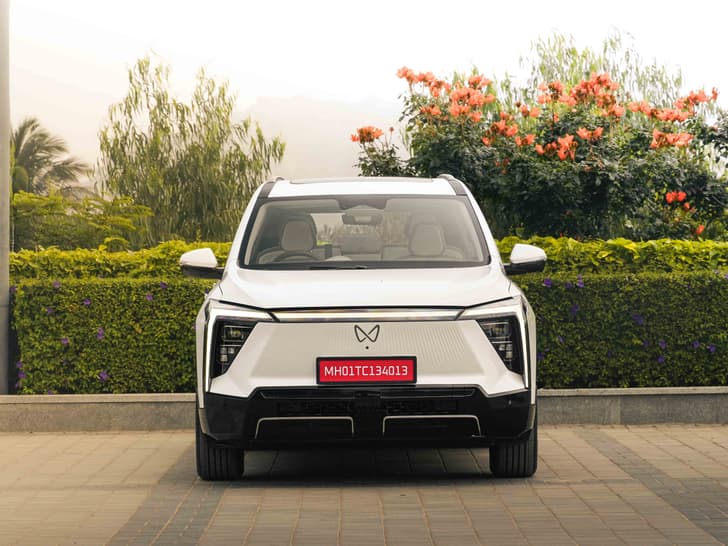
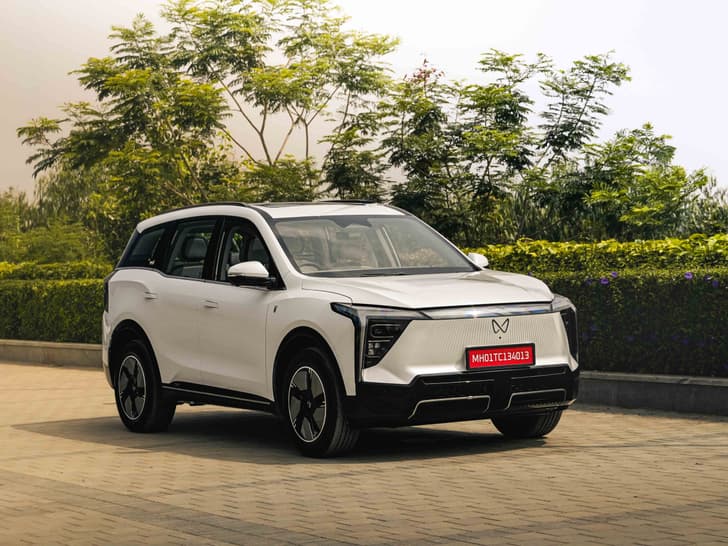
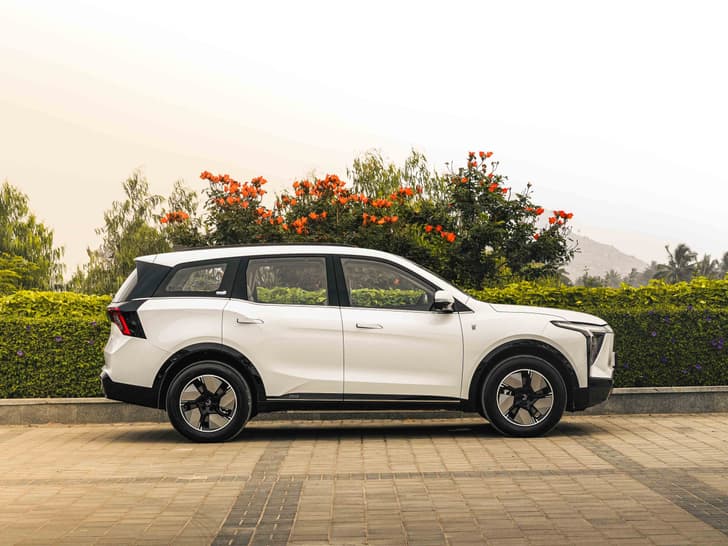
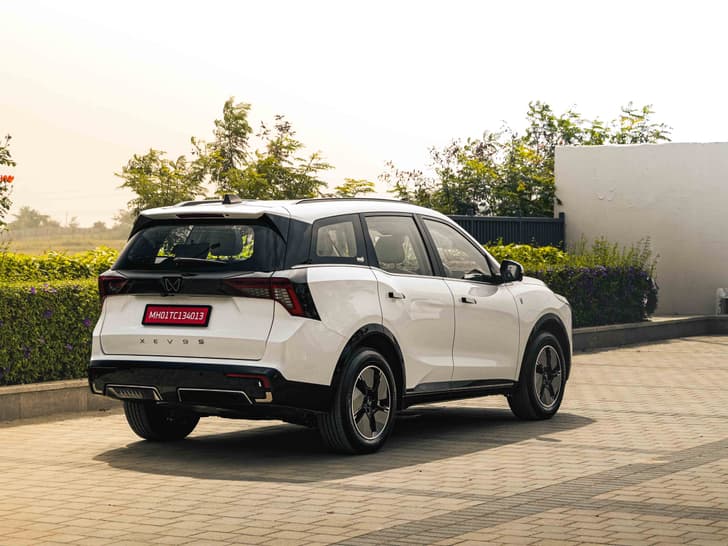
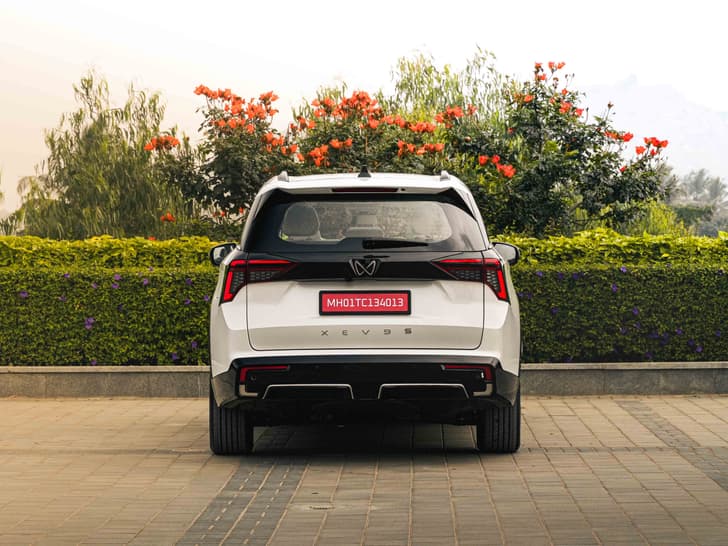
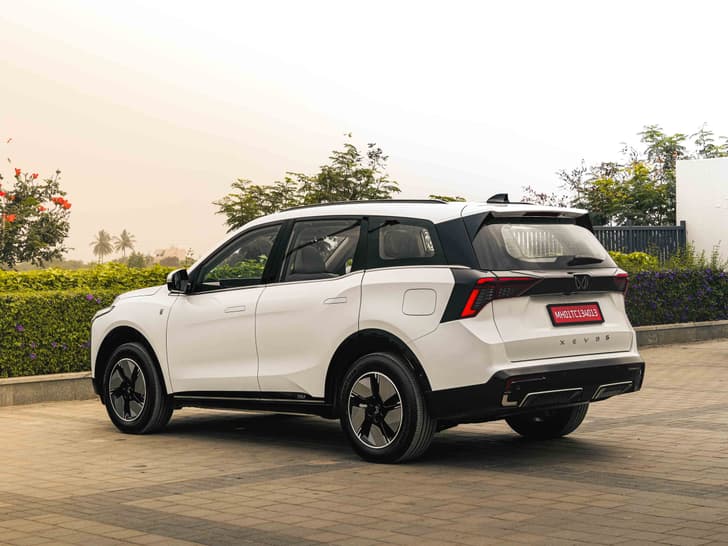
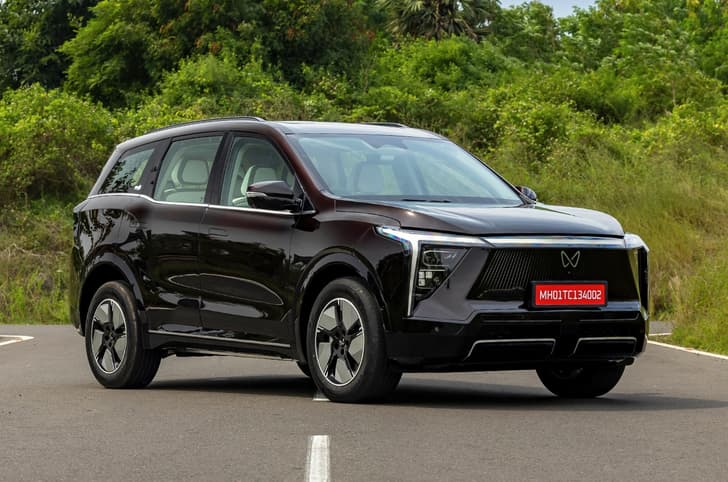
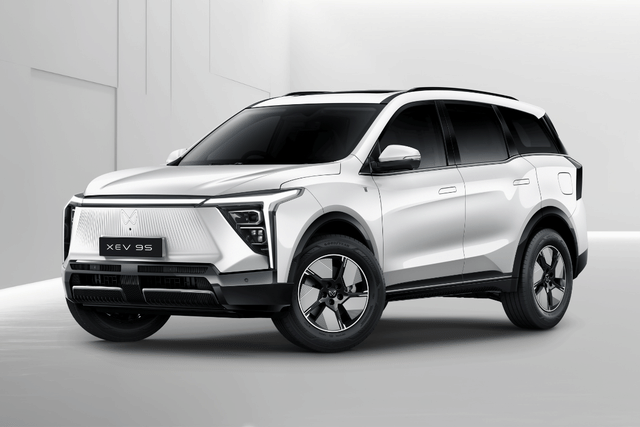
The XEV 9S is based on Mahindra’s INGLO platform using an LFP battery mounted in the floor, powering a motor on the rear axle. Fitting the XUV700’s bodywork onto this platform required some re-engineering, resulting in a slightly shorter wheelbase than the XEV 9e and BE 6 – 2762mm versus 2775mm. In terms of styling, the LED lighting signature is similar to the 9e, running along the width and then continuing downward, but the lighting element is thicker. LED headlamps flank a blanked-off grille while the lower half of the bumper is finished in gloss black. The glasshouse and shoulder line are identical to the XUV700, with a pronounced shoulder line and now-trademark kick-up at the C-pillar. It rides on 18-inch aero-optimised wheels. At the, a black trim panel connects new LED tail-lamps with neat hexagonal detailing. Mahindra has resisted the temptation to give it a connected light bar, choosing instead to place classy XEV 9S lettering below the number plate.
8.0
The dashboard of the XEV 9S is lifted straight from the 9e with the triple-screen panel. The surface immediately below is trimmed in olive green leatherette, but almost everything below this line is hard, scratchy plastic. The 9e’s ergonomic quirks also persist like haptic buttons that accidentally activate when you go to honk. Key functions like the HVAC controls are in the screen while the passenger’s screen lacks a privacy filter distracting the driver. Comfort, though, is very good. The front seats are wide and supportive, and it’s easy to find a comfy driving position. Similarly, the bench in the middle row is comfortable with good thigh support, with a sliding and recline function, a flat floor, centre armrest and sunblinds on the doors. Getting into the third row is fairly straightforward and comfort is better than in the XUV700, though headroom is still tight with a very knees-up seating position. With the rearmost seats folded flat, boot volume is 527 litres, supplemented by a generous 150-litre frunk.
9.0
The XEV 9S is packed to the gills with features – even bettering the 9e in some areas. The trio of 12.3-inch screens dominates the cabin, with a vibrant driver’s display offering layouts like a full map or side-camera feed, backed up by a head-up display with key info and AR navigation. Wireless Apple CarPlay and Android Auto are present, along with Amazon Alexa and ChatGPT. The 360-degree camera is sharp but not the most responsive. The passenger screen mirrors many of the centre screen’s apps and can stream on the move, though a privacy filter would’ve helped. The interface is the main bugbear, with several functions buried in menus despite shortcut buttons and a rotary controller. You still spend time diving into screens. Features include a 16-speaker Harman Kardon system, electric, memory and ventilated front seats, rear boss mode controls, BYOD mounts, two 65W Type-C ports and a wireless charger. Rear outer seats are ventilated, the panoramic sunroof opens, but there’s no powered tailgate. Safety kit includes six airbags (seven on Pack Three), TPMS, ISOFIX, ESP and ADAS.
9.0
Mahindra has also introduced a 70kWh variant on the XEV 9S, joining the 59kWh and 79kWh units. The torque rating on all versions is 380Nm; the 59kWh version produces 231hp, the 70kWh makes 245hp and the 79kWh puts out 286hp. We tested the 79kWh version, and even in the most docile drive mode, performance is more than adequate with a noticeable ramp up as you shift modes. Overtakes require very little planning and no more than a slight flex of the right foot. Mahindra claims a 0–100kph time of 7 seconds and a top speed of 202kph. The XEV 9S also gets five regenerative braking modes and a one-pedal driving mode. The four-wheel discs bring this heavy SUV to a confident halt, but pedal feel could be better. Refinement is also excellent, with almost no noticeable wind or tyre noise even at higher speeds.
8.0
Mahindra claims an MIDC range of 521km for the smallest 59kWh battery rising to 600km for the 70kWh unit and 679km for the 79kWh unit. There are two choices when it comes to AC wall chargers – 7.2kW and 11.2kW – although they aren’t included in the cost of the car, priced at Rs 50,000 and Rs 75,000 respectively. Topping up the biggest battery from 0 to 100 percent takes 11.7 hours using the former, while the latter does the same in 8 hours. The XEV 9S accepts up to 180kW of DC fast charging, which takes the 79kWh battery from 20 to 80 percent in 20 minutes. All versions of the XEV 9S use LFP cells, which aren’t as energy dense as some other chemistries but are more stable and durable – evidenced by Mahindra offering a 15-year or lifetime warranty to the first owner.
8.0
The XEV 9S rides on independent suspension at both ends. Pack One and Pack Two trims get passive frequency-dependent damping, while Pack Three upgrades to Intelligent Adaptive Suspension. This, combined with the 18-inch wheels and tall sidewalls, gives the XEV 9S excellent bump absorption. Mahindra has softened the suspension, in keeping with its intended role as a family car. It shrugs off sharp bumps and potholes, but on gently undulating tarmac a constant vertical movement becomes quite apparent and can get disconcerting as speeds rise. The firmer damping in Race mode reduces this. It feels quite stable around bends and body roll is well managed. Effort required to twirl the electric steering at parking speeds is very light, but crucially it weighs up noticeably at speed. At a fast clip, it helps place the car accurately through bends, aids stability and even delivers some feel and feedback. This is largely down to the RWD architecture, which allows the front axle to get on with the job of steering without being corrupted by also having to transmit power to the road.
10.0
By taking everything that’s great about the INGLO-based cars and giving it a familiar top hat, Mahindra has created an eSUV with much broader appeal. It has characteristics that both the self-driven and chauffeur-driven will appreciate, with the added benefit of a usable third row. If that wasn’t enough, Mahindra has absolutely nailed the pricing. At Rs 19.95 lakh (ex-showroom, introductory), the entry-level Pack One Above trim undercuts the base XEV 9e by almost Rs 2 lakh, while the top-spec Pack Three Above 79kWh, at Rs 29.45 lakh, is about a lakh cheaper than the equivalent XEV 9e. What’s more, the 9S’s entry-level trim sits in the same ballpark as the AX7 variant of the XUV700. Considering everything you get for the money, that’s exceptional value.
Reviewed by: Lenny D'sa
Mahindra XEV 9S reviews

Mahindra XEV 9S comparison


Mahindra XEV 9S mileage
As per ARAI, the Mahindra XEV 9S range with 59kWh, 70kWh and 79kWh battery packs is 521km, 600km and 679km, respectively. Real-world range may vary depending on driving style and other factors.
| PowertrainThe combination of engine type, fuel, and transmission that powers your vehicle and determines how it drives and what it runs on. | ARAI MileageMileage certified by the government, tested under controlled lab conditions. Real-world mileage will vary. |
|---|---|
Electric-Automatic (Auto) 59 kWh | 521 km |
Electric-Automatic (Auto) 79 kWh | 679 km |
Electric-Automatic (Auto) 70 kWh | 600 km |
Mahindra XEV 9S news
Mahindra XEV 9S Images
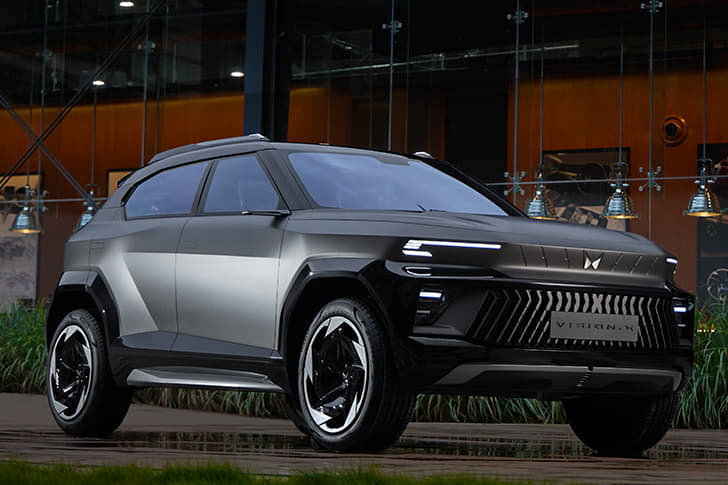
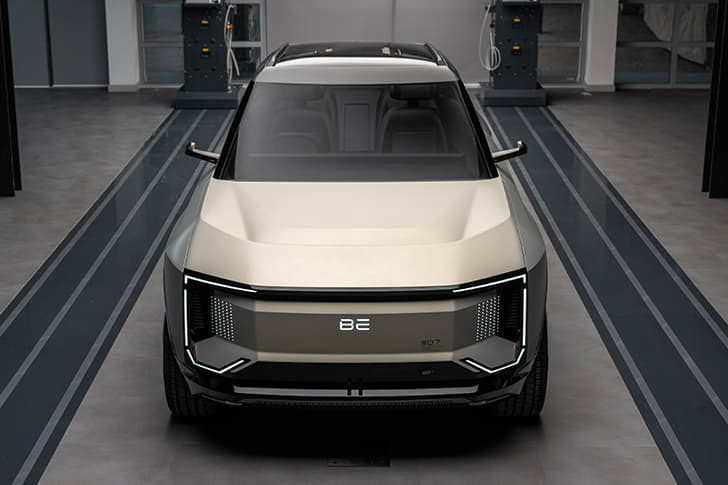
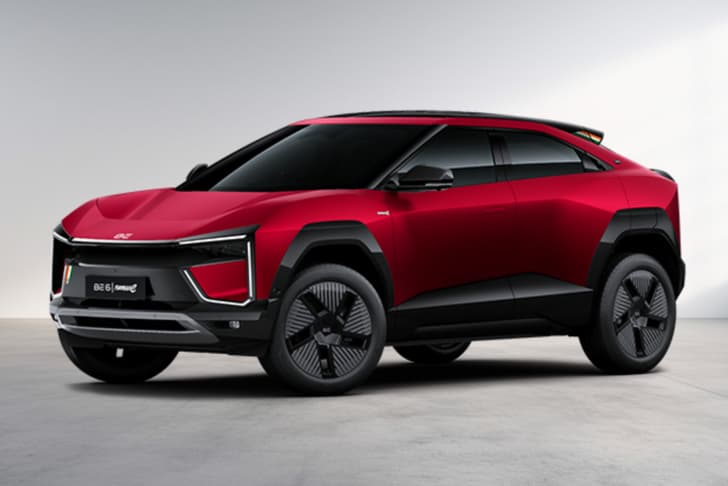
The Mahindra XEV 9S borrows many design cues from the XEV 9e and the 2022 XUV.e8 concept. To look at the electric SUV from different angles, check out our Mahindra XEV 9S image gallery below.
Mahindra XEV 9S videos


Mahindra XEV 9S Colours
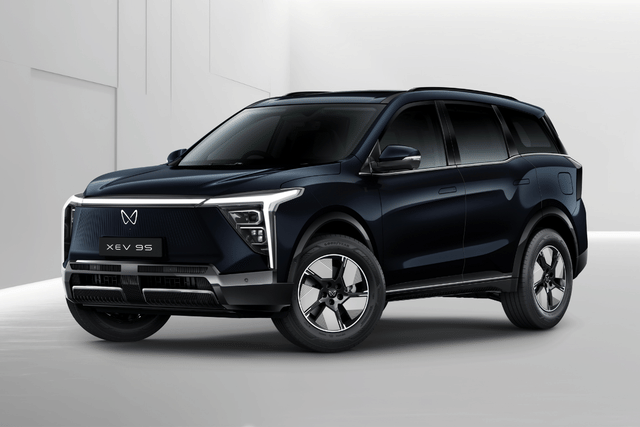
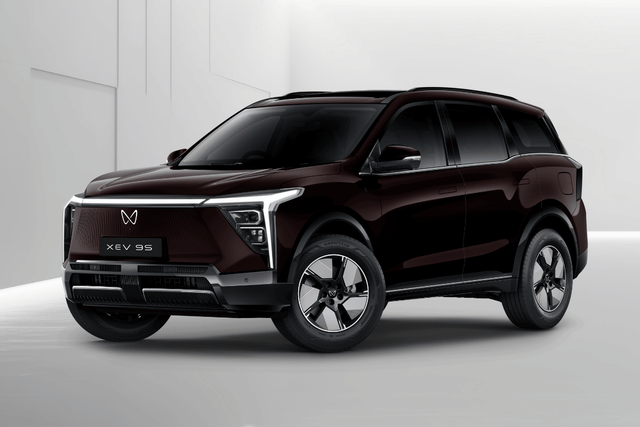
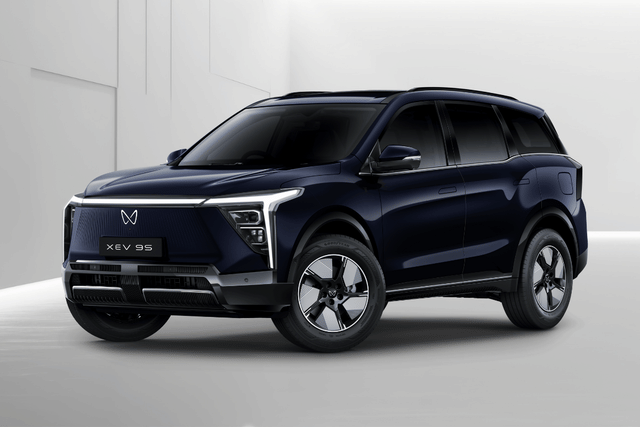
The Mahindra XEV 9S electric SUV is offered in 6 colour options: Stealth Black, Ruby Velvet, Everest White, Desert Myst, Midnight Black and Nebula Blue.
Mahindra XEV 9S FAQs
The Mahindra XEV 9S price in India starts from Rs 19.95 lakh and goes up to Rs 29.45 lakh (ex-showroom).
The Pack Two Above 79kWh Mahindra XEV 9S price is from Rs 25.45 lakh, ex-showroom.
Connected daytime running lamps (DRLs), LED headlights, 16-speaker Harman Kardon sound system, a wide triple-screen setup, dual-zone AC, multi-colour ambient lighting, leatherette seat upholstery and an ADAS suite are on offer.
The Mahindra XEV 9S colour options are: Stealth Black, Ruby Velvet, Everest White, Desert Myst, Midnight Black and Nebula Blue.
59kWh, 70kWh and 79kWh battery options are offered with the Mahindra XEV 9S.
The Mahindra XEV 9S with the 59kWh battery pack has an ARAI-rated range of 521km, while the larger 70kWh and 79kWh batteries have respective single-charge ranges of 600km and 679km.
Mahindra has launched the XEV 9S with a RWD setup only.
Mahindra XEV 9S is offered with battery pack options of 59kWh, 70kWh and 79kWh, which are paired with 231hp, 245hp and 286hp motors, respectively. Torque output is 380Nm for all the motors.
The Mahindra XEV 9S can seat up to 7 passengers.
The ADAS suite of the Mahindra XEV 9S offers features like forward collision warning, lane keep assist, rear cross traffic alert and more.
The base-spec Pack One Above 59kWh Mahindra XEV 9S price starts at Rs 19.95 lakh, ex-showroom.
The base-spec Pack One Above 59kWh Mahindra XEV 9S on road price starts at Rs 21.10 lakh (Delhi) based on city to city.
Questions you may find useful
Yash Bhandari
•21hHi Team, hope you are doing well. I need your honest opinion. I am planning to buy either the XEV 9e or the XEV 9S. I have watched many videos online, but I am getting mixed reviews. I know you provide unbiased opinions, so I am reaching out to you. Could you please help me decide if I am making the right choice? If I am making a mistake, please tell me why. Also, what would be the best EV choice in this price segment? PS: I stay in Mumbai, so please suggest alternatives based on their on-road price in Mumbai.

Autocar India
Pick the Mahindra XEV 9e unless you truly need the extra size of the 9S. It's slightly easier to drive day to day and should deliver slightly better range on a full charge. The 9S makes sense only if you carry family and luggage often and need the third row. One thing to keep in mind, early Mahindra electric cars have been reported to have software niggles, though these should have been ironed out by now, and make sure your home charging setup is sorted and check local fast-charger reliability before you commit.If you want the best all-rounder at an even more affordable price, the Hyundai Creta Electric is an easy pick. It may not look or feel particularly special, but for the job of being an EV, it is hard to fault at this price. Though it has a smaller battery than the Mahindra's, it is more efficient, and therefore its real-world range is actually higher. Its powertrain is smooth and refined, it's loaded with features, the controls and ergonomics are incredibly friendly, and its smaller size offers a great mix of space and driving convenience.
Mihir Vora
•1wI am looking to replace my Toyota Innova Crysta GX and am considering either the Toyota Innova HyCross ZX Hybrid or the Mahindra XEV 9S or 9e, but I am unsure which would be the better choice. My usage includes a daily city commute of around 60 km and a highway trip of approximately 500 km once every month. I need a 5-seater car. Based on these requirements, which option would you recommend?

Autocar India
For your usage, we would suggest the Innova HyCross Hybrid rather than the XEV 9e or XEV 9s. The reason is that you are replacing a Crysta, and once you have lived with an Innova, you tend to appreciate things like space, practicality and long distance comfort more than headline technology. The HyCross feels like a natural evolution of what you already have. It is significantly more fuel efficient than the Crysta, the hybrid system is exceptionally well suited to a 60 km daily city commute, and for your monthly 500 km highway trips, it remains one of the most effortless cars you can buy.The XEV 9e and 9s are impressive EVs with strong performance, big batteries and low running costs. If your driving was almost entirely city based, they would be easier to recommend. However, for a family that regularly does longer highway trips, the HyCross still offers a level of convenience that is hard to beat.Between the two Mahindra cars, the 9e is the better choice. It has a more balanced ride and handling setup, feels more premium inside and out, and is the more complete product overall. The 9s feels noticeably softer, which can make it feel slightly bouncy over undulating roads.
Balaji
•1wI am looking to buy a 6/7-seater EV. My primary usage will be as a 4-seater, with occasional 6-seater use. I will mainly drive it in the city for my daily office commute and undertake long-distance trips of around 500 km once every two months. I have a solar setup at home and can charge the vehicle comfortably. My budget is Rs 30-40 lakh, although I can stretch it slightly if required.

Autocar India
You should go for the Mahindra XEV 9S. It's a proper three-row EV, and it fits your use case perfectly. With home solar charging, your running costs are very low, and the smooth, quiet drive is just right for city runs as a 4-seater. When you do need six or seven seats, the third row is reasonably spacious, and for your 500 km trip every couple of months, you’ll need just one quick top-up at a highway charger.Do note that with all three rows up, boot space is tight, so your highway trips will require some planning.Alternatively, consider the Kia Carens Clavis EV. It isn't as feature-rich and doesn't have as much range as the XEV 9S, but its third row is more comfortable for adults.
abhishek sharma
•1wI bought a Honda City V MT about two years ago and absolutely love the car. At the time, it was the perfect choice for my usage. However, my circumstances have changed significantly since then-I now have two large dogs (a Labrador and a German Shepherd), and the City is no longer practical for transporting both dogs comfortably, especially on longer highway trips. I am trying to decide between keeping the City and buying a second EV primarily for dog transport and city use, or replacing the City altogether with a single-car solution. The vehicles I am considering include the Kia Carens Clavis EV, Mahindra XEV 9S, Mahindra XEV 9e, BYD eMAX 7, and Toyota Innova Hycross Hybrid. My priorities are: Comfortable transport for two large dogs Highway touring ability Ease of parking and city usability Long-term ownership (8–10 years) Good ride comfort Reasonable running costs Would you recommend: 1. Keeping the Honda City and adding a practical EV (such as the Clavis EV), or 2. Moving to a single-car garage and choosing something like the XEV 9S, eMAX 7, or Hycross? Also, is there a midsize SUV (EV, hybrid, petrol or diesel) that offers: A low boot loading lip, Rear seats that fold nearly flat, Enough cargo length and width for two large dogs to comfortably lie down on highway trips, While still being manageable in city traffic and parking? Which vehicle would you choose for this specific use case and why?

Autocar India
Pick a single-car solution and buy the Toyota Innova Hycross Hybrid. Your dogs get a low loading lip and a long, near-flat space with the third row folded, so they can actually lie side by side on highway runs. The hybrid makes touring simple with no charging hassles, calm cruising and a comfy ride, and Toyota’s durability fits an 8-10 year plan with sensible running costs.EV MPVs like the Kia Carens Clavis EV and BYD eMax 7 are great for city runs and dog space, but long trips with two dogs mean 30-40 minute fast-charge halts and patchy chargers once you leave big corridors. That’s a hassle you do not need. Mahindra XEV 9S and 9e are good choices, but their higher boot floors make them poorer dog haulers.You will wrestle with the Innova's size in tight parking, and it costs more upfront than adding a small EV, but day to day, it is still easy enough with light steering and cameras.If you must go smaller, the Kia Carens Clavis turbo petrol DCT is a solid choice, but fuel efficiency in the city won't be as good as the Hycross hybrid.
Mohammed
•1wMy daily travel is around 300 km, mostly on highways. Which 7-seater EV would be the better choice for my usage?

Autocar India
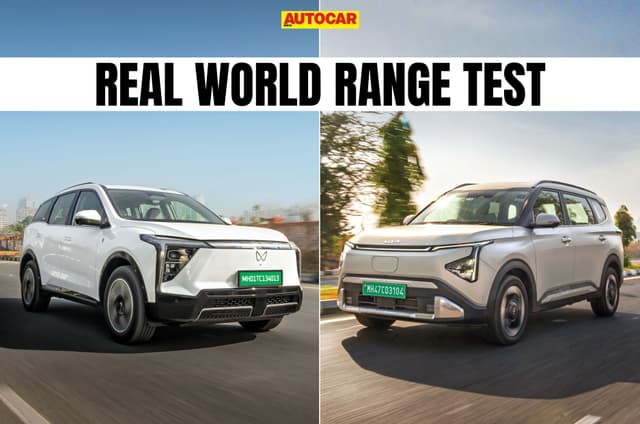
Go for the Mahindra XEV 9S 79kWh. It comfortably clears a 300km highway run on a single charge in real-world use and, when you do need a top-up, the fast charging is quick enough to add sufficient range during a coffee stop. In our real-world testing, we recorded a highway range of 477km on a single charge, though this will drop noticeably with a full load.Also note that while it seats seven, the third row is tight for adults, and boot space is very limited with all rows up. Alternatively, you can consider the Kia Carens Clavis EV, which has a better third row, but its 51.4kWh battery will only deliver about 345km of highway range as per our real-world tests.Whichever you choose, map out the public fast chargers on your route at least once so you are not hunting for a plug at the wrong time.
Nick
•2wHi, I have booked the Mahindra XUV 7XO AX7L diesel variant, which is expected to be delivered either at the end of July or early August. Looking at the current fuel situation, 10 years clause and growing EV, should I reconsider my decision and look for XEV 9S or any other option? I am currently owning a Hyundai Elite i20 diesel, and I love the power and handling. My run is 10000 kms yearly and limited hill trips. While on a regular trip to the hometown, around 500 km every 2 months. Please suggest if I should consider any EV option.
Autocar India
Given your limited use of 10,000 km a year and a 500 km highway run every two months, the Mahindra XUV 7XO AX7L diesel is still a solid choice. However, since you live in NCR, the 10-year diesel ban will affect resale value in the long term.If you have dedicated parking at home where you can install a charger, and do not mind the additional planning required with an EV on road trips, then the Mahindra XEV 9S is a good alternative. In our testing, we recorded 477 km on a single charge, but with a full load and in the hills, this will drop sharply. If your highway route has enough chargers, then your 500 km hometown trips should not be an issue, with just one or two stops to top up along the way.However, if you cannot install a home charger and the planning required around EV road trips seems like too much work, you are better off sticking with the XUV 7XO you have booked.
Siddarth Ravindra
•2wHi, I recently moved back to India and am planning to buy an EV as my primary and only car. My budget is around ₹25 lakh, and I am looking for a proper 5-seater that will mainly be used for city driving of around 15-20 km daily, along with occasional road trips. For the past six years, I have been driving Tesla models - first the Model 3 and later the Model Y - so I would ideally like to continue using an EV in India as well. However, I am still unsure about the practicality of the charging infrastructure here. I will be staying in a rented apartment near Outer Ring Road, Bellandur, Bengaluru. I have been informed that the residential community, which has around 2,000 apartments, currently has about 6-8 charging points, and the connected mall also has a few additional chargers. Could you please advise: Whether owning an EV as the only car in Bengaluru currently makes practical sense How reliable is the charging infrastructure in Bengaluru and across India for road trips Which EVs around ₹25 lakh would best suit my requirements in terms of comfort, technology, driving experience, reliability, range, and overall ownership experience Any guidance would be greatly appreciated.

Autocar India
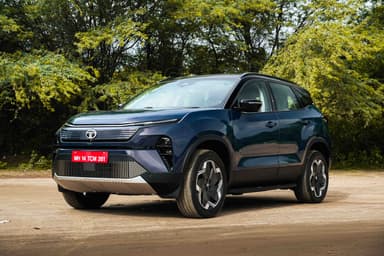
Before committing to an EV, it is advisable to speak to electric car owners in the complex to know about the ease of charging. Public chargers in easy access are a plus, but the ideal and often most reliable solution is a charger in your own parking. Many housing complexes do not allow this, making it all the more important to research public charging options in the vicinity. In general, Bengaluru does have a wide network of chargers, so a weekly plug-in shouldn't be a hassle. Further, major highways south and west of the city have regular fast chargers, so planned roadtrips are very workable.Of the cars, the Hyundai Creta Electric is a sensible buy for your usage. It's a good size for Bangalore's traffic yet offers comfortable seating for five passengers. It won't match your Tesla's wow factor, but the Creta does pack in all the features that you would need and use over your short commutes. You can buy the 51.4kWh battery pack version, which offers ample range for your city drives. If you'd prefer a larger vehicle with more interior space, options include the Mahindra XEV 9S (the 70kWh battery pack is a good pick but just out of your budget) and the Tata Harrier EV with the 65kWh battery pack.
Basaveshwar Talur
•2wPlease suggest a good value-for-money car under Rs. 20-25 lakh that is suitable for a family of 7 with good reliability and service. I am looking for a family-oriented car, 80% for city and 20% for highway. I am confused between EV and diesel. Should I consider the Mahindra Scorpio N or the XUV 7XO?

Autocar India
With 80% city use, a family of seven and a Rs 20-25 lakh budget, the Mahindra XUV 7XO is a good choice. If you can install a charger at home, though, the Mahindra XEV 9S could be a great alternative since your usage is primarily in the city. The base Pack One Above with the larger 79kWh battery pack fits within your budget and comes with all the essential comfort and tech features. In our real-world tests, we managed a combined 477.5km on a single charge, though that figure will drop sharply on the highway with a full load of passengers and luggage. Your highway trips will therefore need some planning around charging stops.If that seems like too much effort, then the XUV 7XO diesel automatic makes the most sense. It feels easier to drive in town than the Mahindra Scorpio N, with lighter controls and a smoother driving experience. Ride comfort and cabin noise levels are better, too, which your family will appreciate.A couple of things to note: with all three rows up, boot space is limited. The third row is also a bit tight for taller passengers, so check if it works for your family.Alternatively, consider the Kia Carens Clavis/Carens Clavis EV. Their smaller footprint makes them easier to drive and park in the city, and the third row is more spacious than in the XUV 7XO/XEV 9S.
Suhail Basheer
•2wPlanning to buy XEV 9s pack two 79kwh. Kindly guide me to properly choose the insurance, and the must add ons. The dealer quoted me 106000 for the insurance. Also, how much would the insurance cost with the essential add-ons

Autocar India
Insurance and finance are where dealers make a healthy margin, so taking an outside quote can often lead to meaningful savings. Just keep in mind that some dealers may pull back part of the car discount once they know you plan to source insurance externally, so compare the overall deal, not just the insurance line item in isolation. If there is no meaningful dealer discount on the Mahindra XEV 9s, getting insurance from outside usually makes more sense.For an EV like this, the must-have add-ons are zero depreciation, return to invoice, battery and EV component cover (if not already included), consumables cover, and roadside assistance. Also, an engine protector is equivalent only if the insurer explicitly covers EV electrical systems or water ingress-related risks. Tyre cover is optional, but worth considering given the replacement cost of larger wheels and tyres on a car like this.A realistic saving with an outside policy, even with all the essential add-ons, could be in the 20 to 25 percent range, depending on the insurer, city and IDV structure. The key is to make sure you are not compromising on EV-specific battery and electronics coverage purely to save money.
Akshay
•3wAsking on behalf of a colleague. He plans to buy an EV for regular use, which includes weekly office work (3-4 days), weekend trips with his small family, all within the Bangalore city area. He has booked the Mahindra XEV 9S. Should we wait for the launch of Sierra EV, as it is a bit smaller in size, which may be useful for his city usage? Also, since the Sierra petrol and diesel are still not visible on Bangalore roads as of mid-May 2026, despite having a huge hype during launch, would waiting for the Sierra EV be a wise decision or just a waste of time? Can the increasing petrol price lead to an increase in the cost of EVs? The Bangalore government has already removed the road tax discount on EVs.

Autocar India
The Mahindra XEV 9S is the more sensible choice rather than waiting for the Tata Sierra EV. With no firm launch date for the Sierra EV and uncertain delivery timelines, it makes more sense to opt for the XEV 9S, which is already on sale.Yes, the XEV 9S is a bit larger than the Tata; however, its light steering, tight turning radius, good visibility and driving aids make it surprisingly easy to drive and live with.Coming to the second part of your question, Karnataka has introduced new slabs for EV road tax from May 1, 2026, so on-road prices are higher than before, but still running costs remain much lower than petrol. Since your colleague is buying the car now, it will save him from any potential price hikes due to the higher battery import cost or any new taxes.
Mahindra XEV 9S price in India
Mahindra Cars