Mahindra cars in India (18)
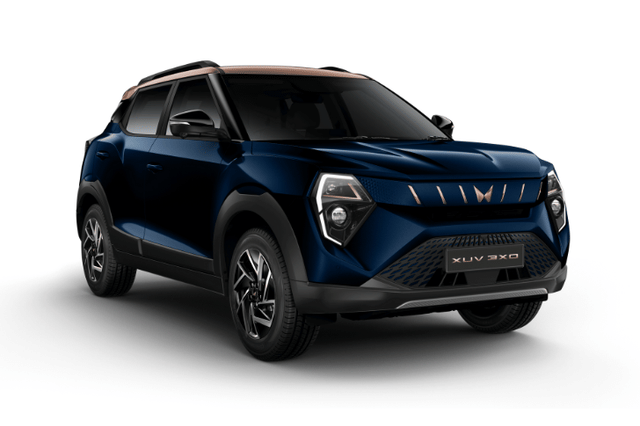
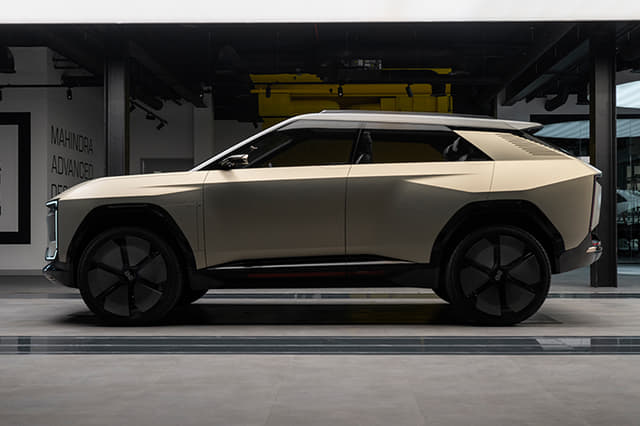
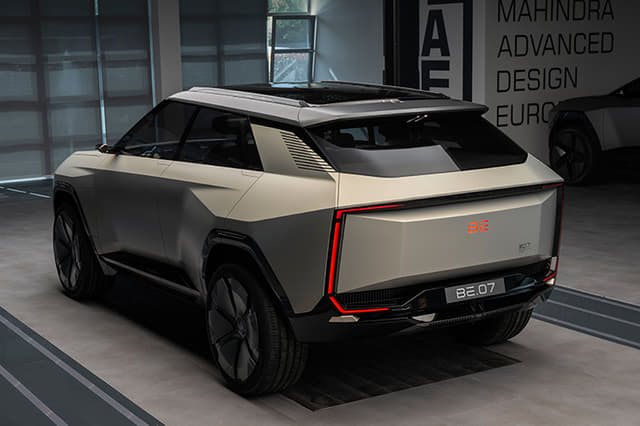
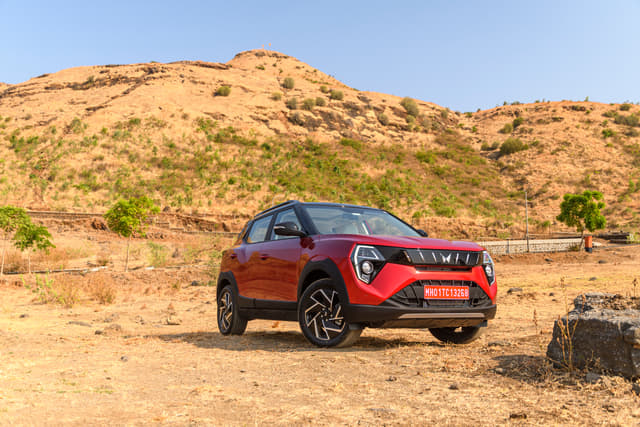
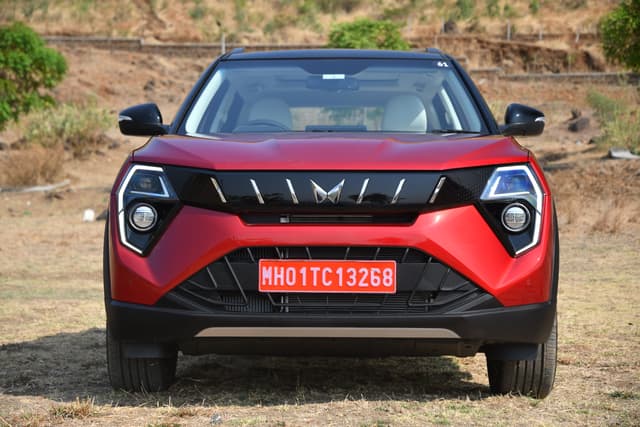
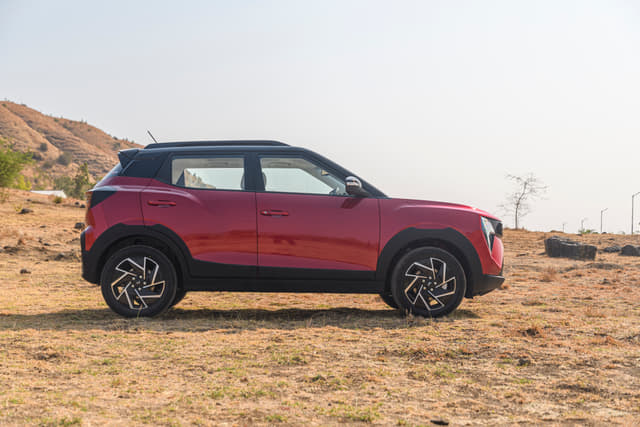
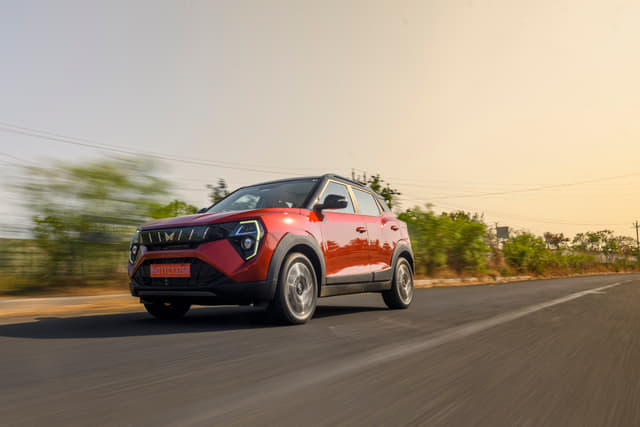
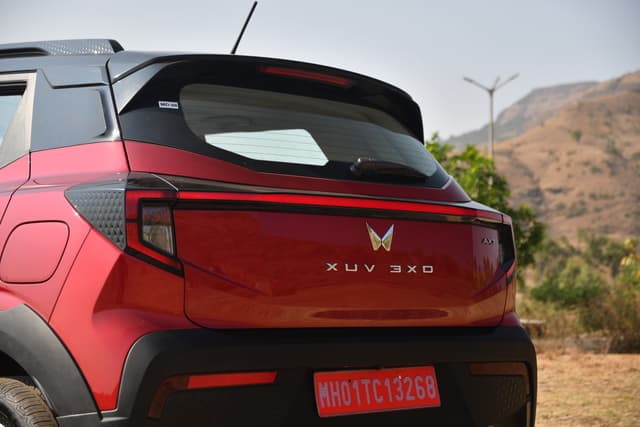
Currently, there are 17 Mahindra cars in India, with 14 on sale and 3 upcoming models. The Mahindra lineup includes 17 SUVs, with no sedans, hatchbacks, MPVs, or convertibles. The Mahindra car price starts at ₹7.37 lakh and goes up to ₹30.50 lakh (ex-showroom). The Mahindra cheapest car is the XUV 3XO, while the most expensive is the XEV 9e.
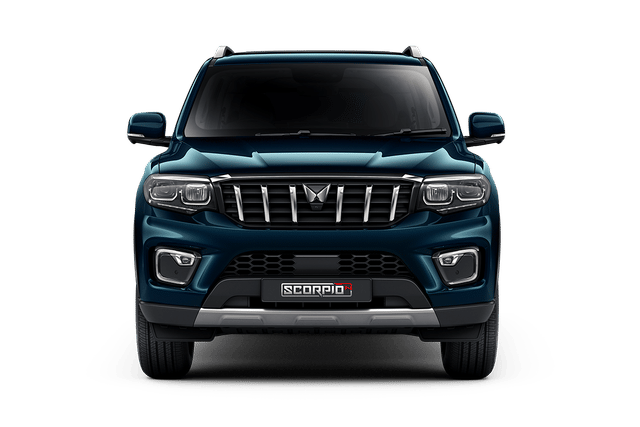
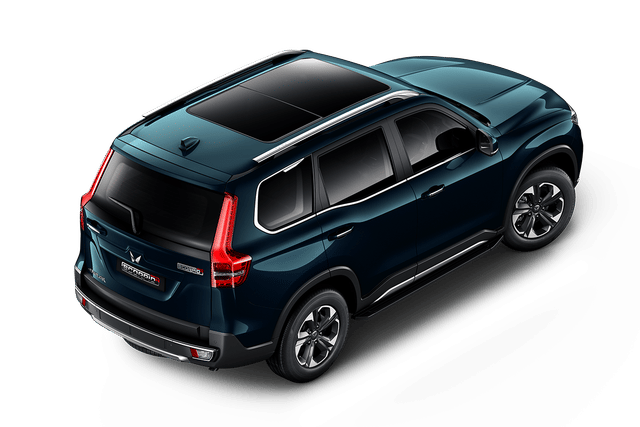
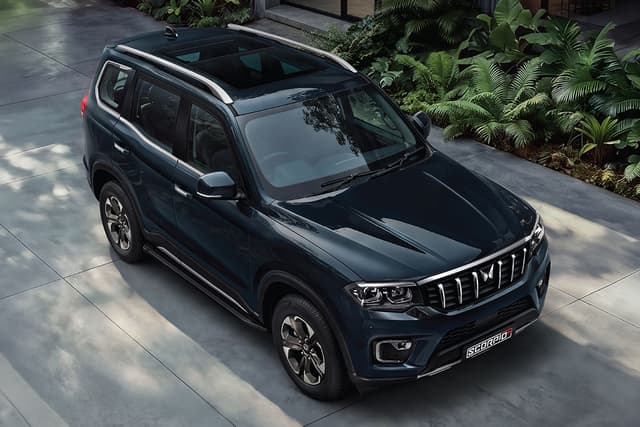
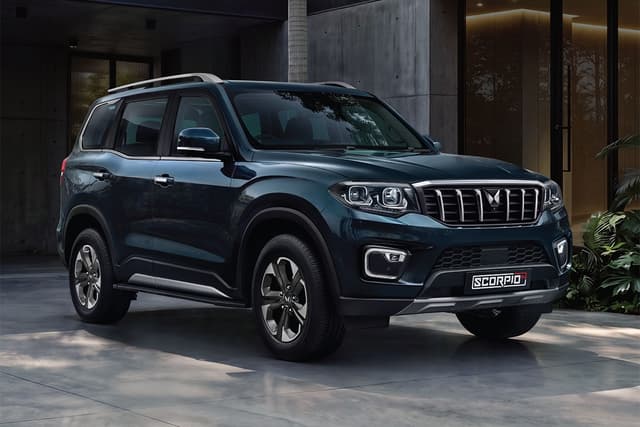
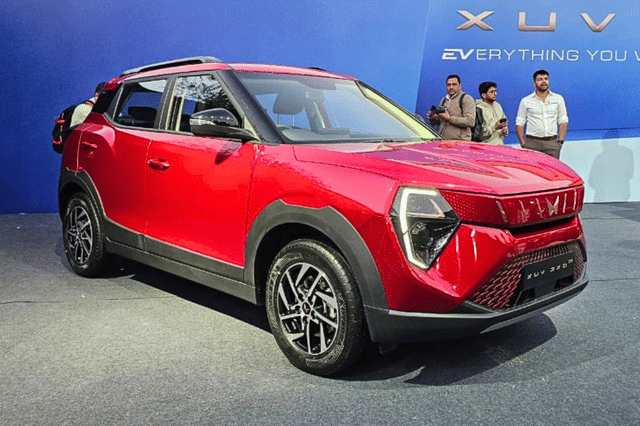
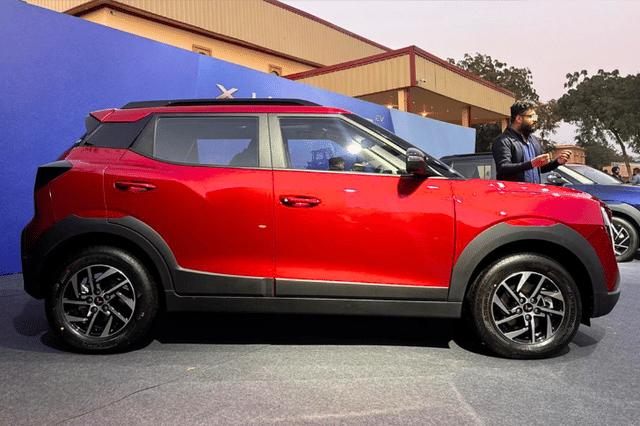
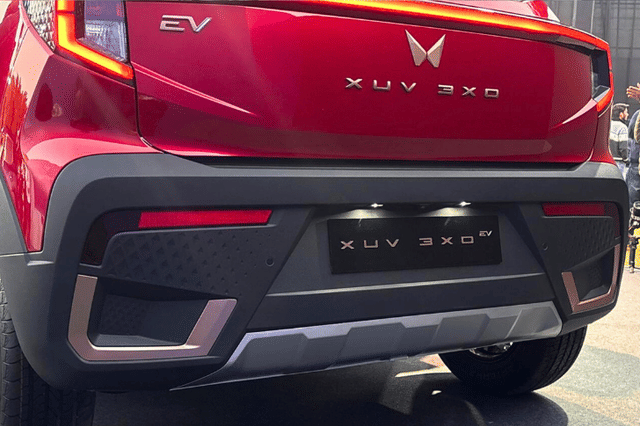
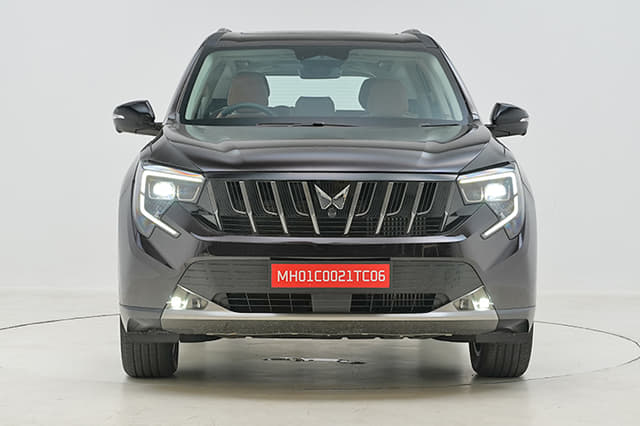
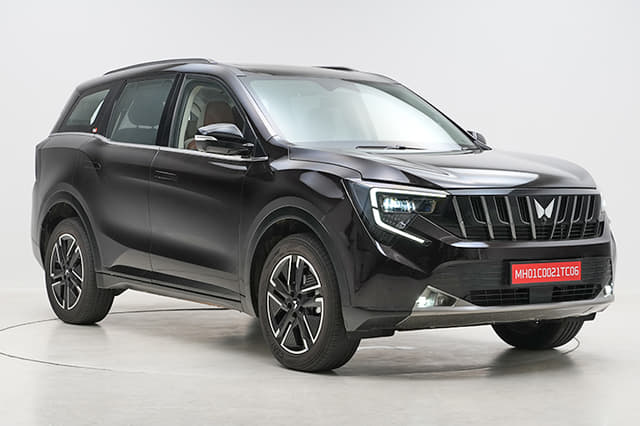
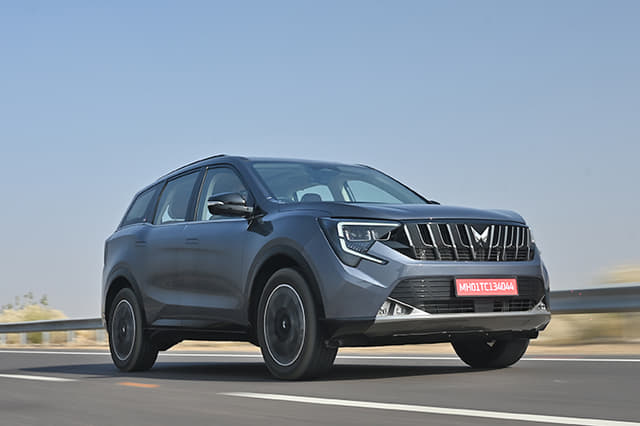
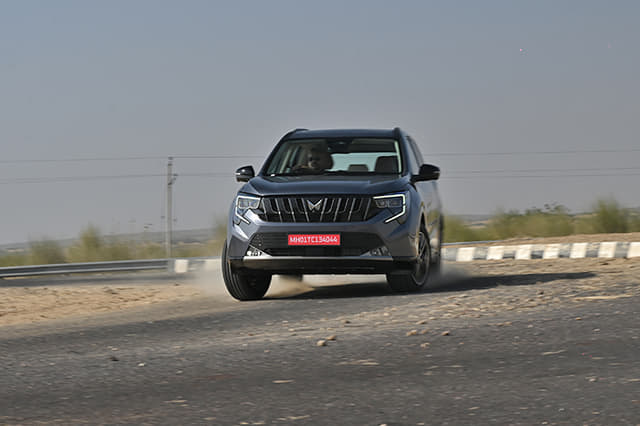
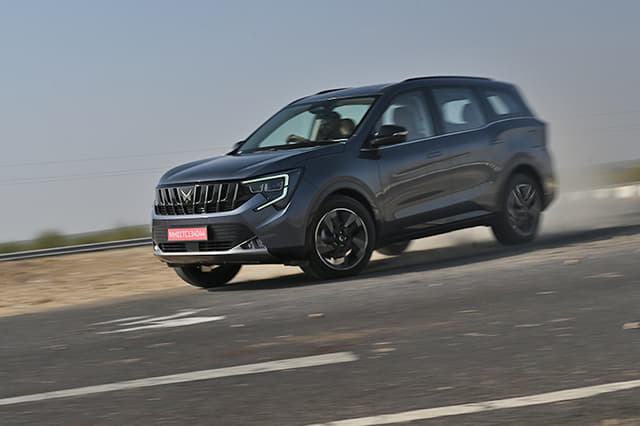
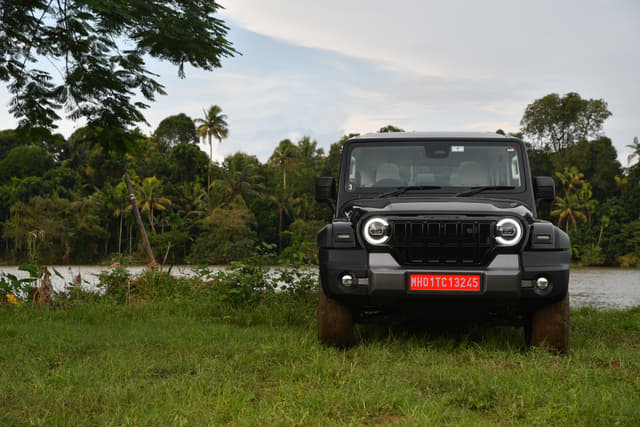
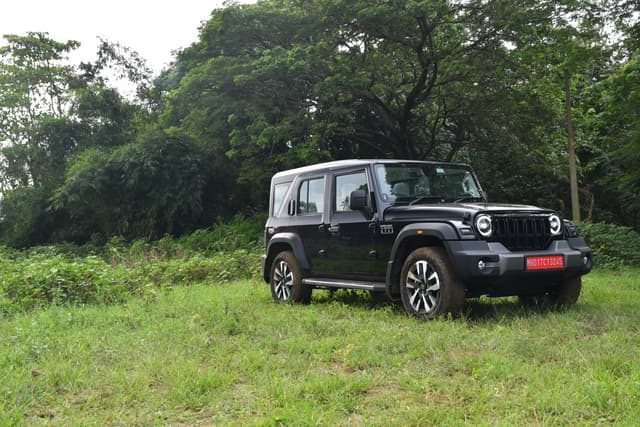
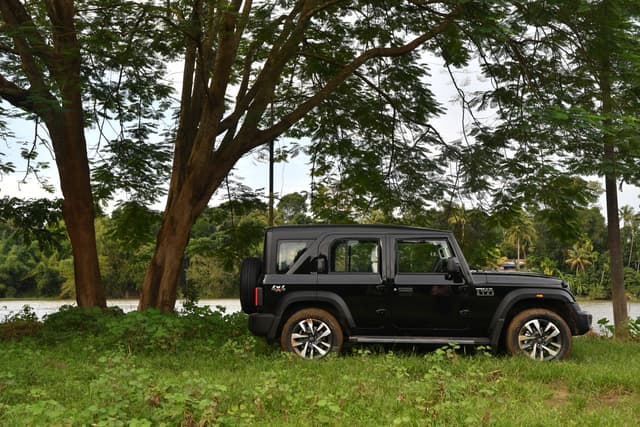
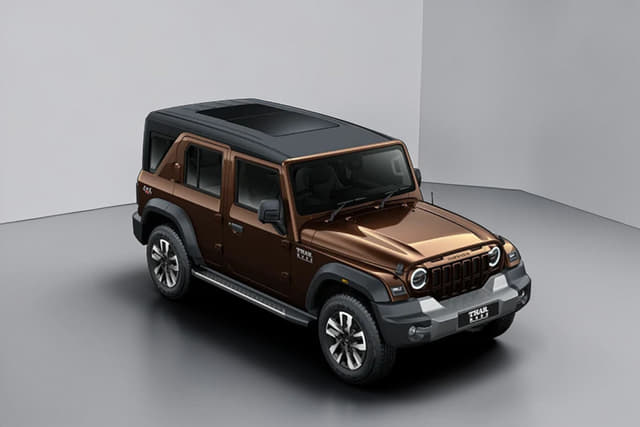
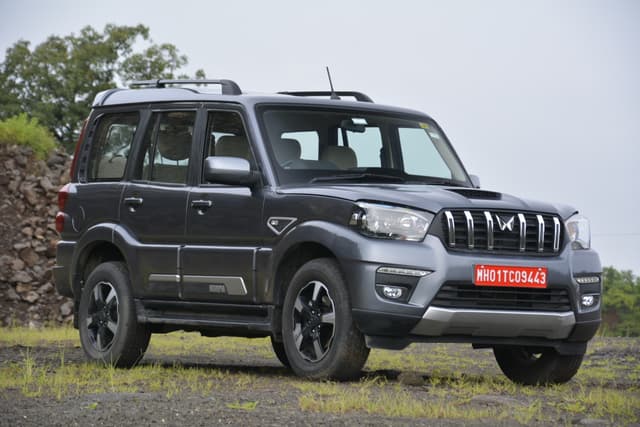
The most popular Mahindra car models in India are the Thar, Thar Roxx, Scorpio Classic, Scorpio N (the highest-selling Mahindra car), XUV 7XO (recently updated from XUV700), and XUV 3XO. Mahindra cars are available with petrol, diesel, and electric options. The newest Mahindra car is the XUV 3XO EV. It was launched on 6 January 2026 and is priced between ₹13.89 lakh and ₹14.96 lakh (ex-showroom).
Mahindra Cars Price List (April 2026)
The Mahindra car price in India ranges from ₹7.37 lakh for the XUV 3XO to ₹30.50 lakh for the XEV 9e. The top 5 popular Mahindra cars and their prices are: Thar Roxx (₹12.39 - ₹22.25 lakh), Scorpio Classic (₹12.98 - ₹16.70 lakh), Scorpio N (₹13.49 - ₹24.34 lakh), XUV 7XO (₹13.66 - ₹24.92 lakh), and XUV 3XO (₹7.37 - ₹14.55 lakh). View the latest Mahindra car prices of all models in the table below:
Mahindra Car | Price (Ex-showroom) |
Mahindra XUV 3XO | ₹7.37 lakh - ₹14.55 lakh |
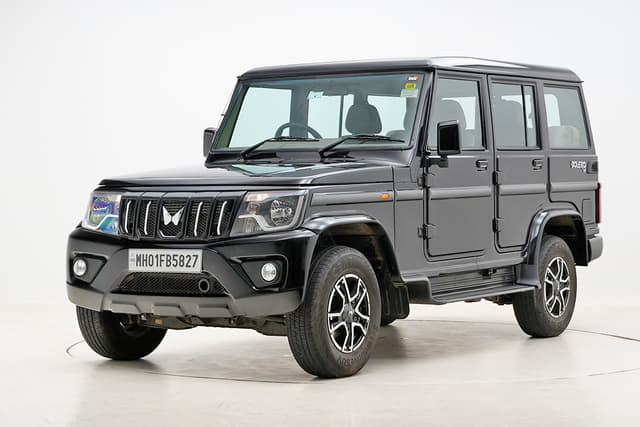
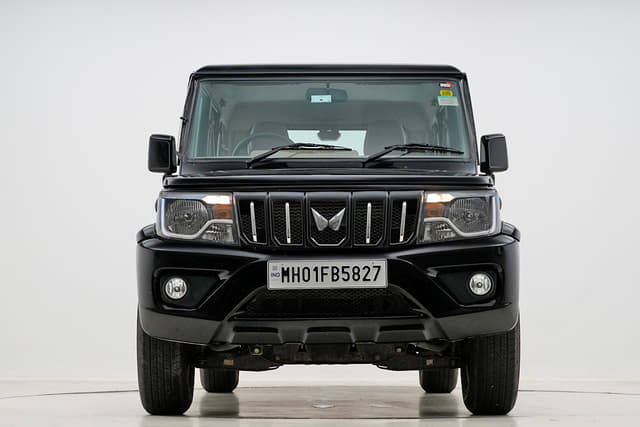
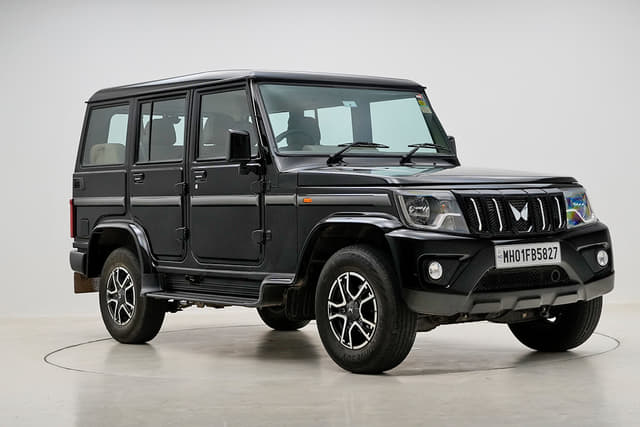
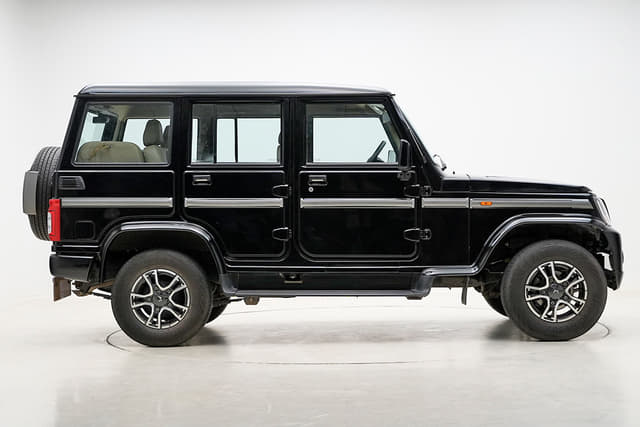
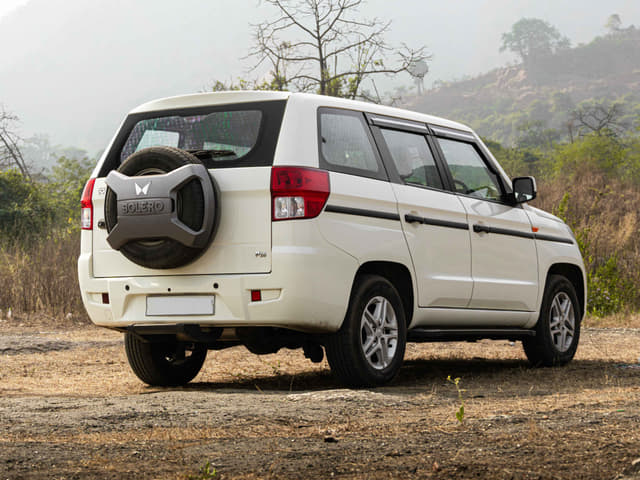
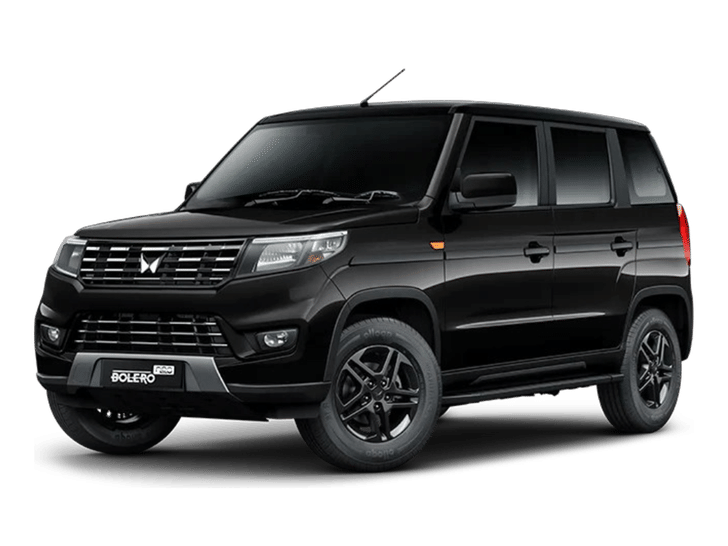
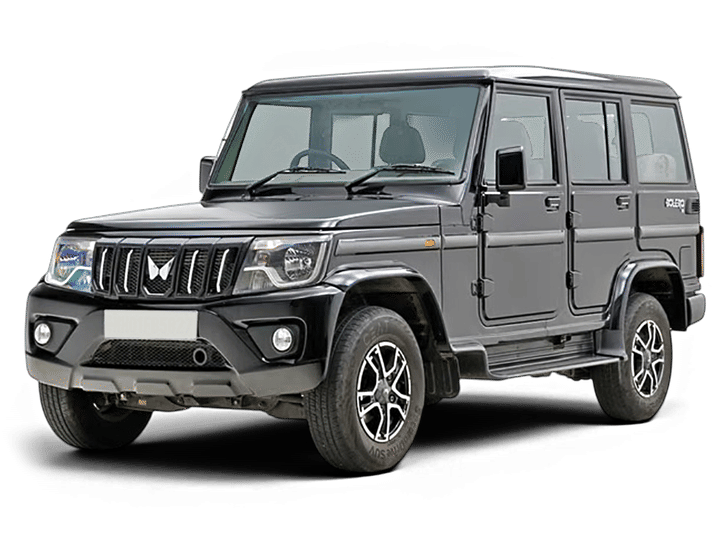
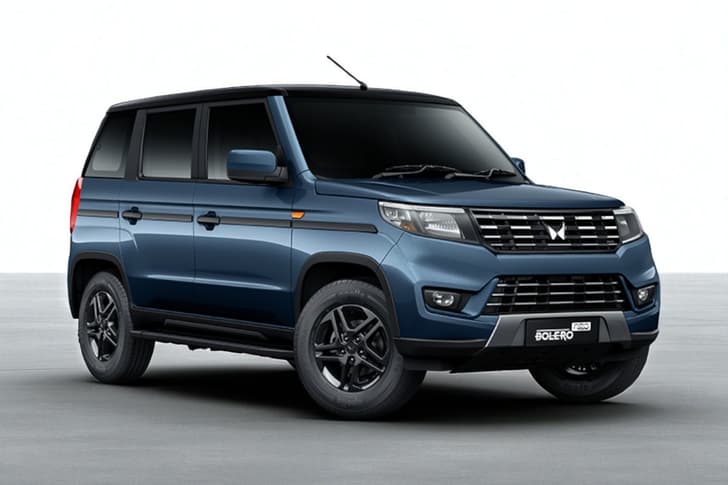
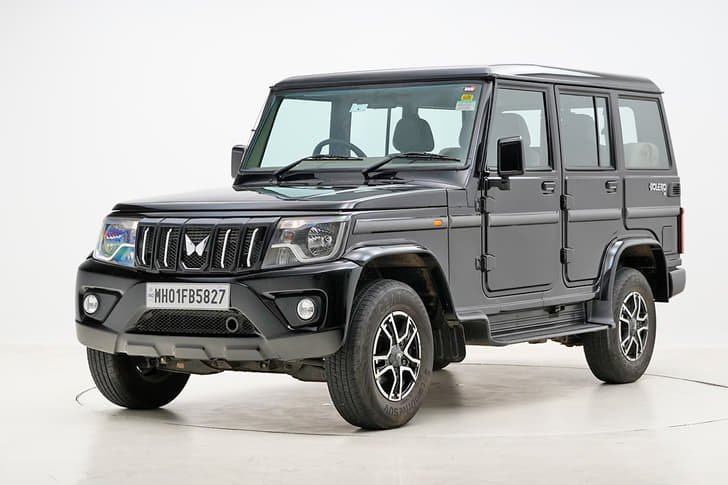
Mahindra Bolero | ₹7.99 lakh - ₹9.69 lakh |
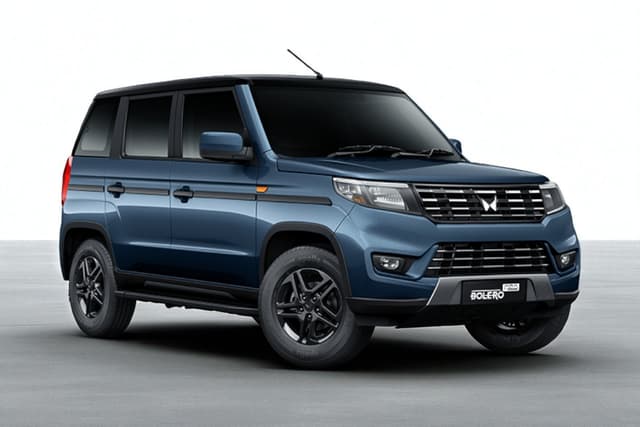
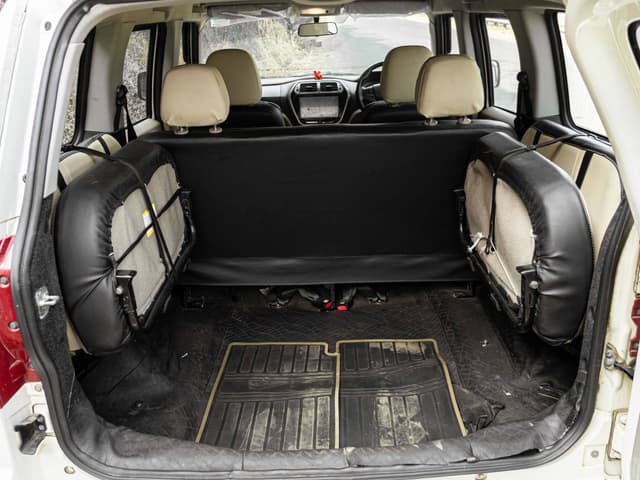
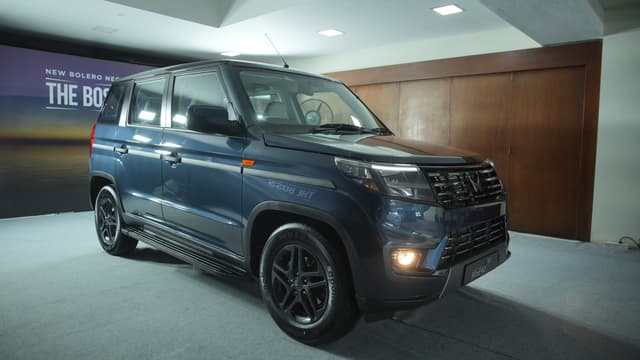
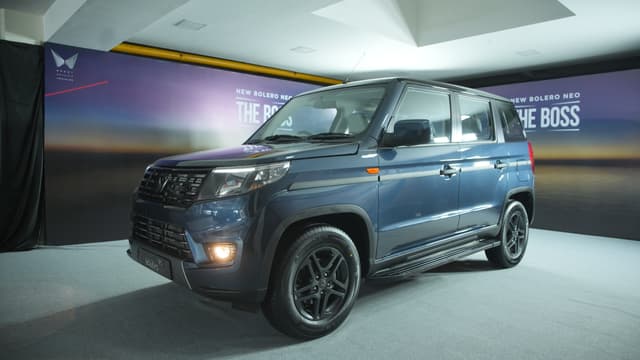
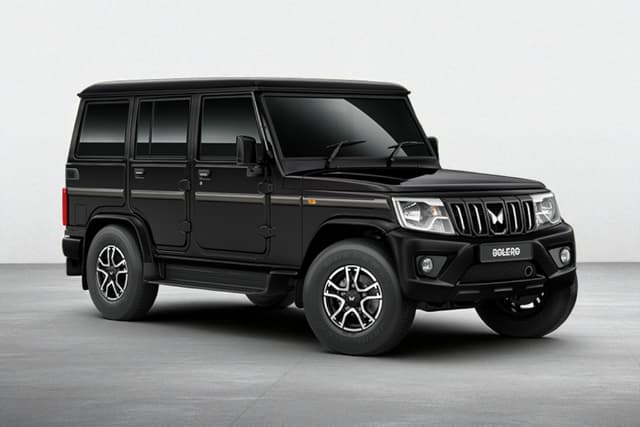
Mahindra Bolero Neo | ₹8.69 lakh - ₹10.49 lakh |
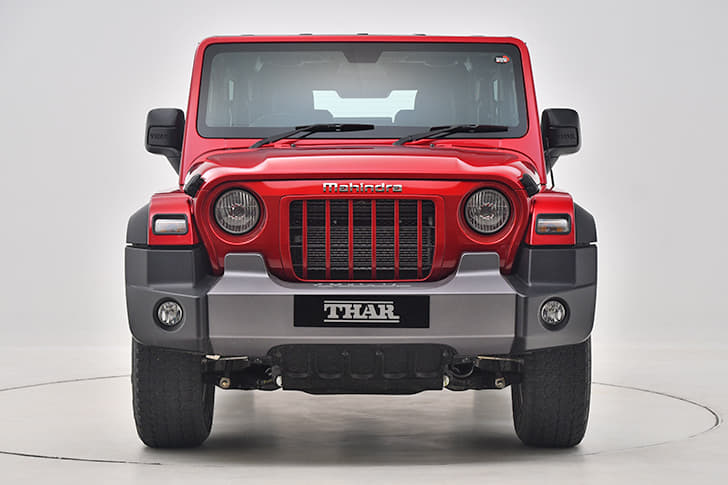
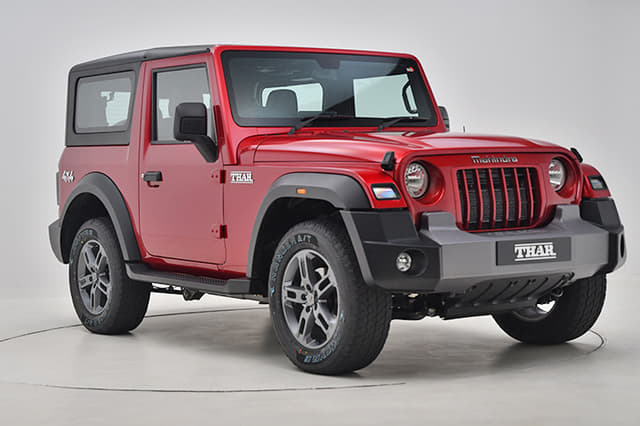
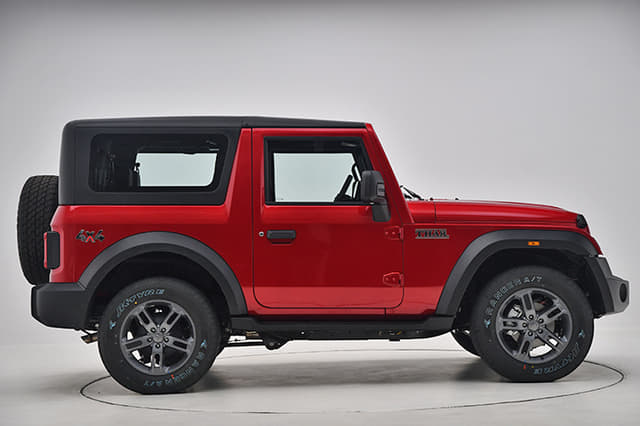
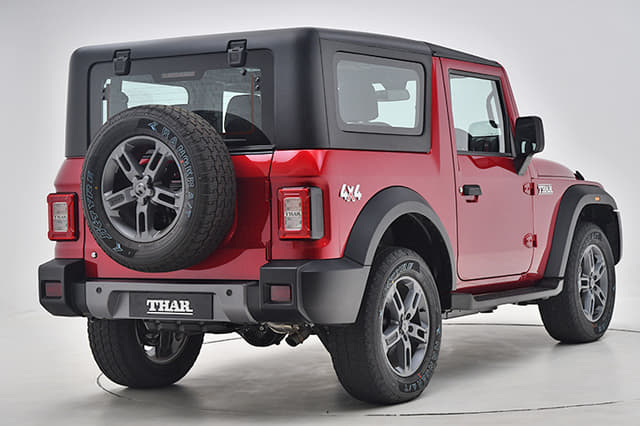
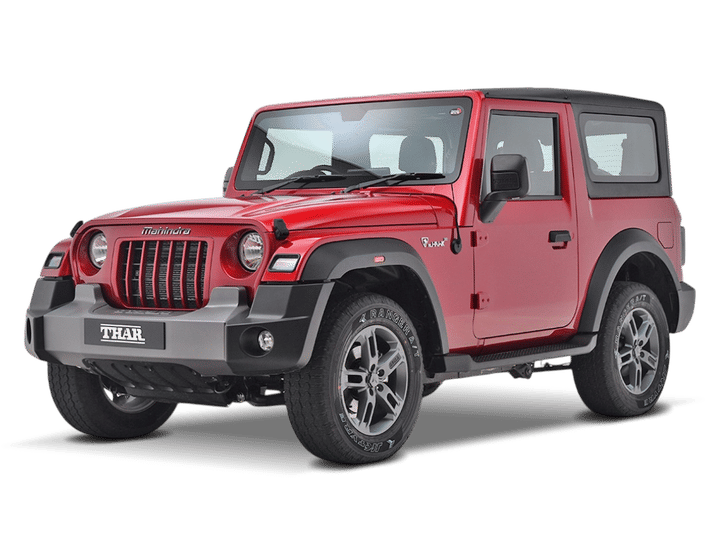
Mahindra Thar | ₹9.99 lakh - ₹17.19 lakh |
Mahindra Bolero Neo+ | ₹10.90 lakh - ₹11.95 lakh |
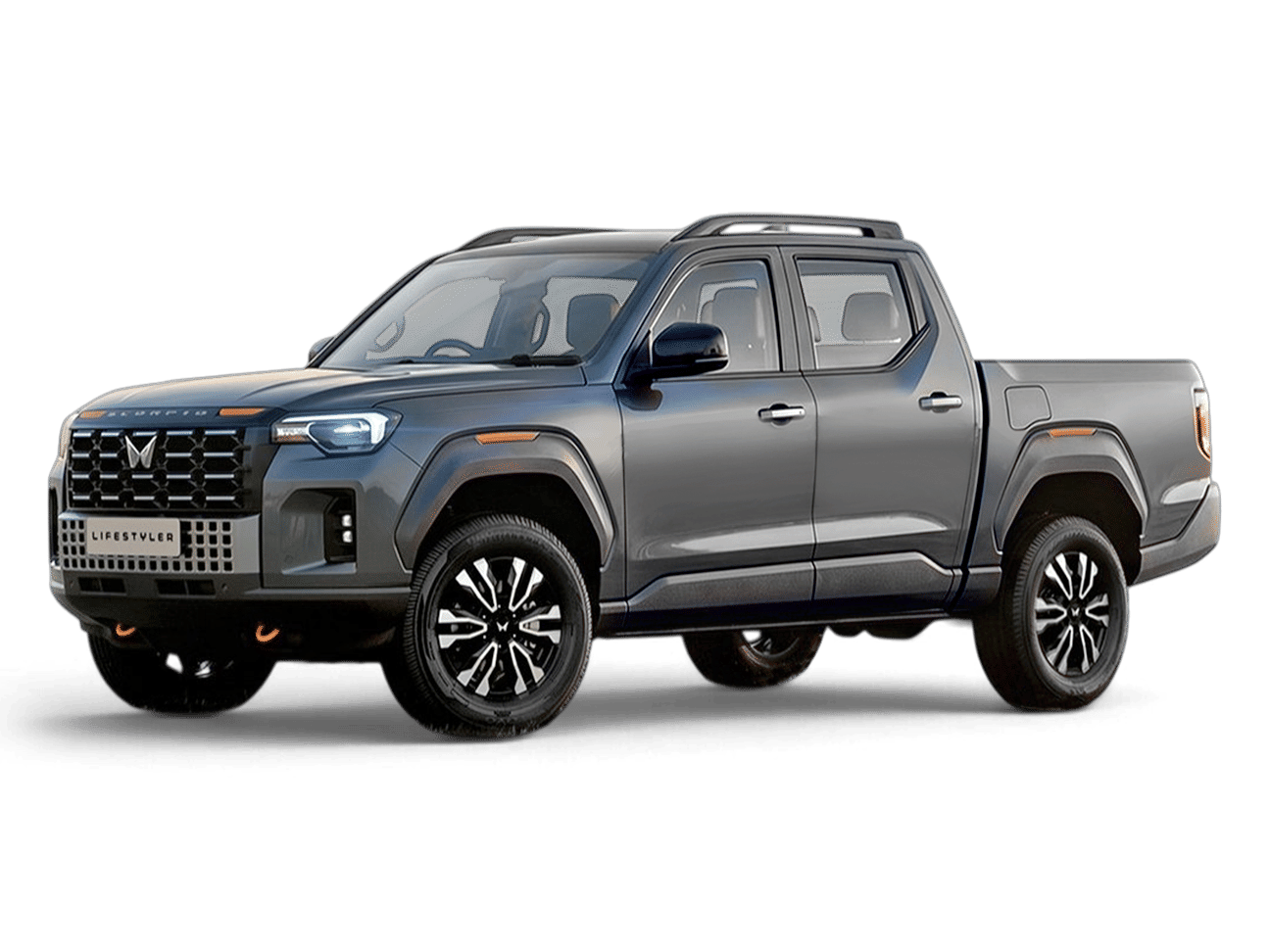
Mahindra Thar Roxx | ₹12.39 lakh - ₹22.25 lakh |
Mahindra Scorpio Classic | ₹12.98 lakh - ₹16.70 lakh |
Mahindra Scorpio N | ₹13.49 lakh - ₹24.34 lakh |
Mahindra XUV 7XO | ₹13.66 lakh - ₹24.92 lakh |
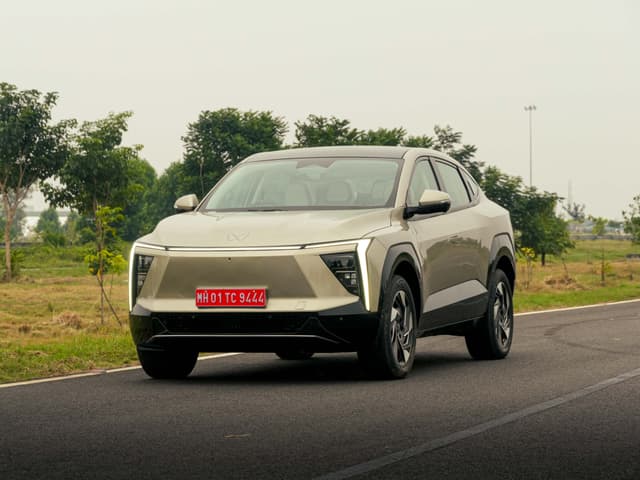
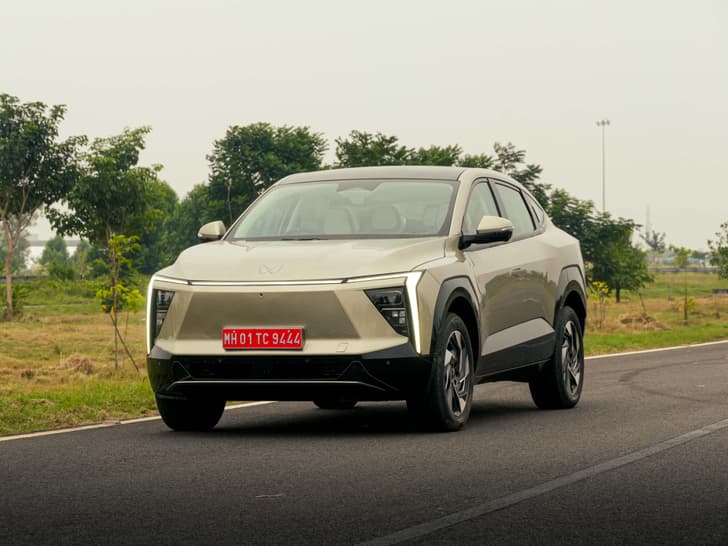
Mahindra XUV 3XO EV | ₹13.89 lakh - ₹14.96 lakh |
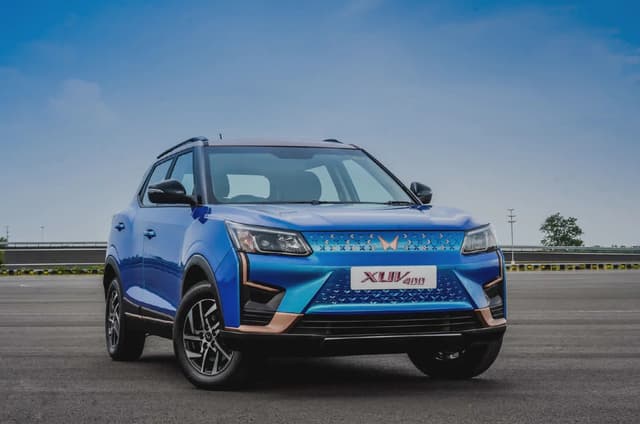
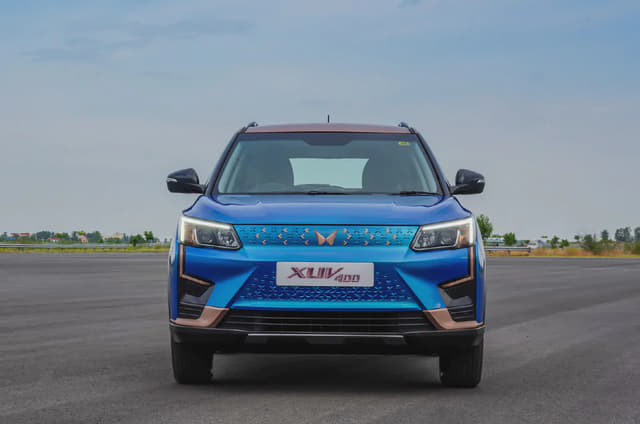
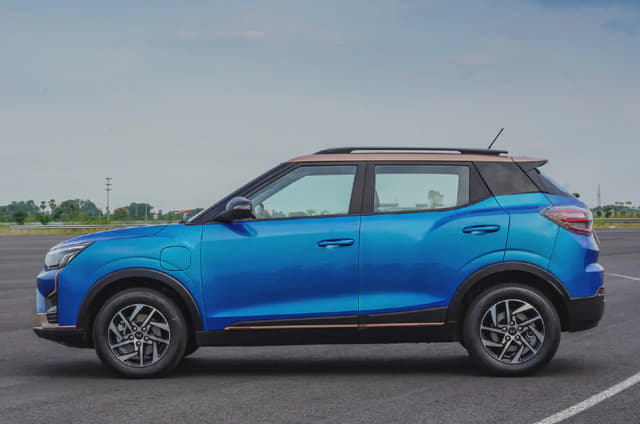
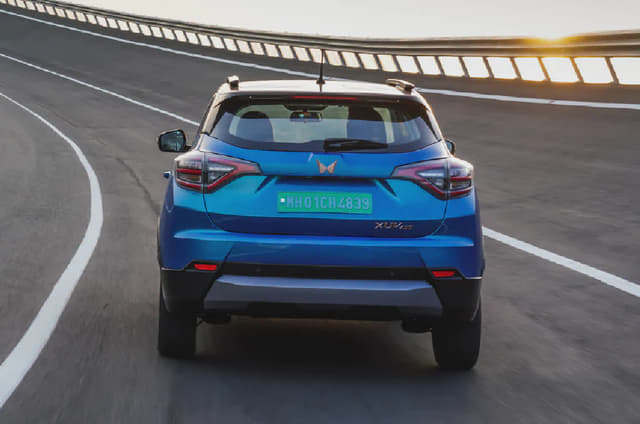
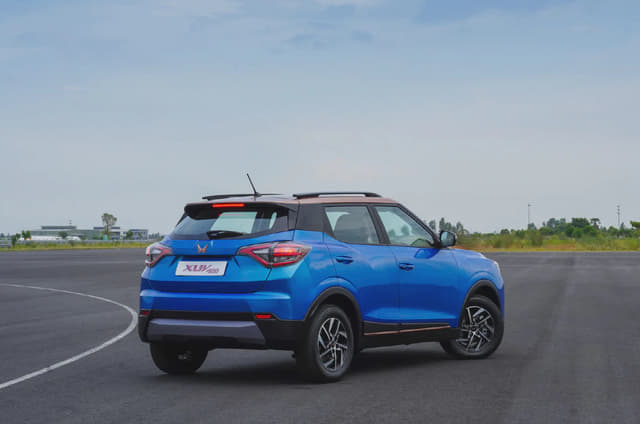
Mahindra XUV400 | ₹15.49 lakh - ₹17.49 lakh |
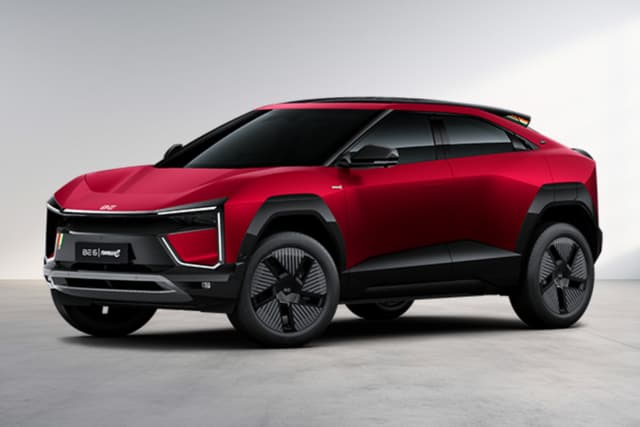
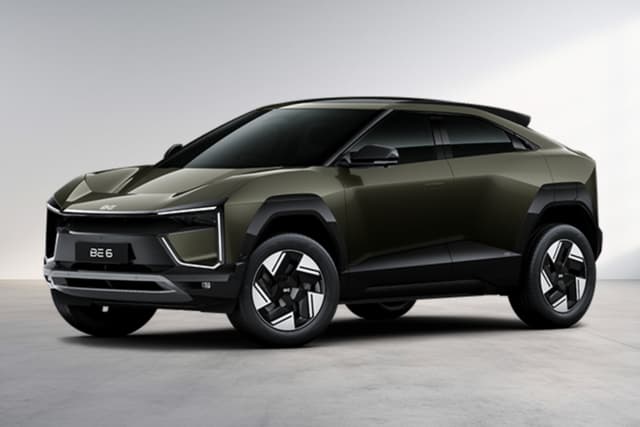
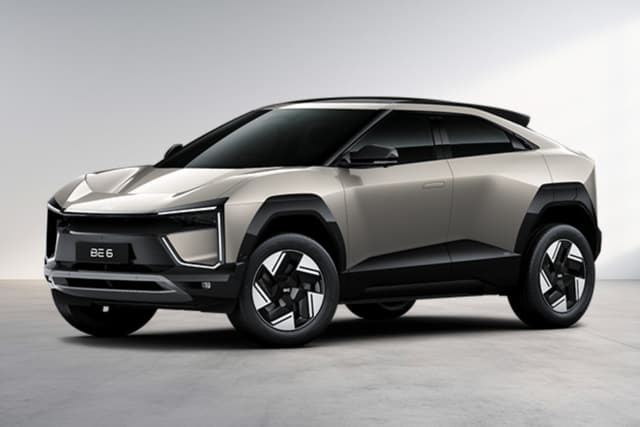
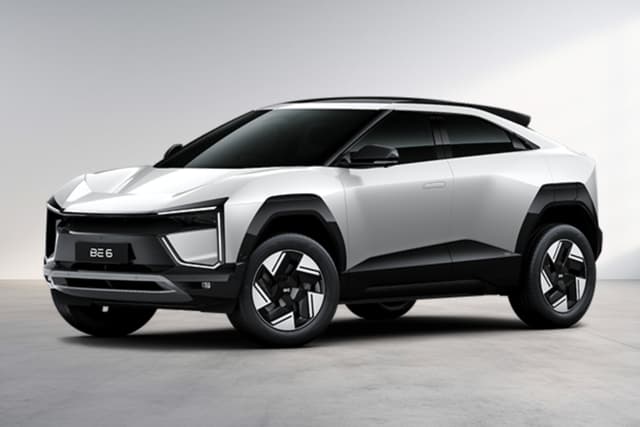
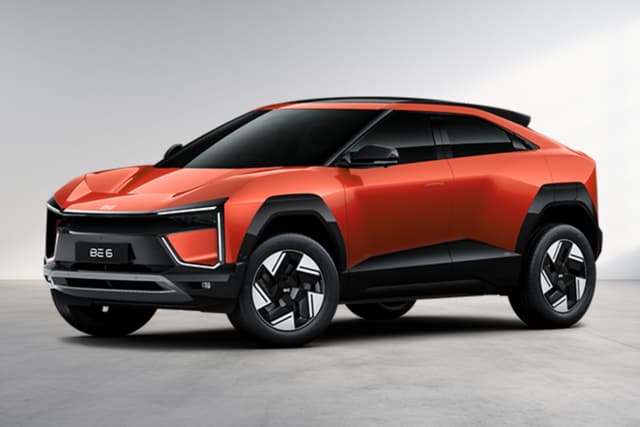
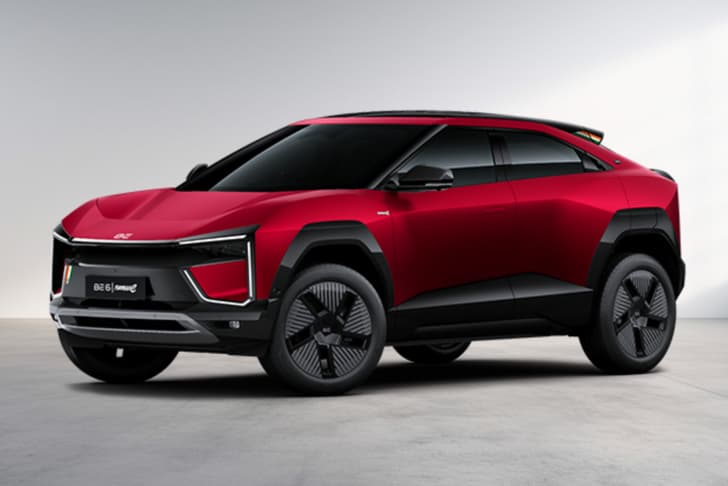
Mahindra BE 6 | ₹18.90 lakh - ₹26.90 lakh |
Mahindra XEV 9S | ₹19.95 lakh - ₹29.45 lakh |
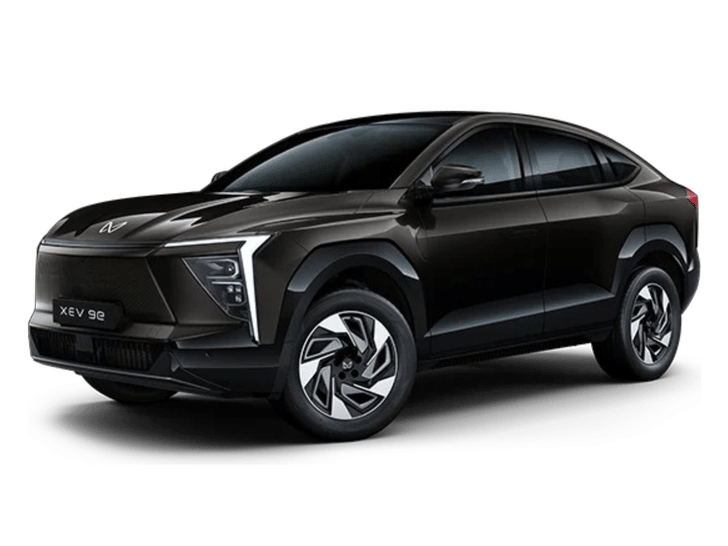
Mahindra XEV 9e | ₹21.90 lakh - ₹30.50 lakh |
Mahindra New Car
There are 3 new Mahindra cars set to launch in India:
- Mahindra Scorpio N facelift
- Expected price: ₹14.00 lakh - ₹26.00 lakh
- Expected launch: Early 2026
- Engine: 2184 cc
- Fuel Type: Diesel
- Transmission: Manual
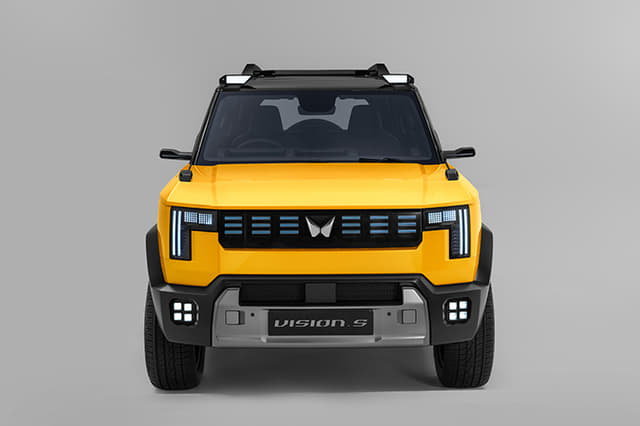
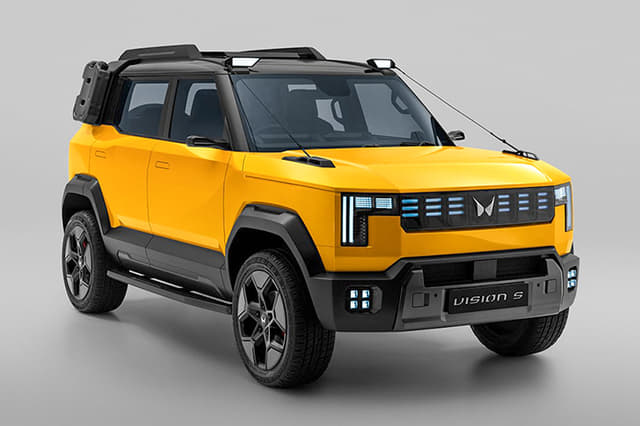
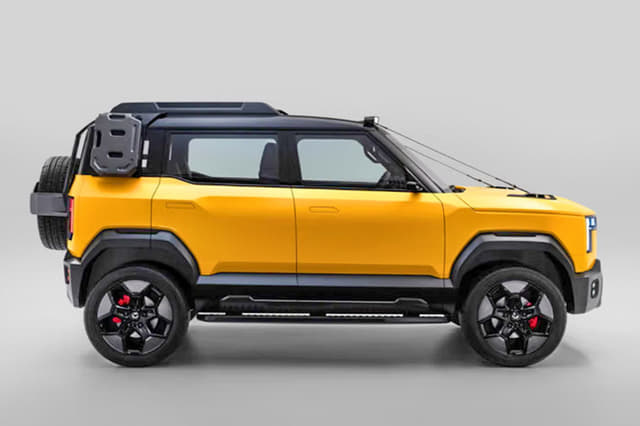
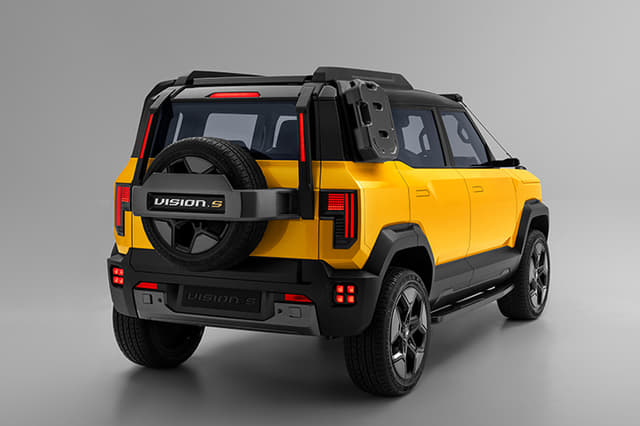
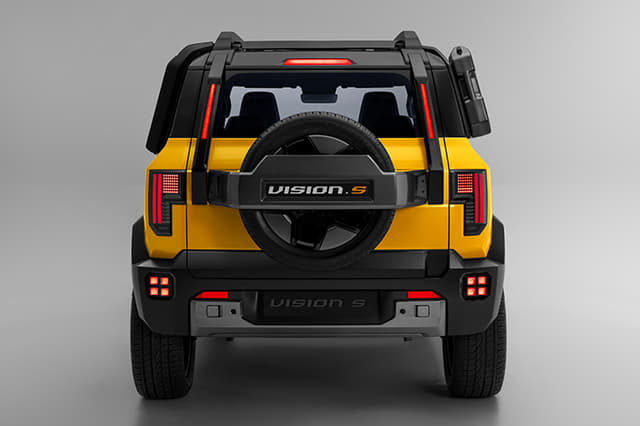
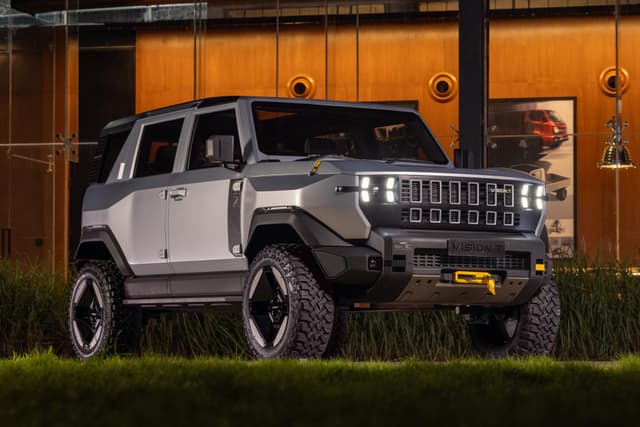
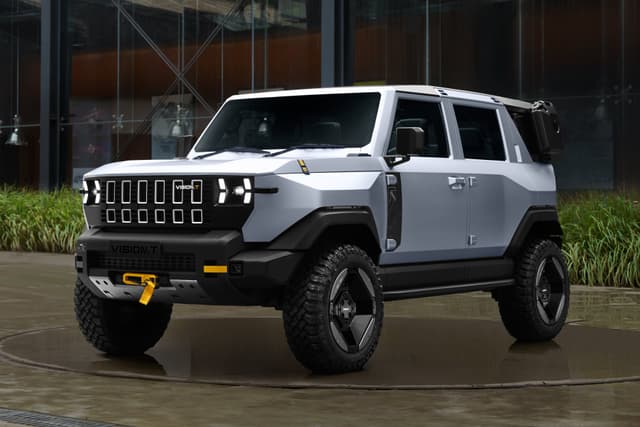
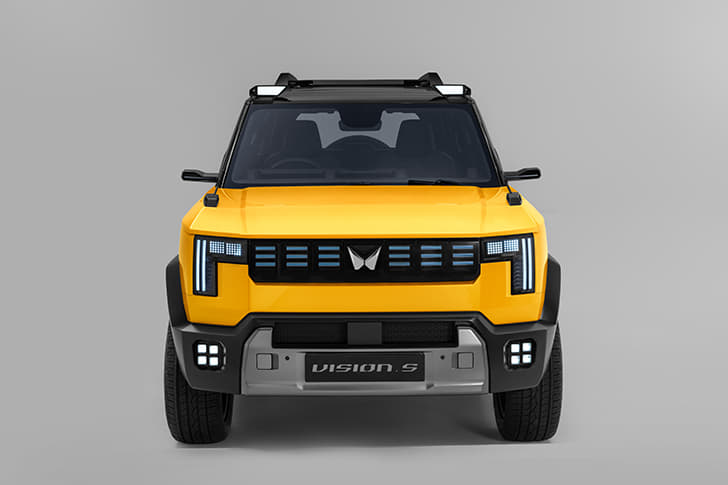
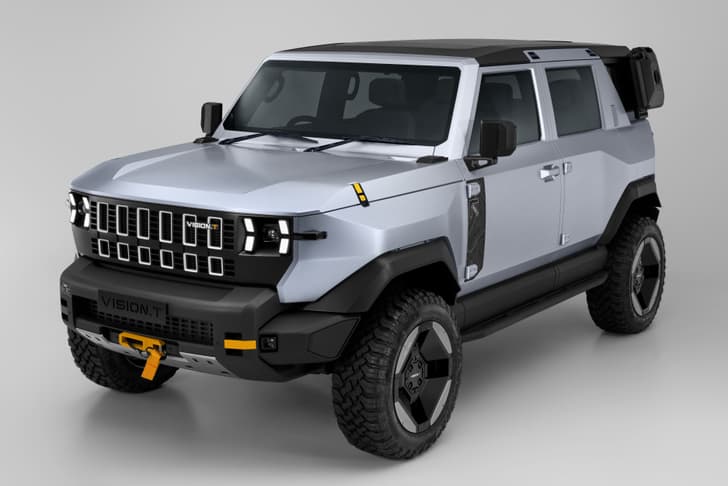
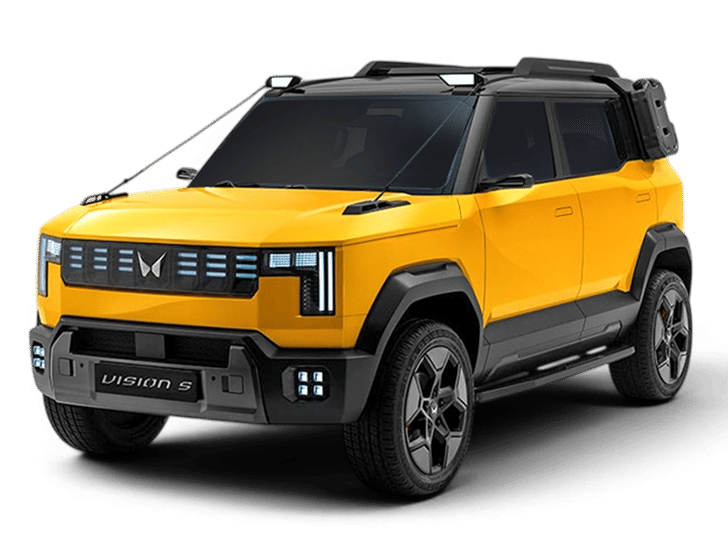
- Mahindra Vision S
- Expected price: ₹7.50 lakh - ₹13.00 lakh
- Expected launch: 2027
- Engine: To be revealed
- Fuel Type: Petrol
- Transmission: Automatic
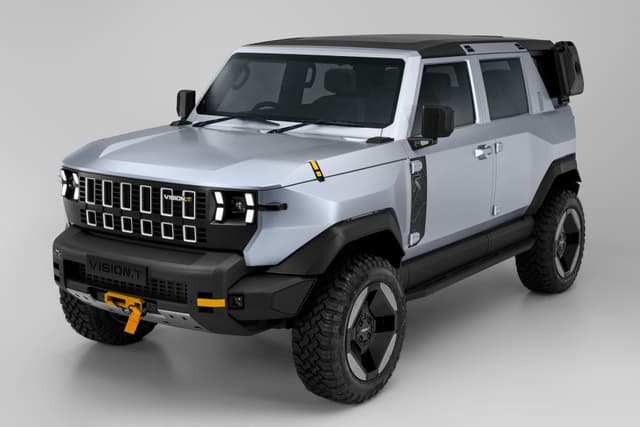
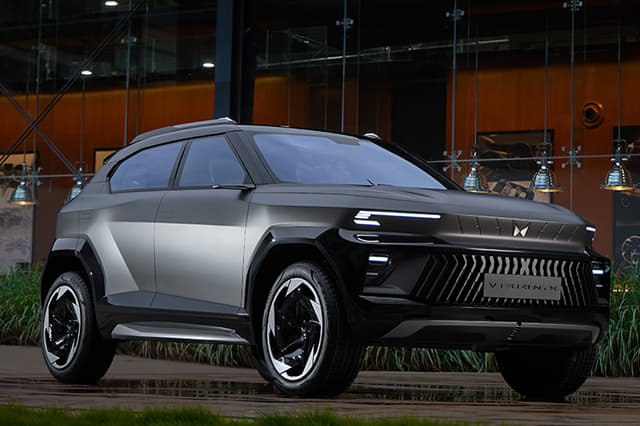
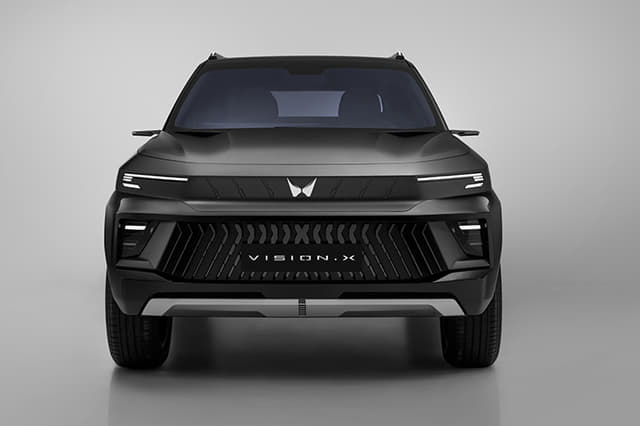
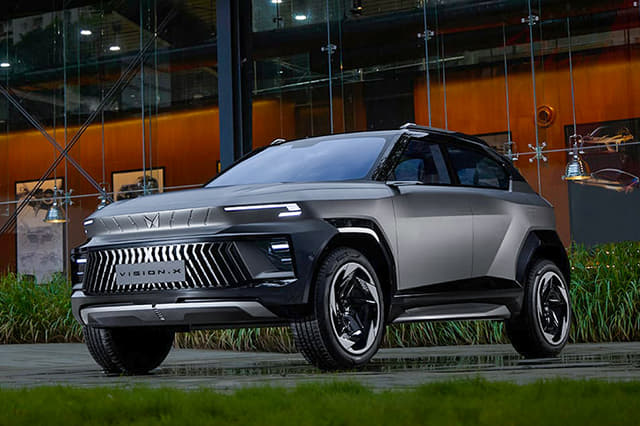
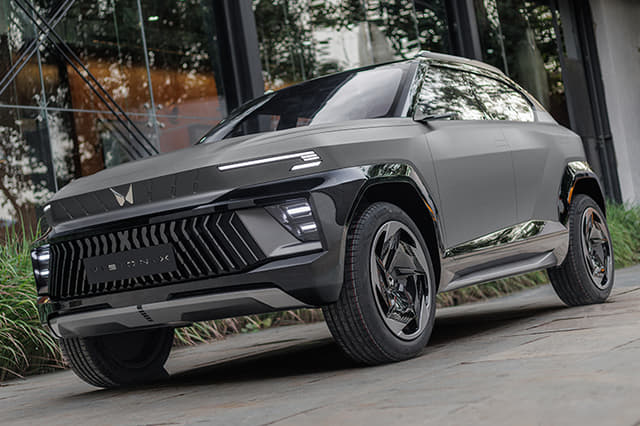
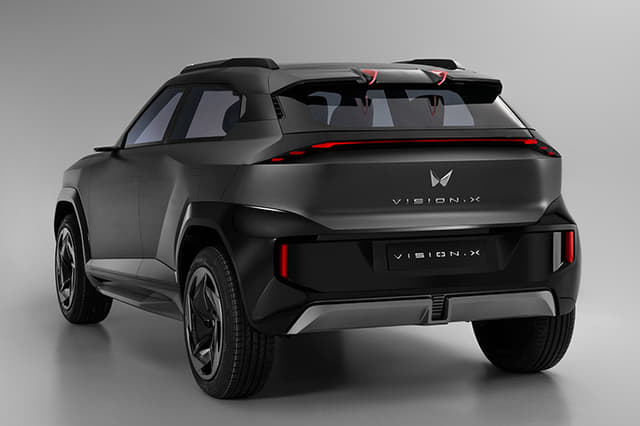
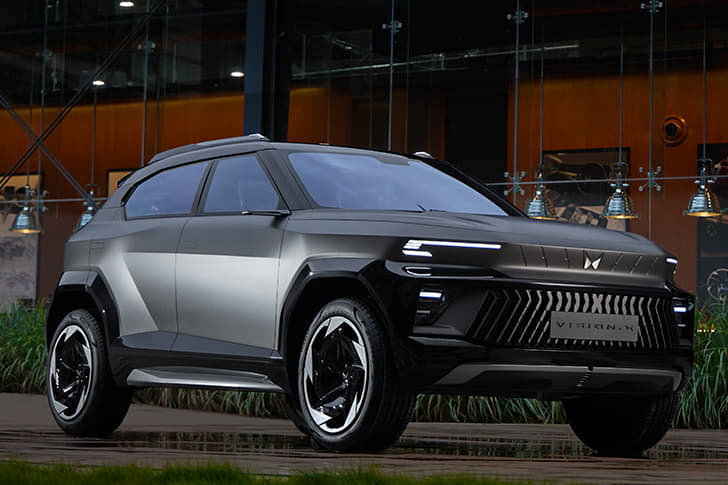
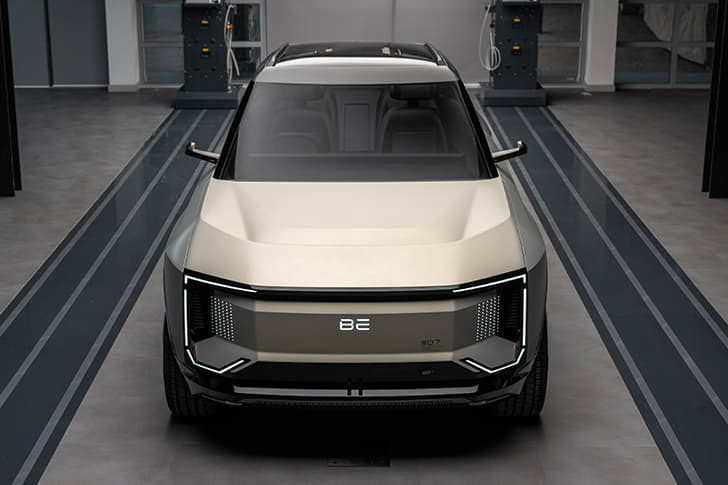
- Mahindra Vision X
- Expected price: ₹25.00 lakh - ₹30.00 lakh
- Expected launch: 2027
- Engine: To be revealed
- Fuel Type: Petrol
- Transmission: Automatic
Mahindra Electric Car
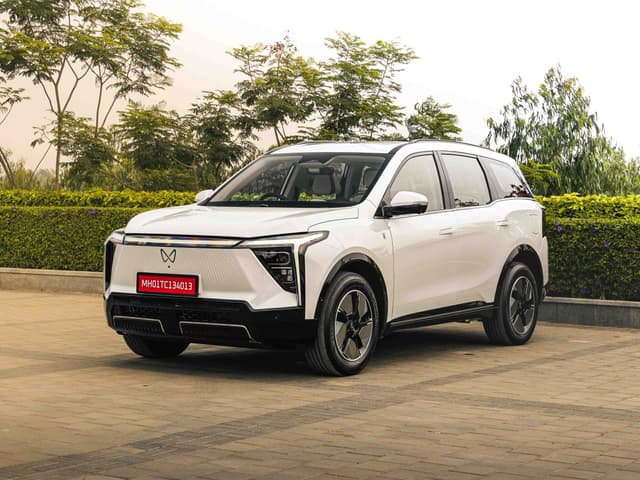
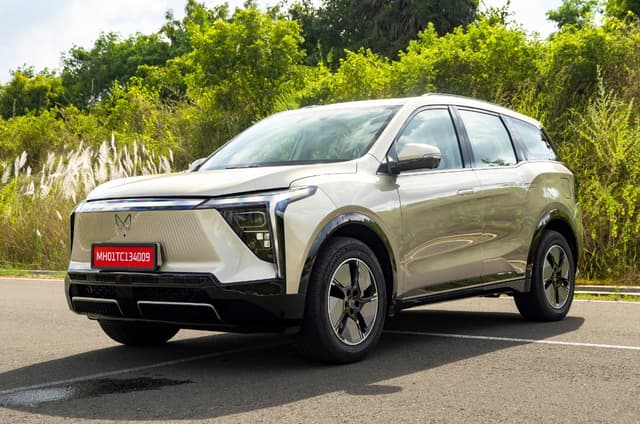
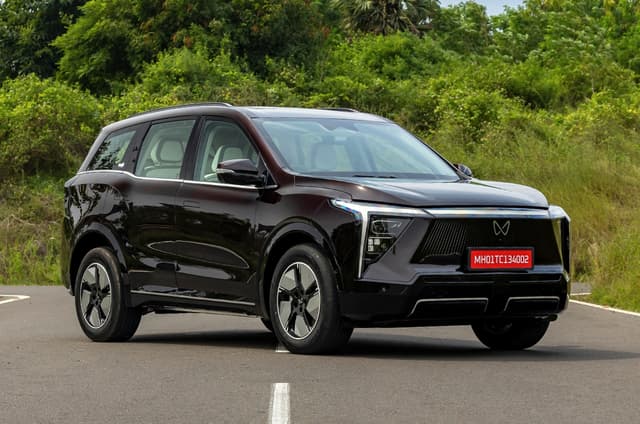
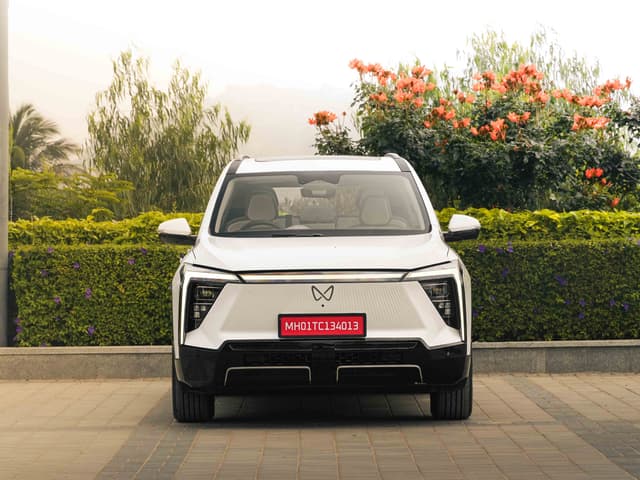
The Mahindra electric car price ranges between ₹13.89 lakh and ₹30.50 lakh. Presently, there are 5 Mahindra EV cars for sale in India: XUV400, BE 6, XEV 9S, XEV 9e, and recently launched XUV 3XO EV. The cheapest Mahindra electric car is the XUV 3XO EV, while the most expensive is the XEV 9e.
Mahindra Cars - Latest Updates
- 6 January 2026: Mahindra launched XUV 3XO EV at ₹13.89 lakh.
- 6 January 2026: The new Mahindra XUV 7XO, a facelifted XUV700, starts at ₹13.66 lakh (ex-showroom). Pre-bookings have closed, with fresh bookings reopening on 14 January 2026.
- 8 December, 2025: Mahindra XUV700 facelift, a.k.a., XUV7XO, will debut on Jan 5, 2026.
- 2 December, 2025: November 2025 car sales sees Mahindra reclaim second spot as Tata slips to third.
- 27 November, 2025: Mahindra has introduced the XEV 9S at a starting price of ₹19.95 lakh.
- 26 November, 2025: Mahindra has launched the BE 6 Formula E Edition at ₹23.69 lakh.
FAQs
The Mahindra car price starts at ₹7.37 lakh for the XUV 3XO and goes up to ₹30.50 lakh for the XEV 9e (ex-showroom).
The Mahindra electric car range includes 5 models: XUV400, BE 6, XEV 9S, XEV 9e, and XUV 3XO EV.
There are seven Mahindra 7 seater cars available for sale in India: Scorpio N, XEV 9S, XUV 7XO, Scorpio Classic, Bolero Neo, Bolero, and XUV700.
The Mahindra SUV car price in India starts at ₹7.28 lakh for the XUV 3XO and goes up to ₹30.50 lakh for the XEV 9e (ex-showroom).
Currently, there is no Mahindra CNG car on sale in India.
Yes. Mahindra offers 5 models with variants priced under ₹10 lakh: Thar, Bolero Neo+, Bolero, XUV 3XO, and the upcoming Mahindra Vision S. Vision S is expected to start at ₹7.50 lakh (ex-showroom).
The Mahindra top model car in terms of pricing is the XEV 9e, with prices going up to ₹30.50 lakh (ex-showroom).
Mahindra 5 seater car choices include the XEV 9e, BE 6, Thar Roxx, XUV 3XO, XUV400, and XUV 3XO EV.
Yes, 9 out of 16 Mahindra cars that are available for sale come with an automatic transmission option. These cars are - XEV 9e, BE 6, XEV 9S, Scorpio N, Thar, Thar Roxx, XUV700, XUV 3XO, and XUV400.
The Mahindra car on road price varies by city, starting at around ₹8.28 lakh in Delhi for the XUV 3XO and going up to about ₹32.33 lakh for the XEV 9e in major metros.
No. Currently, there is no Mahindra car under 5 lakh in India.
No, Mahindra does not sell a car under 8 lakh. The entry point starts at ₹7.28 lakh for the XUV 3XO, but the on-road cost is higher.
The Mahindra diesel car lineup includes the Scorpio N, Thar, Bolero Neo+, Thar Roxx, Bolero Neo, Bolero, Scorpio Classic, XUV 7XO, XUV700, and XUV 3XO.
Buyers looking for Mahindra cars with a sunroof can consider models such as the XEV 9e, BE 6, Scorpio N, Thar Roxx, XUV700, XUV 3XO, and XUV400. Availability of the sunroof depends on the variant chosen.
Trending Questions on Mahindra Cars - Answered by Autocar Experts
Mihir
•18hI have a budget of ₹21-25 lakh and am looking for a feature-rich car. My monthly driving is around 10,000-15,000 km. I have booked the new Renault Duster Hybrid, but I am now confused between choosing an EV or sticking with the hybrid. I have access to home charging. My usage is approximately 20% city and 80% highway, and my longest daily drive can go up to 280 km. Which option would be more suitable for my usage, EV or hybrid?

Autocar India
The Renault Duster Hybrid that you have booked is a very sensible choice. It will offer good efficiency without needing charging, and for long highway drives, it is completely hassle-free. You can refuel quickly and continue without planning stops, which matters a lot at your level of usage. It is also a well-balanced option for mixed conditions and long-term ownership.If you are seriously considering an EV, the Mahindra XEV 9S is a strong fit for your requirements. The Pack One 79 kWh version offers a real-world range of over 450 km, which comfortably covers your 280 km daily usage even on highways. With home charging, running costs will be significantly lower than those of a hybrid.However, the Pack One variant is not the most feature-rich, and since you are keen on top-spec features, this is an important trade-off. Higher variants with more features will push the price beyond your current budget.If you want maximum convenience and a fully loaded experience, stick with the Duster Hybrid. If you want the lowest running cost and are okay compromising slightly on features, the XEV 9S Pack One is a very strong option.
Venkata Ramana Murty Varanasi
•1dI need advice on choosing between the Mahindra XUV 3XO and the Kia Sonet. My key priorities are fuel efficiency, ease of driving in city traffic, and overall maintenance costs.

Autocar India
For your requirement of fuel efficiency, city driving and overall maintenance, both the Mahindra XUV 3XO and Kia Sonet are strong options, but they suit different priorities.The XUV 3XO petrol automatic is the easiest car to drive in city traffic. Its torque converter gearbox is smooth, creep-friendly and well-suited to stop-go conditions, which makes daily driving stress-free. It also has a comfortable ride and feels more robust over bad roads. Maintenance is reasonable, and Mahindra’s network is wide.The Sonet, especially in diesel automatic form, is the better choice if fuel efficiency is your top priority. The diesel engine delivers significantly better mileage in city conditions and is very easy to drive. However, if you look at the turbo petrol DCT, it is quick but not as smooth in heavy traffic and can feel slightly hesitant at low speeds.
vivek R Singh
•2dWhat is the expected price of the upcoming JSW SUV based on the Jetour T2?

Autocar India
The Chery-based Jetour T2 will be the first product from JSW Auto, and it is expected sometime before the festive season this year. JSW is planning to launch the Jetour T2 with a fairly high spec, so it won't be cheap and is expected to cost around Rs 38-40 lakh. For that money, you get a 380hp plug-in hybrid variant with around 610 Nm of torque. It is larger than both the Mahindra XUV 7XO and the Tata Harrier/Safari in most dimensions and boasts a 580-litre boot. So if you are looking at the Jetour T2, you need to put aside a budget of Rs. 40 lakh
Gulshan Bhatia
•2dHi AutocarIndia, I have a budget of ₹23-25 lakh. My monthly running is approximately 12,000-14,000 km, with around 70% city driving and 30% highway usage. I am confused between choosing a petrol vehicle and an EV. I am not considering a diesel option since my driving is not very regular at times, and I am concerned about potential DPF clogging issues. Currently, I am evaluating the Mahindra XUV 7XO A7 T petrol, which costs around ₹25 lakh on-road in Pune. However, considering the current global war situation, I feel petrol prices may increase permanently, which is making me seriously consider an EV. I am therefore looking at the Tata Harrier EV Fearless Plus 75 kWh, which is priced around ₹27 lakh. Though I have heard that some discounts are available, and the effective price could come down to around ₹26 lakhs. Given my usage pattern, budget, and long-term cost concerns, please guide me on whether a petrol or EV would be the better choice and help me decide between these options. Thanks in advance.

Autocar India
The Mahindra XUV 7XO petrol does not suit this kind of running. A turbo petrol will be significantly more expensive to run over time, and with your usage, the fuel cost difference will be substantial.The Tata Harrier EV makes far more sense here. It offers very low running costs per km, smooth and effortless driving in the city, and strong performance on highways. With your high usage, the savings on fuel will add up quickly and justify the higher initial cost.The key condition is charging. If you have reliable home or office charging, the EV becomes a very practical and economical solution. Without that, managing frequent charging will become inconvenient.On your concern about diesel, in your case, it is actually not an issue. With such high and consistent running, DPF problems will not arise, as the car will regularly get the kind of driving needed to keep the system healthy.
Pranav Maha
•2dHi team, I am looking to buy a new car with a budget of 14 lakh. My daily running is 50KM. I would be using it for just office commutes. This is going to be my second car. I already have a Toyota Innova Crysta. I have shortlisted: Honda Amaze ZX CVT, Thar 1.5 RWD (I am afraid of the upcoming diesel ban), and Tata Punch EV 40 KW Smart plus variant. Please help me finalise one.

Autocar India
Go for the Tata Punch EV Smart + 40. For a 50 km daily office run and as a second car alongside your Innova Crysta, it fits your use best right now. It is small on the outside, easy to park, and the smooth electric drive makes stop-and-go traffic stress-free.As a daily beater, it is quiet, quick, and has enough ground clearance for bad patches. If you can install a home charger in your parking, you can charge overnight and forget about fuel pumps. Tata also has the widest EV service reach today, which helps for long-term peace of mind.One thing to be aware of is that you must have a reliable place to charge at home or office; otherwise living with any EV becomes awkward.If home charging is not possible, pick the Honda Amaze ZX CVT instead. The CVT is very smooth, the car is light to drive, and Honda service gives you peace of mind as well. I would skip the Mahindra Thar 1.5 RWD for a daily 50 km city run. It is a heavy, 3-door manual, rides firm, and your diesel ban worry is valid in many cities over time.Overall, the Punch EV Smart+ will make your commute calmer and simpler. Just confirm charger installation before you book.
Srinivas
•2dI am planning to move to Bangalore from Mumbai after 8 months. Is it better to buy the Thar Roxx here or after moving to Bangalore? I see that prices are lower in Mumbai compared to Bangalore. Please advise.

Autocar India
Buy the Mahindra Thar Roxx after you move to Bengaluru. Registering it there will keep things simple and avoid extra costs later. While the on-road price looks cheaper in Mumbai today, if you shift the car to Karnataka for long-term use, you are expected to re-register it in Bengaluru and pay Karnataka road tax.Getting a refund of the tax you paid in Maharashtra is possible on paper, but slow and painful. You will also need an NOC from the Mumbai RTO, new number plates, and you may face checks in Bengaluru if you drive long-term on a Mumbai number. All this adds time and stress you can skip by buying and registering once in your new city.There is one clear exception: if you are eligible for the BH series number (government/PSU staff, or private company with offices in 4 or more states), go for BH. With BH, you pay road tax in 2-year blocks and do not need to re-register when you move.
Mihir Vora
•2dHello Autocar, I am confused between buying the Mahindra XEV 9S and the Toyota Innova Hycross ZX (O). My usage is around 70% city driving, but I also enjoy occasional highway trips. Which of these would be the better choice for my needs?

Autocar India
For your usage, both the Mahindra XEV 9S and Toyota Innova Hycross ZX(O) are strong options, but they cater to very different needs.The XEV 9S is the more modern and city-friendly choice. It is extremely smooth, silent and effortless to drive in traffic, which makes a big difference in daily use. The instant torque also makes it feel quick and responsive. Running costs will be significantly lower than those of a petrol or hybrid, which matters with regular usage. On highways, it is capable, but you will need to plan charging stops depending on the distance.The Hycross ZX(O) is the more practical and hassle-free option. The strong hybrid system delivers excellent efficiency in the city without needing charging, and on highways, it offers outstanding comfort and stability. It is also far more spacious, with a genuinely usable third row, making it a better family car. Toyota’s reliability and service network further add to peace of mind.If you have reliable home charging and want the lowest running cost with a smooth city driving experience, go for the XEV 9S. If you want maximum comfort, space and complete peace of mind for long trips without worrying about charging, go for the Hycross ZX(O).
Ajay Gautam
•3dI am looking for a 7-seater family car for moderate usage, with a maximum budget of ₹50 lakh (on-road). I am also willing to wait for a couple of months for new launches.

Autocar India
Go for the Toyota Innova Hycross Hybrid ZX(O) 7-seater costing up to Rs. 50 lakh on road, it suits a family best for comfort, space and easy driving. For moderate use, the petrol-hybrid is the sweet spot: it pairs a petrol engine with an electric motor to help in traffic. So it always feels smooth like an automatic and keeps fuel use in check without any charging. The second row is wide and very comfortable, the ride is calm on most roads, and the driving position is easy for all heights. Toyota’s service reach is strong across India, and resale is usually high, which matters in long-term family ownership.One thing to be aware of: with all three rows in use, the boot is small, so plan for that. Also, top trims with larger wheels can feel a bit firm on sharp bumps, so check this on a test drive.If you want more power and lots of features for less money, look at the Mahindra XUV 7XO diesel automatic 7-seater. It is quick, safe and gets driver-assist features that help on highways, but the third row is tighter, and the city ride can feel busier. If you often carry seven adults and drive on rough roads, the MG Gloster 7-seater is big, comfy and feels tough. With a calm highway gait, just note that it is very difficult to park and MG’s service network is smaller than Toyota’s.Overall, the Innova Hycross Hybrid is the most family-friendly and hassle-free pick; during the test drive, load all three rows and drive over broken patches to be sure the comfort works for your family.
Ranjan
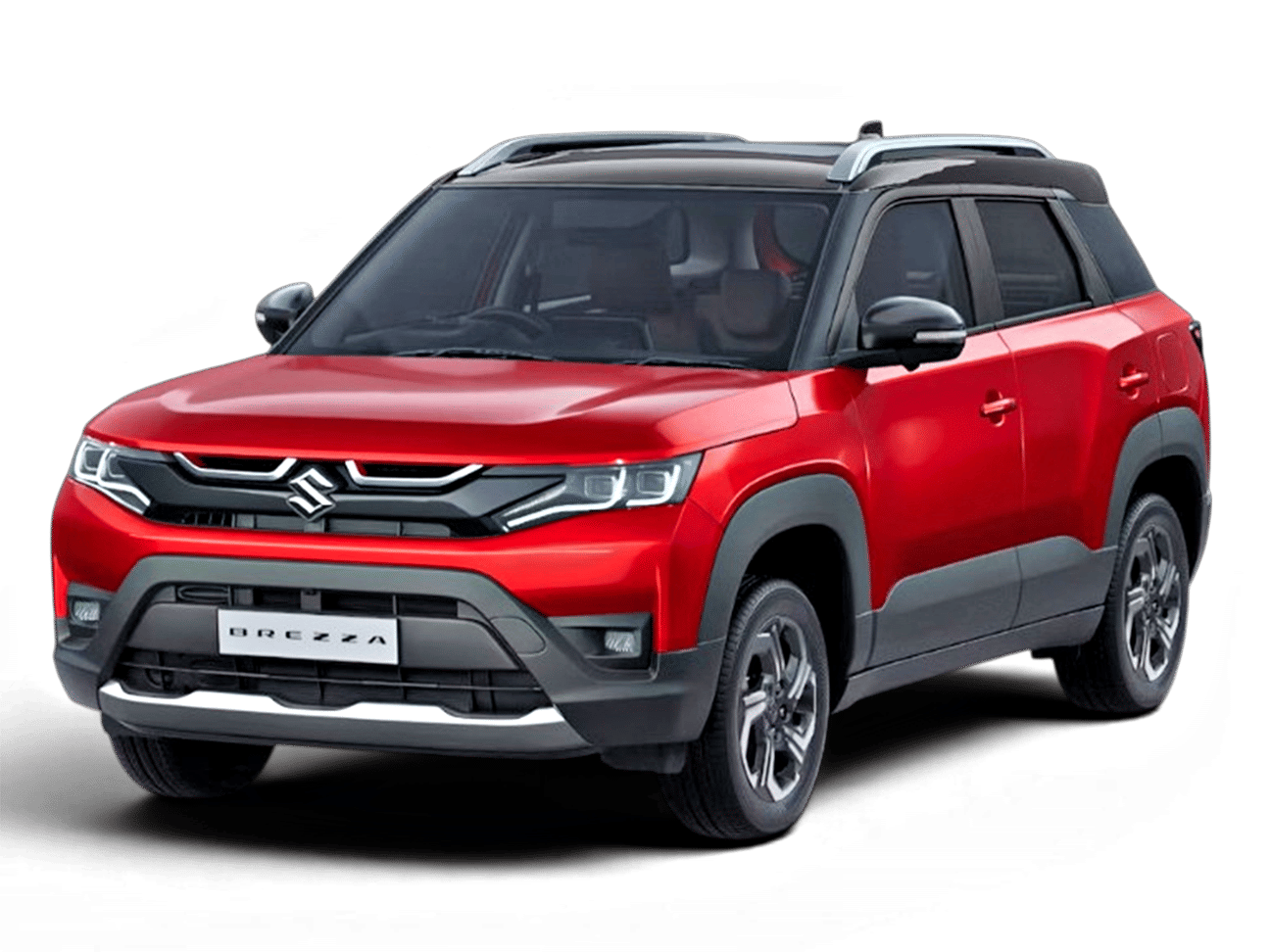
•3dI am planning to purchase a new car, either the Maruti Brezza VXI or the Mahindra 3XO. Which is better? I plan to keep the car for 15 years. My priorities are mileage, legroom, headroom, and performance in city, highway, and ghat sections, with good pulling power.

Autocar India
The Mahindra XUV 3XO is the stronger performer in this regard. It features a more powerful turbocharged petrol engine, so pulling power on steep ghats and quick overtakes is noticeably better. It also offers a wider cabin and better rear-seat space, which makes it more comfortable for passengers on long drives. If you enjoy driving and want that effortless push, the 3XO clearly stands out.The Maruti Suzuki Brezza, however, is the more sensible long-term choice. Its engine is simple and proven, fuel efficiency is better in everyday driving, and Maruti’s service network and lower maintenance costs make a big difference over 10-15 years. It is also smoother and easier to drive in the city, which matters for daily use.If you want better performance, stronger pulling power and more rear-seat space, go for the 3XO. If you want maximum reliability, lower running costs and stress-free ownership over 15 years, the Brezza is the safer pick.
Ajay Garg
•3dHi Team, you are doing a fantastic job providing accurate, helpful guidance to your readers. I am planning to buy a new car with a budget of around ₹20 lakh. I will be retiring in about 2.5 years, and until then, my daily commute will be approximately 50 km, along with a 600 km highway trip once every three months. Post-retirement, I plan to travel extensively with my family, at least once a month. We are a family of 4-5 members, and I am considering either an electric or a hybrid car. We really like the Mahindra XEV 9S (Pack One and above, 59 kWh), which costs around ₹22 lakh. Could you please advise if this is the right choice for my usage, or should I consider other options within my budget?

Autocar India
We can completely understand why your family loved the Mahindra XEV 9S. It is feature‑packed, very refined and smooth, and has enough space for your 4-5 family members, so as a family car it fits your brief well. For your daily 50km commute, the XEV 9S is actually ideal, provided you can install a home charger - you’ll hardly scratch the range of the 59kWh pack in regular city use.It’s your 600km highway trip every three months, when life with an EV requires more planning. With the 59kWh battery, you will have to stop for a fast charge at least once mid‑way, and often again at your final destination if you don’t have a charger there. The public charging network has definitely improved, but charging an EV is still not as quick or as effortless as filling a tank with petrol or diesel. So if you are willing to sacrifice some time and take a bit of extra effort on your three‑monthly highway drives, you can confidently go ahead with the XEV 9S.If you don’t want the hassle of hunting for highway chargers and waiting typically 30-40 minutes each time, then you should look at the Mahindra XUV 7XO diesel automatic instead. It has broadly similar features to the 9S, is very comfortable, and for frequent long‑distance touring, it is actually better suited. The XUV 7XO’s suspension is more composed at speed than the softer‑sprung 9S, which can feel a bit floaty on highways.
Last Updated on: 6 Apr 2026