Toyota cars in India (16)
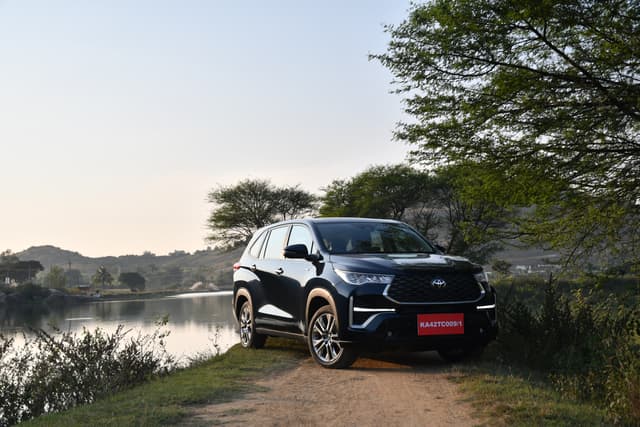
Toyota is one of the biggest car makers in the world and is famous for developing reliable and durable cars that not only “last” but also offer strong “resale value.” Toyota entered the India automotive market in 1997 through Toyota Kirloskar Motor and has produced several iconic models like Qualis, Corolla and Innova since then.
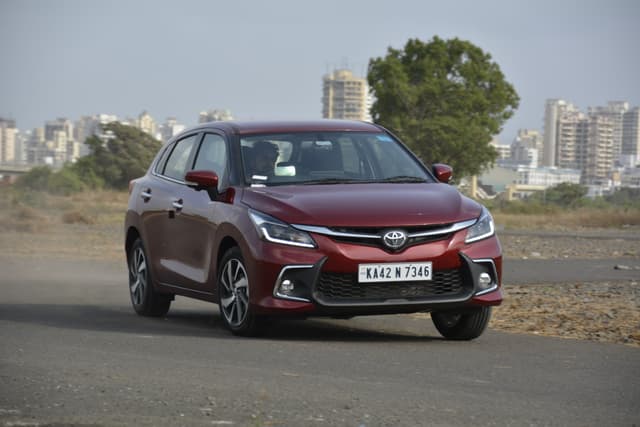
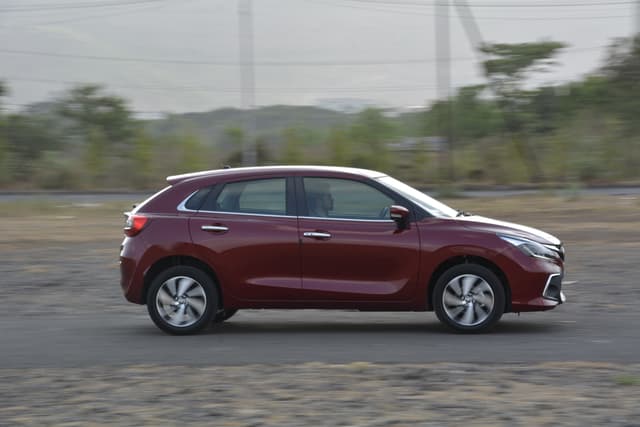
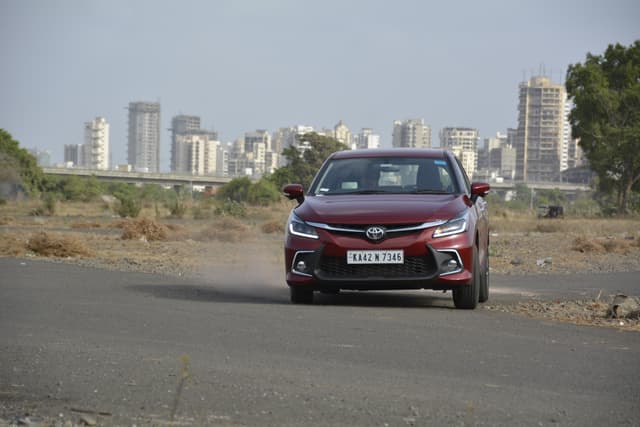
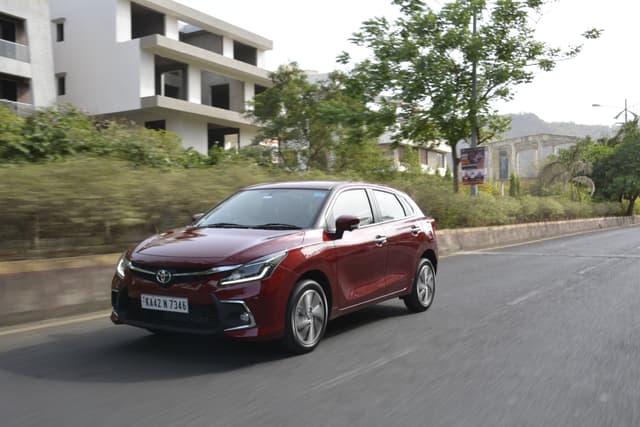
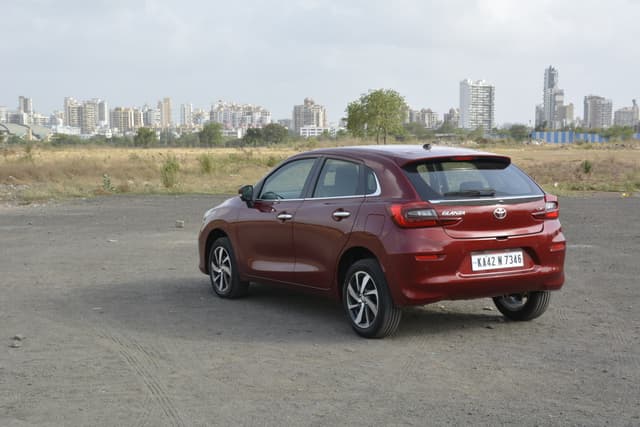
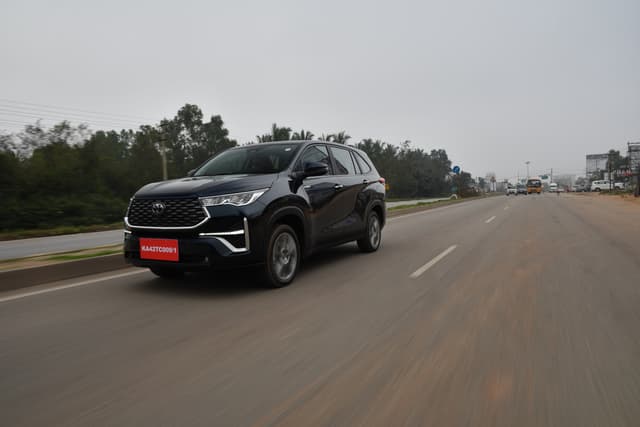
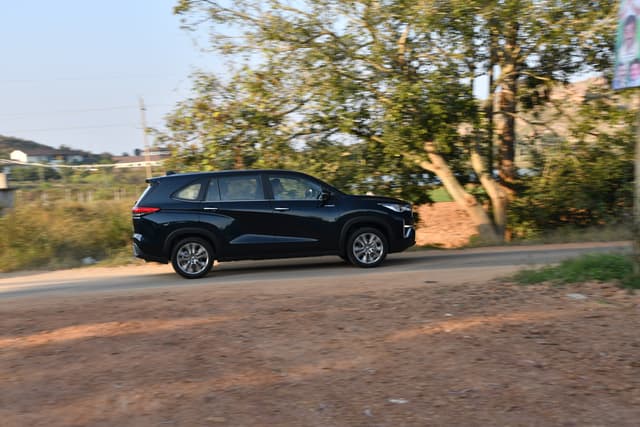
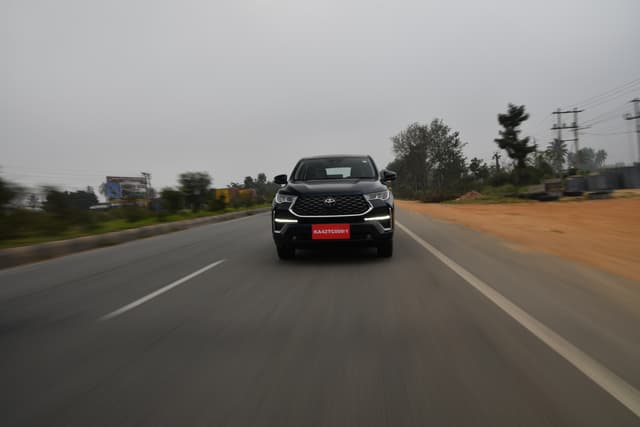
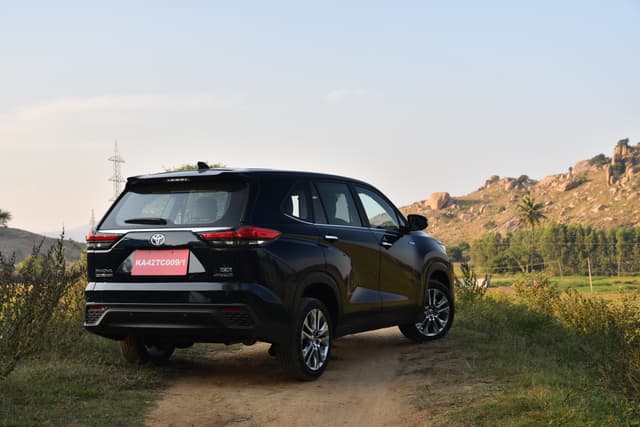
As of now, there are 16 Toyota cars in India, of which 12 are available for purchase, and 4 are upcoming. Its current line-up consists of 7 SUVs, 2 hatchbacks, 5 MPVs, 1 pickup and 1 sedan. Toyota car prices in India start at Rs 6.73 lakh and go up to Rs 2.25 crore.
Toyota Cars in India: Highlights
Benchmark | Model | Detail |
Cheapest Toyota car | Glanza | Rs 6.73-9.99 lakh |
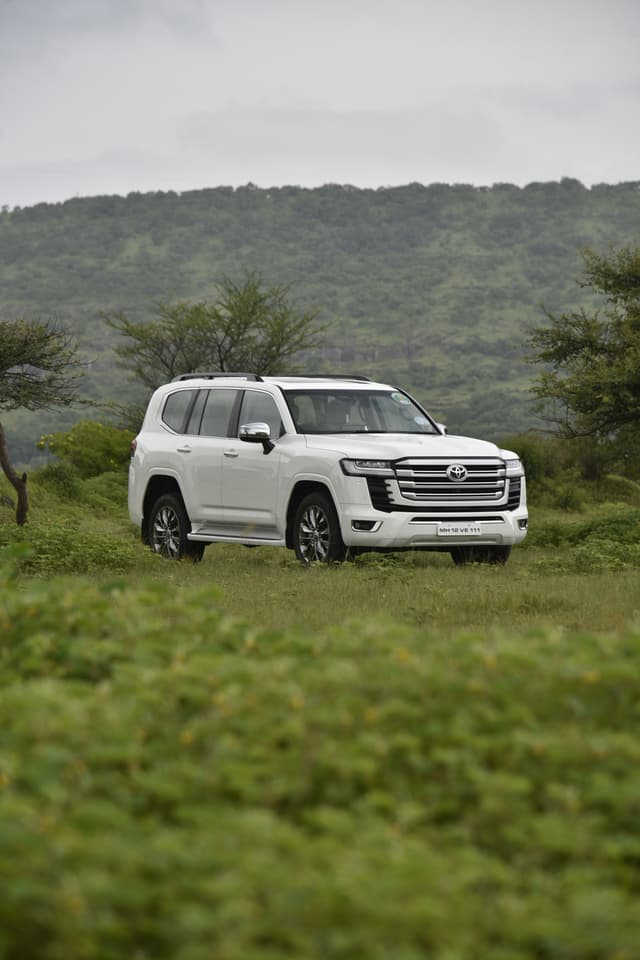
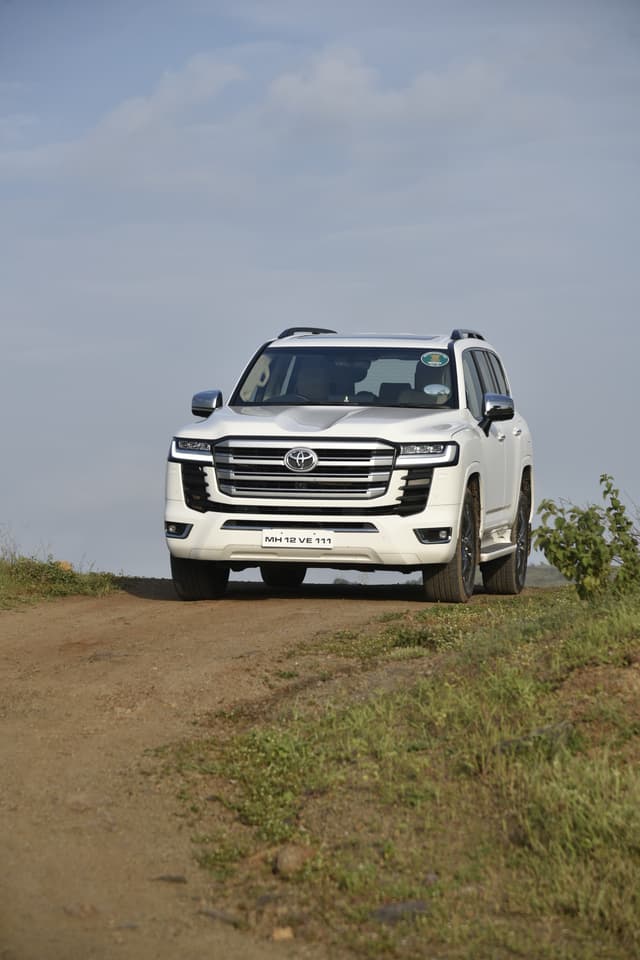
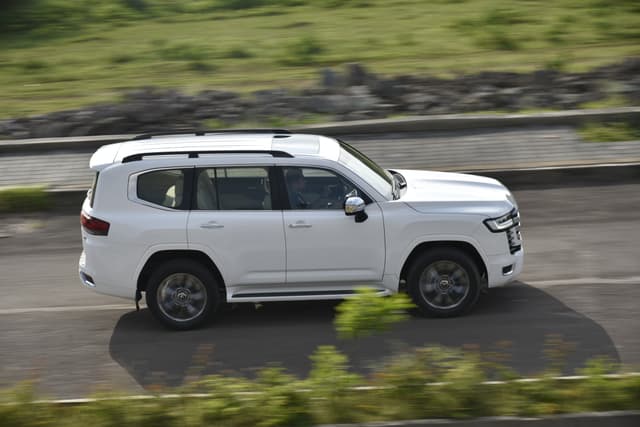
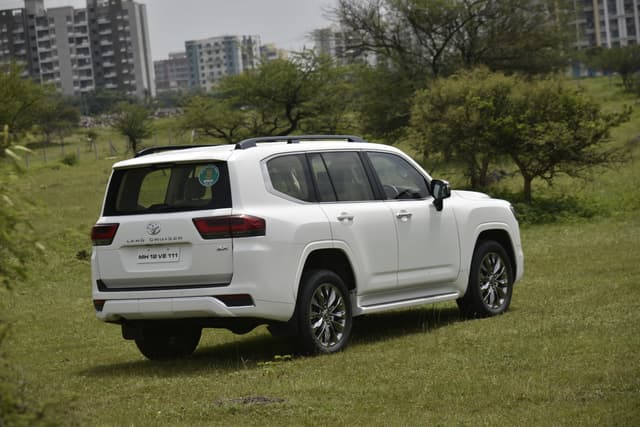
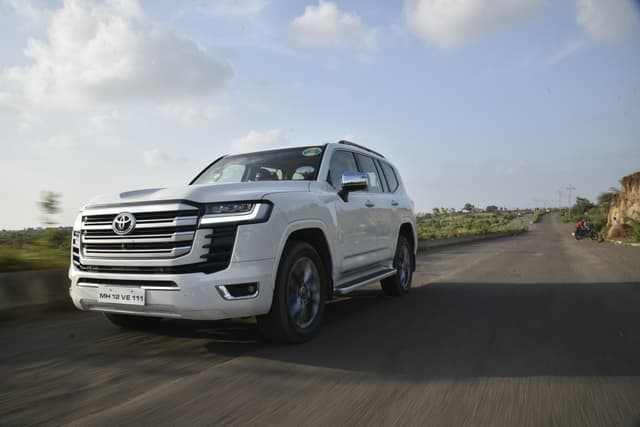
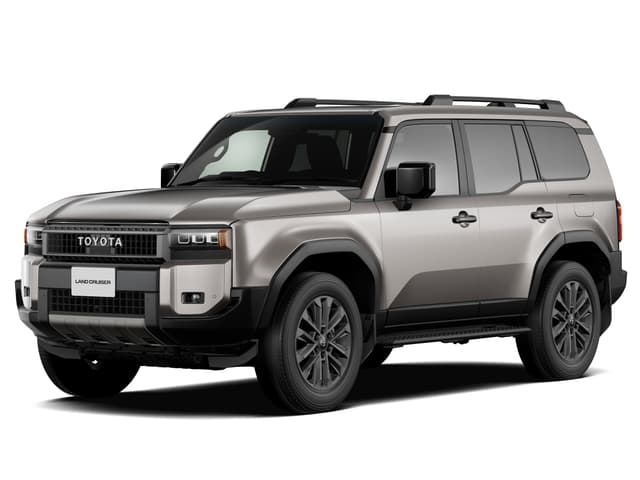
Most expensive Toyota car | Land Cruiser | Rs 2.18-2.25 crore |
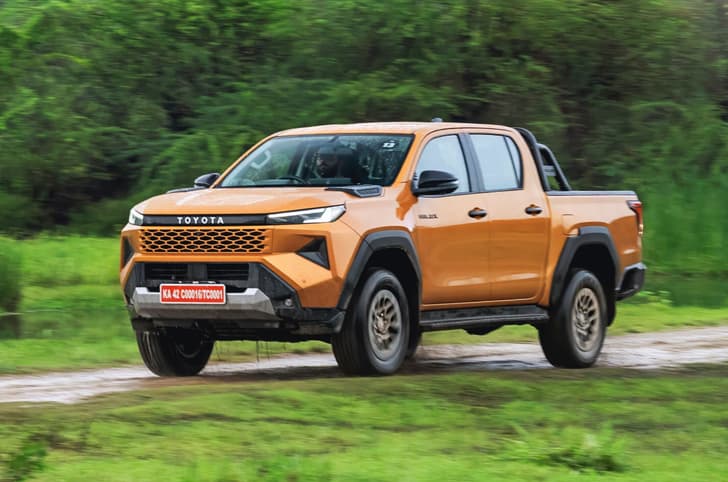
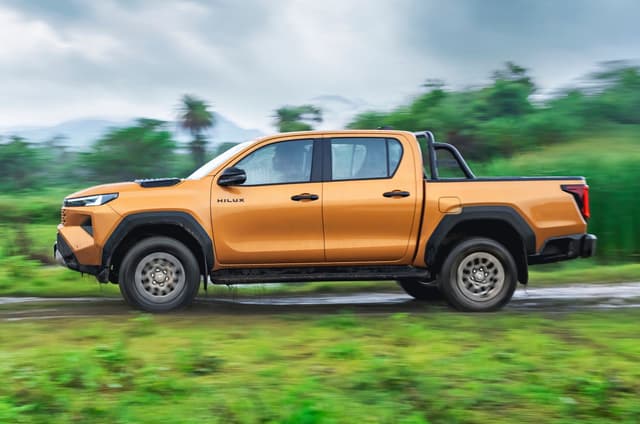
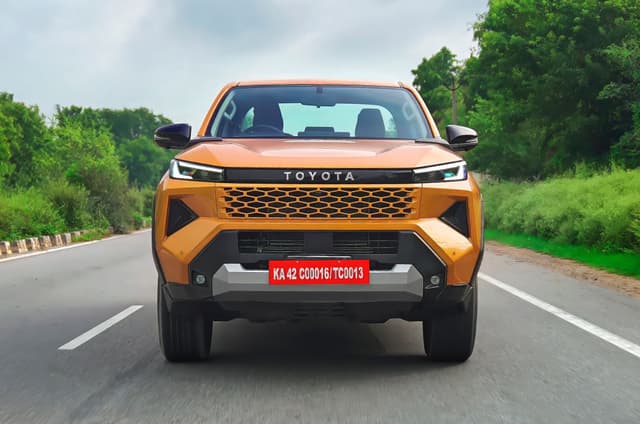
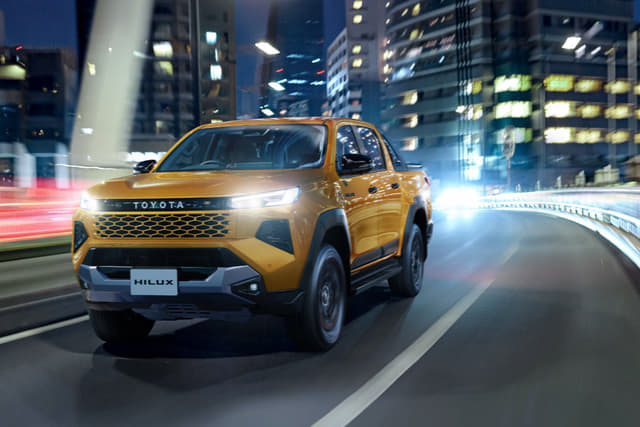
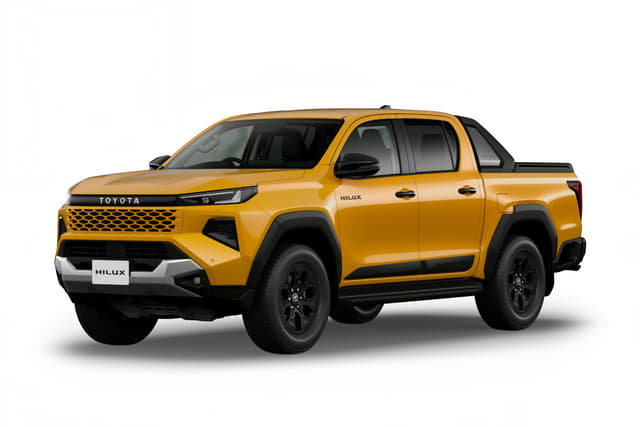
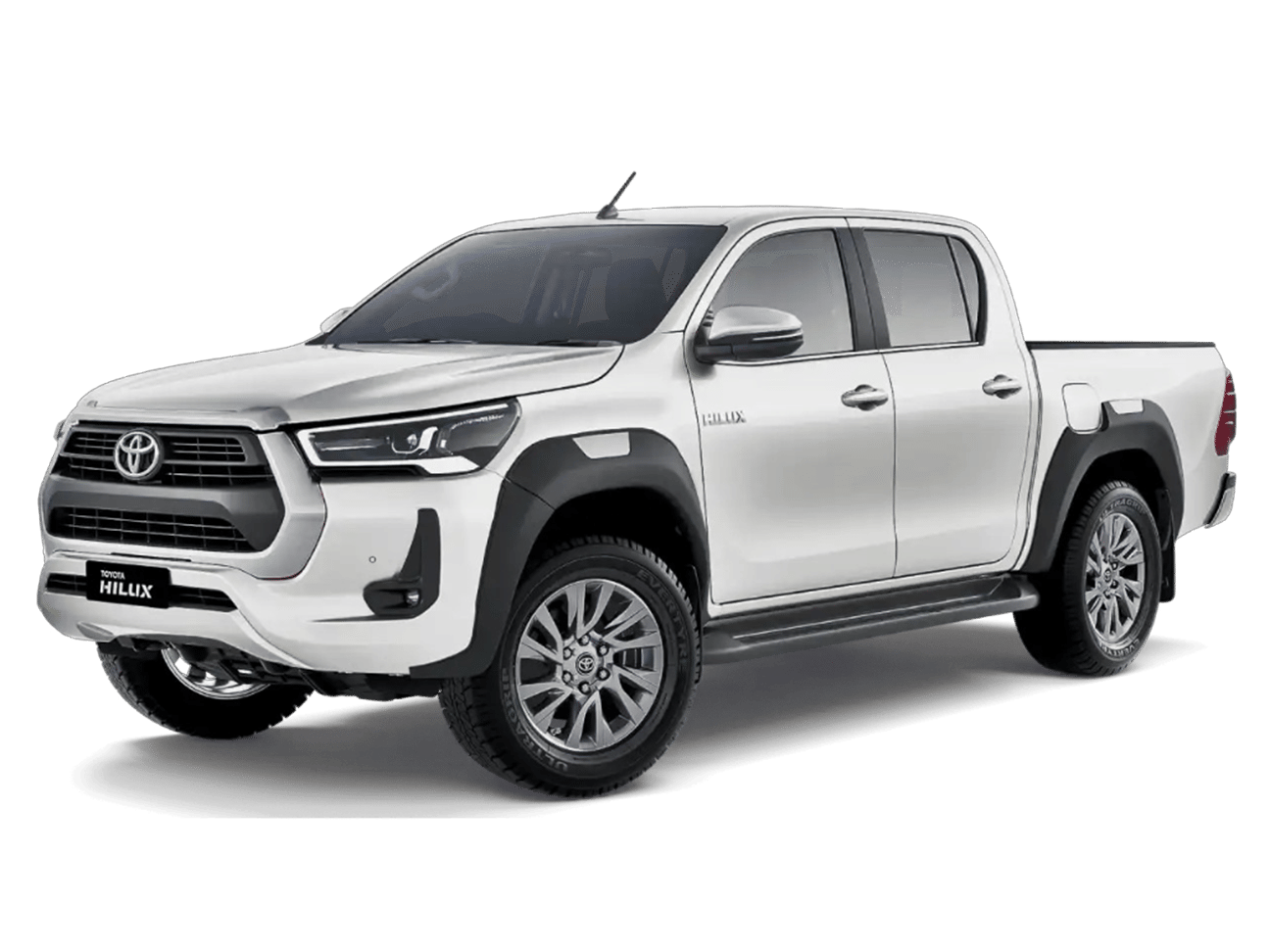
Newest model in the line-up | Hilux | Launched on 28 July 2026 |
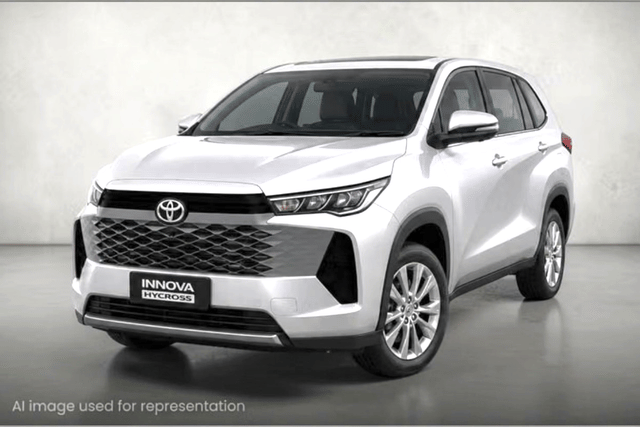
Only Bharat NCAP 5-star rated Toyota car | Innova HyCross | Scored 30.47/32 in adult occupant protection |
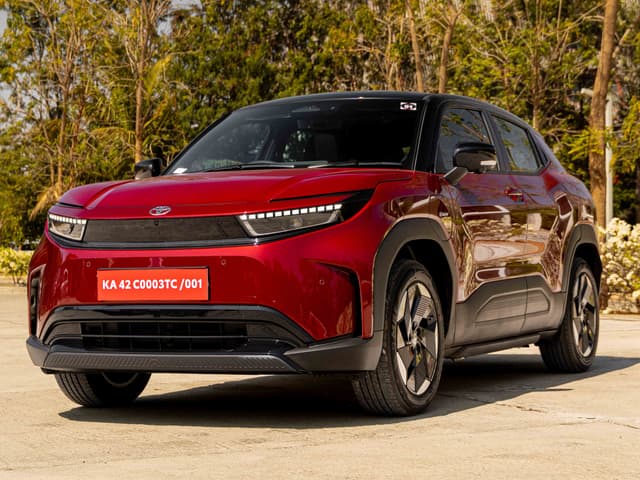
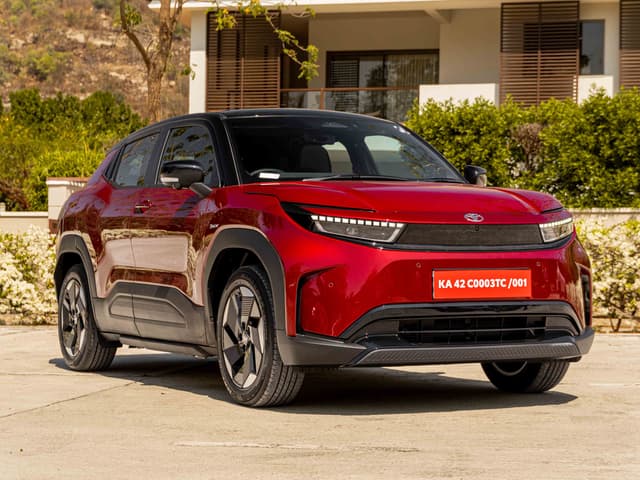
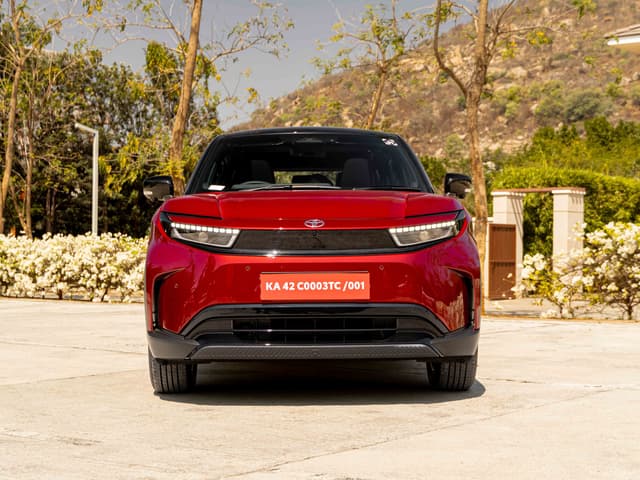
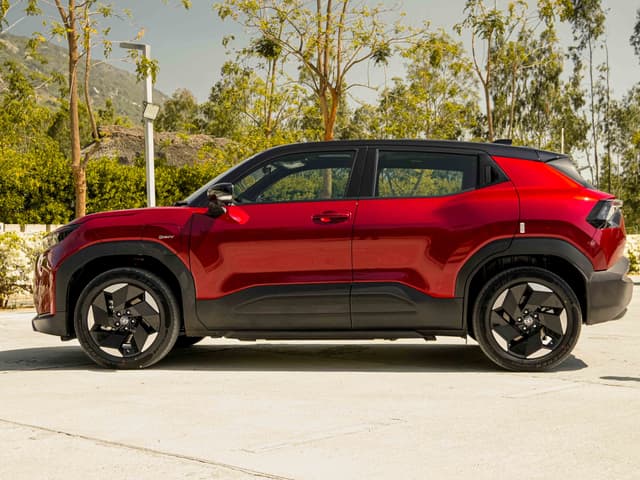
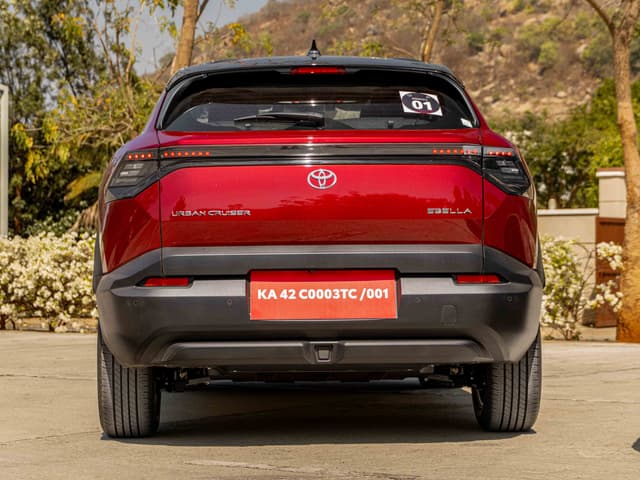
Toyota’s first and the only electric car in India, currently | Urban Cruiser Ebella | Launched on 29 May 2026 |
Only Toyota model built as a pickup truck | Hilux | Shares its ladder-frame IMV platform with the Fortuner |
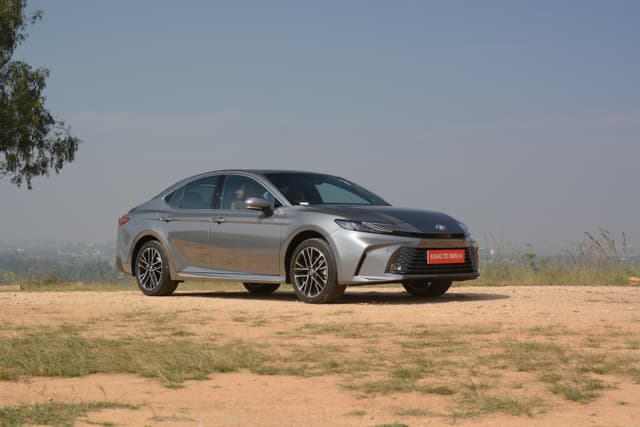
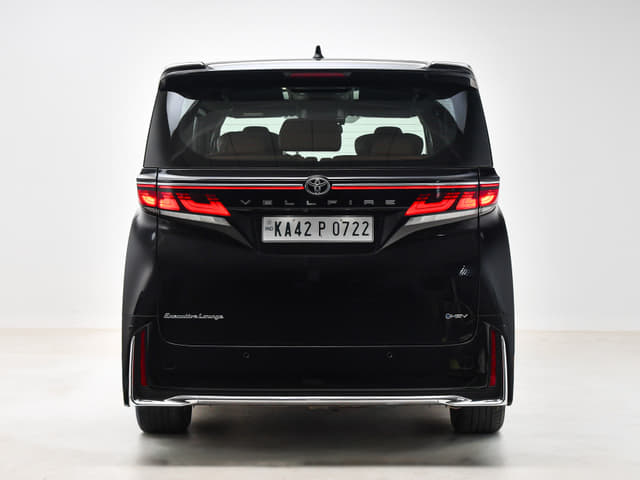
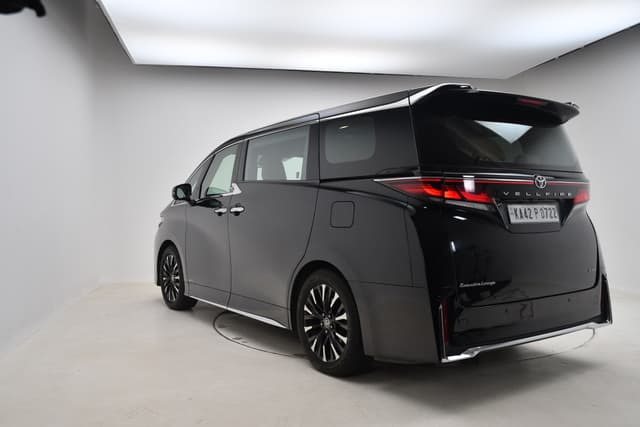
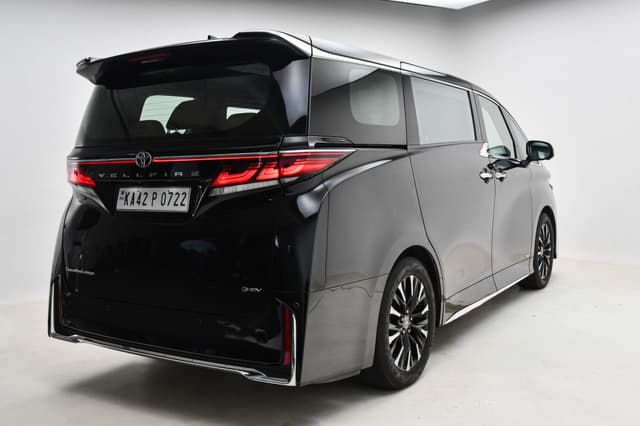
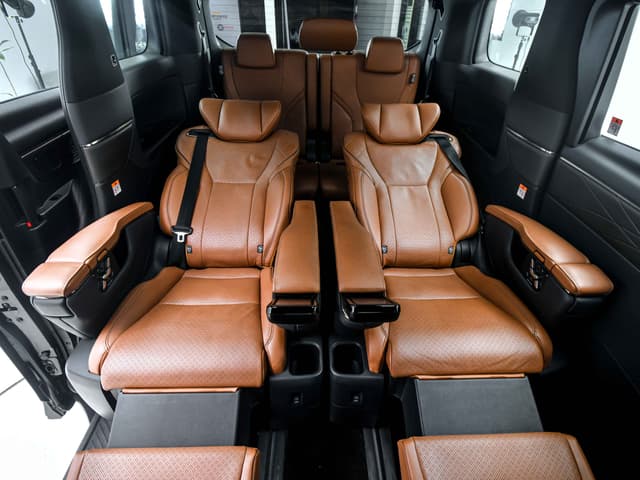
Toyota Hybrid cars | Hyryder, HyCross, Camry, Vellfire | Four strong-hybrid models that are currently available on sale |
Upcoming Toyota cars in India | Glanza facelift, Innova HyCross facelift, Land Cruiser Prado, Land Cruiser FJ | Spread between October 2026 and 2028 |
Unlike most mass-market brands, as per our understanding, Toyota does not depend on one model for most of its sales. Its 12 models cover almost every price range, from Rs 10 lakh hatchback to a Rs 2.25 crore luxury SUV, which is unusual for a brand of its size in India.
How is Toyota's After-Sales Service?
Based on the questions we received from real owners through our Ask Autocar Anything section, here's what we can say about Toyota's after-sales service:
- Toyota's authorized centers employ well-trained technicians, use standardized repair steps, and use proper diagnostic tools.
- Many users in our section agree that the brand offers top-notch, dependable support compared to many competitors.
- As per some customers, at certain authorized service centers, you can get fast options like 60-minute express maintenance, known as EM60, where three workers handle a car at once and service your car within 60 minutes. Though, this service is not available at all service centers.
- Some owners state that they can often drop in without an appointment for minor checks.
- As per some customers, the cost at authorized dealerships is quite high in comparison to local, independent repair shops.
- Customers who live in or near smaller towns seem quite satisfied with dedicated Pro Service centres that focus solely on maintenance, without an attached showroom.
- Some owners have reported that dealers try to push costly add-ons at the time of purchase. In one case, a buyer told us their local dealer refused to sell them an Innova HyCross hybrid if he didn’t agree to pay inflated insurance costs. But this was a dealer-specific issue rather than a brand-wide pattern.
- One long-term owner told us their Etios Liva gave virtually no problems even after being driven for around 15 years.
- Owners are genuinely satisfied with Toyota's “Service Express program,” as well as with flexible EMI options that allows them to pay for servicing in installments (3, 6 or 9 months).
Are Toyota Cars Safe?
As of now, the Innova HyCross is the only Toyota car in India with a 5-star safety rating from BNCAP. It is also the first Toyota MPV and the first hybrid vehicle to be tested. None of the other Toyota models available for sale, including high-volume ones like Glanza, Hyryder and Fortuner, have been independently crash-tested in India yet. But this doesn't mean these are less equipped with safety features, as most of the modern Toyota cars are equipped with multiple airbags (often 6 airbags standard across variants), and higher variants feature Level 2 active safety systems and ADAS.
As the Hilux and Camry are low-volume models, and the Vellfire and Land Cruiser are CBU imports, we don't expect BNCAP to test them.
Upcoming Toyota Cars in India
As per us:
- The Glanza facelift, expected in October 2026, is likely to bring updated styling and features rather than mechanical changes. The pricing is also expected to fall in the same Rs 7.00-8.50 lakh bracket.
- The Innova HyCross facelift, due in early 2027, should address feedback around cabin quality while carrying over its existing petrol and strong-hybrid powertrains.
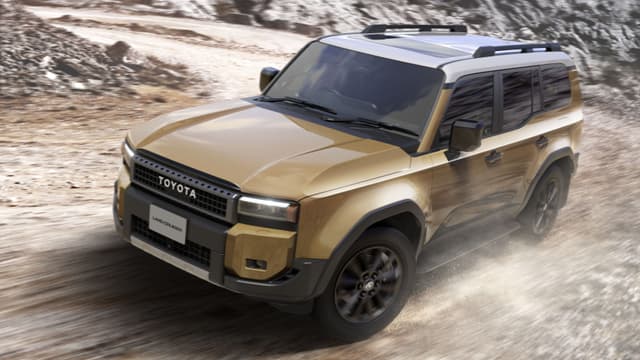
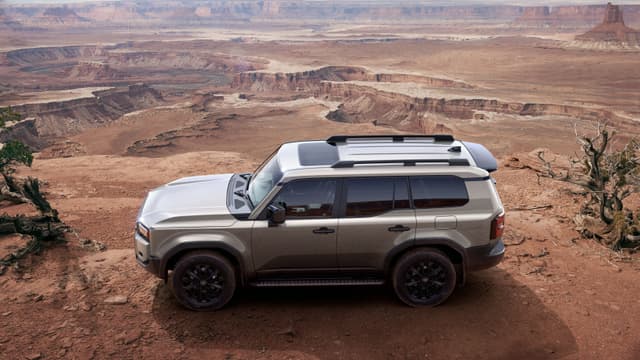
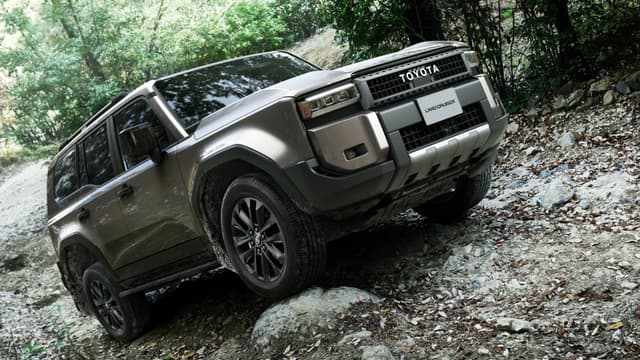
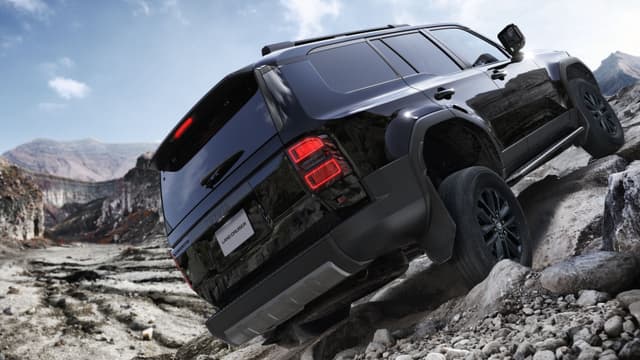
- The Land Cruiser Prado, expected in 2026, will slot in below the full-size Land Cruiser and bring a more accessible way into Toyota's body-on-frame luxury SUV line-up. It will rival the Land Rover Defender.
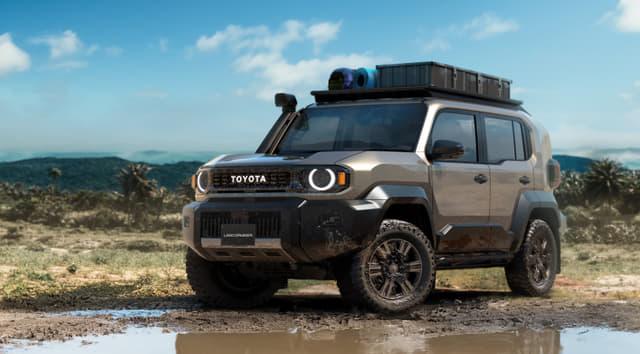
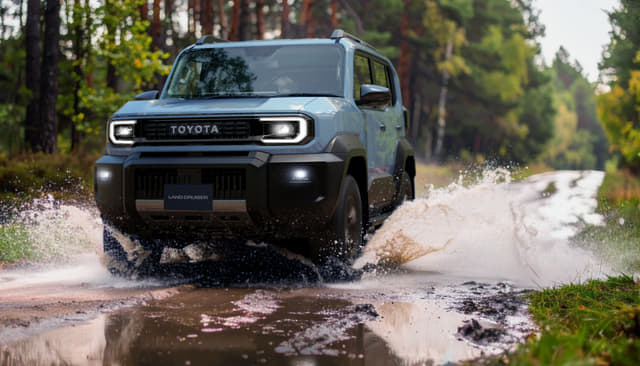
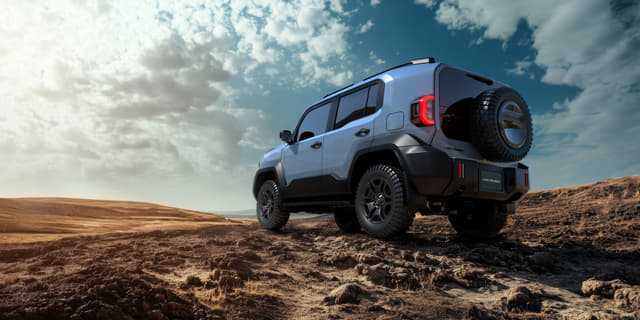
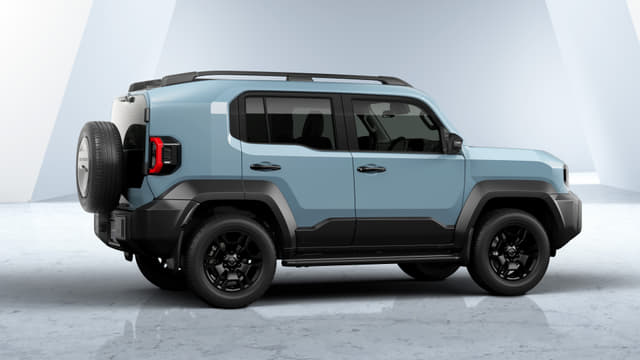
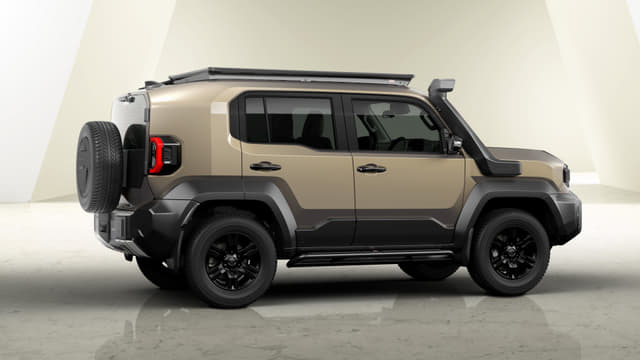
- The Land Cruiser FJ, Toyota's most affordable Land Cruiser yet, is further out in 2028 and will share its underpinnings with the Fortuner and Hilux.
Which Toyota Car Suits Your Usage?
Requirement | Best match | Why? |
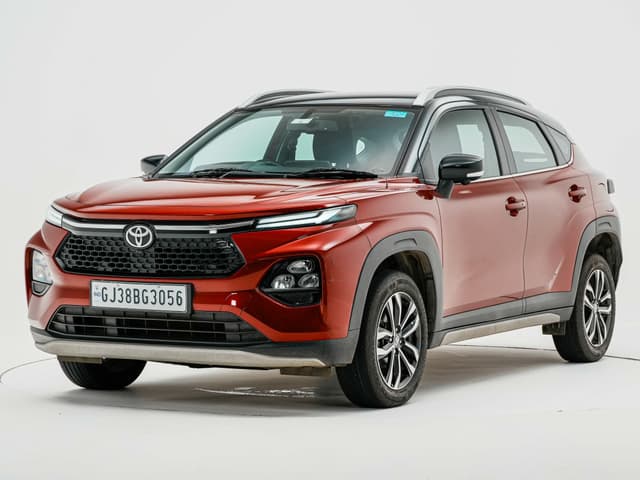
A car for daily commute on a tight budget | Toyota Glanza | It shares its underpinnings with the Maruti Baleno, so it's efficient, easy to maintain, and one of the more affordable cars to service in its segment. |
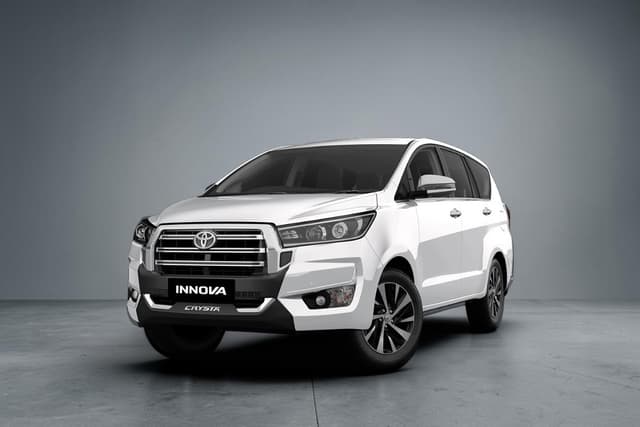
A car for frequent long-distance trips with 7 to 8 people | Toyota Innova Crysta or HyCross | Both of these MPVs offer a roomy third row that’s even comfortable for adults. |
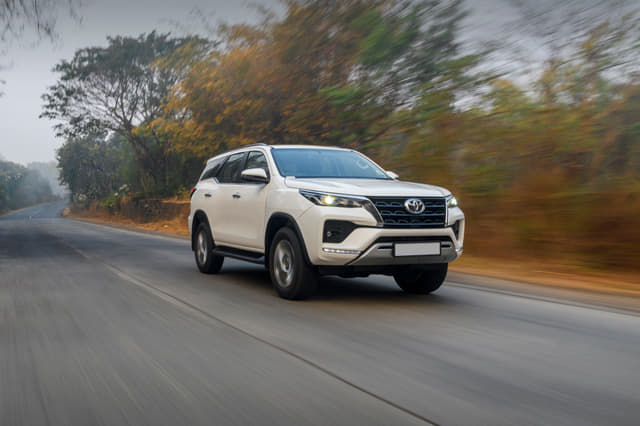
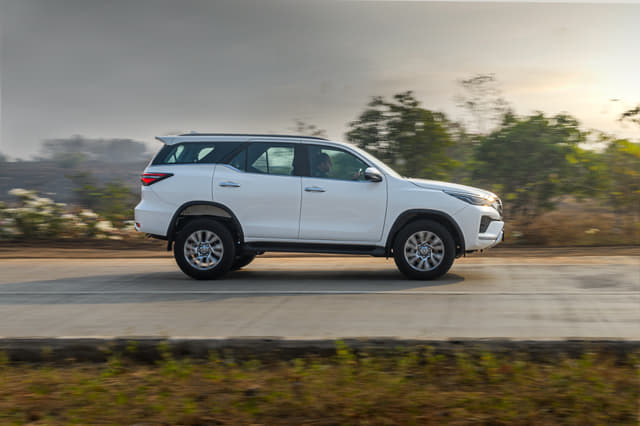
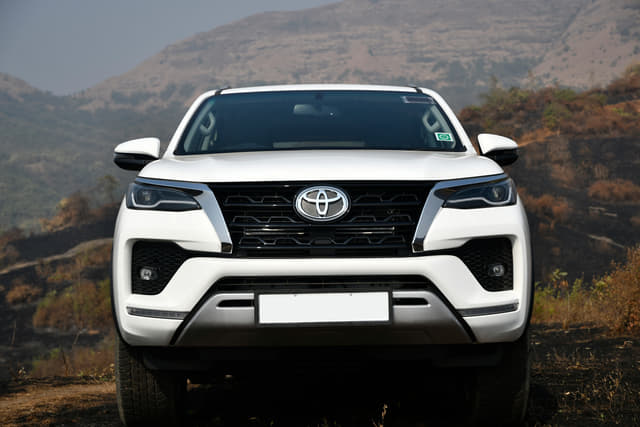
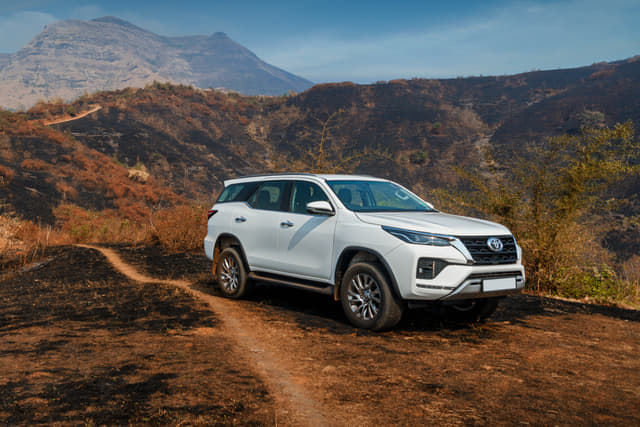
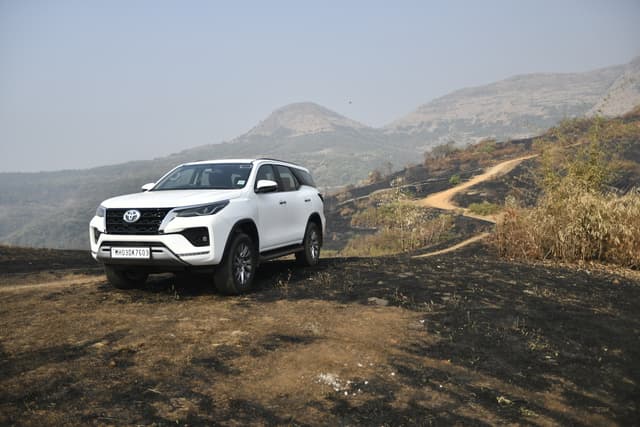
A car for driving on off-road terrain | Toyota Fortuner | Its ladder-frame construction that’s shared with the Hilux, genuine 4x4 hardware,and low-range gearing make it capable of handling serious off-road terrain. |
A car with strong-hybrid powertrain for lower running costs | Toyota Urban Cruiser Hyryder or Innova HyCross | The hybrid system runs on electric power for a large part of city driving, which in turn cuts fuel expenses without having to compromise in terms of space. |
A pickup for personal or light commercial use | Toyota Hilux | It's the only pickup truck in Toyota's India line-up. It is also built for load-carrying with body-on-frame toughness. |
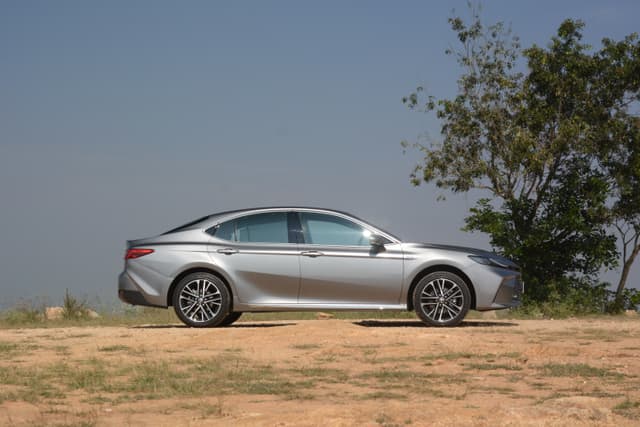
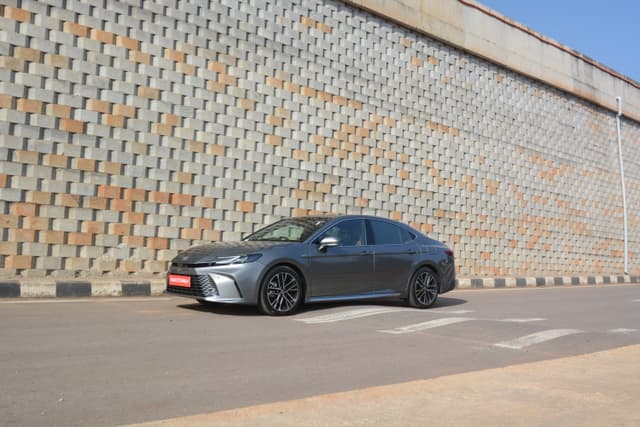
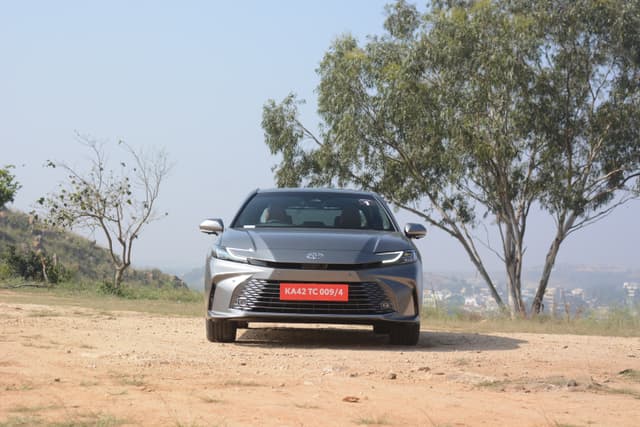
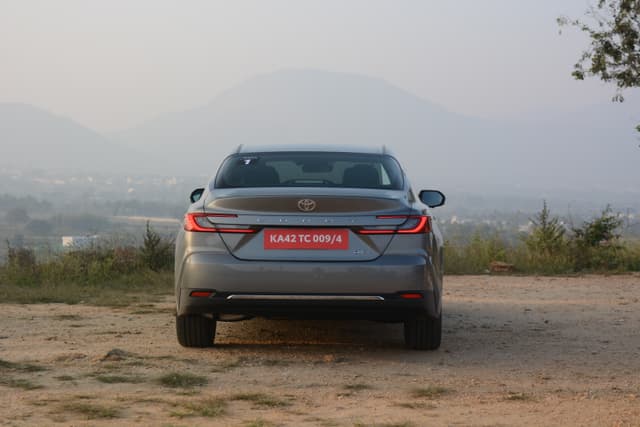
A comfortable sedan | Toyota Camry | Its hybrid-only powertrain is quiet and refined. Plus, the rear seat is tuned for chauffeur-driven use. |
Toyota electric car | Toyota Urban Cruiser Ebella | It's the only Toyota electric model that’s available in India. It offers a claimed range of up to 543km. |
A flagship SUV, without any price constraint | Toyota Land Cruiser | It's Toyota's most expensive and capable SUV in India. It combines serious off-road ability with a properly luxurious cabin. |


Filter your search
Filter your search


Find cars by fuel type


Find cars by transmission
Toyota Cars - FAQs
Yes. Toyota's electric vehicle portfolio in India currently includes the Urban Cruiser Ebella. The company is also expected to expand its electrified lineup in the coming years alongside its hybrid offerings.
Due to the partnership with Suzuki, Toyota is able to share platforms and technologies, turning out superior and cost-competitive Toyota cars for India. At the same time, this alliance guarantees modern features to Indian buyers while maintaining the price of Toyota cars in India at a competitive level.
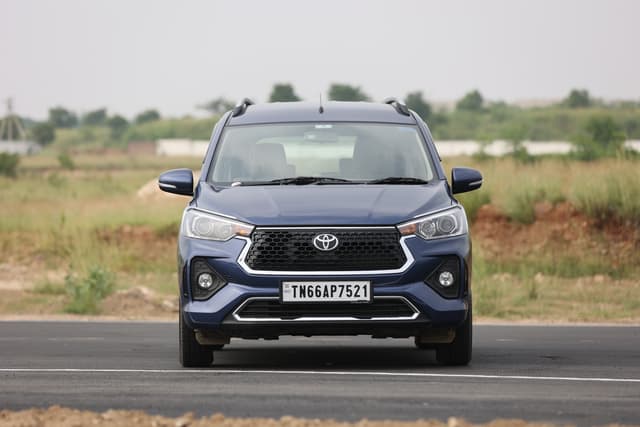
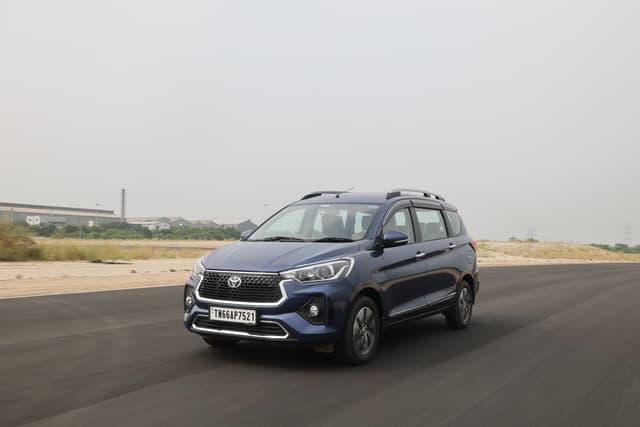
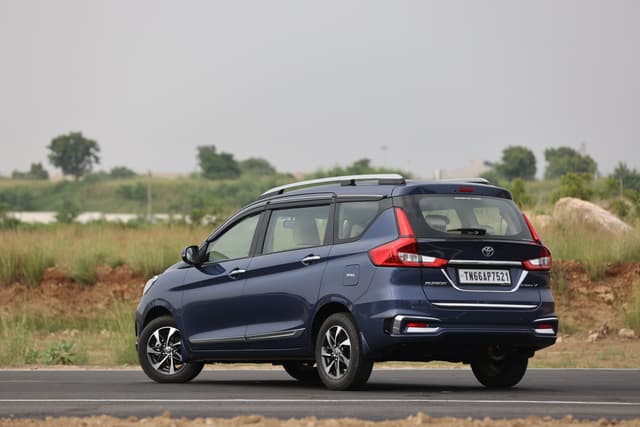
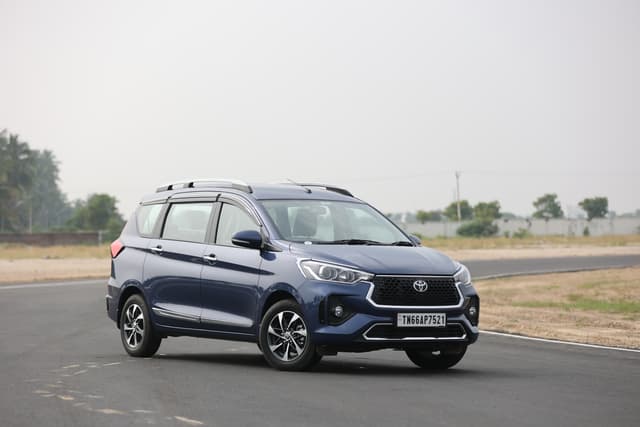
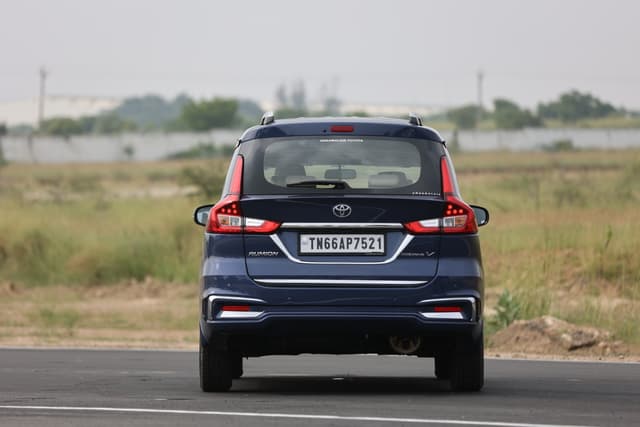
The right Toyota depends on your requirements. The Glanza is suited to buyers looking for an affordable hatchback, the Urban Cruiser Taisor and Hyryder cater to compact SUV buyers, the Rumion and Innova models are ideal for large families, while the Fortuner and Land Cruiser are aimed at buyers seeking larger SUVs with strong off-road capability.
Toyota cars are widely known for their reliability, durability and strong resale value. The brand also offers a broad portfolio spanning hatchbacks, SUVs, MPVs and premium models, with several hybrid options that prioritise fuel efficiency.
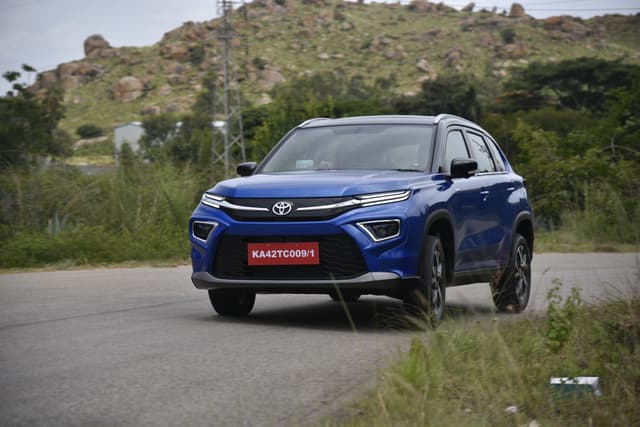
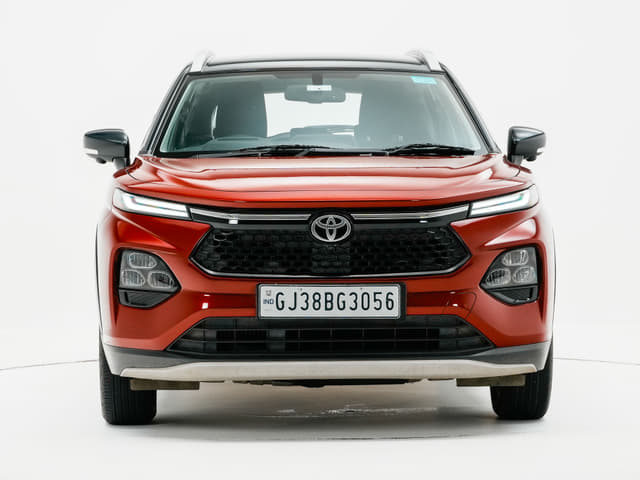
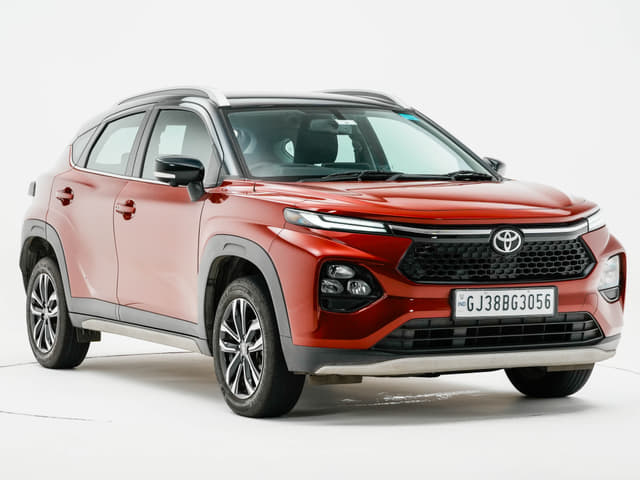
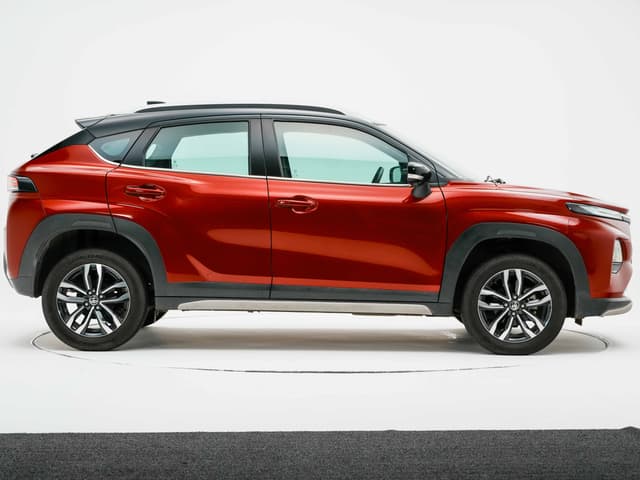
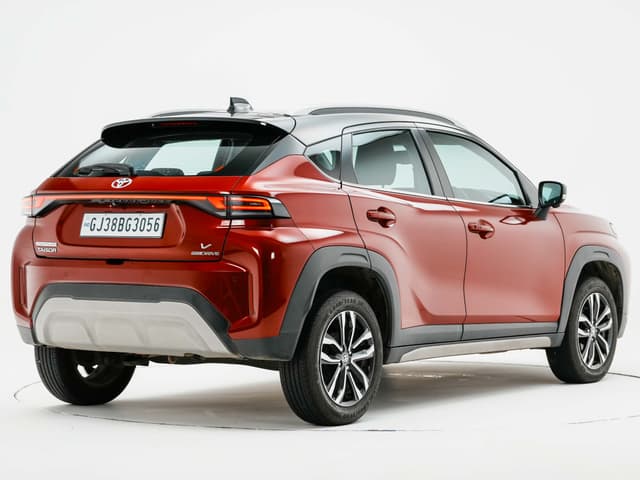
Toyota offers SUVs across multiple segments. The Urban Cruiser Taisor is the brand's entry-level SUV, the Urban Cruiser Hyryder is aimed at buyers looking for a fuel-efficient hybrid SUV, the Fortuner is popular for its ruggedness and long-distance capability, while the Land Cruiser is Toyota's flagship luxury SUV.
Yes. Toyota has one of the widest hybrid portfolios in India. Hybrid options include the Urban Cruiser Hyryder, Innova HyCross, Camry and Vellfire, catering to buyers across different price segments.
Toyota offers automatic transmission options across most of its lineup, including the Glanza, Urban Cruiser Taisor, Urban Cruiser Hyryder, Rumion, Innova HyCross, Camry, Fortuner, Land Cruiser, Hilux, Urban Cruiser Ebella and Vellfire.
Trending Questions on Toyota Cars - Answered by Autocar Experts
I drive around 6,000-7,000 km a year, but I’m not happy with the mileage of my Tata Altroz DCT. It averages only around 10 km/l, and with E20 petrol becoming more common, fuel costs are becoming increasingly challenging. What options or alternatives would you suggest?
With 6,000-7,000 km a year, the fuel cost is a concern, but the running is not high enough to justify a diesel car or a hybrid purely on savings. The Tata Altroz DCT’s 10 km/l is on the lower side, and E20 will reduce efficiency slightly, but the bigger issue is likely the DCT itself. Dual-clutch gearboxes are not the most efficient in stop-start city driving, and the Altroz’s DCT is not the most refined or efficient example either.The simplest solution is to move to a naturally aspirated petrol engine with a torque converter, IVT, or CVT automatic. These gearboxes are smoother in traffic and generally more efficient in real-world conditions. Cars like the Honda Elevate CVT will deliver better efficiency and a more relaxed driving experience. If you are open to a manual, a naturally aspirated petrol with a manual gearbox will be even more efficient.Hybrid cars like the Maruti Suzuki Victoris Hybrid or Toyota Urban Cruiser Hyryder Hybrid are the most efficient option, but at your running, the payback period is long. They make sense if you want the lowest possible fuel cost per kilometre, but not as a purely financial decision.
Should I go with new Maruti Suzuki Baleno facelift with 3-cylinder or Glanza G variant with 4 cylinders?
If you want to buy now, go for the current Glanza G. We are yet to drive the new Baleno with its three-cylinder engine, but going by our experience with the Swift, it is unlikely to be as smooth as the existing four-cylinder unit, and performance is likely to take a small hit as well.The new Baleno does get more features, which is something to keep in mind, but if engine refinement and performance are important, the current Glanza's four-cylinder engine has the advantage.There is also an important timing factor with the Glanza. The current Glanza has not received the update yet, but the facelift is due to launch on October 14 and will also move to the new 1.2-litre three-cylinder engine. So, if you specifically want the smoother four-cylinder engine, this is effectively your last opportunity to buy the current Glanza.
I have a 2023 Skoda Slavia 1.5 DSG Style, which has covered around 46,000 km. Although the driving experience is unmatched, I have faced quite a few issues with the DSG and battery, and recently had to pay a Rs.16,000 bill for suspension repairs. I am now thinking of selling the car and switching to a more reliable product, possibly a Honda City or Toyota Hyryder. My daily running is around 70 km, so I am looking for something reliable and economical for long-term ownership. I will definitely have to bear a loss on the sale of the Slavia, so I was thinking along the Honda route, especially since Honda is offering better deals compared to some other brands. Please suggest what would be the best solution in my case.
Given your 70 km daily running and the issues you have faced with the Slavia 1.5 DSG, the Honda City is the more sensible replacement. This Honda car is a proven, reliable product with a strong ownership track record, low maintenance costs and a comfortable ride, making it well suited to high daily usage. The naturally aspirated petrol engine is smooth and efficient, and the CVT is more dependable than a DSG in long-term ownership. Honda's current deals may also make it a more financially rational switch, helping to offset some of the loss you will take on the Slavia.The Hyryder is also a good option from a reliability perspective, but it won't be as efficient as the City unless you go for the hybrid. The only reason to keep the Slavia would be if you are willing to accept the higher maintenance costs in exchange for the driving feel, but given your experience with the DSG, battery and suspension, it is clear that reliability and peace of mind have become the priority. The Honda City is the right move.
I just found out the Glanza facelift is dropping mid-october and it's apparently getting the same upgrades as the new baleno, level 2 adas, ventilated seats, a new engine, the whole package. Wasn't expecting toyota to push on what's basically a rebadged maruti.
I am looking to buy a new EV for my daily office commute, which is roughly 100 km round-trip. My current ride is a Toyota Innova Crysta. While it is a reliable workhorse, I find it increasingly tiring for daily use. The constant body roll, low-speed bounciness, and typical ladder-frame wobble over uneven roads are wearing me down. I want to switch to a smooth, refined electric SUV. My usage will be a mix of self-driving and being chauffeur-driven. My absolute top priorities are: Ride Comfort & Stability: I need a car that glides over bad roads, handles speed bumps cleanly, and minimises vertical movement/head-toss. I want to avoid the wobbliness of the Crysta at all costs. Cabin Space: Generous legroom, good under-thigh support, and a spacious cabin environment are highly important. I am currently considering four upcoming/recently launched options, but I am torn between them: Mahindra XEV 9e, Mahindra XEV 9s, Tata Sierra EV, Tata Harrier EV. Given my 100 km daily run, battery efficiency is a factor, but comfort overrides everything else. Which of these four will offer the most stable, plush, and fatigue-free ride for someone moving away from an Innova Crysta? I do not intend to sell the Innova Crysta, as I want to keep it for the airport and family runs for long distance.
For your 100 km daily commute, with comfort and stability as the absolute priorities, the Tata Sierra EV is the top recommendation. This Tata car is built on Tata's Gen 2 EV architecture, which is a dedicated electric platform with a flat floor and a long wheelbase. This gives it a very stable, planted feel on the road, and the suspension is tuned for comfort, with a soft, absorbent ride that deals with bad roads, speed bumps and undulations far better than a ladder-frame vehicle like the Crysta. The Sierra EV also has a spacious cabin with generous legroom, good under-thigh support and a wide, airy feel, making it a genuinely comfortable place to spend long hours, whether you are driving or being driven. Also, its 75 kWh battery pack gives it a strong range, so you don't have to worry about recharging even on long trips. The Mahindra XEV 9e and 9s are both strong products, but they are not quite as plush or as settled. The Harrier EV has a redesigned floor pan, but it still doesn't feel as spacious or airy inside as the Sierra. The Sierra also has a larger boot compared to the Harrier. Given that you are keeping the Crysta for airport runs and long-distance family trips, the Sierra EV is the best fit for your daily commute. It is the most comfortable, the most stable and the most fatigue-free option of the four.
Last Updated on: 11 Sept 2026