Autocar India
RA

Ram

1d

Which is the best seven-seater car in the ₹15 lakh bracket? My usage is occasional long drives and limited city usage.

Autocar India team

Autocar India

Verified
3m

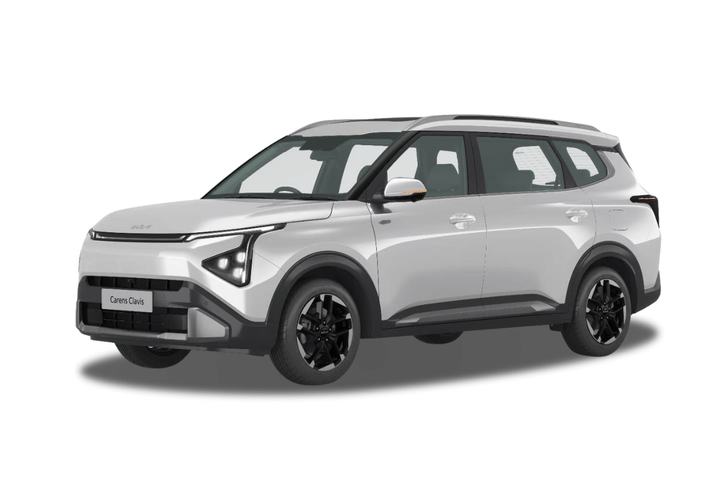
With occasional highway trips, limited city use, and a cap of around ₹15 lakh, the Kia Carens Clavis HTE EX 1.5 NA manual fits your needs best. It is a true seven-seater that is easy to live with and stays within budget.

Why it works for you: the petrol engine is smooth and quiet, and the light steering makes it simple to handle in the city. The middle row is roomy and comfortable, and roof vents help keep the cabin cool for everyone on hot days. Even the third row of this Kia car is surprisingly comfortable for adults.

Know the trade-off: With all seven occupants on board and luggage, you will need to plan overtakes on the highway. Also, the boot space with all three rows up is just 216 litres, so for longer trips, you may need to fold the last row.

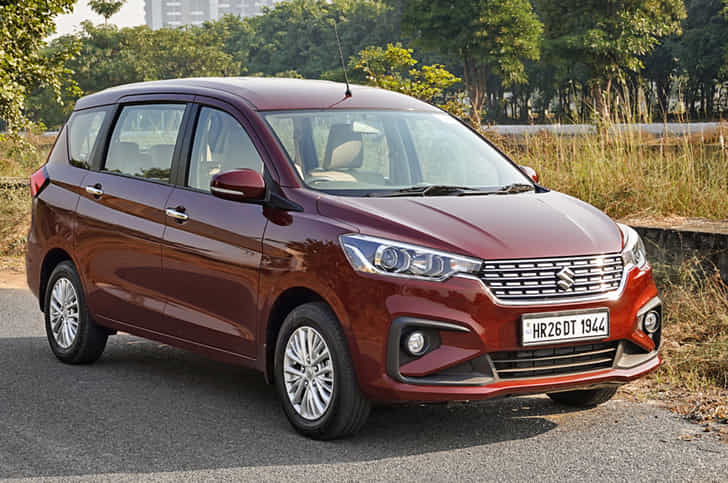
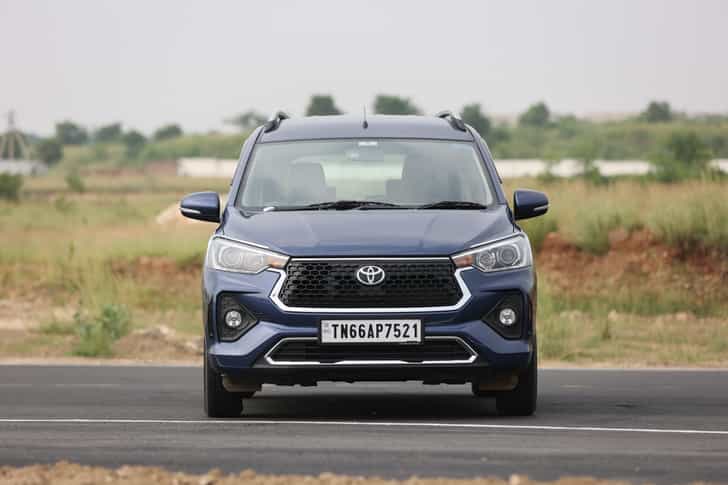
If you don’t plan on using the third row often, then the Maruti Ertiga or Toyota Rumion are reliable picks. Maruti also has the largest dealer network if that is a concern for you.

Overall, for your use and budget, the Carens Clavis lines up best.
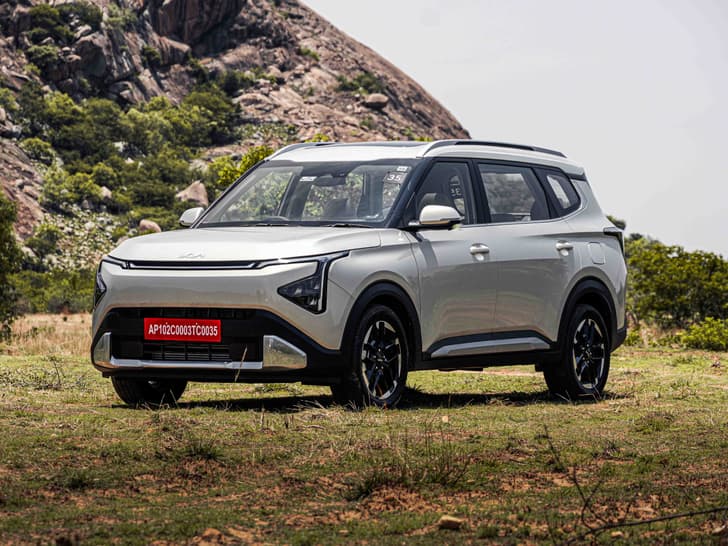
Kia Carens Clavis

Kia Carens Clavis

Was this helpful? Ask a follow-up

More questions on similar cars

JA

Jai

4d

My family consists of five adults: myself, my wife, my parents, and my brother. I currently live in a different state, while my family stays in my hometown, and I visit them once every two months. During those visits, all five of us travel together, and in the next couple of years, our family size may increase to six members after my brother’s marriage. Our usage will be minimal, around 300 km per month, mostly on highways during occasional trips. I prefer an SUV-like driving position with good visibility of the bonnet. I am confused whether I should opt for a 5-seater or a 7-seater. If going for a 7-seater, I am considering the Maruti Ertiga VXI. If a 5-seater is more practical, I would like suggestions based on reliability, mileage, safety, rear seat comfort for three adults, and resale value. My budget is ₹12 lakh, and I prefer a petrol manual car with a long ownership period of around 10 years.

Autocar India team

Autocar India

Verified
3d

Your usage pattern is unique. You drive only occasionally but always with the full family, and in the near future, your family will grow to 6 members. A 5 seater will feel fine today, but it will become a limitation very quickly, especially for highway trips where comfort matters most.The Maruti Ertiga VXi works perfectly here. It is a proper 7 seater with usable third row space, good comfort for all passengers and a relaxed driving nature for highways. It is also known for good mileage, low maintenance and strong resale, which is important since you plan to keep the car for 10 years. The petrol engine is simple and proven, and even supports E20 fuel, so it is future-ready as well.Most importantly, it solves your core problem. You get a car where all family members can travel together comfortably, without compromise.If you go for a 5-seater instead, options like the Maruti Brezza or similar SUVs will give you a better front seat experience, and that SUV bonnet view you like, but for 3 adults at the rear, it will always feel tight, especially on longer trips. And once your family becomes 6 members, it simply will not work.

VehicleMaruti Suzuki Ertiga
VehicleMaruti Suzuki Brezza
DS

Dattaprasad Sawool

1w

I want to buy a car for daily use of around 70 km. Please suggest a good and safe car within a budget of about ₹11 lakh (not more than this).

Autocar India team

Autocar India

Verified
2h

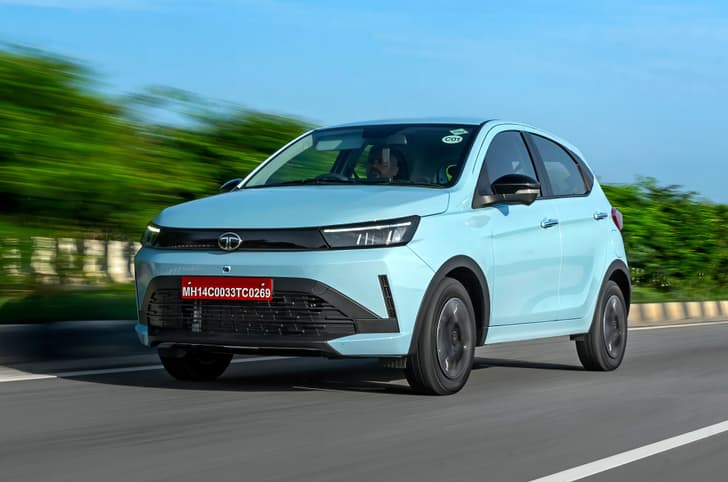
Go for the Tata Altroz petrol manual. Within your budget and daily 70 km, it is the safest and most sensible pick. The Altroz has a 5-star crash test rating and a strong body, so it meets your “safe car” needs better than most in this price range. It feels steady at 70-90kph, the ride is comfortable on bad roads, and the seats support you well, which matters when you are in the car for a long time every day. It is also easy to drive in the city, and Tata’s service network is wide, so upkeep is simple in most towns.One thing to be aware of is that the petrol engine is fine for daily use, but it does not feel very quick if you push hard.If your city has a good CNG supply and you want lower running costs, look at the Tata Punch iCNG Adventure. It is also a very safe choice, offering a higher seating position that makes traffic and speed breakers easy, but it is not as relaxed as the Altroz on longer highway runs.

VehicleTata Altroz
BM

BM

1d

Hi. I'm looking for a new car in the range of 20-25 lakh. My usage is primarily city-based, with an average monthly distance of about 500 km, and I plan to retain the car for around 10 years. I'm leaning towards EVs mainly due to their lower running cost, lower maintenance costs, smoother ride quality, lower exposure to fuel price fluctuations, and being the technology for the future. I can have home charging installed, and I rarely go on long road trips. Given my usage conditions, should I go for an EV instead of a regular petrol car? If yes, which car would be best suited for my needs?

Autocar India team

Autocar India

Verified
4h

Given your usage, an EV makes strong sense, and the Hyundai Creta Electric is a great fit. In our real-world test, the long-range 51kWh battery managed a combined 432km, which almost covers your monthly usage, so you would only need to plug in at home every couple of weeks. In city traffic, it is very smooth and quiet, with a strong pull at low speeds, so gaps are easy and you won’t feel gear shifts. Over 10 years, the simpler EV hardware means fewer routine services, and you are less exposed to fuel price swings. Most electric cars also come with a long battery warranty, which helps give peace of mind.A few trade-offs to keep in mind. At 500 km a month, the money you save on running will add up slowly, so buy it mainly for the smooth drive and ease of use. For the rare long trip, you will need to plan charging stops, but the Creta Electric can charge at up to 100kW, which makes quick top-ups easy.If you want a bit more space, the Kia Carens Clavis EV is a solid alternative in your range. Overall, for your city-heavy routine with home charging, the Creta Electric lines up best.

VehicleHyundai Creta Electric
VehicleKia Carens Clavis EV

Popular discussions right now

KY

Krishna Yadav

4d

I am planning to sell my Mahindra XUV700 and switch to the Renault Duster. I would like your expert opinion on whether this would be a good decision.

Autocar India team

Autocar India

Verified
4d

On paper and in real-world ownership, these are very different cars, and the Mahindra XUV 7XO sits in a clear segment above. The XUV 700 is a bigger, more complete SUV. It offers more space, better road presence, stronger performance and a far richer overall experience, including the option of a third row and a more premium cabin. It is designed as a proper family SUV and feels more capable on highways and long drives.The Renault Duster, even in its new form, is a simpler, more driver-focused and lighter SUV. It will likely be easier to drive in the city and feel more rugged and straightforward, but it is still a step down in terms of overall size, features and cabin experience.So the decision really comes down to intent. If you are moving because you want something more compact, easier to use daily and less feature-heavy, then the Duster can make sense. But if you are expecting it to feel like an upgrade or even equal to the XUV700 in terms of space, comfort and overall experience, it will not.

VehicleRenault Duster
DE

Devakumar

5d

I have booked the Tata Sierra Adventure Plus petrol manual, but I am now confused between the petrol and diesel manual variants, particularly in terms of mileage and performance. I am not interested in an automatic transmission. My annual running is less than 6,000 km. Could you please advise which engine option would be more suitable for my usage? Additionally, I would appreciate any alternative suggestions for a spacious car with good mileage that fits my needs.

Autocar India team

Autocar India

Verified
4d

The Tata Sierra is a big, heavy car, and the petrol engine, being a naturally aspirated unit, feels just about adequate, especially once you load it up or hit the highway. The diesel, on the other hand, suits the car far better with its stronger low-end pull, making overtakes easier and long-distance driving far more relaxed.That said, with your low annual running of under 6000 km, the petrol still makes sense if your usage is mostly in the city. It will feel smoother, easier to live with and perfectly adequate for everyday driving, even if it lacks that effortless punch on highways.If you are open to alternatives for a better petrol manual experience, the Renault Duster with its turbo petrol engine is a strong option. It feels far more effortless to drive, while naturally aspirated options like the Kia Seltos or Hyundai Creta offer a more refined and effortless experience than the Sierra petrol.

VehicleTata Sierra
VehicleRenault Duster
VehicleKia Seltos
VehicleHyundai Creta
RO

Rohin

1w

I am confused about buying the AMT version of the Skoda Kylaq, Tata Nexon, or Maruti Fronx. My budget is between 11 and 13 lakh. My usage is mostly city driving of about 1,000 km per month, with occasional long highway drives.

Autocar India team

Autocar India

Verified
3d

Between the three, the Skoda Kylaq is the best automatic for the money. It doesn’t use an AMT but a proper 6‑speed torque-converter with the 1.0 TSI, which is smooth, robust and easily the nicest for your occasional highway runs.The Maruti Suzuki Fronx 1.0 turbo also gets the same 6‑speed torque-converter auto, and while it is refined and efficient, it doesn’t have the same solid, European feel or driving dynamics as the Kylaq. However, from an overall cost-of-ownership point of view - price, fuel efficiency and service, the Fronx is likely to work out cheaper.The Tata Nexon in your budget doesn’t get a torque-converter. You mainly have a 6‑speed AMT, which is convenient but nowhere near as smooth or quick as a proper automatic. There is also a 7‑speed DCA dual‑clutch option, which is noticeably better than the AMT, but still not as seamless as the autos in the Kylaq and Fronx, and it can push the price higher.For 11-13 lakh, 1,000km a month in the city and the odd long drive, we would pick the Kylaq auto. If budget discipline and running costs are top priority, go for the Fronx 1.0 turbo automatic.

VehicleSkoda Kylaq
VehicleMaruti Suzuki Fronx
VehicleTata Nexon

Posted on: 23 Apr 2026