Last Updated on: 26 Aug 2026
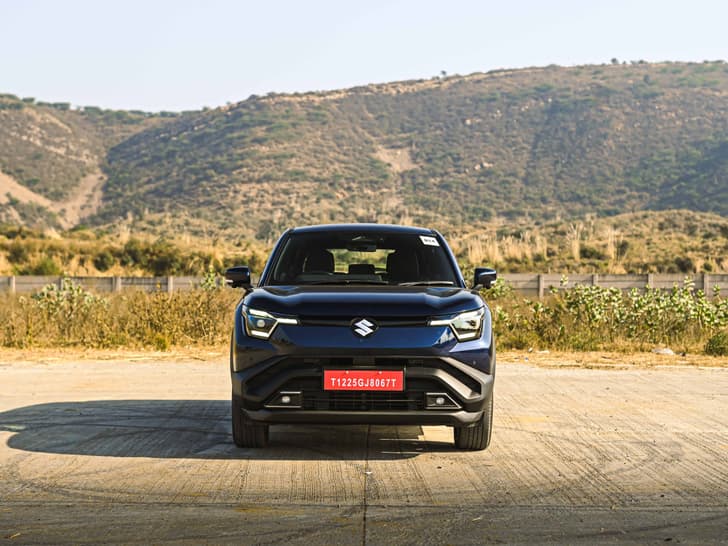
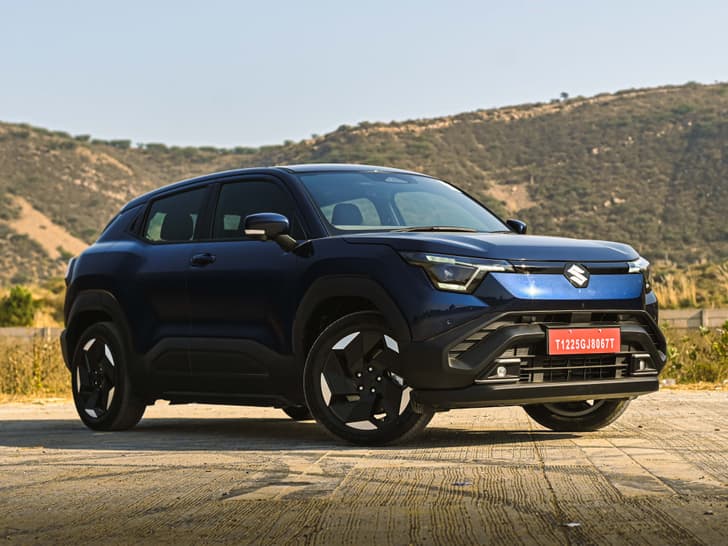
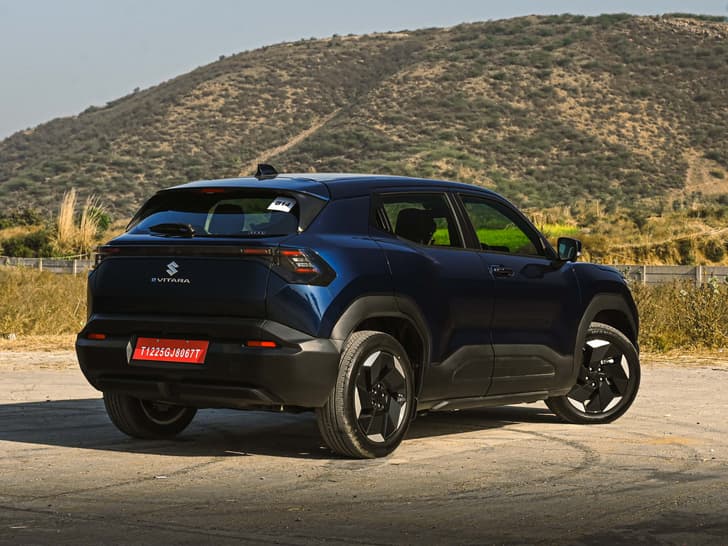
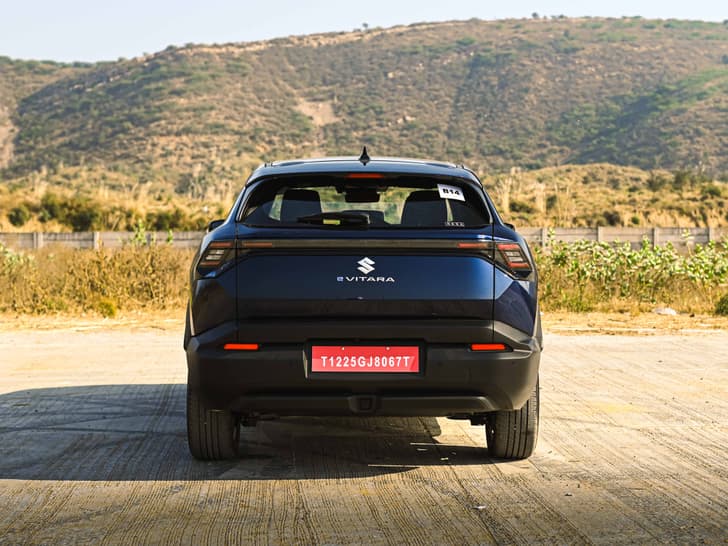
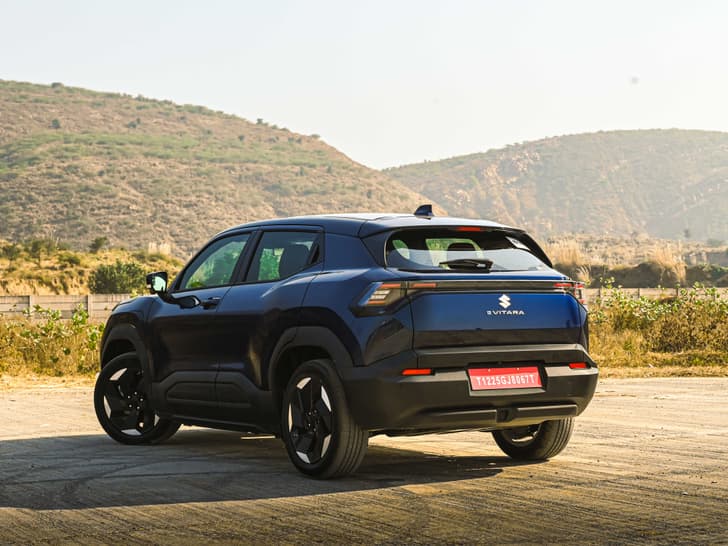
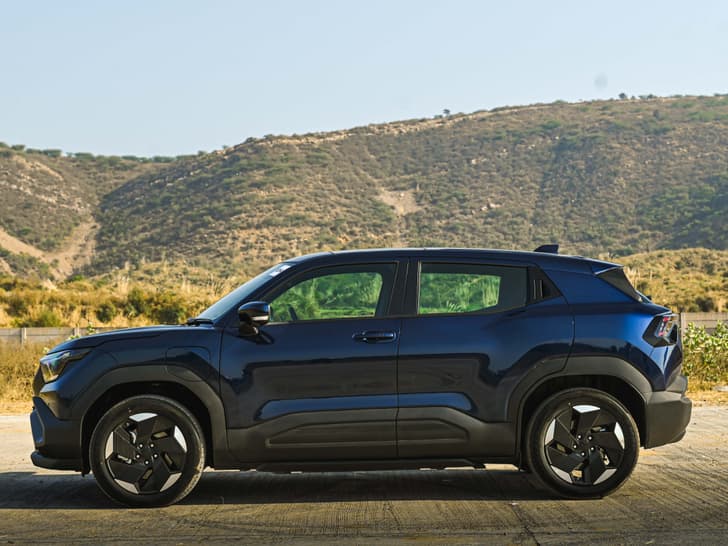
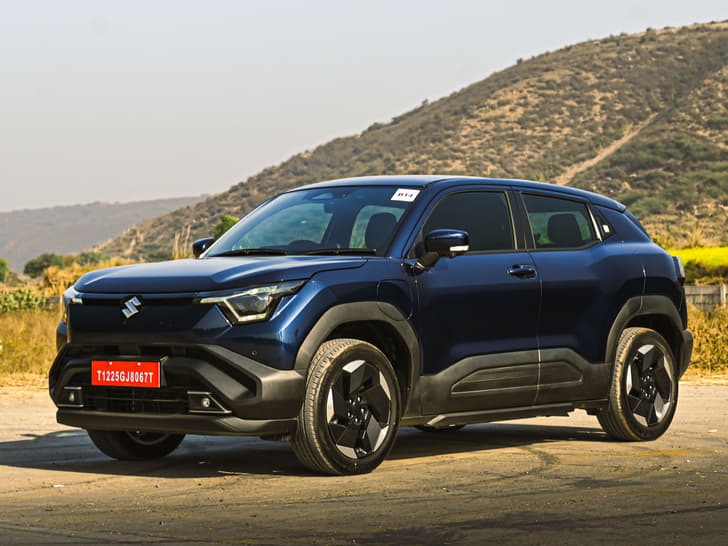
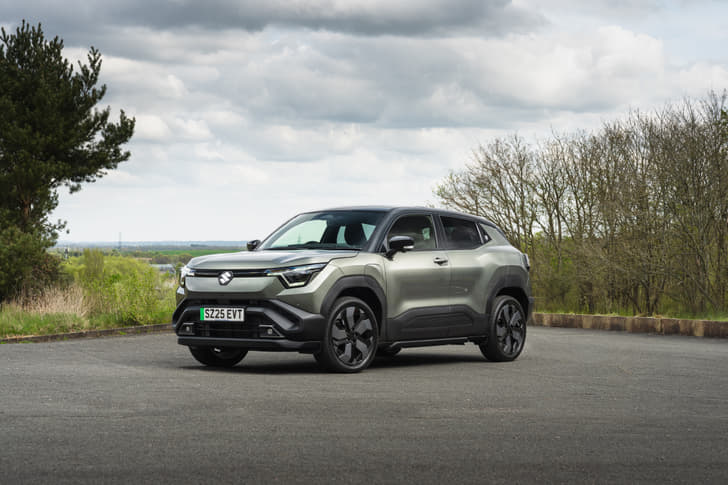
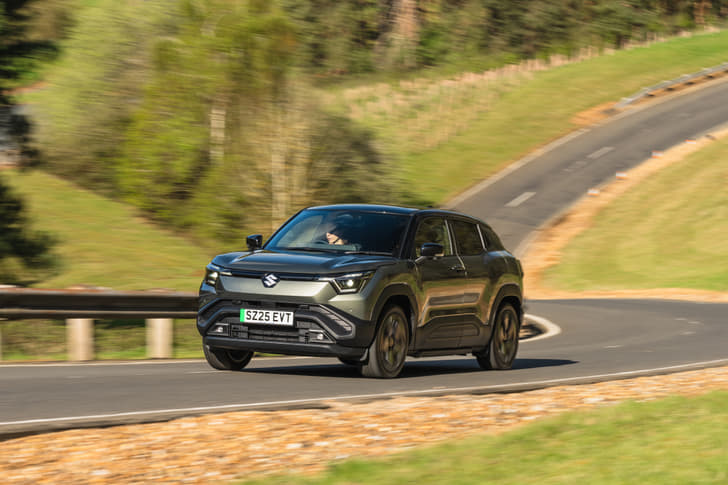
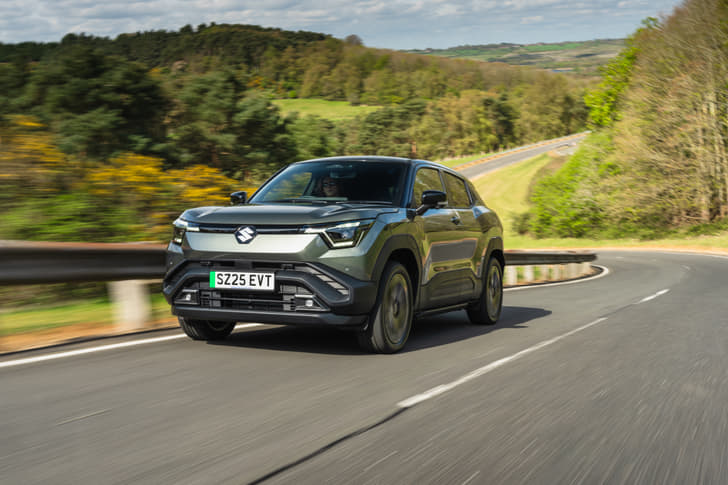
Maruti Suzuki e Vitara Zeta 61 kWh
Maruti Suzuki e Vitara Zeta 61 kWh Key Features
- Rear Parking Camera
- Rear Parcel Tray
- Wireless Phone Charging
Maruti Suzuki e Vitara Zeta 61 kWh specifications
Engine & Transmission
Fuel Type/ Propulsion | Electric |
Motor Type | Permanent Magnet Synchronous Motor |
Number of Motors | 1 |
Number of Gears | 1 |
Drive Layout | Front Wheel Drive |
Max Motor Power | 174 hp |
Max Motor Torque | 193 Nm |
Fuel & Performance
Drive Mode Types | Multiple |
Terrain Modes | Yes |
Battery Capacity | 61kWh |
Charging Time | 9hrs 10%-100%(7.4kW AC), 45min 10%-80% (70kW DC) |
Claimed Range | 543 km |
Suspension & Steering
Front Suspension Type | MacPherson Strut |
Front Springs | Coil Springs |
Rear Suspension Type | Multi Link |
Rear Springs | Coil Springs |
Damper Control | No |
Ride Height Adjust | No |
Type of Power Assist | Electric |
Steering Adjust type | Manual |
Steering Adjust | Tilt and Telescopic |
4 Wheel Steer | No |
Turning Radius | 5.2 m |
Front Brakes | Disc |
Rear Brakes | Disc |
Wheel Size | 18 inches |
Front Tyre Size | 225/55 R18 |
Rear Tyre Size | 225/55 R18 |
Wheels | Alloys |
Spare Wheel | Full Size |
Dimensions
Length | 4275 mm |
Width | 1800 mm |
Height | 1640 mm |
Wheelbase | 2700 mm |
Kerb Weight | 1785 kg |
Chassis Type | Monocoque |
Doors | 5 |
Maruti Suzuki e Vitara Zeta 61 kWh features
Comfort
| Roof Grab Handles | |
| Electric Tailgate Release | |
| Rear Power Outlet | |
| Rear Reading Lamp | |
| Driving Modes | |
| Rear Window Sun Shades |
Safety
| Brake Assist (BA) | |
| Boot Open Warning | |
| Speed Assist System | |
| Child Safety Lock | |
| Central Locking | |
| Side Airbag |
Exterior
| Headlight Type | LED |
| Daytime Running Lights | LED |
| LED taillights | |
| Cornering Foglamps | |
| Cornering Headlights | |
| ORVM turn indicators |
Interior
| Average Speed | |
| Average Fuel Consumption | |
| Head-up Display | |
| Gear Indicator | |
| Trip Meter | |
| Low Fuel Level Warning |
Entertainment
| Wireless Phone Charging | |
| Touchpad | |
| MirrorLink | |
| Web Browser | |
| Second Row USB port | Type A and Type C |
| Satellite Navigation | Phone-based |
Connected Car Features
| Location Based Services | |
| Tow Away Alert | |
| Emergency Call Button | |
| Auto Crash Alert | |
| In Car Payment | |
| Live Location Sharing |
Maruti Suzuki e Vitara variants
 Electronic Stability ControlFully Digital Digital Instrument ClusterPhone-based Satellite NavigationOver the air (OTA) updatesFabric Seat MaterialRear Parking CameraRear Parcel TrayWireless Phone ChargingElectronic Stability ControlTraction ControlAdaptive Cruise ControlFixed Glass Sunroof8 SpeakersFront Only Ventilated SeatsLED fog lamps
Maruti Suzuki e Vitara comparison
Questions you may find useful
How do the Maruti Suzuki e Vitara, Toyota Urban Cruiser Ebella, BYD Atto 3 and Hyundai Creta Electric compare in terms of performance and overall package?

 Maruti Suzuki e VitaraBYD Atto 3Hyundai Creta ElectricToyota Urban Cruiser Ebella
Hi Autocar Team, I currently own a 2021 Maruti Suzuki Swift ZXi (P) and have covered 100,000 km. My daily running is around 90–95 km for my office commute, and I live in Delhi-NCR while working in Greater Noida. I am a family of two, and my ownership experience so far has been completely hassle-free. The Swift is still running perfectly and delivers an average of around 22 km/l. Since I have now crossed the 100,000 km mark, should I consider upgrading? Given my daily running and the fact that I can manage home charging, I feel an EV could suit my requirements. Should I consider the Maruti Suzuki e Vitara Alpha or the VinFast VF6 Wind?
Maruti Suzuki e VitaraVinfast VF6Maruti Suzuki SwiftHello, I am from Goa and am in the process of buying an EV. I need expert advice to help me choose between the Creta EV-LR, the new Syros EV-ER, and the Maruti e Vitara 61kWh. I had initially shortlisted the Tata Punch EV 40kWh, but for the past 45 days, there have been no EV deliveries at Tata dealerships in Goa. Hence, out of desperation, I have been compelled to consider the above-mentioned options instead of the Punch EV. I would appreciate your response at the earliest.
Hyundai Creta ElectricMaruti Suzuki e VitaraKia Syros EVTata Punch EVI am using MG Hector plus Savvy pro CVT April,2023 model but its mileage is coming down to 7 to 8 on highway due to E 20 fuel, company is also saying that yr vehicle is E 20 compliant and need not worry about engine but during my highway trip to Delhi journey, my car stopped on flyover while running and did not take start, i have to call RSA and car went to service centre by towing. In service centre they told me that while cleaning engine tank white color substance found due to this fuel injection line choked and did not take start due to E 20 petrol. Now I want to switch to EV of either MG windser or TATA punch EV or Maruti E vitara. which is suitable as safety and price wise and range and charging price. My budget is 15 lac.
I am from Delhi, and my daily commute is around 80 km. I am looking for an EV with a budget of around Rs. 17 lakh. I have shortlisted the e Vitara Zeta 61 kWh and the Syros ER HTX 51 kWh. I want a niggle-free ownership experience, at least a 400 km range, a smooth and comfortable ride, and good interior space. I also plan to keep the car for at least 8-10 years. Please suggest which one is the better choice.
Kia SyrosMaruti Suzuki e VitaraMaruti Suzuki e Vitara price in India
Upcoming Cars
Maruti Suzuki Cars

Trending Cars
Latest Cars