autocar-logo
Mumbai
AG

Aayush gupta

2w

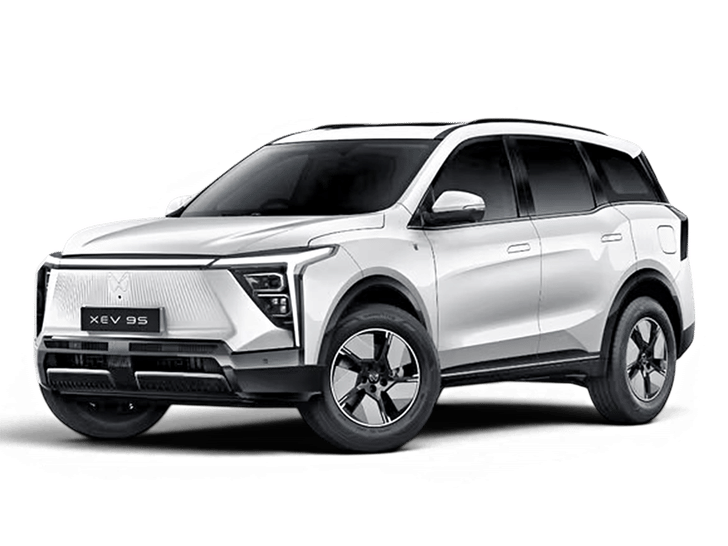
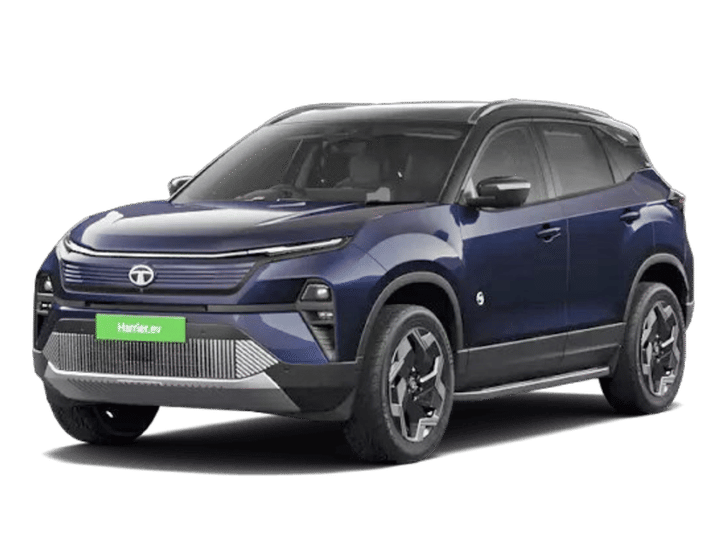
I am planning to buy an electric car, as I travel around 100 km daily on highways. I am confused between the Mahindra XEV 9S, Tata Harrier EV, and Maruti e Vitara (Delta). We are a family of four and often travel with around 200 kg of luggage. My priorities are real-world driving range, safety, suitability for highway usage, and low maintenance. Which of these cars would be the most suitable for my needs, and what real-world range can I expect?

Autocar India team

Autocar India

Verified
59m

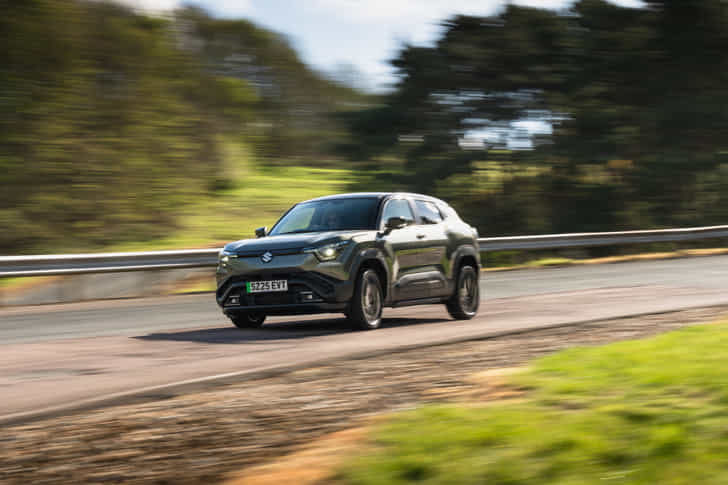
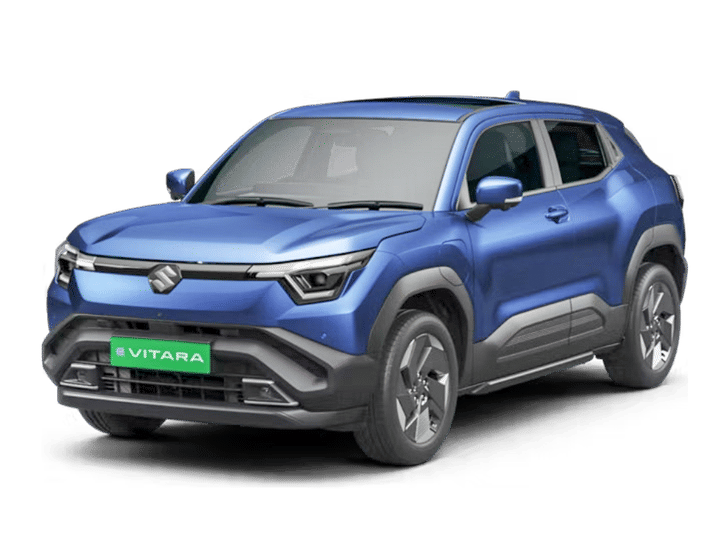
For your use case, the Maruti Suzuki eVitara, despite a range of 400+ km, drops out first. Its boot is only around 300 litres, which is tight even for two large suitcases, let alone 200kg of luggage plus four people. It’s fine as a family crossover, but not for heavy luggage and long‑haul highway use.

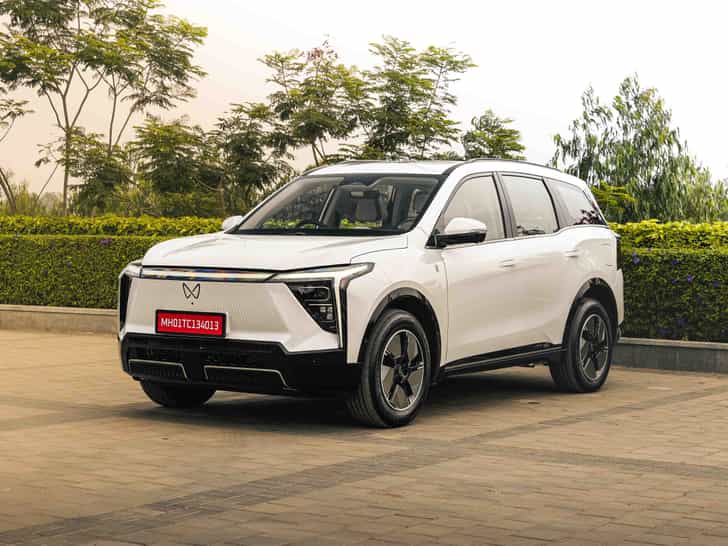
Both the Mahindra XEV 9S and Tata Harrier EV are large, comfortable SUVs that will easily take four adults, and with their rear seats folded or adjusted, they can swallow serious luggage. The XEV 9S, being a three‑row SUV, gives you a huge, flat boot with the third row down, so it’s the most practical of the three for your 200kg luggage requirement.

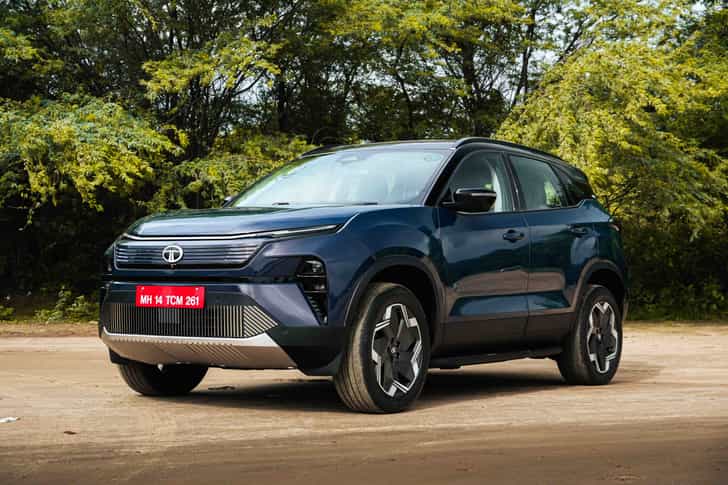
On range, the XEV 9S with the 79kWh battery delivers around 478km in Autocar’s real‑world test, versus about 401km for the Harrier EV AWD with a 75kWh pack. For your 100km daily highway run, both are adequate, but the Mahindra gives you a much bigger buffer even when loaded.

In terms of driving feel, the Harrier EV feels more planted and tied down at high speed; the XEV 9S is softer and moves around a bit more on uneven highways, though it’s still safe and stable. On safety and maintenance, both are modern, 5‑star‑oriented SUVs with robust equipment; long‑term, Tata’s and Mahindra’s EV ecosystems are still maturing, so factor in dealer experience in your city and expect a few niggles too. 

Given your load, highway usage and need for range buffer, the Mahindra XEV 9S 79kWh is the most suitable overall.
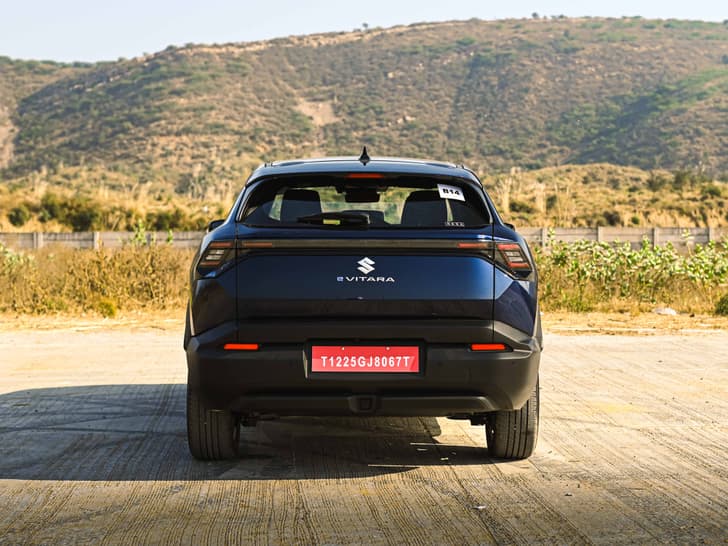
 

Maruti Suzuki eVitara

Maruti Suzuki eVitara

BP

B Paramesh

18m

For a 100 kms daily commute you can undoubtedly go for the Mahindra 3XO EV or the Punch.ev from the Tata stables. Both are absolutely appropriate for your usage and are good products instead of going for expensive ones. All the best

More questions on similar cars

JV

JV

3d

I am looking to buy a compact car for my family, with an annual running of 30,000–40,000 km. My father strongly prefers diesel vehicles, while I am also considering an electric vehicle within a ₹20 lakh budget. We currently own a 2017 Hyundai i20 (top model), which is nearing 3 lakh km and needs replacement. The new car will be used mostly for city driving, along with occasional long trips of 300-500 km. We also have a 2021 Jeep Compass 4x4 Model S, which has clocked 1.2 lakh km and will be retained, although its fuel efficiency is around 11 km/l. Given our usage and long-term ownership plans (up to 3 lakh km), should we opt for an electric vehicle, a diesel car, or a hybrid? We also have an 8 kW solar setup at home with surplus power generation. I am considering EVs like the Tata Punch EV, Tata Nexon EV, MG Astor EV (if launched), and the upcoming Kia Syros EV. For diesel options, I am looking at the Kia Sonet, Hyundai Creta, and Tata Curvv. However, while I like Tata cars, I have some concerns about after-sales service. Could you suggest the most suitable electric or diesel automatic options for my needs?

Autocar India team

Autocar India

Verified
2d

With your kind of usage of 30,000-40,000 km a year, mostly city driving, long-term ownership and an 8 kW solar setup, going electric makes a lot of sense. Running costs will be significantly lower, especially since you can charge at home using surplus solar, and the smooth, silent nature of an EV suits city driving perfectly.The Tata Nexon EV Long Range is still one of the most well-rounded options here. It offers a good balance of range, practicality and ease of use, and can handle your occasional 300-500 km trips with one planned charging stop. It is also a proven product with a wide user base.However, since you have concerns about Tata’s service, it is worth considering alternatives. The MG Windsor EV with the larger battery pack is a strong option. It offers more space, a more premium feel and a bigger battery, which helps with range and reduces charging stops. The Maruti Suzuki e-Vitara is another promising option, especially from a long-term ownership perspective, thanks to Maruti’s strong service network and reliability.Diesel is still a valid fallback. If you prefer complete flexibility and do not want to depend on charging infrastructure at all, options like the Hyundai Creta diesel automatic or Kia Sonet diesel automatic make sense, offering strong mileage and effortless highway performance.So, the decision comes down to priorities. Given your high running and solar setup, an EV is clearly the smarter long-term choice. Among EVs, the Nexon EV is the proven option, the Windsor EV offers more space and range, and the e Vitara is the safest bet for long-term ownership. Diesel should only be considered if you want maximum convenience without planning charging stops.

VehicleTata Nexon EV
VehicleMG Windsor
VehicleMaruti Suzuki e Vitara
VehicleHyundai Creta
VehicleKia Sonet
GB

Gulshan Bhatia

1d

Hi AutocarIndia, I have a budget of ₹23-25 lakh. My monthly running is approximately 12,000-14,000 km, with around 70% city driving and 30% highway usage. I am confused between choosing a petrol vehicle and an EV. I am not considering a diesel option since my driving is not very regular at times, and I am concerned about potential DPF clogging issues. Currently, I am evaluating the Mahindra XUV 7XO A7 T petrol, which costs around ₹25 lakh on-road in Pune. However, considering the current global war situation, I feel petrol prices may increase permanently, which is making me seriously consider an EV. I am therefore looking at the Tata Harrier EV Fearless Plus 75 kWh, which is priced around ₹27 lakh. Though I have heard that some discounts are available, and the effective price could come down to around ₹26 lakhs. Given my usage pattern, budget, and long-term cost concerns, please guide me on whether a petrol or EV would be the better choice and help me decide between these options. Thanks in advance.

Autocar India team

Autocar India

Verified
1d

The Mahindra XUV 7XO petrol does not suit this kind of running. A turbo petrol will be significantly more expensive to run over time, and with your usage, the fuel cost difference will be substantial.The Tata Harrier EV makes far more sense here. It offers very low running costs per km, smooth and effortless driving in the city, and strong performance on highways. With your high usage, the savings on fuel will add up quickly and justify the higher initial cost.The key condition is charging. If you have reliable home or office charging, the EV becomes a very practical and economical solution. Without that, managing frequent charging will become inconvenient.On your concern about diesel, in your case, it is actually not an issue. With such high and consistent running, DPF problems will not arise, as the car will regularly get the kind of driving needed to keep the system healthy.

VehicleMahindra XUV 7XO
VehicleTata Harrier EV
AG

Ajay Garg

2d

Hi Team, you are doing a fantastic job providing accurate, helpful guidance to your readers. I am planning to buy a new car with a budget of around ₹20 lakh. I will be retiring in about 2.5 years, and until then, my daily commute will be approximately 50 km, along with a 600 km highway trip once every three months. Post-retirement, I plan to travel extensively with my family, at least once a month. We are a family of 4-5 members, and I am considering either an electric or a hybrid car. We really like the Mahindra XEV 9S (Pack One and above, 59 kWh), which costs around ₹22 lakh. Could you please advise if this is the right choice for my usage, or should I consider other options within my budget?

Autocar India team

Autocar India

Verified
17h

We can completely understand why your family loved the Mahindra XEV 9S. It is feature‑packed, very refined and smooth, and has enough space for your 4-5 family members, so as a family car it fits your brief well. For your daily 50km commute, the XEV 9S is actually ideal, provided you can install a home charger - you’ll hardly scratch the range of the 59kWh pack in regular city use.It’s your 600km highway trip every three months, when life with an EV requires more planning. With the 59kWh battery, you will have to stop for a fast charge at least once mid‑way, and often again at your final destination if you don’t have a charger there. The public charging network has definitely improved, but charging an EV is still not as quick or as effortless as filling a tank with petrol or diesel. So if you are willing to sacrifice some time and take a bit of extra effort on your three‑monthly highway drives, you can confidently go ahead with the XEV 9S.If you don’t want the hassle of hunting for highway chargers and waiting typically 30-40 minutes each time, then you should look at the Mahindra XUV 7XO diesel automatic instead. It has broadly similar features to the 9S, is very comfortable, and for frequent long‑distance touring, it is actually better suited. The XUV 7XO’s suspension is more composed at speed than the softer‑sprung 9S, which can feel a bit floaty on highways.

VehicleMahindra XEV 9S
VehicleMahindra XUV 7XO

Posted on: 5 Apr 2026