
autocar-logo
Delhi
RA

Rajesh

3d

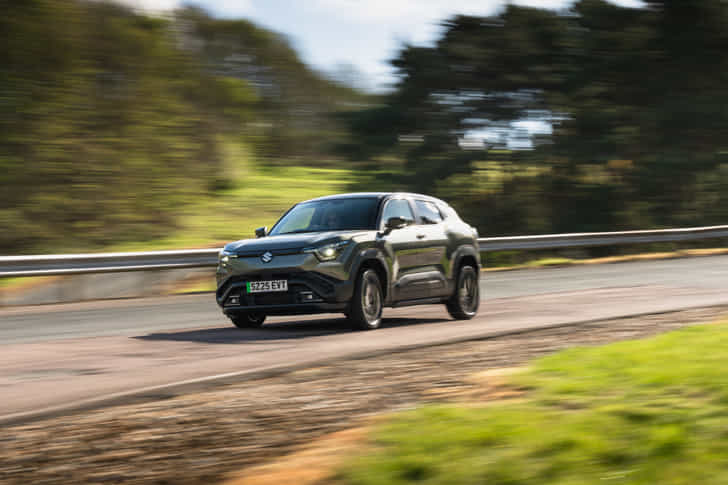
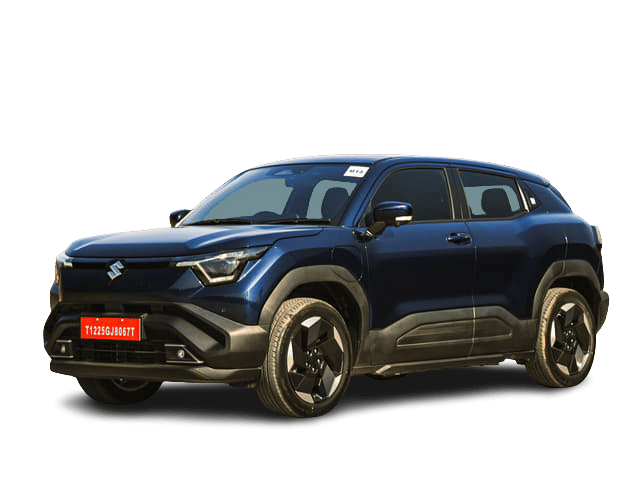
Before I begin, I would like to thank Autocar for always offering sensible and well-informed advice to its readers. I have been an Autocar India subscriber since 2002. As per your earlier advice, I am considering the 49 kWh battery version of the Maruti Suzuki e Vitara for my monthly usage of around 900 km in Bengaluru. For longer journeys, I already own a Toyota Hycross Hybrid, so the EV will primarily be used for city driving. My main confusion is regarding the performance difference between the 49 kWh and 61 kWh battery versions. I recently test-drove the 61 kWh variant and drove it for about 20 km, and I must say it was a joy to drive and handled very well probably the best-handling Maruti I have experienced. However, I am concerned whether the 49 kWh version, which comes with a smaller motor, might feel noticeably less powerful or subdued in performance compared to the 61 kWh version, even though the torque figure is said to be the same for both.

Autocar India team

Autocar India

Verified
7m

Thanks for being a loyal subscriber. 

As you've rightly mentioned, the Maruti Suzuki e Vitara gets two versions 144hp/189Nm motor with a 49kWh battery, and the other is 174hp/189Nm motor, 61kWh battery. The common factor between the two versions is the 189Nm motor torque, which makes it zippy. 

Of course, being more powerful, the larger battery version is likely to hit higher (three-digit) speeds more quickly, but within town (up to speeds of 60-70kph), the difference between their acceleration is likely to be negligible. 

So opt for the 61kWh version only if you need more range, else as a city commuter, the 49kWh version's performance should be more than sufficient.
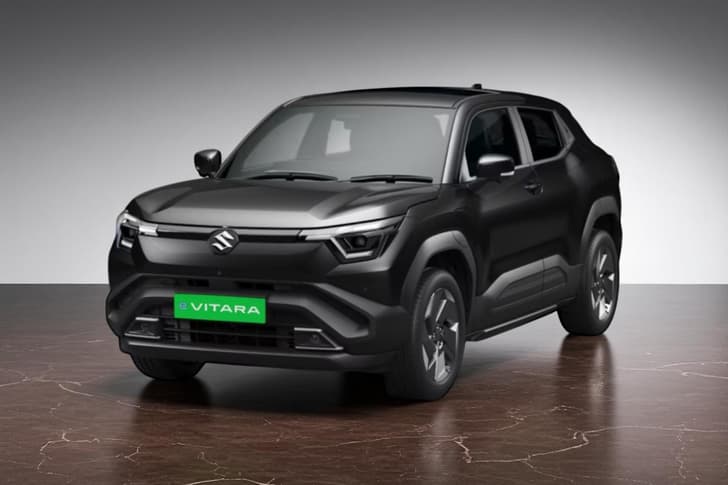
Maruti Suzuki e Vitara

Maruti Suzuki e Vitara

Was this helpful? Ask a follow-up

Got a suggestion for Rajesh?

Add a Comment

Latest questions people are discussing

MA

Max

3d

Hello Autocar Team, I am confused between buying an EV or a CNG car with a budget of around ₹15 lakh. I understand that EV technology is still evolving and may take some more time to mature fully. My expected running over the next five years will be around 80,000 km, and my main priority is saving on the overall ownership cost. Considering the purchase price, running cost, maintenance, and long-term practicality, which option would be more economical and sensible: an EV or a CNG car? Please advise.

Autocar India team

Autocar India

Verified
3h

An electric vehicle would be cheaper to run than a CNG if you are charging at home. And frankly, you should go for an electric car only if you have home charging, as relying solely on public charging is not convenient at all. However, if you cannot charge at home, a CNG car would be better, though in some areas, there are still long lines to fill with gas. You would also likely get a better resale value on a CNG car than on an EV, as the pre-owned EV market is yet to mature and establish some set residual values.

MU

Murali

3d

I am a senior citizen, and my weekly car use is around 100 km within the city, with occasional highway trips every 3-4 months. I have shortlisted the Hyundai Grand i10 Nios and the Tata Punch Pure Plus. My main priorities are value for money, long-term reliability, and ease of ownership. Considering my usage and requirements, which of these two cars would be the better choice in the long run?

Autocar India team

Autocar India

Verified
4h

Both are very good cars, but in the long run, the Hyundai Grand i10 Nios would be the better option for you overall. Yes, it is quite an old model now, but it remains strong in its core values of practicality, ease of use, quality, refinement and fuel efficiency. It's easy to get in and out of; the steering is light, aiding manoeuvrability; the engine is smooth and has more than enough gusto when you need it; and it has a good feature set at this price, too. Most of all, however, long-term maintenance will be a breeze, as Hyundai has developed a strong reputation for reliability and reasonable maintenance costs.

VehicleHyundai Grand i10 Nios
AS

Anant Sheopuri

1d

I am looking to upgrade from a 2018 Ertiga VXI CNG to a petrol AT 7-seater for daily Mumbai city use majorly. I have shortlisted the MG Hector Plus Savvy Pro AT, Tata Safari Adventure X Petrol AT, XUV 7XO AX7 Petrol AT and Innova HyCross GXO (non-hybrid). Which one is the best option for long-term use, comfort for a large family of five, reliability and decent mileage?

Autocar India team

Autocar India

Verified
7h

Since mileage is a concern, the Toyota Innova HyCross will be ruled out here. The Hycross hybrid is a lot better, but the non-hybrid version is good for 7kpl at best, which isn't the best figure. The MG Hector Plus, Tata Safari and Mahindra XUV 7XO are good and tech-laden, but the third row space is best for kids and short drives for adults.A good option to consider would be the Kia Carens Clavis. The Clavis is an MPV that is high on practicality and comfort, and gets multiple powertrain options and lots of features. The third row is spacious and close to the Ertiga in terms of roominess, thereby even adults can travel in comfort. The ride quality is good, and the turbo-petrol engine has enough punch even with a full load. The Clavis is also high on features, and it will be the best choice among all the rest.

VehicleKia Carens Clavis
VehicleToyota Innova HyCross
VehicleMG Hector
VehicleTata Safari
VehicleMahindra XUV 7XO

Posted on: 11 Mar 2026