

Features|15 Oct 2026
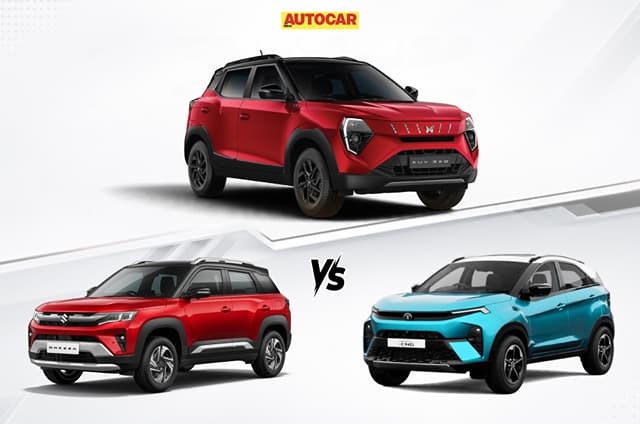
Mahindra XUV 3XO CNG vs rivals: Price, specifications compared


 Electronic Stability ControlPart Digital / Part Analogue Digital Instrument ClusterFabric Seat MaterialProjector HeadlampsAnti-Lock Brakes (ABS)Rear Parking Camera1-zone Climate ControlPhone-based Satellite NavigationWireless Android AutoExterior Mirrors Electric FoldBlind Spot MonitorSingle Pane SunroofWireless Phone Charging60:40 Rear Seat Backrest SplitLED headlamps360 degree Parking CameraExterior Mirrors Electric Fold with Power FoldingOn-board Satellite NavigationOver the air (OTA) updatesFront Only Ventilated Seats
Turbo engine is smooth and tractable
Light clutch and slick 6-speed manual gearbox
Spacious cabin and boot
Unexciting to drive; engine lacks punch
No auto gearbox for turbo petrol
No spare tyre on offer
7.0
8.0
7.0
7.0
9.0
8.0
8.0
Reviewed by: Gavin DSouza
Maruti Suzuki Brezza Official Brochure
Download the complete brochure with specs, features, and variants.
Tell us about your experience
| PowertrainThe combination of engine type, fuel, and transmission that powers your vehicle and determines how it drives and what it runs on. | ARAI MileageMileage certified by the government, tested under controlled lab conditions. Real-world mileage will vary. |
|---|---|
Petrol-Manual 998 cc | 20.47 kmpl |
Petrol-Manual 1462 cc | 21.09 kmpl |
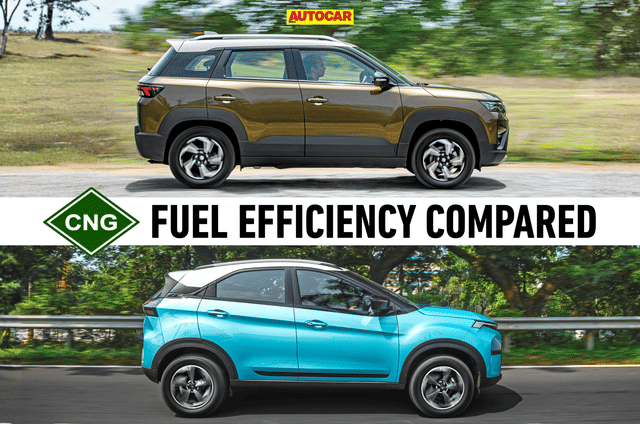
CNG-Manual 1462 cc | 26.9 km/kg |
Petrol-Automatic (Torque Converter) 1462 cc | 20.17 kmpl |

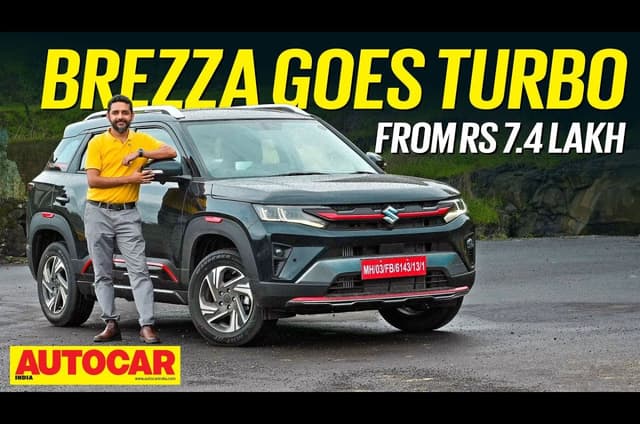

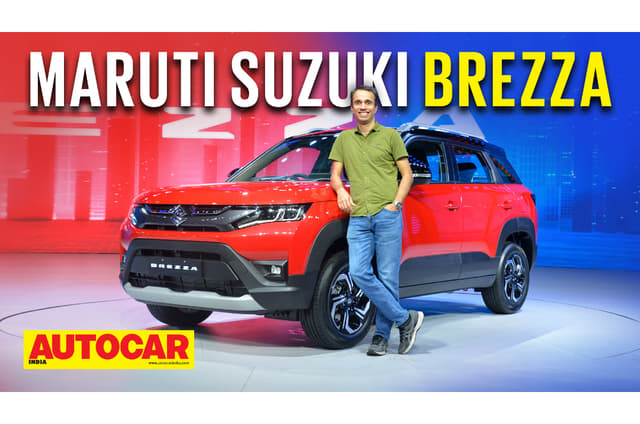
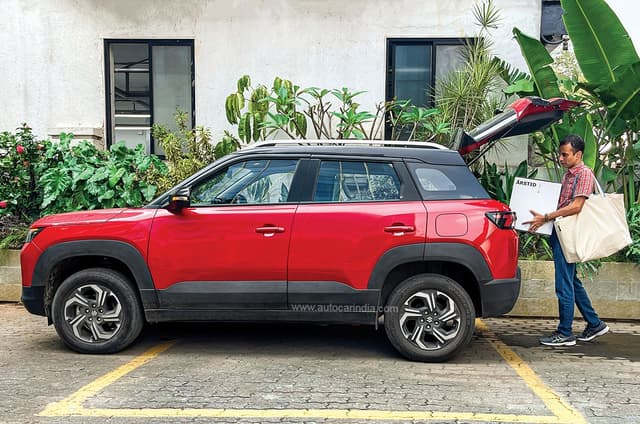
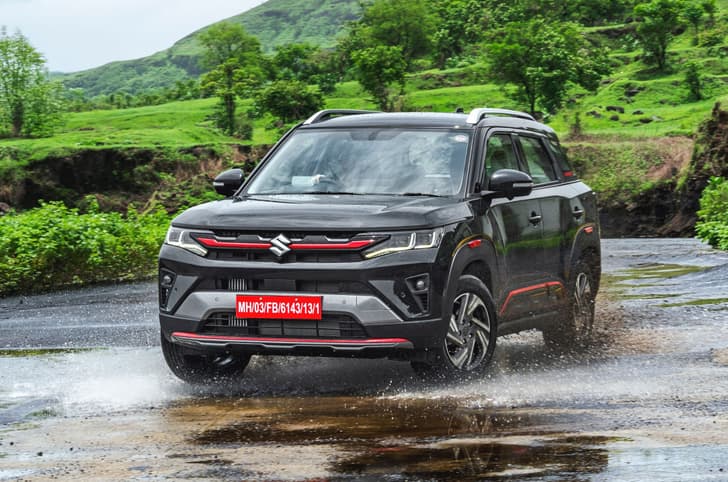
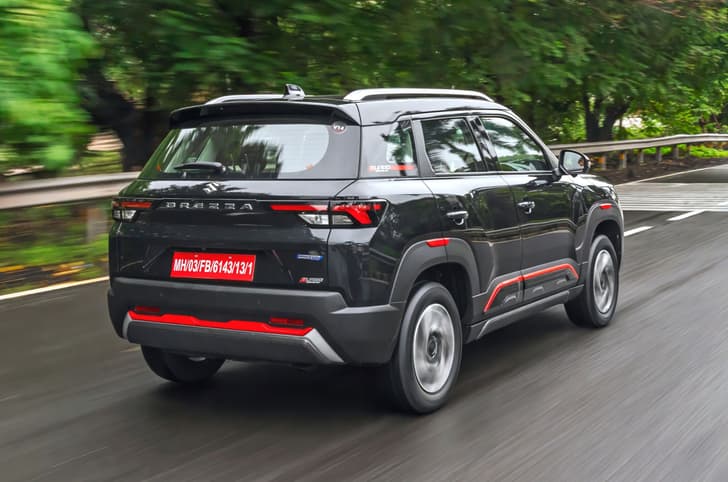
Compared to the older model, the new underbody CNG tank setup has eased a lot of boot space, making this powertrain option more practical than before. However, the official boot space figures have not been revealed by Maruti Suzuki.
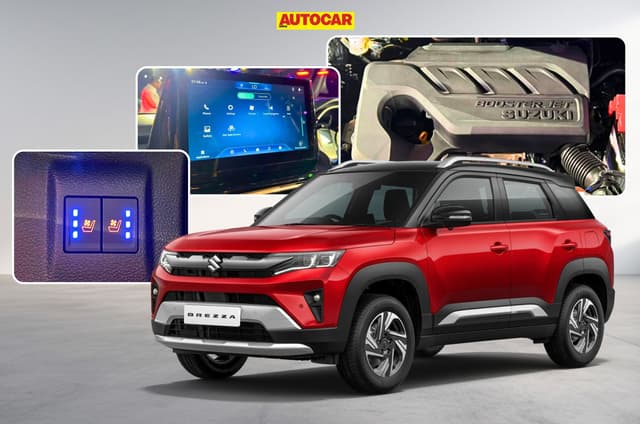
One of the criticisms that the Brezza faced after the diesel’s discontinuation in 2020 was regarding its relaxed powertrain. Maruti has tried to fix it by offering the Brezza with the Fronx’s ‘Boostejet’ engine in a higher state of tune. While we are yet to drive the turbo-petrol Brezza, like the Fronx, it is expected to be more performance-oriented and fun-to-drive. So, if driving fun is more important than fuel efficiency, you can consider the Brezza’s turbo-petrol engine.
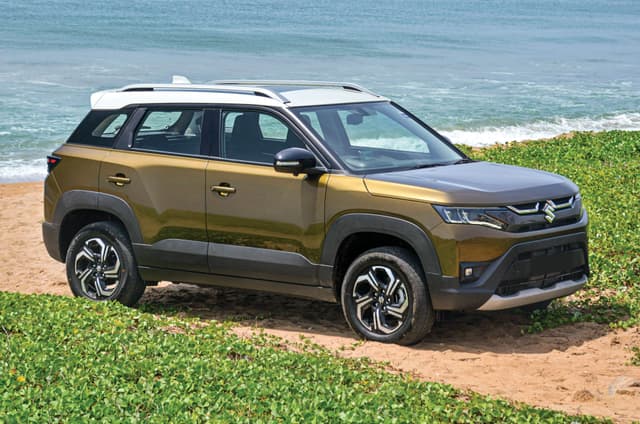
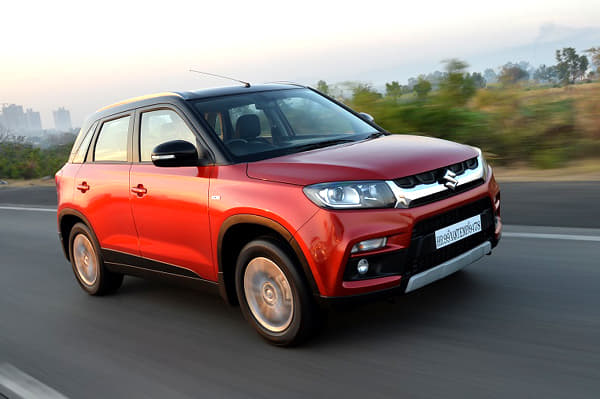
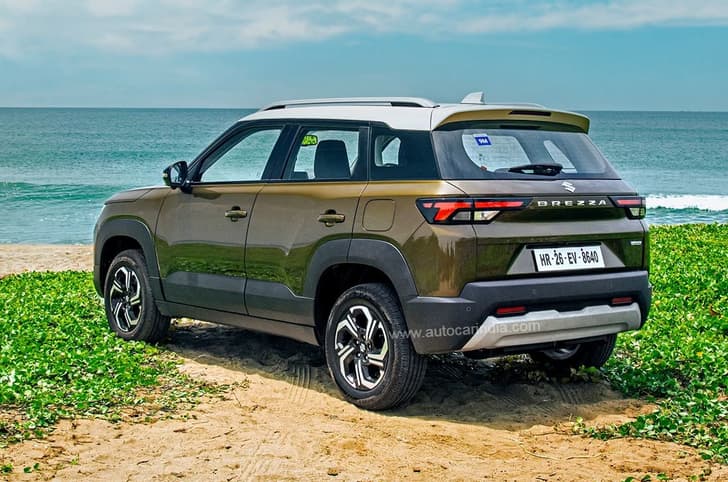
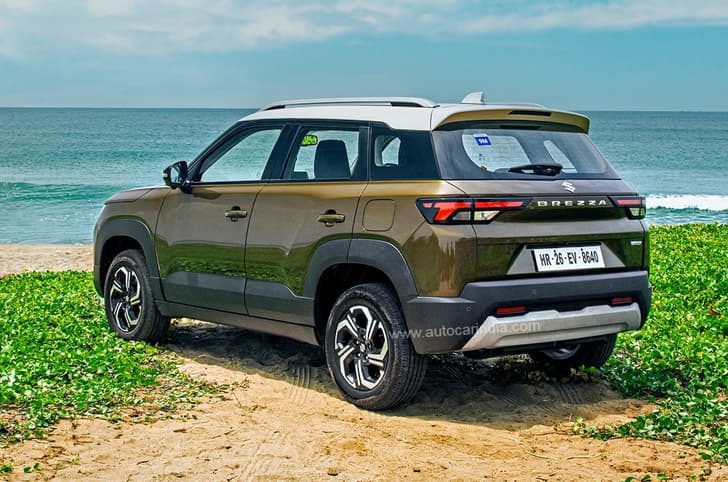
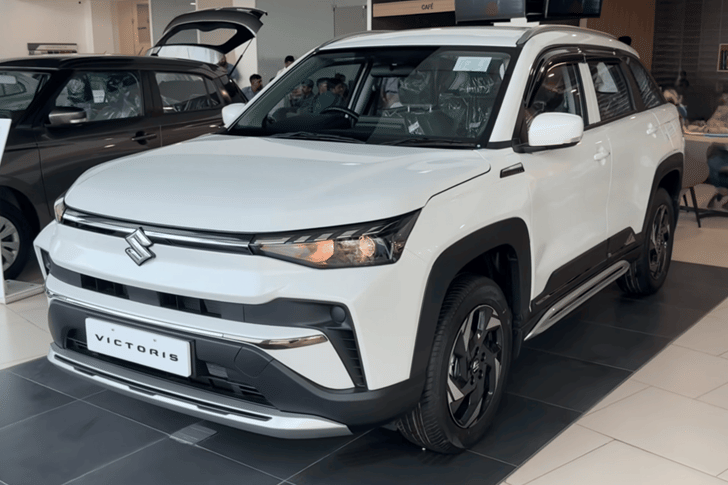
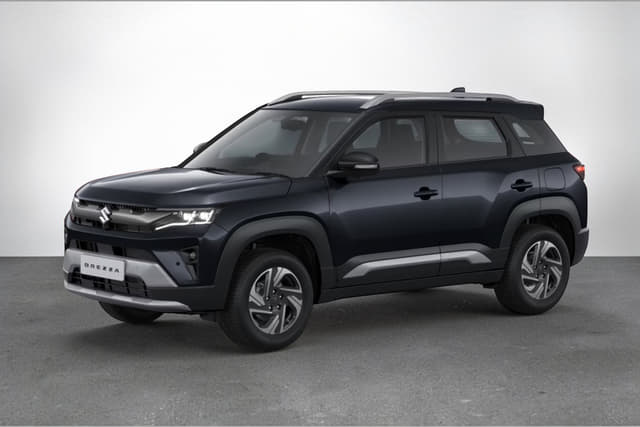
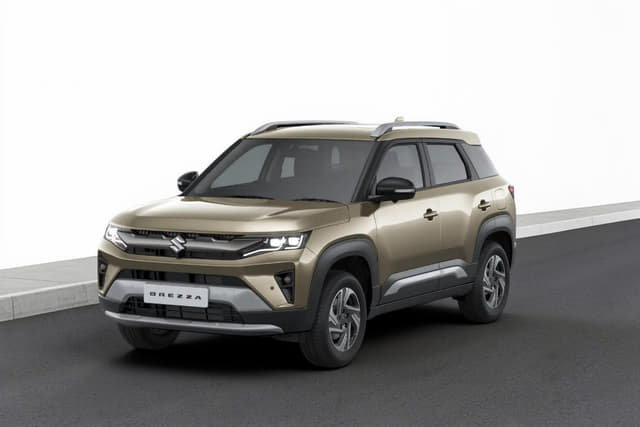
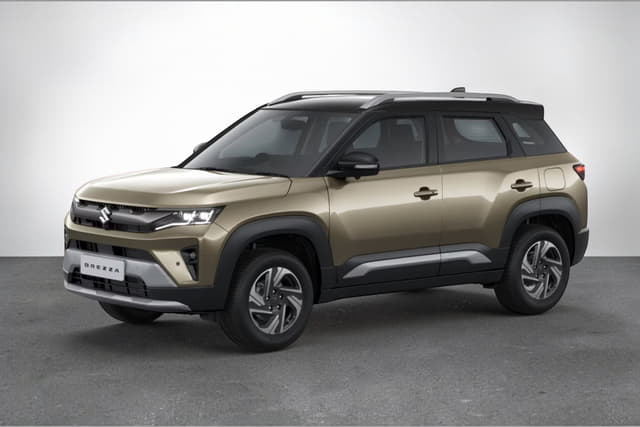
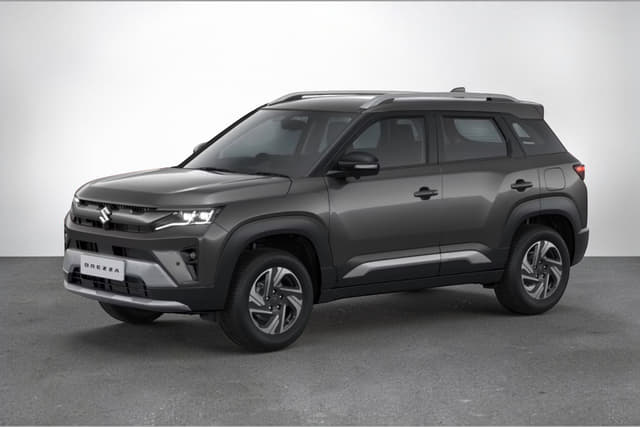
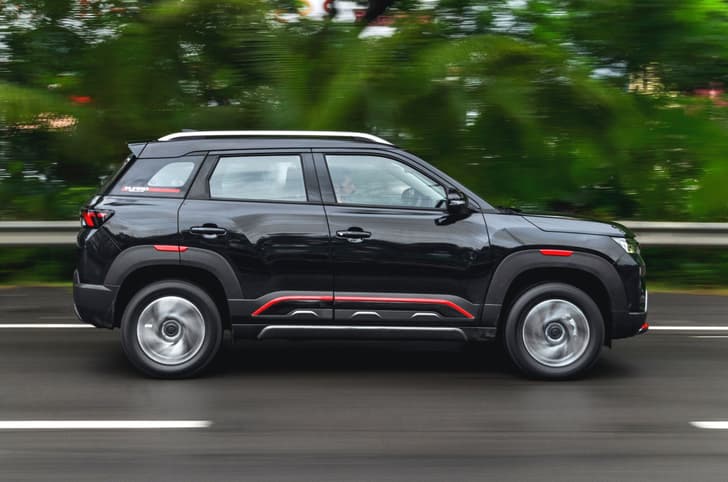
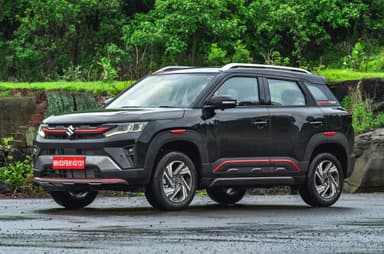
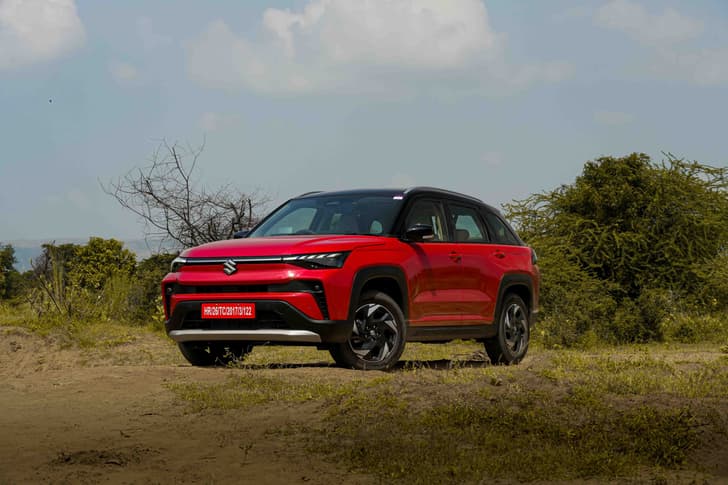
Despite being a sub-4m SUV, the Maruti Brezza offers a lot of space inside that can comfortably seat 5 average-sized passengers. The seats are well padded and should be comfortable on long drives. At the rear too, the side passengers get ample foot and knee room, and the headroom has been enhanced via a scooped-out roof.
With an output of 110hp and 170Nm, the Brezza’s direct-injection turbo-petrol engine is less powerful than turbo-petrol engines on the Mahindra XUV 3XO, Tata Nexon, Skoda Kylaq, Hyundai Venue, Kia Sonet and Kia Syros. However, the Brezza’s turbo-petrol is more powerful than the Kiger and Magnite’s turbocharged engines.
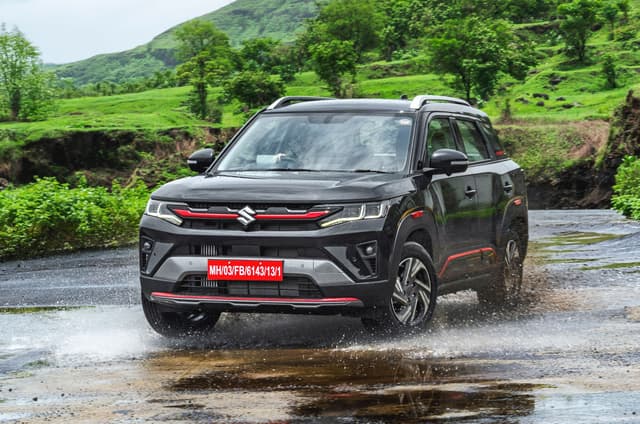
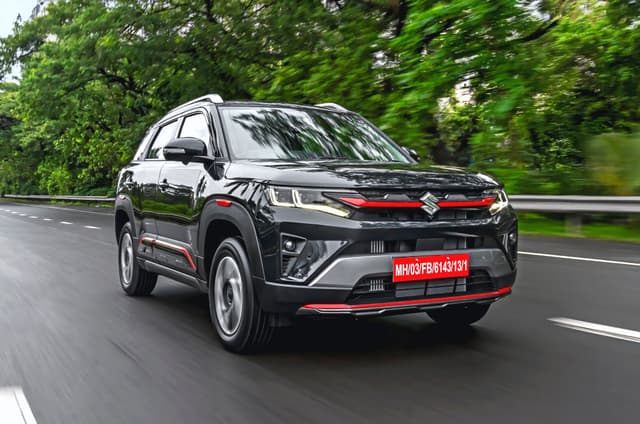
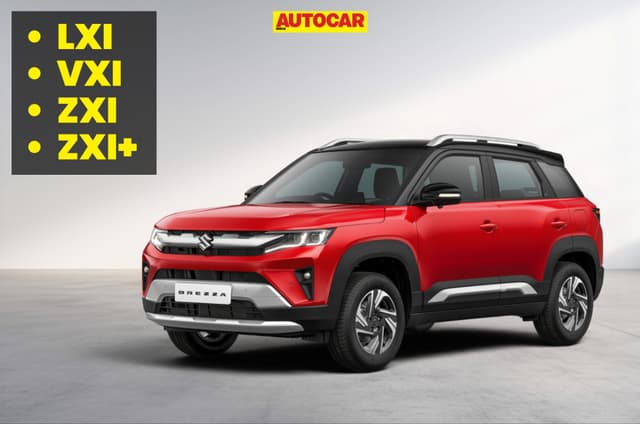
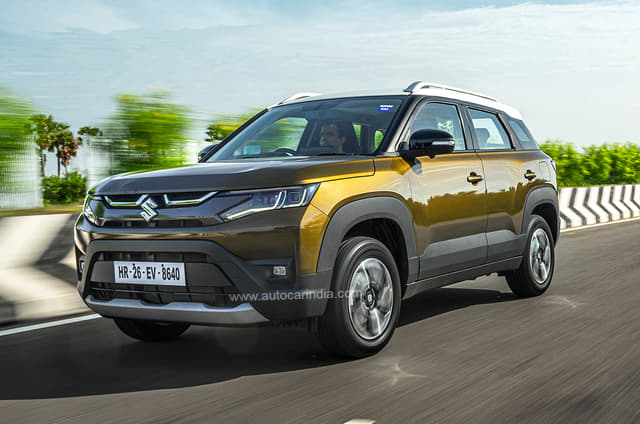
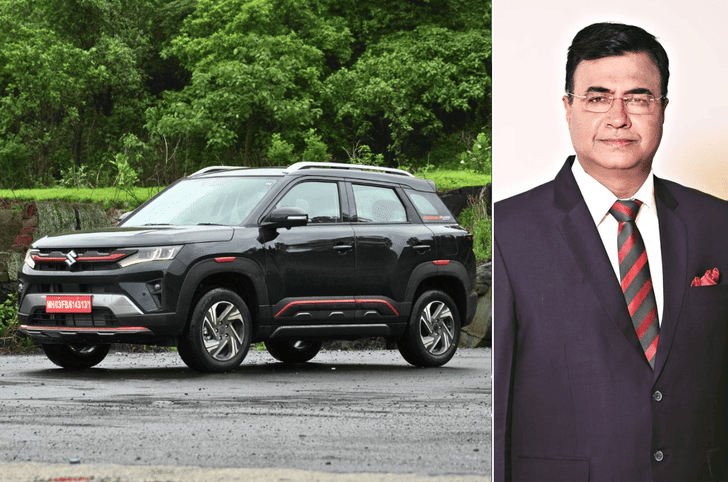
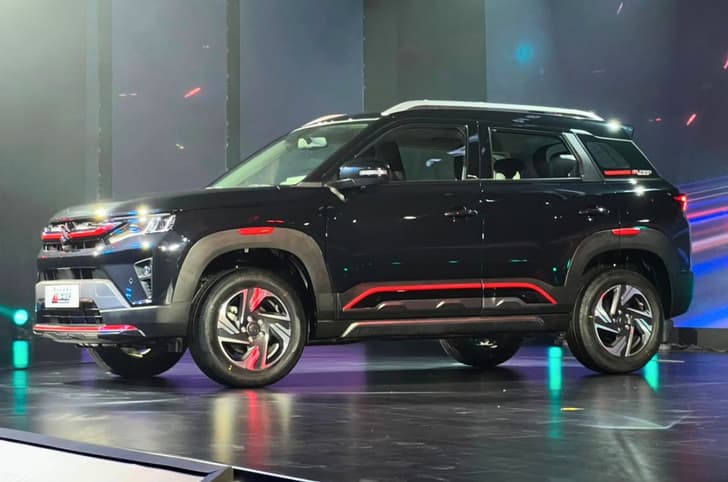
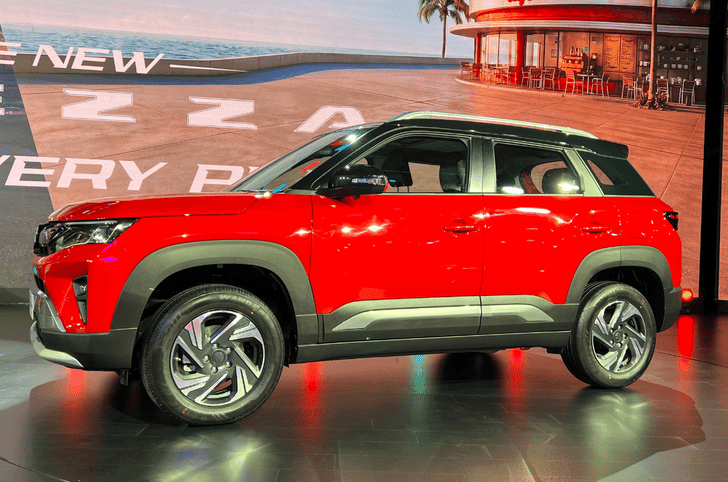
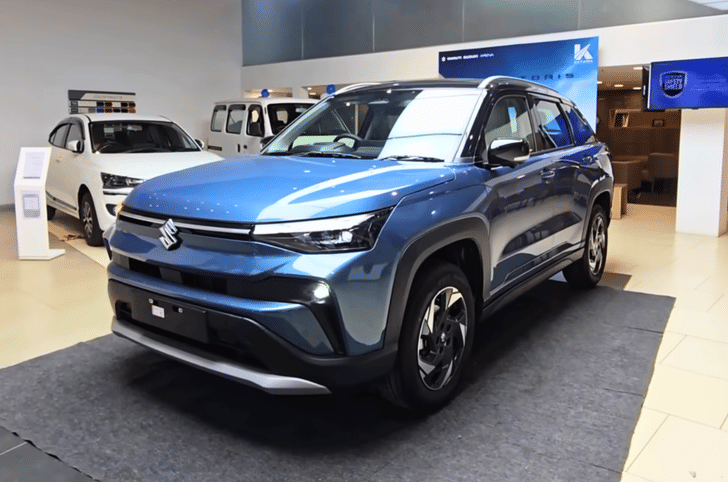
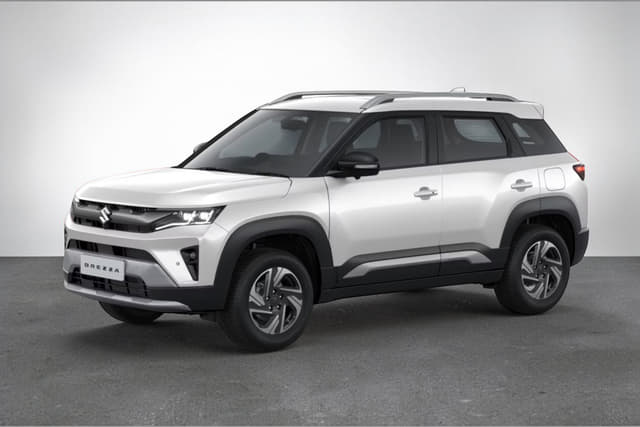
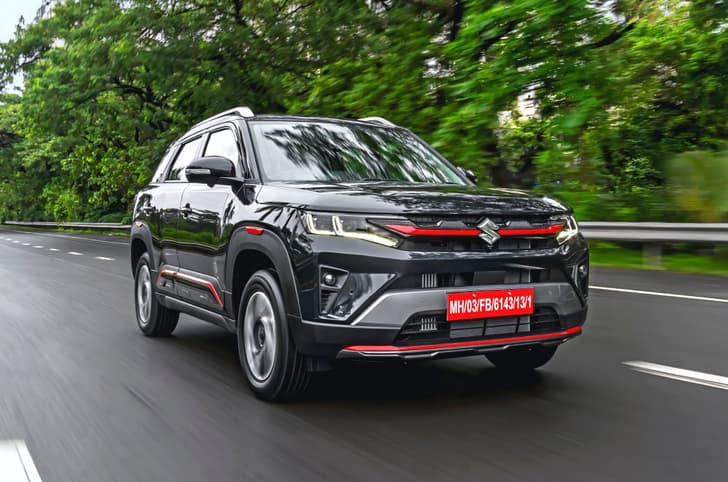
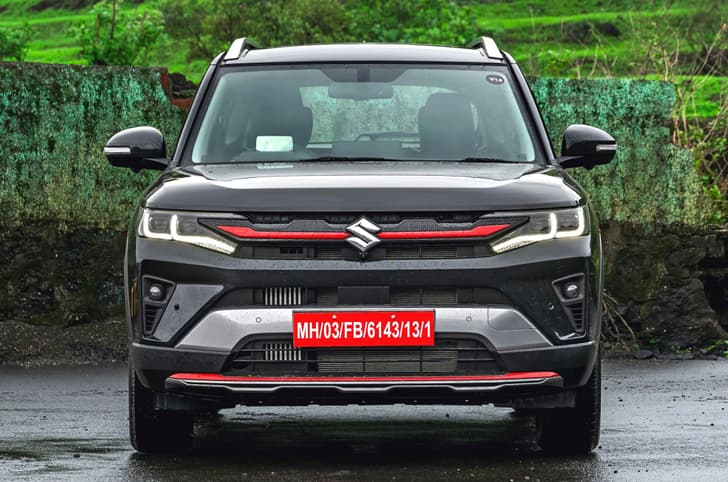
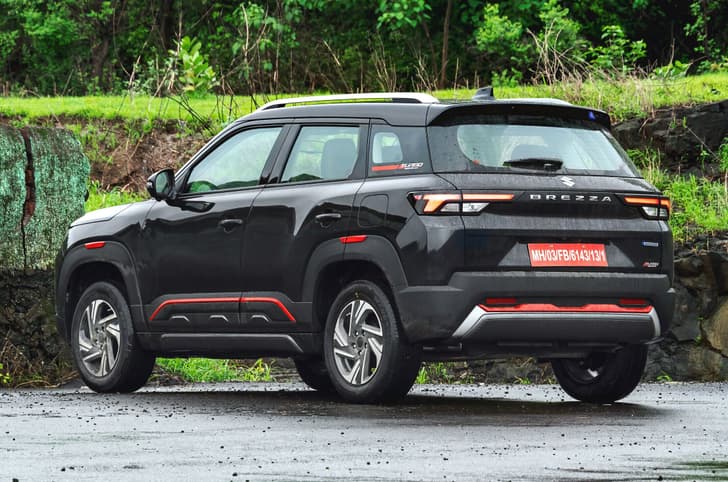
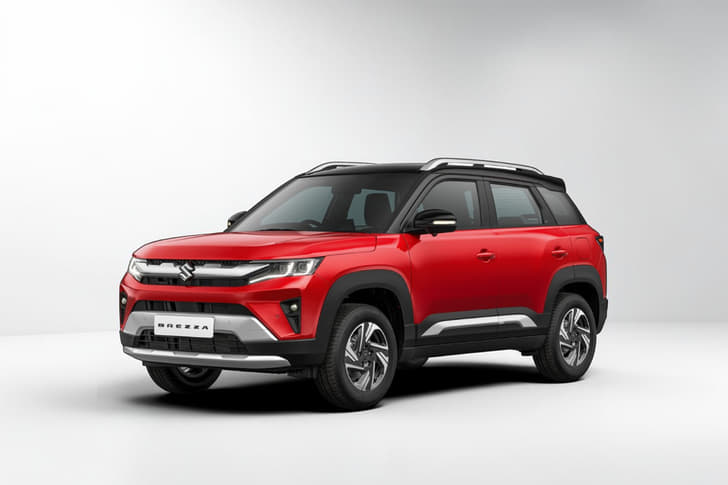
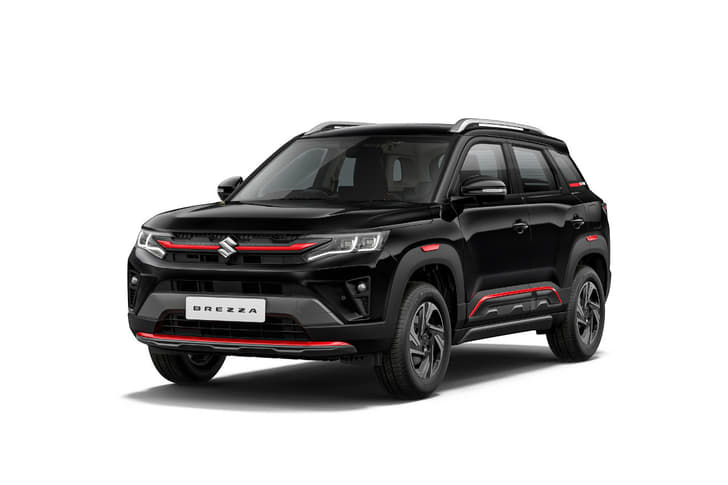
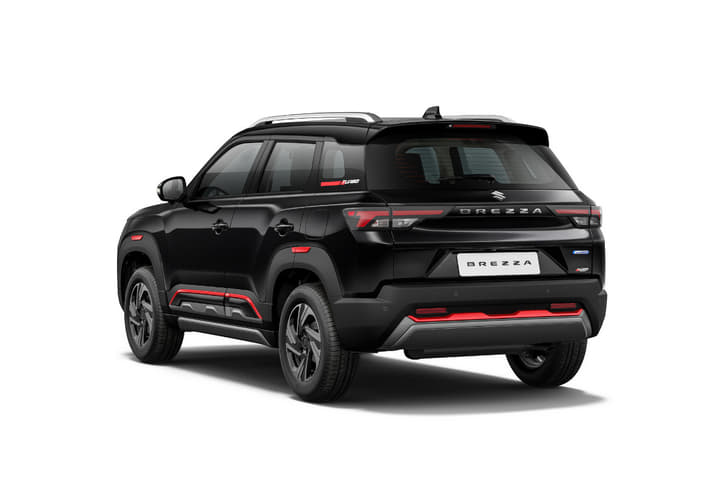
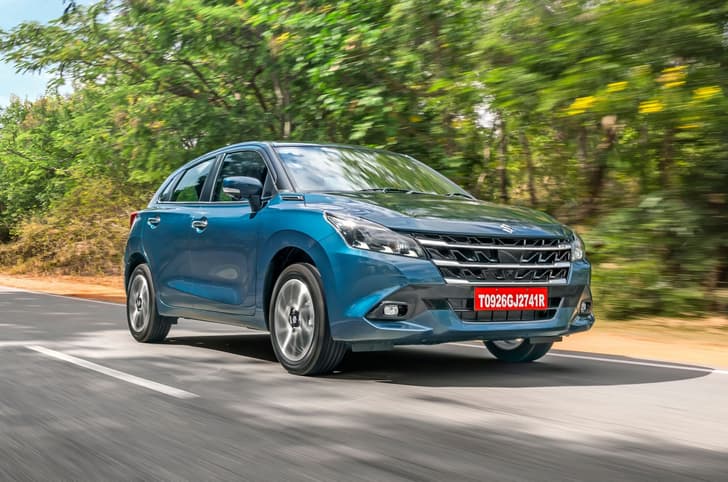
The 2026 Maruti Suzuki Brezza has received a facelift, rendering it with new features like ventilated seats, a larger 10.1-inch touchscreen and 64-colour ambient lighting. While it still misses out on a panramic sunroof, powered seats and ADAS which are offered by some competitiors, it is still a decently loaded SUV.
I am planning to buy a Maruti Suzuki Brezza, and my budget is Rs. 10-12 lakh. I am confused between a turbocharged and a naturally aspirated (NA) engine. I plan to keep the car for 8-10 years. My driving will mainly be in Gurugram, with a trip to Himachal Pradesh once every two months. Kindly suggest the best variant for my needs.

 Maruti Suzuki Brezza
Hi, I am Shailesh. I am a first time owner and comfortable with a budget of Rs. 10.50 lakh (on-road). I have compared it across segments like Dzire VXi AGS, Honda Amaze V CVT, Skoda Kylaq Classic Plus Automatic and Fronx Delta Plus AGS. I want to buy it for my 65 year old mother as well as for my daily commute to office in Pune traffic. I prefer an automatic and safe car with highly comfortable back seat, but the variants should have most of the essential features such as seat height adjustment, rear AC vents. The car should be low maintenance and offer hassle free service experience. I want a car that delivers decent mileage and no sunroof would be great. I would like to keep the car for the next 5 to 7 years without any issues (possibly for 10 years). I want it to be compliant with future ethanol blends such as E25 or E27 and that is why Brezza NA VXi TC came into my mind and it is available for Rs. 12.50 lakh. My monthly running would be around 600 to 800km. Which car makes sense for me considering my driving would include 72% running in the city and 28% on highway. I am planning to get Brezza VXi NA Manual at Rs. 10.50 lakh but I would like your opinion.
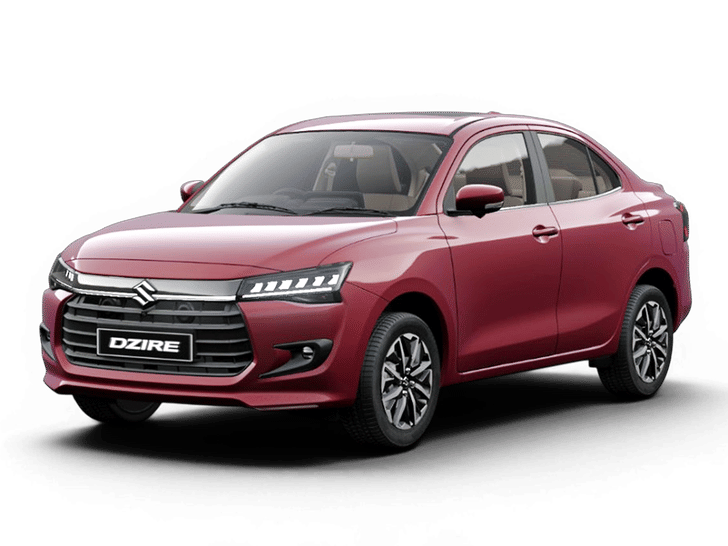
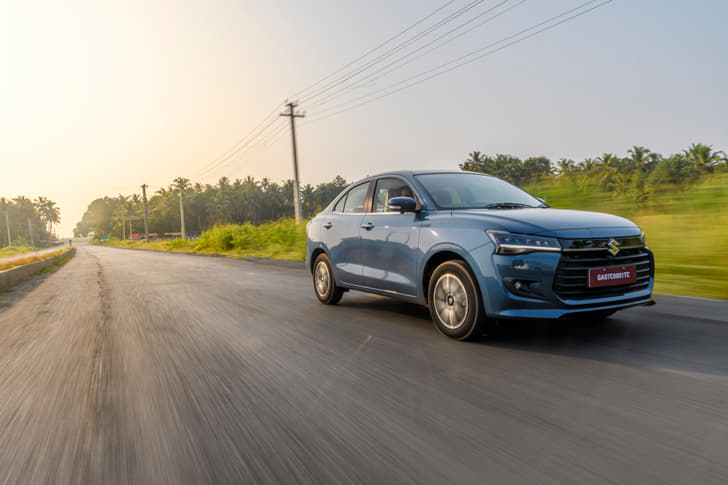
Maruti Suzuki DzireHonda AmazeSkoda KylaqMaruti Suzuki BrezzaI currently drive a 2010 Maruti Suzuki Swift VDi diesel, but I am planning to buy a Brezza Turbo. Will Brezza give me the same level of performance as my Swift? Also, would it be better to buy the LXi variant alongwith genuine accessories from Maruti Suzuki or should I go for the ZXi variant? Please note that a sunroof and cruise control are not necessary.
Maruti Suzuki BrezzaMaruti Suzuki Swift

Last Updated on: 19 Oct 2026