
Mahindra cars in India (18)
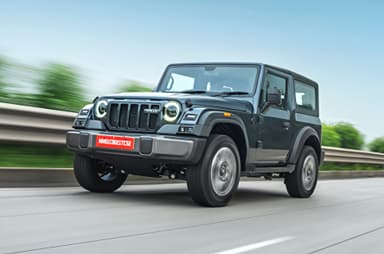
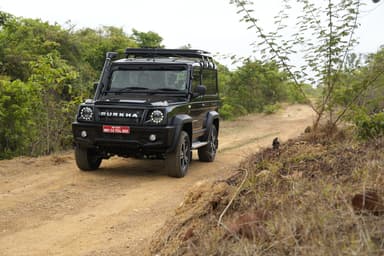
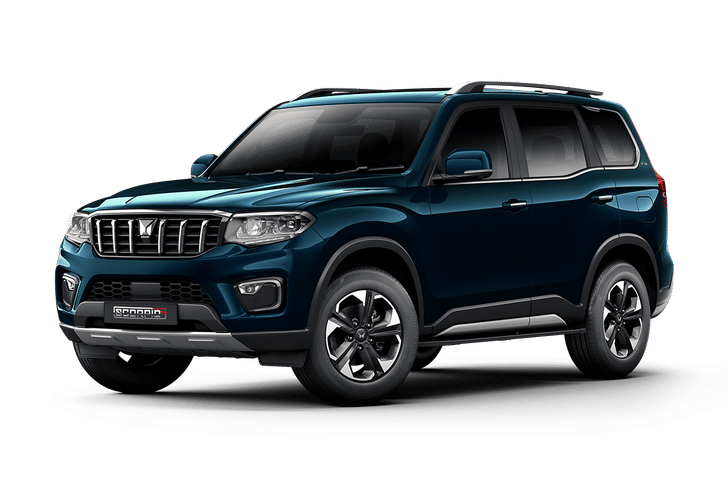
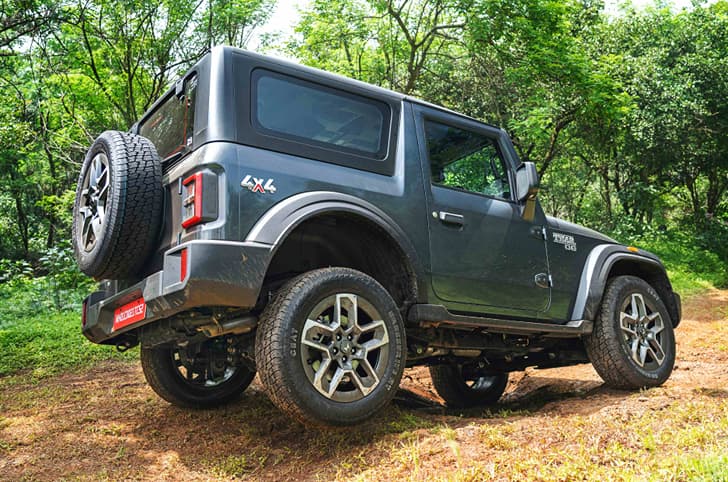
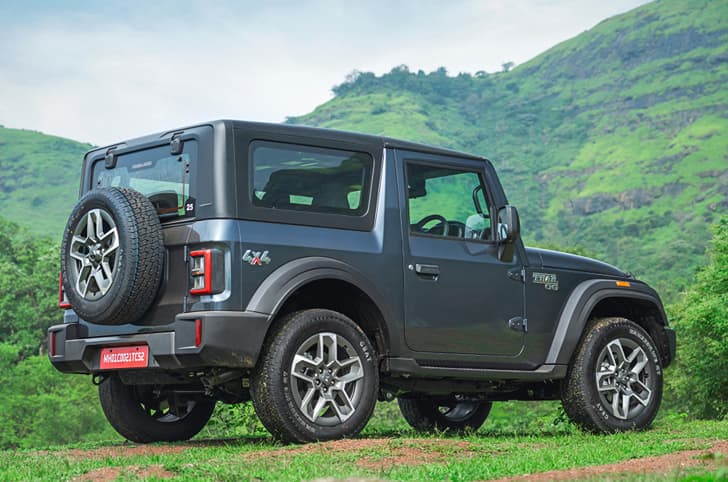
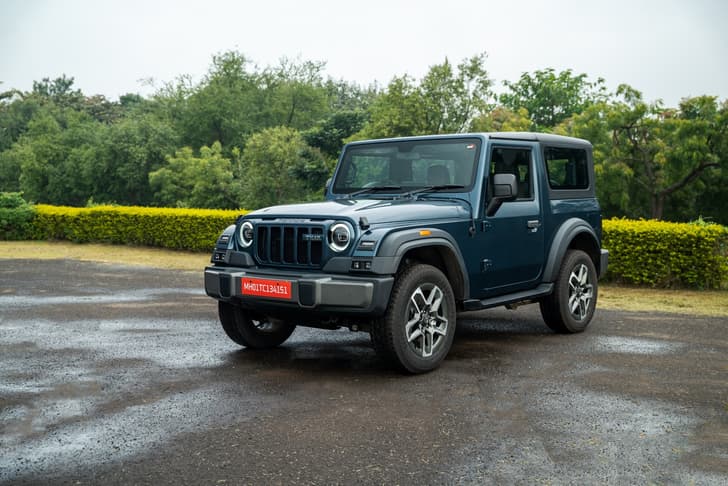
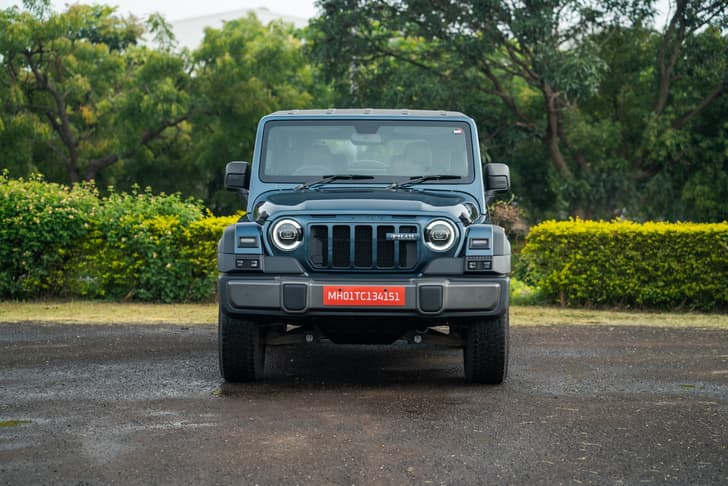
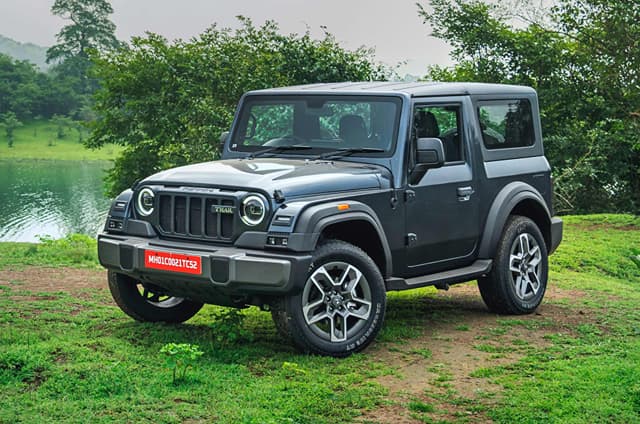
Before expanding into automotive manufacturing in 1947, Mahindra operated as a steel trading business. The company started importing and assembling completely knocked-down (CKD) kits of the legendary Willys CJ3A Jeep. With time, it built its reputation as India's most recognized SUV brand. Currently, Mahindra has 14 SUVs on sale in India in petrol, diesel, and electric options. Among its lineup, the Scorpio range is officially recognized as the highest-selling and most popular Mahindra car in India.
Currently, there are 18 Mahindra cars in India, with 14 on sale and 4 upcoming models. The Mahindra lineup includes 17 SUVs, with no sedans, hatchbacks, MPVs, or convertibles. The Mahindra car price starts at Rs 7.54 lakh and goes up to Rs 30.50 lakh (ex-showroom).
Mahindra Cars in India - Latest Updates (July 2026)
- 5 May 2026: Mahindra has confirmed 16 launches by 2031, which will have 10 ICE-powered models and six EVs.
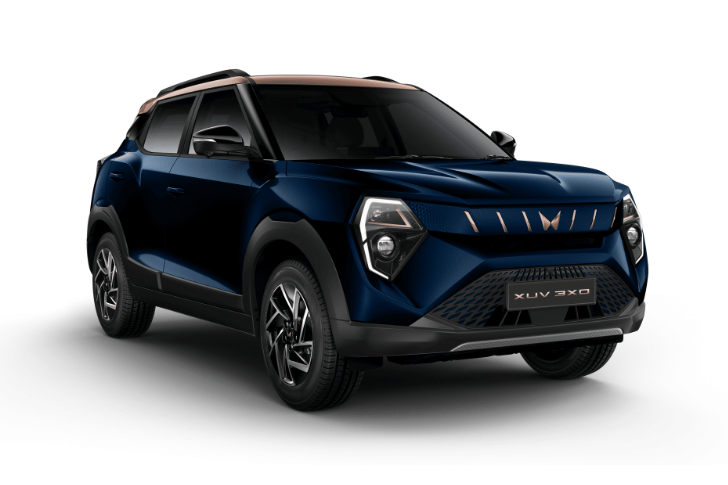
- 6 January 2026: Mahindra launched XUV 3XO EV at Rs 13.89 lakh.
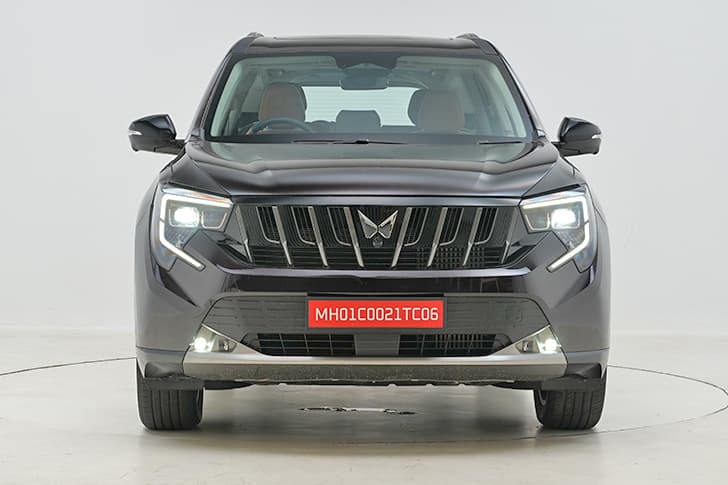
- 6 January 2026: The new Mahindra XUV 7XO, a facelifted XUV700, starts at Rs 13.66 lakh (ex-showroom, Delhi).


Find cars by body type


Find cars by body type


Filter your search


Filter your search


Find cars by fuel type
FAQs
The Mahindra car price starts at ₹7.37 lakh for the XUV 3XO and goes up to ₹30.50 lakh for the XEV 9e (ex-showroom).
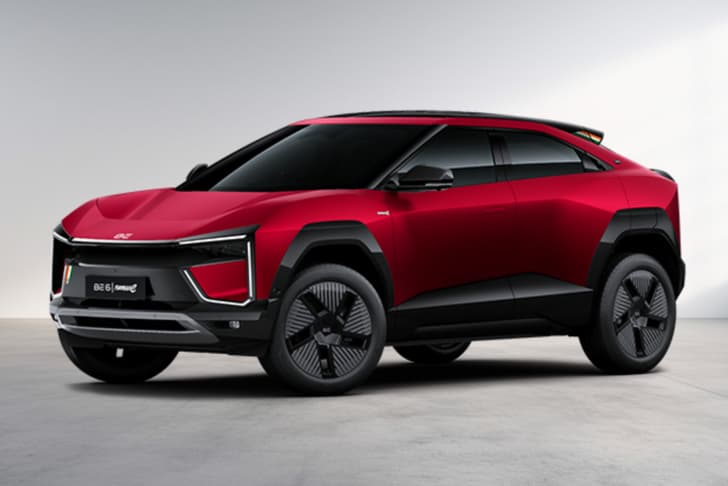
The Mahindra electric car range includes 5 models: XUV400, BE 6, XEV 9S, XEV 9e, and XUV 3XO EV.
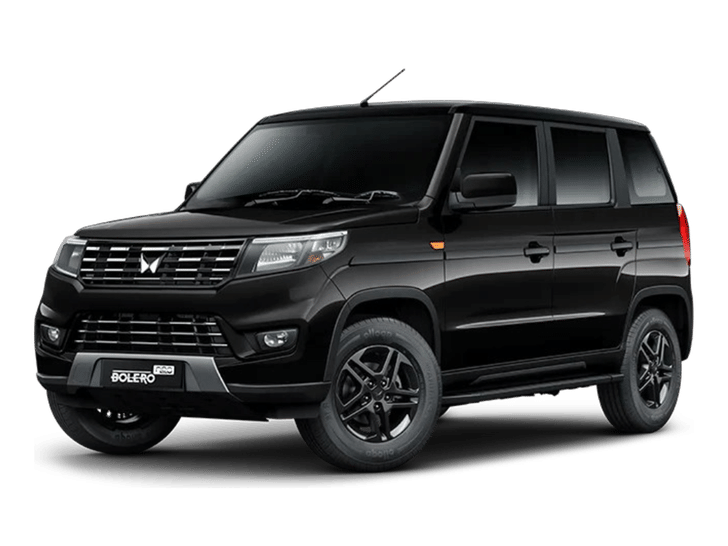
There are seven Mahindra 7 seater cars available for sale in India: Scorpio N, XEV 9S, XUV 7XO, Scorpio Classic, Bolero Neo, Bolero, and XUV700.
The Mahindra SUV car price in India starts at ₹7.28 lakh for the XUV 3XO and goes up to ₹30.50 lakh for the XEV 9e (ex-showroom).
Currently, there is no Mahindra CNG car on sale in India.
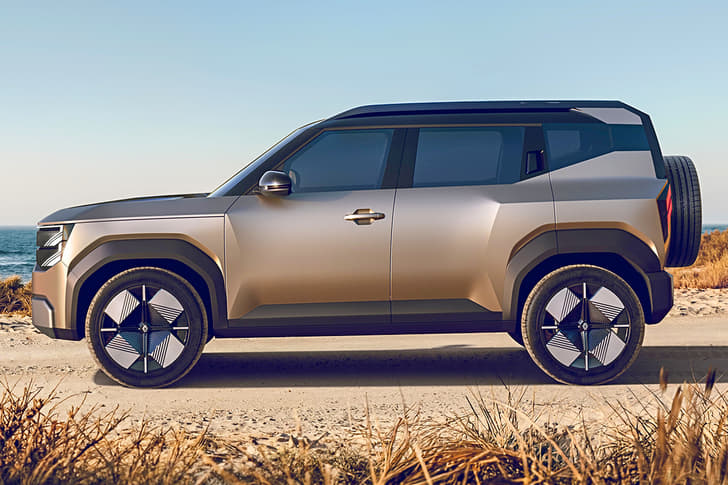
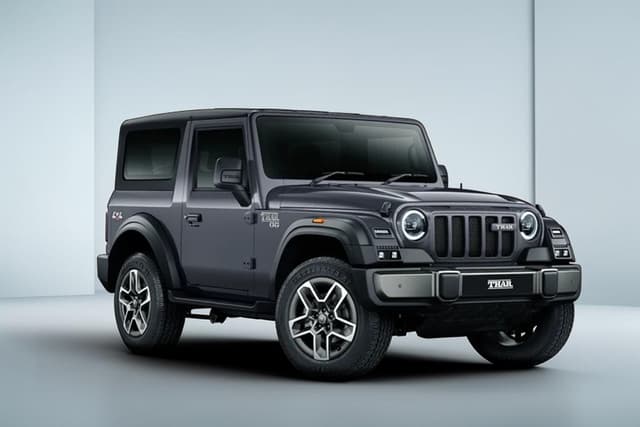
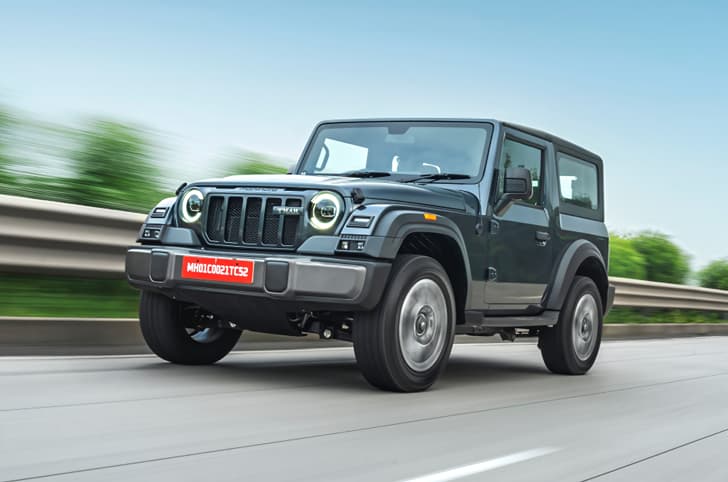
Yes. Mahindra offers 5 models with variants priced under ₹10 lakh: Thar, Bolero Neo+, Bolero, XUV 3XO, and the upcoming Mahindra Vision S. Vision S is expected to start at ₹7.50 lakh (ex-showroom).
The Mahindra top model car in terms of pricing is the XEV 9e, with prices going up to ₹30.50 lakh (ex-showroom).
Mahindra 5 seater car choices include the XEV 9e, BE 6, Thar Roxx, XUV 3XO, XUV400, and XUV 3XO EV.
Yes, 9 out of 16 Mahindra cars that are available for sale come with an automatic transmission option. These cars are - XEV 9e, BE 6, XEV 9S, Scorpio N, Thar, Thar Roxx, XUV700, XUV 3XO, and XUV400.
The Mahindra car on road price varies by city, starting at around ₹8.28 lakh in Delhi for the XUV 3XO and going up to about ₹32.33 lakh for the XEV 9e in major metros.
No. Currently, there is no Mahindra car under 5 lakh in India.
No, Mahindra does not sell a car under 8 lakh. The entry point starts at ₹7.28 lakh for the XUV 3XO, but the on-road cost is higher.
The Mahindra diesel car lineup includes the Scorpio N, Thar, Bolero Neo+, Thar Roxx, Bolero Neo, Bolero, Scorpio Classic, XUV 7XO, XUV700, and XUV 3XO.
Buyers looking for Mahindra cars with a sunroof can consider models such as the XEV 9e, BE 6, Scorpio N, Thar Roxx, XUV700, XUV 3XO, and XUV400. Availability of the sunroof depends on the variant chosen.
Trending Questions on Mahindra Cars - Answered by Autocar Experts
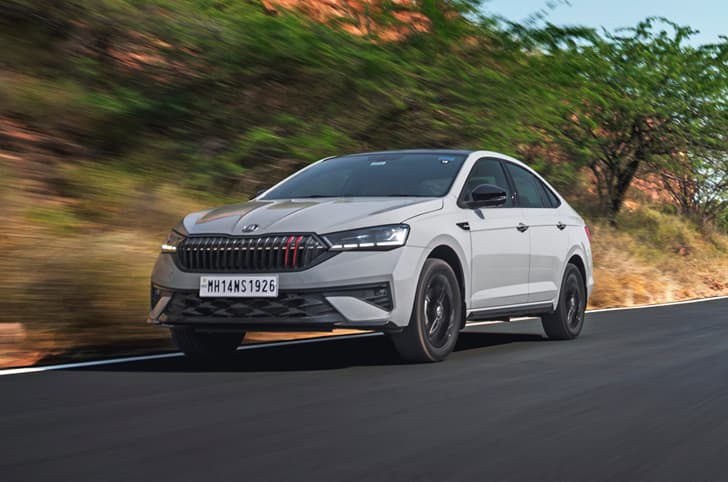
Hello, I am confused between the Skoda Kylaq Signature+ Petrol Automatic and the Mahindra XUV 3XO AX5 Petrol Automatic. Both have the same ex-showroom price, but the on-road price of the Mahindra XUV 3XO is Rs. 20,000 higher. Which one should I buy?
At virtually the same price, the Kylaq is the more satisfying car to drive. Its 1.0-litre turbo-petrol engine is responsive, the 6-speed Aisin torque-converter automatic is smooth and reliable, and the overall ride and handling strike an excellent balance between comfort and driver engagement. If you enjoy driving, the Kylaq has the edge.The Mahindra XUV 3XO AX5 Automatic counters with a roomier cabin, a longer features list and excellent safety credentials. It is the better choice if rear-seat space and features are your priorities. However, the Kylaq feels more polished from behind the wheel.
I intend to buy an SUV with AWD, a peppy engine, and seating for five, with a generous boot. I'm also open to a seven-seater, as I can keep the third row folded when not in use. I would prefer a comfortable suspension setup, ideally with a multi-link independent suspension. I'm slightly inclined towards an EV, but only if its software is highly reliable, as I don't want to deal with breakdowns or roadside assistance due to software issues. My current shortlist includes the Tata Sierra EV QWD and the Mahindra XUV 7XO Diesel AWD. My annual running is around 5,000km in the city and 6,000-7,000km on highways. Kindly suggest the most suitable SUV for my needs.
Pick the Mahindra XUV 7XO diesel AWD. With your highway-heavy use and worry about EV software stranding you, the diesel AWD is the safer long-trip tool, gives strong torque for quick overtakes, and you are free from charging stops or app glitches. It also answers your hardware questions - the AWD for grip and an independent rear suspension that keeps it stable and comfy on rough patches. The XUV 7XO comes only as a 7 seater, but you can keep the third row folded for a big, usable boot.The Tata Sierra EV is tempting, and its AWD version will be quick and quiet, but early EV software performance can still be hit-or-miss, so it's perhaps better to wait a bit.Moreover, since you have quite a lot of highway driving in your mix, an electric car, even with a range as healthy as the Sierra's, is not the ideal choice. Conversely, since you have a good mix of city and highway driving, the diesel engine in the Mahindra car will get enough of a workout to keep the DPF regenerated as required.
Sir, my driving is mainly on highways. I take outstation trips of approximately 1,000 km every 2-3 months. I am planning to buy the XUV 7XO automatic. Considering the 10-year validity for diesel vehicles and the DPF clogging issue due to low running, should I go for the diesel or petrol variant? Your opinion will be very helpful.
Pick the XUV 7XO diesel automatic for your use. Your driving is mostly highway and those 1000 km runs every 2-3 months give the exhaust enough steady heat to keep the DPF happy. The diesel also suits long trips better - it pulls stronger with a full family and luggage, and it will use less fuel than the petrol at cruising speeds, so your trip costs stay sensible.If you live in Delhi-NCR, the 10-year cap on diesels is the real spoiler. In that one case, go petrol automatic to avoid resale and usage headaches later. Elsewhere in India, diesels are fine to keep beyond 10 years. The petrol is smoother in town but will feel thirstier on the highway and when pushed. With your pattern, the diesel’s torque and economy make the drive easier and cheaper, and your occasional long runs are exactly what prevent DPF trouble.
My daily running is 150 km, with a monthly running of 3,500-4,000 km. Around 75% of my driving is on highways and 25% is in rural areas. Every year, I take 2-3 family trips of 3,000-4,000 km. We are usually three to four members travelling daily. Please suggest the best car for me.
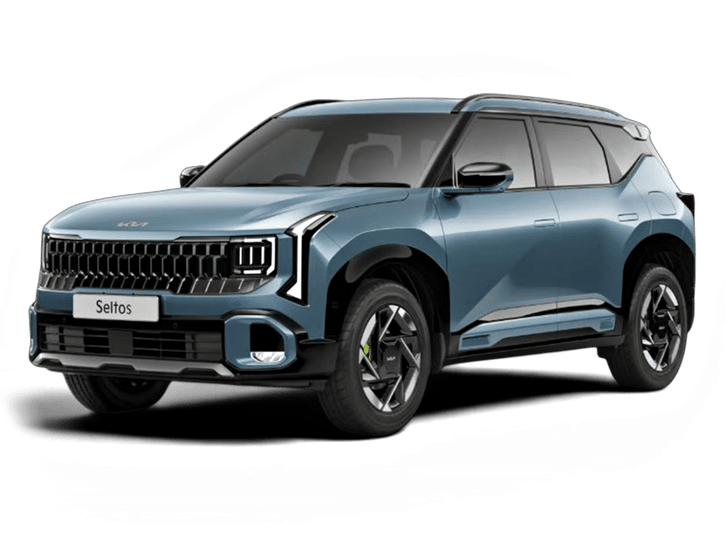
Go for the Kia Seltos diesel. Your daily 150 km and 75% highway use suit a diesel perfectly, and the Seltos' motor is efficient on long runs - expect an efficiency on highways in the high teens so your 3,500-4,000 km months won’t bleed your wallet. The Seltos also rides comfortably over broken rural stretches, has enough space for 3-4 people every day, and a boot sufficient for those 3,000-4,000 km family tours. Pick the automatic if you’re often stuck in traffic or drive long hours; the manual will squeeze out a bit more mileage. Safety kit and highway stability are solid, and the cabin keeps fatigue low on all-day drives.One caution: it’s not a hardcore rough-road SUV. If your “rural” is truly bad roads or light off-road trails every day, you’ll need to slow down, and tyre upgrades may help, or consider something like the diesel Mahindra XUV 7XO with AWD, though this would be a pricier option.
Hi, I have been using the Hyundai Creta SX(O) diesel for the past seven years. I drive about 500 km on weekends, mostly on highways. I am planning to buy an SUV by the end of this year in the Rs. 25 lakh price range. I like the VW Taigun, Kia Seltos, and Tata Sierra. I prefer performance over mileage. Kindly suggest.
Based on your usage, we'd recommend the Volkswagen Taigun GT 1.5 TSI DSG.Covering around 500km on most weekends, primarily on the highway, and prioritising performance over fuel efficiency, the Taigun is the most engaging SUV on your shortlist. The 1.5-litre turbo-petrol engine is strong and refined, while the DSG gearbox complements it beautifully, making it a genuinely enjoyable car to drive. It also has excellent high-speed stability and feels more involving than both the Seltos and the Sierra.One SUV that isn't on your shortlist but is well worth considering is the Mahindra XUV 7XO. While your Rs. 25 lakh budget won't get you the absolute top variant, it will still buy you a well-equipped model that feels like a significant upgrade over your current Creta. It offers a spacious cabin, strong performance and a more premium overall experience.
My current car is a Creta diesel automatic 2021 top end. My daily usage is in Bangalore traffic, about 35 kms. I am considering the XUV7XO petrol or diesel top end. Concerned about DPF issues in traffic usage. Also, what to do thought about e20?

Even with a 35km daily commute in Bengaluru traffic, we don't think you should dismiss the diesel. The 7XO is a large SUV, and its diesel engine suits its character far better than the petrol, offering stronger low-end performance, effortless highway cruising and significantly better fuel efficiency. The key question is whether your usage includes the occasional longer drive. If you do head out on the highway from time to time, the DPF should regenerate normally and is unlikely to be a concern.We also wouldn't let E20 influence your decision. Modern petrol engines are engineered with sufficient tolerance for E20 fuel, and there is currently no official roadmap beyond E20. There is no practical advantage in choosing petrol purely because of concerns over ethanol blending.If, however, your driving is almost entirely confined to Bengaluru city traffic with virtually no highway runs, then the 7XO Petrol Automatic would be the safer choice simply because it eliminates any possibility of DPF-related issues.
I am planning to buy a proper three-row diesel SUV, with a 6-seat configuration. I have shortlisted the top models of safari (ultra) and 7xo ax7L. Both have some advantages over the other in terms of features. I need expert feedback on driveability, driver comfort and overall comfort across all rows. I am thoroughly confused as to this decision. To add: This will be my second car. I have booked a Tiago EV for everyday office commute, and these will replace my Duster top-end diesel automatic. 7 seater I will use mainly with family on weekend trips and long trips Thanks in advance
Pick the Tata Safari 6-seat. It keeps the family happiest on long trips thanks to the comfiest ride and the most adult-friendly third row in this class. The suspension soaks bad roads, it stays settled at highway speeds, and the captain seats are wider with better thigh support. The third row sits a touch higher, has better recline and vents, so even two adults can manage a few hours without grumbling. Luggage space with all rows up is tight on both.Behind the wheel, the Safari is a relaxed mile muncher. The driving position is upright, visibility is great, seats are supportive, and the automatic is smooth. It is not the quickest to kick down, the engine is gruff and not as refined as the Mahindra, and there is some lag at low speeds, but on open roads, it cruises quietly. Coming from a Duster automatic, the ride upgrade is big.The Mahindra XUV 7XO AX7L is the sharper drive with a stronger diesel and snappier responses, and its ADAS feels better tuned. If you often climb hills fully loaded or love brisk overtakes, it makes life easier. For all-row comfort, choose the Safari.
Hi Autocar India, My name is Radhika from Hyderabad. I have tested XEV 9E, XEV 9S, BYD Sealion 7, Tesla Model Y and BMW iX1. My budget is not a constraint, and I can spend up to 55-57 lakhs on a car. BMW's driving dynamics felt better than those of Mahindra or Tata. FYI, I have tried BYD Sealion 7 also, but decided not to go with it due to their network, badge value and other reasons. My family did not like Tesla as the interiors are very minimal. My question is whether spending an additional 25 lakhs for the BMW iX1 makes sense, or if it's not a great car. Can you please clarify? Thank you!
Pick the BMW iX1 LWB. The extra spend gets you what you already liked on the drive - a tighter, more confidence‑inspiring feel than the Mahindra XEV 9e/9s, and a premium, normal‑to‑use cabin your family will prefer over Tesla’s sparse setup. You also sidestep your BYD worries with stronger brand pull and a wider service network.On our roads, the iX1’s steering and body control make everyday driving feel calmer and cleaner, whether in Hyderabad traffic or on the ORR. Fit and finish, seats, and infotainment feel a class up, so it will still feel special three years in, not just on day one.Be aware that rear space and boot are not as generous as the XEVs or Model Y L; the ride is on the firmer side on rough patches, and range and fast‑charge speeds are not class‑leading. If you carry tall adults in the back often or do frequent very long highway runs, you will notice those.If your deal lands close to Rs. 55‑57 lakh on road, the premium isn’t just badge tax, it’s daily satisfaction. If not, the XEV 9e/9s are a strong value, but for your priorities, the BMW is the right call.
Totally confused between XUV 7XO diesel auto and XEV 9E. My yearly usage is 10 to 15k kms. My usage will be primarily as a 5-seater. Among these two, which car has better ride and handling?
Pick the XUV 7XO diesel automatic for the better ride-handling balance. Over broken roads and big speed breakers, it stays calmer, and with five on board, it keeps its composure without that side-to-side bob you often feel in heavier SUVs. At highway speeds, it tracks straight, the steering has a natural weight, and body control feels more reassuring when you need to change lanes or brake hard.The XEV 9e does feel flatter through bends thanks to the battery’s low position, so quick direction changes are tidy, but its extra weight makes sharp edges and patchy city tarmac come through more firmly, and the braking feel is less consistent. On a long drive with family and bags, the Mahindra diesel’s suspension tuning feels more relaxed and confident.One caveat. In city traffic, the XEV 9e is quieter and smoother, so if most of your 10-15k km each year are short urban runs, you might enjoy that. But for mixed use as a five-seater, the XUV 7XO rides better and feels more secure.
Hi, I am planning to buy my first automatic car in the 10-15 Lakh range. I'll primarily be using it for city commutes, along with a monthly long-distance trip of around 1200 km. Can you please suggest a car?
If you want something that's compact and easy to drive while being efficient, then consider the Maruti Fronx or Toyota Taisor 1.0 Turbo 6AT. The engine is smooth, performance is strong, and the transmission works seamlessly. If you want a more "SUV" feel, then you could consider the turbo-petrol automatic versions of the Hyundai Venue, Skoda Kylaq or even the Mahindra XUV 3XO. The XUV is the most spacious and has the strongest engine; the Kylaq feels the sportiest to drive; while the Venue is very well-rounded, and thanks to its light steering, it feels easy to drive.
Last Updated on: 9 Jul 2026