Automatic cars in India (198)
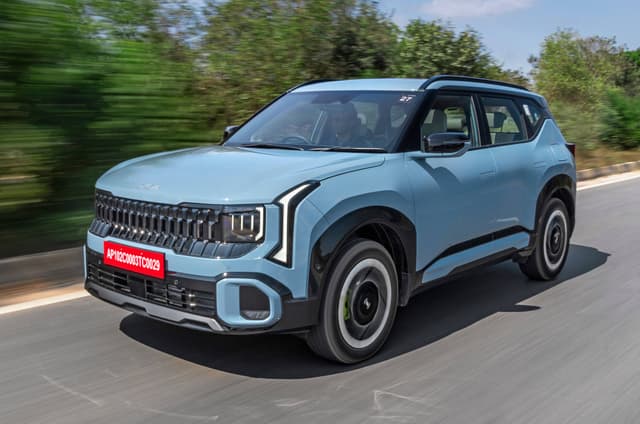
Automatic cars have become increasingly common in India, with choices now spanning hatchbacks, sedans, SUVs and MPVs across a wide range of prices. India currently lists 203 automatic cars on sale, covering petrol, diesel, CNG, hybrid and electric powertrains.
Buyers can choose from several types of automatic transmissions, including AMTs, CVTs, torque converters and DCTs. EVs use a different approach, with most relying on a single-speed reduction gearbox. The right transmission depends largely on the type of driving, budget, and level of performance required.
Automatic Transmission Types In India
Type | Typical strength | Main limitation | Typical use |
AMT | Affordable, efficient, simple | Gear shifts can be jerky or slow | Budget city cars |
CVT | Smooth and relaxed | Rubber-band effect under hard acceleration | City and highway driving |
Torque converter | Smooth, versatile, good in traffic | Usually costlier and more complex than AMT | City, highway and family SUVs |
DCT | Very quick shifts, responsive | More complex; dry-clutch versions can struggle in crawling traffic | Performance-oriented driving |
e-CVT | Smooth, efficient and well suited to hybrid driving | Engine revs can rise under hard acceleration; mainly used with hybrid powertrains | Strong-hybrid cars and SUVs |
AMT Cars
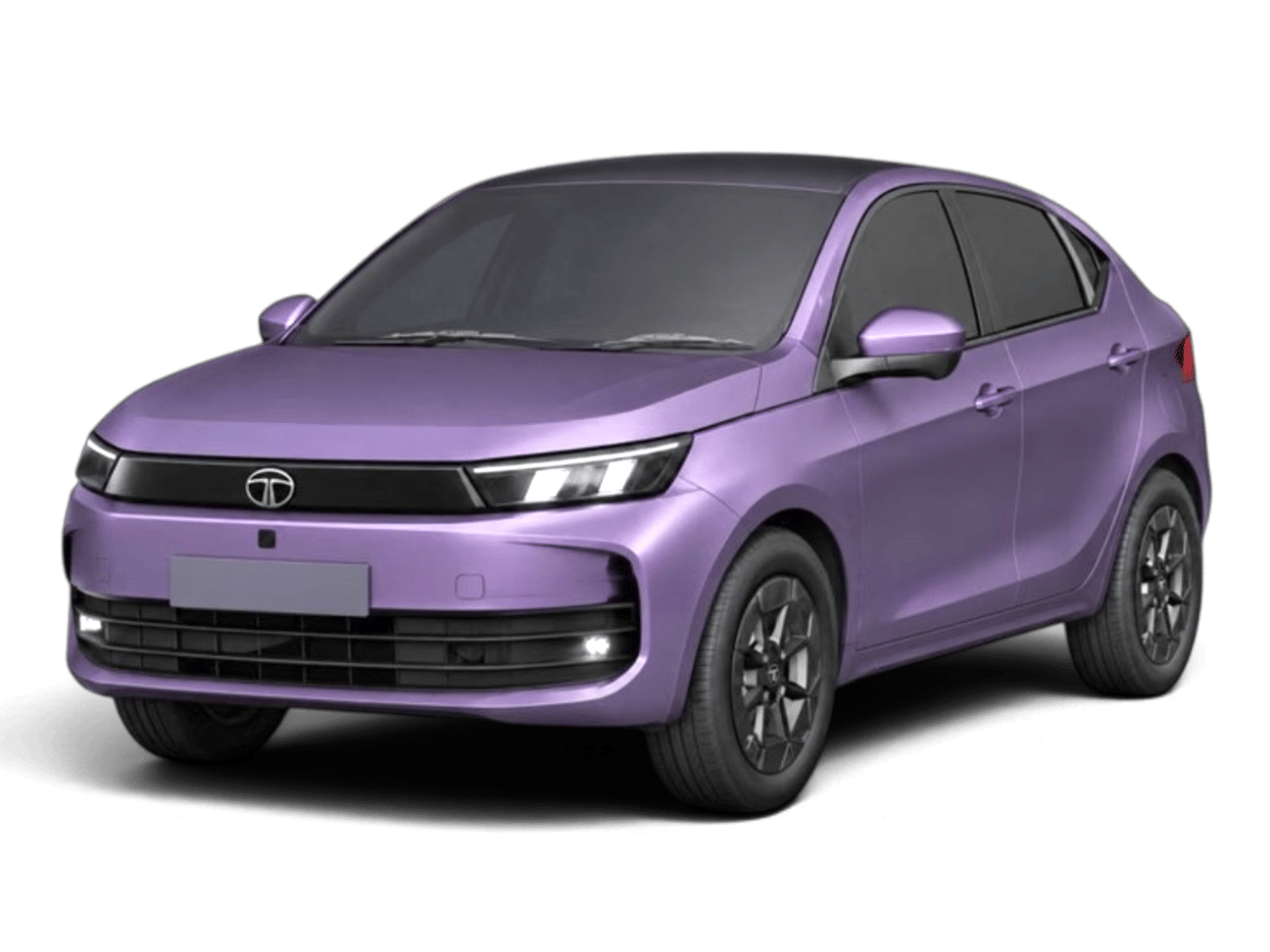
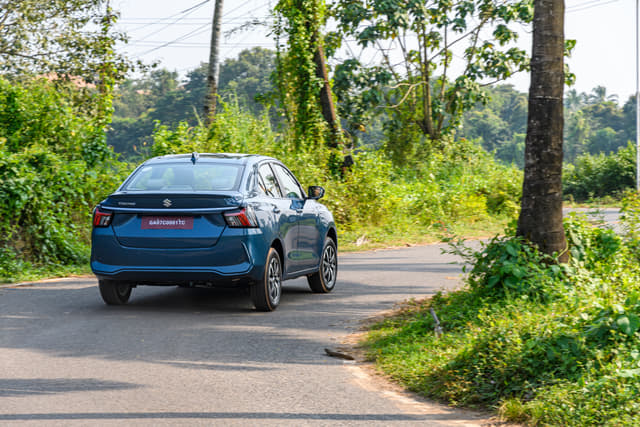
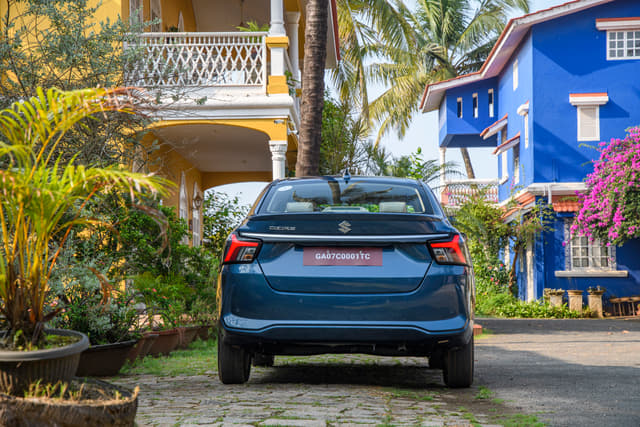
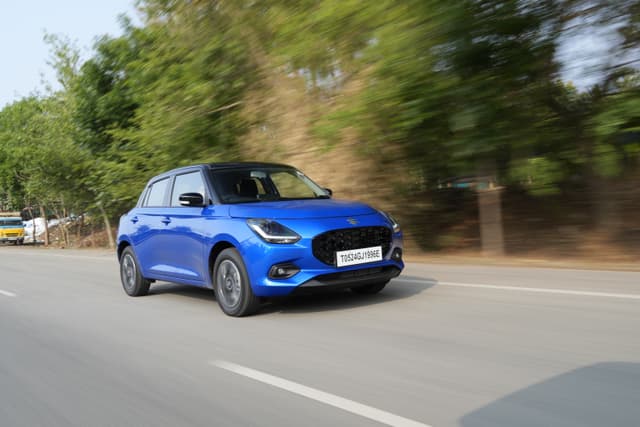
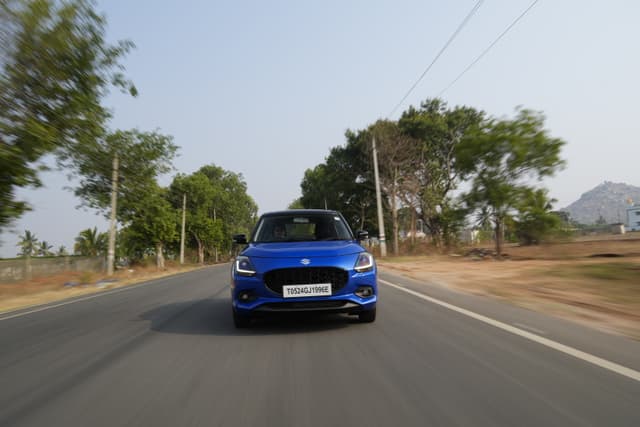
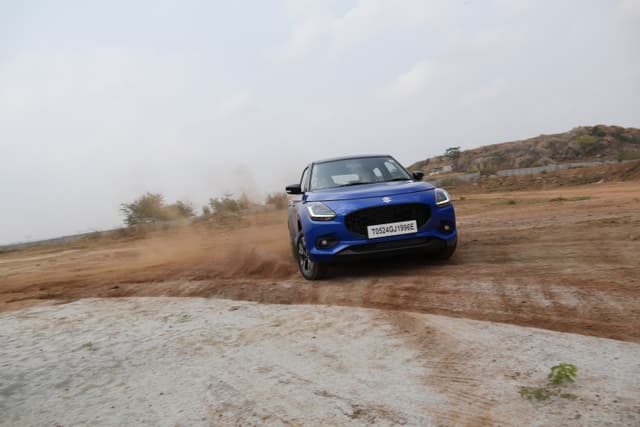
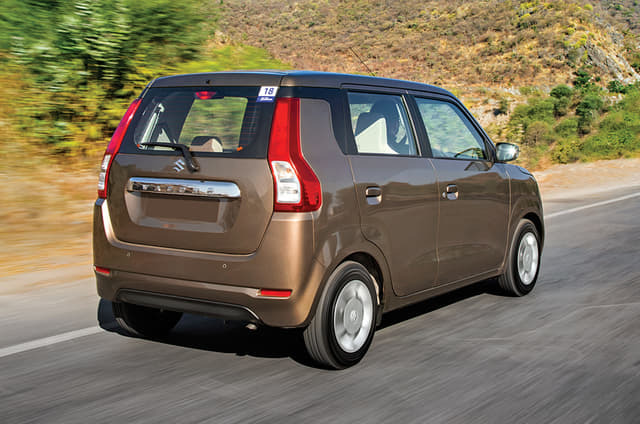
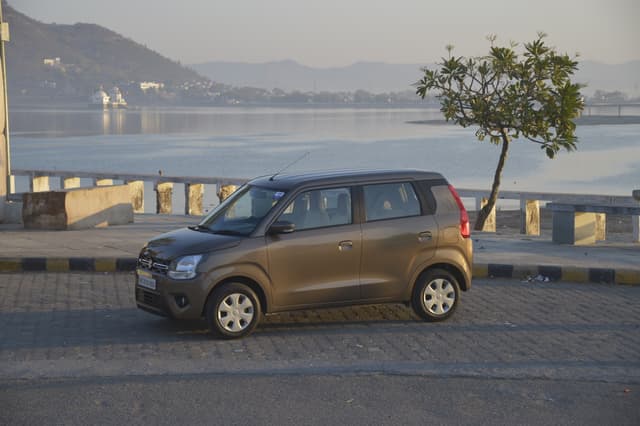
Automated manual transmissions use a manual gearbox with automated clutch and gear operation. Their relatively simple construction makes them common in affordable cars. Maruti Suzuki Alto K10, Celerio, Swift and Dzire, along with Tata Tiago, Tigor and Punch, are among the models available with AMTs.
CVT Cars
A continuously variable transmission uses a continuously changing ratio instead of fixed gears. It delivers smooth acceleration and suits relaxed driving, although engine revs can rise noticeably during hard acceleration.
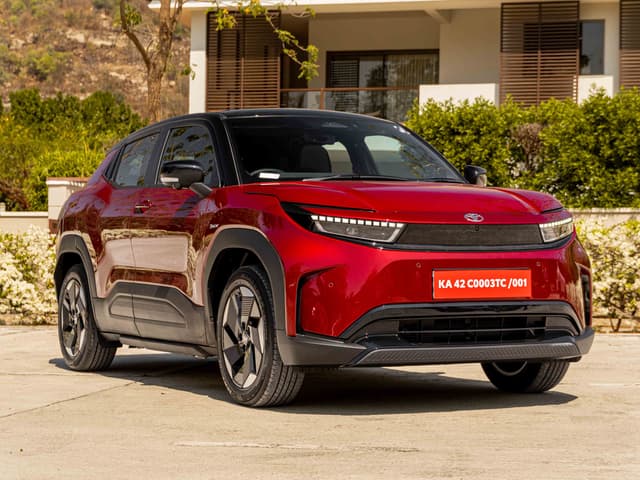
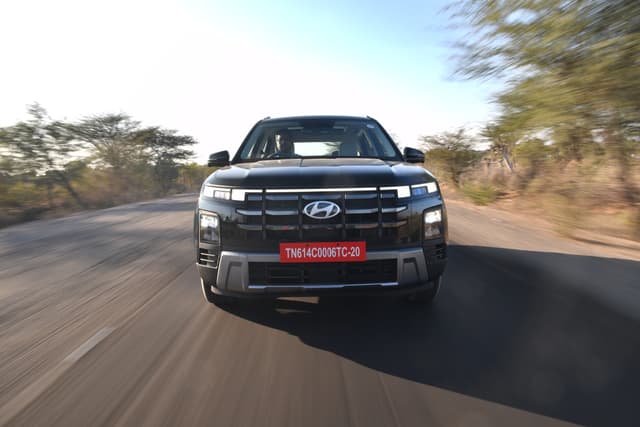
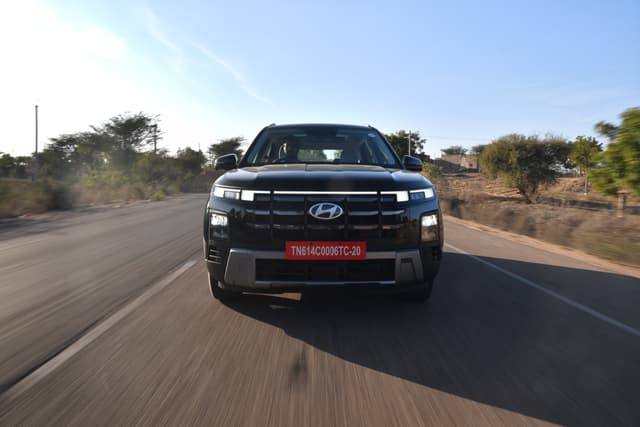
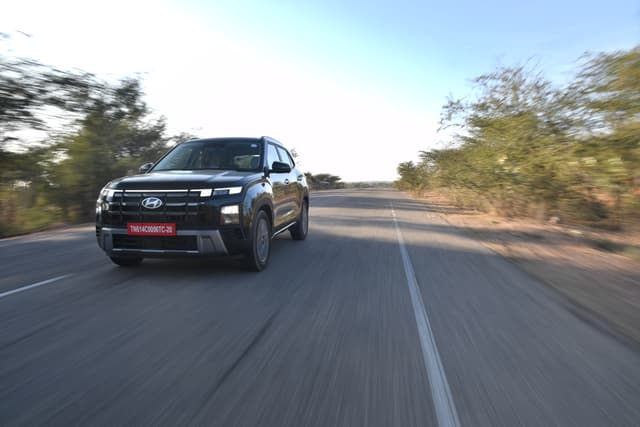
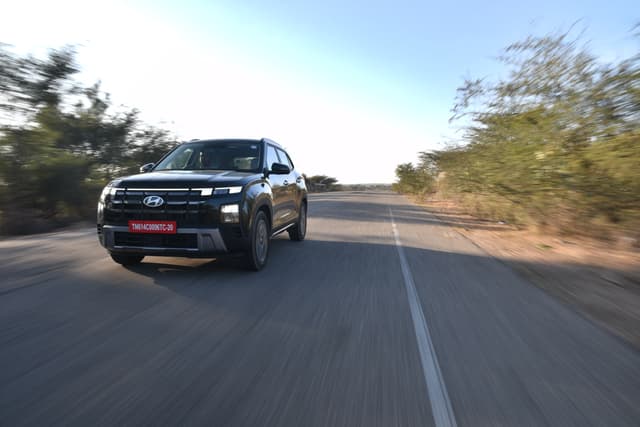
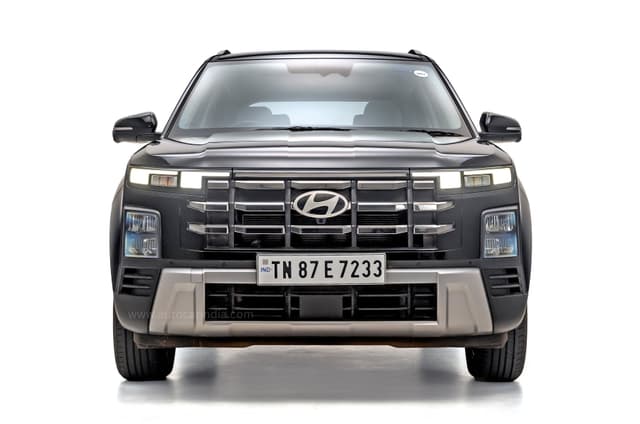
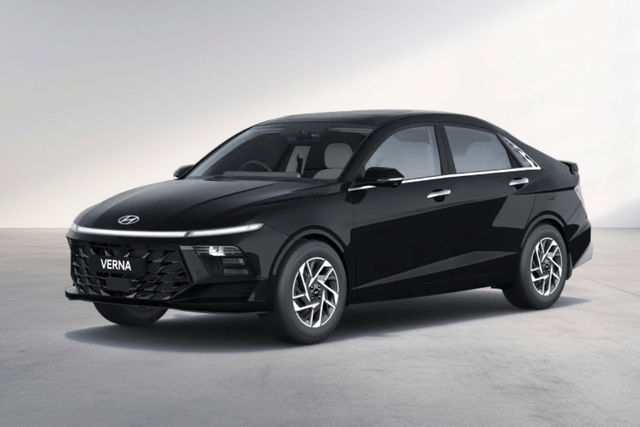
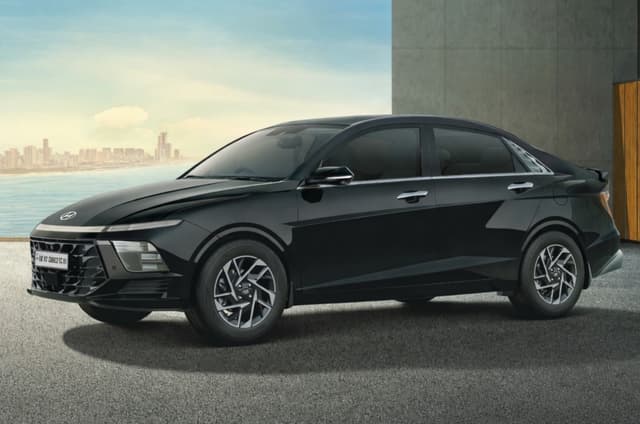
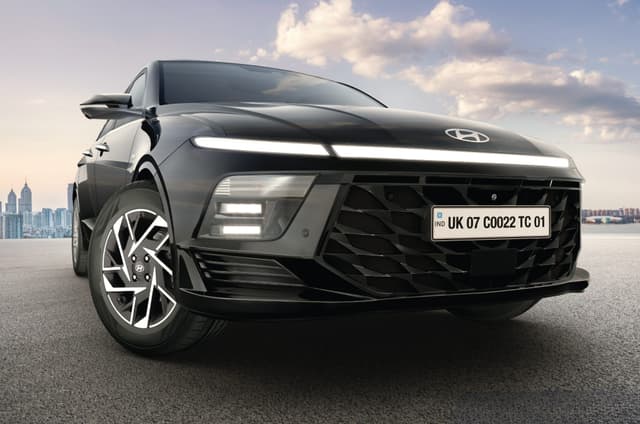
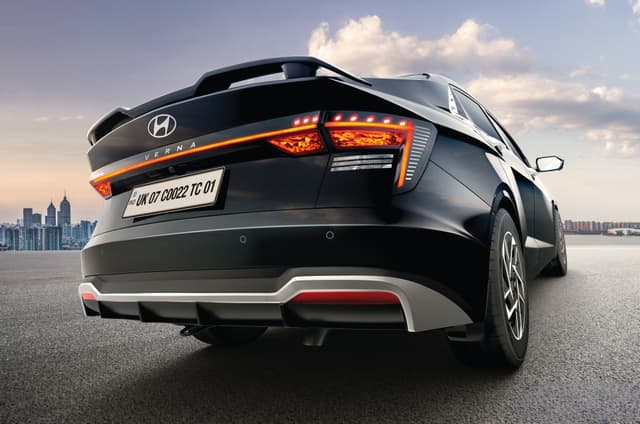
Honda City, Hyundai Creta and Hyundai Verna offer CVT/IVT automatics, while strong-hybrid models such as the Maruti Suzuki Grand Vitara, Maruti Suzuki Victoris and Toyota Urban Cruiser Hyryder use e-CVT systems.
Torque Converter Automatic Cars
A torque converter uses a fluid coupling between the engine and gearbox and offers smooth take-offs and gear changes. Its ability to handle higher torque makes it common in both petrol and diesel cars, particularly larger SUVs.
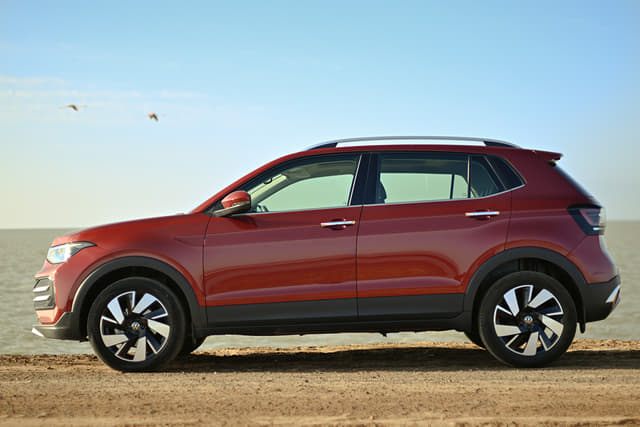
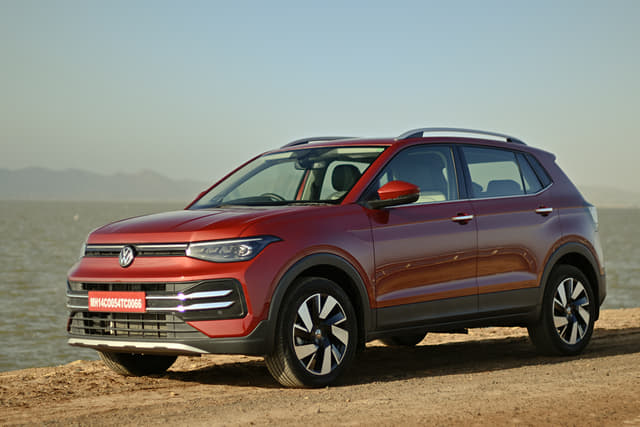
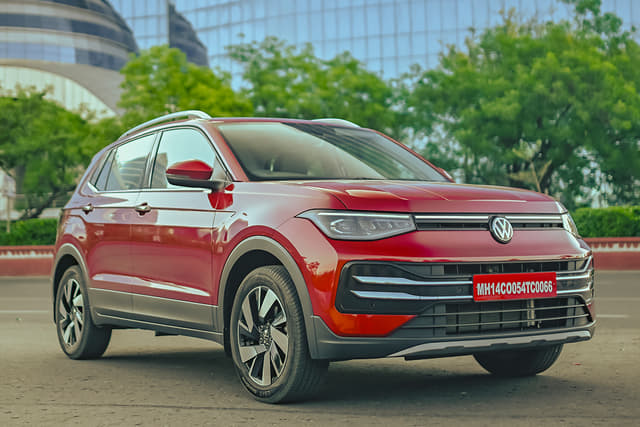
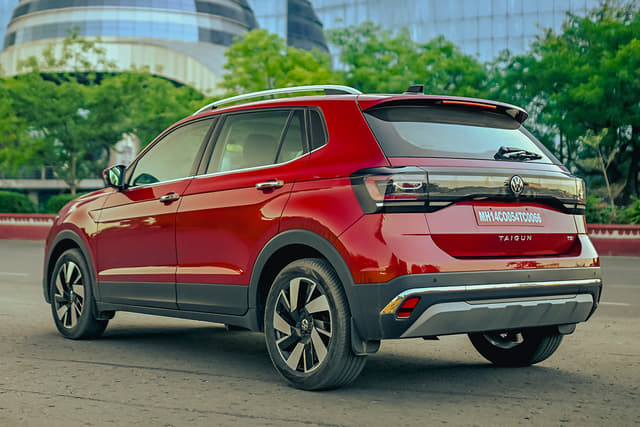
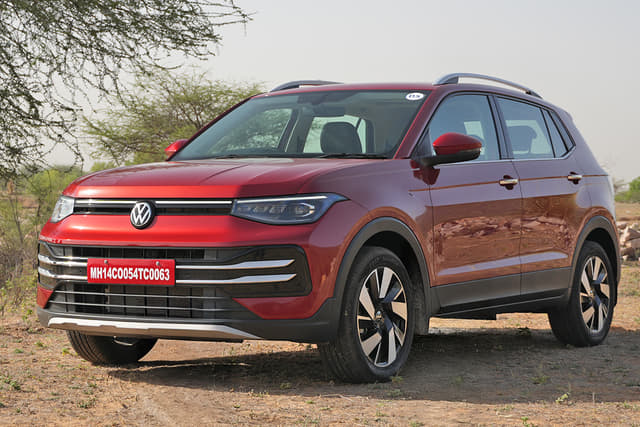
The Skoda Kylaq, Volkswagen Taigun, Volkswagen Virtus and Mahindra XUV 3XO are among the models using torque-converter automatics.
DCT Cars
A dual-clutch transmission uses two clutches to pre-select gears, allowing faster shifts than most conventional automatics. It is particularly common with turbo-petrol engines.
Hyundai, Kia, Volkswagen, Skoda and Tata offer DCT-equipped cars in India. Dry-clutch systems can be more sensitive to prolonged crawling, while wet-clutch units are designed to handle higher torque and heat loads.
e-CVT Hybrid Cars
An e-CVT is used in many strong-hybrid powertrains, combining the petrol engine and electric motor(s) without a conventional stepped automatic gearbox. It delivers smooth power delivery and works particularly well in low-speed urban driving.

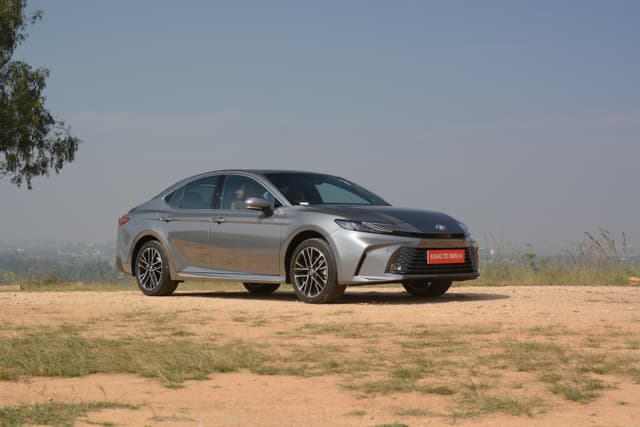
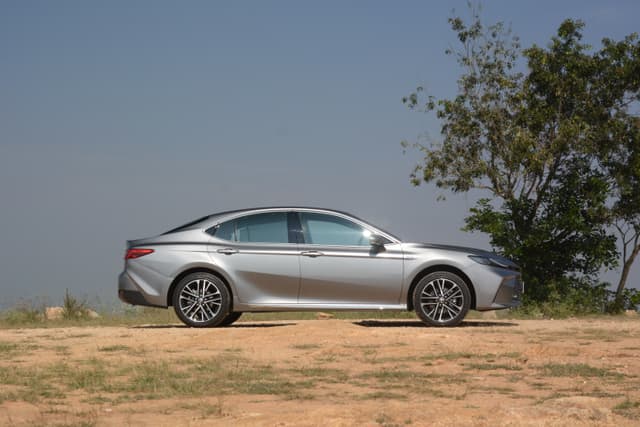
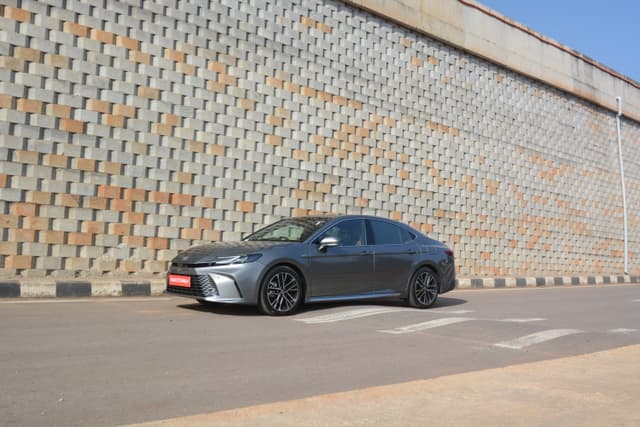
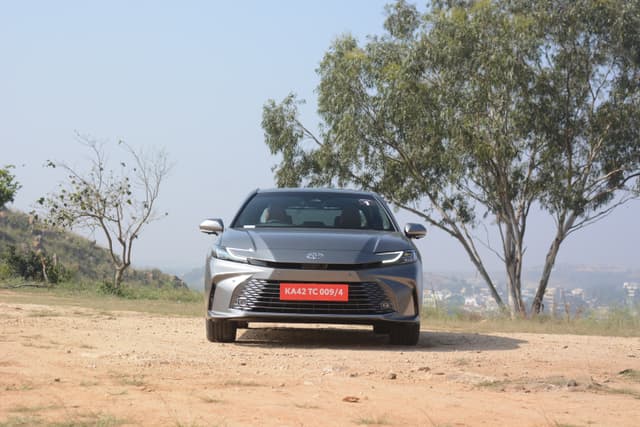
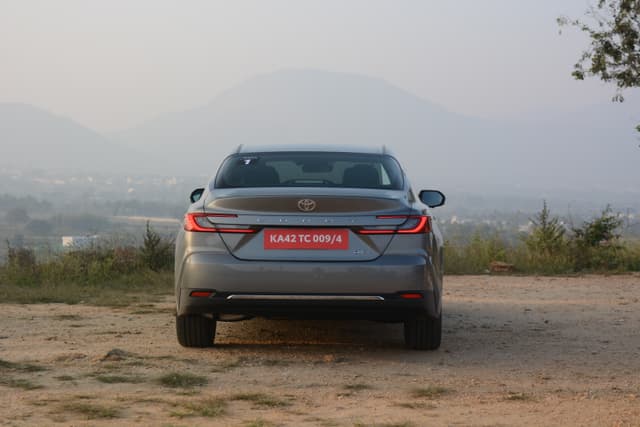
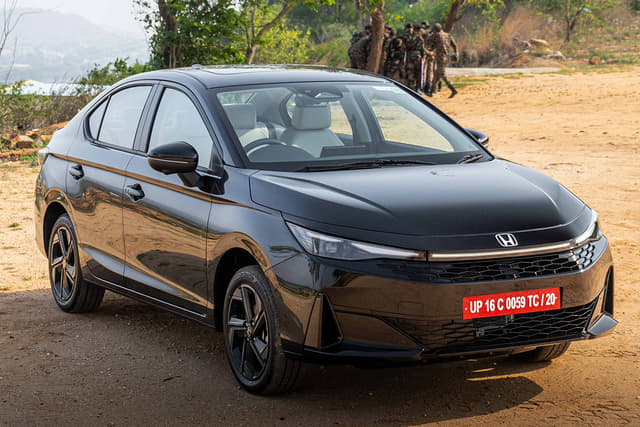
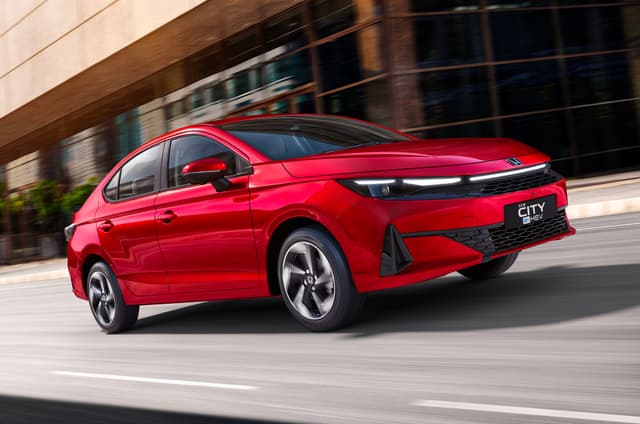
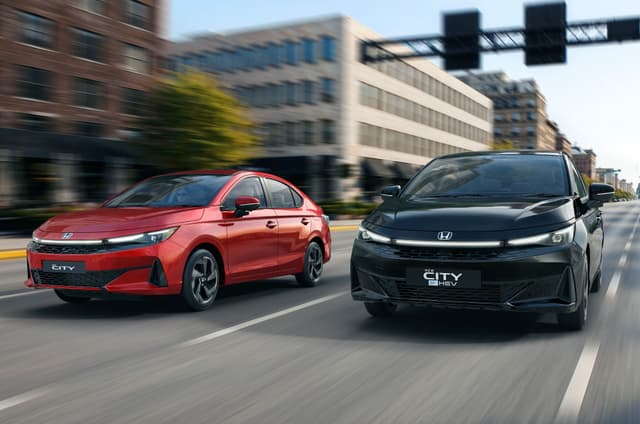
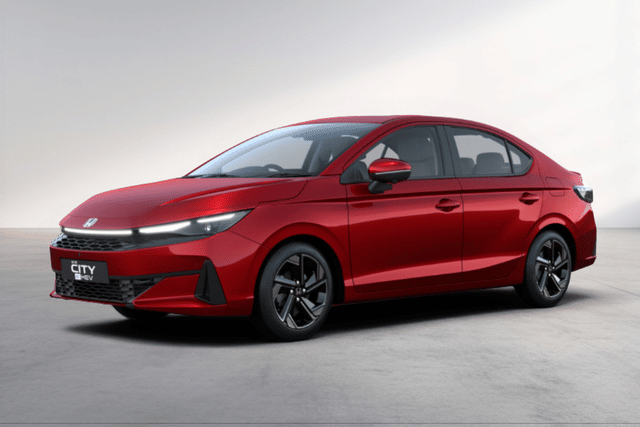
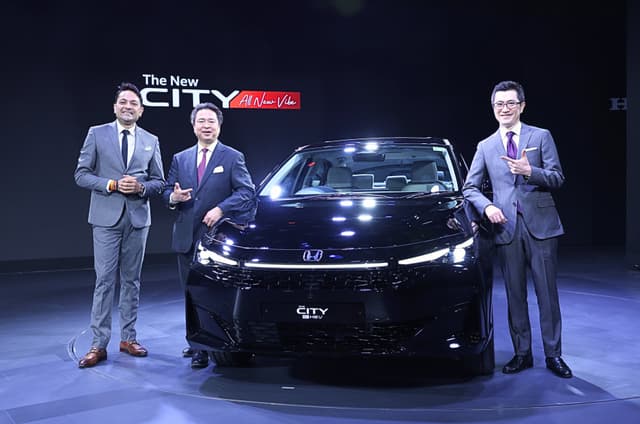
The Honda City e:HEV strong hybrid uses e-CVT; regular petrol automatic uses CVT. Toyota Innova HyCross and Toyota Camry are among the key e-CVT-equipped cars, while the Lexus NX is an e-CVT-equipped SUV.
Automatic Cars For City Driving
For city driving, smooth low-speed operation and ease of use in stop-go traffic matter more than the number of gears.
AMTs offer affordable two-pedal convenience, but their gear changes can be noticeable, especially at low speeds. CVTs and IVTs are smoother in repeated acceleration and braking, making them well suited to congested urban roads. Torque converters also work well in traffic, offering smooth take-offs and predictable shifts.
DCTs can deliver quick shifts, but buyers who regularly face crawling traffic should check how the specific gearbox performs at low speeds, particularly with dry-clutch systems.
Automatic Cars For Highway Driving
For highway driving, a good automatic should offer predictable overtaking response, smooth cruising and enough mid-range performance when the car is loaded.
Torque converters work well for long-distance driving, particularly with diesel and turbo-petrol engines, offering smooth shifts and strong response when accelerating from cruising speeds. DCTs suit buyers who prioritise quicker gear changes and sharper overtaking response, especially with turbo-petrol engines. CVTs and IVTs are better suited to relaxed highway cruising, although they can feel less responsive under hard overtaking.
The engine and gearbox pairing remains more important than the transmission type alone.
CNG Automatic Cars
CNG and automatic transmissions were once an uncommon combination, but the choice has expanded.
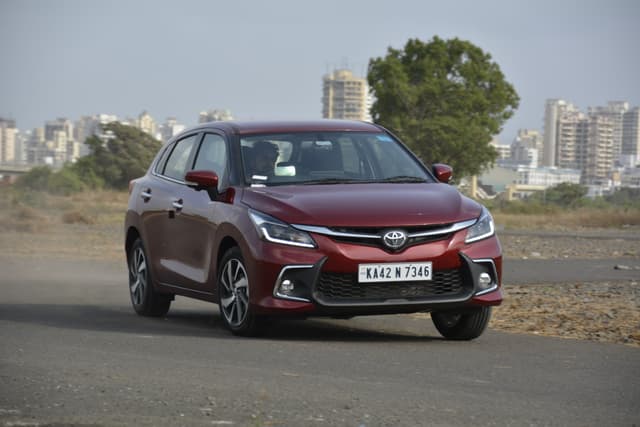
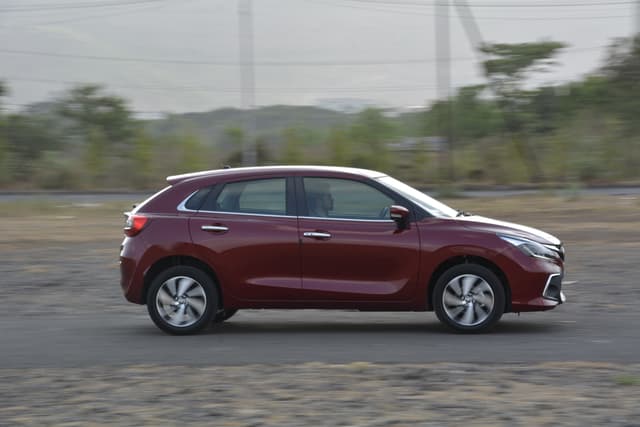
Maruti Suzuki has introduced AMT versions of several CNG models, including the Swift, Dzire and Baleno. Other options include CNG automatic models from Maruti Suzuki and Toyota.
This combination can suit buyers looking to reduce running costs without giving up the convenience of two-pedal driving. However, buyers should compare the price premium, boot-space impact and performance of the specific CNG automatic variant before making a decision.
Automatic Cars Vs Manual Cars
Automatic | Manual |
Easier to drive in heavy traffic | Requires clutch operation |
Reduces fatigue during stop-start driving | Gives the driver direct gear selection |
Usually costs more than the equivalent manual | Generally cheaper to buy |
Transmission behaviour depends on the type used | More consistent interaction between driver and gearbox |
Modern automatics can deliver good fuel efficiency | Often preferred by buyers who enjoy greater control |
An automatic does not automatically mean lower fuel efficiency. Engine technology, vehicle weight, transmission type, driving conditions and driving style all influence fuel consumption.
Are Automatic Cars Expensive To Maintain?
Maintenance costs vary by transmission type. AMTs are generally the most affordable, with routine servicing similar to a manual gearbox. CVTs typically need fluid changes every 40,000- 60,000 km, costing around Rs 6,000-10,000.
Torque-converter automatics usually require ATF and filter changes at similar intervals, costing about Rs 3,000-8,000. DCTs need specialised fluid servicing, usually around Rs 5,000-12,000, and clutch replacement can be considerably more expensive. Following the manufacturer’s service schedule is important, particularly for transmission fluids.


Automatic Cars - FAQs
An automatic car changes gears without requiring the driver to operate a clutch pedal or manually select gears, making it easier to drive, particularly in stop-and-go traffic.
Automatic cars in India are available with AMT, CVT, torque converter and dual-clutch (DCT/DSG) transmissions. Each offers a different balance of cost, comfort and performance.
Automatic cars are generally more convenient to drive, especially in urban traffic. Manual cars, however, are often less expensive to buy and may appeal to drivers who prefer greater control.
Not necessarily. Advances in transmission technology mean many modern automatic cars deliver fuel efficiency comparable to their manual counterparts, although this varies by model and transmission type.
Automatic cars are ideal for buyers who regularly drive in congested traffic or simply prefer a more relaxed driving experience.
Trending Questions on Cars - Answered by Autocar Experts
Hi everyone, I am looking for a reliable automatic upgrade for my parents. My budget is strictly capped at Rs. 17 lakh (on-road, Hyderabad). The lower, the better. I will be selling our 2019 Ford Figo Titanium petrol manual. Our use case & priorities: Primary drivers: My parents Usage: We live on the outskirts, so the car will see mixed usage, mostly in mild traffic. Priorities: Low maintenance, low running costs, and a hassle-free, smooth driving experience. Shortlisted options: Honda Amaze ZXi CVT, Honda Elevate V CVT, Maruti Brezza ZXi AT, maybe Mahindra XUV 3XO
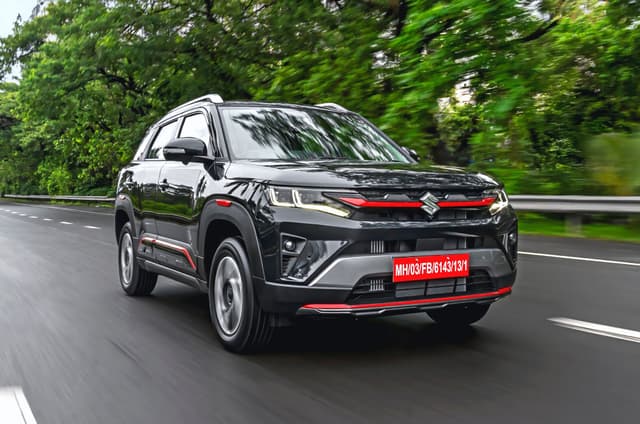
With your requirement of keeping the purchase cost as low as possible while also getting something reliable, go for the Honda Amaze CVT. The CVT is smooth, the car is easy to drive, and Honda’s ownership experience is among the best in the segment. It will also be the most affordable option on your shortlist, which fits your budget constraint perfectly. It should be more than sufficient for your parents and their usage, but bear in mind, it's not much larger than the Figo they're moving from, so it may not feel like as much of an upgrade. Also, make sure entering and exiting the vehicle are not an issue for them, as it is quite low-slung.The Elevate CVT is the largest vehicle here, and as such gives a bit more space and comfort than the others, and it meets your other requirements, but if you're locked in on the V CVT variant, it might feel a bit barebones. The V CVT is well within your Rs 17 lakh budget, so consider going up a variant, as that would make it worth your while.The Maruti Suzuki Brezza, however, might be your best bet. The ZXi AT is great value for money; efficiency and hassle-free ownership are Maruti hallmarks, and the 6-speed AT gearbox is as smooth, if not smoother, than Honda's CVT. It's compact enough to be easy to drive, yet almost as spacious as the Elevate, with easy ingress and egress. We feel this will be the best fit for your parents.
Hi, I am currently using a 2021 Ford EcoSport diesel and am now planning to buy a new car by exchanging my EcoSport. I have shortlisted two options: the Kia Seltos HTX diesel automatic and the Mahindra XUV 7XO AX5 diesel automatic. I am confused between the two and would like to know which one I should choose. The on-road prices of both cars are similar. My usage is mostly solo driving, with both city and highway use. On weekends and holidays, I usually travel with my family. Kindly suggest which car would be a better choice for my usage.
Go for the Mahindra XUV 7XO AX5 diesel automatic. Since you are coming from an EcoSport diesel and your usage is a mix of city driving and family highway trips, the XUV 7XO is the better fit. It offers a more powerful diesel engine, a more spacious cabin and a more comfortable ride, especially on highways. The Seltos diesel HTX automatic is a very good car, but the XUV 7XO feels like a more substantial upgrade from the EcoSport, both in terms of performance and overall ownership experience. The only thing to keep in mind is that the XUV 7XO is a larger car, so if you have tight parking spaces or regularly drive in very congested areas, the Seltos is easier to live with. But overall, the XUV 7XO AX5 diesel automatic is the better choice for your usage.
I am planning to buy a new car under a budget of around Rs. 11.5-12.5 lakh (on-road). It will be mostly used for city driving, with a few highway trips. My main requirements are automatic transmission. good safety rating, good quality interior, low maintenance costs, good driving performance and offers fun-to-drive experience. Please suggest 4-5 good cars in this price range that would suit my requirements.
Based on your requirements, the Mahindra XUV 3XO automatic would be our first recommendation. It is one of the most spacious compact SUVs in the segment, has a strong safety record, a wide cabin that makes it a genuinely comfortable five-seater, and the turbo petrol engine paired with the torque converter automatic delivers good performance and a fun-to-drive experience. It also offers a well-equipped interior and Mahindra's service network is strong, keeping maintenance costs reasonable.The Skoda Kylaq automatic would be our second recommendation. It is the most driver-focused car in this price range, with a strong turbo petrol engine and a well-tuned chassis that makes it genuinely enjoyable to drive. The torque converter automatic is smooth and reliable, and the Kylaq offers good safety credentials and a solid build quality. The only drawback is that the rear seat is not as spacious as the 3XO.The Maruti Suzuki Brezza automatic is the sensible choice. It is reliable, has low maintenance costs, a comfortable ride and a good safety record. The naturally aspirated petrol engine paired with the torque converter automatic is smooth and easy to live with, making it an excellent city car. It may not be as exciting to drive as the 3XO or Kylaq, but it is a very dependable ownership proposition.The Tata Nexon automatic is also worth considering. It has a strong safety record, a comfortable ride and a feature-rich interior. The turbo petrol engine paired with the DCA automatic offers good performance, but the gearbox can feel a bit hesitant at times in stop-start traffic.Overall, the XUV 3XO automatic strikes the best balance between safety, performance, interior quality and ownership costs. The Kylaq is the enthusiast's choice, while the Brezza is the most sensible long-term option.
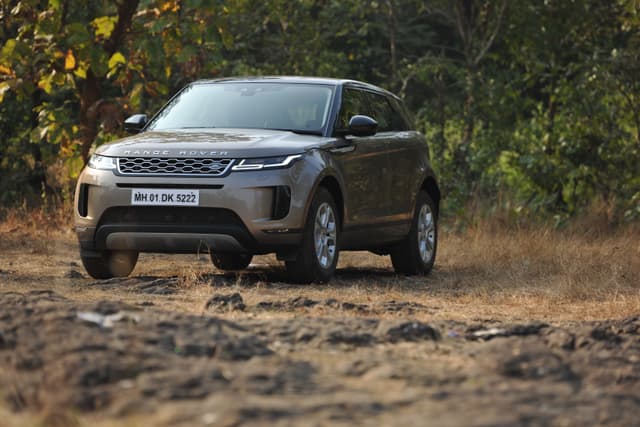
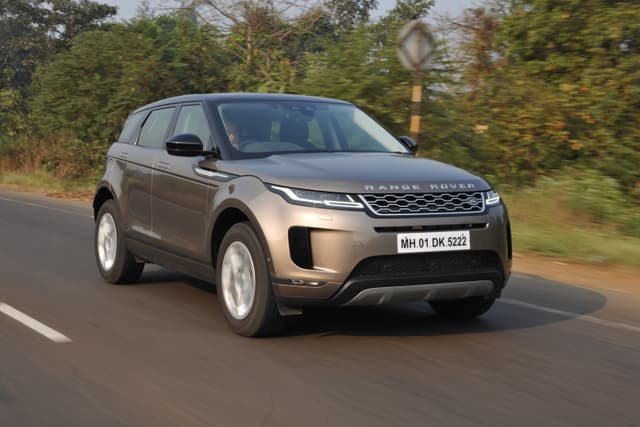
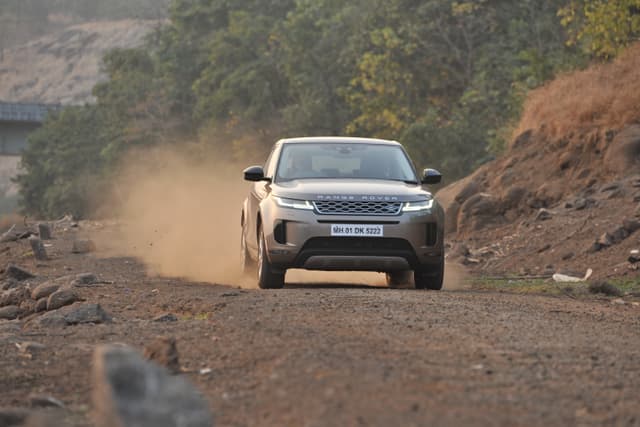
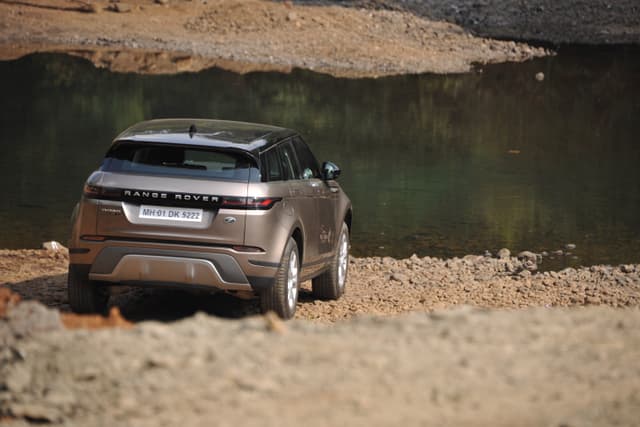
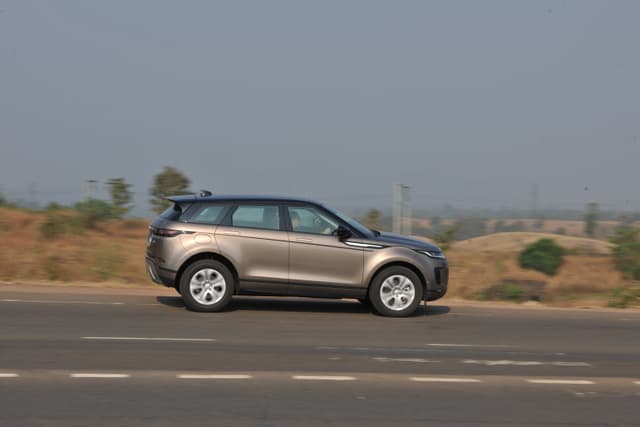
I’m considering buying a pre-owned 2021 Land Rover Range Rover Evoque SE R-Dynamic with the 2.0-litre Ingenium petrol engine and AWD. It has covered only 15,000km, was manufactured and registered in 2021, and is a BS6 vehicle. The fuel flap says “Premium Gasoline Recommended, 91”. I want to confirm whether this generation and engine are compatible with E20 petrol. Also, should I buy it? I’m looking to enter the premium SUV segment with a budget of around Rs 40 lakh.
The 2021 Range Rover Evoque SE R-Dynamic 2.0L Ingenium petrol is a BS6-compliant engine, but it is not officially certified for E20 fuel. The “Premium Gasoline Recommended, 91” label refers to octane rating, not ethanol content. In India, regular petrol is now 95 octane, so you do not need to use premium fuel unless the manufacturer specifically requires it. The bigger question is ethanol compatibility. BS6 engines were designed with some ethanol tolerance, but E20 certification only became mandatory for new models from April 2023 onwards. Land Rover has not issued a blanket statement confirming E20 compatibility for older BS6 models.Should you buy it? At Rs 40 lakh, a lightly used Evoque is a tempting entry into the premium SUV segment. The Evoque offers a genuinely premium cabin, strong performance and a distinctive design. However, ownership costs are high. Land Rover parts and service are expensive, and long-term reliability is not as bulletproof as some German rivals. If you are buying this as a weekend car or a second car, it makes sense. If this is your only car and you plan to keep it for 5-10 years, you need to be comfortable with higher maintenance costs.On E20, the reality is that most modern BS6 engines will run on E20 without immediate issues, but long-term durability is unproven. Ethanol can accelerate wear on certain rubber and plastic fuel system components over time.Overall, buy the Evoque if you want a premium SUV experience and are comfortable with higher running costs. If you want a lower-risk, long-term ownership experience, a new Kia Seltos, Hyundai Creta or Skoda Kushaq at a similar price is the safer bet.
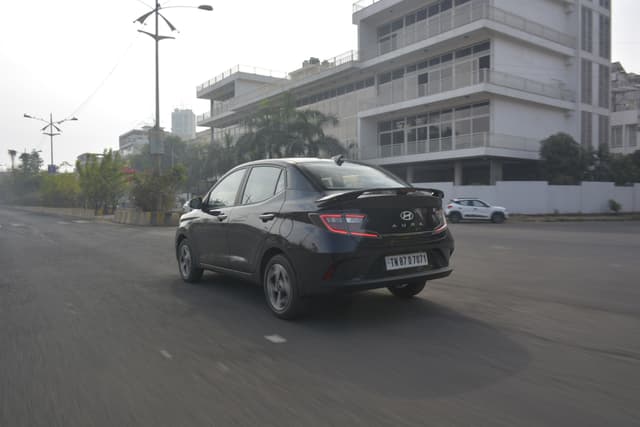
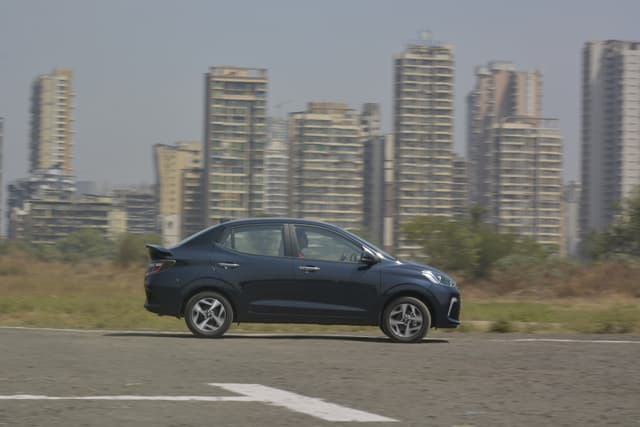
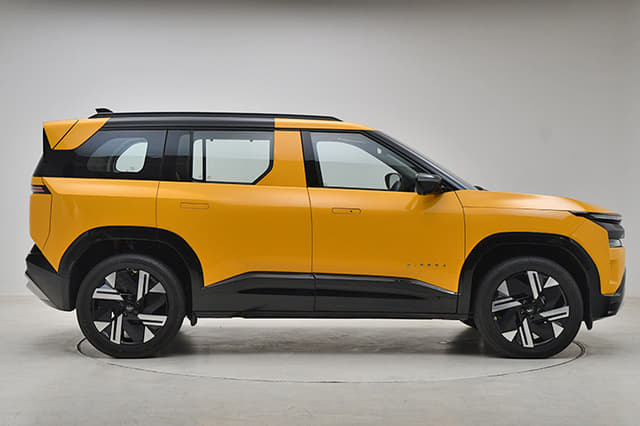
I am purchasing a Creta petrol automatic S (Optional) model. How is this car in terms of fuel efficiency and long-term ownership? How will it perform on occasional long trips of 500- 700 km and routine city commuting?
The Hyundai Creta petrol automatic is a very sensible choice for your usage pattern. The 1.5-litre naturally aspirated petrol engine paired with the IVT (CVT) automatic is smooth, refined and well-suited to city driving, making daily commutes effortless. For occasional long trips of 500-700 km, the Creta is comfortable, stable and easy to drive, with a relaxed cruising nature and a well-sorted ride. Fuel efficiency is decent for a midsize petrol automatic SUV, with our testing recording 13.11 kpl overall, with 15.05kpl on the highway and significantly lower figures in heavy city traffic. A realistic expectation would be around 10-12kpl in the city and 13-15kpl on the highway, depending on driving style and conditions. In terms of long-term ownership, Hyundai’s strong service network, reasonable maintenance costs, and proven reliability make the Creta a safe bet. The S (O) variant strikes a good balance between essential features and value, and the overall package is well-rounded. The only thing to keep in mind is that this Hyundai car is due for a full generation change in 2027, so if you are not in a hurry, it may be worth waiting. Otherwise, it remains one of the most dependable and hassle-free choices in the segment.
Last Updated on: 7 Oct 2026