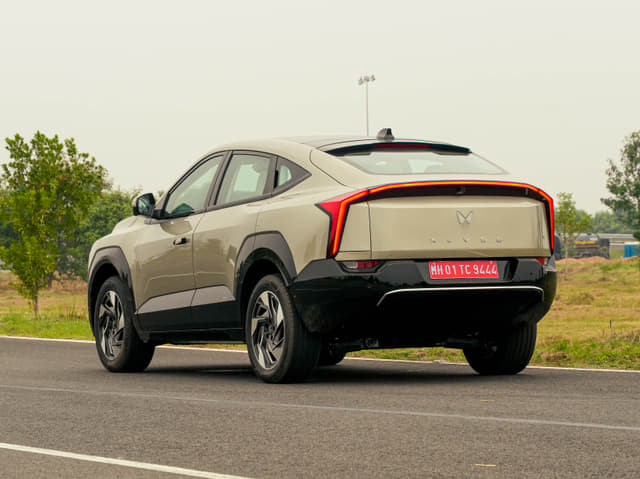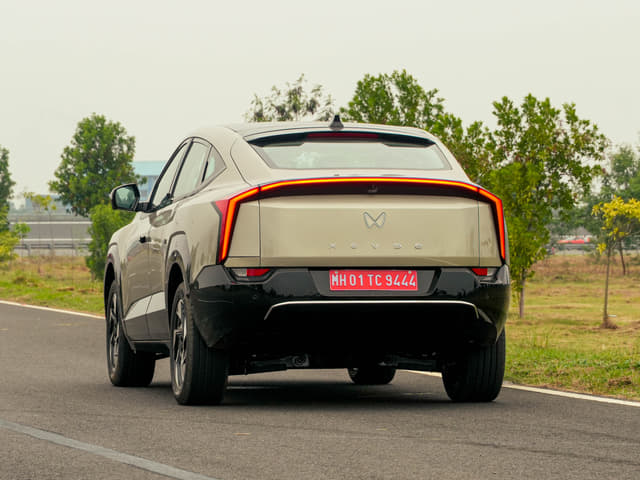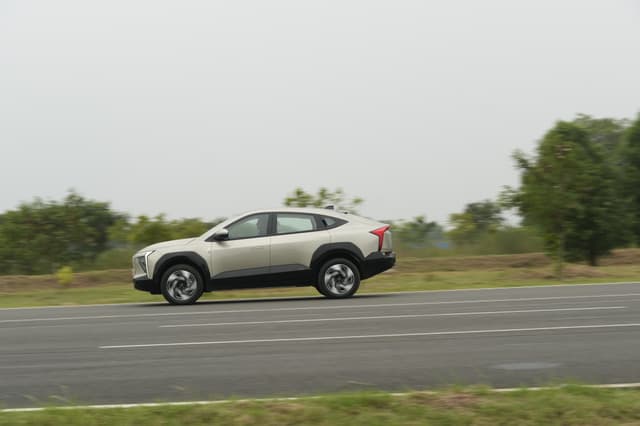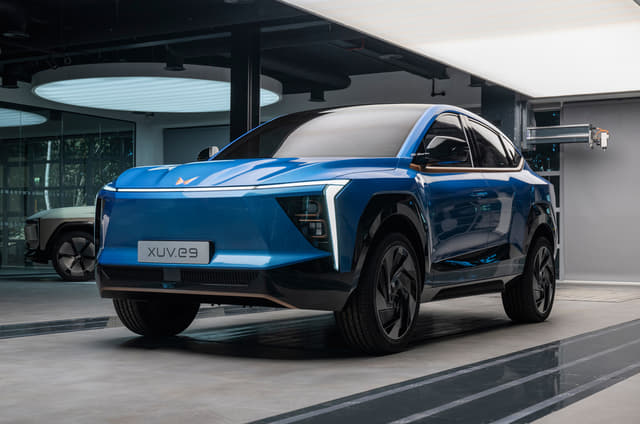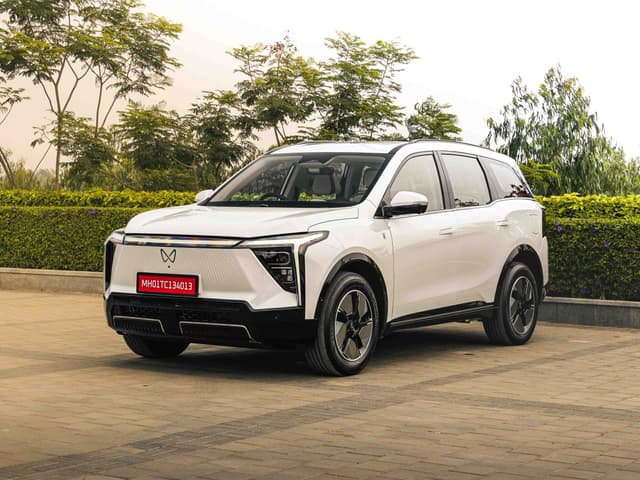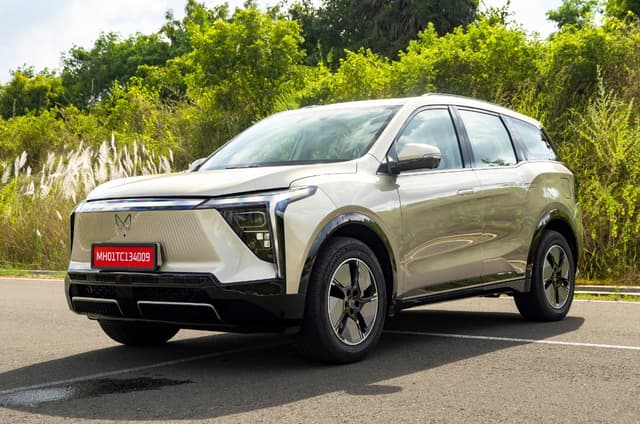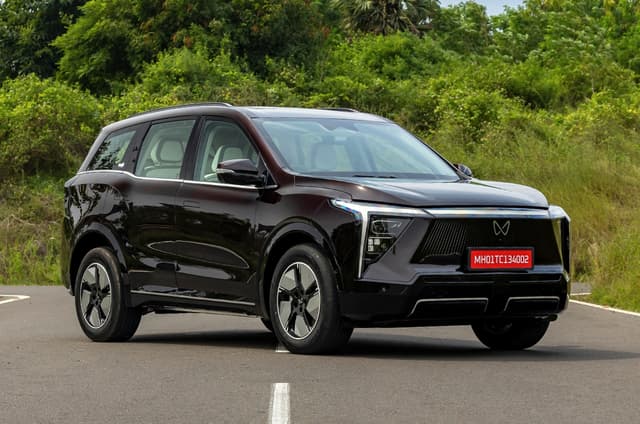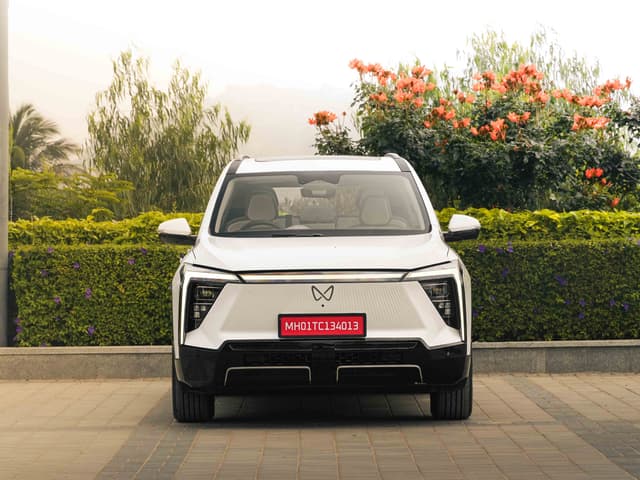



Mahindra cars in India (17)
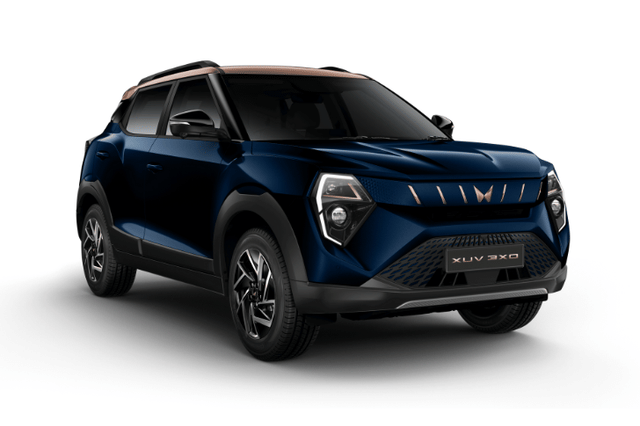
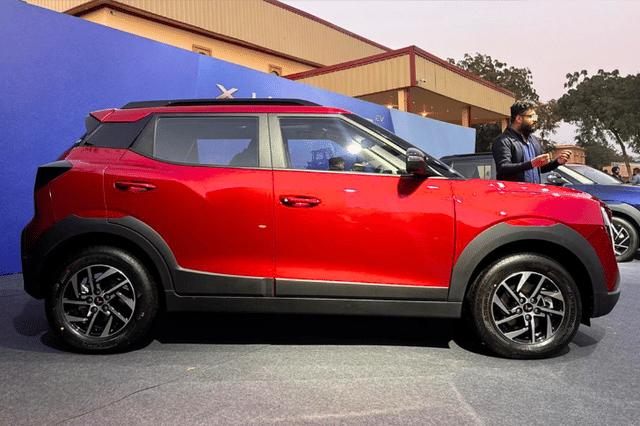
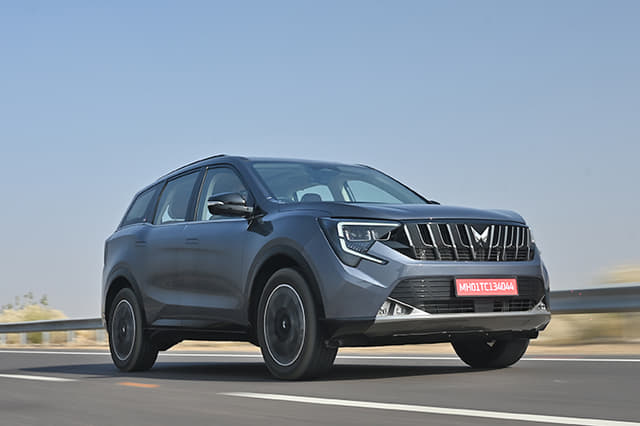
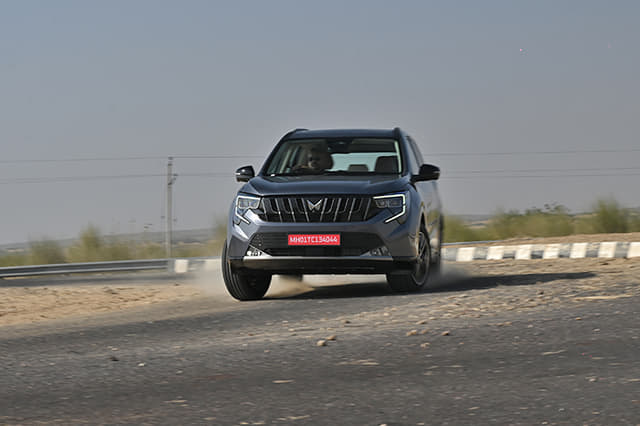
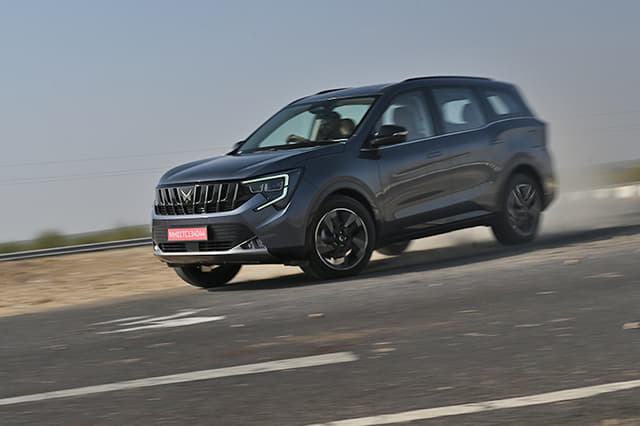
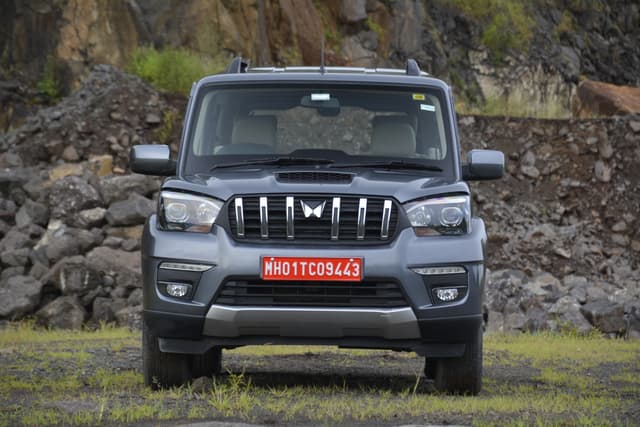
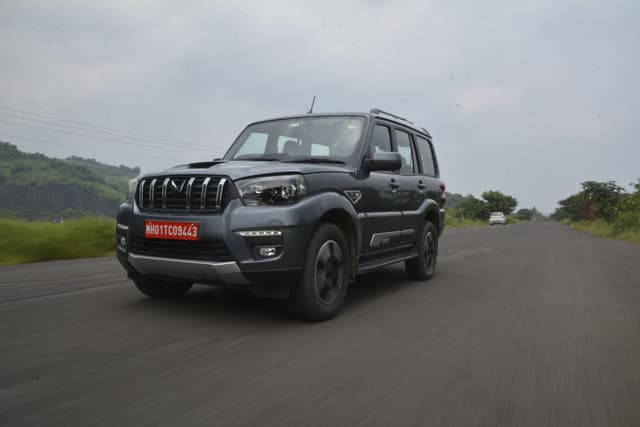
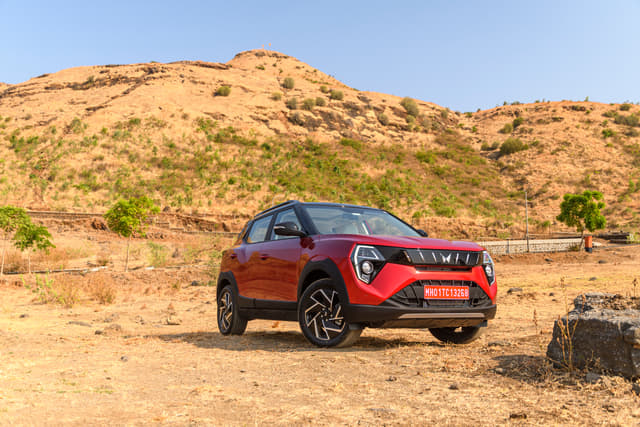
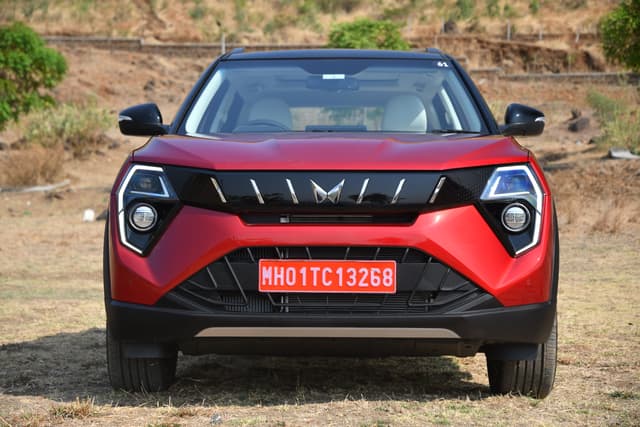
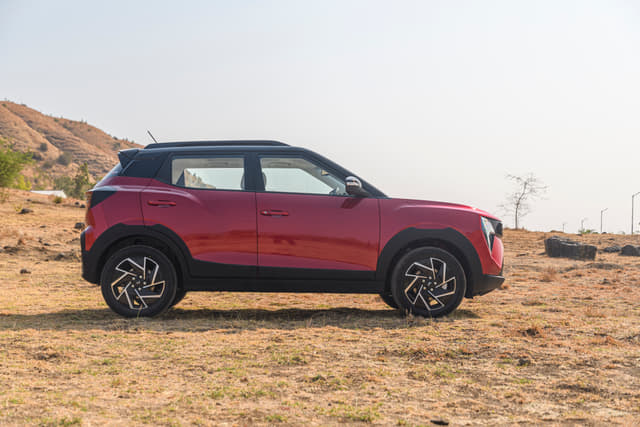
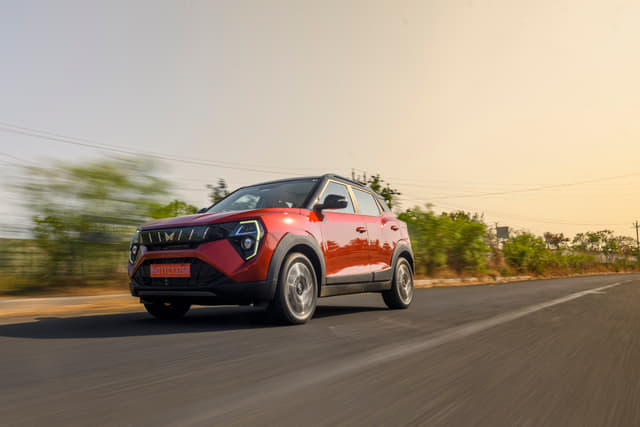
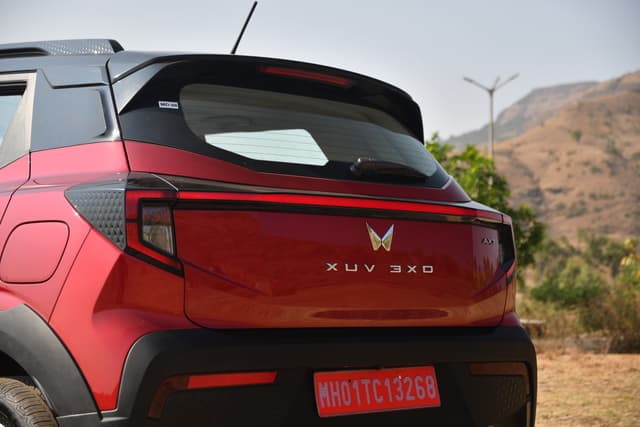
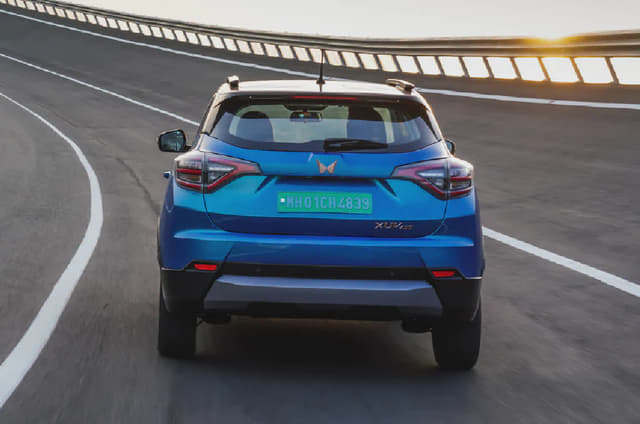
Currently, there are 17 Mahindra cars in India, with 14 on sale and 3 upcoming models. The Mahindra lineup includes 17 SUVs, with no sedans, hatchbacks, MPVs, or convertibles. The Mahindra car price starts at ₹7.37 lakh and goes up to ₹30.50 lakh (ex-showroom). The Mahindra cheapest car is the XUV 3XO, while the most expensive is the XEV 9e.
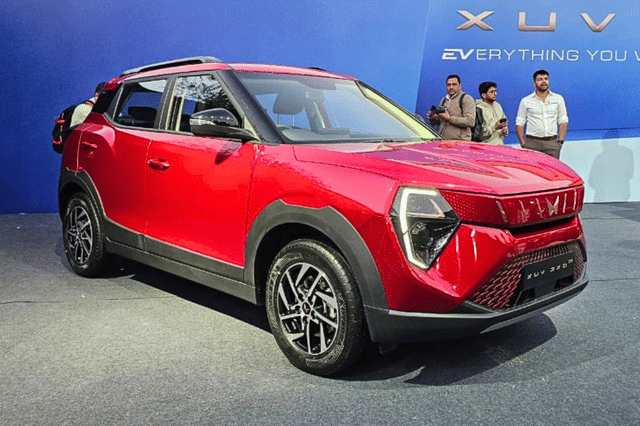
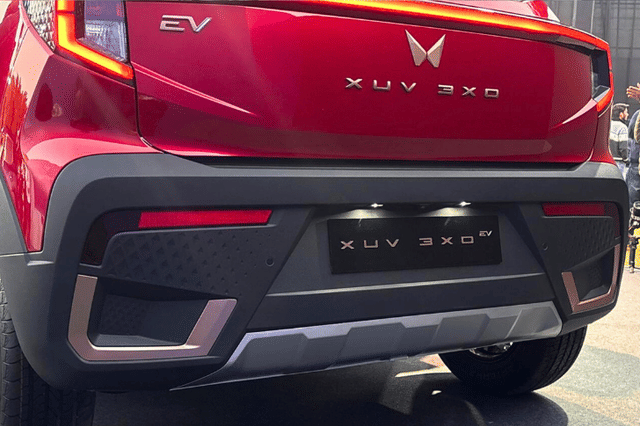
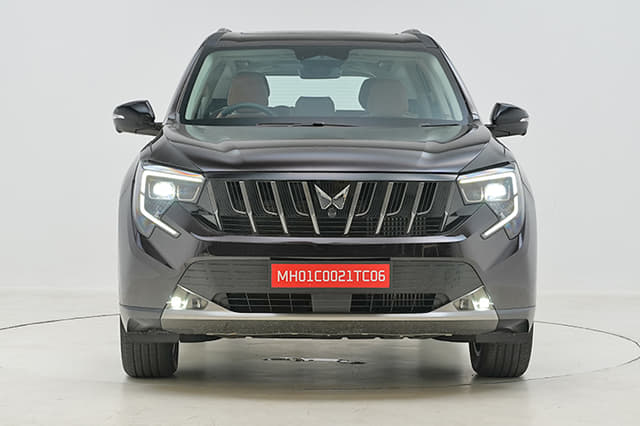
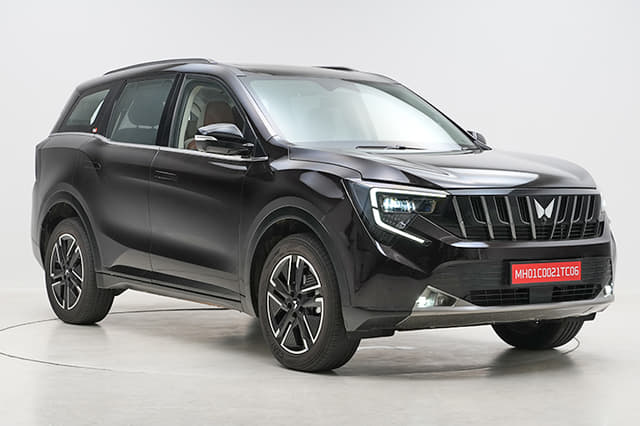
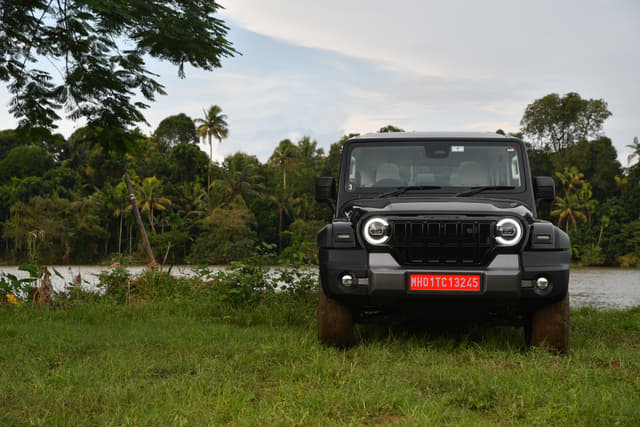
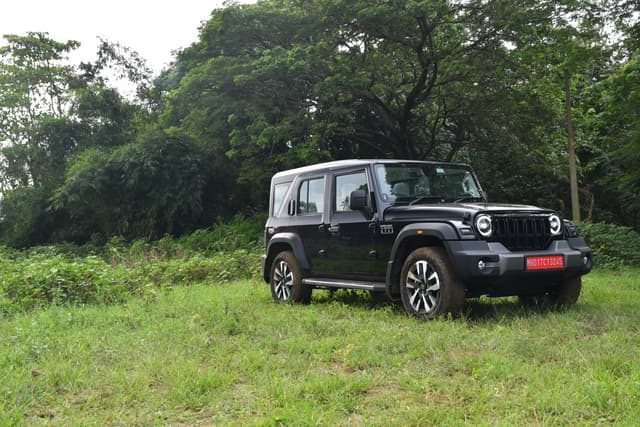
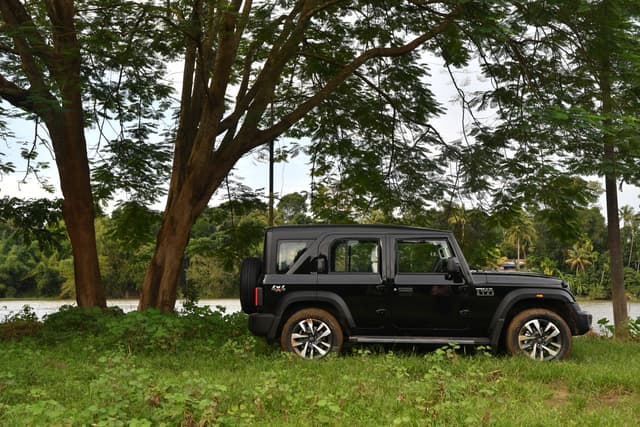
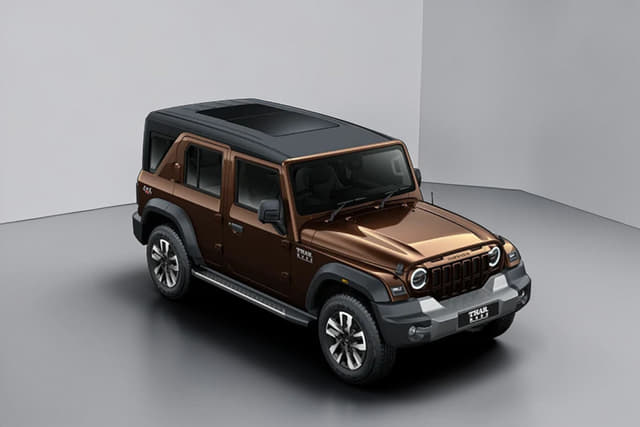
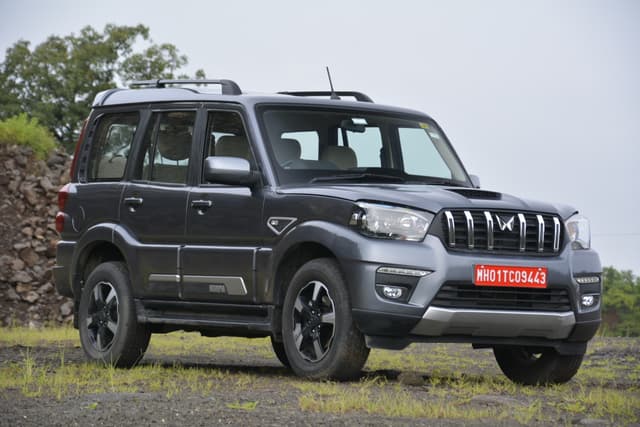
The most popular Mahindra car models in India are the Thar, Thar Roxx, Scorpio Classic, Scorpio N (the highest-selling Mahindra car), XUV 7XO (recently updated from XUV700), and XUV 3XO. Mahindra cars are available with petrol, diesel, and electric options. The newest Mahindra car is the XUV 3XO EV. It was launched on 6 January 2026 and is priced between ₹13.89 lakh and ₹14.96 lakh (ex-showroom).
Mahindra Cars Price List (March 2026)
The Mahindra car price in India ranges from ₹7.37 lakh for the XUV 3XO to ₹30.50 lakh for the XEV 9e. The top 5 popular Mahindra cars and their prices are: Thar Roxx (₹12.39 - ₹22.25 lakh), Scorpio Classic (₹12.98 - ₹16.70 lakh), Scorpio N (₹13.49 - ₹24.34 lakh), XUV 7XO (₹13.66 - ₹24.92 lakh), and XUV 3XO (₹7.37 - ₹14.55 lakh). View the latest Mahindra car prices of all models in the table below:
Mahindra Car | Price (Ex-showroom) |
Mahindra XUV 3XO | ₹7.37 lakh - ₹14.55 lakh |
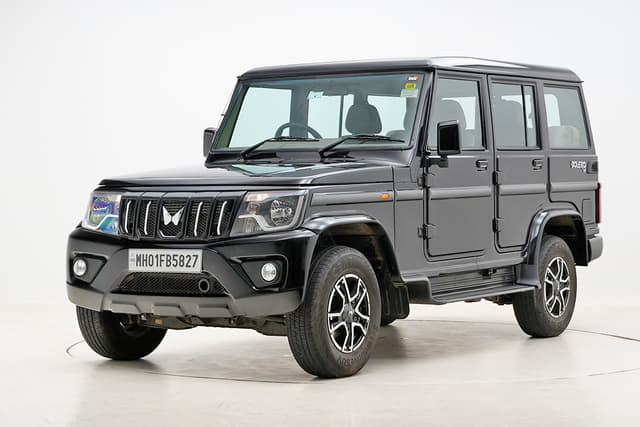
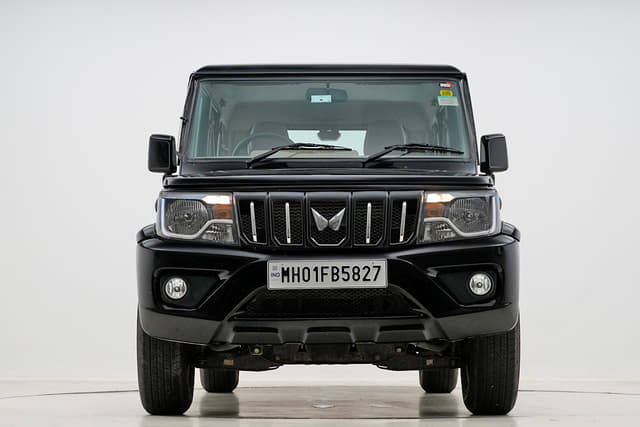
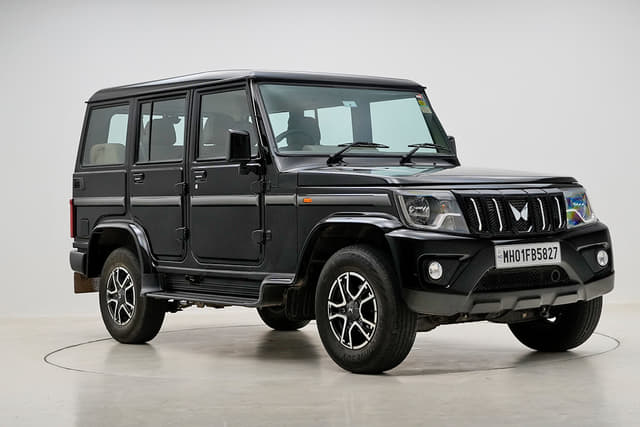
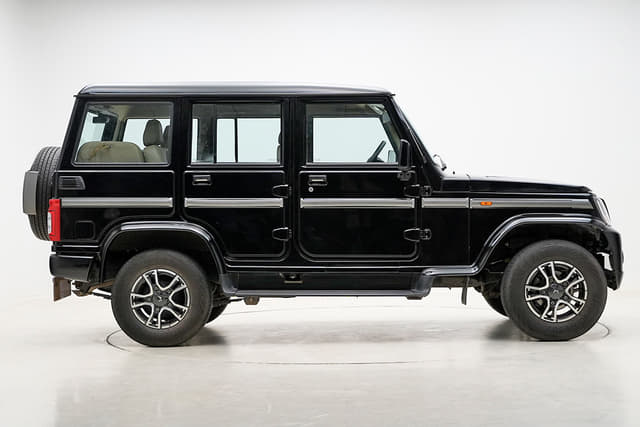
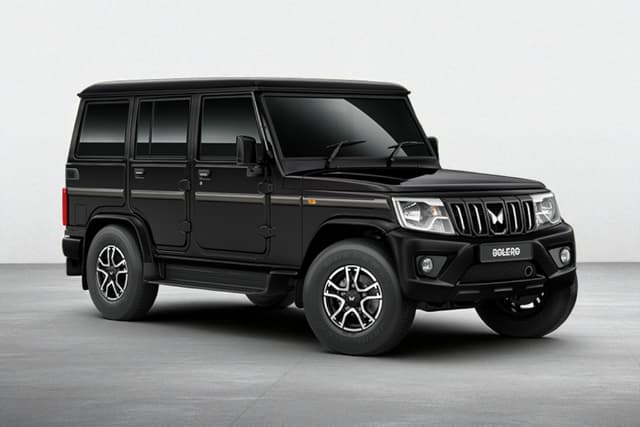
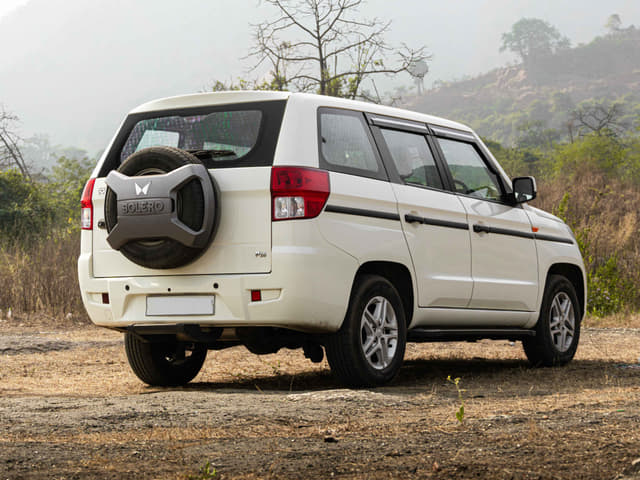
Mahindra Bolero | ₹7.99 lakh - ₹9.69 lakh |
Mahindra Bolero Neo | ₹8.69 lakh - ₹10.49 lakh |
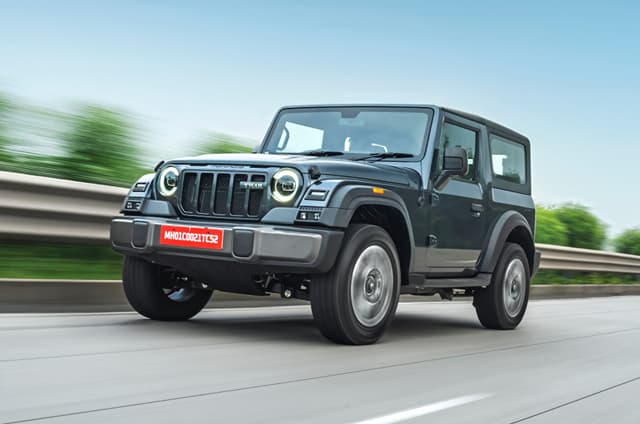
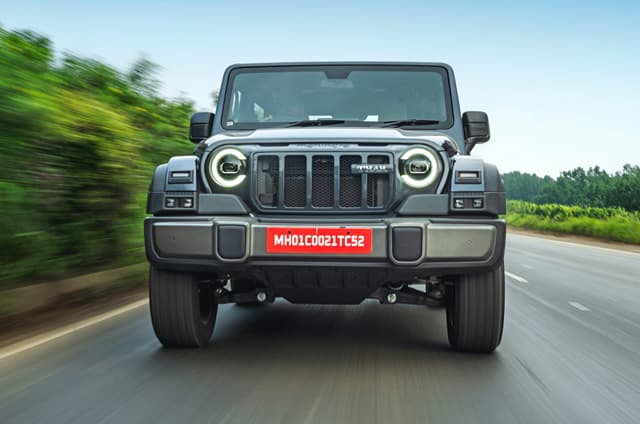
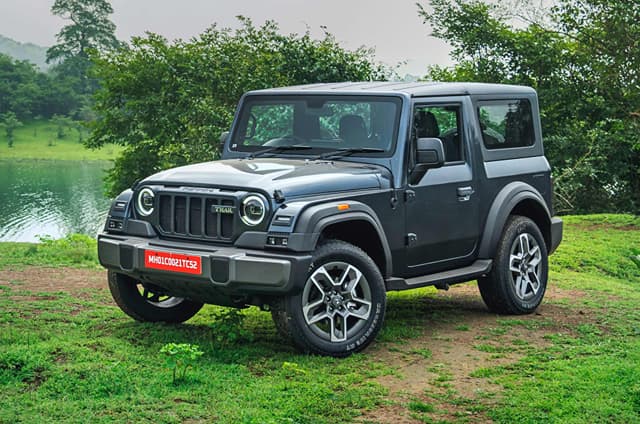
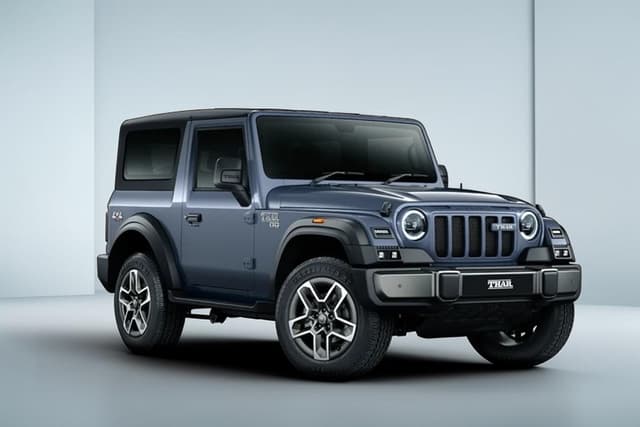
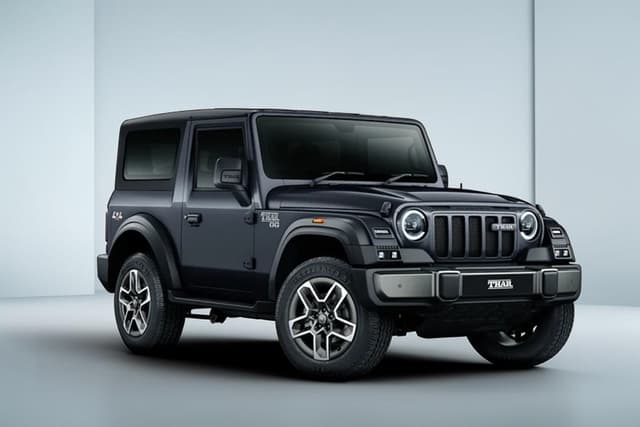
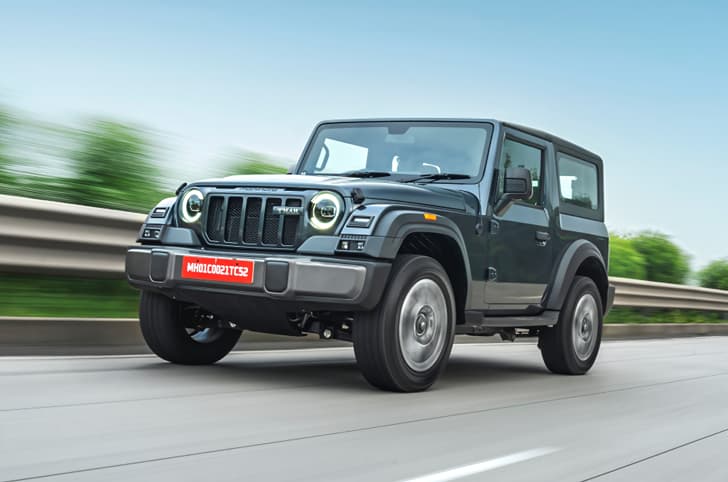
Mahindra Thar | ₹9.99 lakh - ₹17.19 lakh |
Mahindra Bolero Neo+ | ₹10.90 lakh - ₹11.95 lakh |
Mahindra Thar Roxx | ₹12.39 lakh - ₹22.25 lakh |
Mahindra Scorpio Classic | ₹12.98 lakh - ₹16.70 lakh |
Mahindra Scorpio N | ₹13.49 lakh - ₹24.34 lakh |
Mahindra XUV 7XO | ₹13.66 lakh - ₹24.92 lakh |
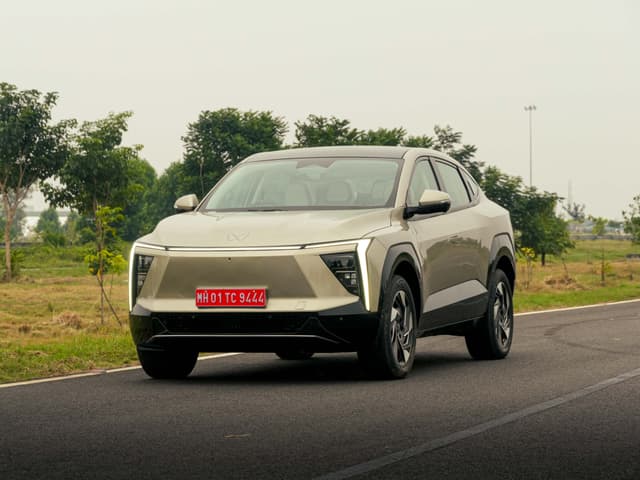
Mahindra XUV 3XO EV | ₹13.89 lakh - ₹14.96 lakh |
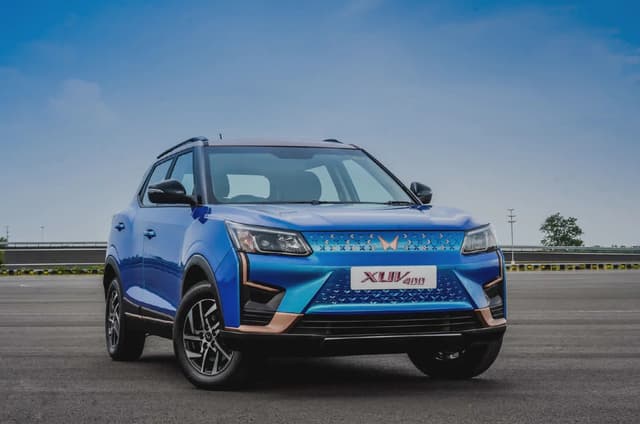
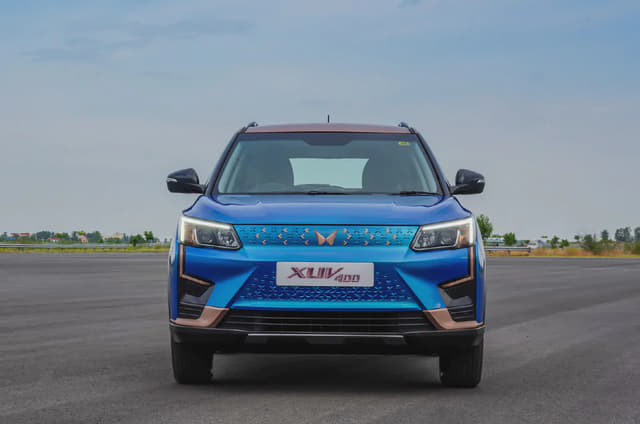
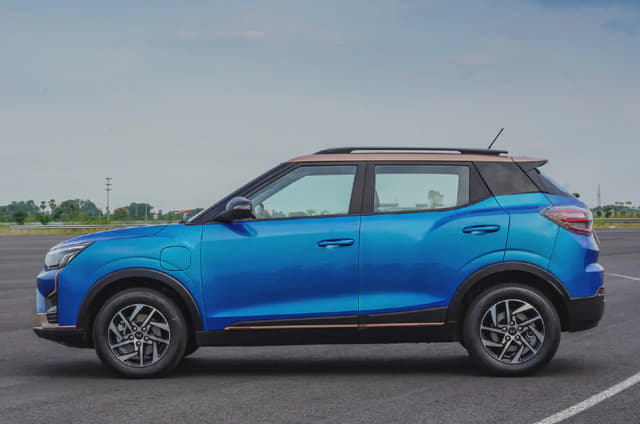
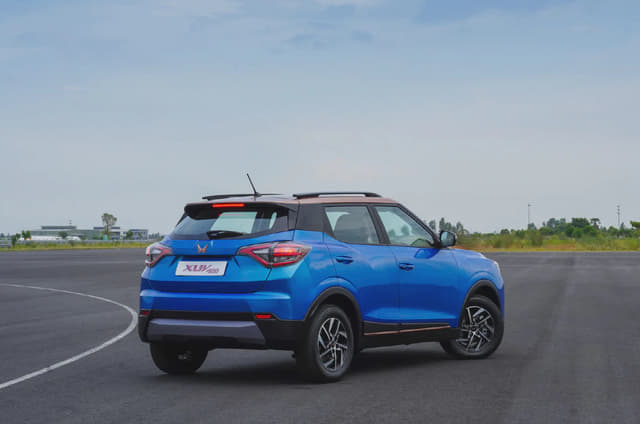
Mahindra XUV400 | ₹15.49 lakh - ₹17.49 lakh |
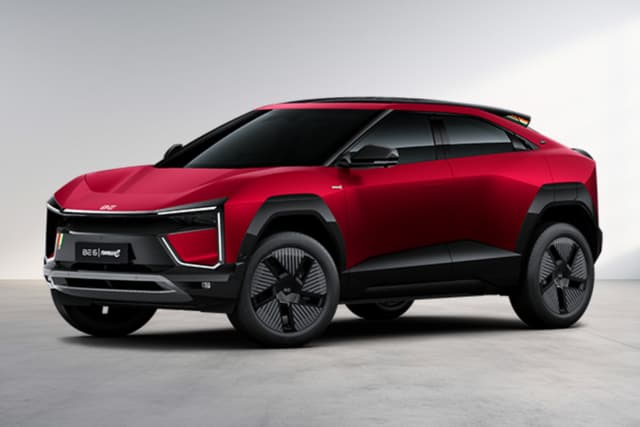
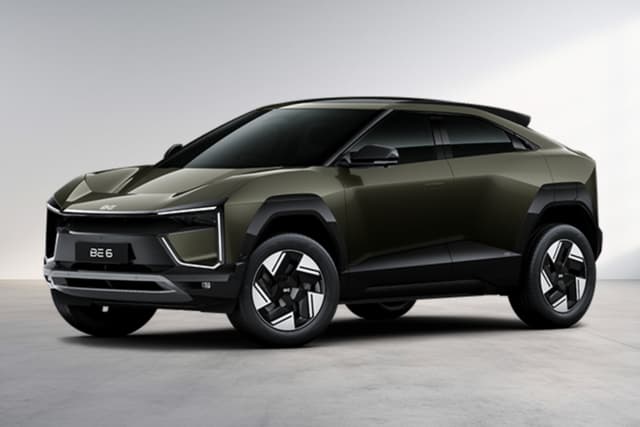
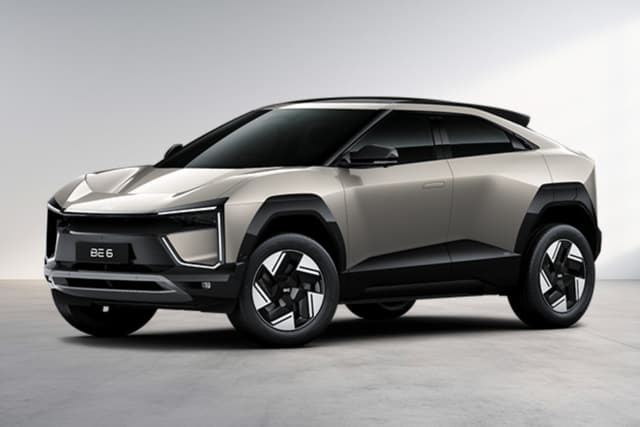
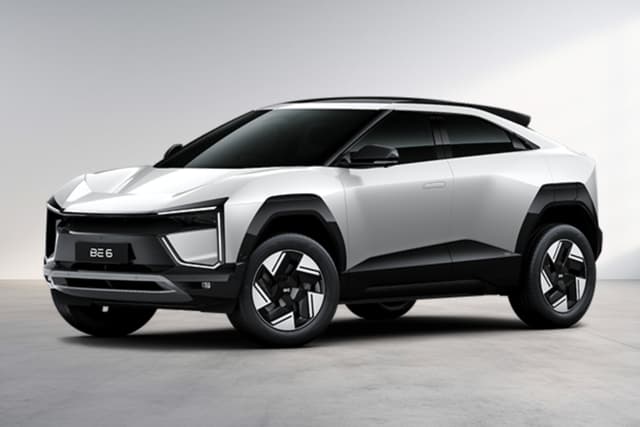
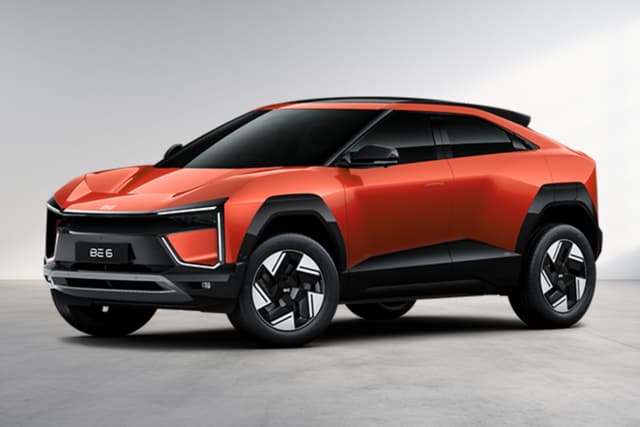
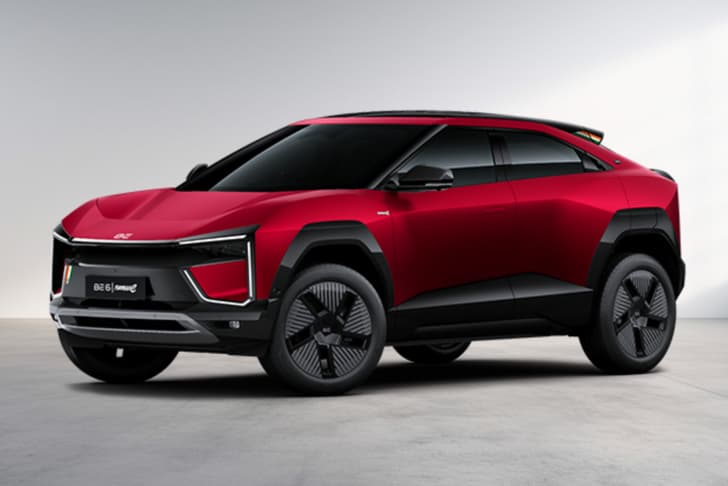
Mahindra BE 6 | ₹18.90 lakh - ₹26.90 lakh |
Mahindra XEV 9S | ₹19.95 lakh - ₹29.45 lakh |
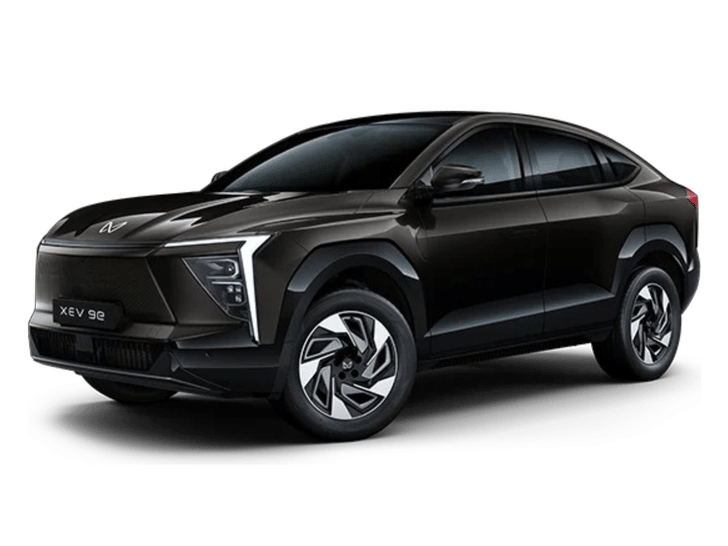
Mahindra XEV 9e | ₹21.90 lakh - ₹30.50 lakh |
Mahindra New Car
There are 3 new Mahindra cars set to launch in India:
- Mahindra Scorpio N facelift
- Expected price: ₹14.00 lakh - ₹26.00 lakh
- Expected launch: Early 2026
- Engine: 2184 cc
- Fuel Type: Diesel
- Transmission: Manual
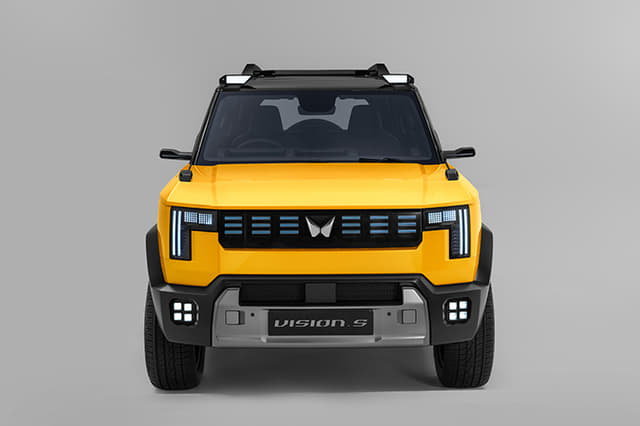
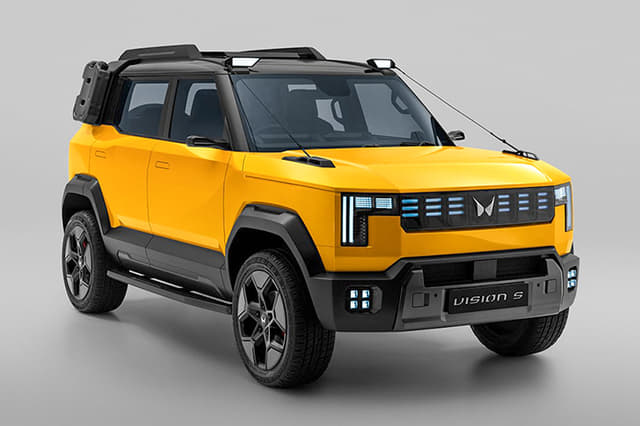
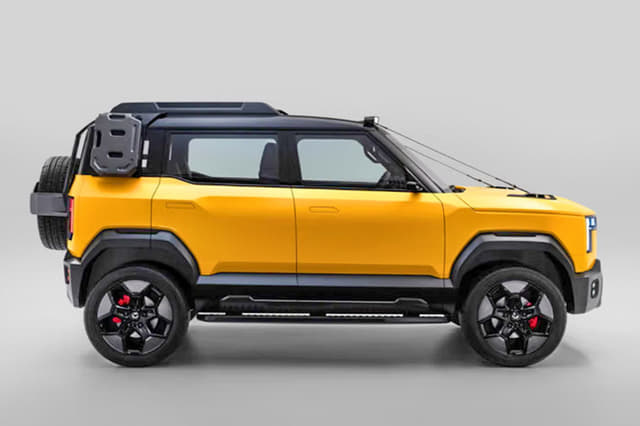
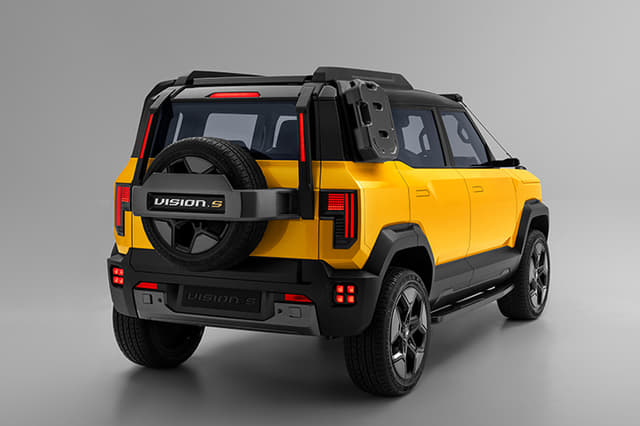
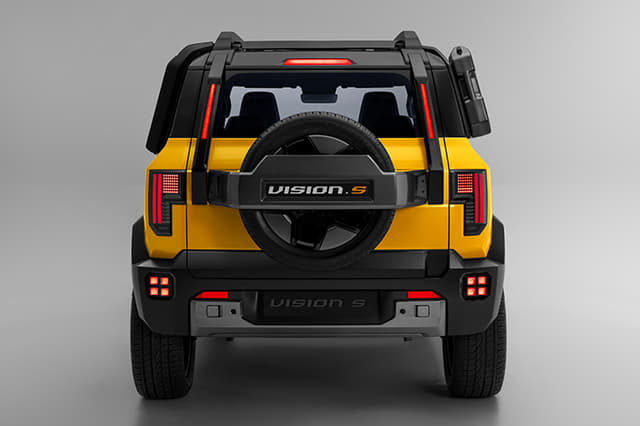
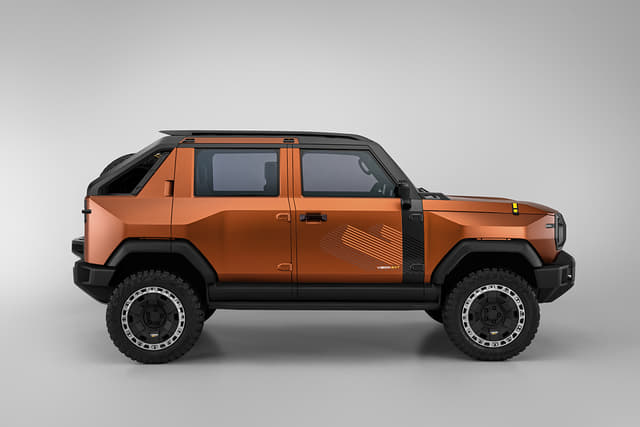
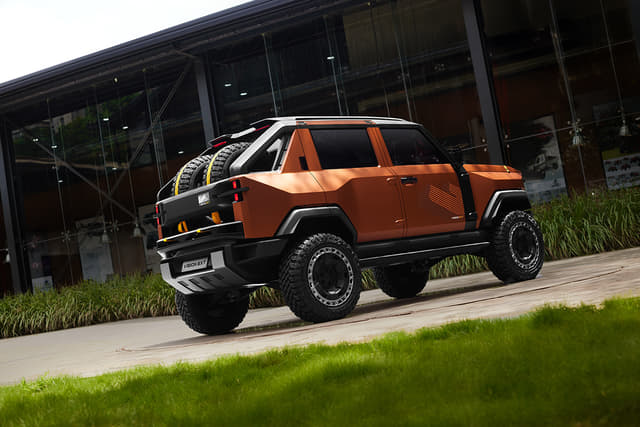
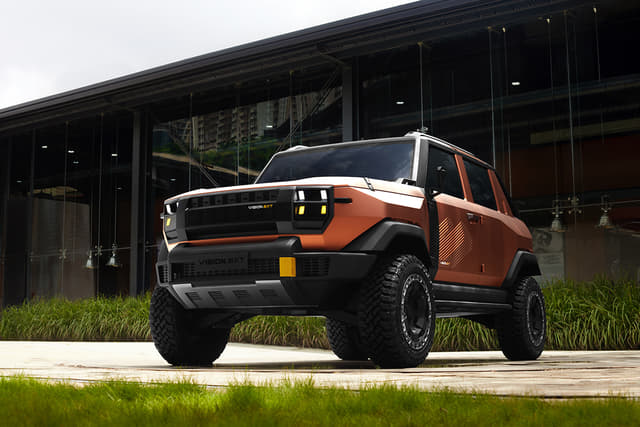
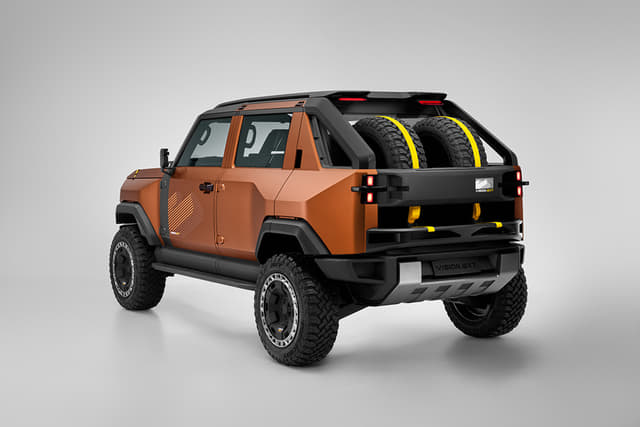
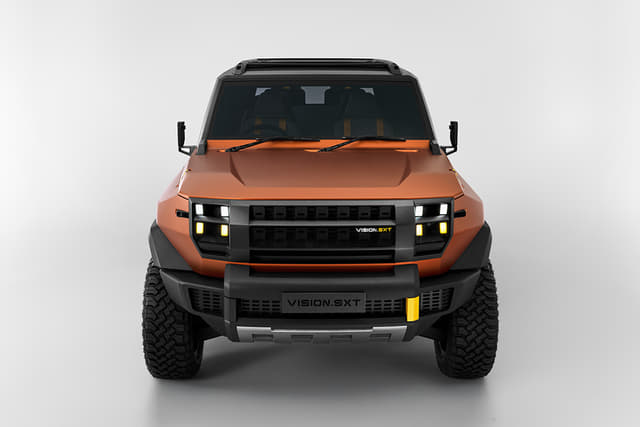
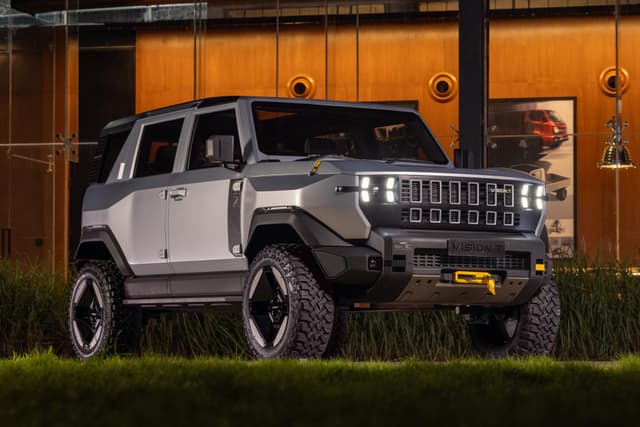
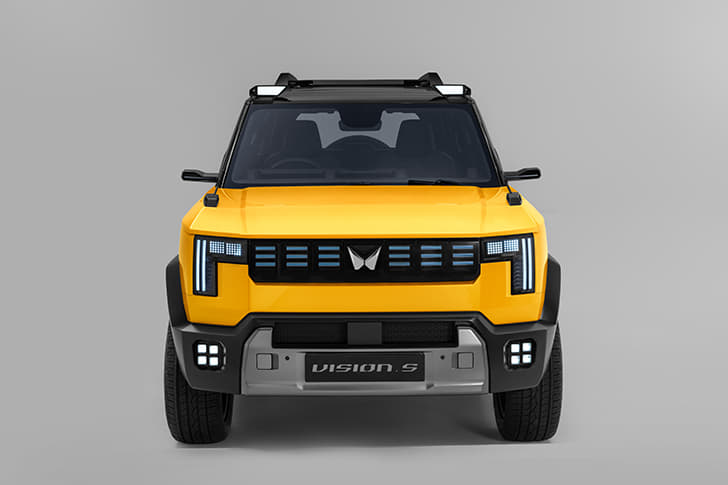
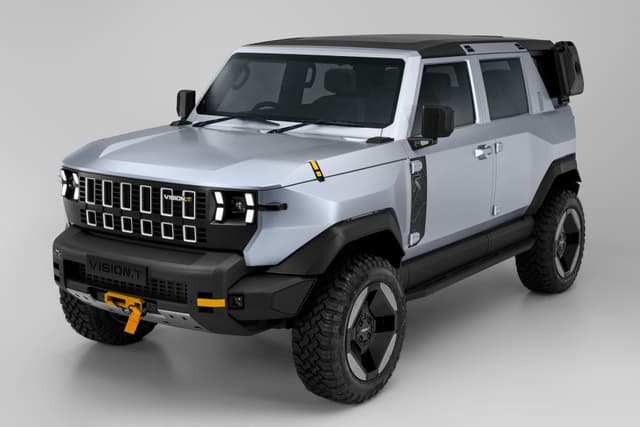
- Mahindra Vision S
- Expected price: ₹7.50 lakh - ₹13.00 lakh
- Expected launch: 2027
- Engine: To be revealed
- Fuel Type: Petrol
- Transmission: Automatic
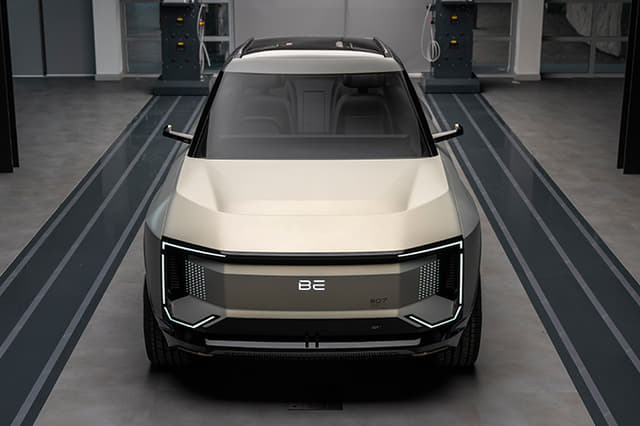
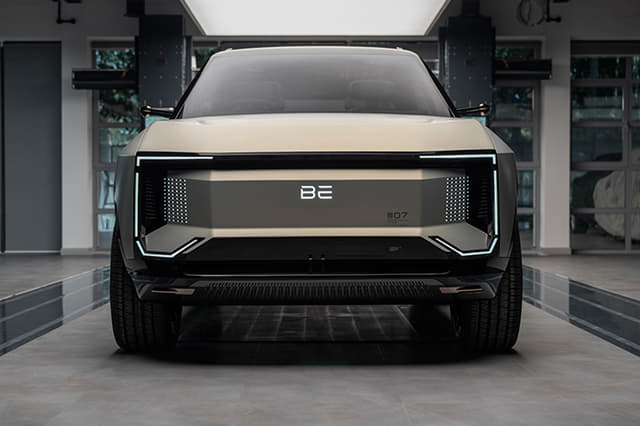
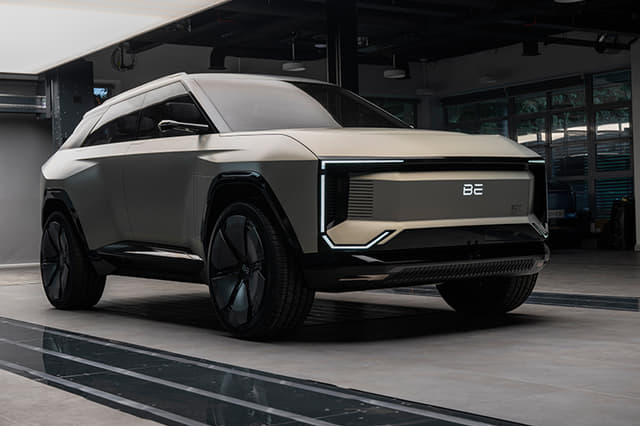
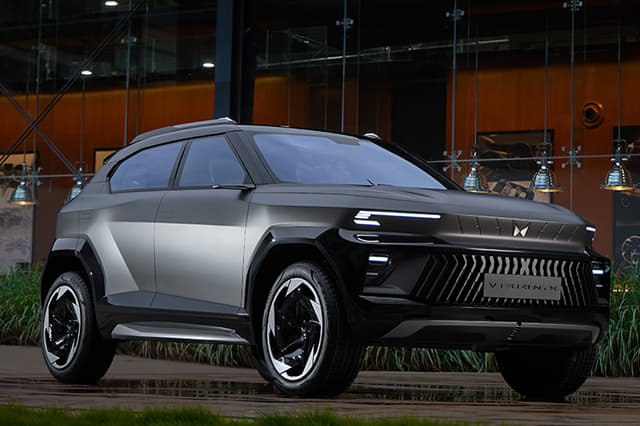
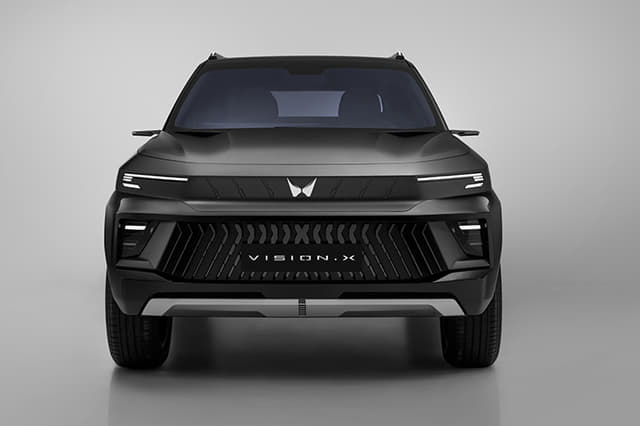
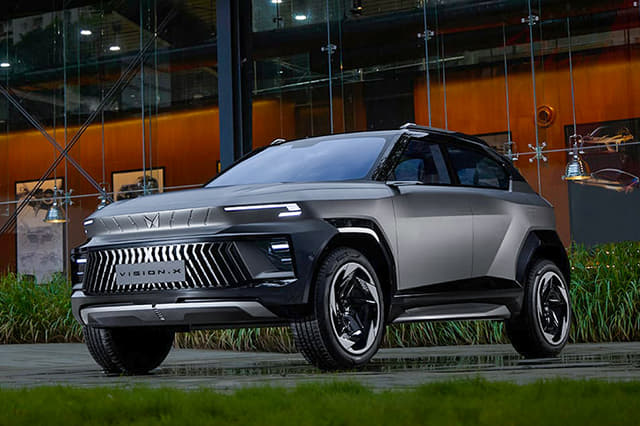
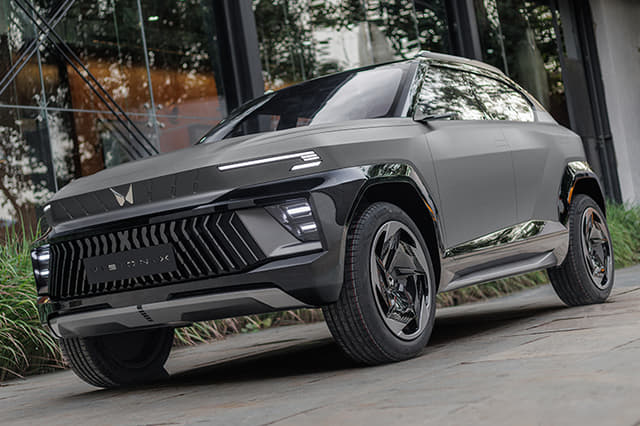
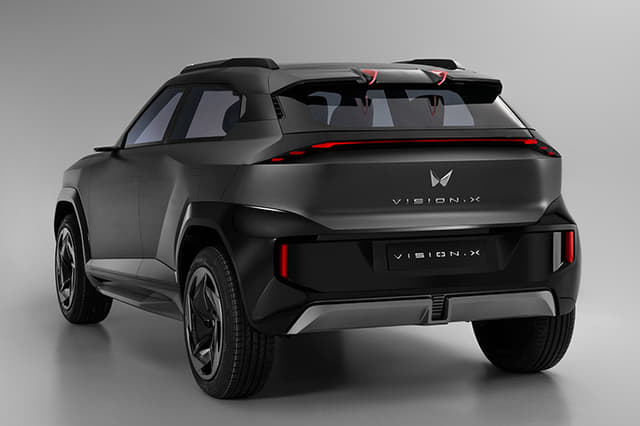
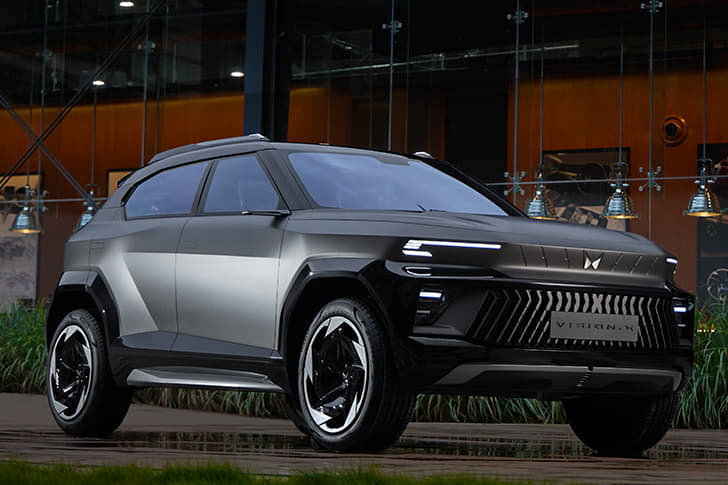
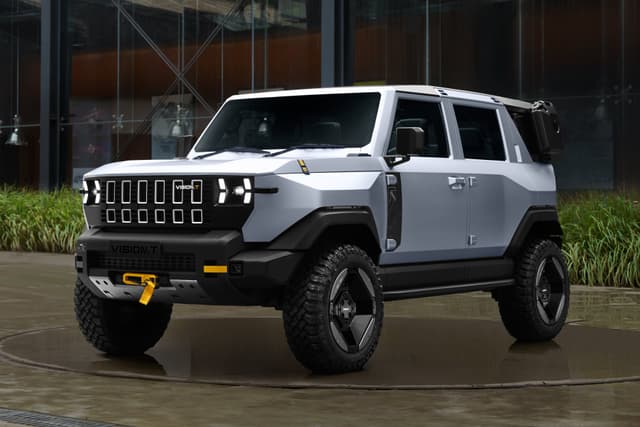
- Mahindra Vision X
- Expected price: ₹25.00 lakh - ₹30.00 lakh
- Expected launch: 2027
- Engine: To be revealed
- Fuel Type: Petrol
- Transmission: Automatic
Mahindra Electric Car
The Mahindra electric car price ranges between ₹13.89 lakh and ₹30.50 lakh. Presently, there are 5 Mahindra EV cars for sale in India: XUV400, BE 6, XEV 9S, XEV 9e, and recently launched XUV 3XO EV. The cheapest Mahindra electric car is the XUV 3XO EV, while the most expensive is the XEV 9e.
Mahindra Cars - Latest Updates
- 6 January 2026: Mahindra launched XUV 3XO EV at ₹13.89 lakh.
- 6 January 2026: The new Mahindra XUV 7XO, a facelifted XUV700, starts at ₹13.66 lakh (ex-showroom). Pre-bookings have closed, with fresh bookings reopening on 14 January 2026.
- 8 December, 2025: Mahindra XUV700 facelift, a.k.a., XUV7XO, will debut on Jan 5, 2026.
- 2 December, 2025: November 2025 car sales sees Mahindra reclaim second spot as Tata slips to third.
- 27 November, 2025: Mahindra has introduced the XEV 9S at a starting price of ₹19.95 lakh.
- 26 November, 2025: Mahindra has launched the BE 6 Formula E Edition at ₹23.69 lakh.
FAQs
The Mahindra car price starts at ₹7.37 lakh for the XUV 3XO and goes up to ₹30.50 lakh for the XEV 9e (ex-showroom).
The Mahindra electric car range includes 5 models: XUV400, BE 6, XEV 9S, XEV 9e, and XUV 3XO EV.
There are seven Mahindra 7 seater cars available for sale in India: Scorpio N, XEV 9S, XUV 7XO, Scorpio Classic, Bolero Neo, Bolero, and XUV700.
The Mahindra SUV car price in India starts at ₹7.28 lakh for the XUV 3XO and goes up to ₹30.50 lakh for the XEV 9e (ex-showroom).
Currently, there is no Mahindra CNG car on sale in India.
Yes. Mahindra offers 5 models with variants priced under ₹10 lakh: Thar, Bolero Neo+, Bolero, XUV 3XO, and the upcoming Mahindra Vision S. Vision S is expected to start at ₹7.50 lakh (ex-showroom).
The Mahindra top model car in terms of pricing is the XEV 9e, with prices going up to ₹30.50 lakh (ex-showroom).
Mahindra 5 seater car choices include the XEV 9e, BE 6, Thar Roxx, XUV 3XO, XUV400, and XUV 3XO EV.
Yes, 9 out of 16 Mahindra cars that are available for sale come with an automatic transmission option. These cars are - XEV 9e, BE 6, XEV 9S, Scorpio N, Thar, Thar Roxx, XUV700, XUV 3XO, and XUV400.
The Mahindra car on road price varies by city, starting at around ₹8.28 lakh in Delhi for the XUV 3XO and going up to about ₹32.33 lakh for the XEV 9e in major metros.
No. Currently, there is no Mahindra car under 5 lakh in India.
No, Mahindra does not sell a car under 8 lakh. The entry point starts at ₹7.28 lakh for the XUV 3XO, but the on-road cost is higher.
The Mahindra diesel car lineup includes the Scorpio N, Thar, Bolero Neo+, Thar Roxx, Bolero Neo, Bolero, Scorpio Classic, XUV 7XO, XUV700, and XUV 3XO.
Buyers looking for Mahindra cars with a sunroof can consider models such as the XEV 9e, BE 6, Scorpio N, Thar Roxx, XUV700, XUV 3XO, and XUV400. Availability of the sunroof depends on the variant chosen.
Trending Questions on Mahindra Cars - Answered by Autocar Experts
Hi Autocar Team, I want to buy a good, powerful SUV within ₹25 lakh that has a petrol manual transmission and ADAS Level 2 features. Which category of SUV should I go for?
Considering your requirements, the Mahindra XUV 3XO with the AX7 L spec would be a good choice. It gets a powerful 131hp turbo-petrol engine, a fantastic ride quality and the most up-to-date Level 2 ADAS along with a 6-speed manual gearbox.
The 3XO is a compact SUV but gets a spacious rear seat and a feature-rich cabin with a panoramic sunroof and wireless connectivity. The top-spec version will easily fit in your budget.
Hi, I am confused between buying the Hyundai Venue HX6 DCT and the Mahindra REVX A AT. My monthly usage is around 500 km, and I prefer a petrol variant. Please advise which would be a better choice.
Both the Hyundai Venue and Mahindra XUV 3XO, in their HX 6 DCT and RevX AT guise, are extremely close when it comes to price and what they offer. The Venue is the newer, more modern-looking car on the inside and out, but the 3XO is more powerful with a 131hp engine.
The 3XO is also more spacious in the rear seat, while the Venue gets a slightly bigger boot. Features on the 3XO are better, boasting a panoramic sunroof, leatherette upholstery and dual-zone climate control, to name a few.
When it comes to ride and handling, too, it is the 3XO that pips ahead of the Venue. We would recommend the 3XO in this case as it offers a lot more for the money and is the better value proposition.
Hi, I am a 38-year-old surgeon with a daily travel of 100 km, split between city roads (50%) and state highways (50%). I am currently driving a 2018 Amaze and facing high fuel costs (around ₹8,000 weekly). I am looking to switch to an electric automatic SUV in the ₹20-35 lakh budget. I have considered the Harrier EV, XEV 9S, and Creta EV. Kindly suggest the right car (new or used) among these or any other suitable option.
I tried looking for the Mahindra Thar Roxx MX3 Petrol AT, but my parents refused because it hurts their backs, as both are 60+, and the Thar has noticeable body roll. I am now considering the Volkswagen Virtus 1.0L engine as an alternative. My core requirements are strong safety, a reliable vehicle, fun to drive, and good performance on a mix of highways, mountain roads, and bad roads, with very good power. My budget is below ₹18 lakh on road. Please suggest how I should go about this.
For your aged parents, the Mahindra Thar Roxx can indeed be uncomfortable. Getting in and out requires effort because of the high step-in height, and since it’s based on a body-on-frame chassis, the ride tends to be bumpy. There is noticeable body roll as well, which can make senior passengers uneasy, especially on rough roads.
The Volkswagen Virtus 1.0 TSI is a sensible alternative within your ₹18 lakh on-road budget. It offers strong safety credentials, solid build quality and is genuinely fun to drive. The 1.0 turbo-petrol has good low- and mid-range punch, making it enjoyable both on highways and mountain roads. It’s stable at high speeds and feels planted in corners.
On bad roads, you will need to be a bit careful, as it’s still a sedan, but the ground clearance is decent enough for most situations if driven sensibly. If your usage is a mix of highways, hills and occasional rough patches, and you want a safer, more comfortable and still engaging option, the Virtus is a well-balanced way to go.
I am looking to buy a 5+2-seater automatic petrol. I previously owned an Ertiga ZXi+. Now I want to upgrade to something a step above the Ertiga. I have considered the XUV 7XO, Clavis, Alcazar, Safari, and HyCross. My driving is mainly in the city, with highway trips during holidays. Hence, I prefer petrol.
I am based in Delhi NCR and have shortlisted the Mahindra XUV 7XO for my family of four adults and an eight-month-old baby. I am 6 feet 2 inches tall. I have booked the 7XO Petrol Manual AX base variant. Since I am part of the first 40,000 bookings, I will get introductory pricing and delivery in June. My questions are: a) What will the real-world petrol manual mileage be in the city (including bumper-to-bumper traffic) and on highways? b) How notchy will the manual clutch and gearshift feel? I currently drive a Tata Punch petrol manual, and I don’t face issues with the clutch and gear shifting. I don’t intend to get an automatic because models with telescopic steering are outside my budget. Please advise.
Congratulations on being among the first 40,000 bookings. The introductory price and early delivery certainly work in your favour. The Mahindra XUV 7XO petrol uses a 2.0-litre turbocharged engine producing around 200hp, so its character is clearly biased towards strong performance rather than fuel efficiency.
In Delhi NCR’s bumper-to-bumper traffic, you should realistically expect around 6-7kpl if driven gently, while on the highway, cruising steadily, you could see 11-13kpl. It’s a large, powerful SUV, so efficiency won’t be its strongest suit.
Coming from a Tata Punch petrol manual, you will immediately notice that the XUV 7XO feels more substantial. The clutch is heavier, and the gear lever requires a bit more effort, largely because it’s handling far more torque.
However, it’s not excessively notchy or difficult to operate, just more mechanical and solid in feel. After a short adjustment period, it should feel perfectly manageable. Given your height of 6’2”, prioritising telescopic steering is absolutely the right call, and the 7XO’s cabin space should comfortably accommodate four adults and your baby. Overall, while it won’t be light on fuel, it remains an easy and confident SUV to drive with strong road presence and ample space for your family.
I have a budget of ₹14 lakh and wanted to buy the Kia Seltos Petrol HT e-Ornate variant. I went for a test drive but felt the car was underpowered, and I got disappointed. The features and finish are top-class, but the power is lacking. What are my options?
For a budget of Rs 14 lakh, it is admittedly difficult to find a mid-size SUV automatic that offers genuinely strong performance. The 1.5 petrol in the Kia Seltos HTE is smooth and refined, but it isn’t particularly punchy, which explains why it felt underpowered on your test drive.
If you are primarily driving yourself and rear seat space isn’t a top priority, it would make sense to look at the compact SUV segment instead. This is where you’ll find turbo-petrol engines that feel noticeably more energetic.
Since you liked the Seltos’ fit, finish and feature list, the Kia Sonet HTX is worth considering. It comes with the 1.0-litre turbo-petrol (118hp), which feels much more responsive in everyday driving. The Hyundai Venue (particularly the higher variants with the same 1.0 turbo engine) offers similar performance with a slightly different interior feel and feature mix.
Another very strong option is the Mahindra XUV 3XO. Its 1.2 TGDi engine (up to 131hp) is the most powerful in this class, and it combines strong performance with a spacious cabin and generous features for the money.
In short, if power is high on your priority list, moving to a turbo-petrol compact SUV will give you a much more satisfying driving experience within your budget.
During my test drive, the torque-converter gearbox felt smoother, and both the gear shifts and overall ride quality were noticeably better in the Mahindra XUV 3XO. In the Hyundai Venue, I could clearly feel turbo lag at lower speeds, and the DCT did not feel as smooth as the 3XO’s gearbox. However, from a long-term ownership perspective, Hyundai’s service network is more reliable and hassle-free, and the resale value is generally stronger compared to Mahindra. I’m also slightly concerned that the 3XO might develop rattles or increased engine noise over time, whereas the Venue, if maintained well, may remain more refined. I also doubt fuel efficiency: will the Venue’s DCT deliver better mileage compared to the 3XO’s torque-converter? I would appreciate guidance from the community based on real-world usage and long-term ownership experience.
You’ve summed up the driving difference quite accurately.
A torque-converter automatic, like the six-speed Aisin unit in the Mahindra XUV 3XO, uses hydraulic fluid between the engine and gearbox. That fluid coupling cushions the initial take-off and smoothens out power delivery, which is why it feels more progressive and less jerky in traffic. There’s a slight build-up of torque before full engagement, and that’s what gives it that fluid and easy feel.
A DCT, like the dry-clutch unit in the Hyundai Venue, uses two clutches to pre-select gears. Shifts are quicker and more direct. But at low speeds, especially with a small turbo engine, you can feel turbo lag followed by a slightly sharper clutch engagement. That’s the “snappier” sensation you experienced. In crawling traffic, a torque converter generally feels more natural.
On long-term ownership, Hyundai does have a very strong service network and typically excellent resale value. Mahindra has improved significantly in recent years, and the 3XO’s platform (derived from the globally developed SsangYong Tivoli architecture) is fundamentally robust, so we wouldn’t be overly concerned about structural quality. Minor rattles over time depend more on usage and maintenance than brand alone.
On fuel efficiency, the Venue’s DCT may be marginally more efficient in ideal conditions. But in real-world city driving, the difference is unlikely to be dramatic. It shouldn’t be the deciding factor.
Where the Venue clearly scores is in overall polish, its user interface, feature integration and ergonomics feel more mature. The 3XO, on the other hand, gives you stronger performance and a smoother automatic experience.
Is there any possibility that Mahindra launch the ROXX 7-seater with front-facing third row seats?
I am looking for a petrol hatchback or compact SUV for Delhi and frequent travels to Himachal and Uttarakhand. Not for off-roading, but have to navigate through narrow mountain village roads, so need a compact car. I currently have an Ignis AMT Delta, which has served me well due to its power-to-weight ratio. The only problem was suspension.
Last Updated on: 24 Feb 2026