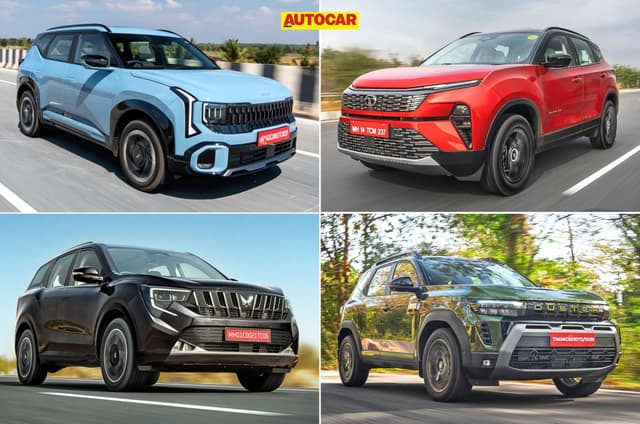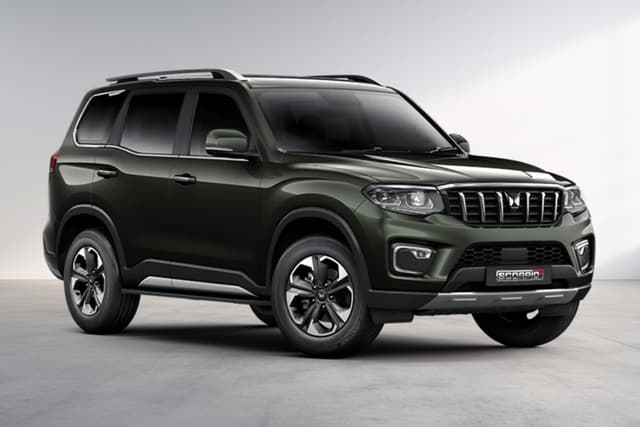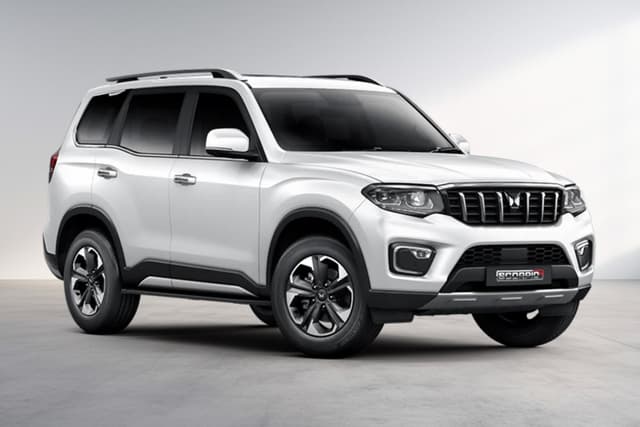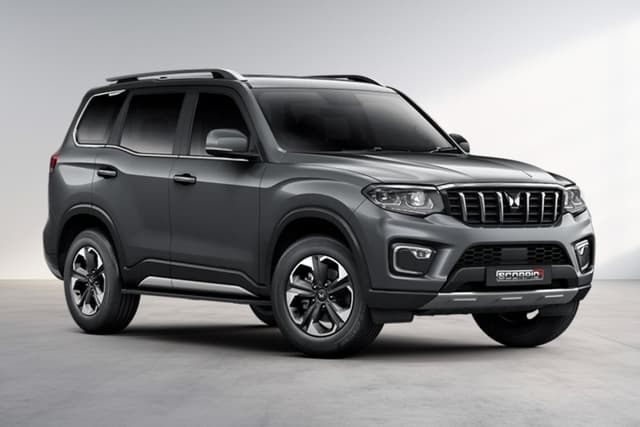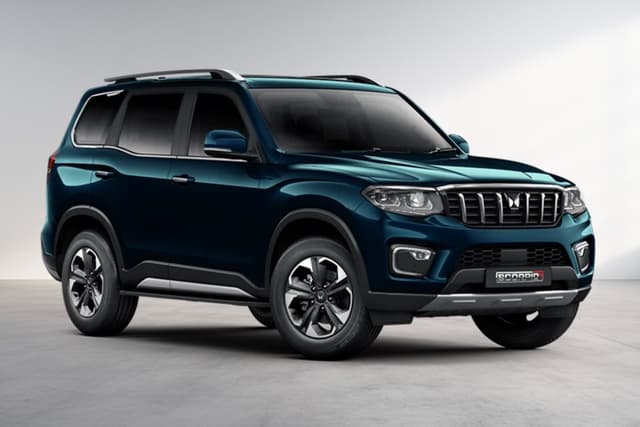

Mahindra cars in India (18)
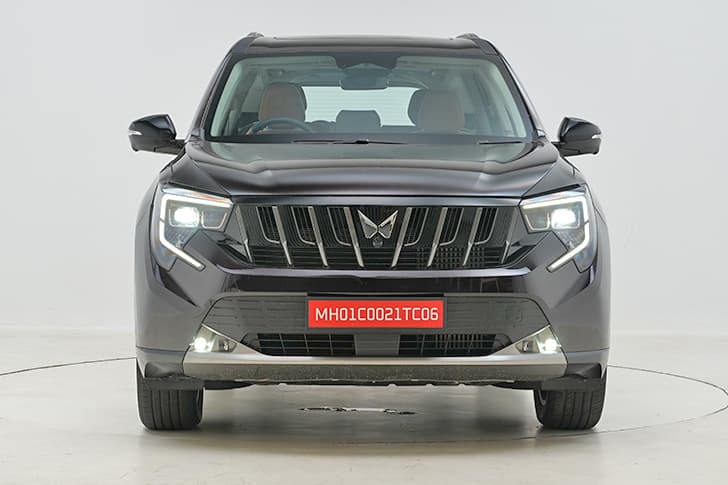
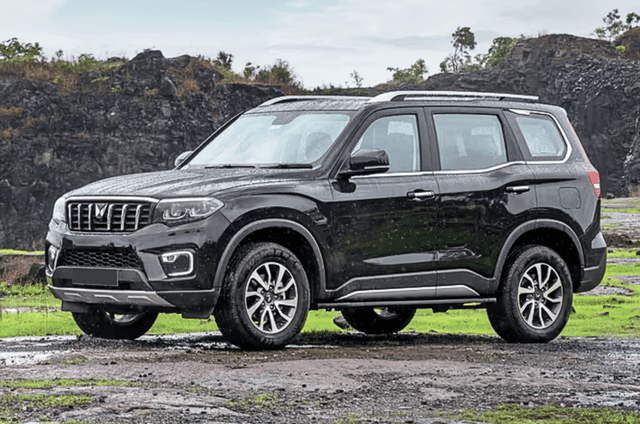
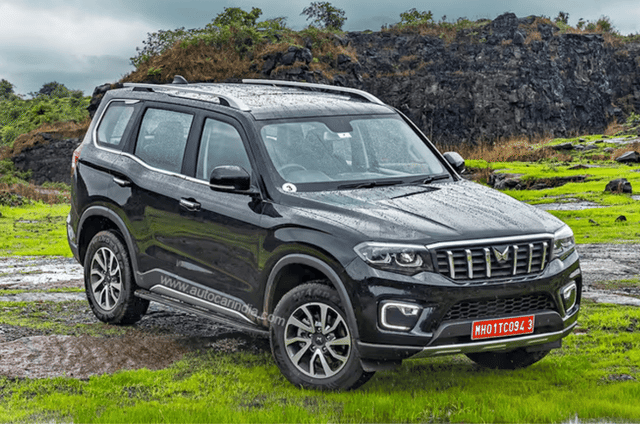
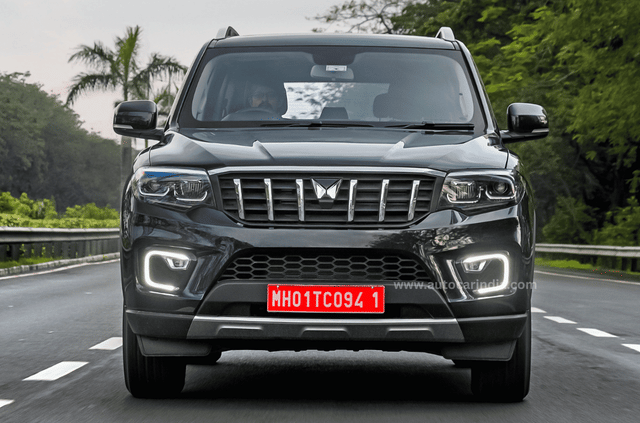
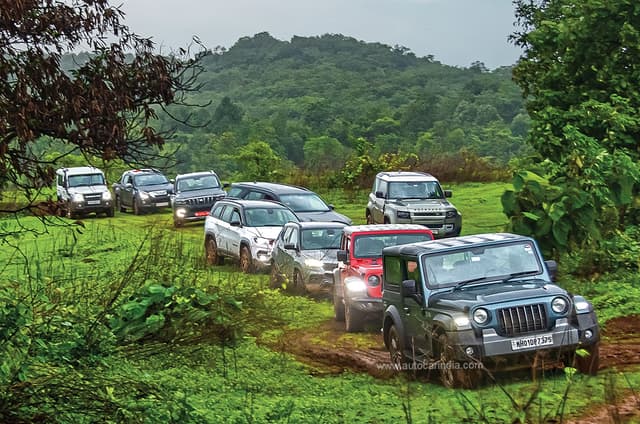
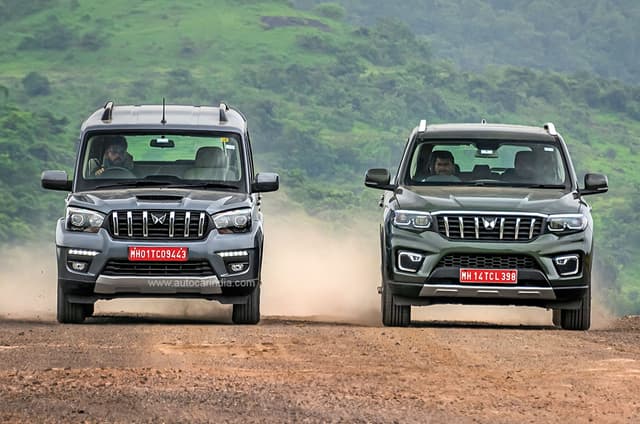
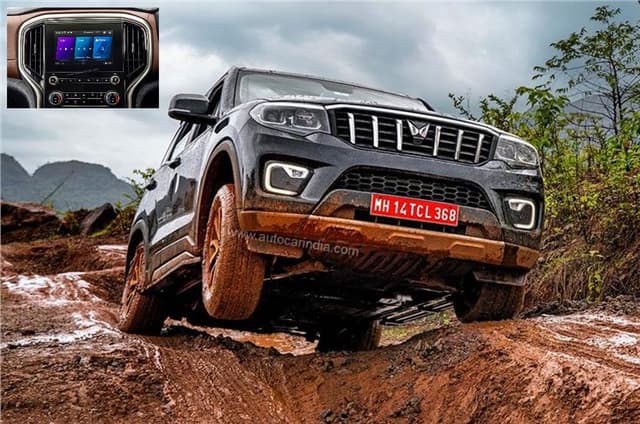
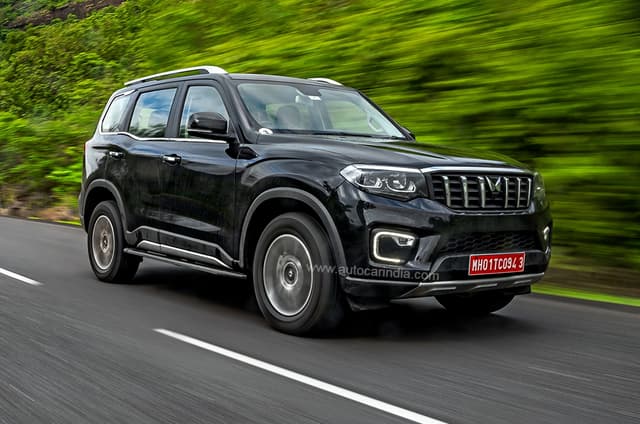
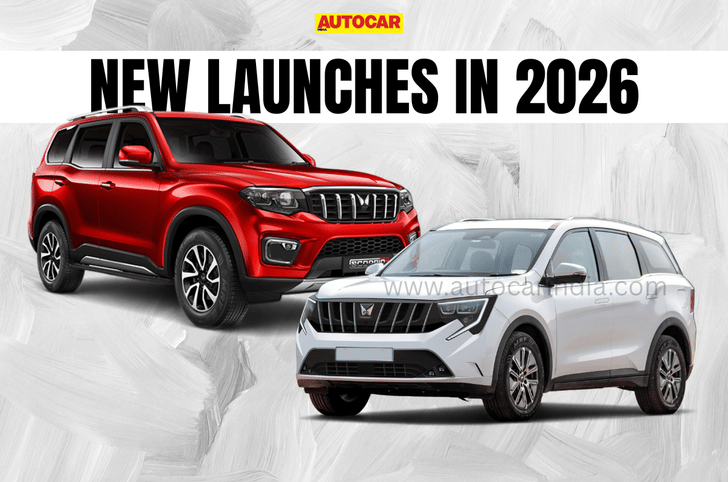
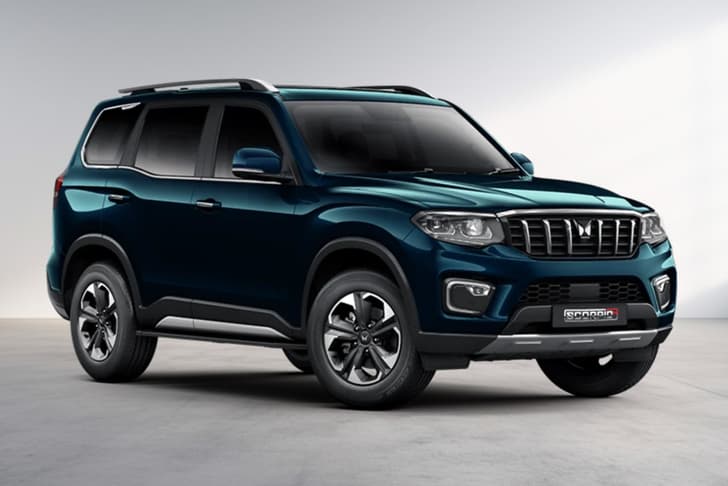
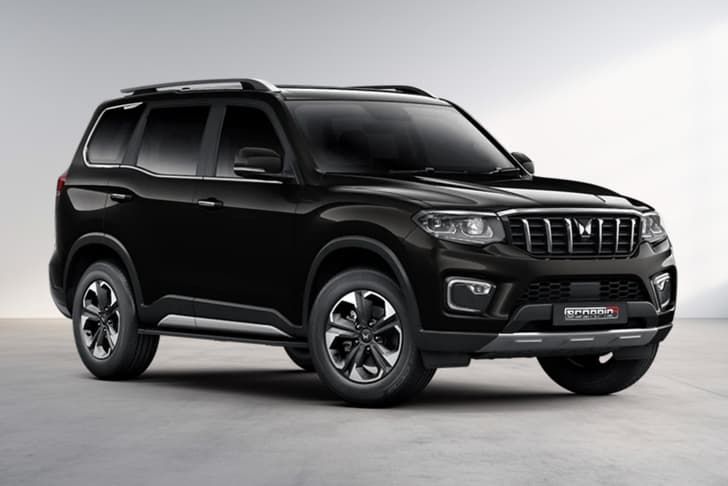
Currently, there are 17 Mahindra cars in India, with 14 on sale and 3 upcoming models. The Mahindra lineup includes 17 SUVs, with no sedans, hatchbacks, MPVs, or convertibles. The Mahindra car price starts at โน7.37 lakh and goes up to โน30.50 lakh (ex-showroom). The Mahindra cheapest car is the XUV 3XO, while the most expensive is the XEV 9e.
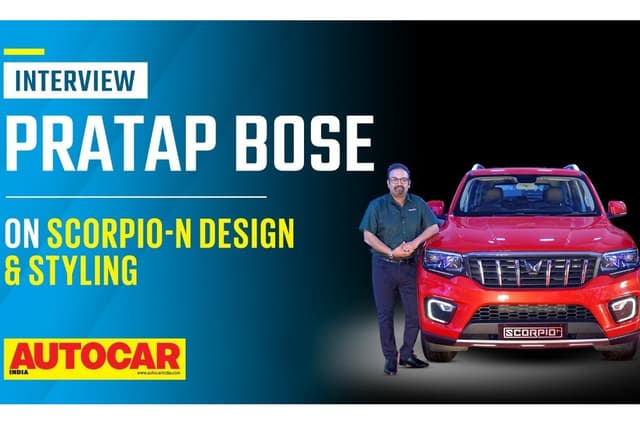
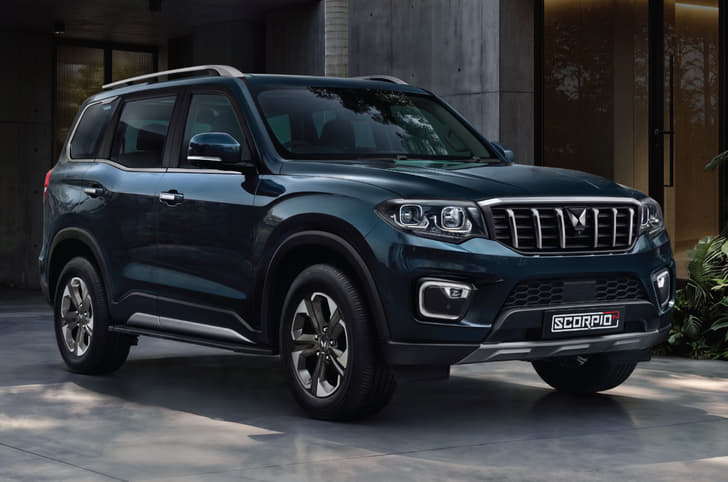
The most popular Mahindra car models in India are the Thar, Thar Roxx, Scorpio Classic, Scorpio N (the highest-selling Mahindra car), XUV 7XO (recently updated from XUV700), and XUV 3XO. Mahindra cars are available with petrol, diesel, and electric options. The newest Mahindra car is the XUV 3XO EV. It was launched on 6 January 2026 and is priced between โน13.89 lakh and โน14.96 lakh (ex-showroom).
Mahindra Cars Price List (April 2026)
The Mahindra car price in India ranges from โน7.37 lakh for the XUV 3XO to โน30.50 lakh for the XEV 9e. The top 5 popular Mahindra cars and their prices are: Thar Roxx (โน12.39 - โน22.25 lakh), Scorpio Classic (โน12.98 - โน16.70 lakh), Scorpio N (โน13.49 - โน24.34 lakh), XUV 7XO (โน13.66 - โน24.92 lakh), and XUV 3XO (โน7.37 - โน14.55 lakh). View the latest Mahindra car prices of all models in the table below:
Mahindra Car | Price (Ex-showroom) |
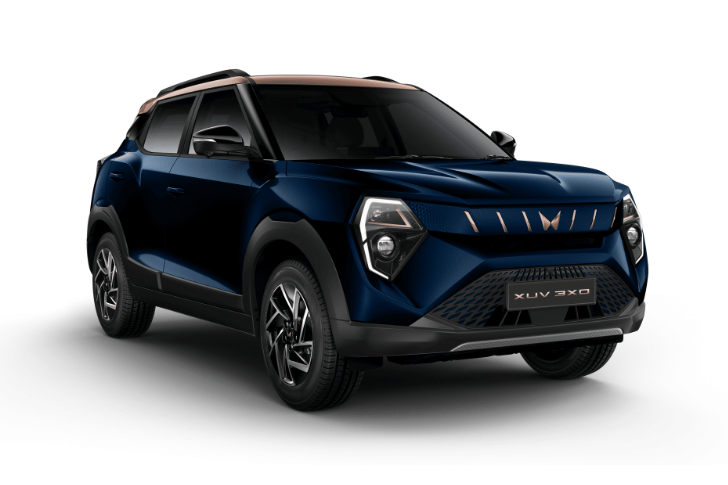
Mahindra XUV 3XO | โน7.37 lakh - โน14.55 lakh |
Mahindra Bolero | โน7.99 lakh - โน9.69 lakh |
Mahindra Bolero Neo | โน8.69 lakh - โน10.49 lakh |
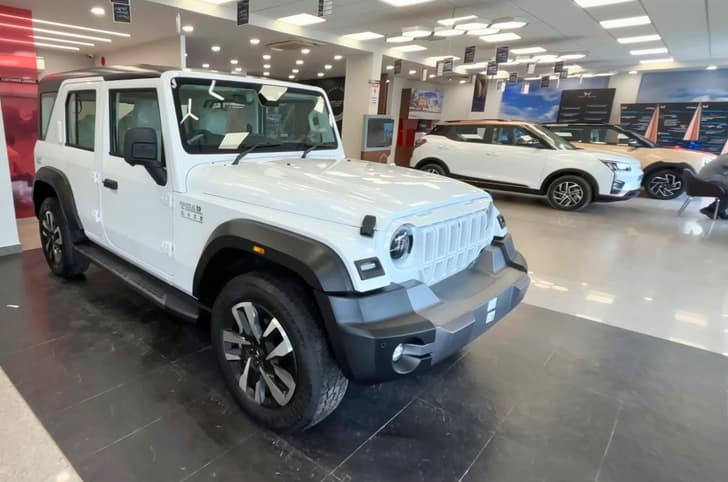
Mahindra Thar | โน9.99 lakh - โน17.19 lakh |
Mahindra Bolero Neo+ | โน10.90 lakh - โน11.95 lakh |
Mahindra Thar Roxx | โน12.39 lakh - โน22.25 lakh |
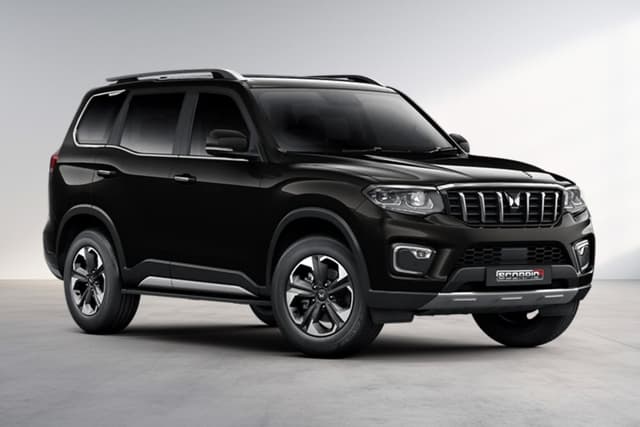
Mahindra Scorpio Classic | โน12.98 lakh - โน16.70 lakh |
Mahindra Scorpio N | โน13.49 lakh - โน24.34 lakh |
Mahindra XUV 7XO | โน13.66 lakh - โน24.92 lakh |
Mahindra XUV 3XO EV | โน13.89 lakh - โน14.96 lakh |
Mahindra XUV400 | โน15.49 lakh - โน17.49 lakh |
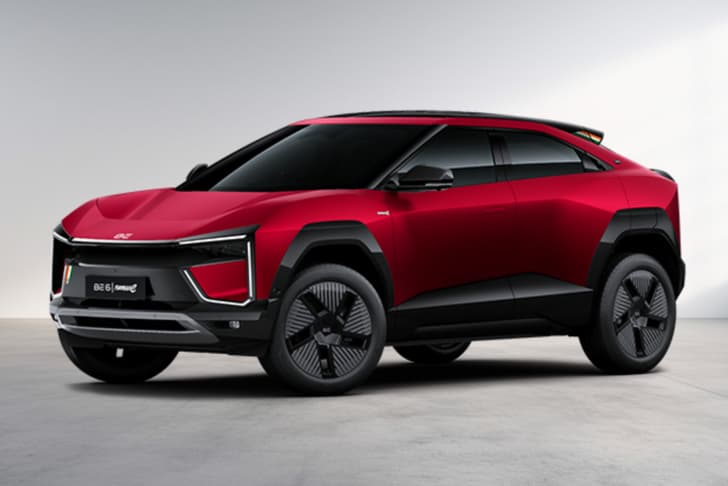
Mahindra BE 6 | โน18.90 lakh - โน26.90 lakh |
Mahindra XEV 9S | โน19.95 lakh - โน29.45 lakh |
Mahindra XEV 9e | โน21.90 lakh - โน30.50 lakh |
Mahindra New Car
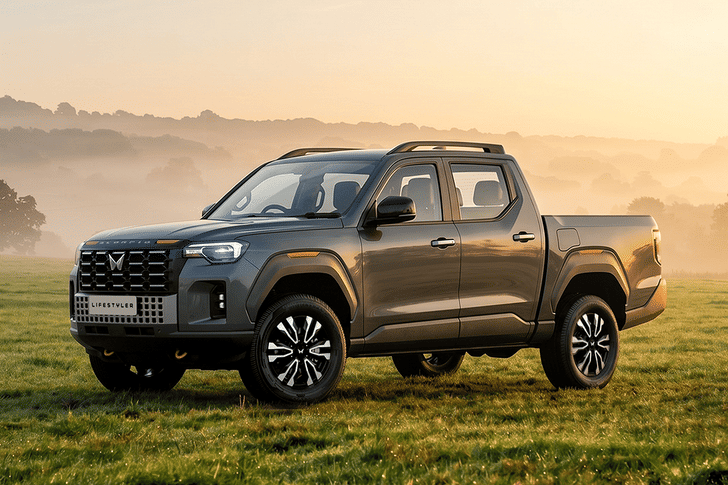
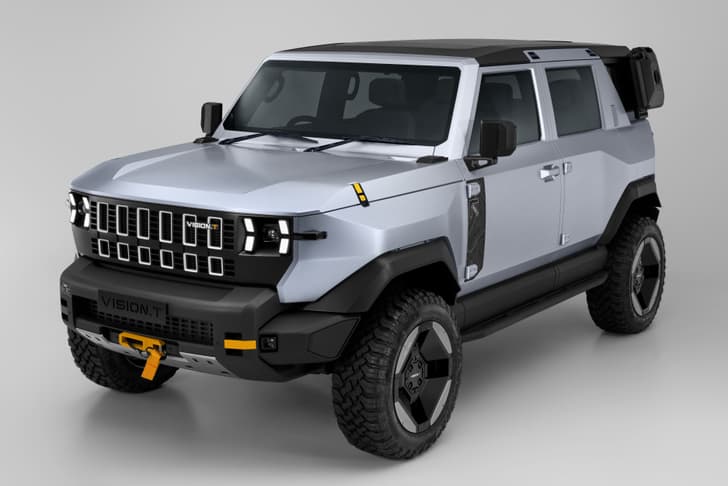
There are 3 new Mahindra cars set to launch in India:
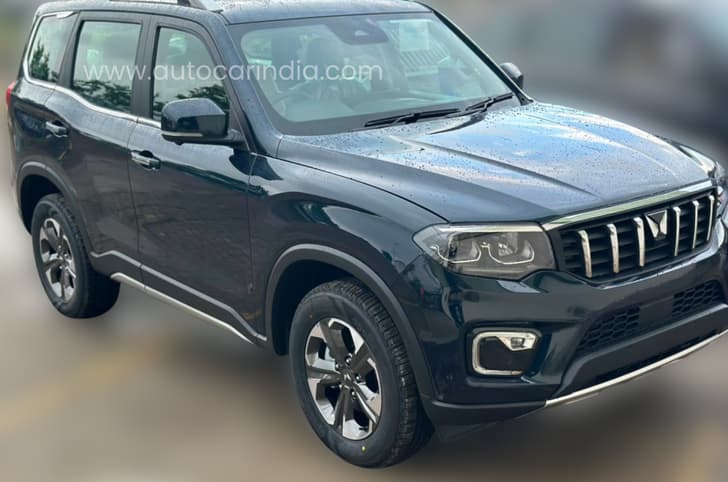
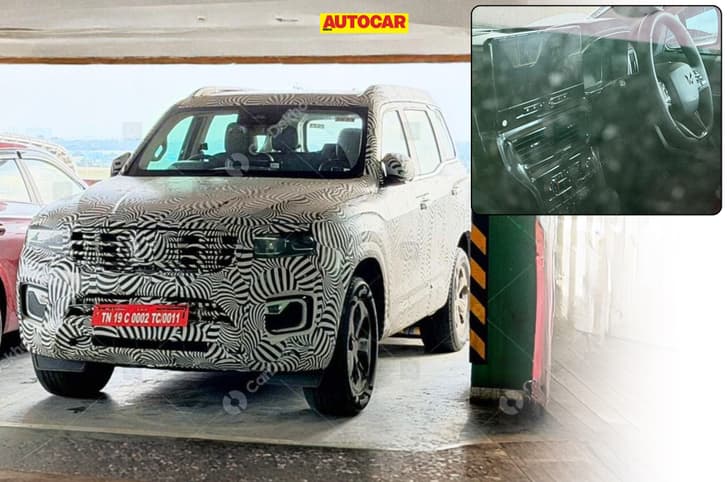
- Mahindra Scorpio N facelift
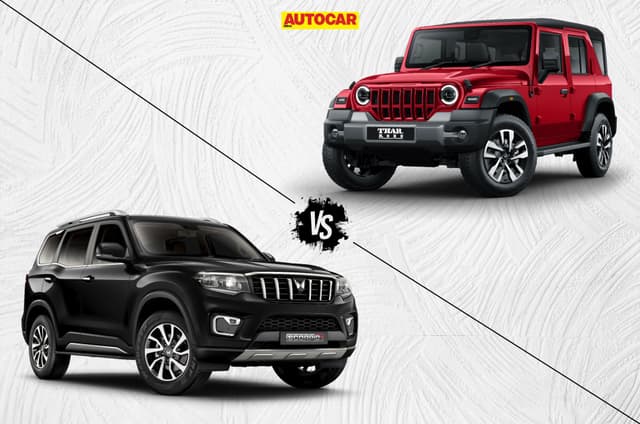
- Expected price: โน14.00 lakh - โน26.00 lakh
- Expected launch: Early 2026
- Engine: 2184 cc
- Fuel Type: Diesel
- Transmission: Manual
- Mahindra Vision S
- Expected price: โน7.50 lakh - โน13.00 lakh
- Expected launch: 2027
- Engine: To be revealed
- Fuel Type: Petrol
- Transmission: Automatic
- Mahindra Vision X
- Expected price: โน25.00 lakh - โน30.00 lakh
- Expected launch: 2027
- Engine: To be revealed
- Fuel Type: Petrol
- Transmission: Automatic
Mahindra Electric Car
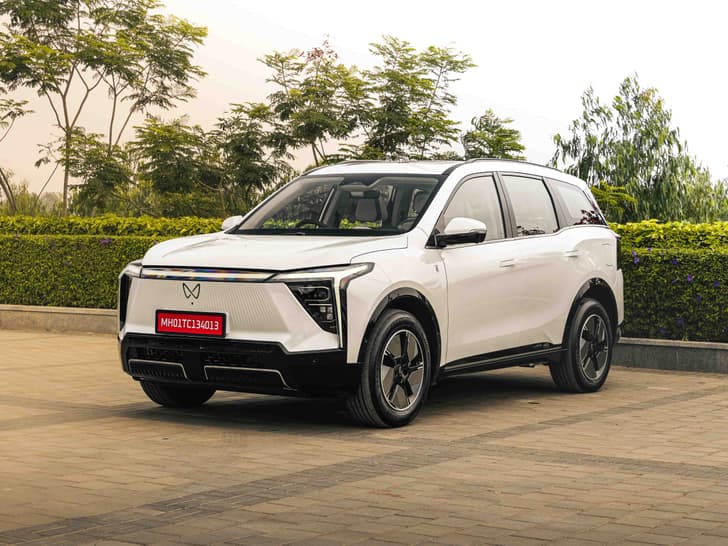
The Mahindra electric car price ranges between โน13.89 lakh and โน30.50 lakh. Presently, there are 5 Mahindra EV cars for sale in India: XUV400, BE 6, XEV 9S, XEV 9e, and recently launched XUV 3XO EV. The cheapest Mahindra electric car is the XUV 3XO EV, while the most expensive is the XEV 9e.
Mahindra Cars - Latest Updates
- 6 January 2026: Mahindra launched XUV 3XO EV at โน13.89 lakh.
- 6 January 2026: The new Mahindra XUV 7XO, a facelifted XUV700, starts at โน13.66 lakh (ex-showroom). Pre-bookings have closed, with fresh bookings reopening on 14 January 2026.
- 8 December, 2025: Mahindra XUV700 facelift, a.k.a., XUV7XO, will debut on Jan 5, 2026.
- 2 December, 2025: November 2025 car sales sees Mahindra reclaim second spot as Tata slips to third.
- 27 November, 2025: Mahindra has introduced the XEV 9S at a starting price of โน19.95 lakh.
- 26 November, 2025: Mahindra has launched the BE 6 Formula E Edition at โน23.69 lakh.
FAQs
The Mahindra car price starts at โน7.37 lakh for the XUV 3XO and goes up to โน30.50 lakh for the XEV 9e (ex-showroom).
The Mahindra electric car range includes 5 models: XUV400, BE 6, XEV 9S, XEV 9e, and XUV 3XO EV.
There are seven Mahindra 7 seater cars available for sale in India: Scorpio N, XEV 9S, XUV 7XO, Scorpio Classic, Bolero Neo, Bolero, and XUV700.
The Mahindra SUV car price in India starts at โน7.28 lakh for the XUV 3XO and goes up to โน30.50 lakh for the XEV 9e (ex-showroom).
Currently, there is no Mahindra CNG car on sale in India.
Yes. Mahindra offers 5 models with variants priced under โน10 lakh: Thar, Bolero Neo+, Bolero, XUV 3XO, and the upcoming Mahindra Vision S. Vision S is expected to start at โน7.50 lakh (ex-showroom).
The Mahindra top model car in terms of pricing is the XEV 9e, with prices going up to โน30.50 lakh (ex-showroom).
Mahindra 5 seater car choices include the XEV 9e, BE 6, Thar Roxx, XUV 3XO, XUV400, and XUV 3XO EV.
Yes, 9 out of 16 Mahindra cars that are available for sale come with an automatic transmission option. These cars are - XEV 9e, BE 6, XEV 9S, Scorpio N, Thar, Thar Roxx, XUV700, XUV 3XO, and XUV400.
The Mahindra car on road price varies by city, starting at around โน8.28 lakh in Delhi for the XUV 3XO and going up to about โน32.33 lakh for the XEV 9e in major metros.
No. Currently, there is no Mahindra car under 5 lakh in India.
No, Mahindra does not sell a car under 8 lakh. The entry point starts at โน7.28 lakh for the XUV 3XO, but the on-road cost is higher.
The Mahindra diesel car lineup includes the Scorpio N, Thar, Bolero Neo+, Thar Roxx, Bolero Neo, Bolero, Scorpio Classic, XUV 7XO, XUV700, and XUV 3XO.
Buyers looking for Mahindra cars with a sunroof can consider models such as the XEV 9e, BE 6, Scorpio N, Thar Roxx, XUV700, XUV 3XO, and XUV400. Availability of the sunroof depends on the variant chosen.
Trending Questions on Mahindra Cars - Answered by Autocar Experts
Saurabh Misra
โข6hI live in Himachal Pradesh and am looking for a dependable SUV for long-distance drives in the mountains as well as highways in the plains. This vehicle will replace my 18-year-old Mitsubishi Pajero. I would appreciate your suggestions for a reliable and capable replacement suited to my usage.

Autocar India
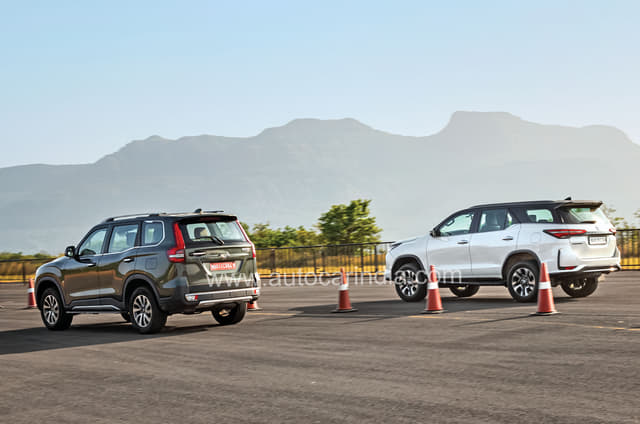
For that requirement, the Toyota Fortuner is the safest bet. It feels built for bad roads, can be had with proper low-range four-wheel drive for steep, loose climbs and snow, and Toyotaโs service reach is strong even in smaller hill towns. On highways, it sits steady at speed, the seats are supportive, and you can load it up with family and bags without worry. Coming from a Pajero, you will feel the same go-anywhere confidence but with a far more modern cabin and easier ownership.Two things to keep in mind. It is very expensive for what it is, and in slow, broken patches, the ride can feel firm. It is also a big SUV, so narrow village lanes and tight hotel parking will require patience.If you want most of that ability for a lot less money, look at the Mahindra Thar Roxx. It too can be had with low-range four-wheel drive, strong pull at low speed for hairpins, and Mahindra support is widespread in the North. You give up some highway polish, and it may not be as rock-solid reliable as a Toyota, but it is a serious mountain tool. Overall, the Fortuner fits your brief best; the Thar Roxx is the strong value alternative.
Chirag
โข6hIโm planning to buy my first car in Bengaluru next month. My budget is a maximum of โน13 lakh on-road. My usage will be 60% city and 40% highway. I am considering the Kia Seltos and Honda Elevate base models, along with the Maruti Suzuki Brezza ZXi (should I wait for the facelift?) and the Mahindra XUV 3XO AX5. Which would be the best overall option in terms of good mileage, reliability, and low service cost? I am planning to keep the car for 10 years and am also open to other options.

Autocar India
With a hard cap of โน13 lakh on-road in Bengaluru and a 60-40 city-highway mix for the next 10 years, the Maruti Brezza VXi (manual) fits your brief best. It stays within budget in Bengaluru in most cases, uses less fuel in city traffic than the cars youโve named, and Marutiโs service is the cheapest and easiest to find. The Brezzaโs high seat and simple 1.5 petrol make it easy in Bengaluru traffic. If youโre coming from no car, youโll also like how smooth and quiet it feels in daily use.Two things to note for you. It wonโt feel as quick when you want a fast overtake as the XUV 3XO, and its cabin wonโt wow you like the Kia trims. On your facelift question, if you can wait for a few months then yes, its always better getting a newer car, but you would likely pay a bit more.
Thomas Zachariah
โข1dI am a senior citizen, 69 years old, and 6'2" tall. My annual usage is around 6,000-7,000 km, mostly consisting of short trips with occasional long drives. I am currently using a Nissan Magnite Turbo CVT, but I am planning to replace it due to some issues. I am looking for an automatic car within a budget of โน12-14 lakh (on-road), with a focus on driving comfort, good mileage, and safety. I have shortlisted the Maruti Suzuki Fronx, Maruti Suzuki Brezza, and Mahindra XUV 3XO.

Autocar India
Given your usage, the Maruti Brezza ZXi AT fits your brief best within Rs 12-14 lakh on-road. Pick it because the cabin is roomy and the seat is set high, so getting in and out is easy, and there is good headroom for your height. Its 6-speed automatic is the smooth, torque converter type (not an AMT or DCT). Coming from your Nissan Magniteโs CVT, this will feel natural and calm in stop-and-go traffic and on slopes. Ride comfort is good over broken roads, and its simple 1.5-litre naturally aspirated petrol engine allows a vehicle of its size to be unstressed, fuel efficient and sufficiently powerful. Do note: The Brezza automatic is tuned for easy driving, not fast pick-up, so it feels relaxed rather than quick, and it hasn't been crash tested by any NCAP agency, though it has all the requisite safety features. The Mahindra XUV 3XO is also a decent option, though it's not quite as spacious as the Brezza, and in your budget, you'll have to settle for a mid-spec automatic model. Most of all, though, it is nowhere near as fuel-efficient. The Maruti Suzuki Fronx, while also good, won't feel like as much of an upgrade from your Magnite as the others, especially in terms of size and space. Overall, for comfort, smooth driving and sensible running costs in your budget, the Brezza ZXi AT is still your best bet.
Rahul
โข2dHi, I am planning to purchase an SUV. My family has seven members (six adults aged 25+ and 53+, and one child). Currently, I own a 2025 Maruti Baleno (petrol), a 2018 Maruti Swift Dzire (petrol), and a 2010 Maruti Swift (diesel). I am planning to exchange my 2018 Swift Dzire for an upgrade. I am considering the Toyota Innova Crysta, Mahindra Scorpio N and Mahindra XUV 7XO. However, the base variant of the Innova Crysta (GX) is not available for booking at the dealership. My budget is around 25 lakh. Please suggest the best option for my family with low maintenance. Thanks in advance.
Autocar India
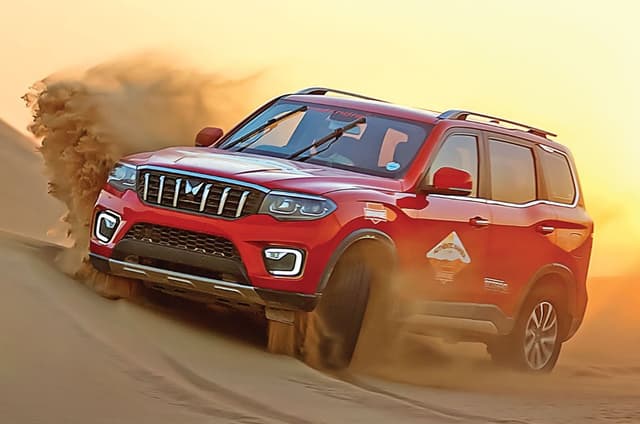
Seven people, mostly adults, and a Rs 25 lakh cap points to one clear choice, the Mahindra XUV 7XO diesel. It rides smoother than the Scorpio N and the Innova Crysta. The step-in height is friendlier for elders, and you get more features at this price.One thing to note is that the XUV 7XO's third row is not the most spacious around. Alternatively, also consider the Kia Carens Clavis diesel. It is refined and comfortable, easy to drive in the city, and the third row is comfortable for adults.We would avoid the Scorpio N for your use. Its third row is tight for adults, access is not easy, and the high step can bother older family members, even though it is very strong on rough roads.Overall, the XUV 7XO diesel 7-seater fits your family and budget best.
Shiv Sagar Mathpati
โข2dI am planning to buy the Mahindra XUV 7XO AX7T diesel manual, but I am concerned about DPF issues. Some of my friends say that modern engines are more advanced now, and there is no need to worry. What is your view?

Autocar India
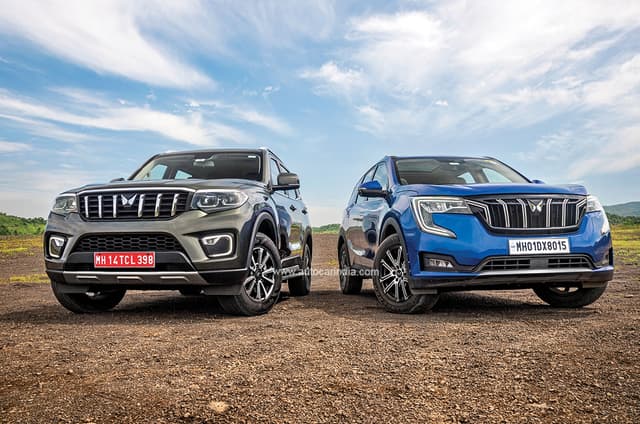
For mixed city and some highway use, you can go ahead with the Mahindra XUV 7XO AX7T diesel manual. Donโt drop it only because of DPF worry. The DPF is a filter in the exhaust that catches soot, and it needs a bit of heat and steady running now and then to clean itself. On the latest XUV 7XO, Mahindra has improved the software and the system over the past few years, so your friends are right that things are better now, but it is not completely worry-free in every case.If your daily use is mostly short trips in slow traffic, the filter may not get hot enough to clean. Thatโs when you may see a warning. The fix is simple: take the car for a longer drive on a clear road for 15-20 minutes, keep the engine revs a little higher than usual, and donโt switch off if you see a โdrive to cleanโ message. Do this once in a while, even before any light shows, if your routine drive consists of only short hops. Also, fill diesel from a trusted pump, avoid driving at very low speeds in a high gear, and at delivery, ask the service advisor to confirm the car has the latest software.If you do some highway runs every week or two, DPF issues are rare. Where it can be a pain is if you mostly do many 2-3 km trips and almost never leave the city. So, if your usage is mixed, youโre fine to buy it. If itโs almost all tiny trips, think twice about diesel. Overall, with a bit of these simple habits, the AX7t diesel manual will serve you well.
Sam
โข2dCould you please help me decide between the Tata Sierra Pure+ variant and the Mahindra XUV 3XO RevX A as my first car? My priorities are comfort, safety, a good power-to-weight ratio, and strong road presence.

Autocar India
As a first car, from your two shortlisted choices, we recommend the Mahindra XUV 3XO RevX A. While the larger Tata Sierra is certainly better on road presence, in every other aspect, the XUV is a better fit. Its more compact dimensions make it much easier to drive, which is a worthwhile consideration for your first car. It is very comfortable, including in the rear seat and being a 5-star Bharat NCAP rated car, safety is not an issue. It has a 131hp turbo-petrol engine that is the most powerful in any compact SUV. Overall, this Mahindra car has an excellent power-to-weight ratio and is fun to drive too. Moreover, its price is around Rs 3 lakh less than the Sierra Pure+. The Tata Sierra Pure+ comes with only the naturally aspirated 1.5-litre petrol engine. While it's smooth enough, thanks to the heavy Sierra kerb weight, its power-to-weight ratio is nowhere as good as the XUV 3XO's. Also, the Pure+ variant of the Sierra, aside from being more expensive, won't be as well equipped as the 3XO RevX A. Overall, for your needs, the Mahindra is the better be
Vishwesh Jirgale
โข2dHi Autocar Team, I am very happy with my Hyundai i10 and am now looking to switch to an electric car, as 99% of my commute is within the city. My average monthly running is around 1,000 km, and we rarely travel to Konkan (around 500 km round trip). My main criteria are safety and comfort. I was inclined towards the Hyundai Creta Electric, but I have come across mixed reviews online. How do the Mahindra BE 6 and Tata Curvv EV compare to the Creta Electric? What would I be missing if I choose the Creta? Could you please guide me on the best option for my usage?

Autocar India
You're right to lean towards the Hyundai Creta Electric. Range, efficiency, performance and features aside, you'll mainly appreciate it for its comfort and practicality. Being a Hyundai, it will feel like a natural upgrade from your i10, and you're already integrated into the brand's wide ecosystem. The Creta EV's suspension takes bad patches of road well, so daily commutes are less tiring. It's as spacious as a regular Creta, which means a big boot, a wide rear seat and ample in-cabin storage; it even has a small frunk under the bonnet. As for the EV powertrain, it scores high on refinement, smoothness and progressive power delivery. It's incredibly efficient too, and can easily deliver upwards of 7km/kWh in city traffic. Plus, regen modes are easily accessible via the paddle shifters, and performance feels strong enough. Your next best bet is the Mahindra BE 6, which offers up much more performance and a funky and high-tech interior. Moreover, it looks futuristic, whereas many find the Creta too ordinary-looking for an EV. The trade-off is space, practicality and ergonomics, where the Creta scores much higher than the BE6.Interestingly, though the BE6 has a much larger battery (79kWh) than the Creta Electric (51.4kWh), their overall real-world range is very similar, as the Creta is significantly more efficient in city traffic. You should be advised that using any EV over long distances requires some planning, given the current state of charging infrastructure today.
Revanth S A
โข2dI have decided to go ahead with the Mahindra XUV 3XO, but I am confused between two automatic variants - AX5L and REVX A. The AX5L offers features like a 360-degree camera, auto-dimming IRVM, and ADAS, while the REVX A comes with a panoramic sunroof and leatherette seats. The price difference is not significant, so I am trying to decide based on real-world usability. My parents (in their 50s and relatively new to driving) will occasionally use the car, while I will be the primary driver. I am unsure whether ADAS will be useful for them or feel intrusive. The 360-degree camera could help them, but I am not sure how much difference it will make in day-to-day use. Personally, I have been driving for a few years and am fairly confident, so I feel I may not use ADAS or the 360-degree camera much. Because of this, I am slightly inclined towards the REVX A, mainly for the panoramic sunroof and overall cabin feel. Given this usage, which variant would you recommend for better long-term value?

Autocar India
The 360 camera, auto-dimming inside mirror, and ADAS are driver-assist features that can certainly help tangibly. For your parents, the 360 camera would be a big help in tight parking, narrow lanes and when judging the corners of the car. The auto-dimming mirror is a nice touch and helps with sustained good visibility, and even if you wonโt use ADAS every day, itโs a nice safety net on highway runs, and you can turn most alerts down or off if they feel too intrusive in city traffic.As for the panoramic sunroof and leatherette of the Mahindra XUV 3XO REVX A, they do make the cabin feel special, but there are also practical trade-offs. The sunroof adds heat in summer and needs some care over the years, and leatherette seats can get hot and clammy to sit on.
Humcha
โข2dItโs time to replace my beloved Tata Hexa XTA 2017 model. It is a car I truly loved, but since it is BS4, I am now forced to replace it. Which cars should I consider as replacements? I plan to buy in December 2026. Please suggest the exact variants and provide a detailed comparison of specifications. My budget is โน15โ25 lakh. Diesel is not a must, but I do prefer good torque. A 5-seater is more than enough. My usage is mostly (80%) highway driving. I am almost 55 years old and plan to keep the car for at least the next five years. I prefer an automatic transmission, but I am aware that not all automatics are the same. Safety is another key consideration.

Autocar India
After almost a decade with your Hexa, a good idea is to replace it with a tough and powerful diesel SUV, and we'd recommend the Tata Harrier Adventure X Diesel AT. It gives you the relaxed, solid, longโdistance feel that you liked in your Hexa, but in a newer and easierโtoโdrive package.It works for you because the diesel has strong pull at low and mid speeds, so overtakes on twoโlane roads need less effort. The 6-speed automatic is the torque-converter type that uses a fluid coupling, which is known for smoothness and long life, and it does not get hot and fussy in traffic. Safety is strong too, with a 5-star Bharat NCAP rating and mustโhave features like 6 airbags and stability control. Ride comfort is good, and though not quite as tough-feeling as your ladder-frame Hexa, this Tata car feels softer and more comfortable overall.If you want the option of a third row of seats, there's also the Tata Safari at a slightly higher price point, which has all the same strengths of the Harrier. There's also the XUV 7XO, which is a better all-rounder and more fun to drive, but it doesn't feel quite as solid and commanding from behind the wheel as the Harrier or Safari.
Venkat Karthik Mukidichetti
โข3dI am reposting my question regarding the governmentโs plan to introduce new rules for E85 and E100 fuels. What impact will this have on vehicles that are currently E20 compliant? Given the uncertainty around government policy, itโs difficult to predict when these higher ethanol fuel variants might become the only options, potentially affecting millions of consumers. Facing this dilemma, does it still make sense to purchase an ICE car, or should one consider an EV instead? If the government mandates E85 or E100 within the next year or two, what would be the implications for those who own diesel, petrol, or CNG vehicles? Considering my situation, I am deciding between the Amaze and 3XO diesel models, with an annual mileage of 15,000 km and 60% of my travel on highways, what would be the safest choice?

Autocar India
First, on the policy concern. E20 is the current standard, and cars sold today are fully compatible with it. The move to E85 or E100 is still at an early stage and depends on multiple things like flex-fuel engines, fuel availability and nationwide infrastructure. Even if announced, it will take years to become mainstream. It will not suddenly replace E20 across the country in the next one or two years.For existing vehicles, there is no risk of becoming unusable. Petrol cars will continue to run on available blends, diesel cars are unaffected by ethanol policies, and CNG vehicles are entirely separate from this transition. So there is no scenario where millions of current owners are suddenly stranded.Now, coming to your dilemma of ICE vs EV. With your usage of around 15,000 km a year and 60% highway driving, an EV is not the ideal fit yet unless you have very reliable charging access on highways. For your pattern, a diesel or efficient petrol still makes more sense in terms of range, flexibility and ease of long-distance travel.Between your shortlist, the Mahindra XUV 3XO diesel is the better choice. Your usage is high enough to justify diesel, and your highway running will naturally keep the engine and emissions system healthy. It will also give you better efficiency and stronger performance on highways compared to the Amaze petrol. The Amaze is smoother and easier in the city, but it does not match the dieselโs efficiency and torque for your kind of usage.
Last Updated on: 30 Apr 2026