Automatic cars in India (204)
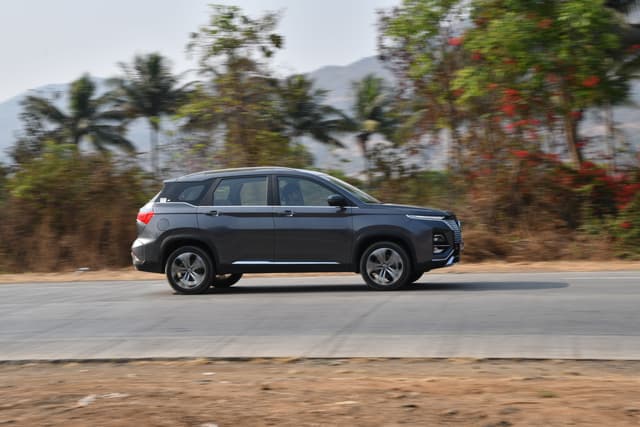
Automatic cars have become increasingly popular in India thanks to their convenience, especially in heavy city traffic. Unlike manual cars, automatic vehicles change gears without requiring driver input, making them easier to drive and reducing fatigue during daily commutes.
Today, automatic transmissions are available across almost every segment, from hatchbacks and sedans to SUVs, MPVs and luxury cars. Buyers can choose from AMT, CVT, torque converter and dual-clutch automatic gearboxes, depending on the model. Browse the complete list below to compare automatic cars in India by price, transmission type, specifications and features.


Automatic Cars - FAQs
An automatic car changes gears without requiring the driver to operate a clutch pedal or manually select gears, making it easier to drive, particularly in stop-and-go traffic.
Automatic cars in India are available with AMT, CVT, torque converter and dual-clutch (DCT/DSG) transmissions. Each offers a different balance of cost, comfort and performance.

Automatic cars are generally more convenient to drive, especially in urban traffic. Manual cars, however, are often less expensive to buy and may appeal to drivers who prefer greater control.
Not necessarily. Advances in transmission technology mean many modern automatic cars deliver fuel efficiency comparable to their manual counterparts, although this varies by model and transmission type.
Automatic cars are ideal for buyers who regularly drive in congested traffic or simply prefer a more relaxed driving experience.
Trending Questions on Cars - Answered by Autocar Experts
I am going to buy my first car. I am a new learner and my daily commute is around 40km in village area road with occasional long trip that are around100-150 km during weekend. So, suggest me a 4m car with decent mileage and safety rating. My monthly running is between 1000 and 1300 km. I prefer automatic. Also what will be the budget range. I am currently earning 10 lpa in a government job and I stay at home.
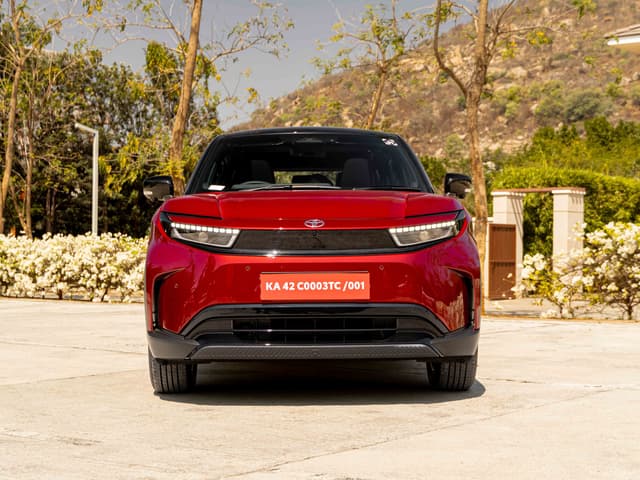
For a first car and a Rs. 10 lakh annual salary, a sensible target would be around Rs. 9-11 lakh on road. Since you stay at home and have relatively low fixed expenses, you can stretch a little if required, but there is no need to spend Rs. 13-14 lakh simply because the budget allows it.The Exter suits your usage well. It is compact and easy for a new driver to place on the road, has good visibility and ground clearance for village roads, and the AMT makes a 40km daily commute much easier. Your 1,000-1,300km monthly running also makes a petrol automatic perfectly reasonable.The Maruti Suzuki Fronx AMT is worth considering if highway performance and mileage are more important, while the Tata Punch AMT is another option if safety and rough-road ability are higher priorities. The Exter, however, offers a good balance of ease of driving, comfort and ownership costs.
Hi Team Autocar, I currently drive a Ford EcoSport 1.0 EcoBoost and am looking to upgrade to a petrol automatic, either a sedan or SUV, with a budget of Rs 20 lakh on-road. Since I am coming from a punchy turbo-petrol, performance and driving engagement are my top priorities. I plan to keep the car for at least eight years, so long-term reliability and a strong manufacturer commitment to India are also important. My driving split is roughly 70% city and 30% highway. Given my priorities, which car would offer the best blend of performance, strong build quality and long-term peace of mind?
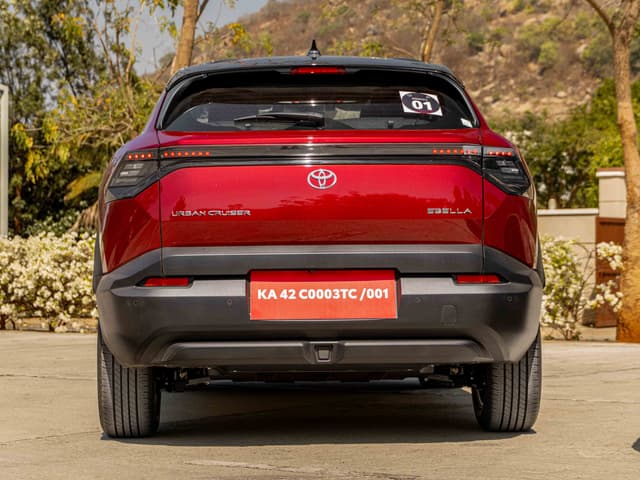
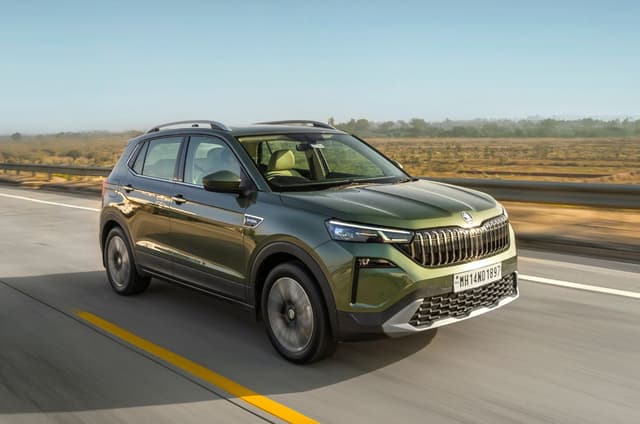
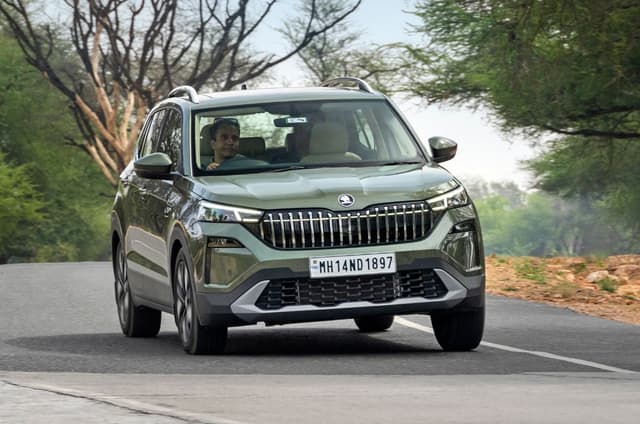
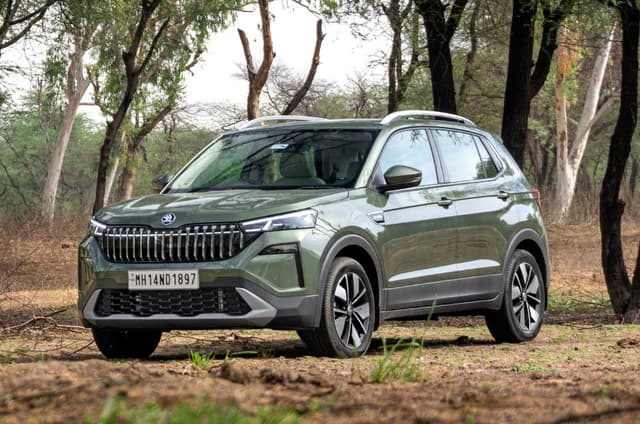
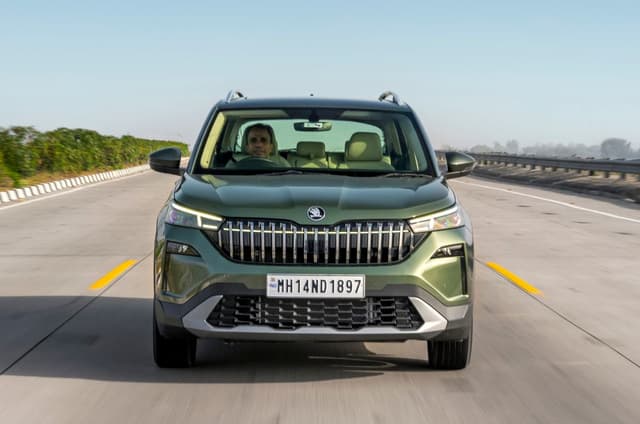
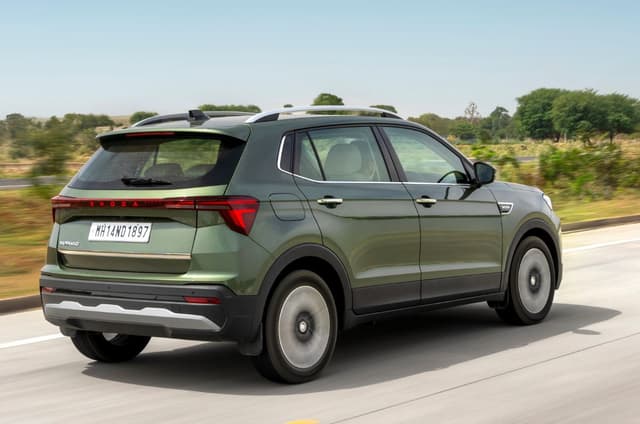
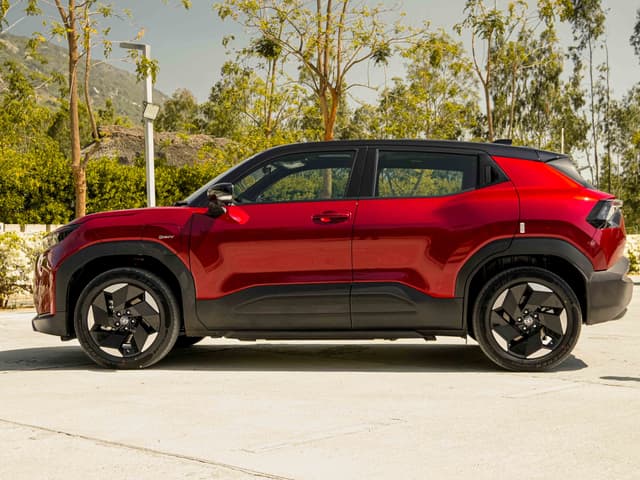
Go for the Skoda Kushaq 1.5 TSI DCT Sportline. Coming from the EcoSport 1.0 EcoBoost, you are used to a punchy turbo petrol, and the Kushaq 1.5 TSI will feel like a proper step up. It is one of the most engaging SUVs to drive in this price range, with strong mid-range performance and a well-sorted chassis that makes it enjoyable on both city roads and highways. The DSG gearbox is quick and responsive, adding to the overall driving experience.Alternatively, you could consider a Renault Duster 1.3 Turbo DCT or Nissan Tekton 1.3 Turbo DCT. These are genuinely fun to drive, with an excellent ride-handling balance. Do keep in mind that turbo lag is a bit more pronounced in these, and fuel efficiency will be a bit lower than in the Kushaq 1.5 DSG.
I am almost a beginner driver and planning to buy a used automatic car under a budget of around Rs. 8.5 lakh. My usage will be roughly 70% city and 30% highway driving. My main priorities are a decent automatic and good safety. I have ended up considering a 2023 Tata Punch AMT, but I’ve heard that it can feel underpowered and may not inspire much confidence while overtaking on highways. I have also heard about the AMT being jerky. Would love to hear from anyone who has owned or regularly driven a Punch AMT. How has your experience been, especially with highway driving?
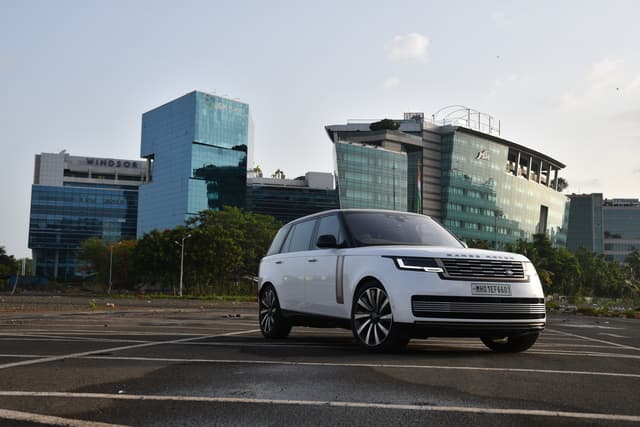
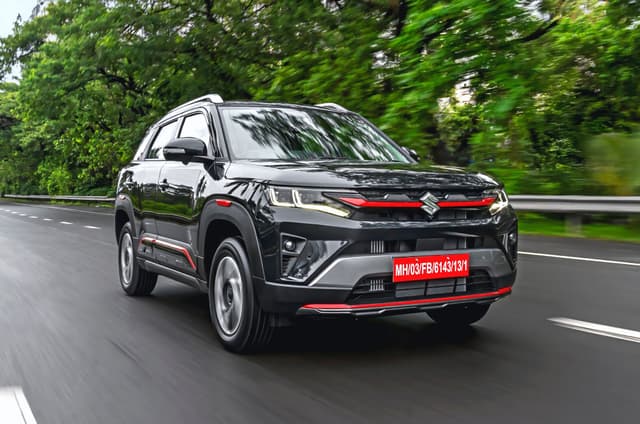
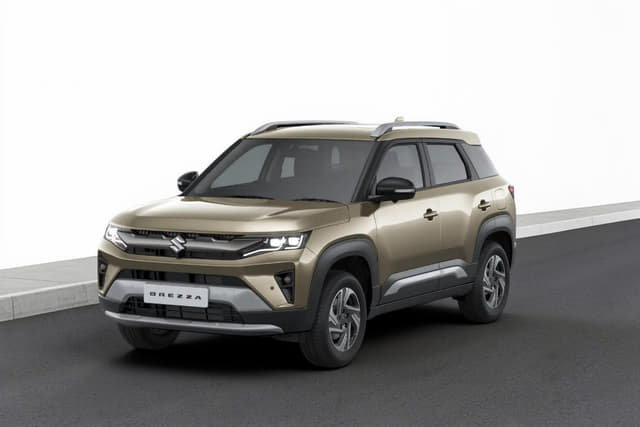
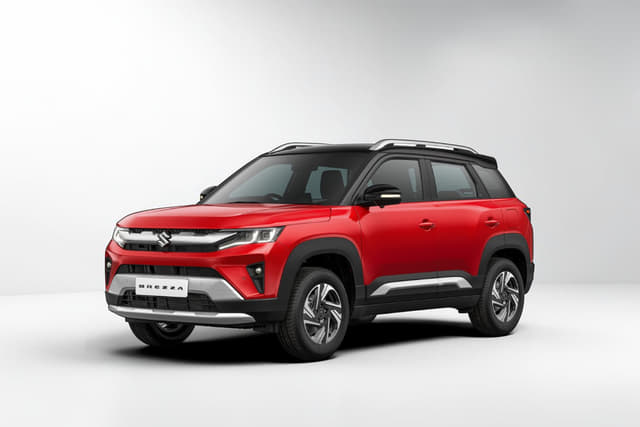
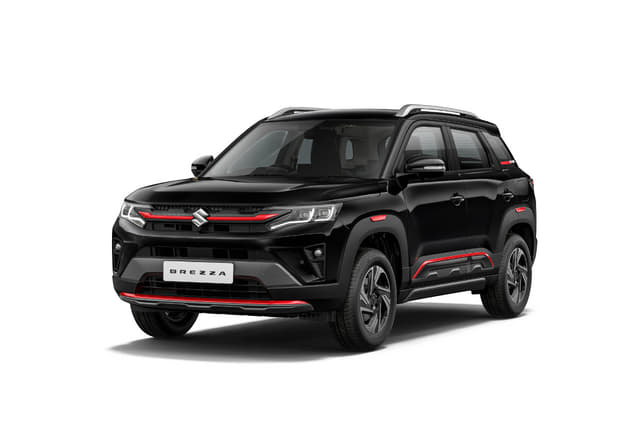
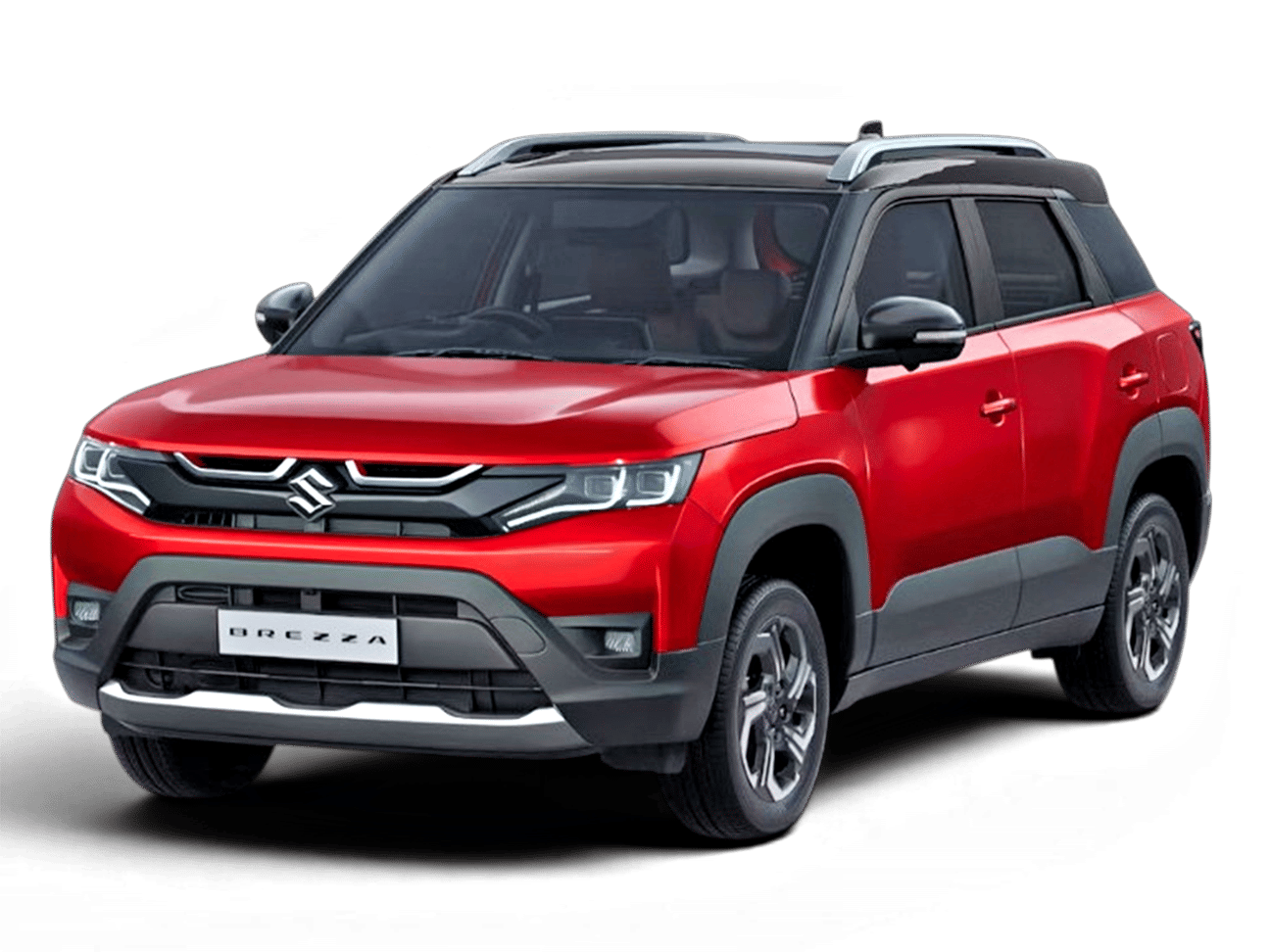
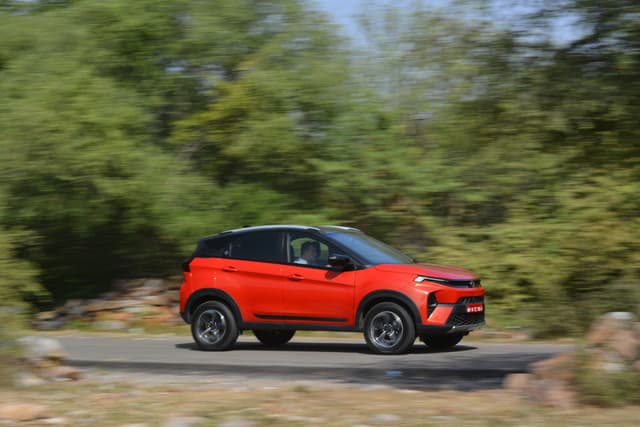
The Tata Punch AMT is a city car, thanks to its high seating and light controls, but your concerns are valid. The AMT gearbox is not very smooth, and the 1.2-litre three-cylinder petrol engine feels underpowered on the highway, especially during overtaking.Given your budget of Rs 8.5 lakh and your 70% city, 30% highway usage, we would recommend looking at a used Maruti Suzuki Brezza AT or a used Toyota Urban Cruiser AT instead. Both are essentially the same car underneath, powered by a 1.5 petrol engine and offer a proper 4-speed torque converter automatic gearbox, which is much smoother and easier to live with than an AMT.You could also consider a used example of the Nissan Magnite Turbo CVT - it is newer, easy to drive, has a smooth automatic and the turbo-petrol makes performance feel effortless.
Automatic CNG options are starting to become more common now, and honestly this makes more sense for city use than a manual CNG. Would you actually pick an automatic CNG over petrol if your daily running is high?
I own a 2018 Tata Nexon XZ+ petrol and am now looking for an automatic vehicle, but not an EV, as I live in a flat-based society with shared charging facilities and do not want the hassle of waiting for the car to charge. However, I would like something that is future-ready and offers a lower per-kilometre running cost. I commute 60–70km to my office in Delhi NCR three times a week, so I am looking for an automatic that can comfortably handle this usage.
Given your usage pattern of 60-70 km three times a week in Delhi NCR, a hybrid is the most sensible choice. It offers significantly lower running costs than a petrol car without the charging hassles of an EV, which is important given your shared charging situation. The Maruti Suzuki Victoris Hybrid is the best fit here. It delivers excellent fuel efficiency, is easy to drive in traffic, and has a proven hybrid system that works seamlessly in both city and highway conditions. It is also backed by Maruti's strong service network, which is a big advantage for long-term ownership. The Toyota Urban Cruiser Hyryder Hybrid is mechanically identical and equally good, so the choice between the two can come down to dealer experience and availability. If you want something more premium and spacious, the Toyota Innova HyCross hybrid is worth considering, but it comes at a significantly higher price point. Overall, the Victoris Hybrid strikes the best balance between efficiency, ease of ownership and value for your usage.
Last Updated on: 22 Sept 2026