Last Updated on: 30 Apr 2026
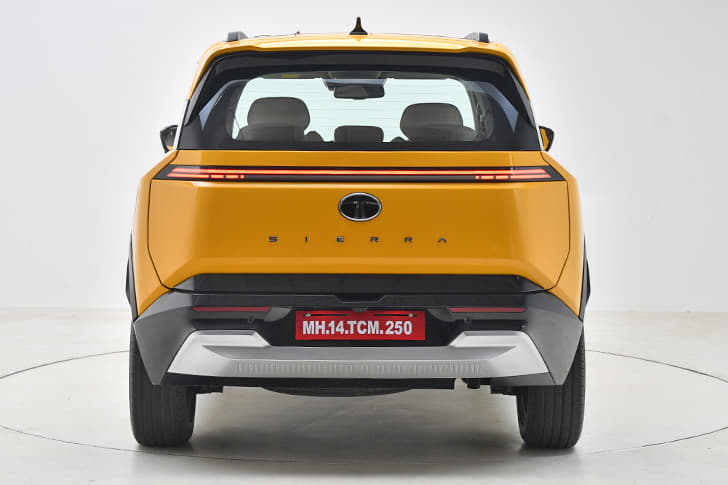
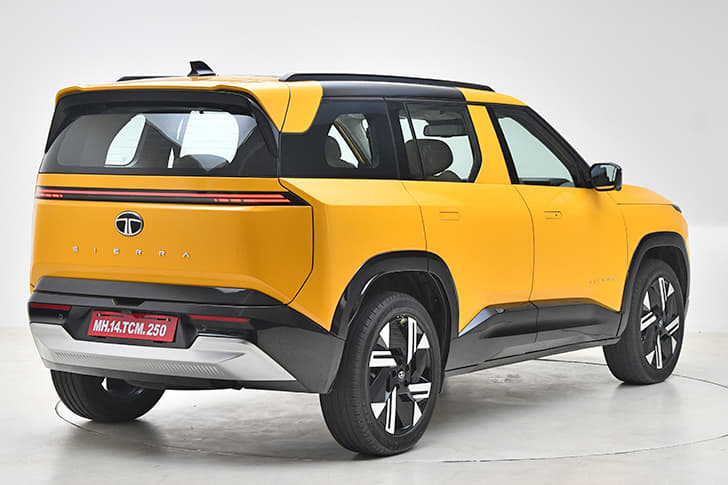
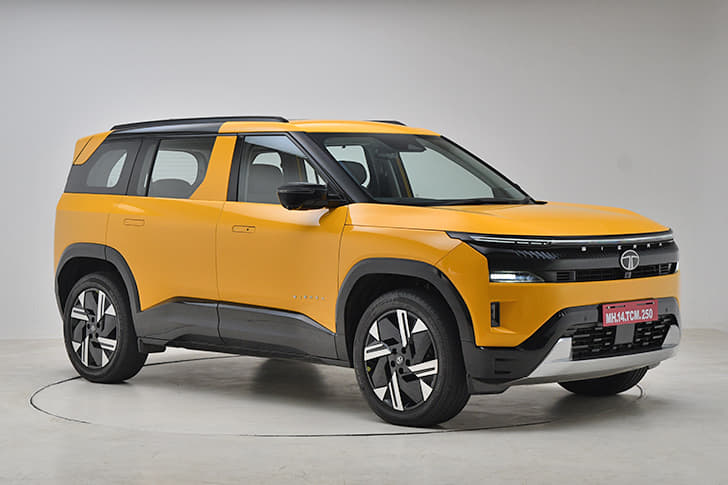
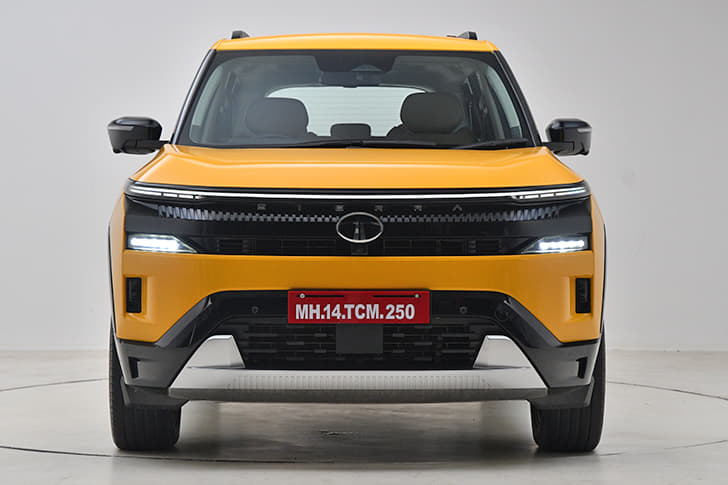
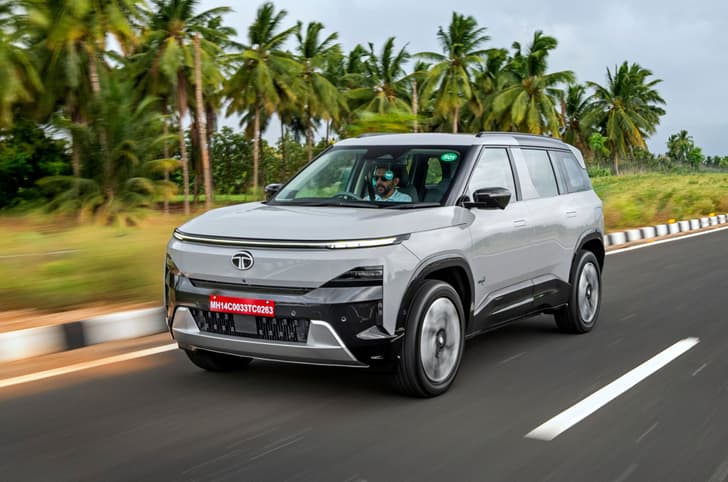
Tata Sierra price in Nashik
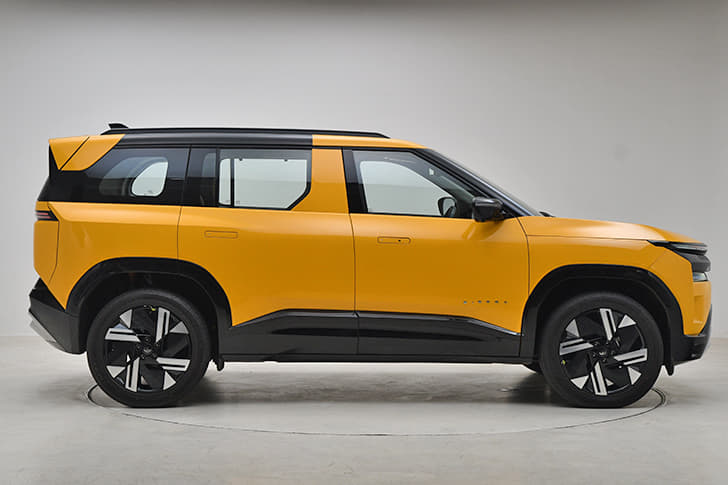
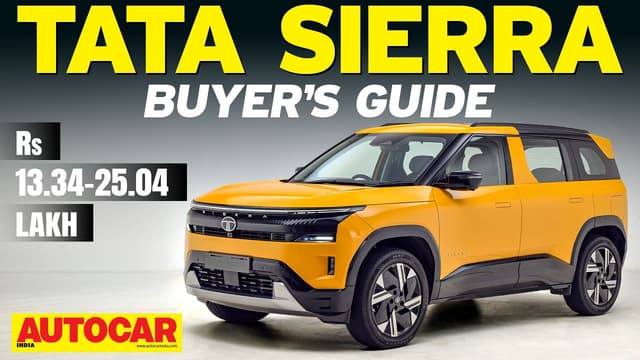
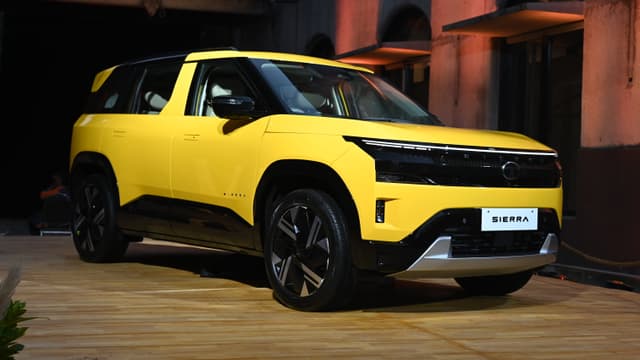
The Tata Sierra price in Nashik starts at Rs 11.49 lakh for the Smart+ Petrol MT variant, while the Sierra top model price goes up to Rs 21.29 lakh (ex-showroom). The Sierra on road price in Nashik ranges from Rs 13.60 lakh to Rs 25.81 lakh, and the new Sierra is available in 24 variants.
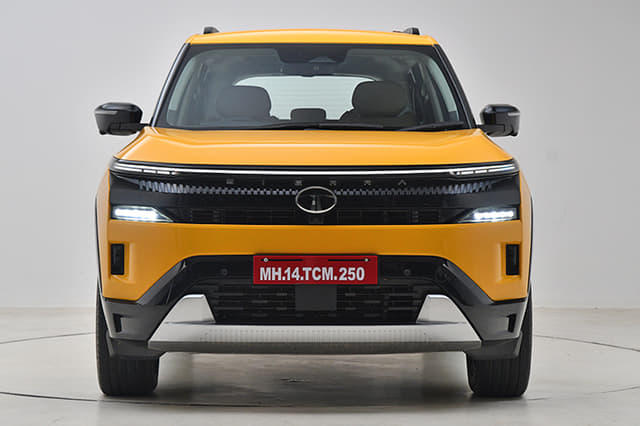
Tata Sierra price list in Nashik 2026 (ex-showroom)
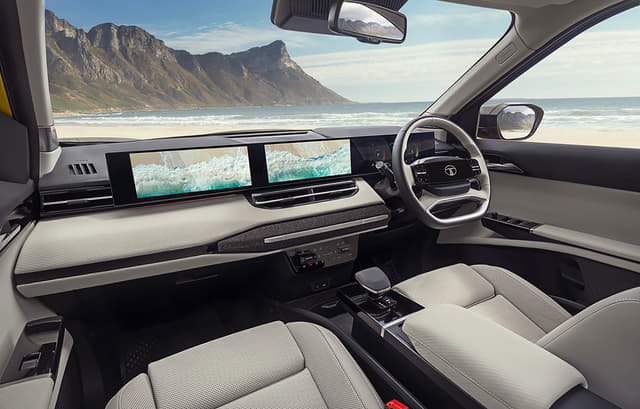
Sierra petrol price range
- Smart+: ₹11.49 lakh
- Pure: ₹12.99 lakh to ₹14.49 lakh
- Pure+: ₹14.49 lakh to ₹15.99 lakh
- Adventure: ₹15.29 lakh to ₹16.79 lakh
- Adventure+: ₹15.99 lakh
- Accomplished: ₹17.99 lakh
Sierra diesel price range
- Smart+: ₹12.99 lakh
- Pure: ₹14.49 lakh to ₹15.99 lakh
- Pure+: ₹15.99 lakh to ₹17.49 lakh
- Adventure: ₹16.49 lakh
- Adventure+: ₹17.19 lakh to ₹18.49 lakh
- Accomplished: ₹18.99 lakh to ₹19.99 lakh
- Accomplished+:₹20.29 lakh to ₹21.29 lakh
Sierra turbo petrol price range
- Adventure+: ₹17.99 lakh
- Accomplished: ₹19.99 lakh
- Accomplished+: ₹20.99 lakh
Tata Sierra price & variants
Price of Tata Sierra alternatives
Tata Sierra news
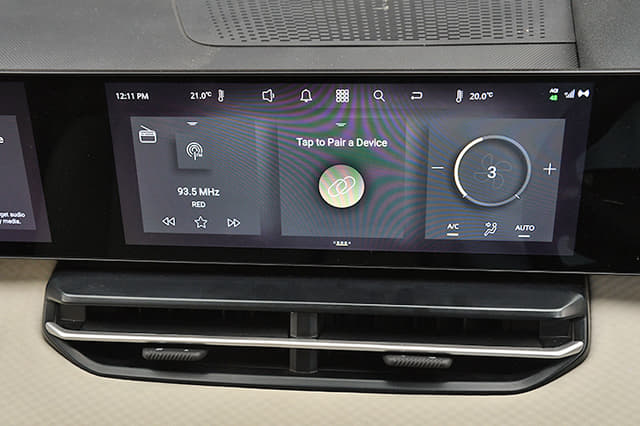
Tata Sierra Images
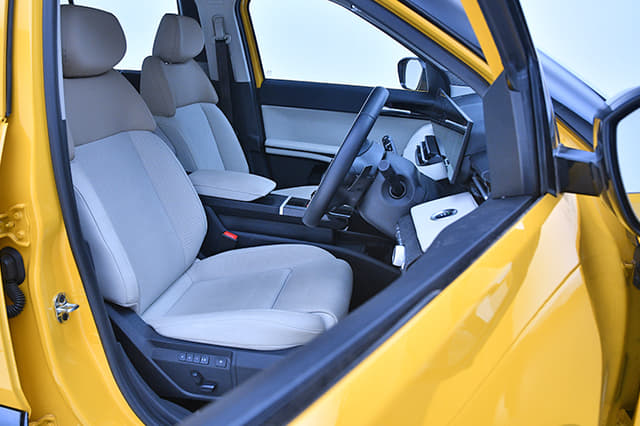
Tata Sierra videos
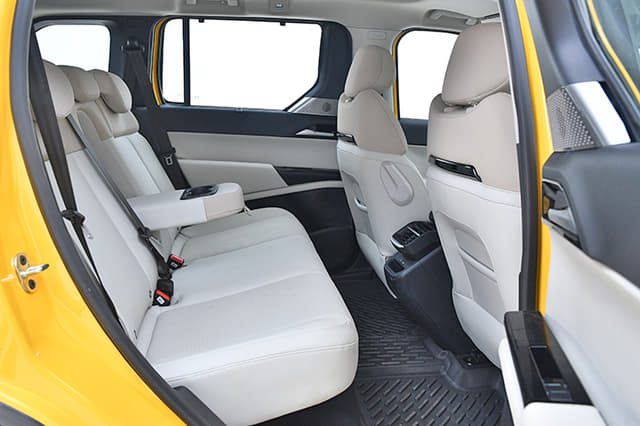


Tata Sierra Colours
Tata Sierra FAQs
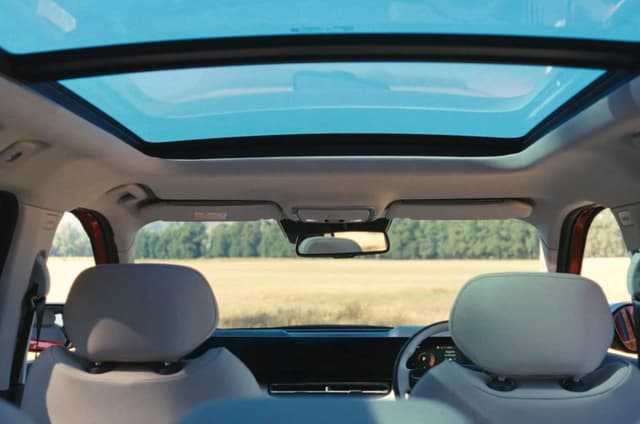
The base-spec Sierra price in Nashik starts at Rs 11.49 lakh, ex-showroom.
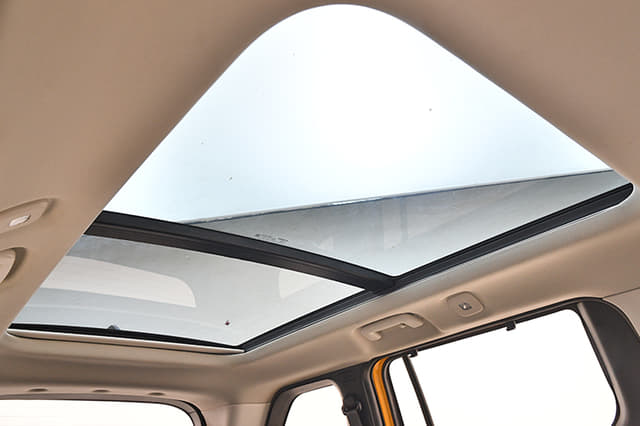
The base-spec Smart+ Petrol MT Tata Sierra on road price in Nashik starts at Rs 13.60 lakh.
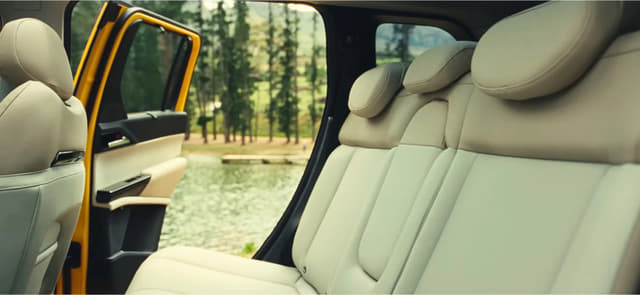
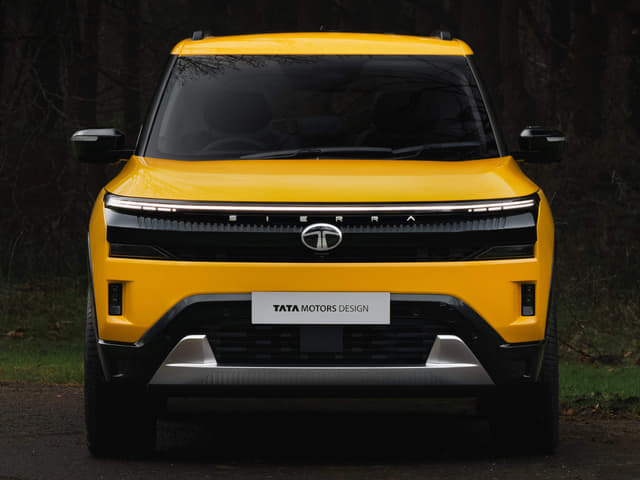
The top-spec Tata Sierra variant in Nashik is Accomplished+ Diesel AT, priced at Rs 21.29 lakh, ex-showroom.
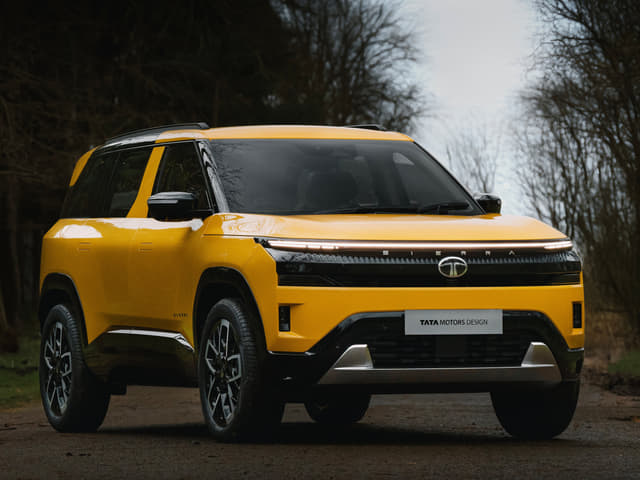
The top-spec Accomplished+ Diesel AT Tata Sierra on road price in Nashik is Rs 25.81 lakh.
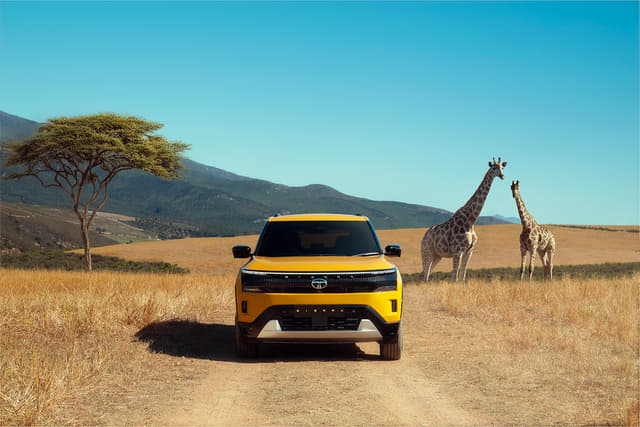
The on road price of Sierra in Nashik ranges between Rs 13.60 lakh to Rs 25.81 lakh.
The Tata Sierra price range in Nashik is ₹11.49 lakh and ₹21.29 lakh (ex-showroom).
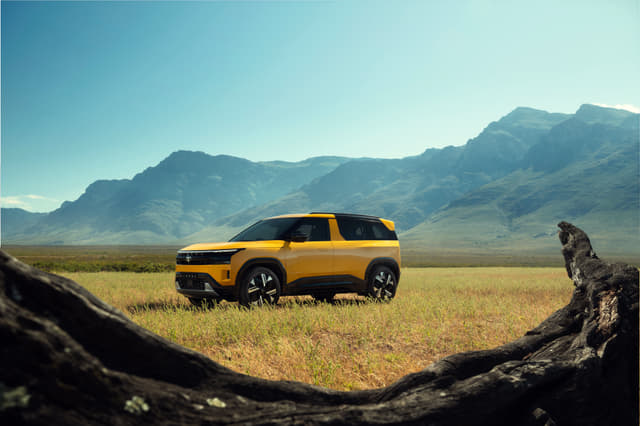
In Nashik, the Tata Sierra petrol variant on-road prices start from ₹13.60 lakh.
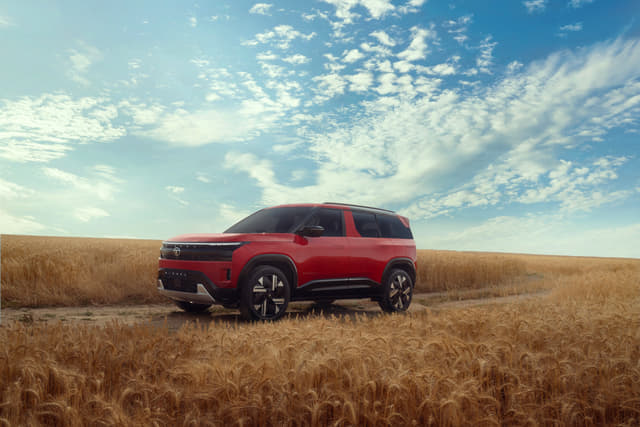
The on-road price of the Tata Sierra diesel variant starts from around ₹15.42 lakh in Nashik.
Prices of the Tata Sierra automatic variants start from around ₹16.82 lakh (on-road) in Nashik.
The Tata Sierra petrol variant price in Nashik starts from ₹11.49 lakh, ex-showroom.
Questions you may find useful
Harshith Vadnala
•4hHi, I live in Gurugram and am planning to buy my first car. We are a family of four, including one child and my mother (60+). I have shortlisted the Tata Sierra Accomplished Plus AT and the Tata Nexon Fearless+ S AT, but I am confused between the vehicle choice and fuel options. I am inclined towards diesel, as I plan to travel to my hometown, Hyderabad, by road twice a year. Mileage and concerns around ethanol-blended fuel are also influencing my decision.
Autocar India
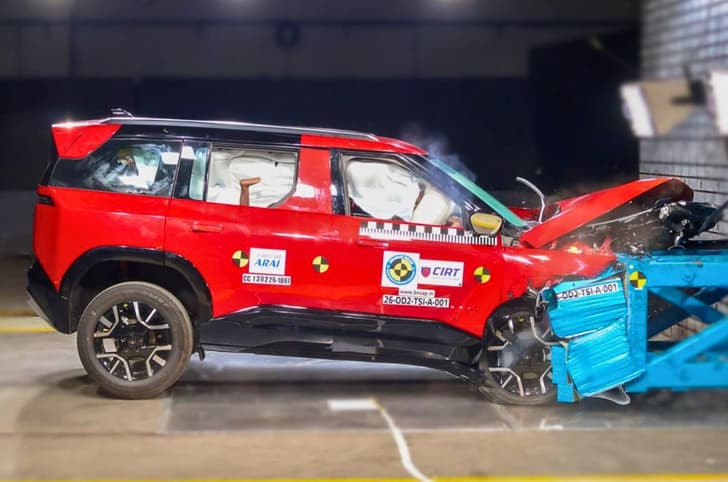
Your usage and priorities make the decision quite clear. You want safety, space for family, including an elderly passenger, highway capability for long trips like Gurugram to Hyderabad, and good efficiency. The Tata Sierra delivers strongly on all of these. It has a 5-star BNCAP rating for both adult and child protection, which directly addresses your safety requirements. It is also a larger, more comfortable car than the Tata Nexon, with better rear seat space and ride comfort, which will matter for your mother on long drives.On the diesel vs petrol question, diesel suits your usage better. You have long highway runs planned, and diesel gives you better efficiency and stronger torque for effortless cruising.The Tata Nexon diesel automatic is still a very good option. It also has strong safety credentials and will be easier to drive in the city due to its smaller size. But compared to the Sierra, it feels more compact, less comfortable for long journeys and not as premium overall.
Bhargav
•2dI’m planning to buy my first car and am considering the Kia Seltos 1.5 diesel top-end automatic with a torque converter. My main priority is the gearbox. Since I mostly drive in bumper-to-bumper traffic, I’ve read that DCTs can heat up over time, while torque converters are smoother and more reliable in city conditions. Even though I prefer petrol for refinement, the lack of a torque converter in petrol is a concern. I love the Seltos overall and want the top-end variant for its features. I drive around 500–700 km/month in the city, with occasional highway trips, taking my total monthly usage to ~900–1200 km. I understand diesel engines need periodic long drives to avoid issues like filter clogging, and I’m fine to take it on long high speed drives once or twice a month. I didn’t like the CVT/IVT petrol variant as it lacked the power and driving feel I want. Given this, is the top-end diesel a good choice for me as a first car? Also: 1. What are the maintenance costs like? 2. Is choosing diesel mainly for the torque converter a sensible decision? Because I am preferring the torque converter over the DCT, is this the right way to think? 3. Any key tips for maintaining a diesel engine?

Autocar India
Mostly bumper-to-bumper city use with 900-1,200 km a month, and you want a smooth, fuss-free automatic with all the features - in that situation, the Kia Seltos 1.5 diesel top-end automatic is the right pick for you. With your relatively limited running, though, you won’t recover the extra purchase price quickly. Since you are choosing the diesel largely for the gearbox, you will have to make your peace with the higher upfront cost.A DCT can feel a bit jerky and can warm up when you are moving very slowly for long periods, but Kia's newest gearboxes have improved this significantly. A torque converter, though, is smoother at walking speeds, so it feels calmer in stop-go traffic than a dual-clutch transmission (DCT). The IVT is actually the better fit for your use case, but since you didn’t enjoy it, this diesel automatic lines up best with what you want. Alternatively, consider the Tata Sierra turbo-petrol, which comes with a torque-converter automatic.For maintenance, budget roughly Rs 8,000-12,000 a year for scheduled services, with higher bills in years that include additional items like filters. It will vary by city and dealer, so do check Kia’s prepaid service pack to lock in costs. Tyres, brake pads and fluids are normal wear items.Key diesel care is simple: use good fuel, avoid many very short trips back-to-back, and do a 15-20 minute highway run at a steady speed every few weeks. If a filter warning shows, follow the manual to clear it. Overall, for your use, the diesel automatic Seltos fits well.
Sam
•2dCould you please help me decide between the Tata Sierra Pure+ variant and the Mahindra XUV 3XO RevX A as my first car? My priorities are comfort, safety, a good power-to-weight ratio, and strong road presence.

Autocar India
As a first car, from your two shortlisted choices, we recommend the Mahindra XUV 3XO RevX A. While the larger Tata Sierra is certainly better on road presence, in every other aspect, the XUV is a better fit. Its more compact dimensions make it much easier to drive, which is a worthwhile consideration for your first car. It is very comfortable, including in the rear seat and being a 5-star Bharat NCAP rated car, safety is not an issue. It has a 131hp turbo-petrol engine that is the most powerful in any compact SUV. Overall, this Mahindra car has an excellent power-to-weight ratio and is fun to drive too. Moreover, its price is around Rs 3 lakh less than the Sierra Pure+. The Tata Sierra Pure+ comes with only the naturally aspirated 1.5-litre petrol engine. While it's smooth enough, thanks to the heavy Sierra kerb weight, its power-to-weight ratio is nowhere as good as the XUV 3XO's. Also, the Pure+ variant of the Sierra, aside from being more expensive, won't be as well equipped as the 3XO RevX A. Overall, for your needs, the Mahindra is the better be
Abhijeet Desai
•2dI am planning to buy the Tata Sierra (top-end variant) and need advice on choosing between the petrol and diesel options. My usage is as follows: Daily driving: 50-60 km Long trips: around 400 km once every 2–3 months Location: Shirala, Maharashtra (mix of city, highway, and ghat roads) Considering mileage, maintenance, and long-term ownership costs, which engine would be better suited for my usage - turbo petrol or diesel? I would also appreciate insights based on real user experiences and practical ownership.

Autocar India
With 50-60 km every day, a 400 km trip every couple of months, and a mix of city, highway and ghat roads around Shirala, the Tata Sierra diesel in the top trim will suit you better than the turbo petrol. Your running is high, so the diesel will use less fuel day to day and, over a few years, the lower fuel bills usually make up for the higher buying price. On hilly roads, the diesel’s stronger pull at low speeds makes life easy - fewer gear changes, cleaner overtakes, and it feels more relaxed when the car is full of people or luggage.There are a couple of points to know. A modern diesel has a soot filter in the exhaust - called a Diesel Particulate Filter (DPF). It needs regular warm runs to keep itself clean. Your daily 50-60 km should be enough, but those highway runs would be ideal for this. If you do many short, cold-start drives for a week or two, you may see a warning asking for a steady drive to clear it. The advantage of Tata's diesel is that it doesn't require AdBlue, as it uses a Lean NOx trap rather than a Selective Catalytic Reduction (SCR) system to manage NOx, so that's one less thing you'll have to keep in mind.Pick the turbo petrol only if you value refinement above all else, and performance, which is much stronger than the diesel's. However, its fuel economy is nowhere near as good, and in our tests, we managed just 6.49kpl in the city and 13.7kpl on the highway.
Govind
•6dI have been driving diesel cars for the last 15 years, and my current car is a 2019 Skoda Rapid diesel. Now, I am planning to buy an SUV and am inclined towards the Tata Sierra Adventure petrol model. However, I am not sure whether to choose a manual or an automatic. My daily running is almost zero, and the car will be used only on weekends and for long-distance once every three months, covering around 1,200 km. I have also tried the Kia Seltos, but I felt the Sierra was better in terms of space and comfort.

Autocar India
Given your limited usage, it's really a matter of choice. An automatic takes away the effort in city traffic and reduces fatigue, whereas a manual gives you more control. You are moving up from a Skoda Rapid diesel manual to a bigger, taller SUV; the automatic will make parking, slow-speed moves and hill starts simpler, and the petrol will feel smoother and quieter at low speeds than your diesel. With almost zero daily running, the usual fuel and clutch-wear savings of a manual do not matter much, so it makes sense to buy the one that is easiest to live with.A couple of trade-offs to note: the automatic will cost more upfront and can use a bit more fuel than the manual. If you enjoy shifting gears yourself, the manual will give you more control on quick overtakes. With the Sierra, it also depends greatly on which petrol engine you choose. If you choose the more powerful 1.5-litre turbo petrol engine, we'd be more inclined to recommend the automatic, as the 6-speed torque converter is smooth and complements the engine well. However, this will be expensive. Instead, if you choose the 1.5-litre naturally aspirated engine, you're better off with the manual. The engine is not very powerful, and the 7-speed dual-clutch auto it comes with only amplifies this sensation, and thus with this engine, the manual gearbox is recommended.
Amit
•6dI am planning to purchase a mid-segment SUV. The options I have tested include the Tata Harrier, Tata Sierra, and Kia Seltos. My budget is around ₹20 lakh. My driving will be primarily in the city, with occasional highway use. I am looking for the best option that offers steady performance along with good power. Additionally, I would like guidance on whether a diesel or petrol variant would be more suitable for my usage.

Autocar India
Pick the Kia Seltos petrol IVT if you are considering the naturally aspirated options. It is the best fit for your usage.The Seltos’ petrol engine feels more usable and refined, and the IVT gearbox is very smooth in city driving. It is easy to live with, consistent in traffic and suits your primarily urban usage perfectly. The power delivery is linear and predictable, which gives you the steady performance you are looking for without feeling stressed or jerky.Coming to the Tata Sierra, the naturally aspirated petrol is not a great match. It is a larger and heavier SUV, and the engine feels flat and underpowered for its size, especially in city conditions. However, if you are open to the turbo petrol version, the Sierra becomes a better option. The turbo engine feels stronger and more responsive, and the torque converter automatic is smoother and more robust for everyday use compared to a DCT.Between the Sierra and the Harrier, we would suggest going for the Sierra. It is the newer car, feels nicer to drive and offers the same turbo petrol engine with a smoother torque converter automatic option.
Dhiraj
•1wMy monthly travel is around 1,050 km, with a mix of city and highway driving. I also take a long-distance highway trip of around 300 km once every two months. I currently own a Honda Amaze diesel and am planning to upgrade to an SUV. Kindly suggest a suitable SUV under ₹20 lakh.

Autocar India
Go for a turbo petrol SUV, and shortlist the Tata Sierra and the new Kia Seltos mid variants which just about fit in your budget. Both suit your usage well, but the decision comes down to driving feel versus long-term peace of mind.The Tata Sierra turbo petrol automatic is the better choice if you prioritise comfort and smoothness. It feels more relaxed to drive, the engine is punchy without being aggressive, and the torque converter gearbox is smoother in daily city use as well as on highways. This Tata car is also larger and more comfortable, which makes a difference during longer drives.The new Kia Seltos turbo petrol DCT is the more proven and dependable option overall. The powertrain is well-established, refinement is strong, and importantly, Kia has built a wider and more consistent aftersales network across India, which gives better ownership peace of mind. While individual experiences can vary, Kia’s service consistency across cities are generally considered more reliable than Tata’s, where service quality can still differ from dealer to dealer. The DCT gearbox of the Kia car also feels quicker and can be efficient in steady traffic, though it is not as smooth as a torque converter in stop-go conditions.So the difference is clear. The Sierra feels smoother and more comfortable to drive. On the other hand, the Seltos feels more sorted as a long-term ownership package, especially because of its more established service ecosystem.
Anil Gupta
•1wHi Autocar team, I own a 2015 Hyundai i20 Elite petrol manual. My average running is around 500 km per month. I am looking for a practical SUV that can accommodate a family of 5–7 members occasionally. This will be my last car, as I am 58 years old, and it will mostly be driven alone or with a co-passenger. I have looked at the Tata Sierra and Mahindra XUV 7XO. I am confused between electric and petrol, and also between manual and automatic. Please suggest.

Autocar India
With 500 km a month with at most you and one passenger (but sometimes 5-7 members), the Mahindra XUV 7XO petrol automatic in the 7-seat version is the better fit for you. It gives you a proper third row for those rare family trips, yet the rest of the time it works well as a calm, easy daily car.For your low running, petrol makes more sense than electric. Try to avoid the higher upfront price of an EV as you will not drive enough each month to recover that extra cost. The XUV’s petrol with the automatic gearbox that changes gears on its own will feel far easier than your i20 manual in stop-go traffic.A couple of trade-offs to note. The Mahindra car that you are considering, is big, so parking in tight spots needs some care. Also, the third row is best for kids or short adults on short trips but not during long highway stretches.Overall, for your usage and this being your last car, the XUV 7XO petrol automatic 7-seater lines up best.
Subhashish Banerjee
•1wMy average running is 500 km per month. This will be my last car, as I am 56 years old. I have looked at the second base variants of the Sierra, Vitara, Victoris, and Brezza. In terms of looks, I like the Sierra, but I am confused about the naturally aspirated petrol engine. Please suggest.

Autocar India
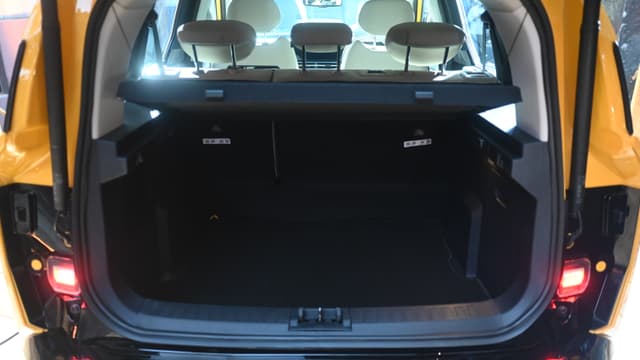
Go for one of the Maruti cars, ideally the Victoris, as it is the most future-proof choice for your needs. The Victoris and Grand Vitara are essentially similar under the skin, but the Victoris feels a bit more modern inside, with a more premium cabin and better features at a similar price. It is also the newer product, which makes it a safer long-term bet. The only trade-off is slightly lower rear headroom due to the sloping roofline.Now, coming to the Tata Sierra. There is no doubt it is the bigger and more spacious car, with a strong road presence and a very practical cabin. In fact, it is one of the largest in the segment, offering more space and boot capacity than most rivals. However, the concern lies with the naturally aspirated petrol engine. It is smooth and fine for city use, but in a large and heavy SUV like the Sierra, it can feel underpowered and not very effortless, especially when fully loaded or on highways .Given your usage of around 500 km per month and your intention to keep the car for many years, what matters more is reliability, efficiency and ease of ownership, and this is where Maruti clearly has the edge.
sudip
•1wI am planning to buy either the Tata Sierra or the Kia Seltos turbo-petrol automatic. My usage will be 90% in Bengaluru city traffic, with occasional highway drives. Hence, I am not sure if the Seltos DCT gearbox would become problematic after a few years due to heavy traffic. Would the Sierra’s torque converter be more reliable and a better choice in these conditions?

Autocar India
Go for the Tata Sierra torque converter. The key difference lies in how these gearboxes behave in the real-world conditions. The Seltos turbo-petrol DCT is quick and exciting, but in slow, crawling traffic, it can feel hesitant and slightly jerky, as it constantly works the clutch. This is not ideal for long-term ease in heavy city conditions. The Sierra’s torque converter is the opposite. This Tata car is smoother at low speeds, more forgiving in stop-go traffic, and generally better suited to this kind of usage, making daily driving far less tiring.There is a trade-off, though. Torque converter automatics are typically less fuel efficient than DCTs, and in a large, heavy car like the Sierra, you will notice this in real-world mileage. So, you are essentially choosing smoothness and durability over outright efficiency.