Hybrid Automatic Cars in India (23)
Discover the best Hybrid Automatic Cars. Our comprehensive guide covers detailed specifications, expert reviews, pricing information, and buying advice for Hybrid Automatic Cars. Find the perfect cars that matches your requirements and budget.


Trending Questions on Cars - Answered by Autocar Experts
Hi, my car usage is around 3,000km per month. Currently, I drive a 2020 Ford Endeavour diesel AT 4x4 and a 2017 Mahindra Thar CRDe 4x4 for rough and countryside roads. I enjoy driving both cars on these kinds of roads, although I experience quite a bit of body roll and physical strain. For city driving and highways, I use a 2017 Skoda Rapid diesel MT and an Innova Crysta diesel. I particularly enjoy driving the Skoda, while I prefer travelling as a passenger in the Crysta because of its comfort. As you can see, I have been a diesel car owner so far, but with diesel cars becoming less common in the market, should I consider switching to a petrol engine or a hybrid? My usage covers almost every type of Indian road, including metro cities, countryside roads, highways and hilly terrain, so I am finding it difficult to decide which car would suit my requirements best within a budget of Rs 40 lakh, with an automatic transmission. My top priorities are safety, with zero compromise, followed by driving comfort and the highest possible mileage.
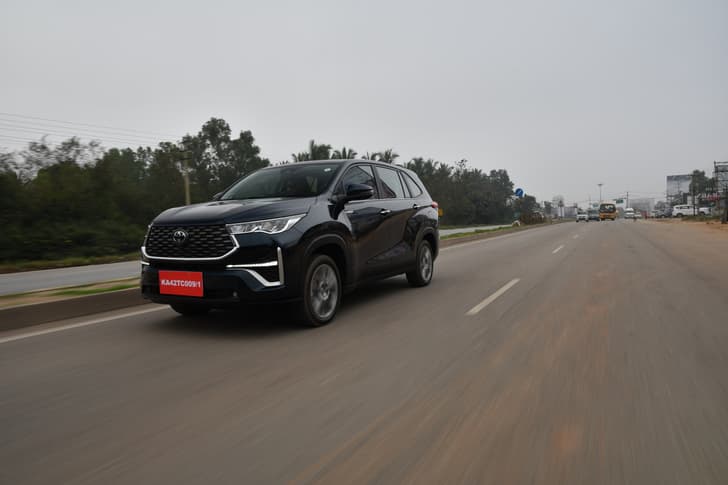
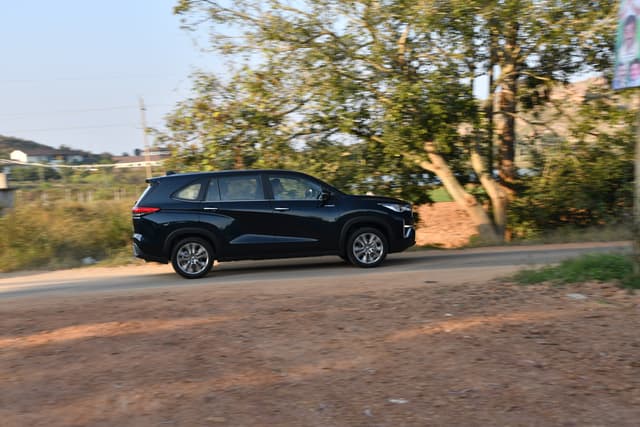
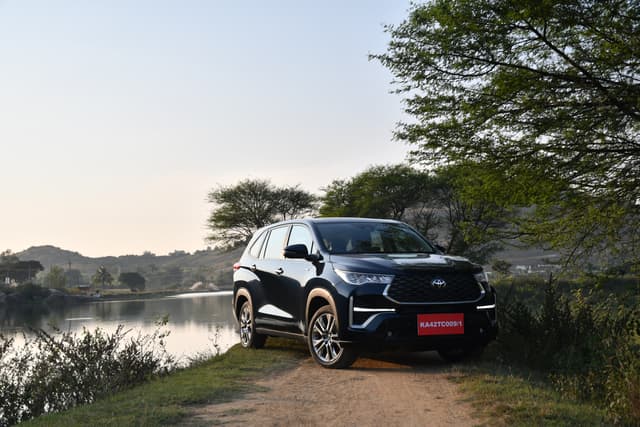
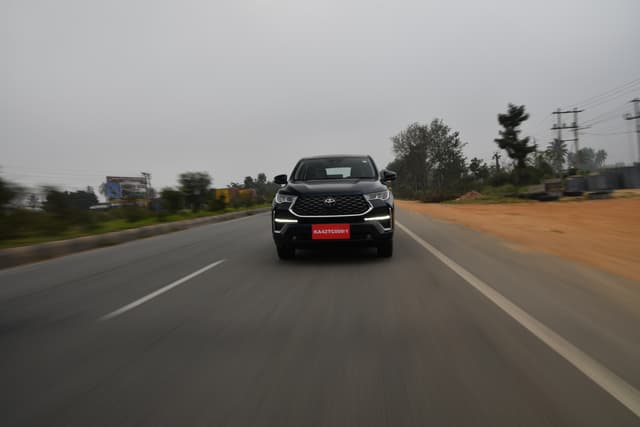
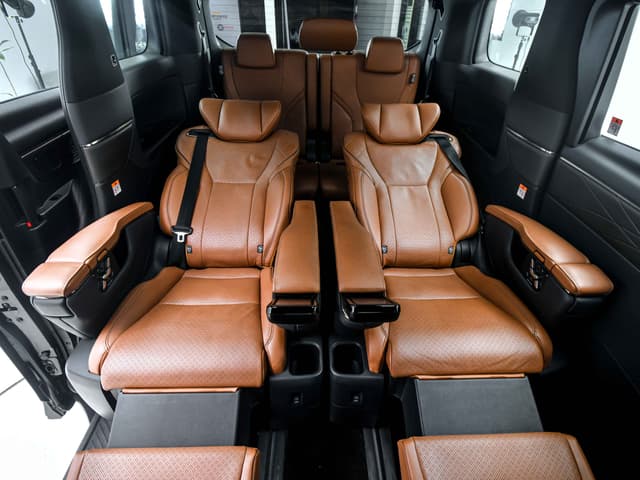
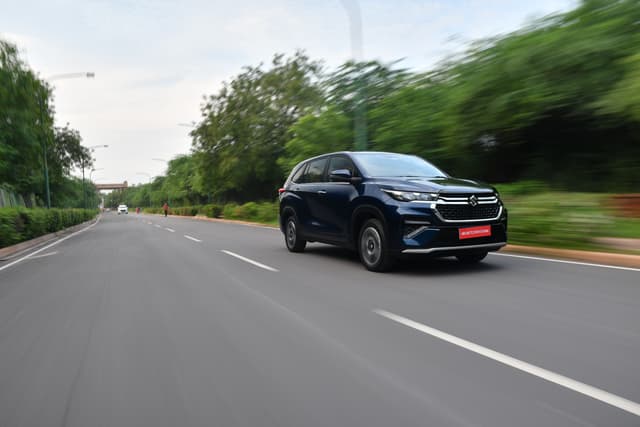
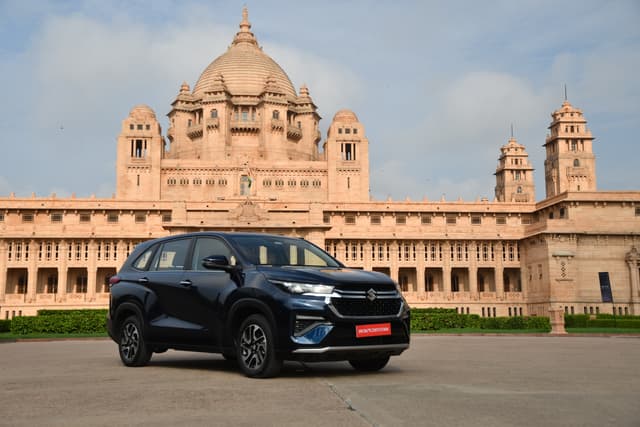
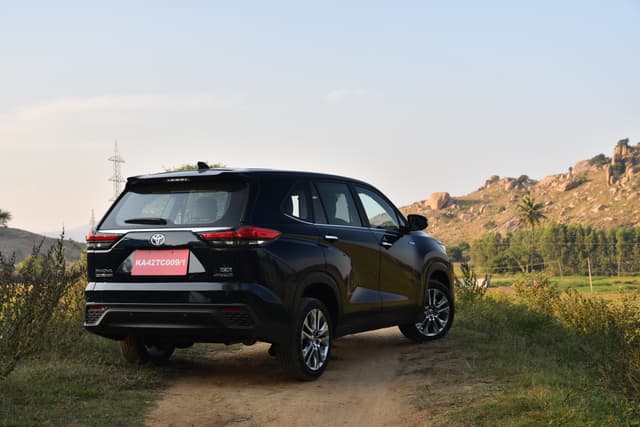
You already have different cars for different purposes, but you haven't mentioned which of the four cars you would like to replace. Within Rs 40 lakhs, the Toyota Innova Hycross hybrid is an excellent, tried and tested option. It is efficient, extremely spacious, and the ride comfort is good too. Also, with light steering, a responsive powertrain and good visibility and driving aids, it is very user-friendly. So unlike the Innova Crysta, which would be more suited for the chauffeur-driven, the Hycross is also surprisingly easy to drive too.You could also consider the new Kia Sorento, which seems excellent value for money. We haven't got a chance to drive or test it yet, however it seems spacious, well-equipped and on first impression, the interior quality seems to be excellent. This is one SUV you must test drive before finalising - it has both 2.2 diesel and 1.6 turbo strong hybrid options.
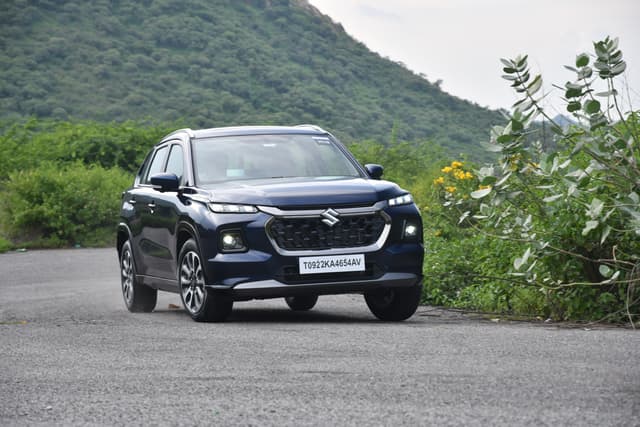
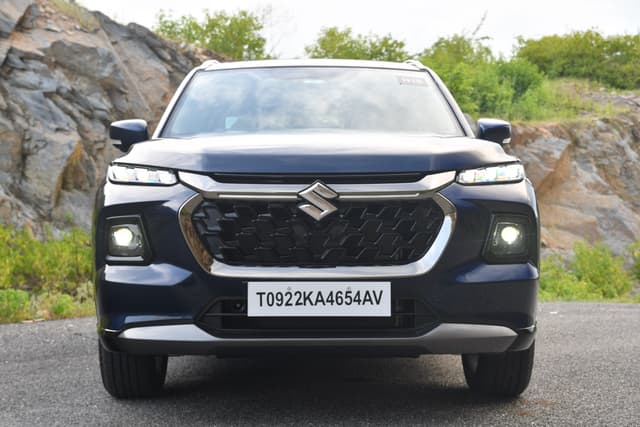
My daily running is around 150 km, and I currently own a Grand Vitara Strong Hybrid, which gives me around 20 kmpl. I also don’t have a home charging facility, so buying an EV may not be viable for me. Considering these factors, could you please suggest an automatic SUV that is more frugal and easier on my pocket? My budget is around Rs. 25-30 lakh.
Your Grand Vitara strong hybrid is already one of the most fuel-efficient petrol SUVs available, and achieving 20kmpl is a strong result for that usage pattern. If your primary goal is to reduce running costs further, the most effective option is to move to a diesel car, as diesel engines are still the most cost-effective solution for high-mileage highway driving.Consider the Kia Seltos diesel automatic is also worth considering if you prefer a slightly more premium interior and a more compact package. Fuel efficiency will be impressive too, and the Seltos feels very modern compared to the Grand Vitara. If you want a larger vehicle, the XUV 7XO diesel automatic is a well-rounded SUV with a strong diesel engine, a comfortable ride and a spacious cabin. Do keep in mind that diesel engines are not as refined as hybrids, and also in city driving conditions, efficiency will be lower. However, diesel SUVs will be very efficient on the highway.
I am looking for an automatic car under Rs 15 lakh, although the budget can be somewhat flexible. My monthly running is no more than 500km, largely within the NCR, with only occasional weekend trips to Haryana, Uttarakhand and Himachal Pradesh. I am open to petrol, EV and hybrid options, but given my low usage, a petrol car would probably make the most sense. However, the uncertainty around fuel-blending policies is what has made me consider an EV. With such low running, I am also concerned that a DCT gearbox may not be ideal, so I would prefer a car with a torque-converter automatic. A Hyundai dealer mentioned that Hyundai’s DCT and torque-converter automatics are essentially the same, but I am not convinced that is correct. I would appreciate some recommendations based on these requirements.
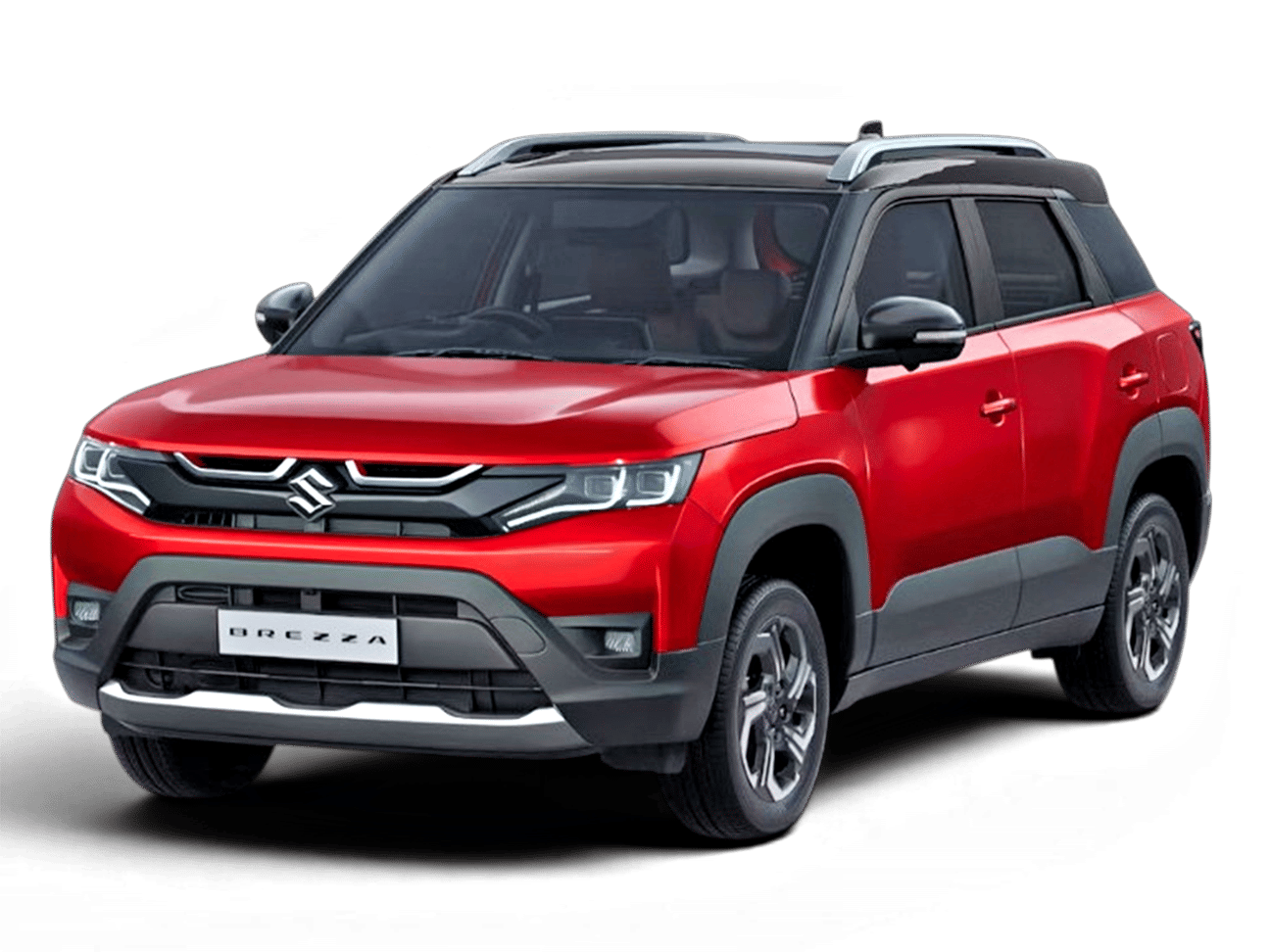
Go for a petrol automatic with a torque converter gearbox. Your usage is low, mostly city with occasional highway trips, so petrol is the right choice and a torque converter automatic is the most reliable and stress-free option for city driving. The Hyundai dealer is incorrect – Hyundai cars use DCT gearboxes on turbo petrol engines and torque converter automatics on naturally aspirated petrol engines, and they are both completely different. DCTs can feel jerky in stop-start traffic and can throw up some issues, while torque converters are smoother and more reliable in the long run.The Maruti Suzuki Brezza automatic is the most sensible recommendation here. It uses a 6-speed torque converter automatic, is reliable, easy to drive in the city and has Maruti’s strong service network; the ride too is geared for plush low-speed city comfort, on highways though there is some float at higher speeds. On the EV side, your low running does not justify the higher upfront cost, and you do not have a clear financial case for it. On the fuel blending concern, modern petrol engines are engineered to handle E20, and there is no official roadmap beyond that, so it should not be a reason to avoid petrol. Furthermore, Maruti has said that they have built in a higher margin for material compliance to slightly higher ethanol blends, so on the material front you should be fine; mileage, though, would likely drop with higher ethanol blends, but this would be true across models. Thus, go for the Brezza automatic and you will have a hassle-free ownership experience.
I’m 52 years old and have been driving a Maruti Ciaz ZXI for the last 10 years. It has covered only around 83,000km. I’m now looking for a 5 to 7-seater SUV with a budget of around Rs 20 lakh, with a 10 percent flexibility. I’m confused about whether to choose an automatic or manual, and whether petrol, diesel or a strong-hybrid powertrain would be more suitable. My priorities are good ground clearance, comfortable ride quality, well-finished interiors, a good infotainment system, strong safety features and reasonable maintenance costs. Please suggest a suitable vehicle based on these requirements.
Given your usage pattern of 83,000 km over 10 years, your annual running is relatively low, so a petrol car or hybrid car makes the most sense. Diesel is best avoided as the cost premium and potential DPF-related issues are not justified at your running. Between automatic and manual, we would strongly recommend an automatic since it makes city driving far easier and modern automatics are reliable and refined.For your requirements, the Maruti Suzuki Victoris Hybrid is the most sensible recommendation. It offers good ground clearance, a comfortable ride, a spacious and practical cabin, and a strong focus on reliability and low maintenance costs. The hybrid powertrain delivers excellent fuel efficiency in city driving, and the car is easy to live with over the long term. The infotainment system is modern and user-friendly, and safety features are well covered, including a 5-star Bharat NCAP rating.If you want a 7-seater, the Kia Carens is worth considering. It offers a more flexible seating arrangement and a comfortable ride, but the Victoris Hybrid remains the more efficient and lower-maintenance option.
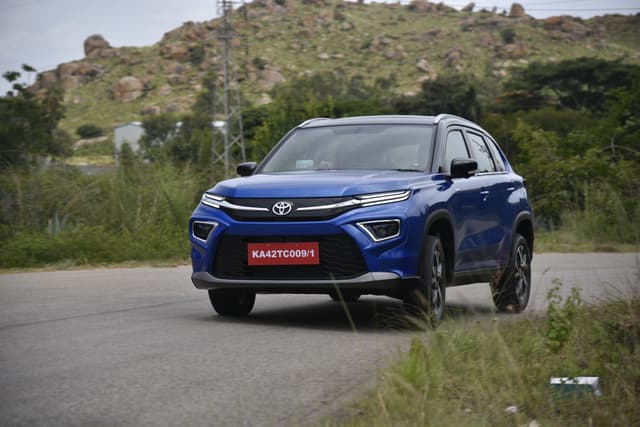
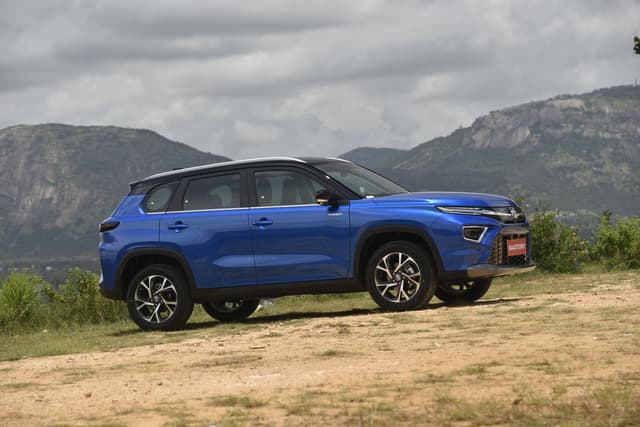
I have a Renault Kiger RXT (O) automatic that is five years old and has been driven around 45,000 km. I’m looking to upgrade to the Toyota Hyryder Hybrid S variant for better fuel efficiency. My usage is mainly on highways and long drives, along with some city driving in Bengaluru traffic. I request you to kindly advise whether this is the best option.

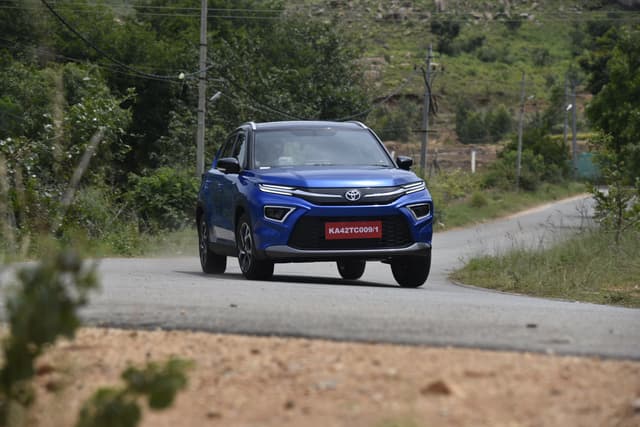
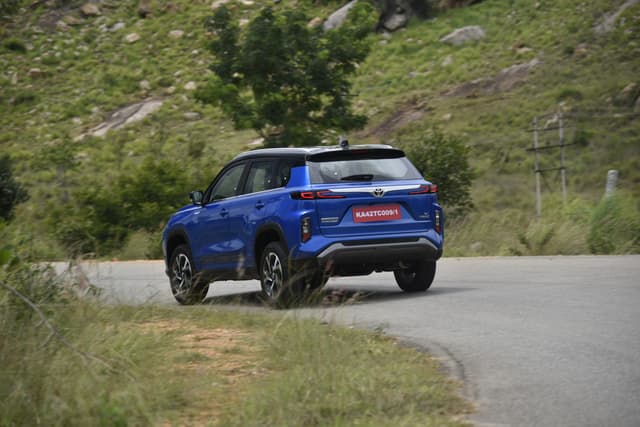
Given your usage pattern of highway and long drives with a mix of Bangalore city traffic, the Toyota Urban Cruiser Hyryder Hybrid S is a sensible upgrade from your Renault Kiger. The strong hybrid system delivers excellent fuel efficiency in city conditions, where the car can run on electric power at low speeds and in stop-start traffic. On highways, the hybrid system still contributes to efficiency, though the gains are less dramatic than in the city. The Hyryder also offers a more comfortable ride, better refinement and a more premium ownership experience compared to the Kiger.However, it is worth considering the Maruti Suzuki Victoris Hybrid as well. It is essentially the same car underneath, but the Victoris gets a slightly more premium interior and a richer feature set, including Level 2 ADAS, at a similar price point. If you are open to the Maruti badge, the Victoris Hybrid is arguably the better value proposition.The only caveat with the Hyryder Hybrid is that the boot space is compromised due to the battery pack, which may be a consideration if you regularly carry a lot of luggage on your long drives. For the added practicality and a plusher interior we would recommend the Maruti Suzuki Victoris.
Last Updated on: 22 Sept 2026