

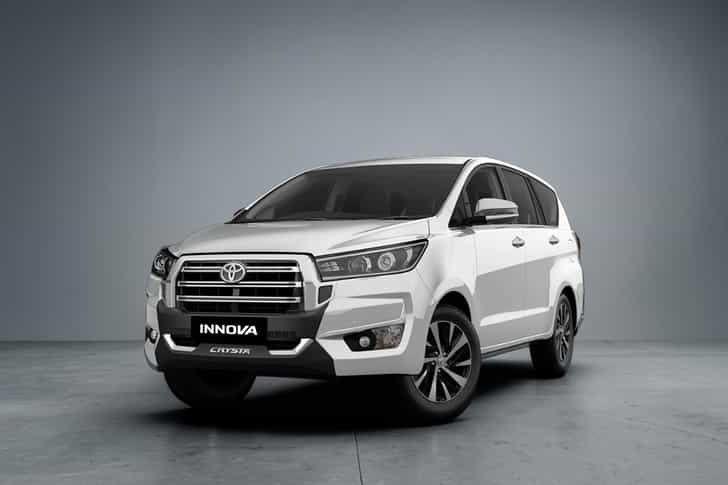
Hi, my car usage is around 3,000km per month. Currently, I drive a 2020 Ford Endeavour diesel AT 4x4 and a 2017 Mahindra Thar CRDe 4x4 for rough and countryside roads. I enjoy driving both cars on these kinds of roads, although I experience quite a bit of body roll and physical strain. For city driving and highways, I use a 2017 Skoda Rapid diesel MT and an Innova Crysta diesel. I particularly enjoy driving the Skoda, while I prefer travelling as a passenger in the Crysta because of its comfort. As you can see, I have been a diesel car owner so far, but with diesel cars becoming less common in the market, should I consider switching to a petrol engine or a hybrid? My usage covers almost every type of Indian road, including metro cities, countryside roads, highways and hilly terrain, so I am finding it difficult to decide which car would suit my requirements best within a budget of Rs 40 lakh, with an automatic transmission. My top priorities are safety, with zero compromise, followed by driving comfort and the highest possible mileage.

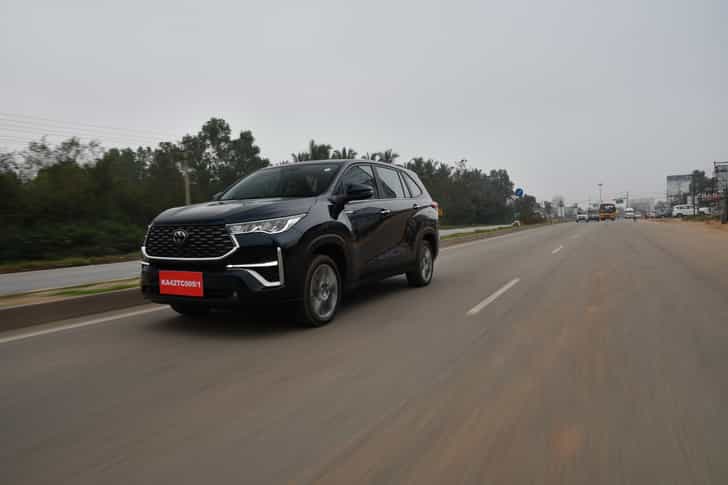
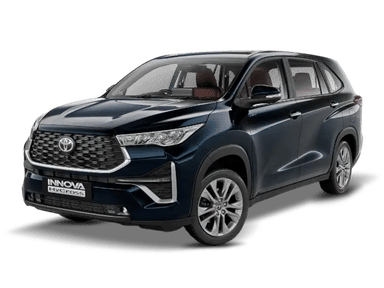
You already have different cars for different purposes, but you haven't mentioned which of the four cars you would like to replace. Within Rs 40 lakhs, the Toyota Innova Hycross hybrid is an excellent, tried and tested option. It is efficient, extremely spacious, and the ride comfort is good too. Also, with light steering, a responsive powertrain and good visibility and driving aids, it is very user-friendly. So unlike the Innova Crysta, which would be more suited for the chauffeur-driven, the Hycross is also surprisingly easy to drive too.
You could also consider the new Kia Sorento, which seems excellent value for money. We haven't got a chance to drive or test it yet, however it seems spacious, well-equipped and on first impression, the interior quality seems to be excellent. This is one SUV you must test drive before finalising - it has both 2.2 diesel and 1.6 turbo strong hybrid options.
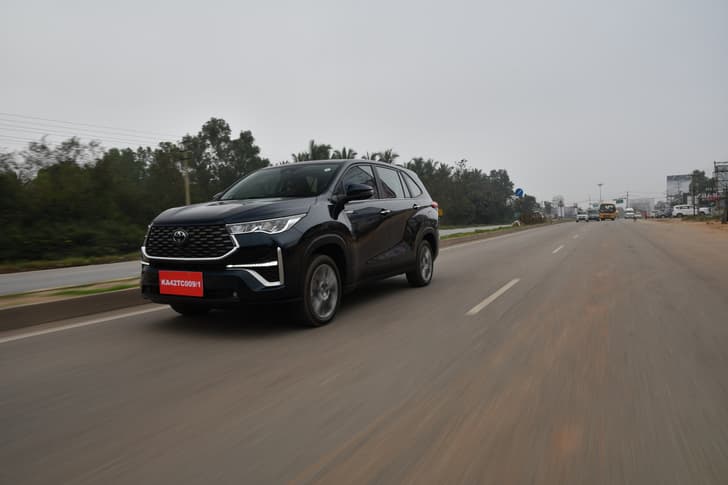
Toyota Innova HyCross
Explore cars mentioned
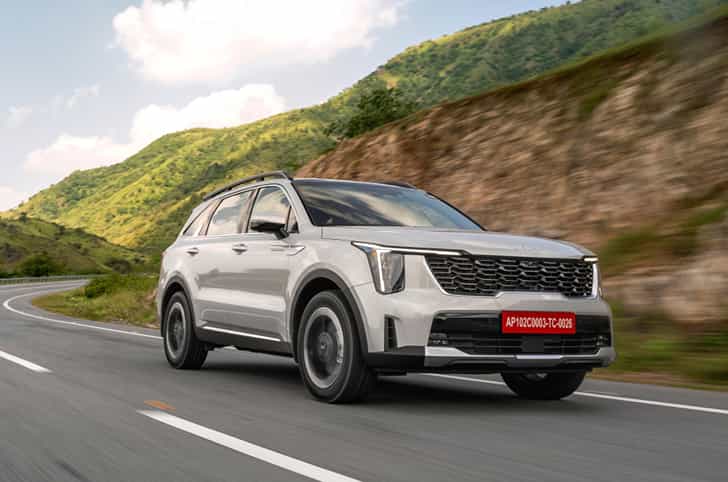
@vinayram Go with Kia Sorento 👍
More posts on similar cars

Has E20 fuel affected your mileage?


Is ADAS worth paying extra for in a car?
Popular discussions right now
Upcoming launch buzz
Community discussions on upcoming launches
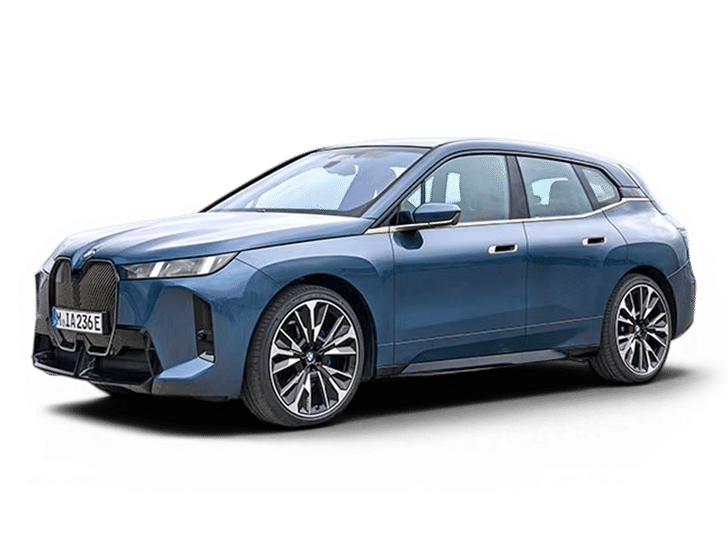
BMW
iX facelift
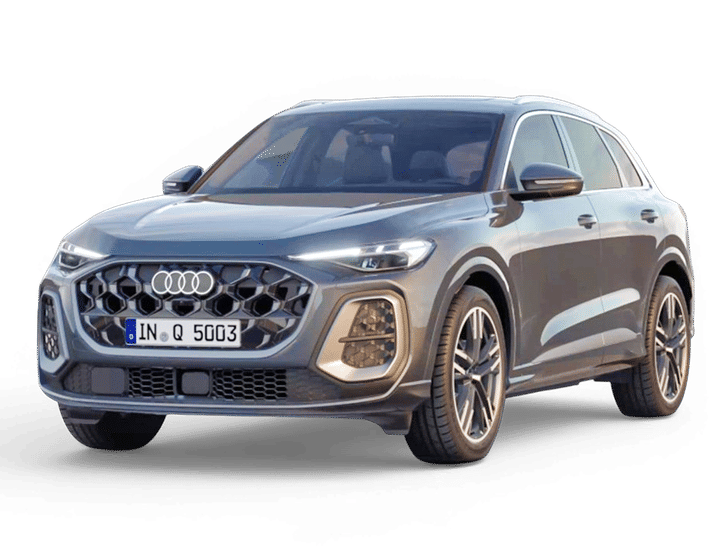
Audi
New Q5
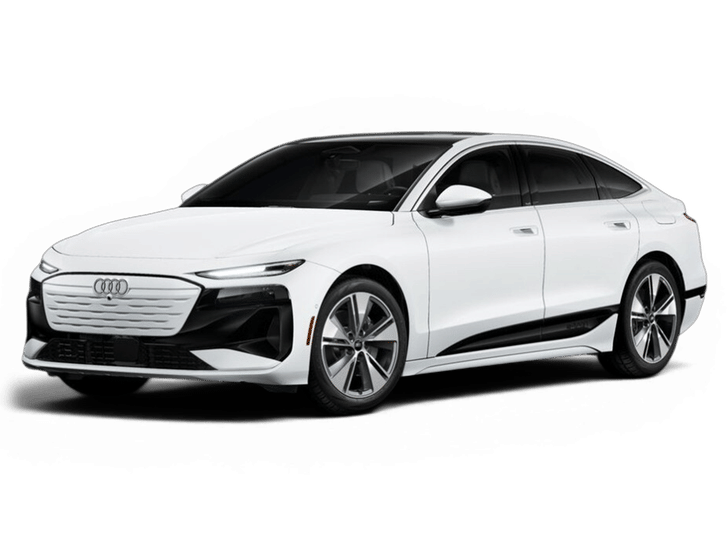
Audi
A6 e-tron
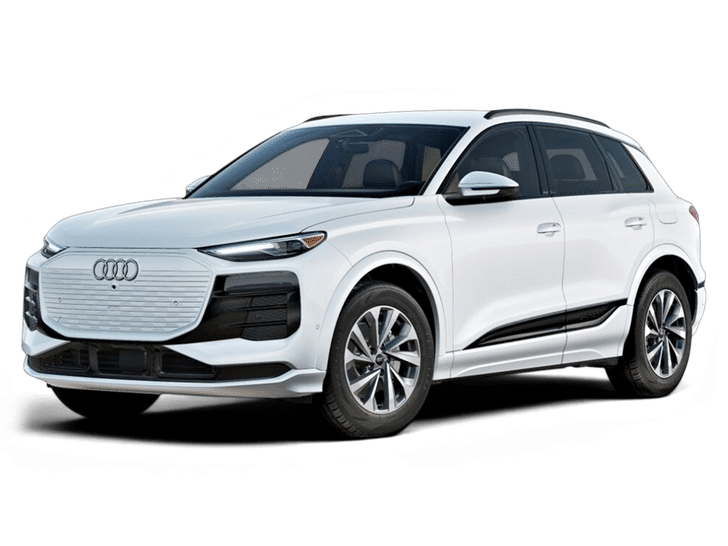
Audi
Q6 e-tron
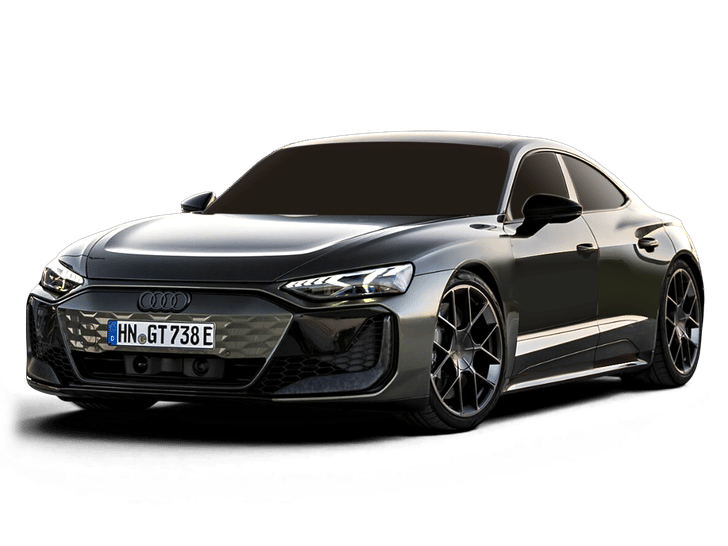
Audi
e-tron GT facelift
Volkswagen
Virtus facelift

Vinfast
VF5
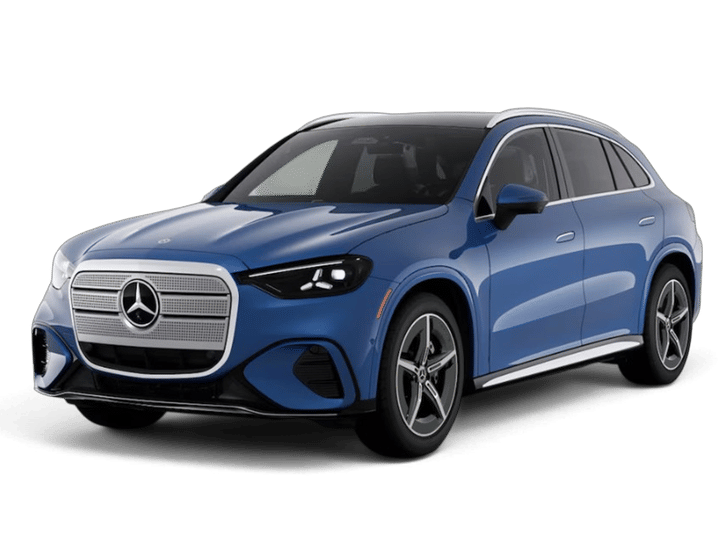
Mercedes-Benz GLC
Electric
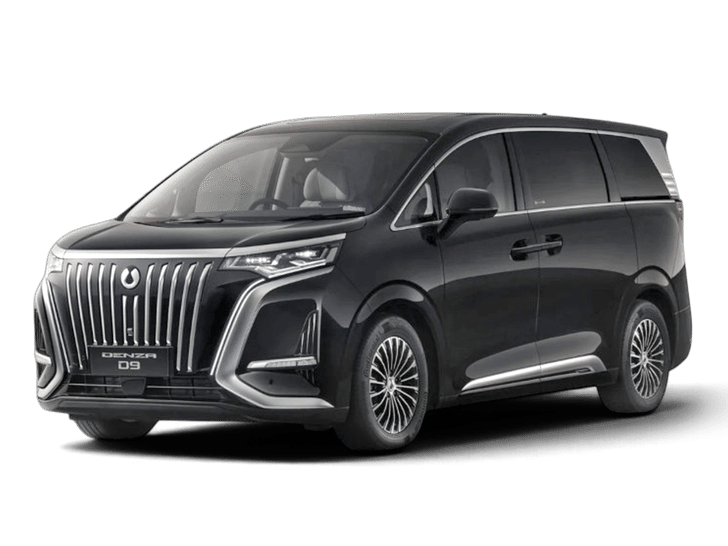
Denza
D9
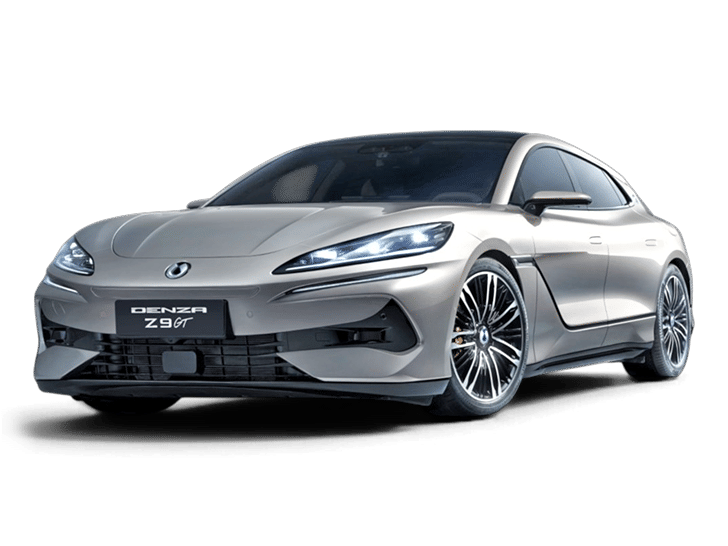
Denza
Z9 GT

Want to sell your car?
Sell your car at the right price, without the stress.
Curated collections
Posted on: 15 Sept 2026
