Autocar India
•11w

I am looking for an automatic car under Rs 15 lakh, although the budget can be somewhat flexible. My monthly running is no more than 500km, largely within the NCR, with only occasional weekend trips to Haryana, Uttarakhand and Himachal Pradesh. I am open to petrol, EV and hybrid options, but given my low usage, a petrol car would probably make the most sense. However, the uncertainty around fuel-blending policies is what has made me consider an EV. With such low running, I am also concerned that a DCT gearbox may not be ideal, so I would prefer a car with a torque-converter automatic. A Hyundai dealer mentioned that Hyundai’s DCT and torque-converter automatics are essentially the same, but I am not convinced that is correct. I would appreciate some recommendations based on these requirements.

Verified
•10w

Go for a petrol automatic with a torque converter gearbox. Your usage is low, mostly city with occasional highway trips, so petrol is the right choice and a torque converter automatic is the most reliable and stress-free option for city driving. The Hyundai dealer is incorrect – Hyundai cars use DCT gearboxes on turbo petrol engines and torque converter automatics on naturally aspirated petrol engines, and they are both completely different. DCTs can feel jerky in stop-start traffic and can throw up some issues, while torque converters are smoother and more reliable in the long run.

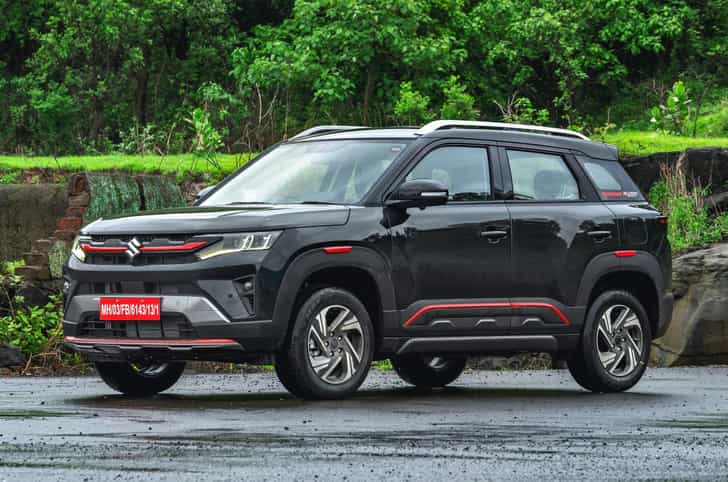
The Maruti Suzuki Brezza automatic is the most sensible recommendation here. It uses a 6-speed torque converter automatic, is reliable, easy to drive in the city and has Maruti’s strong service network; the ride too is geared for plush low-speed city comfort, on highways though there is some float at higher speeds. 

On the EV side, your low running does not justify the higher upfront cost, and you do not have a clear financial case for it. On the fuel blending concern, modern petrol engines are engineered to handle E20, and there is no official roadmap beyond that, so it should not be a reason to avoid petrol. 

Furthermore, Maruti has said that they have built in a higher margin for material compliance to slightly higher ethanol blends, so on the material front you should be fine; mileage, though, would likely drop with higher ethanol blends, but this would be true across models. Thus, go for the Brezza automatic and you will have a hassle-free ownership experience.
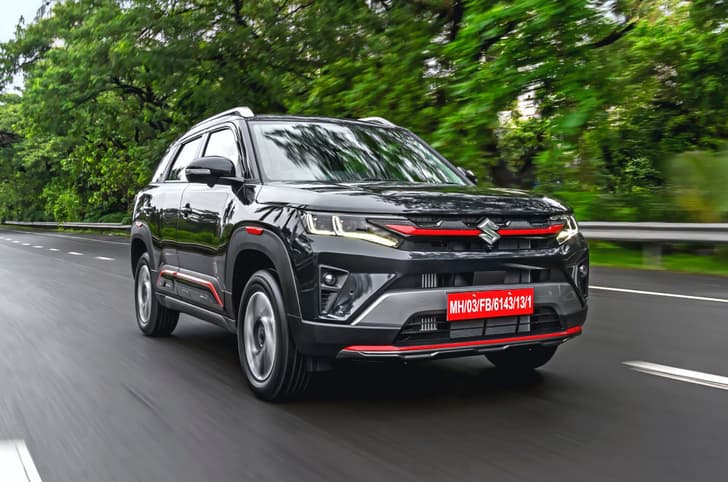
Maruti Suzuki Brezza

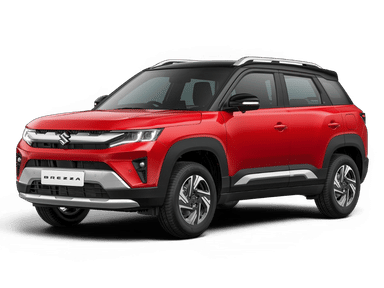
Maruti Suzuki Brezza

•10w•

@autocar.india Thank you for the suggestion

More posts on similar cars

•1w

Dear Autocar India team, I am planning to purchase my first family car with a budget of Rs 11 lakh and have already booked the Kia Sonet HTK+ variant. However, concerns raised on social media about the performance of its 1.2-litre naturally aspirated petrol engine have made me reconsider my decision. Since our monthly usage is relatively low and the car will primarily be used for occasional trips, would the Sonet HTK+ be a suitable choice for our requirements, or should I consider another model or an alternative powertrain within the Sonet range? I would appreciate your professional guidance in making the right decision. Thank you in advance for your assistance.

Verified
•6h

If your usage is primarily in the city, the 1.2-litre Kia Sonet will serve you just fine. It has a smooth, refined engine paired with a light clutch and gearbox, which makes it easy to drive in city traffic. Where it falls short is on the highway, where it may need a downshift to make an overtake.If you frequently travel on the highway with three or more passengers, you would be better off looking at a turbo-petrol version of the Sonet. Alternatively, consider something like the Maruti Suzuki Brezza or Hyundai Venue with a turbo-petrol engine. However, the trade-off for better performance from a turbo-petrol engine is lower fuel efficiency in the city.If you only plan on using the Sonet around town, stick with the naturally aspirated engine. But if highway performance is important, the turbo-petrol is a worthwhile upgrade.

VehicleKia Sonet
VehicleHyundai Venue
VehicleMaruti Suzuki Brezza

Has E20 fuel affected your mileage?

Is ADAS worth paying extra for in a car?

Popular discussions right now

•5d

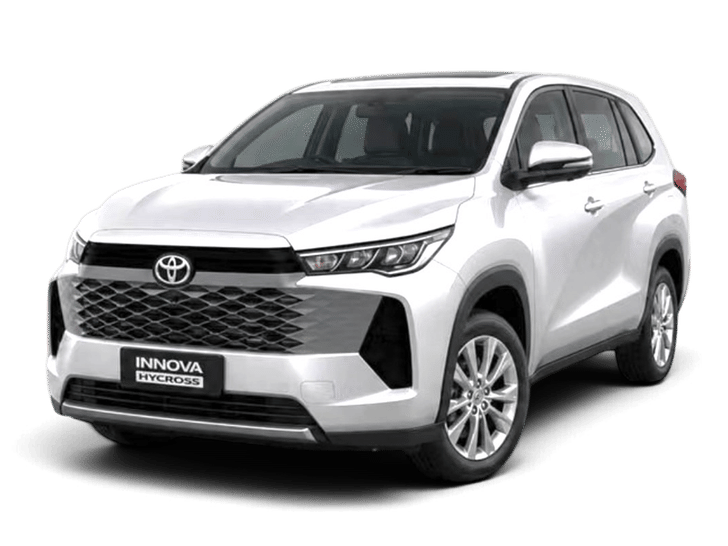
I’m planning to buy a new car, and my annual running is around 40,000km, primarily involving highway drives and ghat sections. I have shortlisted the Kia Seltos Diesel HTX and the upcoming facelifted Toyota Innova Hycross ZX. I’m considering two approaches: either buy the Innova Hycross and keep it for the next 10 years, given its reputation for longevity and the expectation that its engine can last at least 4 lakh kilometres, or buy the Seltos, drive it for around 2 lakh kilometres over 4–5 years, sell it and upgrade to a brand-new Seltos or another car of a similar price and size. On paper, the Innova Hycross Hybrid seems like the better choice, considering its long-term reliability and features such as the Ottoman reclining seats. However, I’m concerned that I might get bored of it after four years or that it may start feeling outdated as newer technologies and features enter the market. This makes the second option appealing, as it would allow me to upgrade to a brand-new car every 4–5 years. Which approach would make more sense in the long run, considering my high annual running and ownership costs?

Verified
•5d

It seems like you're leaning towards the Kia Seltos Diesel HTX, and we think it is a good choice. The diesel engine feels adequately powered for highway usage and ghat driving, and it is likely to return respectable efficiency too. Moreover, despite being modern with all the latest tech and features, the Seltos will be substantially more affordable than the Toyota Innova Hycross hybrid. So unless you need the Innova's extra space, or you frequently travel with six or seven passengers, the Kia Seltos diesel is your best bet.

VehicleKia Seltos
VehicleToyota Innova HyCross

Upcoming launch buzz

Community discussions on upcoming launches
Posted on: 23 Aug 2026