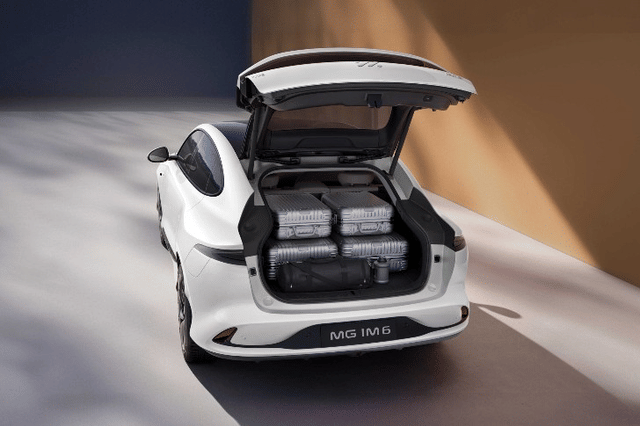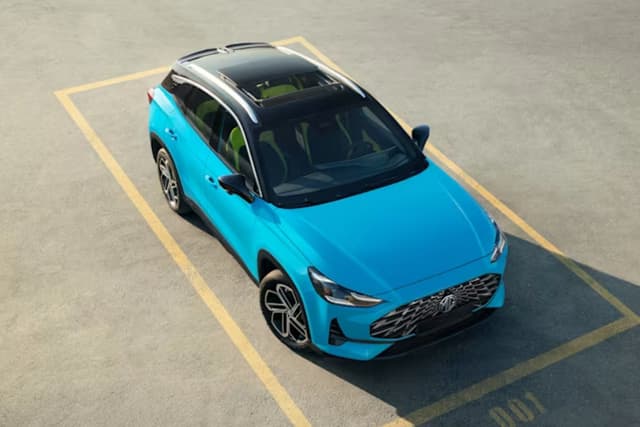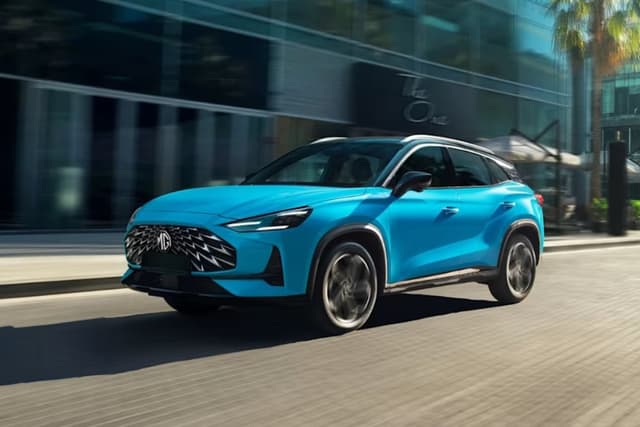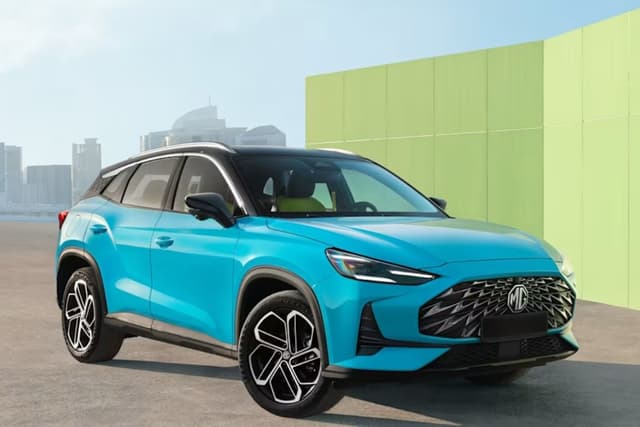
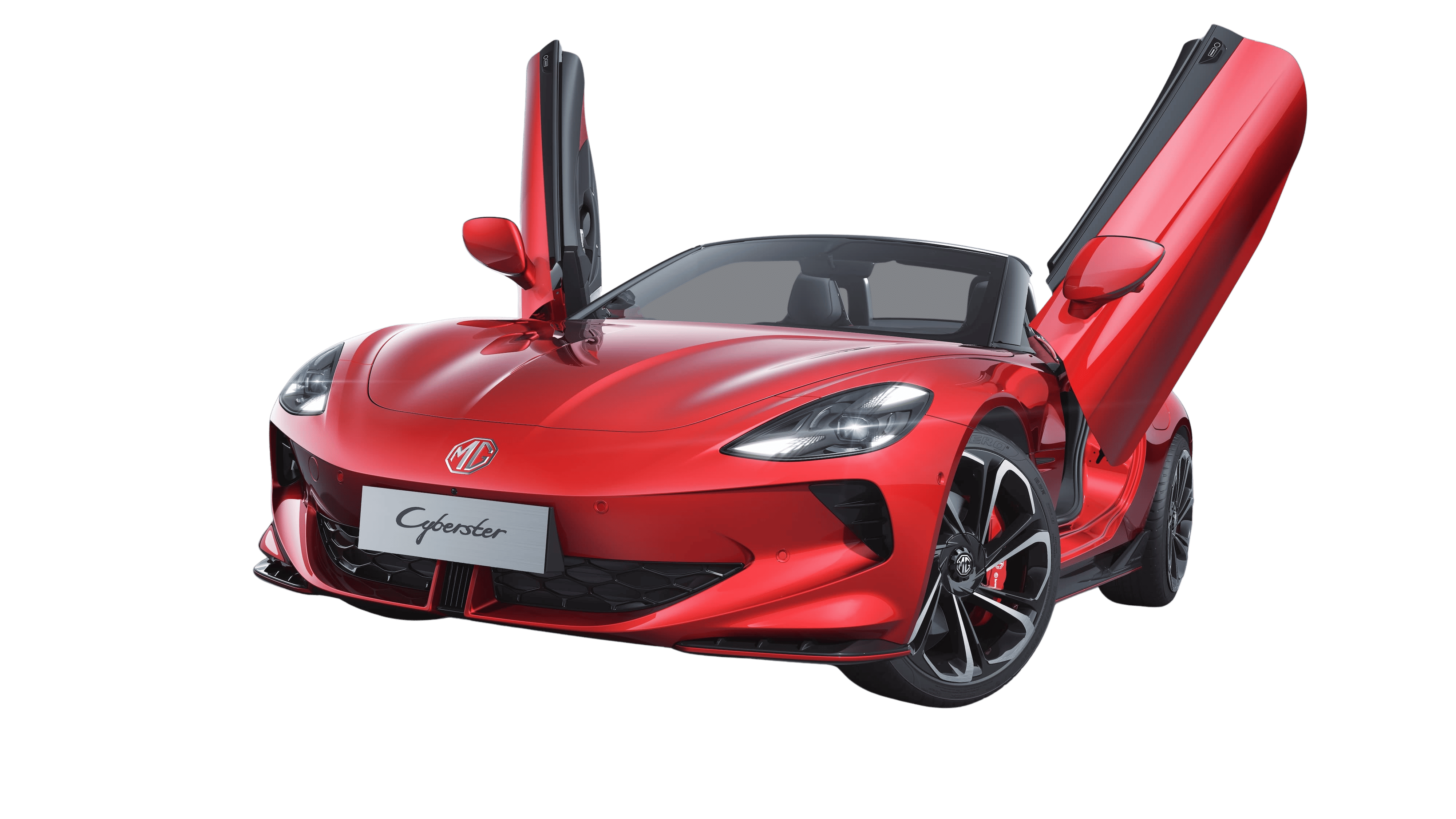
MG cars in India (11)
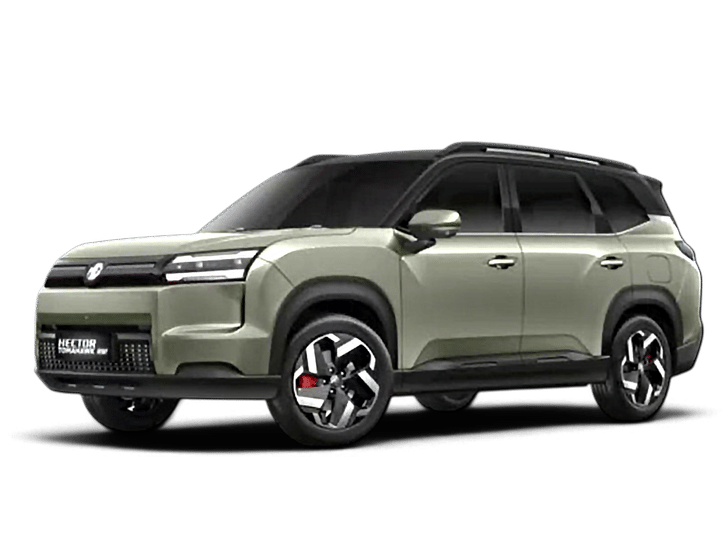
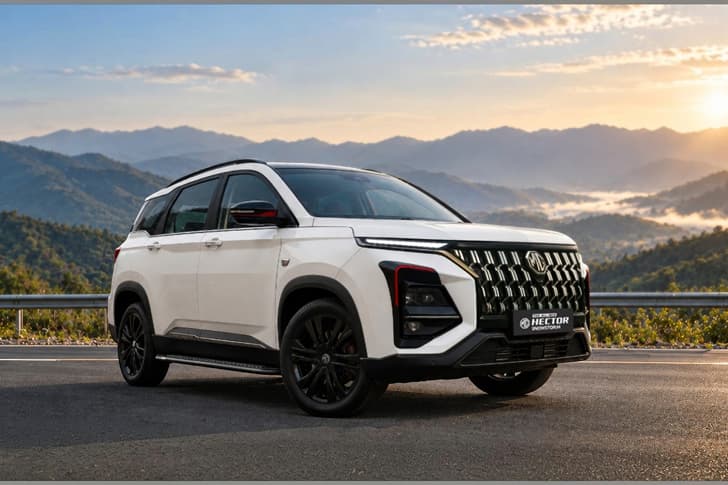
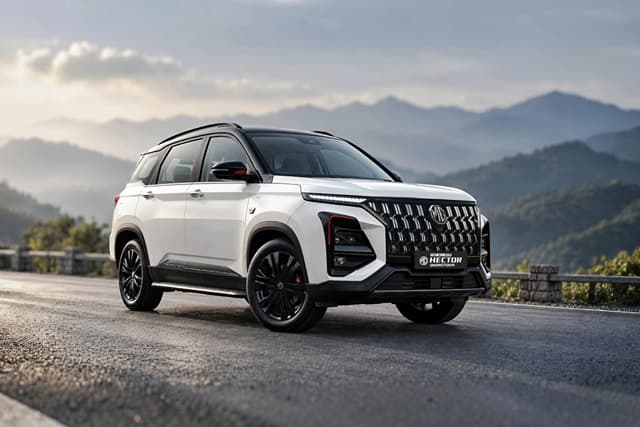
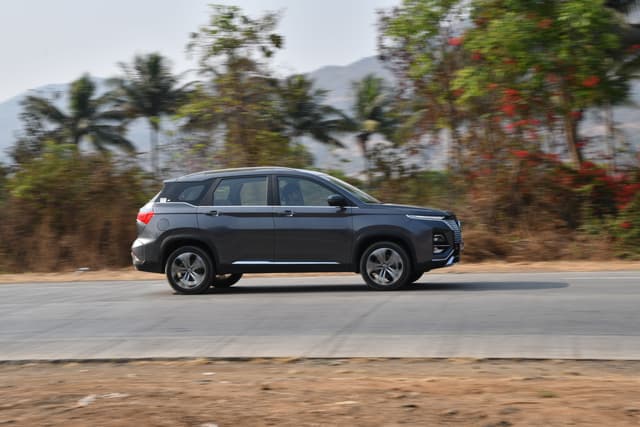
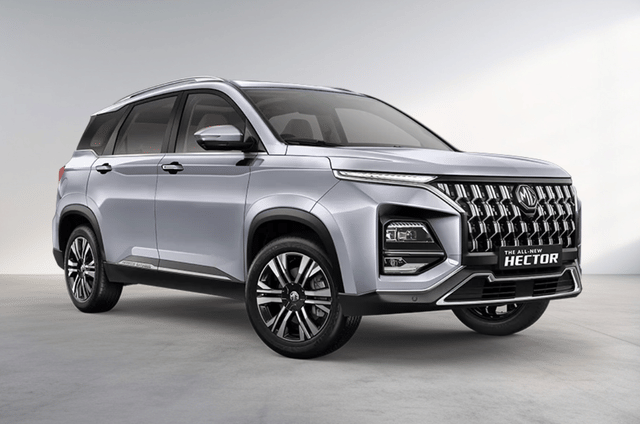
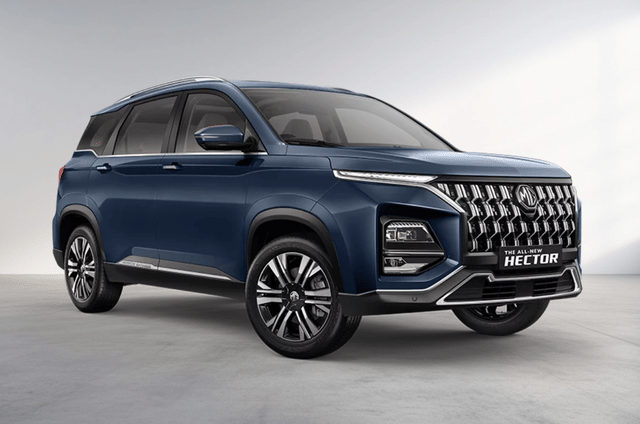
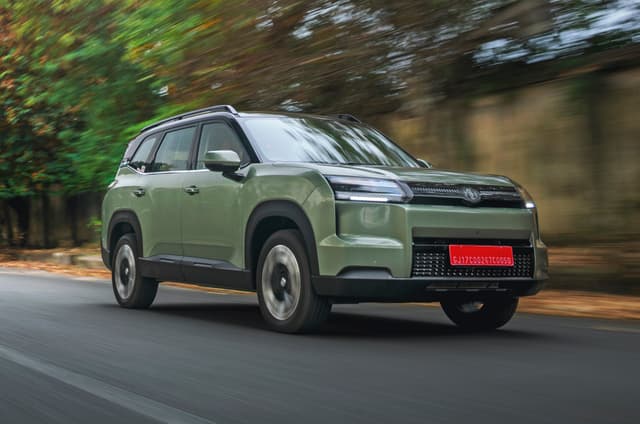
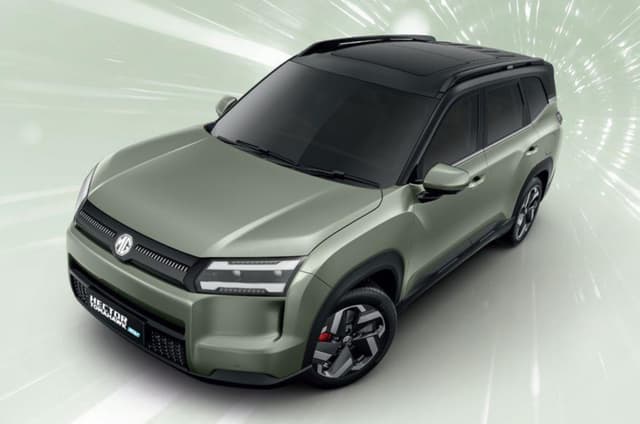
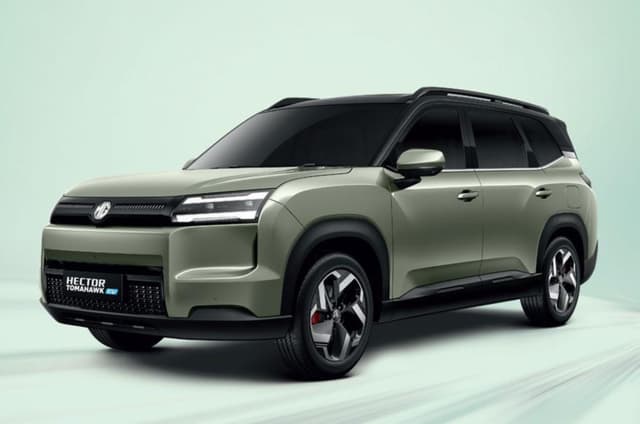
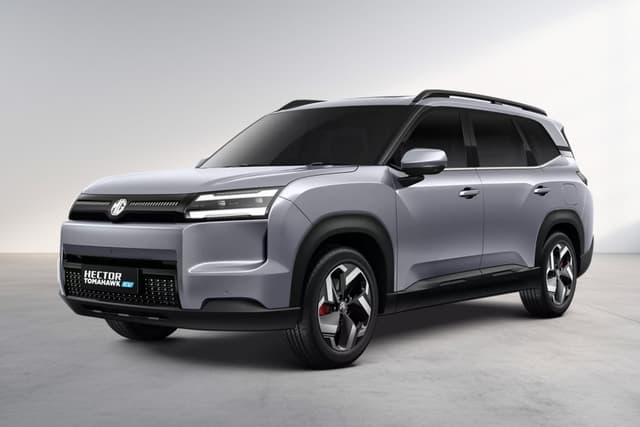
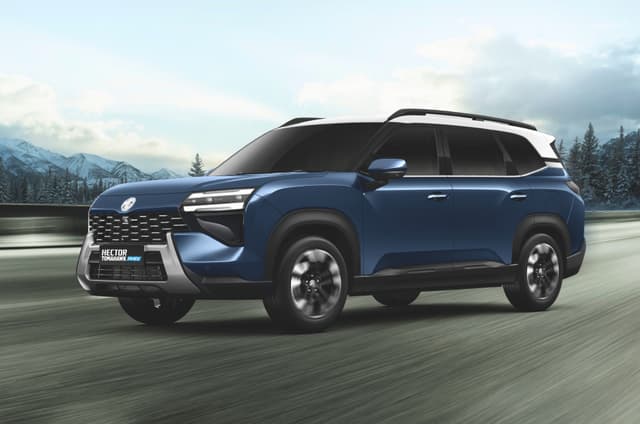
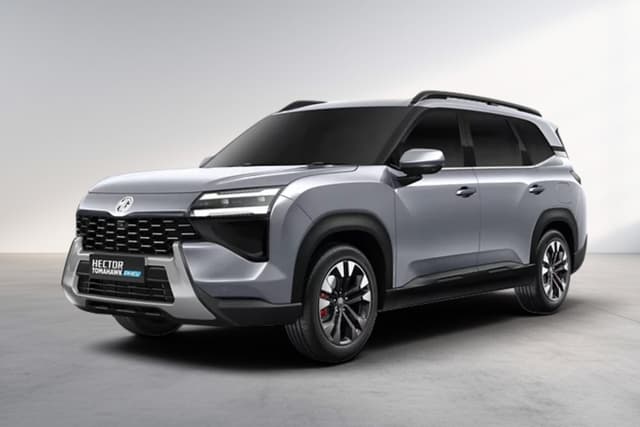
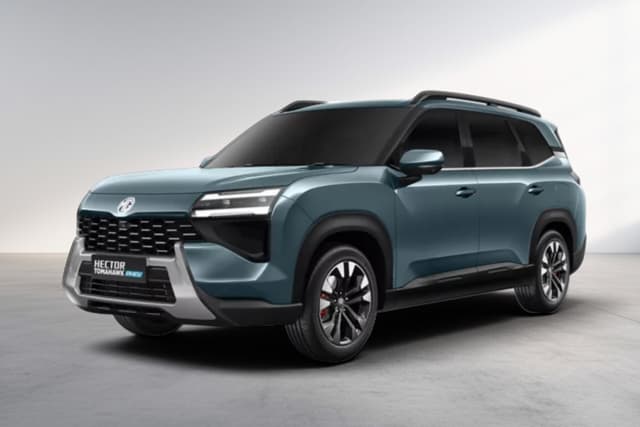
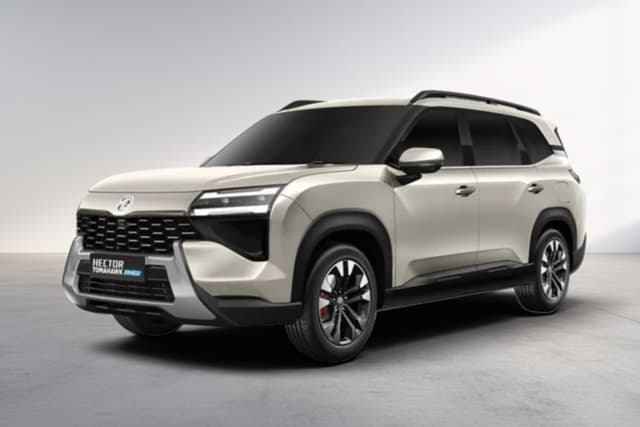
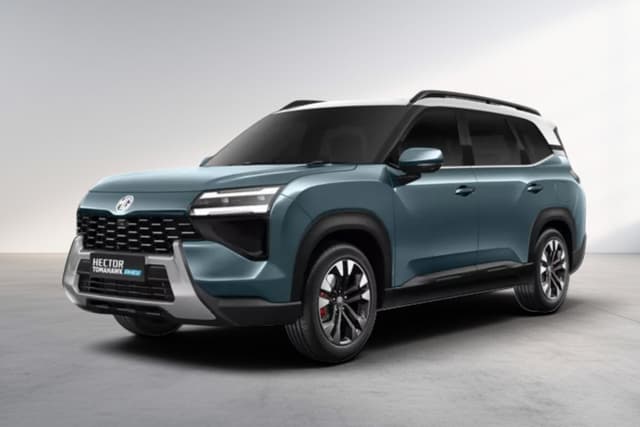
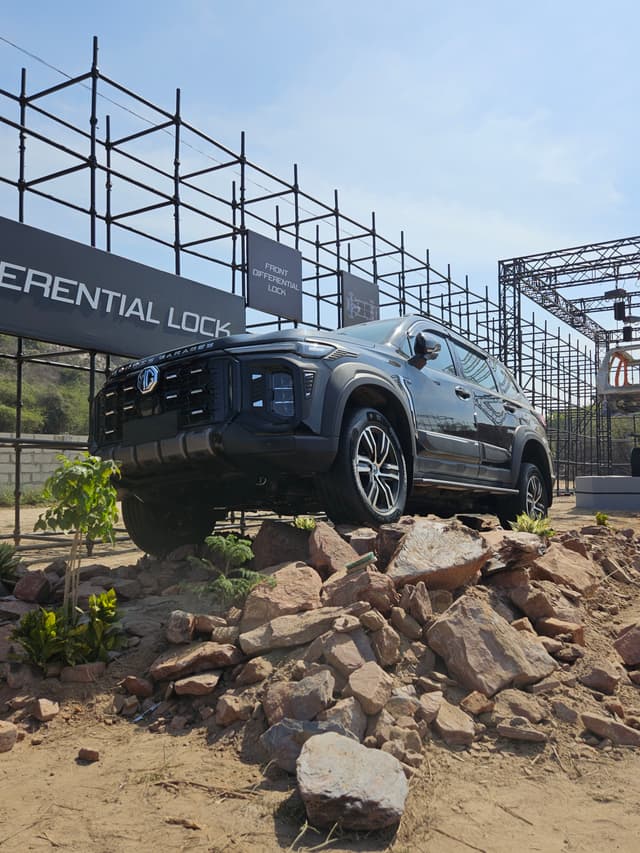
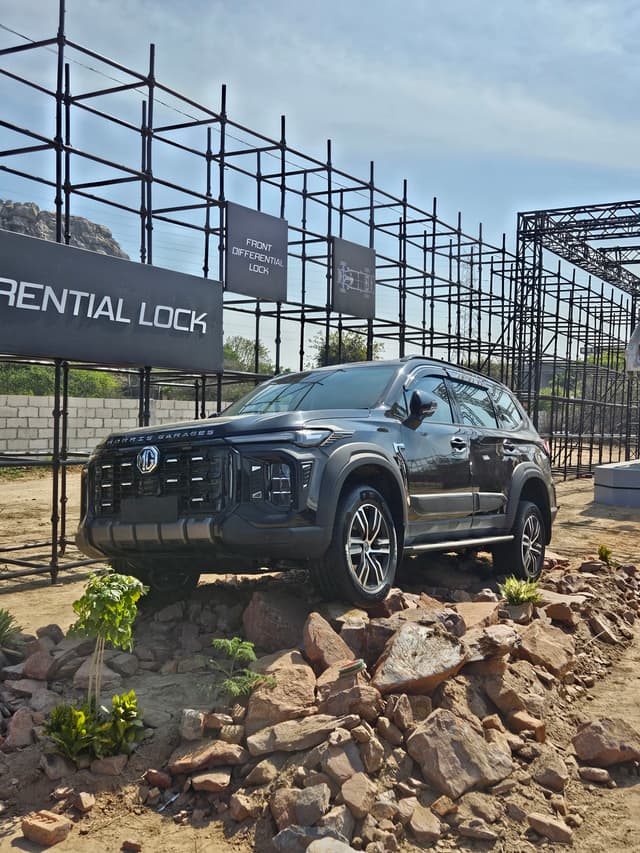
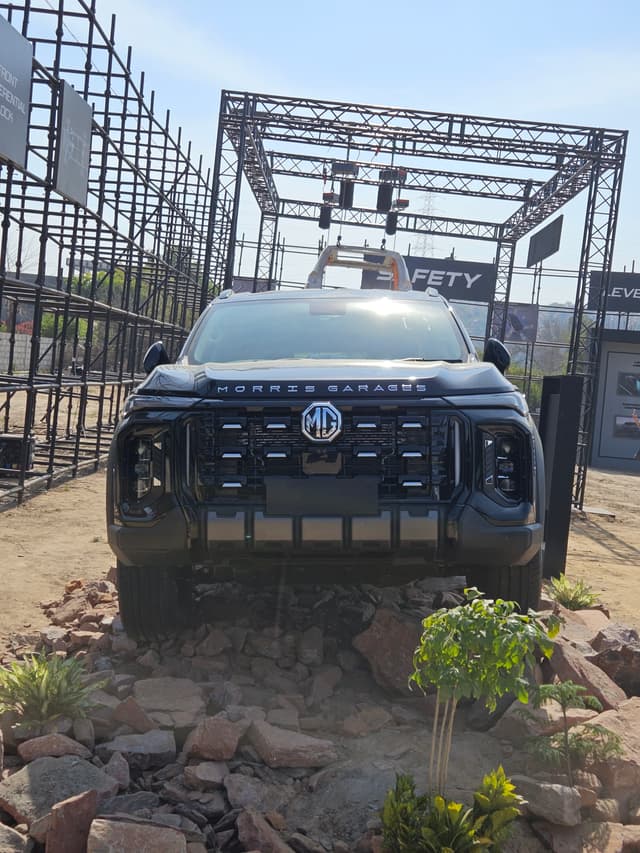
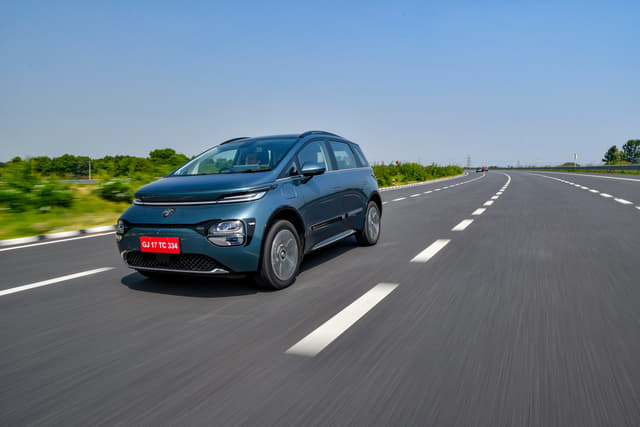
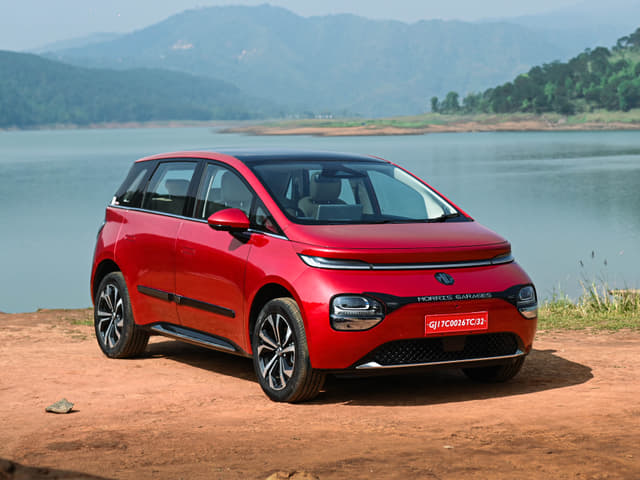
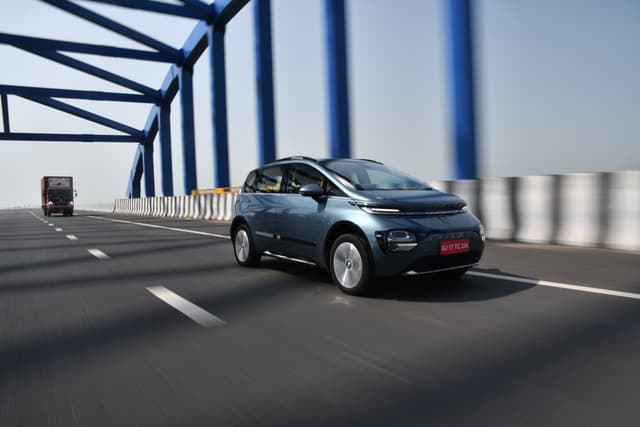
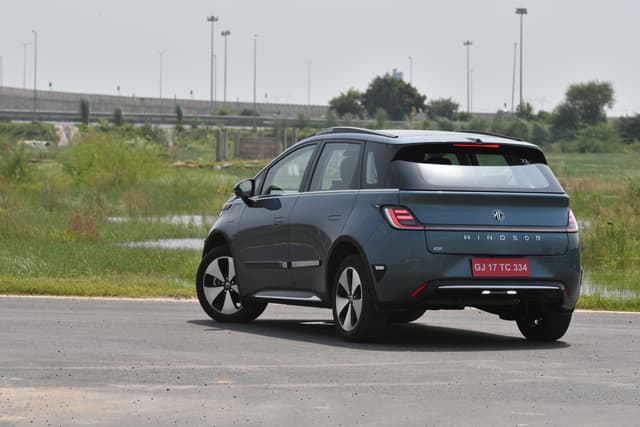
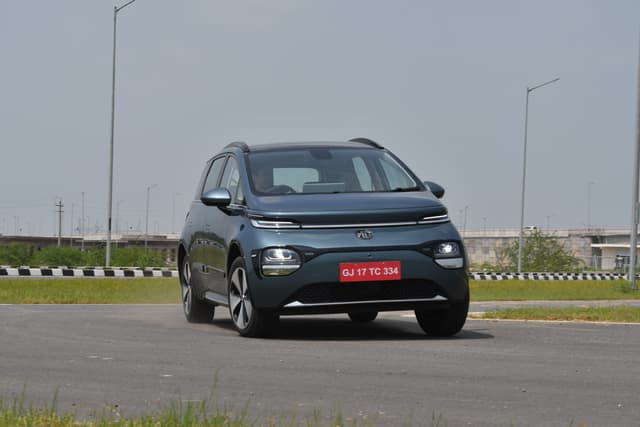
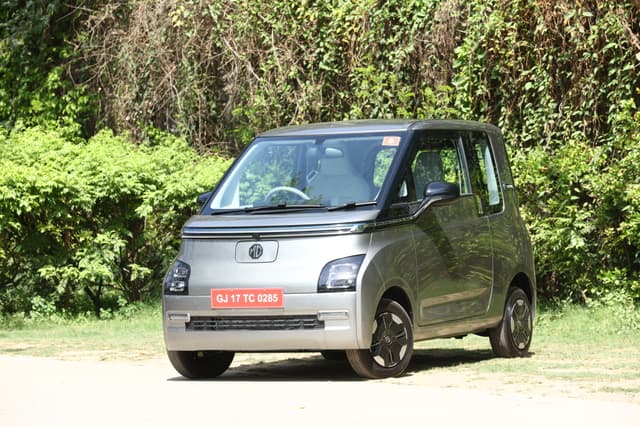
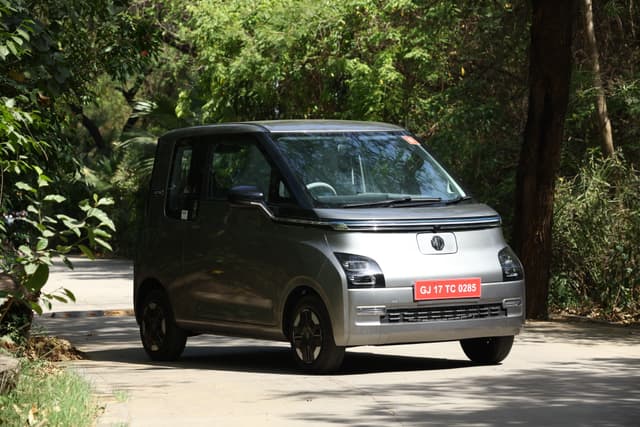
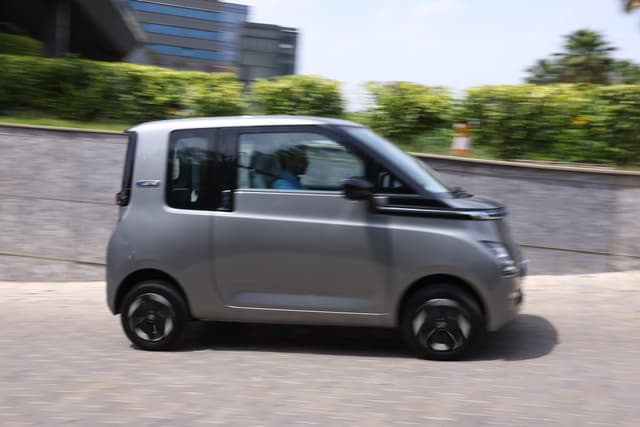
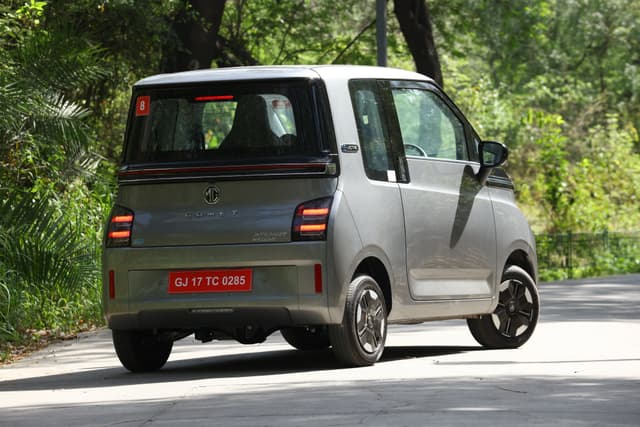
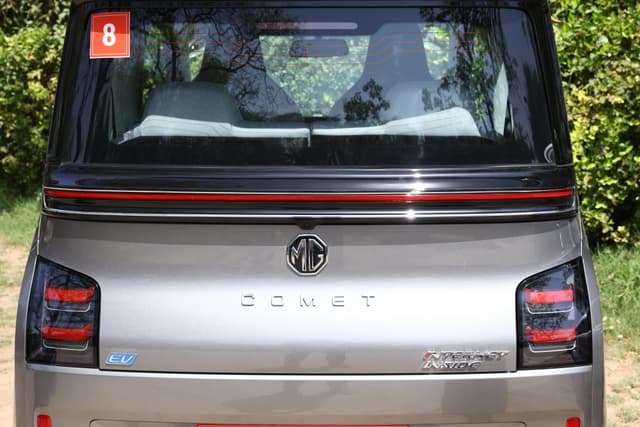
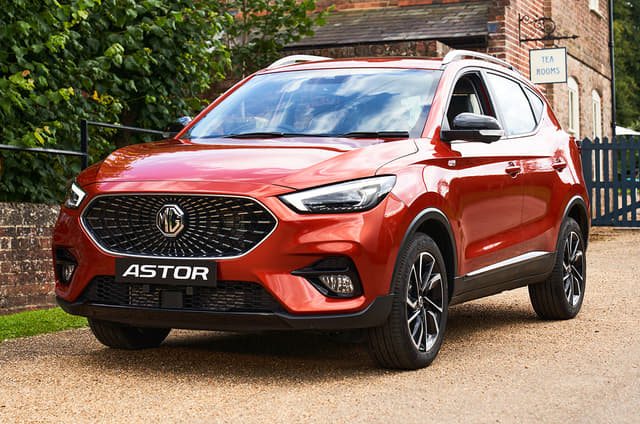
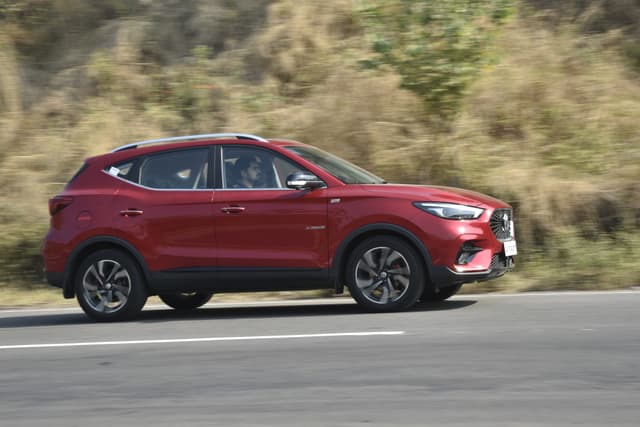
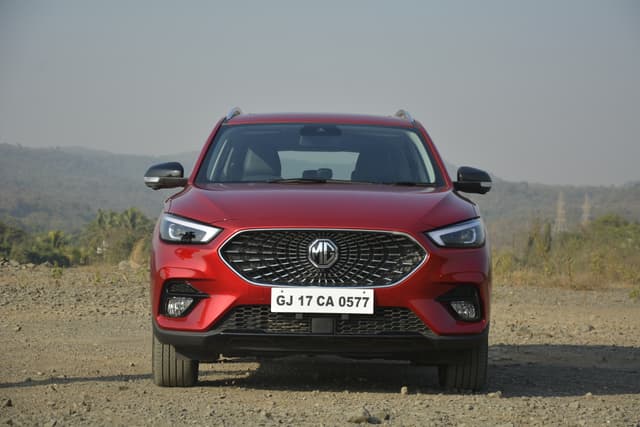
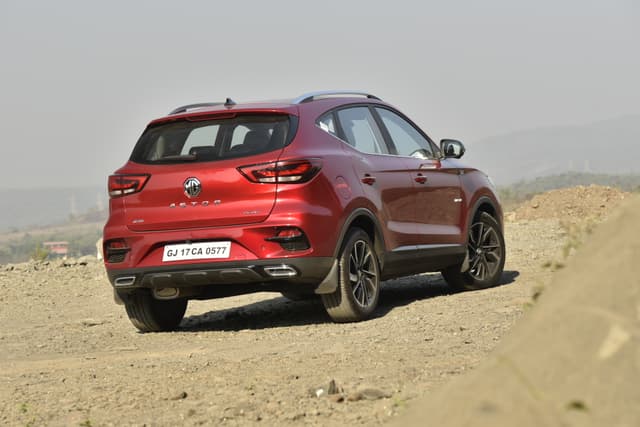
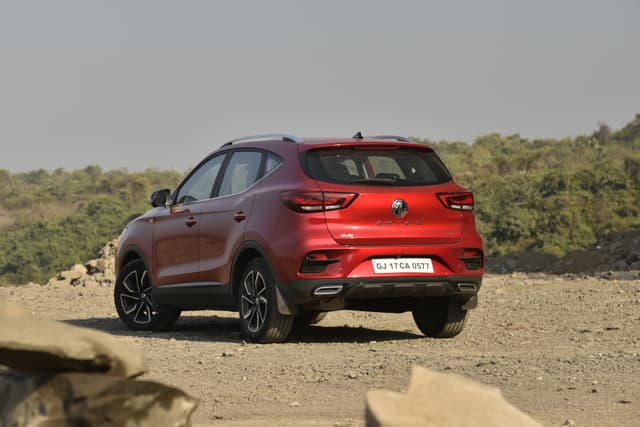
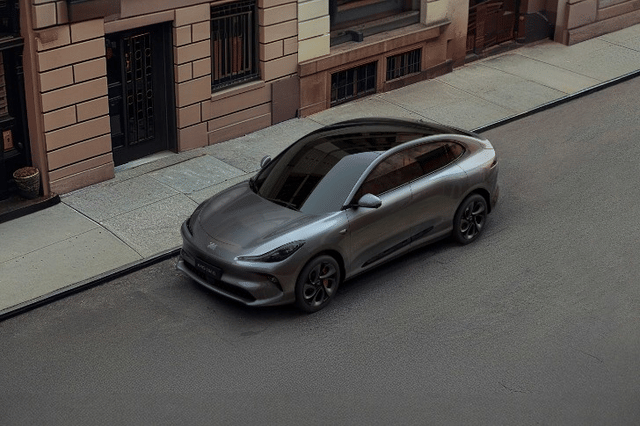
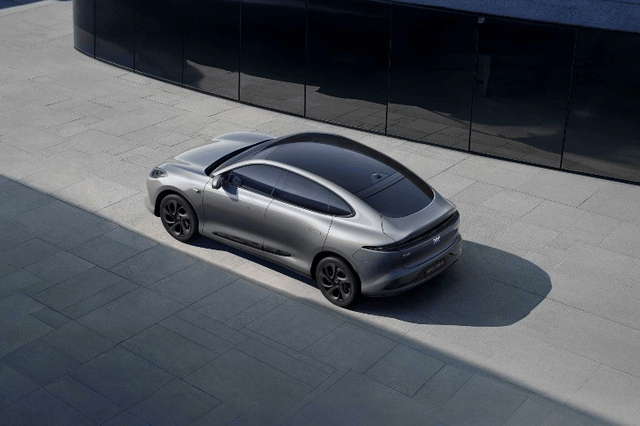
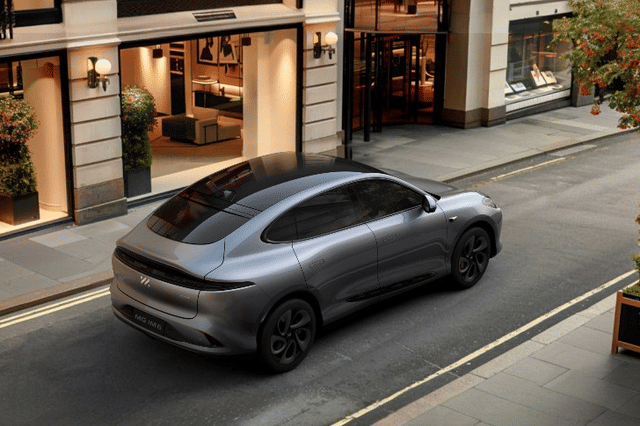
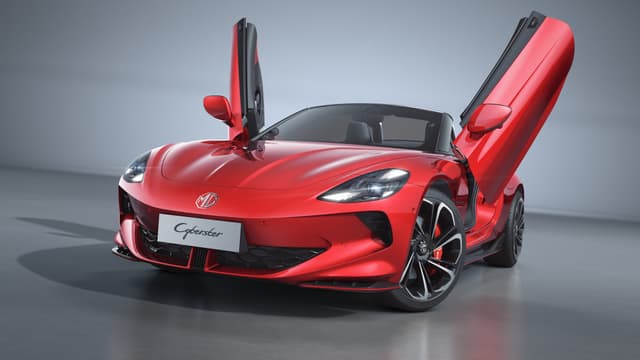
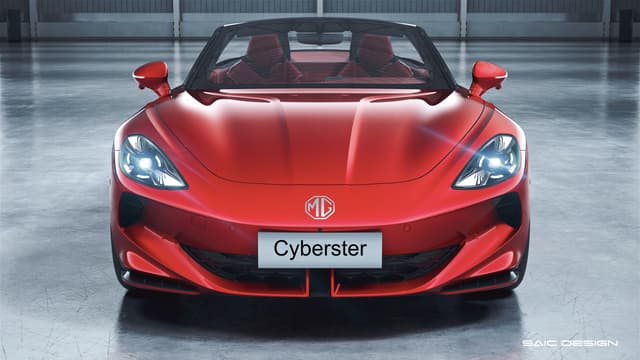
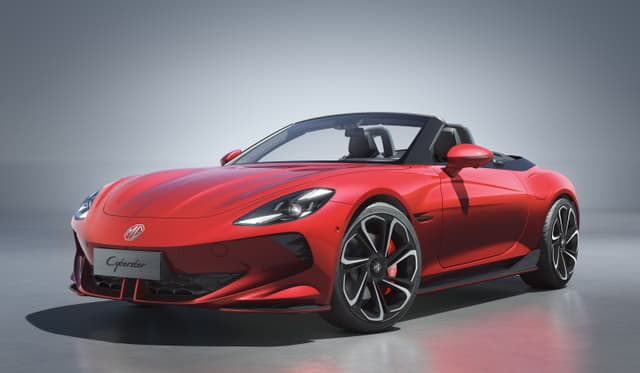
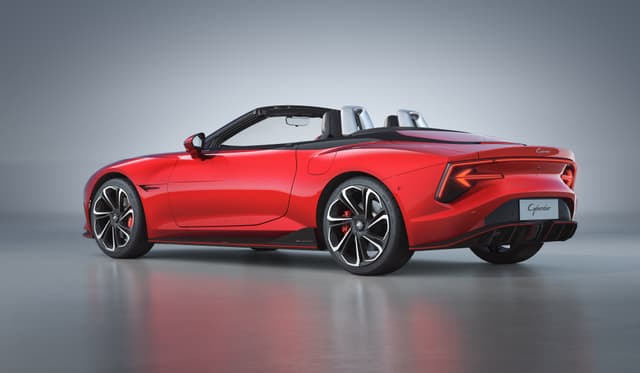
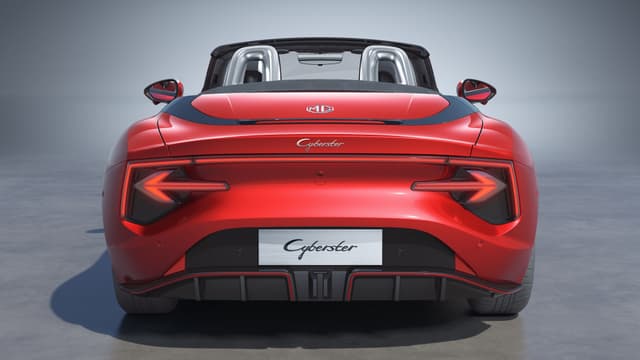
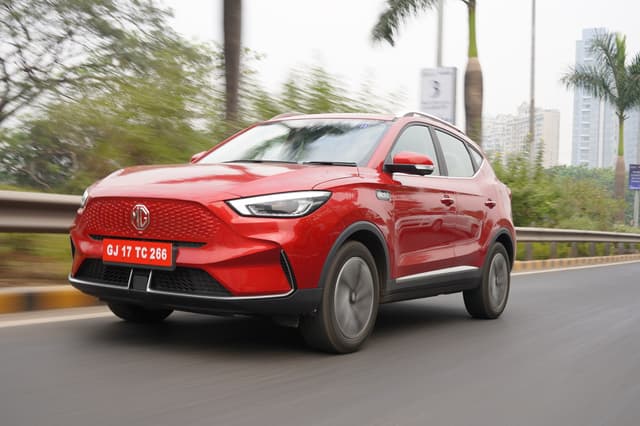
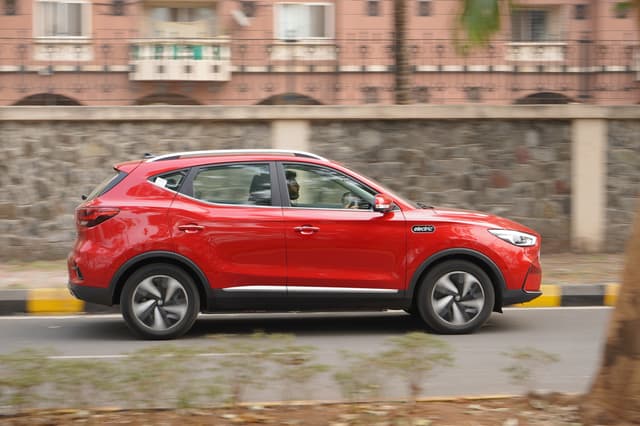
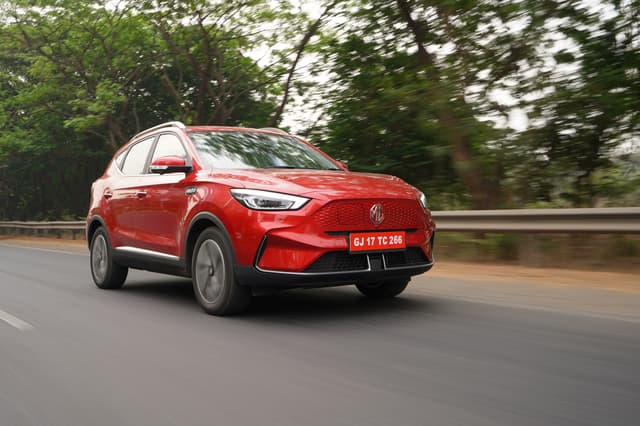
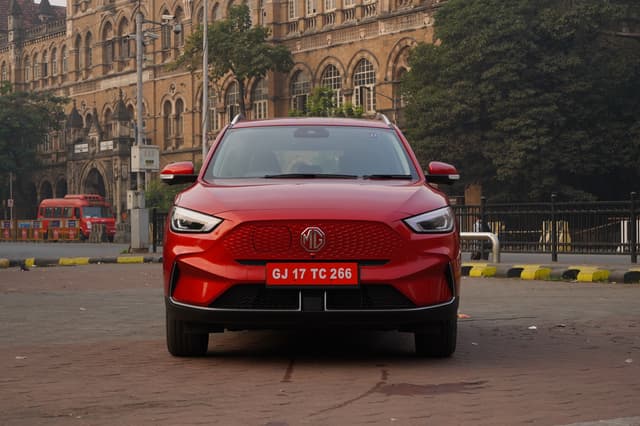
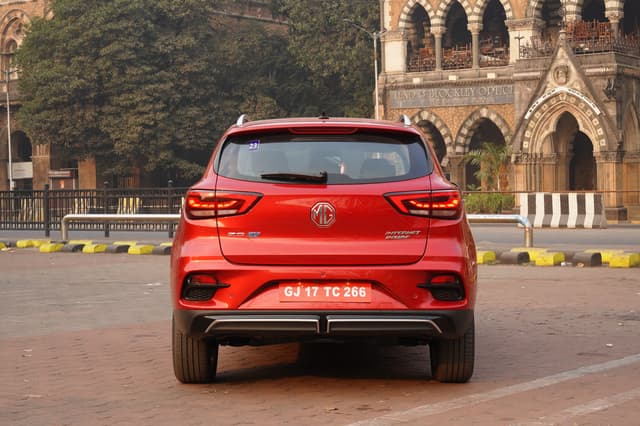
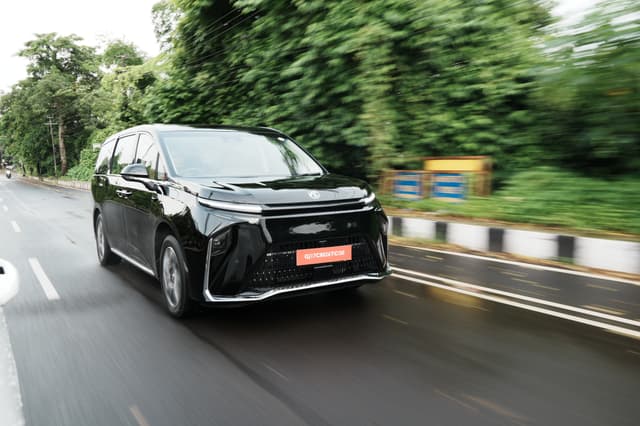
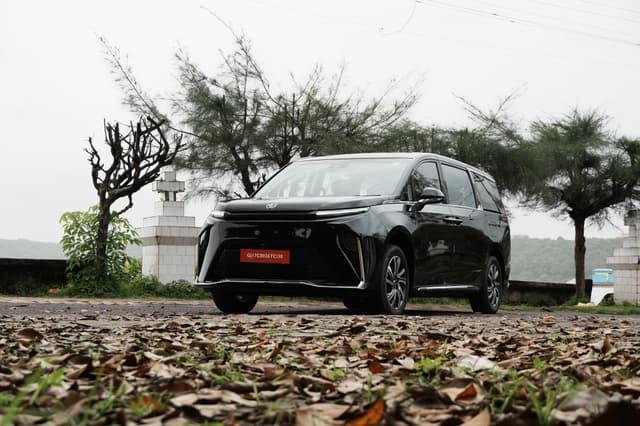
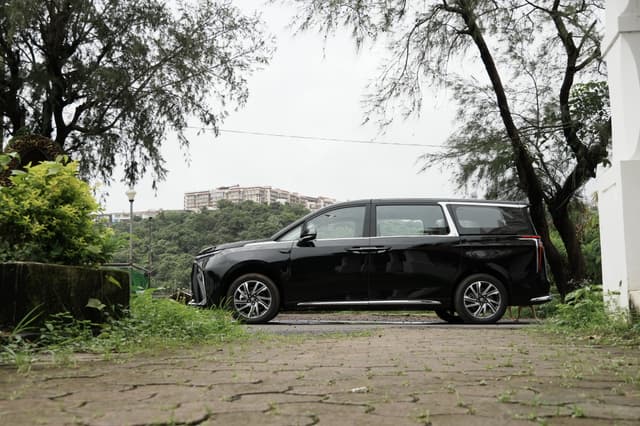
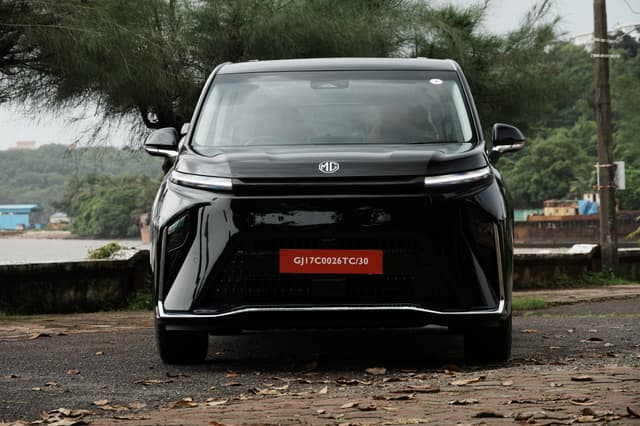
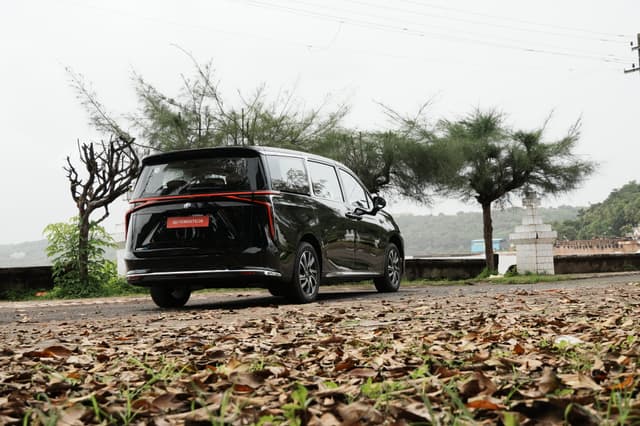
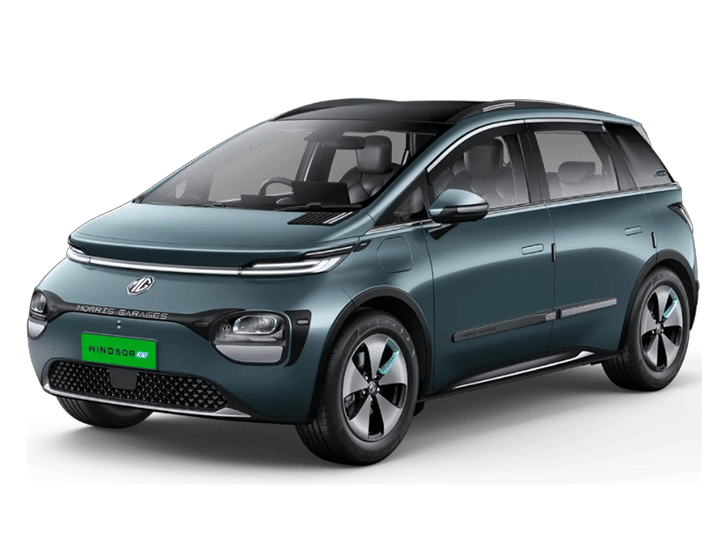
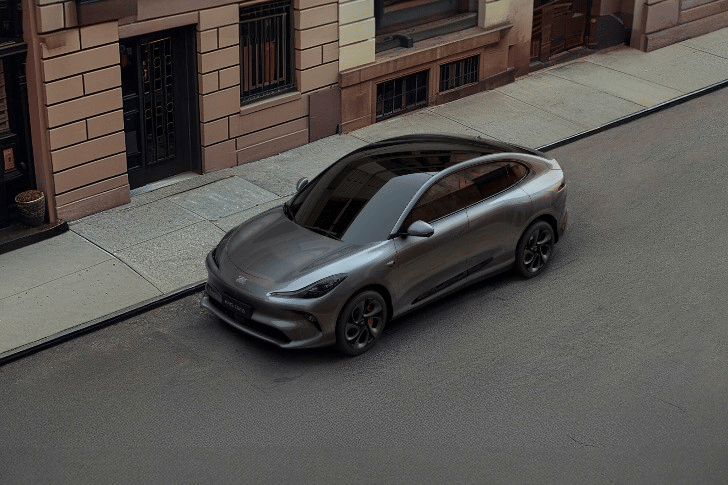
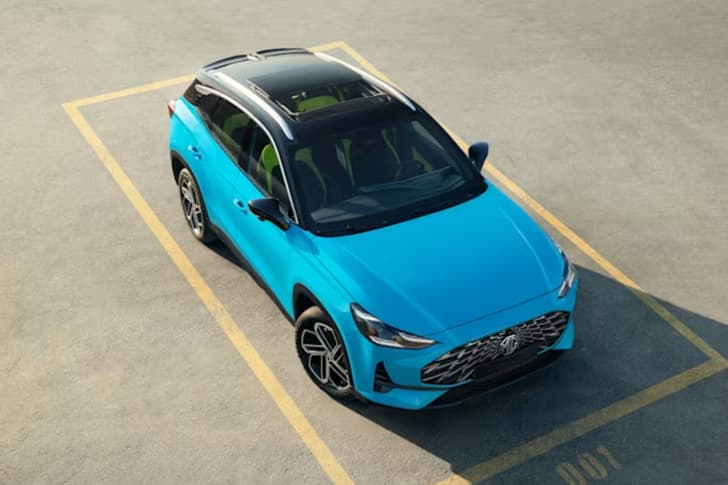
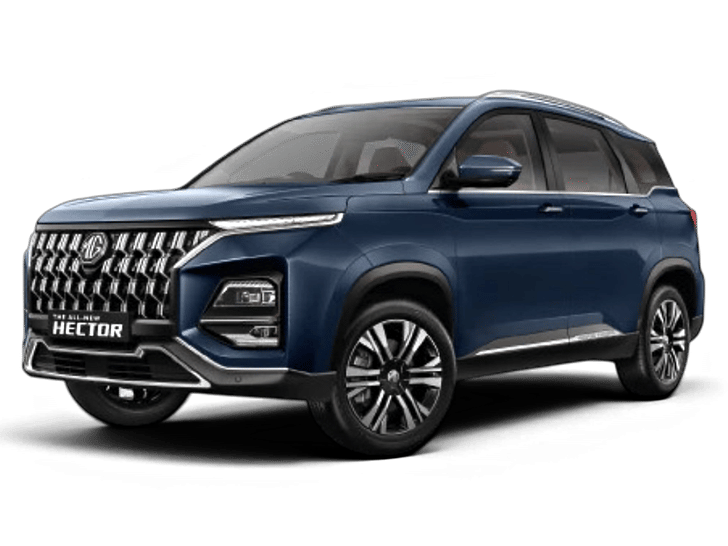
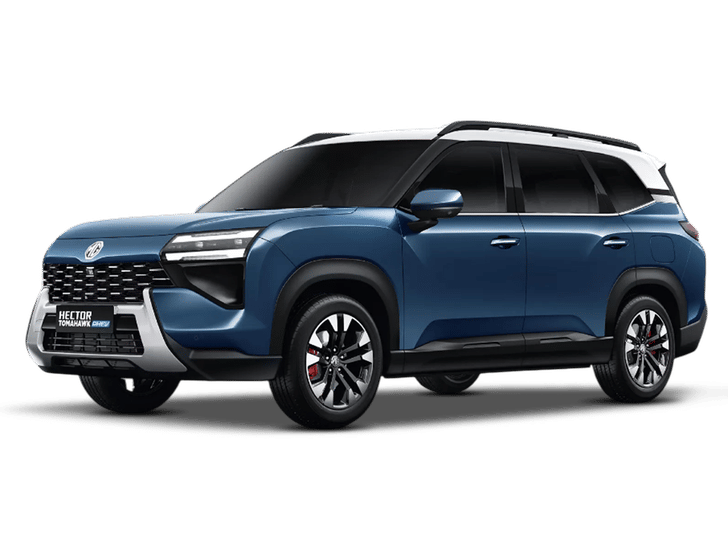
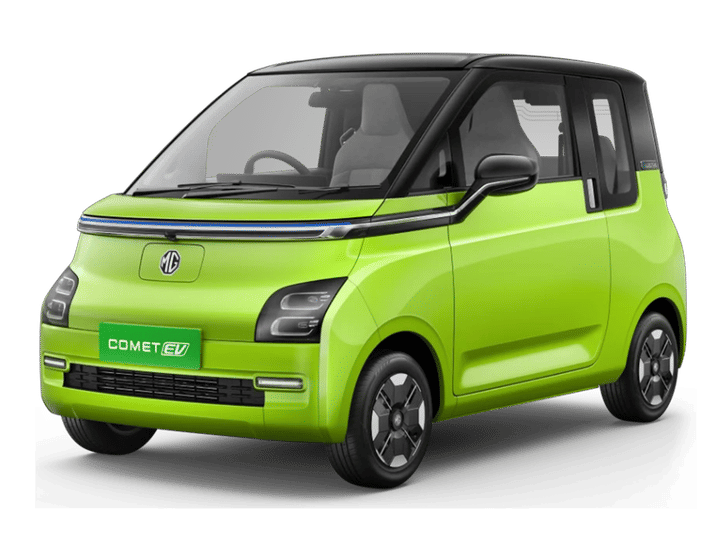
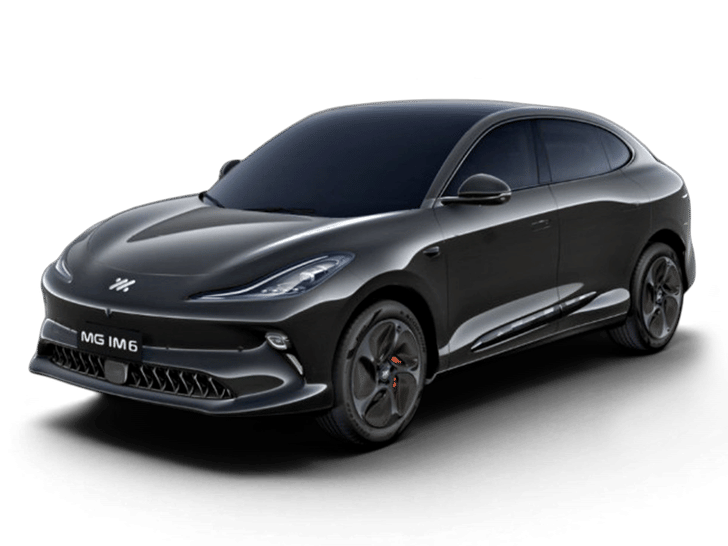
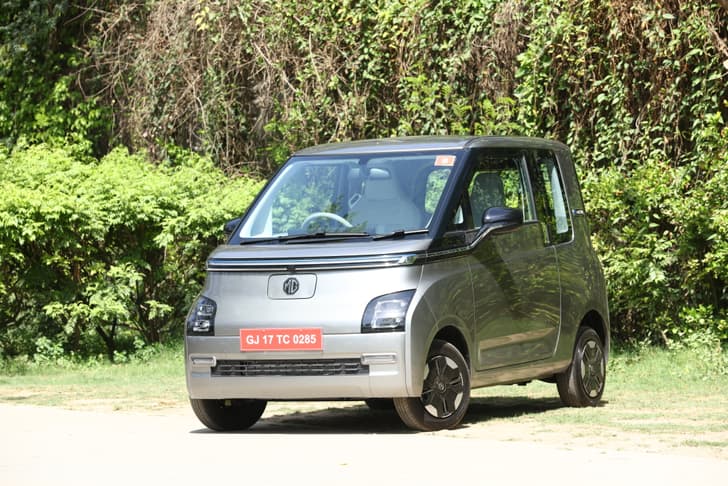
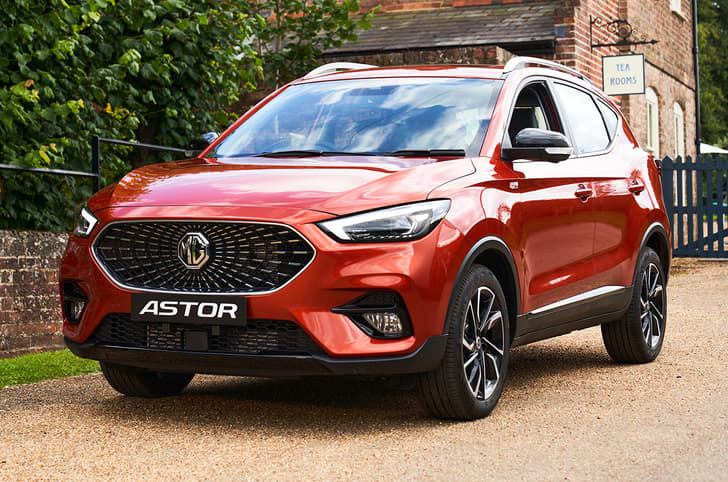
Morris Garages or MG is a brand owned by China's SAIC Motor. MG has a joint venture with JSW Motors in India. The Hector was the first model to be introduced by MG in India in 2019, and since then, it has launched cars like the Astor, ZS EV, Gloster, Comet EV, Windsor EV and Majestor. Premium EVs like the MG M9 and Cyberster roadster are exclusively retailed via the brand's Select showrooms. The most affordable MG car is the Comet EV, while the most expensive is the Cyberster.


Filter your search
MG Cars - FAQs
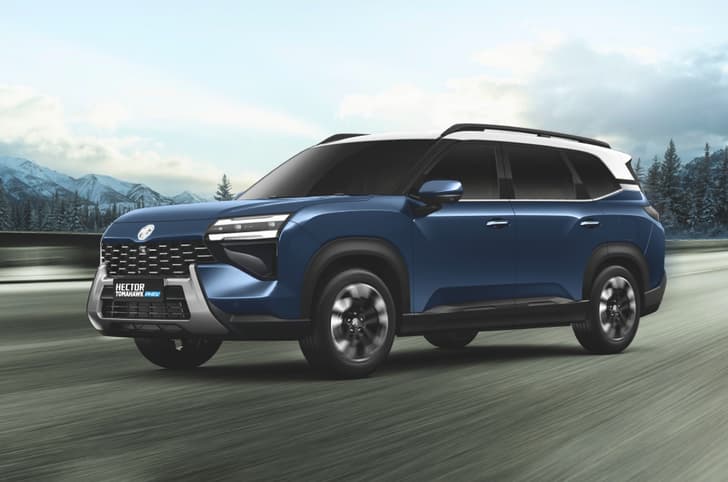
The MG Majestor, M9, and Hector Plus can seat up to 7 passengers.
The MG Comet is the most affordable car in the brand’s lineup.
Yes, MG cars are generally know to pack a long list of features.
The MG Windsor is the best-selling EV in India.
Trending Questions on MG Cars - Answered by Autocar Experts
I am looking to upgrade from my Hyundai Creta to a 7-seater SUV. My annual running is only around 6,000 km, and my budget is up to Rs. 25 lakh. Is the Hyundai Alcazar a good option for my usage? I have also considered the Mahindra XUV 7XO and Tata Safari, but I am concerned about their relatively low fuel efficiency. Which 7-seater SUV would you recommend?
With a yearly running of just 6,000km, petrol is the sensible choice, and the Hyundai Alcazar is a good option. It is a comfortable, easy-to-drive family SUV with a hassle-free ownership experience, and the 1.5 turbo petrol engine paired with the 7-speed dual-clutch automatic is powerful enough and relatively efficient too. Plus, since you're coming from a Creta, you'll be familiar with the Hyundai network and could even ask for a loyalty discount. However, the Alcazar’s third row is not as spacious as some larger cars in the segment, so if you genuinely need a proper 7-seater, it may not be the ideal solution. What's more, if your Creta is the 2020 or newer model, you'll find the Alcazar perhaps a little too familiar on the inside.The Mahindra XUV 7XO, Tata Safari and MG Hector Plus are good options that offer more space. However, as you have noted, they're not fuel efficient at all, and moreover, in your budget, you will only get a low to mid-spec variant, whereas you will get a fully-loaded Alcazar. Another option to consider, though not an SUV, is the Kia Carens Clavis. Its MPV shape is more space-efficient, and you actually get more passenger and luggage room than the Alcazar, with the same efficient engines, for around the same price.
Hi, I am planning to buy an electric vehicle and am considering the Mahindra XUV 3XO EV. Since it offers more cabin space and a taller seating position than the Tata Nexon EV, it seems like a better fit for my needs. What are your thoughts on the XUV 3XO EV? Would you recommend it over the Tata Nexon EV?
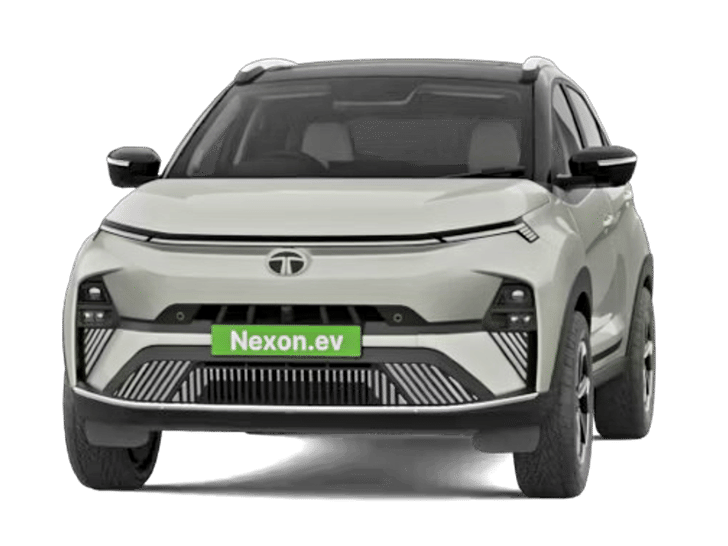
The Mahindra XUV 3XO EV does have a roomier cabin and benefits from the latest 3XO interior, improved ergonomics and a long features list. However, underneath, it is essentially a facelifted XUV400. It carries over the same 39.4kWh battery pack, 150hp motor and front-wheel-drive powertrain, rather than using Mahindra's newer INGLO architecture seen on the BE 6 and XEV 9e. Mahindra itself positions it as the replacement for the XUV400.That means you're buying a car with a much-improved body and cabin, but not an all-new EV platform. The battery size and real-world range also lag behind some newer rivals, so while performance remains strong, the underlying technology doesn't move the segment forward.If your choice is strictly between the XUV 3XO EV and the Tata Nexon EV, we'd still lean towards the Nexon EV. This Tata car benefits from a more modern dedicated EV architecture, offers larger battery options, longer range and has matured into a well-rounded package over successive updates. The XUV 3XO EV's biggest advantage is its more spacious cabin, but that alone isn't enough to outweigh the Nexon's more contemporary electric underpinnings.If you're open to looking beyond these two, the MG Windsor EV remains our top recommendation in this price bracket. It feels like a segment above in terms of cabin space, comfort and overall value, making it the most compelling family electric car unless your requirement is for a more compact SUV.
I need to commute 150 km per week. We have a petrol car at home and solar charging is possible at home. Should I go for MG Comet EV?
Yes, the MG Comet is a sensible choice for your usage. At 150 km per week, your running is not extremely high, but it is enough for an EV to make financial sense, especially with solar charging at home. The Comet is a compact city electric car with a low running cost, and the ability to charge from solar at home will significantly reduce your operating costs over time. It is also easy to park and manoeuvre, making it well suited to daily commuting.The key consideration is practicality. The Comet is a small car with limited rear seat space and a small boot, so it is best suited as a second car for city use rather than as a family car. If your commute is mostly city driving and you already have a petrol car at home for longer trips, the Comet fits the brief well.If you need more space or plan to use the car for longer trips, you could consider the Tata Punch EV, but for a dedicated city commuter with solar charging, the Comet is a cost-effective and practical choice.
I am planning to buy the Tata Tiago EV Creative+ 24 kWh after comparing it with the Tata Punch EV, Tata Nexon EV, and MG Windsor EV. I have to travel around 70 km per day, of which 7-10 km is within the city. What is your review of this? Is it worth buying?
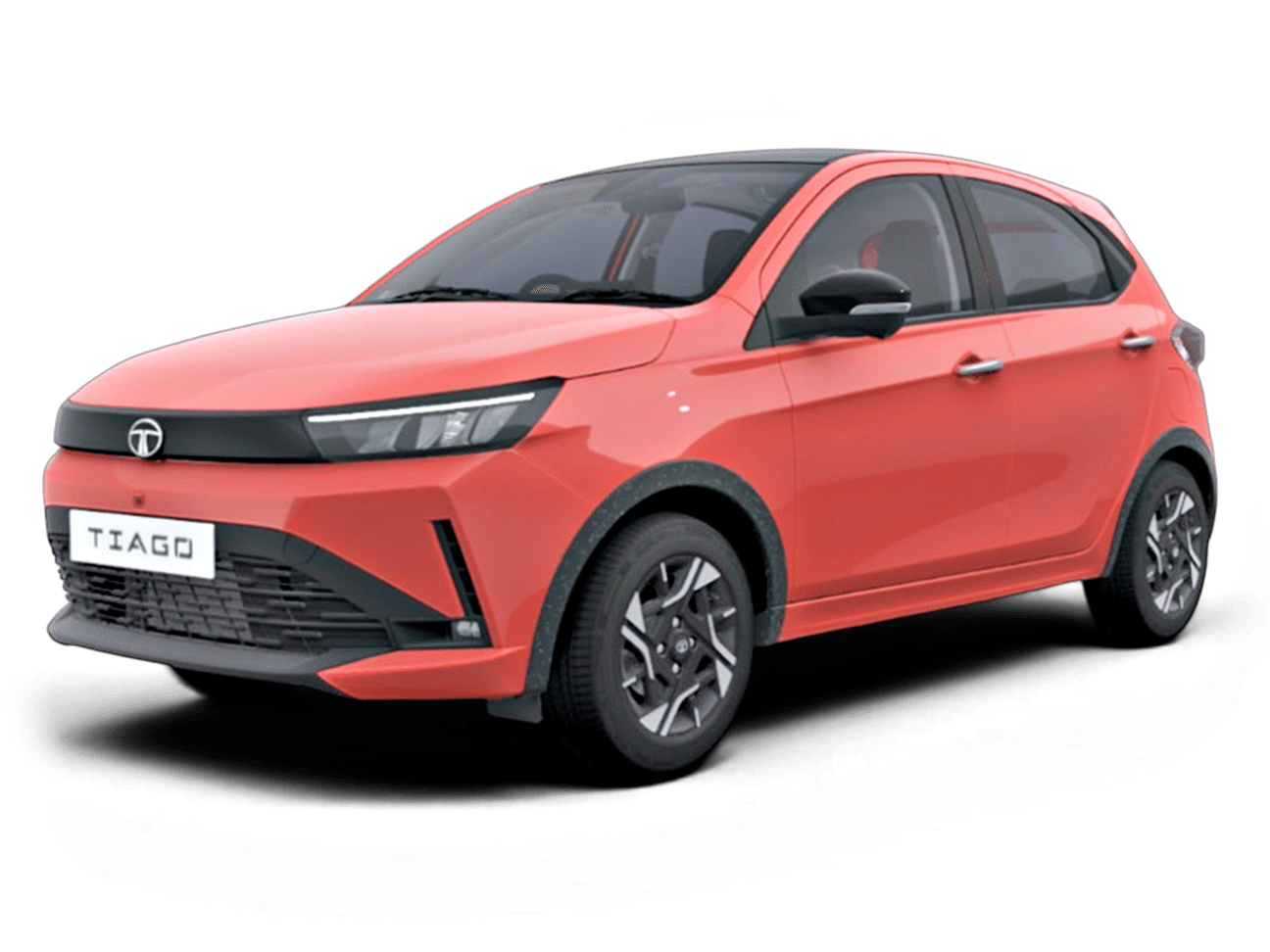
For a 70km daily commute with only 7-10km of city driving, the Tata Tiago EV Creative+ 24kWh is a sensible and cost-effective choice. The Tiago EV is one of the most affordable EVs on the market, and its 24kWh battery is well suited to your usage pattern. With a daily round trip of 70km, you will be using roughly 30-40% of the battery per day, depending on driving style and AC usage, which means you can comfortably charge at home overnight without range anxiety becoming an issue.The Tiago EV is also compact and easy to manoeuvre, which is useful for the city portion of your commute, and its running costs are significantly lower than petrol or diesel alternatives. Compared to the Punch EV, Nexon EV and MG Windsor, the Tiago EV is the most budget-friendly option in electric cars. The Punch EV offers a higher driving position and more ground clearance, but it comes at a higher price and is not necessary for your usage. The Nexon EV and Windsor EV are larger and more expensive, and their extra space and features are unlikely to justify the additional cost for your daily commute.The only real drawback of the Tiago EV is its relatively small boot and basic interior compared to more expensive EVs, but for a daily commuter car, these are minor compromises. Overall, the Tiago EV Creative+ 24kWh is a practical and financially sound choice for your needs.
Hi, I used to drive a Tata Indigo Manza for around 15 years and then disposed of it. I am retired and looking for a low-budget car, with an average usage of 200-300 km per month. I am interested in a solar EV, but there are not many options available. Please suggest.
We'd recommend a small petrol hatchback. With an average running of just 200-300km per month, an electric car is unlikely to make financial sense as you'll find it difficult to recover the higher upfront cost through lower running costs.As for a solar EV, there are currently no solar EVs on sale in India. While a few manufacturers have showcased concepts and prototypes, there isn't a practical, mass-market solar electric car that you can buy today.For your usage, a car like the Maruti Suzuki Celerio, Wagon R or Hyundai Grand i10 Nios would be a better fit. They are reliable, inexpensive to maintain and well suited to low annual running. If you're keen on an EV for its quiet and effortless driving experience, the MG Comet EV is worth considering, but from a purely value-for-money perspective, a petrol hatchback is the more sensible choice.
Last Updated on: 24 Jul 2026