Electric cars in India (93)
If price was the reason because of which you were hesitant to buy electric cars in India, then that concern isn’t relevant anymore. Why? Because since the GST reform in September 2025, electric cars are taxed at 5% GST nationwide, while smaller petrol and diesel cars now sit at 18%, and bigger ones, like mid-size sedans, SUVs and luxury cars attract 40%. To help you understand how it actually affects a buyer like you, here’s an example:
Say a car's base (pre-tax) price is Rs 14 lakh:
Electric car (5% GST) | Petrol/Diesel SUV (40% GST) | |
Base price | Rs 14,00,000 | Rs 14,00,000 |
GST added | Rs 70,000 | Rs 5,60,000 |
Ex-showroom price now becomes | Rs 14,70,000 | Rs 19,60,000 |
And once you factor in on-road tax, which varies by state, the gap widens further. However that’s not always the case with electric cars. As in some states, like Delhi, and Haryana, the government has waived the RTO charges, so over and above ex-showroom price, all you need to pay now is for insurance, FASTag, and other essentials. This adds a second layer of savings on top of the GST difference.
Types of Electric Cars in India
There are four main types of EV cars available for purchase in India: SUVs, sedans, hatchbacks, and MPVs. Each of these body types suits a different kind of buyer.
Electric SUVs
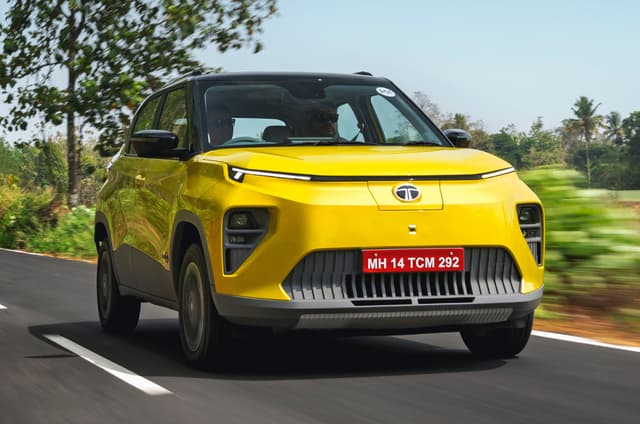
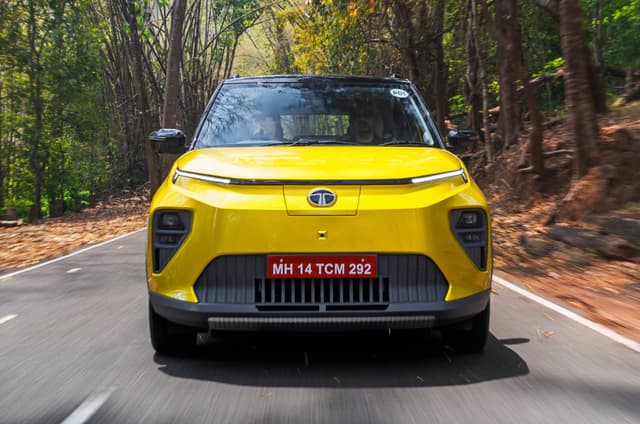
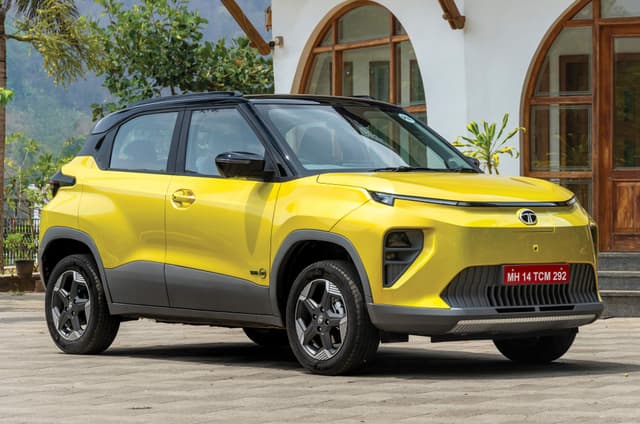
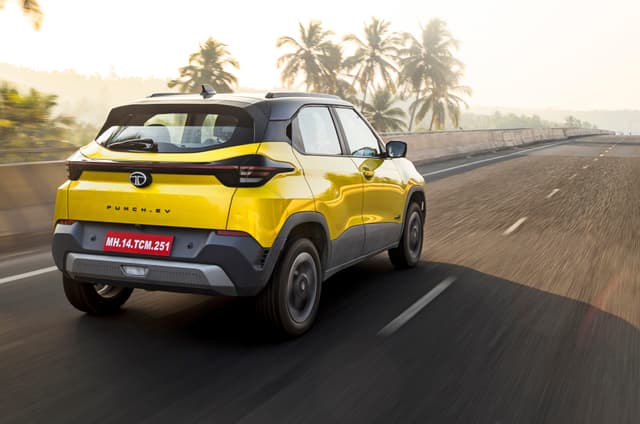
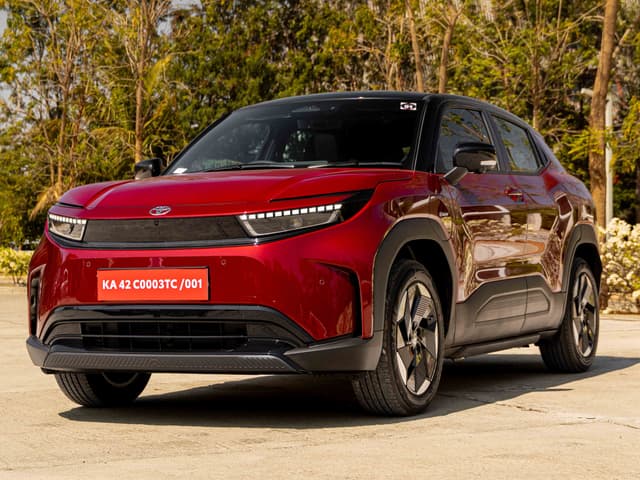
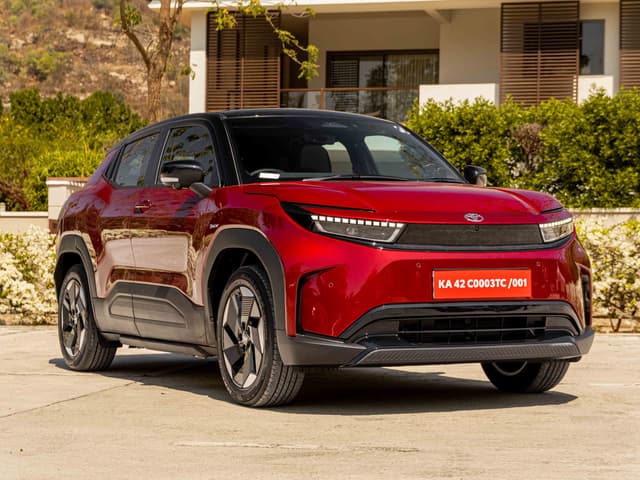
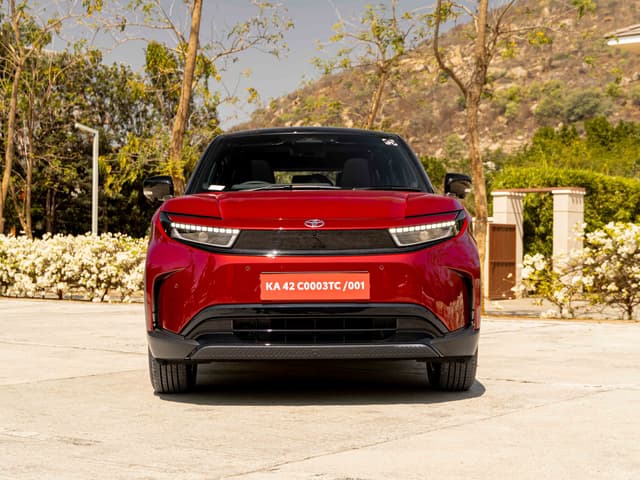
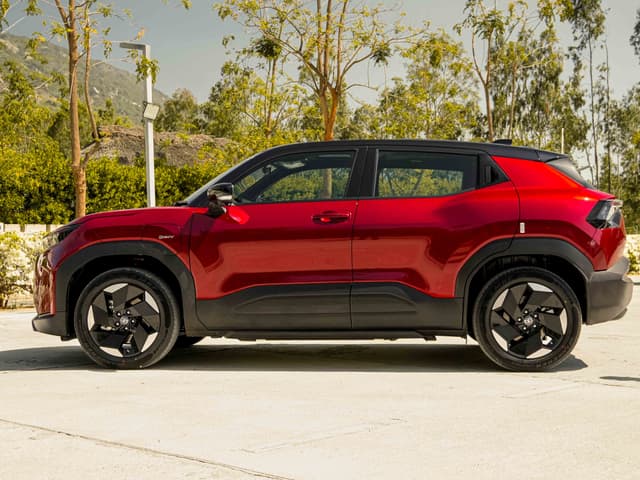
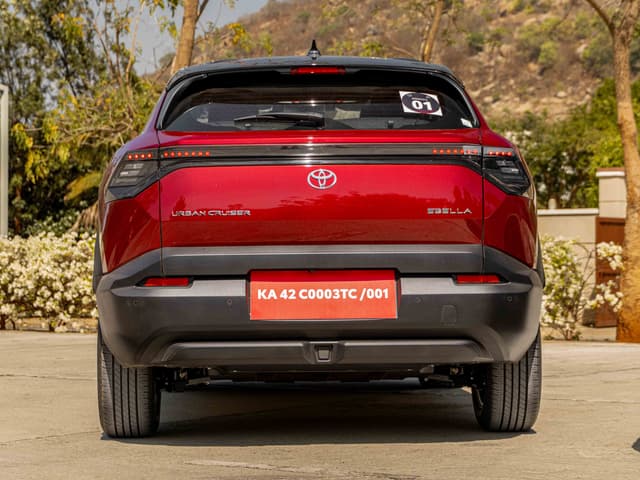
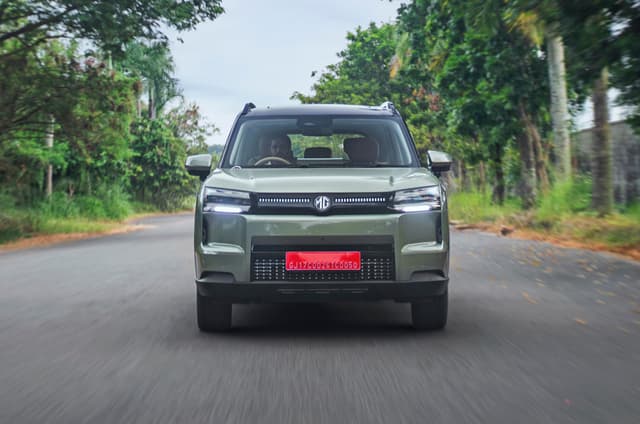
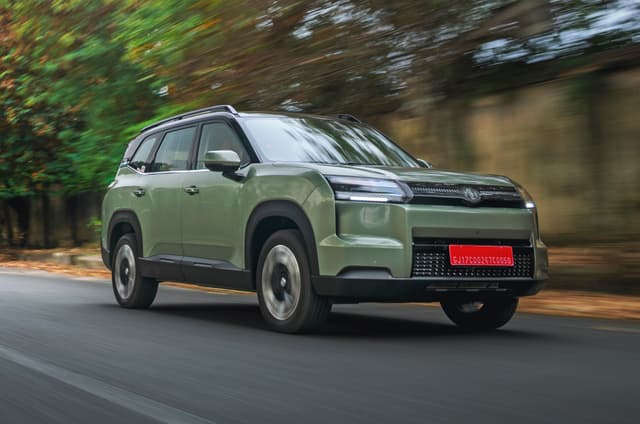
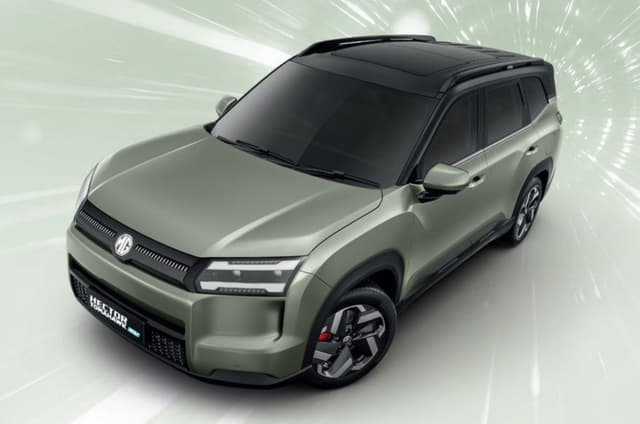
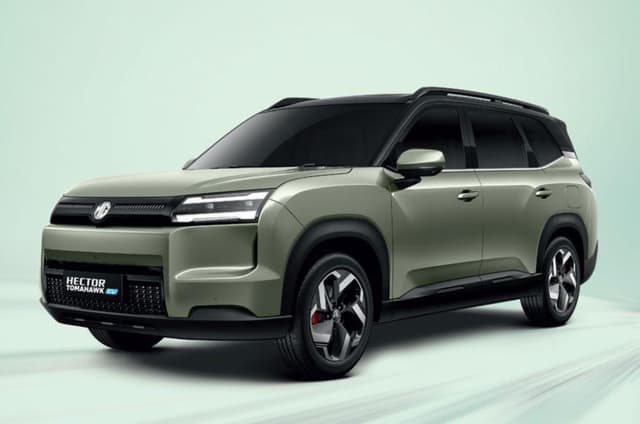
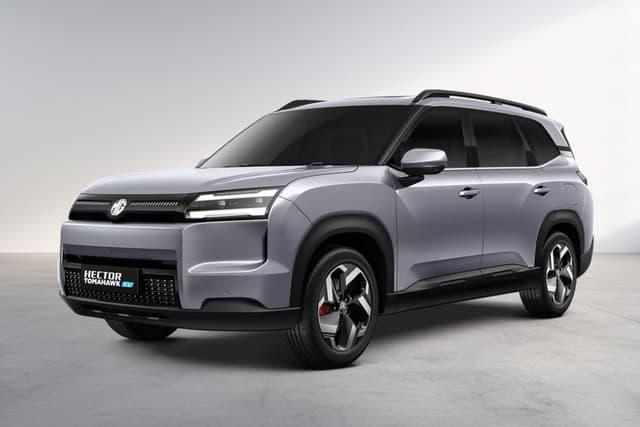
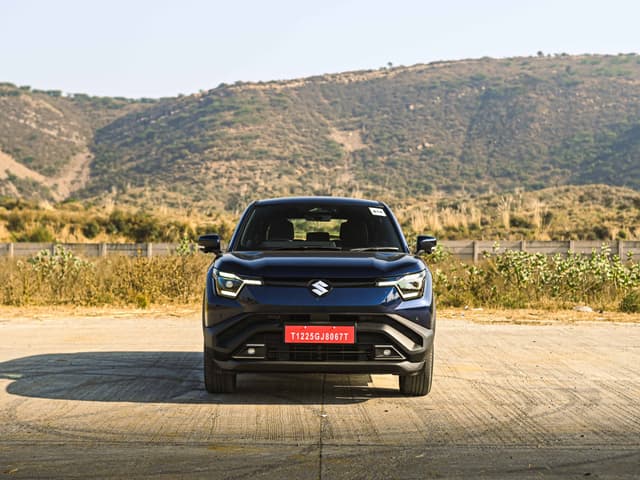
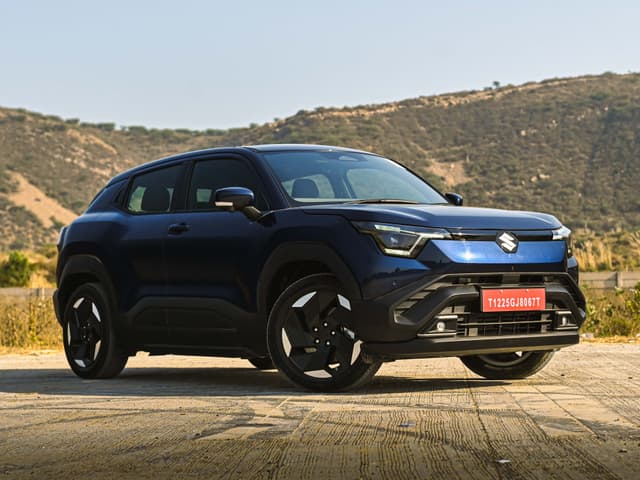
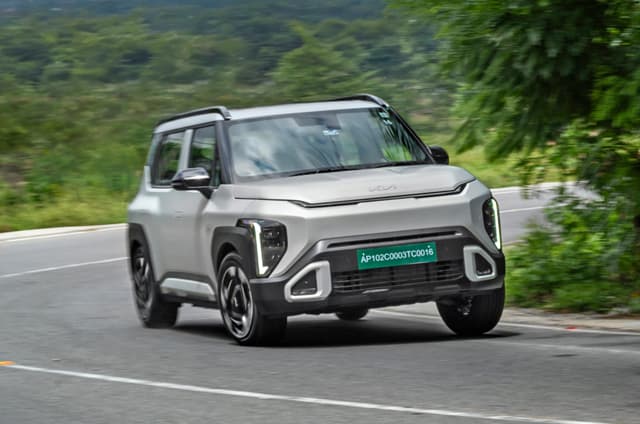
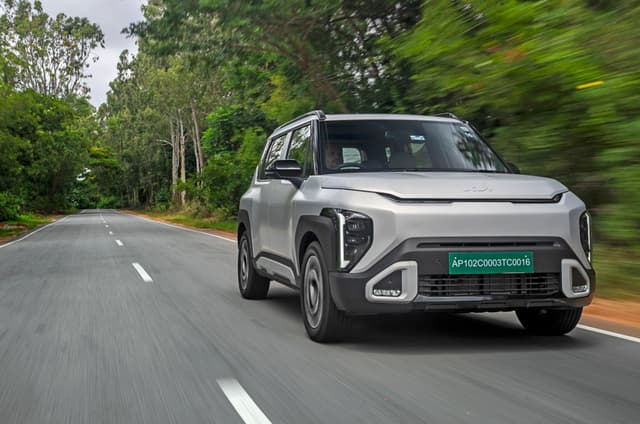
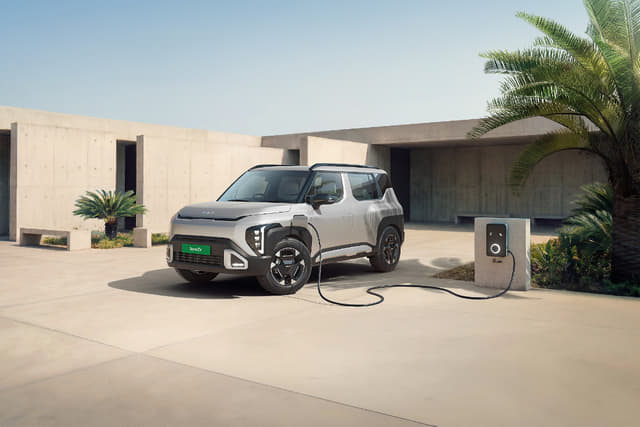
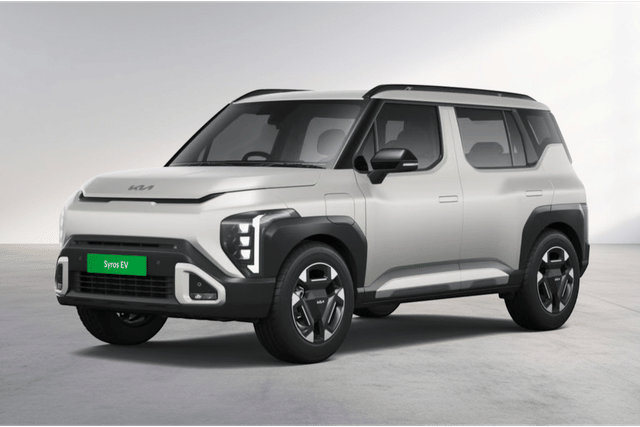
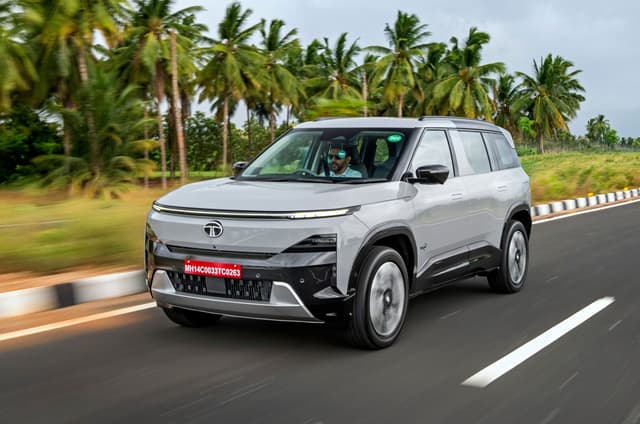
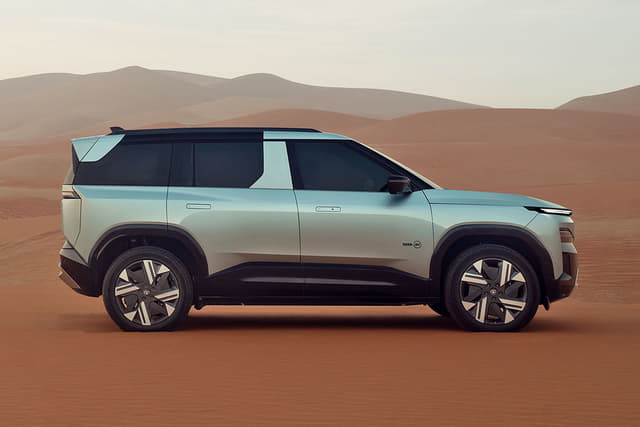
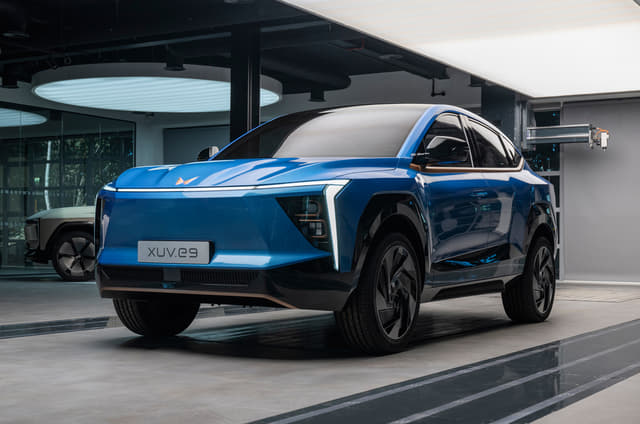
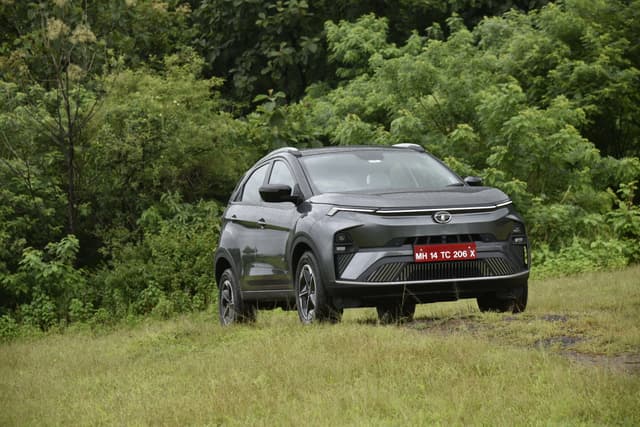
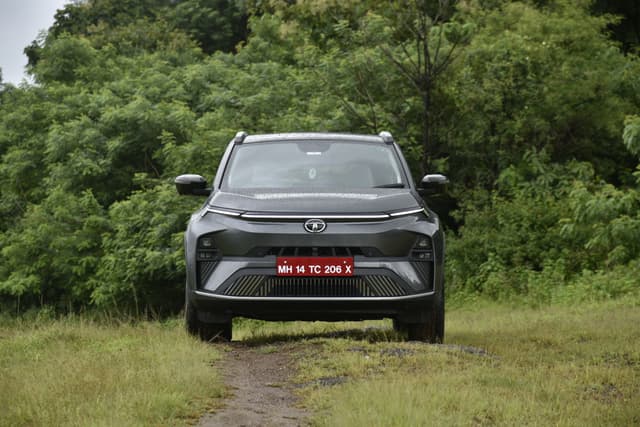
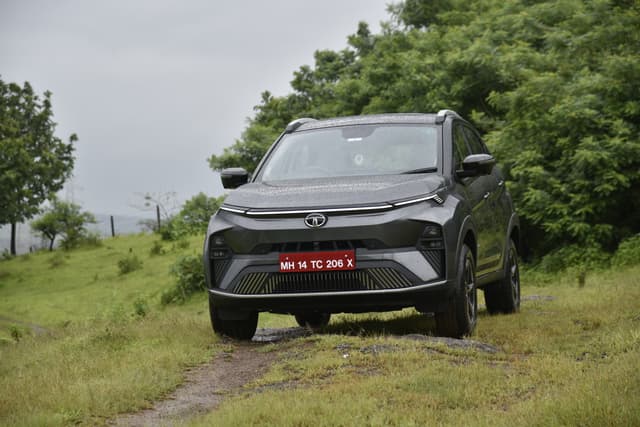
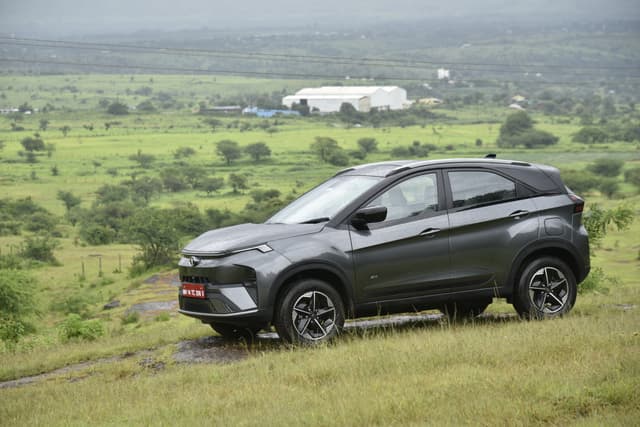
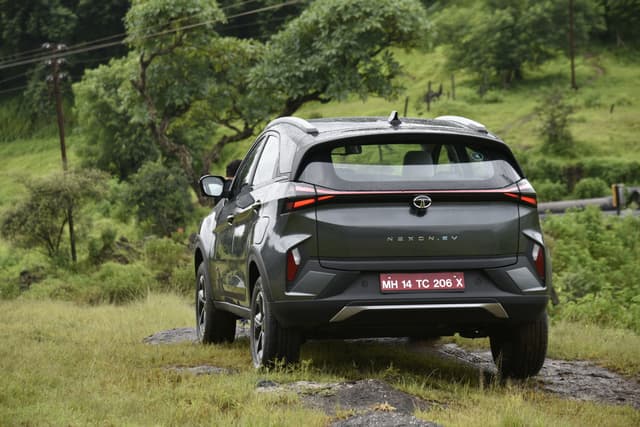
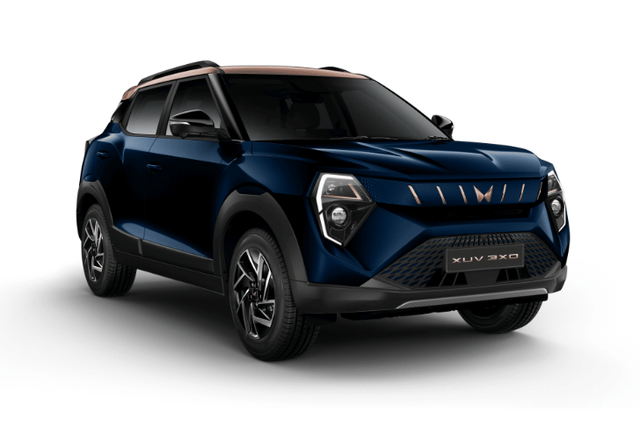
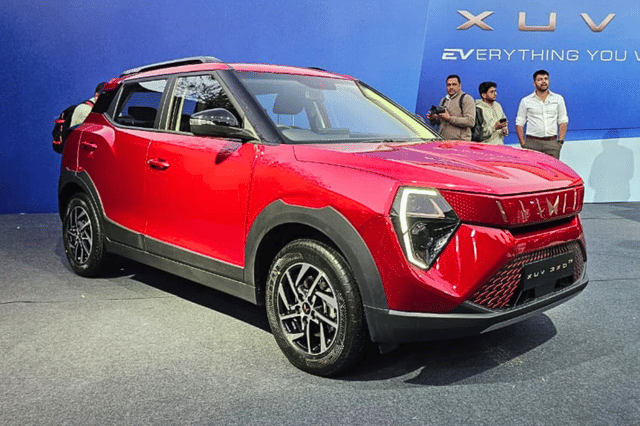
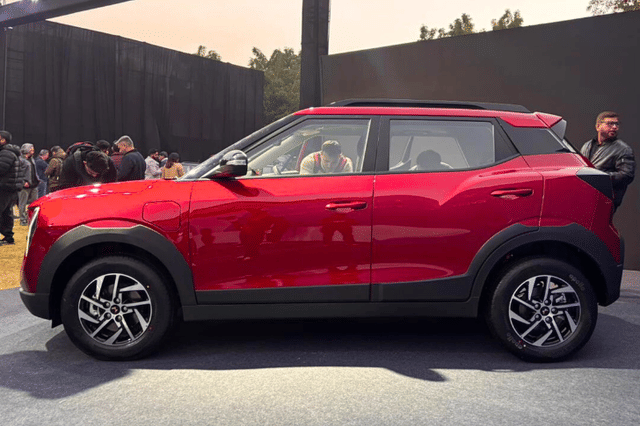
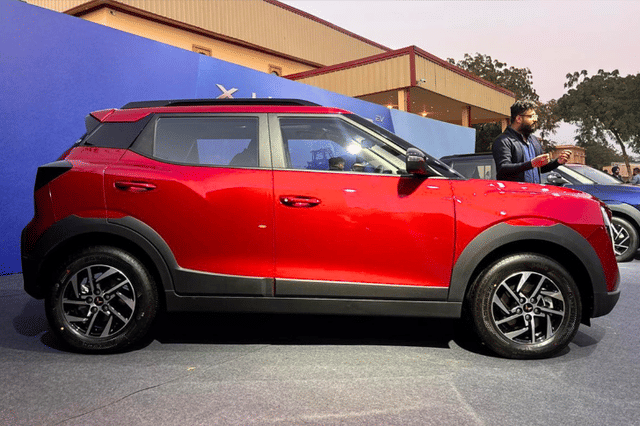
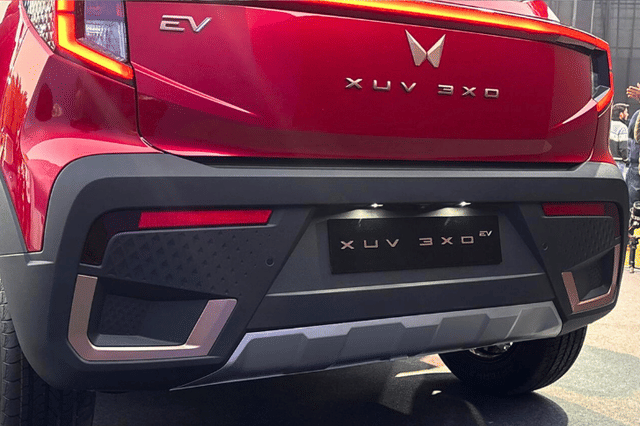
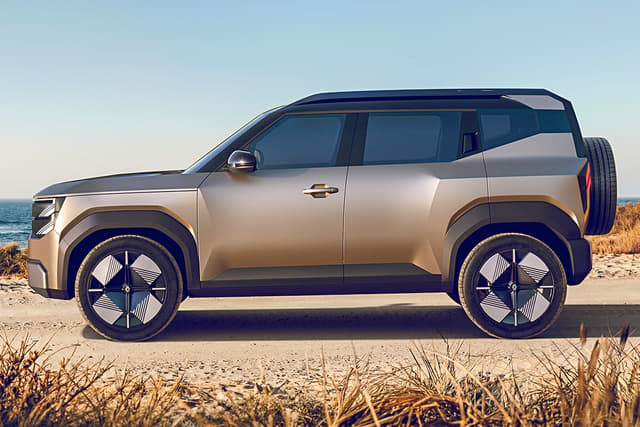
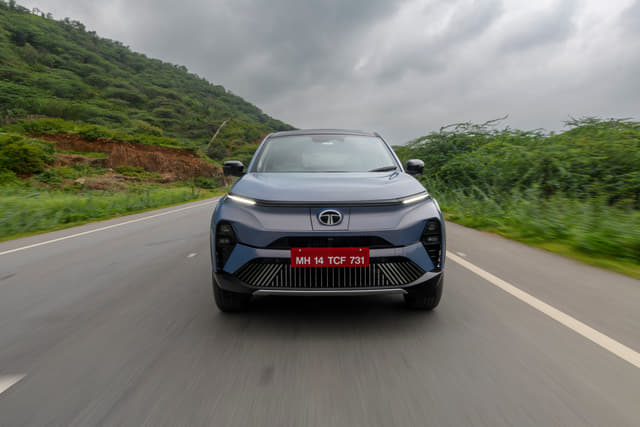
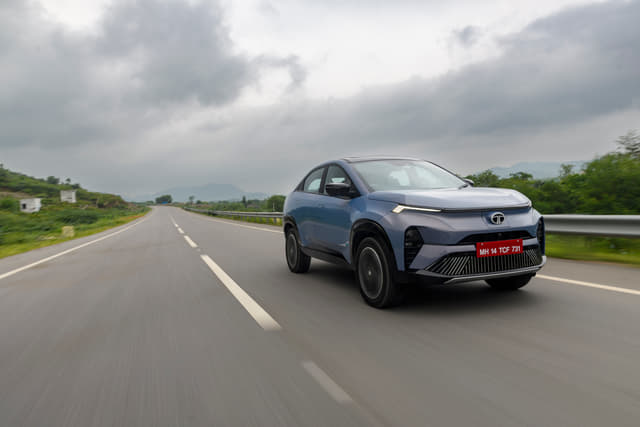
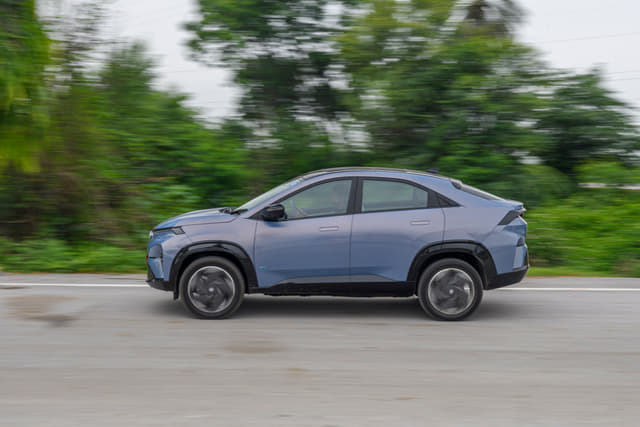
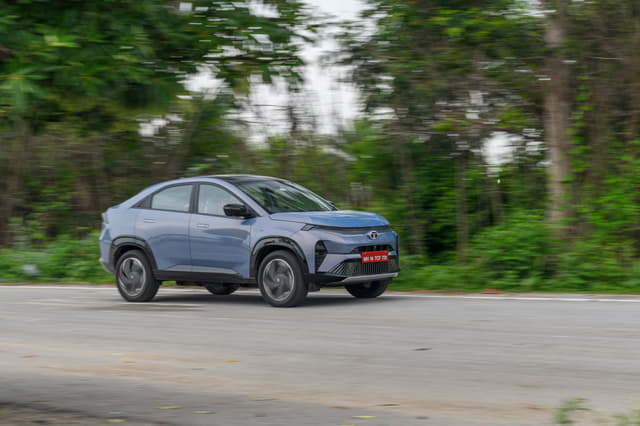
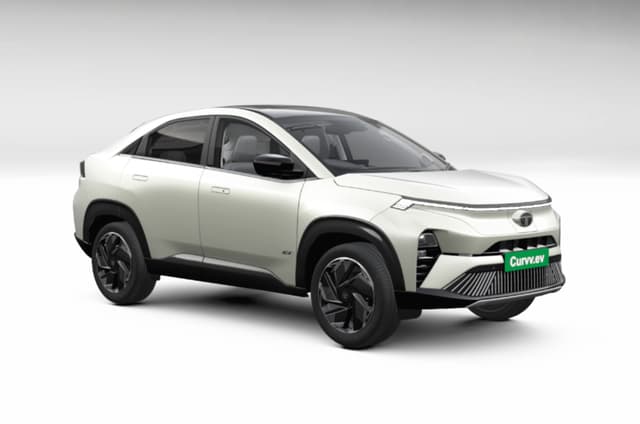
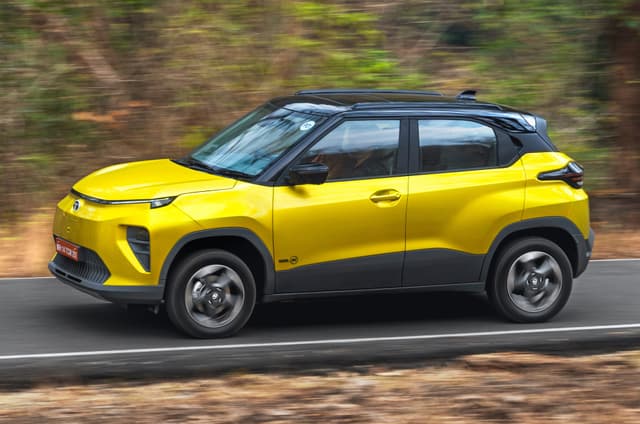
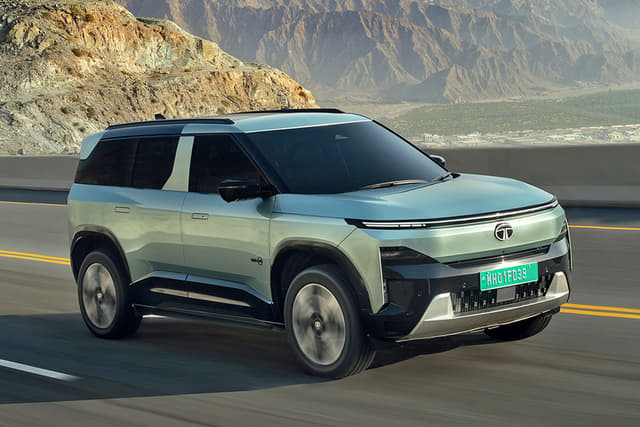
Electric SUVs dominate this category in India. Their larger size allows for bigger battery packs and longer range, while still giving buyers the high ground clearance, boot space, and family friendly cabin room they'd expect from an SUV. Some of the most popular electric SUVs in India are the Tata Punch EV, Tata Sierra EV, Tata Nexon EV, Tata Harrier EV, Mahindra XUV 3XO EV, Mahindra XEV 9e, Hyundai Creta Electric, Maruti Suzuki e Vitara, Toyota Urban Cruiser Ebella, MG Hector Tomahawk EV, Kia Syros EV, Kia EV6, BMW iX1 LWB, MINI Countryman Electric, and the Tesla Model Y.
Electric Sedans
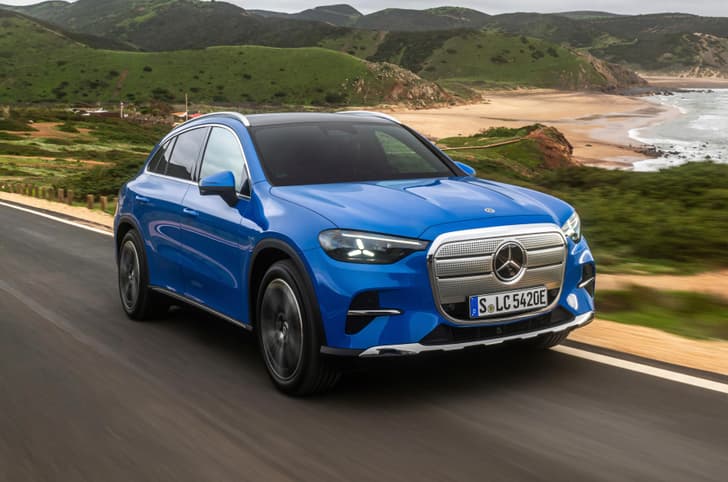
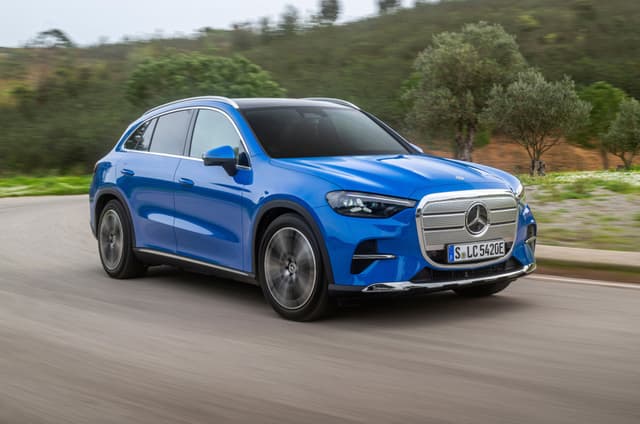
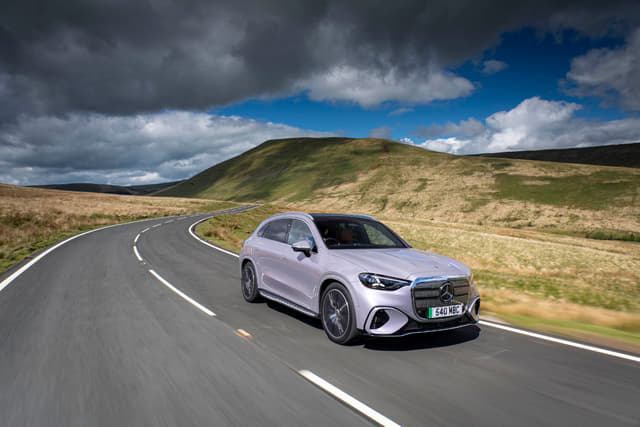
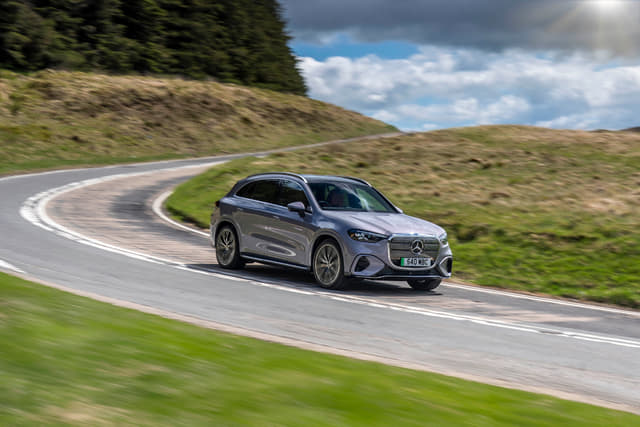
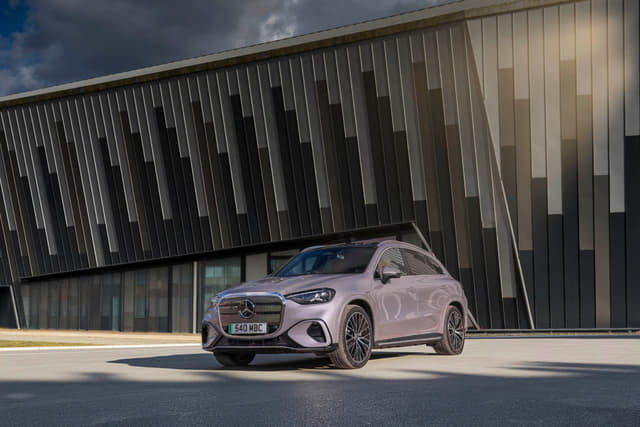
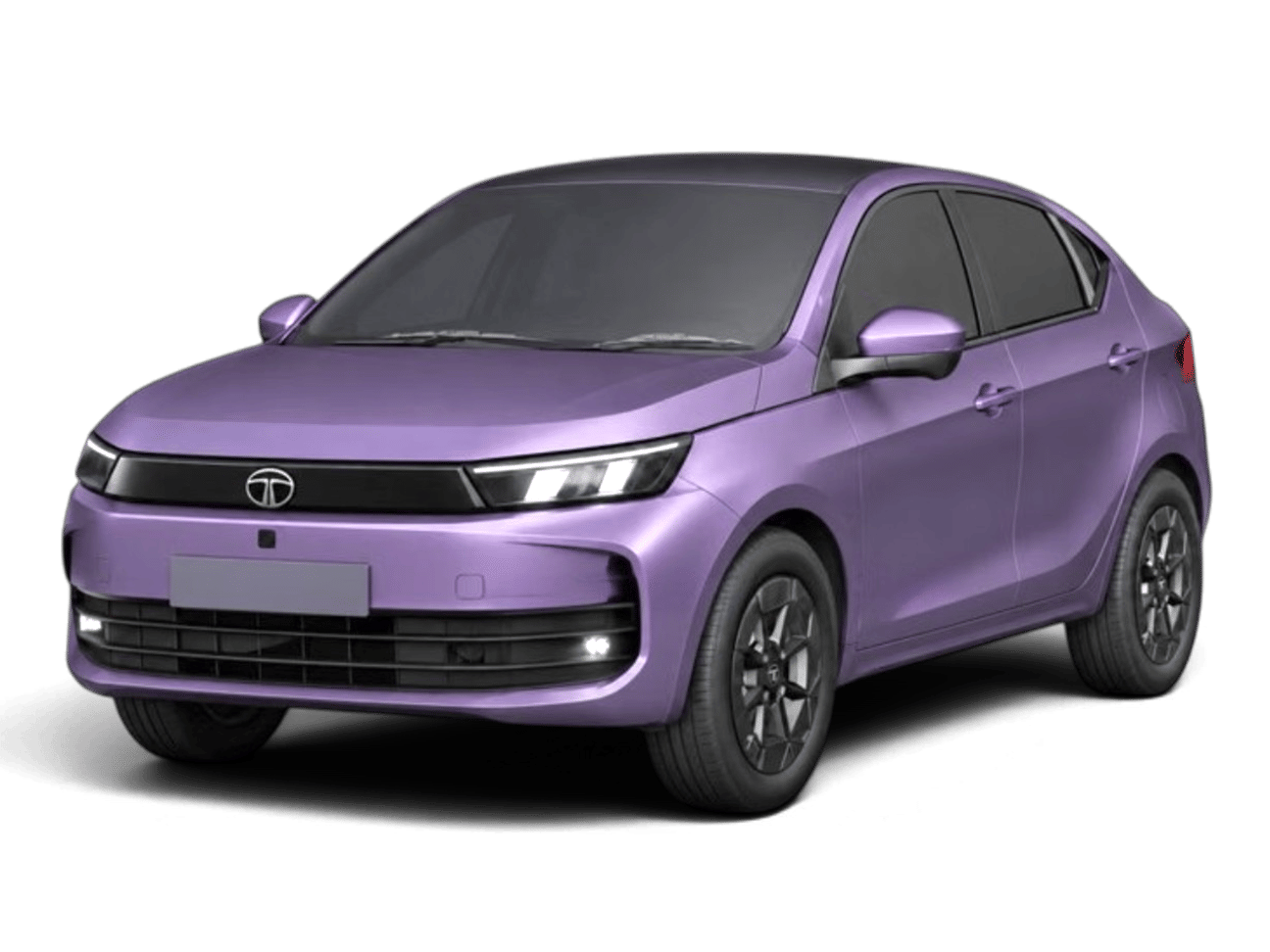
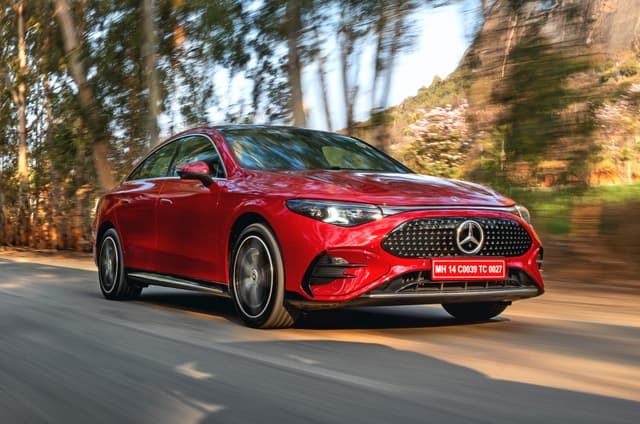
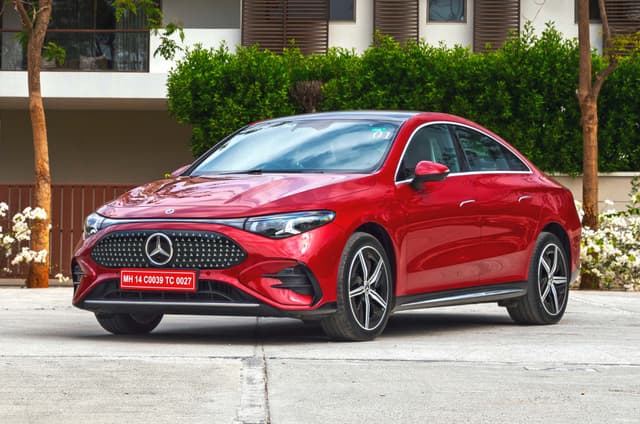
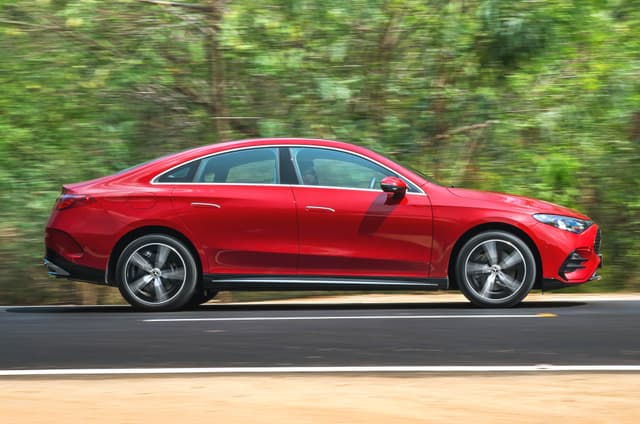
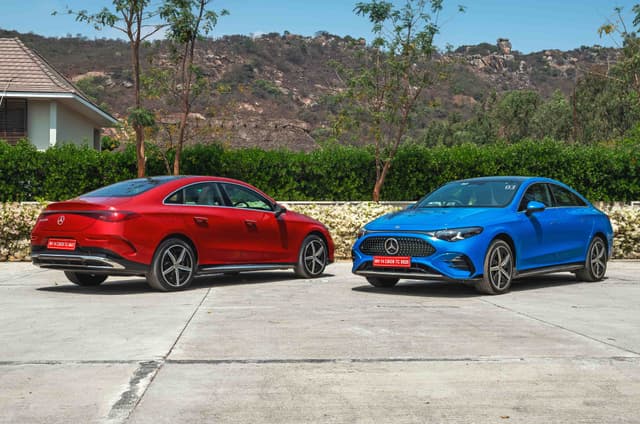
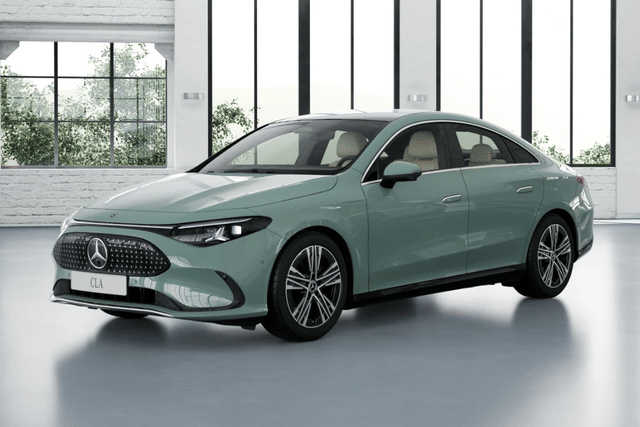
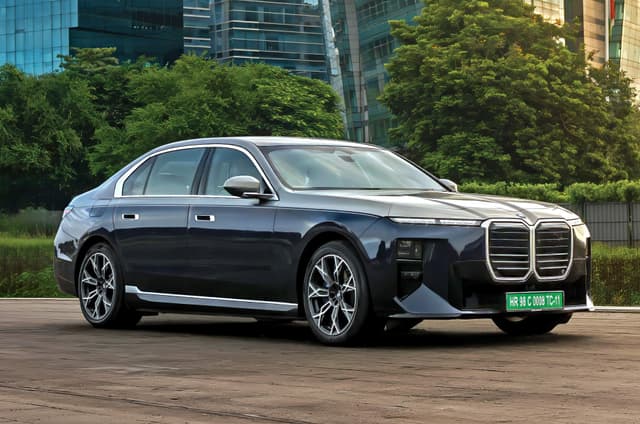
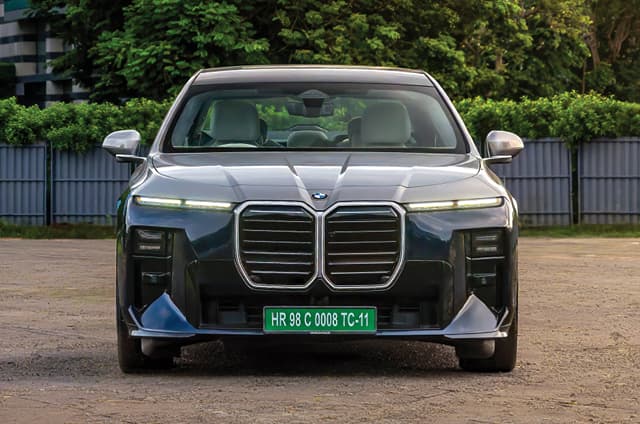
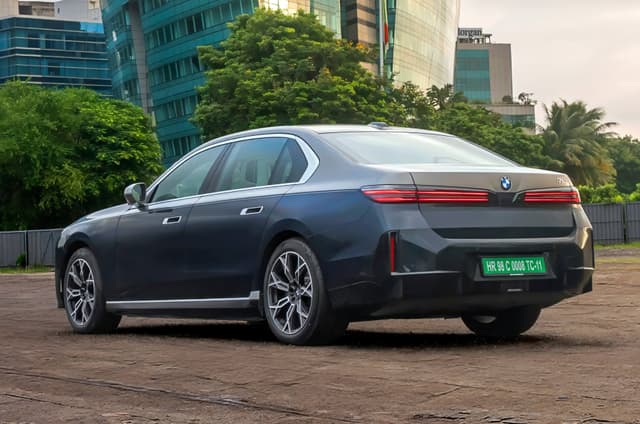
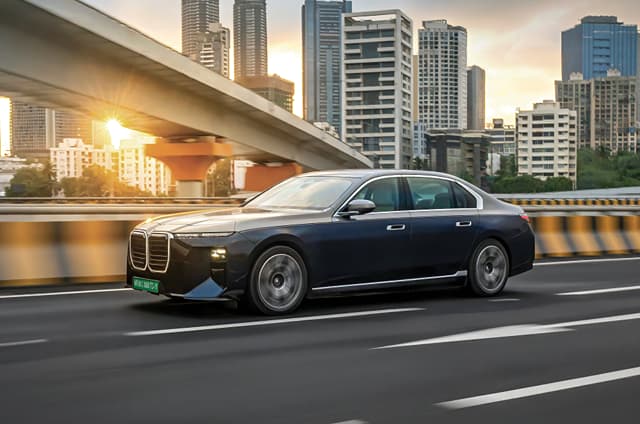
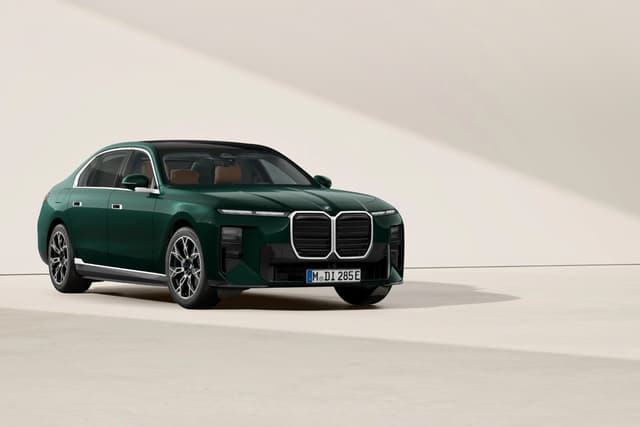
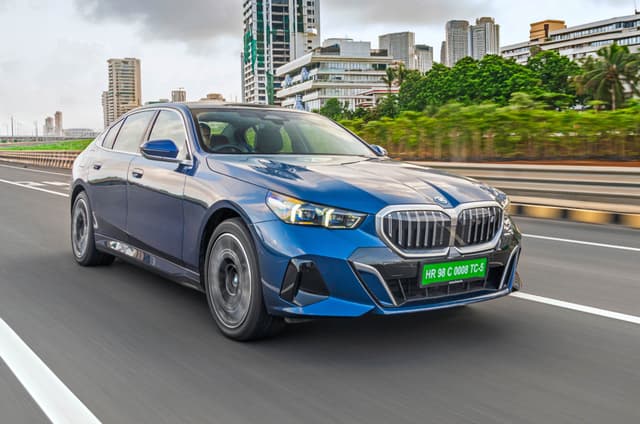
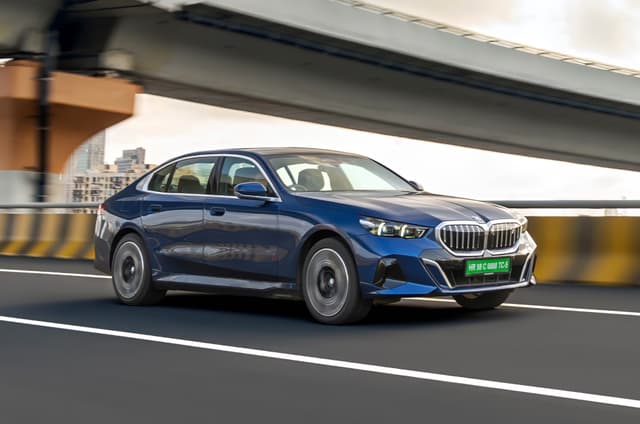
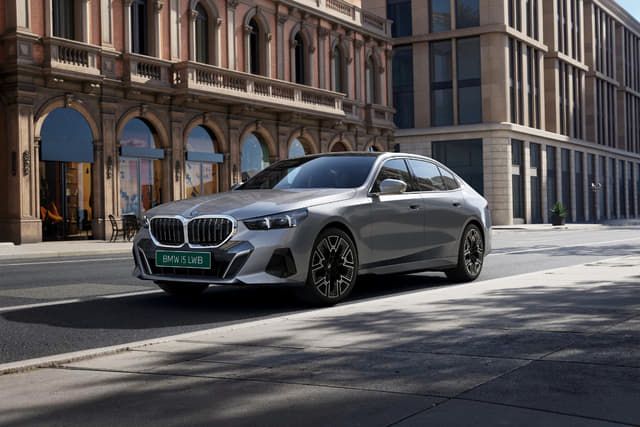
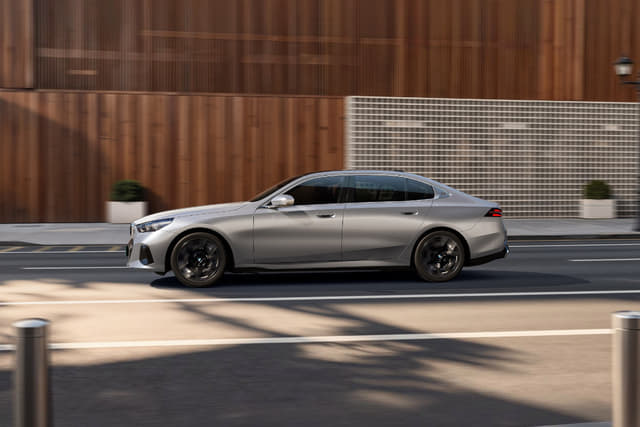
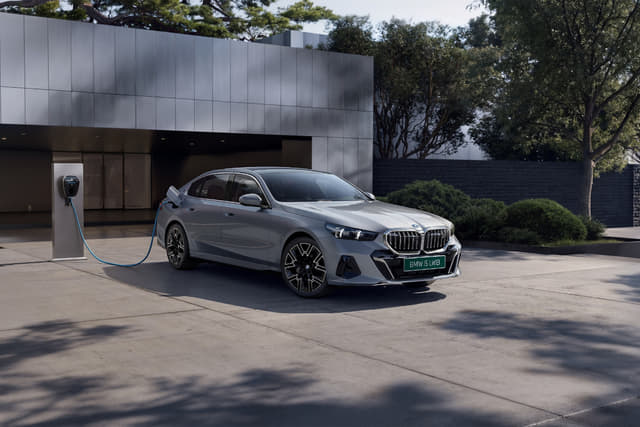
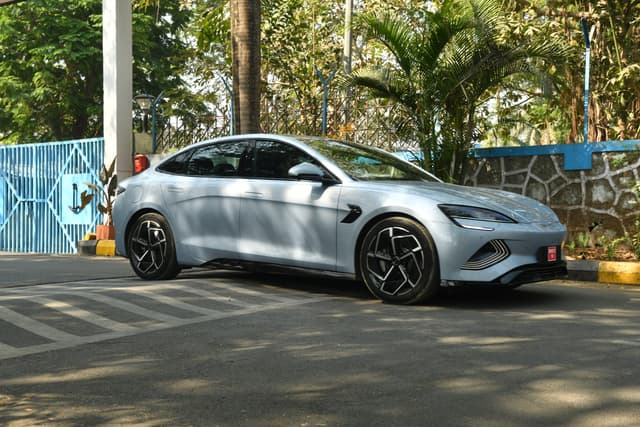
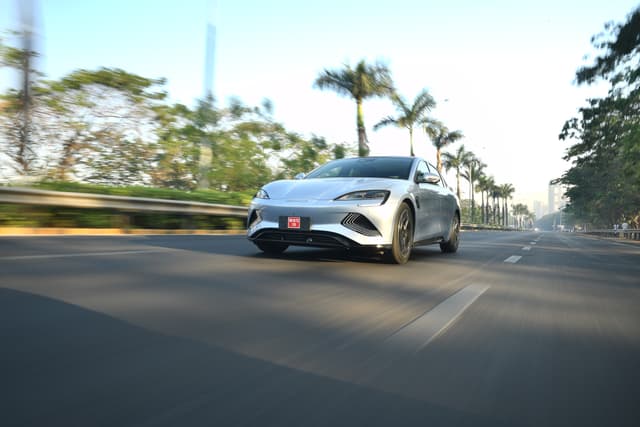
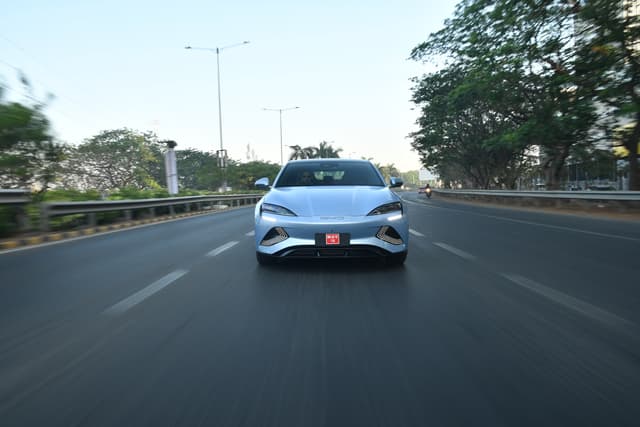
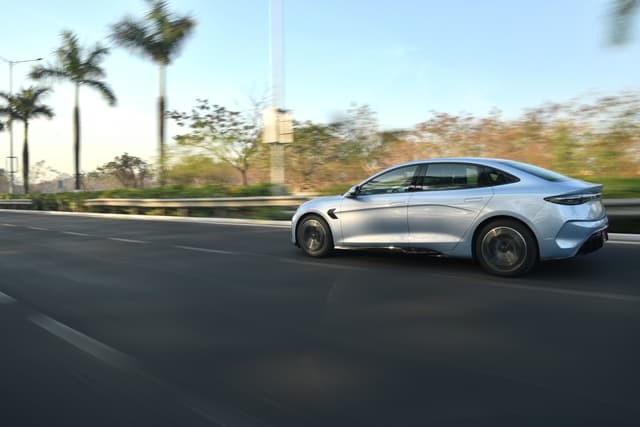
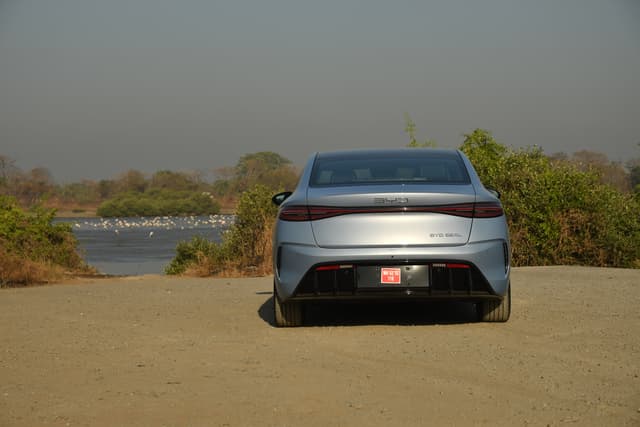
Electric sedans use their low, aerodynamic shape to improve efficiency and get more range from each kWh. Their strong real-world range, smooth performance and quiet ride make them a good choice for buyers who value range and refinement. Some of the most popular electric sedans in India are the Mercedes-Benz CLA Electric, BMW i7, BMW i5 LWB, and Tata Tigor EV.
Electric Hatchbacks
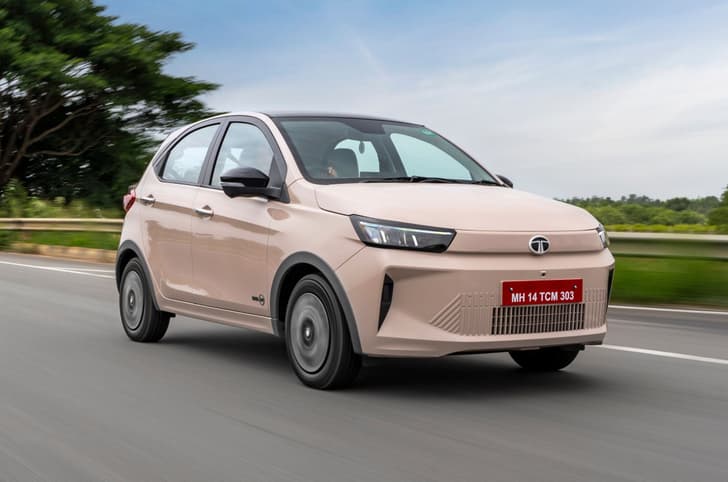
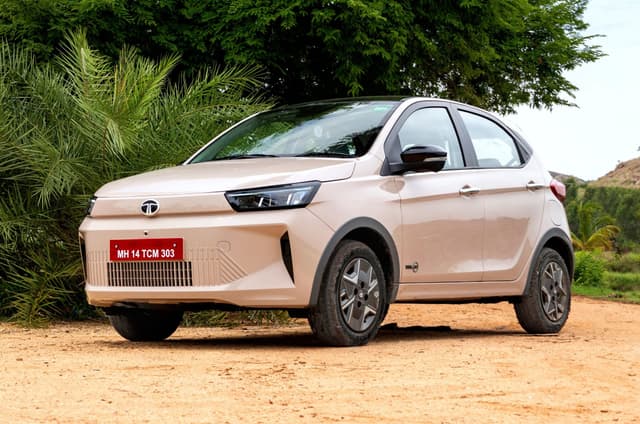
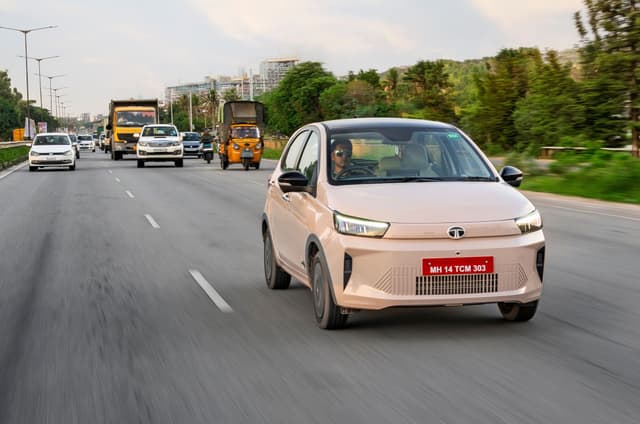
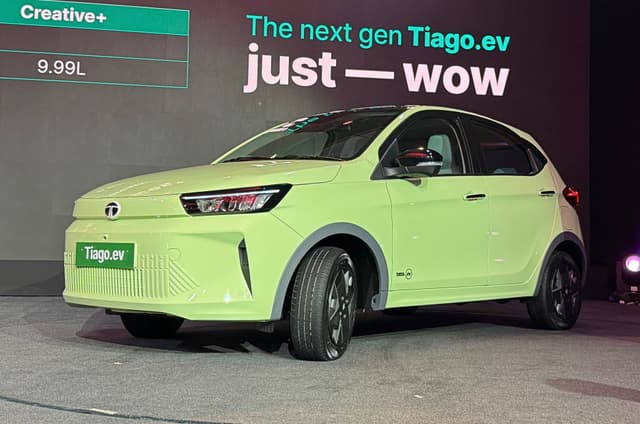
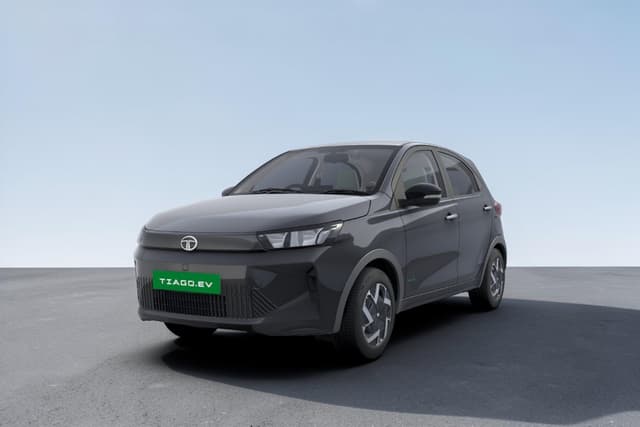
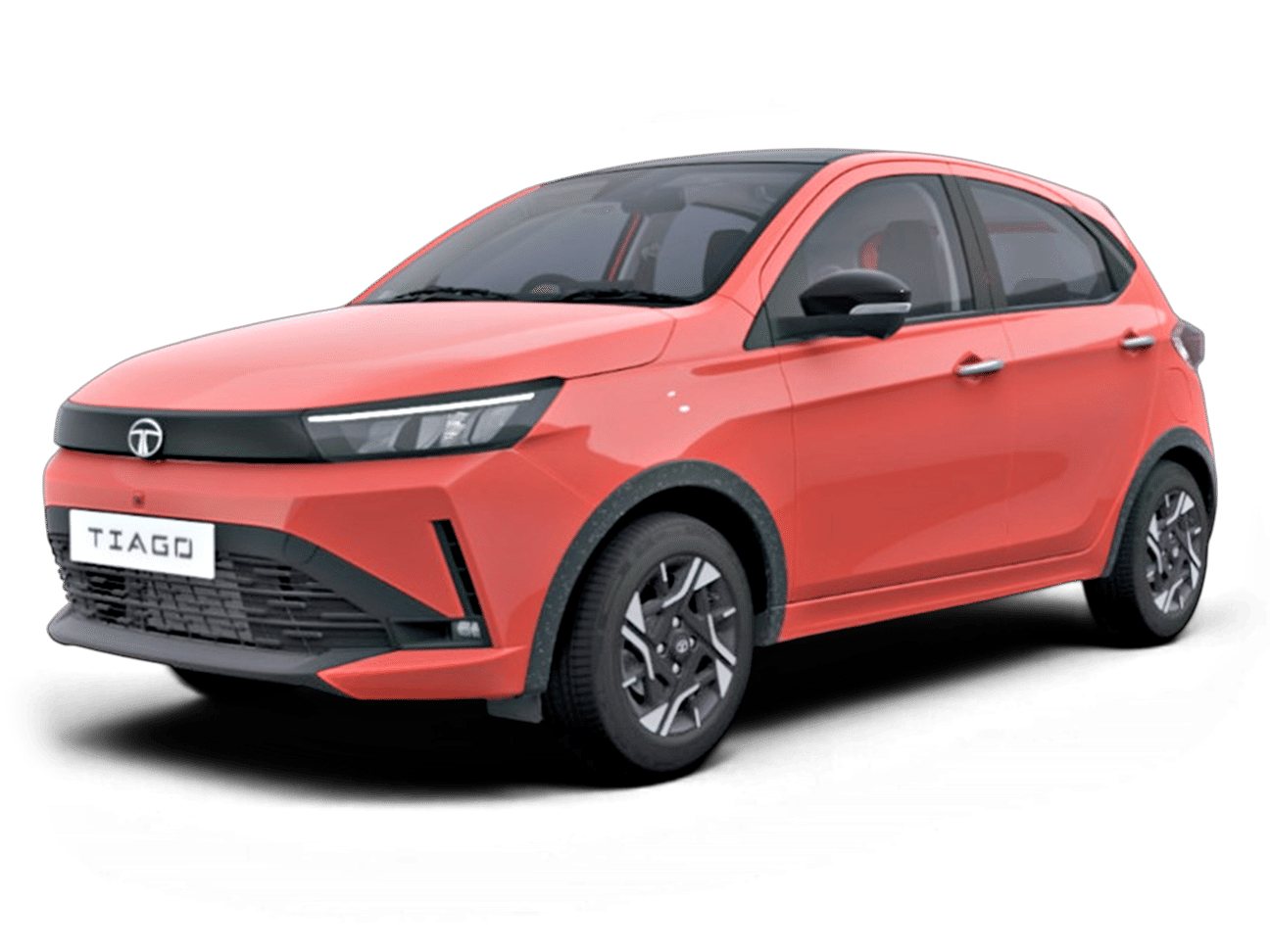
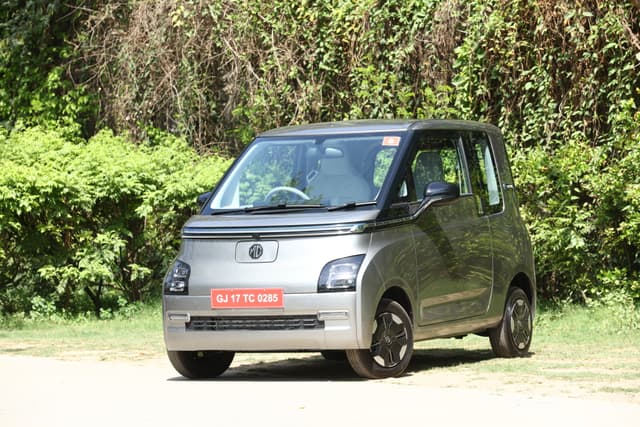
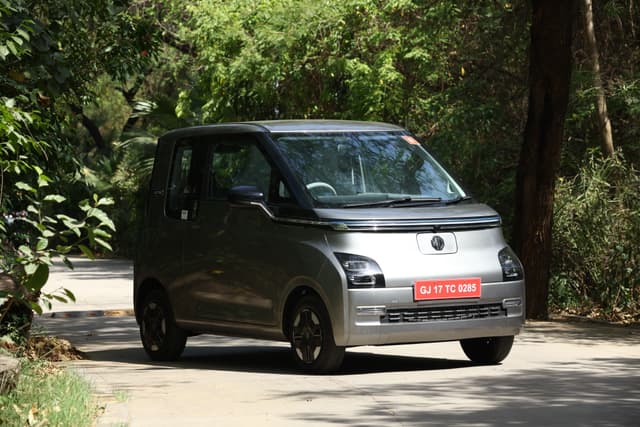
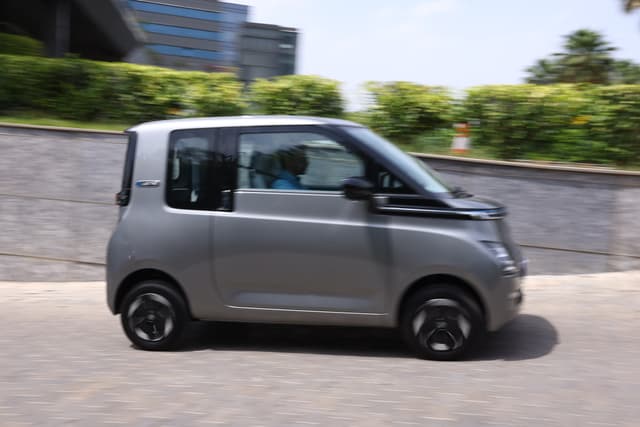
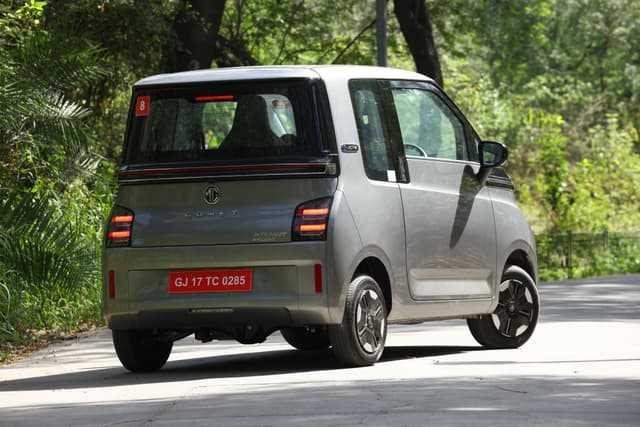
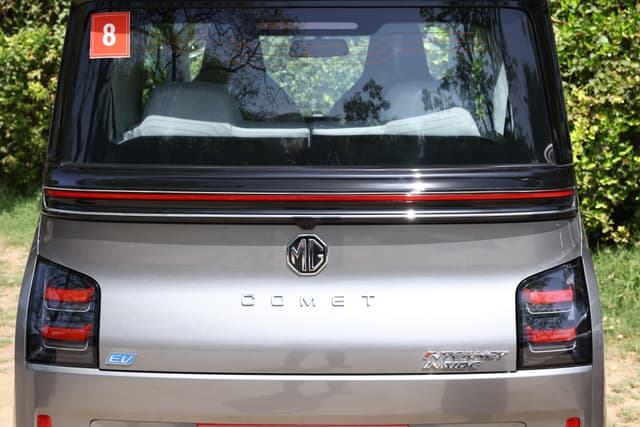
Electric hatchbacks pack a smaller battery into a compact body, which keeps upfront costs down and suits the stop-start city traffic where EVs are at their most efficient. Some of the most popular electric hatchbacks in India are the Tata Tiago EV and MG Comet.
Electric MPVs
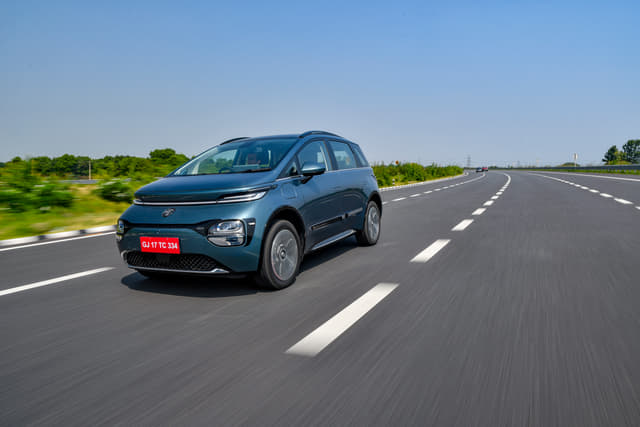
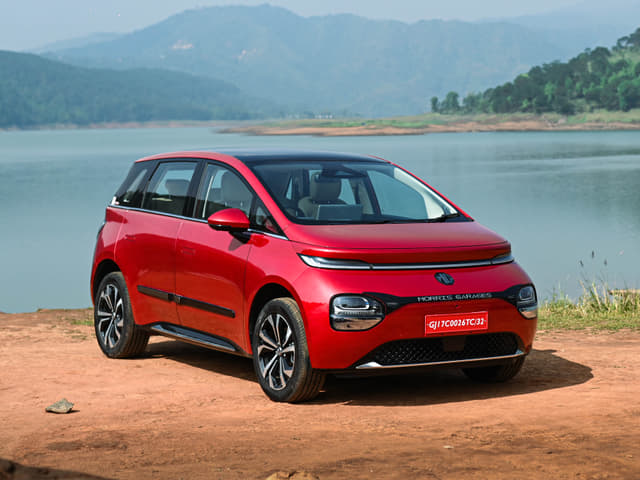
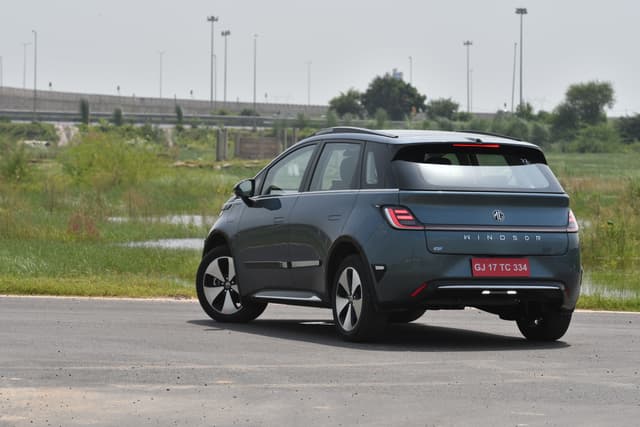
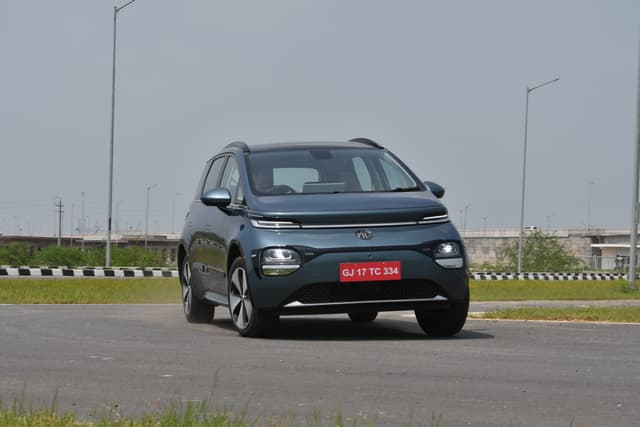
MPVs are built for large families or those who regularly travel in groups of six or seven, offering flexible, van-like seating and cabin space that SUVs and sedans can't match. Some of the most popular electric MPVs in India are the MG Windsor, Kia Carens Clavis EV, BYD eMax 7, and VinFast VF MPV 7.
Upcoming Electric Cars in India
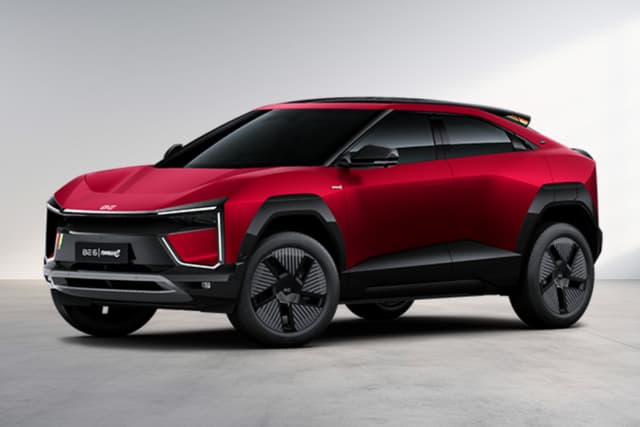
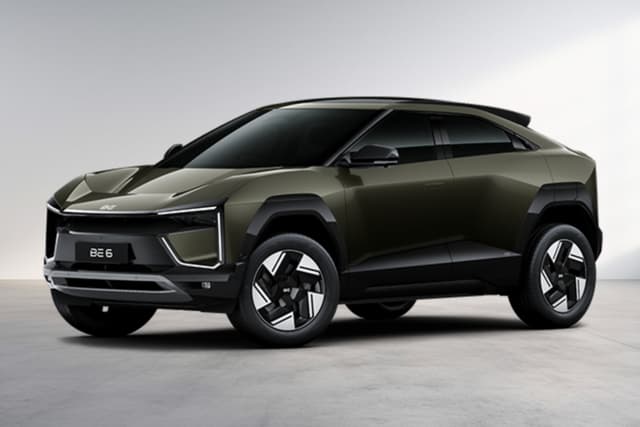
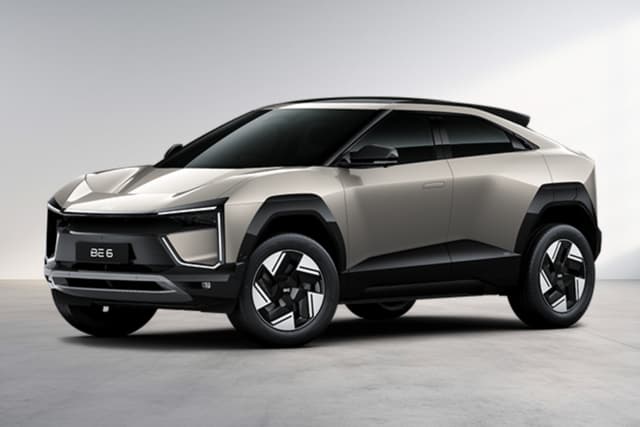
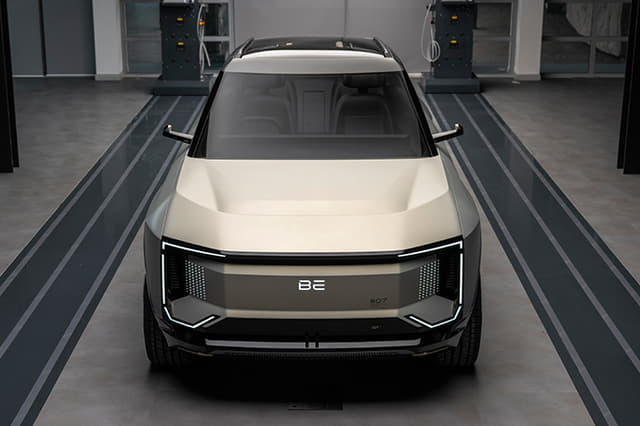
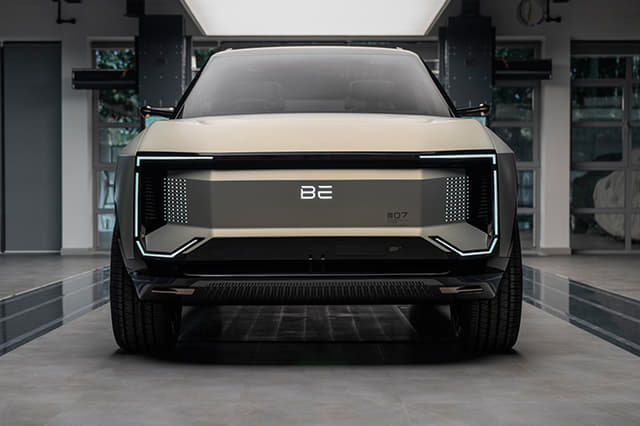
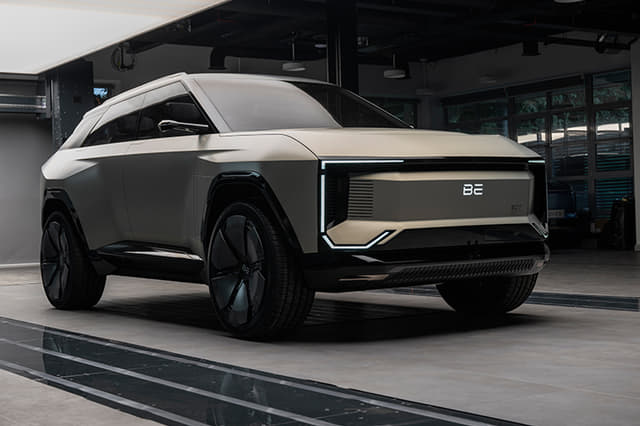
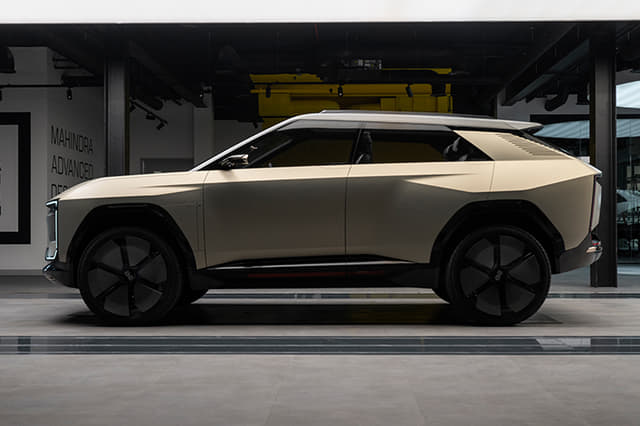
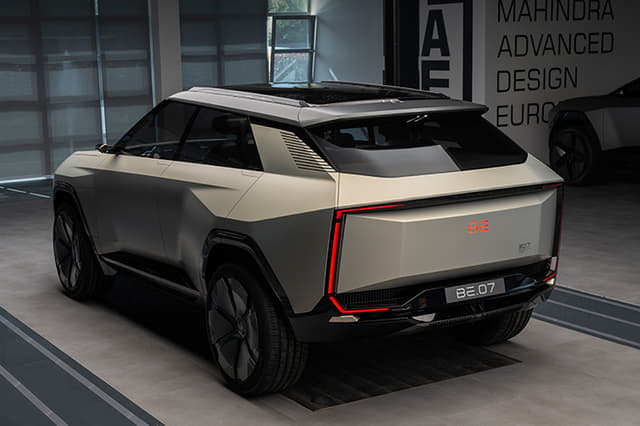
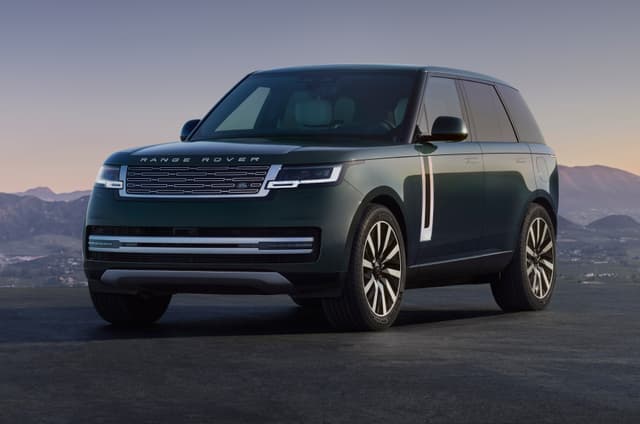
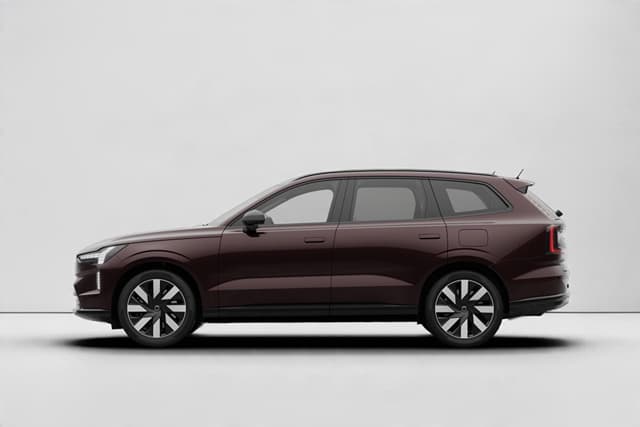
India's electric car lineup is about to grow across nearly every segment and price bracket. From mainstream names, such as Hyundai, Tata, and Mahindra, to luxury players like Land Rover, Audi, and BMW, almost every major automaker has an EV launch lined up over the next two years. Some of the most awaited or popular upcoming electric cars in India are the Mahindra BE.07, Tata Safari EV, Hyundai Compact EV, Volkswagen ID 4, Audi Q6 e-tron, Volvo EX90, MG IM6, Land Rover Range Rover Electric, and Skoda Epiq.
SUVs are clearly the dominant body style among upcoming EV cars in India, and that lead is only going to increase. Out of 30 upcoming EV cars, 20 are SUVs.
Factors to Consider Before You Buy an EV in India
- An electric car is perfect if you have access to a home or office charger. Without one, daily charging becomes a hassle.
- The range numbers quoted by manufacturers are tested under controlled environments, and usually, in the real-world, the range that you get is noticeably lower. This reduction can be due to traffic, continuous running of air-conditioning, and other factors.
- Highway and public fast chargers are expanding, but coverage outside major cities is inconsistent. Even a DC fast charge takes around 40-60 minutes, versus a five-minute petrol fill-up.
- Crash-test ratings are missing for a lot of EVs on sale in India.
- Battery degradation affects both range and resale over time.
- At Autocar India, we believe EVs do not yet hold residual values as well as their petrol or CNG counterparts. This holds across segments and brands, though the picture could improve as the market matures.
- Repair networks are still smaller than for petrol cars, so repairs can take longer and labour costs may be higher.
Which Electric Car is the Right Pick For You?
Requirement | Electric cars that suit it |
Daily commuting | Tiago EV, MG Comet, Punch EV |
A family car with occasional highway use | Nexon EV, Tigor EV, eC3X, Syros EV, XUV 3XO EV |
A family that regularly carries six or seven people | Carens Clavis EV, Windsor, eMax 7, VF MPV 7 |
Car for long-distance travel with minimum charging stops | Creta Electric, Harrier EV, XEV 9e, Sierra EV, Ioniq 5, Model Y |
A premium/performance-focused car for regular use | CLA Electric, EV6, iX1 LWB, Countryman Electric |


Electric Cars - FAQs
Some of the best electric cars in India include the Tata Nexon EV, MG ZS EV, and Tata Punch EV.
The electric car price in India ranges from around Rs 7 lakh for the Tata Tiago EV to Rs 9.5 crore for the Rolls-Royce Spectre.
Currently, the cheapest electric car in India is the Tata Tiago EV, priced between Rs 6.99 lakh-9.99 lakh (ex-showroom).
Popular electric cars in India under 10 lakhs include the MG Comet and Tata Tiago EV.
Upcoming electric cars in India include the Tata Tigor EV facelift and Mahindra BE.07.
Yes, 7-seater electric cars in India include Kia Carens Clavis EV, Mahindra XEV 9S, Vinfast VF MPV 7, BYD eMax 7, and MG M9.
Popular small electric cars in India include the MG Comet and Tata Tiago EV.
Trending Questions on Cars - Answered by Autocar Experts
EV prices keep changing and even a small hike can affect the final decision. For those comparing the Windsor EV with petrol cars, what would make you choose the EV despite the higher upfront cost?
I am currently driving a 2020 Skoda Octavia diesel and am planning to switch to an EV, as my daily commute is approximately 125 km, with around 70% highway driving and 30% city driving. I have shortlisted the Mahindra XEV 9e but am also considering the Mahindra XEV 9S, particularly the six-seater version. I would like to know how comfortable the 9S would be for my family of five, especially on longer journeys. How much boot space is available when the third row is in use, and is the third row comfortable enough for regular use? Would you recommend the XEV 9e or the XEV 9S for my requirements, or are there any other EVs I should consider? Please suggest the most suitable option based on my daily driving needs and family requirements.
The Mahindra XEV 9e is the right call, and go for the bigger 79kWh battery. You’re doing 125km a day, mostly on the highway, so range is what you’ll notice most. We got around 450km from a full charge in our test, which means plugging in every three days or so. The 9e is also lovely on the highway. The ride is plush and it feels planted at speed, which will make the switch from your Octavia easy.You don’t need a third row for five people. The 9e’s back seat is wide and the floor is flat, so three adults fit without a fuss, and the boot is huge, with a small extra one under the bonnet. The one thing to watch is the sloping roof. Anyone tall in the back may find their head close to the ceiling.In your case, we would skip the 9S six-seater. With captain’s chairs in the middle, someone in your family always ends up in the third row, and then there’s hardly any room for bags with the third row up. If you like the 9S, get the seven-seater instead. You all fit in two rows, and the third row folds away for luggage. It doesn’t ride as nicely as the 9e on the highway, though.
Hi team, I currently drive a Honda City (2009 model) and have been pretty satisfied with the riding experience. I am now planning to upgrade to a car under a budget of Rs. 25 lakh. Since it would be my primary car for now, please suggest whether I should go with an EV or an ICE. Given my limited highway travel (surely it will happen during trips), and daily city travel of 30-50 km, please suggest the car type and model. I am looking for am economical car with good road presence.
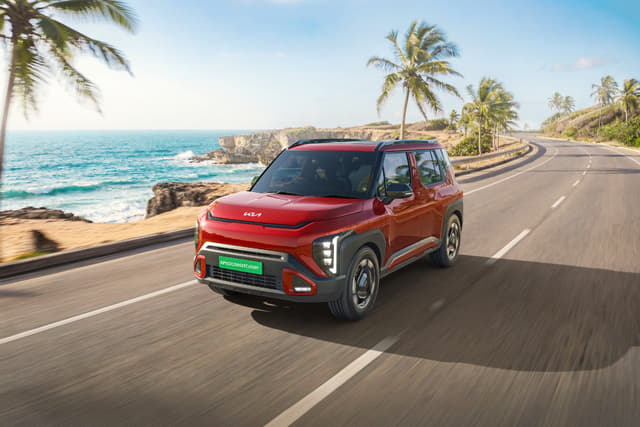
Given your usage pattern of 30-50km daily city driving with occasional highway trips, an EV is a very strong option. The running cost savings will be significant, and modern EVs are now genuinely usable for highway trips as long as you have home charging. The key is to choose an EV with a realistic range and a comfortable, spacious cabin, since this will be your primary car.The Tata Sierra EV 75kWh is the recommendation here. It offers a spacious, premium-feeling cabin, a comfortable ride and a usable real-world range that makes both city driving and occasional highway trips easy to manage. It also has good road presence and feels like a proper upgrade from a Honda City in terms of comfort and overall ownership experience.If you are still on the fence about EVs, the Maruti Suzuki Victoris Hybrid is the best ICE alternative. It is extremely efficient in the city, reliable and easy to live with, and the hybrid system keeps running costs low without any charging dependency.The decision comes down to your comfort with home charging. If you have it, the Sierra EV is the better long-term ownership proposition. If not, the Victoris Hybrid is the safer choice.
I have pre-booked the electric Mercedes-Benz GLC, but the India-spec version does not get air suspension or rear-axle steering, despite being advertised as the fully loaded, top-spec AMG 400 4Matic. This is disappointing, especially since EVs need to manage their added weight. However, the extra weight could also help the car handle undulations and potholes on Indian roads, much like how the Kia Syros EV reportedly rides better than the ICE Syros. Is this reasoning sound? Also, what do you think of Mercedes-Benz leaving out these features despite the high price? I understand that a final verdict should wait until a test drive, but could Autocar India question Mercedes-Benz India CEO Santosh Iyer about this at the launch? The two features reportedly cost only Rs 2.5 lakh together, and it seems disappointing that they might have been omitted to compete with the upcoming BMW iX3.
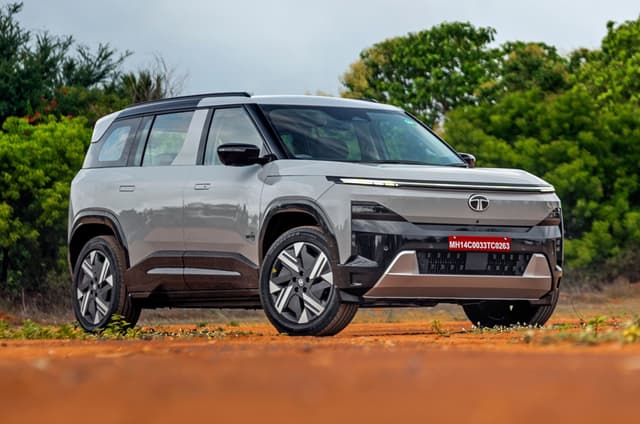
Your logic is partially sound, but it doesn't tell the whole story. The extra weight of an electric car does help the suspension settle over small undulations and broken patches, which is why cars like the Kia Syros EV can feel more planted than their ICE counterparts. However, that same weight also puts more strain on the suspension over larger bumps and potholes, which is where a more sophisticated setup like air suspension and rear axle steering really makes a difference. Air suspension can better manage the weight and provide a more consistent ride, while rear axle steering improves agility and stability, especially in a heavy EV.As for Mercedes-Benz not offering these features on the India-spec car, it is disappointing, especially at this price point. The decision is likely driven by cost and positioning relative to the BMW iX3, but it does feel like a compromise on what should be a flagship product. We will certainly raise this with Mercedes-Benz India at the launch.Ultimately, the best way to judge the car will be to drive it on Indian roads. If the suspension tuning is well sorted, the absence of air suspension may not be a deal-breaker, but it is something to be aware of given the price.
I want to buy an EV, but I’m confused between the Mahindra XEV 9e and the MG Hector Tomahawk EV. Please suggest which one would be the better choice.
The MG Hector Tomahawk EV is the one to go for if you need a third row, comfortable seats and a spacious boot. Just check how much luggage space remains with all three rows in use.Otherwise, we’d recommend the Mahindra XEV 9e. It’s the stronger overall product, with better performance, better ride and handling, and a more impressive spread of features. Its cabin is comfortable too, but feels more refined and far more plush than the Tomahawk’s.The MG, in comparison, feels rather ordinary, with exterior and interior designs that don’t particularly stand out. On the road, its front-wheel-drive layout doesn’t deliver the same balanced, satisfying driving experience as the rear-wheel-drive 9e. That’s a comparison between these two cars, rather than a blanket judgement on front-wheel drive.If you don’t need seven seats, this Mahindra car would be our pick. And if a third row is essential, we’d recommend considering the Mahindra XEV 9S as well. We think it’s an even better option and worth a back-to-back test drive with the Tomahawk before you decide.
Last Updated on: 12 Oct 2026